

We use cookies to ensure our website works properly and to personalise your experience. Cookies policy
Department f Pharmaceutical Chemistry,Sri Rangapoopathi college of Pharmacy,Alampoondi,villupuram-604151.
Schiff bases are an important class of compounds widely studied for their diverse biological and pharmaceutical applications. In this study. Schiff base derivatives were synthesized using a natural acid catalyst as an eco-friendly and sustainable alternative to conventional synthetic methods. The reaction was carried out through the condensation of benzaldehyde with aniline in the presence of a lemon juice (natural acid catalyst) under mild conditions. The use of a natural catalyst helps reduce the need for hazardous chemicals and promotes green chemistry principles. The synthesized Schiff base derivatives were purified and characterized. The synthesized compounds were evaluated for anti-fungal activity. Anti-fungal activity was determined by the agar well diffusion method against fungal strains such as aspergillus Niger, using fluconazole as a reference. The comparative study analyzes the zone of inhibition and overall antifungal efficacy. The results indicated that the natural acid catalyst efficiently facilitated the formation of Schiff bases with good yield and reduced reaction time. This study highlights the effectiveness of natural acid catalysts in the green synthesis of Schiff base derivatives and suggests their potential application in medicinal and pharmaceutical research.
Green synthesis refers to the environmentally friendly method of producing chemical compounds or materials, especially nanoparticles using natural, non-toxic and sustainable resources.
Schiff base:
Term Schiff’s base is dragged from the name of German chemist Hugo shift in 1864. The first is to describe the product resulting from the reaction of primary amines with carbonyl compounds. Afterwards pfiffer in 1930 used Schiff base as ligand. They (Schiff bases) can be considered a sub class of imines. A Schiff base is a nitrogen derivative of an aldehyde or ketone in which C=O group is replaced by C=N-R group (azomethine group).
Because Schiff bases contain an azomethine (>C=N-) group they are also known as azomethine or imine.
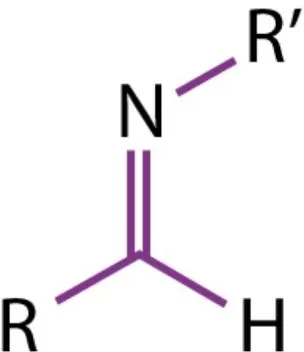
Figure 1: General structure
Most widely used families of organic compounds. Essential material in organic chemistry. Schiff bases are also known as imine or azomethines. Classical synthesis is when primary amine reacts with carbonyl compounds.
Schiff bases are a vast group of compounds characterized by the presence of a double bond linking carbon and nitrogen atoms the compounds’ flexibility is produced by the numerous ways in which different alkyl or aryl substituent may be combined with them.
CATALYST:
Derived from greek word, meaning “to annul” or “to untie” or “to pick up”. A catalyst is a substance which alters the speed of a chemical reaction without undergoing any chemical change and the phenomenon is known as catalysis.
The concept of catalysis was invented by chemist ELIZABETH FULHAME and described in a 1794 book, based on her novel work in oxidation-reduction experiment. The term catalysis was later used by JONS JAKOB BERZELIUS in 1835 to describe reactions that are accelerated by substances that remain unchanged after the reaction.
Example:
1)Alumina 2)Silicia 3)Zeolite 4)Titania 5)Zirconia 6)Magnesia
NATURAL ACID CATALYST:
A substance that increases the rate of a chemical reaction without undergoing permanent change. The are found in nature the most common example are enzymes, which are protein molecules that speed up nearly all chemical reactions in living organism.
Other examples of natural catalyst include mineral and RNA molecules.
A natural acid catalyst is a substance from organic sources (like fruits, plants/biomass) that speeds up chemical reaction, offering eco-friendly, non-toxic and sustainable alternative to harsh synthetic acids, with common examples including citric acid (from citrus), tamarind water and even modified natural materials like cellulose, used for greener synthesis in areas like pharmaceuticals and fuel production.
EXAMPLE: CITRIC ACID, LEMON JUICE, TAMARIND WATER, UNRIPE MANGOES, PLANT DERIVED MATERIAL.
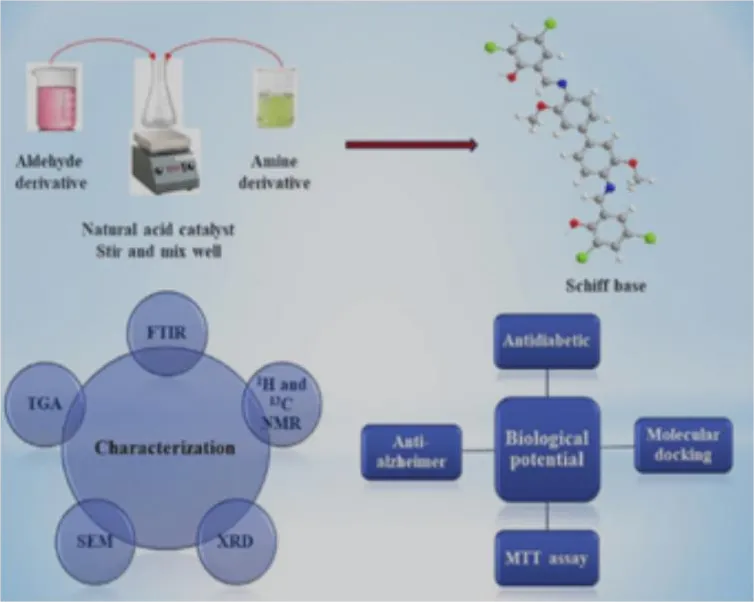
KEY WORDS:
TGA=Thermo Gravimetric Analysis FTIR=Fourier transform infrared spectroscopy NMR=Nuclear Magnetic Resonance
XRD=X-ray diffraction
SEM=Scanning Election Microscopy/microscope.
TYPES OF NATURAL ACID CATALYST:
Natural acid catalyst includes biological enzyme (like carbonic anhydrase), plant derived acid (from fruits, tamarind and modified natural mineral.
→Enzyme catalyst (biocatalyst)
→Mineral/clay-based catalyst
→Plant derived and organic acids
→Bio derived salt acids (novel).
EXAMPLE: Lipases, Proteases, Carbonic anhydrase.
EXAMPLE: Tamarind water, fruit juice (tomato, orange), citric acid, acetic acid.
FUNGI:
Fungi are eukaryotic microorganisms that obtain nutrients by absorbing organic matter from their surroundings.
They can exist as yeasts (single-celled) or molds (multicellular) and reproduce by spores.
TYPES:
Yeasts: Single-celled fungi (e.g. Candida albicans).
Molds: Multicellular fungi with hyphae and mycelium (e.g. Aspergillus Niger).
Dimorphic fungi: Can exist as both yeast and mold depending on environmental conditions.
ANTIFUNGAL ACTIVITY:
Antifungal activity refers to the effectiveness of a compound in preventing the growth destroying fungal microorganisms.
Common fungi tested:
Application:
LITERATURE REVIEW:
1) Cimerman et al., (2000) studied that Schiff bases are condensation products of ketones or aldehydes with primary amines and were first reported by Hugo Schiff in
1864.
2) Ahluwalia and Kidwai (2004) illustrated that green chemistry is chemistry for the environment. It is really a philosophy and way of thinking that can help chemistry in research and production to develop more eco-friendly solutions.
3) Ibrahim et al., (2006) synthesized a series of ten Schiff bases by condensation of a variety of aromatic amines with some aniline (or derivative) and aromatic aldehyde derivatives. These Schiff bases have been characterized by IR and H NMR in addition to elemental analysis.
4) Chamarthi et al., (2012) synthesized a library of Schiff base derivatives (12compounds) under conventional conditions in ethanol as well as ultrasonic conditions in aqueous medium without using any catalyst.
5) Patil et al., (2012) revealed that the reaction of primary aromatic amines with aryl aldehydes is found to be catalyzed by lemon juice as natural acid solvent-free conditions to give the corresponding Schiff bases in good yields.
6) Pawar et al., (2012) explained about the important and interesting roles of Schiff bases are an intermediate in the biologically transmutation reaction.
7) Aslam et al., (2013) explained that Schiff bases having azomethine group and their metal complexes are widely used for industrial purposes and reveal a wide range of biological applications.
8) Kajal et al., (2013) summarized information on diverse biological activities and highlights the recently synthesized numerous Schiff bases as potential
bioactive core.
9) Pal, (2013) illustrated about the role of naturally available fruit juice in organic synthesis has attracted the interest of chemists, particularly from the view of green chemistry.
ANTIFUNGAL ACTIVITY LITERATURE REVIEW:
1) Kajal et al. (2011)- Schiff bases possess a wide range of biological activities, including antifungal activity. Several Schiff bases showed inhibitory activity against clinically important fungi, and some had activity comparable to fluconazole.
2) Yunus et al. (2013)- Synthesized novel Schiff and mannich bases and evaluated their antimicrobial activity. Fluconazole was used as a standard antimicrobial drug, supporting its use for comparison with newly synthesized compounds.
3) Malik et al. (2019)- Reported novel Schiff base derivatives with antifungal activity against candida albicans. The compounds were evaluated alone and in combination with fluconazole, showing potential for antifungal drug development.
4) Wu et al. (2019)- Synthesized new 1,2,4-triazole Schiff bases and investigated their antifungal activity. One derivative showed higher activity than fluconazole against a tested fungal stain.
5) Magalhaes et al. (2020)- Reported cinnamyl Schiff bases with promising antifungal activity against cryptococcus species. Some compounds showed lower MIC values than fluconazole, indicating strong antifungal potential.
6) Mohanapriya et al. (2024)- Synthesized and characterized new Schiff base derivatives and evaluated their in-vitro antibacterial and antifungal activities, including activity against candida albicans.
Schiff base as antimicrobial agent:
AbdullahiOwolabiSobolau71, Synthesis, Characterization and Antimicrobial Activity of p-Vanillin and Vanillin Schiff Bases (2018)
These research articles described the unending interest in the study of Schiff base ligands arise from the ease of their preparation and their versatility in several fields of chemistry and biochemistry.
Some of the major biochemical processes such as trans-amination and glycosylation involve the formation of Schiff base intermediate.
In addition, compounds containing the azomethine group have been found to often possess different biological activities such as anti-microbial, anti-viral and anti-inflammatory activities.
In most cases, the extent of the potency depends on the nature of the constituent amino and or aldehyde moiety.
Schiff base as antioxidant:
Ahmed Osman said [111, importance of the applicability of O-Vanillin Schiff base complexes (2021)
This review will try to shed light on the most used applications by researchers of ortho-vanillin Schiff base compounds to stimulate more efforts to achieve maximum benefit from potential infinite number of compounds.
Ortho-Vanillin Schiff base and its metal complexes are very important as antibacterial, antifungal, antioxidant and anticancer.
Ortho-vanillin Schiff base are multipurpose ligands which are synthesized from the condensation of 2-hydroxy-3-methoxybenzaldehyde with amines compounds to design an infinite number of potential compounds.
Ortho-Vanillin Schiff base grows into very common coordination chemistry because it can form compounds that have high stability with most metals, and this is due to nitrogen
(N) of azomethine group beside two oxygen (O) atoms of hydroxyl and methoxy groups.
Schiff base as antidepressants:
Muhammad Zahooru si, Schiff base ligand L synthesis and its evaluation as anticancer and antidepressant agent (2021)
The currentstudy focuses on the synthesis of Schiff base ligand L [I (Pyridine-2-ylamino) methyl) naphthalene-2-ol], and its applications as anticancer agent against human lung (H-460) and breast (MCF-7) cell lines, and as an antidepressant agent. A dose dependent response was also recorded for the synthesized ligand when tested as antidepressant in elevated plus maze model.
The synthesized Schiff base ligand L exhibited good anticancer and antidepressant activities that could be used as alternative drug to treat the related complications.
Schiff Base as biological product:
Dalaf AH, Saleh RH/7/, synthesis of some new thiazolidinone compounds derived from Schiff base compounds and evaluation of their laser and biological efficacy (2020)
In this work 6-fluoro-2-aminobenzothiazole compound (RI) how been prepared from the reaction of aniline with appropriate potassium thiocyanate in presents cooled glacial acetic acid in such a way as temperature not exceeded above room temperature,
Solution of 1.6ml of bromine in 6ml of glacial acetic acid, the reaction 6-fuloro-2-aminobenzothazole of with hydrazine hydrate 6-fluoro-2-hydrazineyl benzo thiazole yielded compounds (R2).
The research included synthesis of Schiff base from the reaction of with appropriate aromatic aldehydes in presence of glacial acetic acid yielded compounds (R3-R7) 2- (2-benzylidenehydrazineyl)-6-chlorobenzo thiazole, and synthesis of thiazolidinone from the reaction of thioglycolic acid with Schiff base, yields compounds (R8-RI 2) chloro-N-(5-phenyl-2,5-dihydro-tetrazol-l-yl) benzo thiazol-2.
The prepared compounds have been characterized by melting points and some physical properties besides the Ff-IR, H-NMR spectra and quantitative analysis of elements (C.H.N.). The purity of these compounds was checked by TLC.
The study showed biological activity for chemical compounds, at three concentrations (10-2,10-3,10-4) mg/ml.
The minimum inhibitory concentration [MIC] has been determined with the reference of standard drugs the results showed that the thiazolidinone derivatives are better than growth of both types of bacteria gram-positive and gram-negative compared to drug, and evaluation of laser efficacy.
Somwamhi J. Lr91, synthesis and characterization of biologically Schiff base derived from trimethoprim (2020)
Schiff base plays a vital role in many biological processes involving amino acids and keto acids.
They belong to a widely used group of organic intermediates and are important for production of special chemicals like pharmaceuticals, bioactive hetrocycles, rubber additive as amino protective group in organic synthesis.
Series of novel Schiff base were synthesized from trimethoprim. For this synthesis we used reported method in literature.
Structure of synthesized compounds was confirmed through spectral study also compounds were subjected to biological activity.
Schiff as anti-inflammatory agents:
Rajwinderkurr181, design and synthesis of novel 4-aminophenazone by grinding technique as prospective anti-inflammatory agents, (2021).
The presents study reveals the design and synthesis of the novel Schiff base as prospective anti-inflammatory agents from the combination of 4-aminopyrazone with different aldehydes with a simple and effective grinding technique to produce different, yellow-shaded products.
The compounds formed were analyzed by IR spectra and IH-nuclear magnetic resonance.
Synthesized derivatives were evaluated in silica using docking studies to predict phosphodiesterase 7 (PDE7) inhibition sent to investigate the binding interaction of the synthesized derivatives with active site residues of PDE7.
These compounds showed appreciable binding interaction with PDE7 protein and good drug-like properties.
Schiff base as antifungal agent:
Guoyu Yang [10], synthesis of novel Indole Schiff base compounds and their Antifungal activities (2020).
A series of novel indole Schiff base derivatives (2a-2t) containing a 1,3,4-thiadiazole scaffold modified with a thioether group were synthesized, and their structures were confirmed using FT-IR, 1H NMR, 13C NMR, and HR-NS.
In addition, the antifungal activity of synthesized indole derivatives was investigated against Fusariumgraminearum (F.graminearum), Fusariumoxysporum (F.oxysporum), Fusariummoniliforme (F.moniliforme), Curvularialunata (CJunata), and Phytophthoraparasiticavar.nicotiaana (P.p.varnicotianae) using the myceiium growth rate method.
AijazAhmadr141, Efficacy of novel Schiff base derivatives as antifungal compounds in combination with approved drugs against Candida Albicans (2018).
The increasing incidence of fungal infections, especially caused by Candida albicans, and their increasing drug resistance has drastically increased in recent years.
Therefore, not only new drugs but also alternative treatment strategies are promptly required. A pyrimidine ring containing derivative SBS showed the most potent antifungal activity against all the tested strains.
After combining these compounds with FLC and AmB, 76% combination were either synergistic or additive while the rest of the combinations were indifferent.
The results of the studies conducted advocate the potential of these compounds as new antifungal drugs. However, further studies are required to understand the other mechanisms and in-vivo efficacy and toxicity of these compounds.
Schiff base as antibacterial agent:
Hasan A. Mohammadr61, Synthesis, characterization, anti-bacterial activity study of vanillin Schiff base complexes (2021).
The Fe (Ⅱ), Co (Ⅱ), Ni (Ⅱ), Cu (Ⅱ), Zn (Ⅱ) and Hg (Ⅱ) complexes were prepared by reacting their salts with the derived Schiff base ligands from condensing vanillin and o-phenylenediamine with a ratio (1:1), (2:1) respectively.
Ligands and their complexes were distinguished using analytical, physical and spectroscopic methods. The elemental analysis values show that stoichiometry to be 1:1 (M: L). Molar conductivity measurements detect that the complexes are non-electrolytic.
From the information obtained through electronic measurements, magnetic sensitivity. The square planar geometry around of Ni (Ⅱ) and Cu (Ⅱ), and tetrahedral geometry around of the other metals.
The prepared complexes showed different activity towards inhibiting bacterial growth for E.coli.pneumonia.
Sridevichigurupati1131, designing new vanillin Schiff base and their anti-bacterial studies (2015).
A series of vanillin substituted Schiff base (SB-1 to SB-6) were synthesized using vanillin and various aromatic amines in presence of a basic catalyst, triethyl amine.
The synthesized compounds were authenticated by thin layer chromatography (TLC), ultraviolet visible, Fourier Transformer-Infrared (Ff-IR), nuclear magnetic resonance (NMR) and mass spectroscopic techniques.
The antibacterial activity of the synthesized compounds was studied using disc diffusion method and the concentration was fixed using minimum inhibitory concentration by test tube dilution method using gentamicin as standard drug.
The antibacterial study revealed that compounds SB-5 and SB-6 showed excellent activity against gram-positive bacteria: B.subtilis and S.aureus and gram-negative bacteria: P.aeruginosa and K.pneumoniae. All six Schiff bases showed excellent activity against B.subtilis.
AlirezaKhajeh-Amid21, synthesis, characterization and study the biological evaluation of some Schiff base derivatives in the p
resence of lemon juice catalyst (2019).
In this project, we tried to synthesis derivatives of 4-(benzylidene) aminopyrimidine (‖), (benzo [d] thiazole-2-ylimino) methylphenol (Ⅱ), n-benzylideneazine (Ⅲ) and n-benzylideneaniline (Ⅳ) with natural catalyst and solvent instead of chemical catalyst and solvent condition as green chemistry.
The advantages of the use of natural catalysts without organic solvent are eco-friendly, affordable, very safe and easy reaction conditions.
The synthesized product was characterized by melting point, IR, IH NMR and 13 C NMR spectra. All derivatives of 4-(benzylidene) aminopyrimidine (Ⅰ) were tested against gram-positive and gram-negative bacteria by minimum inhibitory concentration (MIC) and disk diffusion methods for antibacterial activities.
Schiff base as acute toxicity:
Wasfi Abouda1Masoudi r121, synthesis, characterization and acute toxicity of new Schiff base derived from L-arginine and vanillin (2016).
Condensation of L.arginine with 4-hydroxy-3-methoxy benzaldehyde (vanillin) yielded a novel Schiff base derivatives of arginine in good yield.
This new Schiff base was characterized by elemental analysis, IR and IH NMR spectroscopy.
The toxicity of the compound was also assayed via the determination of their LD50 value by using Dixon method.
Studied compound was found to have a LOSO of 718.6mg/kg of body weight. Schiff base as ligand complex:
Ayubalsiyaku, synthesis111, characterization and Anti-Bacterial activity of Schiff base and its Mixed Ligand Complexes of Cr (Ⅱ) and Co (Ⅱ) containing vanillin and 2-Aminophenol (2020)
Schiff base is organic ligand that contains azomethine linkage (-HC=N-) which shows biological importance. Schiff base from vanillin and 2-aminophenol were synthesized in 1:1 mole ratio.
The complexes of Cr (Ⅱ) and Co (Ⅱ) from Schiff base in 1:2 mole ratio metal-ligand (M-L) and the mixed ligand complexes from Schiff base and 2-aminophenol in 1:1:1 mole ratio ligand-metal-ligand (L-M-L) were synthesized and characterized based on solubility, melting point, conductivity.
FTIR and UV the solubility result shows that dimethyl sulfoxide (DMSO) dissolved all these complexes.
The results obtained from melting point, conductivity indicator purity and non-electrolytic of the complexes respectively. In metal complexes, infrared data showed the ligands are coordinated to the metal ion through azomethine nitrogen, oxygen in methoxyl group and oxygen in phenolic group.
In mixed ligand complexes, the infrared data revealed by ligands is coordinated to the metal ion through azomethine nitrogen, oxygen in methoxyl group, oxygen in phenolic group and nitrogen in amino group.
The results showed a six-coordinate octahedral geometric for this complex. The ligands and the metal complexes were examined for their antibacterial activity using agar well diffusion method against E. coli, Staphylococcus aureus, Streptococcus pyrogens, K.lebsiella pneumonia (gram-bacteria), and Bacillus subtilis, Staphylococcus aureus (gram+bacteria).
Schiff as inhibitor of macrophage:
Rabat Ullah Khan151, Novel Schiff bases of vanillin: Potent inhibitor of macrophage harbored Leishmaniatropica (2023).
This study aimed to synthesis the compounds Schiff bases of vanillin to investigate and evaluate their anti-leishmanial potentials against intracellular protozoan parasites Leishmaniatropica.
In the current study, the phenomenon of synergism by designing Schiff bases with vanillin enhances their desired importance. A total of five compounds Schiff bases of vanillin were synthesized using different aromatic amines and vanillin.
The structural analysis of all the compounds was done through FT-IR (Fourier Transformer-Infrared), TLC and spectroscopic techniques such as 13C-NMR, Mass spectrometry and IH-NMR. The antimicrobial properties of all the compounds ZI-1, ZI-2, BS-1, KH-1 and FA-2 against promastigotes and amastigotes forms of L.tropica were analyzed at three different concentrations 25,50, and 100µg/m.
The results suggested that all the compounds exhibited anti-leishmonial activity, with BS-1 as the most potent.
Schiff Base as Anticancer agent:
Noor Uddinf181, Synthesis, characterization and anticancer activity of Schiff bases (2020).
Five Schiff bases, 2-((3-chlorophenylimino) methyl)-S-(diethyl amino) phenol (L1), 2-((2,4-dichlorophenylimino) methyl)-S-(diethylamino) phenol (L2), S-(diethylamino)-2-((3, S-dimethylphenylimino) methyl) Phenol (L3), 2-((2-chloro-4-methylphenylimino) methyl) phenol (LS) were synthesized and characterized by elemental analysis, FT-IR, IH and 13C NMR spectroscopy. Three of the compounds (L1, L2, and L4) were analyzed by single crystal X-Ray diffraction: L1 and L2 crystallized in monoclinic P21/C space group theoretical investigation were per-formed for all the synthesized compounds to evaluate the structural details. Drug-DNAS interaction studies result from UV-Vi’s spectroscopy and electrochemistry complement that the compounds bind to DNA through electrostatic interaction.
The cytotoxicity of the synthesized compounds was studied against cancer cell lines (HeLa and MCF-7) and a normal cell line (BHK-21) by means of an MTT assay compared to carboplatin, featuring ICSO values in the micro molar range.
The pro-apoptotic mechanism for the active compound LS was evaluated fluorescence microscopy, cell cycle analysis, caspase-9 and -3 activity, reactive oxygen species production, and DNA binding studies that further strengthen the results of that LS is a potent drug against cancer.
Schiff base as corrosion inhibitor:
F F H Abduraf41, synthesis of Schiff base compound of vanillin and aniline with volume variation of acid catalyst from Belimbingwuluh using grindstone method (2018).
Schiff base compound was a product between carbonyl and primary amine compounds in acidic conditions. Based on several studies, the compound had activity as a corrosion inhibitor.
Schiff base compounds were synthesized from vanillin and aniline using natural catalysts from belimbingWuluh (Averrhoa Bilimbi L.) with volume variation 0,0.2S,0. Sand 1ml and grinded for 10 minutes.
The synthesized compound was characterized by its physical properties. Further characterization included a UV-Vis spectrophotometer, FTIR and GC-MS. The corrosion efficiency in metal was carried out in IM HCl.
LaylatulMa’rufahr8j, Synthesis of Schiff base compounds from vanillin and p-Aminoacetophenone using lime juice as a natural acid catalyst and their utilization has corrosion inhibitors, (2020).
Schiff bases can be synthesized by reacting to vanillin and p-Aminoacetophenone using a natural acid catalyst such as lime juice (citrus aurantifolia.) with the grinding method. The purpose of this study was to determine the characterization.
The yield of synthesized compounds calculated and determined the physical properties such as color and melting point. The product is also characterized using NaOH reactions further characterization was carried out using FTIR and IH-NMR.
Schiff base as Analgesic agent:
AsmaEswayahU18/, Evaluation of antioxidant, analgesic and anti-inflammatory activity of 2-(4-Aminophenyl) Benzimidazole-based Schiff bases (2020).
Benzimidazoles are a group of heterocyclic compounds containing fused benzene ring with an imidazole ring. It has been shown that benzimidazole retained important biological activity including antioxidant and anti-inflammatory activity.
To find analogues with improved activity, 13 benzimidazole derivatives which previously synthesis by our group were biologically investigated.
To models of pain assessment, i.e. thermally induced pain by hot plate and chemically induced pain by acetic acid were used to evaluate the analgesic activity of the compounds and the test.
AIM:
To synthesize Schiff base derivatives using a natural acid catalyst through an eco-friendly green synthesis approach and to evaluate the antifungal activity by comparing the efficacy with the standard antifungal drug fluconazole.
OBJECTIVE:
1) To synthesize Schiff base derivatives using a natural acid catalyst under green chemistry conditions.
2) To optimize the reaction conditions to obtain a good yield with minimal environmental impact.
3) To characterize the synthesized Schiff base derivatives using suitable analytical techniques.
4) To evaluate the antifungal activity of the synthesized compounds against selected fungal strains using standard microbiological methods.
5) To compare the antifungal efficacy of the synthesized Schiff base derivatives with the standard drug fluconazole.
6) To assess the potential of the synthesized Schiff base derivatives as eco-friendly and effective antifungal agents for future pharmaceutical applications.
SYNTHESIS OF SCHIFF BASE:
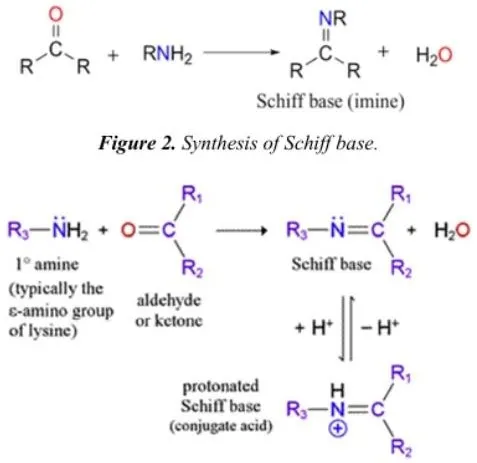
Aldehyde + Primary Amine (react with) → Schiff base + water.
Schiff bases prepared from aromatic aldehydes and aromatic amine are more stable and more effective. Schiff bases containing hydroxyl groups on different positions got a great interest because they have pharmacological activities. EXAMPLE: Anti-bacterial, anti-cancer and antioxidant.
REACTION:
METHOD OF PREPARATION:
MATERIALS:
Aromatic aldehyde (e.g. benzaldehyde):
Formula:C6H5CHO or C7H6O
Structure: A benzene ring attached directly to a formyl group. Physical state: colorless to pale yellow liquid.
Odor: Distinctive, sharp, almond - like aroma.
Solubility: sparingly soluble in water; miscible with alcohol, ether & most organic compound.
Uses: used in manufacturing dyes, pharmaceuticals, flavoring e.g. Almond extracts and perfumes.
Primary aromatic amine (e.g:aniline):
Weak basic characters: aniline is a weak base, forming anilinium irons (C6H5NH+3) when reacting with strong acids. Its basicity is lower than aliphatic amines because the lone pair on the nitrogen atom is in conjugation with the benzene ring.
Natural acid catalyst (citric acid/lemon juice /tartaric acid):
Structure: It is a 2-hydroxypropane-1,2,3-tricarboxylic acid.
(-COOH) one hydroxyl group (-OH), which contributes to its acidic.
Functionality: It contains three carboxylic functional groups, nature and chelating abilities.
Ethanol:
Molecular formula: C2H5OH or CH3CH2OH.
Solubility: completely miscible with water and many organic solvents. Properties: it is polar, hygroscopic & acts as a CNS depressant.
Distilled water:
Formula & composition: pure H2O (dihydrogen mono oxide)
PH level: approx.7.0 (neutral). but often measures 5.0-6.5 due to absorption of atmosphericCO2.
Appearance: colorless, odorless and tasteless liquid.
| CHEMICALS | ROLE |
|---|---|
| Aromatic aldehyde e.g. benzaldehyde. | Carbonyl component. |
| Primary amine e.g. Aniline | Amine component |
| Natural acid catalyst (citric acid or Lemon juice) | Catalyst |
| Ethanol | Solvent |
| Distilled water | Washing. |
METHODOLOGY:
The aldehyde and primary amine are allowed to undergo condensation in the presence of a natural acid catalyst under controlled laboratory conditions. The progress of the reaction is monitored using standard analytical methods. The product isolated, purified and dried.
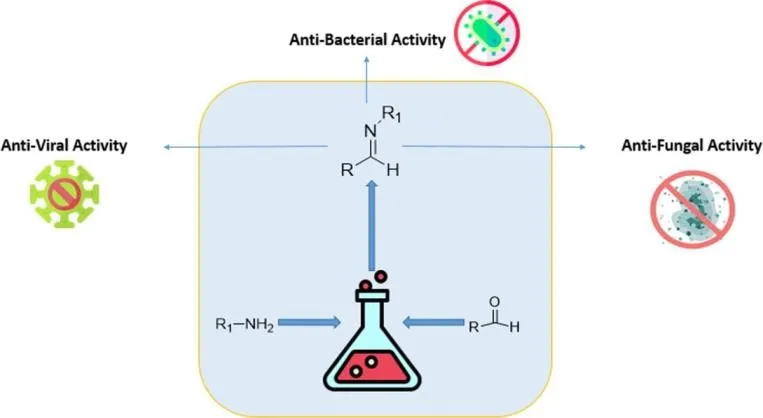
PROCEDURE:
Selection of reactants:
Preparation of reaction mixture:
Additon of natural acid catalyst:
Heating of Reaction Mixture:
Cooling and Precipitation:
Filtration of Product:
Washing of Product:
Drying of Schiff base:
Determination of percentage yield:
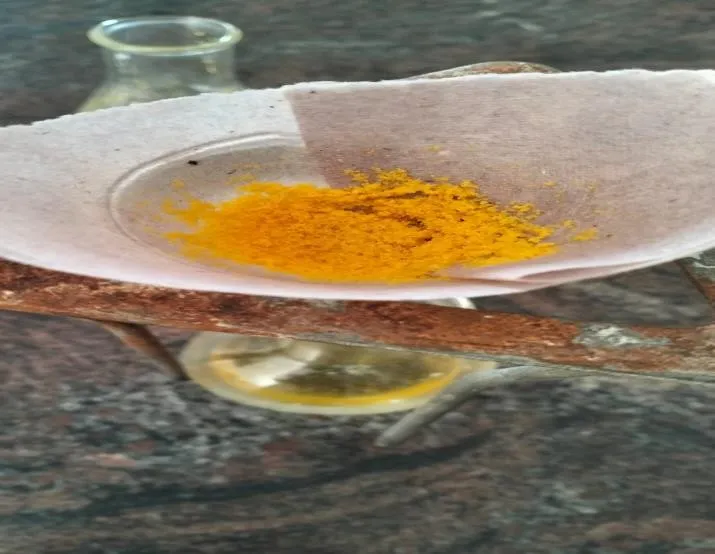
Figure 3: Synthesized Schiff Base Derivative Obtained After Filtration
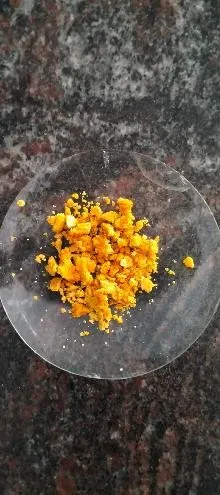
Figure 4: Dried Synthesized Schiff Base Derivative
SYNTHESIS:
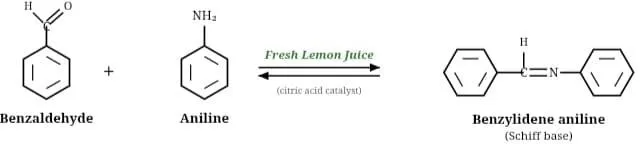
Molecular weight of reactant (benzaldehyde)=106.12g\mol Molecular weight of product (benzylidene aniline) =181.24g\mol Weight of reactant (benzaldehyde)=1.06ml
Theoretical yield= 𝑴𝒐𝒍𝒆𝒄𝒖𝒍𝒂𝒓 𝒘𝒆𝒊𝒈𝒉𝒕 𝒐𝒇 𝒑𝒓𝒐𝒅𝒖𝒄𝒕 ×weight of reactant
𝑴𝒐𝒍𝒆𝒄𝒖𝒍𝒂𝒓 𝒘𝒆𝒊𝒈𝒉𝒕 𝒐𝒇 𝒓𝒆𝒂𝒄𝒕𝒂𝒏𝒕
=181.24 × 1.06
106.12
=1.70×1.06
=1.81g
Practical yield=Product in watch glass-weight in watch glass
=19.31-17.60
=1.71g
Percentage yield= 𝒑𝒓𝒂𝒄𝒕𝒊𝒄𝒂𝒍 𝒚𝒊𝒆𝒍𝒅 ×100
𝑻𝒉𝒆𝒐𝒓𝒆𝒕𝒊𝒄𝒂𝒍 𝒚𝒊𝒆𝒍𝒅
=1.71 × 100
1.81
=0.9447×100
= 94.47%
ANTIFUNGAL ACTIVITY:
PRINCIPLE:
Antifungal activity evaluates the ability of a compound to inhibit the growth of fungal organisms. If your Schiff base prevents fungal growth, it suggests potential use as an antimicrobial agent.
METHOD: Agar well diffusion method Principle:
Fungal spores grow on nutrient agar medium. Test compound diffuses from a well into an agar. If it inhibits fungal its clear zone (no growth).
Fungal strains used common test organisms: Aspergillus Niger
Aspergillus flavus Materials required:
Potato dextrose agar (PDA) plates Sterile corn borer
Fungal culture
Schiff base derivatives (test compound) Standard antifungal drug (e.g., fluconazole) Procedure:
Prepare sterile Sabouraud Dextr agar plates. Inoculate fungal culture uniformly on agar surface. Make wells in agar using sterile cork borer.
Add Schiff base solutions into wells. Add standard drugs in one well.
Incubate plates at 25-28℃ for 48-72hours. Observe and measure zones of inhibition.
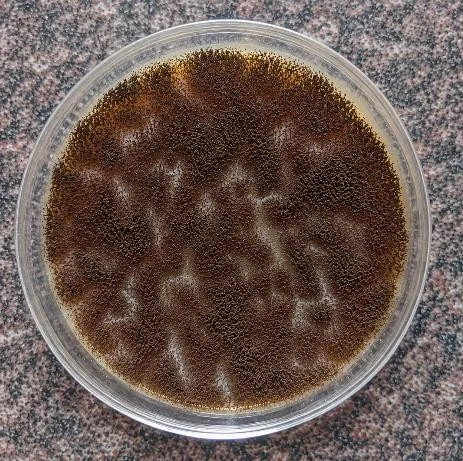
Figure 5: Growth of Fungal Culture on Agar Plate
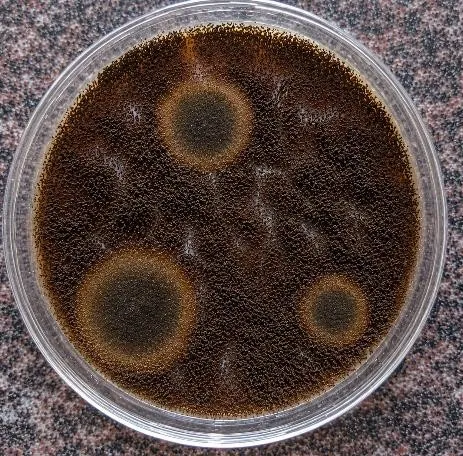
Figure 6: Antifungal Activity by Agar Well Diffusion Method
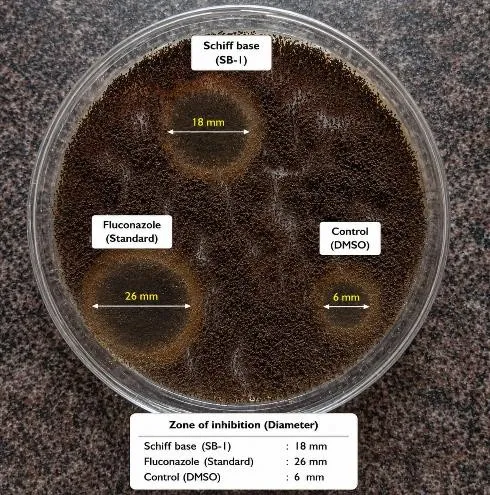
Figure 7: Measurement of Zone of Inhibition (Diameter)
RESULT AND DISCUSSION:
Synthesis of Schiff base derivatives:
The synthesized compounds were obtained as a (color) crystalline solid. The product was purified by recrystallization using an appropriate solvent, and the following physical parameters were recorded.
| Parameter | Observation |
|---|---|
| Physical appearance | Yellow crystalline solid |
| Percentage yield | 94.7% |
| Melting point | 50-60℃ |
| Solubility | Soluble in ethanol |
DISCUSSION:
The Schiff base derivatives were successfully synthesized via a green chemistry approach, employing a natural acid as an ecofriendly catalyst in place of conventional mineral acid catalysts. The reaction proceeded through the condensation of the amine and aldehyde precursors, resulting in the formation of the corresponding imine
(-CH=N-) linkage with the elimination of a water molecule.
The formation of the Schiff base derivatives was indicated by the change in colour of the reaction mixture and the formation of the desired products after completion of the reaction. The synthesized compounds were isolated, purified and subjected to characterization.
The results indicate that the natural acid catalyst effectively promoted the condensation reaction between the selected aldehyde and amine derivatives. The green synthetic method provided a simple and environmentally friendly approach for the preparation of Schiff base derivatives.
The synthesized derivatives showed satisfactory product formation, indicating the potential of natural acid catalysts as alternatives to conventional synthetic catalysts.
Anti-fungal activity and comparative study:
RESULT:
| Sample | Concentration | Solvent | Zone of Inhibition (diameter) |
|---|---|---|---|
| Schiff base | 100µ𝑔\𝑑𝑖𝑠𝑐 | DMSO (10µL) | 18mm |
| Fluconazole (standard) |
100µg\disc | DMSO (10µL) | 26mm |
| Control (DMSO) | 10µL\disc | DMSO | 6mm |
DISCUSSION:
The Synthesized Schiff base derivative exhibited moderate antifungal activity against the tested fungal strains as evidence by the observed zones of inhibition. On comparison with the standard drug fluconazole, the synthesized compound showed lower antifungal activity.
The antifungal activity of Schiff base derivatives is generally attributed to the presents of the azomethine (-C=N-) group, which may inhibit fungal cell wall synthesis or interfere with enzymatic activity essential for fungal growth.
Fluconazole was used as the standard drug for comparison. Some of the synthesized derivatives showed appreciable antifungal activity, while others exhibited comparatively less activity than Fluconazole.
Overall, the comparative study indicates that Schiff base derivatives synthesized using a natural acid catalyst possess potential antifungal properties. The results also demonstrate the possibility of using green synthesized Schiff base derivatives as promising candidates for further antifungal studies.
SUMMARY AND CONCLUSION:
From this study, it can be concluded that green synthesis Schiff base derivative can be effectively synthesized using natural acid catalysts through a simple and eco-friendly condensation reaction. The use of natural acids such as lemon juice or citric acid makes the process cost-effective and environmentally friendly compared to synthetic catalysts.
The synthesized compounds were evaluated for their antifungal activity against selected fungal strains. The results demonstrated that the Schiff base derivatives exhibited promising antifungal effects. When compared with the standard antifungal drug fluconazole, some synthesized derivatives showed comparable inhibitory activity, indicating their potential as alternative antifungal agents.
Overall, the study confirms that green synthesis is an effective method for preparing biologically active Schiff base derivatives. The finding suggest that these compounds may serve as potential leads for the development of new antifungal drugs. Further studies, including toxicity assessment and detailed pharmacological evaluation, are recommended to establish their safety and therapeutic efficacy.
REFERENCES



R. Elakkiya, Abdul Kalam, Abinayasri, Anitha, Archana, Arockia Teena, Green Synthesis of Schiff Base Derivatives Using Natural Acid Catalyst and Evaluation of Antifungal Activity: A Comparative Study with Fluconazole, Int. J. of Pharm. Sci., 2026, Vol 4, Issue 11, 3765-3784. https://doi.org/10.5281/zenodo.24414141
 10.5281/zenodo.24414141