

We use cookies to ensure our website works properly and to personalise your experience. Cookies policy
1,2,3,4,5Reserch scholar, Siddhi's Institute of Pharmacy, Nandgaon, Murbad, Thane – 421401, Maharashtra, India.
6Assistant Professor, Siddhi's Institute of Pharmacy, Nandgaon, Murbad, Thane – 421401, Maharashtra, India.
Guillain-Barré Syndrome (GBS) is a rare, acute, immune-mediated polyneuropathy that affects the peripheral nerve system. It is characterized by progressive muscular weakness, areflexia, and, in severe cases, respiratory failure. This study thoroughly examines the pathophysiology, clinical manifestation, diagnostic criteria, current therapies, and prognosis of GBS. Early detection and appropriate treatment are essential for improving patient outcomes and minimizing issues. The peripheral nervous system is impacted by the uncommon, acute, immune-mediated polyneuropathy known as Guillain-Barré Syndrome (GBS). Progressive muscle weakening, areflexia, and, in extreme situations, respiratory failure are its hallmarks. The pathogenesis, clinical manifestation, diagnostic standards, available treatments, and prognosis of GBS are all thoroughly examined in this study. Reducing problems and enhancing patient outcomes require early detection and suitable treatment.
The condition known as Guillain-Barre syndrome (GBS) is auto-immune. It first appeared in 1859 as an acute demyelinating polyneuropathy [1]. This indicates that it is a condition brought on by your body's immune system defending against disease. Your GBS symptoms could have been brought on by a previous disease, usually an infection [2]. The human body creates defences against pathogens but in a GBS patient, the immune system is misguided, attacking and harming the nerves.it is symptoms include sensory and nervous system dysfunction, ascending motor weakness, and prodromal sickness, which is typically a gastrointestinal or respiratory infection. It is believed to have an autoimmune origin[3] . GBS might result in severe morbidity, necessitating lengthy hospital stays and extended healing. Ten to fifteen percent of patients require therapy with long-term residual disabilities[4]. Several antecedent infections, such as Epstein- Barr virus, Mycoplasma pneumonia, Campylobacter jejuni, cytomegalovirus (CMV), and influenza virus, have been determined. GBS has also been linked to parturition and immunization. GBS usually appears as a sudden, distant, comparatively symmetrical onset of paresthesias[5] .Progressive limb reducing occurs together with or shortly after sensory abnormalities. Usually, patients can identify a particular day when sensory and motor abnormalities first show. In half of the patients, pain is noticeable. epidemiological studies conducted in a number of nations has linked Campylobacter jejuni infection to the onset of GBS [6]. Campylobacter jejuni and other viruses, such as Epstein-Barr virus and Cytomegalovirus, are the etiology of this disease[7]. There are multiple subtypes of the illness. According to studies done throughout the USA, Europe, and Australia, the incidence of GBS ranges from 1-3 per 100,000 people. Clinical examination and history are used to diagnose this medical condition. Supporting diagnosis can be obtained by the cerebrospinal fluid analysis and electrodiagnostic testing[8]. For GBS, intravenous immunoglobulin and plasma exchange are effective therapeutic. these are among the numerous variations of GBS[9]
Acute motor axonal neuropathy (AMAN);
1. Acute inflammatory degenerative polyradiculoneuropathy (AIDP).
2. AMSAN, or acute motor-sensory axonal neuropathy.
3. MFS, also Miller-Fisher syndrome.
4. There are subgroups as well, however they are not easily identified.
5. Clinical history and findings are the primary basis for diagnosing GBS.
6. Roughly one-third of the individuals.
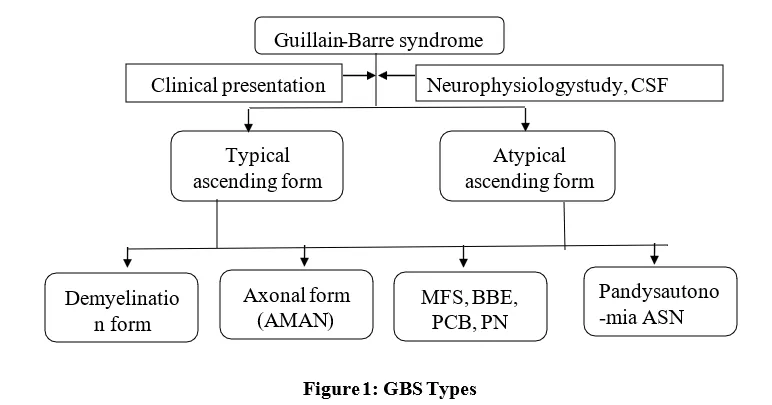
Historical Background:
In 1859, Landry presented a report on ten patients who had ascending paralysis. In 1916, three French doctors (Guillain, Barre, and Strohl) noticed that two French troops had reduced deep tendon reflexes, areflexia, motor weakness, and albumin cytologic dissociation in their cerebrospinal fluid (CSF) [5]. Guillain- Barre syndrome was then determined to be the cause of the syndrome. Previously thought to be a singular condition, GBS is now known to have numerous variations [10].
2. TYPE OF GBS:
2.1 Acute Panautonomic Neuropathy
Acute panautonomic neuropathy is an extremely rare and severe subtype of Guillain-Barré Syndrome (GBS), characterized by widespread dysfunction of both branches of the autonomic nervous system—the sympathetic and parasympathetic systems [11]. Unlike the more common variants of GBS, which primarily involve motor weakness and sensory deficits, acute panautonomic neuropathy predominantly affects autonomic functions, often with minimal motor or sensory impairment[12] .
Pathophysiology:
The exact cause is not fully understood, but it is believed to involve autoimmune- mediated damage to autonomic ganglia and postganglionic autonomic fibres [13]. Like other forms of GBS, it may be triggered by an antecedent infection, such as a viral or bacterial illness, leading to immune system cross-reactivity[9].
Clinical Manifestations:
The clinical features are diverse and reflect dysfunction in various autonomic systems:
1. Cardiovascular system: The most frequently involved system,presenting with postural (orthostatic) hypotension, which may cause dizziness or fainting upon standing.
2. Sweat glands: Anhidrosis (absence of sweating) is common, leading to poor thermoregulation.
3. Exocrine glands: Patients may experience reduced salivation (xerostomia) and reduced lacrimation, leading to dry mouth and dry eyes.
4. Gastrointestinal and urinary systems: There may be bowel and bladder dysfunction, including urinary retention, constipation, and in some cases, paralytic ileus.
5. Ocular effects: Pupillary abnormalities such as dilated or sluggish pupils may occur, sometimes accompanied by photophobia or blurred vision[8].
Diagnosis:
Diagnosis is primarily clinical but may be supported by:
1. Autonomic function tests (e.g., tilt-table test, Valsalva maneuverer)
2. Nerve conduction studies and electromyography (EMG), typically showing little or no motor involvement
3. Cerebrospinal fluid (CSF) analysis, which may show elevated protein levels with normal cell count (albumin cytologic dissociation), similar to other GBS forms Management Supportive care is crucial, including management of blood pressure, hydration, and bladder/bowel function.
4. Pharmacologic therapy may include agents like midodrine or fludrocortisone for orthostatic hypotension.
5. IVIG or plasma exchange may be considered, although evidence of efficacy is limited in this variant[14].
2. 2 Miller-Fisher syndrome:
Miller-Fisher syndrome (MFS), which often manifests as the triad of ataxia, flexier, and ophthalmoplegia, accounting for around 5% of all GBS cases[15]. One of the main symptoms is external ophthalmoplegia with a sudden onset. It is common for ataxia to be disproportionate to the extent of sensory loss[9]. There may also be bulbar palsy, facial palsy, ptosis, or mild limb weakness[7]. Patients' tibial H reflex is absent and their sensory nerve action potentials have become diminished or non-existent. Anti-GQ1b antibodies are comparatively sensitive and specific for the illness. The oculomotor, trochlear, and abducens nerves have dense concentrations of GQ1b ganglioside, which could account for the connection between ophthalmoplegia and anti-GQ1b antibodies[16]. Patients with acute oropharyngeal palsy have anti-GQ1b/GT1a IgG antibodies[3].
2.3 Acute inflammatory demyelinating polyneuropathy:
The most prevalent subtype of AIDP in the US can be caused by a bacterial or viral infection that occurs before AIDP manifests[17]. About 40% of AIDP patients have a C jejune seropositive result[6]. Peripheral nerve demyelination and lymphocytic infiltration are caused by macrophages. The remyelination typically resolves it[18].
2.4 Acute motor-sensory axonal neuropathy:
This condition is distinct from AMAN in that it affects sensory nerves and roots, has less demyelination, and is a severe and abrupt sickness. AMSAN affects adults and causes rapid motor and sensory impairment[15]. The characteristics of AMSAN include poor recovery compared to AMAN and substantial muscle loss.
Additionally, prior C jejune diarrhoea is linked to AMSAN[19].
2.5 Acute neuropathy of motor axons:
Children are more likely to suffer from the motor condition known as acute motor axonal neuropathy (AMAN) subtype[20]. Respiratory failure follows quickly progressing symmetrical weakening as its hallmark[21].
The majority of AMAN patients enhance diarrhoea linked to C jejune and elevated ganglioside antibody titres (GM1, GD1a, GD1b). AMAN patients who test positive for Campylobacter range from 70 to 75 percent[2].
A breakdown of the blood-brain barrier may result from inflammation of the spinal anterior roots[13]. There is Wallerian-like degeneration in biopsies that do not show lymphocytic inflammation. In China, numerous cases have been documented throughout the summer months[15].
Usually, the prognosis is favourable. The outlook is good. With the exception of extreme cases, where recovery may take several years, recovery is also quick[5]
3.ETIOLOGY:
An antecedent infection that precedes GBS has been linked to any microbiological ethology. These include the Epstein-Barr virus, Hepatitis E, Mycoplasma pneumoniae, Influenza A virus, Cytomegalovirus, and, more recently, the Zika virus[22]. However, C. Jejune which has been connected to the axonal type of GBS, is the most probable antecedent pathogenic cause[7]. It's unclear why precisely less than 0.1% of people with C. jejune enteritis go on to develop GBS within the next two months. This could be the result of infection with subtype-specific strains of this bacteria, which can vary greatly, in addition to host genetic susceptibility factors. Similar ideas could be applicable to other microorganisms[14]. It is unknown what specifically triggers Guillain-Barre syndrome. It usually appears days or weeks following an infection of the digestive or respiratory systems[23]. Rarely, the condition known as Guillain- Barre syndrome can be brought on by recent surgery or a vaccination[10]. Guillain-Barre syndrome is a rare but serious autoimmune disorder that typically responds to invasive pathogens, such as certain viruses or bacteria, by mistakenly turning against the body’s own nervous system[12]. In the case of Guillain-Barre syndrome, the immune system becomes overly aggressive and begins to attack the peripheral nerves, particularly targeting a vital component known as the myelin sheath. This protective layer envelops the nerves and is essential for facilitating the efficient transmission of electrical signals between the brain and the rest of the body[11].
When this myelin sheath is compromised due to the effects of acute inflammatory demyelinating polyneuropathy (AIDP), a common variant of Guillain-Barre syndrome, the nerve fibres become exposed and vulnerable[24]. As a result of this damage, individuals may experience a range of debilitating symptoms, including progressive weakness, tingling sensations, numbness, or even paralysis[25]. This disruption in the nerves’ ability to effectively relay messages to the brain can lead to significant impairments in muscle control and coordination, impacting a person’s ability to perform daily activities[12]. The condition can escalate rapidly, often requiring immediate medical attention and thorough treatment strategies to manage the ensuing complications and support recovery[7].
Table 1: Antecedent Infections and Pathogenesis of Guillain-Barré Syndrome
| Sr.No | Aspect | Details |
|---|---|---|
| 1. | Primary Antecedent Infections |
-Compylobacter jejuni (most strongly linked) -Zika virus -Hepatitis E |
| 2. | Other Rare Triggers | -Trauma -Vaccination |
| 3. | Most Probable Pathogen | - Campylobacter jejuni – linked particularly with axonal types (e.g., AMAN, AMSAN) |
| 4. | Infection-GBS Link | Less than 0.1% of people with C. jejuni enteritis develop GBS within 2 months. |
| 5. | Possible Contributing Factors |
-Molecular mimicry -Strain-specific bacterial |
| 6, | Common GBS Variant Affected |
Acute Inflammatory Demyelinating Polyneuropathy (AIDP) – most common variant, particularly in Western countries[3] |
The following factors may cause Guillain-Barre syndrome:
The most frequent cause is an infection with campylobacter, a bacterium that is frequently present in undercooked poultry.
1. influenza virus.
2. cytomegalovirus.
3. Zika virus.
4. The A, B, C, and E hepatitis.
5. The virus that causes AIDS is called HIV.
6. pneumonia caused by Mycoplasma.
7. surgery.
8. Trauma.
9. lymphoma Hodgkin.
10. Infrequently, childhood immunizations.
4. Zika Virus:
Zika An antecedent infection that precedes GBS has been linked to any microbiological etiologic. These include the Epstein-Barr virus, Hepatitis E, Mycoplasma pneumoniae, Influenza A virus, Cytomegalovirus, and, more recently, the Zika virus[8]. However, C. Jejuni which has been connected to the axonal type of GBS, is the most probable antecedent pathogenic cause[6]. It's unclear why precisely less than 0.1% of people with C. jejuni enteritis go on to develop GBS within the next two months[26]. This could be the result of infection with subtype-specific strains of this bacteria, which can vary greatly, in addition to host genetic susceptibility factors. Similar ideas could be applicable to other microorganisms[14]. According to some data, Guillain-Barré syndrome (GBS) may also be brought on by the Zika virus, which is spread by mosquitoes[27]. In the uncommon disorder known as GBS, the peripheral nerve system is attacked by the immune system. GBS can be extremely severe for some people, resulting in discomfort, weakening in the muscles, sensory issues, and occasionally paralysis[28]. To improve their quality of life, many people require intense medical care as well as a Guillain-Barré therapy program[7].
Zika Virus symptoms: Fever, rash, headache, joint pain, red eyes, muscular soreness, itching, swollen joints, pain behind the eyes, and digestive issues are among the often-minor Zika virus symptoms[13].
GBS variants and Clinical manifestations
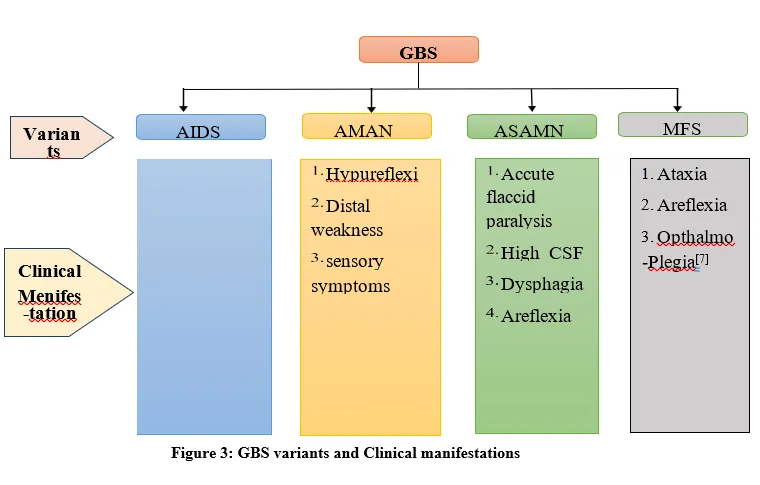
Figure 3: GBS Variants and Clinical Manifestations
5.TREATMENT AND MANAGEMENT:
5.1 Immunotherapy:
Plasma exchange, also referred to as plasmapheresis, is a process that substitutes various fluids for the plasma in the blood. Antibodies that could exacerbate the illness are eliminated in this way[19].
5.2 Intravenous immunoglobulin (IVIG):
In this treatment, a patient receives immunoglobulin, a blood product containing donor-derived healthy antibodies[10].
6. Immunoglobulin Treatment Overview:
The treatment involving immunoglobulins plays a crucial role in various medical conditions, particularly in the management of autoimmune disorders[19]. This therapeutic approach employs a vein for the delivery of immunoglobulin, a substance that comprises antibodies derived from the blood of healthy donors. These antibodies are essential proteins that the immune system uses to identify and neutralize foreign invaders, such as pathogens and toxins[14].
In clinical settings, immunoglobulin treatments are often administered intravenously, meaning they are injected directly into a patient's bloodstream through a vein. The process begins with the preparation of the immunoglobulin solution, which is carefully formulated to ensure safety and efficacy[15]. The solution contains a concentrated form of immunoglobulins that have been extracted and purified from the plasma of numerous healthy donors[3].
Administering immunoglobulin in high dosages can be particularly beneficial in preventing or mitigating the effects of harmful antibodies that are associated with conditions like Guillain-Barre syndrome[10]. This syndrome, which is an acute autoimmune disorder, can lead to rapid onset muscle weakness and paralysis. By infusing high doses of immunoglobulin, healthcare providers aim to neutralize the harmful effects of these pathogenic antibodies, thereby protecting the nervous system and potentially preventing the onset of severe symptoms[31].
In addition to its application in Guillain-Barre syndrome, immunoglobulin therapy is also utilized for a range of other medical issues, including certain infections, immunodeficiency’s, and autoimmune diseases[32]. The administration of this treatment is typically monitored closely by healthcare professionals to ensure that patients experience the desired therapeutic effects while minimizing the risk of adverse outcomes[2]. The procedure itself can take several hours, during which patients are often observed for any potential reactions. Overall, the use of immunoglobulin therapy represents a vital aspect of modern medical interventions, providing a powerful tool for enhancing patient outcomes in various challenging health conditions[30].
6.1.Supportive care:
1. Monitoring:
Blood pressure, heart rate, and breathing are all regularly checked on patients.
2. Pain management:
Drugs including amitriptyline, gabapentin, and carbamazepine can be used to treat pain.
3. Ventilator:
A patient may require a ventilator if their breathing is compromised.
4. Compression stockings:
To lower the risk of deep vein thrombosis (DVT), patients who are unable to walk may require compression stockings.
5. Rehabilitating:
Patients may require rehabilitation services to strengthen their muscles and regain movement if muscle weakness continues after the acute phase.
6. Hospitalization:
Intensive care unit (ICU) treatment is typically provided to patients with GBS after they are admitted to the hospital.
7. Plasma exchange is plasmapheresis:
The liquid component of some blood is called plasma. Your blood cells' plasma is extracted and separated during a plasma exchange. Your body releases more plasma to replace the extracted plasma after the blood cells are reintroduced. Eliminating particular antibodies from plasma which promote the immune system's assault on neurons in the peripheral regions may be how plasmapheresis performs[24].
6.2 Drugs used in the treatment of GBS:
The primary medications and therapies for Guillain-Barré Syndrome, also known as (GBS) concentrate on supportive care and immunological modulation:
1. Intravenous:
1.1 . IVIG, or intravenous immunoglobulin Dosage:
five days at 0.4 g/kg every day. just as successful as plasmapheresis. simpler to administer and less complicated.
1.2. Circulating antibodies:
These are eliminated by plasmapheresis, also known as plasma exchange.
usually completed over 7–10 days in 4–6 sessions.
2. Supplemental Drugs:
These control symptoms and avoid complications rather than actively treating the illness For neuropathic pain, analgesics (such as gabapentin, pregabalin, and NSAIDs) are prescribed. Anticoagulants, such as enoxaparin, are used to stop deep vein thrombosis, which is caused by immobility. Laxatives: For managing
the bowels in the event of immobility. Beta-blockers and vasopressors are examples of cardiac medicines used to treat autonomic dysfunction[24].
7. CLINICAL PRESENTATION:
Guillain-Barré Syndrome (GBS) is an acute, immune-mediated polyneuropathy that typically presents with the following clinical features:
1. Areflexia or Hyporeflexia: Deep tendon reflexes (e.g., knee jerks) are reduced or absent[11].
2. Sensory symptoms: Mild compared to motor symptoms. Paresthesias (tingling, numbness) occur in the hands and feet. There may be pain in the back or limbs (especially in children)[2].
3. Autonomic dysfunction (in ~70% of cases): Fluctuating blood pressure, cardiac arrhythmias, urinary retention, or bowel dysfunction, and sweating abnormalities[10].
4. Cranial nerve involvement: Facial nerve palsy (bilateral facial weakness) is common. It may involve bulbar muscles (dysphagia, dysarthria)[14].
5. Respiratory muscle weakness: This can lead to respiratory failure in severe cases. Monitor it with vital capacity measurements[15].
6. Preceding illness: It often follows a viral or bacterial infection (e.g., Campylobacter jejuni, CMV, EBV) by 1–3 weeks[5].
The 98% of patients attain the lowest time by 4 weeks, and the patients reach the lowest time by 12 days. The patient then goes through a plateau phase where their symptoms don't change, and then they progressively get better[8]. After two to four weeks, when the progression stops, the patient recovers. The average duration is roughly 200 days. Weakness manifests as an ascending and symmetrical pattern. First afflicted are the lower limbs, followed by the higher limbs[15]. Additionally, the proximal muscles contract before the distal muscles does. In addition, the trunk, bulbar muscles, and respiratory muscles may be impacted[14]. Patient may experience difficulty in standing and walking. Shortness of breath may be present. Sensory changes Most of the patients complain of numbness. Weakness occurs after sensory symptoms. Patient experience loss of touch, proprioception and pain. These symptoms are usually mild. Pain Among patients 89% reported pain. A considerable proportion of individuals, approximately 50%, have reported experiencing symptoms that they categorize as both severe and distressing in nature[12]. This distress can often be traced back to direct nerve injury, the onset of paralysis, and instances of prolonged immobilization, all of which can lead to significant and debilitating pain. The regions that are most frequently affected by this pain include not only the shoulder girdle but also the back, buttocks, and thighs, where patients endure an overwhelming experience of severe discomfort[29]. Furthermore, about 50% of patients also report experiencing dysesthetic symptoms, which encompass a variety of uncomfortable sensations such as burning and tingling[11]. These dysesthetic symptoms tend to be more pronounced in the lower extremities compared to the upper limbs, indicating a possible pattern in the way these sensations manifest across different areas of the body. It is noteworthy that these dysthesias may persist in a subset of patients, affecting approximately 5% to 10% of those afflicted, leading to ongoing challenges and reduced quality of life[2].
In addition to the aforementioned symptoms, patients may also suffer from other types of pain including cramping sensations and localized muscle tenderness. Moreover, visceral pain, which originates from the internal organs, can add another layer of complexity to their experience[8]. The condition can lead to pressure nerve palsies that result from sustained pressure on nerves, as well as decubitus ulcers, which are sores that develop on the skin due to prolonged immobility. It is important to note that while much of the gathered information about the relationship between vaccines and Guillain-Barré Syndrome (GBS) may be inconsistent and lacks reliability, some studies have suggested that receiving the swine flu vaccine during the immunization campaign in 1976 was linked to a slight increase in the risk of developing GBS[3]. Additionally, the rabies vaccine, which was derived from infected brain tissue, has also been associated with cases of GBS[27]. In contrast, other vaccines administered thereafter have not demonstrated a significant correlation with the onset of this syndrome, indicating that the relationship between vaccination and GBS requires further investigation and clarification[5].
8. PHYSICAL EXAMINATION:
People with Guillain-Barre syndrome usually exhibit significant physical examination findings, including unusual gait, rapid heart rate and blood sugar disturbance, ophthalmoplegia, inflammation of the pap, facial treatment myokymia, vocal chord paralysis, retained urine, excessive reflexes and bilaterally distal and proximal weakness of the muscles, and a bilateral or unilateral sensory abnormality[6].
1. Patient appearance:
People with Guillain-Barre syndrome may walk abnormally. Vital signs include bradycardia or tachycardia. disruption of blood pressure[15].
2. Skin:
Patients with Guillain-Barre syndrome typically have normal skin examinations. Evidence of recent chicken pox sickness may be observed[10].
3. Hint:
Abnormal extraocular motions are possible. Findings of papilledema during an ophthalmoscopic examination could be abnormal. A reduction in hearing acuity is possible. Involuntary face movements are known as facial myokymia.
Paralysis of the vocal cords (difficulties speaking)[19].
4. Neck:
Due to a previous EBV or CMV infection, we may observe some lymphadenopathy.
In extreme situations, breathing is done via an auxiliary muscle[15].
5. Lungs:
Patients with Guillain-Barre syndrome typically have normal pulmonary examinations[5].
6. Heart:
Patients with Guillain-Barre syndrome typically have normal cardiovascular examinations[15].
Treatment was initiated as soon as possible after the patient's signs and symptoms included bilateral upper and lower limb weakness, bulbar weakness, pain in both legs, absence of the gag reflex, presence of the S1 and S2 sounds in the cardiovascular system, bilaterally equal air entry (AEBE) in the respiratory system, pupils reflecting light, decreased tone and power of both upper and lower limbs, and no examination of the plantar reflex[7]. Because the autonomic nervous system is involved, cardiac arrhythmias, such as bradycardias and tachycardias, might be seen. Both blood pressure and temperature may change. A respiratory examination reveals reduced breath sounds or poor inspiratory effort. The absence of bowel sounds during abdominal examination is a sign of paralytic ileus. Urinary retention may be indicated by pain or fullness in the suprapubic area[12].
9. NEUROLOGICAL EXAMINATION:
The most common symptom is weakness on the face (cranial nerve VII), which is followed by symptoms involving cranial nerves VI, III, XII, V, IX, and X. Facial droop, dysphagia, and eye problems are caused by the involvement of the facial, oropharyngeal, and ocular muscles. Eye movement is limited by ptosis (drooping eye) from cranial nerve III and symmetrical palsy linked to cranial nerve VI[31]. Rarely, elevated intracranial pressure might result in papilledema. Severe cases of tonic pupils have been recorded. A defining feature for the diagnosis of GBS is the symmetrical and ascending course of weakness. Weakness in the trunk, face, oropharynx, and upper extremities is seen to varying degrees. Patients with GBS should not have different sensory levels; this observation throws into doubt the validity of the diagnosis. Absent reflexes occur in the early stages of the disease[24]. Eye movement is limited by ptosis (drooping eye) from cranial nerve 3 and symmetrical palsy linked to cranial nerve 6. Rarely, elevated intracranial pressure might result in papilledema. Severe cases of tonic pupils have been recorded. A defining feature for the diagnosis of GBS is the symmetrical and ascending course of weakness. Weakness in the trunk, face, oropharynx, and upper extremities is seen to varying degrees. Patients with GBS should not have different sensory levels; this observation throws into doubt the validity of the diagnosis. Absent reflexes occur in the early stages of the disease. One of the most important clinical findings when examining patients with GBS is hyporeflexia or areflexia of the affected areas[19].
10. DIAGNOSIS:
The diagnosis requires areflexia and progressive weakening in both the upper and lower extremities within 4 weeks. CSF analysis and electrodiagnostic testing are examples of supportive ancillary tests for GBS, and both may be typical in the early stages of the illness[24]. Sometimes the clinician must make the diagnosis based just on history and examination because of the limits of auxiliary testing in the early stages and the significance of treating GBS as soon as possible. Only 50% of patients have an elevated CSF protein concentration (with a normal cell count) on initial CSF study; at the height of the disease, over 90% of patients have an elevated CSF protein concentration. An essential red flag that elevates the possibility of infectious (HIV, CMV, Lyme, sarcoid), carcinomatous, or lymphomatous polyradiculoneuropathy is CSF pleocytosis[2].
Patients with Guillain-Barré syndrome (GBS) typically recover successfully after the acute phase of the illness. After six months, almost 80% are ambulating independently[30]. Less than 5% of people die during the acute stage of the illness. Less than 20% of individuals, however, still have severe disability even after receiving the recommended level of therapy for GBS. Research is being conducted in an effort to detect these patients at an early stage. Trials of additional treatment tailored to this subgroup may result from early identification of poor prognostic variables. The Erasmus GBS Outcome score is a prognosis tool used in a cohort of Dutch patients that predicts a patient's capacity to walk in the near future based on their age, physical examination, and presence of diarrhoea[30].
Clinical criteria are used to diagnose GBS. In cases when the diagnosis is unclear, a basic workup for peripheral neuropathy is advised. It is also possible to perform biochemical screening, which would involve the following investigations: [12]
1. Creatine phosphokinase (CPK).
2. Electrolyte levels.
3. Liver function tests (LFT).
4. Erythrocyte sedimentation rate (ESR).
Function of the lungs by measuring neuromuscular respiratory function using vital capacities and maximal inspiratory pressures, diaphragmatic strength can be predicted. Strength of the abdominal muscles is also reflected in maximal expiratory pressures. A rather simple bedside test for assessing respiratory muscle function is the negative inspiratory force (NIF). Typically, normal is more than 60 cm of water[7].
If the NIF is dropping or approaches 20 cm of water, respiratory support needs to be accessible. Cerebrospinal fluid studies While not all GBS patients have acceptable CSF cell counts, most do have elevated CSF, or cerebrospinal fluid, protein levels (>400 mg/L). The diagnosis is strongly supported by 10 or fewer leukocyte cells/mm3 and elevated or rising protein levels upon repeated lumbar punctures[5].
11. PROGNOSIS:
GBS patients typically experience weakness within 10–14 days, recover between weeks to months, and spend an average of 50 days on a ventilator (without treatment). The worst case of GBS, short of death, is quadriplegia within 24 hours, followed by an incomplete recovery 18 months or more later[5]. Walking with little difficulty and recovering in a few of weeks is the ideal situation. Very few GBS cases go undiagnosed, and patients recover completely in a matter of weeks to months. About 80% of patients need six months to be able to walk on their own, and 60% of patients fully recover their motor strength within a year. Only 5–10% of GBS patients experience a prolonged recovery, requiring many months on a ventilator and resulting in a delayed and incomplete recovery[8].
Even three to six years after the onset of sickness, GBS has a significant long- term influence on the patients' private and professional lives. Recuperation may be gradual and take years. While it is less common in children, persistent impairment affects 20% to 30% of adult patients[8]. Two-thirds of adult individuals with GBS experience severe fatigue as a result of their condition. It did not outperform a placebo in an RCT. An intensive 12-week cycling training program improved functional outcome, anxiety, depression, and fatigue[3]. The causes of death from GBS include venous thromboembolic disease, pneumonia, sepsis, cardiac arrest, and acute respiratory distress syndrome (ARDS). Most deaths are caused by severe autonomic disturbances or the effects of protracted intubation and paralysis. For elderly GBS patients, arrhythmia is the leading cause of death[5].
The death rates linked to GBS rise significantly with age. The case-fatality ratio in the
United States varies from 0.7% for those under the age of 15 to 8.6% for those over 65. According to survey statistics, patients 60 years of age or older had a 6- fold higher chance of dying than those between the ages of 40 and 59, and a 157- fold higher risk than those under the age of 15 years[15]. Recurrent GBS is a very uncommon occurrence for patients. Several studies have examined persistent fatigue following GBS recovery. Research indicates that many patients still experience fatigue-related issues, which limits their ability to operate at work, at home, and during leisure activities. Patients as well as their families may have long-lasting changes in their psychosocial state as a result of GBS. A third of people may suffer from long-term psychological health problems and alter their work and recreational activities even when their GBS levels decline[14].
Prognostic factors:
The following elements have been linked to negative effects on GBS outcomes:
1. Having a history of gastrointestinal infections or diarrheal illnesses
2. Being older (57 years or older)
3. Having weak upper extremity muscles
4. Needing an intensive care unit
5. Requiring mechanical ventilation
6. A score of less than 40 from the Medical Research Council (MRC)
7. Release to rehabilitation [14]
CONCLUSION:
Guillain-Barré Syndrome (GBS) is a serious autoimmune disorder that affects the peripheral nervous system and can cause muscle weakness and paralysis. Early diagnosis and proper treatment play an important role in managing the disease and preventing complications. Treatment options such as intravenous immunoglobulin (IVIG) and plasma exchange help improve patient recovery. Supportive care, regular monitoring, and rehabilitation are also essential for better outcomes. Although most patients recover gradually, some may experience long-term weakness or disability. Therefore, early diagnosis, timely treatment, and proper rehabilitation are important for improving the quality of life of patients with GBS.
REFERENCES


Saniya Shelar, Chaitanya Patil, Raj Khateghare, Ashish Jamghare, Abhilasha Gambhirao, Rupali Karale, Guillain–Barré Syndrome: An Autoimmune Attack on the Peripheral Nervous System a Review, Int. J. of Pharm. Sci., 2026, Vol 4, Issue 11, 1148-1159. https://doi.org/10.5281/zenodo.23999213
 10.5281/zenodo.23999213