

We use cookies to ensure our website works properly and to personalise your experience. Cookies policy
S.S.P. Shikshan Sanstha’s Siddhi College of Pharmacy, Chikhali, Pune, Maharashtra, India 411062
The increasing need for multipurpose skincare products has spurred the creation of sophisticated formulas that can simultaneously address several skin-related issues. The creation and assessment of a herbal face mist with both anti-anti-wrinkle and acne treatments. A synergistic combination of herbal ingredients was used to create the formulation. components, such as lemongrass extract and tea tree oil, known for their antimicrobial and antioxidant qualities, as well as extracts from neem and liquorice that help hydrate skin calming effects and a decrease in wrinkles and fine lines. The face mist was created.to be suitable for frequent daily use, lightweight, and non-comedogenic. The extraction of bioactive components from lemongrass, liquorice, and neem leaves was conducted using an enhanced hydroalcoholic extraction method to protect significant phytochemicals like Azad irachtin, quercetin, liquiritin, glabridin, glycyrrhizin, citral, limonene, nimbin, nimbidin, and Geraniol. These phytoconstituents are widely recognized for their antioxidant, antimicrobial, and anti-skin-soothing and inflammatory qualities that are advantageous for facial skincare. The extracted were combined with appropriate natural solvents in a water-based mist formulation, emulsifying agents, moisturizing agents like glycerine, and preservatives like Geogard ECT to enhance user acceptability and skin hydration. several physicochemical characteristics, such as pH, Viscosity, spray pattern, colour, odour, clarity, and microbial load were assessed to make sure stability of the formulation and quality of the final product. Additionally, in vitro antimicrobial research was done against acne-causing microbes like Propionibacterium acnes and Staphylococcus aureus, which demonstrated significant inhibitory activity. Human volunteers were used for patch testing. showed no obvious skin irritation or negative reactions, confirming the appropriateness and safety of the topical application formulation. Improvements in acne were also indicated by in vivo assessments. skin elasticity and lesions. All things considered, the created herbal face mist provides a practical and effective cosmeceutical approach for maintaining clear, healthy, and youthful skin, thereby signifying a promising breakthrough in the creation of herbal skincare products.
Skin is the largest organ of the human body and plays a vital role in protecting the body against environmental pollutants, microorganisms, and harmful ultraviolet radiation. In recent years, increasing exposure to pollution, stress, unhealthy lifestyle habits, and changing climatic conditions has significantly contributed to various skin disorders such as acne, premature aging, dryness, and wrinkles. Among these, acne vulgaris and skin aging are two of the most common dermatological concerns affecting individuals of different age groups. Acne vulgaris is a chronic inflammatory skin condition associated with excessive sebum production, bacterial proliferation, follicular blockage, and inflammation. The major causative microorganisms include Propionibacterium acnes and Staphylococcus aureus. Acne not only affects physical appearance but also impacts psychological well-being and self-confidence. On the other hand, skin aging is characterized by reduced skin elasticity, formation of fine lines, wrinkles, and loss of moisture due to oxidative stress, collagen degradation, and prolonged exposure to environmental factors.
Conventional skincare products available for acne and anti-aging treatment often contain synthetic chemicals that may cause adverse effects such as irritation, dryness, redness, and skin sensitivity after prolonged use. Therefore, there is a growing interest in herbal and natural cosmetic formulations because of their safety, effectiveness, biocompatibility, and minimal side effects. Herbal ingredients rich in antioxidants, antimicrobial agents, and anti-inflammatory compounds have gained considerable attention in the cosmeceutical industry for the management of various skin conditions. Neem (Azadirachta indica), is widely recognized for its potent antimicrobial, anti-inflammatory, and antioxidant activities due to the presence of bioactive compounds such as nimbin, nimbidin, and azadirachtin. Liquorice (Glycyrrhiza glabra) contains glycyrrhizin, glabridin, and liquiritin, which exhibit skin-soothing, depigmenting, and anti-aging properties. Lemongrass (Cymbopogon citratus) possesses antimicrobial and antioxidant activities attributed to compounds such as citral, limonene, and geraniol, while tea tree oil is well known for its effectiveness against acne-causing bacteria. The combination of these herbal ingredients may provide synergistic effects for improving skin health and appearance. Face mists have emerged as a popular skincare product because of their ease of application, refreshing nature, quick absorption, and ability to deliver active ingredients effectively onto the skin surface. A herbal face mist with both anti-acne and anti-wrinkle properties can serve as a multifunctional skincare solution suitable for daily use. The present study aims to formulate and evaluate a herbal anti-acne and anti-wrinkle face mist using neem, liquorice, lemongrass, and tea tree oil. The formulation was developed to provide antimicrobial, antioxidant, hydrating, and skin-rejuvenating effects while maintaining stability, safety, and user acceptability. Various physicochemical parameters and antimicrobial activities were evaluated to determine the effectiveness and suitability of the prepared formulation for topical application.
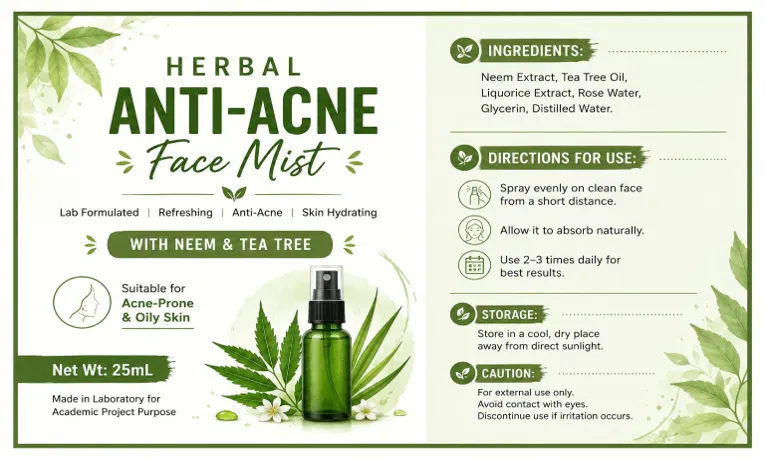
Figure 1: Label of The Formulation
AIM
The aim of this study is to formulate and evaluate a stable and effective herbal face mist with anti-acne and anti-aging properties. The formulation incorporates selected herbal extracts and bioactive ingredients possessing antimicrobial, anti-inflammatory, antioxidant, and skin rejuvenating activities. The study also focuses on evaluating the physicochemical stability, skin compatibility, and overall effectiveness of the formulation for improving skin health and appearance.
OBJECTIVES
PLANT PROFILE
Synonyms: Margosa, Indian lilac, Nim, Nimba.
Biological Source: Neem consists of the dried leaves, bark, seeds and oil obtained from Azadirachta indica A. Juss. Family: Meliaceae
Chemical Constituents: Main chemical constituents of neem are: Azadirachtin, Nimbin, Nimbidin, Nimbolide, Gedunin, Quercetin, Fixed oils.
Uses: Used as antibacterial agent. Used in anti-acne and skin care products. Acts as antifungal agent.
Synonyms: Licorice, Mulethi, Yashtimadhu, Sweet wood.
Biological Source: Liquorice consists of the dried roots and stolons of Glycyrrhiza glabra plant. Family: Fabaceae (Leguminosae)
Chemical Constituents: Main constituents of liquorice are: Glycyrrhizin, Flavonoids, Liquiritin, Sugars, Starch.
Uses: Acts as a sweetening agent. Used as anti-inflammatory medicine. Used in throat irritation and bronchitis.
3. Lemongrass
Synonyms: Lemon grass, Citral grass, Cymbopogon.
Biological Source: Lemongrass consists of the fresh or dried leaves of Cymbopogon citratus or Cymbopogon flexuosus.
Family: Poaceae (Gramineae)
Chemical Constituents: Main constituents are: Citral, Geraniol, Limonene, Myrcene, Essential oils.
Uses: Used as flavoring agent. Used in perfumes and cosmetics. Used as antimicrobial agent.
FORMULATION TABLE
|
SR. NO. |
INGREDIENTS |
F1 |
F2 |
F3 |
|
1 |
Neem Extract |
6 ml |
6.5 ml |
7 ml |
|
2 |
Liquorice Extract |
6 ml |
6.5 ml |
7 ml |
|
3 |
Lemongrass Oil |
6 ml |
6 ml |
6 ml |
|
4 |
Distilled Water |
q.s. |
q.s. |
q.s. |
|
5 |
Tea Tree Oil |
5 drops |
5 drops |
5 drops |
|
6 |
Polysorbate 20 |
2 ml |
2 ml |
2ml |
|
7 |
Sodium Benzoate |
0.5 ml |
0.5 ml |
0.5 ml |
|
8 |
Glycrine |
2.5 ml |
2.5 ml |
|
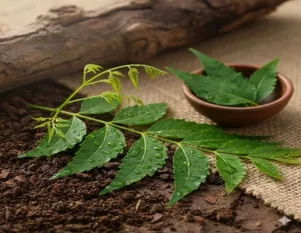
Neem extract is widely used in skincare formulations due to its powerful antibacterial, antifungal, and anti-inflammatory properties. Rich in bioactive compounds such as nimbidin and azadirachtin, neem helps reduce acne-causing bacteria, soothe skin irritation, and control excess oil secretion. It also possesses antioxidant properties that protect the skin from environmental damage. In this formulation, neem extract acts as a natural antiacne agent and promotes healthier, clearer skin. Neem is also known for its wound-healing and skin-purifying effects, making it beneficial for acne-prone and sensitive skin. It helps reduce redness, itching, and swelling associated with pimples and skin infections. The herbal nature of neem makes the formulation safer and more skin-friendly for regular use. Its cooling and cleansing properties enhance the refreshing effect of the face mist.
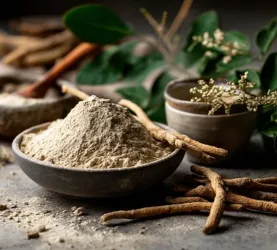
Liquorice extract is a natural herbal ingredient known for its skin-brightening, soothing, and antiinflammatory effects. It contains glabridin and flavonoids, which help reduce pigmentation, redness, and acne marks while improving overall skin tone. Liquorice also provides antioxidant protection and helps calm irritated skin. In this formulation, it enhances the soothing and skin-rejuvenating properties of the face mist while supporting acne control. The extract is also effective in reducing dark spots and uneven skin.
Liquorice complexion caused by acne and sun exposure. Its moisturizing and skin-conditioning properties help maintain soft and healthy skin. Liquorice helps protect the skin from oxidative stress and promotes a natural glow. Its gentle action makes it suitable for daily skincare formulations.
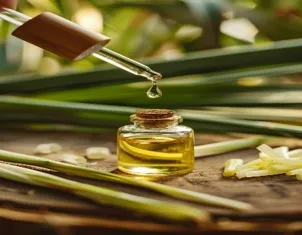
Lemongrass oil is an essential oil with antimicrobial, astringent, and refreshing properties. It helps cleanse the skin by reducing excess oil and minimizing bacterial growth responsible for acne formation. Its natural antioxidant compounds help tone and revitalize the skin, leaving a fresh and cooling sensation after application. In this formulation, lemongrass oil contributes to the anti-acne activity and provides a pleasant herbal fragrance.
Lemongrass Oil The oil also helps tighten pores and improve skin texture due to its natural astringent action. Its refreshing aroma provides a calming and energizing effect during application. Lemongrass oil supports skin purification and helps maintain a clean and refreshed appearance. It also enhances the overall sensory appeal of the formulation.
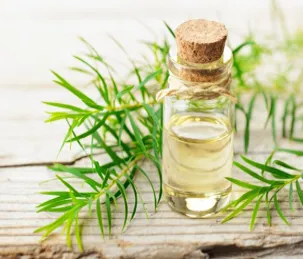
Tea tree oil is a well-known essential oil recognized for its strong antibacterial and antiseptic properties. It effectively fights acne causing microorganisms and helps reduce inflammation, redness, and skin irritation. Tea tree oil also helps unclog pores and control excess sebum production without excessively drying the skin. In this formulation, it acts as a key anti-acne ingredient and improves the therapeutic effectiveness of the face mist. It is widely used in cosmetic preparations for treating pimples, blemishes, and minor skin infections. The soothing action of tea tree. Tea Tree Oil helps reduce swelling and discomfort associated with acne lesions. Its natural cleansing properties promote healthier and clearer skin with regular use. Additionally, it provides a refreshing and cooling sensation to the skin after application.
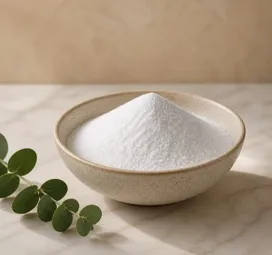
Sodium benzoate is a commonly used preservative in cosmetic and pharmaceutical formulations. It helps prevent the growth of bacteria, fungi, and other microorganisms, thereby improving the stability and shelf life of the product. It is effective in maintaining product safety and preventing contamination during storage and use. In this formulation, sodium benzoate ensures the microbial stability and quality of the face mist. The preservative helps maintain the effectiveness and freshness of the formulation for a longer period. It is widely accepted due to its safety and compatibility with Sodium water-based cosmetic products. Sodium benzoate also helps prevent spoilage caused by environmental exposure during repeated use. Its inclusion improves the overall reliability and stability of the formulation.
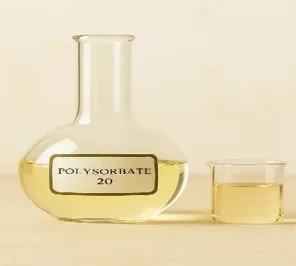
6.Polysorbate 20
Polysorbate 20 is a non-ionic surfactant and solubilizing agent widely used in cosmetic formulations. It helps disperse essential oils uniformly in water-based preparations, ensuring a stable and clear formulation. It also improves the texture and consistency of the product while preventing separation of ingredients. In this formulation, polysorbate 20 is used to solubilize tea tree oil and lemongrass oil for better stability and uniform distribution throughout the face mist. It enhances the appearance and homogeneity of the formulation, making the product more visually appealing. Polysorbate 20 also improves the ease of application and spreadability of the mist on the skin. Its mild and non-irritating nature makes it suitable for topical cosmetic products. Additionally, it supports the overall stability and effectiveness of the herbal formulation.
7. Glycerine
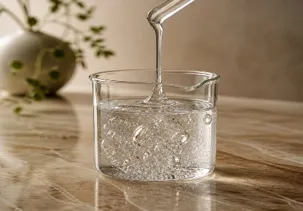
Glycerine is a widely used humectant and moisturizing agent in cosmetic and pharmaceutical formulations. Glycerine prevents dryness and improves the overall texture of the formulation. In this herbal anti-acne face mist, it acts as a skin conditioning agent and provides a soothing effect on the skin. It also enhances the spreadability and feel of the formulation during application. Glycerine helps maintain the moisture balance of the skin without making it excessively oily or greasy.
METHOD OF PREPARATION
Fresh neem leaves and liquorice were cleaned properly to remove dust and impurities. The plant materials were dried, powdered, and extracted using a suitable solvent extraction method. The obtained extracts were filtered and concentrated for use in the formulation.
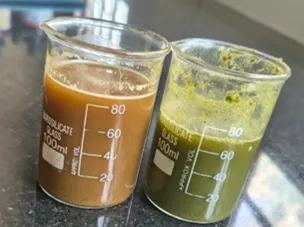
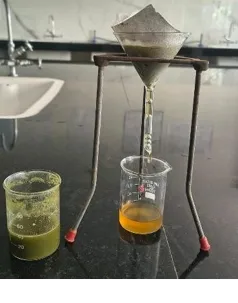
Extract of Neem and Liquorice Filtration of Neem Extract
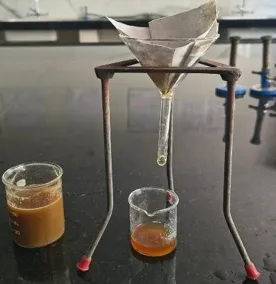
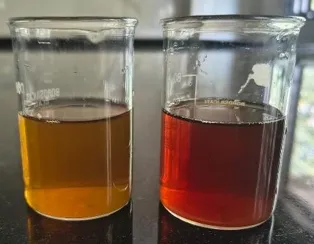
Filtration of liquorice Filtrate
Tea tree oil and lemongrass oil were mixed with Polysorbate 20 in a clean beaker. The mixture was stirred properly until a clear and uniform oil phase was obtained. Polysorbate 20 acted as a solubilizer to disperse the essential oils uniformly in the aqueous medium.
Sodium benzoate was dissolved in a small quantity of distilled water with continuous stirring. Neem extract and liquorice extract were then added to the aqueous phase and mixed thoroughly. The solution was stirred continuously to obtain a homogeneous mixture.
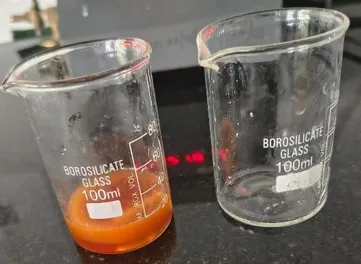
Aq. Phase and Oil Phase
The prepared oil phase was slowly added to the aqueous phase with continuous stirring using a glass rod or magnetic stirrer. Stirring was continued until a clear and stable formulation was obtained. Distilled water was added to make up the final volume of the formulation.
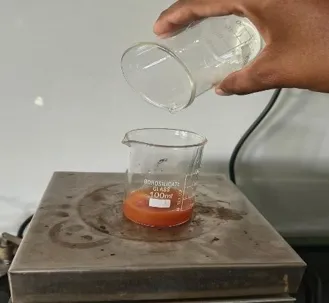
Mixing Of Aq. And Oil Phase
The formulation was mixed gently to ensure uniform distribution of all ingredients. The pH of the formulation was checked and adjusted if required for skin compatibility. The prepared face mist was observed for clarity, appearance, and uniformity.
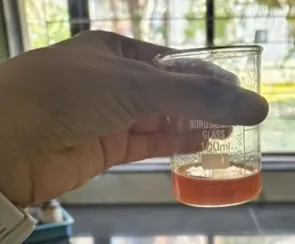
Final Product
The prepared herbal anti-acne face mist was filtered if necessary and filled into a clean spray bottle or airtight container. The final product was stored at room temperature away from direct sunlight for further evaluation and use.
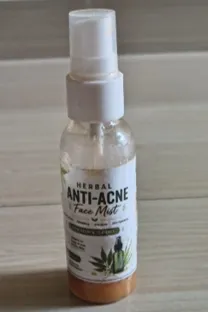
The Prepared Anti- Acne Face Mist
EVALUATION PARAMETERS
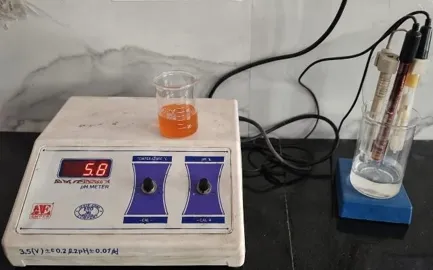
PH Determination Test
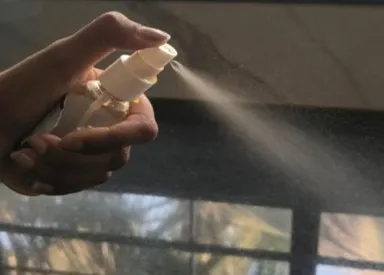
Sprayability Test
DISCUSSION
The formulated herbal anti-acne face mist exhibited a clear and homogeneous appearance with a light greenish-yellow colour and pleasant characteristic herbal odour. The formulation showed good sprayability with uniform mist formation and no clogging of the spray nozzle during application. The texture of the face mist was smooth, light, and non-sticky, providing a refreshing and soothing feel after application on the skin. The pH of the formulation was found to be within the acceptable skin-friendly range (5.5–6.0), indicating suitability for topical application without causing irritation. The viscosity was observed to be low and appropriate for effective spray application and easy spreadability. Stability studies showed no significant changes in colour, odour, appearance, or phase separation during the storage period, confirming good physical stability of the formulation. The patch test indicated that the formulation was non-irritating and safe for skin application, as no redness, itching, or allergic reactions were observed. Neem extract and tea tree oil contributed significant antimicrobial and anti-acne activity, while liquorice extract provided soothing and skin brightening effects. Lemongrass oil imparted refreshing and astringent properties to the formulation. Overall, the prepared herbal anti-acne face mist was found to be stable, aesthetically acceptable, safe, and suitable for daily skincare use.
CONCLUSION
The herbal anti-acne face mist was successfully formulated using natural ingredients such as neem extract, liquorice extract, tea tree oil, and lemongrass oil along with suitable excipients. The formulation showed good physical stability, acceptable pH, appropriate viscosity, and excellent sprayability for topical application. The face mist exhibited a smooth, non-sticky texture with a pleasant herbal odour and refreshing after feel, making it aesthetically acceptable and consumer-friendly. The antimicrobial, soothing, and antioxidant properties of the herbal ingredients contributed to the anti-acne effectiveness of the formulation. Stability and patch test studies confirmed that the formulation was stable, safe, and non-irritating to the skin. This project demonstrated that a cost-effective and herbal anti-acne face mist can be successfully developed at laboratory scale using skin-friendly natural ingredients. The prepared formulation showed good potential for daily skincare use and may serve as a promising herbal cosmetic preparation for acne-prone skin.
REFERENCES



Shruti Swami, Priti Sharma, Pranita Naykinde, Tejaswini Wable, Kavita Pawar, Dr. P. N. Sable, Herbal Anti-Acne Face Mist: Formulation, Preparation and Evaluation, Int. J. of Pharm. Sci., 2026, Vol 4, Issue 6, 6462-6474. https://doi.org/10.5281/zenodo.20847146
 10.5281/zenodo.20847146