

We use cookies to ensure our website works properly and to personalise your experience. Cookies policy
2,5 Rungta Institute of Pharmaceutical science
1,3,4,6 Rungta Institute of Pharmaceutical Sciences & Research.
Facial masks are cosmetic products for topical use on facial skin. Using organic components from nature can prevent irritant and skin pigment damage due to the side effect of harmful chemicals in cosmetic products in the global market. Chia seeds (salvia hispanicae semen) are derived from salvia hispanica L. This raw material is notable for its abundant chemical makeup and beneficial nutritional attributes. It is now called “health food.” The aim of this study was to conduct a literature review on S. hispanica and chia seeds, emphasizing their chemical makeup, biological characteristics, nutritional significance, and therapeutic applications. The beneficial biological attributes of chia seeds stem from their abundant chemical makeup, featuring a notably high concentration of polyunsaturated fatty acids, essential amino acids, polyphenols, along with vitamins and trace elements. The existing scientific literature shows the cardioprotective, blood pressure-lowering, antidiabetic, and antiatherosclerotic properties of this raw material. Furthermore, research utilizing in vitro tests along with animal and human models has demonstrated that chia seeds possess neuroprotective, hepatoprotective, anti-inflammatory, and antioxidant characteristics. These characteristics highlight the important function of chia in the prevention of chronic diseases.The present study focuses on the formulation and evaluation of a natural, herbal face mask using chia seeds combined with rose water, honey, lemon extract, and Aloe vera. This study is about making a face mask with Chia seeds and seeing how well it works. Chia seeds are really good for you because they have a lot of omega-3 fatty acids, antioxidants and other helpful things. The Chia seeds can help keep your skin hydrated reduce inflammation and fix damaged skin. The Chia seeds are the ingredient in this face mask because they have so many good things in them.The face mask with Chia seeds can do a lot of things for your skin. The omega-3 fatty acids and antioxidants, in the Chia seeds are very helpful. The Chia seeds can also help fix the skins barrier and keep it healthy. This study is important because it can show us how to use Chia seeds to make a face mask that really works. The new formula works well with the skin because it has a pH balance of 5.5 to 6.2. This is good because it is like the balance of human skin. So, it does not irritate the skin of people who use the formula. We did some tests over 40 days to see if the new formula would change or separate. The new formula of the product did not. Separate at all during this time. It stayed the same. We also asked people to try the formula and tell us what they thought. The people who tried the formula said it made their skin feel cool and soft after they applied it. They really liked the formula because of the cooling effect it had on their skin and how soft their skin felt after they used it. The new formula got scores, from the people who tried it. The results demonstrate that chia seeds can be effectively processed into a stable, aesthetically pleasing cosmetic product. This study provides a scientific framework for utilizing chia seeds as a sustainable, plant-based alternative to synthetic thickeners and hydrating agents in the skincare industry.
Facial masks are cosmetic products for topical use on facial skin. Using organic components from nature can prevent irritant and skin pigment damage due to the side effect of harmful chemicals in cosmetic products in the global market. Chia seeds (salvia hispanicae semen) are derived from salvia hispanica L. This raw material is noted for its rich chemical makeup and beneficial nutritional attributes. At present, it is called "health food." The aim of this study was to conduct a literature review on S. hispanica and chia seeds, emphasizing their chemical makeup, biological characteristics, nutritional significance, and medicinal applications. The beneficial biological characteristics of chia seeds are linked to their abundant chemical makeup, featuring a notably high level of polyunsaturated fatty acids, essential amino acids, polyphenols, along with vitamins and trace elements. The existing scientific literature shows the cardioprotective, blood pressure-lowering, antidiabetic, and antiatherosclerotic properties of this raw material. Moreover, research utilizing in vitro assays and models from animals and humans has demonstrated that chia seeds possess neuroprotective, hepatoprotective, anti-inflammatory, and antioxidant attributes. These characteristics suggest that chia plays an important role in preventing lifestyle-related diseases. The present study focuses on the formulation and evaluation of a natural, herbal face mask using chia seeds combined with rose water, honey, lemon extract, and Aloe vera.
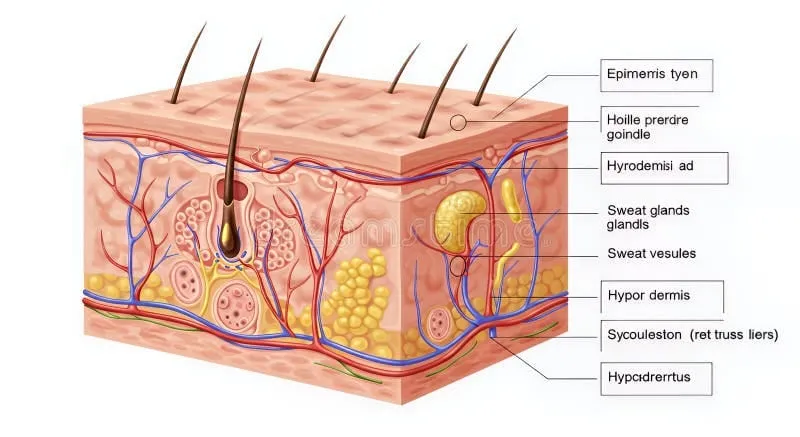
The skin is a part of our body that does a lot of jobs. It helps us stay cool or warm which is called thermoregulation. It also helps keep us from getting sick which is part of our immunity. The skin on the outside of our body is like a border between us and the world around us. It plays a role in how we interact with other people. Because of all these things how healthy our skin is can affect how we feel emotionally. If our skin is not healthy it can be linked to feelings of anxiety and depression. The skin on our face is especially good at showing when something is wrong because it is a little different from the skin on parts of our body. It has characteristics that make it unique like how it is made and how it works. The skin on our face can tell us a lot, about what's going on inside our body. The face is very often exposed to exogenous and endogenous factors that can cause skin injury and trigger disease.
Types of facial skin:
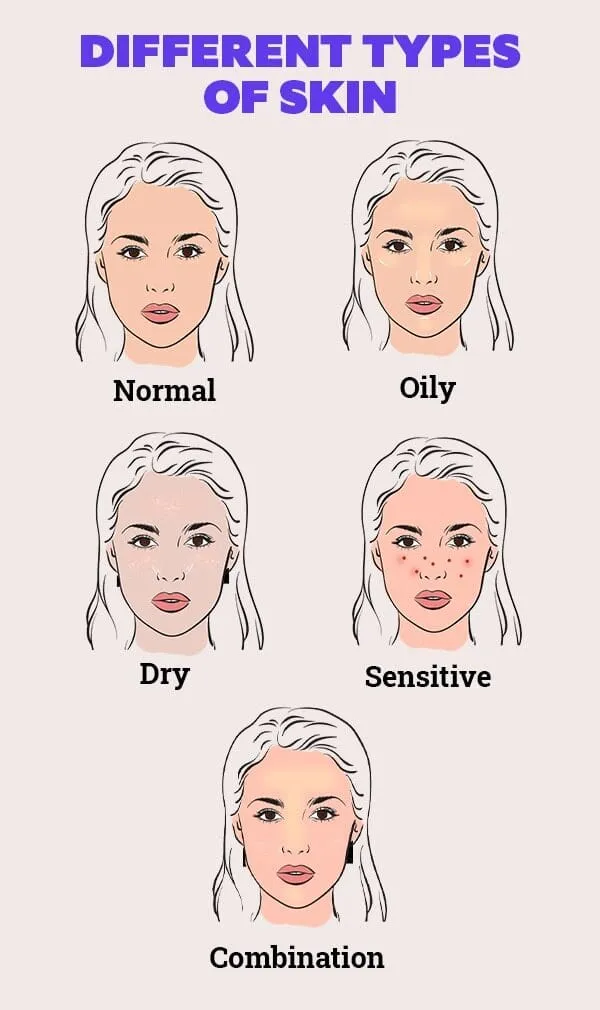
The way doctors figure out what is wrong with you and decide how to treat you depends on what the affected area of your body looks like. Your skin is not all the same it is different in parts of your body. The skin on your face is the most complicated and unique.The skin on your face is an complicated part of your skin. It is different from the skin on parts of your body because it comes from two kinds of tissue in your body when you are growing and it has all four kinds of tissue that make up your skin. The skin, on your face is really one of a kind. Unlike skin at other sites, the facial skin is highly exposed, constantly being modified and changed by environmental factors such as pollution and extremes in temperature, moisture, and wind. Because of such conditions, facial skin is easily affected by diseases. Differences exist between normal faces that can reveal different skin types and the appearance of wrinkles caused by senescence.
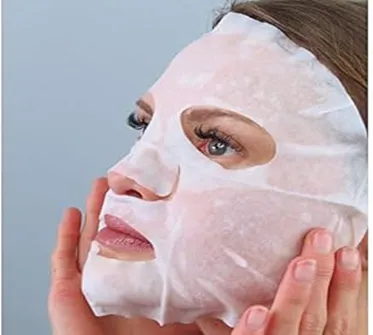
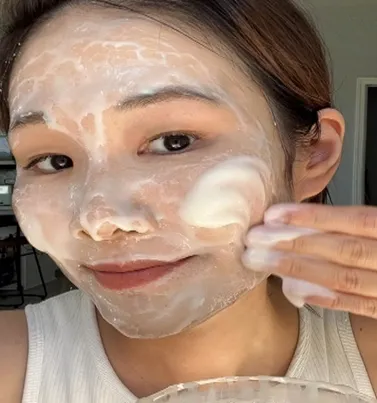
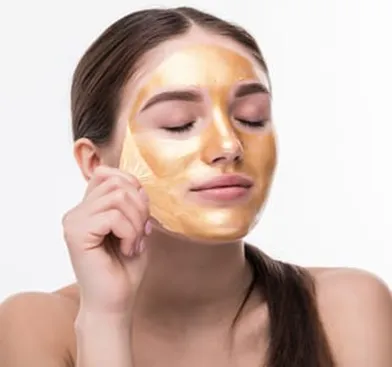
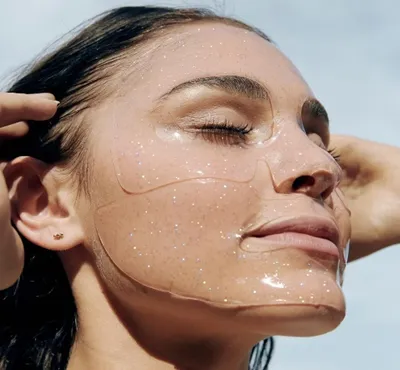
I use a mask to take care of my facial skin. Facial masks are really good for making my skin feel fresh and clean. They work for all types of skin whether it is oily or dry or normal. Facial masks are used for lots of things and they have different things in them. I use a mask to tighten my skin and make it look better to make it feel soft and to add moisture to it. Facial masks also help get rid of the stuff, on my skin and they calm it down and make it feel soothed. Facial masks come in forms like solid or semi-solid or even liquid. It is most preferred because it is easy to use and provide better result. There are various type of facial mask present in market some are synthetic and some are herbal. Herbal facial mask are widely used compared to the synthetic one. There are various herbal extract which may use in the facial mask like aloe vera, chia seed, honey, cucumber, lemon etc.
Types of facial mask:
Chia seeds (Salviaehispanicae semen) come from Salvia hispanica L. This raw ingredient is notable for its diverse chemical makeup and beneficial nutritional qualities. It is now known as "health food." The aim of this study was to conduct a literature review on S. hispanica and chia seeds, concentrating on their chemical makeup, biological characteristics, nutritional significance, and medicinal applications. Chia seeds' significant biological traits stem from their abundant chemical makeup, which includes a notably high level of polyunsaturated fatty acids, essential amino acids, polyphenols, along with vitamins and trace elements. The existing scientific literature demonstrates the cardioprotective, hypotensive, antidiabetic, and antiatherosclerotic properties of this raw material.
Furthermore, research utilizing in vitro assays along with animal and human models has demonstrated that chia seeds are defined by:
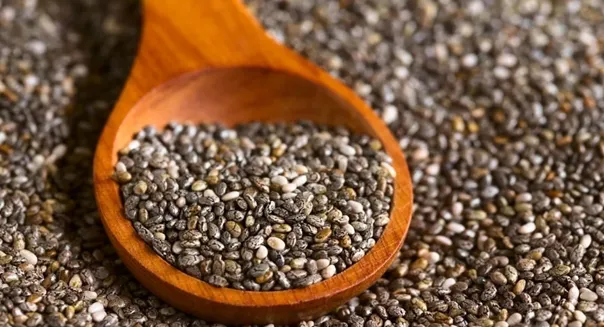
Figure:1
The rose is among the oldest ornamental and oil-rich plants. The genus Rosa includes over 100 species of shrubs and vines. It is common in the temperate zone of the Northern Hemisphere and can be found almost all over Europe, Asia, the Middle East and North America. Thanks to its numerous properties, the plant has found application in the cosmetic and medical industries [2].For the production of cosmetics, raw materials obtained from three types of roses are preferred [3,4]:
• Rosa × damascenaHerrm.- Damascus rose,
i.e. a hybrid of French rose and musk rose
originating from ancient Asia Minor. Cultivated
particularly in Bulgaria, Turkey, Syria, Iran,
Pakistan, India, China and Russia.
• Rosa × centfolia L.- centifolia rose, a hybrid of
several species of roses
• Rosa gallica L.- the so-called French rose, found
naturally mainly in France and the Caucasus.
Rose oil is obtained from the fruit. It contains biologically active compounds such as: β-carotene, lycopene, ascorbic acid, bioflavonoids, fruit acids, tannins, pectin, sugars, organic acids, amino acids, and fatty acids [5]. Rose oil is obtainedfrom the petals with a typical floral fragrance which, when applied to a blotter, can be felt for up to 168 hours [13] and is classified as the middle (heart) note.
Benefits of Rose Water in Face Mask:
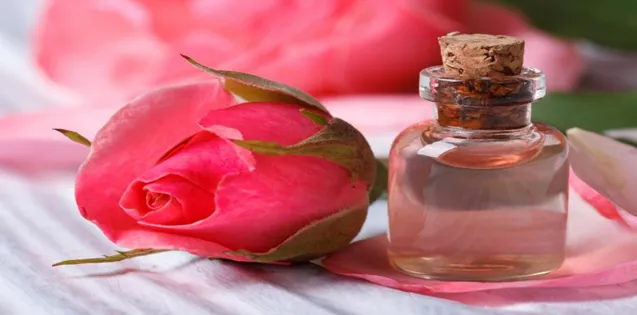
Figure:2
Honey is a supersaturated solution made by bees, primarily containing fructose and glucose, along with proteins, amino acids, vitamins, enzymes, minerals, and various other minor elements. Historical documents of honey skin applications trace back to ancient civilizations, indicating that honey has often been utilized as a binder or carrier, while also serving its healing properties. Antimicrobial features are crucial in dermatological uses, attributable to enzymatic H2O2 generation or active compounds such as methylglyoxal in manuka, and medical-grade honey is also obtainable. Honey is especially effective as a treatment for wounds and burns and has also been used in remedies for pityriasis, tinea, seborrhea, dandruff, diaper rash, psoriasis, hemorrhoids, and anal fissures. In cosmetic products, it provides emollient, humectant, calming, and hair-conditioning properties, maintains youthful skin and slows wrinkle development, balances pH, and inhibits pathogen infections. The action mechanisms on skin cells are heavily influenced by the plant sources and encompass antioxidant effects, stimulation of cytokines and matrix metalloproteinase production, along with epithelial-mesenchymal transition in injured epidermis. Upcoming accomplishments, illuminating honey's chemistry and medicinal properties, will pave the way for innovative treatment methods and increase the product's market value significantly.
Benefits of Honey for Skin:
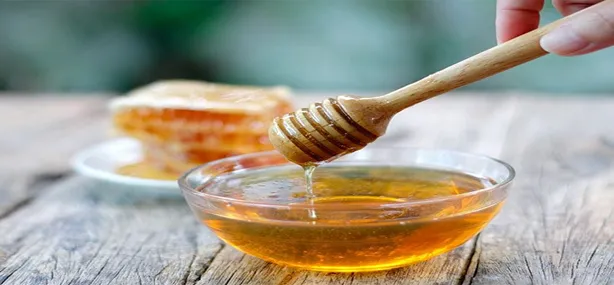
Figure:3
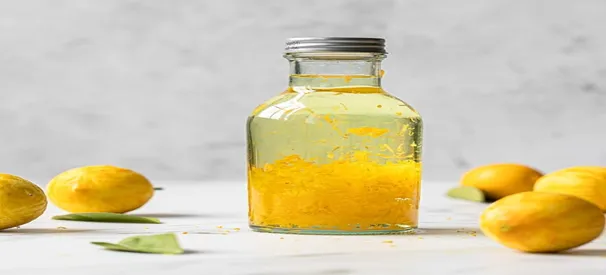
Lemon extract can be useful in a face mask because it contains vitamin C (ascorbic acid), citric acid, and natural antioxidants that help brighten skin and control excess oil. However, it is strong and acidic, so it must always be diluted before applying to the skin.The use of artificial compounds in cosmetics leads to various side effects including premature aging, skin irritation, acne, blackheads, and more. Thus, it's essential to create cosmetics from organic materials, like utilizing citrus by products to produce peel-off masks. Creation of peel-off mask formulations utilizing active components from kaffir lime peel and lime peel by products, known for their antioxidant properties and overall phenolic content. Peel-off masks from citrus peel waste were prepared by extracting phenolic compounds from the peels through the maceration method using ethanol as a solvent, followed by the formulation of the masks using PVP and PVA bases. Additionally, the preparation of the peel-off mask was evaluated, encompassing organoleptic, pH, adhesion, spreadability, and viscosity assessments.
Benefits of Lemon Extract for Skin:
The Aloe vera plant belongs to the liliaceae family. Distribution zones span the entire globe. Aloe vera comprises over 350 varieties of plants [1]. Aloe vera finds applications in the cosmetics, food, and pharmaceutical sectors. In the cosmetics and hygiene sector, it serves as a fundamental ingredient for masks, skin moisturizers, soaps, shampoos, sunscreen, makeup creams, fragrances, shaving creams, bath products, and numerous other items [2]. Identification of phenolic components in Aloe vera including Aloin A and B, Aloenin (B), Aloesin, and Chrysophanol [3]. Aloe vera juice comprises primary components like aloin, emodin, gum, along with additional elements such as essential oils. Aloin is a component that possesses antiseptic and antibiotic properties [4]. Masks are beauty products designed for facial skin treatment. Masks are put on the face in fairly thick layers and taken off after a duration, typically between 15 and 30 minutes [5]. This category of cosmetics aims to preserve healthy skin by providing cleansing, moisture retention, UV protection, antioxidant support, skin brightening, aging prevention, wrinkle reduction, and combating slackness and acne.
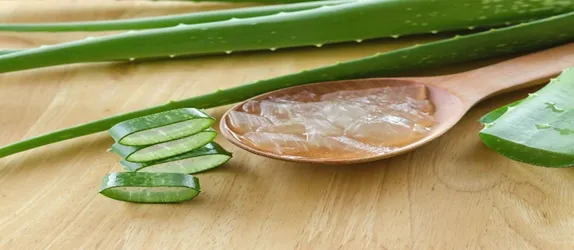
Figure:5
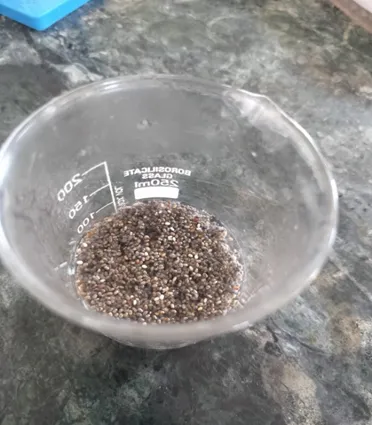
Step 1: Soaking Chia Seeds.
Take 1 tablespoon chia seeds.
Soak them in 3 tablespoons water for about 30–45 minutes.
They will form a gel-like consistency.
Step 2: Grinding
If you want a smooth mask, lightly grind the soaked chia gel.
Step 3: Mixing Ingredients.
Add 2 tablespoons aloe vera gel to the chia gel.
Add 1 tablespoon honey.
Add 1 tablespoon rose water.
Add ½ teaspoon lemon extract.
Mix all ingredients thoroughly until a smooth paste is formed

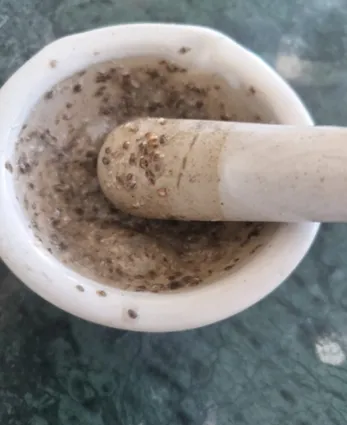
SOAKING CHIA SEED PASTE OF CHIA SEED
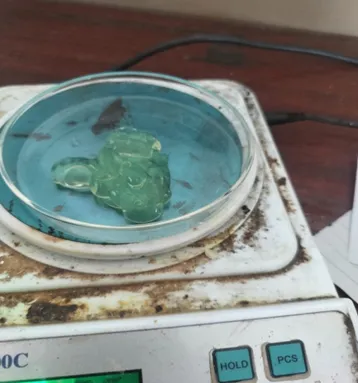

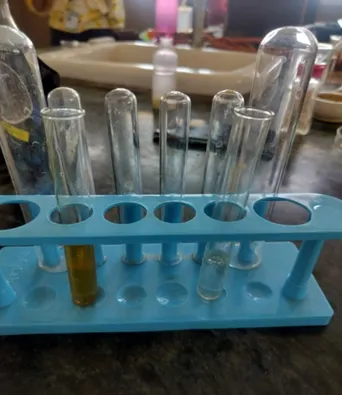
WEIGH & ADD ALOE VERA GEL ADD HONEY & LEMON EXTRACT
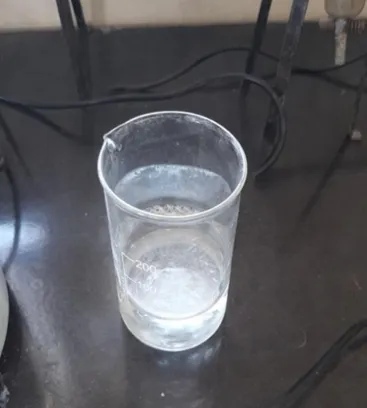

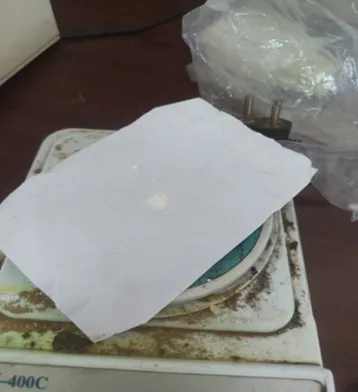
ADD ROSE WATER ADD PRESERVATIVES
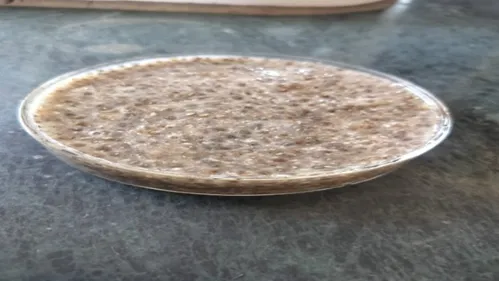
PRODUCT FORMED
5. EVALUATION PARAMETER
|
S. No. |
Evaluation Parameter |
Test Method (Laboratory) |
Ingredient / Formulation Tested |
Ideal Observation / Result |
|
1 |
Organoleptic Properties |
Visual and sensory inspection |
All ingredients & final face mask |
Pleasant odor, uniform color, smooth texture, no lumps |
|
2 |
pH Determination |
Digital pH meter |
Final face mask paste |
pH 5.0 – 6.5 (skin compatible) |
|
3 |
Homogeneity |
Visual inspection, smear on glass slide |
Final face mask paste |
Uniform, lump-free, smooth consistency |
|
4 |
Viscosity |
Brookfield viscometer |
Final face mask paste |
Moderate viscosity (neither too thick nor too runny) |
|
5 |
Spreadability |
Glass slide method |
Final face mask paste |
Easily spreadable, forms thin uniform layer |
|
6 |
Washability |
Rinsing with water |
Final face mask paste |
Easily washable, no residue |
|
7 |
Drying Time |
Time measurement after application |
Final face mask paste |
Dries within 10–20 minutes |
|
8 |
Skin Irritation Test |
Patch test on forearm |
Final face mask paste |
No redness, itching, or irritation |
|
9 |
Stability Study |
Storage at different temperatures (room temp, 4°C, 40°C) |
Final face mask paste |
No change in color, odor, pH, or consistency |
|
10 |
Microbial Test |
Culture method (agar plate) |
Ingredients & final paste |
No or minimal microbial growth |
|
11 |
Moisture Retention |
Skin hydration observation |
Final face mask paste |
Skin remains soft and hydrated |
|
12 |
Exfoliation Test |
Visual skin analysis after use |
Final face mask paste |
Removal of dead cells, improved brightness |
|
13 |
Swelling Index |
Soaking in water and measuring weight increase |
Chia seeds |
High swelling capacity (gel formation) |
|
14 |
Purity Test |
Visual & microscopic examination |
Chia seeds |
Free from foreign particles |
|
15 |
Sugar Content |
Chemical test (Fehling’s/Benedict’s test) |
Honey |
Presence of reducing sugars |
|
16 |
Viscosity & Clarity |
Visual and flow test |
Aloe vera gel |
Clear, smooth gel consistency |
|
17 |
Distillation Quality |
Organoleptic and pH test |
Rose water |
Clear liquid, mild fragrance, pH ~5–6 |
|
18 |
Citric Acid Test |
Titration method |
Lemon extract |
Presence of citric acid (acidic nature) |
8.EVALUATION OF FACE MASK
1.Physical Appearance:
The prepared formulation was observed for color, odor, and texture. It showed a light gel-like consistency with a pleasant natural fragrance.
2.pH Determination:
The pH of the formulation was measured using a pH meter and found to be within the range of 5.5–6.5, which is suitable for skin application.
3.Homogeneity:
The formulation was tested for uniformity by visual inspection and showed a smooth and lump-free consistency.
4.Spreadability:
The mask exhibited good spreadability, allowing easy application on the skin surface.
5.Stability Study:
The formulation was stored at different temperatures and observed for changes in color, odor, and consistency. It remained stable over time.
Skin Irritation Test:
A patch test was performed on a small area of skin, and no signs of irritation, redness, or itching were observed.
RESULTS AND DISCUSSION
The formulated chia seed face mask demonstrated excellent physical and functional properties. The gel-like texture provided smooth application and easy removal. The pH was found to be compatible with skin, indicating safety for topical use. The presence of honey and Aloe vera contributed to enhanced moisturization, while lemon extract provided mild exfoliation and skin brightening effects. Rose water improved the overall soothing and refreshing experience.
The formulation showed no signs of instability or microbial growth during the study period, suggesting good shelf stability under proper storage conditions. The absence of skin irritation confirms that the product is safe for regular use. Overall, the combination of natural ingredients worked synergistically to improve skin hydration, texture, and appearance.
CONCLUSION
The prepared face mask containing chia seeds, aloe vera, honey, rose water, and lemon extract is a natural and effective herbal formulation for basic skin care. Each ingredient contributes beneficial properties such as hydration, nourishment, soothing effect, antibacterial protection, and skin brightening.The chia seed gel provides deep moisturization and antioxidant support, aloe vera helps in calming and healing the skin, honey acts as a natural moisturizer and antimicrobial agent, rose water maintains skin freshness and pH balance, while lemon extract enhances skin brightness due to its Vitamin C content.Overall, this face mask is economical, easy to prepare, free from harmful chemicals, and suitable for regular use (1–2 times per week). With proper precautions and patch testing, it can help improve skin texture, glow, and overall appearance naturally.
The present study successfully formulated and evaluated a natural chia seed-based face mask using rose water, honey, lemon extract, and Aloe vera. The formulation proved to be stable, safe, and effective for skincare applications. It offers multiple benefits such as hydration, nourishment, skin brightening, and soothing effects without causing any adverse reactions.This herbal face mask can serve as an economical and eco-friendly alternative to synthetic cosmetic products. The use of natural ingredients not only enhances skin health but also minimizes the risk of side effects. Further studies can be conducted to improve shelf life and explore additional herbal combinations for enhanced efficacy.
Top of REFERENCES


Payal Bisai, Vishal Shrivastav, Rupesh Nirmalkar, Ujjawal Dubey, Akansha Sahu, Dr. Gyanesh Kumar Sahu, Herbal Face Mask Formulation Using Chia Seeds for Skin Nourishment, Int. J. of Pharm. Sci., 2026, Vol 4, Issue 6, 1089-1101, https://doi.org/10.5281/zenodo.20539734
 10.5281/zenodo.20539734