

We use cookies to ensure our website works properly and to personalise your experience. Cookies policy
S.N.D Colleg of Pharmacy Yeola.
Shampoo is the most widely used hair-care product, and herbal shampoos, which rely wholly or partly on plant-derived materials, are attracting growing interest from consumers seeking gentle, natural and sustainable alternatives to conventional synthetic formulations. This review provides a structured account of herbal shampoos, beginning with the structure and physiology of hair and scalp, the classification and ideal properties of shampoos, and the cleansing mechanism and limitations of conventional ingredients. The principal herbal ingredients are discussed by function: saponin-based cleansers (reetha, shikakai, fenugreek), conditioners and mucilage providers (hibiscus, aloe vera, coconut oil), anti-dandruff plants (neem, tea tree, tulsi), hair-growth supporting plants (bhringraj, brahmi, rosemary, amla), and antioxidants and natural colourants. Extraction techniques, formulation development, excipient selection, preservation, manufacturing and scale-up are described, followed by evaluation methods including pH, viscosity, foaming, surface tension, wetting, detergency, safety, herbal marker analysis and stability studies. Safety, regulatory frameworks, labelling and claims, market trends, sustainability and packaging are also considered. Key challenges are batch-to-batch variability of plant materials, preservation of water-rich natural formulations, achieving performance equivalent to synthetic products and the limited availability of clinical evidence. Future directions include standardised and biotechnological actives, green extraction, microbiome-friendly formulations, data-driven development and circular packaging.
1.1 Background
Hair care is one of the largest segments of the personal-care industry, and shampoo is its most widely used product. The primary purpose of a shampoo is to cleanse the scalp and hair by removing sebum, dead skin cells, environmental dirt and residues of styling products, without leaving the hair dry, tangled or the scalp irritated [1,2]. Modern shampoos, however, are expected to do much more: they must foam attractively, rinse easily, condition the hair, suit different hair types, control dandruff, be mild enough for frequent use and remain stable on the shelf.
Most commercial shampoos are built on synthetic anionic surfactants such as sodium lauryl sulfate (SLS) and sodium laureth sulfate (SLES), combined with conditioning polymers, silicones, synthetic preservatives, colours and fragrances. These formulations are efficient and economical, but concerns about scalp dryness, irritation, environmental persistence of some ingredients and consumer preference for natural products have increased interest in alternatives [3,5].
1.2 The rise of herbal shampoos
Herbal shampoos use plant-derived materials (saponin-rich fruits and pods, mucilaginous flowers and seeds, essential oils and plant extracts) in place of, or in addition to, synthetic ingredients. Hair washing with plants such as reetha (soapnut), shikakai, amla and hibiscus has been practised for centuries in Ayurvedic and other traditional systems, and these materials are now being re-examined with modern analytical and formulation science [5,21,22]. The global market for natural and herbal personal-care products has grown steadily as consumers seek products perceived as safer, gentler and more sustainable.
The term 'herbal' is used loosely in the market. A shampoo may be labelled herbal because it contains a small amount of an extract added to a conventional synthetic base, or because it is made entirely from plant-derived materials. This review distinguishes between these cases wherever relevant, since performance, stability and safety differ considerably.
1.3 Objectives and scope
This review aims to provide an integrated account of herbal shampoos, covering the following topics:
1.4 Methodology
The review is narrative. Literature was collected from PubMed, Scopus, ScienceDirect and Google Scholar using terms such as herbal shampoo, natural surfactant, saponin, hair care, scalp, dandruff, hair growth, shampoo evaluation and cosmetic regulation. Textbooks, pharmacopoeial and regulatory documents were also consulted. Figures labelled illustrative, schematic or simulated are conceptual aids prepared for this review and are not experimental results.
1.5 Organisation
Chapters 2 to 5 provide the scientific background on hair, shampoo types, conventional ingredients and the herbal concept. Chapters 6 to 9 deal with herbal ingredients, extraction, formulation and manufacture. Chapters 10 and 11 discuss evaluation and safety. Chapters 12 to 14 address regulation, market trends and the future, Chapter 15 summarises mechanistic insights, Chapter 16 provides practical experimental protocols and Chapter 17 concludes.
CHAPTER 2
2. Hair and Scalp: Structure, Physiology and Cleansing Needs
2.1 Structure of the hair fibre
A mature hair fibre is a dead, keratinised structure produced by the hair follicle. It consists of three concentric regions: the cuticle, the cortex and, in some hairs, the medulla (Figure 1). The cuticle is formed by overlapping flattened cells like roof tiles, and its integrity determines gloss, smoothness and protection of the interior. The cortex makes up most of the fibre mass, contains keratin macrofibrils embedded in a matrix and carries the melanin pigments responsible for colour. The medulla is a loosely packed central core which is often absent in fine hair [6,7].
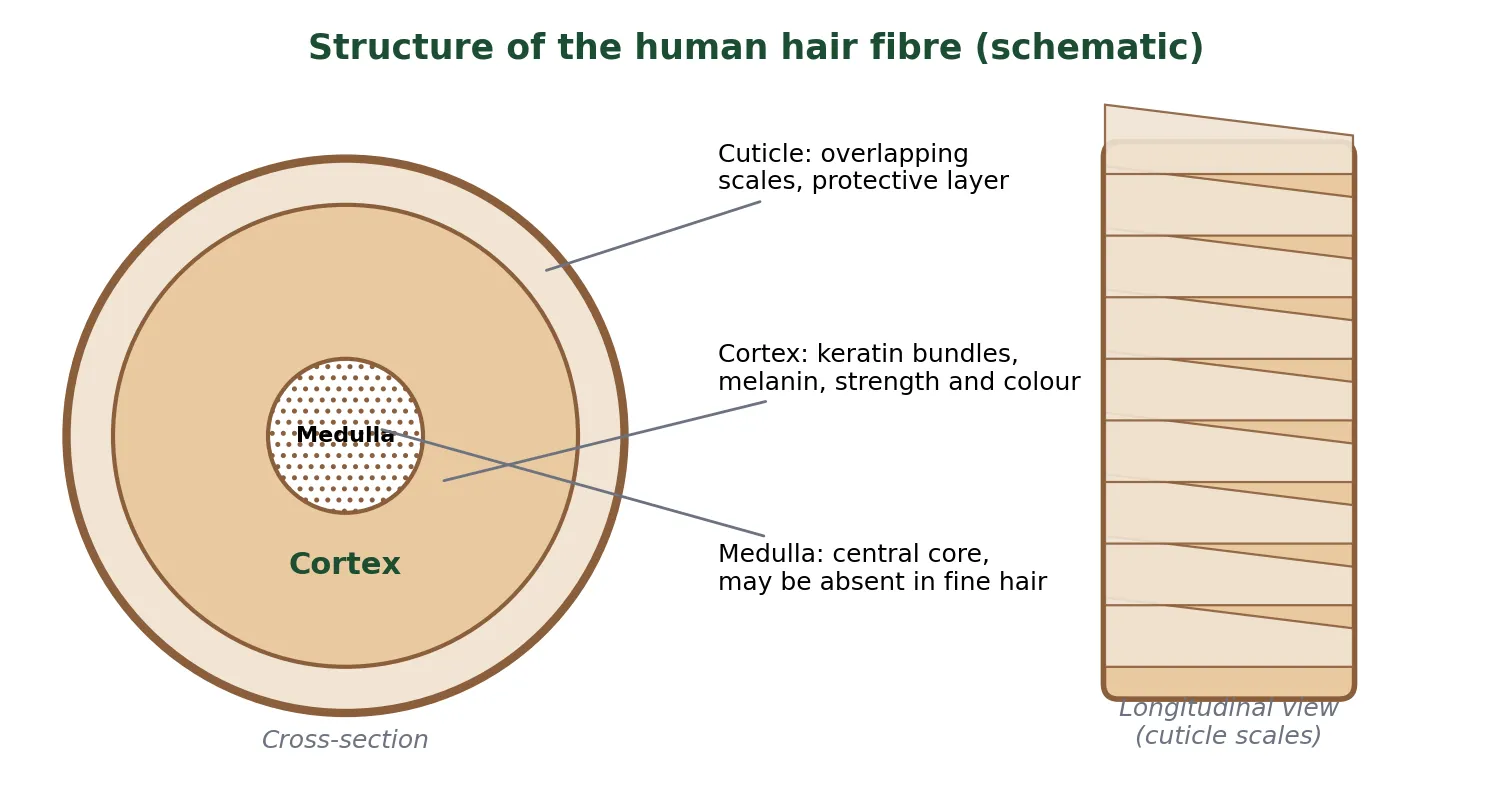
Figure 1: Schematic cross-section and longitudinal view of a hair fibre showing the cuticle, cortex and medulla.
Table 1: Layers of the hair fibre and their relevance to shampooing.
| Layer | Composition | Function | Relevance to shampoo |
|---|---|---|---|
| Cuticle | Flattened keratinised cells, lipid-rich outer layer (18-MEA) | Protection, smoothness, gloss | Over-cleansing and alkalinity lift scales, causing roughness and tangling |
| Cortex | Keratin intermediate filaments, matrix proteins, melanin | Strength, elasticity, colour | Conditioners and proteins may deposit or penetrate; damage reduces strength |
| Medulla | Loosely packed cells and air spaces | Variable; may aid insulation | Little direct impact on shampoo performance |
| Cell membrane complex | Lipids and proteins between cells | Cohesion of layers | Surfactants can extract lipids if too harsh |
2.2 The hair follicle and growth cycle
Each hair grows from a follicle that cycles through phases of growth (anagen), regression (catagen) and rest (telogen), followed by shedding (exogen) [8,9]. Anagen lasts several years on the scalp and determines hair length; catagen lasts a few weeks; telogen lasts about three months. Normally the majority of scalp hairs are in anagen at any time, and a daily loss of some tens of hairs is physiological. Disturbance of the cycle, caused by stress, nutritional deficiency, hormonal change, illness or medication, can increase shedding. Shampoos cannot alter follicle biology profoundly, but gentle cleansing and scalp-supporting actives are claimed to help maintain a favourable scalp environment.
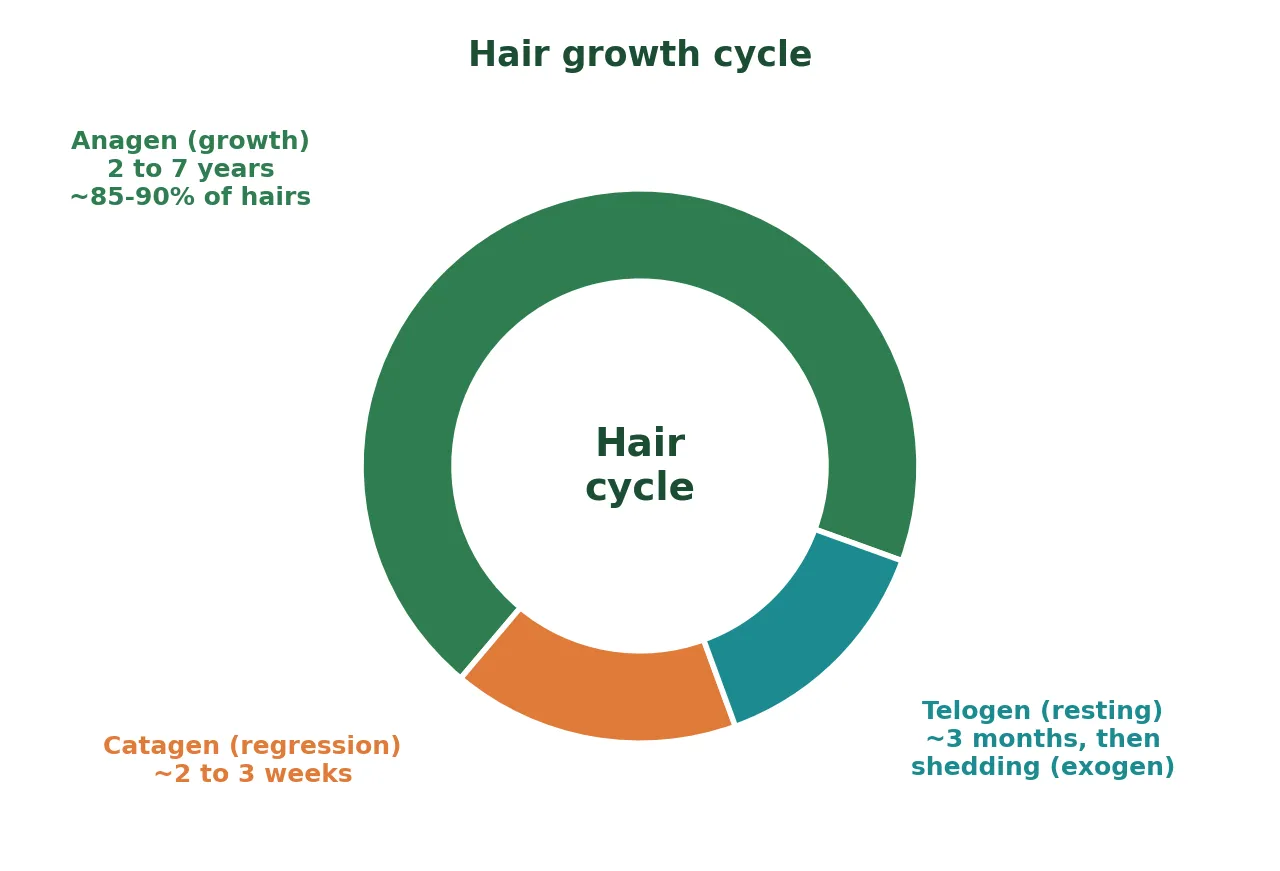
Figure 2: The hair growth cycle: anagen, catagen and telogen phases with approximate durations.
2.3 The scalp surface
The scalp skin carries a high density of sebaceous glands. Sebum, a mixture of triglycerides, wax esters, squalene and free fatty acids, lubricates and waterproofs the hair but, with sweat, desquamated corneocytes and environmental particles, forms the soil that shampoo must remove. The scalp surface is mildly acidic, and a surface pH below about 5.5 supports the resident microbial flora and barrier function [10,11]. Cleansers that are strongly alkaline can disturb this acid mantle, increase swelling of the hair cuticle and promote dryness or irritation.
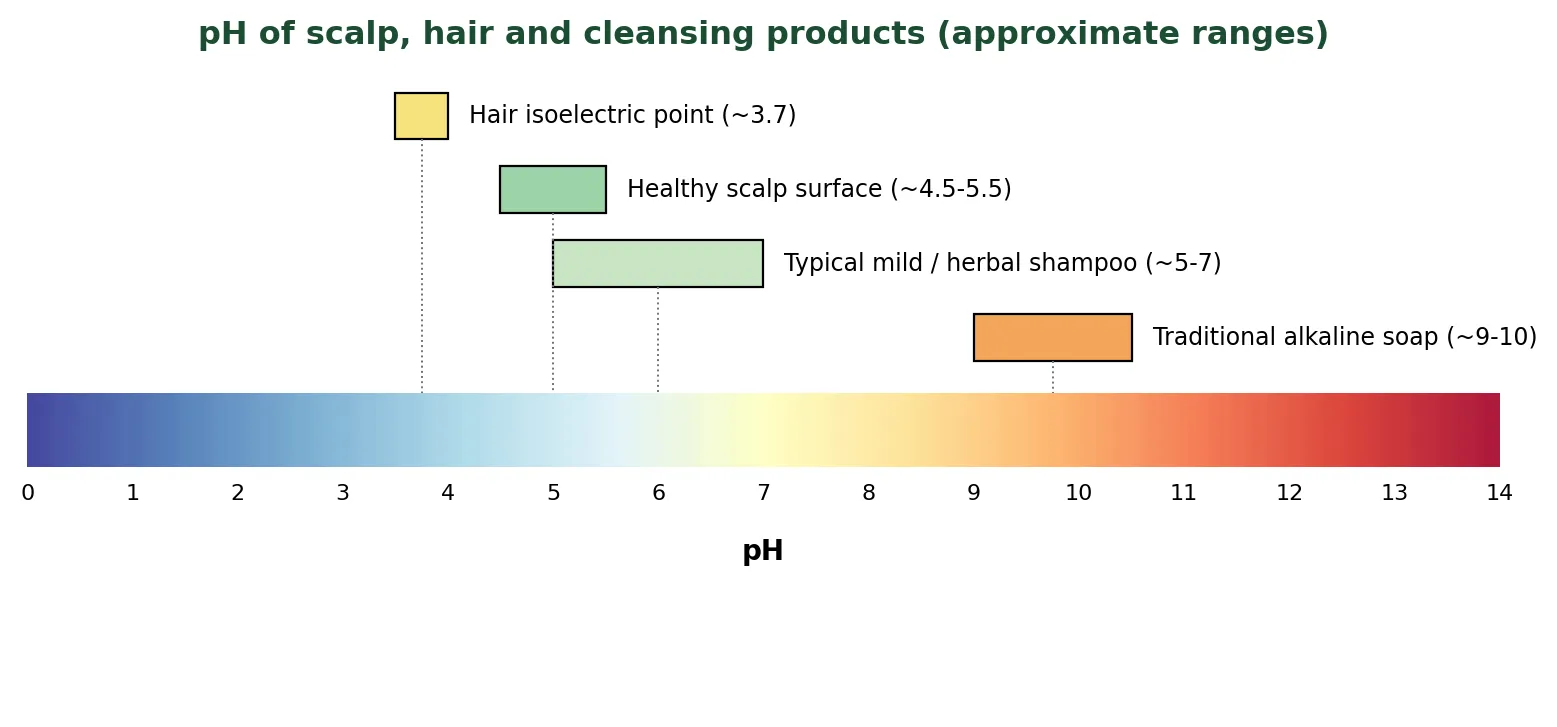
Figure 3: Approximate pH ranges of the scalp surface, the hair isoelectric point, mild shampoos and traditional alkaline soap. Ranges are indicative.
2.4 Scalp microbiome and dandruff
The scalp hosts bacteria and fungi, including Malassezia yeasts, which are part of the normal flora [10]. Dandruff and seborrheic dermatitis are associated with Malassezia metabolism of sebum lipids into irritant fatty acids, together with individual susceptibility and a perturbed barrier [14]. Anti-dandruff shampoos therefore combine cleansing with an antifungal or keratolytic active. Plant materials such as neem, tea-tree oil and tulsi have reported antifungal or antimicrobial activity and are widely used in herbal products (Chapter 6).
2.5 Hair types and damage
Hair differs in diameter, curl, porosity and oiliness between individuals and ethnic groups. Chemical treatments (bleaching, colouring, perming), heat styling, ultraviolet radiation and mechanical grooming progressively damage the cuticle and cortex, increasing porosity and friction. Damaged hair requires milder cleansing and more conditioning, whereas oily scalps require more efficient sebum removal. A shampoo is therefore usually a compromise between cleansing and conditioning, tailored to the target hair type [1,6].
2.6 Requirements placed on a shampoo
From the biology above it follows that a shampoo should remove sebum and soil adequately, not strip the lipids of the cuticle and scalp, maintain a slightly acidic to neutral pH, produce a stable and pleasant foam, rinse easily, leave hair manageable and shiny, and not irritate the scalp or eyes. Herbal products must satisfy the same performance criteria as conventional ones while delivering any additional claimed benefits.
CHAPTER 3
3. Shampoo: History, Types and Ideal Properties
3.1 Historical perspective
Early cleansing of hair relied on natural materials such as clay, ash, plant saponins and fermented preparations. The word shampoo derives from the Hindi champo, meaning to press or massage, and was introduced into English in the eighteenth century. Soap-based shampoos appeared in the nineteenth century, but soap reacts with hard-water calcium and magnesium to form insoluble scum that dulls hair. Synthetic detergent-based products emerged in the 1930s, and the subsequent development of mild surfactants, conditioning agents, polymers and anti-dandruff actives produced the multifunctional shampoos of today [1,31].
3.2 Classification of shampoos
Shampoos can be classified in several ways (Figure 4). By physical form they may be liquids, gels, creams, powders, pastes, solid bars or aerosol foams. By function they include cleansing, conditioning ('2-in-1'), anti-dandruff, anti-hair-fall, clarifying, baby and colour-care shampoos. By surfactant chemistry they are anionic, cationic, amphoteric, non-ionic or natural saponin-based, and by origin they are synthetic, herbal or natural, organic or hybrid [2,23].
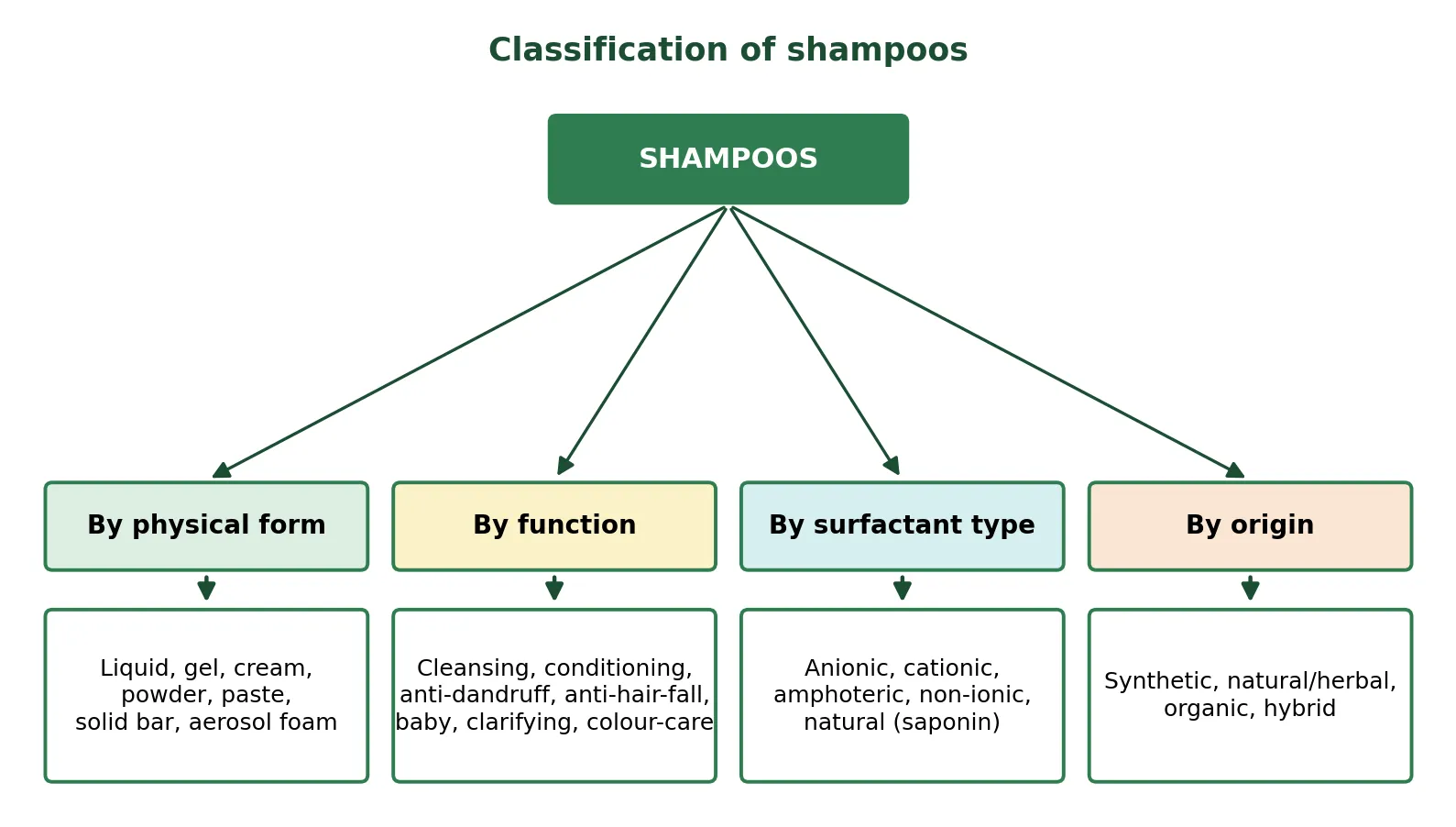
Figure 4: Classification of shampoos by physical form, function, surfactant type and origin.
Table 2: Common types of shampoo and typical characteristics.
| Type | Typical features | Typical users / purpose |
|---|---|---|
| Clarifying | Higher detergency; removes product build-up | Oily scalp, swimmers, periodic deep clean |
| Conditioning (2-in-1) | Surfactant plus cationic polymer or silicone | Dry or damaged hair, ease of combing |
| Anti-dandruff | Antifungal / keratolytic active (zinc pyrithione, selenium sulfide, ketoconazole, or herbal actives) | Dandruff, seborrheic dermatitis |
| Baby / mild | Amphoteric and non-ionic surfactants, low irritation | Infants, sensitive scalps |
| Herbal / natural | Plant surfactants and extracts, minimal synthetics | Consumers seeking natural products |
| Powder / bar | Dry or solid form, water-activated | Travel, low-packaging, traditional use |
3.3 Ideal properties of a shampoo
3.4 Basic shampoo formulation approach
A shampoo is essentially an aqueous surfactant solution, to which performance modifiers and stabilisers are added. The formulator selects a primary surfactant for cleansing, secondary surfactants for foam and mildness, conditioning agents, a viscosity-building system, a preservative system, pH adjusters and aesthetic additives. Herbal formulators follow the same logic but substitute or supplement each category with plant-derived materials, which brings extra considerations of batch variability, colour, stability and microbial load [3,4,26].
CHAPTER 4
4. Conventional Shampoo Ingredients and Cleaning Mechanism
4.1 Mechanism of cleansing
Surfactant molecules are amphiphilic: a hydrophilic head group and a hydrophobic tail. At the hair surface the tails penetrate sebum and soil, lowering the interfacial tension, while the heads remain in the water. Mechanical action during massage rolls the oily soil into droplets that become surrounded by surfactant, and above the critical micelle concentration (CMC) micelles solubilise or emulsify the soil so that it can be rinsed away (Figure 5). Foam is not required for cleaning but is strongly associated by consumers with efficacy [1,23].
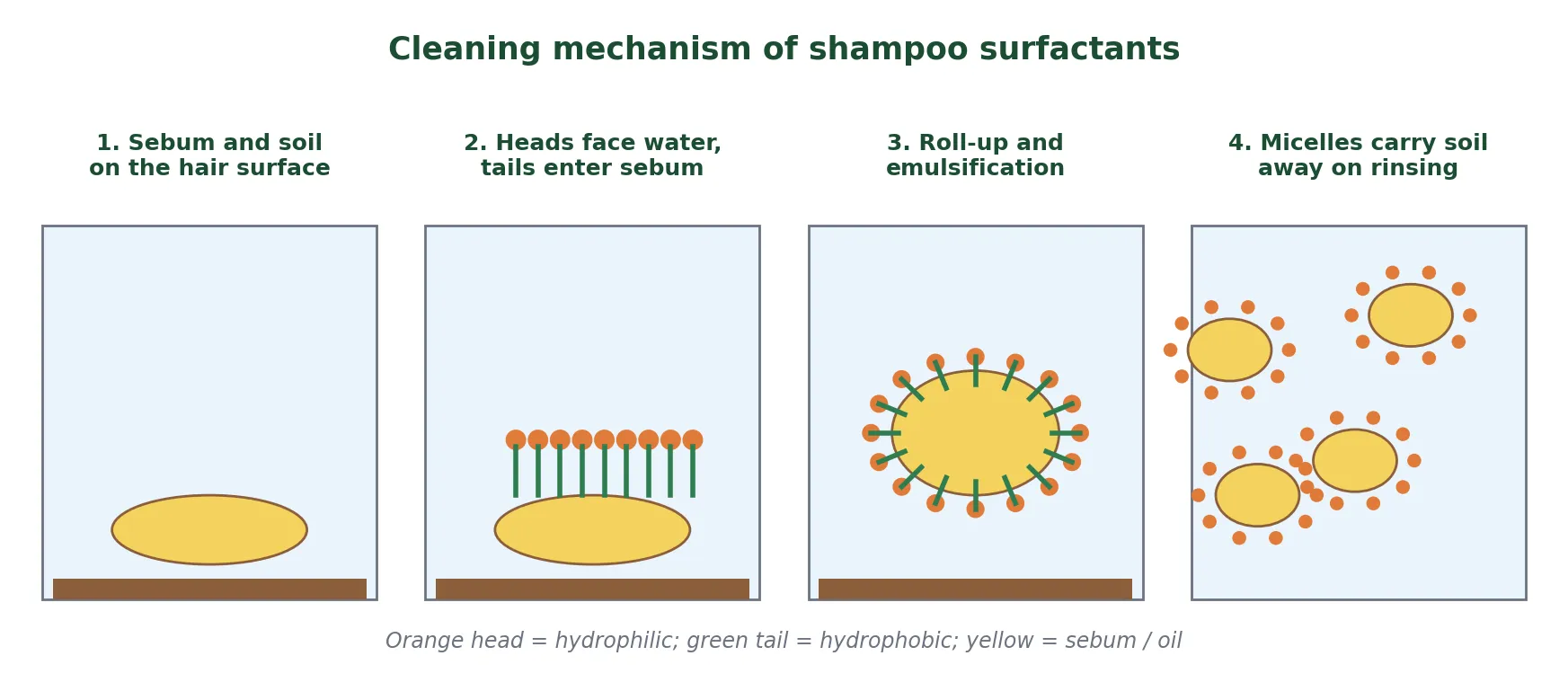
Figure 5: Schematic of the cleaning mechanism: adsorption of surfactant on soil, roll-up and emulsification, and removal of soil in micelles during rinsing.
4.2 Surfactants
Anionic surfactants (SLS, SLES, ammonium lauryl sulfate, alpha-olefin sulfonates, sulfosuccinates) give strong detergency and foam but can be irritating and defat the scalp, particularly SLS. Ethoxylation (as in SLES) and the addition of amphoteric surfactants reduce irritation. Amphoteric surfactants (cocamidopropyl betaine, sodium cocoamphoacetate) improve mildness, foam and viscosity. Non-ionic surfactants (alkyl polyglucosides, fatty alkanolamides) are mild and enhance foam stability. Cationic surfactants and polymers are mainly used for conditioning rather than cleansing [1,2,23].
4.3 Conditioning agents and polymers
Cationic polymers such as polyquaternium-10 and cationic guar form coacervates on dilution during rinsing, depositing on negatively charged damaged hair to improve wet combing. Silicones (dimethicone and derivatives) give smoothness and shine but may build up. Natural oils, proteins and humectants such as panthenol and glycerin are also used, and are frequently the entry point for herbal ingredients in conventional formulae [24,31].
4.4 Other functional ingredients
Table 3: Typical ingredients in conventional shampoos, their functions and concerns.
| Category | Examples | Function | Concerns |
|---|---|---|---|
| Primary surfactant | SLS, SLES, ammonium lauryl sulfate | Cleansing, foam | Irritation, dryness, eye stinging |
| Co-surfactant | Cocamidopropyl betaine, cocamide DEA / MEA | Mildness, foam, viscosity | Sensitisation (betaine impurities), nitrosamine concern for DEA |
| Conditioner | Polyquaternium-10, dimethicone, panthenol | Combing, softness, shine | Build-up, persistence of some silicones |
| Thickener | Sodium chloride, PEG derivatives, carbomer, xanthan gum | Viscosity, consumer feel | Salt curve limits; ionic sensitivity |
| Preservative | Parabens, phenoxyethanol, isothiazolinones, formaldehyde releasers | Microbial protection | Sensitisation, consumer rejection of some classes |
| Chelating agent | EDTA salts | Prevent hard-water effects, aid preservative | Environmental persistence |
| pH adjuster | Citric acid, sodium hydroxide | Skin-compatible pH | None at usual levels |
| Colour / fragrance | Synthetic dyes, perfume | Appearance, acceptance | Allergens, photosensitivity |
4.5 Limitations that motivate herbal alternatives
Frequent use of strongly detersive formulations may cause scalp tightness, dryness or irritation in sensitive individuals; some preservatives and fragrances are recognised contact allergens; and persistent ingredients may accumulate in aquatic environments [1,2,5]. Importantly, most of these concerns are dose- and formulation-dependent, and modern mild sulfate-based shampoos are generally well tolerated. The motivation for herbal products is therefore a mixture of genuine dermatological benefit, consumer preference and sustainability, rather than a simple safety advantage.
CHAPTER 5
5. Concept of Herbal Shampoo
5.1 Definition and categories
A herbal shampoo is a hair-cleansing preparation in which the principal cleansing, conditioning or therapeutic functions are delivered fully or partly by plant-derived materials. In practice the following categories are encountered:
5.2 Rationale and potential advantages
Potential advantages claimed for herbal shampoos include milder cleansing from saponins and mucilages, conditioning from natural polysaccharides and oils, antioxidant and antimicrobial activity of plant polyphenols, a favourable biodegradability profile and lower use of synthetic additives [3,4,21]. Some plant extracts have in-vitro or animal evidence of hair-growth-promoting or anti-dandruff activity, although evidence from controlled clinical trials is limited for many materials (Chapter 11).
5.3 Limitations and challenges
Herbal ingredients introduce challenges that must be managed: variation of constituents with species, season, soil and harvest; colour and odour that may change over time; poorer foam and sometimes lower viscosity; susceptibility to microbial growth because plant extracts are nutrient-rich; limited toxicological data for many extracts; and the potential for allergy to botanical constituents (for example essential-oil terpenes). 'Natural' does not imply safe, and herbal products must be assessed with the same rigour as synthetic ones [21,22].
Table 4: Comparison of herbal and conventional synthetic shampoos.
| Parameter | Herbal shampoo | Conventional synthetic shampoo |
|---|---|---|
| Cleansing agent | Saponins, natural-origin surfactants | Synthetic anionic / amphoteric surfactants |
| Foam | Often lower and coarser (saponins) unless boosted | High, fine, stable |
| Conditioning | Mucilage, oils, extracts | Cationic polymers, silicones |
| Consistency between batches | Variable; requires standardised extracts | High reproducibility |
| Preservation | More demanding; natural preservatives less broad-spectrum | Well-established preservative systems |
| Appearance / odour | Natural colour, plant odour, may darken | Controlled colour and fragrance |
| Environmental profile | Often readily biodegradable; sourcing matters | Variable; some persistent ingredients |
| Evidence base | Mostly in-vitro / small studies for actives | Extensive performance and safety data |
| Consumer perception | Natural, gentle, traditional | Efficient, familiar |
5.4 Key design principles
1. Define the target claim (cleansing, anti-dandruff, hair care) before choosing ingredients.
2. Use authenticated plant material and standardised extracts with documented marker compounds.
3. Ensure physical and microbiological stability, since natural systems are more vulnerable.
4. Select a surfactant system that delivers acceptable foam and mildness; do not rely on saponins alone for consumer acceptance.
5. Substantiate claims with appropriate in-vitro, instrumental and clinical or sensory evidence.
6. Comply with the relevant cosmetic regulation of each market.
CHAPTER 6
6. Herbal Ingredients Used in Shampoos
Plants contribute to shampoos in several functional roles (Figure 6). Many are multifunctional: amla, for example, is both a conditioner and an antioxidant, and fenugreek contributes mucilage, protein and saponins. The following sections group the most commonly used materials by principal function; Table 5 summarises botanical details and reported constituents [15,21,22,27].
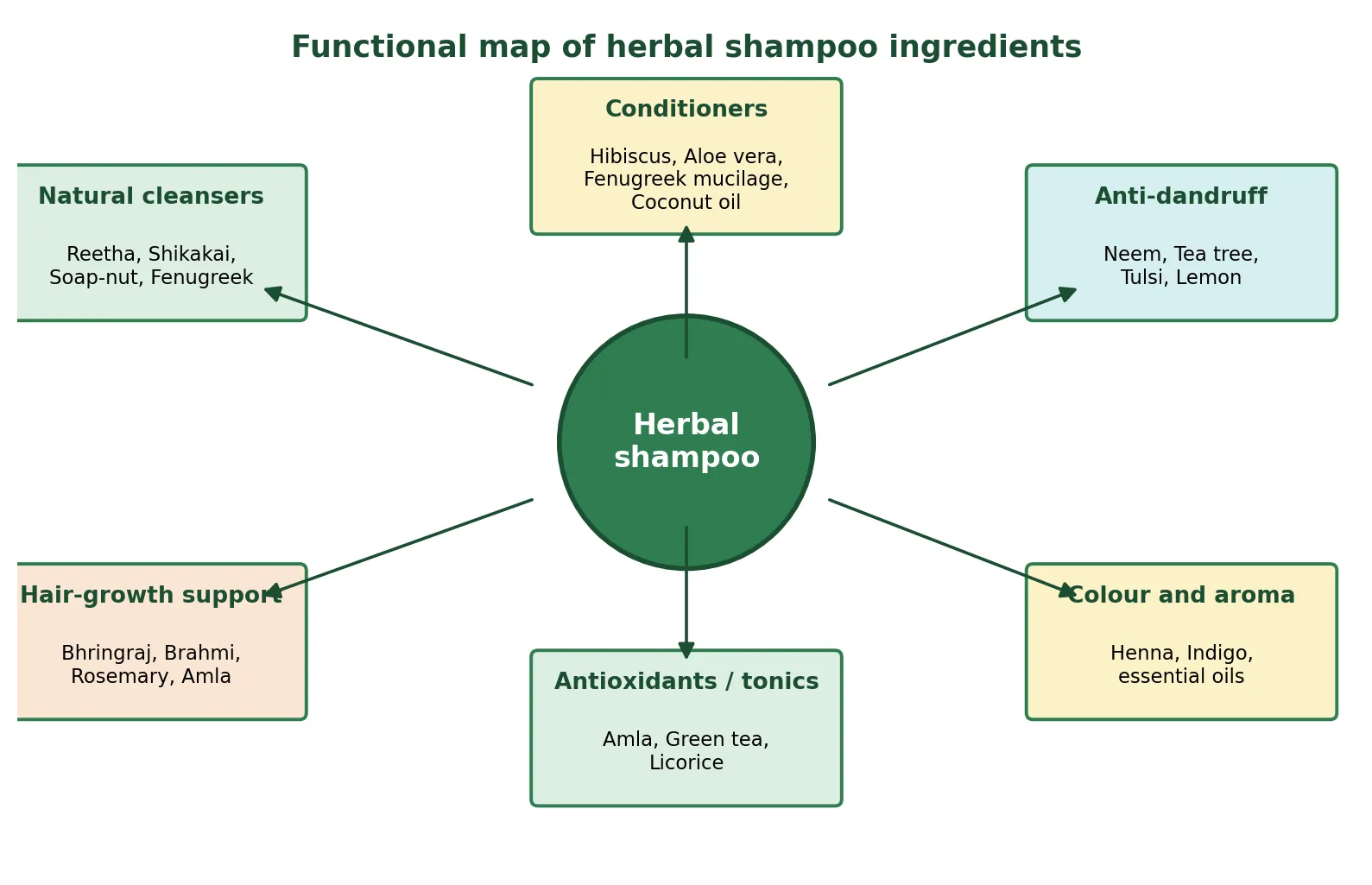
Figure 6: Functional map of herbal shampoo ingredients: cleansers, conditioners, anti-dandruff agents, hair-growth supporting plants, antioxidants and colour/aroma materials.
6.1 Natural cleansers (saponin-containing plants)
Saponins are glycosides with a lipophilic aglycone (triterpenoid or steroid) and hydrophilic sugar chains, giving surface activity, foaming and emulsifying properties. Reetha / soapnut (Sapindus mukorossi) pericarp is among the richest sources and has been used for centuries as a hair and fabric cleanser. Shikakai (Acacia concinna) pods contain saponins and are valued for mild cleansing with a lower tendency to strip hair, and traditionally it is combined with reetha and amla. Fenugreek seeds contain steroidal saponins and mucilage and offer both cleansing and conditioning. Saponin solutions foam well but may be slightly alkaline and darken on storage; their pH typically requires adjustment for shampoo use [3,4,21].
6.2 Conditioners and mucilage providers
Hibiscus (Hibiscus rosa-sinensis) flowers and leaves contain mucilage, flavonoids and anthocyanins; the mucilage gives slip and detangling, and extracts have shown hair-growth-promoting activity in animal studies [19]. Aloe vera gel contains polysaccharides (acemannan), amino acids and vitamins that moisturise and soothe the scalp. Coconut oil rich in lauric acid is one of the few oils shown to reduce protein loss from hair when used before washing [12,13]. Fenugreek, flaxseed and marshmallow root mucilages also improve wet combing.
6.3 Anti-dandruff and antimicrobial plants
Neem (Azadirachta indica) leaf and seed extracts contain limonoids such as nimbin and azadirachtin with antifungal and antibacterial properties. Tea-tree oil (Melaleuca alternifolia) contains terpinen-4-ol with antifungal activity against Malassezia and is used at low concentrations because it may cause contact allergy when oxidised. Tulsi (Ocimum sanctum) and lemon (citric acid and flavonoids) are common adjuncts. Licorice (Glycyrrhiza glabra) glycyrrhizin and flavonoids show anti-inflammatory activity that may soothe the scalp [14,21,22].
6.4 Hair-growth supporting and tonic plants
Bhringraj (Eclipta alba) is traditionally the 'king of hair herbs'; the coumestan wedelolactone and other constituents have been reported to promote hair growth in animal models [20]. Brahmi (Bacopa monnieri) contains triterpenoid saponins (bacosides) and is used as a scalp tonic. Rosemary (Rosmarinus officinalis) oil and extract, rich in carnosic acid and 1,8-cineole, is a popular modern ingredient for scalp stimulation. Amla (Phyllanthus emblica) is rich in ascorbic acid and tannins, and in hydrolysable tannins with antioxidant activity. Most evidence is preclinical, so claims should be worded cautiously and supported by data [19-22].
6.5 Antioxidants, colour and fragrance
Green tea (Camellia sinensis) catechins such as epigallocatechin gallate (EGCG) offer antioxidant activity but are sensitive to oxidation and pH. Henna (Lawsonia inermis) contains lawsone, which binds keratin and gives red-orange tint and some conditioning. Indigo (Indigofera tinctoria) is used with henna for darker shades. Essential oils (lavender, sandalwood, citrus) supply fragrance but also potential allergens, so their levels must follow regulatory and IFRA limits [22,27].
Table 5: Selected herbal materials used in shampoos.
| Common name / botanical name | Part used | Main constituents | Principal role |
|---|---|---|---|
| Reetha / Sapindus mukorossi | Pericarp | Triterpenoid saponins | Cleanser, foaming agent |
| Shikakai / Acacia concinna | Pods | Saponins, tannins | Mild cleanser, conditioner |
| Amla / Phyllanthus emblica | Fruit | Ascorbic acid, tannins, flavonoids | Antioxidant, conditioner |
| Hibiscus / Hibiscus rosa-sinensis | Flowers, leaves | Mucilage, flavonoids, anthocyanins | Conditioner, hair-growth support |
| Neem / Azadirachta indica | Leaves, seed oil | Nimbin, azadirachtin, flavonoids | Anti-dandruff, antimicrobial |
| Aloe vera / Aloe barbadensis | Leaf gel | Polysaccharides, amino acids | Moisturiser, soothing |
| Bhringraj / Eclipta alba | Whole herb, leaves | Wedelolactone, flavonoids | Hair-growth support, tonic |
| Brahmi / Bacopa monnieri | Aerial parts | Bacosides (saponins) | Scalp tonic |
| Fenugreek / Trigonella foenum-graecum | Seeds | Steroidal saponins, mucilage, protein | Cleanser, conditioner |
| Tea tree / Melaleuca alternifolia | Leaf oil | Terpinen-4-ol | Antifungal |
| Rosemary / Rosmarinus officinalis | Leaf extract, oil | Carnosic acid, 1,8-cineole | Scalp stimulation, antioxidant |
| Green tea / Camellia sinensis | Leaf | Catechins (EGCG) | Antioxidant |
| Henna / Lawsonia inermis | Leaf powder | Lawsone | Colour, conditioning |
| Licorice / Glycyrrhiza glabra | Root | Glycyrrhizin, flavonoids | Anti-inflammatory |
| Coconut / Cocos nucifera | Oil | Lauric acid, triglycerides | Pre-wash conditioning, emollient |
6.6 Quality of herbal raw materials
Plant materials must be correctly identified and free from adulterants, contaminants and excess microbial load. Quality evaluation follows pharmacognostic principles: macroscopic and microscopic identification, determination of foreign matter, ash values, extractive values, moisture content, phytochemical fingerprinting (TLC, HPTLC, HPLC) and tests for heavy metals, pesticide residues, aflatoxins and microbial limits [28,29]. Good agricultural and collection practices (GACP) reduce variability at source [30].
CHAPTER 7
7. Extraction and Preparation of Herbal Actives
7.1 General scheme
Herbal actives are normally incorporated as aqueous or hydro-alcoholic extracts, powders, glycerites or oils. The general sequence (Figure 7) comprises authentication and collection, washing and drying, size reduction, extraction, filtration, concentration, and standardisation with quality control [16,17,18].
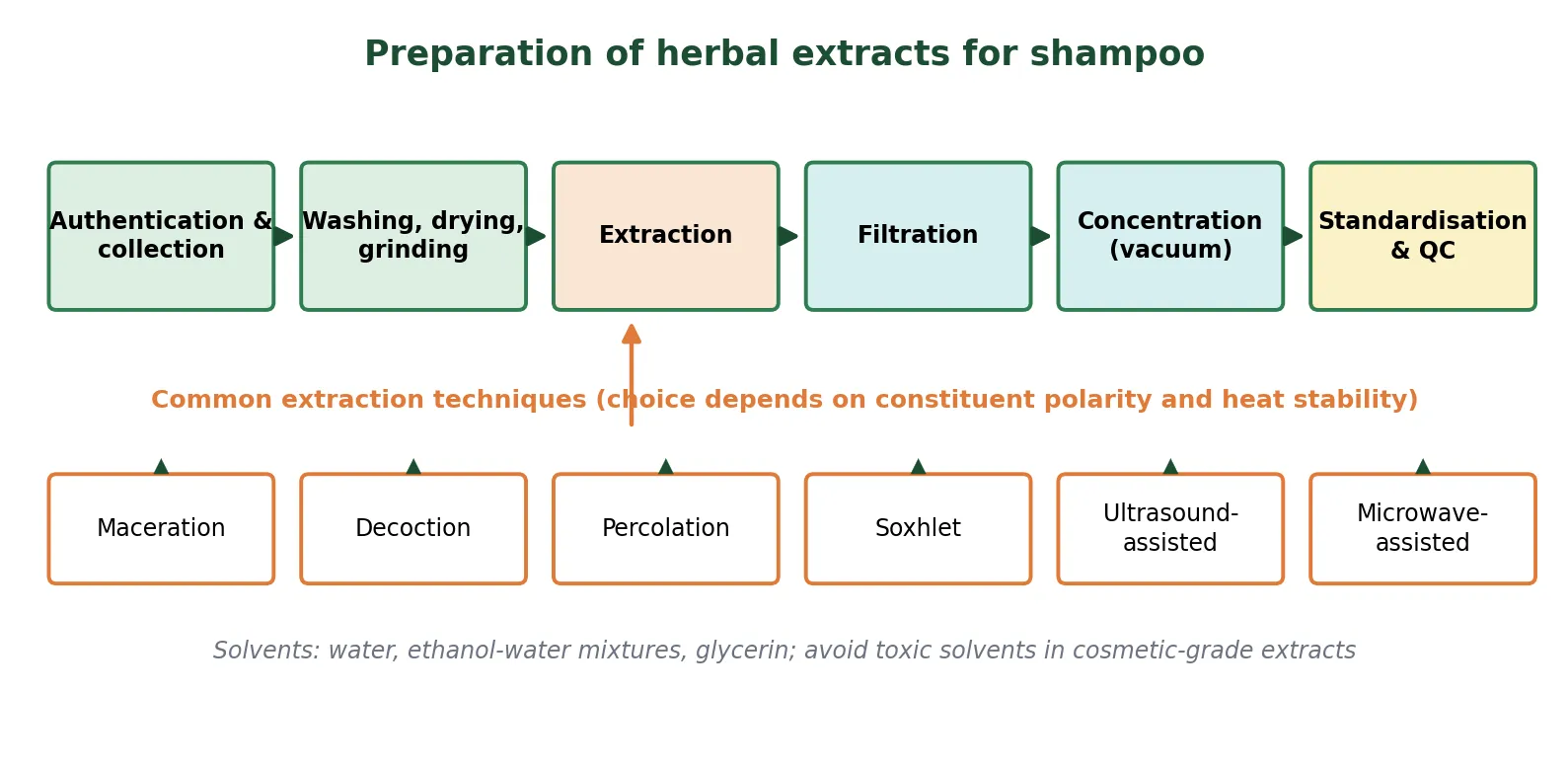
Figure 7: Preparation of herbal extracts for shampoo: processing sequence and common extraction techniques.
7.2 Pre-processing
Fresh material is washed to remove soil, then dried in shade or at low temperature (typically below about 50 C for heat-sensitive constituents) to a moisture level that prevents mould growth. Drying and grinding to an appropriate particle size increase the surface area for extraction, but too fine a powder can hamper filtration. Dried material should be stored in airtight, light-protected containers.
7.3 Extraction techniques
The choice of solvent follows the 'like dissolves like' principle: water extracts saponins, mucilage and polar phenolics; ethanol-water mixtures extract flavonoids and tannins more fully; non-polar solvents or CO2 extract essential oils and lipids. For cosmetics, only solvents with acceptable residual limits (water, ethanol, glycerin, propylene glycol) are generally used [17,18].
7.4 Concentration, standardisation and preservation of extracts
Extracts are filtered and concentrated under reduced pressure at a low temperature, or spray- or freeze-dried to powders. Standardisation, meaning adjustment to a defined content of a marker compound (for example total saponins, total phenolics or a specific marker such as wedelolactone), reduces batch-to-batch variability and allows meaningful dosing in the final product [28]. Aqueous extracts are highly susceptible to microbial growth and need preservation or sterilisation, for example by preservative addition, glycerin or propylene glycol dilution, or filtration.
7.5 Critical factors affecting extract quality
Extract yield and composition depend on plant part, harvest time, drying conditions, solvent polarity, solvent-to-drug ratio, temperature, time, particle size and method. Each of these should be specified in a documented process to ensure reproducibility. Modern 'green' approaches (water-based, UAE, MAE) align with sustainability expectations for herbal cosmetics.
CHAPTER 8
8. Formulation Development of Herbal Shampoo
8.1 Pre-formulation considerations
Pre-formulation includes characterising the herbal extract (solubility, pH, colour, odour, saponin and phenolic content, microbial load, compatibility with other ingredients) and defining the product profile: hair type, form, claims, shelf life and target market. Compatibility screening is particularly important because saponins and polyphenols can interact with cationic conditioners (loss of foam or precipitation), with electrolytes (viscosity changes) and with metal ions (colour change).
8.2 Typical composition
A typical liquid herbal shampoo is mainly water, with roughly 10 to 20 percent active surfactant, a few percent of conditioning/foam-boosting agents, a viscosity-building system, a preservative system, pH adjuster and fragrance (Figure 8). Herbal extracts may be used at roughly 1 to 10 percent depending on concentration and claim, subject to stability and regulatory constraints [3,4,41]. Table 6 gives a representative formula, which must be adapted and validated experimentally.
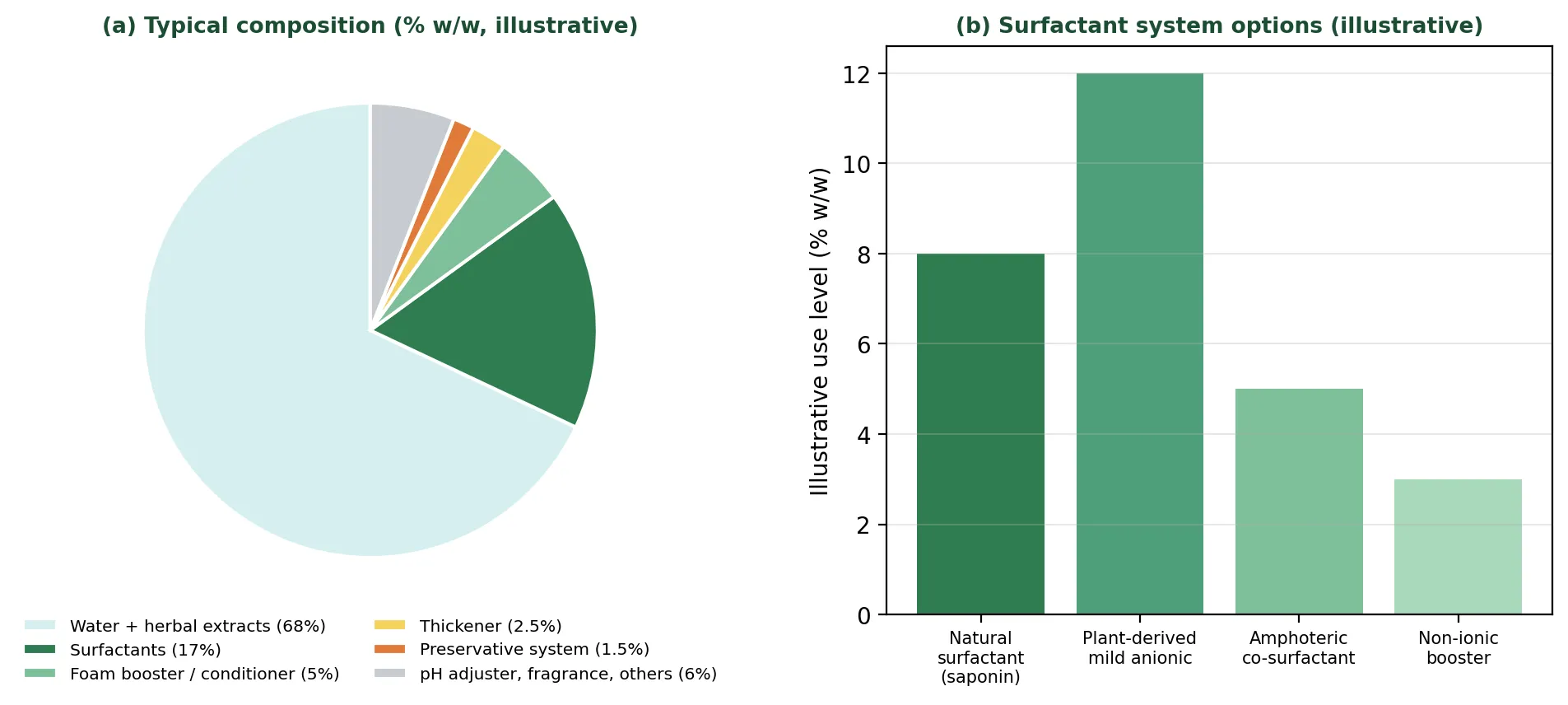
Figure 8: (a) Illustrative composition of a herbal shampoo; (b) options for the surfactant system. Values are indicative only.
Table 6: Representative formulation of a liquid herbal shampoo (illustrative).
| Ingredient | Function | Approx. % w/w |
|---|---|---|
| Purified water | Vehicle | q.s. to 100 |
| Herbal extract blend (reetha, shikakai, amla, hibiscus) | Cleansing, conditioning, antioxidant | 5-10 |
| Mild natural-origin surfactant (e.g., coco-glucoside / sodium cocoyl isethionate) | Primary cleanser | 8-12 |
| Amphoteric co-surfactant (e.g., cocamidopropyl betaine) | Foam, mildness | 3-5 |
| Glycerin | Humectant | 1-3 |
| Xanthan gum / guar derivative | Thickener | 0.3-1.0 |
| Aloe vera gel | Soothing agent | 1-3 |
| Essential oil (e.g., rosemary or tea tree) | Fragrance, activity | 0.1-0.5 |
| Preservative system (per regulation) | Microbial protection | as required |
| Citric acid / sodium citrate | pH adjustment, buffer | q.s. to pH 5-6.5 |
8.3 Selection of excipients
Surfactants
Fully saponin-based systems give a low viscosity and strong foam but pH and stability need control. Natural-origin surfactants such as alkyl polyglucosides, sodium cocoyl isethionate, sodium lauroyl sarcosinate and sodium cocoyl glutamate offer mildness and acceptable foam. Blending anionic and amphoteric/non-ionic surfactants enhances mildness through mixed-micelle formation and increases viscosity [23,26].
Thickeners and rheology modifiers
Natural polymers (xanthan gum, guar, hydroxypropyl guar, cellulose derivatives) provide structure and suspend particles. Electrolyte-based thickening of surfactant systems works at low salt levels but is less effective with natural-origin surfactants and highly loaded extracts.
Preservation
Water-rich herbal formulations favour microbial growth and are among the most demanding to preserve. Options include benzoate/sorbate systems at acidic pH, phenoxyethanol with ethylhexylglycerin, organic acids (levulinic, anisic) and glycols. The system must be validated by a preservative efficacy (challenge) test and comply with the permitted list of the target market. Essential oils and some extracts contribute some antimicrobial effect but are not sufficient alone [26,36].
pH and buffering
The target pH is generally between about 5 and 6.5, compatible with the scalp and hair. Saponin extracts tend to be alkaline and may require citric or lactic acid; buffering with citrate keeps the pH stable during storage [11].
Colour, fragrance and antioxidants
Plant extracts often darken through oxidation. Antioxidants (tocopherol, ascorbic acid), chelating agents and opaque packaging reduce colour change. Fragrance selection should consider allergen labelling and the stability of the essential oil in the base.
8.4 Optimisation using experimental design
Formulation variables (surfactant ratio, extract level, thickener level, pH) interact, so structured experimentation such as factorial or mixture designs provides an efficient route to optimise foam volume, viscosity, pH stability and sensory score simultaneously [4]. Regression models and response-surface plots can then identify a robust formulation region and support quality-by-design practices.
CHAPTER 9
9. Manufacturing Process and Scale-up
9.1 Process flow
Herbal shampoo is manufactured by batch mixing in jacketed stainless-steel vessels fitted with an agitator and, where required, a homogeniser. The principal stages are shown in Figure 9: raw-material dispensing, preparation of the herbal extract, dispersion of the thickener, heating of the water phase, addition of surfactants with gentle mixing to avoid air entrapment, cooling, addition of heat-sensitive actives, preservatives and fragrance, pH and viscosity adjustment, deaeration, filtration, in-process testing and filling [3,26].
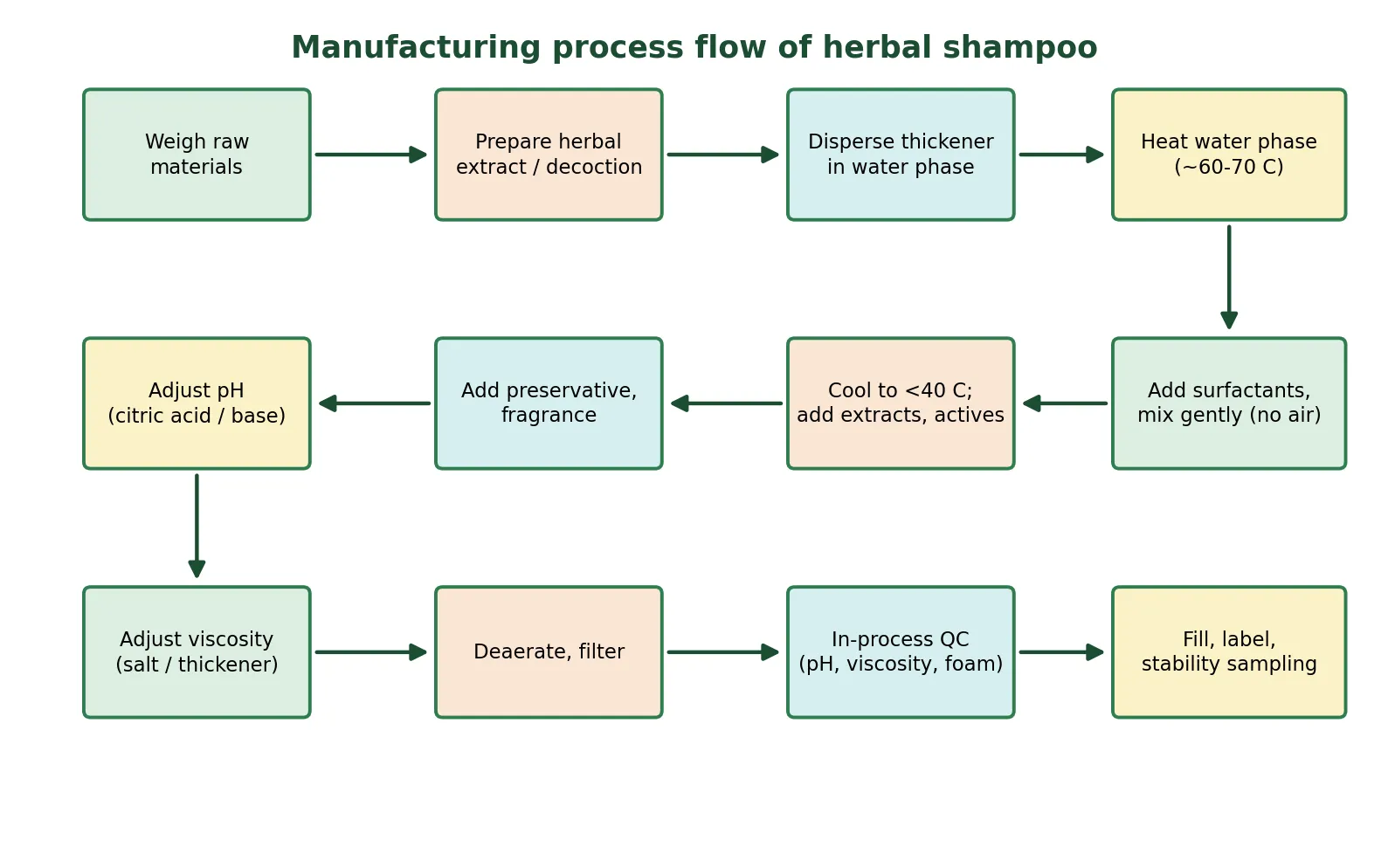
Figure 9: Manufacturing process flow for a herbal liquid shampoo from raw-material weighing to filling and stability sampling.
9.2 Laboratory-scale procedure
1. Prepare the herbal extract or decoction and filter; adjust to the specified marker content.
2. Disperse the thickener in part of the water with stirring until fully hydrated.
3. Heat the water phase gently (about 60 to 70 C) if required, then add surfactants slowly with low-shear mixing.
4. Cool below about 40 C; add the herbal extracts, glycerin, aloe gel and other heat-sensitive materials.
5. Add the preservative system and fragrance; adjust the pH with citric acid or a base.
6. Adjust viscosity with a thickener, filter, check the in-process parameters and fill into containers.
9.3 Equipment and facility requirements
Typical equipment includes dispensing balances, extraction and concentration units, mixing tanks, homogeniser, transfer pumps, filter, filling and capping machines, and laboratory instruments for QC. Facility design follows cosmetic GMP according to ISO 22716 with controlled hygiene, cleaning validation, calibrated instruments, documentation and traceability [36]. Because botanical materials increase the microbial load, raw-material quarantine, supplier qualification and water-system control are particularly important.
9.4 Scale-up considerations
On scale-up, mixing time, shear rate, heat-transfer and the rate of ingredient addition change. Foaming and air entrapment become more significant in large tanks, and viscosity-building systems may behave differently. Scale-up is best carried out stepwise (laboratory to pilot to commercial) with geometric similarity where possible, constant tip speed or power per volume as scaling criteria, and verification of critical quality attributes at each stage.
9.5 Common manufacturing problems
Table 7: Common problems in herbal shampoo manufacture and corrective measures.
| Problem | Likely cause | Corrective action |
|---|---|---|
| Excess foam / air bubbles | High-speed mixing, adding surfactant too fast | Reduce shear, add surfactant slowly, deaerate under vacuum |
| Low viscosity | Low electrolyte or thickener, saponin-rich base | Add xanthan / guar, optimise salt, adjust surfactant ratio |
| Haziness or sediment | Insoluble plant matter, incompatible ingredients | Filter extracts, use solubiliser, adjust pH |
| Darkening on storage | Oxidation of polyphenols, high pH | Add antioxidant and chelator, lower pH, use opaque packaging |
| Microbial growth | Nutrient-rich extracts, weak preservation | Improve hygiene, use validated preservative system, adjust pH |
| Fragrance fading / off-odour | Volatile loss, oxidation | Use fixative, protect from heat and light, change fragrance |
CHAPTER 10
10. Evaluation and Quality Control of Herbal Shampoo
Evaluation confirms that the shampoo meets its specifications for appearance, performance, safety and stability. Parameters can be grouped as shown in Figure 10 and are summarised in Table 8 [3,4,25,28].
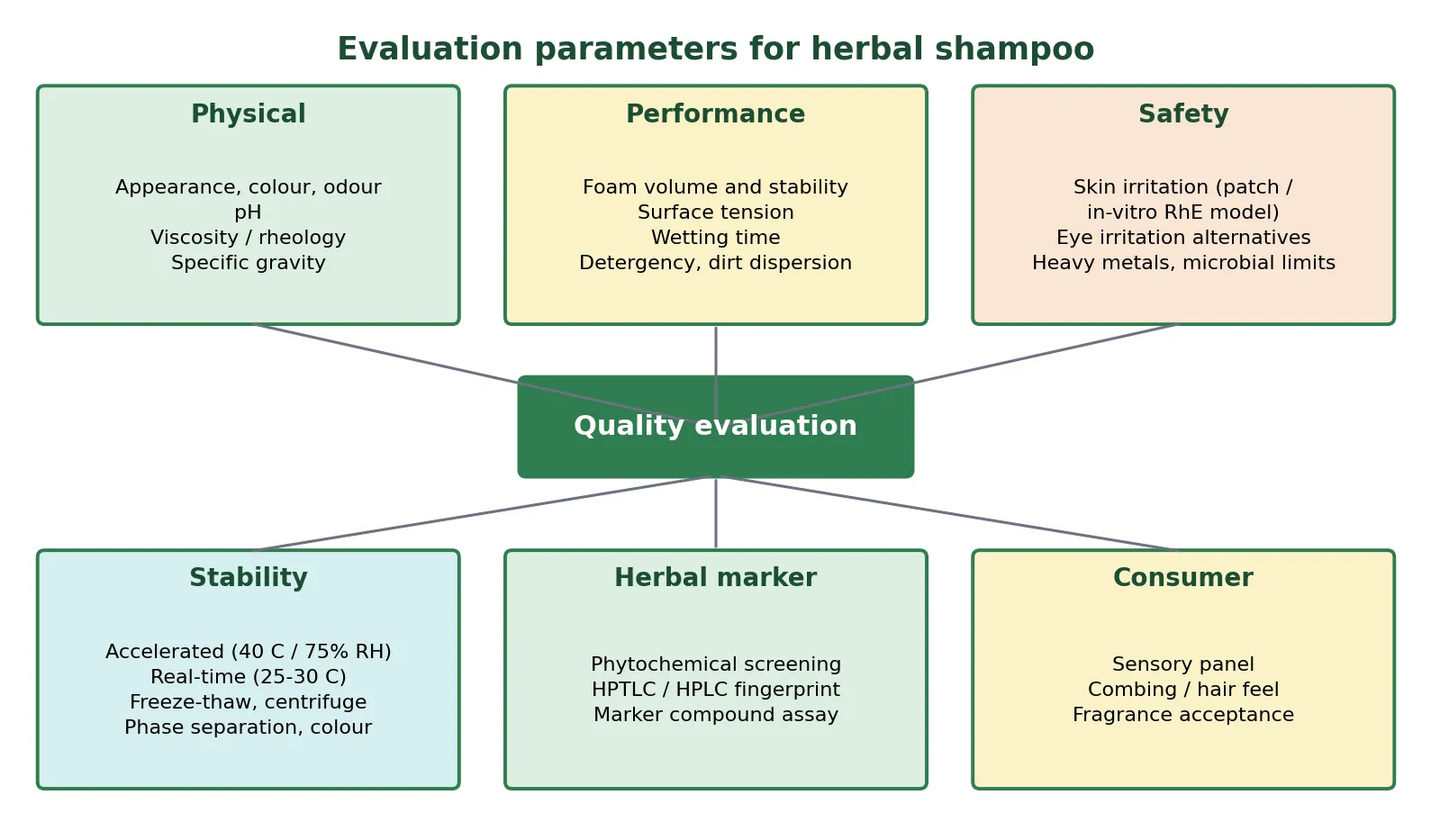
Figure 10: Groups of evaluation parameters for herbal shampoos: physical, performance, safety, stability, herbal marker and consumer tests.
10.1 Organoleptic and physical evaluation
Colour, odour, clarity and homogeneity are assessed visually and by smell against a reference standard. The pH of a 10 percent aqueous solution is measured with a calibrated pH meter. Viscosity is measured with a rotational (Brookfield-type) viscometer at defined spindle and speed, and flow behaviour is typically shear-thinning. Specific gravity is determined with a pycnometer or density bottle. Solid or dry content and moisture content are determined by oven drying.
10.2 Performance tests
10.3 Safety evaluation
Safety tests include skin compatibility through human repeat-insult patch tests or in-vitro reconstructed human epidermis models (OECD TG 439) [33], and assessment of eye irritation potential using validated in-vitro methods where possible (for example OECD TG 437 and TG 492), while TG 405 describes the traditional in-vivo test [34]. Microbial limits (total aerobic count, yeasts and moulds, absence of specified organisms such as Pseudomonas aeruginosa, Staphylococcus aureus, Candida albicans), heavy metals and, for plant materials, pesticide residues are also controlled [29,32]. Ingredient-level safety evaluation follows the principles of the Scientific Committee on Consumer Safety notes of guidance [32].
10.4 Herbal-specific tests
Phytochemical screening (tests for saponins, flavonoids, tannins, phenolics), TLC/HPTLC fingerprinting, and HPLC quantification of marker compounds demonstrate that the declared herbal ingredients are present in the finished product and remain stable. Antioxidant assays (DPPH, FRAP) and antimicrobial tests (agar diffusion, minimum inhibitory concentration against Malassezia, Candida, Staphylococcus) may be used to support claims, with the caution that in-vitro activity does not guarantee in-use efficacy [28].
Table 8: Evaluation parameters, methods and indicative acceptance criteria for a herbal shampoo.
| Parameter | Method | Indicative acceptance |
|---|---|---|
| Appearance, colour, odour | Visual / olfactory vs standard | Uniform, no separation, characteristic odour |
| pH (10% solution) | Calibrated pH meter at 25 C | About 5.0-7.0 |
| Viscosity | Rotational viscometer | Within specified range (e.g., 2,000-8,000 mPa.s) |
| Foam volume / stability | Cylinder shake or Ross-Miles | Adequate initial height, stable over 5 min |
| Surface tension | Du Nouy ring / stalagmometer | Lower than water, consistent between batches |
| Wetting time | Canvas disc test | Shorter time preferred; compare with reference |
| Dirt dispersion | Carbon-black dispersion test | Low carbon in foam layer |
| Microbial limits | Plate count, specified organisms | Within pharmacopoeial / ISO cosmetic limits |
| Preservative efficacy | Challenge test | Meets recognised criteria |
| Marker compound content | HPLC / HPTLC | Within declared range |
| Skin irritation | Patch test / RhE model | Non-irritant or mild |
10.5 Stability testing
Stability studies verify that physical, chemical and microbiological properties remain acceptable through shelf life. Samples in final packaging are stored at controlled conditions, for example long-term 25 C/60% RH or 30 C/65% RH, accelerated 40 C/75% RH, refrigerated 4 C and also exposed to freeze-thaw cycles and light, using the approach of ICH Q1A (R2) as a framework [40]. Appearance, colour, odour, pH, viscosity, foam, marker content and microbial quality are checked at intervals (for example 0, 1, 2, 3 and 6 months). Centrifugation (for example 3,000 rpm for 30 minutes) is a quick test for phase separation. Figure 11 illustrates typical outputs of such tests using simulated data.
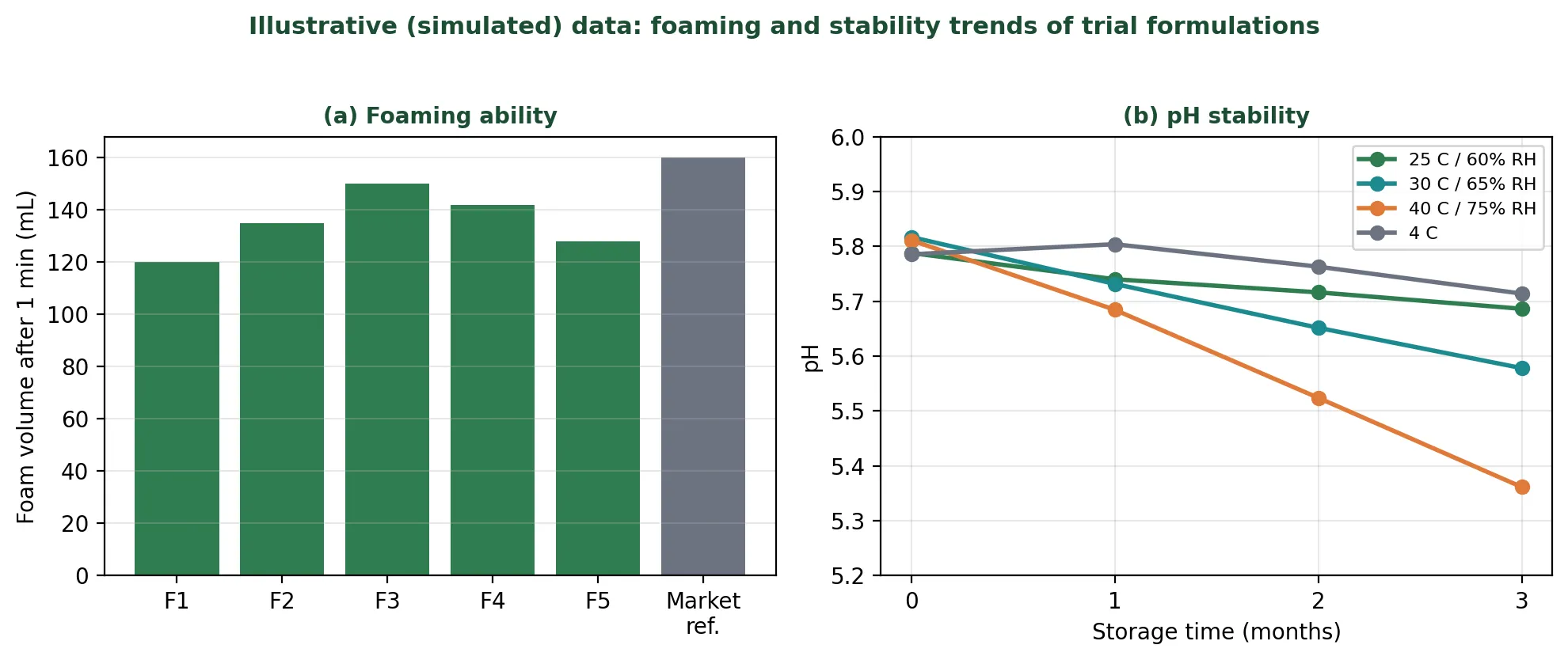
Figure 11: Illustrative (simulated) data: (a) foaming ability of trial formulations F1 to F5 compared with a market reference; (b) pH trend over three months at different storage conditions.
CHAPTER 11
11. Safety, Toxicology and Clinical Evidence
11.1 Dermal safety of botanical ingredients
Botanical ingredients are complex mixtures, and each constituent may have its own toxicological profile. Contact allergy is the most common adverse reaction: essential oils (tea tree, lavender, citrus oils), some plant resins and fragrance terpenes can sensitise, especially when oxidised. Phototoxic furocoumarins occur in some citrus and umbelliferous plants. Henna-based products sometimes contain adulterants such as p-phenylenediamine, a strong sensitiser, which underlines the need for supplier control [21,22,32].
11.2 Contaminants in plant materials
Plants may accumulate heavy metals (lead, arsenic, cadmium, mercury) from soil and may carry pesticide residues, mycotoxins and microbial contamination. Limits should be specified for raw materials and finished products, and verified by validated analytical methods. Sourcing from controlled cultivation under GACP, certificate-of-analysis checks and periodic independent testing are recommended [28-30].
11.3 Eye and mucosal safety
Shampoo is likely to contact the eyes. Saponins can cause eye irritation at high concentrations, and traditional soapnut solutions are not tear-free. Formulation with amphoteric and non-ionic surfactants reduces ocular irritation; the finished product must be tested using validated methods [33,34].
11.4 Evidence for efficacy claims
The evidence base for herbal shampoo claims is heterogeneous. Foaming, detergency and conditioning claims can be substantiated by instrumental and sensory testing in vitro or on hair tresses. Antifungal and antioxidant activity can be supported by laboratory assays. Hair-growth claims for plants such as hibiscus and bhringraj rest mainly on animal and in-vitro studies [19,20]; well-designed human trials are scarce, and a rinse-off product has limited contact time with the follicle. Anti-dandruff claims should ideally be supported by clinical scoring of flaking and itching against a vehicle or reference product. Reviews of herbal cosmetics repeatedly call for standardised extracts and controlled studies [5,21,22].
11.5 Pre-wash oil treatments
Coconut oil applied before shampooing has been shown in laboratory studies to reduce protein loss from hair during washing, because its lauric acid, a small straight-chain triglyceride component, can penetrate the hair fibre, whereas mineral oil does not offer the same effect [12,13]. This supports the use of coconut oil in pre-wash or leave-on herbal hair care, and as a conditioning ingredient in shampoos, although the benefit from a rinse-off shampoo is smaller.
11.6 Safety assessment framework
1. Identify each ingredient and its plant part, extract type and composition.
2. Review the literature and regulatory restrictions (prohibited and restricted substances, concentration limits).
3. Evaluate toxicological endpoints: sensitisation, irritation, repeated-dose, genotoxicity, phototoxicity where relevant.
4. Calculate exposure for a rinse-off product and determine the margin of safety.
5. Perform safety testing on the finished formulation, including stability and challenge tests.
6. Document in a product safety report signed by a qualified safety assessor, as required in some jurisdictions.
CHAPTER 12
12. Regulatory Aspects and Standards
12.1 Overview
In most markets shampoos are regulated as cosmetics, not as drugs, unless therapeutic claims are made (for example 'treats dandruff', 'prevents hair loss'), in which case they may be regulated as drugs or over-the-counter products. Herbal shampoos are subject to the same general rules, with additional attention to botanical identity, contaminants and claim substantiation. The key frameworks are summarised in Table 9; readers should consult current versions and local requirements before commercialisation, since regulations change [35-39].
Table 9: Selected regulatory frameworks and standards relevant to herbal shampoos.
| Region / body | Instrument | Key points |
|---|---|---|
| European Union | Regulation (EC) No 1223/2009 on cosmetic products | Responsible person, product safety report, notification (CPNP), restricted / prohibited substance lists, labelling and allergen declaration [35] |
| United States | FD&C Act and the Modernization of Cosmetics Regulation Act of 2022 (MoCRA) | Facility registration, product listing, safety substantiation, adverse-event reporting, GMP requirements being developed [39] |
| India | Drugs and Cosmetics Act, 1940 and Rules, 1945; Bureau of Indian Standards standards for cosmetics | Manufacturing licence, ingredient and label rules, standards for specified cosmetics [38] |
| International | ISO 22716:2007 | Good manufacturing practice guidelines for cosmetics [36] |
| International | ISO 16128-1:2016 | Definitions and criteria for natural and organic cosmetic ingredients and products [37] |
| WHO | Quality control methods and GACP for medicinal plants | Quality of herbal raw materials [29,30] |
| OECD | Test guidelines | Standardised irritation and toxicity methods [33,34] |
12.2 Labelling and claims
Labels must list ingredients according to the applicable nomenclature (INCI in many markets, with botanical names and extract types), declare mandatory allergens in fragrance, state batch number, net content, manufacturer details and precautions. Claims such as 'natural', 'herbal', 'organic' or 'free from' should be truthful and substantiated; ISO 16128 provides a technical basis for calculating natural-origin content [37]. Unsubstantiated therapeutic claims can cause the product to be treated as an unapproved drug.
12.3 Animal testing
Animal testing of cosmetic products and ingredients is banned in the European Union and several other regions, so safety substantiation relies on non-animal methods, existing data and human studies [32,35]. Formulators targeting multiple markets should plan their testing strategy accordingly.
CHAPTER 13
13. Market Trends, Sustainability and Packaging
13.1 Market trends
Natural, clean-label and ayurvedic products continue to gain a share of the hair-care market as consumers become more ingredient-conscious and look for sulfate-free, paraben-free and 'free-from' claims. Online sales, social media and personalised hair-care have accelerated product launches. At the same time, regulators and consumer groups are scrutinising 'greenwashing', where a product's marketing implies greater natural content than its formula justifies [5,37].
13.2 Sustainability of ingredients
Sustainability concerns include over-harvesting of wild plants, land and water use for cultivation, fair trade and biodiversity access and benefit-sharing (for example under the Nagoya Protocol). Cultivation under GACP, traceability and upcycling of agricultural by-products (for example fruit peels and seed cakes) can lower the environmental footprint. Biodegradability and aquatic toxicity of surfactants are also evaluated, noting that 'natural' does not guarantee a favourable environmental profile [5].
13.3 Waterless and solid formats
Shampoo bars, powders and concentrates reduce water content, transport weight and plastic packaging, and are easier to preserve because of low water activity. Traditional herbal powders (reetha, shikakai, amla) are naturally suited to this format, and modern syndet bars based on mild surfactants offer improved lather. Formulation challenges include hardness, solubility, hard-water compatibility and consumer familiarity.
13.4 Packaging
Packaging must protect the product from light, oxygen and microbial ingress, and must be compatible with the formulation. Recyclable, refillable and post-consumer-recycled plastics, glass and aluminium are being adopted. Stability studies must be run in the final pack, since herbal products are particularly sensitive to oxidation and light.
CHAPTER 14
14. Challenges and Future Perspectives
14.1 Current challenges
14.2 Future directions
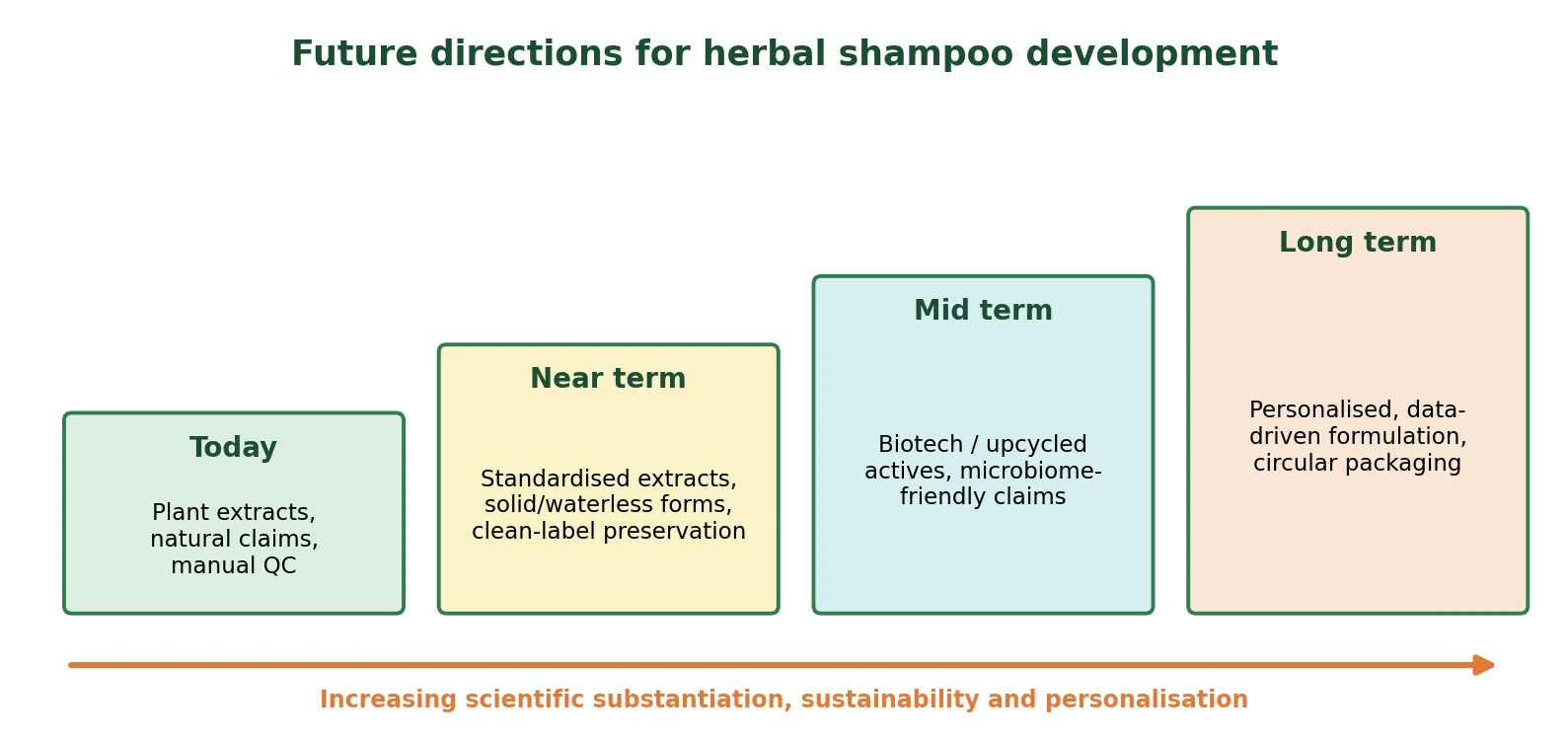
Figure 12: Conceptual roadmap for the future development of herbal shampoos, from current practice to personalised and circular formulations.
CHAPTER 15
15. Mechanistic Insights into Herbal Actives
Understanding why herbal ingredients work helps in selecting them rationally and in designing claims that can be defended. Figure 13 summarises the principal constituent classes, their proposed mechanisms and the resulting benefits. Mechanistic evidence varies from well-established physical chemistry (saponins) to hypothesis-level (hair growth).
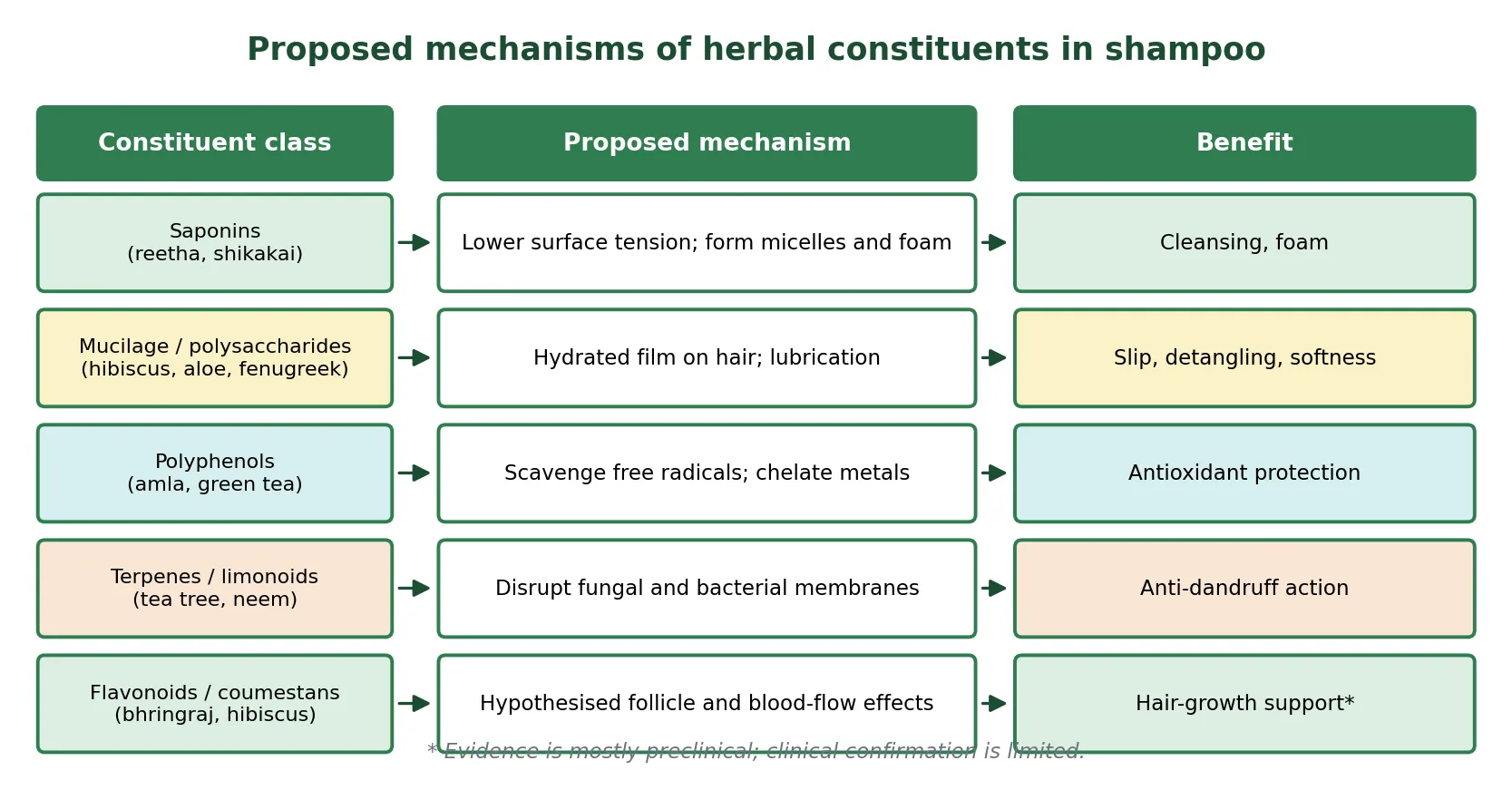
Figure 13: Constituent classes of herbal shampoo ingredients, proposed mechanisms of action and resulting benefits.
15.1 Saponins: surface activity and cleansing
Saponins adsorb at the air-water and oil-water interfaces, lowering surface and interfacial tension and stabilising foam through a viscoelastic interfacial film. They form micelles at relatively higher concentrations than synthetic surfactants and are comparatively mild. Triterpenoid saponins from Sapindus and Acacia have been evaluated for foaming and detergency in natural shampoos, although performance varies between sources and pH [3,4,21]. Because saponin foam is often coarse and drains faster, it is typically combined with mild co-surfactants to meet consumer expectations.
15.2 Mucilage and polysaccharides: hydration and lubrication
Mucilages are branched, hydrophilic polysaccharides that swell in water to produce viscous gels. On hair they form a thin, hydrated film that lowers friction between fibres, which reduces tangling and improves wet combing. They also increase viscosity of the shampoo and help suspend particles. Acemannan in aloe vera and galactomannan in fenugreek are typical examples [21,22].
15.3 Polyphenols and antioxidant action
Tannins, flavonoids and catechins scavenge reactive oxygen species and can chelate transition metals, which may protect scalp lipids and hair proteins from oxidative damage by ultraviolet light and pollution. In formulation they also act as natural antioxidants protecting the product itself, although polyphenols can themselves oxidise and discolour. Their in-vitro antioxidant capacity (DPPH, FRAP) does not necessarily translate into benefit from a rinse-off product with short contact time [22].
15.4 Antimicrobial and anti-dandruff mechanisms
Terpinen-4-ol from tea-tree oil and other lipophilic terpenes partition into fungal membranes, increasing permeability and disrupting function. Neem constituents are reported to inhibit fungal growth and have anti-inflammatory activity. Because Malassezia species are lipid-dependent, reducing excess sebum by effective cleansing also decreases substrate for their growth. Clinical evidence exists for tea-tree oil shampoo in mild-to-moderate dandruff, but products need concentration and stability control because the oil oxidises [14,21].
15.5 Hair-growth hypotheses
Proposed mechanisms for hair-growth promotion include prolongation of the anagen phase, stimulation of dermal papilla cells and perifollicular blood flow, inhibition of 5-alpha-reductase and anti-inflammatory or antioxidant effects on the follicle. Hibiscus and Eclipta alba extracts increased the number of follicles in anagen or hair length in rodent models [19,20]. These findings are promising but preclinical, and the contact time of a shampoo is short; leave-on tonics or serums are more likely to deliver actives to the follicle than rinse-off products [1,6].
15.6 Hair-fibre interactions of colourants and oils
Lawsone from henna binds covalently to keratin amino groups, providing a semi-permanent colour that is slowly lost on repeated washing. Coconut oil, with its low molecular weight and high affinity for hair proteins, penetrates the cortex and reduces water uptake and swelling, which decreases hygral fatigue and protein loss [12,13].
Table 10: Strength of evidence for selected herbal claims in shampoos (qualitative summary).
| Claim | Typical ingredients | Nature of evidence | Confidence |
|---|---|---|---|
| Cleansing and foaming | Reetha, shikakai, fenugreek | Instrumental and in-vitro studies, long traditional use | Moderate to high |
| Conditioning, detangling | Hibiscus, aloe, mucilages, coconut oil | Combing studies, in-vitro and sensory tests | Moderate |
| Antioxidant effect | Amla, green tea | In-vitro assays | Moderate (in-vitro only) |
| Anti-dandruff | Tea tree, neem | In-vitro antifungal data; limited clinical studies | Low to moderate |
| Hair-growth support | Bhringraj, hibiscus, rosemary | Animal and cell studies; few human trials | Low |
| Hair colour | Henna, indigo | Well-understood dye chemistry | High |
CHAPTER 16
16. Practical Experimental Protocols
This chapter provides a practical, laboratory-level guide to preparing and evaluating trial herbal shampoos so that the concepts of Chapters 8 to 10 can be applied. All procedures must be adapted to local safety rules, and new formulations should be assessed by a qualified safety assessor before any human use.
16.1 Preparation of an aqueous herbal extract
1. Weigh equal parts of dried, powdered reetha pericarp, shikakai pods and amla fruit (for example 10 g each).
2. Add about 300 mL purified water and heat gently (not boiling vigorously) for 30 to 45 minutes with stirring, then macerate overnight if desired.
3. Cool, filter through muslin and then filter paper, and record the volume, colour, odour and pH.
4. Determine the dry-residue content by evaporating a measured volume to constant weight.
5. Preserve the extract promptly (for example with a suitable preservative) and store refrigerated for no more than the validated period.
16.2 Preparation of trial formulations
Five trial formulations (F1 to F5) can be prepared by varying the extract level and surfactant system as in Table 11, following the manufacturing procedure in Chapter 9. Each batch of about 100 g is made in a beaker with an overhead stirrer, adjusted to pH 5.5 to 6.0 with citric acid solution, and stored in labelled, closed containers.
Table 11: Example design of five trial formulations (illustrative % w/w).
| Ingredient | F1 | F2 | F3 | F4 | F5 |
|---|---|---|---|---|---|
| Herbal extract (reetha, shikakai, amla) | 2 | 5 | 5 | 8 | 10 |
| Coco-glucoside | 10 | 10 | 8 | 8 | 6 |
| Cocamidopropyl betaine | 3 | 3 | 4 | 4 | 5 |
| Xanthan gum | 0.4 | 0.5 | 0.6 | 0.7 | 0.8 |
| Glycerin | 2 | 2 | 2 | 2 | 2 |
| Aloe vera gel | 1 | 1 | 2 | 2 | 3 |
| Preservative system, fragrance | q.s. | q.s. | q.s. | q.s. | q.s. |
| Purified water | to 100 | to 100 | to 100 | to 100 | to 100 |
16.3 Evaluation protocols
pH and viscosity
Dilute 1 g of shampoo with 9 mL distilled water, equilibrate at 25 C and measure pH using a calibrated meter. Measure viscosity of the undiluted shampoo with a rotational viscometer using a defined spindle and speed (for example 20 rpm) after allowing the sample to rest and eliminating air bubbles; report in mPa.s.
Foaming ability (cylinder shake method)
Place 50 mL of a 1 percent shampoo solution in a 250 mL graduated cylinder, shake for 10 strokes, and record the total foam volume after 1 minute and after 5 minutes. Repeat in triplicate and report the mean and standard deviation. Foam stability is the percentage of the initial foam retained after 5 minutes.
Surface tension and wetting time
Measure the surface tension of a 1 percent solution with a stalagmometer or tensiometer at constant temperature. For wetting time, drop a standard canvas disc onto the surface of a 1 percent solution in a beaker and record the time taken for it to sink.
Dirt dispersion
Add 10 mL of a 1 percent shampoo solution and a drop of ink or about 0.1 g of carbon black to 10 mL of water in a test tube, shake ten times and observe the amount of colour in the foam; the less colour in the foam, the better the dirt dispersion.
Accelerated stability
Fill samples into the final container and store at 4 C, 25 C/60% RH and 40 C/75% RH. Evaluate colour, odour, pH, viscosity, foam height and microbial count at 0, 1, 2 and 3 months, and examine after three freeze-thaw cycles (for example 24 hours at -10 C then 24 hours at 25 C). A change of pH or viscosity beyond a predefined limit (for example 10 to 20 percent) or visible separation indicates instability [40].
Preservative efficacy (challenge) test
Inoculate separate portions of product with defined test organisms (bacteria, yeast and mould), sample at defined intervals (for example 7, 14 and 28 days) and enumerate survivors; the log reduction should meet the criteria of the chosen standard. This test must be performed by a trained microbiologist under suitable containment.
16.4 Data recording and interpretation
Results should be recorded in a controlled worksheet with batch number, date, analyst, instrument identification, raw readings and calculations. Statistical comparison of formulations (analysis of variance with post-hoc tests) allows selection of the best formulation, and the data can be combined into a desirability function to balance foam, viscosity, pH stability and sensory score. Deviations, out-of-range results and corrective actions should be documented to ensure data integrity.
CHAPTER 17
CONCLUSION
Herbal shampoos draw on a long tradition of plant-based hair care and are supported by a growing body of scientific knowledge on saponins, mucilages, essential oils and polyphenols. Plants such as reetha, shikakai, amla, hibiscus, neem and fenugreek can provide mild cleansing, conditioning, antimicrobial and antioxidant functions, while good formulation, appropriate preservation and standardised extracts are essential to achieve products that are stable, safe and pleasant to use.
Evaluation should combine physical, performance, safety, stability and herbal marker tests, and claims must be substantiated by suitable evidence. Regulatory compliance, safety assessment, sustainability and transparent labelling are as important as efficacy. Future progress will depend on standardised and biotechnologically produced actives, green extraction, improved natural preservation systems and well-designed clinical studies, so that herbal shampoos can combine tradition, science and sustainability.
CHAPTER 18
REFERENCES

Snehal Mavachi, Amruta Bhingare, Om Misal, Aditya Pawar, Abhijit Jadhav, Krish Macchi, Herbal Shampoo: A Comprehensive Review of Ingredients, Formulation, Evaluation and Quality, Int. J. of Pharm. Sci., 2026, Vol 4, Issue 11, 4169-4192. https://doi.org/10.5281/zenodo.24457877
 10.5281/zenodo.24457877