View Article

Abstract

Atopic dermatitis is a widespread chronic inflammatory skin illness with an uncertain etiology. It may be related to numerous factors, such as genetic predisposition, immunological abnormalities, and reduced skin barrier function. There is no specific treatment available presently for a complete cure of atopic dermatitis. AD diagnosis is based on the examination of the illness's start and severity, with well-established clinical criteria and, more recently, with various biomarkers to increase diagnostic precision. The molecular pathogenesis of AD is caused by a combination of genetic predisposition, environmental factors, and immunological dysregulation. This review details the complicated interplay of barrier dysfunction, immunological dysregulation, and microbial dysbiosis in the complex pathophysiology of AD. The expanding awareness of these elements has transformed the treatment of AD. Beyond basic topical treatments, the therapeutic landscape for moderate-to-severe AD presently is dominated by highly focused immunotherapies, including biologics and Janus kinase (JAK) inhibitors, which selectively block certain inflammatory pathways. Drugs routinely used to treat atopic dermatitis, such as topical corticosteroids and immunosuppressants, can cause adverse reactions and side effects. This study summarizes the research advances on natural extracts in the treatment of atopic dermatitis, intending to provide a basis for the creation of safe and side-effect-free drugs.

Keywords

Atopic dermatitis, Pathogenesis, AI Diagnosis, Current AD Treatment Options and new research, Natural extracts Treatment

Introduction

× Popup Image

Atopic dermatitis (AD) is a chronic, heterogeneous skin condition driven by a combination of genetic, immune, and environmental factors (Fyhrquist et al.,2025). AD is affecting ;20% of children, 10% adults, and 1-3% of geriatric patients (Chatrath et al.,2023). AD marked by intense pruritus, recurrent eczematous lesions, and significant impairment in quality of life across all age groups (Marques et al.,2023). AD continues to be one of the most prevalent dermatological disorders globally, with rising incidence reported in both paediatric and adult populations (Hansen et al.,2025). The disease typically begins in early childhood but often persists into adulthood, challenging the misconception that most affected individuals eventually outgrow it (Lomelí et al.,2025). It’s presents with xerosis, erythematous plaques, and chronic scratching that further propagates barrier damage and secondary infections, creating a vicious cycle of inflammation (Abdel et al.,2025; Jafarzadeh et al., 2025). Central to AD pathogenesis is epidermal barrier dysfunction, often linked to loss-of-function mutations in structural proteins such as filaggrin, which compromise skin integrity and increase trans epidermal water loss (Jafarzadeh et al.,2025; Hansen et al., 2025). Barrier defects facilitate allergen penetration and microbial invasion, triggering immune activation that drives disease severity. Alongside barrier disruption, immune dysregulation with a predominant type 2 helper T cell (Th2) response is a hallmark of AD, characterized by elevated cytokines including interleukin (IL)-4, IL-13, and IL-31, which contribute to itch, IgE production, and chronic inflammation. (Jafarzadeh et al., 2025) Although Th2 skewing is most prominent in the acute phase, chronic AD also involves Th17, Th22, and other immune pathways,
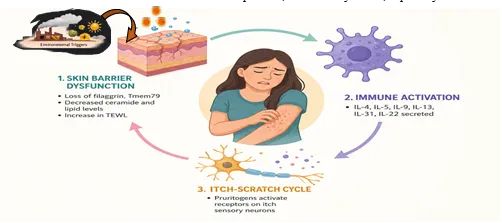
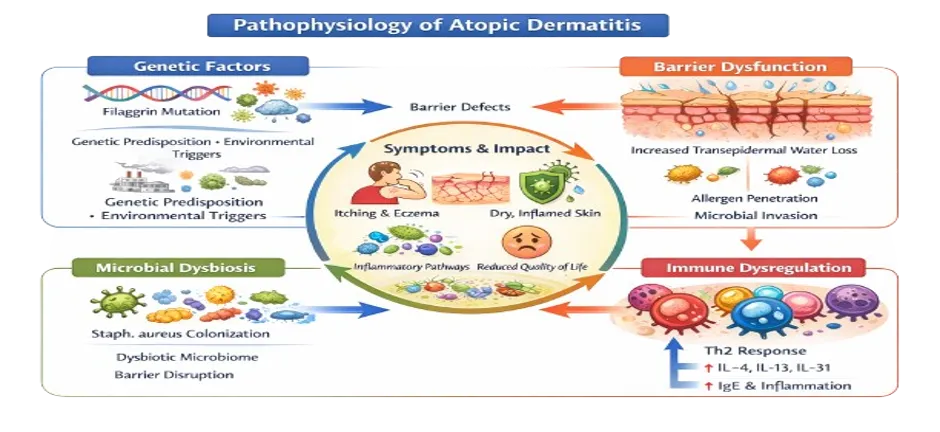
In addition to immune imbalance and barrier compromise, microbial dysbiosis, especially colonization by Staphylococcus aureus, is frequently observed and contributes to disease exacerbation by promoting further immune activation and inflammation (Sahu et al., 2026). Recent research also emphasizes the role of skin microbiota and host interactions in mediating barrier integrity and immune responses, indicating that microbial composition influences disease flares and remission (Abdel et al.,2025; Mohammad et al.,2024).

Current therapeutic strategies encompass topical anti-inflammatory agents, targeted biologics, and systemic small molecules such as Janus kinase (JAK) and phosphodiesterase-4 (PDE4) inhibitors that specifically modulate immune pathways (Meledathu et al.,2025; Siwe et al.,2024). Despite these advances, many patients experience suboptimal long-term control and adverse effects with existing therapies, underscoring the ongoing need for novel, integrative approaches that address both barrier and immune dysfunction (Hansen et al.,2025). The evolving understanding of AD pathophysiology has thus propelled research into emerging therapeutic targets and personalized management strategies to improve outcomes in diverse patient populations.

Pathogenesis of Atopic dermatitis

The pathogenesis of AD is complex and multifactorial, as epidermal barrier disruption, immune dysregulation, microbial dysbiosis, environmental allergens, and genetic predisposition all play pathogenic roles to initiate and sustain chronic inflammation in AD. (Schuler et al., 2024; Croft et al.,2024) Early epidermal barrier abnormalities, especially filaggrin (FLG) gene mutations, result in greater trans-epidermal water loss and higher allergen penetration. (Schuler et al., 2024). The classical model of AD pathogenesis, where the acute phase is Th2 and the chronic stage is Th1, has evolved to a more complex scenario including Th1, Th2, Th17, Th22 cytokines, and interferon-gamma (IFN-γ). (Yamamura et al., 2024). AD is considered a model of imbalance between the responses of T helper (Th) lymphocytes 1 and 2, with a predominance of the Th2 response. Th2 lymphocytes produce interleukin (IL)-4 and IL-13, which inhibit the expression of filaggrin, thus establishing a relationship between immune dysfunction and the disruption of barrier function typical of AD. (Santamaria et al.,2020; Munera et al.,2020; Calabrese et al. 2024) {Peng et al.,2026}. These inflammatory reactions are potentiated via the Janus kinase-signal transducer and activator of transcription (JAK-STAT) pathway. (Calabrese et al. 2024). Moreover, changes in the skin microbiota, including overgrowth of Staphylococcus aureus, contribute to increased inflammation. The neuroimmune mechanisms, especially the function of IL-31 in pruritus, and the OX40–OX40L pathway, are prospective therapeutic targets. In conclusion, AD is a self-perpetuating cycle of barrier deficiencies, immunological dysfunction, microbial dysbiosis, and neuroinflammation that maintains persistent skin inflammation. (Abdel-Mageed, 2025; Peng et al.,2026)
Diagnosis of Atopic Dermatitis

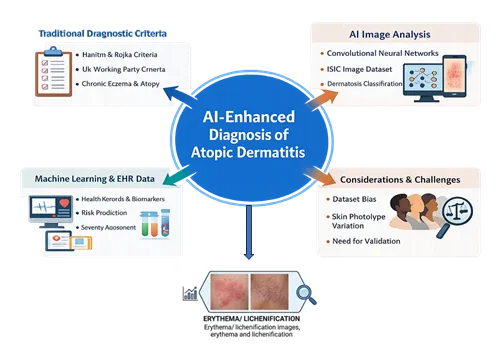
The wide range of dermatological manifestations and variability across various races and ethnicities make AD challenging to diagnose (Adawi et.al.,2023). Atopic dermatitis is diagnosed on clinical grounds. Pruritus is a mandatory diagnostic criterion. Along with the symptoms and signs, the patient’s history must include information on the age of onset and time course of the condition, the personal and family history of atopy, and food allergies. A whole-body examination is needed to evaluate the typical distribution pattern of the eczematous rash. (Wollenberg et.al.,2023;Jeskey et.al.,2024). The earliest and most widely recognized criterion for diagnosing AD was established by Hanifin and Rajka in 1980(Bai et.al.,2025). The Scoring Atopic Dermatitis index is the most widely used validated clinical tool to classify atopic dermatitis severity based on the affected body area and intensity of lesion characteristics (Frazier et.al.,2020)

AI diagnosis

The advancement of artificial intelligence (AI), diagnostic support systems have increasingly been integrated into dermatological practice. Deep learning algorithms—particularly convolutional neural networks (CNNs)—have demonstrated high accuracy in image-based skin disease classification, achieving performance comparable to dermatologists in controlled settings (Esteva et al., 2017). Open-access datasets such as those provided by the ISIC have facilitated the development and validation of these AI models, enabling transparent and reproducible research (Tschandl et al., 2019). Beyond imaging, machine learning models incorporating electronic health records, demographic variables, and laboratory biomarkers have shown potential in improving diagnostic precision and predicting disease severity (Liu et al., 2020). Importantly, several of these foundational AI dermatology studies are freely accessible through Google Scholar and open-access platforms, promoting equitable dissemination of knowledge. Although AI systems demonstrate promising sensitivity and specificity, they function best as adjunctive tools that support, rather than replace, clinician-based diagnosis, particularly given concerns regarding dataset bias, variation across skin phototypes, and the need for external validation.
Treatment

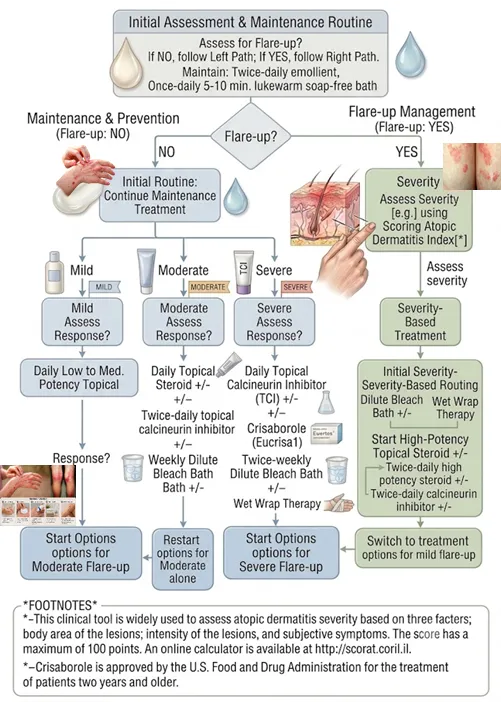
The treatment of atopic dermatitis requires fundamental skin barrier therapy since the epidermal barrier, sometimes known as "dry skin," is a major characteristic of the condition. (Wollenberg et al.,2023) Adult patients typically receive simpler care because there are more medications available to them. (Napolitano et al.,2016) For acute flare-ups, topical steroids are advised in conjunction with topical calcineurin inhibitors for maintenance. (Katsarou et al.,2011) Topical corticosteroids (TCS) and calcineurin inhibitors, prescribed as topical anti-inflammatory medications, remain the key component of treatment for mild-to moderate AD. (Chovatiya et al.,2021) These medications help to reduce inflammation and alleviate symptoms such as itching and redness. (Wollenberg et al.,2018) Additionally, proper application techniques and patient education on their use can significantly enhance treatment outcomes. (Eichenfield et al.,2014)

When AD becomes quite serious, treatments aimed at the whole body are now shaping how we handle it. Blocking IL-4 and IL-13 with dupilumab stops harmful signals, leading to clearer skin and less itch (Simpson et al.,2016). Il-13 blocker tralokinumab acts on just one player, showing steady results over time (Silverberg et al.,2025) Last year saw a new drug approved, while others moved closer to market approval (Simpson et al., 2020). Fast relief from symptoms comes with medicines like Upadacitinib - yet close watch on side effects is needed (Simpson et al., 2020). New paths are forming through research into the gut microbiome and fresh treatments aimed at cytokines; these holds promise but still need testing (Bieber, 2023). Some natural substances carry anti-inflammatory traits, possibly useful alongside standard care - however solid trial results on these aren’t yet complete (Meledathu et al., 2024).
Current Atopic Dermatitis Treatment Options and new research 

The age of the patient or the severity of the condition determines how atopic dermatitis is treated. Corticosteroid-containing creams and ointments are commonly used to reduce inflammation and treat skin disorders. Moisturizing lotions can be used to repair the skin's barrier. because quitting oral corticosteroids at the correct dosage may cause atopic dermatitis to worsen or flare up. Topical calcineurin inhibitors help to lessen inflammation and stop flare-ups. A topical cream containing phosphodiesterase-4 inhibitors can help reduce inflammation when alternative treatments are ineffective. Much research has been done on the creation of nanocarriers for the topical delivery of drugs to treat atopic dermatitis. These nanocarriers include, but are not limited to, polymeric and lipid nanocarriers, transferosomes, nano emulsions, and micelles. (Sahu et al.,2023). Current status of selected agents for atopic dermatitis depicted in Table1

Table 1: Current Atopic Dermatitis Treatment Options and new research

Agent

Mechanism

Status or Approval Date

Key Highlight

Reference

Lebrikizumab

IL-13 Inhibitor (Biologic)

FDA Approved Sept 2024 for moderate-to-severe AD

Monthly maintenance dosing (Q4W) convenience vs Q2W biologics; strong skin clearance and itch relief data

Okada et al.,2025; Jafarzadeh et al.,2025

Nemolizumab

IL-31 Receptor α Antagonist (Biologic)

FDA Approved Dec 2024 for moderate-to-severe AD

First “itch-targeting” biologic; also approved for prurigo nodularis in adults.

Brooks et al.,2026;

Tapinarof 1%

Topical AhR Agonist

FDA Approved Dec 2024 for AD (≥2 yrs)

Non-steroidal topical treatment improving skin barrier & inflammation.

Saleh et al.,2026;

Roflumilast

Topical PDE4 Inhibitor

FDA Approved July 2024 (≥6 yrs); expanded Oct 2025 (2–5 yrs)

Steroid-free topical option across pediatrics; significant vIGA-AD benefits.

Fitch et al.,2025; Boguniewicz et al.,2026

Delgocitinib

Topical pan-JAK Inhibitor

FDA Approved July 2025 for Chronic Hand Eczema

First topical JAK for CHE with consistent safety & efficacy.

Brooks et al.,2026; Halsey et al.,2024; V Lézard etal.

Opzelura

Topical JAK1/JAK2 Inhibitor


Expanded FDA Approval Sep 2025 (ages 2–11)

First topical JAK for pediatric AD; effective steroid-free therapy.

Wang et al.,2026; Datta et al.,2026

Dupixent® (dupilumab)

IL-4/IL-13 Inhibitor (Biologic)

Long-standing FDA approval (expanded pediatric & adult use)

Established biologic with extensive AD efficacy and broad age indications.

Langley et al.,2025; Cather et al.,2022; Overko et al.,2026

Cibinqo® (abrocitinib)


Oral JAK1 Inhibitor

FDA Approved (2022 for AD)

Oral option with rapid itch and symptom relief. (widely prescribed in clinical practice)

Jin et al.,2024; Gooderham et al.,2024

Rinvoq® (upadacitinib)

Oral JAK1 Inhibitor

FDA Approved (2022 for AD)

Strong systemic efficacy in moderate-to-severe AD. (widely prescribed)


Müller et al.,2025; Spencer et al.,2024; Lytvyn et al.,2022

Rezpegaldesleukin (investigational)

Regulatory T-cell (Treg) Biologic

Positive phase 2/2b data; driving toward phase 3

Novel Treg-modulating mechanism showing durable EASI responses and itch relief; monthly or quarterly dosing potential.

Corren et al.,2025

Amlitelimab (investigational)

Anti-OX40L Monoclonal Antibody

Phase 3 data showing positive endpoints; regulatory submissions anticipated

Targets the OX40-OX40L pathway with potential extended dosing intervals (Q4W/Q12W).

Weidinger et al.,2025; Patel et al.,2024; Waldron et al.,2024

Napolitano et al.,2023 Weidinger et al.,2023; Waldron et al.,2024

Rocatinlimab (investigational)

Anti-OX40 Monoclonal Antibody

Ongoing global Phase 3 ROCKET program

T-cell rebalancing approach; promising phase 2/2b efficacy and quality-of-life improvements.

Sood et al.,2025

Afimkibart (investigational)

TNFSF15 (TL1A) Antagonist

Phase II (AD)

Potential novel immune target under evaluation for moderate-to-severe AD.


Nitulescu et al.,2025; Kitsou et al.,2026

Natural plant extracts for treating atopic dermatitis

Researchers are now beginning to investigate natural compounds that may help treat AD. Atopic dermatitis may be treated using a variety of natural extracts, according to several research. These natural products frequently include a range of compounds that are generally thought to have anti-inflammatory and anti-allergic qualities. They can successfully suppress the activity of inflammatory mediators such IL-4, IgE, and pro-inflammatory cytokines, particularly in inflammatory animal models and cells. Furthermore, numerous studies have demonstrated that natural products outperform conventional chemical products in terms of safety and effectiveness. As a result, using natural products to treat AD is an appealing option.

Nymphoides peltata

Pharmaceutically, Nymphoides peltata is used extensively in Ayurvedic and Traditional Chinese medicine as a choleretic, diuretic, or antipyretic, as well as to treat edema, snakebite, and ulcers. N. peltata phytochemicals have been demonstrated in earlier research to possess physiological actions, including anti-inflammatory, anti-tumor, and anti-wrinkle qualities. It was demonstrated that N. peltata extracts, as opposed to its whole and aerial extracts, most effectively inhibited IL-4 in PI-induced RBL-2H3 cells and AD-like skin signs in oxazolone-BALB/c mice. In SKH-1 hairless mice, DNCB-induced elevations in mast cells, epidermal thickness, IL-4 and IgE expressions, and atopic-like symptoms were significantly decreased by NPR extract. Furthermore, NPR extract reduced DNCB-induced alterations in skin-related gene expression and hydrating the skin while activating the Nrf2/HO-1 pathway. Three phenolic acids (chlorogenic acid, 3,5-dicaffeoylquinic acid, and 3,4-dicaffeoylquinic acid) were identified by HPLC-PDA in NPR extract. The study shows that NPR extract exhibits anti-atopic activities by inhibiting inflammatory and oxidative stress and improving skin barrier functions, and indicates that NPR extract has potential therapeutic use for the prevention and treatment of AD. (Kim et al.,2023)

Nymphoides peltata

Samanea saman (Jacq.) Merr.

Samanea saman is from the Fabaceae family and is known as Acacia worldwide. It is commonly referred to as “rain tree” or “monkey pod tree” that is native to the tropics of America. The tree grows in a humid and warm environment. It is used and proven to cure and treat several diseases namely acute bacillary dysentery, enteritis, diarrhoea, colds, sore throat, and headache. Extracts of the bark and leaves were used to treat eczema, anaphylactic dermatitis, and skin pruritus. Additionally, various studies shows that S. saman contains plenty of bioactive chemicals such as flavonoids, saponins, and tannins were proven positive in the Samanea saman leaves extract. Which can be used in antibacterial, analgesic, anti-ulcer, antifungal, insecticidal, cytotoxic, anti-diabetic, and anti-oxidant activities. (Abella et al.,2025)
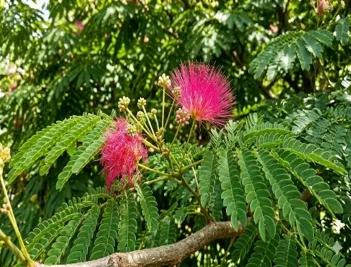
Samanea saman (Jacq.) Merr.

Eclipta prostrata Linn

Commonly referred to as Bhringraj or False Daisy, Eclipta prostrata Linn´e is a well-known medicinal herb from the Asteraceae family that is used extensively to promote hair growth, treat skin diseases, liver ailments, and haemorrhages due to its anti-inflammatory, antioxidant, and hepatoprotective properties; it is also used to treat diabetes, obesity, jaundice, and inflammation. Eclipta prostrata also decreased the thickness of the epidermis, infiltrated immune cells, and restored the skin barrier dysfunction and imbalanced immune response. In the skin of HDM-induced AD mice, it inhibited the expression of T helper (Th)1, Th2, and Th17 cytokines, as well as phosphorylation of extracellular signal-regulated kinase/signal transducer and activator of transcription 1 in the skin, and it inhibited the translocation of nuclear factor-κB in HaCaT keratinocytes. When taken as a whole, it improves skin irritation caused by allergies by restoring the skin barrier and balancing the immune system. These findings imply that the plant may be used therapeutically as an anti-atopic agent. (Kang et al.,2022; Wongkattiya et al.,2024) 
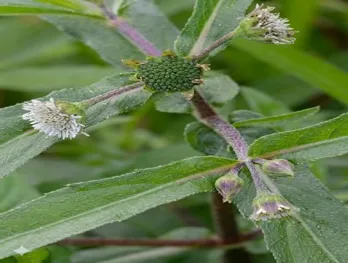
Eclipta prostrata Linn

Veronica persica

A member of the Plantaginaceae family, Veronica persica, enhances the activation and infiltration of inflammatory cells. According to studies, Veronica persica ethanol extract (EEVP) can successfully lower the rise in blood immunoglobulin E and histamine levels brought on by dinitrochlorobenzene (DNCB), and the phenolic and iridoid components of the plant have the capacity to eliminate ROS or have anti-inflammatory properties. IL6, IL13, and CXCL10 mRNA expression was suppressed by EEVP in IFN-γ/TNF-α-induced HaCaT cells. Subsequent research revealed that EEVP might suppress heme oxygenase (HO)-1 in IFN-γ/TNF-α-induced HaCaT cells by promoting nuclear factor-erythrocyte 2-associated factor-2 (Nrf2). Combining the aforementioned inhibitory activity, it can be concluded that EEVP prevents inflammatory allergic dermatosis (AD) via lowering immune cell activation and stimulating the Nrf2/HO-1 signalling pathway in keratinocytes. (Peng et al.,2024)
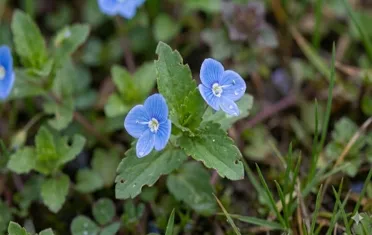
Veronica persica

Terminalia chebula Retz.

Terminalia chebula, a traditional medicinal plant, significantly reduced keratinization, mast cell infiltration, ear thickness, dermatitis score and AD-like symptoms. Serum histamine, IgE and inflammatory mediators (MDC, TARC, RANTES and TSLP) were also decreased. In IFNγ/TNF α α treated HaCaT cells, TC decreased the secretion of inflammatory chemokines RANTES and MDC. TC reduced nuclear translocation of NF-κB and phosphorylation of STAT1/3 and NK-κB subunits. Furthermore, it inhibited the transcription of IFNγ, IL-6, IL-8 and MCP-1 in IFNγ/TNF activated HaCaT cells. TC and its components chebulic acid, gallic acid, corlagin, chebulanin, chbulagic acid, ellagic acid and chebulinic acid significantly suppressed the expression of inflammatory cytokines at mRNA level and suppressed the nuclear translocation of NF-κB, STAT1 and STAT3. TC extract improved AD-like symptoms by modulating anti-inflammatory factors in vivo and suppressing STAT1/3 and NF-κB signaling in vitro. Moreover, we show the in vitro effects of TC components on inflammatory variables and in vivo effects of partial improvement of AD. This finding suggests that TC extract and its components can be potentially useful drugs for treating atopic dermatitis. (Kim et al., 2022)
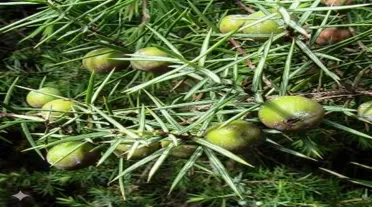
FJuniperus oxycedrus L.

Juniperus oxycedrus L.

Different parts (tar, stem, fruit, branch, gum) of Juniperus oxycedrus are traditionally used in the treatment of eczema and psoriasis in Turkey. Tar is applied to the affected skin areas for the treatment of eczema and psoriasis. Fruits are prepared by infusion or decoction and consumed internally for the treatment of eczema and psoriasis. reported that methanol and dichloromethanol extracts of leaves and stems displayed prominent anti-inflammatory activity and inhibition of the rat paw edema induced by carrageenin, flavonoids are believed to be responsible for the pharmacological activity. In another in vivo study, the n-butanol subextract prepared from fruit ethanol extract provided a remarkable anti-inflammatory effect. The methanolic extracts of fruit and leaves showed a significant inhibitory activity in both model at a dose of 100 mg/kg. (Battah et.al.,2023)
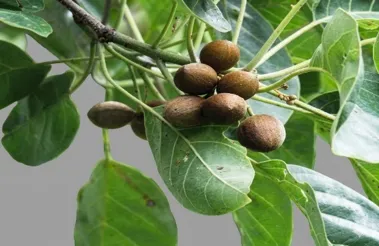
Terminalia chebula Retz.

Ficus carica L.

Leaves and latex of Ficus carica are traditionally used in the treatment of eczema. While decoction of leaves is used externally, infusion of leaves and latex is consumed in internal usage to treat eczema. The compound responsible for the broad-ranging anti-inflammatory activity of the plant is Luteolin which is the main free flavonoid in F. carica. Quercetin, another flavonoid exists in plant, is widely used therapeutically in allergic conditions, including eczema

In vivo, petroleum ether, chloroform and ethanol extracts of leaves were investigated for anti-inflammatory activity by carrageenan induced rat paw edema and cotton pellet granuloma methods. The extracts showed notable anti-inflammatory effect in both acute and chronic inflammation, as compared with the standard drug indomethacin. In clinical trial, it has been demonstrated that the application of aqueous extract of fruits may provide better treatment results than 1.0% hydrocortisone in mild to moderate atopic dermatitis in paediatric patients. (Erarslan et.al.2020)
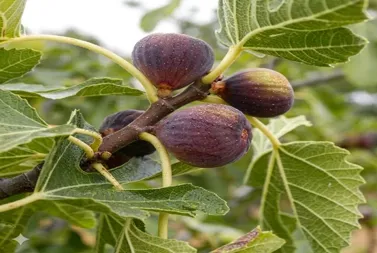
Ficus carica L.

Rosa canina L.

several parts (especially aerial parts) of Rosa canina are used only internally in the treatment of eczema. Decoctions of fruits, leaves, seeds, roots and galls are traditionally used by local healers, in a previous pharmacological study, the anti-inflammatory activity of the hydro-alcoholic crude extract of fruits was tested on the carrageenin induced rat paw edema assay. It was observed that extract inhibited the development of carrageenin-induced edema, similar to the anti- inflammatory activity of indomethacin. In another study, the aqueous and ethanol extracts of fruits displayed potent anti-inflammatory activity in several in vivo inflammatory models (ethanol extract showed a greater effect than the aqueous extract. (Erarslan et.al.2020)
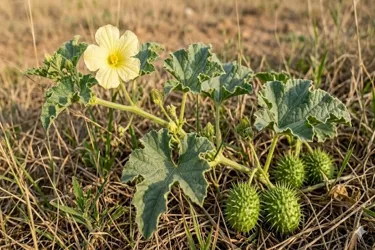
Ecballium elaterium A. Rich.

Ecballium elaterium A. Rich.

Eczema is treated using Ecballium elaterium fruits and roots in traditional folk medicine. Fruits and roots can help people with their eczema in both internal and exterior ways. Cutted fruits and roots are known to be consumed internally. Additionally, the locals use a fruit and root decoction combined with sugar to treat eczema. One of E. elaterium's primary constituents, Cucurbitacin’s have anti-inflammatory properties; Cucurbitacin B is the most potent. The anti-inflammatory properties of the fruit juice and its triterpenoid component, Cucurbitacin B, were investigated in mice against edemas induced by bradykinin and serotonin, and both showed a notable dose-dependent inhibition of oedema. Bourebaba asserts that extracts from fruits, flowers, and plants have anti-inflammatory properties. (Erarslan et.al.,2020)
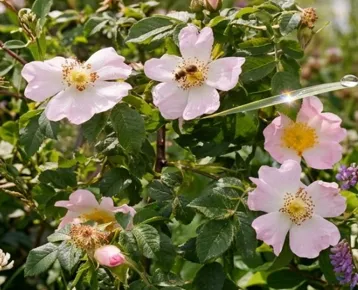
Rosa canina L.

Oenothera biennis

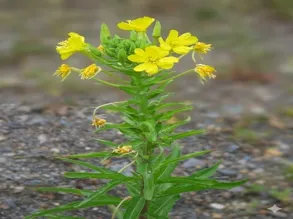
This biannual plant, also called evening primrose, is indigenous to Europe and North America. It is a member of the Onagraceae family and is well known for its therapeutic qualities, especially its seeds, which are a great source of important fatty acids like gamma-linolenic acid (GLA). Evening primrose has long been used to treat a variety of skin problems, including atopic dermatitis and eczema, which are characterized by inflammation and irritation. O. biennis stems are a viable supplemental treatment for pruritus related to skin disorders because of their possible anti-inflammatory and antipruritic properties (Sharifi et al., 2024).
Oenothera biennis

DISCUSSION

This comprehensive investigation thoroughly reviews the effectiveness and safety of herbal medicine in the treatment of atopic dermatitis. This long-term inflammatory skin condition affects a significant portion of the population. Atopic dermatitis is frequently treated with conventional medications including topical corticosteroids, calcineurin inhibitors, and oral immunosuppressants, but some people may not benefit from these treatments due to intolerable side effects or insufficient response. Therefore, it has been proposed to employ herbal medicine as an additional or alternative treatment for atopic dermatitis.

The study is based on a thorough analysis of previous studies, including randomized controlled trials, that looked at the application of herbal medication for atopic dermatitis. The findings suggest that herbal medication may be a good treatment option for atopic dermatitis, as it outperformed a placebo in terms of overall effective rate, symptom scores, quality of life, and topical treatment dosage. It is crucial to recognize that several of the studies had poor methodological quality, which could have led to reporting biases and reduced the findings' generalizability. A solid basis for the safety profile of herbal medicine is necessary to promote its use in medical treatment, particularly with regard to herb-drug interactions. There is an urgent need for research on the herb-drug interactions between currently available pharmaceuticals and the herbal therapies frequently used to treat atopic dermatitis. (Deebiga et al.2025)

CONCLUSION

A multitude of substances for the creation of medicines were found in natural commodities. Natural items' effectiveness and safety in treating atopic dermatitis (AD) were compiled. Numerous skin conditions have been demonstrated to benefit from the use of new medicinal plants, plant extracts, plant combinations, and plant oils. Additionally, certain new medications were assessed in relation to the treatment of atopic dermatitis. In addition to encouraging medical professionals to conduct more thorough clinical trials that could confirm the effectiveness of these approaches, we hope that our review will spur new research into the development of natural products and drug delivery systems, leading to their eventual use in clinical settings. We believe that this study offers a vital scientific basis for developing novel AD therapy alternatives utilizing natural healing techniques.

REFERENCES

  1. Fyhrquist N, Yang Y, Karisola P, Alenius H. Endotypes of atopic dermatitis. Journal of Allergy and Clinical Immunology. 2025 Mar 5.
  2. Chatrath S, Silverberg JI. Phenotypic differences of atopic dermatitis stratified by age. JAAD international. 2023 Jun 1;11:1-7.
  3. Marques MP, Varela C, Mendonça L, Cabral C. Nanotechnology-based topical delivery of natural products for the management of atopic dermatitis. Pharmaceutics. 2023 Jun 14;15(6):1724.
  4. Lomelí-Valdez R, Orozco-Covarrubias L, Sáez-de-Ocariz M. Skin and systemic infections in children with atopic dermatitis: review of the current evidence. Frontiers in Pediatrics. 2025 May 14; 13:1513969.
  5. King, B., et al. (2025). Epidemiology, pathogenesis, and emerging therapies in atopic dermatitis. The Lancet Dermatology.
  6. Hansen-Sackey, K., & Hartono, S. P. (2025). Immunologic mechanisms and therapeutic targets in atopic dermatitis. Journal of Allergy and Clinical Immunology: In Practice.
  7. Jafarzadeh A, Behrangi E, Khosravi M, Falakeh S, Amiri JK, Goodarzi A. Emerging treatments for dermatologic diseases in infants, children, and adolescents: a systematic review of clinical trials on biologics and small molecule inhibitors. Inflammopharmacology. 2025 Mar 5:1-56.
  8. Abdel-Mageed HM. Atopic dermatitis: a comprehensive updated review of this intriguing disease with futuristic insights. Inflammopharmacology. 2025 Feb 7:1-27.
  9. Mabalirajan, U. (2025). Barrier dysfunction and molecular mechanisms in atopic dermatitis. Experimental Dermatology.
  10. Siwe GT, Fajemisin EA, Mugeri M, Naran K, Barth S. Revisiting immunotherapeutic strategies for the management of atopic dermatitis. Exploration of Asthma & Allergy. 2024 Aug 9;2(5):373-98.
  11. Meledathu S, Naidu MP, Brunner PM. Update on atopic dermatitis. Journal of Allergy and Clinical Immunology. 2025 Jan 22.
  12. Ferrara, G., et al. (2024). JAK inhibitors and emerging systemic treatments for atopic dermatitis. Frontiers in Immunology.
  13. Mohammad, T. F., et al. (2024). Skin microbiome alterations in atopic dermatitis. Journal of Investigative Dermatology Reports.
  14. Langan, S. M., et al. (2020). Atopic dermatitis. The Lancet.
  15. Weidinger, S., et al. (2018). Atopic dermatitis. Nature Reviews Disease Primers.
  16. Brunner, P. M., et al. (2017). The immunology of atopic dermatitis and its reversibility with targeted therapies. Journal of Allergy and Clinical Immunology.
  17. Irvine AD, McLean WI, Leung DY. Filaggrin mutations associated with skin and allergic diseases. New England Journal of Medicine. 2011 Oct 6;365(14):1315-27.
  18. Schuler IV CF, Tsoi LC, Billi AC, Harms PW, Weidinger S, Gudjonsson JE. Genetic and immunological pathogenesis of atopic dermatitis. Journal of Investigative Dermatology. 2024 May 1;144(5):954-68.
  19. Croft M, Esfandiari E, Chong C, Hsu H, Kabashima K, Kricorian G, Warren RB, Wollenberg A, Guttman-Yassky E. OX40 in the Pathogenesis of Atopic Dermatitis—A New Therapeutic Target: M. Croft et al. American Journal of Clinical Dermatology. 2024 May;25(3):447-61.
  20. Santamaria-Babi LF. Atopic dermatitis pathogenesis: lessons from immunology. Dermatology practical & conceptual. 2022 Jan 1;12(1):e2022152.
  21. Yamamura Y, Nakashima C, Otsuka A. Interplay of cytokines in the pathophysiology of atopic dermatitis: Insights from murine models and humans. Front Med. 2024; 11:1342176.
  22. Peng G, Abudouwanli A, Sun Q, Tan Y, Zhao W, Yang M, Wang S, Ogawa H, Okumura K, Niyonsaba F. Role of antimicrobial peptides in the pathogenesis of atopic dermatitis. The Journal of Dermatology. 2026 Mar;53(3):372-9.
  23. Munera-Campos M, Carrascosa JM. Innovation in atopic dermatitis: from pathogenesis to treatment. Actas Dermo-Sifiliográficas (English Edition). 2020 Apr 1;111(3):205-21.
  24. Adawi W, Cornman H, Kambala A, Henry S, Kwatra SG. Diagnosing atopic dermatitis in skin of color. Dermatologic clinics. 2023 Jul 1;41(3):417-29.
  25. Adawi W, Usatine RP, Heath CR. Waleed Adawi, MD. Federal Practitioner.;42:1.
  26. Wollenberg A, Werfel T, Ring J, Ott H, Gieler U, Weidinger S. Atopic dermatitis in children and adults: diagnosis and treatment. Deutsches Ärzteblatt International. 2023 Mar 31;120(13):224.
  27. Jeskey J, Kurien C, Blunk H, Sehmi K, Areti S, Nguyen D, Hostoffer R. Atopic dermatitis: a review of diagnosis and treatment. The Journal of Pediatric Pharmacology and Therapeutics. 2024 Dec 1;29(6):587-603.
  28. Bai S, Qin L, Zhang P, Zhong W, Ma Y, Hua L, Bao Y. Development and validation of asthma diagnostic scale for children. Pediatric Research. 2025 Mar;97(3):972-9.
  29. Bai J, Su W, Fang H, Qiao J. Efficacy of abrocitinib for the treatment of moderate-to-severe atopic dermatitis in real-world practice in a single center. American Journal of Therapeutics. 2024 May 1;31(3): e332-4.
  30. Frazier W, Bhardwaj N. Atopic dermatitis: diagnosis and treatment. American family physician. 2020 May 15;101(10):590-8.
  31. Esteva A, Robicquet A, Ramsundar B, Kuleshov V, DePristo M, Chou K, Cui C, Corrado G, Thrun S, Dean J. A guide to deep learning in healthcare. Nature medicine. 2019 Jan;25(1):24-9.
  32. Esteva A, Chou K, Yeung S, Naik N, Madani A, Mottaghi A, Liu Y, Topol E, Dean J, Socher R. Deep learning-enabled medical computer vision. NPJ digital medicine. 2021 Jan 8;4(1):5.
  33. Tschandl P, Codella N, Akay BN, Argenziano G, Braun RP, Cabo H, Gutman D, Halpern A, Helba B, Hofmann-Wellenhof R, Lallas A. Comparison of the accuracy of human readers versus machine-learning algorithms for pigmented skin lesion classification: an open, web-based, international, diagnostic study. The lancet oncology. 2019 Jul 1;20(7):938-47.
  34. Tschandl P. Problems and potentials of automated object detection for skin cancer recognition. JAMA dermatology. 2020 Jan;156(1):23-4.
  35. Tschandl P, Rosendahl C, Akay BN, Argenziano G, Blum A, Braun RP, Cabo H, Gourhant JY, Kreusch J, Lallas A, Lapins J. Expert-level diagnosis of nonpigmented skin cancer by combined convolutional neural networks. JAMA dermatology. 2019 Jan;155(1):58-65.
  36. Zhang K, Liu X, Shen J, Li Z, Sang Y, Wu X, Zha Y, Liang W, Wang C, Wang K, Ye L. Clinically applicable AI system for accurate diagnosis, quantitative measurements, and prognosis of COVID-19 pneumonia using computed tomography. Cell. 2020 Jun 11;181(6):1423-33.
  37. Silverberg JI, Gooderham M, Wollenberg A, Pink AE, Ruiz Dasilva D, Kwatra SG, Binamer Y, Katoh N, Aoki V, Moreira A, Grada A. Impact of achieving optimal treatment targets and minimal disease activity on health-related quality of life and satisfaction in patients with atopic dermatitis. Dermatology and therapy. 2025 Aug;15(8):2255-73.
  38. Sahu A, Singh M, Jain V, Joshi V, Vyas A. Potential of Bioactive Compounds for Atopic Dermatitis. Journal of Ravishankar University. 2023 Dec 31;36(2):1-8.
  39. Jafarzadeh A, Behrangi E, Khosravi M, Falakeh S, Amiri JK, Goodarzi A. Emerging treatments for dermatologic diseases in infants, children, and adolescents: a systematic review of clinical trials on biologics and small molecule inhibitors. Inflammopharmacology. 2025 Apr;33(4):1617-72.
  40. Okada Y, Kamata M, Suzuki S, Watanabe A, Chijiwa C, Tomura Y, Takeshima R, Hiura A, Hayashi K, Fukuyasu A, Tanaka T. Real-world effectiveness and safety of every-four-week lebrikizumab maintenance dosing from Week 4 following two loading doses in Japanese patients with atopic dermatitis. JAAD International. 2025 Nov 28.
  41. Brooks SG, Lopez LM, Mashoudy KD, Yosipovitch G, Czarnowicki T. Addressing unmet needs in atopic dermatitis: evaluating disease-modifying capabilities of current and emerging therapies. Dermatitis®. 2026 Jan 1;37(1):42-54.
  42. Saleh MM, Sayem S, Alsaied MA, Elettreby AM, Alqahtani YA, Shati AA, Zabady AH, Abo Elnaga AA. Efficacy, safety, and optimal dosing of Tapinarof for atopic dermatitis: a systematic review and meta-analysis. Archives of Dermatological Research. 2026 Feb 17;318(1):81.
  43. Boguniewicz M, Eichenfield L, Kwong P, Hebert A. Improvement In Sleep And Family Impact For Pediatric Patients Down To 2 Years Of Age With Atopic Dermatitis Treated With Tapinarof Cream 1% Once Daily In Two Pivotal Phase 3 Trials. Journal of Allergy and Clinical Immunology. 2026 Feb 1;157(2):AB5.
  44. Fitch J. Key atopic dermatitis approvals changing treatment landscape. Contemporary Pediatrics. 2025 Jan 1;41(1):18-9.
  45. Brooks SG, Lopez LM, Mashoudy KD, Yosipovitch G, Czarnowicki T. Addressing unmet needs in atopic dermatitis: evaluating disease-modifying capabilities of current and emerging therapies. Dermatitis®. 2026 Jan 1;37(1):42-54.
  46. Lézard L. LEO Pharma Announces FDA Approval of ANZUPGO®(delgocitinib) Cream in the US.
  47. Halsey G. FDA Accepts NDA for Delgocitinib Cream, Developed Specifically to Treat Chronic Hand Eczema. Patient Care (Online). 2024 Sep 25.
  48. Wang W, Liao Y, Zhang R, Huang J, Liu J, Shan X, Gao X, Bu J, Tang Y, Shen E. Advances in Janus Kinase Inhibitors for Vitiligo Treatment. Drug Research. 2026 Feb 5.
  49. Datta S, Singh S, Chakraborty D, De A, Dhar S. Ruxolitinib: A novel molecule in the management of dermatological disorders.
  50. Overko L, Love J. A case report of dupilumab treatment for concomitant atopic dermatitis and hidradenitis suppurativa in an 11-year-old white female patient. Journal of Dermatology for Physician Assistants. 2026 Jan 1;20(1):21-4.
  51. Langley RG, Gherardi G, Coleman A, Ardeleanu M, Rodríguez-Marco A, Levy S, Bansal A, Chen Z, Rossi AB, Shumel B, Khokhar FA. The Safety Data of Dupilumab for the Treatment of Moderate to Severe Atopic Dermatitis in Infants, Children, Adolescents, and Adults: RG Langley et al. American Journal of Clinical Dermatology. 2025 Nov;26(6):981-1002.
  52. Cather J, Young M, DiRuggiero DC, Tofte S, Williams L, Gonzalez T. A review of phase 3 trials of dupilumab for the treatment of atopic dermatitis in adults, adolescents, and children aged 6 and up. Dermatology and therapy. 2022 Sep;12(9):2013-38.
  53. Jin JQ, Spencer RK, Elhage KG, Davis MS, Hakimi M, Liao W, Bhutani T. Treatment of AD with Abrocitinib. InClinical Cases in Atopic Dermatitis 2024 Mar 14 (pp. 137-144). Cham: Springer International Publishing.
  54. Gooderham MJ, de Bruin-Weller M, Weidinger S, Cork MJ, Eichenfield LF, Simpson EL, Tsianakas A, Kerkmann U, Feeney C, Romero W. Practical management of the JAK1 inhibitor abrocitinib for atopic dermatitis in clinical practice: special safety considerations. Dermatology and Therapy. 2024 Aug;14(8):2285-96.
  55. Müller S, Maintz L, Bieber T. Systemic Agents in the Treatment of AD. InAtopic Dermatitis and Eczematous Disorders 2025 Sep 9 (pp. 118-132). CRC Press.
  56. Spencer RK, Jin JQ, Elhage KG, Davis MS, Hakimi M, Liao W, Bhutani T. Treatment of AD with Upadacitinib. InClinical Cases in Atopic Dermatitis 2024 Mar 14 (pp. 145-153). Cham: Springer International Publishing.
  57. Lytvyn Y, Mufti A, Abduelmula A, Sachdeva M, Maliyar K, Georgakopoulos JR, Yeung J. Efficacy and safety of upadacitinib for management of moderate-to-severe atopic dermatitis: an evidence-based review. Pharmaceutics. 2022 Nov 14;14(11):2452.
  58. Napolitano M, D’Amico F, Ragaini E, Peyrin-Biroulet L, Danese S. Evaluating upadacitinib in the treatment of moderate-to-severe active ulcerative colitis: design, development, and potential position in therapy. Drug design, development and therapy. 2023 Dec 31:1897-913.
  59. Corren J, Lio P, Silverberg J, Chovatiya R, Gooderham M, Bieber T, Warren R, Sadick N, Treat J, Gkalpakiotis S, Reich A. Rezpegaldesleukin, Novel Treg-Inducing Therapy, Demonstrates Efficacy in Atopic Dermatitis and Asthma in Phase 2b Trial. Annals of Allergy, Asthma & Immunology. 2025 Nov 1;135(5):S4.
  60. Weidinger S, Blauvelt A, Papp KA, Reich A, Lee CH, Worm M, Lynde C, Kataoka Y, Foley P, Wei X, Wong W. Phase 2b randomized clinical trial of amlitelimab, an anti-OX40 ligand antibody, in patients with moderate-to-severe atopic dermatitis. Journal of Allergy and Clinical Immunology. 2025 Apr 1;155(4):1264-75.
  61. Patel HA, Tran L, Karagenova R, Feldman SR. Monoclonal antibodies in phase II and III trials for moderate to severe atopic dermatitis. Expert Opinion on Emerging Drugs. 2024 Oct 1;29(4):361-8.
  62. Weidinger S, Bieber T, Cork MJ, Reich A, Wilson R, Quaratino S, Stebegg M, Brennan N, Gilbert S, O’Malley JT, Porter-Brown B. Safety and efficacy of amlitelimab, a fully human nondepleting, noncytotoxic anti-OX40 ligand monoclonal antibody, in atopic dermatitis: results of a phase IIa randomized placebo-controlled trial. British Journal of Dermatology. 2023 Nov;189(5):531-9.
  63. Waldron J. Sanofi's high hopes for $1.1 B Kymab anti-inflammatory drug dented after phase 2 asthma failure. Fiercebiotech. com. 2025 Apr 15:NA-.
  64. Sood S, Devani AR, Torres T, Yeung J, Prajapati VH. OX40 Ligand Inhibitors for Moderate-to-Severe Atopic Dermatitis: A Review of Phase II Clinical Trial Data. Skin therapy letter. 2025 Nov;30(6):1-9.
  65. Nitulescu G, Olaru OT, Andrei C, Nitulescu GM, Zanfirescu A. Targeting intracellular pathways in atopic dermatitis with small molecule therapeutics. Current Issues in Molecular Biology. 2025 Aug 15;47(8):659.
  66. Kitsou K, Kokkotis G, Bamias G. The Therapeutic Potential of Targeting TL1A in a Spectrum of Inflammatory Disorders. Journal of Inflammation Research. 2026 Dec 31:1-25.

Reference

  1. Fyhrquist N, Yang Y, Karisola P, Alenius H. Endotypes of atopic dermatitis. Journal of Allergy and Clinical Immunology. 2025 Mar 5.
  2. Chatrath S, Silverberg JI. Phenotypic differences of atopic dermatitis stratified by age. JAAD international. 2023 Jun 1;11:1-7.
  3. Marques MP, Varela C, Mendonça L, Cabral C. Nanotechnology-based topical delivery of natural products for the management of atopic dermatitis. Pharmaceutics. 2023 Jun 14;15(6):1724.
  4. Lomelí-Valdez R, Orozco-Covarrubias L, Sáez-de-Ocariz M. Skin and systemic infections in children with atopic dermatitis: review of the current evidence. Frontiers in Pediatrics. 2025 May 14; 13:1513969.
  5. King, B., et al. (2025). Epidemiology, pathogenesis, and emerging therapies in atopic dermatitis. The Lancet Dermatology.
  6. Hansen-Sackey, K., & Hartono, S. P. (2025). Immunologic mechanisms and therapeutic targets in atopic dermatitis. Journal of Allergy and Clinical Immunology: In Practice.
  7. Jafarzadeh A, Behrangi E, Khosravi M, Falakeh S, Amiri JK, Goodarzi A. Emerging treatments for dermatologic diseases in infants, children, and adolescents: a systematic review of clinical trials on biologics and small molecule inhibitors. Inflammopharmacology. 2025 Mar 5:1-56.
  8. Abdel-Mageed HM. Atopic dermatitis: a comprehensive updated review of this intriguing disease with futuristic insights. Inflammopharmacology. 2025 Feb 7:1-27.
  9. Mabalirajan, U. (2025). Barrier dysfunction and molecular mechanisms in atopic dermatitis. Experimental Dermatology.
  10. Siwe GT, Fajemisin EA, Mugeri M, Naran K, Barth S. Revisiting immunotherapeutic strategies for the management of atopic dermatitis. Exploration of Asthma & Allergy. 2024 Aug 9;2(5):373-98.
  11. Meledathu S, Naidu MP, Brunner PM. Update on atopic dermatitis. Journal of Allergy and Clinical Immunology. 2025 Jan 22.
  12. Ferrara, G., et al. (2024). JAK inhibitors and emerging systemic treatments for atopic dermatitis. Frontiers in Immunology.
  13. Mohammad, T. F., et al. (2024). Skin microbiome alterations in atopic dermatitis. Journal of Investigative Dermatology Reports.
  14. Langan, S. M., et al. (2020). Atopic dermatitis. The Lancet.
  15. Weidinger, S., et al. (2018). Atopic dermatitis. Nature Reviews Disease Primers.
  16. Brunner, P. M., et al. (2017). The immunology of atopic dermatitis and its reversibility with targeted therapies. Journal of Allergy and Clinical Immunology.
  17. Irvine AD, McLean WI, Leung DY. Filaggrin mutations associated with skin and allergic diseases. New England Journal of Medicine. 2011 Oct 6;365(14):1315-27.
  18. Schuler IV CF, Tsoi LC, Billi AC, Harms PW, Weidinger S, Gudjonsson JE. Genetic and immunological pathogenesis of atopic dermatitis. Journal of Investigative Dermatology. 2024 May 1;144(5):954-68.
  19. Croft M, Esfandiari E, Chong C, Hsu H, Kabashima K, Kricorian G, Warren RB, Wollenberg A, Guttman-Yassky E. OX40 in the Pathogenesis of Atopic Dermatitis—A New Therapeutic Target: M. Croft et al. American Journal of Clinical Dermatology. 2024 May;25(3):447-61.
  20. Santamaria-Babi LF. Atopic dermatitis pathogenesis: lessons from immunology. Dermatology practical & conceptual. 2022 Jan 1;12(1):e2022152.
  21. Yamamura Y, Nakashima C, Otsuka A. Interplay of cytokines in the pathophysiology of atopic dermatitis: Insights from murine models and humans. Front Med. 2024; 11:1342176.
  22. Peng G, Abudouwanli A, Sun Q, Tan Y, Zhao W, Yang M, Wang S, Ogawa H, Okumura K, Niyonsaba F. Role of antimicrobial peptides in the pathogenesis of atopic dermatitis. The Journal of Dermatology. 2026 Mar;53(3):372-9.
  23. Munera-Campos M, Carrascosa JM. Innovation in atopic dermatitis: from pathogenesis to treatment. Actas Dermo-Sifiliográficas (English Edition). 2020 Apr 1;111(3):205-21.
  24. Adawi W, Cornman H, Kambala A, Henry S, Kwatra SG. Diagnosing atopic dermatitis in skin of color. Dermatologic clinics. 2023 Jul 1;41(3):417-29.
  25. Adawi W, Usatine RP, Heath CR. Waleed Adawi, MD. Federal Practitioner.;42:1.
  26. Wollenberg A, Werfel T, Ring J, Ott H, Gieler U, Weidinger S. Atopic dermatitis in children and adults: diagnosis and treatment. Deutsches Ärzteblatt International. 2023 Mar 31;120(13):224.
  27. Jeskey J, Kurien C, Blunk H, Sehmi K, Areti S, Nguyen D, Hostoffer R. Atopic dermatitis: a review of diagnosis and treatment. The Journal of Pediatric Pharmacology and Therapeutics. 2024 Dec 1;29(6):587-603.
  28. Bai S, Qin L, Zhang P, Zhong W, Ma Y, Hua L, Bao Y. Development and validation of asthma diagnostic scale for children. Pediatric Research. 2025 Mar;97(3):972-9.
  29. Bai J, Su W, Fang H, Qiao J. Efficacy of abrocitinib for the treatment of moderate-to-severe atopic dermatitis in real-world practice in a single center. American Journal of Therapeutics. 2024 May 1;31(3): e332-4.
  30. Frazier W, Bhardwaj N. Atopic dermatitis: diagnosis and treatment. American family physician. 2020 May 15;101(10):590-8.
  31. Esteva A, Robicquet A, Ramsundar B, Kuleshov V, DePristo M, Chou K, Cui C, Corrado G, Thrun S, Dean J. A guide to deep learning in healthcare. Nature medicine. 2019 Jan;25(1):24-9.
  32. Esteva A, Chou K, Yeung S, Naik N, Madani A, Mottaghi A, Liu Y, Topol E, Dean J, Socher R. Deep learning-enabled medical computer vision. NPJ digital medicine. 2021 Jan 8;4(1):5.
  33. Tschandl P, Codella N, Akay BN, Argenziano G, Braun RP, Cabo H, Gutman D, Halpern A, Helba B, Hofmann-Wellenhof R, Lallas A. Comparison of the accuracy of human readers versus machine-learning algorithms for pigmented skin lesion classification: an open, web-based, international, diagnostic study. The lancet oncology. 2019 Jul 1;20(7):938-47.
  34. Tschandl P. Problems and potentials of automated object detection for skin cancer recognition. JAMA dermatology. 2020 Jan;156(1):23-4.
  35. Tschandl P, Rosendahl C, Akay BN, Argenziano G, Blum A, Braun RP, Cabo H, Gourhant JY, Kreusch J, Lallas A, Lapins J. Expert-level diagnosis of nonpigmented skin cancer by combined convolutional neural networks. JAMA dermatology. 2019 Jan;155(1):58-65.
  36. Zhang K, Liu X, Shen J, Li Z, Sang Y, Wu X, Zha Y, Liang W, Wang C, Wang K, Ye L. Clinically applicable AI system for accurate diagnosis, quantitative measurements, and prognosis of COVID-19 pneumonia using computed tomography. Cell. 2020 Jun 11;181(6):1423-33.
  37. Silverberg JI, Gooderham M, Wollenberg A, Pink AE, Ruiz Dasilva D, Kwatra SG, Binamer Y, Katoh N, Aoki V, Moreira A, Grada A. Impact of achieving optimal treatment targets and minimal disease activity on health-related quality of life and satisfaction in patients with atopic dermatitis. Dermatology and therapy. 2025 Aug;15(8):2255-73.
  38. Sahu A, Singh M, Jain V, Joshi V, Vyas A. Potential of Bioactive Compounds for Atopic Dermatitis. Journal of Ravishankar University. 2023 Dec 31;36(2):1-8.
  39. Jafarzadeh A, Behrangi E, Khosravi M, Falakeh S, Amiri JK, Goodarzi A. Emerging treatments for dermatologic diseases in infants, children, and adolescents: a systematic review of clinical trials on biologics and small molecule inhibitors. Inflammopharmacology. 2025 Apr;33(4):1617-72.
  40. Okada Y, Kamata M, Suzuki S, Watanabe A, Chijiwa C, Tomura Y, Takeshima R, Hiura A, Hayashi K, Fukuyasu A, Tanaka T. Real-world effectiveness and safety of every-four-week lebrikizumab maintenance dosing from Week 4 following two loading doses in Japanese patients with atopic dermatitis. JAAD International. 2025 Nov 28.
  41. Brooks SG, Lopez LM, Mashoudy KD, Yosipovitch G, Czarnowicki T. Addressing unmet needs in atopic dermatitis: evaluating disease-modifying capabilities of current and emerging therapies. Dermatitis®. 2026 Jan 1;37(1):42-54.
  42. Saleh MM, Sayem S, Alsaied MA, Elettreby AM, Alqahtani YA, Shati AA, Zabady AH, Abo Elnaga AA. Efficacy, safety, and optimal dosing of Tapinarof for atopic dermatitis: a systematic review and meta-analysis. Archives of Dermatological Research. 2026 Feb 17;318(1):81.
  43. Boguniewicz M, Eichenfield L, Kwong P, Hebert A. Improvement In Sleep And Family Impact For Pediatric Patients Down To 2 Years Of Age With Atopic Dermatitis Treated With Tapinarof Cream 1% Once Daily In Two Pivotal Phase 3 Trials. Journal of Allergy and Clinical Immunology. 2026 Feb 1;157(2):AB5.
  44. Fitch J. Key atopic dermatitis approvals changing treatment landscape. Contemporary Pediatrics. 2025 Jan 1;41(1):18-9.
  45. Brooks SG, Lopez LM, Mashoudy KD, Yosipovitch G, Czarnowicki T. Addressing unmet needs in atopic dermatitis: evaluating disease-modifying capabilities of current and emerging therapies. Dermatitis®. 2026 Jan 1;37(1):42-54.
  46. Lézard L. LEO Pharma Announces FDA Approval of ANZUPGO®(delgocitinib) Cream in the US.
  47. Halsey G. FDA Accepts NDA for Delgocitinib Cream, Developed Specifically to Treat Chronic Hand Eczema. Patient Care (Online). 2024 Sep 25.
  48. Wang W, Liao Y, Zhang R, Huang J, Liu J, Shan X, Gao X, Bu J, Tang Y, Shen E. Advances in Janus Kinase Inhibitors for Vitiligo Treatment. Drug Research. 2026 Feb 5.
  49. Datta S, Singh S, Chakraborty D, De A, Dhar S. Ruxolitinib: A novel molecule in the management of dermatological disorders.
  50. Overko L, Love J. A case report of dupilumab treatment for concomitant atopic dermatitis and hidradenitis suppurativa in an 11-year-old white female patient. Journal of Dermatology for Physician Assistants. 2026 Jan 1;20(1):21-4.
  51. Langley RG, Gherardi G, Coleman A, Ardeleanu M, Rodríguez-Marco A, Levy S, Bansal A, Chen Z, Rossi AB, Shumel B, Khokhar FA. The Safety Data of Dupilumab for the Treatment of Moderate to Severe Atopic Dermatitis in Infants, Children, Adolescents, and Adults: RG Langley et al. American Journal of Clinical Dermatology. 2025 Nov;26(6):981-1002.
  52. Cather J, Young M, DiRuggiero DC, Tofte S, Williams L, Gonzalez T. A review of phase 3 trials of dupilumab for the treatment of atopic dermatitis in adults, adolescents, and children aged 6 and up. Dermatology and therapy. 2022 Sep;12(9):2013-38.
  53. Jin JQ, Spencer RK, Elhage KG, Davis MS, Hakimi M, Liao W, Bhutani T. Treatment of AD with Abrocitinib. InClinical Cases in Atopic Dermatitis 2024 Mar 14 (pp. 137-144). Cham: Springer International Publishing.
  54. Gooderham MJ, de Bruin-Weller M, Weidinger S, Cork MJ, Eichenfield LF, Simpson EL, Tsianakas A, Kerkmann U, Feeney C, Romero W. Practical management of the JAK1 inhibitor abrocitinib for atopic dermatitis in clinical practice: special safety considerations. Dermatology and Therapy. 2024 Aug;14(8):2285-96.
  55. Müller S, Maintz L, Bieber T. Systemic Agents in the Treatment of AD. InAtopic Dermatitis and Eczematous Disorders 2025 Sep 9 (pp. 118-132). CRC Press.
  56. Spencer RK, Jin JQ, Elhage KG, Davis MS, Hakimi M, Liao W, Bhutani T. Treatment of AD with Upadacitinib. InClinical Cases in Atopic Dermatitis 2024 Mar 14 (pp. 145-153). Cham: Springer International Publishing.
  57. Lytvyn Y, Mufti A, Abduelmula A, Sachdeva M, Maliyar K, Georgakopoulos JR, Yeung J. Efficacy and safety of upadacitinib for management of moderate-to-severe atopic dermatitis: an evidence-based review. Pharmaceutics. 2022 Nov 14;14(11):2452.
  58. Napolitano M, D’Amico F, Ragaini E, Peyrin-Biroulet L, Danese S. Evaluating upadacitinib in the treatment of moderate-to-severe active ulcerative colitis: design, development, and potential position in therapy. Drug design, development and therapy. 2023 Dec 31:1897-913.
  59. Corren J, Lio P, Silverberg J, Chovatiya R, Gooderham M, Bieber T, Warren R, Sadick N, Treat J, Gkalpakiotis S, Reich A. Rezpegaldesleukin, Novel Treg-Inducing Therapy, Demonstrates Efficacy in Atopic Dermatitis and Asthma in Phase 2b Trial. Annals of Allergy, Asthma & Immunology. 2025 Nov 1;135(5):S4.
  60. Weidinger S, Blauvelt A, Papp KA, Reich A, Lee CH, Worm M, Lynde C, Kataoka Y, Foley P, Wei X, Wong W. Phase 2b randomized clinical trial of amlitelimab, an anti-OX40 ligand antibody, in patients with moderate-to-severe atopic dermatitis. Journal of Allergy and Clinical Immunology. 2025 Apr 1;155(4):1264-75.
  61. Patel HA, Tran L, Karagenova R, Feldman SR. Monoclonal antibodies in phase II and III trials for moderate to severe atopic dermatitis. Expert Opinion on Emerging Drugs. 2024 Oct 1;29(4):361-8.
  62. Weidinger S, Bieber T, Cork MJ, Reich A, Wilson R, Quaratino S, Stebegg M, Brennan N, Gilbert S, O’Malley JT, Porter-Brown B. Safety and efficacy of amlitelimab, a fully human nondepleting, noncytotoxic anti-OX40 ligand monoclonal antibody, in atopic dermatitis: results of a phase IIa randomized placebo-controlled trial. British Journal of Dermatology. 2023 Nov;189(5):531-9.
  63. Waldron J. Sanofi's high hopes for $1.1 B Kymab anti-inflammatory drug dented after phase 2 asthma failure. Fiercebiotech. com. 2025 Apr 15:NA-.
  64. Sood S, Devani AR, Torres T, Yeung J, Prajapati VH. OX40 Ligand Inhibitors for Moderate-to-Severe Atopic Dermatitis: A Review of Phase II Clinical Trial Data. Skin therapy letter. 2025 Nov;30(6):1-9.
  65. Nitulescu G, Olaru OT, Andrei C, Nitulescu GM, Zanfirescu A. Targeting intracellular pathways in atopic dermatitis with small molecule therapeutics. Current Issues in Molecular Biology. 2025 Aug 15;47(8):659.
  66. Kitsou K, Kokkotis G, Bamias G. The Therapeutic Potential of Targeting TL1A in a Spectrum of Inflammatory Disorders. Journal of Inflammation Research. 2026 Dec 31:1-25.

Photo
Chintan Bhoi
Corresponding author

Master of Pharmacy (Pharmacology), University Institute of Pharmacy, Pt. Ravishankar Shukla University, Raipur Chhattisgarh, India

Photo
Jayesh Verma
Co-author

Master of Pharmacy (Pharmaceutical analysis), University Institute of Pharmacy, Pt. Ravishankar Shukla University, Raipur Chhattisgarh, India

Photo
Anurag Verma
Co-author

Master of Pharmacy (Pharmacology), University Institute of Pharmacy, Pt. Ravishankar Shukla University, Raipur Chhattisgarh, India

Photo
Ashish Ekka
Co-author

Master of Pharmacy (Pharmacology), University Institute of Pharmacy, Pt. Ravishankar Shukla University, Raipur Chhattisgarh, India

Photo
Kunal Veersurya
Co-author

Master of Pharmacy (Pharmacology), University Institute of Pharmacy, Pt. Ravishankar Shukla University, Raipur Chhattisgarh, India

Photo
Dr. Rakesh Tirkey
Co-author

University Institute of Pharmacy, Pt. Ravishankar Shukla University, Raipur Chhattisgarh, India

Chintan Bhoi, Jayesh Verma, Anurag Verma, Ashish Ekka, Kunal Veersurya, Dr. Rakesh Tirkey, Immunomodulatory and Anti-Inflammatory Potential of a Novel Medicinal Plant in Atopic Dermatitis, Int. J. of Pharm. Sci., 2026, Vol 4, Issue 7, 3966-3980. https://doi.org/10.5281/zenodo.21460272

More related articles
Herbal Hair Care Cosmetics: An Overview...
Mohammad Ali, Yashaswini G M, Sridevi K S, Mutthuraj N J, Manasa...
Formulation And Evaluation of Sustained Release Ta...
Khalid Hussain, Dr. Kamal Singh Rathore...
A New Era of AI Driven Cardiovascular care...
Dr. R. S. Goshika, M.L.Akshaya Sharon...
Ayurvedic Management of Non-Healing Diabetic Foot Ulcer W.S.R. To Dushtavrana: A...
Dr. Chaithra P. B, Dr. Samarth Ballyaya , Dr. Shristy Shetty , Dr. Ashwin Shetty , Dr. Parikshitha,...
Preoperative Medication Management: Drugs to Avoid, Continue, or Modify Before o...
Dr. Sushmita Sahu, Dr. Daksh Bhatnagar, Dr. Lanka Mahesh...
Related Articles
Evaluation Of Renal and Cardiovascular Outcomes with Dapagliflozin Plus Telmisar...
Ambala Syama, Shanigaram Deekshith Reddy , Nallavelli Lalith Adithya, Banda Vaishnavi, Asma Bano...
Phytochemical Analysis, HPLC Characterization and Antioxidant Evaluation of Aque...
Vishnu Priya K, Senthil Kumar J, Sougandhika K, S S Hasika...
Herbal Hair Care Cosmetics: An Overview...
Mohammad Ali, Yashaswini G M, Sridevi K S, Mutthuraj N J, Manasa...
More related articles
Herbal Hair Care Cosmetics: An Overview...
Mohammad Ali, Yashaswini G M, Sridevi K S, Mutthuraj N J, Manasa...
A New Era of AI Driven Cardiovascular care...
Dr. R. S. Goshika, M.L.Akshaya Sharon...
Herbal Hair Care Cosmetics: An Overview...
Mohammad Ali, Yashaswini G M, Sridevi K S, Mutthuraj N J, Manasa...
A New Era of AI Driven Cardiovascular care...
Dr. R. S. Goshika, M.L.Akshaya Sharon...