

We use cookies to ensure our website works properly and to personalise your experience. Cookies policy
Department of Pharmacy, Bhagwant Global University, Uttarakhand, India.
The growing worldwide acceptance of herbal medicines has increased the demand for pharmaceutical formulations that demonstrate consistent quality, therapeutic effectiveness, safety, and environmental sustainability. Conventional processing and extraction practices may rely on hazardous organic solvents, energy-intensive operations, and prolonged exposure to heat, potentially affecting the stability of phytoconstituents, product quality, and environmental safety. In this context, green processing technologies based on green chemistry and sustainable pharmacognosy offer promising strategies for integrating traditional botanical resources with contemporary pharmaceutical development. These approaches can contribute to improved preservation of bioactive constituents, enhanced process reproducibility, optimized bioavailability, and compliance with quality and regulatory requirements.The present review examines major green processing technologies, including supercritical fluid extraction, microwave-assisted extraction, ultrasound-assisted extraction, enzyme-assisted extraction, and natural deep eutectic solvents, with particular emphasis on their application throughout herbal formulation development, from raw material processing to the final dosage form. Their roles in maintaining phytochemical integrity, strengthening quality assurance, improving safety, supporting industrial scale-up, and addressing regulatory requirements are critically explored. In addition, emerging opportunities involving quality-by-design principles, process analytical technology, and digital process optimization are discussed. The integration of these strategies may facilitate the development of sustainable, standardized, and technologically advanced herbal formulations for future pharmaceutical applications.
Herbal medicines have long served as an integral component of traditional healthcare systems, where medicinal plants have been utilized for the management of various health conditions over generations. Their importance in contemporary healthcare continues to expand, supported by increasing interest in plant-derived therapeutic products and their applications across pharmaceutical, nutraceutical, and cosmeceutical industries. However, the conversion of traditional botanical knowledge into commercially viable herbal products with well-defined quality, safety, reproducibility, and therapeutic efficacy presents considerable scientific and regulatory complexities [1, 2].
Processing represents a fundamental component of herbal product development because it directly influences the chemical composition, stability, quality, and potential therapeutic performance of the resulting formulation. Conventional extraction procedures, including maceration, percolation, decoction, and Soxhlet extraction, continue to be employed because of their relative simplicity and established use. Nevertheless, these approaches may involve substantial solvent requirements, lengthy processing periods, and exposure to elevated temperatures. Such conditions can promote the degradation of heat-sensitive phytoconstituents, alter interactions among bioactive components, increase the possibility of residual solvent contamination, and contribute to environmental pollution [3, 4].
In response to these challenges, green processing has emerged as a sustainable approach that incorporates the principles of green chemistry into herbal drug development. Its application emphasizes the selection of safer solvents, efficient utilization of energy, enhanced extraction performance and reduction of process-related waste. Within the field of pharmacognosy, these technologies are increasingly recognized not merely as environmentally responsible alternatives but as important contributors to product quality and process control. By influencing the preservation of phytochemical constituents and the reproducibility of herbal preparations, green processing plays a significant role in establishing a reliable transition from medicinal plant material to a standardized finished formulation [4, 5].
2. EVOLUTION OF PROCESSING STRATEGIES IN HERBAL SCIENCE: A LITERATURE-BASED PERSPECTIVE
The early development of pharmacognosy was largely guided by traditional knowledge and experience-based extraction practices, which primarily focused on obtaining medicinal constituents rather than achieving the standardized quality parameters expected in modern pharmaceutical development. Although these conventional approaches contributed to the initial scientific exploration of ethnomedicinal resources, their limited reproducibility, inadequate extraction selectivity, and insufficient quality-control measures created challenges in establishing consistent and regulatory-acceptable herbal products [6, 7].
During the period from 2000 to 2015, researchers investigated modifications and intensified versions of conventional extraction methods to improve processing efficiency and constituent recovery. Despite these developments, many approaches continued to depend on potentially hazardous organic solvents and energy-demanding operational conditions. Increasing awareness of solvent-related toxicity, environmental pollution, and the long-term sustainability of extraction practices subsequently encouraged greater attention toward safer and more environmentally responsible processing technologies. Regulatory emphasis on solvent safety and manufacturing quality further supported this transition [8, 9].
The adoption of green chemistry principles introduced a broader perspective in natural product research by recognizing extraction as a critical operation that influences the quality and performance of the final product, rather than treating it solely as a means of recovering plant constituents [10, 11]. Contemporary research indicates that appropriately designed green processing methods may support the preservation of phytochemical profiles, improve the delivery of bioactive constituents, and contribute to greater formulation stability [12]. Nevertheless, although individual green extraction technologies have received increasing research attention, integrated reviews that connect processing techniques with formulation development, quality assurance, regulatory requirements, and industrial implementation remain comparatively limited. This gap provides the rationale for the present formulation-oriented review [13, 14, 15].
3. FROM PLANT TO PRODUCT: CRITICAL STAGES IN HERBAL FORMULATION DEVELOPMENT
The development of a finished herbal formulation from medicinal plant material is a sequential and interconnected process involving plant selection, authentication, processing, extraction, standardization, formulation design, and quality assessment. Each of these stages can influence the phytochemical composition, stability, quality attributes, and reproducibility of the therapeutic performance of the final product.
The chemical composition of raw botanical materials may vary considerably depending on plant species, geographical location, climatic conditions, cultivation practices, and harvesting methods. Inadequate handling or inappropriate processing can further increase this variability by causing the selective degradation or loss of important bioactive constituents. The application of green processing technologies can improve process control, extraction selectivity, and reproducibility, thereby supporting marker-based standardization and more consistent formulation performance.
Herbal formulation development is a multidisciplinary pathway that converts medicinal plant resources into standardized, safe, effective, and stable pharmaceutical products. The complete development process extends from botanical selection and authentication to phytochemical characterization, extraction optimization, raw material standardization, dosage-form design, quality control, safety assessment, stability evaluation, regulatory compliance, and commercial-scale manufacturing.
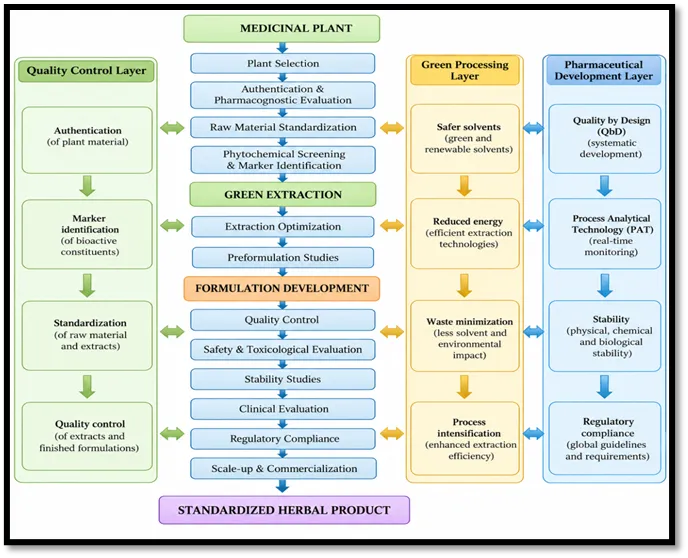
Figure 1: Integrated Pathway from Medicinal Plant to Standardized Herbal Formulation.
3.1 Selection of Medicinal Plant
The initial stage of herbal formulation development involves the systematic selection of a medicinal plant using ethnopharmacological knowledge, traditional medicinal literature, and available scientific evidence. Traditional healthcare systems, including Ayurveda, Unani, Siddha, and Traditional Chinese Medicine, provide valuable information for identifying plants with established or historically documented therapeutic applications. Contemporary selection procedures additionally consider findings from preclinical and clinical investigations, reported bioactive constituents, available safety information, and potential market requirements.
Other important factors include ecological sustainability, geographical distribution, chemotypic differences, and seasonal variations that may affect the concentration of phytoconstituents. A rationally supported selection strategy helps reduce developmental uncertainties and may improve the likelihood of obtaining a herbal product with satisfactory therapeutic potential, quality characteristics, and commercial feasibility [16].
3.2 Authentication and Pharmacognostic Evaluation
Authentication is an essential quality-assurance procedure used to confirm the botanical identity and authenticity of the selected plant material. Incorrect identification, substitution with other species, and adulteration may adversely affect the safety, efficacy, and consistency of herbal preparations. Therefore, reliable authentication is required before the material is used for further processing or formulation development.
The authentication process may include macroscopic assessment of organoleptic characteristics such as colour, odour, dimensions, and texture. Microscopic examination is performed to identify characteristic diagnostic features, including trichomes, stomata, vascular tissues, and starch grains. Powder microscopy is particularly useful for the examination of powdered crude drugs. In addition to conventional pharmacognostic methods, advanced identification approaches such as DNA barcoding, molecular marker analysis, and chromatographic fingerprinting are increasingly applied to improve botanical accuracy.
Pharmacognostic standardization establishes defined reference characteristics that can be used for the procurement, identification, evaluation, and regulatory assessment of herbal raw materials [17].
3.3 Raw Material Standardization
Standardization of botanical raw materials is necessary to maintain their identity, purity, quality, and safety before incorporation into a formulation. Medicinal plant materials may be exposed to several forms of contamination, including foreign matter, heavy metals, pesticide residues, aflatoxins, and pathogenic microorganisms. Consequently, appropriate physicochemical and microbiological examinations are required to establish their suitability for pharmaceutical use.
Important physicochemical parameters include moisture content or loss on drying, total ash, acid-insoluble ash, water-soluble ash, and extractive values. These parameters are generally evaluated with reference to applicable pharmacopoeial requirements. Toxic metals, including lead, arsenic, cadmium, and mercury, may be determined using analytical techniques such as atomic absorption spectroscopy or inductively coupled plasma mass spectrometry (ICP-MS). Microbial limit testing is conducted to assess the microbiological quality of the raw material and its compliance with relevant safety specifications.
Effective standardization at the initial processing stage helps minimize raw material variability, improves the consistency of the finished product, and supports the implementation of Good Agricultural and Collection Practices (GACP) [18].
3.4 Phytochemical Screening and Marker Identification
Preliminary phytochemical screening is conducted to identify the major classes of secondary metabolites present in medicinal plant materials. These may include alkaloids, flavonoids, tannins, glycosides, saponins, terpenoids, and phenolic compounds. Such constituents may contribute to the biological and therapeutic properties associated with herbal drugs.
The identification of suitable marker compounds is important for establishing product consistency and strengthening quality-control procedures. Depending on their intended application, markers may be classified as active markers, which are associated with therapeutic activity, or analytical markers, which are primarily selected for identification and standardization purposes.
Advanced analytical platforms, including high-performance thin-layer chromatography (HPTLC), high-performance liquid chromatography (HPLC), liquid chromatography–mass spectrometry (LC-MS), gas chromatography–mass spectrometry (GC-MS), and nuclear magnetic resonance (NMR) spectroscopy, can be employed for phytochemical fingerprinting and quantitative constituent analysis. A well-defined phytochemical profile facilitates batch-to-batch comparison, supports reproducible manufacturing, and contributes to regulatory quality assessment [19].
3.5 Extraction and Process Optimization
Extraction serves as a key link between crude botanical material and subsequent formulation development. The principal objective of this stage is to recover the desired phytoconstituents with appropriate selectivity while preserving their chemical stability and biological relevance. Conventional techniques such as maceration, percolation, decoction, and Soxhlet extraction continue to be used in herbal processing. However, modern methods—including ultrasound-assisted extraction, microwave-assisted extraction, pressurized liquid extraction, and supercritical fluid extraction—can provide opportunities for improved extraction efficiency, reduced solvent use, and enhanced constituent recovery.
The optimization of an extraction process requires the systematic evaluation of variables such as solvent composition, solvent-to-material ratio, extraction temperature, pH, and processing duration. The incorporation of green chemistry principles, particularly the use of safer solvents, reduced energy consumption, and efficient process design, is increasingly relevant to the development of sustainable herbal extraction systems [20].
3.6 Preformulation Studies
Preformulation investigations are performed to characterize the physicochemical properties of herbal extracts before selecting and developing an appropriate dosage form. These studies may include the evaluation of solubility, hygroscopicity, pH-dependent stability, partition coefficient, particle-size distribution, and powder-flow characteristics.
Compatibility testing between the herbal extract and proposed excipients is also important because undesirable interactions may affect the stability, performance, or therapeutic properties of the final formulation. Analytical techniques such as Fourier-transform infrared spectroscopy (FTIR), differential scanning calorimetry (DSC), and X-ray diffraction (XRD) may be used to investigate possible physical or chemical interactions.
Because herbal extracts generally contain complex mixtures of constituents, formulation scientists must address challenges related to poor aqueous solubility, chemical instability, constituent variability, and potential incompatibilities. Comprehensive preformulation assessment can reduce the risk of formulation failure and support the development of a stable and effective dosage form [21].
3.7 Formulation Development
Formulation development involves converting a standardized herbal extract into a suitable pharmaceutical dosage form that provides acceptable therapeutic performance, stability, and patient convenience. Conventional herbal dosage forms include tablets, capsules, syrups, ointments, and powders. In parallel, advanced delivery systems such as phytosomes, liposomes, nanoparticles, microspheres, and transdermal patches are being explored for improving the delivery characteristics of plant-derived constituents.
One of the principal challenges in herbal formulation development is the enhancement of bioavailability, particularly when the active phytoconstituents exhibit poor aqueous solubility or limited absorption. Approaches such as solid dispersion technology, nanoencapsulation, and the incorporation of bioenhancers may be considered to improve the delivery of selected constituents. Excipients should be chosen according to their compatibility with the extract, contribution to formulation stability, functional performance, and regulatory suitability.
The overall objective is to design a dosage form that preserves the integrity of important phytochemicals while providing appropriate release, absorption, stability, and therapeutic performance [22].
3.8 Quality Control of Finished Product
Quality-control evaluation of the finished herbal product is required to determine whether the formulation complies with established pharmacopoeial specifications and applicable regulatory standards. The parameters selected for evaluation depend on the nature and dosage form of the product.
For solid dosage forms such as tablets, quality assessment may include hardness, friability, weight variation, disintegration time, and dissolution testing. Liquid formulations may be examined for viscosity, pH, physical appearance, and microbiological quality. Quantitative determination of selected marker compounds using validated analytical procedures can provide information regarding constituent uniformity and product potency.
Stability-indicating analytical methods are important for detecting the formation of degradation products and monitoring changes in critical quality attributes during storage. Compliance with relevant WHO recommendations, AYUSH requirements, and applicable international regulatory standards can improve the reliability, credibility, and market acceptability of herbal formulations [23].
3.9 Safety and Toxicological Evaluation
The historical or traditional use of a medicinal plant does not eliminate the need for systematic safety evaluation of its developed formulation. Toxicological investigations may include acute, subacute, and chronic toxicity studies conducted using appropriate experimental models and scientifically justified protocols.
During these assessments, parameters such as hematological indices, biochemical markers, and histopathological changes may be monitored to identify possible adverse effects. Depending on the nature of the product, intended use, and regulatory requirements, additional investigations involving genotoxicity and mutagenicity may also be necessary.
Evaluation of herb–drug interactions has gained importance because herbal products are frequently used alongside conventional pharmaceutical medicines. A comprehensive safety-assessment strategy provides supporting evidence for responsible product development, strengthens confidence in the formulation, and assists in meeting regulatory expectations for wider use [24].
3.10 Stability Studies
Stability studies are conducted to establish the shelf life, recommended storage conditions, and quality retention of herbal formulations throughout their intended period of use. Such investigations may include accelerated and long-term stability studies performed in accordance with relevant International Council for Harmonisation (ICH) guidelines and applicable product-specific requirements.
During stability testing, parameters such as physical appearance, moisture content, microbial quality, and the concentration of selected marker compounds are monitored at predetermined intervals. Herbal formulations may be particularly vulnerable to environmental influences, including light, humidity, and temperature, which can promote chemical degradation or changes in product characteristics.
A properly designed stability programme helps determine whether the formulation can maintain its specified quality, safety, potency, and therapeutic performance during the proposed shelf life [25].
3.11 Clinical Evaluation
Clinical evaluation is an important component of evidence-based herbal medicine development because it provides information regarding the safety and therapeutic performance of the formulation in human subjects. Depending on the research objective, clinical evidence may be generated through observational investigations, randomized controlled trials, or comparative clinical studies.
The use of standardized extracts with defined marker compounds can improve the reproducibility of clinical investigations by reducing variability in the administered herbal material. Clinical studies must be conducted in accordance with applicable ethical requirements, including approval from the relevant ethics committee, informed consent from participants, and adherence to Good Clinical Practice (GCP) principles.
Reliable clinical evidence contributes to the scientific assessment of herbal formulations and may support their broader acceptance within evidence-based healthcare and regulatory systems [25].
3.12 Regulatory Compliance
The regulatory requirements governing herbal products differ according to the country, product category, intended use, and claims made by the manufacturer. In India, herbal medicinal products may be regulated under the applicable AYUSH framework, whereas products classified as nutraceuticals are subject to the relevant requirements of the Food Safety and Standards Authority of India (FSSAI).
At the international level, the United States Food and Drug Administration (US FDA) provides a regulatory pathway for botanical drug development, while the European Medicines Agency (EMA) has established provisions for the registration of traditional herbal medicinal products. Regulatory submissions may require documentation relating to raw material quality, manufacturing processes, safety evaluation, stability data, quality-control testing, and Good Manufacturing Practice (GMP) compliance.
Adherence to the appropriate regulatory framework is essential for demonstrating product quality, establishing legal and scientific acceptability, and supporting authorization for marketing [26].
3.13 Scale-Up and Commercialization
The final phase of herbal formulation development involves transferring the optimized laboratory process to pilot-scale and industrial manufacturing operations. Scale-up activities require careful control of critical processing steps, including extraction, blending, granulation, and compression, to ensure that the product maintains consistent quality when production volume increases.
Process validation is necessary to demonstrate that the selected manufacturing procedure can repeatedly produce a product meeting predetermined quality specifications. Compliance with Good Manufacturing Practices (GMP) remains an essential requirement throughout commercial production. In addition, packaging compatibility studies should be performed to determine whether the selected packaging system adequately protects the formulation from environmental factors and potential degradation.
Commercial success also depends on appropriate marketing practices, pharmacovigilance arrangements, and post-marketing surveillance. These activities help identify possible safety concerns, monitor product performance, and support ongoing quality management. Ultimately, sustainable commercialization of herbal formulations requires the coordinated maintenance of product quality, regulatory compliance, manufacturing consistency, and consumer confidence [26].
4. PRINCIPLES OF GREEN PROCESSING IN PHARMACOGNOSY
Green processing is founded on the fundamental concepts of green chemistry, which promote waste minimization, the use of safer solvents, efficient energy utilization, and the development of environmentally responsible processing systems. Within pharmacognosy, the application of these principles is particularly important because medicinal plants possess complex and chemically sensitive matrices that may respond differently to processing conditions [27].
The major objectives of green processing include protecting the synergistic interactions among phytoconstituents, minimizing the presence of hazardous solvent residues, improving batch-to-batch reproducibility, ensuring the safety of workers and consumers, and supporting compliance with regulatory requirements. Guidelines such as ICH Q3C and WHO Good Manufacturing Practices emphasize the importance of solvent selection, contamination control, and appropriate process monitoring. These recommendations further demonstrate the relevance of sustainable processing approaches in herbal pharmaceutical development.
Before the widespread expansion of petroleum-based industries, plant-derived biomass represented an important source of chemicals, materials, and functional ingredients used in food, cosmetic, and medicinal applications. During the twentieth century, the rapid development of petrochemical industries resulted in a substantial shift toward fossil-based raw materials. However, concerns associated with the depletion of fossil resources, environmental pollution, climate change, and long-term sustainability have renewed scientific interest in renewable biological feedstocks. The movement toward a bio-based economy is closely associated with the objectives of green chemistry, which seeks to reduce environmental impact while promoting resource efficiency and safer production practices [28].
Plant-derived natural products contain diverse groups of primary and secondary metabolites, including proteins, lipids, carbohydrates, dietary fibers, polyphenols, essential oils, pigments, and other biologically active substances. Extracts obtained from these botanical matrices are used in food products as preservatives, colouring agents, flavouring materials, and texturizing ingredients. They are also incorporated into cosmetic and pharmaceutical preparations because of their therapeutic and functional properties. Therefore, the sustainability, safety, and efficiency of extraction operations are essential considerations for maintaining extract quality and minimizing environmental consequences.
Conventional extraction procedures, particularly solid–liquid extraction using organic solvents, commonly involve several sequential operations, including drying, size reduction, filtration, concentration, and purification. These methods may require prolonged processing periods, elevated temperatures, and considerable quantities of solvents derived from petroleum resources. Consequently, they may consume substantial energy, produce significant process waste, and create occupational as well as environmental hazards. In addition, exposure to unsuitable processing conditions can adversely affect heat-sensitive phytochemicals. The presence of residual solvents and other contaminants may further compromise the safety, quality, and regulatory acceptability of the resulting extracts [29].
The requirement for more sustainable extraction systems is supported by the Twelve Principles of Green Chemistry, developed by Anastas and Warner. Together, these principles provide a structured framework for reducing environmental burden, improving process efficiency, and enhancing chemical safety. Their relevance to herbal processing is summarized below.
4.1 Twelve Principles of Green Chemistry
4.2 Application of Green Chemistry Principles to Natural Product Extraction
The application of green chemistry principles to the processing of natural products provides the conceptual foundation for green extraction. The use of renewable plant biomass, for example, corresponds to the principle of renewable feedstocks. Similarly, replacing conventional petroleum-derived solvents with water, ethanol, supercritical carbon dioxide, or suitable bio-based solvents supports the objective of safer solvent selection.
The implementation of advanced extraction technologies—including ultrasound-assisted extraction, microwave-assisted extraction, enzyme-assisted extraction, and supercritical fluid extraction—can improve process efficiency, shorten extraction duration, and reduce energy requirements under suitable operating conditions. These advantages are consistent with the principles of energy efficiency and waste prevention. Process intensification and solvent-recovery systems can further reduce material losses and waste generation. Moreover, the use of controlled and relatively mild processing conditions may help preserve bioactive constituents and limit the formation of degradation products [30].
4.3 Six Principles of Green Extraction
The broader framework of green chemistry has been adapted to extraction science through six principles that specifically address the sustainability, efficiency, safety, and quality of extraction operations. These principles include the following:
Raw materials should be obtained from plant sources that are cultivated and collected responsibly. Preference may be given to renewable, sufficiently available, and sustainably managed botanical resources, including suitable materials recovered from agro-industrial by-products.
Extraction procedures should prioritize safer and environmentally preferable solvent systems. Examples include water, bio-based solvents such as ethanol, supercritical fluids, natural deep eutectic solvents, and solvent-free extraction approaches where technically feasible.
Extraction systems should be designed to reduce energy requirements while maintaining effective recovery of the desired constituents. Technologies such as microwave-assisted extraction, ultrasound-assisted extraction, pressurized liquid extraction, enzyme-assisted extraction, and supercritical fluid extraction may improve efficiency and facilitate processing under comparatively mild conditions.
Waste production should be reduced through integrated processing strategies, efficient utilization of plant residues, and the recovery or valorization of by-products. Closed-loop solvent-recovery systems may also help decrease solvent losses and improve resource utilization.
Extraction processes should be optimized by reducing unnecessary unit operations, processing time, operational complexity, and resource consumption. Simplification and intensification of the process may contribute to lower production costs and improved overall efficiency.
The final extract should meet appropriate quality and safety requirements, including the minimization of toxic solvent residues, contaminants, and degradation products. At the same time, the extraction process should support the preservation of relevant bioactive constituents and their associated biological activity.
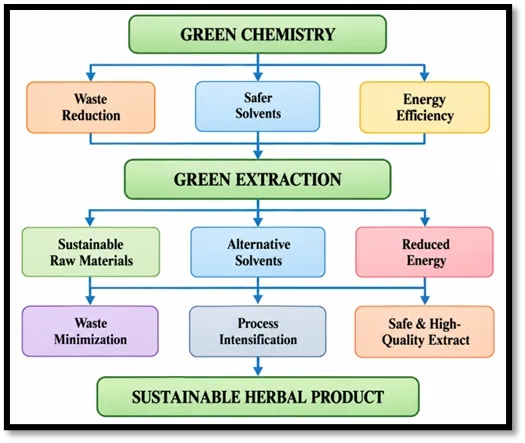
Figure 2: Application of Green Chemistry and Green Extraction Principles in Herbal Processing.
Overall, green processing in pharmacognosy integrates environmental responsibility with phytochemical preservation, process efficiency, quality assurance, and safety. Its application provides a scientific basis for developing herbal extracts and formulations that are more consistent, sustainable, and suitable for contemporary pharmaceutical development [31].
5. GREEN PROCESSING APPROACHES IN HERBAL FORMULATION DEVELOPMENT
5.1 Supercritical Fluid Extraction (SFE)
Supercritical fluid extraction (SFE) is an advanced separation technique that uses a fluid maintained above its critical temperature and pressure, with carbon dioxide being the most commonly employed solvent. Supercritical CO₂ is particularly suitable for recovering lipophilic phytoconstituents while limiting thermal exposure and the associated risk of degradation. Extracts produced through SFE may demonstrate favourable purity, stability, and suitability for pharmaceutical applications, including oral and topical formulations.
In this process, carbon dioxide is converted into its supercritical state at temperatures above 31.1°C and pressures exceeding 73.8 bar. Under these conditions, CO₂ exhibits gas-like diffusivity together with liquid-like solvating capacity, allowing it to penetrate plant matrices and extract selected constituents without leaving conventional toxic organic solvent residues. The process generally involves compressing and heating CO₂ before directing it through an extraction vessel containing appropriately ground botanical material.
The extraction conditions can be adjusted by controlling pressure, generally within the range of 10–40 MPa, and temperature, approximately 40–80°C, to modify fluid density and extraction selectivity. These adjustments facilitate the recovery of lipophilic compounds such as essential oils, carotenoids, and waxes. A co-solvent, such as ethanol at concentrations of up to 10%, may be introduced to improve the extraction of moderately polar compounds, including selected flavonoids.
After extraction, the CO₂ containing dissolved constituents are transferred to a separator. Reduction in pressure allows the carbon dioxide to return to its gaseous state, facilitating the separation and collection of the extracted compounds. The carbon dioxide may subsequently be recycled within a closed-loop system, potentially reducing solvent waste. The ability to regulate phase behaviour and operating conditions makes SFE useful for selective fractionation and the processing of heat-sensitive botanical constituents [32].
5.2 Microwave-Assisted Extraction (MAE)
Microwave-assisted extraction (MAE) is an intensified extraction method in which electromagnetic energy is used to produce rapid internal heating within plant tissues. This mechanism can improve mass transfer, shorten processing duration, and reduce solvent consumption. MAE has been investigated for the recovery of phytochemicals such as phenolic compounds and flavonoids, although careful optimization is required to minimize thermal degradation and preserve the chemical integrity of sensitive constituents.
MAE generally employs non-ionizing electromagnetic radiation at a frequency of 2.45 GHz. The microwave energy interacts primarily with polar molecules, particularly water present within the plant matrix, through dipole rotation and ionic conduction. Rapid heating of intracellular moisture generates vapour pressure, which may disrupt cellular structures and facilitate the release of phytoconstituents into the surrounding solvent.
The extraction process may be performed in closed vessels under controlled operating conditions, commonly involving power levels of approximately 300–800 W, extraction times of 2–10 minutes, and solvent-to-material ratios of around 10:1–20:1, depending on the material and target constituents. Stirring, pulsed irradiation, and temperature regulation can be used to reduce uneven heating and limit the degradation of thermolabile compounds.
Compared with conventional reflux-based procedures, MAE may provide shorter extraction times and lower solvent requirements. Its performance is influenced by factors such as moisture content, solvent polarity, microwave power, exposure duration, and the physical characteristics of the plant matrix. Consequently, process optimization is essential for achieving an appropriate balance between extraction efficiency and phytochemical stability [33].
5.3 Ultrasound-Assisted Extraction (UAE)
Ultrasound-assisted extraction (UAE) uses acoustic energy to facilitate the disruption of plant tissues and improve the transfer of phytoconstituents into the extraction medium. The technique is particularly useful for extracting compounds that may be sensitive to prolonged heating and has also attracted attention for potential scale-up in industrial processing.
In UAE, ultrasonic waves—typically within the frequency range of 20–100 kHz—are generated using probe-type or bath-type ultrasonic systems. As the waves travel through the extraction solvent, alternating pressure cycles produce microscopic bubbles. The growth and collapse of these bubbles, a phenomenon known as acoustic cavitation, generates localized mechanical effects that can assist in disrupting cell walls and improving solvent penetration.
Cavitation may produce shear forces, microjets, localized high-temperature regions, and pressure changes near the plant material. These effects contribute to cellular disintegration, enhanced solvent access, and improved release of intracellular constituents. Water–ethanol mixtures are frequently considered as extraction media, with solvent-to-material ratios and operating conditions selected according to the target compounds and plant matrix.
Representative operating conditions may include extraction periods of 5–30 minutes, temperatures below 60°C, and power levels of approximately 100–500 W. UAE may improve mass transfer through tissue erosion, swelling, and structural disruption while reducing the need for prolonged extraction. Appropriate control of ultrasonic intensity and temperature is necessary to minimize possible damage to sensitive phytochemicals [34].
5.4 Enzyme-Assisted Extraction (EAE)
Enzyme-assisted extraction (EAE) facilitates the release of phytoconstituents that remain trapped within or associated with plant cellular structures. The technique uses enzymes under relatively mild conditions to modify structural components of the plant matrix, potentially improving the recovery and solubility of selected bioactive compounds. Nevertheless, enzyme cost, operational stability, and process standardization remain important considerations.
EAE commonly employs hydrolytic enzymes such as cellulases, pectinases, and hemicellulases. These enzymes act on structural polysaccharides present in the cell wall and middle lamella, increasing matrix permeability and facilitating the release of intracellular constituents. Representative process conditions may include enzyme concentrations of 0.5–5% w/w, pH values of approximately 4–5, and temperatures ranging from 40–60°C.
The process may involve an initial incubation period, commonly lasting 1–4 hours, with controlled agitation. During this stage, enzymes hydrolyse specific bonds within cellulose- and pectin-rich structures, potentially increasing the accessible surface area and porosity of the plant material. The enzymatically treated matrix is subsequently subjected to solvent extraction or another suitable recovery procedure.
Process variables—including enzyme type, enzyme concentration, incubation time, pH, and temperature—can be optimized using experimental design approaches such as response surface methodology. EAE may be particularly useful for improving the recovery of bound phenolic compounds and other matrix-associated constituents. The biodegradable nature of many enzymes also supports the development of more environmentally responsible extraction processes, although industrial application requires careful economic and operational assessment [35].
5.5 Natural Deep Eutectic Solvents (NADES)
Natural deep eutectic solvents (NADES) are alternative extraction media prepared by combining naturally derived components that interact through extensive hydrogen bonding. Their physicochemical properties, including polarity and solvating capacity, can be adjusted by selecting suitable components and modifying their composition. Although NADES systems have demonstrated considerable potential for phytochemical extraction, additional toxicological, safety, and regulatory evaluation is necessary before their routine application in pharmaceutical manufacturing.
NADES systems are commonly formulated using a hydrogen bond acceptor (HBA), such as choline chloride, and a hydrogen bond donor (HBD), including sugars, organic acids, or polyols such as glycerol. The interaction between these components produces a solvent system with a reduced melting point and adjustable solvent characteristics. Depending on the composition, NADES may exhibit high viscosity and strong interactions with polar phytochemicals.
These solvents can facilitate the recovery of compounds such as polyphenols and flavonoids through hydrogen bonding and other intermolecular interactions. Their extraction performance may be enhanced through techniques such as ultrasound- or microwave-assisted processing. The composition of the solvent system can also be modified to improve the extraction of compounds with different polarity characteristics.
Following extraction, dilution with water or another suitable medium may alter the interactions among the NADES components and facilitate downstream separation or recovery. However, the ease of solvent removal, residual solvent assessment, toxicity, viscosity, and compatibility with the final dosage form must be evaluated before pharmaceutical use [36].
5.6 Pressurized Liquid Extraction (PLE)
Pressurized liquid extraction (PLE), also referred to as accelerated solvent extraction, employs elevated temperature and pressures to improve the extraction of target compounds from botanical materials. The technique uses selected solvents, including hydroalcoholic systems, under conditions that maintain the solvent in a liquid state despite increased temperature.
Representative operating ranges may include temperatures of approximately 50–200°C and pressures of 100–200 bar, although the appropriate conditions depend on the extraction solvent, plant matrix, and stability of the target constituents. Increased temperature can improve solubility and diffusion, while pressure assists solvent penetration into the material and prevents boiling under the selected operating conditions.
PLE generally uses an automated extraction cell containing a measured quantity of plant material. The process may involve sequential static and dynamic phases. During the static phase, the heated solvent remains in contact with the sample for a predetermined duration, allowing the target constituents to dissolve. The extract is then transferred from the cell during the flushing phase and collected in an appropriate vessel. Nitrogen purging may be used to assist the removal of residual solvent and extract from the extraction system.
PLE can provide reproducible processing conditions, reduced solvent requirements, and relatively rapid extraction. However, the use of elevated temperatures requires careful consideration when working with thermolabile phytochemicals. Process optimization should therefore consider extraction efficiency, compound stability, solvent selection, and the feasibility of industrial implementation [37].
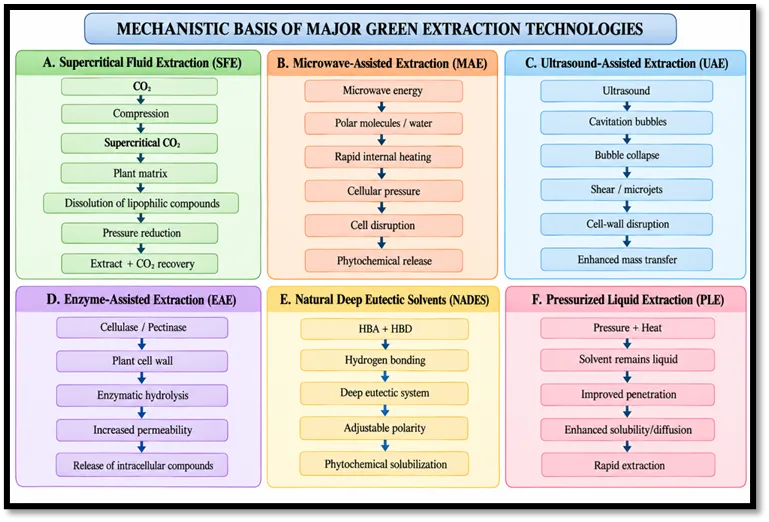
Figure 3: Mechanistic Basis of Major Green Extraction Technologies.
5.7 Methodology for Comparative Assessment
A structured assessment of peer-reviewed literature published was undertaken using major scientific databases, including Scopus, Web of Science, PubMed, and ScienceDirect. Search terms relating to green extraction, supercritical fluid extraction, microwave-assisted extraction, ultrasound-assisted extraction, enzyme-assisted extraction, natural deep eutectic solvents, herbal formulation, sustainability, and phytochemical preservation were combined using different Boolean search strategies.
The review considered full-length research articles published in indexed journals. Conference abstracts, articles published in languages other than English, and studies without experimental validation were excluded according to the stated selection criteria.
The selected publications were examined and compared using six predefined parameters:
The extracted information was synthesized qualitatively and, where sufficient data were available, quantitatively. The assessment focused on identifying performance trends, potential advantages over conventional extraction, technological limitations, and gaps between laboratory research and industrial or pharmaceutical application. This comparative framework was used to examine the contribution of green processing technologies to contemporary herbal formulation development.
5.8 COMPARATIVE EVALUATION OF GREEN EXTRACTION TECHNOLOGIES
Table 1: Comparative Evaluation of Major Green Extraction Technologies for Herbal Processing.
|
Parameter |
SFE |
MAE |
UAE |
EAE |
NADES |
|
Extraction efficiency |
High; suitable for non-polar compounds |
High; rapid extraction |
Moderate–high; enhanced mass transfer |
Variable; releases bound compounds |
High potential for polar and semi-polar compounds |
|
Selectivity |
High; pressure and temperature dependent |
Moderate; possible co-extraction |
Dependent on solvent system |
Targeted cell-wall disruption |
Tunable through HBA–HBD composition |
|
Phytochemical preservation |
Generally favorable at optimized conditions |
Depends on power and temperature |
Generally good under controlled conditions |
Favorable under mild conditions |
Depends on composition and extraction conditions |
|
Solvent considerations |
CO₂; relatively low residue |
Reduced solvent use |
Reduced solvent use |
Often aqueous systems |
Potentially biodegradable components |
|
Energy consumption |
Moderate–high; compression required |
Low–moderate; short processing time |
Low–moderate |
Generally low |
Potentially low; preparation may add demand |
|
Scalability |
Established; equipment-intensive |
Requires process optimization |
Relatively feasible |
Limited by enzyme cost and stability |
Emerging; scale-up under evaluation |
|
Regulatory considerations |
Process validation and equipment safety required |
Validation of power and process conditions |
Standardization of ultrasonic parameters |
Enzyme source and purity assessment |
Component safety and regulatory assessment required |
Abbreviations: SFE, supercritical fluid extraction; MAE, microwave-assisted extraction; UAE, ultrasound-assisted extraction; EAE, enzyme-assisted extraction; NADES, natural deep eutectic solvents; HBA, hydrogen-bond acceptor; HBD, hydrogen-bond donor.
5.9 COMPARATIVE INSIGHTS
Overall, green extraction technologies offer several potential advantages over conventional solvent-based procedures, including improved process efficiency, reduced solvent consumption, lower waste generation, and better alignment with sustainability objectives. However, the performance of each technique is dependent on the plant material, target phytochemicals, solvent system, operating conditions, and intended application.
The comparative evidence should therefore be interpreted according to the specific experimental context rather than assuming that one technology is universally superior. Industrial suitability depends on a combination of extraction performance, cost, process reproducibility, safety, regulatory requirements, and the ability to preserve the quality of the final herbal formulation [38].
6. IMPACT OF GREEN PROCESSING ON PHYTOCHEMICAL INTEGRITY AND FORMULATION QUALITY
Green processing technologies play an important role in maintaining the chemical integrity, stability, and functional performance of phytoconstituents during herbal formulation development. Conventional processing techniques involving prolonged heating, excessive solvent exposure, and uncontrolled oxidative conditions may promote the degradation of thermolabile, oxidation-sensitive, and structurally unstable bioactive compounds. In contrast, appropriately optimized green processing approaches can minimize thermal stress, oxidative reactions, and unnecessary exposure to harsh processing conditions, thereby supporting the preservation of the native phytochemical composition of medicinal plants.
The preservation of individual phytoconstituents is particularly important because the therapeutic activity of herbal medicines may depend on the combined effects of multiple constituents rather than on a single isolated compound. Maintaining the relative proportion of bioactive components can help preserve potential synergistic or complementary interactions within the plant extract. Furthermore, improved control over extraction and processing parameters may reduce batch-to-batch variation and contribute to greater consistency in the quality of the final formulation.
Green processing may also influence the physical and biopharmaceutical properties of herbal preparations. Improved protection of sensitive phytochemicals can support their chemical stability, while optimized extraction conditions may enhance the recovery and availability of compounds with limited solubility or poor extractability. These improvements may contribute to more consistent therapeutic performance and extended product shelf life. However, the effect on bioavailability depends on several factors, including the chemical characteristics of the active constituents, formulation composition, gastrointestinal stability, and absorption mechanisms. Therefore, green processing should be integrated with suitable formulation optimization, stability testing, and bioavailability assessment rather than being considered an independent guarantee of improved therapeutic efficacy [39].
7. QUALITY ASSURANCE AND REGULATORY CONSIDERATIONS
Quality assurance is a fundamental requirement in herbal formulation development because the chemical composition of plant materials can vary according to species, geographical origin, cultivation conditions, harvesting stage, storage conditions, and processing methods. Green processing technologies can support the development of more reproducible extraction procedures by providing improved control over important process variables, including temperature, pressure, extraction time, solvent composition, and energy input. Such control may contribute to consistent phytochemical profiles and facilitate the identification and monitoring of marker compounds used for herbal drug standardization.
The incorporation of chromatographic fingerprinting, marker-based analysis, and physicochemical evaluation can strengthen the quality assessment of herbal extracts and finished formulations. These approaches help in monitoring the presence of desired phytoconstituents, detecting possible adulteration, and assessing variation between production batches. In addition, the use of safer solvents and controlled processing conditions can support the reduction of residual solvent-related risks and process-associated impurities.
Green processing is also relevant to pharmaceutical quality and regulatory expectations. Appropriate solvent selection, impurity control, process validation, and documentation may support alignment with applicable principles of ICH Q3C concerning residual solvents and WHO good manufacturing practice (GMP) recommendations, where relevant to the product and manufacturing process. Nevertheless, green processing does not automatically establish regulatory compliance; each formulation must be evaluated according to its intended use, ingredients, manufacturing procedure, and applicable regulatory requirements.
The integration of process analytical technology (PAT), in-process monitoring, and data-driven quality control can further improve the reliability of manufacturing operations. When combined with quality-by-design principles, these tools can help identify critical material attributes and critical process parameters, thereby supporting the production of standardized, reproducible, and quality-oriented herbal formulations [40].
8. INDUSTRIAL APPLICABILITY AND SCALE-UP CHALLENGES
The industrial application of green processing technologies such as supercritical fluid extraction (SFE), microwave-assisted extraction (MAE), and ultrasound-assisted extraction (UAE) demonstrates their potential for integration into commercial herbal product manufacturing. These techniques may offer advantages such as shorter extraction periods, reduced solvent consumption, improved process control, and enhanced recovery of selected phytoconstituents. Their industrial usefulness, however, depends on the characteristics of the plant material, the desired product specifications, equipment configuration, and the economic feasibility of the complete manufacturing process.
Scale-up from laboratory experiments to pilot- and industrial-scale production presents several technical challenges. Process conditions that produce satisfactory results at a small scale may not provide equivalent outcomes during large-scale operation because of differences in heat transfer, mass transfer, energy distribution, mixing efficiency, pressure control, and equipment geometry. For example, uniform microwave exposure and ultrasonic energy distribution may become more difficult to achieve as the processing volume increases. Similarly, SFE requires specialized high-pressure systems, trained personnel, and appropriate safety measures, which may increase initial capital expenditure.
The cost of equipment, maintenance requirements, process validation, solvent recovery, and operator training must therefore be considered during technology selection. In addition, the final process should demonstrate consistent yield, phytochemical composition, product quality, and reproducibility across multiple production batches. Despite these challenges, long-term implementation of green technologies may provide advantages through improved resource efficiency, reduced environmental impact, better process consistency, and potential support for regulatory expectations. Successful industrial adoption requires systematic process optimization, pilot-scale validation, economic assessment, and the development of appropriate standard operating procedures [40].
FUTURE PERSPECTIVES
The future development of herbal formulations is expected to involve closer integration of green processing technologies with advanced pharmaceutical development strategies. The combination of green extraction, quality-by-design (QbD), process analytical technology, artificial intelligence (AI), and digital process optimization may improve the efficiency and predictability of herbal product development. Data-driven approaches can assist in evaluating the relationships between raw material characteristics, processing parameters, phytochemical recovery, and final product quality. Such integration may help researchers identify optimal process conditions while reducing unnecessary experimentation, resource consumption, and process variability.
Artificial intelligence and machine learning may also be applied to the prediction of extraction yield, solvent selection, phytochemical stability, and interactions between formulation components. However, the reliability of these tools depends on the availability of high-quality experimental datasets, appropriate model validation, and scientific interpretation of the generated results. Their use should therefore complement, rather than replace, laboratory experimentation and established quality-control procedures.
Further research is required to improve the scalability of emerging technologies, particularly NADES-based extraction, enzyme-assisted extraction, and integrated extraction–formulation platforms. Important areas of investigation include solvent recovery, long-term stability, toxicity evaluation, bioavailability, process economics, and regulatory acceptability. The development of sustainable manufacturing systems may also encourage the use of renewable raw materials, energy-efficient equipment, waste minimization strategies, and environmentally responsible solvent systems.
Personalized herbal medicine represents another potential area of development, particularly through the integration of phytochemical profiling, patient-specific requirements, and advanced delivery systems. Nevertheless, the clinical and regulatory feasibility of personalized herbal formulations requires substantial scientific validation. Overall, future progress will depend on the coordinated application of sustainable processing, digital technologies, analytical standardization, and evidence-based pharmaceutical development [41].
CONCLUSION
Green processing technologies are emerging as important tools for improving the sustainability, quality, and scientific reproducibility of herbal formulation development. Their application provides an opportunity to strengthen the transition from medicinal plant material to standardized pharmaceutical products by addressing several limitations associated with conventional extraction and processing methods. Techniques such as supercritical fluid extraction, microwave-assisted extraction, ultrasound-assisted extraction, enzyme-assisted extraction, and natural deep eutectic solvent-based extraction offer different advantages in terms of solvent utilization, extraction efficiency, process duration, phytochemical recovery, and environmental compatibility. However, their performance remains dependent on the nature of the plant matrix, target constituents, solvent characteristics, and optimized operating conditions.
The preservation of phytochemical integrity is a central consideration because the stability and relative composition of bioactive constituents can influence the quality and therapeutic consistency of herbal preparations. Green processing may help reduce unnecessary thermal and oxidative stress while supporting reproducible extraction and improved process control. Its benefits can be further strengthened through marker-based standardization, chromatographic fingerprinting, process analytical technology, and quality-by-design approaches. Nevertheless, the adoption of green technologies should be supported by systematic validation, stability studies, safety assessment, and appropriate regulatory documentation.
Industrial implementation requires careful consideration of scale-up behavior, equipment investment, process uniformity, energy requirements, solvent recovery, and manufacturing economics. Future developments involving artificial intelligence, digital optimization, and sustainable manufacturing may improve process predictability and facilitate the development of more resource-efficient herbal products. At the same time, emerging approaches require robust experimental evidence to establish their long-term safety, reproducibility, bioavailability, and regulatory suitability.
Overall, green processing represents a promising framework for combining traditional herbal knowledge with modern pharmaceutical science. Its successful implementation will depend on multidisciplinary collaboration among pharmacognosists, formulation scientists, analytical researchers, process engineers, and regulatory professionals. A balanced approach that integrates environmental responsibility with product quality, therapeutic reliability, and scientific validation may support the development of standardized, scalable, and sustainable herbal formulations for future pharmaceutical applications.
REFERENCES


Jyoti Verma, K. Sarvanan, From Plant to Product: Green Processing Approaches Shaping the Future of Herbal Formulation, Int. J. of Pharm. Sci., 2026, Vol 4, Issue 10, 1680-1702, https://doi.org/10.5281/zenodo.23333264
 10.5281/zenodo.23333264