

We use cookies to ensure our website works properly and to personalise your experience. Cookies policy
Dr. D. Y. Patil College of Pharmacy, Akurdi, Pune – 411044, Maharashtra, India.
While childhood impacts of parental alcohol use disorder (AUD) have been reported on each academic, psychological, and social dimension separately, there is no community-based Indian survey that quantifies the impacts on all three dimensions among students. A cross-sectional survey-based study by using self-administered and structured 25-item questionnaire adapted from AUDIT, Kessler K10 and AREAS instrument using Google forms with 171 alcohol-exposed parental or familial (104 male, 67 female) volunteer students from Pune, Maharashtra, India, February–March 2026. The data were analysed in descriptive statistics, frequency distribution and percentage. Fathers were the main drinkers in 55.8% of responses with 76.6% citing financial problems among 171 respondents, of whom 71.3% indicated that alcohol consumption was a family practice. Academic effects were reported as difficulty concentrating (80.7%), a decrease in performance (73.1%), stress in home-study (77.2%), and missing school (58.7%). Social withdrawal was reported by 71.4% and emotional distress, anxiety/fear at home, anger/irritability were reported by 77.2%, 76.0% and 78.5% respectively. 45.9% received no formal treatment and 34.3% of families had a belief in the supernatural aspects of alcohol; 76.3% of families said they needed emotional support. Alcoholism among parents has a continuous and negative effect on students' achievements, mental health and social behavior. Interventions that involve community pharmacists, educators and policymakers are needed to overcome high treatment non-uptake and culturally specific barriers.
Alcoholism is a pathological pattern of drinking that results in a loss of control over drinking, craving, tolerance, withdrawal and inability to fulfill role responsibilities (DSM-51). AUD can be viewed as a family disease with negative effects extending to all family members and most strongly impacting dependent children, especially those who lack the supports needed to cope.AUD can be interpreted as a family disease so that all of the family members are affected, but most acutely dependent children are affected, particularly those lacking supports to cope. According to the World Health Organization2, harmful alcohol consumption accounts for about 3 million deaths every year (5.3% of all global deaths) and more than 164 million children are affected by alcohol problems among parents each year3. AUD is being documented in India, with the National Mental Survey 2015–16 revealing about 22% of all adult men in India are experiencing AUD and India has been ranked as one of the most alcohol-burdened countries in the world4.
The academic underachievement of children of Alcoholics (COAs) is a consistent finding and is related to financial instability, difficulties with memory, executive functioning and emotional costs associated with the management of alcohol related parental behaviour5. Psychological consequences are also firmly established, including increased anxiety, depression, and post-traumatic stress disorder (PTSD), decreased self-esteem, and chronic hypervigilance (due to unpredictable intoxicated parental behaviour)6,7. Socially, COAs show signs of withdrawal, insecure attachment, poor behavioral control and high intergenerational risk of substance use via social learning pathways8.
To date, no community-based survey in India has assessed academic outcomes, mental health, and social behaviour outcomes within the same sample of students, and included measures for treatment seeking, supernatural belief barriers, and intrafamilial alcohol contagion. Community pharmacists are the most accessible first-line health care providers in India and can be a valuable public health resource to monitor alcohol affected families, provide brief motivational counselling and referrals for rehabilitation.
The aim of the current study was to address these gaps and directly guide pharmacist-led and institutional interventions.
MATERIALS AND METHODS
The study protocol was followed according to the principles of the Declaration of Helsinki. The participants gave informed consent and the data was gathered anonymously and confidentially. Dr. D. Y. Patil College of Pharmacy, Akurdi, Pune has followed institutional ethics procedures.
The setting and design of a study.
This study is cross sectional, survey based, observational research carried out in February – March 2026 at educational institutions in Pune, Maharashtra, India.
Participants
Those students aged 15 years and older who indicated parental/familial alcohol exposure and gave informed consent were eligible. This was completed by 171 students (pre-specified target range: 100–150). The sample comprised 104 males (60.8%) and 67 females (39.2%). The largest age group was 20–25 years (n = 92, 53.8%), followed by 15–20 years (n = 41, 24.0%), above 25 years (n = 29, 17.0%), and below 15 years (n = 9, 5.3%). The majority of the participants were undergraduates (n = 91, 53.2%), followed by postgraduates (n = 38, 22.2%), higher secondary students (n = 28, 16.4%) and the primary/secondary students (n = 14, 8.2%). Nuclear families predominated (n = 101, 59.1%), followed by joint families (n = 65, 38.0%).
Measures
A structured self-administered 25-item questionnaire with items adapted for Indian students was developed using three validated questionnaires: the Alcohol Use Disorders Identification Test (AUDIT), the Kessler Psychological Distress Scale (K10) and the Academic Resilience and Engagement Assessment Scale (AREAS). This instrument was presented online using Google Forms, and consisted of five sections: (A) Background and Family Information (items 1-5); (B) Behavioural Changes Due to Alcohol (items 6-10); (C) Health Factors and Treatment (items 11-15); (D) Academic Performance Impact (items 16-19); and (E) Mental Health and Social Behaviour (items 20-25). The 25th question was a "free comment" question. Items were presented using binary (Yes/No), 3-point frequencies (Never/Sometimes/Often) or multiple choice scales.
Statistical Analysis
Descriptive statistics, such as frequency distributions, percentage analyses, pie charts and bar graphs, were used to analyse data. In line with the descriptive cross sectional design, no inferential statistics were computed, only item level analysis was performed.
Ethical considerations
As this was an anonymous, voluntary, questionnaire-based survey with minimal risk to the subject, the Institutional Ethics Committee decided that formal ethical approval was not required. Consent for participation was obtained from all the participants and the study was done in compliance with the ethics of the Declaration of Helsinki.
RESULTS AND DISCUSSION
A total of 171 students participated in this cross-sectional survey, providing the first community-based evidence in India to simultaneously quantify academic, mental health, and social behaviour outcomes—alongside treatment access and cultural barriers—among students exposed to parental alcoholism. Findings are reported section by section below, with accompanying frequency data presented in Tables 1–8 and Figures 1–24, and are interpreted in relation to the international and Indian literature, substantially extending prior India-specific clinical work9.
Background and Family Information
A family history of alcohol consumption was confirmed by 71.3% (n = 122) of respondents (Table 1). The father was identified as the primary drinker in 55.8% (n = 95) of cases, with other relatives accounting for 41.3% (n = 71) and both parents for 2.9% (n = 5). Regarding onset age, 32.2% reported drinking beginning between 31–40 years, 27.5% between 21–30 years, and 29.8% were unsure. Drinking frequency was characterized as occasional by 44.8% (n = 77), weekly by 32.6% (n = 56), and daily by 22.7% (n = 39). Financial difficulties were reported by 76.6% (n = 131; Sometimes + Often combined).
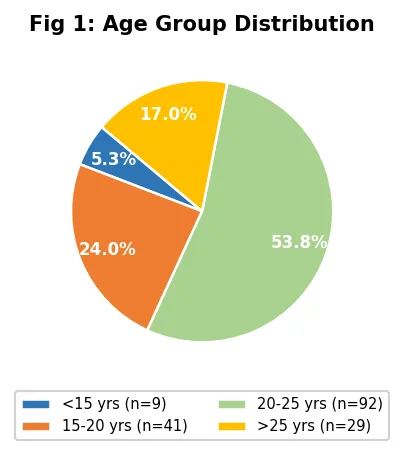
Figure 1. Age group distribution (N = 171).
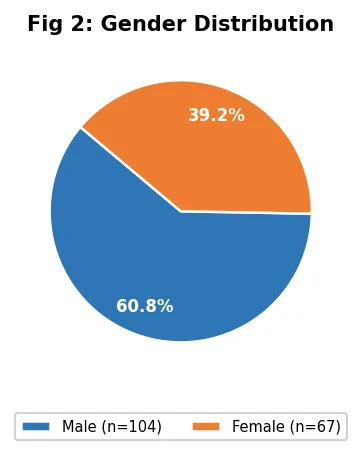
Figure 2. Gender distribution (N = 171).
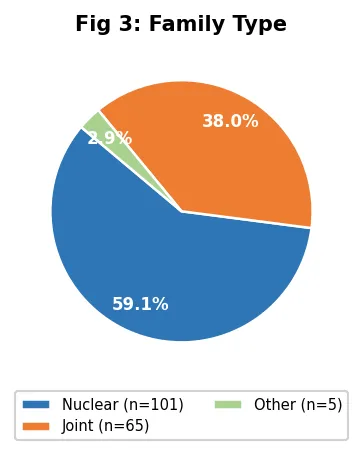
Figure 3. Family type distribution (N = 171).
TABLE 1: BACKGROUND AND FAMILY INFORMATION (N = 171)
|
Item |
Response Category |
n |
% |
|
Q1. Family history of alcohol |
Yes |
122 |
71.3 |
|
|
No |
49 |
28.7 |
|
Q2. Who consumes alcohol |
Father |
95 |
55.8 |
|
|
Both parents |
5 |
2.9 |
|
|
Other relative |
71 |
41.3 |
|
Q3. Age drinking started |
21–30 years |
47 |
27.5 |
|
|
31–40 years |
55 |
32.2 |
|
|
Not sure |
51 |
29.8 |
|
Q4. Drinking frequency |
Occasionally |
77 |
44.8 |
|
|
Weekly |
56 |
32.6 |
|
|
Daily |
39 |
22.7 |
|
Q5. Financial difficulties |
Never |
40 |
23.4 |
|
|
Sometimes |
94 |
55.0 |
|
|
Often |
37 |
21.6 |
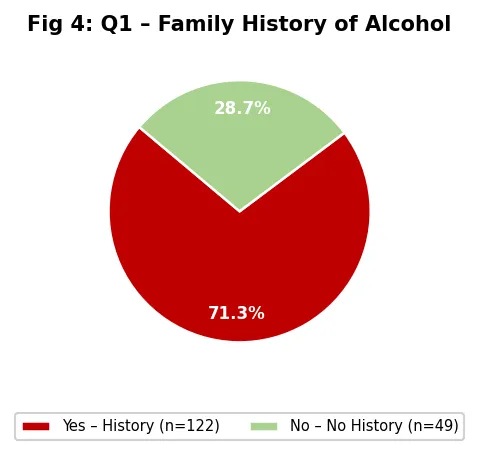
Figure 4. Q1 – Family history of alcohol consumption (N = 171).
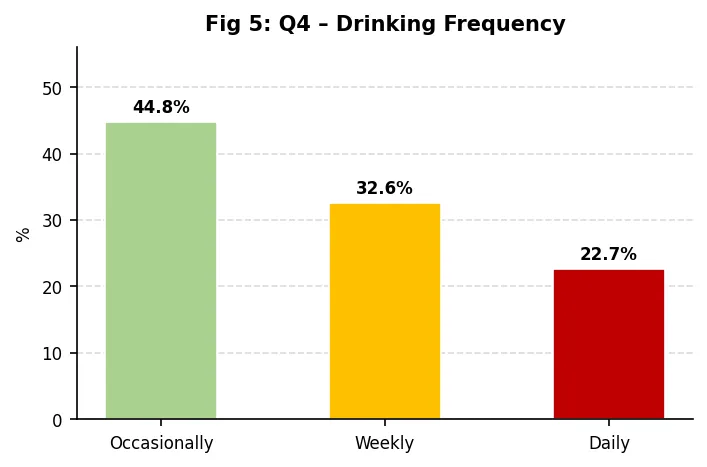
Figure 5. Q4 – Frequency of parental alcohol consumption (N = 171).
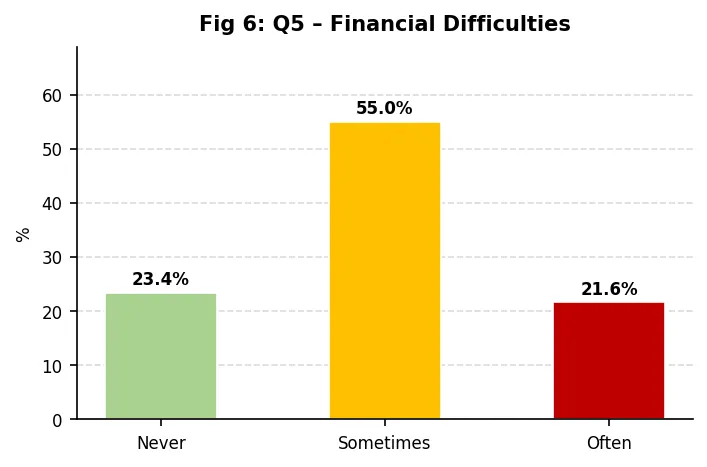
Figure 6. Q5 – Financial difficulties caused by parental alcohol use (N = 171).
Behavioural Changes Due to Parental Alcohol Use
Behavioural changes in the drinking parent after alcohol consumption were observed by 75.4% (n = 129; Table 2). Personal exposure to verbal, physical, or domestic harm was reported by 80.6% (n = 138; Sometimes + Often). Alcohol habits were perceived to be spreading to other family members by 50.9% (n = 87), and parental verbal criticism or blame was experienced by 75.5% (n = 129; Sometimes + Often).
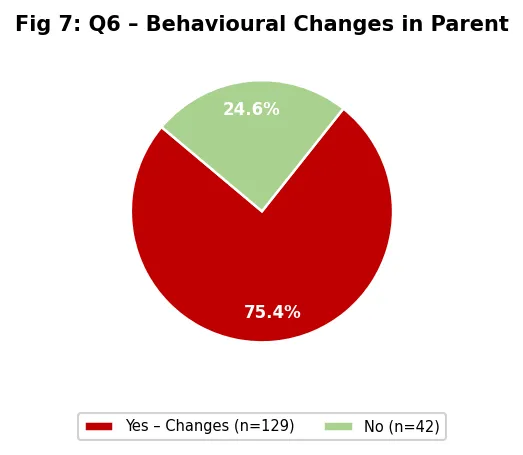
Figure 7. Q6 – Behavioural changes in parent after drinking (N = 171).

Figure 8. Q7 – Personal experience of harm from parent (N = 171).
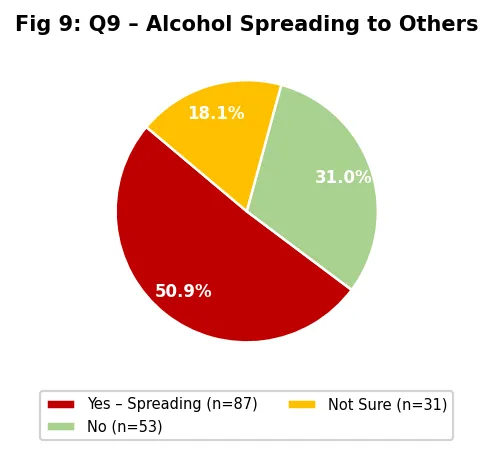
Figure 9. Q9 – Alcohol habits spreading to other family members (N = 171).
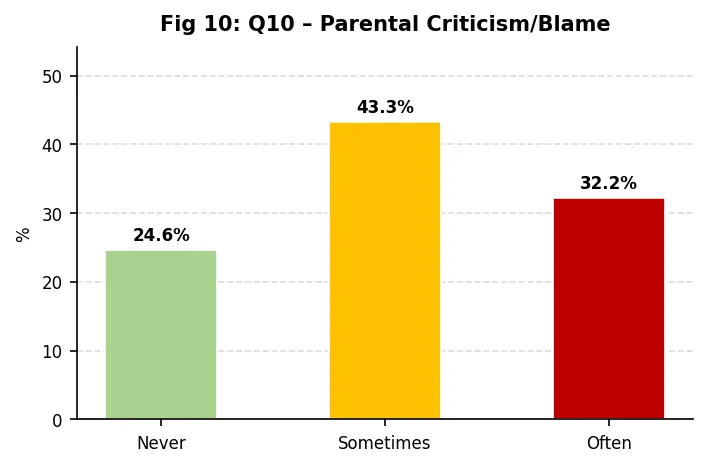
Figure 10. Q10 – Parental verbal criticism/blame after drinking (N = 171).
TABLE 2: BEHAVIORAL CHANGES DUE TO PARENTAL ALCOHOL USE (N = 171)
|
Item |
Response Category |
n |
% |
|
Q6. Behavioural changes in parent |
Yes |
129 |
75.4 |
|
|
No |
42 |
24.6 |
|
Q7. Personal experience of harm |
Never |
35 |
20.5 |
|
|
Sometimes |
85 |
49.7 |
|
|
Often |
53 |
30.9 |
|
Q8. Neighbour relationship impact |
Never |
42 |
24.6 |
|
|
Sometimes |
75 |
43.9 |
|
|
Often |
54 |
31.6 |
|
Q9. Alcohol spreading to others |
Yes |
87 |
50.9 |
|
|
No / Not sure |
84 |
49.1 |
|
Q10. Parental verbal criticism/blame |
Never |
42 |
24.6 |
|
|
Sometimes |
74 |
43.3 |
|
|
Often |
55 |
32.2 |
Health Factors and Treatment
Both physical and mental changes in the drinking parent were noted by 50.3% (n = 86), physical changes only by 25.1% (n = 43), and mental changes only by 24.6% (n = 42; Table 3). Critically, 45.9% (n = 78) of parents had received no formal treatment for alcohol dependence; of those who had received treatment, 23.3% utilized home/rehabilitation services, 18.6% allopathy, and 12.2% Ayurveda. Among those who received treatment, 54.9% (n = 93) perceived improvement. Notably, 34.3% (n = 59) of families held supernatural beliefs (e.g., attribution to black magic) related to alcohol use. Accidents or legal problems attributable to parental alcohol use were reported by 38.8% (n = 66). The convergence of non-treatment and supernatural beliefs represents a critical service-access failure compounded by a culturally specific barrier that is largely absent from comparable international studies, underscoring the need for culturally sensitized interventions alongside biomedical approaches. Community pharmacists are uniquely positioned within the Indian healthcare landscape to identify at-risk families through prescription dispensing patterns, deliver brief motivational counselling, provide psychoeducation, and facilitate rehabilitation referrals within a familiar, non-stigmatizing context.
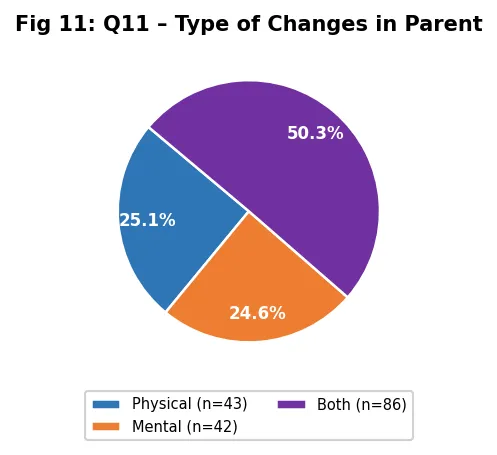
Figure 11. Q11 – Type of changes noticed in parent (N = 171).
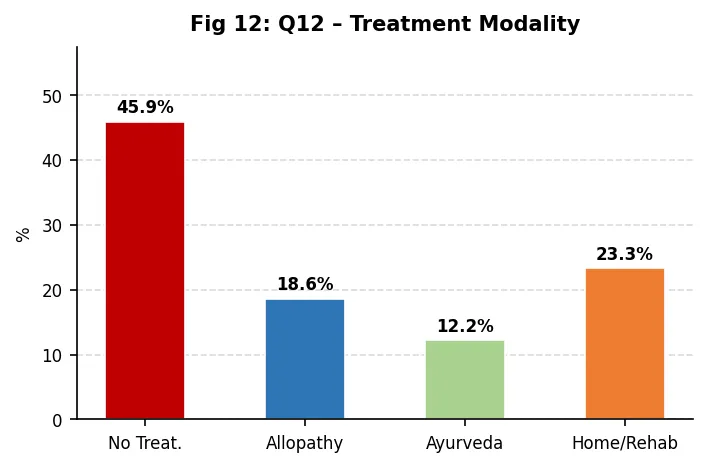
Figure 12. Q12 – Treatment modality for alcohol dependence (N = 171).
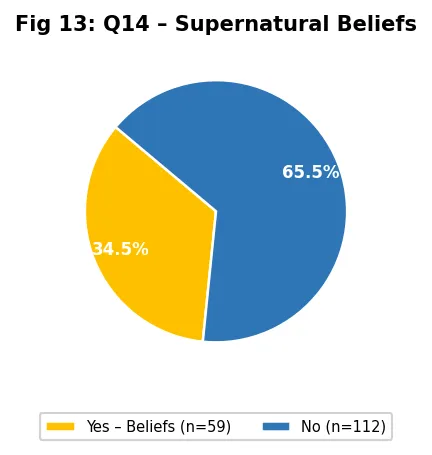
Figure 13. Q14 – Supernatural beliefs associated with parental alcohol use (N = 171).
TABLE 3: HEALTH FACTORS AND TREATMENT (N = 171)
|
Item |
Response Category |
n |
% |
|
Q11. Type of changes in parent |
Physical only |
43 |
25.1 |
|
|
Mental only |
42 |
24.6 |
|
|
Both |
86 |
50.3 |
|
Q12. Treatment modality |
No treatment |
78 |
45.9 |
|
|
Allopathy |
32 |
18.6 |
|
|
Ayurveda |
21 |
12.2 |
|
|
Home/Rehab |
40 |
23.3 |
|
Q13. Treatment effectiveness |
Yes – improvement |
93 |
54.9 |
|
|
No / Not sure |
49 |
28.3 |
|
|
Not applicable |
29 |
16.8 |
|
Q14. Supernatural beliefs |
Yes |
59 |
34.3 |
|
|
No |
112 |
65.7 |
|
Q15. Accident/legal problem |
Yes |
66 |
38.8 |
|
|
No |
75 |
44.1 |
|
|
Not sure |
29 |
17.1 |
Academic Performance
All four academic impact indicators demonstrated a majority of affected students (Table 4, Table 5). Concentration was impaired (Sometimes + Often) in 80.7% (n = 138). Academic performance decline (Yes + Sometimes) was reported by 73.1% (n = 125). Home-study stress (Sometimes + Often) affected 77.2% (n = 132), and school or college attendance was disrupted in 58.7% (n = 100). These figures substantially exceed comparable measures from studies assessing students’ own alcohol use10, supporting the inference that the environmental pathway of parental AUD is more academically damaging than individual substance use. The financial burden (76.6%) directly undermines educational continuity5,11. Neurobiologically, chronic home-environment stress activates the HPA axis, elevating cortisol and impairing hippocampal memory consolidation and prefrontal executive functioning6, thereby directly degrading the cognitive processes that underpin academic achievement. A dose–response pattern—with daily parental drinking producing the greatest consequences—is consistent with findings from a U.S. national sample5 and is reflected in the present study’s 22.7% daily-drinking prevalence.
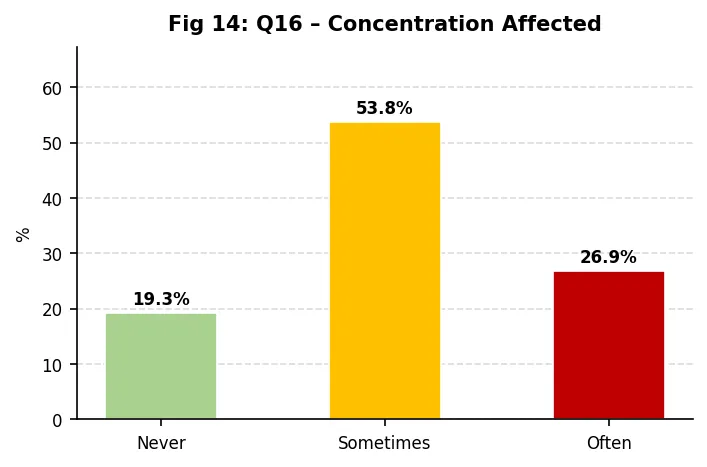
Figure 14. Q16 – Study concentration affected by parental alcohol use (N = 171).
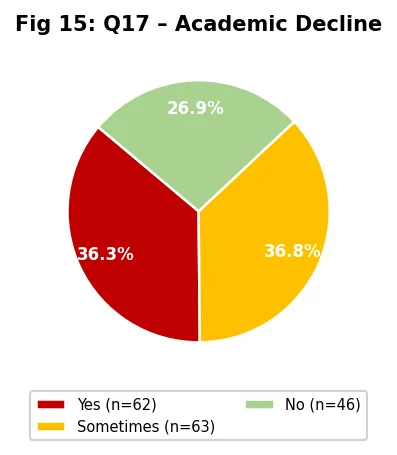
Figure 15. Q17 – Academic performance decline (N = 171).
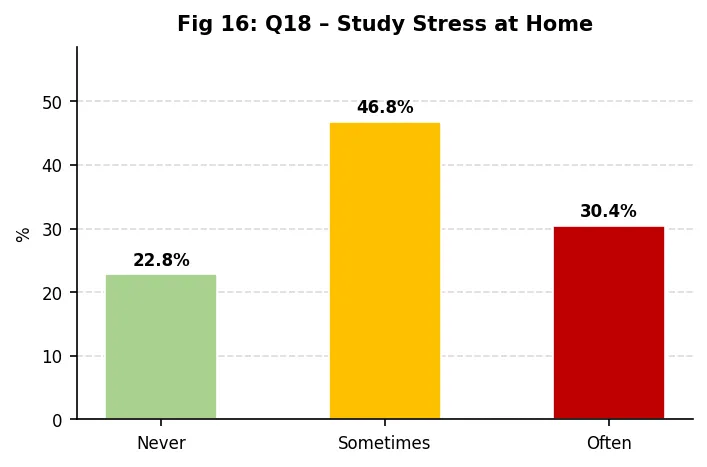
Figure 16. Q18 – Study stress at home (N = 171).
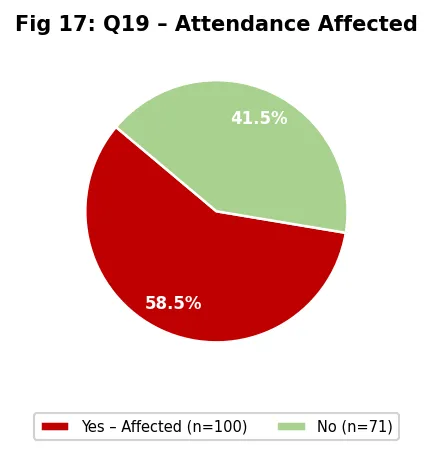
Figure 17. Q19 – School/college attendance affected (N = 171).

Figure 18. Summary – all four academic impact indicators, percentage affected (N = 171).
TABLE 4: ACADEMIC PERFORMANCE IMPACT (N = 171)
|
Item |
Response Category |
n |
% |
|
Q16. Study concentration affected |
Never |
33 |
19.3 |
|
|
Sometimes |
92 |
53.8 |
|
|
Often |
46 |
26.9 |
|
Q17. Academic performance decline |
Yes |
62 |
36.3 |
|
|
Sometimes |
63 |
36.8 |
|
|
No |
46 |
26.9 |
|
Q18. Home-study stress |
Never |
39 |
22.8 |
|
|
Sometimes |
80 |
46.8 |
|
|
Often |
52 |
30.4 |
|
Q19. Attendance affected |
Yes |
100 |
58.7 |
|
|
No |
71 |
41.3 |
TABLE 5: SUMMARY OF ACADEMIC IMPACT INDICATORS (N = 171)
|
Academic Impact Indicator |
% Affected |
n |
|
Concentration impaired (Sometimes + Often) |
80.7 |
138 |
|
Home-study stress (Sometimes + Often) |
77.2 |
132 |
|
Academic performance decline (Yes + Sometimes) |
73.1 |
125 |
|
Attendance disrupted (Yes) |
58.7 |
100 |
Mental Health and Social Behaviour
Emotional distress was the most universally endorsed outcome across the entire survey: 77.2% reported it (Sometimes + Often), and 45.0% (n = 77) experienced it frequently—the single highest-frequency response in the dataset. Anxiety or fear at home was reported by 76.0% (n = 130; Sometimes + Often). Social withdrawal (Sometimes + Often) affected 71.4% (n = 122), and self-reported behavioural dysregulation including anger and irritability (Sometimes + Often) was endorsed by 78.5% (n = 134). A total of 76.3% (n = 131; Yes + Sometimes) expressed a need for emotional support (Table 6, Table 7). These rates align with four decades of literature on children of alcoholics (COAs) documenting mood disorders, anxiety, depression, and PTSD as stable sequelae of parental AUD7,12. The present community-based sample captures subclinical burden that is often invisible to clinical register-based research. The 76.0% prevalence of home-based anxiety is consistent with the hypervigilance characteristic of COA psychology6, and the qualitative themes of self-blame and shame corroborate existing psychological models of parental alcohol environment harm13. Social withdrawal (71.4%) and behavioural dysregulation (78.5%) align with stable COA outcomes documented in international evidence reviews14. Intrafamilial alcohol contagion (50.9%) provides empirical support for social learning theory and intergenerational transmission pathways8. The mechanistic linkage between parental alcohol exposure, behavioural dysregulation, and academic failure is further underscored by longitudinal evidence that externalizing behavioural problems are the strongest predictors of academic underachievement15.
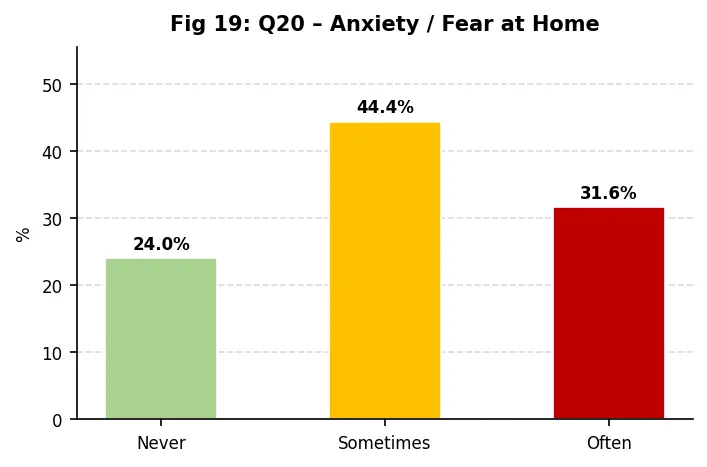
Figure 19. Q20 – Anxiety/fear at home (N = 171).
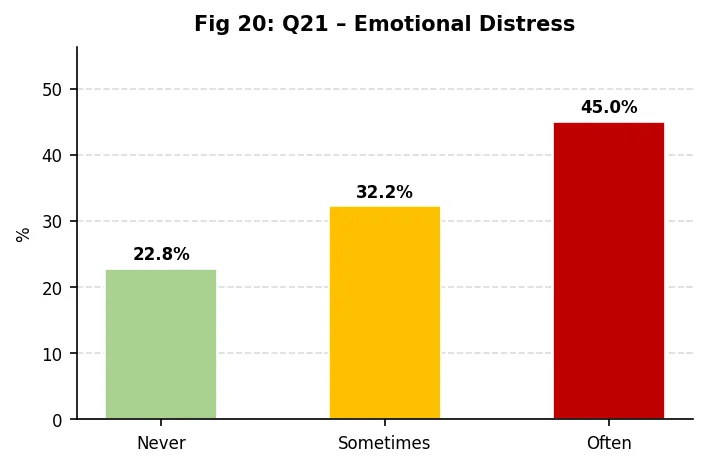
Figure 20. Q21 – Emotional distress (N = 171).
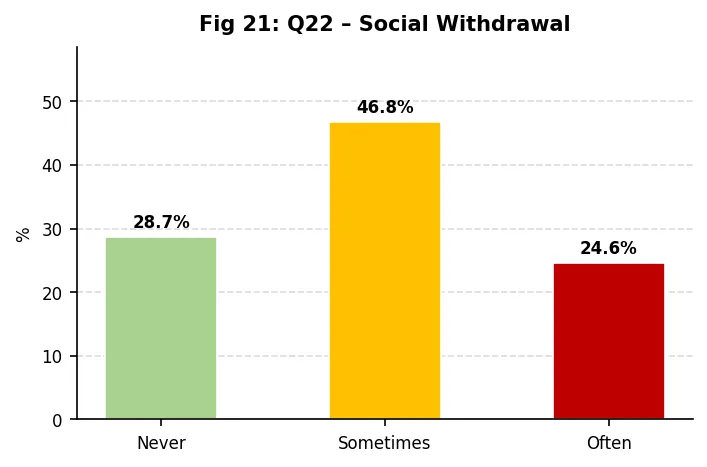
Figure 21. Q22 – Social withdrawal from friends (N = 171).

Figure 22. Q23 – Own behavioural changes: anger/irritability (N = 171).
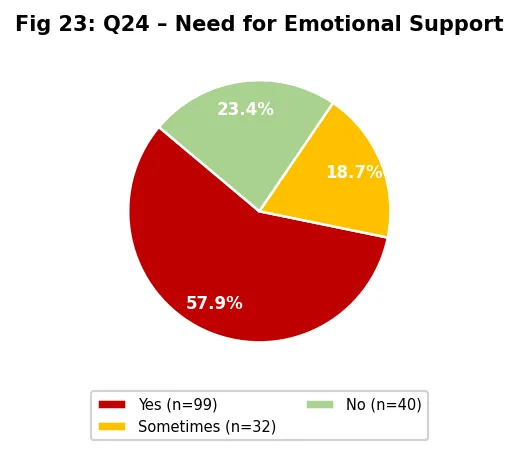
Figure 23. Q24 – Need for emotional support (N = 171).
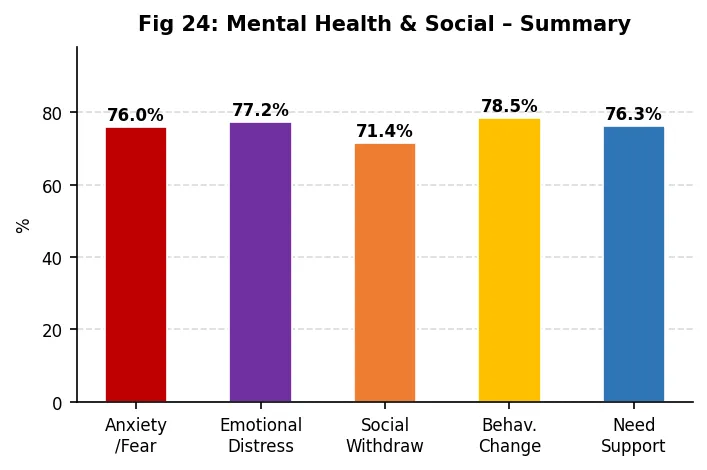
Figure 24. Summary – mental health and social impact indicators (N = 171).
TABLE 6: MENTAL HEALTH AND SOCIAL BEHAVIOR (N = 171)
|
Item |
Response Category |
n |
% |
|
Q20. Anxiety/fear at home |
Never |
41 |
24.0 |
|
|
Sometimes |
76 |
44.4 |
|
|
Often |
54 |
31.6 |
|
Q21. Emotional distress |
Never |
39 |
22.8 |
|
|
Sometimes |
55 |
32.2 |
|
|
Often |
77 |
45.0 |
|
Q22. Social withdrawal |
Never |
49 |
28.7 |
|
|
Sometimes |
80 |
46.8 |
|
|
Often |
42 |
24.6 |
|
Q23. Own anger/irritability |
Never |
37 |
21.5 |
|
|
Sometimes |
72 |
41.9 |
|
|
Often |
62 |
36.6 |
|
Q24. Need for emotional support |
Yes |
99 |
57.6 |
|
|
Sometimes |
32 |
18.7 |
|
|
No |
40 |
23.4 |
TABLE 7: SUMMARY OF MENTAL HEALTH AND SOCIAL IMPACT INDICATORS (N = 171)
|
Mental Health / Social Indicator |
% Affected |
n |
|
Behavioural dysregulation/anger (Sometimes + Often) |
78.5 |
134 |
|
Emotional distress (Sometimes + Often) |
77.2 |
132 |
|
Need for emotional support (Yes + Sometimes) |
76.3 |
131 |
|
Anxiety/fear at home (Sometimes + Often) |
76.0 |
130 |
|
Social withdrawal (Sometimes + Often) |
71.4 |
122 |
Qualitative Themes (Open-Ended Feedback)
Thematic analysis of open-ended responses (item 25) yielded five recurrent themes: (a) academic impairment—impaired concentration, difficulty managing coursework, and examination stress due to home environment; (b) mental health burden—anxiety, depression, trauma, and emotional exhaustion; (c) social isolation and shame—avoidance of peers due to shame and self-blame about family circumstances; (d) financial strain and awareness deficit—economic hardship and expressed need for community-level rehabilitation awareness; and (e) requests for support—calls for counselling and institutional intervention. These qualitative themes converge with and reinforce all quantitative findings.
Demographic Profile
Table 8 summarizes the demographic profile of the sample, and Table 9 summarizes key findings from prior reference studies against which the present results are benchmarked.
TABLE 8: DEMOGRAPHIC PROFILE (N = 171)
|
Variable |
Category |
n |
% |
|
Age group |
Below 15 years |
9 |
5.3 |
|
|
15–20 years |
41 |
24.0 |
|
|
20–25 years |
92 |
53.8 |
|
|
Above 25 years |
29 |
17.0 |
|
Gender |
Male |
104 |
60.8 |
|
|
Female |
67 |
39.2 |
|
Qualification |
Primary/Secondary |
14 |
8.2 |
|
|
Higher Secondary |
28 |
16.4 |
|
|
Undergraduate |
91 |
53.2 |
|
|
Postgraduate |
38 |
22.2 |
|
Family type |
Nuclear |
101 |
59.1 |
|
|
Joint |
65 |
38.0 |
|
|
Other |
5 |
2.9 |
TABLE 9: SUMMARY OF KEY REFERENCE STUDIES
|
Author (Ref.) |
Study Type / N |
Key Findings |
Relevance to Present Study |
|
Raitasalo et al.12 |
Finnish cohort; N = 57,377 |
Maternal AUD increased child mental/behavioural disorder risk; no safe level found. |
Addresses subclinical burden missing from clinical-register data. |
|
Windle7 |
Narrative review; 40-year COA literature |
Elevated anxiety, depression, PTSD, and low self-esteem consistently identified. |
Informs recommendations on protective interventions. |
|
Sharma et al.9 |
Indian clinical study |
Higher rates of depression, conduct problems, and school absenteeism in COAs. |
Rare India-specific data; motivates community survey. |
|
Njoroge & Mwenje11 |
Cross-sectional; N = 81; Kenya |
74% attributed poor grades to parental alcoholism; financial difficulties (67%). |
Small sample; gaps addressed in present study. |
|
Tembo et al.10 |
Cross-sectional; N = 2,518; Australia |
Family alcohol environments increased absenteeism and concentration problems. |
Environmental pathway replicated in Indian context. |
|
Svendal et al.13 |
Qualitative/mixed-methods; COAs |
Verbal targeting, domestic violence, shame identified as most psychologically damaging. |
Supports interpretation of verbal harm data. |
|
Bohm & Esser5 |
U.S. national survey; adolescents |
Dose-dependent association: parental drinking frequency → academic disengagement. |
Paralleled by 22.7% daily-drinking finding. |
|
McLeod et al.15 |
Longitudinal; N = 6,315; U.S. |
Externalizing behavioural problems strongest predictor of academic underachievement. |
Establishes mechanism: alcohol → dysregulation → failure. |
|
Velleman14 |
International evidence review |
Social withdrawal, insecure attachment, intergenerational transmission documented. |
Supports social behaviour and contagion findings. |
|
Brolin Läftman et al.16 |
Cross-sectional; Swedish adolescents |
Family alcohol problems elevated stress; moderated by school environment quality. |
Highlights protective role of educational institutions. |
Limitations
There are a number of caveats that need to be recognized. Because of the cross-sectional design, it is not possible to make causal inferences. The use of a convenience sample from educational institutions in Pune limits the geographic generalizability. There are social desirability and recall biases in the self-report methodology. However, for the exploratory purposes, the descriptive analytical approach is suitable, yet it is not enable to assess multivariate level of effect modifiers. Longitudinal designs, probability sampling, validated instruments with psychometric properties and inferential statistics across different regions of India are suggested for future studies.
CONCLUSION
Parental alcoholism manifestly affects students' academic performance, mental health, and social behaviour, with more than three-quarters of the students surveyed in India experiencing adverse effects on their concentration, emotional state, and behaviour from parental alcoholism. High non-uptake (45.9%) and culturally specific barriers (e.g., supernatural beliefs) are important service-access failure areas that need targeted culturally specific interventions. A multi level approach in the community, that includes community pharmacists, school counsellors and public health policy makers is needed now to safeguard their educational and psychological health. Community pharmacists as the first point of contact in India are well positioned to recognise at-risk families, provide brief motivational counselling and make rehabilitation referrals; they need to be systematically incorporated into future interventions.
ACKNOWLEDGEMENT
The authors would like to express their gratitude to Dr. R. D. Patil and the student participants of Dr. D. Y. Patil College of Pharmacy, Akurdi, Pune for their cooperation in data collection. This study received no funding from outside the school.
REFERENCES

M. S. Janole, K. Kosankar, Impact of Parental Alcoholism on Academic Performance, Mental Health, and Social Behaviour of Students: A Cross-Sectional Study, Int. J. of Pharm. Sci., 2026, Vol 4, Issue 8, 101-119, https://doi.org/10.5281/zenodo.21736972
 10.5281/zenodo.21736972