

We use cookies to ensure our website works properly and to personalise your experience. Cookies policy
1Assistant Professor, Mamta institute of education, Chintamanpur, daraunda, siwan.
2Assistant Professor, Raj College Of Pharmacy, Odar, Kaimur(Bhabua) Bihar.
The convergence of artificial intelligence (AI) and pharmaceutical 3D printing offers a transformative pathway toward truly personalized medicine, moving beyond the limitations of conventional fixed-dose mass manufacturing. This review critically examines the integration of AI with 3D printing technologies—particularly material extrusion, vat photopolymerization, and powder-based methods—for the production of patient-specific dosage forms. Three interconnected domains are emphasized: predictive modeling for formulation and process design, real-time monitoring for quality assurance, and regulatory readiness for clinical translation. Machine learning approaches, including random forests, artificial neural networks, and ensemble methods, have demonstrated substantial capacity to predict printability, optimize printing parameters, and forecast dissolution profiles with accuracy sufficient to guide formulation development—with some models achieving R² values exceeding 0.95 for release prediction. Real-time monitoring via process analytical technology, including NIR and Raman spectroscopy, computer vision, and mechanical sensors, enables defect detection and closed-loop process control, supporting the shift from end-product testing to in-process quality assurance. Regulatory frameworks are evolving to accommodate both AI and decentralized manufacturing, with agencies such as the FDA, EMA, and MHRA developing risk-based guidance on model credibility, lifecycle management, and point-of-care production. Despite these advances, significant barriers remain, including data scarcity, publication bias, limited model generalizability, economic uncertainty, and workforce readiness gaps. Addressing these challenges will require coordinated action across materials science, data science, regulatory science, and clinical practice to transition AI-driven 3D printing of personalized medicines from proof-of-concept demonstrations to routine clinical implementation.
1.1 The Shift from “One-Size-Fits-All” to Personalized Dosage Forms
Conventional pharmaceutical manufacturing has long relied on mass production of fixed-dose formulations, typically offering only one or two strengths of a given drug . This paradigm, while efficient for population-level distribution, fundamentally fails to accommodate the substantial inter-individual variability that characterizes modern clinical practice. Genetic polymorphisms, metabolic differences, age-related pharmacokinetic changes, and lifestyle factors all contribute to divergent drug responses, leading to suboptimal therapeutic outcomes, adverse effects, and poor adherence . The consequences are particularly pronounced in special populations—pediatric patients requiring fractional adult doses, geriatric patients with polypharmacy needs, and individuals with rare metabolic disorders—where the absence of appropriate dosage forms often necessitates improvised solutions such as tablet splitting or extemporaneous compounding, both of which introduce substantial dosing inaccuracy and safety risks . The conceptual foundation of personalized medicine, therefore, demands not only pharmacogenomic-guided drug selection but also manufacturing technologies capable of translating that genetic insight into precisely tailored dosage forms.[1]
1.2 Pharmaceutical 3D Printing and Its Clinical Relevance
Three-dimensional printing has emerged as the most promising manufacturing platform for realizing patient-specific medications. Unlike conventional tableting, 3D printing enables layer-by-layer fabrication of solid dosage forms with programmable geometry, adjustable drug loading, and spatially controlled release profiles . The FDA’s 2015 approval of Spritam (levetiracetam) represented a landmark validation of the technology, demonstrating that 3D-printed pharmaceuticals could meet regulatory standards for safety and efficacy . Subsequent clinical investigations have extended the evidence base: a study involving pediatric patients with maple syrup urine disease demonstrated that 3D-printed chewable formulations achieved amino acid plasma levels closer to target values with reduced variability compared to conventional compounded capsules . More recent work has explored polypill architectures containing multiple active pharmaceutical ingredients within a single printed construct, enabling simplified regimens for chronic disease management . The technology’s relevance is further underscored by its suitability for point-of-care manufacturing, where compact, GMP-compliant printers deployed in hospital pharmacies can produce customized doses on demand, eliminating the delays and logistical challenges associated with centralized compounding.[2]
1.3 The Necessity of Artificial Intelligence: Formulation Complexity and Process Variability
Despite its transformative potential, pharmaceutical 3D printing confronts a fundamental challenge: the immense parameter space that governs print quality and drug release behavior. Formulation composition (polymer type, plasticizer content, drug loading), printing parameters (nozzle temperature, extrusion rate, layer height), and environmental conditions collectively influence critical quality attributes including content uniformity, mechanical integrity, and dissolution profile. Traditional design-of-experiments approaches, while systematic, become prohibitively resource-intensive when applied to the combinatorial complexity of personalized formulations . Machine learning offers a paradigm shift by constructing predictive models from experimental data that can forecast printability, optimize processing parameters, and even generate de novo formulations with desired release characteristics . Furthermore, real-time monitoring during the printing process—using computer vision, sensor fusion, and process analytical technology—generates the dense, timestamped data streams necessary for detecting deviations before they propagate into final product defects . The convergence of AI with 3D printing thus represents not merely an incremental improvement but an enabling capability for the reliable, scalable production of personalized medicines.[3,4]
1.4 Aim and Scope of This Review
This review provides a critical examination of the integration between artificial intelligence and pharmaceutical 3D printing, with emphasis on three interconnected domains: predictive modeling for formulation and process design, real-time monitoring for quality assurance, and regulatory frameworks necessary for clinical translation. The scope encompasses extrusion-based technologies (fused deposition modeling, semi-solid extrusion, direct powder extrusion) that currently represent the most clinically viable pathways, while acknowledging emerging approaches such as 4D printing and bioprinting as longer-term horizons. By synthesizing advances across materials science, data science, and regulatory science, this review aims to articulate a coherent framework for transitioning 3D-printed personalized medicines from proof-of-concept demonstrations to routine clinical practice.
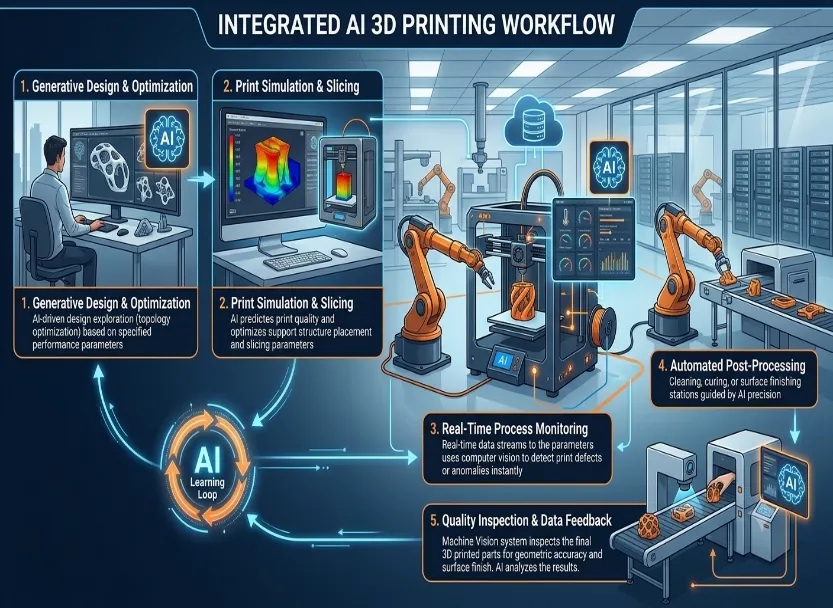
Table 1. Contrasting Conventional Manufacturing and AI-Driven 3D Printing of Medicines
|
Dimension |
Conventional Mass Manufacturing |
AI-Driven 3D Printing |
|
Dosing paradigm |
Fixed strengths (often two per drug) |
Continuous dosing range; patient-specific |
|
Formulation development |
Empirical, design-of-experiments |
Predictive modeling; active learning |
|
Quality assurance |
End-product testing |
In-process monitoring; real-time release |
|
Manufacturing location |
Centralized facilities |
Point-of-care (hospital pharmacy) |
|
Supply chain |
Distribution-dependent |
On-demand, local production |
|
Regulatory pathway |
Established (batch-based) |
Evolving (distributed manufacturing frameworks) |
The subsequent sections of this review are organized as follows. Section 2 examines predictive modeling approaches for formulation design and process optimization. Section 3 addresses real-time monitoring technologies and their integration with process analytical technology frameworks. Section 4 analyzes the regulatory landscape, including recent FDA and European initiatives, and identifies remaining barriers to clinical adoption. Section 5 concludes with a synthesis of technical and regulatory priorities necessary for realizing the full potential of AI-enabled personalized medicine manufacturing.[3]
2. Pharmaceutical 3D Printing Technologies: A Brief Overview
2.1 Material Extrusion (FDM and Semi-Solid Extrusion)
Material extrusion is one of the most widely studied 3D-printing approaches for pharmaceutical applications, with fused deposition modeling (FDM) and semi-solid extrusion (SSE) being the main platforms.
2.2 Vat Photopolymerization (SLA/DLP)
Stereolithography (SLA) and its derivative digital light processing (DLP) utilize controlled light exposure to polymerize photosensitive resin formulations layer-by-layer . SLA achieves the highest spatial resolution among pharmaceutical 3D printing techniques, enabling fabrication of complex geometries with precise dimensional control . The technology operates at ambient temperature, thereby circumventing thermal degradation risks associated with extrusion-based methods . Investigations have demonstrated SLA's capacity to produce oral dosage forms with programmable release characteristics by manipulating surface area-to-volume ratios and photopolymer composition . However, the limited palette of biocompatible photopolymerizable materials and concerns regarding residual photoinitiator toxicity represent significant barriers to clinical translation . The brittleness of photopolymer constructs and their gradual mechanical degradation over time further constrain applicability for certain dosage form requirements.
2.3 Powder-Based Techniques (SLS, Binder Jetting)
Selective laser sintering (SLS) employs a scanning laser to fuse regions of a powder bed according to a pre-defined geometric pattern, producing solvent-free tablets whose porosity, mechanical strength, and dissolution behavior can be tuned through polymer selection and laser energy input . SLS enables immediate to controlled release profiles within a single platform and offers high design freedom without requiring support structures . A systematic review of oral solid dosage forms found that SLS-printed tablets most consistently satisfied pharmacopeial characterization requirements, including drug content, dissolution profile, hardness, and uniformity of weight . Binder jetting (BJT), alternatively, deposits a liquid binding solution onto a powder bed to consolidate particles into a three-dimensional structure . The FDA-approved Spritam (levetiracetam) was manufactured using a binder jetting-derived process, representing the first regulatory validation of powder-based pharmaceutical 3D printing. Binder jetting operates without heat, making it suitable for thermolabile drugs, though printed constructs typically require secondary processing to achieve adequate mechanical integrity .
2.4 Inkjet and Droplet-Based Printing
Inkjet printing encompasses material jetting and binder jetting modalities that precisely deposit picoliter-scale droplets under digital control . This approach offers high dosing precision and minimal material waste, making it particularly suited for low-dose pediatric formulations and personalized dosing applications . The technology enables flexible design capability and is compatible with a range of liquid formulations. However, achievable drug loads are relatively low compared to extrusion-based methods, and the physicochemical constraints on ink formulation—including viscosity, surface tension, and stability—limit the range of printable materials . Post-processing requirements for solvent removal may also present logistical challenges in point-of-care settings.[6]
2.5 Key Challenges: Printability, Dose Accuracy, Reproducibility
Despite the diversity of available printing platforms, several cross-cutting challenges constrain the translation of pharmaceutical 3D printing from laboratory demonstration to routine clinical practice. Printability—the capacity of a formulation to be reliably deposited into a structurally coherent dosage form—depends on a complex interplay of material rheology, process parameters, and environmental conditions . For SSE, texture profile analysis parameters including hardness, cohesiveness, and adhesiveness serve as predictive indicators of extrusion behavior, with higher hardness correlating to increased extrusion force requirements . Rheological characterization under conditions simulating the true printing shear rate regime improves the accuracy of printability predictions .
Dose accuracy and content uniformity represent critical quality attributes that directly impact therapeutic safety and efficacy. Weight variation in SSE-printed minitablets has been reported in the range of 3.12–20.73%, substantially higher than FDM (1.6–17.46%), largely attributable to post-deposition spreading of semi-solid materials . Direct extrusion methods have exhibited weight uniformity relative standard deviations exceeding 5%, even with small nozzle diameters . For high-risk applications such as cytotoxic agents or narrow therapeutic index drugs, in-process controls including unit weight verification and extrusion force monitoring have been proposed as surrogate release specifications when validated under appropriate standard operating procedures .
Reproducibility across batches and printing sessions remains an unresolved challenge, particularly for decentralized manufacturing scenarios where environmental conditions may vary. The integration of process analytical technology and real-time monitoring systems—discussed in Section 3—is essential for detecting deviations before they propagate into final product defects. Regulatory acceptance will ultimately depend on demonstrated compliance with compendial standards for content uniformity, dissolution, and mechanical strength, supported by robust quality-by-design frameworks that establish transparent relationships between critical process parameters and critical quality attributes.[7,8]
Table 2. Comparative Assessment of Pharmaceutical 3D Printing Technologies
|
Technology |
Process Principle |
Key Advantages |
Primary Limitations |
Representative Applications |
|
FDM |
Thermoplastic filament extrusion through heated nozzle |
Excellent mechanical properties; low equipment cost; extensive research base |
Thermal degradation risk; filament fabrication prerequisite |
Modified-release tablets; thermostable APIs |
|
SSE |
Semi-solid ink extrusion at ambient/low temperature |
High drug loading; suitable for thermolabile drugs; point-of-care compatible |
Lower printing resolution; higher weight variation; post-deposition spreading |
Pediatric formulations; chewable tablets; hospital compounding |
|
SLA/DLP |
Light-induced polymerization of photosensitive resin |
Highest resolution; ambient temperature operation |
Limited biocompatible resins; photoinitiator toxicity concerns; brittle constructs |
Complex geometry dosage forms; hydrogels; multi-layer polypills |
|
SLS |
Laser fusion of powder bed |
Solvent-free; tunable porosity; no support structures required |
Thermal budget constraints for APIs; limited polymer selection |
Immediate to controlled release tablets; orally disintegrating printlets |
|
Binder Jetting |
Binder deposition onto powder bed |
No heat requirement; high porosity for rapid disintegration |
Secondary processing needed; limited mechanical strength |
Orodispersible tablets; high-dose rapid-release formulations |
|
Inkjet |
Droplet deposition under digital control |
High dosing precision; minimal waste; flexible design |
Low achievable drug loads; ink formulation constraints |
Low-dose pediatric dosing; personalized formulations |
3. AI and Machine Learning Fundamentals for Pharmaceutical Scientists
3.1 Supervised, Unsupervised, and Reinforcement Learning
Machine learning paradigms are conventionally categorized into three principal frameworks—supervised, unsupervised, and reinforcement learning—each distinguished by the nature of the training signal and the type of problem for which it is optimally suited.
Supervised learning operates on labeled datasets, where each input is paired with a known output, enabling the algorithm to learn a mapping function that generalizes to unseen instances . In pharmaceutical 3D printing, supervised learning has been the dominant paradigm for predicting printability from formulation composition, classifying dosage forms as printable or non-printable, and forecasting critical quality attributes such as dissolution profiles and mechanical strength. The requirement for high-quality labeled data constitutes both the principal strength and the primary constraint of this approach: while supervised models achieve high predictive accuracy when sufficient labeled examples exist, the labeling process—typically requiring experimental fabrication and characterization of each formulation—is resource-intensive and limits scalability.
Unsupervised learning, in contrast, identifies latent patterns within unlabeled data through clustering, dimensionality reduction, or density estimation. Principal component analysis (PCA) has been applied to spectroscopic and thermal characterization data to reduce dimensionality prior to supervised modeling, while clustering algorithms have been explored for chemical space exploration and formulation similarity assessment. In pharmaceutical 3D printing specifically, unsupervised approaches have demonstrated utility in feature extraction from multi-modal characterization data, though direct unsupervised prediction of printability has generally underperformed supervised alternatives. The salient advantage of unsupervised learning lies in circumventing the labeling bottleneck, potentially accelerating the early stages of formulation screening.[8]
Reinforcement learning represents a distinct paradigm in which an agent learns optimal actions through iterative interaction with an environment, guided by a reward signal rather than explicit labels. This framework is particularly suited to sequential decision-making problems where the optimal strategy must be discovered through exploration. In drug delivery, reinforcement learning has been applied to goal-directed molecule optimization and, more recently, to formulation optimization tasks where the objective is to identify processing conditions or compositions that maximize a specified performance metric. The capacity for continuous self-improvement through environmental feedback positions reinforcement learning as a promising approach for adaptive manufacturing systems capable of refining process parameters in real time.
3.2 Commonly Used Algorithms
The algorithmic toolkit available to pharmaceutical scientists spans a spectrum from interpretable classical models to high-capacity deep learning architectures. Random forest (RF) has emerged as a workhorse algorithm in pharmaceutical machine learning, offering robust performance on tabular formulation data with inherent feature importance quantification that supports mechanistic interpretation. Studies predicting printability of selective laser sintering formulations identified RF as among the top-performing models, particularly when applied to spectroscopic data.
Artificial neural networks (ANNs), including multilayer perceptrons, constitute a flexible class of models capable of approximating complex nonlinear relationships between formulation inputs and quality outputs. A systematic assessment reported that ANN and deep learning approaches achieved approximately 94% accuracy in predicting critical formulation characteristics. Support vector machines (SVMs) have demonstrated particular strength in classification tasks with limited data, achieving consistently high accuracy in predicting nanoparticle size classification and drug release profiles within self-emulsifying drug delivery systems.
Deep learning architectures—including convolutional neural networks for image analysis and recurrent neural networks for sequence modeling—extend the representational capacity of ANNs to domains where raw data possess spatial or temporal structure . These methods have found application in computer vision-based print monitoring, spectroscopic data analysis, and pharmacokinetic modeling.
Table 1. Comparative Summary of Core Machine Learning Algorithms in Pharmaceutical 3D Printing
|
Algorithm |
Learning Paradigm |
Primary Use Cases |
Key Strengths |
Limitations |
|
Random Forest |
Supervised |
Printability prediction; formulation classification |
Robust to overfitting; feature importance; works well with small data |
Limited extrapolation; less effective on high-dimensional spectral data |
|
Artificial Neural Network |
Supervised/Deep |
Dissolution prediction; process parameter optimization |
High accuracy; captures nonlinear relationships |
Requires substantial data; limited interpretability |
|
Support Vector Machine |
Supervised |
Classification with small datasets; nanoparticle size prediction |
Effective in high-dimensional spaces; robust with limited samples |
Sensitive to kernel choice; scaling requirements |
|
Deep Neural Network |
Supervised/Unsupervised |
Image-based monitoring; multi-modal data fusion |
Automatic feature learning; high capacity |
Data-hungry; computationally intensive; black-box |
|
Gradient Boosting (XGBoost) |
Supervised |
Printability classification; quantitative prediction |
State-of-the-art tabular performance |
Hyperparameter sensitivity; longer training |
|
Bayesian Optimization |
Sequential optimization |
Formulation optimization; process tuning |
Efficient exploration; uncertainty quantification |
Not a predictive model per se; requires surrogate |
3.3 Generative AI and Large Language Models
Generative artificial intelligence represents a paradigm shift from predictive modeling to the creation of novel data instances—whether molecular structures, formulation compositions, or textual outputs—that conform to learned distribution. Generative adversarial networks (GANs) comprise paired generator and discriminator networks operating in adversarial competition, with the generator learning to produce synthetic samples indistinguishable from real data. In pharmaceutical applications, GANs have been developed to address the challenge of limited experimental datasets by generating synthetic formulation data that augments training sets for downstream predictive models.[9]
Large language models (LLMs), built upon deep learning architectures originally developed for natural language processing, have demonstrated surprising utility in pharmaceutical formulation tasks through their capacity to process and generate structured scientific text. The concept of Chemical Language Modeling treats molecular representations such as SMILES strings as a formal language, enabling LLMs to reason about chemical structure-property relationships. Recent investigations have evaluated LLMs as formulation design assistants: a comparative study tasked ChatGPT and DeepSeek with generating sustained-release tablet formulations, finding that both produced experimentally viable designs, though quantitative dissolution predictions exhibited substantial error (RMSE exceeding 17%). A separate study proposed a Drug Formulation Agent integrating LLM capabilities for synthetic data generation in self-emulsifying drug delivery system development, demonstrating the potential for LLM-guided augmentation to enhance predictive modeling.[9]
3.4 Data Requirements and Pre-processing
The performance of machine learning models is fundamentally constrained by the quality, quantity, and representativeness of available data. Pharmaceutical 3D printing faces a distinctive data challenge: experimental datasets are typically small, as each data point requires physical fabrication and characterization, yet the formulation and process parameter space is vast. This tension between dimensionality and sample size motivates the adoption of strategies including data augmentation through synthetic generation, transfer learning from related domains, and ensemble methods that combine predictions from multiple models to improve robustness.
Data pre-processing encompasses a sequence of operations that transform raw measurements into formats suitable for model training. For spectroscopic and thermal characterization data—including FT-IR, XRPD, and DSC—pre-processing typically involves baseline correction, normalization, and possibly feature extraction through dimensionality reduction techniques such as PCA. Multi-modal data fusion, wherein numeric composition data are combined with spectral, thermogram, or diffraction features, has been shown to improve prediction accuracy beyond what any single data modality achieves alone; a consensus model integrating FT-IR, XRPD, and DSC predictions reached 88.9% accuracy in printability classification, outperforming individual modality models.
Data governance and privacy considerations assume particular importance when patient-specific data—including imaging, longitudinal clinical records, and pharmacokinetic profiles—inform personalized dosing decisions. Deployment of AI systems in clinical settings must align with data-protection frameworks and “trustworthy AI” principles encompassing transparency, bias assessment, and secure processing. The establishment of standardized data formats, centralized repositories, and interoperable ontologies for pharmaceutical 3D printing data would substantially accelerate model development and facilitate cross-institutional validation, though such infrastructure remains nascent.[10]
4. Predictive Modeling in Formulation and Printing
4.1 Excipient and Polymer Selection
The selection of appropriate excipients and polymers constitutes the foundational step in pharmaceutical 3D printing formulation development, and machine learning has demonstrated substantial capacity to rationalize and accelerate this process. The M3DISEEN platform, developed at University College London, represents the most comprehensive effort to date, training models on 614 drug-loaded formulations spanning 145 excipients and drugs to predict not only printability but also the critical process parameters required for successful fabrication. Deep learning, random forest, and support vector machine algorithms each achieved prediction accuracies exceeding 70%, with SVM reaching the highest overall accuracy of 76%. Critically, random forest feature importance analysis identified carrier concentration as the dominant determinant of printability, followed by plasticizer concentration—a finding that aligns with empirical formulation expertise and validates the model’s mechanistic plausibility.
The M3DISEEN dataset was subsequently expanded through literature mining to encompass over 900 3D printed drug delivery systems, enabling broader coverage of formulation space. More recent work has investigated large language models for excipient recommendation, with a study fine-tuning four LLM architectures on a FDM dataset of more than 1,400 formulations; Llama2 emerged as the best-suited architecture for recommending excipients based on API dose. However, the study cautioned that standard LLM metrics evaluate linguistic performance rather than formulation processability, and that smaller models exhibited catastrophic forgetting even with this relatively modest dataset size. Semi-solid extrusion formulations have also benefited from computational approaches, with researchers employing design-of-experiments-informed modeling to optimize HPMC and ethanol ratios for levetiracetam printlets, achieving content uniformity and weight variation that significantly outperformed conventional tablet splitting.[11]
4.2 Prediction of Printability and Filament/Ink Properties
Printability prediction represents the most mature application of machine learning in pharmaceutical 3D printing, addressing a bottleneck that has historically required extensive trial-and-error experimentation. For fused deposition modeling, the filament’s mechanical properties—particularly brittleness versus flexibility—determine whether it can be successfully fed through the printer’s extrusion mechanism. The M3DISEEN study demonstrated that filament aspect could be predicted from formulation composition alone, with accuracy sufficient to guide formulation screening prior to physical experimentation. A subsequent investigation trained an ensemble of neural networks to predict selective laser sintering printability with 90% accuracy, while simultaneously predicting optimal laser scanning speed and printing temperature with 92% accuracy. This dual prediction capability—determining both whether a formulation can be printed and under what conditions—represents a significant advance toward end-to-end computational formulation design.
For inkjet printing, predictive models have been developed that outperform conventional guidance based on the ink’s Ohnesorge number, achieving higher accuracy in predicting both printability and print quality. The inadequacy of single-parameter heuristics for complex pharmaceutical inks underscores the value of multivariate machine learning approaches. A critical challenge in this domain is the scarcity of negative examples: the published literature is biased toward successful formulations, causing training datasets to be imbalanced and limiting model generalization. This positive-result publication bias represents a systemic obstacle to robust predictive modeling that will require coordinated community effort to overcome.
4.3 Optimization of Printing Parameters
The combinatorial search space of printing parameters—encompassing nozzle temperature, extrusion rate, layer height, print speed, infill density, and platform temperature, among others—renders exhaustive empirical optimization impractical for personalized manufacturing contexts. Machine learning offers a pathway to navigate this space efficiently by constructing surrogate models that predict print quality from parameter settings, thereby enabling optimization without exhaustive experimentation. A study employing adaptive design and random forest modeling successfully predicted parameter sets yielding defect-free printlets for batch and continuous FDM printers across PLA, PVA, and TPU materials. The approach reduced the need for full factorial experimentation while maintaining predictive validity across material types.[12]
The most sophisticated parameter optimization pipeline to date integrates differential evolution algorithms with neural network ensembles. Abdalla and colleagues developed a semi-automated system for selective laser sintering that generates candidate formulations, predicts optimal printing parameters with associated confidence intervals, and requires human intervention only for final preparation and printing. Experimental validation confirmed that 80% of generated formulations printed successfully, with parameter prediction accuracy of 92%, reducing the development timeline for a new drug formulation to a single day. This represents a paradigm shift from sequential trial-and-error toward computationally guided formulation discovery.
Table 2. Representative Predictive Modeling Studies in Pharmaceutical 3D Printing
|
Study |
Technology |
Prediction Target |
Algorithm |
Performance |
|
Elbadawi et al. (M3DISEEN) |
FDM |
Printability; filament aspect; extrusion/printing temperature |
SVM, RF, DL |
76% overall accuracy |
|
Abdalla et al. (2025) |
SLS |
Printability; laser speed; temperature |
NN ensemble + differential evolution |
90% printability; 92% parameters; 80% experimental validation |
|
Madzarevic et al. (2019) |
DLP |
Ibuprofen dissolution profile |
ANN (multilayer perceptron) |
R² = 0.996 for dissolution prediction |
|
Ong (2024) |
Inkjet |
Printability; print quality |
ML models |
Outperformed Ohnesorge number-based guidance |
|
Carou-Senra et al. |
Inkjet |
Printing outcomes |
ML |
Validated for pharmaceutical inks |
4.4 Prediction of Drug Release and Dissolution Profiles
Dissolution profile prediction constitutes a particularly high-value application of machine learning, as experimental dissolution testing is time-consuming and resource-intensive, requiring multiple sampling points over hours or days. Artificial neural networks have demonstrated exceptional accuracy in this domain. Madzarevic and colleagues developed ANN models for DLP-printed ibuprofen printlets, achieving R² values of 0.9811 and 0.9960 between predicted and experimental dissolution profiles, with f1 and f2 similarity factors confirming statistical equivalence. This level of predictive accuracy suggests that ANN models could eventually serve as surrogate endpoints for dissolution testing in quality control contexts, provided regulatory acceptance can be established.
A broader survey of machine learning applications in polymeric drug delivery identified artificial neural networks as the dominant algorithm for dissolution prediction, with applications spanning matrix tablets, solid dispersions, and granulated pellets. Random forest and support vector regression have also been employed, with one study predicting aspirin release from PLA-based systems achieving R² of 0.97 and RMSE of 0.06. The input features for these models typically include formulation composition, processing parameters, and in some cases spectroscopic or imaging data; notably, models incorporating Raman or near-infrared spectral features have achieved dissolution prediction with R² exceeding 0.93, suggesting that spectroscopic characterization during manufacturing could enable real-time release prediction.[13]
4.5 Personalized Dose and Dosage Form Design (Patient Data-Driven)
The ultimate clinical objective of AI-driven 3D printing is the integration of patient-specific data into formulation design and dose calculation. A doctoral thesis from UCL articulated a comprehensive vision for this pathway, proposing that a patient’s optimal dose be predicted from clinical data, used to generate a new drug formulation, and 3D-printed on demand. This thesis demonstrated the concept using tacrolimus as a model drug, training a long short-term memory (LSTM) network on data from two hospitals to predict tacrolimus blood levels with mean absolute error below 5%. Such pharmacokinetic prediction models could inform dose individualization in therapeutic drug monitoring contexts, particularly for drugs with narrow therapeutic indices.
A clinical implementation of this paradigm has been reported from Guangdong Pharmaceutical University, where researchers developed an AI-based dose prediction model for levothyroxine (L-T4) in post-thyroidectomy patients using an AdaBoost regression algorithm that dynamically integrates age, BMI, pulse pressure, basal metabolic rate, heart rate, and TSH levels. The model-generated doses were then fabricated using semi-solid extrusion 3D printing, producing tablets that met Chinese Pharmacopoeia standards for content uniformity and weight variation, with performance significantly superior to conventional tablet splitting. This represents one of the few documented clinical translations of the AI-3D printing integration, establishing a practical workflow wherein pharmacists use model predictions to design patient-specific doses that are manufactured on site.
In pediatric oncology, the integration of AI prediction with 3D-printed nanoformulations has been proposed to mitigate both acute toxicity and long-term complications. Machine learning models analyzing imaging and clinical data can identify children at elevated risk of anthracycline-induced cardiotoxicity or cisplatin-related ototoxicity, enabling proactive dose adjustment or formulation modification before irreversible damage occurs. The combination of predictive risk stratification with on-demand manufacturing of modified-release formulations could shift toxicity management from a reactive to a preventive paradigm.[14]
4.6 Case Studies and Comparative Performance of Models
Comparisons of machine learning (ML) algorithms in pharmaceutical 3D printing show that model performance depends strongly on the type of data and prediction task.
5. Real-Time Monitoring and Quality Control
5.1 Process Analytical Technology (PAT) in 3D Printing
Process Analytical Technology (PAT), introduced by the FDA in 2004, promotes real-time monitoring and control of critical quality attributes (CQAs) and critical process parameters (CPPs). Its core principle is to build quality into the manufacturing process rather than relying solely on final product testing, making it highly suitable for pharmaceutical 3D printing.
In 3D printing, the dosage form is produced continuously layer by layer, making conventional intermediate sampling difficult. Therefore, in-line PAT tools such as integrated balances, pressure sensors, NIR, and Raman spectroscopy can monitor each layer during fabrication, allowing rapid detection of process deviations and, potentially, real-time corrective action.
Studies across FDM, SSE, DPE, SLS, binder jetting, and stereolithography indicate that 3D-printed dosage forms can meet important pharmacopeial requirements when supported by appropriate quality systems. Combining PAT with Quality by Design (QbD) can also help control batch-to-batch variability and strengthen quality assurance in decentralized and point-of-care manufacturing.[15]
Table 3. PAT Tools and Their Applications in Pharmaceutical 3D Printing
|
PAT Tool |
Measurement Principle |
Primary Applications |
Technology Compatibility |
|
NIR Spectroscopy |
Overtone and combination vibrations of C-H, N-H, O-H bonds |
Drug content quantification; moisture determination; real-time release testing |
SLS; FDM; binder jetting; SSE |
|
Raman Spectroscopy |
Inelastic scattering of monochromatic light |
API identification; crystallinity assessment; polymorphism detection |
SSE; FDM; inkjet |
|
Pressure/Force Sensors |
Mechanical force measurement during extrusion |
Extrusion consistency; ink rheology verification; process parameter correlation |
SSE; FDM |
|
Thermal Imaging |
Infrared radiation detection |
Temperature uniformity; thermal degradation risk assessment |
FDM; SLS |
|
Computer Vision |
Image capture and ML-based analysis |
Geometric fidelity; surface defects; layer deposition quality |
FDM; SSE; binder jetting |
|
Integrated Balance |
Gravimetric measurement |
Unit weight verification; mass uniformity |
SSE; FDM |
5.2 Sensors and Imaging (NIR, Raman, Thermal, Computer Vision)
Real-time monitoring of pharmaceutical 3D printing uses spectroscopic, mechanical, thermal, and visual sensors, with each technology providing different quality-control capabilities.
5.3 AI-Enabled Defect Detection and Closed-Loop Feedback Control
The combination of real-time sensing and machine learning is transforming additive manufacturing from basic alarm systems into intelligent, closed-loop processes capable of detecting defects and automatically correcting process deviations.
In pharmaceutical 3D printing, semi-solid extrusion (SSE) demonstrates this potential through real-time monitoring of extrusion force as a critical process parameter. This can provide predictive in-process control and, in suitable circumstances, reduce the need for destructive testing of individually printed personalized doses. Risk-based frameworks can link critical quality attributes (CQAs), critical process parameters (CPPs), and in-process controls to determine appropriate release strategies.
For fused deposition modeling (FDM), machine-learning systems can combine process and sensor data to identify defects, predict final product quality, and automatically adjust printing conditions as material properties change. Advanced systems using multimodal sensing, temporal data, and intelligent control can achieve highly accurate defect detection and process adaptation.[16]
5.4 Digital Twins for Process Simulation
Digital twin technology represents a frontier in 3D printing process control, wherein a virtual replica of the physical printing system is continuously updated with real-time sensor data to enable predictive simulation and optimization. While still in early stages of pharmaceutical application, digital twins promise to transform quality assurance from a reactive to a predictive paradigm by enabling in silico evaluation of process changes, material substitutions, or equipment variations before they are implemented physically .
The conceptual foundation for digital twins in pharmaceutical 3D printing draws from advances in physics-informed neural networks and reduced-order modeling, which can simulate material flow, thermal dynamics, and solidification behavior with sufficient fidelity to predict final dosage form properties. A digital twin of an FDM printer, for example, could integrate thermal imaging, extrusion pressure, and filament feed rate data to simulate the temperature history experienced by each volume element of the printed construct, enabling prediction of drug degradation risk or interlayer bond strength without destructive testing. The integration of machine learning surrogates with physics-based simulations addresses the computational intensity that would otherwise render real-time digital twin operation infeasible.
Regulatory interest in digital twin technology is growing, with the FDA’s advanced regulatory science initiatives exploring in silico modeling and artificial intelligence to support regulatory decision-making. For 3D-printed medicines, a validated digital twin could serve as a computational surrogate for process validation, enabling regulators to assess the robustness of manufacturing processes across the parameter space without requiring physical batches for every condition. However, realizing this vision requires addressing substantial challenges including model validation, uncertainty quantification, and regulatory acceptance of simulation-based evidence.
5.5 Toward Point-of-Care and Decentralized Manufacturing
The integration of real-time monitoring and AI-enabled quality control is particularly important for point-of-care (PoC) and decentralized 3D printing, where pharmacists may be responsible for both manufacturing and final product release. Therefore, quality systems must be simple, reliable, risk-based, and capable of providing real-time assurance without requiring highly specialized analytical expertise.
A Quality Target Product Profile (QTPP)-driven, risk-based framework can help determine the appropriate level of quality control for different drugs. Low-risk APIs may require basic checks such as visual inspection and weight verification, whereas higher-risk drugs may require advanced monitoring, including extrusion-force measurement and validated in-process controls. This approach helps balance patient safety with the limited resources available in clinical settings.
Bioequivalence studies of PoC 3D-printed medicines have also provided important evidence for clinical translation, demonstrating that selected formulations can achieve accepted bioequivalence criteria compared with commercial products. Since every personalized formulation cannot undergo individual bioavailability testing before administration, platform-level validation provides a practical pathway toward clinical implementation. Future research should focus on pediatric doses, palatability, accurate dose titration, and stability under real-world storage conditions.
However, widespread adoption remains limited by the absence of dedicated pharmacopoeial standards, challenges in testing layer-by-layer dosage forms, insufficient long-term stability and scalability data, and evolving regulatory requirements. A technology-neutral regulatory approach provides flexibility but requires developers to generate strong evidence of safety, quality, efficacy, and reproducibility.[17]
6. Regulatory Readiness and Quality Assurance
6.1 Current Regulatory Landscape (FDA, EMA, MHRA, and Other Agencies)
The regulatory framework for 3D-printed pharmaceuticals is still developing, with existing GMP requirements being adapted to personalized and decentralized manufacturing. The FDA’s approval of Spritam (levetiracetam) in 2015 established that 3D-printed medicines can meet conventional safety and efficacy requirements, but it primarily addressed centralized manufacturing.
The EMA is increasingly addressing 3D-printing requirements through Quality by Design (QbD), Process Analytical Technology (PAT), printer qualification, and non-destructive testing such as NIR and Raman spectroscopy. The MHRA has also introduced regulatory-sandbox approaches for AI technologies, while the UK’s decentralized manufacturing framework provides a structure for controlled small-batch and point-of-care production.
Despite these developments, important regulatory gaps remain, particularly in validating 3D-printing processes, software, printers, raw materials, quality control, and decentralized manufacturing sites.
6.2 Regulatory Guidance on AI/ML in Drug Development and Manufacturing
Regulatory agencies are developing risk-based frameworks for AI in pharmaceutical development and manufacturing. The FDA’s guidance focuses on establishing AI model credibility according to its specific context of use, with evidence requirements proportional to risk. Its Predetermined Change Control Plans (PCCPs) support controlled updates to AI-enabled devices.
The EMA’s 2024 Reflection Paper emphasizes fitness for purpose, transparency, data integrity, prevention of overfitting/data leakage, and prospective validation, while maintaining patient safety and confidence in regulatory decisions. Meanwhile, PIC/S and EMA are developing GMP guidance for AI, including updates to computerized-system requirements and stronger Quality Risk Management throughout the system lifecycle.
Table 4. Key Regulatory Instruments for AI and 3D Printing in Pharmaceuticals
|
Agency/ Body |
Instrument |
Scope |
Key Provisions |
|
FDA |
AI for Drug Development Guidance (2025) |
AI supporting regulatory decisions |
Risk-based credibility framework; context of use definition; early engagement encouraged |
|
FDA |
PCCP for AI-Enabled Devices (2025) |
AI device software functions |
Pre-authorized modification protocols; impact assessment; reduced submission burden |
|
EMA |
AI Reflection Paper (2024) |
AI across medicinal product lifecycle |
Fit-for-purpose requirements; overfitting mitigation; prospective validation for high-risk uses |
|
EMA |
3D Printing Q&A (2026) |
Additive manufacturing of medicines |
QbD and PAT emphasis; printer qualification; non-destructive testing |
|
PIC/S/EMA |
Annex 22 on AI (draft 2025) |
GMP for AI in manufacturing |
Lifecycle management; QRM application; data integrity |
|
MHRA |
AI Airlock Pilot (2025) |
AI as medical device |
Regulatory sandbox; four projects; safety standards |
6.3 Validation, Data Integrity, and Model Lifecycle Management
Validation of AI-enabled 3D printing systems requires strategies that address both the manufacturing process and the computational models governing quality decisions. ICH Q14, adopted in 2023, provides a framework for analytical procedure development that is directly applicable to AI-driven PAT systems. The guideline introduces the Analytical Target Profile (ATP) as a foundational document that drives technology selection and defines performance criteria for validation. For AI-based monitoring systems, the ATP would specify the required accuracy, precision, and detection limits for critical quality attributes, enabling systematic validation against predefined performance standards.
The concept of lifecycle management, as articulated in ICH Q12, plays a crucial role in ensuring that AI models remain fit for purpose throughout the product lifecycle . This encompasses periodic performance verification, model retraining when new data become available, and formal change control procedures for model updates. The PIC/S Annex 11 revision establishes that lifecycle management of computerized systems must apply Quality Risk Management principles during all steps, with the regulated user retaining full responsibility based on the risk to product quality, patient safety, and data integrity.
Data integrity requirements for AI-driven 3D printing systems are particularly stringent given the distributed manufacturing context. The revised Annex 11 strengthens controls related to audit trails, electronic signatures, and system security, requiring that critical alarms potentially impacting product quality or patient safety be acknowledged only by users with appropriate access privileges. For point-of-care manufacturing, where the pharmacist assumes both production and release responsibilities, these requirements translate into user-friendly systems that enforce data integrity controls without imposing excessive operational burden.[17]
The EMA Reflection Paper addresses interpretability and explainability as key considerations for AI models used in regulatory contexts, while acknowledging that the required level of transparency may vary according to risk and context of use. For high-risk applications such as dose calculation or release testing, model predictions should be accompanied by sufficient information to enable independent assessment of their validity.
6.4 Explainability and Transparency Requirements
A key challenge in AI-driven pharmaceutical manufacturing is balancing predictive performance with interpretability. Regulatory agencies increasingly expect AI systems to be sufficiently explainable to support trust, with the required level of transparency depending on the risk and intended use of the model.
In 3D printing, random forest models are relatively interpretable through feature-importance analysis, whereas neural networks can provide stronger predictive performance but are often difficult to explain. For high-risk applications such as dose calculation and batch release, greater transparency is therefore needed than for lower-risk exploratory applications.
Practical approaches include using surrogate models to explain complex systems and applying techniques such as SHAP and LIME to identify factors influencing predictions. Transparency also requires thorough documentation of data sources, preprocessing, model parameters, validation methods, data integrity, and model generalizability.[16]
6.5 Ethical, Safety, and Patient-Data Privacy Considerations
AI-driven personalized manufacturing raises important ethical, privacy, and safety challenges beyond technical performance.
7. Challenges and Limitations
7.1 Data Scarcity and Lack of Standardized Datasets
The most fundamental constraint on AI-driven pharmaceutical 3D printing is the scarcity of high-quality, standardized datasets suitable for model training and validation. Unlike fields such as computer vision or natural language processing, where massive labeled datasets are publicly available, pharmaceutical 3D printing data are generated through resource-intensive physical experimentation, typically yielding datasets of dozens to hundreds of formulations rather than thousands or millions. The M3DISEEN platform, despite representing the most comprehensive effort to date, was trained on only 614 drug-loaded formulations—a sample size that constrains the generalizability of models to novel chemical spaces.
This data scarcity problem is compounded by publication bias: the published literature is heavily skewed toward successful formulations, with negative results rarely reported. This imbalance causes training datasets to lack examples of unprintable or poorly performing formulations, limiting model capacity to identify failure modes and potentially leading to over-optimistic predictions. A systematic assessment of machine learning applications in pharmaceutical 3D printing noted that this positive-result publication bias represents a systemic obstacle requiring coordinated community effort to overcome.
The absence of standardized data formats and ontologies further impedes progress. Different research groups characterize formulations using disparate methodologies, equipment, and reporting conventions, making data integration and cross-study validation challenging. The establishment of centralized repositories and interoperable data standards for pharmaceutical 3D printing would substantially accelerate model development and facilitate benchmarking, though such infrastructure remains nascent. Consensus on minimum reporting standards—analogous to the MIAME guidelines for microarray data or CONSORT for clinical trials—would enable more efficient knowledge accumulation across the field.
7.2 Model Generalizability and Bias
Closely related to data scarcity is the challenge of model generalizability: models trained on data from one printer, material set, or formulation class may fail to predict outcomes in different contexts. The M3DISEEN study demonstrated that models trained on formulation composition data performed well for the materials and processes represented in training, but accuracy declined when models were applied to novel excipients or printing platforms. This limitation is inherent to the data-driven paradigm: models learn patterns present in training data and cannot reliably extrapolate to regions of the input space not represented during training.[18]
Algorithmic bias can arise from multiple sources in pharmaceutical AI. Selection bias occurs when training data overrepresent certain drug classes, excipients, or patient populations. Measurement bias arises from systematic errors in characterization methods. Confounding bias occurs when spurious correlations in training data lead to incorrect predictions in deployment. The EMA Reflection Paper explicitly requires that risks related to overfitting and data leakage be carefully mitigated, and that model performance be tested with prospectively generated representative data before deployment in high regulatory impact settings.
For personalized medicine applications, generalizability to diverse patient populations is a particular concern. Models trained on data from one demographic group may perform poorly for others, potentially exacerbating health disparities. The FDA’s AI guidance emphasizes that model credibility is context-specific, and that sponsors must demonstrate generalizability to the target population for the intended use . This requirement necessitates diverse and representative training data, which may be difficult to obtain for rare diseases or underrepresented populations.
7.3 Integration with Existing Hardware and Workflows
Implementing AI-driven 3D printing in hospital and community pharmacies requires more than validating the printing technology; it must also fit existing digital systems, workflows, and quality-management structures.
7.4 Cost, Scalability, and Clinical Adoption Barriers
The economic and clinical adoption of AI-driven 3D printing for personalized medicines remains challenging. Its strongest value lies in situations where conventional manufacturing cannot easily provide suitable doses, drug combinations, or rapid point-of-care treatment.
8. FUTURE PERSPECTIVES
8.1 Federated Learning and Shared Data Platforms
8.2 Multi-Drug and Multi-Material Polypill Design
8.3 Autonomous, Self-Optimizing Printers
8.4 Integration with Wearables and Electronic Health Records
8.5 Roadmap for Clinical Translation
CONCLUSION
The convergence of artificial intelligence and pharmaceutical 3D printing represents a transformative opportunity to realize the long-standing promise of personalized medicine. This review has examined the technological foundations, current capabilities, and translational challenges across the domains of printing platforms, predictive modeling, real-time monitoring, and regulatory readiness. The evidence supports several conclusions. First, pharmaceutical 3D printing technologies—particularly material extrusion, vat photopolymerization, and powder-based methods—have matured to the point where clinical-grade dosage forms can be reliably produced, with bioequivalence demonstrated in healthy volunteers and acceptable performance documented in pediatric patients with rare metabolic disorders . Second, machine learning has proven capable of predicting printability, optimizing process parameters, and forecasting dissolution profiles with accuracy sufficient to guide formulation development, with ensemble methods and neural networks achieving R² values exceeding 0.95 for dissolution prediction . Third, real-time monitoring through process analytical technology—including NIR and Raman spectroscopy, computer vision, and mechanical sensors—enables detection of deviations during printing and, in advanced implementations, closed-loop correction that maintains quality without requiring destructive end-product testing . Fourth, regulatory frameworks are evolving to accommodate both AI and decentralized manufacturing, though substantial work remains to harmonize requirements across jurisdictions and to establish compendial standards specific to additively manufactured dosage forms.
Despite these advances, significant barriers constrain clinical adoption. Data scarcity and publication bias limit the generalizability of predictive models; the most comprehensive dataset to date encompasses fewer than 1,000 formulations, and negative results are systematically underrepresented in the literature. Regulatory uncertainty persists regarding validation of AI models, qualification of point-of-care manufacturing sites, and release testing strategies for personalized products. Economic viability for small-batch decentralized production remains unproven, and workforce readiness lags behind technological capability. Addressing these barriers will require coordinated action: the establishment of shared data platforms with standardized formats and negative-result reporting; continued regulatory innovation through mechanisms such as the EMA’s Quality Innovation Group and the MHRA’s regulatory sandbox; economic analyses that quantify the value of improved adherence and avoided adverse events; and educational initiatives that equip pharmacists and pharmaceutical scientists with the interdisciplinary competencies required for this emerging paradigm. The technical foundations are in place. The remaining work is translational—translating promising laboratory demonstrations into routine clinical practice that delivers on the promise of medicines tailored to individual patients.
REFERENCES


Ajit Kumar Prasad, Siddharth Kowsik, AI-Driven 3D Printing of Personalized Medicines: Integrating Predictive Modeling, Real-Time Monitoring, and Regulatory Readiness, Int. J. of Pharm. Sci., 2026, Vol 4, Issue 10, 288-310, https://doi.org/10.5281/zenodo.23120126
 10.5281/zenodo.23120126