

We use cookies to ensure our website works properly and to personalise your experience. Cookies policy
1.M. Pharmacy, Department of Pharmacology, Sri Venkateswara college of pharmacy, Chittoor (AP)
1* Assistant Professor , Department of Pharmacology, Sri Venkateswara college of pharmacy, Chittoor (AP)
2.Professor and Principal, Department of Pharmaceutical Analysis, Sri Venkateswara college of pharmacy, Chittoor (AP)
Background: Polyherbal formulations may provide complementary antidiabetic, antioxidant, and lipid-lowering effects. This study evaluated a tablet containing aqueous extracts of Saccharum officinarum L. leaves and Neisosperma kilneri bark in streptozotocin-induced diabetic rats. Methods: Plant materials were authenticated, extracted by aqueous maceration, and screened phytochemically. Acute oral toxicity was assessed according to OECD Guideline 423. The polyherbal tablet (PHT) was prepared by direct compression. Diabetes was induced with streptozotocin (60 mg/kg, intraperitoneally). Rats received normal saline, pioglitazone (2 mg/kg), AESO (250 mg/kg), AENK (250 mg/kg), or PHT (250 mg/kg). Blood glucose was monitored for 29 days, and oral glucose tolerance, serum lipid profile, and pancreatic oxidative stress markers were evaluated. Results: AESO and AENK produced no mortality or overt toxicity at 2000 mg/kg. Streptozotocin markedly increased blood glucose in diabetic controls to 248.11 ± 0.521 mg/dL on day 29. PHT significantly reduced glucose to 89.056 ± 0.198 mg/dL and improved glucose tolerance. It also enhanced antioxidant defenses, reduced lipid peroxidation, and favorably modified total cholesterol, triglycerides, LDL, VLDL, and HDL levels. PHT generally produced greater improvements than the individual extracts. Conclusion: The polyherbal tablet demonstrated promising antidiabetic, antioxidant, and antihyperlipidemic activity in diabetic rats Further studies are required to establish its mechanisms, standardization, long-term safety, and clinical efficacy.
Diabetes mellitus is a chronic metabolic disorder characterized by hyperglycemia and disturbances in carbohydrate, lipid, and protein metabolism. Persistent hyperglycemia can result from abnormalities in insulin secretion, insulin action, or a combination of both. Over time, uncontrolled diabetes contributes to microvascular and macrovascular complications involving the eyes, kidneys, nerves, and cardiovascular system [1,2].
Type 1 diabetes mellitus is primarily associated with severe insulin deficiency caused by pancreatic β-cell destruction, whereas type 2 diabetes mellitus is predominantly characterized by insulin resistance together with progressive β-cell dysfunction. Type 2 diabetes represents the major proportion of diabetes cases and is strongly associated with obesity and metabolic disturbances [2,3].
The management of diabetes includes lifestyle modification, dietary interventions, physical activity, insulin, and oral antidiabetic medicines. Sulfonylureas, biguanides, α-glucosidase inhibitors, thiazolidinediones, and other pharmacological agents have substantially improved diabetes management. However, drug-associated adverse effects and the continuing burden of chronic diabetic complications have stimulated interest in complementary approaches and the discovery of new therapeutic agents [4,5].
Medicinal plants have historically provided an important source of pharmacologically active compounds and continue to contribute to modern drug discovery. Traditional medicine systems have used numerous plants either individually or in combination for metabolic disorders, including diabetes [6,7]. A large number of medicinal plants and plant-derived constituents have been investigated for potential antihyperglycemic effects, with proposed mechanisms including enhancement of insulin secretion, improvement of insulin sensitivity, reduction of oxidative stress, inhibition of carbohydrate-digesting enzymes, and protection of pancreatic tissue [8].
Polyherbal therapy is based on the principle that combining different plant extracts may provide complementary or synergistic pharmacological actions. Such combinations may influence multiple biological pathways simultaneously. Previous experimental studies have reported beneficial glycemic, lipid-lowering, antioxidant, and tissue-protective effects with several polyherbal preparations in diabetic animal models [9–14].
The present investigation was undertaken to develop a novel polyherbal tablet containing aqueous extracts of Saccharum officinarum L. leaves and Neisosperma kilneri (Lam.) Fosb. bark. The extracts were evaluated individually and in combination to determine whether the polyherbal formulation could provide improved antidiabetic activity in comparison with the individual extracts in an experimental model of streptozotocin-induced diabetes.
2. Rationale and Need for the Study
Although conventional antidiabetic medicines are clinically valuable, long-term treatment may be associated with limitations including hypoglycemia, weight changes, gastrointestinal adverse effects, and other drug-specific safety concerns. Consequently, the development of effective and scientifically evaluated plant-based formulations remains an important area of pharmaceutical research [4,5].
Traditional systems of medicine describe the use of numerous plants for metabolic diseases. Herbal extracts contain chemically diverse constituents such as flavonoids, phenolic compounds, alkaloids, tannins, glycosides, terpenoids, and other secondary metabolites that may affect glucose and lipid metabolism [6,8].
Evidence from previous experimental studies indicates that polyherbal formulations may improve hyperglycemia and associated metabolic abnormalities in chemically induced diabetic models. Several investigators have examined combinations of medicinal plants for their effects on blood glucose, lipid profiles, oxidative stress, and diabetic complications [9–16].
The present study was therefore designed to evaluate whether a formulation combining the aqueous extracts of S. officinarum leaves and N. kilneri bark could provide enhanced antidiabetic activity. The research particularly focused on glycemic control, glucose tolerance, oxidative stress-associated biochemical parameters, and serum lipid abnormalities.
3. Aim and Objectives
3.1 Aim
To prepare and standardize a novel polyherbal antidiabetic formulation.
3.2 Objectives
4. Materials and Methods
4.1 Collection and Authentication of Plant Materials
Leaves of Saccharum officinarum L. and bark of Neisosperma kilneri (Lam.) Fosb. were collected from the Tirumala Hills region, Tirupati, India. The plant materials were identified and authenticated prior to experimental use.
The collected materials were dried, powdered, and subjected to aqueous extraction using double-distilled water by maceration. After seven days, the mixtures were filtered through Whatman filter paper and the filtrates were concentrated to obtain semisolid extracts. The extracts were designated AESO and AENK. The reported extractive yields were 31.32% w/w for AESO and 19.08% w/w for AENK.
4.2 Qualitative Phytochemical Screening
The extracts were subjected to qualitative phytochemical screening using standard procedures described in pharmacognostic references [17,18]. Tests were performed for alkaloids, carbohydrates, glycosides, steroids and triterpenoids, fixed oils, saponins, phenolic compounds, tannins, proteins, amino acids, gums, mucilage, and flavonoids.
Alkaloids were evaluated using Mayer's, Dragendorff's, Wagner's, and Hager's tests. Carbohydrates were assessed using Molisch's, Fehling's, and Benedict's tests. Phenolic compounds and tannins were evaluated by ferric chloride, gelatin, lead acetate, and related procedures. Flavonoids were examined using Shinoda and alkaline reagent tests.
4.3 Acute Oral Toxicity Study
Acute oral toxicity was evaluated using the Acute Toxic Class Method described in OECD Guideline 423. The procedure employs a stepwise approach and predefined dose levels for classification of acute toxicity [19].
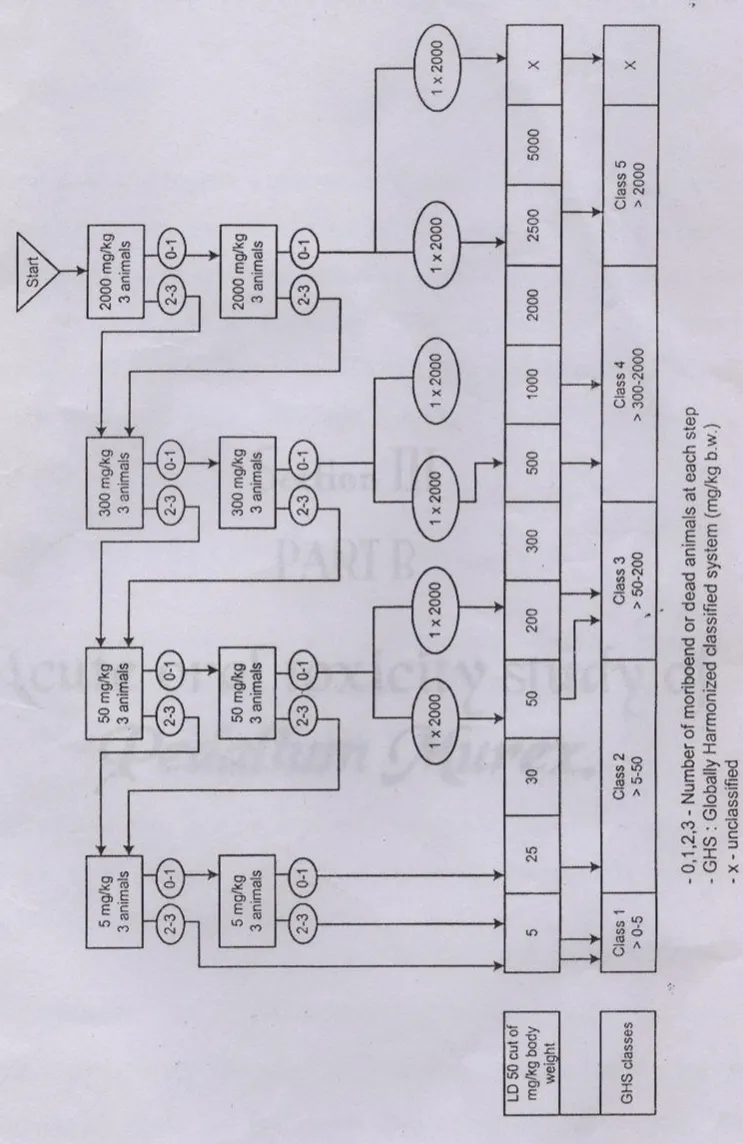
Fig:1. Flow chart of acute toxic class method (OECD guideline 423) starting dose of 2000mg/ kg body weight
Adult Wistar rats weighing approximately 160–200 g were used. AESO and AENK were administered orally at 2000 mg/kg. Animals were observed for mortality and behavioral or clinical signs of toxicity. Food was withheld before dosing and for several hours after administration as described in the experimental protocol.
4.4 Preparation of the Polyherbal Tablet
The polyherbal tablet was prepared by direct compression. The formulation included the combined plant extracts, HPMC K4M as a matrix-forming polymer, sodium carboxymethyl cellulose, microcrystalline cellulose (Avicel PH101), magnesium stearate, and talc.
The ingredients were passed through sieve No. 60 and blended to obtain a uniform mixture. The blend was lubricated with talc and magnesium stearate and compressed into tablets weighing approximately 200 mg using a 9-mm flat punch. The tablets were prepared at a hardness of approximately 3–4 kg/cm² and subsequently evaluated for in vivo screening [20,21].
The formulation composition described in the thesis consisted of AESO + AENK (50 + 100 mg), HPMC (100 mg), sodium CMC (32 mg), Avicel PH101 (65 mg), magnesium stearate (3 mg), and talc (2 mg).
4.5 Experimental Animals and Induction of Diabetes
The antidiabetic investigation used experimentally induced diabetes in rats. Streptozotocin (STZ) was selected as the diabetogenic agent because it is widely used for experimental assessment of antidiabetic interventions [22].
Animals were acclimatized before the study and fasted overnight with free access to water. STZ was administered intraperitoneally at 60 mg/kg to the designated diabetic groups. Dextrose solution was administered after STZ induction according to the experimental protocol to reduce the risk of acute hypoglycemia.
The treatment groups included:
AESO, AENK, and PHT were evaluated at 250 mg/kg, while pioglitazone was administered orally at 2 mg/kg according to the study protocol.
4.6 Oral Glucose Tolerance Test
Glucose tolerance was evaluated by oral administration of glucose at 1.5 g/kg. Blood glucose concentrations were recorded at baseline and at regular intervals of 30, 60, 90, and 120 minutes using glucose oxidase-based glucometer strips.
4.7 Assessment of Antidiabetic Activity
The experimental treatment period continued for approximately 28 days. Blood glucose concentrations were determined on day 1 and subsequently at specified intervals, including days 8, 17, 22, and 29. Blood samples were obtained from the tail tip and glucose concentrations were determined using a digital glucometer based on the glucose oxidase method.
4.8 Serum Lipid Profile
At the end of the experimental period, serum was separated from collected blood samples. Total cholesterol, triglycerides, LDL, VLDL, and HDL concentrations were measured using commercially available diagnostic kits according to standard procedures.
4.9 Antioxidant and Oxidative Stress Parameters
Pancreatic tissue homogenates were prepared for biochemical analysis. Superoxide dismutase (SOD) activity was estimated using the method of Kakkar et al. Catalase activity was determined according to Sinha, glutathione peroxidase activity according to Rotruck et al., and reduced glutathione was estimated using Ellman's method [23–26]. Lipid peroxidation was evaluated using the chromogenic assay described in the experimental protocol.
The study therefore assessed multiple biochemical indicators associated with oxidative stress and antioxidant defense.
4.10 Statistical Analysis
Experimental values were expressed as mean ± standard error. Statistical comparison was performed using analysis of variance (ANOVA), followed by unpaired Student's t-test for group comparisons. Statistical significance was assessed according to the criteria specified in the thesis.
5. Results
5.1 Phytochemical Screening
Qualitative phytochemical analysis demonstrated the presence of multiple classes of plant constituents in the aqueous extracts. AESO demonstrated positive findings for carbohydrates, flavonoids, tannins, and other constituents reported in the experimental screening. AENK also demonstrated the presence of carbohydrates, flavonoids, tannins, and alkaloid-related positive reactions.
The phytochemical findings provide a preliminary chemical basis for further pharmacological investigation because several classes of plant secondary metabolites have previously been associated with antioxidant and metabolic effects [8,27].
The detailed screening observations for AESO and AENK were reported in Tables 7.1 and 7.2 of the thesis.
5.2 Acute Oral Toxicity
No mortality was observed in animals administered AESO or AENK at 2000 mg/kg. The animals showed no major changes in skin, fur, eyes, mucous membranes, respiratory or circulatory function, motor activity, or behavioral pattern. Signs including tremors, convulsions, salivation, diarrhea, lethargy, sleep, and coma were not reported during the 14-day observation period.
These findings indicate that both extracts were tolerated at the tested dose under the experimental conditions.
5.3 Effect on Blood Glucose Levels
STZ induction produced progressive hyperglycemia in the diabetic control group. Mean blood glucose increased from 97.207 ± 0.022 mg/dL on day 1 to 248.11 ± 0.521 mg/dL on day 29.
In contrast, treatment with AESO, AENK, and PHT produced substantial reductions in blood glucose over the observation period. The final day-29 blood glucose concentrations were:
|
Group |
Day 29 blood glucose (mg/dL) |
|
Normal saline |
95.469 ± 0.139 |
|
Diabetic control |
248.11 ± 0.521 |
|
Standard |
92.025 ± 0.169 |
|
AESO-250 |
96.031 ± 0.077 |
|
AENK-250 |
97.988 ± 0.171 |
|
PHT-250 |
89.056 ± 0.198 |
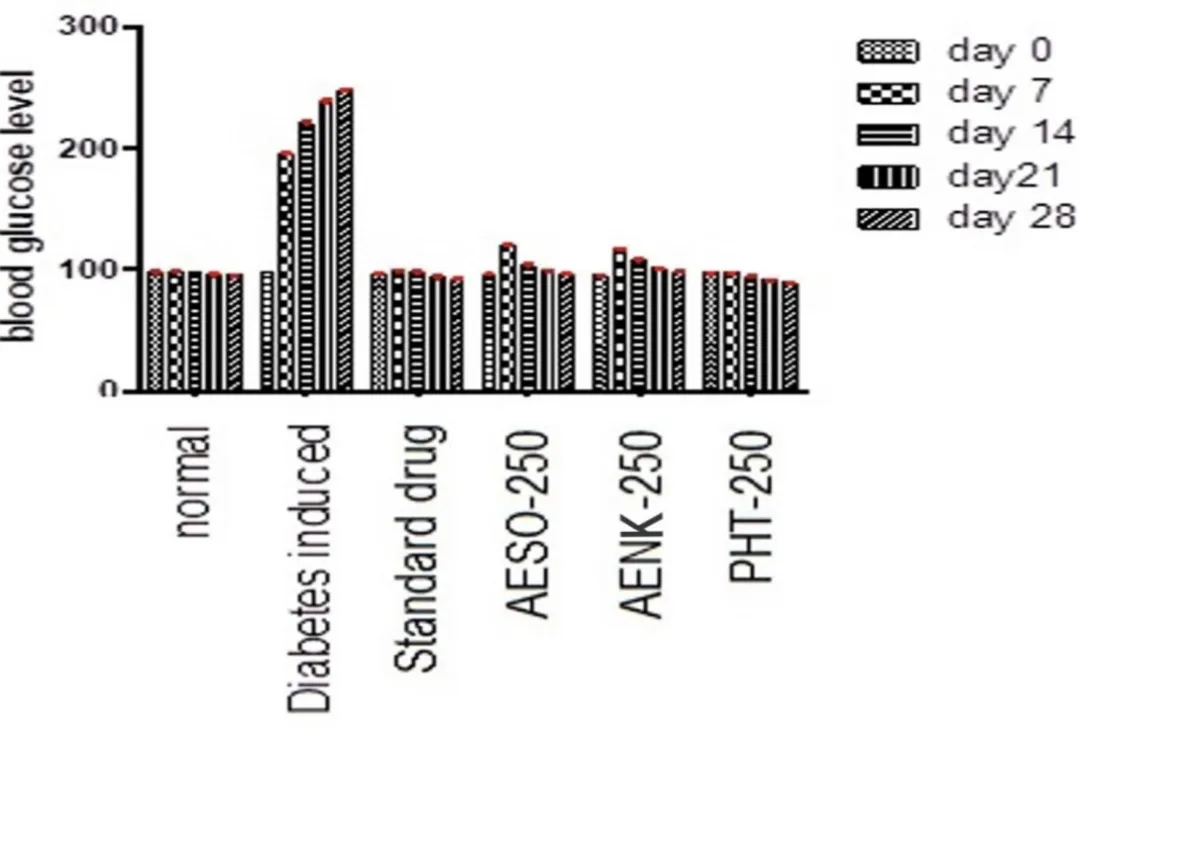
Fig 2: Effect of polyherbal tablets on the lowering of blood sugar levels
The PHT group showed a marked reduction in blood glucose and reached a value below the corresponding normal control mean at the end of the experiment. The results indicate that combining the extracts produced a strong overall antihyperglycemic response.
5.4 Oral Glucose Tolerance
The oral glucose tolerance experiment demonstrated differences in glucose handling among the groups. At 120 minutes, blood glucose concentrations were 95.469 ± 0.138 mg/dL in the normal saline group, 92.025 ± 0.168 mg/dL in the standard group, 87.664 ± 0.463 mg/dL in the AESO group, 106.15 ± 0.331 mg/dL in the AENK group, and 95.111 ± 0.360 mg/dL in the PHT group.
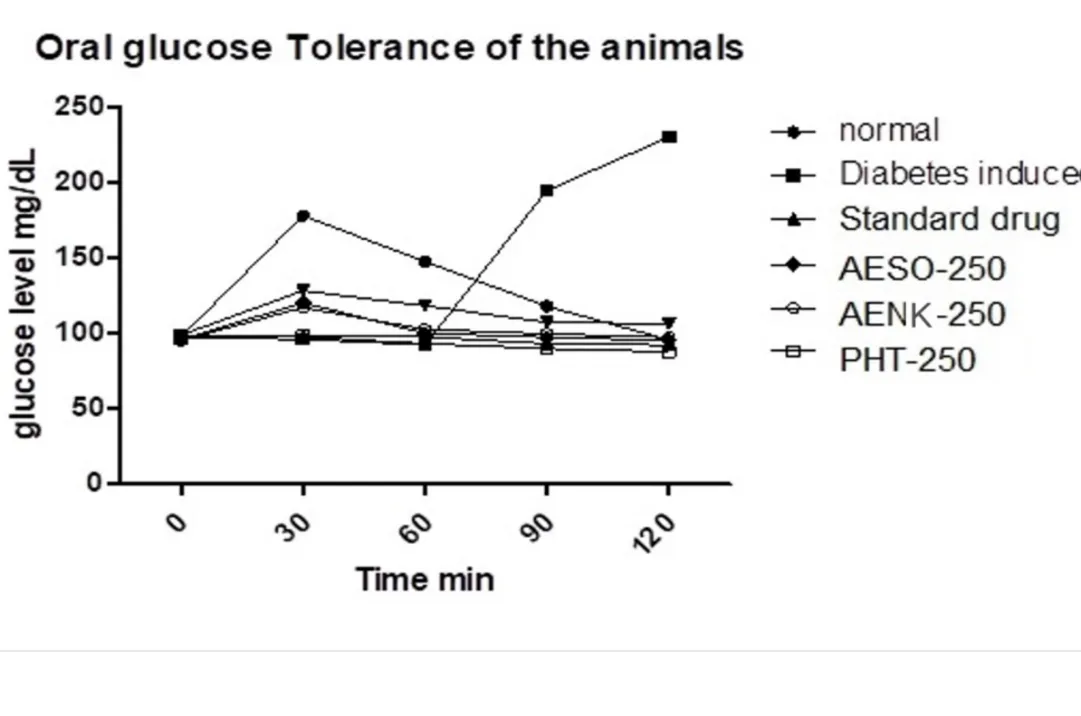
Fig.3: Oral glucose tolerance test on the diabetic induced rats
Standard-Pioglitazone
These findings indicate that the herbal treatments influenced glucose tolerance, with the polyherbal formulation demonstrating a favorable overall response.
5.5 Effect on Antioxidant and Oxidative Stress Parameters
STZ-induced diabetes was associated with marked alterations in oxidative stress-related parameters. Compared with the normal group, the diabetic control group demonstrated increased SOD and lipid peroxidation values together with reduced catalase, glutathione reductase, and glutathione peroxidase activities.
Treatment improved these biochemical abnormalities. The PHT group showed SOD of 5.6542 ± 0.112 units/mg, catalase of 24.181 ± 0.165 units/mg, lipid peroxidation of 1.7338 ± 0.154 nmol/mg, glutathione reductase of 32.235 ± 0.082 units/mg, and glutathione peroxidase of 27.78 ± 0.147 units/mg.
Overall, these results suggest substantial restoration of antioxidant defense and reduction of lipid peroxidation in the PHT-treated animals.
5.6 Effect on Serum Lipid Profile
The diabetic control group showed substantial abnormalities in the lipid profile, including elevated total cholesterol, triglycerides, LDL, and VLDL and reduced HDL. PHT treatment produced a favorable modification of these parameters.
The principal lipid results were:
|
Group |
TC |
TG |
LDL |
VLDL |
HDL |
|
Normal saline |
75.507 ± 0.989 |
88.221 ± 0.559 |
34.38 ± 0.147 |
22.518 ± 0.124 |
31.807 ± 0.352 |
|
Diabetic control |
215.95 ± 1.257 |
138.38 ± 0.395 |
149.54 ± 0.504 |
29.951 ± 0.113 |
21.998 ± 0.224 |
|
Standard |
77.445 ± 0.382 |
91.117 ± 0.452 |
48.391 ± 0.550 |
23.179 ± 0.242 |
29.129 ± 0.237 |
|
AESO-250 |
105.27 ± 0.808 |
125.53 ± 0.974 |
80.398 ± 0.319 |
25.855 ± 0.144 |
29.305 ± 0.144 |
|
AENK-250 |
88.939 ± 0.537 |
95.140 ± 0.445 |
54.727 ± 0.547 |
27.355 ± 0.277 |
25.838 ± 0.119 |
|
PHT-250 |
74.381 ± 0.807 |
85.415 ± 0.425 |
34.275 ± 0.852 |
21.145 ± 0.239 |
33.082 ± 0.184 |
The PHT group showed values close to or favourable relative to the normal control for several lipid parameters, supporting an antihyperlipidemic effect in addition to its antidiabetic activity.
6. Discussion
The present investigation evaluated the antidiabetic potential of aqueous extracts of Saccharum officinarum leaves and Neisosperma kilneri bark individually and as a combined polyherbal tablet in STZ-induced diabetic rats. The major finding was that the combined formulation produced a strong overall improvement in glycemic control, glucose tolerance, oxidative stress-related parameters, and serum lipid abnormalities.
Herbal medicines remain important sources of chemically diverse bioactive compounds. Phenolic compounds, flavonoids, alkaloids, tannins, terpenoids, and related phytoconstituents have been investigated for their potential effects on glucose metabolism and oxidative stress [6–8]. The preliminary phytochemical screening in the present study demonstrated the presence of several such classes of constituents in the two extracts, providing a rationale for their pharmacological evaluation.
The acute oral toxicity study found no mortality or major toxic manifestations at 2000 mg/kg for either AESO or AENK. This supported the selection of lower doses for pharmacological evaluation. However, absence of acute toxicity at a single high-dose experimental exposure should not be interpreted as establishing comprehensive long-term safety. Subacute, chronic, reproductive, genotoxicity, and clinical safety evaluations would still be required.
STZ administration produced pronounced progressive hyperglycemia in the diabetic control group. STZ is widely used to induce experimental diabetes because of its pancreatic β-cell toxicity and resultant impairment of insulin-related glucose regulation [15,22]. In the present study, the diabetic control reached a mean blood glucose value of 248.11 mg/dL by day 29, demonstrating successful induction of severe hyperglycemia.
Individual treatment with AESO and AENK improved blood glucose concentrations. However, the combined PHT showed the most pronounced overall response among the herbal groups. The final PHT blood glucose concentration was 89.056 mg/dL compared with 248.11 mg/dL in the diabetic control group. This observation is consistent with the central hypothesis that combining extracts may provide broader pharmacological activity than a single herbal component.
Previous investigations have also reported antidiabetic effects of polyherbal formulations. Mahajan et al. demonstrated antidiabetic activity of a polyherbal formulation in alloxan-induced diabetic animals [10]. Gauttam and Kalia investigated development of a polyherbal antidiabetic formulation, while Sahu et al. evaluated polyherbal antidiabetic activity in STZ-induced experimental models [11,12]. Other studies have reported favorable glycemic and metabolic effects of polyherbal combinations in diabetic animals [9,13,14].
The oral glucose tolerance findings further supported an effect of the test treatments on glucose handling. The PHT-treated animals showed a reduction in glucose concentration over the observation period following glucose administration. Such effects may result from several possible mechanisms, including modulation of peripheral glucose utilization, improved insulin responsiveness, reduced hepatic glucose output, delayed carbohydrate absorption, or protection of residual pancreatic function. The present experimental data do not independently establish which mechanism predominates.
Oxidative stress is an important component of experimental diabetes and may contribute to cellular injury. The present study demonstrated major alterations in antioxidant-related biochemical parameters in the diabetic control group. Treatment with the extracts, particularly the polyherbal formulation, was associated with restoration of several antioxidant defense markers and reduction in lipid peroxidation.
The PHT group showed particularly favorable values for catalase, glutathione reductase, glutathione peroxidase, and lipid peroxidation. This suggests that antioxidant activity may contribute to the overall pharmacological response. Plant phenolics and flavonoids have frequently been investigated for free-radical scavenging and antioxidant effects [8,27].
The thesis also describes improved pancreatic tissue-related findings in extract-treated animals and proposes a potential protective or restorative influence associated with antioxidant activity. However, such interpretations should be considered exploratory unless supported by fully quantified histopathological scoring and mechanistic experiments.
Diabetes is frequently associated with dyslipidemia, characterized by elevated triglycerides and atherogenic lipoproteins and alterations in HDL cholesterol. The diabetic control group in the present study showed elevated total cholesterol, triglycerides, LDL, and VLDL together with reduced HDL. PHT substantially improved these abnormalities. The final PHT values were 74.381 mg/dL for total cholesterol, 85.415 mg/dL for triglycerides, 34.275 mg/dL for LDL, 21.145 mg/dL for VLDL, and 33.082 mg/dL for HDL.
These findings are consistent with previous experimental reports of antihyperlipidemic effects of polyherbal preparations in diabetic models [9,14,16]. Improvement in lipid metabolism may result from improved glycemic control, altered hepatic lipid synthesis, enhanced lipoprotein metabolism, antioxidant effects, or combined actions of multiple phytochemicals. Further mechanistic studies are needed to determine the exact pathways involved.
An important observation of this study is the difference between the activity of individual extracts and the combined formulation. AESO and AENK independently improved several outcomes, while PHT produced a broader and, in several parameters, more pronounced response. This pattern is compatible with a possible synergistic or additive pharmacological interaction.
Nevertheless, true pharmacological synergy requires formal demonstration using quantitative combination-analysis methods. The present results demonstrate enhanced activity of the combination but do not by themselves prove synergy according to formal interaction models. Future studies should therefore compare multiple dose combinations and apply validated approaches such as isobolographic or combination-index analysis.
The present formulation represents an encouraging preclinical candidate. However, reproducible translation of herbal formulations requires standardization of raw materials, authentication, chemical fingerprinting, identification of marker compounds, batch-to-batch quality control, stability testing, and rigorous toxicological evaluation. These factors are especially important when a formulation contains more than one plant source [6,7].
7. Strengths and Limitations
7.1 Strengths
The study evaluated both individual herbal extracts and their combined polyherbal formulation. It also assessed multiple pharmacological outcomes, including blood glucose, oral glucose tolerance, oxidative stress-related parameters, and serum lipid profile.
The use of an experimentally induced diabetic model enabled comparative assessment against a diabetic control and a standard treatment group. Acute toxicity testing was also conducted before pharmacological evaluation.
7.2 Limitations
Several limitations should be considered. First, the study is preclinical and was conducted in an animal model; the findings cannot be directly extrapolated to human diabetes.
Second, qualitative phytochemical screening does not identify or quantify the active constituents responsible for the observed effects. Advanced chromatographic and spectroscopic characterization is required.
Third, the enhanced activity of the PHT is consistent with a possible synergistic effect, but formal synergy testing was not performed.
Fourth, the source thesis contains some inconsistencies in group numbering and descriptive statements. For journal submission, the final manuscript should retain the numerical results from the reported tables while ensuring that treatment-group nomenclature is standardized throughout.
Finally, longer-duration efficacy studies, chronic toxicity studies, pharmacokinetic studies, mechanistic experiments, formulation stability studies, and controlled clinical trials are necessary.
8. CONCLUSION
The novel polyherbal tablet prepared from aqueous extracts of Saccharum officinarum L. leaves and Neisosperma kilneri bark demonstrated promising antidiabetic activity in streptozotocin-induced diabetic rats. The individual extracts and the combined formulation improved hyperglycemia, while the polyherbal tablet demonstrated a particularly strong overall response.
PHT treatment was associated with improved blood glucose control, favorable oral glucose tolerance, restoration of antioxidant-related biochemical parameters, reduced lipid peroxidation, and substantial improvement in the serum lipid profile. The combined formulation therefore appears to possess antidiabetic, antihyperlipidemic, and antioxidant potential.
The superior overall response of the combined formulation compared with the individual treatments supports the possibility of complementary or synergistic pharmacological interactions between the herbal constituents. However, formal synergy analysis and mechanistic experiments are required to confirm this interpretation.
Overall, the findings provide preclinical support for further development of the polyherbal formulation as a potential plant-based adjunct or future therapeutic candidate for diabetes. Before clinical use, rigorous standardization, identification of active constituents, comprehensive safety testing, long-term preclinical studies, and well-designed human clinical trials are essential. The original thesis similarly concludes that the formulation demonstrated promising glycemic effects and identifies further mechanistic, standardization, and clinical research as necessary.
Declarations
Ethical Approval
The experimental work was performed in rodents as described in the source thesis. The final journal submission should include the exact Institutional Animal Ethics Committee approval number, approval date, and applicable CPCSEA or institutional registration details from the original study records. These details should not be invented if they are not available in the thesis manuscript.
Availability of Data and Materials
The data supporting the findings of this study are available in the source research records and thesis from which the present manuscript was prepared.
Competing Interests
The authors declare no competing interests.
Funding
No external funding details were available in the source thesis. This statement should be modified if institutional, departmental, or external funding was received.
Authors' Contributions
Author contributions should be completed according to the actual contributions of the student, supervisor, co-supervisor, and other authors before journal submission.
Acknowledgments
The authors acknowledge the institution, research supervisors, laboratory personnel, and all individuals who contributed to the successful completion of the experimental work.
REFERENCES

K. Maneesha , Dr. G. Siva Kumar *, Dr. D. Jothieswari , Investigating The Synergistic Potential Of Saccharum Officinarum And Neisosperma Kilneri In A Polyherbal Formulation Effect For Treatment On The Antidiabetic Activity, Int. J. of Pharm. Sci., 2026, Vol 4, Issue 8, 5275-5288. https://doi.org/10.5281/zenodo.22212787
 10.5281/zenodo.22212787