
View Article

Abstract

Background: Post-traumatic stress disorder (PTSD) is a severe neuropsychiatric condition associated with dysregulation of fear circuitry, neuroinflammation, oxidative stress, and impaired neuroplasticity. Current pharmacological and psychological interventions provide limited efficacy in a subset of patients, necessitating exploration of alternative therapeutic strategies. Objective: This review aims to critically evaluate the neurobiological mechanisms of PTSD and systematically explore the therapeutic potential of plant-derived compounds as multi-target interventions. Methods: A comprehensive literature review was conducted using major scientific databases, including PubMed, Scopus, Web of Science, and Google Scholar. Relevant studies focusing on phytochemicals, medicinal plants, and natural products in PTSD and related neuropsychiatric disorders were analysed and synthesised. Results: Plant-derived compounds such as flavonoids, polyphenols, terpenoids, alkaloids, and cannabinoids demonstrate significant anxiolytic, antidepressant, antioxidant, anti-inflammatory, and neuroprotective properties. These compounds modulate key signalling pathways, including NF-?B, Nrf2/HO-1, HPA axis regulation, BDNF expression, and endocannabinoid signalling, thereby improving stress resilience, fear extinction, and neuronal survival. Conclusion: Plant-derived therapeutics represent a promising multi-target approach for PTSD management. However, further clinical validation, standardisation, and pharmacokinetic optimisation are required to facilitate successful translational application.

Keywords

Anxiety disorders, Endocannabinoid system, Neuroinflammation, Neuroplasticity, Post-traumatic stress disorder, Phytochemicals

Introduction

× Popup Image

Post-traumatic stress disorder (PTSD) is a serious and functionally disabling psychiatric condition that stems from experiences of trauma, including exposure to war or military combat, sexual abuse, related disasters, or experiences of severe accidents and deaths that put the person at risk for the disorder [1,2]. Symptoms of PTSD are defined as persisting for more than one month and sometimes even years after the traumatic event: intrusive symptoms, recurrent intrusive memories, nightmares, feelings of avoidance or numbness, negative changes in thinking and feeling, and increased arousal or reactivity [3]. Millions of people suffer with it worldwide, and it is becoming a serious public health problem due to its high psychological, social and economic burden [4]. PTSD can also impact daily life and how one interacts with others, and it is often seen as a loss of quality of life and higher levels of healthcare use [5]. Although some strides have been made in psychiatric science and prevention, the treatment of PTSD is difficult because of the variation in symptom expressions and the complexity of the underlying biological pathways in its development and deterioration.

PTsD rates are different across different population groups, based on the type of trauma experience and on sociocultural influences [6]. Repeated and prolonged trauma are most likely to lead to chronic presentations of the disorder [7]. Other common co-occurring conditions with PTSD include anxiety disorders, major depressive disorders, substance abuse disorders, sleep disorders and chronic pain syndromes, which can further be involved in the treatment outcome and recovery from PTSD [8]. In addition, emerging evidence has emerged on certain emotional disturbances marked by classical-PTSD symptoms and characterised as complex (CPTSD) [9]. These co-morbidities and symptom groupings increase to significant disability and underscore the need for more efficacious therapeutic options [10].

The neurobiology of PTSD involves a very complex interplay between multiple brain regions that regulate emotional responses, fear processing, memory formation and stress response [11]. An amygdala-generated overactivation of fear perception/emotional processing areas and an insufficient inhibition from the prefrontal cortex has been demonstrated using neuroimaging techniques [12]. These neural circuits become dysregulated and are associated with heightened responses of fear and persistent traumatic memories [13]. In addition, impaired function in the hippocampus has been linked to an inability to process contextual memory and to distinguish safe from threatening contexts [14]. All these changes add up to create adaptive reactions to stressful stimuli and are integral to the pathogenesis of PTSD [15].

Besides neural circuit defects, increased evidence indicates that oxidative stress, neuroinflammation and lowered neuroplasticity play key roles in the development of PTSD [16]. Accumulation of excessive levels of ROS and inflammatory mediators can result in disruption of the homeostasis of neurons, damage to mitochondrial function and accelerate degenerative processes in vulnerable areas of the brain under stress [17]. The synaptic alterations could impair plasticity and cognitive functioning, and this could play a role in perpetuating PTSD symptoms. Decreases in neurotrophic factors have also been correlated with problems with extinguishing learned fears and with less resilience to stress-related disorders, including brain-derived neurotrophic factor (BDNF) [18]. Thus, there is growing interest in developing therapies that target oxidative stress, inflammation, and neuroplasticity in the study of PTSD [19].

Plant-derived therapeutics are an area of interest, as they have a variety of pharmacological properties and may have the ability to modulate more than one biological pathway associated with PTSD [20]. Many phytochemicals have antioxidant, anti-inflammatory, neuroprotective, anxiolytic and antidepressant properties that could be beneficial in trauma-related disorders [21]. Plant-derived compounds tend to work through multiple mechanisms and may modulate multiple interconnected signalling networks related to stress regulation and/or neuronal survival, whereas conventional pharmacological compounds tend to target a single mechanism. These plant products have shown some promising preclinical and clinical signs of the effects that work to reduce some of the behavioural and neurobiological dysfunctions associated with PTSD, with a histidine-based compound showing particularly promise in this regard [23]. Thus, investigations of herbal remedies could prove to be a fertile field for the creation of novel 'multi-target' treatment paradigms [24]. The current review is intended to critically scrutinise the neurobiological pathways involved in the development of PTSD, review the potential therapeutic benefits of plant-based compounds, review recent experimental and clinical studies, and consider future avenues of research towards the development of plant-based drugs for the management of PTSD.

Objective of the Review

The objective of this review is to assess the therapeutic efficacy of naturally derived substances in PTSD, in a critical manner. It outlines the current state of knowledge regarding the neurobiology of PTSD, reviews molecular mechanisms that can be targeted by phytochemicals, preclinical and clinical findings, as well as the prospects and obstacles for translating these agents into effective plant-based PTSD treatments.

METHODOLOGY

The review of the literature to find research studies related to plant-based remedies for post-traumatic stress disorder (PTSD) was conducted. Electronic databases such as PubMed, Scopus, Web of Science, Google Scholar, and ScienceDirect were searched for articles that were relevant. Individual or multiple

keywords included were: “PTSD” (post-traumatic stress disorder, “post-traumatic stress disorder”, phytochemicals, "medicinal plants," “natural products,” “herbal medicine,” “neuroprotection” and “plant-derived therapeutics”. All original research articles, reviews, preclinical and clinical work published in English were included. Contextualised relevant literature from retrieved studies was screened, and data on various aspects related to its mechanism of action, therapeutic outcomes and translational potential were systematically analysed and synthesised.

Neurobiology of PTSD

Persistent changes in brain circuits processing fear and stress, emotional regulation, and memory consolidation are all essential features of post-traumatic stress disorder (PTSD), a multi-factorial neuropsychiatric condition [25,26]. Recent developments in neuroimaging, molecular neuroscience and behavioural research have demonstrated a structural, functional and biochemical dysfunction in several interconnected neural systems linked to the development of PTSD [27]. The result is persistent fear memories and/or overactive stress responses, which cause the adaptive response to traumatic experiences to become maladaptive and impair emotional regulation [28]. A knowledge of the neurobiological mechanisms underlying PTSD is critical for the identification of new therapeutic targets and for creating new interventions [29].

The amygdala, hippocampus, and prefrontal cortex comprise a fear circuitry in the brain, and this is one of the most studied mechanisms in PTSD [30]. Detecting threats and fear response is the central role of the amygdala, contextual memory formation is the central role of the hippocampus, and emotional processing and fear extinction is the central role of the prefrontal cortex [31]. In individuals with PTSD, there is often hyperactivity in the amygdala and hypoactivity in the medial prefrontal cortex, which leads to hyperreactivity to PTCs and a potentiation of the fear memory [32]. In addition, because of hippocampal dysfunction, people might not make the right cognitive response to determine whether a situation is safe or threatening, which can perpetuate maladaptive behaviours [33].

Another hallmark of the neurobiology of PTSD is alterations in the hypothalamic–pituitary–adrenal (HPA) axis [26,27]. The exposure to traumatic stress triggers the HPA axis, resulting in the release of corticotropin-releasing hormone, adrenocorticotropic hormone and glucocorticoids [28]. This response is necessary for survival during an acute stress, but in chronic dysregulation, it has the ability to generate prolonged neuroendocrine dysfunction and increased stress sensitivity [29]. These are the types of disturbances that underlie emotional lability, anxiety, sleep disruption and malfunctioning in stress adaptation, which are seen in PTSD patients [30].

There is also evidence that an imbalance of neurotransmitters has a key role in the pathogenesis of PTSD [31]. Serotonergic dysfunction is linked to emotional dysregulation, anxiety, and mood disturbances, while noradrenergic dysfunction is linked to hypervigilance and exaggerated startle response [32]. Disruptions to reward/pleasure processing and/or an altered motivational behaviour have been associated with altered dopaminergic activity [33] whilst disturbances to γ-aminobutyric acid (GABA) and glutamatergic neurotransmission have been linked with impairments of fear extinction and synaptic plasticity [33]. These abnormalities in neurotransmitter systems all account for some of the various symptoms found in PTSD [34].

There is emerging evidence of the role of neuroinflammation and oxidative stress in the onset and development of PTSD [25,32]. Chronic psychological stress causes increased secretion of pro-inflammatory cytokines and up-regulated microglial cells in the central nervous system [33]. Ongoing neuroinflammation may have a negative impact on the neural network and impair neurotransmission at the synapse level, which in turn may cause emotional-cognitive dysfunction [34]. On the other hand, accumulation of ROS may impair mitochondrial functions and cause protein and lipid peroxidation, as well as nucleic acid damage, thus speeding up neuronal injury [25].

Another significant marker of altered neuroplasticity has become evident as an important part of the pathogenesis of PTSD [26]. BDNF—a powerful molecule that regulates the survival of neurons, as well as the remodelling of synapses—often changes in PTSD patients [27]. A decrease in BDNF activity can affect learning and memory consolidation and fear extinction, all of which can result in the retention of traumatic memories [28]. Moreover, chronic stress may have an adverse impact on neurogenesis and synaptic connectivity of the hippocampus and prefrontal cortex, which further leads to cognitive and emotional impairments [29].

Current Management of PTSD and Therapeutic Limitations

Treatment for post-traumatic stress disorder (PTSD) typically involves psychotherapy and medications that offer some relief of symptoms and functional regaining [35]. Despite significant advances in knowledge about the disorder, the existing treatment strategies are not enough for many patients in treatment [36]. Despite the standard of care, some people find that it is not working for them, and they need better and more complete therapy [37]. Additionally, PTSD can be multifactorial, with both neurobiological, psychological and environmental components that further complicate treatment and lead to variability in clinical outcomes [38].

In patients with PTSD, trauma-focused psychotherapies (such as cognitive behavioural therapy [CBT], prolonged exposure therapy, cognitive processing therapy and eye movement desensitisation and reprocessing [EMDR] therapy are considered first-line therapy [39]. These approaches are designed to change the unhealthy thoughts, patterns and avoidance that are the result of the trauma, as well as to allow for the processing of those emotions [40]. Many studies have shown that psychotherapies can relieve symptoms of PTSD, though, in general, a high level of engagement in treatment, therapeutic alliance, and access to specialised mental health resources are all key to the success of PTSD therapy [41]. Moreover, during therapy, some of them may find it hard to reflect on their traumatic experiences, which can leave them questioning their compliance or may make them stop treatment [42].

Pharmacotherapy is the preferred choice of treatment used alone or with psychotherapy [35]. In some countries, selective serotonin reuptake inhibitors (SSRIs) such as sertraline and paroxetine are the only drugs specifically approved to treat PTSD [36]. The neurobiological mechanism on which these drugs act is mainly serotonergic and can have effects on anxiety, depression and intrusive thoughts [37]. Serotonin–norepinephrine reuptake inhibitors, atypical antidepressants, anxiolytics, and adrenergic modulators are other drugs used in clinical practice, depending on the clinical picture and associated disorders [38]. Although extensively used, pharmacological therapeutics typically offer only modest relief and are unlikely to fully target neurobiological mechanisms involved in the persistence of fear memory and emotional disturbances [39].

Another significant concern is treatment resistance. Only a large percentage of the PTSD patients reach full remission when treated with evidence-based therapies [35]. Even with repeated treatment, hyperarousal, nightmares, emotional numbing and other residual symptoms remain. Typical residual symptoms following treatment (even long-term) include hyperarousal, nightmares, emotional numbness and other cognitive deficits. Psychiatric comorbidities like depression, anxiety disorders, substance abuse and dependency, and chronic pain also complicate therapeutic results and augment the risk of relapse [37]. Furthermore, treatment responsiveness is likely to vary between individuals due to genetic differences, severity of trauma experienced, differences in neurobiology, and differences in environment. [38]

Currently available data indicate that traditional interventions mainly act on neurotransmitter mechanisms and fail to address well-established neuroinflammation, oxidative stress, mitochondrial dysfunction, neuroplasticity changes, and endocannabinoid dysfunction that play a role in the development of PTSD [39]. Hence, combined molecules that have a dual mechanism of action and act on multiple pathological pathways are being pursued [40]. Such means might be more effective at delivering wider and ongoing, gains when compared with current single-target interventions.

Neuroinflammation, Oxidative Stress, NF-κB and Nrf2/HO-1 Signalling in PTSD

Neuroinflammation is an emerging feature of PTSD) as well as a pathologically important process in its pathophysiology, which leads to persistent neurobiologic and neurobehavioral dysfunction [43]. Following traumatic stress, microglia and astrocytes are activated and overproduce pro-inflammatory cytokines and chemokines, affecting the functioning of the synapses and causing deficits in cognitive-emotional processing [44,45]. PTSD has been consistently associated with elevated levels of inflammatory mediators, including and in amongst this, such as the cytokines: TNF-α, IL-1β and IL-6, highlighting a strong relationship between activation of the immune system and trauma-related psychopathology [46]. One inflammatory pathway, nuclear factor-kappa B (NF-κB), is a key regulator of immune responses. It regulates expression of pro-inflammatory genes, thus amplifying neuroinflammation and boosting the neuronal dysfunction and impaired fear extinction [47–49]. Chronic activation of NF-κB also leads to further increase in oxidative damage and mitochondrial dysfunction that further contribute to PTSD pathology [50].

Oxidative stress is also known to have a significant involvement in the mechanism of development of PTSD by increased generation of Reactive Oxygen species (ROS), causing neuronal structural changes and impairment of integrity [43–46]. Additionally, EFs are coupled with neuronal sensitivity in other brain areas identified as stress-protective (hippocampus, amygdala, and PFC), and mitochondrial dysfunction further exacerbates these deficits in energy availability [47–49]. Redox balance restoration is, therefore, a key requirement for therapeutic intervention.

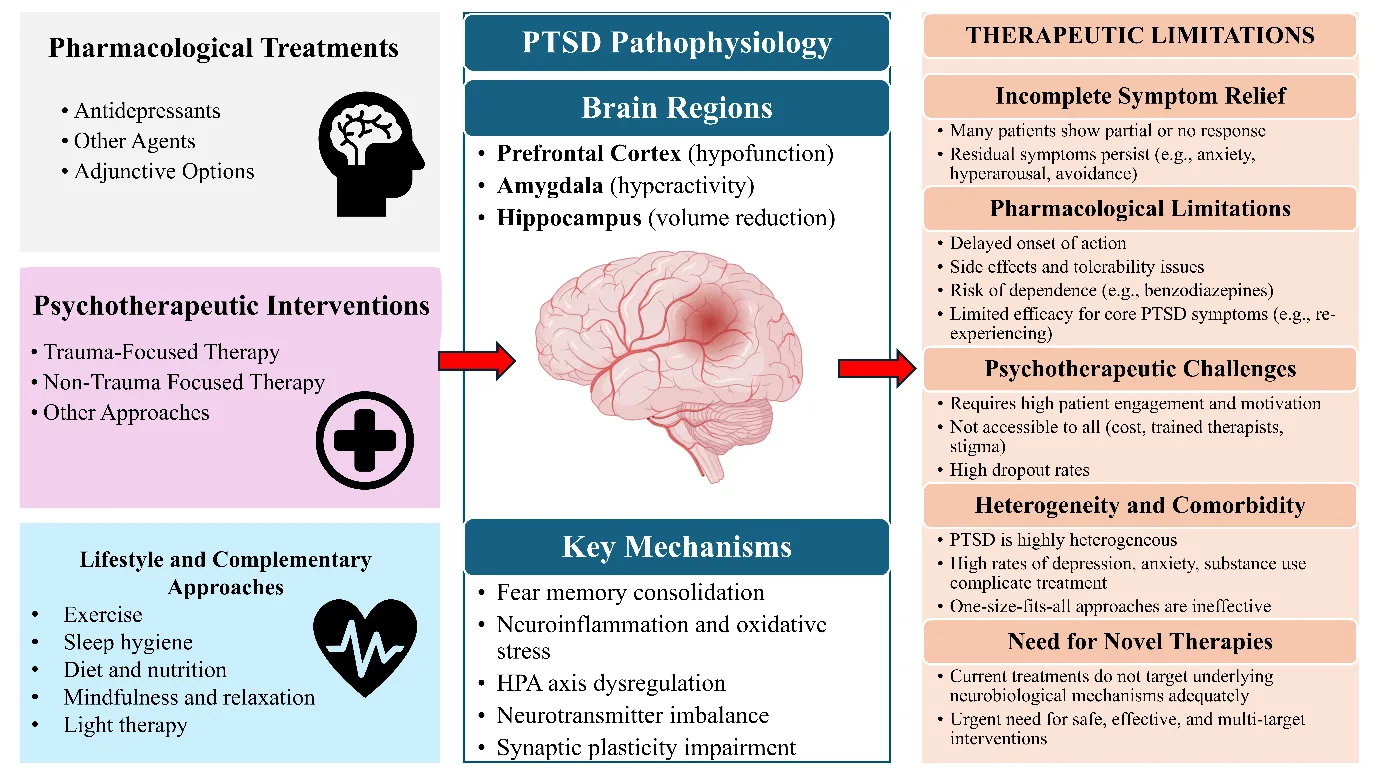
Nuclear factor erythroid 2-related factor 2 (Nrf2)/heme oxygenase-1 (HO-1) is a prominent cytoprotective pathway that plays a protective role in the cell against oxidative damage [51]. Pink 1-induced activation of Nrf2 leads to increased expression of antioxidant enzymes such as superoxide dismutase and catalase, which helps to buffer oxidative injury [52,53]. Dysfunction of Nrf2 alone leads to greater vulnerability to stress-dependent neuronal injury and behavioural imbalances [54]. Importantly, plant-derived phytochemicals can act in a dual fashion, both by inhibiting the NF-kB mediated inflammation and simultaneously by inducing antioxidant-mediated Nrf2/ HO-1 signalling, which has a potent neuroprotective effect [55-58]. These two and the integrative regulation of inflammatory and oxidative pathways appear to provide a strong mechanistic framework for potential therapeutic applications of plant-derived compounds in the treatment of PTSD. Figure 1 provides a summary of existing management strategies for PTSD.
figure

Figure 1: Current Management of PTSD, Underlying Pathophysiology, and Therapeutic Limitations.

Plant-Derived Therapeutics in PTSD: Key Phytochemicals and Mechanistic Targets

Plant-derived therapeutics are also considered a promising approach to treating Post-Traumatic Stress Disorder (PTSD) because they possess the capability to modulate interconnected neurobiological pathways such as neuroplasticity, neurotransmitter signalling, oxidative stress and neuroinflammation [59,60]. Phytochemicals have pleiotropic actions that can be relevant in the case of a complex disorder like PTSD, where multiple brain circuits and molecular pathways are involved in the dysbalance [61].

Flavonoids are one of the largest studied groups of plant bioactives in stress-related disorders. Bioactive compounds, like quercetin, luteolin, and apigenin, have been shown to have considerable anxiolytic, antidepressant, and neuroprotective activity in reliable animal models [62]. The effects have been mainly attributed to their antioxidant defence capacity, microglial protective effects and modulation of signalling pathways, e.g. NF-κB and MAPK. Furthermore, flavonoids have been shown to enhance synaptic plasticity and skills for fear extinction learning by modulation of the brain-derived neurotrophic factor (BDNF) signalling pathway that is disrupted in PTSD [63].

Polyphenols, such as resveratrol, curcumin, etc., are also very important for the reestablishment of neurobiological homeostasis in chronic stress scenarios, whereby epigallocatechin gallate (EGCG) is the main representative of polyphenols. They have potent antioxidant and scavenger properties which activate endogenous antioxidant pathways like Nrf2/Homeoxysteine-1 (HO-1), while potently removing ROS from the body [64]. In particular, curcumin has been shown to attenuate behavioural impairments caused by stress by modulating HPA axis overactivity and expression of inflammatory cytokines. Polyphenols are pertinent to the consideration of trauma-associated neuropsychiatric disorders due to their multi-level modulation [65].

The anti-shy properties of terpenoids are observed to occur by interacting with the GABAergic system and the activity of cannabinoid receptors: β-caryophyllene has been shown as a specific CB2 receptor agonist, which results in modulation of neuroimmune responses while retaining non-psychoactive effects [66]. This showcases the potential of plant-derived compounds, which act on the endocannabinoid system as a therapeutic approach to emotional dysregulation and persistence of fear memories in PTSD [67].

Alkaloids and adaptogenic herbs extend the therapeutic range of plant remedies. Plenty of plants—including Withania somnifera, Rhodiola rosea, and Hypericum perforatum—have been found to impact stress in ways that have good support [68]. In particular, adaptogens are thought to normalise the physiological responses to the stress process by re-balancing the neuroendocrine process, but rather than treating the symptoms, thus suppressing stress [69].

The plant's natural compounds polarise actively on several overlapping biological processes, such as inflammatory pathways, oxidative stress pathways, neurotransmitter pathways, and the pathways of neurotrophic signaling [70]. The range of pharmacology associated with these molecules offers a solid scientific basis regarding their use as valuable therapeutic tools for future clinical interventions for PTSD, singly or in combination with current standards of care. Ongoing translational studies and carefully conducted clinical trials are needed to confirm that efficacy has been achieved, dosage regimens are optimized, and safety has been demonstrated in humans. As outlined in Table 1, multiple compounds found in plants influence several different targets related to brain inflammation, oxidative stress, neuroplasticity, and stress-response pathways that are pertinent to PTSD.

Table 1: Plant-derived Therapeutics and Bioactive Compounds Involved in Neurobiological Modulation of PTSD

Plants and Compound Bioactive Class Major Neurobiological Target(s) Therapeutic Relevance to PTSD References
Polygonatum spp. Saponins / polysaccharides Neuroprotection, CNS metabolic regulation Improves neuropsychiatric and stress-related dysfunction [71]
Lavender (Lavandula spp.) Monoterpenes (linalool) GABAergic signaling, limbic system Reduces stress, anxiety, hyperarousal [72]
Psychedelic plant compounds Tryptamines / alkaloids 5-HT2A receptor modulation Alters fear processing and trauma perception [73]
Cannabis-derived compounds Cannabinoids CB1/CB2 receptors, BDNF signalling Reduces anxiety- and depression-like PTSD symptoms [74]
Psychedelic-assisted therapy agents Psychedelic alkaloids Serotonergic plasticity Emerging PTSD psychotherapeutic adjunct [75]
Environmental stress-related neurobiological modifiers Stress-related phytochemicals HPA axis modulation Links stress exposure with psychiatric vulnerability [76]
Polygonatum spp. Polysaccharides Immune-neuroendocrine modulation Stress adaptation and neuropsychiatric balance [77]
Hesperidin, Diosmin Flavonoids Antioxidant, neuroinflammation Protects against CNS oxidative damage [78]
Plant-derived adjunct therapies Polyphenols Immune regulation Supports trauma-related comorbid conditions [79]
Formononetin Isoflavone Neuroprotection, estrogenic pathways Improves neuronal resilience and stress response [80]
Food-derived opioid peptides Bioactive peptides Neurotransmission modulation Indirect anxiolytic and mood-stabilising effects [81]
Herbal medicines (TBI-related) Mixed phytochemicals Neuroinflammation, oxidative stress Supports PTSD-like neurotrauma recovery [83]
Luteolin Flavone Microglial inhibition, NF-κB Reduces neuroinflammation and anxiety behaviour [84]
Sleep-deprivation-related phytomodulators Neuroactive plant compounds BDNF, GSK-3β pathways Improves fear extinction and cognitive regulation [85]
Predator-stress model phytochemicals Plant metabolites HPA axis, glucose metabolism Stress-induced behavioural normalisation [86]
Traditional herbal extracts (Fukushima-related studies) Polyphenols Stress resilience pathways Reduces trauma-related psychological distress [87]
Ginkgo biloba (EGb 761) Terpenoids + flavonoids Cerebral perfusion, antioxidant defense Improves cognitive and stress impairment [88]
Ibogaine-containing plant systems Indole alkaloids NMDA, serotonergic systems Experimental PTSD trauma processing [89]
Synthetic and plant-derived cathinones/psychedelics Mixed alkaloids Dopaminergic/serotonergic balance Investigational psychotherapeutic agents [90]
Hypericum perforatum (St. John’s Wort) Hyperforin Serotonin reuptake modulation Antidepressant and PTSD symptom reduction [91]
Fructus Choerospondiatis extract Polyphenols AKT/c-FOS/IL-6 axis Anti-inflammatory neurovascular protection [92]
Dietary plant-derived compounds Polyphenols Gut-brain axis Modulates stress-linked microbiota effects [93]
Combined herbal + environment therapy Plant extracts Neuroplasticity, spatial memory Improves PTSD-like cognitive deficits [94]
Adaptogenic phytochemicals Neurohormetic compounds Stress response normalisation Enhances resilience and anti-fatigue effects [95]
Cannabigerol (CBG) Minor cannabinoid Fear memory pathways Modulates anxiety without disrupting memory [96]
Curculigo orchioides (curculigoside) Glycoside Neuroprotection, synaptic signalling Improves CNS injury and stress-related dysfunction [97]
Psilocybe cubensis Psilocybin alkaloids Serotonergic plasticity Reduces fear recall and PTSD freezing behaviour [98]
Stress perception modulators (radiation/psychological stress) Indirect phytochemicals Stress-cognition interaction Influences PTSD symptom severity [99]
Cannabis use pattern modifiers Cannabinoids Individual variability in response PTSD symptom modulation depends on usage pattern [100]
Cannabidiol (CBD) Phytocannabinoid mPFC fear reconsolidation Reduces aversive memory and anxiety [101]
Social stress-modulating plant-related factors Polyphenols / dietary factors Stress-social interaction axis Long-term PTSD symptom modulation [102]

It was observed that flavonoids and polyphenols had the highest number of studies (12), followed by traditional plant extracts (7), with highest emphasis on antioxidant and neuroprotective mechanisms. 5 studies were on alkaloids and psychedelics, 4 on cannabinoid based compounds, and 4 on novel experimental phytochemicals. Comparatively fewer studies (3) focused on adaptogens or terpenes. The general conclusion is that overall, the study of antioxidants in multi-target and neuroinflammatory modulation approaches in plant-based therapeutics for PTSD is a predominantly research-based approach (Figure 2).

[Figure - see the formatted PDF]

Figure 2: Distribution of Plant-Derived Therapeutic Categories in PTSD Research

Translational Challenges and Future Perspectives of Plant-Derived Therapies in PTSD

Although there is increasing preclinical and developing clinical research regarding the therapeutic benefits of the use of plant-based compounds in the treatment of post-traumatic stress disorder (PTSD), the use of these compounds in standard clinical interventions has a limited trajectory. Even though there is increasing preclinical and emerging clinical evidence on the therapeutic potential of plant-derived compounds in the treatment of post-traumatic stress disorder (PTSD), their trajectory toward standardised clinical interventions is limited. There are also problems regarding the pharmacokinetic and pharmacodynamic data of various phytochemicals being ill-defined. There can be considerable variability in absorption, bioavailability, metabolism and blood–brain barrier penetration, contributing to variability in therapeutic response in clinical use, making it difficult to find optimal doses to achieve this action [104].

A further issue of concern is the variability of plant extract. Herbal drugs, in contrast to those that have exacting molecular structures, often have several bioactive components whose amounts can also differ as a result of the plant species, geographical origin, quality of the harvesting and extraction processes [105]. This variation makes the results very batch dependent and makes it difficult to replicate experimental or clinical studies. Standardisation/quality assurance of phytopharmaceuticals is therefore a crucial prerequisites for their incorporation into evidence-based treatment for PTSD [106].

Another translational challenge is that there are relatively few larger, randomised controlled trials with plant-based compounds for the specific indication of PTSD. The majority of the available evidence comes from animal models or some small pilot studies, which, in some instances, are promising but cannot completely model human PTSD pathologies [107]. Besides, studies addressing PTSD typically involve a much broader approach, dealing with anxiety or depression rather than specific PTSD symptom domains like fear extinction deficits, hyperarousal and trauma re-experiencing. This underscores the importance of clinical research designs by disorder [108].

Other factors such as safety and drug–herb interaction are also important. Chemical compounds isolated from plants that target the serotonin, GABA, or endocannabinoid system may interact with traditional drugs prescribed to treat depression, anxiety, or drug addiction, including molecules such as selective serotonin reuptake inhibitors, benzodiazepines, or adrenergic drugs [109]. In some instances, these interactions can be beneficial, and in others, they can lead to possible unwanted side effects or toxicity. Hence, extensive testing for toxicological profiling and interaction should be a prerequisite prior to clinical translation [110].

Standardisation of phytopharmaceuticals, based on a precise definition of the active components and the regular and reproducible pharmacological activity of the formulation, should be a priority in future studies. Due to the developments in the new technology of nanotechnology-based drug delivery systems like liposomes and phytosomes, the bioavailability and brain targeting capacity of plant-based compounds could be greatly improved. Moreover, by combining systems biology, network pharmacology, and multi-omics strategies, a deeper understanding of the complex interaction between molecules would be obtained, and phytochemical action in PTSD could be better understood.

Another bright avenue would be the use of a combination of therapies derived from plants with the currently supported therapies, like psychotherapy and pharmacotherapy. These multimodal strategies may have synergistic effects, acting on neurobiological dysfunction, emotional processing deficits, and stress regulation pathways simultaneously. Personalised medicine strategies with consideration to genetic, biochemical and neuroimaging markers could better inform treatment decisions and enhance treatment responsiveness.

Overall, plant-based treatments hold great promise as a therapeutic area in the study of PTSD - yet substantial scientific, clinical, and regulatory work remains before being integrated into the mainstream psychiatric treatment of the disease. There is still an interdisciplinary research problem regarding this integration between traditional knowledge and neuropsychopharmacology.

CONCLUSION

PTSD can result in a dysregulation of fear circuits, neuroendocrine imbalance, oxidative stress, neuroinflammation, and reduced neuroplasticity. Although progress has been made in the field of psychotherapy and pharmacotherapy, treatment options now available are relatively successful but can also have a delayed response, side effects and treatment resistance. These restrictions have driven the need for other therapies with different mechanisms of action or novel combinations of therapeutic agents that may offer the ability to address multiple disease pathways. Plants as therapeutics that act on several targets have emerged as promising in the treatment of PTSD. Growing medical research has shed light on the remarkable neuroprotective, anxiolytic, antidepressant, antioxidant, and anti-inflammatory effects of a myriad of phytochemicals such as flavonoids, polyphenols, terpenoids, alkaloids, and cannabinoids. The compounds target crucial molecular pathways, including NFκB, Nrf2/HO-1, HPA axis control, BDNF pathway and endocannabinoid system, covering both neurobiological and behavioural aspects in PTSD. There is a strong preclinical basis for their anti-stress properties, their fear extinction and their role in restoring neuronal homeostasis. The clinical implications, though, are limited by a variety of factors, including a lack of large-scale controlled trials, challenges in standardisation, bioavailability, and safety profiling in clinical use. Future research requires clinical studies designed specifically for individualised use, formulating the drugs in a standard dosage, and incorporating the latest drug delivery systems. All in all, products from plants are a scientifically sound, biologically mindful strategy for the development of the next generation of medicine for PTSD that can be effectively used clinically.

REFERENCES

  1. Sarris J, Sinclair J, Karamacoska D, Davidson M, Firth J. Medicinal cannabis for psychiatric disorders: a clinically-focused systematic review. BMC Psychiatry. 2020;20 (1):24. Published 2020 Jan 16. doi:10.1186/s12888-019-2409-8
  2. Jomova K, Alomar SY, Valko R, et al. Flavonoids and their role in oxidative stress, inflammation, and human diseases. Chem Biol Interact. 2025;413:111489. doi:10.1016/j.cbi.2025.111489
  3. Liu Y, Tao S, Zhang Z, et al. Perilla frutescens Leaf-Derived Extracellular Vesicle-Like Particles Carry Pab-miR-396a-5p to Alleviate Psoriasis by Modulating IL-17 Signalling. Research (Wash D C). 2025;8:0675. Published 2025 Apr 17. doi:10.34133/research.0675
  4. Cherian KN, Keynan JN, Anker L, et al. Magnesium-ibogaine therapy in veterans with traumatic brain injuries. Nat Med. 2024;30 (2):373-381. doi:10.1038/s41591-023-02705-w
  5. Pang Y, Wu S, He Y, et al. Plant-Derived Compounds as Promising Therapeutics for Vitiligo. Front Pharmacol. 2021;12:685116. Published 2021 Nov 11. doi:10.3389/fphar.2021.685116
  6. Bagherniya M, Mahdavi A, Shokri-Mashhadi N, et al. The beneficial therapeutic effects of plant-derived natural products for the treatment of sarcopenia. J Cachexia Sarcopenia Muscle. 2022;13 (6):2772-2790. doi:10.1002/jcsm.13057
  7. Patil AS, Mahajan UB, Agrawal YO, et al. Plant-derived natural therapeutics targeting cannabinoid receptors in metabolic syndrome and its complications: A review. Biomed Pharmacother. 2020;132:110889. doi:10.1016/j.biopha.2020.110889
  8. Gahtani RM, Shoaib S, Hani U, et al. Combating Parkinson's disease with plant-derived polyphenols: Targeting oxidative stress and neuroinflammation. Neurochem Int. 2024;178:105798. doi:10.1016/j.neuint.2024.105798
  9. Zhang N, Zhang S, Dong X. Plant-derived bioactive compounds and their novel role in central nervous system disorder treatment via ATF4 targeting: A systematic literature review. Biomed Pharmacother. 2024;176:116811. doi:10.1016/j.biopha.2024.116811
  10. Diaz MJ, Tran JT, Rose D, Wei A, Lakshmipathy D, Lipner SR. Dietary Interventions, Supplements, and Plant-Derived Compounds for Adjunct Vitiligo Management: A Review of the Literature. Nutrients. 2025;17 (2):357. Published 2025 Jan 20. doi:10.3390/nu17020357
  11. Zhang X, Huang S, Xu H, Hu Y, Gao L. Research progress on plant-derived natural compounds regulating the MAPK signaling pathway for the prevention and therapy of Alzheimer's disease. Front Pharmacol. 2025;16:1666082. Published 2025 Sep 19. doi:10.3389/fphar.2025.1666082
  12. Kciuk M, Garg A, Rohilla M, et al. Therapeutic Potential of Plant-Derived Compounds and Plant Extracts in Rheumatoid Arthritis-Comprehensive Review. Antioxidants (Basel). 2024;13 (7):775. Published 2024 Jun 27. doi:10.3390/antiox13070775
  13. Aktaş E, Hanağası HA, Özgentürk NÖ. Levodopa and Plant-Derived Bioactive Compounds in Parkinson's Disease: Mechanisms, Efficacy, and Future Perspectives. CNS Neurosci Ther. 2025;31 (8):e70540. doi:10.1111/cns.70540
  14. Qi F, Xie H, Guo X, et al. Plant Nanovesicles Integrate Bioactivity and Transdermal Finasteride Delivery for Androgenetic Alopecia. ACS Appl Mater Interfaces. 2025;17 (49):66313-66329. doi:10.1021/acsami.5c15594
  15. de Oliveira LMG, Carreira RB, de Oliveira JVR, et al. Impact of Plant-Derived Compounds on Amyotrophic Lateral Sclerosis. Neurotox Res. 2023;41 (3):288-309. doi:10.1007/s12640-022-00632-1
  16. Gao H, Wang Z, Zhu D, Zhao L, Xiao W. Dioscin: Therapeutic potential for diabetes and complications. Biomed Pharmacother. 2024;170:116051. doi:10.1016/j.biopha.2023.116051
  17. Xiao X, Guo Y, Msomi NZ, Islam MS, Chu M. Exosome-like Nanoparticles Extracted from Plant Cells for Diabetes Therapy. Int J Mol Sci. 2025;26 (18):9155. Published 2025 Sep 19. doi:10.3390/ijms26189155
  18. Krzyzaniak K, Krion R, Szymczyk A, Stepniewska E, Sieminski M. Exploring Neuroprotective Agents for Sepsis-Associated Encephalopathy: A Comprehensive Review. Int J Mol Sci. 2023;24 (13):10780. Published 2023 Jun 28. doi:10.3390/ijms241310780
  19. Clemente-Suárez VJ, Martín-Rodríguez A, Beltrán-Velasco AI, et al. Functional and Therapeutic Roles of Plant-Derived Antioxidants in Type 2 Diabetes Mellitus: Mechanisms, Challenges, and Considerations for Special Populations. Antioxidants (Basel). 2025;14 (6):725. Published 2025 Jun 13. doi:10.3390/antiox14060725
  20. Maher P. The Potential of Flavonoids for the Treatment of Neurodegenerative Diseases. Int J Mol Sci. 2019;20 (12):3056. Published 2019 Jun 22. doi:10.3390/ijms20123056
  21. Ji D, Mylvaganam S, Ravi Chander P, Tarnopolsky M, Murphy K, Carlen P. Mitochondria and oxidative stress in epilepsy: advances in antioxidant therapy. Front Pharmacol. 2025;15:1505867. Published 2025 Mar 19. doi:10.3389/fphar.2024.1505867
  22. Teng T, Song C. Research progress of quercetin on anti-anxiety and anti-depression. Front Pharmacol. 2025;16:1621510. Published 2025 May 30. doi:10.3389/fphar.2025.1621510
  23. Ebrahimi R, Mohammadpour A, Medoro A, Davinelli S, Saso L, Miroliaei M. Exploring the links between polyphenols, Nrf2, and diabetes: A review. Biomed Pharmacother. 2025;186:118020. doi:10.1016/j.biopha.2025.118020
  24. Grosso C, Santos M, Barroso MF. From Plants to Psycho-Neurology: Unravelling the Therapeutic Benefits of Bioactive Compounds in Brain Disorders. Antioxidants (Basel). 2023;12 (8):1603. Published 2023 Aug 11. doi:10.3390/antiox12081603
  25. Okechukwu Paul-Chima U, Chinyere Nkemjika A, Melvin Nnaemeka U, Onohuean H. Harnessing plant metabolic pathways for innovative diabetes management: unlocking the therapeutic potential of medicinal plants. Plant Signal Behav. 2025;20 (1):2486076. doi:10.1080/15592324.2025.2486076
  26. Maercker A, Cloitre M, Bachem R, et al. Complex post-traumatic stress disorder. Lancet. 2022;400 (10345):60-72. doi:10.1016/S0140-6736 (22)00821-2
  27. Shalev A, Cho D, Marmar CR. Neurobiology and Treatment of Posttraumatic Stress Disorder. Am J Psychiatry. 2024;181 (8):705-719. doi:10.1176/appi.ajp.20240536
  28. Merians AN, Spiller T, Harpaz-Rotem I, Krystal JH, Pietrzak RH. Post-traumatic Stress Disorder. Med Clin North Am. 2023;107 (1):85-99. doi:10.1016/j.mcna.2022.04.003
  29. Bäärnhielm S, Ramel B, Theunis E, Mijaljica G, Dyster-Aas J, K Arnberg F. Posttraumatiskt stressyndrom (PTSD) och komplex PTSD (CPTSD) [Post-traumatic stress disorder (PTSD) and complex PTSD (CPTSD) - a clinical update of knowledge]. Lakartidningen. 2024;121:23090. Published 2024 Jan 15.
  30. Thakur A, Choudhary D, Kumar B, Chaudhary A. A Review on Post-traumatic Stress Disorder (PTSD): Symptoms, Therapies and Recent Case Studies. Curr Mol Pharmacol. 2022;15 (3):502-516. doi:10.2174/1874467214666210525160944
  31. Mureșanu IA, Grad DA, Mureșanu DF, et al. Evaluation of post-traumatic stress disorder (PTSD) and related comorbidities in clinical studies. J Med Life. 2022;15 (4):436-442. doi:10.25122/jml-2022-0120
  32. Nestler EJ, Russo SJ. Neurobiological basis of stress resilience. Neuron. 2024;112 (12):1911-1929. doi:10.1016/j.neuron.2024.05.001
  33. López-López B, Crespo I. Neuroplasticity in Post-Traumatic Stress Disorder. Rev Neurol. 2025;80 (6):33478. doi:10.31083/RN33478
  34. Seiler N, Davoodi K, Keem M, Das S. Assessment tools for complex post traumatic stress disorder: a systematic review. Int J Psychiatry Clin Pract. 2023;27 (3):292-300. doi:10.1080/13651501.2023.2197965
  35. Schnurr PP, Hamblen JL, Wolf J, et al. The Management of Posttraumatic Stress Disorder and Acute Stress Disorder: Synopsis of the 2023 U.S. Department of Veterans Affairs and U.S. Department of Defense Clinical Practice Guideline. Ann Intern Med. 2024;177 (3):363-374. doi:10.7326/M23-2757
  36. Szeleszczuk Ł, Frączkowski D. Propranolol versus Other Selected Drugs in the Treatment of Various Types of Anxiety or Stress, with Particular Reference to Stage Fright and Post-Traumatic Stress Disorder. Int J Mol Sci. 2022;23 (17):10099. Published 2022 Sep 3. doi:10.3390/ijms231710099
  37. Gravante F, Trotta F, Latina S, et al. Quality of life in ICU survivors and their relatives with post-intensive care syndrome: A systematic review. Nurs Crit Care. 2024;29 (4):807-823. doi:10.1111/nicc.13077
  38. Sarr R, Spain D, Quinton AMG, et al. Differential diagnosis of autism, attachment disorders, complex post-traumatic stress disorder and emotionally unstable personality disorder: A Delphi study. Br J Psychol. 2025;116 (1):1-33. doi:10.1111/bjop.12731
  39. Barone DA. Trauma-Associated Sleep Disorder. Sleep Med Clin. 2024;19 (1):93-99. doi:10.1016/j.jsmc.2023.10.005
  40. Schnyder U. Treating Posttraumatic Stress Disorder: The Complexities of the Clinical Realm. Psychother Psychosom. 2024;93 (4):244-248. doi:10.1159/000538954
  41. Agorastos A. Thematic Selection: Stress and Stress-related Disorders Posttraumatic Stress Disorder (Part 2). Curr Neuropharmacol. 2024;22 (4):522-523. doi:10.2174/1570159X2204231106143917
  42. Bryant RA, Nickerson A, Morina N, Liddell B. Posttraumatic Stress Disorder in Refugees. Annu Rev Clin Psychol. 2023;19:413-436. doi:10.1146/annurev-clinpsy-080921-080359
  43. Li B, Zhang D, Verkhratsky A. Astrocytes in Post-traumatic Stress Disorder. Neurosci Bull. 2022;38 (8):953-965. doi:10.1007/s12264-022-00845-6
  44. Mula M. Epilepsy and post-traumatic stress disorder: Unveiling an overlooked intersection. Epilepsy Behav. 2024;158:109902. doi:10.1016/j.yebeh.2024.109902
  45. Stanciu CN, Brunette MF, Teja N, Budney AJ. Evidence for Use of Cannabinoids in Mood Disorders, Anxiety Disorders, and PTSD: A Systematic Review. Psychiatr Serv. 2021;72 (4):429-436. doi:10.1176/appi.ps.202000189
  46. Cherian KN, Keynan JN, Anker L, et al. Magnesium-ibogaine therapy in veterans with traumatic brain injuries. Nat Med. 2024;30 (2):373-381. doi:10.1038/s41591-023-02705-w
  47. Nacher M, Van Melle A, Thomas E, et al. Post-traumatic stress disorder in French Guiana: prevalence and risk factors in the general population. Front Public Health. 2025;13:1668105. Published 2025 Nov 26. doi:10.3389/fpubh.2025.1668105
  48. van den Berg E, Pellemans K, Planting C, et al. Treatment of patients with anorexia nervosa and comorbid post-traumatic stress disorder; where do we stand? A systematic scoping review. Front Psychiatry. 2024;15:1365715. Published 2024 Feb 26. doi:10.3389/fpsyt.2024.1365715
  49. Jin ZJ, Zhu SM, Luo FY, et al. A Polysaccharide-Rich Ingredient from Hypericum perforatum L. Ameliorates Depression-like and Post-Traumatic Stress Disorder-like Symptoms in Mouse Models. Nutrients. 2025;17 (20):3222. Published 2025 Oct 14. doi:10.3390/nu17203222
  50. Raise-Abdullahi P, Rezvani M, Yousefi F, et al. Natural polyphenols as therapeutic candidates for mitigating neuropsychiatric symptoms in post-traumatic stress disorder: Evidence from preclinical studies. Prog Neuropsychopharmacol Biol Psychiatry. 2025;136:111230. doi:10.1016/j.pnpbp.2024.111230
  51. Mohammadi-Farani A, Fakhri S, Jalili C, Samimi Z. Intra-mPFC injection of sodium butyrate promotes BDNF expression and ameliorates extinction recall impairment in an experimental paradigm of post-traumatic stress disorder. Iran J Basic Med Sci. 2022;25 (9):1150-1158. doi:10.22038/IJBMS.2022.65000.14312
  52. Smith P, Ehlers A, Carr E, et al. Therapist-supported online cognitive therapy for post-traumatic stress disorder (PTSD) in young people: protocol for an early-stage, parallel-group, randomised controlled study (OPTYC trial). BMJ Open. 2022;12 (3):e054852. Published 2022 Mar 21. doi:10.1136/bmjopen-2021-054852
  53. Ghaffarzadegan R, Akhondzadeh S, Nikasa Z, et al. New Insights into Contradictory Changes in Brain-Derived Neurotrophic Factor (BDNF) in Rodent Models of Posttraumatic Stress Disorder (PTSD). Neurochem Res. 2024;49 (12):3226-3243. doi:10.1007/s11064-024-04242-5
  54. Shahyad S, Sahraei H, Mousallo K, Pirzad Jahromi G, Mohammadi MT. Effect of Papaver rhoeas hydroalcoholic extract on blood corticosterone and psychosocial behaviors in the mice model of predator exposure-induced post-traumatic stress disorder. Heliyon. 2023;9 (7):e18084. Published 2023 Jul 7. doi:10.1016/j.heliyon.2023.e18084
  55. James E, Keppler J, L Robertshaw T, Sessa B. N,N-dimethyltryptamine and Amazonian ayahuasca plant medicine. Hum Psychopharmacol. 2022;37 (3):e2835. doi:10.1002/hup.2835
  56. Smith P, Ehlers A, Carr E, et al. Early-stage randomised controlled trial of therapist-supported online cognitive therapy for post-traumatic stress disorder in young people. J Child Psychol Psychiatry. 2025;66 (8):1117-1128. doi:10.1111/jcpp.14124
  57. Hindocha C, Cousijn J, Rall M, Bloomfield MAP. The Effectiveness of Cannabinoids in the Treatment of Posttraumatic Stress Disorder (PTSD): A Systematic Review. J Dual Diagn. 2020;16 (1):120-139. doi:10.1080/15504263.2019.1652380
  58. Topolewska A, Zahorska A, Łakocka A, Kumirska J. Z-Drugs in the Environment: A Review. Molecules. 2026;31 (6):974. Published 2026 Mar 13. doi:10.3390/molecules31060974
  59. Yang Y, Wang J, Wang S, et al. Gypenoside XVII regulates apoptosis and fear extinction deficits mediated by post-traumatic stress disorder through the PERK/CHOP signaling pathway. Eur J Pharmacol. 2025;1009:178391. doi:10.1016/j.ejphar.2025.178391
  60. Yang S, Zhu G. Phytotherapy of abnormality of fear memory: A narrative review of mechanisms. Fitoterapia. 2023;169:105618. doi:10.1016/j.fitote.2023.105618
  61. Robertson NU, Schoonees A, Brand A, Visser J. Pine bark (Pinus spp.) extract for treating chronic disorders. Cochrane Database Syst Rev. 2020;9 (9):CD008294. Published 2020 Sep 29. doi:10.1002/14651858.CD008294.pub5
  62. Kuts KV, Kreinis HY, Perchuk IV, et al. NEUROPSYCHIATRIC AND PSYCHOGENETIC ASPECTS OF POST-TRAUMATIC STRESS DISORDERS ASSOCIATED WITH THE CHORNOBYL DISASTER AND THE RUSSIAN-UKRAINIAN WAR: FOCUS ON THE ENDOCANABINOID SYSTEM. НЕЙРОПСИХІАТРИЧНІ ТА ПСИХОГЕНЕТИЧНІ АСПЕКТИ ПОСТТРАВМАТИЧНИХ СТРЕСОВИХ РОЗЛАДІВ, АСОЦІЙОВАНИХ З ЧОРНОБИЛЬСЬКОЮ КАТАСТРОФОЮ ТА РОСІЙСЬКО-УКРАЇНСЬКОЮ ВІЙНОЮ: ФОКУС НА ЕНДОКАНАБІНОЇДНУ СИСТЕМУ. Probl Radiac Med Radiobiol. 2025; (30):32-68. doi:10.33145/2304-8336-2025-30-32-68
  63. Aarts I, Thorsen AL, Vriend C, Planting C, van den Heuvel OA, Thomaes K. Effects of psychotherapy on brain activation during negative emotional processing in patients with posttraumatic stress disorder: a systematic review and meta-analysis. Brain Imaging Behav. 2024;18 (2):444-455. doi:10.1007/s11682-023-00831-0
  64. Khan R, Naveed S, Mian N, Fida A, Raafey MA, Aedma KK. The therapeutic role of Cannabidiol in mental health: a systematic review. J Cannabis Res. 2020;2 (1):2. Published 2020 Jan 2. doi:10.1186/s42238-019-0012-y
  65. Weiss B, Dinh-Williams LL, Beller N, Raugh IM, Strauss GP, Campbell WK. Ayahuasca in the treatment of posttraumatic stress disorder: Mixed-methods case series evaluation in military combat veterans. Psychol Trauma. 2024;16 (Suppl 3):S718-S722. doi:10.1037/tra0001625
  66. Panossian A, Lemerond T, Efferth T. Adaptogens in Long-Lasting Brain Fatigue: An Insight from Systems Biology and Network Pharmacology. Pharmaceuticals (Basel). 2025;18 (2):261. Published 2025 Feb 15. doi:10.3390/ph18020261
  67. Soltani Z, Nazari M, Babaei M, et al. Endocrine dysfunction post-traumatic brain injury: challenges and therapeutic approaches. Acta Neurol Belg. 2025;125 (3):649-660. doi:10.1007/s13760-025-02755-6
  68. Krzyzaniak K, Krion R, Szymczyk A, Stepniewska E, Sieminski M. Exploring Neuroprotective Agents for Sepsis-Associated Encephalopathy: A Comprehensive Review. Int J Mol Sci. 2023;24 (13):10780. Published 2023 Jun 28. doi:10.3390/ijms241310780
  69. Herbert MS, McLean CL, Chu GM, Lerman I, Baker DG, Lang AJ. High fiber plant-based diet for chronic pain and posttraumatic stress disorder: a feasibility study. Pain Med. 2023;24 (7):900-902. doi:10.1093/pm/pnac200
  70. Li G, Facchini PJ. New frontiers in the biosynthesis of psychoactive specialized metabolites. Curr Opin Plant Biol. 2024;82:102626. doi:10.1016/j.pbi.2024.102626
  71. Ghavami T, Kazeminia M, Rajati F. The effect of lavender on stress in individuals: A systematic review and meta-analysis. Complement Ther Med. 2022;68:102832. doi:10.1016/j.ctim.2022.102832
  72. Mastinu A, Anyanwu M, Carone M, et al. The Bright Side of Psychedelics: Latest Advances and Challenges in Neuropharmacology. Int J Mol Sci. 2023;24 (2):1329. Published 2023 Jan 10. doi:10.3390/ijms24021329
  73. Shen B, Wang Z, Yu H, et al. Medicinal cannabis oil improves anxiety-like and depressive-like behaviors in CCS mice via the BDNF/TRPC6 signaling pathway. Behav Brain Res. 2024;467:115005. doi:10.1016/j.bbr.2024.115005
  74. Xenakis SN, Shannon SM. What is needed for the roll-out of psychedelic treatments?. Curr Opin Psychiatry. 2024;37 (4):277-281. doi:10.1097/YCO.0000000000000946
  75. Miura I, Nagao M, Nakano H, et al. Associations Between External Radiation Doses and the Risk of Psychological Distress or Post-traumatic Stress After the Fukushima Daiichi Nuclear Power Plant Accident: the Fukushima Health Management Survey. J Epidemiol. 2022;32 (Suppl_XII):S95-S103. doi:10.2188/jea.JE20210226
  76. Li B, Wang J, Wang B, Wang X, Zhu G, Yang S. Therapeutic potential of genus Polygonatum in common neuropsychiatric disorders: The revival of an ancient remedy in modern medicine. J Ethnopharmacol. 2025;350:120052. doi:10.1016/j.jep.2025.120052
  77. Abharian N, Nikray N, Feizi A, Talebi M, Shafaroodi H, Faizi M. The neuroprotective effects of hesperidin and diosmin in neurological disorders via targeting various signaling pathways. Iran J Basic Med Sci. 2025;28 (7):825-834. doi:10.22038/ijbms.2025.81908.17719
  78. van Beers E, de Vries I, Planting C, Christ C, de Beurs E, van den Berg E. Biological treatments for co-occurring eating disorders and psychological trauma: a systematic review. Front Psychiatry. 2025;16:1523269. Published 2025 Feb 21. doi:10.3389/fpsyt.2025.1523269
  79. Tian J, Wang XQ, Tian Z. Focusing on Formononetin: Recent Perspectives for its Neuroprotective Potentials. Front Pharmacol. 2022;13:905898. Published 2022 May 30. doi:10.3389/fphar.2022.905898
  80. Tyagi A, Daliri EB, Kwami Ofosu F, Yeon SJ, Oh DH. Food-Derived Opioid Peptides in Human Health: A Review. Int J Mol Sci. 2020;21 (22):8825. Published 2020 Nov 21. doi:10.3390/ijms21228825
  81. Arora K, Vats V, Kaushik N, et al. A Systematic Review on Traumatic Brain Injury Pathophysiology and Role of Herbal Medicines in its Management. Curr Neuropharmacol. 2023;21 (12):2487-2504. doi:10.2174/1570159X21666230126151208
  82. Kempuraj D, Thangavel R, Kempuraj DD, et al. Neuroprotective effects of flavone luteolin in neuroinflammation and neurotrauma. Biofactors. 2021;47 (2):190-197. doi:10.1002/biof.1687
  83. Sajadi AE, Yekta MA, Vaseghi S. Sex differences in the effect of chronic REM sleep deprivation and extinction learning on freezing behavior and BDNF and GSK-3β expression levels in a rat model of fear conditioning. Physiol Behav. 2025;299:115010. doi:10.1016/j.physbeh.2025.115010
  84. Krama T, Bahhir D, Ots L, et al. A diabetes-like biochemical and behavioural phenotype of Drosophila induced by predator stress. Proc Biol Sci. 2023;290 (2002):20230442. doi:10.1098/rspb.2023.0442
  85. Shigemura J, Terayama T, Kurosawa M, et al. Mental health consequences for survivors of the 2011 Fukushima nuclear disaster: a systematic review. Part 1: psychological consequences. CNS Spectr. 2021;26 (1):14-29. doi:10.1017/S1092852920000164
  86. Wang Y, Liu Z, Liu Y, Chu H. Standardized Ginkgo Biloba Extract (EGb 761) for Knee Osteoarthritis: A Narrative Review. Drug Des Devel Ther. 2025;19:11217-11225. Published 2025 Dec 16. doi:10.2147/DDDT.S550540
  87. Cherian K, Shinozuka K, Tabaac BJ, et al. Psychedelic Therapy: A Primer for Primary Care Clinicians-Ibogaine. Am J Ther. 2024;31 (2):e133-e140. doi:10.1097/MJT.0000000000001723
  88. López-Arnau R, Camarasa J, Carbó ML, et al. 3,4-Methylenedioxy methamphetamine, synthetic cathinones and psychedelics: From recreational to novel psychotherapeutic drugs. Front Psychiatry. 2022;13:990405. Published 2022 Oct 3. doi:10.3389/fpsyt.2022.990405
  89. McFadden SL, Hooker BL. Comparing Perika St. John's Wort and Sertraline for Treatment of Posttraumatic Stress Disorder in Mice. J Diet Suppl. 2020;17 (3):300-308. doi:10.1080/19390211.2019.1572040
  90. Wu A, Dong J, Liu J, et al. Aqueous Extract of Fructus Choerospondiatis Peel Suppresses Vascular Inflammation and Alleviates Atherosclerosis via AKT/c-FOS/IL-6 Axis. Nutrients. 2025;18 (1):21. Published 2025 Dec 19. doi:10.3390/nu18010021
  91. Yoo JY, McSkimming D, Rajan K, et al. A Preliminary Study Exploring the Relationship between Occupational Health Hazards and Gut Microbiota among Firefighters. Life (Basel). 2023;13 (9):1928. Published 2023 Sep 18. doi:10.3390/life13091928
  92. Hosseini L, Sadigh-Eteghad S, Farajdokht F, et al. Synergistic effects of combined therapy with cerebrolysin and enriched environment on anxiety-like behavior and spatial cognitive deficits in posttraumatic stress disorder-like mouse model. Behav Pharmacol. 2023;34 (4):197-205. doi:10.1097/FBP.0000000000000722
  93. Sahebnasagh A, Eghbali S, Saghafi F, Sureda A, Avan R. Neurohormetic phytochemicals in the pathogenesis of neurodegenerative diseases. Immun Ageing. 2022;19 (1):36. Published 2022 Aug 11. doi:10.1186/s12979-022-00292-x
  94. Zhou C, Assareh N, Arnold JC. The Cannabis Constituent Cannabigerol Does Not Disrupt Fear Memory Processes or Stress-Induced Anxiety in Mice. Cannabis Cannabinoid Res. 2022;7 (3):294-303. doi:10.1089/can.2021.0027
  95. Zheng SG, Ye RL, Huang XN, Ye WJ, Li H, Zeng NX. From medicinal herb to neuroprotective candidate: A review of curculigoside's potential in central nervous system disorders. J Ethnopharmacol. 2026;359:121048. doi:10.1016/j.jep.2025.121048
  96. Ghofrani-Jahromi Z, Nouri-Darehno S, Rahimi-Danesh M, et al. Psilocybe cubensis extract potently prevents fear memory recall and freezing behavior in short- but not long-term in a rat model of posttraumatic stress disorder. Behav Neurosci. 2024;138 (2):73-84. doi:10.1037/bne0000579
  97. Terui T, Kunii Y, Kawasaki Y, et al. Association Between Radiation Risk Perception Related to the Fukushima Nuclear Disaster and Traumatic Stress Symptoms Induced by Media Reports of the Russian Invasion of Ukraine. Disaster Med Public Health Prep. 2024;18:e238. Published 2024 Oct 30. doi:10.1017/dmp.2024.255
  98. Sagar KA, Gruber SA. The Complex Relationship Between Cannabis Use and Mental Health: Considering the Influence of Cannabis Use Patterns and Individual Factors. CNS Drugs. 2025;39 (2):113-125. doi:10.1007/s40263-024-01148-2
  99. Bayer H, Stern CAJ, Troyner F, Gazarini L, Guimarães FS, Bertoglio LJ. Medial prefrontal cortex mechanisms of cannabidiol-induced aversive memory reconsolidation impairments. Neuropharmacology. 2022;205:108913. doi:10.1016/j.neuropharm.2021.108913
  100. Fukasawa M, Umeda Taniguchi M, Akiyama T, et al. Social networks and posttraumatic stress symptoms five to ten years after the Fukushima nuclear power plant disaster. Soc Sci Med. 2024;357:117189. doi:10.1016/j.socscimed.2024.117189
  101. Weston-Green K, Clunas H, Jimenez Naranjo C. A Review of the Potential Use of Pinene and Linalool as Terpene-Based Medicines for Brain Health: Discovering Novel Therapeutics in the Flavours and Fragrances of Cannabis. Front Psychiatry. 2021;12:583211. Published 2021 Aug 26. doi:10.3389/fpsyt.2021.583211
  102. Sato Y, Nozue K, Sugiyama D. Posttraumatic negative cognitions in nurses affected by the Great East Japan Earthquake: A longitudinal study two years after the nuclear power plant accident. Arch Psychiatr Nurs. 2024;53:51-61. doi:10.1016/j.apnu.2024.09.005
  103. Garfin DR, Wong-Parodi G. Climate change anxiety, hurricane exposure, and climate change actions and attitudes: results from a representative, probability-based survey of US Gulf Coast residents. Lancet Planet Health. 2024;8 (6):e378-e390. doi:10.1016/S2542-5196 (24)00100-1
  104. Hong H, Lu X, Lu Q, Huang C, Cui Z. Potential therapeutic effects and pharmacological evidence of sinomenine in central nervous system disorders. Front Pharmacol. 2022;13:1015035. Published 2022 Sep 16. doi:10.3389/fphar.2022.1015035
  105. Egger K, Aicher HD, Cumming P, Scheidegger M. Neurobiological research on N,N-dimethyltryptamine (DMT) and its potentiation by monoamine oxidase (MAO) inhibition: from ayahuasca to synthetic combinations of DMT and MAO inhibitors. Cell Mol Life Sci. 2024;81 (1):395. Published 2024 Sep 10. doi:10.1007/s00018-024-05353-6
  106. Belcaro G, Cox D, Cesarone MR, et al. Robuvit® reduces fatigue after chemotherapy for colon cancer. A pilot registry study. Minerva Surg. 2023;78 (4):378-384. doi:10.23736/S2724-5691.23.09885-4
  107. Tajima T, Ikeda A, Shigemura J, Tanigawa T. Longitudinal effects of disaster-related experiences on problem drinking among Fukushima nuclear plant workers. Alcohol Clin Exp Res (Hoboken). 2024;48 (3):499-506. doi:10.1111/acer.15270
  108. Sarkulova S, Tatayeva R, Urazalina D, Ossadchaya E, Rakhmetova V. Comorbid Conditions in Persons Exposed to Ionizing Radiation and Veterans of the Soviet-Afghan War: A Cohort Study in Kazakhstan. J Prev Med Public Health. 2024;57 (1):55-64. doi:10.3961/jpmph.23.333
  109. Walsh Z, Mitchell I, Crosby K, et al. A small clinical trial of vaporized cannabis for PTSD: suggestive results and directions for future study. Trials. 2023;24 (1):578. Published 2023 Sep 9. doi:10.1186/s13063-023-07543-2
  110. Banerjee M, Efferth T. Pharmaceutical Humanities and Narrative Pharmacy: An Emerging New Concept in Pharmacy. Pharmaceuticals (Basel). 2025;18 (1):48. Published 2025 Jan 3. doi:10.3390/ph18010048

Reference

  1. Sarris J, Sinclair J, Karamacoska D, Davidson M, Firth J. Medicinal cannabis for psychiatric disorders: a clinically-focused systematic review. BMC Psychiatry. 2020;20 (1):24. Published 2020 Jan 16. doi:10.1186/s12888-019-2409-8
  2. Jomova K, Alomar SY, Valko R, et al. Flavonoids and their role in oxidative stress, inflammation, and human diseases. Chem Biol Interact. 2025;413:111489. doi:10.1016/j.cbi.2025.111489
  3. Liu Y, Tao S, Zhang Z, et al. Perilla frutescens Leaf-Derived Extracellular Vesicle-Like Particles Carry Pab-miR-396a-5p to Alleviate Psoriasis by Modulating IL-17 Signalling. Research (Wash D C). 2025;8:0675. Published 2025 Apr 17. doi:10.34133/research.0675
  4. Cherian KN, Keynan JN, Anker L, et al. Magnesium-ibogaine therapy in veterans with traumatic brain injuries. Nat Med. 2024;30 (2):373-381. doi:10.1038/s41591-023-02705-w
  5. Pang Y, Wu S, He Y, et al. Plant-Derived Compounds as Promising Therapeutics for Vitiligo. Front Pharmacol. 2021;12:685116. Published 2021 Nov 11. doi:10.3389/fphar.2021.685116
  6. Bagherniya M, Mahdavi A, Shokri-Mashhadi N, et al. The beneficial therapeutic effects of plant-derived natural products for the treatment of sarcopenia. J Cachexia Sarcopenia Muscle. 2022;13 (6):2772-2790. doi:10.1002/jcsm.13057
  7. Patil AS, Mahajan UB, Agrawal YO, et al. Plant-derived natural therapeutics targeting cannabinoid receptors in metabolic syndrome and its complications: A review. Biomed Pharmacother. 2020;132:110889. doi:10.1016/j.biopha.2020.110889
  8. Gahtani RM, Shoaib S, Hani U, et al. Combating Parkinson's disease with plant-derived polyphenols: Targeting oxidative stress and neuroinflammation. Neurochem Int. 2024;178:105798. doi:10.1016/j.neuint.2024.105798
  9. Zhang N, Zhang S, Dong X. Plant-derived bioactive compounds and their novel role in central nervous system disorder treatment via ATF4 targeting: A systematic literature review. Biomed Pharmacother. 2024;176:116811. doi:10.1016/j.biopha.2024.116811
  10. Diaz MJ, Tran JT, Rose D, Wei A, Lakshmipathy D, Lipner SR. Dietary Interventions, Supplements, and Plant-Derived Compounds for Adjunct Vitiligo Management: A Review of the Literature. Nutrients. 2025;17 (2):357. Published 2025 Jan 20. doi:10.3390/nu17020357
  11. Zhang X, Huang S, Xu H, Hu Y, Gao L. Research progress on plant-derived natural compounds regulating the MAPK signaling pathway for the prevention and therapy of Alzheimer's disease. Front Pharmacol. 2025;16:1666082. Published 2025 Sep 19. doi:10.3389/fphar.2025.1666082
  12. Kciuk M, Garg A, Rohilla M, et al. Therapeutic Potential of Plant-Derived Compounds and Plant Extracts in Rheumatoid Arthritis-Comprehensive Review. Antioxidants (Basel). 2024;13 (7):775. Published 2024 Jun 27. doi:10.3390/antiox13070775
  13. Akta? E, Hana?as? HA, Özgentürk NÖ. Levodopa and Plant-Derived Bioactive Compounds in Parkinson's Disease: Mechanisms, Efficacy, and Future Perspectives. CNS Neurosci Ther. 2025;31 (8):e70540. doi:10.1111/cns.70540
  14. Qi F, Xie H, Guo X, et al. Plant Nanovesicles Integrate Bioactivity and Transdermal Finasteride Delivery for Androgenetic Alopecia. ACS Appl Mater Interfaces. 2025;17 (49):66313-66329. doi:10.1021/acsami.5c15594
  15. de Oliveira LMG, Carreira RB, de Oliveira JVR, et al. Impact of Plant-Derived Compounds on Amyotrophic Lateral Sclerosis. Neurotox Res. 2023;41 (3):288-309. doi:10.1007/s12640-022-00632-1
  16. Gao H, Wang Z, Zhu D, Zhao L, Xiao W. Dioscin: Therapeutic potential for diabetes and complications. Biomed Pharmacother. 2024;170:116051. doi:10.1016/j.biopha.2023.116051
  17. Xiao X, Guo Y, Msomi NZ, Islam MS, Chu M. Exosome-like Nanoparticles Extracted from Plant Cells for Diabetes Therapy. Int J Mol Sci. 2025;26 (18):9155. Published 2025 Sep 19. doi:10.3390/ijms26189155
  18. Krzyzaniak K, Krion R, Szymczyk A, Stepniewska E, Sieminski M. Exploring Neuroprotective Agents for Sepsis-Associated Encephalopathy: A Comprehensive Review. Int J Mol Sci. 2023;24 (13):10780. Published 2023 Jun 28. doi:10.3390/ijms241310780
  19. Clemente-Suárez VJ, Martín-Rodríguez A, Beltrán-Velasco AI, et al. Functional and Therapeutic Roles of Plant-Derived Antioxidants in Type 2 Diabetes Mellitus: Mechanisms, Challenges, and Considerations for Special Populations. Antioxidants (Basel). 2025;14 (6):725. Published 2025 Jun 13. doi:10.3390/antiox14060725
  20. Maher P. The Potential of Flavonoids for the Treatment of Neurodegenerative Diseases. Int J Mol Sci. 2019;20 (12):3056. Published 2019 Jun 22. doi:10.3390/ijms20123056
  21. Ji D, Mylvaganam S, Ravi Chander P, Tarnopolsky M, Murphy K, Carlen P. Mitochondria and oxidative stress in epilepsy: advances in antioxidant therapy. Front Pharmacol. 2025;15:1505867. Published 2025 Mar 19. doi:10.3389/fphar.2024.1505867
  22. Teng T, Song C. Research progress of quercetin on anti-anxiety and anti-depression. Front Pharmacol. 2025;16:1621510. Published 2025 May 30. doi:10.3389/fphar.2025.1621510
  23. Ebrahimi R, Mohammadpour A, Medoro A, Davinelli S, Saso L, Miroliaei M. Exploring the links between polyphenols, Nrf2, and diabetes: A review. Biomed Pharmacother. 2025;186:118020. doi:10.1016/j.biopha.2025.118020
  24. Grosso C, Santos M, Barroso MF. From Plants to Psycho-Neurology: Unravelling the Therapeutic Benefits of Bioactive Compounds in Brain Disorders. Antioxidants (Basel). 2023;12 (8):1603. Published 2023 Aug 11. doi:10.3390/antiox12081603
  25. Okechukwu Paul-Chima U, Chinyere Nkemjika A, Melvin Nnaemeka U, Onohuean H. Harnessing plant metabolic pathways for innovative diabetes management: unlocking the therapeutic potential of medicinal plants. Plant Signal Behav. 2025;20 (1):2486076. doi:10.1080/15592324.2025.2486076
  26. Maercker A, Cloitre M, Bachem R, et al. Complex post-traumatic stress disorder. Lancet. 2022;400 (10345):60-72. doi:10.1016/S0140-6736 (22)00821-2
  27. Shalev A, Cho D, Marmar CR. Neurobiology and Treatment of Posttraumatic Stress Disorder. Am J Psychiatry. 2024;181 (8):705-719. doi:10.1176/appi.ajp.20240536
  28. Merians AN, Spiller T, Harpaz-Rotem I, Krystal JH, Pietrzak RH. Post-traumatic Stress Disorder. Med Clin North Am. 2023;107 (1):85-99. doi:10.1016/j.mcna.2022.04.003
  29. Bäärnhielm S, Ramel B, Theunis E, Mijaljica G, Dyster-Aas J, K Arnberg F. Posttraumatiskt stressyndrom (PTSD) och komplex PTSD (CPTSD) [Post-traumatic stress disorder (PTSD) and complex PTSD (CPTSD) - a clinical update of knowledge]. Lakartidningen. 2024;121:23090. Published 2024 Jan 15.
  30. Thakur A, Choudhary D, Kumar B, Chaudhary A. A Review on Post-traumatic Stress Disorder (PTSD): Symptoms, Therapies and Recent Case Studies. Curr Mol Pharmacol. 2022;15 (3):502-516. doi:10.2174/1874467214666210525160944
  31. Mure?anu IA, Grad DA, Mure?anu DF, et al. Evaluation of post-traumatic stress disorder (PTSD) and related comorbidities in clinical studies. J Med Life. 2022;15 (4):436-442. doi:10.25122/jml-2022-0120
  32. Nestler EJ, Russo SJ. Neurobiological basis of stress resilience. Neuron. 2024;112 (12):1911-1929. doi:10.1016/j.neuron.2024.05.001
  33. López-López B, Crespo I. Neuroplasticity in Post-Traumatic Stress Disorder. Rev Neurol. 2025;80 (6):33478. doi:10.31083/RN33478
  34. Seiler N, Davoodi K, Keem M, Das S. Assessment tools for complex post traumatic stress disorder: a systematic review. Int J Psychiatry Clin Pract. 2023;27 (3):292-300. doi:10.1080/13651501.2023.2197965
  35. Schnurr PP, Hamblen JL, Wolf J, et al. The Management of Posttraumatic Stress Disorder and Acute Stress Disorder: Synopsis of the 2023 U.S. Department of Veterans Affairs and U.S. Department of Defense Clinical Practice Guideline. Ann Intern Med. 2024;177 (3):363-374. doi:10.7326/M23-2757
  36. Szeleszczuk ?, Fr?czkowski D. Propranolol versus Other Selected Drugs in the Treatment of Various Types of Anxiety or Stress, with Particular Reference to Stage Fright and Post-Traumatic Stress Disorder. Int J Mol Sci. 2022;23 (17):10099. Published 2022 Sep 3. doi:10.3390/ijms231710099
  37. Gravante F, Trotta F, Latina S, et al. Quality of life in ICU survivors and their relatives with post-intensive care syndrome: A systematic review. Nurs Crit Care. 2024;29 (4):807-823. doi:10.1111/nicc.13077
  38. Sarr R, Spain D, Quinton AMG, et al. Differential diagnosis of autism, attachment disorders, complex post-traumatic stress disorder and emotionally unstable personality disorder: A Delphi study. Br J Psychol. 2025;116 (1):1-33. doi:10.1111/bjop.12731
  39. Barone DA. Trauma-Associated Sleep Disorder. Sleep Med Clin. 2024;19 (1):93-99. doi:10.1016/j.jsmc.2023.10.005
  40. Schnyder U. Treating Posttraumatic Stress Disorder: The Complexities of the Clinical Realm. Psychother Psychosom. 2024;93 (4):244-248. doi:10.1159/000538954
  41. Agorastos A. Thematic Selection: Stress and Stress-related Disorders Posttraumatic Stress Disorder (Part 2). Curr Neuropharmacol. 2024;22 (4):522-523. doi:10.2174/1570159X2204231106143917
  42. Bryant RA, Nickerson A, Morina N, Liddell B. Posttraumatic Stress Disorder in Refugees. Annu Rev Clin Psychol. 2023;19:413-436. doi:10.1146/annurev-clinpsy-080921-080359
  43. Li B, Zhang D, Verkhratsky A. Astrocytes in Post-traumatic Stress Disorder. Neurosci Bull. 2022;38 (8):953-965. doi:10.1007/s12264-022-00845-6
  44. Mula M. Epilepsy and post-traumatic stress disorder: Unveiling an overlooked intersection. Epilepsy Behav. 2024;158:109902. doi:10.1016/j.yebeh.2024.109902
  45. Stanciu CN, Brunette MF, Teja N, Budney AJ. Evidence for Use of Cannabinoids in Mood Disorders, Anxiety Disorders, and PTSD: A Systematic Review. Psychiatr Serv. 2021;72 (4):429-436. doi:10.1176/appi.ps.202000189
  46. Cherian KN, Keynan JN, Anker L, et al. Magnesium-ibogaine therapy in veterans with traumatic brain injuries. Nat Med. 2024;30 (2):373-381. doi:10.1038/s41591-023-02705-w
  47. Nacher M, Van Melle A, Thomas E, et al. Post-traumatic stress disorder in French Guiana: prevalence and risk factors in the general population. Front Public Health. 2025;13:1668105. Published 2025 Nov 26. doi:10.3389/fpubh.2025.1668105
  48. van den Berg E, Pellemans K, Planting C, et al. Treatment of patients with anorexia nervosa and comorbid post-traumatic stress disorder; where do we stand? A systematic scoping review. Front Psychiatry. 2024;15:1365715. Published 2024 Feb 26. doi:10.3389/fpsyt.2024.1365715
  49. Jin ZJ, Zhu SM, Luo FY, et al. A Polysaccharide-Rich Ingredient from Hypericum perforatum L. Ameliorates Depression-like and Post-Traumatic Stress Disorder-like Symptoms in Mouse Models. Nutrients. 2025;17 (20):3222. Published 2025 Oct 14. doi:10.3390/nu17203222
  50. Raise-Abdullahi P, Rezvani M, Yousefi F, et al. Natural polyphenols as therapeutic candidates for mitigating neuropsychiatric symptoms in post-traumatic stress disorder: Evidence from preclinical studies. Prog Neuropsychopharmacol Biol Psychiatry. 2025;136:111230. doi:10.1016/j.pnpbp.2024.111230
  51. Mohammadi-Farani A, Fakhri S, Jalili C, Samimi Z. Intra-mPFC injection of sodium butyrate promotes BDNF expression and ameliorates extinction recall impairment in an experimental paradigm of post-traumatic stress disorder. Iran J Basic Med Sci. 2022;25 (9):1150-1158. doi:10.22038/IJBMS.2022.65000.14312
  52. Smith P, Ehlers A, Carr E, et al. Therapist-supported online cognitive therapy for post-traumatic stress disorder (PTSD) in young people: protocol for an early-stage, parallel-group, randomised controlled study (OPTYC trial). BMJ Open. 2022;12 (3):e054852. Published 2022 Mar 21. doi:10.1136/bmjopen-2021-054852
  53. Ghaffarzadegan R, Akhondzadeh S, Nikasa Z, et al. New Insights into Contradictory Changes in Brain-Derived Neurotrophic Factor (BDNF) in Rodent Models of Posttraumatic Stress Disorder (PTSD). Neurochem Res. 2024;49 (12):3226-3243. doi:10.1007/s11064-024-04242-5
  54. Shahyad S, Sahraei H, Mousallo K, Pirzad Jahromi G, Mohammadi MT. Effect of Papaver rhoeas hydroalcoholic extract on blood corticosterone and psychosocial behaviors in the mice model of predator exposure-induced post-traumatic stress disorder. Heliyon. 2023;9 (7):e18084. Published 2023 Jul 7. doi:10.1016/j.heliyon.2023.e18084
  55. James E, Keppler J, L Robertshaw T, Sessa B. N,N-dimethyltryptamine and Amazonian ayahuasca plant medicine. Hum Psychopharmacol. 2022;37 (3):e2835. doi:10.1002/hup.2835
  56. Smith P, Ehlers A, Carr E, et al. Early-stage randomised controlled trial of therapist-supported online cognitive therapy for post-traumatic stress disorder in young people. J Child Psychol Psychiatry. 2025;66 (8):1117-1128. doi:10.1111/jcpp.14124
  57. Hindocha C, Cousijn J, Rall M, Bloomfield MAP. The Effectiveness of Cannabinoids in the Treatment of Posttraumatic Stress Disorder (PTSD): A Systematic Review. J Dual Diagn. 2020;16 (1):120-139. doi:10.1080/15504263.2019.1652380
  58. Topolewska A, Zahorska A, ?akocka A, Kumirska J. Z-Drugs in the Environment: A Review. Molecules. 2026;31 (6):974. Published 2026 Mar 13. doi:10.3390/molecules31060974
  59. Yang Y, Wang J, Wang S, et al. Gypenoside XVII regulates apoptosis and fear extinction deficits mediated by post-traumatic stress disorder through the PERK/CHOP signaling pathway. Eur J Pharmacol. 2025;1009:178391. doi:10.1016/j.ejphar.2025.178391
  60. Yang S, Zhu G. Phytotherapy of abnormality of fear memory: A narrative review of mechanisms. Fitoterapia. 2023;169:105618. doi:10.1016/j.fitote.2023.105618
  61. Robertson NU, Schoonees A, Brand A, Visser J. Pine bark (Pinus spp.) extract for treating chronic disorders. Cochrane Database Syst Rev. 2020;9 (9):CD008294. Published 2020 Sep 29. doi:10.1002/14651858.CD008294.pub5
  62. Kuts KV, Kreinis HY, Perchuk IV, et al. NEUROPSYCHIATRIC AND PSYCHOGENETIC ASPECTS OF POST-TRAUMATIC STRESS DISORDERS ASSOCIATED WITH THE CHORNOBYL DISASTER AND THE RUSSIAN-UKRAINIAN WAR: FOCUS ON THE ENDOCANABINOID SYSTEM. ????????????????? ?? ?????????????? ??????? ???????????????? ????????? ????????, ???????????? ? ?????????????? ??????????? ?? ?????????-??????????? ??????: ????? ?? ???????????????? ???????. Probl Radiac Med Radiobiol. 2025; (30):32-68. doi:10.33145/2304-8336-2025-30-32-68
  63. Aarts I, Thorsen AL, Vriend C, Planting C, van den Heuvel OA, Thomaes K. Effects of psychotherapy on brain activation during negative emotional processing in patients with posttraumatic stress disorder: a systematic review and meta-analysis. Brain Imaging Behav. 2024;18 (2):444-455. doi:10.1007/s11682-023-00831-0
  64. Khan R, Naveed S, Mian N, Fida A, Raafey MA, Aedma KK. The therapeutic role of Cannabidiol in mental health: a systematic review. J Cannabis Res. 2020;2 (1):2. Published 2020 Jan 2. doi:10.1186/s42238-019-0012-y
  65. Weiss B, Dinh-Williams LL, Beller N, Raugh IM, Strauss GP, Campbell WK. Ayahuasca in the treatment of posttraumatic stress disorder: Mixed-methods case series evaluation in military combat veterans. Psychol Trauma. 2024;16 (Suppl 3):S718-S722. doi:10.1037/tra0001625
  66. Panossian A, Lemerond T, Efferth T. Adaptogens in Long-Lasting Brain Fatigue: An Insight from Systems Biology and Network Pharmacology. Pharmaceuticals (Basel). 2025;18 (2):261. Published 2025 Feb 15. doi:10.3390/ph18020261
  67. Soltani Z, Nazari M, Babaei M, et al. Endocrine dysfunction post-traumatic brain injury: challenges and therapeutic approaches. Acta Neurol Belg. 2025;125 (3):649-660. doi:10.1007/s13760-025-02755-6
  68. Krzyzaniak K, Krion R, Szymczyk A, Stepniewska E, Sieminski M. Exploring Neuroprotective Agents for Sepsis-Associated Encephalopathy: A Comprehensive Review. Int J Mol Sci. 2023;24 (13):10780. Published 2023 Jun 28. doi:10.3390/ijms241310780
  69. Herbert MS, McLean CL, Chu GM, Lerman I, Baker DG, Lang AJ. High fiber plant-based diet for chronic pain and posttraumatic stress disorder: a feasibility study. Pain Med. 2023;24 (7):900-902. doi:10.1093/pm/pnac200
  70. Li G, Facchini PJ. New frontiers in the biosynthesis of psychoactive specialized metabolites. Curr Opin Plant Biol. 2024;82:102626. doi:10.1016/j.pbi.2024.102626
  71. Ghavami T, Kazeminia M, Rajati F. The effect of lavender on stress in individuals: A systematic review and meta-analysis. Complement Ther Med. 2022;68:102832. doi:10.1016/j.ctim.2022.102832
  72. Mastinu A, Anyanwu M, Carone M, et al. The Bright Side of Psychedelics: Latest Advances and Challenges in Neuropharmacology. Int J Mol Sci. 2023;24 (2):1329. Published 2023 Jan 10. doi:10.3390/ijms24021329
  73. Shen B, Wang Z, Yu H, et al. Medicinal cannabis oil improves anxiety-like and depressive-like behaviors in CCS mice via the BDNF/TRPC6 signaling pathway. Behav Brain Res. 2024;467:115005. doi:10.1016/j.bbr.2024.115005
  74. Xenakis SN, Shannon SM. What is needed for the roll-out of psychedelic treatments?. Curr Opin Psychiatry. 2024;37 (4):277-281. doi:10.1097/YCO.0000000000000946
  75. Miura I, Nagao M, Nakano H, et al. Associations Between External Radiation Doses and the Risk of Psychological Distress or Post-traumatic Stress After the Fukushima Daiichi Nuclear Power Plant Accident: the Fukushima Health Management Survey. J Epidemiol. 2022;32 (Suppl_XII):S95-S103. doi:10.2188/jea.JE20210226
  76. Li B, Wang J, Wang B, Wang X, Zhu G, Yang S. Therapeutic potential of genus Polygonatum in common neuropsychiatric disorders: The revival of an ancient remedy in modern medicine. J Ethnopharmacol. 2025;350:120052. doi:10.1016/j.jep.2025.120052
  77. Abharian N, Nikray N, Feizi A, Talebi M, Shafaroodi H, Faizi M. The neuroprotective effects of hesperidin and diosmin in neurological disorders via targeting various signaling pathways. Iran J Basic Med Sci. 2025;28 (7):825-834. doi:10.22038/ijbms.2025.81908.17719
  78. van Beers E, de Vries I, Planting C, Christ C, de Beurs E, van den Berg E. Biological treatments for co-occurring eating disorders and psychological trauma: a systematic review. Front Psychiatry. 2025;16:1523269. Published 2025 Feb 21. doi:10.3389/fpsyt.2025.1523269
  79. Tian J, Wang XQ, Tian Z. Focusing on Formononetin: Recent Perspectives for its Neuroprotective Potentials. Front Pharmacol. 2022;13:905898. Published 2022 May 30. doi:10.3389/fphar.2022.905898
  80. Tyagi A, Daliri EB, Kwami Ofosu F, Yeon SJ, Oh DH. Food-Derived Opioid Peptides in Human Health: A Review. Int J Mol Sci. 2020;21 (22):8825. Published 2020 Nov 21. doi:10.3390/ijms21228825
  81. Arora K, Vats V, Kaushik N, et al. A Systematic Review on Traumatic Brain Injury Pathophysiology and Role of Herbal Medicines in its Management. Curr Neuropharmacol. 2023;21 (12):2487-2504. doi:10.2174/1570159X21666230126151208
  82. Kempuraj D, Thangavel R, Kempuraj DD, et al. Neuroprotective effects of flavone luteolin in neuroinflammation and neurotrauma. Biofactors. 2021;47 (2):190-197. doi:10.1002/biof.1687
  83. Sajadi AE, Yekta MA, Vaseghi S. Sex differences in the effect of chronic REM sleep deprivation and extinction learning on freezing behavior and BDNF and GSK-3β expression levels in a rat model of fear conditioning. Physiol Behav. 2025;299:115010. doi:10.1016/j.physbeh.2025.115010
  84. Krama T, Bahhir D, Ots L, et al. A diabetes-like biochemical and behavioural phenotype of Drosophila induced by predator stress. Proc Biol Sci. 2023;290 (2002):20230442. doi:10.1098/rspb.2023.0442
  85. Shigemura J, Terayama T, Kurosawa M, et al. Mental health consequences for survivors of the 2011 Fukushima nuclear disaster: a systematic review. Part 1: psychological consequences. CNS Spectr. 2021;26 (1):14-29. doi:10.1017/S1092852920000164
  86. Wang Y, Liu Z, Liu Y, Chu H. Standardized Ginkgo Biloba Extract (EGb 761) for Knee Osteoarthritis: A Narrative Review. Drug Des Devel Ther. 2025;19:11217-11225. Published 2025 Dec 16. doi:10.2147/DDDT.S550540
  87. Cherian K, Shinozuka K, Tabaac BJ, et al. Psychedelic Therapy: A Primer for Primary Care Clinicians-Ibogaine. Am J Ther. 2024;31 (2):e133-e140. doi:10.1097/MJT.0000000000001723
  88. López-Arnau R, Camarasa J, Carbó ML, et al. 3,4-Methylenedioxy methamphetamine, synthetic cathinones and psychedelics: From recreational to novel psychotherapeutic drugs. Front Psychiatry. 2022;13:990405. Published 2022 Oct 3. doi:10.3389/fpsyt.2022.990405
  89. McFadden SL, Hooker BL. Comparing Perika St. John's Wort and Sertraline for Treatment of Posttraumatic Stress Disorder in Mice. J Diet Suppl. 2020;17 (3):300-308. doi:10.1080/19390211.2019.1572040
  90. Wu A, Dong J, Liu J, et al. Aqueous Extract of Fructus Choerospondiatis Peel Suppresses Vascular Inflammation and Alleviates Atherosclerosis via AKT/c-FOS/IL-6 Axis. Nutrients. 2025;18 (1):21. Published 2025 Dec 19. doi:10.3390/nu18010021
  91. Yoo JY, McSkimming D, Rajan K, et al. A Preliminary Study Exploring the Relationship between Occupational Health Hazards and Gut Microbiota among Firefighters. Life (Basel). 2023;13 (9):1928. Published 2023 Sep 18. doi:10.3390/life13091928
  92. Hosseini L, Sadigh-Eteghad S, Farajdokht F, et al. Synergistic effects of combined therapy with cerebrolysin and enriched environment on anxiety-like behavior and spatial cognitive deficits in posttraumatic stress disorder-like mouse model. Behav Pharmacol. 2023;34 (4):197-205. doi:10.1097/FBP.0000000000000722
  93. Sahebnasagh A, Eghbali S, Saghafi F, Sureda A, Avan R. Neurohormetic phytochemicals in the pathogenesis of neurodegenerative diseases. Immun Ageing. 2022;19 (1):36. Published 2022 Aug 11. doi:10.1186/s12979-022-00292-x
  94. Zhou C, Assareh N, Arnold JC. The Cannabis Constituent Cannabigerol Does Not Disrupt Fear Memory Processes or Stress-Induced Anxiety in Mice. Cannabis Cannabinoid Res. 2022;7 (3):294-303. doi:10.1089/can.2021.0027
  95. Zheng SG, Ye RL, Huang XN, Ye WJ, Li H, Zeng NX. From medicinal herb to neuroprotective candidate: A review of curculigoside's potential in central nervous system disorders. J Ethnopharmacol. 2026;359:121048. doi:10.1016/j.jep.2025.121048
  96. Ghofrani-Jahromi Z, Nouri-Darehno S, Rahimi-Danesh M, et al. Psilocybe cubensis extract potently prevents fear memory recall and freezing behavior in short- but not long-term in a rat model of posttraumatic stress disorder. Behav Neurosci. 2024;138 (2):73-84. doi:10.1037/bne0000579
  97. Terui T, Kunii Y, Kawasaki Y, et al. Association Between Radiation Risk Perception Related to the Fukushima Nuclear Disaster and Traumatic Stress Symptoms Induced by Media Reports of the Russian Invasion of Ukraine. Disaster Med Public Health Prep. 2024;18:e238. Published 2024 Oct 30. doi:10.1017/dmp.2024.255
  98. Sagar KA, Gruber SA. The Complex Relationship Between Cannabis Use and Mental Health: Considering the Influence of Cannabis Use Patterns and Individual Factors. CNS Drugs. 2025;39 (2):113-125. doi:10.1007/s40263-024-01148-2
  99. Bayer H, Stern CAJ, Troyner F, Gazarini L, Guimarães FS, Bertoglio LJ. Medial prefrontal cortex mechanisms of cannabidiol-induced aversive memory reconsolidation impairments. Neuropharmacology. 2022;205:108913. doi:10.1016/j.neuropharm.2021.108913
  100. Fukasawa M, Umeda Taniguchi M, Akiyama T, et al. Social networks and posttraumatic stress symptoms five to ten years after the Fukushima nuclear power plant disaster. Soc Sci Med. 2024;357:117189. doi:10.1016/j.socscimed.2024.117189
  101. Weston-Green K, Clunas H, Jimenez Naranjo C. A Review of the Potential Use of Pinene and Linalool as Terpene-Based Medicines for Brain Health: Discovering Novel Therapeutics in the Flavours and Fragrances of Cannabis. Front Psychiatry. 2021;12:583211. Published 2021 Aug 26. doi:10.3389/fpsyt.2021.583211
  102. Sato Y, Nozue K, Sugiyama D. Posttraumatic negative cognitions in nurses affected by the Great East Japan Earthquake: A longitudinal study two years after the nuclear power plant accident. Arch Psychiatr Nurs. 2024;53:51-61. doi:10.1016/j.apnu.2024.09.005
  103. Garfin DR, Wong-Parodi G. Climate change anxiety, hurricane exposure, and climate change actions and attitudes: results from a representative, probability-based survey of US Gulf Coast residents. Lancet Planet Health. 2024;8 (6):e378-e390. doi:10.1016/S2542-5196 (24)00100-1
  104. Hong H, Lu X, Lu Q, Huang C, Cui Z. Potential therapeutic effects and pharmacological evidence of sinomenine in central nervous system disorders. Front Pharmacol. 2022;13:1015035. Published 2022 Sep 16. doi:10.3389/fphar.2022.1015035
  105. Egger K, Aicher HD, Cumming P, Scheidegger M. Neurobiological research on N,N-dimethyltryptamine (DMT) and its potentiation by monoamine oxidase (MAO) inhibition: from ayahuasca to synthetic combinations of DMT and MAO inhibitors. Cell Mol Life Sci. 2024;81 (1):395. Published 2024 Sep 10. doi:10.1007/s00018-024-05353-6
  106. Belcaro G, Cox D, Cesarone MR, et al. Robuvit® reduces fatigue after chemotherapy for colon cancer. A pilot registry study. Minerva Surg. 2023;78 (4):378-384. doi:10.23736/S2724-5691.23.09885-4
  107. Tajima T, Ikeda A, Shigemura J, Tanigawa T. Longitudinal effects of disaster-related experiences on problem drinking among Fukushima nuclear plant workers. Alcohol Clin Exp Res (Hoboken). 2024;48 (3):499-506. doi:10.1111/acer.15270
  108. Sarkulova S, Tatayeva R, Urazalina D, Ossadchaya E, Rakhmetova V. Comorbid Conditions in Persons Exposed to Ionizing Radiation and Veterans of the Soviet-Afghan War: A Cohort Study in Kazakhstan. J Prev Med Public Health. 2024;57 (1):55-64. doi:10.3961/jpmph.23.333
  109. Walsh Z, Mitchell I, Crosby K, et al. A small clinical trial of vaporized cannabis for PTSD: suggestive results and directions for future study. Trials. 2023;24 (1):578. Published 2023 Sep 9. doi:10.1186/s13063-023-07543-2
  110. Banerjee M, Efferth T. Pharmaceutical Humanities and Narrative Pharmacy: An Emerging New Concept in Pharmacy. Pharmaceuticals (Basel). 2025;18 (1):48. Published 2025 Jan 3. doi:10.3390/ph18010048

Photo
Shabnam
Corresponding author

Department of Pharmacology, Ch. Devi Lal College of Pharmacy, Jagadhri, India (135101).

Photo
Anurag Bhargava
Co-author

Department of Pharmacology, Ch. Devi Lal College of Pharmacy, Jagadhri, India (135101).

Photo
Ritul Kamboj
Co-author

Department of Pharmacology, Ch. Devi Lal College of Pharmacy, Jagadhri, India (135101).

Photo
Rohan Singla
Co-author

Department of Pharmacology, Ch. Devi Lal College of Pharmacy, Jagadhri, India (135101).

Ritul Kamboj, Rohan Singla, Shabnam, Anurag Bhargava, Plant-Derived Therapeutics for Post-Traumatic Stress Disorder: Neurobiological Mechanisms and Emerging Evidence, Int. J. of Pharm. Sci., 2026, Vol 4, Issue 11, 4012-4028. https://doi.org/10.5281/zenodo.24456474

More related articles
Moth Bean (Vigna aconitifolia): Agronomic Resilien...
Pratiksha Mohite, Mayuri Pawar, Ushahprabha Potphode, Tejsvi Dala...
A Review on Formulation and Evaluation of Herbal N...
Shweta Satalkar, Rahul More, Dr. Vivekanand Kashid, Dr. Rushikesh...
Gestational and Pathological Regulation of Placent...
Revati Donode, Upadesh Lade, Kunal Zode, Priyanka Lilhare, Yogini...
Advances in Mucoadhesive in Situ Gel-Based Nasal Drug Delivery Systems: Formulat...
Sakshi Raut, Simran Yunus Sheikh, Krutika Bisen, Dr. Rahul Bijwar, Aishwarya Deshmukh...
From Traditional Medicine to Modern Therapeutics:The Cardiometabolic Potential o...
Dr. Anjali Wanegaonkar, Vaishnavi Dhavan, Shrutika Patil, Sairaj Mulghe, Nuzhat Ansari, Bhavik Shind...
Related Articles
Medicinal Properties of Guava Leave...
Kajal Vishe, Vedika Ghodvinde, Dr. Shriram Bairang...
Severe Combined Immunodeficiency Diseases....
Suraj Sapate, Sachi Telgote, Dr Shriram Bairagi...
Formulation and Analytical Method Development of Atorvastatin–Berberine Solid ...
Pranjali Raut, Kumudini Dhurve, Sachin Lohe, Gaurav Badwaik, Kumudini Dhurvey, Anshuman Borkar...
Moth Bean (Vigna aconitifolia): Agronomic Resilience, Genetic Resources, Phytoch...
Pratiksha Mohite, Mayuri Pawar, Ushahprabha Potphode, Tejsvi Dalavi, Shreya Bele, Shivani Mohite...
More related articles
Moth Bean (Vigna aconitifolia): Agronomic Resilience, Genetic Resources, Phytoch...
Pratiksha Mohite, Mayuri Pawar, Ushahprabha Potphode, Tejsvi Dalavi, Shreya Bele, Shivani Mohite...
A Review on Formulation and Evaluation of Herbal Nanogel Containing Pomegranate ...
Shweta Satalkar, Rahul More, Dr. Vivekanand Kashid, Dr. Rushikesh Salve, Akshada Bapu Gangurde, Adit...
Gestational and Pathological Regulation of Placental Drug Transporters: Implicat...
Revati Donode, Upadesh Lade, Kunal Zode, Priyanka Lilhare, Yogini Kawale...