

We use cookies to ensure our website works properly and to personalise your experience. Cookies policy
D. Y. Patil College of Pharmacy, Kadamwadi, Kolhapur.
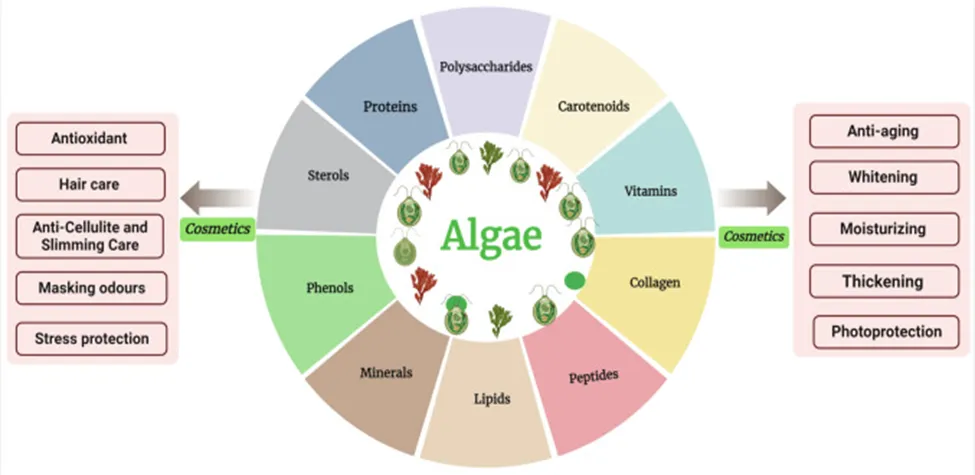
Marine cosmetics is an emerging field of cosmeceuticals that utilize bioactive compounds obtained from marine organism such as algae, seaweed, jellyfish, fish and sponges . these marine resources are rich in polysaccharides, collagen , peptides, carotenoids, fatty acid, phenolic compounds and minerals that provide multiple skin benfits such as moisturizing , antiaging , antioxidant , anti inflammatory , photoprotective , skin whitening and wound healing effect . Marine algae specially red, green and brown are widely used due to their high neutricial and therapeutic value. Advance extraction methods such as microwave assisted , ulta sound assisted and enzyme assisted extraction improve the recovery of these bioactive substances . Despite challenges related to safety, sustainability and large scale production, marine derived ingredients continue to gain importance in cosmetics and pharmaceutical industries because of their effectiveness, biocompatibility and natural origin
Cosmetics are products applied on the body to improve beauty, cleanliness, and appearance. Cosmetics comprise a range of products, such as toothpaste, shampoo, conditioners, mascara, after-shave lotion, styling gel, creams, lotions, powders, perfumes, lipsticks, nail polish, eye and facial make-up, hair wavers, color sprays, deodorants .[1] Cosmetology is considered that it begun in ancient Egypt and India, with ancient indications of cosmetic substances . A traditional treatment for cracked lips may have been discovered in history. Cracked lips not only create unpleasant sensations but also damage from one's physical appearance. [2] Cosmetics contain various active ingredients that pretend to provide therapeutic advantages as they include biologically active ingredients. They are created to increase beneficial physiological effects at the cellular level in addition to enhance the appearance of the skin. [3]
Marine cosmetics are products formulated using ingredients such as seaweeds, marine minerals, fish extract and other ocean based resources .[4] Marine organisms are an increasingly captivating reservoir of active ingredients for cosmetics, offering benefits to skin cleansing, moisturizing, antiaging, skin-firming, antipollution, anti-acne and sunscreen products.[5] Bergmann identified the first biologically active Marine natural products in the late 1950s . It has accepted that marine ecosystems benefit humans both directly and indirectly. These ecosystems are necessary for regulating temperatures, atmosphere control, and the natural cycle of elements. They are also important for cultural and recreational activities, and they are also suppliers of nutrition and raw materials . [6]
Oceans approximately 70 % of the earth's surface, are considered to be the foundation of life and are important source of biodiversity, with nearly 500, 000 species spread among 28 phyla. Only a small number of marine organisms have been studied extensively for the synthesis of bioactive natural substances . The production of structurally diverse secondary metabolites with essential biological functions is made achievable by specific physiological adaptations observed in marine species. These substances exhibit a number of pharmacological properties, like anti-aging, anti-inflammatory, antioxidant, and antibacterial activities. biologically active compounds derived from marine sources have grown by increasing importance in pharmaceutical and cosmetic uses.[7]
MARINE BIODIVERSITY
There are around 30, 000 species of algae been identified, covering a wide range of organisms from different biological groups. These are mainly classified as microalgae and macroalgae. [8]
A. Micro-algae
Microalgae also known as blue green algae or cyanobacteria are prokaryotic, microscopic unicellular algae having an approximate diameter of 1-50 µm. They are phototrophic, but some can also grow heterotrophically. They carryout oxygenic photosynthesis that is quite similar to that found in terrestrial plants, utilizing carbon and light (radiant) energy for their metabolism. [9] They exist individually, in chains or cluster. Micro algae contain phosphorous, calcium iron, vitamin A, B, C, E, folic acid, biotin, beta-carotene, pantothenic acid and vitamin B12. There are some microalgal species that can adapt to changes when phosphorus is exhausted in the environment some species of microalgae possess the ability to substitute non phosphorus membrane lipids in place of phospholipids.10]
B. Macro-algae
It is referred as seaweeds, macro-algae are eukaryotic, macroscopic eukaryotic algae. Marine water with optimum light availability is the habitat of macro-algal species .Macro-algal species vary morphologically from typical terrestrial plant species, with their complex tissue and organ organization, because they have simple structures composed up of thallus, lamina.
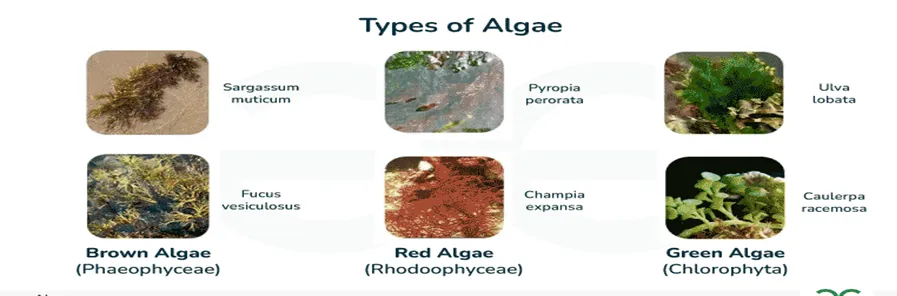
Based on their color, macro-algae can be divided into three main categories
a. Rhodophyceae (red algae)
b. Chlorophyceae (green algae)
c. Phaeophyceae (brown algae) [11]
A. Rhodophyceae (red algae)
Along with the chlorophyll, the red algae develop phycoerythrin, a red protein pigment which is generated by photosynthesis. This pigment gives red algae its color because it has the ability to absorb light. These algae species are able to operate photosynthesis since they have the specified pigment. Irish moss, Gracillaria species, Porphyra species, and various other red algae species are utilized in cosmetics. [12]
B. Chlorophyceae (green algae)
It generates the photosynthesis pigment chlorophyll, which may absorb light energy. It provides oxygen to the open surface of the algae species and maintains it moisture to prevent drying. It it also has anti-inflammatory properties. Green algae, like Chlorella vulgaris and Ulva lactuca, are used in cosmetics. Dunaliella salina's β-carotene, a precursor to vitamin A, can be utilized as a coloring agent and in dietary supplements. [13]
C. Phaeophyceae (brown algae)
Brown algae's chloroplast has another pigment named fucoxanthin. It has anti-inflammatory effects, tyrosinase inhibitory properties which regulate or reduce skin pigmentation, and helps prevent by stimulating the synthesis of collagen, a structural protein which begins to disperse with age. the pigment maintains the skin cells working well and moisturizes the skin . Brown algae species which are commonly used in cosmetics includes Laminaria digilata, Postelsiapa maeformis, and Isochrysis spp. [14]
2. Sea Weed
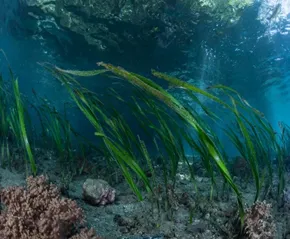
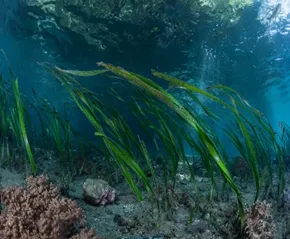
Green Sea Weed
Pink Sea Weed
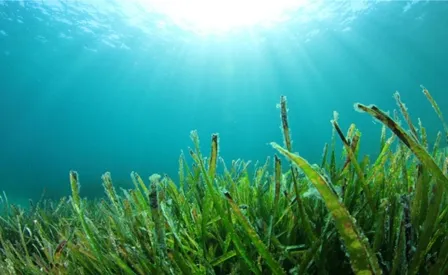
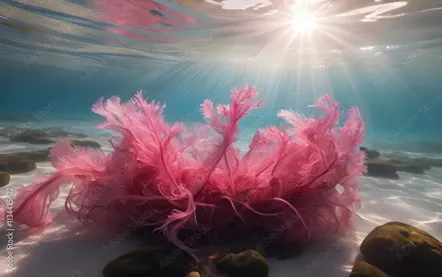
Seaweed has been used in bath, body, and skincare products to improve circulation and maintain the body's natural moisture levels. This restore the skin's tone and texture. Mineral salts, amino acids, and vitamins A, C, B1, B12, E, K, and D are all found rich in seaweed. moisturizing and stimulating the skin, the fat, protein, mineral, and vitamin content is quickly absorbed. Seaweed extract is primarily utilized for skin and body care; it has anti-aging benefits, anti-acne, and skin whitening benefits. It can hydrate, tone, and cleanse the skin.[20] Rhodophyta (red algae), Chlorophyta (green algae), and Phaeophyceae (brown algae) are the three major groups (classes) of seaweeds. Seaweed was expected to be priced around 5.5 and 6 billion US dollars yearly. This number shows how vital seaweed is to the world's economy. Their high level of naturally produced polysaccharides, which are beneficial for human beings.[15]
Several seaweed species are extremely high in phosphorus and micronutrients such iodine, iron, zinc, copper, selenium, molybdenum, fluoride, manganese, boron, nickel, and cobalt. Apart from that, brown seaweed is usually the best source of iodine. Every species has unique calcium and protein structure, even though it is usually low in fat. brown seaweeds possess a lower protein level (up to 15%), whereas green and red seaweeds have a greater protein content (up to 30%).[16]
|
Algae species |
Type |
Pigment |
Application |
|
Irish moss |
Red algae |
Phycoerythrin |
Skin soothing, moisturizing [17] |
|
Sea lettuce |
Green algae |
Chlorophyll |
Antioxidant, skin elasticity, collagen synthesis, anti-wrinkle [18] |
|
Sea palm |
Brown algae |
Fucoxanthin, chlorophyll |
Skin softening, anti-wrinkle, nourishing [19] |
|
Fucus vesiculosus |
Brown algae |
Chlorophyll |
Tightening effect and stimulate metabolism [20] |
|
Porphyra umbilicalis |
Red algae |
Phycoerythrin |
Skin conditioning agent [21] |
3. Jelly Fish
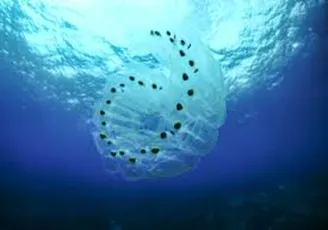
The mucus that jellyfish secrete is rich in a substance that is important for many different medications and cosmetics. Jellyfish have remarkable anti-aging properties. to repair and prevent DNA damage and promote our skin cells to act younger and regenerate, experts developed the cells from the jellyfish within the peptide, juvefoxo, and combined it with skincare treatments.[22]

Jellyfish collagen is typically classified into Type I and Type II collagen. jellyfish mesoglea resembles showing that pepsin-soluble and acid-soluble collagens from jellyfish have characteristics with Type I collagen. On the opposite Rhizostoma pulmo jellyfish collagen possessed a triple-helical structure resembled Type II collagen. jellyfish collagen has shown potential as a novel marine biomaterial with uses in biomedical materials, food, vitamins, cosmetics, and medicine. It has a variety of advantages, like immunomodulatory, anti-inflammatory, and antioxidant properties.[23] Due to potential applications in food, health, and cosmetics, jellyfish collagen received a lot of attention. Its safety profile is a key consideration that requires thorough evaluation. The presence of dangerous metals and metalloids, which represent health risks when ingested over a long period of time, is one of the major safety issues associated with items derived from marine materials.[24]
4. Shark fish

The most common pelagic shark in the world is the blue shark, Prionace glauca (P. glauca). This kind of shark can live up to 20 years and achieve an optimal length of 380 cm. its whole skeleton is made up of cartilage, making up 6% of its body weight.[25]
Antioxidant, anti-aging, moisturizing, anti-tumor, anti-microbial, angiotensin-I inhibitor, and wound-healing properties just represent biological actions of collagen Collagen that has proved hydrolyzed is a healthy and safe substance
This study evaluated the use of collagen type containing a hydrolyzed P. glauca cartilage gel as a skincare product on human skin. For possible industrial uses, the skin's moisture, oil, texture, complexion, and 3-D levels were examined.[26]
BIOACTIVE INGRIDIENTS
1. Carbohydrates
The group of metabolites called carbohydrates is highly wide and complex. They may be seen as free, linked to proteins and lipids, or as polysaccharides. marine carbohydrates are vital organic compounds that function as structural components and energy transporters. Fucoidans, glucans, alginates, agar, porphyrin, galactans, ulvans, and carrageenans are the most common of the 255 algal carbohydrates. Many skin-protective benefits, like anti-wrinkling, bleaching, moisturizing, UV light safety, antioxidant, and anti-inflammatory properties, have been proved. They are useful as emulsifiers, stabilizers, and viscosity-stabilizing agents in cosmeceuticals due to their physical and chemical properties, such as the ability to generate hydrogels. [27]
2. Phlorotannins
Most terrestrial and marine plants have polyphenols, a wide and diverse class of aromatic secondary metabolites. During the past few decades, in sea brown algae, the structures of various phenolic compounds, include phlorotannins, have been found. These compounds are formed by the polymerization of phloroglucinol monomer units and synthesized through the acetate-malonate pathway. Marine brown algae develop a variety of phloroglucinol-based polyphenols classified into four subclasses: fuhalols and phlorethols, fucols, and fucophloroethol COSMETIC COMPOUNDS derived FROM MARINE SOURCES due to their biological functions, which consist of anti-inflammatory, anti-inflammatory, and matrix metalloproteinase inhibition.[28]
3. Collagen
The protein that is most common in the animal body's connective tissue is collagen. It includes a variety of groups with unique triple helical forms. The main structural element of all vertebrate organs, includes bones, cartilage, skin, tendons, ligaments, blood vessels, teeth, and corneal tissue, is collagen. Collagen is primarily produced for industrial use from the bones and skins of pigs and cattle. Due to some cultural limitations as well as highly dangerous and infectious animal diseases, collagen from such sources has become limited. As an outcome, marine-derived collagen is considered as an appropriate replacement source with affordable and safe advantages.[29]
4. Phenolic Terpenoids
Brown and red seaweed have been identified to have phenolic terpenoids, which are phenolic compounds. They have a wide range of chemical characterizations., phenolic terpenoids found in brown seaweeds have been identified as meroditerpenoids, which are further divided into plastoquinones, chromanols, and chromenes. These compounds have a hydroquinone as ring moiety linked to a polyprenyl chain in contrast, diterpenes and sesquiterpenes were identified in red seaweed.[30]
5. Astaxanthin
Astaxanthin (ASX), a component of a class of carotenoids present in some microbial species, is recognized as an antioxidant in various oral supplements. It has been proven to have anti-aging benefits in addition to its antioxidant properties when used topically or orally. Still there has not been much research done regarding this yet, and much of the material that is now available is limited to a single research group. In mouse studies, dietary ASX from the marine algae Haematococcus pluvialis is being shown to permeate both the dermis and epidermis, leading to a decrease in transepidermal loss of water and an enhancement in wrinkle appearance [31]
6. Chitin
Chitin and chitosan derivatives have enhanced or unique properties and are soluble in water. Chitin, chitosan, and its analogs serve as active molecules in cosmetics due to their biological properties or as carrier for other bioactive substances due to their technological elasticity.[32]
Due to their high molecular weight and cationic nature, promote skin adherent properties, chitosan and its derivatives are excellent choices for skincare formulations They are suitable due to their nontoxicity, safety, biological compatibility, and biodegradability excipients or active components in cosmetics. Various cosmetic products, such as lotions, skin moisturizers, creams, foundations, eye shadows, lipsticks, cleansing wipes, and bath products, include them.[33]
7. Fatty acids
Fatty acids are also-known dietary supplements with a broad spectrum of properties for topical cosmetic applications, include anti-inflammatory and wound-healing properties, as well as soft tissue repair and skin nourishment through stimulating collagen production. Fish is the main source of omega-3 fatty acids for humans, due to fish shortages and increasing costs, scientists are looking for alternative sources of DHA and EPA. Fatty acids from single-cell organisms, such as mold and yeast, are commonly term single-cell oils because they have a higher oil content and higher levels of antioxidant properties, like carotenoids, then fish oil. [34]
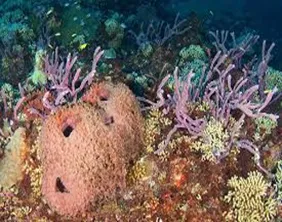
Sponges : Peptides
Seaweed : Peptides, amino acid, sterols, antioxidant, Vitamins, Minerals
Cnidarians : Phenolic compounds
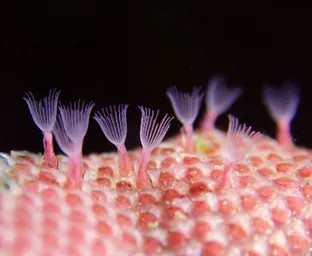
Bryozoans : Alkaloids
Molluscs : Proteins, polypropionates

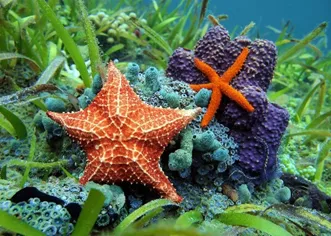
Echinoderms : Sterols, alkaloids
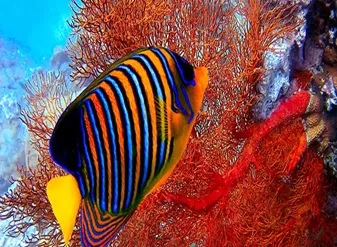
Sea fish : Fish oil, PUFA, Anti-oxidants
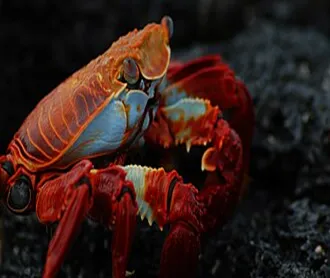
Crustacean : Chitosan, minerals
Tunicates : Peptides, alkaloids
|
Components |
Marine Sources |
Bioactive Compounds |
Skin Health Functions |
|
Polysaccharides [35] |
Fish, gastropods, mollusks |
Chitin, chitosan, hyaluronic acid, fucoidans |
Anti-pigmentation, antibacterial, moisturizing, anti-aging, wound healing, UV protection |
|
Fatty acids [36] |
Fish oil, fatty fish, crabs |
Arachidonic acid, SFAs, MUFAs |
Collagen stimulation, anti-inflammatory, antioxidant, moisturizing, anti-aging, anti-acne, wound healing |
|
Lipids [37] |
Microalgae, sea cucumbers |
Phospholipid, glycolipid, sulpholipids, lipid vitamins (A, B, D, E, K) |
Barrier repair, moisturizing, anti-inflammatory, antioxidant, wound healing, photoprotection |
|
Amino acids [38] |
Algae, fungi, fish, sponges |
Essential amino acids, mycosporine-like amino acids (MAAs) |
Moisturizing, anti-aging, UV protection, collagen synthesis, skin elasticity, anti-wrinkle |
|
Proteins [39] |
Fish skin, bones, mollusks |
Collagen, elastin, gelatin |
Skin hydration, anti-aging, anti-wrinkle, UV protection, skin soothing, anti-inflammatory |
|
Peptides [40] |
Crabs, squid, oysters |
Collagen peptides, gelatin, hydrolysates |
Anti-aging, antioxidant, collagen stimulation, skin whitening, anti-wrinkle |
|
Carotenoids and pigments [41] |
Fish, trout, mollusks |
Astaxanthin, melanin, fucoxanthin |
Antioxidant, anti-inflammatory, anti-aging, wound healing, skin pigmentation |
|
Phenolic compounds [42] |
Fish, algae, shellfish |
Polyphenol, phlorotannins |
Antioxidant, anti-inflammatory, anti-aging, anti-hyperpigmentation |
EXTRACTION TECHNIQUES
These techniques are mainly classified based on their mechanism
The most common techniques for isolating bioactive compounds are conventional extraction methods, commonly referred as traditional extraction techniques. solid Liquid extractions can be performed out in a variety of ways, such as percolation, refluxing with a Soxhlet apparatus, boiling the sample with a solvent with or without stirring for a specific period of time, or soaking with constant movement. Several solvents, including as water, methanol, ethanol, acetonitrile, ethyl acetate, acetone, and dichloromethane, are used in large quantities depending on the target molecules.[44]
The rising need for affordable, efficient, and environmentally conscious extraction methods has led to the creation of numerous alternative methods. Higher extraction yields, enhanced bioactive recovery quality, faster processing times, safer solvents, and improved cost-effectiveness are their key benefits.[45]
MAE extracts a variety of biologically active compounds from natural sources with microwave radiation. This method is considered to be simple, using a small amount of organic solvents and very few reagents. Due to their higher dielectric constants, that allow rapid heating and increased extraction efficiency, polar solvents like ethanol and methanol are chosen in MAE over nonpolar ones. In contrast, non-polar solvents like hexane and chloroform are less effective at absorption microwave radiation. Polyphenols, essential oils, and pigments can be obtained from fish skin, crab shells, and marine algae using MAE. Uneven heating in bulk-scale systems represents a challenge for MAE and may result in degradation or uneven yields in industrial applications.[46]
B. Ultrasound assisted extraction
The UAE extraction technological devices is gaining popularity due to its numerous benefits over traditional methods. These include low solvent amounts, short extraction times, minimal use of equipment, and less environmental effects. There are two types of ultrasonic ranges: (i) high-power (20-100 kHz) for collection and analysis, (ii) signal or diagnosis (100 kHz-10 MHz) for quality assurance, evaluation, and clinical imaging. . UAE is effective for separating proteins, colors, and small peptides from marine waste, seaweeds, and crustaceans while maintaining compound integrity.[47]
C. Enzyme assisted extraction
EAE utilizes enzymes to break down cell walls and release intracellular elements into the extraction medium. Temperature, pH, substrate-enzyme ratio, solvent type, and rate of agitation represent some of the key parameters that influence process efficiency.
EAE is a new technique for obtaining marine biological substances that offers several benefits, which include lower operating temperatures, the use of environmentally friendly solvents, greater extraction yields, , and the conversion of water-insoluble materials into soluble ones. Research is being conducted to optimize conditions and identify suitable enzymes.[48]
Mechanism of action in skin care
To maintain the strength of the skin, the hydration rate should be managed. Lipids or substances that reduce water loss are often used topically. Polysaccharides, fatty acids (sophorolipids, rhamnolipids, and mannosylerythritol, and proteins that are commonly employed in the skin are the most common moisturizing molecules produced by marine organisms. Transepidermal water loss (TEWL) may usually be restored to normal with the support of omega 6 polyunsaturated fatty acids, especially linoleic acid and γ-linolenic acid, containing 18 carbon atoms. Oil/water emulsions are formulated to minimize excessive water loss by employing occlusive ingredients that maintain the water in the skin. Various algae can be utilized for this purpose [49]
The major active substances with anti-aging properties is carotenoids. Eight units of carbon atoms with alternating double and single bonds constitute carotenoids, which are yellow/orange liposoluble pigments produced from isoprene molecules. At the top of this pigment family, β-carotene has an excellent capacity to stop the formation of reactive oxygen species. β-carotene is used as provitamin A in anti-aging care products. Applications of astaxanthin in anti-aging care also depend on its high antioxidant properties. [50]
3. Photoprotection
The skin consists of three tissue layers: epidermis, dermis, and hypodermis, that act as a chemical and structural barrier. Environmental factors such as chemical substances, ultraviolet (UV), and pollution can all cause skin damage. Prolonged exposure to ultraviolet (UV) rays can have both acute and long-term effects on the skin. Marine species, mainly photosynthetic ones, produce UV-absorbing compounds such scytonemins (cyanobacteria), mycosporines, mycosporine-like amino acids, and carotenoids to protect themselves from UV radiation. Marine organisms are a rich source of photo-protective chemical compounds. [51]
4. Skin whitening
Tyrosine inhibitors such arbutin or kojic acid are utilized in the composition of most of whitening products. Tyrosinase catalyze two significant steps in the synthesis of melanin: the hydroxylation of t-tyrosine is equivalent to 3,4-dihydroxY-L-phenylalanine and oxidation. of dopa to dopaquinone, which then transforms to melanin. Tyrosinase and melanosorene output are both enhanced by sun exposure. Endarachne binghamiae extracts. Sargassum siliquastrum, E. cava, and Schizymenia dubyi have already shown itself to be acceptable choices. to those of the reference molecule, kojic acid, have been obtained in terms of tyrosinase inhibition.[52]
CHALLENGES AND LIMITATIONS
It is important to check marine-derived substances are free from toxins, allergens, and heavy metals that exist naturally in marine environment. marine-derived compounds are usually discovered in small amounts and are often challenging to isolate, they also face the issue of producing a large volume. environmental conditions fluctuate constantly, it is difficult to ensure that marine-derived chemicals, especially marine-derived metabolites, do not change. further issue is when sourcing marine-derived compounds, especially if the main species live on deep ocean floors[53].
The optimum conditions for large-scale algae culture involve light intensity, pH balancing, contaminant-free conditions, an availability of nutrients, CO2, salinity, inorganic carbon, temperature, and nutrients. the type of bioreactor used to cultivate algae varies on the kind of algae and the goal of the growth. it is expensive, growing algae in an open system is prone to contamination. Low-quality algae can be formed as a result of interaction between algae culture and the biotic and abiotic environments generated by open cultivation. [54]
CONCLUSION
Marine drived bioactive compounds have emerged as valuable ingredients in modern cosmeceuticals because of their multifunctional therapeutic and cosmetic benefits. Marine organism such as algae, seaweed, jellyfish, fish and crustaceans provide rich source of compounds including collagen, chitosan, peptides, cartenoids, fatty acids and polysaccharides that improve hydration elasticity, protection, and regeneration . these natural ingredients exhibit significant antioxidant, antiaging, anti-inflammatory, photoprotective and wound healing, making them useful in skin care formulation .innovative extraction techniques have improves the efficiency and quality of obtaining these marine compounds . there are limitation related to safety evaluation, environmental sustainability and industrial scale production, marine cosmetic continue to gain importance as safe, naturaland effective alternatives in cosmetic and pharmaceutical field .
REFERENCES




Samruddhi Patil, Namrata Patil, Pooja Deshmane, Dr. C. M. Jangme, Marine Cosmetics: Bioactive Marine-Derived Ingredients and Their Applications in Skin Care, Int. J. of Pharm. Sci., 2026, Vol 4, Issue 5, 8198-8211. https://doi.org/10.5281/zenodo.20472001
 10.5281/zenodo.20472001