

We use cookies to ensure our website works properly and to personalise your experience. Cookies policy
P.R. Pote Patil College of Pharmacy, Amravati, Maharashtra, India.
Tuberculosis (TB) caused by Mycobacterium tuberculosis remains one of the leading infectious diseases worldwide, posing a major public health challenge due to the emergence of multidrug-resistant and extensively drug-resistant strains. Despite the availability of effective anti-tubercular drugs, prolonged treatment duration, adverse drug reactions, poor patient adherence, and increasing antimicrobial resistance have necessitated the search for alternative and complementary therapeutic approaches. Medicinal plants have been used for centuries in traditional systems of medicine and represent a valuable source of bioactive compounds with potential anti-mycobacterial, immunomodulatory, antioxidant, and anti-inflammatory properties. Numerous plant species have demonstrated promising activity against M. tuberculosis in preclinical studies. Phytochemicals such as alkaloids, flavonoids, terpenoids, and essential oil have shown the ability to inhibit mycobacterial growth, enhance host immune responses, and improve the therapeutic efficacy of conventional anti-TB drugs. This review summarizes the current evidence on medicinal plants used in the management of tuberculosis, highlighting their phytochemical constituents, mechanisms of action, and pharmacological activities. This review aims to explore anti-tubercular medicinal plants based on scientific literature, focusing on their chemical components and therapeutic properties against TB.
1.1 Overview of Tuberculosis
Tuberculosis (TB) is a communicable infectious disease caused by the bacterium Mycobacterium tuberculosis (M. tuberculosis). It is primarily an airborne disease that most commonly affects the lungs, where it is referred to as pulmonary tuberculosis. However, the organism may disseminate through the bloodstream or lymphatic system and affect other organs, producing extra-pulmonary tuberculosis. The disease remains a major global public health concern because of its ability to establish persistent infection, reactivate after a period of latency, and develop resistance to antimicrobial agents.1 M. tuberculosis can remain dormant within the host for an extended period without producing clinical symptoms. This condition is generally referred to as latent tuberculosis infection (LTBI). In individuals with impaired immune function, latent infection may progress to active disease. Human immunodeficiency virus (HIV) infection, malnutrition, diabetes, immunosuppressive therapy and other conditions that compromise host immunity increase the risk of progression from infection to active tuberculosis.2 The management of tuberculosis presents several challenges, including prolonged treatment duration, adverse drug reactions, inadequate treatment adherence, drug–drug interactions and the emergence of drug-resistant strains. Conventional treatment requires the administration of multiple anti-tubercular drugs to prevent treatment failure, relapse and resistance. Consequently, continued research into improved drug-delivery systems, novel therapeutic targets and more effective treatment approaches is important for tuberculosis control1,3. The infection usually begins following inhalation of airborne particles containing the organism from an individual with infectious pulmonary tuberculosis. Following entry into the respiratory tract, the bacteria may be taken up by alveolar macrophages and may either be controlled by the host immune response or persist in a latent state.1
Tuberculosis may be classified into two broad clinical categories:
The distinction between latent infection and active disease is important for diagnosis, treatment and public health interventions. Untreated active pulmonary tuberculosis can transmit the organism to susceptible individuals, whereas latent infection may progress to active disease when host immune control is weakened.1
1.2 Global Burden of Tuberculosis
Tuberculosis continues to be one of the most important infectious causes of illness and death worldwide. The disease affects populations across different geographical regions and socioeconomic groups, with a disproportionately high burden in low- and middle-income countries. Factors such as poverty, overcrowding, undernutrition, limited access to healthcare, delayed diagnosis and inadequate treatment adherence contribute to the persistence of the disease1,2. The geographical distribution of tuberculosis is uneven. Using 2021 data, it was reported that the South-East Asia Region accounted for approximately 45% of estimated cases, followed by the African Region and Western Pacific Region. India was identified as the country with the largest proportion of reported global cases in the cited distribution. These figures are historical and should be distinguished from later WHO estimates1. The WHO Global Tuberculosis Report 2025 estimated that approximately 10.7 million people developed tuberculosis worldwide in 2024, including approximately 5.8 million men, 3.7 million women and 1.2 million children and young adolescents. Approximately 1.23 million deaths were attributed to tuberculosis in 2024, including deaths among people living with HIV4,5. The WHO report identified India, Indonesia, the Philippines, China, Pakistan, Nigeria, the Democratic Republic of the Congo and Bangladesh as the eight countries accounting for approximately two-thirds of global incident TB cases in 2024. These data demonstrate that tuberculosis remains a major international health problem despite the availability of effective antimicrobial treatment4.
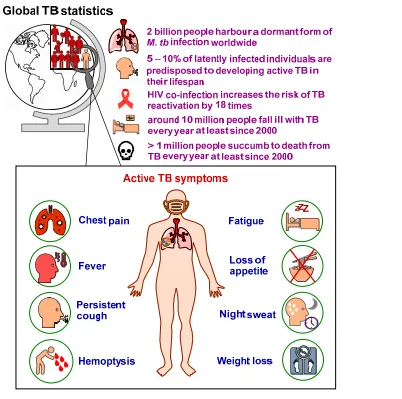
Figure 1: General TB Statistics and Main Symptoms of TB.2
The global burden of TB is also influenced by drug-resistant tuberculosis. Inadequate treatment, interrupted therapy, inappropriate drug selection and poor adherence can favour the selection of resistant bacterial populations. Drug-resistant tuberculosis often requires more complex treatment regimens, which may be associated with increased toxicity, greater cost and longer treatment requirements1,3.
1.3 Transmission of Tuberculosis
Tuberculosis is transmitted primarily through the airborne route. When a person with infectious pulmonary or laryngeal tuberculosis coughs, sneezes, speaks or sings, particles containing M. tuberculosis may be released into the surrounding air. Susceptible individuals may inhale these particles, allowing the organism to enter the respiratory tract1. Transmission is influenced by several factors, including:
After inhalation, infectious particles may reach the alveolar regions of the lungs. Alveolar macrophages and other immune cells participate in the initial response to the organism. The subsequent interaction between the bacterium and the host immune system determines whether infection is controlled, becomes latent or progresses to active disease1. Individuals with untreated infectious pulmonary tuberculosis are particularly important in transmission because they may release viable bacilli into the environment. Early identification and appropriate treatment of infectious cases can reduce the duration of infectiousness and limit further transmission. The prevention of transmission also involves respiratory hygiene, adequate ventilation, appropriate infection-control measures and contact assessment1,2. Latent tuberculosis infection should be distinguished from active infectious tuberculosis. A person with latent infection does not necessarily release infectious organisms into the environment, whereas active pulmonary disease may be transmissible. This distinction is important for the implementation of public health and preventive treatment strategies.
1.4 Pathogenesis of Tuberculosis
The pathogenesis of tuberculosis involves a complex interaction between M. tuberculosis and the host immune system. The disease process begins when infectious airborne particles are inhaled and reach the lower respiratory tract. The bacteria may then be taken up by alveolar macrophages, which are among the first immune cells to encounter the organism.1
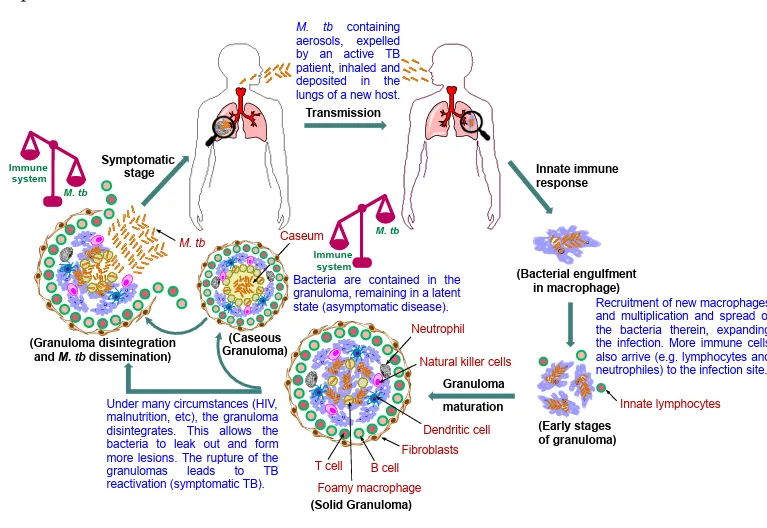
Figure 2: Pathophysiology of Pulmonary TB. Following the M. tb Transmission to the New Host, the Bacilli Enter the Lung and Get Ingested by Macrophages. Further Immune Cells Are Recruited to Wall Off the Infected Macrophages, Leading to the Formation of the Granuloma, the Hallmark of TB3.
The signs and symptoms of tuberculosis vary according to the site of infection, bacterial burden, disease progression and the immune status of the patient. Pulmonary tuberculosis may develop gradually, and symptoms can initially be mild or nonspecific. Delayed recognition of symptoms may contribute to delayed diagnosis and continued transmission6.
Common symptoms of pulmonary tuberculosis:
The severity and combination of symptoms differ between individuals. Some patients, particularly those with immunosuppression, may present atypically. Extra-pulmonary tuberculosis may produce symptoms related to the affected organ, such as lymph-node enlargement, neurological manifestations, bone pain or other organ-specific signs. Symptoms suggestive of tuberculosis should be evaluated using appropriate clinical and diagnostic methods. Symptoms alone cannot confirm tuberculosis because they may overlap with other respiratory and systemic diseases. Early diagnosis is important for initiating effective treatment, reducing the risk of complications and limiting transmission. The diagnosis should be based on a combination of clinical findings, epidemiological information and appropriate laboratory or imaging investigations.6,7
2. Management of Tuberculosis
2.1 Anti-Tubercular Therapy
Tuberculosis (TB) is an infectious disease caused primarily by Mycobacterium tuberculosis. The treatment of TB requires prolonged administration of multiple anti-mycobacterial agents because the organism has a complex cell envelope, can persist within host tissues, and may develop resistance when therapy is inadequate. The development of resistance to anti-tubercular medicines has been one of the major challenges in TB control. The emergence of multidrug-resistant (MDR) and extensively drug-resistant (XDR) strains has further complicated the management of tuberculosis and created a continuing requirement for effective therapeutic agents8,9. Historically, anti-tubercular treatment has relied on combinations of several drugs rather than monotherapy. Combination therapy is important because individual drugs act on different cellular processes of M. tuberculosis and because simultaneous use of multiple active agents reduces the likelihood that resistant organisms will be selected during treatment. The conventional treatment approach therefore consists of an intensive phase followed by a continuation phase. The intensive phase rapidly reduces the bacillary population, whereas the continuation phase is important for eliminating organisms that remain after the initial reduction in bacterial load. The increasing occurrence of MDR and XDR-TB has highlighted limitations in conventional chemotherapy. Gupta et al. reported that MDR isolates of M. tuberculosis may be resistant to rifampicin and isoniazid as well as other first- and second-line drugs, demonstrating the difficulty associated with treatment of resistant disease. The authors emphasized the urgent requirement for newer anti-mycobacterial agents, particularly against drug-resistant strains9. Medicinal plants have consequently attracted attention as potential sources of new anti-mycobacterial compounds. India possesses extensive medicinal-plant diversity and a long tradition of herbal medicine. Earlier investigations identified several plants with anti-mycobacterial activity, including Salvia species and Euclea natalensis13,17. Reviews of natural products have also indicated that plants can provide structurally diverse compounds that may be useful in antimicrobial drug discovery13,15.
2.2 First-Line Anti-Tubercular Drugs
First-line anti-tubercular drugs form the basis of treatment for drug-susceptible TB. The major first-line medicines traditionally used for drug-susceptible pulmonary TB are isoniazid (H), rifampicin/rifampin (R), pyrazinamide (Z) and ethambutol (E). These medicines have complementary mechanisms of action and are administered in combination to obtain effective bactericidal and sterilizing activity. Isoniazid is a major bactericidal anti-tubercular drug and is particularly active against rapidly multiplying M. tuberculosis. It interferes with the synthesis of mycolic acids, which are important components of the mycobacterial cell envelope. The inhibition of mycolic-acid synthesis compromises cell-wall integrity and contributes to the anti-mycobacterial activity of the drug. Isoniazid is associated particularly with hepatotoxicity and peripheral neuropathy. Pyridoxine supplementation is recommended for patients at increased risk of neuropathy. Isoniazid can also produce clinically significant drug interactions because it inhibits several drug-metabolizing pathways25,26. Rifampicin is a rifamycin antibiotic with potent bactericidal activity against M. tuberculosis. It acts principally by inhibiting bacterial DNA-dependent RNA polymerase, thereby interfering with transcription. Rifampicin is considered a key component of standard TB treatment because its inclusion substantially contributes to shortening and improving treatment outcomes. Rifampicin can cause hepatotoxicity, gastrointestinal disturbances and hypersensitivity reactions. A characteristic but generally harmless effect is orange-red discoloration of urine, tears, saliva and other body fluids. Rifampicin is also a strong inducer of drug-metabolizing enzymes and transport systems and can therefore substantially reduce concentrations of numerous concomitantly administered medicines25,26. Pyrazinamide is an important component of the intensive phase of standard TB treatment. It is particularly useful because of its activity under acidic conditions and against bacillary populations that may be relatively less susceptible to some other agents. Its activity contributes to sterilization of infection and allows the overall treatment duration to remain comparatively short. Important adverse effects include gastrointestinal intolerance, hepatotoxicity and increased serum uric acid. Hyperuricaemia may result from pyrazinamide treatment and can occasionally be associated with gout25. Ethambutol is primarily included in the initial treatment regimen to provide additional activity while susceptibility to the other medicines is established. It interferes with components involved in mycobacterial cell-wall formation. The most important adverse effect of ethambutol is optic toxicity. Patients may develop blurred vision or changes in colour perception. Consequently, visual symptoms should be taken seriously during therapy25. WHO currently recommends the standard six-month regimen containing rifampicin throughout treatment for adults with drug-susceptible pulmonary TB, namely 2HRZE/4HR. Daily administration and fixed-dose combination formulations are recommended within the appropriate treatment context24.
2.3 Second-Line Anti-Tubercular Drugs
Second-line or alternative anti-tubercular medicines are used when the infecting organism is resistant to important first-line agents or when particular clinical circumstances prevent use of standard first-line medicines. Treatment of drug-resistant TB is considerably more complex than treatment of drug-susceptible TB because regimen selection depends on the pattern of resistance, previous treatment history, susceptibility results, drug availability, comorbidities and potential drug–drug interactions.
2.4 Mechanism of Action of Anti-TB Drugs
The effectiveness of combination anti-tubercular therapy is associated with the use of drugs acting on different biological targets of M. tuberculosis. Major drug targets include mycolic-acid synthesis, RNA synthesis, protein synthesis, cell-wall-associated processes and energy metabolism.
Isoniazid: Isoniazid is a prodrug activated by the mycobacterial enzyme KatG. Its active metabolites interfere with enzymes involved in mycolic-acid synthesis. Mycolic acids are essential constituents of the mycobacterial cell envelope; therefore, inhibition of their synthesis compromises cell-wall function.
Rifampicin: Rifampicin binds to the β-subunit of bacterial DNA-dependent RNA polymerase and inhibits RNA synthesis. The rapid bactericidal action of rifampicin against susceptible organisms makes it a major component of combination therapy.
Pyrazinamide: Pyrazinamide is converted to its active form, pyrazinoic acid, by mycobacterial pyrazinamidase. It has important activity against specific bacterial populations under acidic conditions and contributes significantly to sterilizing activity.
Ethambutol: Ethambutol inhibits enzymes involved in the synthesis of arabinogalactan and other components of the mycobacterial cell envelope. Its principal clinical role in the initial regimen is to reduce the risk of treatment failure associated with undetected resistance to the other first-line agents.
Fluoroquinolones: Fluoroquinolones such as moxifloxacin and levofloxacin inhibit bacterial DNA gyrase and interfere with DNA replication. They have important roles in selected drug-resistant TB regimens.
Bedaquiline: Bedaquiline acts on the mycobacterial ATP synthase complex and interferes with energy production. It has become an important component of modern drug-resistant TB treatment. The use of drugs with different molecular targets is important because resistance mechanisms differ between medicines. Simultaneous exposure to multiple active drugs reduces the probability that a naturally resistant subpopulation will survive and become dominant. The medicinal-plant literature also indicates that plant-derived compounds may act against different mycobacterial targets. The Gupta et al. article cites previous investigations of anti-mycobacterial natural products and active constituents from plants such as Psoralea corylifolia, Sanguinaria canadensis and Euclea natalensis6,10.
2.5 Adverse Effects of Anti-TB Drugs
Although anti-tubercular drugs are effective, adverse drug reactions may occur during therapy. The frequency and severity of adverse effects depend on the medicines used, treatment duration, patient characteristics, comorbidities and concomitant medicines. The major adverse effects associated with first-line medicines include gastrointestinal disturbances, hepatotoxicity, skin reactions and neurological or visual toxicity25.
Isoniazid: The important adverse effects include hepatotoxicity and peripheral neuropathy. The risk of neuropathy is greater in individuals with certain predisposing conditions. Pyridoxine supplementation may be used in patients at increased risk.
Rifampicin: Rifampicin may cause gastrointestinal intolerance, hepatotoxicity, hypersensitivity reactions and, rarely, thrombocytopenia. Orange-red discoloration of body fluids is a characteristic and generally harmless effect25,26.
Pyrazinamide: Pyrazinamide may produce gastrointestinal symptoms, hepatotoxicity and increased uric acid concentrations. Hyperuricaemia may result in joint symptoms or gout in susceptible individuals25.
Ethambutol: Optic toxicity is the major concern. Patients may experience blurred vision or altered colour perception25.
Drug-resistant TB medicines may produce additional adverse effects. For example, linezolid can be associated with myelosuppression and peripheral or optic neuropathy, while fluoroquinolones may cause gastrointestinal and central nervous system effects and can affect the QT interval. Bedaquiline and other medicines used in resistant-TB regimens require appropriate safety monitoring. Because adverse effects can influence treatment adherence, early recognition and appropriate management are important components of TB care. Current guidance recommends regular assessment of patients and investigation of symptoms suggestive of serious adverse reactions25.
2.6 Patient Adherence and Treatment Failure
Successful TB treatment depends not only on the pharmacological activity of the medicines but also on completion of the prescribed regimen. Because treatment is prolonged and involves multiple medicines, maintaining adherence may be challenging. Factors that may contribute to poor adherence include long treatment duration, high pill burden, adverse effects, socioeconomic difficulties, inadequate understanding of treatment, stigma, travel requirements, lack of family or social support and improvement in symptoms before microbiological cure. A patient may feel better during treatment and therefore discontinue medicines prematurely, despite persistence of viable organisms. Poor adherence can result in incomplete treatment, relapse and selection of drug-resistant organisms. The emergence of MDR and XDR strains described by Gupta et al. illustrates the importance of effective treatment and prevention of resistance2. WHO recommends supervision and support to help patients complete the full course of therapy29. Current TB care therefore increasingly emphasizes a people-centred approach rather than relying solely on drug administration. Fixed-dose combination formulations can also reduce pill burden and simplify treatment. WHO recommends fixed-dose combination tablets over separate formulations in appropriate drug-susceptible TB treatment settings24. Adherence should therefore be considered a multidimensional issue involving patient education, accessibility of treatment, management of adverse effects, social support, counselling and appropriate follow-up. Treatment failure may occur because of drug resistance, inadequate adherence, malabsorption, inappropriate regimen selection or other clinical factors. When treatment response is unsatisfactory, drug susceptibility testing and clinical reassessment are essential.
3. Mechanism of Antimycobacterial Action
Medicinal plants contain diverse secondary metabolites, including alkaloids, flavonoids, phenolics, terpenoids, quinones, tannins and related compounds, which may exhibit anti-mycobacterial activity through multiple mechanisms. Unlike conventional anti-tubercular drugs that generally act on specific validated bacterial targets, plant-derived compounds may affect several cellular processes simultaneously. These mechanisms include interference with cell-wall biosynthesis, alteration of membrane integrity, inhibition of essential enzymes, disruption of nucleic-acid synthesis, interference with energy metabolism, induction of oxidative stress and modulation of host immune responses32,33. The complex cell envelope of Mycobacterium tuberculosis is particularly important because it provides structural integrity and contributes to the organism's intrinsic resistance to many antimicrobial agents. The envelope contains peptidoglycan, arabinogalactan and mycolic acids and therefore represents an important target for anti-mycobacterial drug discovery32. Natural products have been reported to interact with several enzymes involved in these pathways, including enzymes involved in peptidoglycan and mycolic-acid synthesis32.
4. Medicinal Plants Used for Management of Tuberculosis
Medicinal plants have historically been used in the management of respiratory infections and tuberculosis-related symptoms and continue to be investigated as potential sources of anti-mycobacterial compounds. The emergence of multidrug-resistant (MDR) and extensively drug-resistant (XDR) Mycobacterium tuberculosis has increased interest in plant-derived compounds and extracts as potential sources of new therapeutic agents. Acalypha indica, Justicia adhatoda (syn. Adhatoda vasica), Allium cepa, Allium sativum, Withania somnifera, Zingiber officinale, Vitex negundo, Drosera capensis and Pelargonium reniforme have been investigated against susceptible and MDR M. tuberculosis strains and have demonstrated measurable inhibition of mycobacterial growth. The following plants are discussed according to their botanical identity, traditional use, phytochemical, pharmacological activity.
4.1 Acalypha indica L.
Botanical name: Acalypha indica L.
Family: Euphorbiaceae.
Common name: Indian nettle; Indian copperleaf.
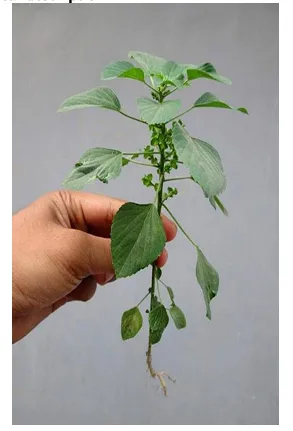
Figure 3: Acalypha indica L43
Plant part used: Leaves are commonly investigated medicinally. In the study of Gupta et al., fresh leaves were used to prepare an aqueous extract.
Traditional use: Acalypha indica has traditionally been used in Indian systems of medicine for respiratory disorders and other inflammatory and infectious conditions. Its ethnomedicinal use for respiratory disorders was one of the reasons for its selection by Gupta et al. for antimycobacterial investigation.
Pharmacological activity: A. indica has been reported to possess antimicrobial, antioxidant, anti-inflammatory and other pharmacological activities.43,44,45
4.2 Justicia adhatoda L. (syn. Adhatoda vasica Nees)
Botanical name: Justicia adhatoda L. (syn. Adhatoda vasica Nees)
Family: Acanthaceae.
Common name: Malabar nut, Vasaka, Adulsa, Arusa.
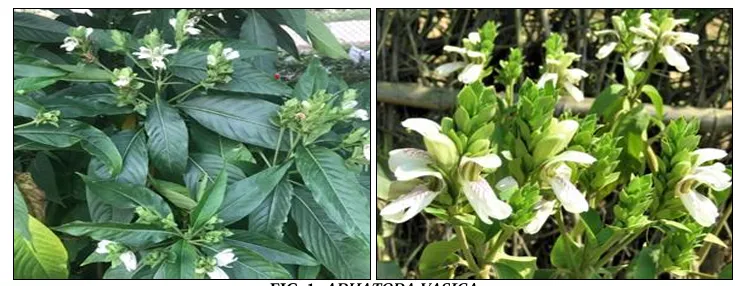
Figure 4: Justicia adhatoda.46
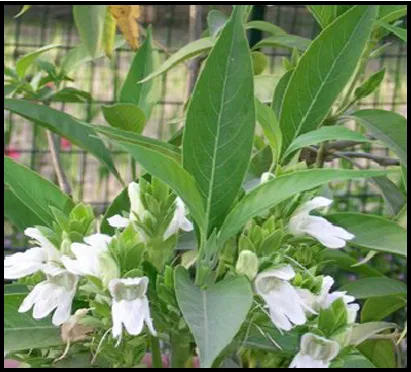
Figure 5: Justicia adhatoda L.48
Plant part used: Leaves are the principal medicinal part and were used in the Gupta et al. study.
Traditional use: The plant is traditionally used for respiratory disorders including cough, bronchitis and asthma. It has a long history of use in Indian traditional medicine.
Phytochemicals: Important constituents include the quinazoline alkaloids vasicine and vasicinone, together with vasicinol, vasicinone-related compounds and other secondary metabolites.
Pharmacological activity: The plant has been investigated for expectorant, bronchodilatory, antimicrobial, anti-inflammatory and respiratory-system-related activities.43,44,47,48
4.3 Allium cepa L.
Botanical name: Allium cepa L.
Family: Amaryllidaceae (formerly commonly classified under Alliaceae).
Common name: Onion.
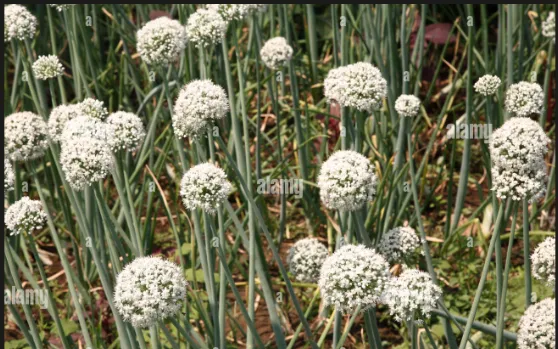
Figure 6: Allium cepa L.49
Plant part used: Bulb.
Traditional use: Onion has traditionally been used as a food and medicinal plant for respiratory, inflammatory and infectious conditions.
Phytochemicals: Important constituents include quercetin and other flavonoids, sulfur-containing compounds, phenolic acids and organosulfur metabolites.
Pharmacological activity: Onion possesses antioxidant, antimicrobial, anti-inflammatory and other biological activities.49
4.4 Withania somnifera (L.) Dunal
Botanical name: Withania somnifera (L.) Dunal.
Family: Solanaceae.
Common name: Ashwagandha; Indian ginseng; winter cherry.
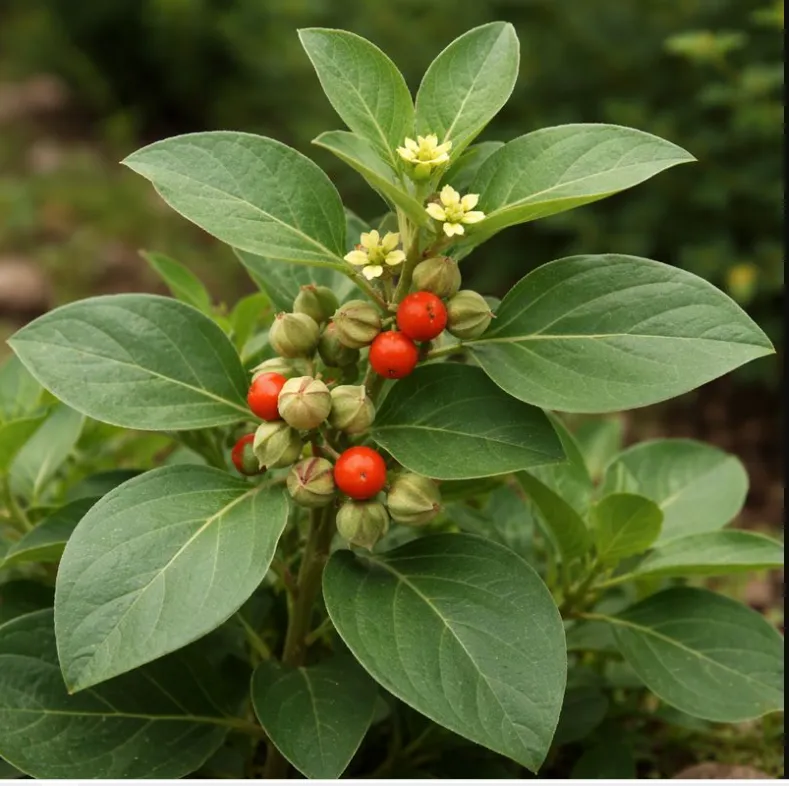
Figure 7: Withania somnifera (L.)50
Plant part used: Roots are the most extensively used medicinal part, although leaves and other plant parts have also been investigated.
Traditional use: Ashwagandha is traditionally used as a rejuvenating and immunomodulatory medicinal plant and has been used in Ayurvedic medicine for various systemic disorders.
Phytochemicals: The major phytochemical group consists of withanolides, including withaferin A and withanone, along with alkaloids, steroidal lactones and other phenolic compounds.
Pharmacological activity: Reported pharmacological properties include antioxidant, anti-inflammatory, immunomodulatory, antimicrobial and adaptogenic activities.50
4.5 Zingiber officinale Roscoe
Botanical name: Zingiber officinale Roscoe.
Family: Zingiberaceae.
Common name: Ginger.
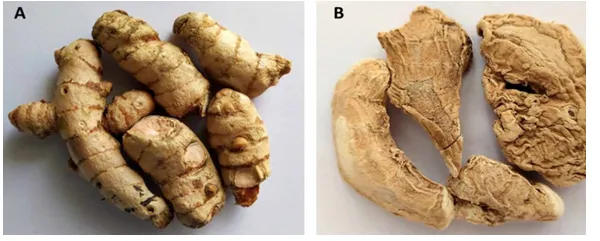
Figure 8: Zingiber officinale Roscoe.48
Plant part used: Rhizome.
Traditional use: Ginger has traditionally been used for cough, respiratory symptoms, inflammation and other ailments.
Phytochemicals: Major constituents include gingerols, shogaols, zingerone and volatile oils.
Pharmacological activity: Ginger possesses antimicrobial, antioxidant, anti-inflammatory and immunomodulatory properties.51
4.6 Vitex negundo L.
Botanical name: Vitex negundo L.
Family: Lamiaceae
Common name: Five-leaved chaste tree; Nirgundi.
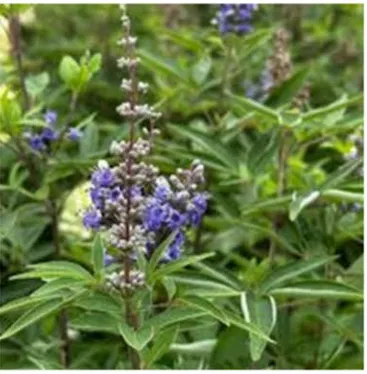
Figure 9: Vitex negundo L.52
Plant part used: Leaves have been particularly investigated for antimycobacterial activity.
Traditional use: The plant is traditionally used for inflammatory, respiratory, analgesic and other medicinal purposes in traditional systems of medicine.
Phytochemicals: Reported compounds include flavonoids, iridoids, terpenoids, essential oils, β-sitosterol, ursolic acid and betulinic acid.
Pharmacological activity: Reported activities include antioxidant, anti-inflammatory, antimicrobial and analgesic effects.52
4.7 Allium sativum L.
Botanical name: Allium sativum L.
Family: Amaryllidaceae
Common name: Garlic.
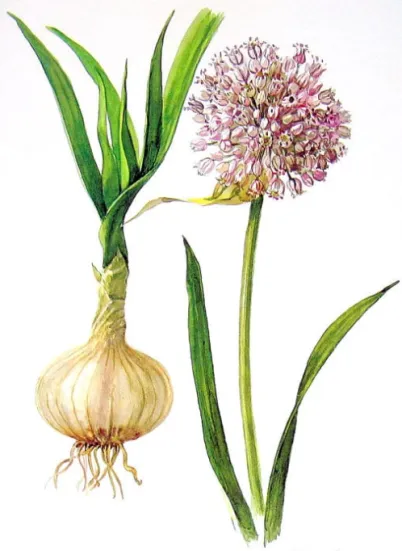
Figure 10: Allium sativum L.50
Plant part used: Cloves/bulbs.
Traditional use: Garlic has a long history of use as a food and medicinal plant for infectious, inflammatory and cardiovascular conditions.
Phytochemicals: The characteristic sulfur-containing compounds include allicin, ajoene and diallyl sulfides.
Pharmacological activity: Garlic exhibits antimicrobial, antioxidant, anti-inflammatory and immunomodulatory activities.51.
4.8 Drosera capensis L.
Botanical name: Drosera capensis L.
Family: Droseraceae.
Common name: Cape sundew.
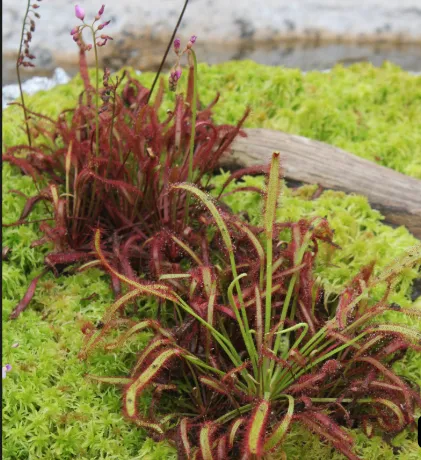
Figure 11: Drosera capensis L.52
Plant part used: Leaves/aerial parts.
Traditional use: Drosera species have traditionally been associated with respiratory ailments, particularly cough and related conditions.
Phytochemicals: Reported constituents include flavonoids such as quercetin and myricetin, phenolic compounds and naphthoquinones including plumbagin.
Pharmacological activity: The plant has been investigated for antimicrobial and antioxidant properties.52
4.9 Pelargonium reniforme Curtis
Botanical name: Pelargonium reniforme Curtis.
Family: Geraniaceae.
Common name: Kidney-leaved pelargonium.
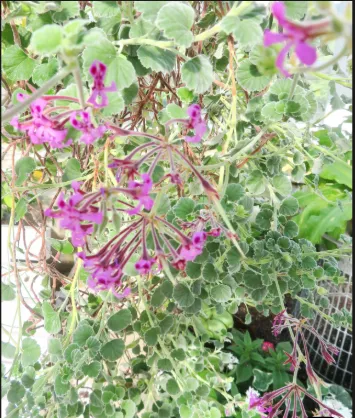
Figure 12: Pelargonium reniforme Curtis52
Plant part used: Roots/tubers are particularly important in traditional use and antimycobacterial investigations.
Traditional use: The Xhosa and Zulu communities of South Africa have traditionally used P. reniforme for respiratory complaints including cough and tuberculosis. It has also been used for bronchitis and gastrointestinal disorders.
Phytochemicals: Reported constituents include phenolic acids, flavonoids, hydrolysable tannins, coumarins, gallic acid, methyl gallate, myricetin, quercetin glycosides and other polyphenolic compounds.
Pharmacological activity: The plant demonstrates antioxidant and antimicrobial activities. Phenolic compounds isolated from P. reniforme have demonstrated substantial radical-scavenging activity.53
CONCLUSION
Tuberculosis (TB) remains a major infectious disease caused by Mycobacterium tuberculosis, and its management continues to be challenging because of prolonged treatment duration, adverse drug reactions, drug–drug interactions, poor treatment adherence and the emergence of multidrug-resistant and extensively drug-resistant strains. Although conventional antitubercular therapy remains the established approach for the treatment of tuberculosis, these limitations highlight the need for continued research into new and complementary therapeutic approaches. The present review provides an overview of tuberculosis, including its causative organism, transmission, pathogenesis, clinical forms, diagnosis, prevention and conventional management. The review also emphasizes the importance of combination therapy and treatment adherence in preventing treatment failure, relapse and development of drug resistance. The major first-line antitubercular drugs, their mechanisms of action, treatment regimens and important adverse effects were discussed. Medicinal plants represent an important source of structurally diverse bioactive compounds with potential antimycobacterial, antioxidant, anti-inflammatory and immunomodulatory activities. Several medicinal plants, including Acalypha indica, Justicia adhatoda, Allium cepa, Allium sativum, Withania somnifera, Zingiber officinale, Vitex negundo, Drosera capensis and Pelargonium reniforme, have been investigated for their pharmacological properties relevant to tuberculosis. The reviewed literature indicates that different plant-derived constituents, including alkaloids, flavonoids, phenolics, terpenoids, quinones, tannins and volatile compounds, may contribute to antimycobacterial activity. The possible mechanisms of antimycobacterial action of medicinal plants are multifactorial and may include interference with mycobacterial cell-wall biosynthesis, disruption of cell-membrane integrity, inhibition of essential enzymes, interference with nucleic-acid synthesis and energy metabolism, oxidative stress and modulation of host immune or inflammatory responses. Such multiple mechanisms may provide valuable opportunities for the discovery of new antimycobacterial agents and for investigating plant-derived compounds as potential adjuncts to conventional therapy. Importantly, the available evidence should be interpreted cautiously. Although several medicinal plants and phytoconstituents have demonstrated promising activity, much of the available evidence remains based on in-vitro, ex-vivo or experimental studies. In particular, studies using crude plant extracts cannot by themselves establish clinical efficacy or demonstrate that a plant extract can replace standard antitubercular treatment. Standardization of extracts, identification and purification of active constituents, determination of minimum inhibitory concentrations, mechanistic investigations, toxicity studies, pharmacokinetic evaluation and in-vivo and clinical studies are required before therapeutic applications can be established.
REFERENCES


Rajeshwar Hage, Dr. Pankaj Chaudhary, Medicinal Plants Used for Management of Tuberculosis: A Review, Int. J. of Pharm. Sci., 2026, Vol 4, Issue 11, 961-975. https://doi.org/10.5281/zenodo.23972333
 10.5281/zenodo.23972333