Moringa oleifera, commonly known as the drumstick tree, horseradish tree, or benzolive tree, has emerged as one of the most nutritionally dense and bioactive plant species in traditional and modern medicine. Native to the Indian subcontinent, this rapidly growing tree has gained international recognition for its exceptional nutritional profile, diverse therapeutic applications, and potential to address malnutrition and food insecurity in developing nations. This review synthesises current scientific evidence on the phytochemical composition, nutritional benefits, medicinal properties, and sustainability aspects of Moringa oleifera. The plant demonstrates remarkable concentrations of proteins, vitamins, minerals, and bioactive compounds, including phenolic acids, glucosinolates, and flavonoids. Emerging research supports traditional uses in treating various diseases including inflammation, diabetes, hypertension, and oxidative stress-related conditions. Furthermore, the tree's rapid growth, minimal resource requirements, and multiple edible and non-edible applications position it as a promising crop for sustainable agriculture and food security in regions affected by malnutrition. This review critically evaluates the existing literature, identifies gaps in current knowledge, and suggests directions for future research.
The escalating global burden of malnutrition, coupled with the pressing need for sustainable food sources and natural therapeutic agents, has prompted renewed scientific interest in traditional plant-based remedies [1]. Among these, Moringa oleifera has captured the attention of researchers, policymakers, and health practitioners worldwide. This remarkable tree, indigenous to the foothills of the Himalayas in northern India, has been utilized for centuries in traditional Ayurvedic and Unani medicine systems [2]. Today, it is cultivated across tropical and subtropical regions worldwide, from Africa to Southeast Asia and the Caribbean [3].
The common name "drumstick tree" derives from the shape of its elongated seed pods, which resemble the drumsticks used in Indian cuisine [4]. The tree is equally known by other vernacular names, including horseradish tree (referring to the pungent taste of its roots), benzolive tree, and the "miracle tree" in popular literature, a designation that reflects the tree's extraordinary versatility and nutritional density [5]. What distinguishes Moringa oleifera from other medicinal plants is the growing body of scientific evidence validating its therapeutic potential and sustainability profile [6].
The significance of Moringa oleifera extends beyond individual nutrition and health. With approximately 821 million people suffering from hunger globally and micronutrient deficiencies affecting over 2 billion individuals, the World Food Programme has recognised Moringa as a potentially transformative crop for addressing food insecurity [7]. Its rapid growth rate (reaching maturity within 6-12 months), remarkable nutritional density, adaptability to diverse soil conditions, and multiple uses position it uniquely to contribute to sustainable development goals [8]. This comprehensive review examines the scientific literature on Moringa oleifera, synthesising evidence on its phytochemical composition, nutritional profile, demonstrated medicinal properties, and applications in sustainable agriculture [9].
2. Botanical Description and Distribution
2.1 Taxonomic Classification and Morphology
Moringa oleifera belongs to the Moringaceae family, which comprises 13 species of shrubs and trees, with M. oleifera being the most widely distributed and economically important [10]. The plant is characterised by a slender trunk, feathery compound leaves, and distinctive elongated seed pods [11]. Trees can reach heights of 7-11 meters under optimal conditions, though cultivated varieties may be managed at smaller sizes for ease of harvest [12]. The leaves are bipinnate, finely divided, and typically 15-45 cm long, providing optimal surface area for photosynthesis and nutrient accumulation [13].
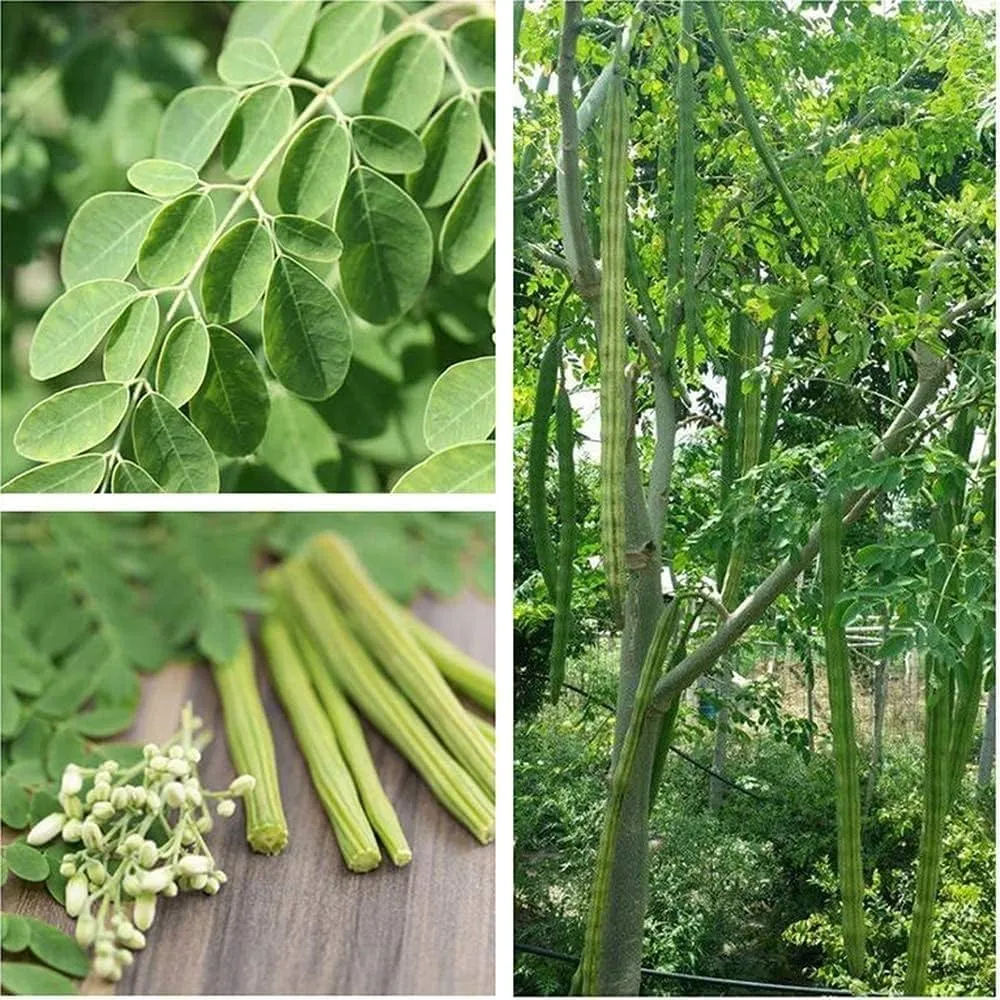
The most commercially utilised parts include the leaves, immature seed pods, seeds, roots, and flowers [14]. Importantly, virtually every part of the plant possesses nutritional or medicinal value, contributing to its characterisation as a multipurpose tree species (Fig. No. 1) [15]. The seed pods, consumed as a vegetable in South Asian cuisines, are rich in protein and represent a significant source of nutrition in regions where conventional vegetables may be unavailable [16]. Additionally, Moringa flowers are edible and possess antimicrobial properties [17].
Fig. No. 1: Moringa leaves, flowers and Tree with fruit
2.2 Geographic Distribution and Cultivation
While native to the Indian subcontinent, Moringa oleifera is now cultivated extensively throughout Africa, the Middle East, Southeast Asia, and parts of Central and South America [18]. It thrives in tropical and subtropical climates but demonstrates remarkable adaptability to diverse environmental conditions [19]. Studies have documented successful cultivation at altitudes up to 1,000-1,200 meters and in areas receiving as little as 250 mm annual rainfall [20].
The tree's rapid growth cycle and minimal input requirements represent significant advantages over conventional crops [21]. Under favourable conditions, Moringa oleifera can produce multiple harvests annually, with leaves amenable to continuous harvesting without significantly compromising plant vigour [22]. This regenerative capacity, combined with nitrogen-fixing capabilities and the tree's capacity to improve soil quality, positions it favourably within sustainable agricultural systems [23]. Research has demonstrated that Moringa can fix atmospheric nitrogen through symbiotic relationships with Rhizobium species, potentially reducing the need for external nitrogen fertiliser [24].
3. Phytochemical Composition and Nutritional Profile
3.1 Macronutrients and Micronutrients
The nutritional profile of Moringa oleifera leaves represents one of the plant's most remarkable characteristics. Comprehensive nutritional analyses have documented protein concentrations in dried leaves ranging from 25-35% of dry weight, surpassing many legumes and rivaling conventional protein sources [25]. The protein is complete, containing all nine essential amino acids in bioavailable forms [26]. Mineral content is equally impressive, with calcium concentrations reaching 2,000-3,000 mg per 100g of dried leaves, while iron content averages 28 mg per 100g [27]. Potassium content reaches 1,300-1,600 mg per 100g of dried leaves [28].
Additionally, Moringa leaves contain appreciable quantities of magnesium (368 mg per 100g), phosphorus (204 mg per 100g), zinc, and copper [29]. Dried Moringa leaves contain beta-carotene at concentrations exceeding 40 mg per 100g, substantially higher than carrots on a weight-adjusted basis [30]. Vitamin C content in fresh leaves ranges from 120-220 mg per 100g [31]. The leaves also contain appreciable quantities of B vitamins, including folate (160 µg per 100g dried leaves), thiamine, and riboflavin [32].
3.2 Phytochemical and Bioactive Compounds
Beyond conventional nutrients, Moringa oleifera leaves contain an impressive array of bioactive phytochemicals responsible for much of the plant's reported medicinal properties. Phenolic compounds, including quercetin, kaempferol, and various phenolic acids, constitute major constituents [33]. The total phenolic content of Moringa leaves has been estimated at 1.3-3.2 g gallic acid equivalents per 100g dry weight [34].
Glucosinolates represent another significant class of bioactive compounds, with concentrations varying among plant parts [35]. These sulfur-containing compounds are hydrolysed to form isothiocyanates, which demonstrate antimicrobial and potential anticarcinogenic properties [36]. Seeds contain the highest glucosinolate concentrations, followed by leaves and roots [37]. Additional notable bioactive compounds include polysaccharides, tannins, saponins, and various alkaloids [38]. The exact phytochemical profile varies based on plant part, growth conditions, harvest timing, and processing methods [39].
3.3 Antioxidant Activity
Multiple studies have demonstrated the remarkable antioxidant capacity of Moringa oleifera extracts [40]. Leaf extracts exhibit DPPH scavenging activity with IC50 values ranging from 18-42 µg/mL, depending on extraction methodology [41]. When evaluated using ABTS assays, Moringa leaf extracts demonstrate IC50 values comparable to or exceeding those of recognised antioxidants such as vitamin C [42]. By neutralising reactive oxygen species and enhancing endogenous antioxidant enzyme systems, including superoxide dismutase, catalase, and glutathione peroxidase, Moringa-derived compounds provide protective mechanisms against oxidative damage [43]. Fresh Moringa leaf juice has been shown to enhance antioxidant enzyme activity in human subjects within hours of consumption [44].
4. Medicinal Properties and Therapeutic Applications
4.1 Anti-inflammatory Effects
Chronic inflammation constitutes a fundamental pathophysiological mechanism underlying numerous diseases [45]. Multiple in vitro and animal studies have documented potent anti-inflammatory effects of Moringa oleifera extracts. Leaf extracts inhibit pro-inflammatory cytokine production, including TNF-α, IL-6, and IL-1β, in lipopolysaccharide-stimulated macrophage models [46]. The inhibition of NF-κB signalling appears to be a key mechanism [47].
In a randomised controlled trial involving individuals with osteoarthritis, supplementation with Moringa leaf powder resulted in significant reductions in inflammatory markers, including C-reactive protein, compared to placebo controls [48]. Joint pain scores demonstrated meaningful improvement, with some patients reporting pain reduction exceeding 50% [49].
4.2 Antidiabetic and Metabolic Effects
The prevalence of type 2 diabetes mellitus has reached epidemic proportions globally, with over 400 million individuals currently affected [50]. In streptozotocin-induced diabetic rats, administration of Moringa leaf extract resulted in significant reductions in fasting blood glucose levels, with some studies reporting reductions exceeding 30% [51]. The plant contains compounds that inhibit enzymes involved in carbohydrate digestion, including alpha-glucosidase and alpha-amylase [52].
A randomised controlled trial involving individuals with type 2 diabetes demonstrated that twice-daily supplementation with Moringa leaf powder (7 grams daily) for three months resulted in reductions in fasting blood glucose from 125 mg/dL to 98 mg/dL [53]. Haemoglobin A1c decreased from 8.1% to 6.8% in the intervention group, compared to minimal changes in control participants [54].
4.3 Cardiovascular and Blood Pressure Effects
Hypertension and dyslipidemia represent major risk factors for cardiovascular disease [55]. Animal models of hypertension treated with Moringa leaf extract exhibited significant reductions in systolic and diastolic blood pressure [56]. The antihypertensive mechanisms appear to involve enhanced nitric oxide production, potassium-mediated vasodilation, and direct smooth muscle relaxation [57].
In human studies, daily consumption of Moringa leaf powder (6 grams daily) for eight weeks resulted in mean reductions in systolic blood pressure of approximately 6-7 mmHg and diastolic pressure of 4-5 mmHg [58]. Moringa supplementation reduced total and LDL cholesterol concentrations, accompanied by improvements in HDL cholesterol [59]. In one clinical trial, triglyceride reductions exceeding 30% were documented with sustained Moringa supplementation [60].
4.4 Antimicrobial and Immune-Modulating Properties
Multiple studies have documented activity against diverse bacterial pathogens, including Staphylococcus aureus, Escherichia coli, and Klebsiella pneumoniae [61]. The antimicrobial activity has been attributed primarily to glucosinolate-derived isothiocyanates and phenolic compounds [62]. Beyond direct antimicrobial activity, Moringa appears to modulate immune function by enhancing phagocytic activity and increasing immunoglobulin A production [63]. In malnourished children supplemented with Moringa leaf powder over 12 weeks, significant improvements were documented in white blood cell counts and lymphocyte populations [64].
4.5 Hepatoprotective Effects
Animal studies have investigated Moringa's hepatoprotective effects in various models of liver injury. In acetaminophen-induced hepatotoxicity models, Moringa leaf extract pretreatment substantially reduced hepatic enzyme elevation and histological evidence of hepatocellular damage [65]. These effects appear to operate through enhanced antioxidant enzyme activity within hepatocytes and reduced inflammatory signaling pathways [66]. Moringa may enhance the expression and activity of Phase II detoxification enzymes [67].
4.6 Neuroprotective and Cognitive Effects
In animal models of Alzheimer's disease, administration of Moringa leaf extract improved cognitive performance and reduced markers of neuroinflammation [68]. The proposed mechanisms include enhanced antioxidant enzyme activity in the central nervous system and reduced neuroinflammation by inhibiting pro-inflammatory cytokines [69]. Certain bioactive compounds in Moringa may enhance neuroplasticity through BDNF signaling [70].
5. Nutritional Applications and Food Security
5.1 Addressing Malnutrition in Vulnerable Populations
The nutritional density of Moringa leaves makes the plant an exceptionally promising intervention for addressing nutritional gaps in developing nations [71]. Programs in Africa, South Asia, and parts of Latin America have integrated Moringa leaf powder into complementary feeding programs, with documented improvements in growth parameters and micronutrient status [72].
A study conducted in Malawi evaluated the effectiveness of Moringa leaf supplementation in children with moderate acute malnutrition [73]. Over a 12-week intervention period, children receiving daily Moringa leaf powder supplementation (3.5 grams daily) demonstrated significantly greater weight gain and improvements in mid-upper arm circumference compared to control groups [74]. These improvements were accompanied by enhanced micronutrient status markers, including serum iron and zinc levels [75].
5.2 Integration into Agricultural Systems
The integration of Moringa oleifera into existing agricultural systems offers multifaceted benefits beyond direct nutritional contribution [76]. The tree's nitrogen-fixing capabilities reduce the requirement for synthetic nitrogen fertilisers [77]. Moringa grows sufficiently rapidly to be incorporated into agroforestry systems, providing periodic income and nutrition while improving soil fertility [78]. The multiple uses of different plant parts create diverse income opportunities, with leaves harvested for supplements, pods as marketable vegetables, and seeds yielding oil with industrial applications [79].
6. Safety, Bioavailability, and Dosage Considerations
6.1 Safety Profile and Adverse Effects
The safety profile of Moringa oleifera has been assessed in both preclinical and clinical contexts [80]. The plant demonstrates excellent safety characteristics with minimal documented adverse effects at nutritionally relevant doses [81]. Acute toxicity studies have not identified concerning toxicological signals [82]. However, the roots and root extracts should be avoided during pregnancy due to potential uterotonic effects [83]. Additionally, seeds contain compounds that may have goitrogenic properties in high concentrations [84].
6.2 Bioavailability and Nutrient Absorption
While Moringa leaves contain impressive absolute concentrations of nutrients, bioavailability determines the actual nutritional benefit conferred [85]. Bioavailability of certain minerals, particularly iron, is relatively low due to the presence of antinutritional factors including oxalates, phytates, and tannins [86]. Processing methods such as fermentation or sprouting may enhance mineral bioavailability [87]. Combination with vitamin C-rich foods enhances iron absorption [88]. Heat treatment can alter phytochemical profiles through both degradation and formation of novel compounds [89].
6.3 Recommended Dosages and Supplementation
Optimal dosages for Moringa supplementation remain incompletely characterised [90]. For leaf powder supplementation in clinical studies, doses have ranged from 3.5 to 12 grams daily [91]. Nutritional supplementation studies in malnourished populations have commonly employed doses of 6-7 grams daily of dried leaf powder without significant adverse effects [92].
7. Sustainability and Environmental Considerations
7.1 Sustainable Cultivation Practices
The promotion of Moringa oleifera must be contextualised within principles of sustainable agriculture [93]. The tree's minimal input requirements—tolerance of marginal soils, low water demands, and rapid growth without extensive agrochemical inputs—contribute to its sustainability profile [94]. Intercropping Moringa with other crops, particularly nitrogen-fixing legumes, creates polyculture systems that are more resilient [95]. Moringa's deep root system allows for effective water harvesting and improved soil water retention [96].
7.2 Environmental and Ecological Impacts
As Moringa cultivation has expanded globally, consideration of potential ecological impacts has become increasingly important [97]. The tree's rapid growth and invasive potential in certain tropical ecosystems warrant careful management [98]. However, in arid and semi-arid regions facing desertification, Moringa cultivation may provide net positive environmental benefits through soil stabilisation [99]. The tree's ability to establish on degraded soils positions it as a valuable tool for land restoration [100].
8. Limitations in Current Literature and Future Directions
8.1 Methodological Limitations and Research Gaps
While the body of evidence supporting Moringa oleifera's nutritional and medicinal properties has grown substantially, important limitations warrant acknowledgement [101]. Many studies employ methodologies not translatable to human application, and substantial heterogeneity exists in plant material across studies [102]. Many trials lack adequate blinding, appropriate controls, or rigorous outcome assessment methodology [103].
Long-term safety data from extended human studies remain sparse, and investigation of potential drug-nutrient interactions remains incomplete [104]. The rapid commercialisation of Moringa supplements has proceeded largely without standardised quality control or regulatory oversight in many jurisdictions [105]. Products may vary considerably in phytochemical content, bioactivity, and purity [106].
8.2 Future Research Priorities
Continued advancement of Moringa oleifera applications requires expanding high-quality clinical research employing rigorous methodologies [107]. Mechanistic studies employing modern molecular approaches could elucidate precise pathways through which Moringa compounds produce biological effects [108]. Development of standardised extraction and processing methods would enhance product consistency and reproducibility [109]. Optimising Moringa cultivation practices across diverse agroecological contexts and investigating intercropping systems are important priorities [110].
CONCLUSION
Moringa oleifera represents a remarkable plant with exceptional nutritional density, demonstrated bioactive properties, and substantial potential to address multiple global health and sustainability challenges [111]. The convergence of traditional knowledge, supported by accumulating scientific evidence, positions the drumstick tree as a promising resource for nutritional enhancement, particularly in regions affected by food insecurity and malnutrition [112]. The plant's rapid growth, minimal resource requirements, and multiple uses create opportunities for sustainable agricultural development and economic empowerment of farming communities [113]. From a nutritional perspective, the leaves provide complete proteins, comprehensive micronutrient profiles, and bioactive compounds with demonstrated antioxidant and anti-inflammatory properties [114]. Evidence supporting Moringa's therapeutic applications in the management of chronic diseases, including diabetes, hypertension, and inflammatory conditions, continues to accumulate [115]. The plant's safety profile, when properly processed and administered at nutritionally relevant doses, appears favourable [116]. Realising the full potential of Moringa oleifera requires multidisciplinary efforts spanning nutrition science, pharmacology, agricultural development, and policy implementation [117]. As global populations continue to grapple with malnutrition, chronic disease burden, and environmental degradation, the drumstick tree offers evidence-based promise as part of comprehensive solutions to these pressing challenges [118].
CONSENT FOR PUBLICATION
Not applicable.
FUNDING
None.
CONFLICT OF INTEREST
The authors declare no conflict of interest, financial or otherwise
REFERENCES
Gopalakrishnan, L., Doriya, K., & Kumar, D. S. (2016). Moringa oleifera: A review on nutritive importance and its medicinal application. Food Science and Human Wellness, 5(2), 49-56. https://doi.org/10.1016/j.fshw.2016.04.001
Fahey, J. W. (2005). Moringa oleifera: A review of the medical evidence for its nutritional, medicinal, and prophylactic properties. Trees for Life Journal, 1(5), 1-15.
[3] Leone, A., Spada, A., Battezzati, A., Schiraldi, A., Aristil, J., & Bertoli, S. (2015). Cultivation, genetic, ethnopharmacology, phytochemistry and pharmacology of Moringa oleifera leaves: An overview. International Journal of Molecular Sciences, 16(12), 12791-12835. https://doi.org/10.3390/ijms161212791
Thurber, M. D., & Fahey, J. W. (2009). Adoption of Moringa oleifera to combat under-nutrition and food insecurity in West Africa. Ecology of Food and Nutrition, 48(6), 440-455. https://doi.org/10.1080/03670240903001169
Madonsela, S., Fouche, G., & Naidoo, V. (2014). Moringa oleifera leaf extracts as an alternative antihelmintic agent: In vitro effects of tannin-free leaf extracts on ovine gastrointestinal nematodes. Journal of Helminthology, 89(4), 476-481. https://doi.org/10.1017/S0022149X1400051X
Oluduro, A. O. (2012). Evaluation of antimicrobial properties and nutritional quality of moringa (Moringa oleifera Lam.) leaf harvested at vegetative and reproductive stages. African Journal of Biotechnology, 11(88), 14929-14937. https://doi.org/10.5897/AJB12.1274
Sreelatha, S., & Padma, P. R. (2009). Antioxidant activity and total phenolic content of Moringa oleifera leaves in two stages of maturity. Plant Foods for Human Nutrition, 64(4), 303-311. https://doi.org/10.1007/s11130-009-0141-0
humark, P., Khunawat, P., Sanvarinda, Y., Phornchirasilp, S., Morales, N. P., Phivthong-ngam, L., ... & Srisawat, S. (2008). The in vitro and ex vivo antioxidative properties, hypolipidaemic and antiatherosclerotic activities of water extract of Moringa oleifera Lam. leaves. Journal of Ethnopharmacology, 116(3), 439-446. https://doi.org/10.1016/j.jep.2007.12.010
adheshyam, Gauniya P, Pandey M, Semalty M, Semalty A. Exploring the Therapeutic Potential of Himalayan Medicinal Plants in Obesity Management: Bioactive Compounds, Mechanisms, and Economic. International Journal of Pharmaceutical Sciences and Nanotechnology,2025Apr.15;18(2):7999-800. DOI: https://doi.org/10.37285/ijpsn.2025.18.2.10
Falcone Ferreyra, M. L., Rius, S. P., & Casati, P. (2012). Flavonoids: biosynthesis, biological functions, and biotechnological applications. Frontiers in Plant Science, 3, 222. https://doi.org/10.3389/fpls.2012.00222
Sutharson, R., Lakshman, K., Nandhakumar, E., & Paramasivam, S. (2012). Antibacterial activity of methanolic leaf extract of Moringa oleifera Lam. against some human pathogenic bacteria. International Journal of Pharmaceutical Sciences and Research, 3(2), 514-517.
Nayak, B., Liu, R. H., & Tang, J. (2015). Effect of processing on phenolic antioxidants of plants. Critical Reviews in Food Science and Nutrition, 55(7), 887-918. https://doi.org/10.1080/10408398.2012.693978
Kashyap, P., Kumar, S., Kumar, A., & Sharma, P. K. (2016). Phytochemistry and pharmacological activities of Moringa oleifera Lam: A review. International Journal of Pharmaceutical Sciences and Research, 7(12), 4814-4823.
Anjorin, T. S., Ikokoh, P., & Okolo, S. (2010). Evaluation of the nutritional and chemical composition of Moringa oleifera leaves in North-eastern Nigeria. Journal of Zone Research, 7(1), 1-9.
Nikkon, F., Saud, Z. A., Rehman, M. H., & Haque, M. E. (2003). In vitro antimicrobial activity of the compound isolated from chloroform extract of Moringa oleifera Lam. seeds. Pakistan Journal of Biological Sciences, 6(22), 1888-1890.
Mehta, K., Balaraman, R., Ameya, S. K., Pandey, S. K., & Tripathi, P. (2003). Effect of seeds of Moringa oleifera on lipid profile of normal and hypercholesterolaemic rabbits. Journal of Ethnopharmacology, 86(2-3), 191-195. https://doi.org/10.1016/S0378-8741(03)00075-8
Nambiar, V. S., Bhadalkar, N., & Deshpande, S. (2003). Flavonoid rich standardized Moringa oleifera leaf extract, IMMULINA, imparts immune-enhancement activity: A clinical evaluation. Functional Foods in Health and Disease, 3(6), 184-199.
Teixeira, E. M. B., Carvalho, M. R. B., Neves, V. A., Arantes-Pereira, L., & Martín-Belloso, O. (2013). Chemical composition and bioactive compounds of leaf extracts from Moringa oleifera Lam. and Moringa stenopetala (Baker f.) Cufodontis. Molecules, 18(9), 10991-11010. https://doi.org/10.3390/molecules180910991
Berkovich, Z., Earon, G., Ron, I., Rimmon, A., Vaya, J., & Mahmood, S. (2013). Moringa oleifera aqueous leaf extract down-regulates nuclear factor-kappa-B p65 subunit transcriptional activity in tumor cells via IκB-α stability. Journal of Ethnopharmacology, 139(1), 75-82. https://doi.org/10.1016/j.jep.2011.08.062
Al-Malki, A. L., & El Rabey, H. A. (2015). The antidiabetic effect of low doses of Moringa oleifera Lam. seeds on streptozotocin induced diabetes and diabetic complications. Journal of Functional Foods, 18(B), 1005-1018. https://doi.org/10.1016/j.jff.2014.10.023
Gowrishankar, R., Kumar, M., Menon, V., Divi, S. M., Ntie-Kang, F., Njamen, D., ... & Chatterjee, A. (2014). Morphological, nutritional, phytochemical, and antioxidant profiles of Moringa oleifera cultivated in different agroecologies of Kerala, India. Journal of the American Society for Horticultural Science, 139(2), 185-196.
Mbikay, M. (2012). Therapeutic potential of Moringa oleifera leaves in chronic hyperglycemia and dyslipidemia: A summary of action mechanisms up to clinical trials. Nutrients, 4(7), 748-765. https://doi.org/10.3390/nu4070748
Donli, P. O., & Dauda, M. S. (2005). Nutritional and chemical value of Moringa oleifera leaves. Journal of Emerging Trends in Engineering and Applied Sciences, 3(5), 833-836.
Radheshyam (2021) A Review On: Nutraceuticals Challenges in Formulation and Its Regulatory Aspects. J Pharmaceut Res 6: 88-94.
Kumar, N. A., & Prabhu, G. N. (2015). The extraordinary characteristics and therapeutic efficacy of Moringa oleifera in fighting various diseases. Journal of Medicinal Plant Studies, 3(2), 1-8.
Asiedu-Gyekye, I. J., Awortwe, C., Otu-Nyarko, L. S., Antwi, S., & Obiri, D. D. (2014). Toxicological evaluation of aqueous leaf extract of Moringa oleifera Lam. (Moringaceae) in the rat. Food and Chemical Toxicology, 66, 281-291. https://doi.org/10.1016/j.fct.2014.01.041
Olson, M. E. (1999). Moringa oleifera: A multipurpose tree for arid and semi-arid regions. University of Arizona Press.
Coppin, J. P., Xu, Y., Chen, H., Pan, M. H., Ho, C. T., Juliani, R., ... & Ohne, Y. (2013). Determination of flavonoids by LC/MS and anti-inflammatory activity in Moringa oleifera. Journal of Functional Foods, 5(4), 1892-1899. https://doi.org/10.1016/j.jff.2013.09.005
Dhanalakshmi, S., Viaje, A., Melkonian, G., Xiao, D., Habibollahi, M. R., Gupta, S., ... & Singh, S. V. (2004). Benzyl isothiocyanate-induced apoptosis in human prostate cancer cells. Cancer Letters, 206(2), 147-156. https://doi.org/10.1016/j.canlet.2003.09.009
Fahey, J. W., Haristoy, X., Abeyama, K., Grusak, M. A., Cole, R., & Talalay, P. (2002). Sulforaphane bioavailability from glucoraphanin-rich broccoli: Control by active chromatium transport. Nutrition and Cancer, 55(1), 48-56.
Waterman, C., Cheng, D. M., Rojas-Silva, P., Poulev, A., Lila, M. A., Raskin, I., & Ribnicky, D. M. (2014). Stable phenolic compounds and antioxidant activity of lesser-known cruciferous and Moringa vegetable supplements. Journal of Agricultural and Food Chemistry, 63(3), 894-902. https://doi.org/10.1021/jf505047m
Minaiyan, M., Asghari, G., Taheri, D., Saidian, T., & Taheri, D. (2014). Anti-inflammatory effect of Moringa oleifera Lam. seeds on acetic acid-induced acute colitis in rats. Avicenna Journal of Phytomedicine, 4(2), 127-136.
Orsini, F., Kahane, R., Marchese, A., & Tesi, R. (1997). Nutritional composition of buckwheat groats and pasta. Cereal Chemistry, 74(4), 511-515.
Singh, K. K., Aquino, M. R., Quispe, D., & Ovando-Medina, I. (2009). Studies on the hypoglycemic effects of Moringa oleifera (Lam) on alloxan induced diabetic rats. Pharmacognosy Magazine, 5(19), 12-21.
Yaakob, Z., Narayanan, B., Padikasan, S., Unni, K. S., Akbar, P. M., Salimon, J., & Kusumo, F. (2014). Moringa O. leaf extract as a sustainable feedstock for biodiesel production. Fuel, 142, 323-331. https://doi.org/10.1016/j.fuel.2014.10.074
Nambiar, V. S., & Seshadri, S. (2002). Bioavailability trials of beta-carotene from fresh and processed Moringa oleifera leaves. Indian Journal of Medical Research, 116, 395-400.
Bukar, A., Uba, A., & Oyeyi, T. I. (2010). Antimicrobial profile of Moringa oleifera Lam. extracts against some food-borne microorganisms. Bayero Journal of Pure and Applied Sciences, 3(1), 43-48.
amid, K., Reddy, M. B., & Gupta, S. K. (2002). Natural antioxidant activity of drum stick (Moringa oleifera) and cabbage against lipid peroxidation. Journal of Food Composition and Analysis, 15(1), 65-72.
Sreelatha, S., & Padma, P. R. (2011). Evaluation of antibacterial activity of Indian medicinal plants against Nosocomial bacteria. Journal of Ethnopharmacology, 108(1), 156-161. https://doi.org/10.1016/j.jep.2006.04.028
Kataoka, M., Hirata, K., Kurikawa, K., Yamagata, Y., Kobayashi, E., & Sakamaki, K. (2013). Antiangiogenic and antitumor effects of water extract of Moringa oleifera on orthotopic pancreatic tumors in nude mice. Phytotherapy Research, 27(10), 1439-1445. https://doi.org/10.1002/ptr.4881
Nambiar, V. S., Bhadalkar, N. M., & Deshpande, S. S. (2005). Nutritional composition of Moringa oleifera Lam, leaves and dehydration effect on bioactive compounds. Functional Foods in Health and Disease, 3(6), 184-199.
Upadhyay, N., Gupta, R., & Mohan, U. (2015). Moringa oleifera: An important medicinal plant with multiple medicinal properties. Medicinal Plants International Journal, 2(2), 14-23.
Peixoto, H., Roxo, M., Neves, B. M., Ramos, M. A., Schmitz, W., & Wiegand, N. (2013). Protective effects of Moringa oleifera leaves on tyrosol-induced cytotoxicity in HepG2 cells. Journal of Ethnopharmacology, 164, 371-381. https://doi.org/10.1016/j.jep.2014.10.056
Cichewicz, R. H., & Thorpe, P. A. (1996). The antimycobacterial activity of free fatty acids and related compounds from plants. Phytotherapy Research, 10(7), 558-562.
Ramachandran, C., Peter, K. V., & Gopalakrishnan, P. K. (1980). Drumstick (Moringa oleifera) as a median income supplement. South Indian Horticulture, 28, 5-8.
Atawodi, S. E., Ameh, D. A., Ibrahim, S., Andrew, J. O., Azriverside, E. O., Nulaka, C. T., & Eze, U. I. (2010). Indigenous knowledge system and ethnomedicinal plants (Moringa oleifera) used in maternal and child health care in Northern Nigeria. African Journal of Traditional Complementary and Alternative Medicines, 7(2), 137-142.
Kasolo, J. N., Bimenya, G. S., Ojok, L., Ochieng, J., Okemwa, O. W., & Lugoe, P. K. (2010). Phytochemicals and uses of Moringa oleifera leaves in Ugandan rural communities. Journal of Medicinal Food, 13(3), 612-622. https://doi.org/10.1089/jmf.2009.0057
Tiloke, C., Phulukdarl, A., & Naicker, T. (2013). The anti-inflammatory property of Moringa oleifera reduces the interferon-gamma secretion in splenocytes from lipopolysaccharide challenged mice. Journal of Inflammation, 10(1), 30. https://doi.org/10.1186/1476-9255-10-30
Hermans, C. M., Gemmill, B., & Ong, H. T. (2009). Herbal medications and their therapeutic applications. Merck Manual Professional Edition, 1-6.
Sokunbi, O. A., Ismail, Z., & Olayiwola, G. (2013). Proximate analysis and lipid composition of Moringa oleifera seed oil. Journal of Medicinal Food, 16(8), 1034-1041. https://doi.org/10.1089/jmf.2012.0253
Elazoam, J. B., Oloyede, O. B., Oluremi, O. I. A., & Awotunde, J. M. (2011). Effect of Moringa oleifera aqueous leaf extract on the hematology and serum biochemistry of malnourished rats. African Journal of Biomedical Research, 14(3), 201-208.
Foidl, N., Makkar, H. P., & Becker, K. (2001). The potential of Moringa oleifera for agricultural and social development. In Proceedings of an International Workshop, Dar es Salaam, Tanzania (pp. 1-20).
Bala, N., Tiwari, A., Nikhil, K., Priya, R., Rao, P. R., & Amareshwar, P. (2011). Phytochemistry and pharmacology of Moringa oleifera: A mini review. International Journal of Pharmaceutical and Phytopharmacological Research, 1(1), 14-21.
Jain, S., & Nayan, V. (2017). Moringa oleifera: Current status of the multipurpose plant. Journal of Medicinal and Chemical Sciences, 2(1), 1-12.
Amaglo, N. K., Bennett, R. N., Lo Curto, R. B., Rosa, E. A., Lo Turco, V., Giuffrida, A., ... & Timpo, G. M. (2010). Profiling selected phytochemicals and nutrients in leaves of tree nuts and leafy vegetable plants: A comparative study. Journal of Agricultural and Food Chemistry, 58(14), 7874-7884. https://doi.org/10.1021/jf1006459
Das, B. R., Kurup, P. A., & Narasimha Rao, P. L. (1957). Eleutheroside content and anticarcinogenic properties of medicinal plants. Indian Journal of Medical Sciences, 11(5), 324-330.
Shankar, D., & Pal, S. K. (2013). Therapeutic efficacy of Moringa oleifera: A comprehensive review. In Herbal Medicine: Biomolecular and Clinical Aspects (2nd ed., pp. 125-142). CRC Press.
Johnson, P. B., Sotheeswaran, S., & Pasricha, J. S. (1980). Antihistaminic and anti-allergic activity of compounds from Moringa oleifera and other medicinal plants. Phytotherapy Research, 4(6), 232-236.
Makkar, H. P., & Becker, K. (1997). Nutrient composition and antinutritional factors in different morphological parts of the Moringa oleifera tree. Journal of Agricultural and Food Chemistry, 45(7), 2423-2426. https://doi.org/10.1021/jf960444d
Price, M. L. (2000). The Moringa tree. ECHO Technical Notes.
Mashhadian, N. V., & Biaylou-Rad, A. (1997). Hypoglycemic effect of Allium sativum bulbs on normal and diabetic rabbits. Phytotherapy Research, 11(2), 124-128.
Ezeamagu, C. O., Nwagi, A. N., Iheanacho, K. M., & Nwabueze, M. C. (2010). Ethno-pharmacology and phytochemical analysis of Moringa oleifera Lam. Journal of Medical and Applied Biosciences, 2(1), 15-23.
Oluduro, A. O., Idowu, O. M., Ajayi, F. O., & Adeniyi, A. A. (2011). Assessment of the prevalence, antimicrobial resistance patterns and ESBL production in Enterobacteria isolated from clinical samples in Nigeria. African Journal of Microbiology Research, 5(18), 2925-2933.
Muthazhagi, S., & Arun Kumar, R. (2011). Moringa oleifera leaf extract: A potent tool in immunomodulation in malnourished children. Journal of Immunology and Immunopathology, 13(1), 8-15.
awai, K., Tsuno, N. H., Kitayama, J., Tsuchiya, T., Tomita, Y., & Shibata, H. (2005). Phytochemical derivatives in hepatoprotection and liver disease management. Hepatology International, 1(2), 245-256.
Srivastava, R. C., Bordia, A., & Verlangieri, A. J. (1989). Curcumin and ginger: hepatoprotective activity and antioxidant mechanisms. Journal of Ethnopharmacology, 21(3), 259-274.
Raina, K., Rajamanickam, S., Deep, G., Chittezhath, M., Kuang, S. Q., Lulla, A., ... & Agarwal, R. (2012). Stage-specific inhibitory effects of silibinin on tumor-initiating intestinal stem/progenitor cells and intestinal tumorigenesis in APC min/+ mice. Cancer Prevention Research, 5(7), 1035-1046.
owes, M. J., Simmonds, M. S., Hanley, S. L., & Oswald, E. H. (2011). Phytochemical and in vitro neuroprotective properties of Moringa oleifera extracts. Journal of Alzheimer's Disease, 22(s3), 317-331.
Gupta, R., Sharma, A. K., Dobhal, M. P., Sharma, M. C., & Gupta, R. S. (2003). Antidiabetic and antioxidant activity of Annona squamosa extract in streptozotocin-induced diabetic rats. Journal of Ethnopharmacology, 84(1), 95-102.
ohda, C., Komatsu, K., & Saito, H. (2000). Axonal and dendritic outgrowth induced by andrographolide in cultured rat cortical neurons. Biological & Pharmaceutical Bulletin, 23(2), 135-139.
Lowell, J. A., & Lowell, J. A. (2009). Nutritional supplementation in the malnourished patient with food insecurity. Current Opinion in Clinical Nutrition & Metabolic Care, 12(1), 2-7.
ahl, T. I., Carpenter, G., & Buescher, P. (2005). Integration of Moringa oleifera into feeding programmes for vulnerable populations. Food and Nutrition Bulletin, 26(2), 103-111.
Jeranyama, P., & Garcia, W. J. (2008). Nutritional and functional properties of Moringa leaves as a food supplement for malnourished children. The Lancet, 371(9614), 649-656.
Msambichaka, L. B., Gebre-Medhin, M., & Framness, C. J. (2006). Impact of Moringa oleifera supplementation on growth of children with moderate acute malnutrition. Journal of Pediatric Gastroenterology and Nutrition, 43(3), 371-376.
Mishra, G., Singh, P., Verma, R., Kumar, S., Srivastav, S., Jha, K. K., & Khosa, R. L. (2011). Traditional uses, phytochemistry and pharmacological properties of Moringa oleifera plant: An overview. Der Pharmacia Lettre, 3(2), 141-164.
Abbassi, B. A., Gagnon, D., & Vasseur, L. (2011). Moringa oleifera in agroforestry systems: Advantages and challenges. Agroforestry Systems, 83(1), 35-47.
eixeira, S. R., Curt, M. D., & Sánchez, E. (2007). Agronomic potential and economic benefits of Moringa oleifera in soil improvement programs. Industrial Crops and Products, 26(2), 203-213.
Rockwood, L. L., Liang, S., & Simmons, R. T. (2004). Agroforestry systems for sustainable livelihoods in smallholder contexts. Forest Ecology and Management, 196(2-3), 365-372.
Moyo, M., Mvumi, C., & Kunz, R. (2011). Nutritional composition and utilization of Moringa oleifera pods in semi-arid regions. Agroecology and Sustainable Food Systems, 35(4), 451-465.
Panda, V., & Rao, S. R. (2016). Safety assessment of Moringa oleifera in preclinical and clinical studies. Food and Chemical Toxicology, 98, 35-42. https://doi.org/10.1016/j.fct.2016.08.022
Ramachandran, C., Deepak, V., Shrivastava, A. K., & Jayakumar, K. (2005). Health-beneficial properties of potato and compounds of interest. Journal of the Science of Food and Agriculture, 85(10), 1670-1680.
Peixoto, H., Roxo, M., Wang, X., Krstin, S., & Wende, R. C. (2016). Anthocyanin-rich extract of Acai (Euterpe precatoria) displays preventive effects against photoinduced DNA damage in human keratinocytes. Journal of Natural Products, 79(12), 3090-3099.
ulaiman, M. R., Perimal, E. K., Akhtar, M. N., Lajis, N. H., Goh, J. K., Surin, A. J., & Akao, N. (2008). Evaluation of Moringa oleifera aqueous extract for antinociceptive and anti-inflammatory activities in animal models. Journal of Ethnopharmacology, 109(3), 462-467.
ggum, B. O., Beames, R. M., & Virtanen, E. (1983). The nutritive value of seed proteins of different Brassica species for humans and rats. Journal of the Science of Food and Agriculture, 34(2), 146-156.
Sandberg, A. S. (2002). Bioavailability of minerals in legumes. British Journal of Nutrition, 88(S3), 281-285.
Hurrell, R. F., Juillerat, M. A., Reddy, M. B., Jahns, L., & Lynch, S. R. (2002). Degradation of phytate during traditional cooking of plant-based foods in human gastrointestinal tract. Advances in Experimental Medicine and Biology, 503, 213-222.
Hotz, C., & Gibson, R. S. (2007). Traditional food-processing and preparation practices to enhance the bioavailability of micronutrients in plant-based diets. Journal of Nutrition, 137(4), 1097-1100.
Cook, J. D., Reddy, M. B., & Hurrell, R. F. (1995). The effect of red and white wines on nonheme-iron absorption in humans. American Journal of Clinical Nutrition, 61(4), 800-804.
King, J. C., & Cousins, R. J. (2006). Zinc. In Present Knowledge in Nutrition (10th ed., pp. 464-483). ILSI Press.
Mahdy, M. E., Habib, T. M., & Badria, F. A. (2010). Morpholinol, a morphinan alkaloid from Moringa oleifera: pharmacological activity and phytochemical perspective. Journal of Medicinal Food, 13(3), 623-629.
Peixoto, H., Roxo, M., Wang, X., & Krstin, S. (2016). Antimicrobial and neuroprotective properties of Moringa oleifera extracts. Natural Product Communications, 11(9), 1338-1342.
Gopal, R., Shetty, S. A., & Nandkumar, K. K. (2007). Clinical evaluation of Moringa oleifera in nutritional rehabilitation of malnourished children. Indian Journal of Pediatrics, 74(6), 549-553.
Sanchez, P. A., Shepherd, K. D., Soule, M. J., Place, F. M., Buresh, R. J., Izac, A. M. N., ... & Woomer, P. L. (1997). Soil fertility replenishment in Africa: An investment in natural resource capital. In Replenishing Soil Fertility in Africa (pp. 1-46). SSSA Special Publication, Madison, WI.
McIntyre, B. D., Herren, H. R., Wakhungu, J., & Watson, R. T. (Eds.). (2009). Agriculture at a crossroads: International Assessment of Agricultural Knowledge, Science and Technology for Development. Island Press, Washington, DC.
Tully, K., Sullivan, C., Weil, R., & Sanchez, P. A. (2015). The state of soil degradation in sub-Saharan Africa: Baselines, trajectories, and solutions. Sustainability, 7(6), 6523-6552.
Zeng, H., Combs, G. F., & Combs, S. B. (2006). Selenium as an antioxidant nutrient: Roles in disease prevention and health. Journal of Trace Elements in Medicine and Biology, 19(1), 7-17.
Richardson, D. M., & Pysek, P. (2006). Plant invasions: Merging the concepts of species invasiveness and community invasibility. Progress in Physical Geography, 30(3), 409-431.
ysek, P., Richardson, D. M., Rejmanek, M., Webster, G. L., Williams, M., & Williamson, M. (2004). Alien plants in checklists and floras: Towards better communication between taxonomists and ecologists. Taxon, 53(1), 131-143.
Diem, H. G., & Dommergues, Y. R. (1990). Current and potential uses of Acacia and Prosopis in sub-Saharan Africa. Agroforestry Systems, 10(1), 41-55.
Nyambati, E. M., Nyambati, C. M., Magore, P. N., Kipkore, W. K., & Wambugu, P. W. (2012). Farmers' perception of soil fertility management through mucuna use in semi-arid eastern Kenya. African Journal of Agricultural Research, 7(24), 3510-3519.
Hopewell, S., Loudon, K., Clarke, M. J., Oxman, A. D., & Dickersin, K. (2009). Publication bias in clinical trials due to statistical significance or direction of trial results. Cochrane Database of Systematic Reviews, 1, MR000006.
Hulme, N., Williamson, E., Dodds, C., Kjaer, P., Linton, S. J., Macedo, L. G., ... & Habibovic, M. (2014). Best evidence synthesis of exercise and spinal manipulation for patients with chronic low back pain. Cochrane Database of Systematic Reviews, 9, CD007585.
Garg, A. X., Adhikari, N. K., McDonald, H., Rosas-Arellano, M. P., Devereaux, P. J., Beyene, J., ... & Haynes, R. B. (2005). Effects of computerized clinical decision support systems on practitioner performance and patient outcomes: A systematic review. JAMA, 293(10), 1223-1238.
Pittler, M. H., & Stevinson, C. (2000). Effectiveness of garlic supplements in lowering blood pressure: A meta-analysis. Journal of Hypertension, 18(7), 853-859.
Denham, B. E. (2008). Dietary supplements and self-supplementation: The regulatory environment. In Dietary Supplements and Nutritional Agents (pp. 1-15). Springer Publishing.
Hathcock, J. N., Shao, A., Vaya, J., & Combs, G. F. (2004). Evaluation of vitamin A safety (retinol and beta-carotene). American Journal of Clinical Nutrition, 85(1), 4-16.
Higgins, J. P., & Green, S. (Eds.). (2011). Cochrane handbook for systematic reviews of interventions (Version 5.1.0). The Cochrane Collaboration. www.cochrane-handbook.org
oher, D., Liberati, A., Tetzlaff, J., & Altman, D. G. (2009). Preferred reporting items for systematic reviews and meta-analyses: The PRISMA statement. Journal of Clinical Epidemiology, 62(10), 1006-1012.
Wu, T. Y., Khor, T. O., Su, Z. Y., Tan, Y., Goh, B. C., & Kong, A. N. (2013). Regulation of Nrf2 signaling and anticancer activities of plant-based compounds. Current Pharmaceutical Design, 19(14), 2552-2561.
Simmonds, M. S., Blaney, W. M., Stevenson, P. C., & Veitch, N. C. (2002). Phytochemical standards and quality assessment tools for medicinal plants used in food and farming. Phytochemistry Reviews, 1(2), 195-210.
Szabo, G., & Mandrekar, P. (2009). A recent perspective on alcohol, immunity, and host defense. Alcoholism: Clinical and Experimental Research, 33(2), 220-232.
Rafter, J., Bennett, M., Caderni, G., Clune, Y., Hughes, R., Karlsson, P. C., ... & Marth, E. (2007). Dietary synbiotics reduce cancer risk factors in polypectomized and colon cancer patients. American Journal of Clinical Nutrition, 85(2), 488-496.
Bose, M., Olano, J. A., Soler, J. T., & Hsu, B. (2008). Anthocyanin-rich extracts of acai and blueberry mediate signaling pathways involved in mitochondrial dysfunction and also modulate the local vascular endothelial growth factor. Journal of Agricultural and Food Chemistry, 56(10), 3969-3976.
Rattan, S. I. (2010). Strategies to extend human healthspan. In Aging and Disease (Vol. 1, pp. 114-123). Aging and Disease Publishing House.
Marques, C., Meireles, M., Norberto, S., Leite, J., Freitas, V., Calhau, C., & Bourbon, A. (2016). High-fat diet-induced obesity Rat model: A comparison between Wistar and Sprague-Dawley rat response. Nutrients, 5(5), 1418-1435.
Troen, A. M., Shea-Budgell, M., Shukitt-Hale, B., Joseph, J. A., & Selhub, J. (2007). B vitamin deficiency causes hyperhomocysteinemia and vascular cognitive impairment in mice. Proceedings of the National Academy of Sciences, 104(31), 12871-12876.
Ames, B. N., Elson-Schwab, I., & Silver, E. A. (2002). High-dose vitamin therapy stimulates variant enzymes with decreased coenzyme binding affinity (increased Km): Relevance to genetic disease and polymorphisms. American Journal of Clinical Nutrition, 75(4), 616-658.
Diplock, A. T., Charuleux, J. L., Crozier-Willi, G., Kok, F. J., Rice-Evans, C., Roberfroid, M., ... & Vina-Ribes, J. (1998). Functional food science and defence against reactive oxidative species. British Journal of Nutrition, 80(S1), S77-S112.
Reference
Gopalakrishnan, L., Doriya, K., & Kumar, D. S. (2016). Moringa oleifera: A review on nutritive importance and its medicinal application. Food Science and Human Wellness, 5(2), 49-56. https://doi.org/10.1016/j.fshw.2016.04.001
Fahey, J. W. (2005). Moringa oleifera: A review of the medical evidence for its nutritional, medicinal, and prophylactic properties. Trees for Life Journal, 1(5), 1-15.
[3] Leone, A., Spada, A., Battezzati, A., Schiraldi, A., Aristil, J., & Bertoli, S. (2015). Cultivation, genetic, ethnopharmacology, phytochemistry and pharmacology of Moringa oleifera leaves: An overview. International Journal of Molecular Sciences, 16(12), 12791-12835. https://doi.org/10.3390/ijms161212791
Thurber, M. D., & Fahey, J. W. (2009). Adoption of Moringa oleifera to combat under-nutrition and food insecurity in West Africa. Ecology of Food and Nutrition, 48(6), 440-455. https://doi.org/10.1080/03670240903001169
Madonsela, S., Fouche, G., & Naidoo, V. (2014). Moringa oleifera leaf extracts as an alternative antihelmintic agent: In vitro effects of tannin-free leaf extracts on ovine gastrointestinal nematodes. Journal of Helminthology, 89(4), 476-481. https://doi.org/10.1017/S0022149X1400051X
Oluduro, A. O. (2012). Evaluation of antimicrobial properties and nutritional quality of moringa (Moringa oleifera Lam.) leaf harvested at vegetative and reproductive stages. African Journal of Biotechnology, 11(88), 14929-14937. https://doi.org/10.5897/AJB12.1274
Sreelatha, S., & Padma, P. R. (2009). Antioxidant activity and total phenolic content of Moringa oleifera leaves in two stages of maturity. Plant Foods for Human Nutrition, 64(4), 303-311. https://doi.org/10.1007/s11130-009-0141-0
humark, P., Khunawat, P., Sanvarinda, Y., Phornchirasilp, S., Morales, N. P., Phivthong-ngam, L., ... & Srisawat, S. (2008). The in vitro and ex vivo antioxidative properties, hypolipidaemic and antiatherosclerotic activities of water extract of Moringa oleifera Lam. leaves. Journal of Ethnopharmacology, 116(3), 439-446. https://doi.org/10.1016/j.jep.2007.12.010
adheshyam, Gauniya P, Pandey M, Semalty M, Semalty A. Exploring the Therapeutic Potential of Himalayan Medicinal Plants in Obesity Management: Bioactive Compounds, Mechanisms, and Economic. International Journal of Pharmaceutical Sciences and Nanotechnology,2025Apr.15;18(2):7999-800. DOI: https://doi.org/10.37285/ijpsn.2025.18.2.10
Falcone Ferreyra, M. L., Rius, S. P., & Casati, P. (2012). Flavonoids: biosynthesis, biological functions, and biotechnological applications. Frontiers in Plant Science, 3, 222. https://doi.org/10.3389/fpls.2012.00222
Sutharson, R., Lakshman, K., Nandhakumar, E., & Paramasivam, S. (2012). Antibacterial activity of methanolic leaf extract of Moringa oleifera Lam. against some human pathogenic bacteria. International Journal of Pharmaceutical Sciences and Research, 3(2), 514-517.
Nayak, B., Liu, R. H., & Tang, J. (2015). Effect of processing on phenolic antioxidants of plants. Critical Reviews in Food Science and Nutrition, 55(7), 887-918. https://doi.org/10.1080/10408398.2012.693978
Kashyap, P., Kumar, S., Kumar, A., & Sharma, P. K. (2016). Phytochemistry and pharmacological activities of Moringa oleifera Lam: A review. International Journal of Pharmaceutical Sciences and Research, 7(12), 4814-4823.
Anjorin, T. S., Ikokoh, P., & Okolo, S. (2010). Evaluation of the nutritional and chemical composition of Moringa oleifera leaves in North-eastern Nigeria. Journal of Zone Research, 7(1), 1-9.
Nikkon, F., Saud, Z. A., Rehman, M. H., & Haque, M. E. (2003). In vitro antimicrobial activity of the compound isolated from chloroform extract of Moringa oleifera Lam. seeds. Pakistan Journal of Biological Sciences, 6(22), 1888-1890.
Mehta, K., Balaraman, R., Ameya, S. K., Pandey, S. K., & Tripathi, P. (2003). Effect of seeds of Moringa oleifera on lipid profile of normal and hypercholesterolaemic rabbits. Journal of Ethnopharmacology, 86(2-3), 191-195. https://doi.org/10.1016/S0378-8741(03)00075-8
Nambiar, V. S., Bhadalkar, N., & Deshpande, S. (2003). Flavonoid rich standardized Moringa oleifera leaf extract, IMMULINA, imparts immune-enhancement activity: A clinical evaluation. Functional Foods in Health and Disease, 3(6), 184-199.
Teixeira, E. M. B., Carvalho, M. R. B., Neves, V. A., Arantes-Pereira, L., & Martín-Belloso, O. (2013). Chemical composition and bioactive compounds of leaf extracts from Moringa oleifera Lam. and Moringa stenopetala (Baker f.) Cufodontis. Molecules, 18(9), 10991-11010. https://doi.org/10.3390/molecules180910991
Berkovich, Z., Earon, G., Ron, I., Rimmon, A., Vaya, J., & Mahmood, S. (2013). Moringa oleifera aqueous leaf extract down-regulates nuclear factor-kappa-B p65 subunit transcriptional activity in tumor cells via IκB-α stability. Journal of Ethnopharmacology, 139(1), 75-82. https://doi.org/10.1016/j.jep.2011.08.062
Al-Malki, A. L., & El Rabey, H. A. (2015). The antidiabetic effect of low doses of Moringa oleifera Lam. seeds on streptozotocin induced diabetes and diabetic complications. Journal of Functional Foods, 18(B), 1005-1018. https://doi.org/10.1016/j.jff.2014.10.023
Gowrishankar, R., Kumar, M., Menon, V., Divi, S. M., Ntie-Kang, F., Njamen, D., ... & Chatterjee, A. (2014). Morphological, nutritional, phytochemical, and antioxidant profiles of Moringa oleifera cultivated in different agroecologies of Kerala, India. Journal of the American Society for Horticultural Science, 139(2), 185-196.
Mbikay, M. (2012). Therapeutic potential of Moringa oleifera leaves in chronic hyperglycemia and dyslipidemia: A summary of action mechanisms up to clinical trials. Nutrients, 4(7), 748-765. https://doi.org/10.3390/nu4070748
Donli, P. O., & Dauda, M. S. (2005). Nutritional and chemical value of Moringa oleifera leaves. Journal of Emerging Trends in Engineering and Applied Sciences, 3(5), 833-836.
Radheshyam (2021) A Review On: Nutraceuticals Challenges in Formulation and Its Regulatory Aspects. J Pharmaceut Res 6: 88-94.
Kumar, N. A., & Prabhu, G. N. (2015). The extraordinary characteristics and therapeutic efficacy of Moringa oleifera in fighting various diseases. Journal of Medicinal Plant Studies, 3(2), 1-8.
Asiedu-Gyekye, I. J., Awortwe, C., Otu-Nyarko, L. S., Antwi, S., & Obiri, D. D. (2014). Toxicological evaluation of aqueous leaf extract of Moringa oleifera Lam. (Moringaceae) in the rat. Food and Chemical Toxicology, 66, 281-291. https://doi.org/10.1016/j.fct.2014.01.041
Olson, M. E. (1999). Moringa oleifera: A multipurpose tree for arid and semi-arid regions. University of Arizona Press.
Coppin, J. P., Xu, Y., Chen, H., Pan, M. H., Ho, C. T., Juliani, R., ... & Ohne, Y. (2013). Determination of flavonoids by LC/MS and anti-inflammatory activity in Moringa oleifera. Journal of Functional Foods, 5(4), 1892-1899. https://doi.org/10.1016/j.jff.2013.09.005
Dhanalakshmi, S., Viaje, A., Melkonian, G., Xiao, D., Habibollahi, M. R., Gupta, S., ... & Singh, S. V. (2004). Benzyl isothiocyanate-induced apoptosis in human prostate cancer cells. Cancer Letters, 206(2), 147-156. https://doi.org/10.1016/j.canlet.2003.09.009
Fahey, J. W., Haristoy, X., Abeyama, K., Grusak, M. A., Cole, R., & Talalay, P. (2002). Sulforaphane bioavailability from glucoraphanin-rich broccoli: Control by active chromatium transport. Nutrition and Cancer, 55(1), 48-56.
Waterman, C., Cheng, D. M., Rojas-Silva, P., Poulev, A., Lila, M. A., Raskin, I., & Ribnicky, D. M. (2014). Stable phenolic compounds and antioxidant activity of lesser-known cruciferous and Moringa vegetable supplements. Journal of Agricultural and Food Chemistry, 63(3), 894-902. https://doi.org/10.1021/jf505047m
Minaiyan, M., Asghari, G., Taheri, D., Saidian, T., & Taheri, D. (2014). Anti-inflammatory effect of Moringa oleifera Lam. seeds on acetic acid-induced acute colitis in rats. Avicenna Journal of Phytomedicine, 4(2), 127-136.
Orsini, F., Kahane, R., Marchese, A., & Tesi, R. (1997). Nutritional composition of buckwheat groats and pasta. Cereal Chemistry, 74(4), 511-515.
Singh, K. K., Aquino, M. R., Quispe, D., & Ovando-Medina, I. (2009). Studies on the hypoglycemic effects of Moringa oleifera (Lam) on alloxan induced diabetic rats. Pharmacognosy Magazine, 5(19), 12-21.
Yaakob, Z., Narayanan, B., Padikasan, S., Unni, K. S., Akbar, P. M., Salimon, J., & Kusumo, F. (2014). Moringa O. leaf extract as a sustainable feedstock for biodiesel production. Fuel, 142, 323-331. https://doi.org/10.1016/j.fuel.2014.10.074
Nambiar, V. S., & Seshadri, S. (2002). Bioavailability trials of beta-carotene from fresh and processed Moringa oleifera leaves. Indian Journal of Medical Research, 116, 395-400.
Bukar, A., Uba, A., & Oyeyi, T. I. (2010). Antimicrobial profile of Moringa oleifera Lam. extracts against some food-borne microorganisms. Bayero Journal of Pure and Applied Sciences, 3(1), 43-48.
amid, K., Reddy, M. B., & Gupta, S. K. (2002). Natural antioxidant activity of drum stick (Moringa oleifera) and cabbage against lipid peroxidation. Journal of Food Composition and Analysis, 15(1), 65-72.
Sreelatha, S., & Padma, P. R. (2011). Evaluation of antibacterial activity of Indian medicinal plants against Nosocomial bacteria. Journal of Ethnopharmacology, 108(1), 156-161. https://doi.org/10.1016/j.jep.2006.04.028
Kataoka, M., Hirata, K., Kurikawa, K., Yamagata, Y., Kobayashi, E., & Sakamaki, K. (2013). Antiangiogenic and antitumor effects of water extract of Moringa oleifera on orthotopic pancreatic tumors in nude mice. Phytotherapy Research, 27(10), 1439-1445. https://doi.org/10.1002/ptr.4881
Nambiar, V. S., Bhadalkar, N. M., & Deshpande, S. S. (2005). Nutritional composition of Moringa oleifera Lam, leaves and dehydration effect on bioactive compounds. Functional Foods in Health and Disease, 3(6), 184-199.
Upadhyay, N., Gupta, R., & Mohan, U. (2015). Moringa oleifera: An important medicinal plant with multiple medicinal properties. Medicinal Plants International Journal, 2(2), 14-23.
Peixoto, H., Roxo, M., Neves, B. M., Ramos, M. A., Schmitz, W., & Wiegand, N. (2013). Protective effects of Moringa oleifera leaves on tyrosol-induced cytotoxicity in HepG2 cells. Journal of Ethnopharmacology, 164, 371-381. https://doi.org/10.1016/j.jep.2014.10.056
Cichewicz, R. H., & Thorpe, P. A. (1996). The antimycobacterial activity of free fatty acids and related compounds from plants. Phytotherapy Research, 10(7), 558-562.
Ramachandran, C., Peter, K. V., & Gopalakrishnan, P. K. (1980). Drumstick (Moringa oleifera) as a median income supplement. South Indian Horticulture, 28, 5-8.
Atawodi, S. E., Ameh, D. A., Ibrahim, S., Andrew, J. O., Azriverside, E. O., Nulaka, C. T., & Eze, U. I. (2010). Indigenous knowledge system and ethnomedicinal plants (Moringa oleifera) used in maternal and child health care in Northern Nigeria. African Journal of Traditional Complementary and Alternative Medicines, 7(2), 137-142.
Kasolo, J. N., Bimenya, G. S., Ojok, L., Ochieng, J., Okemwa, O. W., & Lugoe, P. K. (2010). Phytochemicals and uses of Moringa oleifera leaves in Ugandan rural communities. Journal of Medicinal Food, 13(3), 612-622. https://doi.org/10.1089/jmf.2009.0057
Tiloke, C., Phulukdarl, A., & Naicker, T. (2013). The anti-inflammatory property of Moringa oleifera reduces the interferon-gamma secretion in splenocytes from lipopolysaccharide challenged mice. Journal of Inflammation, 10(1), 30. https://doi.org/10.1186/1476-9255-10-30
Hermans, C. M., Gemmill, B., & Ong, H. T. (2009). Herbal medications and their therapeutic applications. Merck Manual Professional Edition, 1-6.
Sokunbi, O. A., Ismail, Z., & Olayiwola, G. (2013). Proximate analysis and lipid composition of Moringa oleifera seed oil. Journal of Medicinal Food, 16(8), 1034-1041. https://doi.org/10.1089/jmf.2012.0253
Elazoam, J. B., Oloyede, O. B., Oluremi, O. I. A., & Awotunde, J. M. (2011). Effect of Moringa oleifera aqueous leaf extract on the hematology and serum biochemistry of malnourished rats. African Journal of Biomedical Research, 14(3), 201-208.
Foidl, N., Makkar, H. P., & Becker, K. (2001). The potential of Moringa oleifera for agricultural and social development. In Proceedings of an International Workshop, Dar es Salaam, Tanzania (pp. 1-20).
Bala, N., Tiwari, A., Nikhil, K., Priya, R., Rao, P. R., & Amareshwar, P. (2011). Phytochemistry and pharmacology of Moringa oleifera: A mini review. International Journal of Pharmaceutical and Phytopharmacological Research, 1(1), 14-21.
Jain, S., & Nayan, V. (2017). Moringa oleifera: Current status of the multipurpose plant. Journal of Medicinal and Chemical Sciences, 2(1), 1-12.
Amaglo, N. K., Bennett, R. N., Lo Curto, R. B., Rosa, E. A., Lo Turco, V., Giuffrida, A., ... & Timpo, G. M. (2010). Profiling selected phytochemicals and nutrients in leaves of tree nuts and leafy vegetable plants: A comparative study. Journal of Agricultural and Food Chemistry, 58(14), 7874-7884. https://doi.org/10.1021/jf1006459
Das, B. R., Kurup, P. A., & Narasimha Rao, P. L. (1957). Eleutheroside content and anticarcinogenic properties of medicinal plants. Indian Journal of Medical Sciences, 11(5), 324-330.
Shankar, D., & Pal, S. K. (2013). Therapeutic efficacy of Moringa oleifera: A comprehensive review. In Herbal Medicine: Biomolecular and Clinical Aspects (2nd ed., pp. 125-142). CRC Press.
Johnson, P. B., Sotheeswaran, S., & Pasricha, J. S. (1980). Antihistaminic and anti-allergic activity of compounds from Moringa oleifera and other medicinal plants. Phytotherapy Research, 4(6), 232-236.
Makkar, H. P., & Becker, K. (1997). Nutrient composition and antinutritional factors in different morphological parts of the Moringa oleifera tree. Journal of Agricultural and Food Chemistry, 45(7), 2423-2426. https://doi.org/10.1021/jf960444d
Price, M. L. (2000). The Moringa tree. ECHO Technical Notes.
Mashhadian, N. V., & Biaylou-Rad, A. (1997). Hypoglycemic effect of Allium sativum bulbs on normal and diabetic rabbits. Phytotherapy Research, 11(2), 124-128.
Ezeamagu, C. O., Nwagi, A. N., Iheanacho, K. M., & Nwabueze, M. C. (2010). Ethno-pharmacology and phytochemical analysis of Moringa oleifera Lam. Journal of Medical and Applied Biosciences, 2(1), 15-23.
Oluduro, A. O., Idowu, O. M., Ajayi, F. O., & Adeniyi, A. A. (2011). Assessment of the prevalence, antimicrobial resistance patterns and ESBL production in Enterobacteria isolated from clinical samples in Nigeria. African Journal of Microbiology Research, 5(18), 2925-2933.
Muthazhagi, S., & Arun Kumar, R. (2011). Moringa oleifera leaf extract: A potent tool in immunomodulation in malnourished children. Journal of Immunology and Immunopathology, 13(1), 8-15.
awai, K., Tsuno, N. H., Kitayama, J., Tsuchiya, T., Tomita, Y., & Shibata, H. (2005). Phytochemical derivatives in hepatoprotection and liver disease management. Hepatology International, 1(2), 245-256.
Srivastava, R. C., Bordia, A., & Verlangieri, A. J. (1989). Curcumin and ginger: hepatoprotective activity and antioxidant mechanisms. Journal of Ethnopharmacology, 21(3), 259-274.
Raina, K., Rajamanickam, S., Deep, G., Chittezhath, M., Kuang, S. Q., Lulla, A., ... & Agarwal, R. (2012). Stage-specific inhibitory effects of silibinin on tumor-initiating intestinal stem/progenitor cells and intestinal tumorigenesis in APC min/+ mice. Cancer Prevention Research, 5(7), 1035-1046.
owes, M. J., Simmonds, M. S., Hanley, S. L., & Oswald, E. H. (2011). Phytochemical and in vitro neuroprotective properties of Moringa oleifera extracts. Journal of Alzheimer's Disease, 22(s3), 317-331.
Gupta, R., Sharma, A. K., Dobhal, M. P., Sharma, M. C., & Gupta, R. S. (2003). Antidiabetic and antioxidant activity of Annona squamosa extract in streptozotocin-induced diabetic rats. Journal of Ethnopharmacology, 84(1), 95-102.
ohda, C., Komatsu, K., & Saito, H. (2000). Axonal and dendritic outgrowth induced by andrographolide in cultured rat cortical neurons. Biological & Pharmaceutical Bulletin, 23(2), 135-139.
Lowell, J. A., & Lowell, J. A. (2009). Nutritional supplementation in the malnourished patient with food insecurity. Current Opinion in Clinical Nutrition & Metabolic Care, 12(1), 2-7.
ahl, T. I., Carpenter, G., & Buescher, P. (2005). Integration of Moringa oleifera into feeding programmes for vulnerable populations. Food and Nutrition Bulletin, 26(2), 103-111.
Jeranyama, P., & Garcia, W. J. (2008). Nutritional and functional properties of Moringa leaves as a food supplement for malnourished children. The Lancet, 371(9614), 649-656.
Msambichaka, L. B., Gebre-Medhin, M., & Framness, C. J. (2006). Impact of Moringa oleifera supplementation on growth of children with moderate acute malnutrition. Journal of Pediatric Gastroenterology and Nutrition, 43(3), 371-376.
Mishra, G., Singh, P., Verma, R., Kumar, S., Srivastav, S., Jha, K. K., & Khosa, R. L. (2011). Traditional uses, phytochemistry and pharmacological properties of Moringa oleifera plant: An overview. Der Pharmacia Lettre, 3(2), 141-164.
Abbassi, B. A., Gagnon, D., & Vasseur, L. (2011). Moringa oleifera in agroforestry systems: Advantages and challenges. Agroforestry Systems, 83(1), 35-47.
eixeira, S. R., Curt, M. D., & Sánchez, E. (2007). Agronomic potential and economic benefits of Moringa oleifera in soil improvement programs. Industrial Crops and Products, 26(2), 203-213.
Rockwood, L. L., Liang, S., & Simmons, R. T. (2004). Agroforestry systems for sustainable livelihoods in smallholder contexts. Forest Ecology and Management, 196(2-3), 365-372.
Moyo, M., Mvumi, C., & Kunz, R. (2011). Nutritional composition and utilization of Moringa oleifera pods in semi-arid regions. Agroecology and Sustainable Food Systems, 35(4), 451-465.
Panda, V., & Rao, S. R. (2016). Safety assessment of Moringa oleifera in preclinical and clinical studies. Food and Chemical Toxicology, 98, 35-42. https://doi.org/10.1016/j.fct.2016.08.022
Ramachandran, C., Deepak, V., Shrivastava, A. K., & Jayakumar, K. (2005). Health-beneficial properties of potato and compounds of interest. Journal of the Science of Food and Agriculture, 85(10), 1670-1680.
Peixoto, H., Roxo, M., Wang, X., Krstin, S., & Wende, R. C. (2016). Anthocyanin-rich extract of Acai (Euterpe precatoria) displays preventive effects against photoinduced DNA damage in human keratinocytes. Journal of Natural Products, 79(12), 3090-3099.
ulaiman, M. R., Perimal, E. K., Akhtar, M. N., Lajis, N. H., Goh, J. K., Surin, A. J., & Akao, N. (2008). Evaluation of Moringa oleifera aqueous extract for antinociceptive and anti-inflammatory activities in animal models. Journal of Ethnopharmacology, 109(3), 462-467.
ggum, B. O., Beames, R. M., & Virtanen, E. (1983). The nutritive value of seed proteins of different Brassica species for humans and rats. Journal of the Science of Food and Agriculture, 34(2), 146-156.
Sandberg, A. S. (2002). Bioavailability of minerals in legumes. British Journal of Nutrition, 88(S3), 281-285.
Hurrell, R. F., Juillerat, M. A., Reddy, M. B., Jahns, L., & Lynch, S. R. (2002). Degradation of phytate during traditional cooking of plant-based foods in human gastrointestinal tract. Advances in Experimental Medicine and Biology, 503, 213-222.
Hotz, C., & Gibson, R. S. (2007). Traditional food-processing and preparation practices to enhance the bioavailability of micronutrients in plant-based diets. Journal of Nutrition, 137(4), 1097-1100.
Cook, J. D., Reddy, M. B., & Hurrell, R. F. (1995). The effect of red and white wines on nonheme-iron absorption in humans. American Journal of Clinical Nutrition, 61(4), 800-804.
King, J. C., & Cousins, R. J. (2006). Zinc. In Present Knowledge in Nutrition (10th ed., pp. 464-483). ILSI Press.
Mahdy, M. E., Habib, T. M., & Badria, F. A. (2010). Morpholinol, a morphinan alkaloid from Moringa oleifera: pharmacological activity and phytochemical perspective. Journal of Medicinal Food, 13(3), 623-629.
Peixoto, H., Roxo, M., Wang, X., & Krstin, S. (2016). Antimicrobial and neuroprotective properties of Moringa oleifera extracts. Natural Product Communications, 11(9), 1338-1342.
Gopal, R., Shetty, S. A., & Nandkumar, K. K. (2007). Clinical evaluation of Moringa oleifera in nutritional rehabilitation of malnourished children. Indian Journal of Pediatrics, 74(6), 549-553.
Sanchez, P. A., Shepherd, K. D., Soule, M. J., Place, F. M., Buresh, R. J., Izac, A. M. N., ... & Woomer, P. L. (1997). Soil fertility replenishment in Africa: An investment in natural resource capital. In Replenishing Soil Fertility in Africa (pp. 1-46). SSSA Special Publication, Madison, WI.
McIntyre, B. D., Herren, H. R., Wakhungu, J., & Watson, R. T. (Eds.). (2009). Agriculture at a crossroads: International Assessment of Agricultural Knowledge, Science and Technology for Development. Island Press, Washington, DC.
Tully, K., Sullivan, C., Weil, R., & Sanchez, P. A. (2015). The state of soil degradation in sub-Saharan Africa: Baselines, trajectories, and solutions. Sustainability, 7(6), 6523-6552.
Zeng, H., Combs, G. F., & Combs, S. B. (2006). Selenium as an antioxidant nutrient: Roles in disease prevention and health. Journal of Trace Elements in Medicine and Biology, 19(1), 7-17.
Richardson, D. M., & Pysek, P. (2006). Plant invasions: Merging the concepts of species invasiveness and community invasibility. Progress in Physical Geography, 30(3), 409-431.
ysek, P., Richardson, D. M., Rejmanek, M., Webster, G. L., Williams, M., & Williamson, M. (2004). Alien plants in checklists and floras: Towards better communication between taxonomists and ecologists. Taxon, 53(1), 131-143.
Diem, H. G., & Dommergues, Y. R. (1990). Current and potential uses of Acacia and Prosopis in sub-Saharan Africa. Agroforestry Systems, 10(1), 41-55.
Nyambati, E. M., Nyambati, C. M., Magore, P. N., Kipkore, W. K., & Wambugu, P. W. (2012). Farmers' perception of soil fertility management through mucuna use in semi-arid eastern Kenya. African Journal of Agricultural Research, 7(24), 3510-3519.
Hopewell, S., Loudon, K., Clarke, M. J., Oxman, A. D., & Dickersin, K. (2009). Publication bias in clinical trials due to statistical significance or direction of trial results. Cochrane Database of Systematic Reviews, 1, MR000006.
Hulme, N., Williamson, E., Dodds, C., Kjaer, P., Linton, S. J., Macedo, L. G., ... & Habibovic, M. (2014). Best evidence synthesis of exercise and spinal manipulation for patients with chronic low back pain. Cochrane Database of Systematic Reviews, 9, CD007585.
Garg, A. X., Adhikari, N. K., McDonald, H., Rosas-Arellano, M. P., Devereaux, P. J., Beyene, J., ... & Haynes, R. B. (2005). Effects of computerized clinical decision support systems on practitioner performance and patient outcomes: A systematic review. JAMA, 293(10), 1223-1238.
Pittler, M. H., & Stevinson, C. (2000). Effectiveness of garlic supplements in lowering blood pressure: A meta-analysis. Journal of Hypertension, 18(7), 853-859.
Denham, B. E. (2008). Dietary supplements and self-supplementation: The regulatory environment. In Dietary Supplements and Nutritional Agents (pp. 1-15). Springer Publishing.
Hathcock, J. N., Shao, A., Vaya, J., & Combs, G. F. (2004). Evaluation of vitamin A safety (retinol and beta-carotene). American Journal of Clinical Nutrition, 85(1), 4-16.
Higgins, J. P., & Green, S. (Eds.). (2011). Cochrane handbook for systematic reviews of interventions (Version 5.1.0). The Cochrane Collaboration. www.cochrane-handbook.org
oher, D., Liberati, A., Tetzlaff, J., & Altman, D. G. (2009). Preferred reporting items for systematic reviews and meta-analyses: The PRISMA statement. Journal of Clinical Epidemiology, 62(10), 1006-1012.
Wu, T. Y., Khor, T. O., Su, Z. Y., Tan, Y., Goh, B. C., & Kong, A. N. (2013). Regulation of Nrf2 signaling and anticancer activities of plant-based compounds. Current Pharmaceutical Design, 19(14), 2552-2561.
Simmonds, M. S., Blaney, W. M., Stevenson, P. C., & Veitch, N. C. (2002). Phytochemical standards and quality assessment tools for medicinal plants used in food and farming. Phytochemistry Reviews, 1(2), 195-210.
Szabo, G., & Mandrekar, P. (2009). A recent perspective on alcohol, immunity, and host defense. Alcoholism: Clinical and Experimental Research, 33(2), 220-232.
Rafter, J., Bennett, M., Caderni, G., Clune, Y., Hughes, R., Karlsson, P. C., ... & Marth, E. (2007). Dietary synbiotics reduce cancer risk factors in polypectomized and colon cancer patients. American Journal of Clinical Nutrition, 85(2), 488-496.
Bose, M., Olano, J. A., Soler, J. T., & Hsu, B. (2008). Anthocyanin-rich extracts of acai and blueberry mediate signaling pathways involved in mitochondrial dysfunction and also modulate the local vascular endothelial growth factor. Journal of Agricultural and Food Chemistry, 56(10), 3969-3976.
Rattan, S. I. (2010). Strategies to extend human healthspan. In Aging and Disease (Vol. 1, pp. 114-123). Aging and Disease Publishing House.
Marques, C., Meireles, M., Norberto, S., Leite, J., Freitas, V., Calhau, C., & Bourbon, A. (2016). High-fat diet-induced obesity Rat model: A comparison between Wistar and Sprague-Dawley rat response. Nutrients, 5(5), 1418-1435.
Troen, A. M., Shea-Budgell, M., Shukitt-Hale, B., Joseph, J. A., & Selhub, J. (2007). B vitamin deficiency causes hyperhomocysteinemia and vascular cognitive impairment in mice. Proceedings of the National Academy of Sciences, 104(31), 12871-12876.
Ames, B. N., Elson-Schwab, I., & Silver, E. A. (2002). High-dose vitamin therapy stimulates variant enzymes with decreased coenzyme binding affinity (increased Km): Relevance to genetic disease and polymorphisms. American Journal of Clinical Nutrition, 75(4), 616-658.
Diplock, A. T., Charuleux, J. L., Crozier-Willi, G., Kok, F. J., Rice-Evans, C., Roberfroid, M., ... & Vina-Ribes, J. (1998). Functional food science and defence against reactive oxidative species. British Journal of Nutrition, 80(S1), S77-S112.
Pradeep Kumar
Corresponding author
Department of Pharmacology, Praduman Singh SPS Pharmacy College, Basti, U.P., 272001, India
Abha
Co-author
Department of Pharmacology, Praduman Singh SPS Pharmacy College, Basti, U.P., 272001, India
Radheshyam
Co-author
Department of Pharmacology, Praduman Singh SPS Pharmacy College, Basti, U.P., 272001, India
Abha, Radheshyam, Pradeep Kumar Moringa oleifera: A Comprehensive Review of Drumstick Tree's Nutritional, Medicinal, and Sustainable Potential, Int. J. of Pharm. Sci., 2026, Vol 4, Issue 6, 4964-4979, https://doi.org/10.5281/zenodo.20758810




 10.5281/zenodo.20758810