View Article

Abstract

Topical drug delivery systems offer several advantages over conventional oral and parenteral routes, particularly for the management of localized inflammatory conditions and pain. Ketorolac, a potent nonsteroidal anti-inflammatory drug (NSAID), is widely used for its analgesic and anti-inflammatory properties; however, its systemic administration is often associated with gastrointestinal irritation and other adverse effects. The present study focuses on the formulation and characterization of ketorolac loaded nanoparticles designed to enhance topical delivery, improve therapeutic efficacy, and minimize systemic side effects. Ketorolac-loaded nanoparticles were prepared using a suitable polymeric system through techniques such as solvent evaporation or nanoprecipitation. The formulations were optimized by varying polymer concentration, surfactant levels, and drug-to-polymer ratios. The prepared nanoparticles were evaluated for particle size, polydispersity index, zeta potential, drug entrapment efficiency, and in vitro drug release. Surface morphology was examined using scanning electron microscopy. Compatibility studies were performed to assess potential drug–excipient interactions. Results demonstrated that the optimized formulation exhibited nanoscale particle size with narrow size distribution, high drug entrapment efficiency, and satisfactory zeta potential indicating physical stability. In vitro release studies revealed a sustained drug release profile, suitable for prolonged therapeutic action. Incorporation of nanoparticles into a topical gel base further enhanced spreadability and skin retention. Overall, the developed ketorolac-loaded nanoparticle system shows promising potential as an effective and safer alternative for topical pain management, offering controlled release and improved patient compliance.

Keywords

Ketorolac tromethamine, Nanoparticles, Anti-inflammatory therapy, Topical drug delivery

Introduction

× Popup Image

A topical drug delivery system (TDDS) is a pharmaceutical dosage form applied directly to the skin for the treatment of dermatological conditions. These are designed to confine the drug's pharmacological action to the skin's surface. (1) These topical drug delivery systems are typically employed for localized skin infections, such as fungal infections, or in cases where alternative routes of administration are unsuitable. It can penetrate deeper into the skin, thereby enhancing absorption. The skin is the body's largest organ. Drugs can be administered topically or trans dermally through the skin to treat or prevent both systemic and dermatological conditions. The stratum corneum (SC) is the outermost layer of skin tissue that serves as a barrier between the human body and the outside world. Topical drug delivery involves applying medications to the skin via sprays or other methods to cover affected areas and directly treat or cure skin conditions. It achieves better absorption results by penetrating deeper into the skin. Topical administration offers no advantages over traditional dosage forms. Due to their bilayer composition and structure, they are generally considered less harmful and more effective than traditional formulations. The skin represents one of the most accessible pathways for administering medication, making topical drug delivery methods among the most widely utilized. A variety of topical medications are available, ranging from simple solutions and ointments to advanced multiphase nanotechnology-based treatments. Since skin pH is approximately 5.5, the formulation's pH may shift after application. The TDDS provides a diverse range of medicinal dosage forms, such as liquids, semisolids, and spray powders. Conversely, gels, creams, and ointments represent the most commonly employed semisolid formulations for topical drug delivery. Topical preparations alleviate gastrointestinal discomfort, prevent hepatic metabolism of the medication, and enhance drug bioavailability. (2) Topical medications exert an immediate effect at the site of action. The development of topical drug delivery systems has been constrained by the significant penetration barrier posed by the stratum corneum, the skin's outermost layer. (3)

Advantage of topical drug delivery system:

•      Avoid risk.

•      Simple and easy to use.

•      Avoidance of first pass metabolism.

•      Easy to use and easy to apply.

•      Easy to stop medication. (4)

Skin Anatomy:

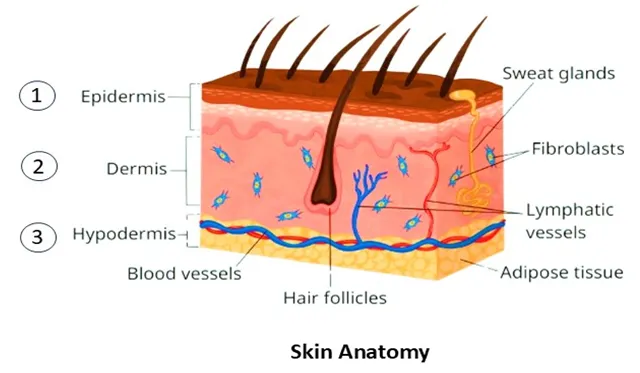
The human body has two mechanisms in place to protect itself against potentially hazardous microorganisms in the environment. Microorganisms and germs that have already penetrated the body are destroyed by the internal defence system. The external defence system keeps germs out of the body. Depending on the surroundings, the skin temperature ranges between 30-400C. The largest organ in our body is the skin. It is made up of 3 layers. They are the skin is the body's largest organ. It comprises three laps.

  1. Epidermis forms the outermost layer,
  2. Dermis constitutes the middle layer,
  3. Hypodermis makes up the innermost layer.
  • Epidermis: consists of cells called epithelium. This group of cells includes both living and dead ones. These new cells divide rapidly near the base of the epidermis, forcing older cells upward. The epidermis is not supplied with nutrients directly by blood vessels. It obtains its nourishment through the diffusion of essential molecules from the extensive circulatory network within the basal dermis. It is fed by the flow of necessary chemicals from the extensive circulatory network of the underlying dermis. Desmosomes have a strong affinity for epidermal cells. Within the cell, desmosomes are in contact with keratin filaments. When the older cells die, the keratin fibrosis network persists, forming the protective keratinized layer, a stiff and rigid protective layer in the epidermis. This layer is both water and airtight. It keeps most chemicals from entering or leaving the body. In unhealthy skin, particularly burns this layer is damaged, resulting in significant fluid loss and increased susceptibility to microbial infections, which can be deadly if left untreated.
  • Dermis: a 3 to 5 mm thick layer situated directly beneath the epidermis, consists of a connective tissue matrix that houses blood vessels, lymphatic vessels, and nerves. The cutaneous blood supply plays a vital role in regulating body temperature. It also nourishes the skin with nutrients and oxygen while eliminating toxins and waste products. Capillaries extend to within 0. 2 mm of the skin's surface, creating sink conditions for most molecules that penetrate the skin barrier. This layer is present underneath the epidermis and is differentiated by numerous elastin fibres that allow for stretching and numerous collagen fibres that offer skin strength. Dermal blood vessels hydrate both the dermis and the epidermis. The dermis is also involved in temperature control. The existence of nerves cause’s pressure and discomfort feelings. The dermis measures 3-5 mm thick.
  • Hypodermis: is the innermost layer of the skin. This layer connects to the body's deeper tissues, such as muscles and bones. While sebaceous glands, sweat glands, and hair follicles are visible on the epidermis, they actually originate in the dermis. Although sebaceous glands, sweat glands, and hair follicles are visible on the epidermis, their origins are in the dermis. A thin salt solution is secreted onto the skin's surface by sweat glands. To regulate body and skin temperatures, this fluid evaporates and cools the skin. Sweat glands may be located all over the body. Ambient temperature, heat generated by skeletal muscle movement and various emotional aspects all influence the quantity of dilutions (sweat) produced. Sebum is produced by the sebaceous glands. The oily substance sebum is produced by the hair follicles before being released on to the skin's surface. (5)  

Pathogenesis of drug penetration on skin:

Physiology of skin:

Number of topical or dermatological products are applied to the skin or mucous membrane, which enhance the fundamental function or pharmacologically alter the action in the underlined tissues. Thus, to utilize the phenomenon of percutaneous absorption successfully, it is important to understand the anatomy, physiology, physicochemical properties of skin.  The skin of an average adult covers a surface area of approximately 2 m2 and receives about one-third of the blood circulating through the body. Microscopically skin constitutes three main histological layers: epidermis, dermis, and hypodermis (subcutaneous layer) (6)


Penetration through skin:

 The factors responsible for measuring the efficacy of TDDS include physicochemical characteristics of the drug and the type of the formulation. Whereas, the efficiency of treatment depends on the penetration of drug through the target layers of the skin at effective concentrations. Effective penetration of drug molecule plays an important role in TDDS. There are various routes of penetration of drug into skin. The micro and macromolecules can enter into the skin through


Penetration of drug into skin:

A number of drugs are given by transdermal route to target deeper dermal, subcutaneous, and muscle layers. For such drugs, it is important to determine the drug level within the skin and understand the penetration behaviour into deep dermal tissue layers in order to evaluate the dermal bioavailability or assess the bioequivalence between different formulations for which a gold standard lie in vivo human skin should be preferred. This is not always feasible, though, because of the high cost of clinical trials and questions about the introduction of drugs or products with potentially harmful effects. Therefore, other techniques are used to obtain the desired information. One of these techniques is the use of in vitro penetration and permeation models. Moreover, one of the in vitro-in vivo correlations for topical preparations can be obtained by measuring the drug release from formulation and in vivo measurement of drug concentration in the SC or derma to pharmacokinetic (DPK) subject. Many researchers concluded that in vitro measurements can be used to predict absorption in vivo, if properly conducted. (7)

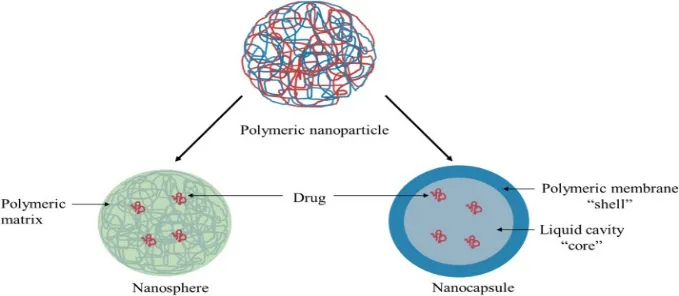
Nanoparticles are particulate dispersions or solid particles with a size in the range of 10-1000nm. The drug dissolved, entrapped, encapsulated or attached to a nanoparticle’s matrix. Depending upon to the method of preparation, nanoparticles, nanospheres or nano capsules can be obtained. Nano capsules are systems in which the drug is confined to a cavity surrounded by a unique polymer membrane, while nanospheres are matrix systems in which the drug is physically and uniformly dispersed. In recent years, biodegradable polymeric nanoparticles, particularly those coated with hydrophilic polymer such as poly (ethylene glycol) (PEG) known as long-circulating particles, have been used as potential drug delivery devices because of their ability to circulate for a prolonged period time target a particular organ, as carrier of DNA in gene therapy, and their ability to deliver proteins, peptides and genes. The potential of nanoparticles to transform multiple sectors emphasizes the importance of regulated development and usage to mitigate risks. Nanoparticles have a wide range of functions, from industrial and environmental to pharmacological and biological. They serve as targeted delivery systems for various compounds, modifying their pharmacodynamic and pharmacokinetic properties. (8)

  Advantage of Nanoparticles:

  • Reduced Adverse Effects.
  • Improved Therapeutics Efficacy.
  • Improved Bioavailability of drug.
  • Reduced dosing frequency

Disadvantage of Nanoparticles:

  • Limited drug loading
  • Toxic metabolites may form
  • Physical handling of nanoparticles is difficult in liquid and dry form

Types of Nanoparticles:

  1. Silver: Silver nanoparticles have proved to be most effective because of its good antimicrobial efficacy against bacteria, viruses and other eukaryotic micro-organisms They are undoubtedly the most widely used nanomaterials among all, thereby being used as antimicrobial agents, in textile industries, for water treatment, sunscreen lotions etc1 (9)
  2. Gold: Gold nanoparticles (AuNPs) are used in immunochemical studies for identification of protein interactions. They are used as lab tracer in DNA fingerprinting to detect presence of DNA in a sample. They are also used for detection of aminoglycoside antibiotics like streptomycin, gentamycin and neomycin. (10)
  3. Magnetic: Magnetic nanoparticles like Fe3O4 (magnetite) and Fe2O3 (maghemite) are known to be biocompatible. They have been actively investigated for targeted cancer treatment (magnetic hyperthermia), stem cell sorting and manipulation, guided drug delivery, gene therapy, DNA analysis, and magnetic resonance imaging (MRI). (11)
  4. Polymeric nanoparticles: The study of polymeric nanoparticles emerged due to personalized drug administration, better bioavailability, controlled drug release from a single dose, and allowing protection of the drug until delivery to the desired site (12) Currently, there are many methods to synthesize polymeric nanoparticles. The synthesis method’s appropriate choice will determine the relevant properties in the application, such as particle diameter, the polydispersity of the system, and how the drug will be incorporated into the nano transporters (13) Nano capsules consist of a polymeric shell disposed around an oily core, and the drug may be dissolved in this core and/or adsorbed to the polymeric wall. On the other hand, nanospheres, which do not have oil in their composition, are formed by a polymeric matrix, where the drug can be physically and uniformly retained or adsorbed (14)


Fig. Polymeric nanoparticles


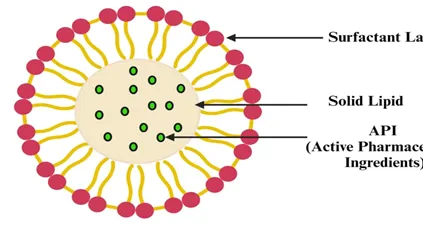
  1. Solid lipid nanoparticles (SLNs): SLNs mainly comprise lipids that are in solid phase at the room temperature and surfactants for emulsification, the mean diameters of which range from 50 nm to 1000 nm for colloid drug delivery applications SLNs offer unique properties such as small size, large surface area, high drug loading, the interaction of phases at the interfaces, and are attractive for their potential to improve. Typical methods of preparing SLNs include spray drying high shear mixing ultra-sonication and high-pressure homogenization (HPH) Solid lipids utilized in SLN formulations include fatty acids (e.g. palmitic acid, decanoic acid, and behenic acid), triglycerides (e.g. Tri laurin, trimyristin, and tripalmitin), steroids (e.g. cholesterol), partial glycerides (e.g. glyceryl monostearate and gylceryl behenate) and waxes (e.g. acetyl palmitate).                                                                     


Fig: solid lipid nanoparticles


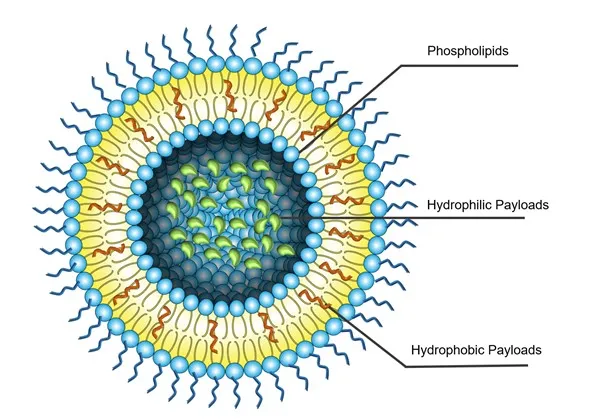
  1. Liposomes: Liposomes are vesicular structures with an aqueous core surrounded by a hydrophobic lipid bilayer, created by the extrusion of phospholipids. Phospholipids are GRAS (generally recognized as safe) ingredients, therefore minimizing the potential for adverse effects. Solutes, such as drugs, in the core cannot pass through the hydrophobic bilayer however hydrophobic molecules can be absorbed into the bilayer, enabling the liposome to carry both hydrophilic and hydrophobic molecules.


Fig. Liposomes


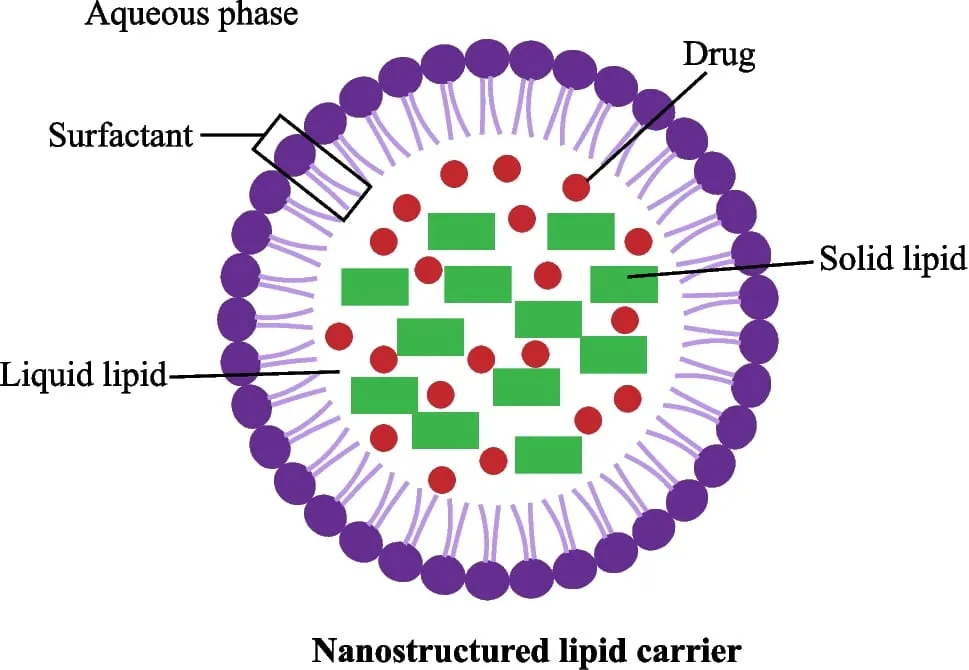
  1. Nanostructured lipid carriers (NLC): Nanostructured Lipid Carriers are produced from blend of solid and liquid lipids, but particles are in solid state at body temperature. Lipids are versatile molecules that may form differently structured solid matrices, such as the nanostructured lipid carriers (NLC) and the lipid drug conjugate nanoparticles (LDC) that have been created to improve drug loading capacity. The NLC production is based on solidified emulsion (dispersed phase) technologies.


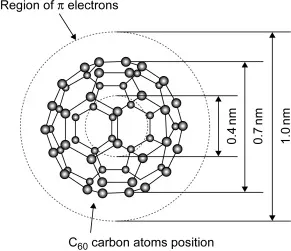
  1. Fullerenes: A fullerene is any molecule composed entirely of carbon, in the form of a hollow sphere, ellipsoid, or tube. Spherical fullerenes are also called buck balls, and cylindrical ones are called carbon nanotubes or buck tubes. Fullerenes are similar in structure to the graphite, which is composed of stacked grapheme sheets of linked hexagonal rings, additionally they may also contain pentagonal (or sometimes heptagonal) rings to give potentially porous molecules. Buckyball clusters or buck balls composed of less than 300 carbon atoms are commonly known as endohedral fullerenes and include the most common fullerene, buckminsterfullerene, C60.


Fig: Fullerenes


Importance and benefits of nanoparticles for topical delivery 

  1. better penetration and retention: Nanoparticles can help medications pass through the stratum corneum, the skin's outermost and most impermeable layer, and stay longer in the layers of the skin.
  2. regulated release: They make it possible for the active pharmaceutical ingredient (API) to be released in a prolonged and regulated manner, which can result in more consistent therapeutic benefits and possibly less frequent treatment.
  3. Improved drug stability: Compounds that are unstable in traditional formulations might benefit greatly from nanoparticles' capacity to shield medications from deterioration
  4.  Targeted delivery: By focusing on certain skin locations, they can minimize systemic exposure and adverse effects while increasing efficacy at the delivery site.

Application of nanoparticles: (15)

  • Targeting drug delivery: by encapsulation Nanoencapsulation improves drug stability, bioavailability, and targeted delivery by preventing degradation and increasing tissue absorption. It increases retention period and intracellular penetration, improving therapeutic efficacy. Successful encapsulation of bioactive substances has resulted in increased regulated release and bioactivity.  
  • Nanoparticles for drug delivery into the brain:  Nanoparticles for drug delivery into the brain the blood-brain barrier (BBB) limits drug delivery to the central nervous system due to impermeable endothelial cells with tight junctions, enzymatic activity, and efflux transport mechanisms. Water-soluble medicines are blocked, although lipophilic and tiny molecules can pass through selectively. This selectivity is a significant challenge in designing CNS medicines.
  • Nanoparticles for ophthalmic delivery:  In ocular treatments, nano formulations improve the solubility and effectiveness of poorly soluble drugs by prolonging their residence time in the cul-de-sac, which is essential for treating eye disorders. They enhance medication delivery and preserve ocular tonicity. Fluid intake and outflow cause lachrymal fluid dynamics to fluctuate constantly, affecting the solubility and rate of dissolution.
  • Topical formulations: Drug nanoparticles can be mixed into creams and waterless ointments. The nanocrystalline form increases the drug's saturation solubility in topical dose form, allowing for better drug diffusion into the skin. Micellar nanoparticles are a technique suitable for topical applications. This method permits high quantities of drugs to permeate the skin, forming a drug depot in the stratum corneum and epidermis.
  • Cosmetic applications: Solid lipid nanoparticles (SLNs), made from physiological lipids, offer occlusive and UV-protective properties, making them suitable for cosmetics. Their occlusive Ness enhances skin hydration and permeability through the stratum corneum. SLNs provide physical sun protection by effectively scattering and reflecting UV light due of their particle size and refractive index. (16)
  • Diagnostic Delivery: Early and precise disease diagnosis is crucial for effective treatment, utilizing imaging modalities like MRI, CT, PET, and fluorescent imaging. Nanoparticle-based approaches, such as liposomes and polymeric micelles, enhance imaging signals at disease sites for accurate detection. (17)

Inflammatory pain therapy: Inflammatory pain therapy focuses on stopping the body's overactive immune responses that cause swelling, heat, and pain. It relies on a combination of medications, physical therapies, and lifestyle modifications to relieve symptoms and promote healing.

Non-Steroidal Anti-Inflammatory Drug (NSAID) is the medicaments mainly targeted in pain management and anti-inflammatory effect. They also possess mild antipyretic and analgesic property. Generally, they are available in various formulations like tablets, capsules, liquid orals, gels, eye drops, intravenous injections and suppositories etc. are administered through various routes like oral, ophthalmic, rectal, parental, and mainly through transdermal route. They are also available as over the counter drug and some commercially available drugs for example ketorolac tromethamine Aspirin, Ibuprofen, Ketoprofen, Piroxicam, Paracetamol etc.  A non-steroidal anti-inflammatory drug from the heteroaryl acetic acid derivatives family, ketorolac tromethamine (KT) is used to treat inflammation. It is a non-selective racemate type of cyclooxygenase (COX) inhibiters. (18)

Ketorolac tromethamine:

 Ketorolac tromethamine (KT) is one of the NSAID belonging to the family of heterocyclic acetic acid derivatives. It prevents postoperative inflammation; conjunctivitis connected with no changes of corneal opacity. One medication used to treat acute moderate-to-severe pain is ketorolac. It belongs to the class of nonsteroidal anti-inflammatory drugs. It has a very low first pass metabolism and a 90% oral bioavailability. However, the medication has been linked to serious gastrointestinal adverse effects, including acute renal failure, peptic ulcers, gastrointestinal bleeding, and perforation. The recommendations, behaviour, and contraindications for ketorolac as a valuable medication in the treatment of acute pain are described in this effort. Ketorolac's short half-life (4-6 hours) necessitates regular doses in order to reduce pain. This can be very helpful for long-term pain relief. Additionally, cataplasm can be used to cool the region it is applied to, which can lessen swelling, pain, and inflammation. For members of the interprofessional platoon treating cases with acute moderate to severe pain, it will also emphasize the medium of action, adverse event profile, and other important elements (e.g., contraindications, monitoring, toxin). Ketorolac tromethamine is an unselective cyclooxygenase (COX) inhibitor Ketorolac is a non-steroidal anti-inflammatory drug (NSAID). Ketorolac is a nonsteroidal anti-inflammatory medication (NSAID) used to treat moderate to severe pain. Its analgesic properties make it a useful pain management tool across many settings including postoperative pain, rheumatoid arthritis, osteoarthritis, menstrual disorders, headaches, spinal and soft tissue pain, and ankylosing spondylitis. (19) The aim of the present investigation is to assess the applicability of nanoparticle loaded topical in delivering ketorolac through skin. Ketorolac is a nonsteroidal anti-inflammatory drug that shares molecular similarities with indomethacin. Its chemical formula is 5-benzoyl -2,3 dihydro-1H-Pyrrolizine 1-carboxyllic acid. There is analgesic action in the ketorolac [-] S form. Its molecular formula is C15H13NO3.  (20)

Mechanism of action:

 The mechanism of action of ketorolac depends on its inhibition of important prostaglandin production pathways.  Despite being non-selective and inhibiting both COX-1 and COX-2 enzymes, ketorolac's therapeutic effectiveness stems from its inhibition of COX-2. Arachidonic acid is converted to prostaglandins, which mediate pain and inflammation, by the inducible COX-2 enzyme. Ketorolac lowers inflammation and produces analgesia by obstructing this route.  Although ketorolac is given as a racemic combination, its pharmacological action is mostly attributed to the "S" enantiomer. (21)

FUTURE PROSPECT

The use of nonsteroidal anti-inflammatory drugs is currently the treatment of choice to manage inflammation and pain. Minimizing systemic drug exposure and associated behaviour. The strategy of inclusion of NSAIDs in nanocarriers, such as polymeric nanoparticles is one of the future strategies in this therapeutic area with the intention of achieving bio-adhesive enhancement, sustainable drug release, targeted drug delivery, improved biocompatibility, physical and chemical stability etc. Nanoparticles can improve the penetration of ketorolac through the skin, leading to better therapeutic effects. Controlled and Sustained Drug Release Nano formulations can release the drug slowly over a long period, reducing the need for frequent application. Future research may lead to the development of advanced nanoparticle-based gels, creams, and patches for inflammatory pain management. Nano formulations may be combined with other anti-inflammatory agents to enhance therapeutic outcomes.

CONCLUSIONS 

 Ketorolac tromethamine-loaded nano formulations represent a promising approach for the topical treatment of inflammatory pain. Incorporation of the drug into nanoparticles can enhance skin permeation, improve drug retention at the target site, and provide sustained drug release. This approach may reduce systemic exposure and associated adverse effects while maintaining effective pain relief. Overall, nano-engineered topical delivery systems offer a potential strategy to improve the therapeutic performance of ketorolac tromethamine and warrant further investigation for clinical application

REFERENCES

  1. Manjunath J1 Tanushree, Suma topical drug delivery system: an overview PG student, Department of Pharmaceutics, AL-Ameen College of Pharmacy, Bangalore-27, Karnataka, india608002.
  2. Dhanshree Kanade, Dr. Narendra GowekarReview: Topical Drug Delivery System Department of Quality Assurance Siddhant College of Pharmacy, Soumare, Pune, Maharashtra India
  3.  Mamatha G T, Mahalakshmi A S, Hithesh P, Spoorthy Department of pharmaceutics, Bharathi college of pharmacy, Bhilainagar, Mandia district, Karnataka, India 571422.
  4. Sahu T, Patel T, Sahu S, Gidwani B. Skin Cream as Topical Drug Delivery System: A Review. J. Pharma Boil Scie. 2016 Sep 1;4(5):149.
  5. Ashni Verma, Sukhdev Singh, Rupinder Kaur, Upendra K Jain, Topical Gels as Drug Delivery Systems: A Review, International Journal of Pharmaceutical Sciences Review and Research, 23(2), Nov – Dec 2013.
  6. Shelke SJ, Shinkar DM, Saudagar RB. Topical gel: a novel approach for development of topical drug delivery system. Int J Pharm Technol. 2013;5(3):2739-2763.
  7. Shah VP. Progress in methodologies for evaluating bioequivalence of topical formulations. Am J Clin Dermatol. 2001;2(5):275-280.
  8.  Sowmya J, Gowda DV, Srivastava A. Topical Gels: A Recent Approach for Novel Drug Delivery. Int. J Health Scie and Res.2015.2015;5(10):305-12.
  9. M.S. Roberts, H.S. Cheruvu, S.E. Mangion et al., Topical drug delivery: History, percutaneous absorption, and product development, Advanced Drug Delivery Reviews 177 (2021).
  10. S Balaguru, Ramya Devi D, Vedha Hari BN An Ideal Drug Delivery Carrier for Non-Steroidal Anti-inflammatory Drugs through Topical Route, Department of Pharmaceutical Technology, School of Chemical & Biotechnology, SASTRA University, 2015 Thanjavur 613401.india
  11. Çevikelli, E.K. Tilki, U.M. Güven and H.T. Kiyan ketorolac tromethamine loaded nano spray dried nanoparticles preparation characterization, cell viability, Department of Pharmaceutical technology, Faculty of Pharmacy, Anadolu University, Eskisehir, Türkiye Department of Pharmaceutical Technology, Faculty of Pharmacy, Çukurova University, Adana,830,840
  12. Dr. M. Kannadasan1 Prem Kumar Bichala Abhishek Agrawal Swapna Singh A review: nano particle drug delivery system School of Pharmaceutical Sciences, Pratap University, Jaipur, Rajasthan 2020
  13. Delvecchio Rick. Berkeley considering need for nano safety.articles.sfgate.com 2006.  Langer R. Biomaterials in drug delivery and tissue engineering; one laboratory’s experience Acc ChemRes.2000; 33:94-101.
  14. Saba Hasan Amity Institute of Biotechnology, Amity University Uttar Pradesh (Lucknow Campus), Gomti Nagar Extension, Lucknow UP, INDIA Review on Nanoparticles: Their Synthesis and Types 2277-2502
  15. Anvika Tomar and Garima Garg, Short Review on Application of Gold Nanoparticles. Global Journal of Pharmacology, 34-38, (2013)
  16. Mura, S Nicolas, J Couvreur, P. Stimuli-Responsive Nanocarriers for Drug Delivery. Nat. Mater. 2013, 12, 991–1003. DOI 10.1038/nmat3776.
  17. Jacob, J.; Haponiuk, J. T Thomas, S Gopi, S. Biopolymer Based Nanomaterials in Drug Delivery Systems A Review. DOI 10.1016/Mitchem. 2018.05.002.
  18. Kumari, A. Yadav, S. K. Yadav, S. C. Biodegradable Polymeric Nanoparticles Based Drug Delivery Systems. Colloid. Surf B. Bio interfaces. 2010, 75, 1–18.DOI: 10.1016/j. colsurfb.2009.09.001.
  19. Sowmya J, Gowda DV, Srivastava A. Topical Gels: A Recent Approach for Novel Drug Delivery. Int. J Health Scie and Res.2015.2015;5(10):305-12.
  20.   Gadd AP, Kumar SV, Dandagi PM, Bolmol UB, Pallavi NP. Nanoparticles and their Therapeutic Applications in Pharmacy. Int. J. Pharm. Sci. Nanotechnology. 2014 31;7(3):2515-6.
  21. Patel M, Jain SK, Yadav AK, Gogna D, Agrawal GP. Preparation and Characterization of Oxybenzone-Loaded Gelatin Microspheres for Enhancement of Sun Screening Efficacy. Drug Deliv. 2006 Jan 113(5)323-30. 37. 
  22. Park W, Na K. Advances in the Synthesis and Application of Nanoparticles for Drug Delivery. Wiley Interdisciplinary Reviews: Nanomedicine and Nanobiotechnology. 2015 Jul;7(4):494-508.
  23. Dang Y, Guan J. Nanoparticle-Based Drug Delivery Systems for Cancer Therapy. Smart Materials in Medicine. 2020 Jan 1 1:109.
  24. Agarwal RC, Kant S, Singh PN, Maiti P, Pandit JK. Polymeric nanoparticulate system: a potential approach for ocular drug delivery. J Control Release. 2009;136(1):2-13
  25. Raafat Elsayed Osman, Gihan Fetih and Fawzia Habib Department of Pharmaceutics, Faculty of Pharmacy, Assiut University, Assiut, Egypt ketorolac tromethamine loaded nanoparticles for ocular delivery: formulation, in-vitro and ex-vivo evaluation 2020, 79-94.
  26. R. Gangadhara, K. P. Satheesh, N. Devanna, L. Sasikala and Vandavasi Kote Swara Rao formulation and invitro characterization of ketorolac loaded Nano sponges Department of Chemistry, Jawaharlal Nehru Technological University Anantapur, Anantharaman, Andhra Pradesh, India.
  27.  Cho K, Wang X, Nie S Cincinnati, OH, Approaches to safe Nano-technology; an information exchange with NIOSH; 2006, et al. Therapeutic nanoparticles for drug delivery in cancer. Clinics Cancer Res 2008; 14:1310–1316. 
  28. Formulation and Evaluation of Ketoprofen Loaded Nanoparticulate Gel for Topical Delivery Soumen Pattanayek1, S.B. Puranik2 1Teva Pharmaceuticals 1776 Aspen Ln Weston, FL, 33327
  29. A.J. Flach, L.M. Jampel, D. Weinberg et al. Improvement in visual acuity in chronic aphakic and pseudophakic cystoid macular edema after treatment with topical 0.5% ketorolac tromethamine, Am. J. Ophthalmol., 112 (1991) 514.

Reference

  1. Manjunath J1 Tanushree, Suma topical drug delivery system: an overview PG student, Department of Pharmaceutics, AL-Ameen College of Pharmacy, Bangalore-27, Karnataka, india608002.
  2. Dhanshree Kanade, Dr. Narendra GowekarReview: Topical Drug Delivery System Department of Quality Assurance Siddhant College of Pharmacy, Soumare, Pune, Maharashtra India
  3.  Mamatha G T, Mahalakshmi A S, Hithesh P, Spoorthy Department of pharmaceutics, Bharathi college of pharmacy, Bhilainagar, Mandia district, Karnataka, India 571422.
  4. Sahu T, Patel T, Sahu S, Gidwani B. Skin Cream as Topical Drug Delivery System: A Review. J. Pharma Boil Scie. 2016 Sep 1;4(5):149.
  5. Ashni Verma, Sukhdev Singh, Rupinder Kaur, Upendra K Jain, Topical Gels as Drug Delivery Systems: A Review, International Journal of Pharmaceutical Sciences Review and Research, 23(2), Nov – Dec 2013.
  6. Shelke SJ, Shinkar DM, Saudagar RB. Topical gel: a novel approach for development of topical drug delivery system. Int J Pharm Technol. 2013;5(3):2739-2763.
  7. Shah VP. Progress in methodologies for evaluating bioequivalence of topical formulations. Am J Clin Dermatol. 2001;2(5):275-280.
  8.  Sowmya J, Gowda DV, Srivastava A. Topical Gels: A Recent Approach for Novel Drug Delivery. Int. J Health Scie and Res.2015.2015;5(10):305-12.
  9. M.S. Roberts, H.S. Cheruvu, S.E. Mangion et al., Topical drug delivery: History, percutaneous absorption, and product development, Advanced Drug Delivery Reviews 177 (2021).
  10. S Balaguru, Ramya Devi D, Vedha Hari BN An Ideal Drug Delivery Carrier for Non-Steroidal Anti-inflammatory Drugs through Topical Route, Department of Pharmaceutical Technology, School of Chemical & Biotechnology, SASTRA University, 2015 Thanjavur 613401.india
  11. Çevikelli, E.K. Tilki, U.M. Güven and H.T. Kiyan ketorolac tromethamine loaded nano spray dried nanoparticles preparation characterization, cell viability, Department of Pharmaceutical technology, Faculty of Pharmacy, Anadolu University, Eskisehir, Türkiye Department of Pharmaceutical Technology, Faculty of Pharmacy, Çukurova University, Adana,830,840
  12. Dr. M. Kannadasan1 Prem Kumar Bichala Abhishek Agrawal Swapna Singh A review: nano particle drug delivery system School of Pharmaceutical Sciences, Pratap University, Jaipur, Rajasthan 2020
  13. Delvecchio Rick. Berkeley considering need for nano safety.articles.sfgate.com 2006.  Langer R. Biomaterials in drug delivery and tissue engineering; one laboratory’s experience Acc ChemRes.2000; 33:94-101.
  14. Saba Hasan Amity Institute of Biotechnology, Amity University Uttar Pradesh (Lucknow Campus), Gomti Nagar Extension, Lucknow UP, INDIA Review on Nanoparticles: Their Synthesis and Types 2277-2502
  15. Anvika Tomar and Garima Garg, Short Review on Application of Gold Nanoparticles. Global Journal of Pharmacology, 34-38, (2013)
  16. Mura, S Nicolas, J Couvreur, P. Stimuli-Responsive Nanocarriers for Drug Delivery. Nat. Mater. 2013, 12, 991–1003. DOI 10.1038/nmat3776.
  17. Jacob, J.; Haponiuk, J. T Thomas, S Gopi, S. Biopolymer Based Nanomaterials in Drug Delivery Systems A Review. DOI 10.1016/Mitchem. 2018.05.002.
  18. Kumari, A. Yadav, S. K. Yadav, S. C. Biodegradable Polymeric Nanoparticles Based Drug Delivery Systems. Colloid. Surf B. Bio interfaces. 2010, 75, 1–18.DOI: 10.1016/j. colsurfb.2009.09.001.
  19. Sowmya J, Gowda DV, Srivastava A. Topical Gels: A Recent Approach for Novel Drug Delivery. Int. J Health Scie and Res.2015.2015;5(10):305-12.
  20.   Gadd AP, Kumar SV, Dandagi PM, Bolmol UB, Pallavi NP. Nanoparticles and their Therapeutic Applications in Pharmacy. Int. J. Pharm. Sci. Nanotechnology. 2014 31;7(3):2515-6.
  21. Patel M, Jain SK, Yadav AK, Gogna D, Agrawal GP. Preparation and Characterization of Oxybenzone-Loaded Gelatin Microspheres for Enhancement of Sun Screening Efficacy. Drug Deliv. 2006 Jan 113(5)323-30. 37. 
  22. Park W, Na K. Advances in the Synthesis and Application of Nanoparticles for Drug Delivery. Wiley Interdisciplinary Reviews: Nanomedicine and Nanobiotechnology. 2015 Jul;7(4):494-508.
  23. Dang Y, Guan J. Nanoparticle-Based Drug Delivery Systems for Cancer Therapy. Smart Materials in Medicine. 2020 Jan 1 1:109.
  24. Agarwal RC, Kant S, Singh PN, Maiti P, Pandit JK. Polymeric nanoparticulate system: a potential approach for ocular drug delivery. J Control Release. 2009;136(1):2-13
  25. Raafat Elsayed Osman, Gihan Fetih and Fawzia Habib Department of Pharmaceutics, Faculty of Pharmacy, Assiut University, Assiut, Egypt ketorolac tromethamine loaded nanoparticles for ocular delivery: formulation, in-vitro and ex-vivo evaluation 2020, 79-94.
  26. R. Gangadhara, K. P. Satheesh, N. Devanna, L. Sasikala and Vandavasi Kote Swara Rao formulation and invitro characterization of ketorolac loaded Nano sponges Department of Chemistry, Jawaharlal Nehru Technological University Anantapur, Anantharaman, Andhra Pradesh, India.
  27.  Cho K, Wang X, Nie S Cincinnati, OH, Approaches to safe Nano-technology; an information exchange with NIOSH; 2006, et al. Therapeutic nanoparticles for drug delivery in cancer. Clinics Cancer Res 2008; 14:1310–1316. 
  28. Formulation and Evaluation of Ketoprofen Loaded Nanoparticulate Gel for Topical Delivery Soumen Pattanayek1, S.B. Puranik2 1Teva Pharmaceuticals 1776 Aspen Ln Weston, FL, 33327
  29. A.J. Flach, L.M. Jampel, D. Weinberg et al. Improvement in visual acuity in chronic aphakic and pseudophakic cystoid macular edema after treatment with topical 0.5% ketorolac tromethamine, Am. J. Ophthalmol., 112 (1991) 514.

Photo
Sandhya Jaiswal
Corresponding author

Department of Pharmaceutics, LCIT School of pharmacy, Bilaspur, Chhattisgarh.

Photo
Pankaj Kumar
Co-author

Department of Pharmaceutics, LCIT School of pharmacy, Bilaspur, Chhattisgarh.

Photo
Dr. Ritesh Jain
Co-author

Department of Pharmaceutics, LCIT School of pharmacy, Bilaspur, Chhattisgarh.

Sandhya Jaiswal, Pankaj Kumar, Dr. Ritesh Jain, Nano-Engineering of Ketorolac Tromethamine for Inflammatory Pain Therapy for Topical Drug Delivery System, Int. J. of Pharm. Sci., 2026, Vol 4, Issue 6, 7096-7107, https://doi.org/10.5281/zenodo.20991035

More related articles
The Formulation and Evaluation of Poly Herbal Soap...
Kiran Makwana, Abdul Basit, Shivam Singh , Rahal Shah, Dhara Sidd...
Preliminary Physicochemical Characterization of Ig...
Sankar C., Babitha L., Vasanthkumar A., Sabitha S., Naresh Kumar...
Alzheimer's Disease: A Comprehensive Review of Pathophysiology, Diagnosis, and E...
Rameez Raja, Amar Pal Singh, Ajeet Pal Singh, Rajesh Kumar...
Comparative Evaluation of Anticonvulsant Potential of Clerodendrum viscosum and ...
Rohini Chavan, Dr. Swati Deshmukh , Neelu Yadav, Rutuja Mule, Dr. Swati Jogdand...
A Comprehensive Review on Liposomes: As A Novel Drug Delivery System...
Prachi Moon, Priyanka Sakhare , Soniya Bhongade, Sabiya Sheikh , Pranjali Patil...
Related Articles
RP-HPLC Method Development and Validation for the simultaneous estimation of Cob...
Dr. P. V. Madhavi Latha , Dr. P Uma Devi, K Suvarna, P. Siva Lalitha...
Development and Evaluation of Herbal Gel Formulations Using Advanced Analytical ...
Ajeet Kumar Yadav, Dr. Pavan Kumar, Dr. Vipin Kesarwani, Vasim Khan...
4D Bioprinting: Shaping the Future of Dynamic and Smart Tissue Regeneration...
Tanaya Markande, Snehal Nage , Pranjali Narwade , Aarti More, Sanika Nalande, Sumeet Bhilwade ...
The Formulation and Evaluation of Poly Herbal Soap for Treatment of Acne and It...
Kiran Makwana, Abdul Basit, Shivam Singh , Rahal Shah, Dhara Siddhpuria, Krushal Sapariya...
More related articles
The Formulation and Evaluation of Poly Herbal Soap for Treatment of Acne and It...
Kiran Makwana, Abdul Basit, Shivam Singh , Rahal Shah, Dhara Siddhpuria, Krushal Sapariya...
Preliminary Physicochemical Characterization of Iguratimod Using UV Spectroscopy...
Sankar C., Babitha L., Vasanthkumar A., Sabitha S., Naresh Kumar...
The Formulation and Evaluation of Poly Herbal Soap for Treatment of Acne and It...
Kiran Makwana, Abdul Basit, Shivam Singh , Rahal Shah, Dhara Siddhpuria, Krushal Sapariya...
Preliminary Physicochemical Characterization of Iguratimod Using UV Spectroscopy...
Sankar C., Babitha L., Vasanthkumar A., Sabitha S., Naresh Kumar...