

We use cookies to ensure our website works properly and to personalise your experience. Cookies policy
Department of Pharmaceutics, Channabasweshwar Pharmacy College, Latur, Maharashtra, India.
Pharmaceutical sciences have advanced significantly with nanoparticle-based drug delivery systems, which provide creative answers to the drawbacks of traditional drug delivery methods. Site-specific delivery of therapeutic agents, increased solubility, improved stability, and prolonged systemic circulation are made possible by the distinct nanoscale dimensions and adjustable surface properties of nanoparticles. Numerous nanoparticulate carriers have been thoroughly studied for a variety of biomedical applications, including polymeric nanoparticles, lipid-based systems like solid and nanostructured lipid carriers, metallic and inorganic nanoparticles, and hybrid nanocarriers. Targeted drug delivery and controlled release profiles have been made possible by recent advancements in surface engineering techniques and formulation technologies, increasing therapeutic efficacy and reducing off-target toxicity. Formulations based on nanoparticles have shown encouraging results in the treatment of neurological conditions, infectious diseases, and cancer. However, a number of significant obstacles stand in the way of the successful clinical translation of these systems, including issues with formulation stability, large-scale manufacturing, batch-to-batch reproducibility, biocompatibility and long-term safety, and strict regulatory requirements.The classification, preparation methods, characterization techniques, therapeutic applications, safety and toxicity aspects, present challenges, and future prospects of drug delivery systems based on nanoparticles are all thoroughly covered in this review. Realizing the full clinical potential of pharmaceutical products driven by nanotechnology requires addressing these issues through interdisciplinary research and logical design.
Nanotechnology has revolutionized pharmaceutical sciences by providing novel approaches to enhance therapeutic efficacy and drug delivery. The application of nanocarriers in medicine, sometimes known as "nanomedicine," has attracted a lot of interest due to their capacity to alter drug pharmacokinetics and biodistribution. Nanoparticles, which are usually between 1 and 1000 nm in size, have special physicochemical characteristics like a large surface area, an adjustable surface charge, and the ability to encapsulate various classes of therapeutic agents [1,2]. Because of these characteristics, nanoparticles are helpful carriers for increasing the stability, solubility, and bioavailability of medications that are labile and poorly soluble in water.Conventional drug delivery systems frequently have low aqueous solubility, rapid degradation in physiological environments, poor permeability across biological barriers, and non-specific distribution, which can lead to increased systemic side effects and decreased therapeutic efficacy [3]. The creation of nanoparticle-based delivery systems, which offer regulated and prolonged drug release, enhance membrane permeability, and protect drugs from premature degradation, has addressed these drawbacks [4]. Because of their nanoscale size, these carriers are better able to interact with biological membranes and promote cellular uptake, which enhances therapeutic outcomes [5].Numerous nanoparticle platforms, such as polymeric nanoparticles, lipid-based nanoparticles like solid lipid nanoparticles and nanostructured lipid carriers, as well as inorganic and hybrid nanocarriers, have been investigated for use in pharmaceutical applications [6]. Because of their biocompatibility, biodegradability, and potential for large-scale production, polymeric and lipid-based nanoparticles have garnered a lot of attention [7].
Additionally, surface functionalization of nanoparticles with polymers, ligands, or targeting moieties has been studied to improve therapeutic selectivity and achieve site-specific drug delivery, especially in the treatment of complex and chronic diseases [8].The oral delivery of poorly soluble compounds, infectious diseases, disorders of the central nervous system, and cancer therapy have all shown promising results with nanoparticles [9,10]. By enabling controlled and sustained drug release, nanoparticle formulations can reduce the frequency of doses, improve patient compliance, and sustain therapeutic drug concentrations for extended periods of time [11]. Despite these advantages, concerns about long-term stability, safety, mass manufacturing, an regulatory approval remain important barriers to the clinical use of systems based on nanoparticles [12].All things considered, drug delivery systems based on nanoparticles offer a sophisticated and adaptable platform in contemporary pharmaceutics. To fully realize the potential of nanoparticles in enhancing therapeutic efficacy and patient outcomes, ongoing research centered on formulation optimization, characterization, safety evaluation, and clinical performance is necessary [13].The field of targeted and personalized medicine has grown even more in recent years as a result of the combination of nanotechnology and sophisticated pharmaceutical engineering. Nanoparticles' capacity to penetrate intricate biological barriers, including the intestinal epithelium, the blood–brain barrier (BBB), and the tumor microenvironment, has created new therapeutic opportunities for the treatment of cancer, chronic inflammatory diseases, and neurological disorders [14].The passive targeting ability of nanocarriers is further supported by the enhanced permeability and retention (EPR) effect in tumor tissues, which allows for greater drug accumulation at pathological sites while reducing systemic toxicity [15].
Furthermore, the in vivo fate, biodistribution, and therapeutic efficacy of nanoparticles are significantly influenced by their physicochemical characteristics, which include particle size, polydispersity index, surface charge (zeta potential), morphology, and surface functionalization [16]. Reproducibility and scalability of nanoparticle systems are guaranteed by precise control over these parameters using formulation optimization techniques like high-pressure homogenization, ionic gelation, emulsification-solvent evaporation, and nanoprecipitation [17].The efficiency of drug delivery has been further enhanced by recent developments in stimuli-responsive, or "smart," nanocarriers. In order to improve site-specific delivery and lessen off-target effects, these systems are made to release therapeutic agents in response to particular external (temperature, light, magnetic field) or internal (pH, enzymes, redox potential) triggers [18]. These intelligent systems are especially useful in the treatment of cancer and disorders of the central nervous system, where localized and controlled drug release is essential [19].Furthermore, the development of hybrid nanocarrier systems and nanogels that combine inorganic, polymeric, and lipid-based components has shown enhanced stability, sustained release profiles, and superior drug loading capacity [20]. Polyethylene glycol (PEGylation) surface modification and ligand conjugation techniques further extend circulation time, decrease opsonization, and promote receptor-mediated targeting [21].
Notwithstanding these encouraging developments, issues like long-term toxicity, regulatory barriers, potential immunogenicity, nanoparticle aggregation, and affordable large-scale production continue to be major worries [22]. Therefore, to guarantee the safe transition of nanoparticle-based systems into clinical practice, thorough preclinical and clinical evaluations including pharmacokinetic studies, toxicity profiling, histopathological analysis, and regulatory compliance are crucial [23].In order to advance precision medicine and enhance patient-specific treatment outcomes, future perspectives in nanomedicine place a strong emphasis on the creation of multifunctional theranostic nanoplatforms that can perform simultaneous diagnosis and therapy [24].
2. NANOPARTICLE TYPES AND CLASSIFICATION
To improve the solubility, stability, bioavailability, and targeted delivery of therapeutic agents, nanoparticles submicron-sized carriers are frequently employed in drug delivery [1,2]. They are categorized as follows according to composition and function:
2.1. Nanoparticles made of polymers
These are made of biocompatible and biodegradable polymers like gelatin, chitosan, and PLGA. They can be expressed as: Drugs distributed throughout the polymer matrix are called nanospheres. Drugs enclosed in a polymeric shell are known as nanocapsules. Benefits include surface modification for targeted delivery, protection against degradation, and controlled drug release [3, 4].
2.2.Nanoparticles Based on Lipids
comprises Nanostructured Lipid Carriers (NLC) and Solid Lipid Nanoparticles (SLN). They enable parenteral, topical, or oral administration and are biocompatible with lipophilic medications. In contrast to SLNs, NLCs enhance drug loading and avoid expulsion problems [5,6].
2.3. Metallic and Inorganic Nanoparticles
Silica, gold, silver, and magnetic nanoparticles are a few examples. Because of their special optical, magnetic, and electrical characteristics, they can be used for diagnostics, imaging, and targeted therapy. The main drawbacks are poor biodegradability and possible long-term toxicity [7, 8].
2.4. Surface-engineered and hybrid nanoparticles
In order to incorporate the benefits of each component, hybrid nanoparticles combine materials (polymer–lipid or polymer–inorganic). Targeted delivery, extended circulation, and decreased immune clearance are made possible by surface functionalization with ligands, antibodies, or polymers [9, 10].
2.5. Classification by Function
Considering therapeutic behavior:
This classification aids in the selection of the best nanoparticle system according to the therapeutic application, drug properties, and mode of administration.
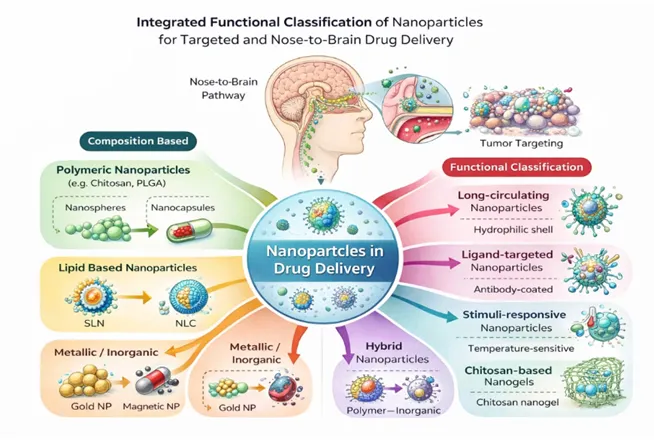
Fig.1 Classification of nanoparticle in drug delivery system
3. MATERIALS FOR NANOPARTICLE PRODUCTION
When it comes to the design and functionality of drug delivery systems based on nanoparticles, material selection is crucial. The substance controls the nanoparticles' physicochemical characteristics, biocompatibility, drug loading effectiveness, release profile, and in vivo behavior [1,2]. Polymers, lipids, surfactants, and functional ligands are commonly used in the fabrication of nanoparticles.
3.1. Polymers
Because polymers are biodegradable, biocompatible, and capable of delivering controlled drug release, they are widely utilized in polymeric nanoparticles.
Synthetic polymers include polycaprolactone (PCL), poly(lactic acid) (PLA), and poly(lactic-co-glycolic acid) (PLGA).
Natural polymers: Dextran, Gelatin, Alginate, and Chitosan
Drug delivery can be targeted and sustained by customizing polymers for desired degradation rates, mechanical strength, and surface characteristics [3, 4].
3.2. Fats
Physiologically compatible lipids are used by lipid-based nanoparticles, such as Solid Lipid Nanoparticles (SLN) and Nanostructured Lipid Carriers (NLC), to improve drug solubility and stability.
Solid lipids: stearic acid, palmitic acid, and glyceryl monostearate
Medium-chain triglycerides, oleic acid, and miglyol are examples of liquid lipids (for NLCs).
While preserving biocompatibility, lipids aid in the encapsulation of lipophilic medications and enhance oral bioavailability [5,6].
3.3. Stabilizers and Surfactants
By decreasing interfacial tension and inhibiting aggregation, surfactants stabilize nanoparticles. Surfactants that are frequently used include:
In order to improve circulation time and decrease opsonization, stabilizers can also alter surface charge [7, 8].
3.4. Functional Ligands and Targeting Agents
For targeted drug delivery, nanoparticles can be functionalized with:
3.5. Inorganic and Hybrid Materials
Inorganic nanoparticles: Gold, silver, silica, magnetic nanoparticles for imaging and targeted therapy.Hybrid nanoparticles: Polymer–lipid or polymer–inorganic systems combining advantages of multiple materials [11].
4. PREPARATION METHOD OF NANOPARTICLES
The method of preparation is a critical determinant of the physicochemical characteristics, drug encapsulation efficiency, particle size, stability, and therapeutic performance of nanoparticles. The choice of preparation technique depends on nanoparticle type, solubility of the drug, polymer/lipid properties, intended route of administration, and scale of production [1,2]. Broadly, the preparation techniques are classified into top-down approaches, bottom-up approaches, and specialized techniques.
4.1. Top-Down Approaches
Top-down methods involve reducing bulk material to nanoscale particles using mechanical or physical energy. These techniques are straightforward and efficient, but they could put the medication or carrier material under stress.
a. Homogenization under High Pressure (HPH)
In HPH, the drug-lipid or polymer dispersion is forced through a narrow gap under very high pressure (100–2000 bar), leading to particle size reduction.
b. Milling of Media
Also called wet milling, where bulk drug or polymer particles are reduced using grinding media (e.g., zirconium beads) in a liquid medium. creates nanoparticles with a limited range of sizes. ideal for medications that are poorly soluble, but it may result in contamination and mechanical stress [4].
c. Sonication
Ultrasonic energy is applied to reduce particle size. Frequently combined with emulsification to create uniformly distributed, small-sized nanoparticles.
4.2. Bottom-Up Methodologies
By assembling nanoparticles from molecular or ionic precursors, bottom-up methods provide greater control over the size and shape of the particles.
a. Emulsion-Solvent Evaporation and Solvent Evaporation
A volatile organic solvent is used to dissolve the drug and polymer, which are then emulsified in an aqueous phase with a surfactant. Solid nanoparticles are created when organic solvent evaporates. Benefits include simplicity, reproducibility, and widespread application for polymeric nanoparticles [5].
b. Nanoprecipitation (Displacement of Solvents)
Nanoparticles spontaneously precipitate when a polymer-drug solution in a water-miscible organic solvent is added to an aqueous phase while being stirred. Produces uniform, small-sized nanoparticles with high encapsulation efficiency. Suitable for both hydrophobic and hydrophilic drugs [6].
c. The Supercritical Fluid Method
Uses supercritical CO2 to separate drug-polymer solutions into nanoparticles. Benefits include producing nanoparticles with a narrow size distribution, being solvent-free, and being eco-friendly. Limitations: expensive and needs specialized equipment [7].
4.3. Specialized Techniques
a. Drying by Spraying
Hot air is used to atomize and quickly dry liquid nanoparticle suspensions or emulsions. Produces dry, free-flowing nanoparticles, suitable for oral and inhalation routes. Advantages: scalable and efficient; limitations: heat-sensitive drugs may degrade [8].
b. Ionic Gelation
Polyelectrolyte polymers (e.g., chitosan) form nanoparticles in the presence of multivalent counterions (e.g., TPP).Mild, aqueous-based method suitable for biopolymers and sensitive drugs. Advantages: simple, low-cost, no organic solvents; widely used for targeted delivery [9].
c. Fluid microfluidics
Particle size, polydispersity, and reproducibility can be precisely controlled by carefully combining streams in microchannels to create nanoparticles. Benefits include high reproducibility and scale-up potential; drawbacks include the need for specialized equipment [10].
d. Techniques for Self-Assembly
In aqueous environments, amphiphilic polymers or surfactants self-assemble to create micelles or nanocarriers that encapsulate the medication. It offers sustained release and is appropriate for hydrophobic medications [11].
5. CHARACTERIZATION OF NANOPARTICLES
For nanoparticle-based drug delivery systems to be effective, stable, and of high quality, characterization is essential [5, 6, 12].
The following are important parameters:
6. ADVANTAGES
7. DISADVANTAGES
8. APPLICATIONS
9. NANOPARTICLE SAFETY, TOXICITY, AND BIOCOMPATIBILITY
10. CURRENT CHALLENGES AND FUTURE ASPECT
11. CONCLUSION
Nanoparticle of their special physicochemical characteristics, such as their small particle size, high surface area, and modifiable surfaces, nanoparticles have become a very flexible and promising platform for contemporary drug delivery [1,3,6]. Better solubility, stability, bioavailability, controlled release, and targeted delivery of therapeutic agents are made possible by these characteristics, which increase treatment effectiveness while lowering systemic side effects [2,4,6,10]. Notwithstanding their benefits, widespread clinical translation is still constrained by obstacles like large-scale production challenges, long-term toxicity concerns, stability issues, and strict regulatory requirements [5, 11, 12].
It is anticipated that ongoing research on smart and stimuli-responsive systems, biodegradable and biocompatible nanocarriers, and sophisticated scalable manufacturing techniques will overcome these constraints and increase their clinical applicability [8,9,14,15]. All things considered, pharmaceutics has advanced significantly with nanoparticles, which have the potential to revolutionize future drug delivery methods and enhance patient outcomes in a variety of therapeutic domains [6, 17]..
REFERENCES







Mohini Mishra, Shubham Chavan, Pallavi Chakor, Formulation, Characterization and Antimicrobial Evaluation of a Polyherbal Emulgel Containing Rubia cordifolia and Tridax procumbens: A Synergistic Approach for Topical Drug Delivery, Int. J. of Pharm. Sci., 2026, Vol 4, Issue 5, 8187-8197. https://doi.org/10.5281/zenodo.20471982
 10.5281/zenodo.20471982