

We use cookies to ensure our website works properly and to personalise your experience. Cookies policy
Pioneer Pharmacy College, Sayajipura, Ajwa-Nimeta Road, Vadodara.
Nanosponges are a new type of drug delivery system, able to carry drugs and to release them slowly and continuously. They are small, porous particles capable of carrying water-soluble and poorly water-soluble drugs. Nanosponges may improve the solubility, stability, bioavailability and drug release of medicines. These can be prepared by different methods such as solvent method, ultrasound method, emulsion solvent diffusion, melt method, microwave method, polymerization and electrospinning. Their properties depend on the type of polymer, cross-linker, drug, crystallinity and preparation method. Different techniques are used to study their size, structure, drug loading, stability and release. Nanosponges have various applications like targeted drug delivery, cancer therapy, protein delivery, antifungal treatment, blood detoxification, cosmetics and other biomedical applications. Recent studies have also revealed their potential for improving oral bioavailability and for specific and stimulus-responsive systems for drug delivery . However, some challenges such as safety, cost, residual solvent, reproducibility and scale-up still remain to be solved. To put it simply, nanosponges represent a promising drug delivery system which can deliver drugs more safely, effectively, and in a controlled manner.
To achieve the intended effect, precision drug delivery systems have long been a goal. [1] Nanosponges are a novel class of virus-sized sponges that are filled with a medication and attached with unique chemical "linkers" that bind preferentially to a characteristic present only on the surface of tumor cells before being injected into the body. These microscopic sponges move throughout the body until they come into contact with a tumor cell's surface, where they adhere and start releasing their powerful medication in a predictable and controlled manner. [2]
Although the medication delivery method was previously limited to topical treatments, nanosponges can now be given orally or intravenously (IV). [1] Because their core consists of hydrophilic branching and lipophilic properties, the novel class of these three-dimensional frameworks can contain both hydrophilic and lipophilic drugs extensively, improving solubility, bioavailability of poorly water-soluble compounds, and minimizing side effects. [3]
By creating inclusion and non-inclusion complexes, they can hold a variety of compounds. Nanosponges may be created by starting a reaction between cyclodextrin and an appropriate crosslinker that produces hypercrosslinked cyclodextrin. They have the ability to cover off bad flavors and harden liquids.They can be employed in a variety of ways and have strong personalities.[3]
Limitation of using drugs via oral:- [4]
2. ADVANTAGES [6-12]
3. DISADVANTAGES [13-17]
4. CHARACTERISTICS [18-20]
5. TYPES OF NANOSPONGE
5.1 Cyclodextrin-Based Nanosponges
Cyclodextrins are oligosaccharides that make up these cyclodextrin-based nanosponges. These cyclodextrin-based nanosponges can form host-guest inclusion complexes. When you link them with inorganic chemicals they create a porous network. In the world of drug delivery cyclodextrin-based nanosponges help make drugs dissolve better and release at a pace. For example β-cyclodextrin nanosponges are used to carry anticancer medications. [21]
5.2 Polymer-Based Nanosponges
People use natural polymers like Polyethylene glycol (PEG) polylactic acid (PLA) and polyurethane to make polymer-based nanosponges. Polymer-based nanosponges have stability and you can change how porous they are. These polymer-based nanosponges are used for things like controlled drug release, healing wounds and tissue engineering. One way to use them is with PEGylated nanosponges to help medication stay in the body. [22]
5.3 Carbon-Based Nanosponges
Materials like graphene oxide and carbon nanotubes are used to make carbon-based nanosponges. These carbon-based nanosponges are famous because they have a surface area and can conduct electricity very well. I find it interesting that carbon-based nanosponges are used to help the environment, such as cleaning up oil spills and making water clean. For instance graphene oxide nanosponges can be used to soak up metals. [23]
5.4 Silicon-Based Nanosponges
Silicon-based nanosponges are made from silica nanoparticles or mesoporous silica. These silicon-based nanosponges are very safe for the body. Stay chemically stable. Because silicon-based nanosponges are so porous they work well as carriers for sensors, photosensitizers, fuel adsorbents, cell electrodes, catalysts and medications. Silicon-based nanosponges are useful for medicine and biosensing. For example silica nanosponges are used in targeted cancer therapy. [24,25]
5.5 Metal-Organic Framework (MOF)-Based Nanosponges
Metal- framework (MOF)-based nanosponges are made by combining metal ions and organic linkers to create a porous structure. These metal-organic framework (MOF)-based nanosponges have a surface area and you can change the size of the pores. They are used for storing gas, catalysis and delivering medication. One example is using Zeolite-based MOF nanosponges, for hydrogen storage. [26]
6. MATERIAL USED IN PREPARATION OF NANOSPONGE [27]
|
Excipients |
Examples |
|
Polymer |
Hyper cross linked polystyrenes, ethyl cellulose, 2-hydroxy propyl beta-cyclodextrins, and poly valerol acetone, and eudragit RS 100, acrylic polymers. |
|
Co-polymer |
Poly (valerol acetone ally valerol acetone), poly (valerol acetone-ally valerol acetone oxepanedione), ethyl cellulose, poly vinyl alcohol. |
|
Cross-linker |
Carbonyl diimidazole, carboxylic acid dianhydrides, diaryl carbonates, dichloromethane diisocyanate, diphenyl carbonate, epichlorohydrin, glutaraldehyde, pyromellitic anhydride, 2, 2-bis (acrylamido) acetic acid. |
7. METHOD OF PREPARATIONS
7.1 Solvent method
Nanosponges are often prepared using the solvent method. The medication is combined with an appropriate solvent, such as a polar aprotic solvent. These are two instances of polar aprotic solvents that are utilized to manufacture nanosponges, such as di-methylsulfoxide and di-mithylformamide. During the solvent procedure, a cross-linking agent is then added to the polymer solution, ideally in a 1:4 crosslinker/polymer molar ratio to form nanosponge. [27]
7.2 Emulsion solvent diffusion method
Nanosponges made with varying amounts of polyvinyl alcohol and ethyl cellulose. A specific volume of polyvinyl alcohol was gradually added to 150 milliliters of aqueous continuous phase after the dispersed phase containing ethyl cellulose and medication was dissolved in 20 milliliters of dichloromethane. For two hours, the reaction mixture was agitated at 1000 rpm. The resulting nanosponges were filtered out and dried for 24 hours at 40°C in an oven.To guaranty that any remaining solvent was eliminated, the dried nanosponges were kept in vacuum desiccators. [28]
7.3 Ultrasound-assisted synthesis
By interacting polymers with cross-linkers under sonication and without a solvent, nanosponges can be produced with this technique. The resulting nanosponges will be uniformly sized, spherical, and less than five microns in size. In this approach di-phenyl carbonate (or) pyromelitic anhydride is utilized as cross-linker. Here, combine the cross-linker and polymer in a flask. The flask should be placed in a water-filled ultrasonic bath, heated to 90°C, and sonicated for five hours. Then, the solid was crushed in a mortar and soxhlet extraction with ethanol to remove either impurities (or) unreacted polymer. Nanosponges were kept at 25°C after purification. [29]
7.4 Hyper crosslinked method
Another name for it is the melting procedure. A round-bottom flask was filled with 100 ml of anhydrous Dimethyl Formamide and 17.42 g of anhydrous-cyclodextrin. The mixture was gently swirled until it was completely dissolved. After adding 9.96 g of carbonyl diimidazole to this mixture, the reaction was run for four hours at 100 °C. After condensation polymerization is complete, Round Bottom Flask produces a hyper-cross-linked cyclodextrin. To remove any extra Dimethyl Formamide from the combination above, excess deionized water should be added. Lastly, unreacted compounds are removed via Soxhlet extraction based on ethanol. β-Cyclodextrin nanosponges through cross-linking with either 2,2-bisacrylamidoacetic acid or polyamidoamine segments produced from 2-methyl piperazine and 2,2-bisacrylamidoacetic acid. More than 90% protein loading and a sustained release profile of bovine serum albumin were demonstrated by both cyclodextrin-based nanosponges. [30]
7.5 Quasi emulsion solvent method
The nanosponges were arranged in different amounts using the polymer. Eudragit RS 100 is used to prepare the inner stage and add it to a fairly dissolvable stage. The medication developed a reaction under ultrasonication and disintegrated at 35 °C. This internal procedure functions as an emulsifying operator in the exterior phase that contains polyvinyl alcohol. The mixture is mixed at ambient temperature for three hours at 1000–2000 rpm, and it is then dried for twelve hours at 40 °C in an air-heated oven. [4]
7.6 Microwave-Assisted Synthesis
Due to the presence of thermal gradients, conventional and ultrasonic heating techniques result in nonuniform transformations, which in turn cause longer reaction times and scalability issues. Because of the consistent and controlled heating that microwave irradiation provides, the encouragement of processes by microwave irradiation makes them four times faster than the melting approach and more reproducible and scalable. Therefore, by reacting CD with a suitable crosslinker (usually DPC) employing polar aprotic solvents like DMF, microwave synthesis can produce highly crystalline CDNSs with a restricted particle size distribution. Tin octanoate is employed as a catalyst to encourage the reaction between βCD and HDI crosslinker using DMF as the solvent in a microwave system at 80°C for 30 minutes because solvent condensation synthesis may be carried out utilizing microwave irradiation. [21]
7.7 Polymerization
The aqueous phase, which typically contains surfactant and dispersant to encourage suspension, is added to a non-polar drug solution generated in the monomer. Once suspension with discrete droplets of the appropriate size has been formed, polymerization is accomplished by activating the monomers through either catalysis or elevated temperature. A reservoir-like system that opens at the surface through pores is created as a result of the polymerization process. [31]
7.8 Bubble electrospinning
According to a number of publications, a typical electrospinning setup consists of a syringe, syringe pump, high-voltage supply, and a grounded collector. However, one of the main factors limiting their use is the quantity of nanofibers produced. Additionally, PVA can be used as a polymer in the bubble electrospinning method. After adding distilled water to the 10% polymer solution, it was agitated for two hours at 80°C to 90°C to create a one-phase mixture. Before creating nanosponge fibers, the polymer solution was allowed to cool. [32]
8. LOADING OF DRUG INTO NANOSPONGES
To achieve a mean particle size of less than 500 nm, drug-delivery nanosponges should be pretreated. Centrifuge the suspension to extract the colloidal fraction after suspending the nanosponges in water and sonicating them to prevent aggregation. After separating the supernatant, use freeze drying to dry the sample. Nanosponges are suspended in water. For the complexation to take place, an excess of the drug is added to the suspension and constantly swirled for a certain amount of time. Centrifugation is used to separate the uncomplexed medicine from the complexed drug following complexation. The solvent is evaporated or a freeze drier is used to obtain the solid crystals of the nanosponges. This solid crystal structure is essential to the medication's complexation. Paracrystalline nanosponges are less capable of loading drugs than crystalline nanosponges. The weakly crystalline nanosponges are mechanically filled with the drug. [17]
9. MECHANISM OF DRUG RELEASE FROM NANOSPONGE
Because the nanosponges have an open structure—that is, no continuous barrier surrounds them—the active ingredient is delivered to the vehicle in an encapsulated state. Until the vehicle is saturated and equilibrium is attained, the encapsulated active ingredient can freely flow from the particles into the vehicle. As soon as the product is applied to the skin, the vehicle containing the active ingredient becomes unsaturated, disrupting the equilibrium. Therefore, the flow of active chemicals from nanosponge particles into vehicles starts at the epidermis and continues until the vehicle is either absorbed or dried. Even when the nanosponge particles are kept on the stratum corneum, the skin's outermost layer, the release of active material into the skin continues for a significant period of time. The nanosponges are encapsulated in a variety of drug delivery methods, including oral, parenteral, topical, and inhalational dose forms. They are taken orally as tablets or capsules that may contain a matrix of lubricants, excipients, diluents, and anticaking agents. Drugs administered parenterally may consist of sterile water, saline, and aqueous solutions. [17,33]
10. FACTORS AFFECTING THE FORMATION OF NANOSPONGE
10.1 Type of Polymer
The creation and functionality of nanosponges are strongly influenced by the polymer selection. The size of the polymer's cavity must be suitable for the particular medicinal molecule that is being delivered. The stability and drug release profile of the nanosponge are also influenced by the physicochemical characteristics of the polymer. [30]
10.2 Type of drugs
The following qualities are necessary for drug molecules to be complexed with nanosponges.
10.3 Temperature
The way a drug or nanosponge complexes can be affected by temperature changes. Increasing the temperature frequently weakens the stability constant of the medication or the nanosponge complex. This could be due to the hydrophobic and Van der Waals forces of the drug and nanosponges weakening with increasing temperature. The complexation of nanosponges is affected by temperature variations. The stability constant of a medication or nanosponges complex frequently decreases with temperature. This might result from a decrease in contact forces like van der Waals and hydrophobic forces. [34]
10.4 Degree of substitution
The kind, quantity, and purpose of the parent molecule's substituent can also significantly affect the nanosponge's capacity to complex. [18]
10.5 Depending on property of crosslinker and polymer used
Crosslinkers help create the three-dimensional structure of nanosponges. The degree of crosslinker utilized affects organ targeting and helps determine drug entrapment. Whether the nanosponge is soluble in water or any other solvent depends on the kind of crosslinker that is utilized. Epichlorohydrin will be used as a crosslinker to create hydrophilic nanosponges. Using hydrophilic nanosponges to distribute pharmaceuticals has the benefit of improving drug absorption through biological membranes and serving as a helpful transporter for formulations that provide quick release. DPC, pyromellitic anhydride (PVA), diisocyanates, and carbonyl imidazoles as crosslinkers are used to create the water-hating nanosponges. For water-loving medications, such as proteins and peptides, the hydrophobic nanosponges are employed as a continuous release drug delivery mechanism. [35]
10.6 Medium used to show interaction and the property of drug
A molecule must possess specific qualities that make it ideal for encapsulation in order to be chosen for incorporation into nanosponges. The medicinal molecule should have less than five condensed rings and a molecular mass between 100 and 400 Da. Both the melting point and the solubility in water should be less than 250 °C and 10 mg/ml, respectively. Uneven complexes between drugs and nanosponges are found because compounds with a high melting point have a lower stability constant value after being trapped in nanosponges. Additionally, medications having a high melting point will be less trapped, which will have an impact on the drug loading capacity. Because it facilitates interaction between the targeted substance and the cavities of the nanosponges, the medium used for drug loading also has a significant impact on the rate of drug release. The organic drug molecule is trapped in the hydrophobic cavities of nanosponges if the medium is hydrophilic; if the medium is organic solvent, the organic molecules are released from the nanosponges. Physical and chemical attractions determine the guest molecule's attraction to the host. [35]
10.7 Method of preparation
Drug/nanosponge complexation will depend on how the drug is loaded into the nanosponge. Freeze drying is frequently the most efficient approach for drug complexation; nevertheless, the nature of the drug and the polymer play a significant role in the method's efficacy. [18]
11. CHARACTERIZATION OF NANOSPONGE
The following techniques can be used to describe inclusion complexes that develop between the drug and nanosponges.
11.1 Solubility studies
Inclusion complexes are one way to determine the drug's solubility and bioavailability. This approach is the most popular for examining the inclusion complexes of nanosponges. The degree of completion can be ascertained using the phase solubility plot. In order to ascertain the pH of the medication, the solubilization profile, and the variables affecting drug solubility, solubility studies are conducted. [36]
11.2 Microscopic study
Drugs and nanosponges can be investigated under a microscope using transmission electron microscopes and scanning electron microscopes. The formation of inclusion complexes is shown by the difference between the product seen under an electron microscope and the crystallization state. [37]
11.3 Zeta potential Determination
The zeta potential is the potential difference between the dispersion medium and the immobile layer, two layers of fluid tied up with dispersed particles. The zeta potential is the main crucial measure of the stability of the colloidal dispersion. A zeta separator or an extra electrode added to particle size equipment can be used to measure the zeta potential. As the zeta potential value rises, a colloidal dispersion becomes more stable. [36]
11.4 X-ray diffractometry
Powder X-ray diffractometry can be used to detect inclusion complexation in the solid state. By examining diffraction peaks, one can determine the intricate evolution and chemical breakdown of a mixture of molecules. The drug's crystalline structure and diffraction patterns are altered by the growth of the drug-nanosponge combination. A few new peaks emerge, some old peaks sharpen, and some peaks shift as a result of the complex creation. [38]
11.5 Thin Layers Chromatography
The Rf value of a drug molecule significantly decreases in thin-layer chromatography, which aids in determining the complex formation between the drug and nanosponge. The process of inclusion complexation between guest and host molecules is reversible. As a result, during the chromatographic process, the complex may entirely split into guest and host molecules, with only the guest and host molecules' spots appearing on the TLC-plate. [38]
11.6 Infrared spectroscopy
The interaction between Nanosponge and the drug molecules in the solid state is estimated using infrared spectroscopy. Bands that could be attributed to the included portion of the guest molecules are easily obscured by the bands of the spectrum of nanosponges, and nanosponge bands frequently very minimally alter upon complex formation if the percentage of the guest molecules enclosed in the complex is less than 25%. The method is less illuminating than other approaches and is often unsuitable for detecting inclusion complexes. Only medications with certain distinctive bands, like carbonyl or sulfonyl groups, can be used with infrared spectroscopy. Studies of infrared spectra provide information about the role of hydrogen in different functional groups. Due to the stretching vibration of the group involved in the creation of the hydrogen bonds, this typically causes the absorbance bands to shift to lower frequencies, increase in intensity, and broaden. The stretching vibration band is most significantly shifted by a hydrogen bond at the hydroxyl group. [38]
11.7 Thermodynamic method
The thermo-chemical method can be used to determine whether drug molecules or particles undergo any changes before nanosponges are thermally destroyed. Polymeric changes, melting, evaporation, oxidation, and breakdown are all possible for drug particles. The changes in the drug molecules indicate the formation of a beneficial combination. The thermo-chemical approach can identify any alterations that drug molecules or particles go through before the heat-induced annihilation of nanosponges. Melting, oxidation, and polymeric alterations are a few ways that medication particles can change. Peak width variations, shifting, the addition of new peaks, and the removal of particular peaks can all be examined using the thermogram produced by differential thermal analysis and differential scanning calorimetry. Differences in weight loss can offer further details for the creation of inclusion complexes. [33]
11.8 Loading efficiency
The loading efficiency of a nanosponge particle can be determined by measuring the amount of drug loaded into the nanosponge using a UV spectrophotometer and a high-performance liquid chromatography technique created especially for nanosponges. The loading efficiency of the nanosponges can be determined by utilizing a UV spectrophotometer to provide a quantitative estimate of the amount of medication loaded into the nanosponges. The amount of medication supplied to nanosponges can be calculated using the formula below: The following formula can be used to determine how well nanosponges load. [4,33]
12. Quality-by-design (QbD) for nanotechnology [38]
Quality by Design is an approach for rational development of nanotechnology based systems for drug delivery. International organizations such as the FDA and EMA encourage the use of Quality by Design principles in the development of pharmaceutical delivery systems as described in the International Conference for Harmonization guidelines Quality by Design, Quality by Design and Quality by Design. The Quality by Design approach is of importance in the development of topical nanotechnology based drug delivery mechanisms, for psoriasis, where the identification of critical formulation parameters affecting the performance of the nanocarrier systems is essential.
|
QbD Component |
Short Description |
|
1. QTPP |
Defines the target product profile, including skin delivery, systemic exposure, rheology, stability, and user-friendliness. |
|
2. CQAs |
Key quality attributes: particle size, PDI, zeta potential, drug loading, encapsulation efficiency, and drug release. |
|
3. CMA & CPP |
Identifies critical material attributes and critical process parameters affecting product quality. |
|
4. DoE |
Uses Factorial, Box-Behnken, and Central Composite Designs to optimize formulation with fewer experiments. |
|
5. Design Space |
Defines the range of conditions that consistently produce the desired product quality. |
|
6. Risk Assessment |
Identifies high-risk factors using FMEA and Ishikawa diagrams. |
|
7. Control Strategy |
Maintains CQAs within specified limits to ensure consistent product quality. |
|
8. Final Goal |
Develops safe, effective, stable, and regulatory-compliant nanotechnology-based topical formulations for psoriasis. |
13. APPLICATIONS
Because of their adaptability and biocompatibility, nanosponges have several uses in the pharmaceutical industry. Nanosponges can be utilized as an excipient in the pharmaceutical sector to formulate tablets, capsules, granules, pallets, suspensions, solid dispersions, and topical dosage forms. Both lipophilic and hydrophilic drug molecules—that is, those that fall under the BCS-class II biopharmaceutical classification system—as well as poorly water-soluble pharmaceuticals can be accommodated by nanosponges.
13.1 Drug delivery for nanosponges
The water-insoluble medication can be transported via nanosponges due to their minuscule porosity structure. Drug nanosponges' permeability and solubility are crucial for accelerating the pace of dissolution. According to reports, β-cyclodextrine-based nanosponges are three to five times more efficient at delivering the medication to the intended location. Nanosponges can be manufactured for oral, parenteral, topical, and inhalation dose forms and are typically solid in nature. For the manufacture of tablet, capsule i.e. oral administration the nanosponges complexes are dissolved in a suitable excipient such lubricants, diluents and anti-cracking agent. [33]
13.2 Nanosponges for cancer therapy
Nanosponges are three times more effective in reducing tumor cell growth. The complex of nanosponge is loaded with a drug, which is then exposed to a targeting peptide induced by radiation to bind to tumor receptors. The nanosponge that binds to the tumor receptor begins to release drug molecules. At the same dose, this provides an enhanced therapeutic effect while minimizing adverse effects. 5-Fluorouracil (5-FU) is the drug of choice for the treatment of colorectal cancer, gastric malignant tumors, and cervical malignant growth. When taken orally, the absorption is poor due to low solubility. When administered parenterally, its half-life is very short (8-20 minutes). The side effects of intravenous administration are highly photosensitive. Therefore, to improve the properties of this drug, nanosponge based on γ-CD was used. The direct compression method was used to prepare a 5-FU nanosponge tablet which was reported by Raj et al. The excipients were mixed uniformly and then compressed into tablets of about 8 mm. The drug release in vitro increased to 96.66% with improved solubility. Camptothecin (CPT) is a five-ring alkaloid, an inhibitor of DNA topoisomerase-I, and has extensive anticancer activity. The use of CPT is hampered by poor water solubility and a high degradation rate. However, evidence reported in literature suggests that CPTencapsulated in β-CD nanosponge (CN-CPT) can overcomes these drawbacks and improves the inhibitory effect of CPT on the DU145 prostate tumor cell line and the growth of PC-3 in vitro. [39]
13.3 Nanosponge for delivery of protein
Bovine serum albumin (BSA) was employed as a model protein to investigate the encapsulating ability of β-cyclodextrin-based nanosponges. Because the protein solution of bovine serum albumin (BSA) is unstable, it is kept in lyophilized form. When proteins are lyophilized from their original structure, they might become denatured. Nanosponges can improve the stability of proteins like bovine serum albumin (BSA), which is delivered using cyclodextrine. Additionally, nanosponges have been employed for controlled administration, stabilization, protein encapsulation, and enzyme immobilization. [33]
13.4 Role of nanosponges for treatment of fungal infections
One of the most serious illnesses in the world is fungal skin infections.Because topical therapy targets the immediate site of infection and reduces systemic adverse effects, it is an appealing option for treating cutaneous infections. Athlete's foot, ringworm, tineapityriasis versicolor, jock itch, and vaginal thrush can all be treated topically with econazole nitrate (imidazole), an antifungal or pharmaceutical fungicide. Cream, ointment, lotion, and solution are the econazole nitrate items that are currently on the market. When econazole nitrate is given topically, its adsorption is negligible and effective treatment requires the combination of a high concentration of active drugs. Because of this, econazole nitrate nanosponges were created using the emulsion solvent method and put into a hydrogel for topical distribution in order to provide a prolonged release of the medication.Another antifungal medication that falls within class II of the biopharmaceutical classification system is itraconazole, which has a low bioavailability and a limited rate of dissolution. Therefore, the goal of this work was to make itraconazole more soluble in order to address the issue of bioavailability. Itraconazole's solubility can be enhanced in these nanosponges by loading it with β-cyclodextrine that has been cross-linked with carbonate bonds. [33]
13.5 As absorbent in treating poison in blood
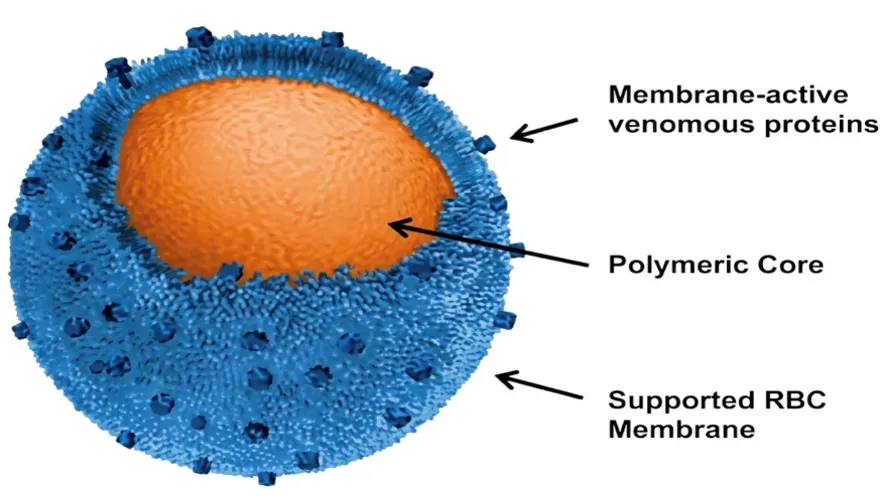
By absorbing the poison, nanosponges can eliminate the hazardous toxin from our blood. Nanosponges can absorb the toxins if injected into the bloodstream in place of antidotes. The nanosponge mimics a red blood cell in the bloodstream, deceives toxins into attacking it, and then absorbs it. The toxin determines how many poison molecules each nanosponge can absorb. [33]
14. RECENT ADVANCEMENTS IN NANOSPONGE [40-50]
|
Year |
Drug |
Nanosponge system |
Key reported findings |
Application |
|
2020 |
Temoporfin |
Cyclodextrin nanosponge |
Evaluated the balance between nanosponge accumulation and penetration in 3D tumor spheroids |
Anticancer drug delivery |
|
2021 |
Resveratrol |
Cyclodextrin nanosponge |
Investigated GSH-mediated delivery of resveratrol in human cancer cells |
Cancer therapy |
|
2021 |
Irbesartan |
β-Cyclodextrin-based nanosponge |
Investigated supramolecular complexes and the influence of nanosponge formulation on drug solubility/dissolution |
Solubility enhancement |
|
2021 |
— |
β-Cyclodextrin nanosponge hydrogel |
Demonstrated multistep drug-release kinetics |
Controlled drug delivery |
|
2022 |
Quercitrin |
Cyclodextrin-based nanosponge |
Investigated quercitrin-loaded nanosponges for delivery applications |
Lung cancer/COVID-19-related application |
|
2023 |
Domperidone |
Cyclodextrin-based nanosponge |
Optimized formulation showed 77.4% yield, 195.68 ± 2.16 nm particle size, 84 ± 4.2% entrapment efficiency and −9.17 ± 0.43 mV zeta potential |
Solubility enhancement |
|
2024 |
Entrectinib |
DPC-crosslinked HPβCD nanosponge |
Optimized nanosponges were evaluated for particle size, PDI, EE, drug release and pharmacokinetics |
Oral delivery |
|
2024 |
COX-2 inhibitor |
Cyclodextrin-nanosponge-loaded topical gel |
Developed and evaluated a nanosponge-loaded topical gel |
Topical delivery |
|
2025 |
Ibrutinib |
HPβCD/CDI nanosponge |
Optimized formulation showed 145.6 ± 6.8 nm, PDI 0.170 ± 0.036 and EE 71.04 ± 2.40%; AUC₀–t increased 14.96-fold and Cmax 6.45-fold versus free drug |
Oral bioavailability |
|
2025 |
Doxorubicin |
Aldehyde-functionalized pH-responsive cyclodextrin nanosponge |
pH-sensitive nanosponge showed enhanced DOX release under acidic conditions |
Stimuli-responsive anticancer delivery |
|
2025 |
Doxorubicin |
Hydrazone-bonded cyclodextrin nanosponge |
Doxorubicin cellular uptake increased from 38% to 69% after 2 h compared with free DOX |
pH-triggered cancer therapy |
15. FUTURE PROSPECTS [29]
By reducing technology to the nanoscale, nanotechnology and nanofarmulation have transformed medical research. In addition to resolving formulation-related issues such enhancing solubility and stability, nanoporous particles can enhance the pharmacokinetic and pharmacodynamic characteristics of medications. medication toxicity would be reduced by achieving better therapeutic benefits by targeted and regulated medication release. Since they are essential to the advancement of nanotechnology, this review has concentrated on nanosponge. Nanoparticles could be used as a standard water purifier in the future. The removal of hazardous materials from industrial waste and organic solvent vapors from the air are just two examples of potential uses. Bitter ingredients in food and pharmaceutical items could be trapped using nanoparticles. Exploring how drug loading and release are affected by synthesis method, particle size, crystallinity, porosity, and degree of cross-linking presents enormous opportunities. To create a high-yielding, cost-effective, repeatable process that can be quickly modified for mass production, more research is encouraged. Furthermore, investigating methods based on green chemistry principles that might not require solvents at all would be fascinating. It is possible to create biodegradable and bioabsorbable carriers that would decompose within the body without generating any harmful byproducts. Additionally, nanoparticles may be used by the pharmaceutical and medical industries to address a variety of biological, chemical, and physical issues related to illness treatment. Investigating nanosponge as a diagnostic tool, such in cancer imaging, might be intriguing. Cancer biomarkers that would ordinarily be broken down by enzymes before being detected could be stabilized by nanoparticles. Unlike other nanoparticles that exhibit a burst effect, loading bioactive into nanoparticles paired with particular linkers will guaranty regulated drug release. Vaccines administered by nanosponge compositions are also anticipated in the future. Drug-loaded nanoparticle-based nanofoams are intriguing innovations that can be investigated. Similarly, a localized magnetic field gradient might be used to draw drug-loaded magnetic nanoparticles to the site of action and retain them there in the necessary therapeutic concentration until the therapeutic activity is finished. We propose that nanoparticles, of which magnetic nanoparticles are one of NDDS with a significant role to play, be further investigated for the purpose of delivering medications to damaged cells. Lastly, novel methods for preparing and stabilizing nanoparticles might be created.
16. CHALLENGES [29]
Nevertheless, it would be difficult to reduce the cost by investigating other polymers, cross-linkers, and more advanced production techniques. Their unique structure necessitates a thorough investigation of their function in downstream processing. As previously demonstrated, nanoparticles may be easy to create, but a significant disadvantage of any synthetic procedure is the presence of solvent residues or product reactions in the formulation, which is a major source of harmful effects when administered. Therefore, in order to comprehend any negative impacts on the environment and health, further research is needed. To determine the effectiveness and destiny of these nano-carriers, further thorough research is needed. Optimizing the safe and effective transport of these chemicals to the eukaryotic cytosol is one of the biggest problems in bioactive targeting. These nanocarriers' "flexibility" and tunability spark curiosity about the various ways that regulated drug distribution could be accomplished while maintaining drug stability and reducing harmful consequences. One issue that needs to be addressed is the use of medications that target the brain to treat cancer. These medications could be incorporated into nanoparticles, but doing so would necessitate the use of molecular transporters to assist the drug-loaded nanoparticles enter the targeted brain tumor cells. The method should be affordable, eco-friendly, repeatable, and able to be quickly scaled up.
17. CONCLUSION
Nanosponges are one of the versatile and promising nanocarrier systems for enhanced delivery of hydrophilic as well as poorly water soluble drugs. Possibility to improve drug solubility, stability, bioavailability and controlled drug release is due to their porous 3D structure, high surface area and inclusion and non-inclusion complex formation. Various nanosponges, primarily cyclodextrin, polymer, carbon, silicon and MOF based nanosponges have shown potential for drug delivery applications via oral, topical, parenteral and inhalation routes.
The review covers varied preparation methods, drug loading approaches, release mechanisms and characterization techniques that impact the performance of nanosponges. Recent advances have further demonstrated their potential in the fields of anticancer therapy, solubility enhancement, topical delivery, improvement of oral bioavailability. The application of Quality by Design principles can also help to systematically optimize and better control the critical formulation and process parameters.
However, issues such as toxicity and safety, residual solvents, reproducibility, manufacturing cost, formulation optimization and scale-up still remain to be solved. Therefore, more studies are required to evaluate the long term safety, stability, in vivo performance and manufacturing capability of nanosponge based formulations. In total, nanosponges are very promising as an advanced drug-delivery platform and further research and technological development may enable their successful translation from research in the laboratory to practical pharmaceutical applications.
REFERENCES


Faizan Saiyed, Dhrumil Patel, Yagnesh Modi, Tejas Patel, Dr. D. B. Meshram, Biplab Debnath, Nanosponges in Drug Delivery: Preparation, Recent Advances, QbD Approaches, Applications and Future Prospectives, Int. J. of Pharm. Sci., 2026, Vol 4, Issue 8, 5313-5328. https://doi.org/10.5281/zenodo.22219388
 10.5281/zenodo.22219388