

We use cookies to ensure our website works properly and to personalise your experience. Cookies policy
Department of Pharmacy, Mahatma Jyotiba Phule Rohilkhand University, Bareilly, India.
Nanostructured lipid carriers (NLCs) are second generation lipid nanoparticles composed of a blended solid and liquid lipid matrix that overcome the limited drug loading capacity and storage instability associated with first generation solid lipid nanoparticles (SLNs). Owing to their biocompatibility, occlusive film-forming behaviour and ability to accommodate both hydrophilic and lipophilic actives, NLCs have emerged as attractive carriers for topical and transdermal drug delivery to facilitate practical topical application. NLC dispersions can be incorporated into suitable gel forming polymer such as carbopol, poloxamer or xanthan gum producing semisolid formulations with improved consistency, skin retention and ease of application. The review consolidates current knowledge on NLC based gels covering their composition and classification, methods of preparation (hot/cold high pressure homogenization, micro-emulsification, solvent diffusion/evaporation, ultrasonication and hot melt extrusion), physicochemical characterization techniques, gelling strategies and rheological behaviour, mechanisms of skin permeation and representative therapeutic applications in anti-inflammatory, antifungal, anticancer, wound healing and cosmetic domains. Advantages, limitations, stability considerations and translational/regulatory challenges are also discussed. Collectively the literature indicates that NLC gel hybrid systems significantly enhance drug entrapment, cutaneous retention, controlled release and therapeutic efficacy relative to conventional topical formulations, positioning them as a promising platform for next generation dermal and transdermal therapeutics.
The skin is the most accessible and largest organ of the human body and serves as both a target site and a route of administration for a wide range of therapeutic and cosmetic agents. Topical and transdermal delivery offer several advantages over the oral and parenteral routes, including avoidance of first-pass hepatic metabolism, reduced systemic toxicity, non-invasiveness, improved patient compliance, and the possibility of sustained, localized drug action [1]. Nevertheless, the stratum corneum the outermost densely packed lipophilic layer of the epidermis constitutes a formidable barrier that restricts the permeation of most conventional drug molecules, particularly hydrophilic and high-molecular weight compounds [2,3].
To overcome this barrier, lipid-based nanocarriers have been extensively investigated. Solid lipid nanoparticles introduced in the early 1990s as an alternative to liposomes, emulsions and polymeric nanoparticles, offered improved physical stability and controlled release but suffered from limited drug-loading capacity and a tendency for drug expulsion during storage due to lipid crystallization into a highly ordered β-form. Nanostructured lipid carriers (NLCs) were subsequently developed as second-generation lipid nanoparticles that address these shortcomings by blending a solid lipid with a spatially incompatible liquid lipid (oil), producing an imperfect, less-ordered crystalline matrix with more space to accommodate drug molecules because aqueous NLC dispersions possess low viscosity and poor skin adherence, they are generally incorporated into a semisolid gel base for topical application [4,5]. The resulting NLC based gel combines the nanocarrier’s occlusive, penetration enhancing and controlled release properties with the gel’s favourable rheological characteristics, spreadability and prolonged skin contact time [6]. This hybrid delivery system has been explored for a broad spectrum of therapeutic agents, including non-steroidal anti-inflammatory drugs (NSAIDs), antifungals, anticancer agents, antibiotics and phytoconstituents, as well as for cosmeceutical applications [7,8].
2. STRUCTURE, CLASSIFICATION AND COMPOSITION OF NLCs
NLCs are colloidal particles typically ranging from 10 to 500 nm composed of a mixture of solid and liquid lipids (generally in a ratio between 70:30 and 99.9:0.1), stabilized by one or more surfactants dispersed in an aqueous phase. Commonly used solid lipids include glyceryl monostearate, stearic acid, cetyl palmitate, glyceryl behenate (Compritol 888 ATO) and glyceryl palmitostearate (Precirol ATO 5), while liquid lipids include oleic acid, Miglyol, medium chain triglycerides and squalene. Surfactants such as poloxamer 188, polysorbate 80 (tween 80) and phospholipids (e.g., soy lecithin, Phospholipon 90G) are used to reduce interfacial tension and stabilize the nanoparticle dispersion [3].
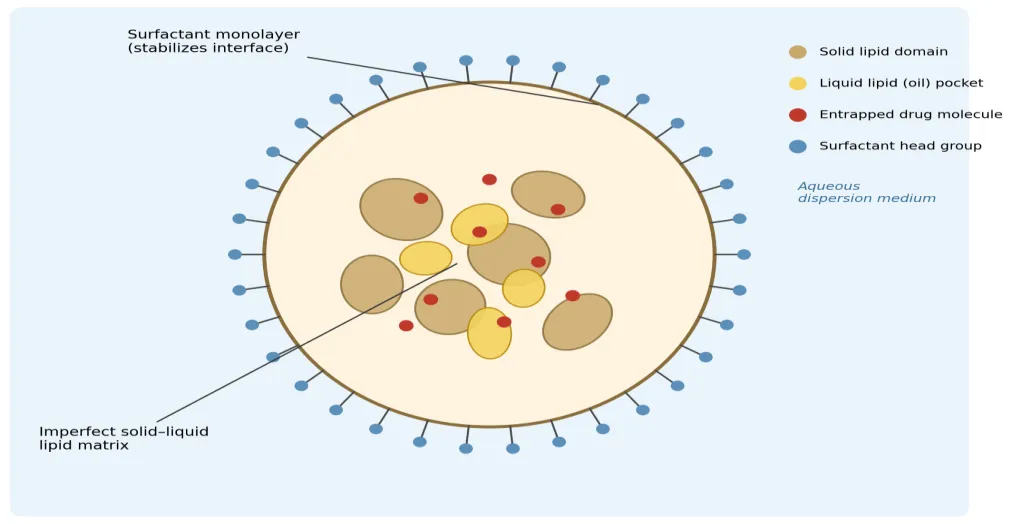
Figure 1: Schematic Cross-Section of a Nanostructured Lipid Carrier (NLC)
Based on the internal structural organization of the lipid matrix, NLCs are broadly classified into three types:
i. Imperfect type - Formed by blending structurally different lipids that create imperfections in the crystal lattice, allowing greater drug accommodation [9].
ii. Amorphous (structureless) type - Uses lipids such as hydroxyoctacosanylhydroxy stearate that solidify without crystallizing, minimizing drug expulsion upon storage [10].
iii. Multiple type - An oil-in-solid-lipid-in-water structure in which small oil droplets are dispersed within the solid lipid matrix, offering higher solubilization capacity for lipophilic drugs and preventing leakage [11].
This structural flexibility is largely responsible for the superior drug-loading capacity, reduced drug expulsion, and improved long-term physical stability of NLCs compared with SLNs [12].
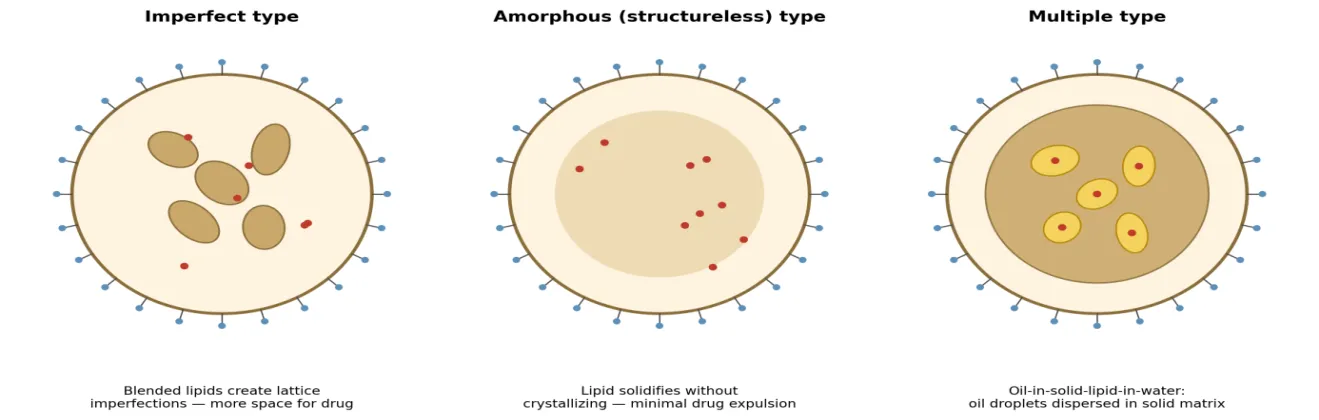
Figure 2: Structural Classification of Nanostructured Lipid Carriers
3. ADVANTAGES OF NLC GEL
These are the following advantages of NLC gels [13-15]:
i. Enhanced drug loading - Using both solid and liquid lipids together makes a less tightly packed lipid structure. This allows more drug molecules to be accommodated within the matrix and helps keep them from being leaked out during storage.
ii. Improved skin penetration - The tiny lipid particles in the formulation sit close to the skin layer. This may help the drug move better into the skin depending on the formulation.
iii. Sustained and controlled drug release - The lipid structure and gel base work together to slowly let the drug come out over time. This can keep the drug active at the spot where it’s applied for longer.
iv. Skin hydration and occlusion - The lipids in the formulation can form a protective layer on the skin. This helps lock in moisture and reduces water loss from the skin.
v. Prolonged residence time - Incorporating NLCs into a suitable gel can improve retention at the application site compared with a freely flowing dispersion.
vi. Improved formulation acceptability - A gel is easier to use than a liquid with nanoparticles. It spreads smoothly feels better and is simpler to handle.
vii. Protection of drugs - The lipid structure can shield drugs from heat, light or other factors that might break them down. This helps keep the drug stable depending on the formulation.
4. LIMITATIONS OF NLC GEL
These are the following limitations of NLC gels [13,16,17]:
i. Physical instability - Particle aggregation, changes in lipid crystallinity, and drug expulsion during storage may affect formulation quality and drug release.
ii. Potential irritation or toxicity - The safety of the formulation depends on the lipid, surfactant, drug concentration, and other excipients. Some surfactants or lipid compositions may cause irritation or cytotoxic effects at unsuitable concentrations.
iii. Complex formulation optimization - Solid to liquid lipid ratio, surfactant concentration, preparation method, and gel-polymer concentration must be optimized to obtain suitable particle size, drug loading, viscosity, and release characteristics.
iv. Possible changes in gel properties - Interactions between the nanoparticles and the gel-forming polymer may alter viscosity, spreadability, physical stability, and drug-release behaviour.
v. Manufacturing and scale-up challenges - Maintaining consistent particle size, drug loading, and product quality when moving from laboratory batches to commercial production can be difficult.
vi. Higher characterization requirements - NLC based gels require evaluation of both nanoparticle characteristics and gel properties, including particle size, polydispersity index, entrapment efficiency, pH, viscosity, drug content, release, and stability.
vii. Limited long-term clinical evidence - Promising laboratory and preclinical findings do not automatically establish long-term safety, effectiveness, or superiority over conventional gels in humans. Further clinical evaluation and regulatory assessment may be required.
5. METHODS OF PREPARATION
A variety of techniques have been adapted from SLN technology and refined for NLC production. The Selection of method depends on drug physicochemical properties, desired particle size and scalability requirements.
i. High-Pressure Homogenization (HPH)
HPH is the most widely used and industrially scalable technique performed in either hot or cold mode. In hot HPH, the drug is dissolved in the molten lipid blend maintained at 5 to 10 °C above the melting point is dispersed in a heated aqueous surfactant solution to form a pre-emulsion, and then passed through a high-pressure homogenizer for several cycles to yield a nano-emulsion that is cooled to allow lipid recrystallization into NLCs. Cold HPH, in which the drug lipid melt is rapidly cooled and ground before homogenization in a cold surfactant solution is preferred for thermolabile or hydrophilic drugs since it minimizes drug degradation and partitioning losses into the aqueous phase. Process parameters such as homogenization pressure, number of cycles and emulsifier type critically influence particle size and polydispersity index (PDI) [18,19].
ii. Microemulsification Method
Microemulsion is one of the most used methods for the preparation of nanostructured lipid carrier. In the microemulsion method, the liquid lipid is added to solid lipid and the resultant mixture is then blended with an aqueous phase to create a microemulsion [13]. Rapid cooling with cold water turns this into an NLC dispersion. It's a straightforward technique for making NLC, though it does require a lot of surfactant and co-surfactants [20].
iii. Solvent injection method
The solvent injection method for nanostructured lipid carriers (NLCs) starts by dissolving both solid and liquid lipids in an organic solvent that mixes well with water. Common solvents used include acetone, ethanol or isopropanol. Once the lipids are fully dissolved, this lipid solution is quickly added to a solution that contains surfactants. The mixing happens under stirring. This step helps the solvent move out of the lipid mixture and into the water which causes the lipids to come out of solution and form particles. These particles become nanoparticles [21]. This technique is easy to carry out fast. Doesn’t need much energy. It can make drug loaded NLCs with particle sizes usually between 80 and 300 nm. The use of lipids in the formulation reduces the amount of crystallization, inside the core compared to solid lipid nanoparticles (SLNs). This ordered structure can help hold more drug possibly increasing the drug loading capacity [22].
iv. Phase inversion
Phase inversion refers to the mixing of drug, lipid, water and surfactant combined via the use of heat and mixing until the temperature exceeds that of the phase inversion temperature of the surfactant (PIT). In the heating phase, when a surfactant is heated to or past the phase inversion temperature, it undergoes dehydration, which changes its hydrophilic-lipophilic (HLB) balance and consequently its affinity for both hydrophilic and lipophilic phases (i.e., an emulsion is formed). After cooling to below the inversion temperature (e.g., using an ice bath) the surfactant regains its hydrophilic properties allowing the formation of many small particles of NLCs [23].
6. EVALUATION PARAMETERS
Developed NLCs should be evaluated on following parameters:
i. Particle size and polydispersity index (PDI) - Determined by dynamic light scattering (photon correlation spectroscopy); values below 0.3 indicate a homogeneous population [24].
ii. Zeta potential - An indicator of colloidal stability, measured by electrophoretic light scattering; magnitudes beyond ±20–30 mV generally denotes adequate electrostatic stabilization [25].
iii. Entrapment efficiency (EE) and drug loading (DL) - Quantified after separation of unentrapped drug by ultracentrifugation, ultrafiltration, or dialysis, followed by HPLC/UV analysis [26].
iv. Morphology - Assessed by transmission electron microscopy (TEM), scanning electron microscopy (SEM), or atomic force microscopy typically confirming spherical, smooth-surfaced particles [3].
v. Thermal behaviour - Differential scanning calorimetry (DSC) reveals the crystallinity index and lipid polymorphism, and can indicate amorphization of the entrapped drug [27].
vi. Crystallinity - X-ray diffraction (XRD) complements DSC in confirming the imperfect/amorphous nature of the lipid matrix [27].
vii. pH determination - The pH of the gel is measured using a calibrated pH meter to evaluate its suitability for topical application and its potential to cause skin irritation [27].
viii. Viscosity and rheological behaviour - Viscosity is determined using a suitable viscometer or rheometer. Rheological studies assess the gel's flow behaviour, consistency, and shear-dependent properties, which influence spreadability and ease of application [28].
ix. Drug content and content uniformity - The amount of drug present in the gel is quantified using a validated analytical method, such as UV-visible spectrophotometry or HPLC. Sampling from appropriate locations can help assess the uniform distribution of the drug throughout the formulation [29].
x. In vitro drug release - Typically studied using dialysis-bag or Franz diffusion cell methods, and fitted to kinetic models (zero-order, first-order, Higuchi, Korsmeyer-Peppas) to elucidate the release mechanism [29].
7. GELLING STRATEGIES AND RHEOLOGICAL BEHAVIOUR
NLC aqueous dispersions have a viscosity close to water therefore; they are unsuitable for direct topical application and are therefore converted into gels either by dispersing pre-formed NLCs into a pre gelled polymer matrix (two step method) or by using the NLC dispersion medium itself as the continuous phase during gelation (one step method). Commonly used gelling agents include Carbopol 934/940/971 (crosslinked polyacrylic acid, neutralized with triethanolamine), poloxamer 407 (thermos-reversible gelling agent), hydroxypropyl methylcellulose (HPMC), xanthan gum and chitosan [29].
Rheological evaluation of NLC gels typically demonstrates pseudoplastic (shear-thinning) flow with thixotropic behaviour, which is desirable for topical products because it enables easy spreading under applied shear (e.g., during rubbing) while maintaining sufficient viscosity at rest to prevent product migration from the application site. Other essential quality attributes include pH (ideally 4.5 to 6.5 to match skin physiology), spreadability, extrudability, drug content uniformity and mechanical/textural parameters such as firmness, consistency and adhesiveness, often measured using texture analyzers. Comparative studies have shown that Carbopol-based NLC gels tend to exhibit higher viscosity and slower drug release than poloxamer-based gels, which show faster erosion and release due to their thermos-reversible micellar structure [29].
8. MECHANISM OF SKIN PENETRATION AND OCCLUSION
Nanostructured lipid carrier (NLC) based gels enhance topical drug delivery through a combination of skin penetration enhancement and an occlusive effect. After application, the gel forms a thin film on the skin surface, helping reduce transepidermal water loss and increasing hydration of the skin. This hydration can soften the outer skin layer and facilitate drug penetration [30]. The lipid components of NLCs interact with the skin’s lipid matrix and may temporarily alter its lipid organization, promoting drug partitioning and transport into the skin. Their nanosized structure provides a large surface area for drug release and close contact with the skin, while the solid and liquid lipid combination can influence drug loading, retention and release. Furthermore, the occlusive film may prolong the residence time of the formulation at the application site, supporting sustained drug release and improved local availability. However, the extent of penetration and occlusion depends on the lipid composition, particle characteristics, gel properties and physicochemical properties of the drug [14].
9. THERAPEUTICS EFFECTS
Following therapeutic effects have been reported:
i. Anti-Inflammatory and Analgesic Delivery
NLC gels have been extensively studied for topical NSAID delivery to achieve localized anti-inflammatory action, while minimizing gastrointestinal and systemic adverse effects associated with oral NSAIDs. Aceclofenac-loaded NLC gel prepared by melt-emulsification and high-speed homogenization achieved high entrapment efficiency (67 to 82%) and demonstrated superior anti-inflammatory activity in the rat paw oedema model relative to a marketed aceclofenac gel. Similarly, meloxicam-loaded NLC gels have shown enhanced in vitro release, improved skin permeation and deposition, favourable occlusion factors and confirmed anti-inflammatory efficacy with an acceptable toxicity profile in histopathological evaluation [3,31].
ii. Anticancer and Antiproliferative Applications
Phytoconstituents with poor aqueous solubility and bioavailability, such as silymarin and curcumin, have been formulated as NLC based gels for skin cancer and chemoprevention applications, exhibiting improved antiproliferative, antioxidant and anti-inflammatory activity in vitro and ex vivo compared with free drug. NLC based topical delivery of chemotherapeutic agents such as ribociclib has similarly shown sustained in vitro release over 24 hours and markedly improved skin retention relative to conventional gel controls. Docetaxel-loaded NLCs developed using a Design of Experiments approach have demonstrated well defined imperfect nanostructures on XRD/cryo-TEM analysis, controlled release over 48 hours and selective cytotoxicity against melanoma cells with minimal effect on normal endothelial cells highlighting the potential of NLC platforms in localized skin cancer therapy [32,33].
iii. Antifungal Delivery
NLC gels have shown particular promise for cutaneous and mucosal antifungal therapy where deep-seated, persistent fungal infection and poor drug penetration limit conventional topical agents. Ketoconazole-loaded NLCs incorporated into a hyaluronic acid modified gel prepared by the emulsion sonication method and optimized via factorial design, exhibited prolonged in vitro release (up to 5 hours), superior ex vivo diffusion across human cadaver skin compared with a marketed formulation and enhanced antifungal activity against Candida albicans. A mucoadhesive Carbopol based ketoconazole NLC gel similarly demonstrated improved ex vivo skin permeability and flux relative to a marketed cream, together with physicochemical stability over a 90-day storage period and a favourable skin-irritation profile [34]. Luliconazole-loaded NLC gel evaluated in an animal model of dermatophytosis achieved significantly greater cumulative skin penetration than a conventional luliconazole gel and produced faster resolution of infection with reduced inflammation and no local irritation compared with terbinafine and untreated controls [35]. Miconazole-loaded NLC hydrogels developed for local delivery to the oral mucosa likewise showed nanometric particle size, high encapsulation efficiency (>87%), controlled release relative to a commercial oral gel, and improved anti Candida activity illustrating the extension of NLC gel technology beyond the dermal route to mucosal antifungal therapy [36].
iv. Wound Healing and Anti-Infective Delivery
NLC gel hybrids have gained attention in wound management for the delivery of antibacterial, antioxidant, and regenerative agents (e.g., mupirocin, doxycycline, curcumin, quercetin–resveratrol combinations and astaxanthin), where controlled and sustained release from the lipid matrix prolongs local drug availability, and the nanoscale particle size enhances penetration into compromised skin, supporting angiogenesis and reducing bacterial burden at the wound site. Functional NLC enriched hydrogels containing ceramides and cholesterol at physiologically relevant ratios, formulated with a sodium hyaluronate xanthan gum gel base, have further been developed specifically to repair the damaged epidermal barrier, exhibiting shear thinning, thixotropic rheology suitable for dermal application, alongside acceptable physical and microbial stability [37].
v. Chronic Inflammatory Skin Disease (Psoriasis) and Dermatological Applications
Curcumin-loaded NLCs prepared by hot emulsification and probe sonication, with particle size around 96 nm and entrapment efficiency above 70%, have been developed to enhance skin retention for the combined treatment of psoriasis and acne vulgaris, showing extended in vitro release over 48 hours compared with rapid release of free curcumin [37]. Dipeptide modified curcumin NLCs dispersed in Pluronic F127 hydrogel achieved very high entrapment efficiency (>99%) and improved skin retention while curcumin loaded lipid nanoparticle nanogels using Carbopol as the gelling agent have demonstrated enhanced antipsoriatic efficacy relative to conventional curcumin gel in recent preclinical evaluations [38].
vi. Neurological and Systemic-Acting Drugs via the Transdermal Route
Beyond purely local action, NLC in hydrogel systems have been explored for transdermal delivery of drugs intended for systemic effect such as ropinirole for Parkinson’s disease management, where pharmacokinetic studies demonstrated several fold increases in bioavailability from NLC hydrogel formulations compared with control formulations [39]. Aceclofenac-loaded NLC hydrogel developed for transdermal delivery in rheumatoid arthritis has similarly shown improved in vitro release, rheology, texture profile and in vivo skin retention and permeation relative to a marketed gel supporting the use of NLC gel systems for systemic anti-inflammatory action via the transdermal route [40].
vii. Ocular Drug Delivery
NLC based in situ gelling systems have also been developed for ophthalmic delivery, where a thermosensitive or ion triggered sol to gel transition upon contact with the eye surface prolongs precorneal residence time. Loratadine-loaded NLC in situ gel prepared using Carbopol 934 and HPMC K15M as gelling agents achieved high entrapment efficiency (83%), favourable rheology and mucoadhesion, non-irritating ocular tolerability and improved corneal retention with sustained drug release [41]. Similarly, dexamethasone-loaded NLC thermosensitive eye drops formulated with Pluronic F127/F68 exhibited a rapid sol-gel transition near ocular surface temperature and increased ocular bioavailability through prolonged precorneal retention and enhanced corneal permeation indicating potential utility for posterior segment eye diseases [42].
viii. Cosmeceutical and Photoprotective Applications
NLCs are also widely exploited in cosmetic formulations for UV filters (e.g., octyl methoxycinnamate), antioxidants, and vitamins, where their occlusive properties improve skin hydration and their nanostructured matrix enhances the photostability and skin deposition of the active, often outperforming analogous SLN based systems. NLCs loaded with plant-derived phenolic acids such as vanillic acid and ferulic acid, obtained from enzymatically extracted rice husk, have also been shown to improve compound stability, sustained release and enhance skin permeation and retention relative to free acid solutions, illustrating the applicability of NLC gel platforms to natural antioxidant cosmeceutical ingredients [43,44].
CONCLUSION AND FUTURE PROSPECT
Nanostructured lipid carrier-based gels represent a versatile and clinically promising platform for topical and transdermal drug delivery, combining the high drug loading capacity, stability and skin permeation-enhancing properties of NLCs with the favourable application characteristics of semisolid gel bases. Across therapeutic areas spanning inflammation, oncology, wound healing, infection and cosmeceuticals, NLC gels have consistently demonstrated improved skin retention, controlled release, and enhanced pharmacodynamic outcomes relative to conventional topical formulations. Future research directions include the development of stimuli responsive and hybrid NLC systems for on demand release, integration with precision and personalized dermatological medicine, greater use of green/solvent free and continuous manufacturing techniques for scale up and the establishment of harmonized regulatory frameworks and standardized characterization protocols to accelerate clinical and commercial translation of this technology [45,46].
REFERENCES


Dhruv Deval, Srishti Kumari, Saurabh Mishra, Nanostructured Lipid Carrier Based Gels for Topical Drug Delivery, Int. J. of Pharm. Sci., 2026, Vol 4, Issue 11, 2845-2855. https://doi.org/10.5281/zenodo.24332261
 10.5281/zenodo.24332261