

We use cookies to ensure our website works properly and to personalise your experience. Cookies policy
Womens College of Pharmacy, Peth Vadgaon, Maharashtra, India
At the molecular and cellular levels, nanotechnology in medicine offers a revolutionary method of illness diagnosis, treatment, and prevention. Nanotechnology makes it possible to create new medical devices, drug delivery systems, diagnostic instruments, and therapeutic interventions by manipulating materials at the nanoscale. Targeted drug delivery, early illness detection, and regenerative medicine can all benefit from the special physical, chemical, and biological characteristics of nanoscale materials like nanoparticles, nanotubes, and nanostructured surfaces. For example, medications can be delivered directly to damaged cells using nanoparticles, reducing adverse effects and increasing therapeutic efficacy. Furthermore, highly sensitive biomarker detection made possible by nano sensors allows for the early diagnosis of illnesses like cancer, heart disease, and neurological problems. Although encouraging, problems like toxicity, biocompatibility, industrial scalability, and regulatory concerns still exist, requiring further study and development. This study outlines the recent developments in nanomedicine, its possible uses, and the obstacles that need to be removed before it can be widely used in clinical settings.
Nanomedicine is the application of nanotechnology to enhance human health and well-being. As nanoparticles with diameters ranging from 1 to 100 nm are produced and used for biomedical research tools, diagnostics, and therapies, the use of nanotechnology in several therapeutic areas has revolutionized the medical industry1. These tools have made it possible to treat illnesses and contribute to the study of their pathogenesis by providing molecular-level therapy. Non-specificity of action and ineffectiveness from improper or poor dosage formulation are two major disadvantages of conventional pharmaceuticals (e.g., cancer chemotherapy and antidiabetic therapies). Higher cell specificity medications work better and cause fewer negative effects. Better prognoses and early disease detection are possible with more sensitive diagnostic methods. The extensive application of nanotechnology enables targeted drug therapy, diagnostics, tissue regeneration, cell culture, biosensors, and other molecular biology tools. The various nanotechnology platforms being developed include fullerenes, nanotubes, quantum dots, nanopores, dendrimers, liposomes, magnetic nanoprobes, and radio controlled nanoparticles.[1] In his 1959 dinner address, the late Nobel scientist Richard P. Faynman stated that "there is plenty of room at the bottom." He proposed that machine tools be used to make smaller machine tools, which would then be used to make even smaller machine tools, and so on, all the way down to the atomic level. He called this "a development which i think cannot be avoided." In the end, he suggested, nanomachines, nanorobots, and nanodevices might be used to produce a wide range of automatically accurate little instruments and manufacturing equipment, as well as massive quantities of ultrasmall computers and various nanoscale microscale robots. Before engineer K. Eric Drexler, who graduated from Mit, released a book titled "Engines of Creation" in the mid-1980s to increase awareness of the potential of molecular nanotechnology, Feynman's theory was largely disregarded.
NANOTECHNOLOGY HISTORY :-
One of the most fascinating examples of nanotechnology in antiquity was the usage of nanoparticles and structures by the Romans in the fourth century AD. One of the most remarkable products of the ancient glass industry is the Lycurgus cup, which is housed in the collection of the British Museum. It is the earliest well-known specimen of dichroic glass. Two forms of glass that change colour under specific lighting conditions are referred to as dichroic glass. This indicates that the Cup has two distinct colours: when light shines through the glass, it appears reddish-purple, and when it is exposed to direct light, it appears green.
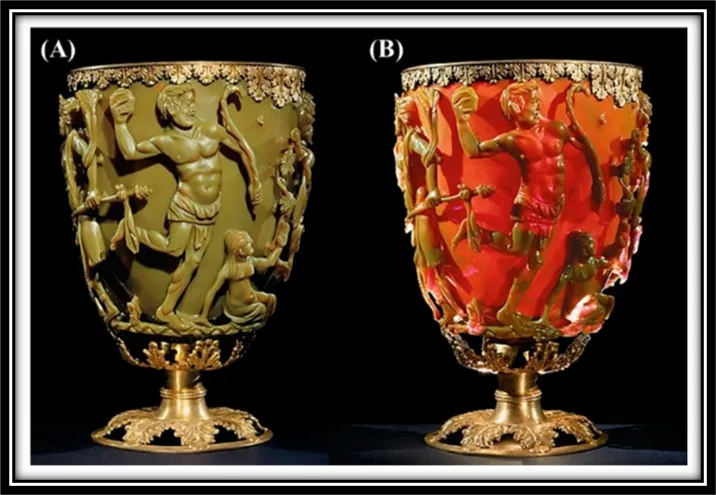
Fig no 1- The Lycurgus cup . The glass appears in reflected light [A] and red –purple in transmitted light [B] .
In order to explain the dichroism phenomena, the scientists used transmission electron microscopy (TEM) to examine the cup in 1990 [11]. The existence of nanoparticles with a diameter of 50–100 nm is the cause of the observed dichroism, or two colors. These nanoparticles are silver-gold (Ag-Au) alloy, with an Ag:Au ratio of roughly 7:3, and contain approximately 10% copper (Cu) scattered in a glass matrix, according to X-ray studies [12,13].
When light (~520 nm) is absorbed by the Au nanoparticles, a red color is produced. The green color is ascribed to light scattering by colloidal dispersions of Ag nanoparticles larger than 40 nm, whilst the red-purple color is caused by absorption by the larger particles. One of the earliest known synthetic nanomaterials is the Lycurgus cup [1]. Due to the fusing of Au and Ag nanoparticles into the glass, late mediaeval church windows have a similar effect, displaying a dazzling red and yellow. An illustration of how these nanoparticles of various sizes affect stain glass windows may be found in Figure 2 .
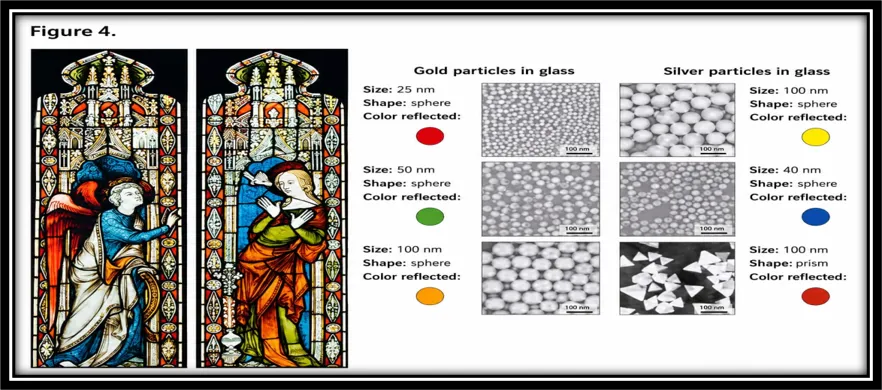
Fig no 2- Effect of nanoparticles on the colors of the stained glass windows. Reproduced with permission from reference
Ag, copper (Cu), or other nanoparticles were present in luminous, sparkling "lustre" ceramic glazes employed in the Islamic world and later in Europe throughout the ninth through seventeenth centuries [15]. In the sixteenth century, the Italians used nanoparticles to make Renaissance ceramics [16]. They were impacted by Ottoman methods: from the 13th to the 18th centuries, "Damascus" sabre blades were made using carbon nanotubes and cementite nanowires to give them strength, durability, and a sharp edge [17]. For hundreds of years, these hues and material characteristics were purposefully created. However, the reason of these unexpected results was unknown to mediaeval artists and forgers.
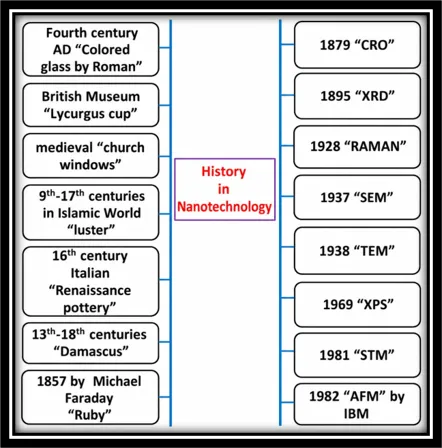
Fig no 3 -Progresses in Nanotechnology.
Michael Faraday investigated the creation and characteristics of colloidal suspensions of "Ruby" gold in 1857. They are among the most intriguing nanoparticles due to their special optical and electrical characteristics. Under specific lighting circumstances, Faraday showed how gold nanoparticles form different-colored solutions [18]. Figure 3 summarises the advancements in nanotechnology brought forth by the benefits of nanoscience.
MODERN ERA OF NANOTECHNOLOGY :-
From Feynman's early theories, nanotechnology advanced until 1981, when physicists Gerd Binnig and Heinrich Rohrer at IBM Zurich Research Laboratory created the Scanning Tunnelling Microscope (STM), a novel kind of microscope [19,20]. The STM employs a pointed tip that approaches a conductive surface so closely that the atoms' electron wave functions overlap with those of the surface atoms. Electrons "tunnel" from the tip's atom into the surface (or vice versa) when a voltage is applied. The first STM image of the Si(111)-7 × 7 reconstructed surface was published by the group in 1983, and it can now be regularly photographed, as seen in Figure
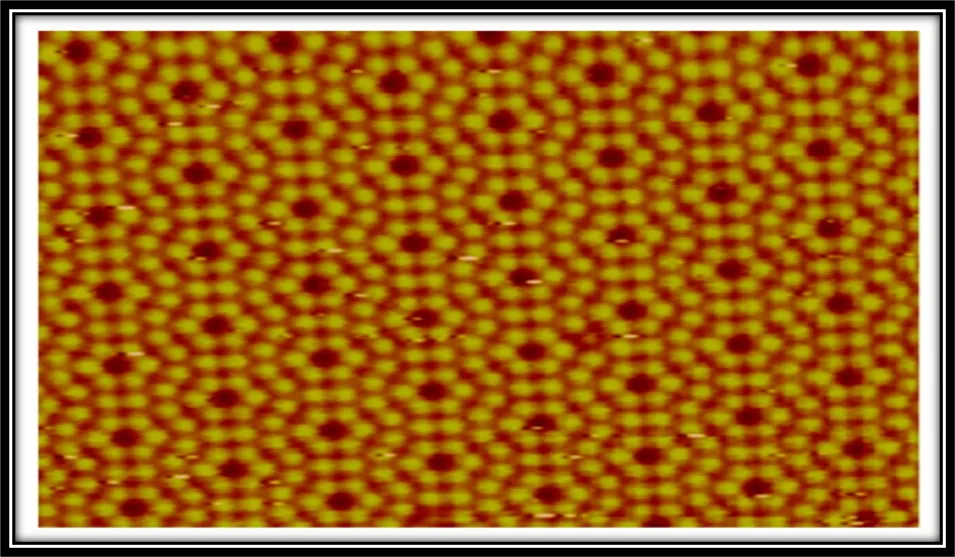
Fig 4 :-Atomic scale resolution of the uppermost layer of silicon atoms is displayed in an STM image of the Si(111)-7 × 7 rebuilt surface.
A few years later, in 1990, Don Eigler of IBM in Almaden and his associates created the IBM logo's letters (Figure 7) by manipulating 35 individual xenon atoms on a nickel surface using an STM [23]. The STM was developed to view atomic-scale surfaces and has been used to manipulate atoms and molecules to form structures. Chemical bonds can be selectively broken or created using the tunnelling current
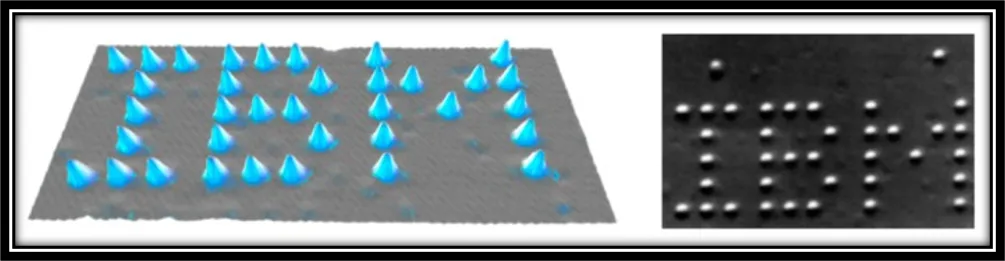
Fig 5 Using an STM, five xenon atoms are placed on a nickel (110) substrate to create the IBM logo.
Binnig and Rohrer were awarded the 1986 Nobel Prize in Physics "for their design of the STM." The atomic force microscope (AFM) and scanning probe microscopy (SPM), the tools of choice for nanotechnology researchers today, were developed as a result of this idea [24,25]. Concurrently, in 1985, Richard Smalley, Harold Kroto, and Robert Curl found that carbon may also exist as buckyballs or fullerenes, which are extremely stable spheres [26].
When graphite evaporates in an inert atmosphere, carbon balls with the chemical formulas C60 or C70 are created. Now that a novel carbon chemistry has been devised, new organic molecules can be made by encasing metal atoms. A few years later, in 1991, Iijima et al. used Transmission Electron Microscopy (TEM) to observe hollow graphitic tubes, also known as carbon nanotubes, which are another member of the fullerene family. Carbon nanotubes have the potential to be beneficial in a variety of nanotechnological applications due to their strength and flexibility. These days, carbon nanotubes are utilized as composite fibers in beton and polymers to enhance the bulk product's mechanical, thermal, and electrical characteristics. They may also be used as molecular electrical components, energy storage materials, field emitters, and catalysts.
The enormous potential of nanotechnologies in biomedicine for the diagnosis and treatment of numerous human diseases has recently been brought to light by a number of studies [40]. In this sense, many experts believe that one of the most fascinating areas of nanoscience application is bio-nanotechnology. Applications of nanotechnology in numerous biology-related fields, including medication administration, molecular imaging, and diagnosis, have been thoroughly studied in recent decades and have shown excellent results. Surprisingly, a wide range of nanomaterial-containing medical goods are already available in the United States. Nanomaterials for drug delivery and regenerative medicine, as well as nanoparticles with antimicrobial properties or functional nanostructures used for biomarker detection like nano biochips, nanoelectrodes, or nano biosensors, are examples of "nano pharmaceuticals."
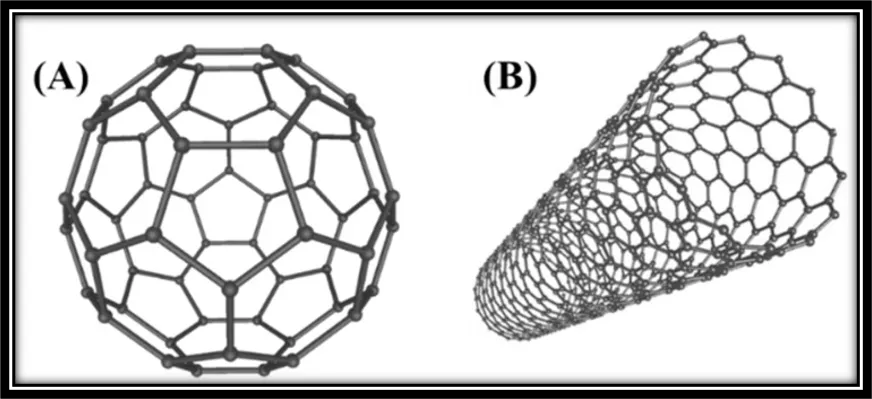
Fig 6 Diagram of a carbon nanotube (B) and a C60 buckyball (Fullerene) (A).
During the purification of single-walled carbon nanotubes in 2004, Xu et al. unintentionally discovered a new class of carbon nanomaterials known as carbon dots (C-dots) with sizes smaller than 10 nm [28]. Because they are safe, plentiful, and affordable, C-dots with intriguing characteristics have steadily emerged as a novel nanocarbon component [29]. C-dots are advantageous materials for use in bioimaging, biosensors, and drug delivery due to their outstanding qualities, such as low toxicity and good biocompatibility [30,31,32,33,34,35]. C-dots can also present intriguing prospects for catalysis, energy conversion, photovoltaic devices, and nanoprobes for sensitive ion detection due to their superior optical and electrical characteristics [36,37,38,39]. Carbon-based materials formed the foundation of nearly every branch of research and engineering following the discovery of "graphene" in 2004.
Meanwhile, nanoscience advanced in other scientific domains, including computer science, biology, and engineering. In computer science, advances in nanoscience and technology have reduced the size of a typical computer from a room-sized device to incredibly powerful portable laptops. As time went on, electrical engineers were able to create intricate electrical circuits at the nanoscale. Additionally, there have been numerous advancements in smartphone technology and other contemporary everyday electronics.
The fields of nanoscience and nanotechnology saw a surge in attention around the start of the twenty-first century. Feynman's theory of manipulating matter at the atomic level was crucial in determining national research goals in the United States. In a speech at Caltech on January 21, 2000, President Bill Clinton argued in favor of financing nanotechnology research. The 21st Century Nanotechnology Research and Development Act was signed into law by President George W. Bush three years later. The National Technology Initiative (NNI) was established under the law, which also made nanotechnology research a national priority. Nucleic acids have been the subject of one of the most significant uses of nanotechnology in molecular biology. Paul Rothemund created the "scaffolded DNA origami" in 2006 by using a "one-pot" reaction to increase the size and complexity of self-assembled DNA nanostructures [42]. Nadrian Seeman initially presented the idea of DNA nanotechnology in 1982 when he said, "It is possible to generate sequences of oligomeric nucleic acids, which will preferentially associate to form migrationally immobile junctions, rather than linear duplexes, as they usually do" [43].DNA nanotechnology has already developed into an interdisciplinary field of study, with scientists from computer science, physics, chemistry, materials science, and medicine collaborating to solve upcoming nanotechnology problems [44,45,46,47]. Notably, the direct use of DNA and other biopolymers in array technologies for sensing and diagnostic applications has been made possible by years of intensive research.
Types of Nanomaterials Used
APPLICATION OF NANOTECHNOLOGY IN MEDICINE
The following section discusses some applications of nanomedicine across various medical fields.
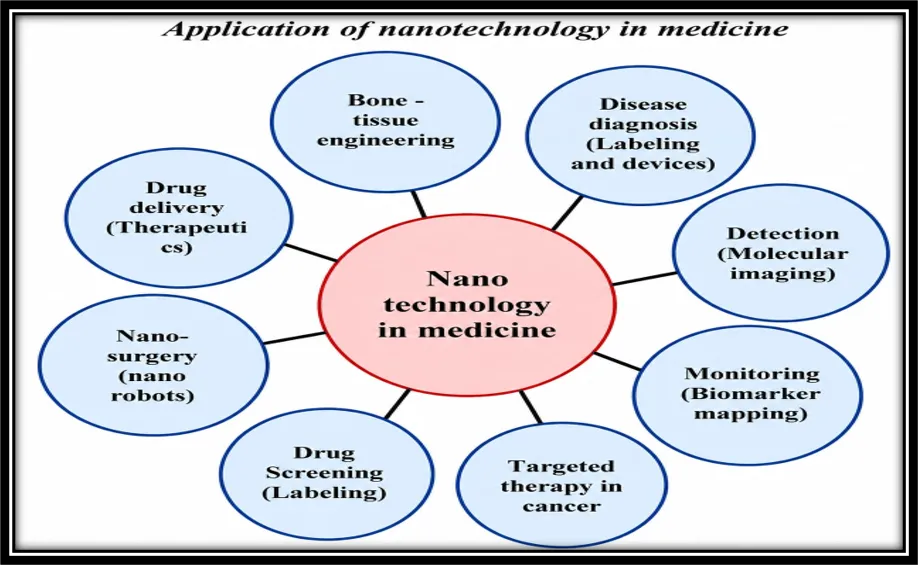
Fig 7 :-Application of Nanotechnology in medicine
Nano oncology is the application of nanomedicines in cancer detection, prevention, and treatment. One of the leading causes of death in today's society is cancer, which necessitates improved treatment, which now consists of radiation therapy, chemotherapy, and surgery. Even while cancer treatment has advanced significantly and many types of the disease are curable, the treatments are not always successful and frequently have undesirable side effects. A variety of new chances to improve the targeting of presently licensed cancer diagnostic and treatment drugs are offered by nanoparticles. These include the potential to eradicate cancer tumours with the least amount of harm to healthy tissue and organs, as well as the identification and removal of cancer cells before they develop into tumours [8]. A nanoparticle's design determines how it travels through the body and eventually targets difficult-to-reach cancer areas, which makes it easier to diagnose and examine the most aggressive types of cancer early and accurately.
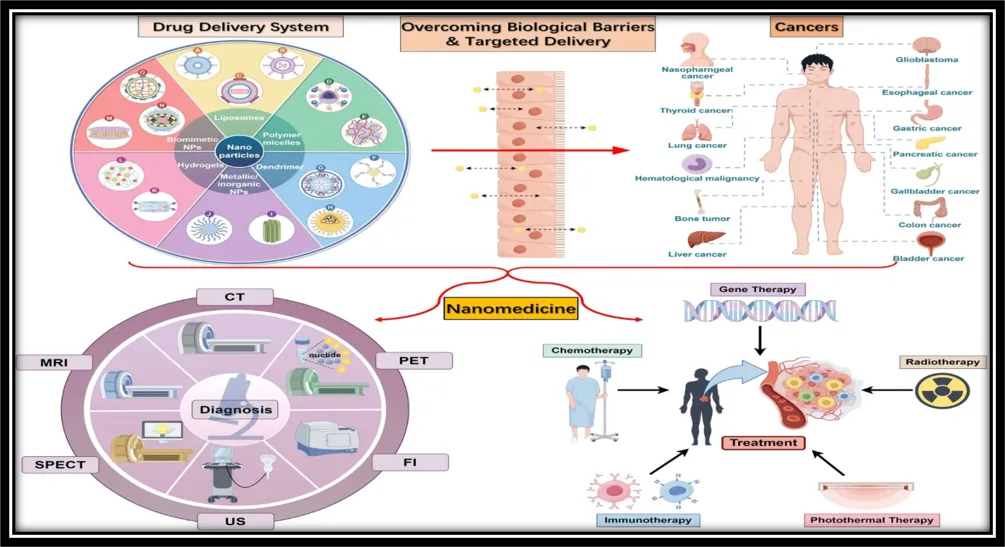
Figure 8: Nanotechnology in Cancer treatment
Targeted chemotherapy, which administers tumour necrosis factor (TNF), a tumor-killing drug, to cancer tumours, is one treatment currently being developed. In addition to causing necrosis and the ensuing loss of tumour blood vessels, a high dose of regional TNF also increases the effectiveness of chemotherapy. TNF has therefore been used locally to treat advanced soft tissue sarcoma and metastatic melanoma. Another method uses heat to kill cancerous tumours. Auro-shells are nanoparticles that absorb infrared light from a laser and convert it into heat. With little harm to nearby healthy cells, the produced heat releases the encapsulated medication and aids in the destruction of the cancer cells, producing a combined effect of improved delivery and intrinsic therapy [10]. Immunotherapy is the third approach. To combat the cancer, it makes use of specific immune system components. The immune system probably stops or slows the growth of many malignancies by identifying and eliminating aberrant cells. Immune cells, for example, can occasionally be discovered in and around tumours. The immune system's reaction to the tumour is indicated by these cells, which are known as tumor-infiltrating lymphocytes (TILs). Individuals with TIL-containing tumours frequently do better than those without [11]. Immunotherapy aims to strengthen and restore the body's immune system so that it can combat tumours more successfully.
2. Nano Cardiology :-
Using nanotechnology to treat cardiovascular disorders (CVD), which include ailments like coronary artery disease, stroke, and hypertension, is known as nano-cardiology. CVD is the main cause of death worldwide. Early diagnosis and treatment are made possible by the ability of nanocarriers to target specific cellular components of the heart and coronary arteries. By keeping an eye on inflammatory indicators, atherosclerosis—which frequently results in myocardial infarction and stroke—can be identified early. Vascular cell adhesion molecule-1 (VCAM-1), an indicator of inflammation, can be detected by monocrystalline magnetic nanoparticles (MNPs), allowing for the early detection of atherosclerosis [12]. Heart valves and cardiac patches in cardiovascular applications need to be both biologically compatible and mechanically strong. While nanocomposites can satisfy these demanding requirements, conventional materials might not. For example, a poly(lactic-co-glycolic) acid (PLGA) nanocomposite reinforced with carbon nanofiber stimulates the development of cardiomyocytes and neurons, suggesting its potential for conductive cardiac patches. Furthermore, scaffolds supplemented with gold nanoparticles have demonstrated increased contraction rates in cardiac tissues, indicating their potential for heart regeneration [13]. A cardiac patch's mechanical characteristics, hemocompatibility, and regenerating potential must all be taken into account. These patches can be either non-resorbable or bioresorbable; permanent patches need to be surgically removed, whilst temporary ones disintegrate on their own [27].
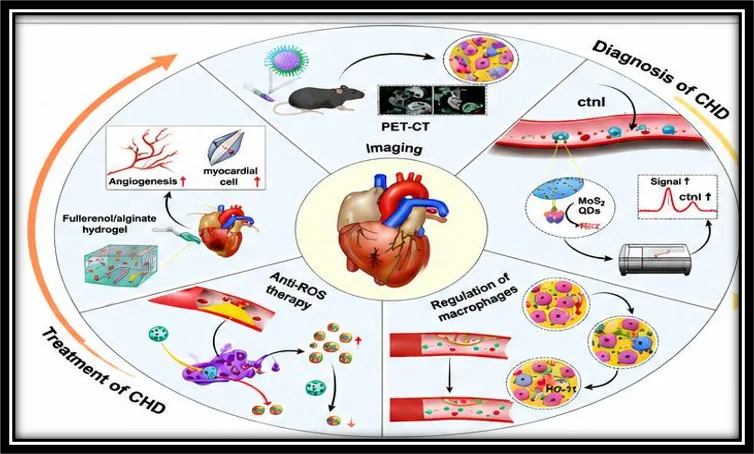
Fig 9 –Nanotechnology in cardiology
Active targeting, which involves attaching ligands to pharmaceuticals or nanocarriers, and passive targeting, which makes use of the increased permeability and retention (EPR) effect, are two methods of targeted drug delivery. Emerging stimuli-responsive delivery systems can be used for applications like drug-eluting stents in the treatment of coronary artery disease because they make use of triggers including light, pH changes, and temperature variations [14]
3. Nano dermatology :-
The use of nanoparticles in dermatology is known as "nanodermatology," and it has a big impact on anti-aging therapies and the beauty business. Nanoscale structures' special qualities, especially their high surface area to volume ratio, improve their capacity to block UV rays and shield the skin. Nitric oxide and other volatile antibacterial compounds are encapsulated in nanoparticulate chitosan, which helps treat cutaneous infections. Topical steroids that are nanoencapsulated are intended to absorb in the epidermis, reducing adverse effects including telangiectasia and atrophy, especially in spongiotic skin conditions [15]. Furthermore, hyaluronic acid nanoparticles and botulinum toxin enable skin penetration, providing topical applications and non-invasive wrinkle treatments, respectively.
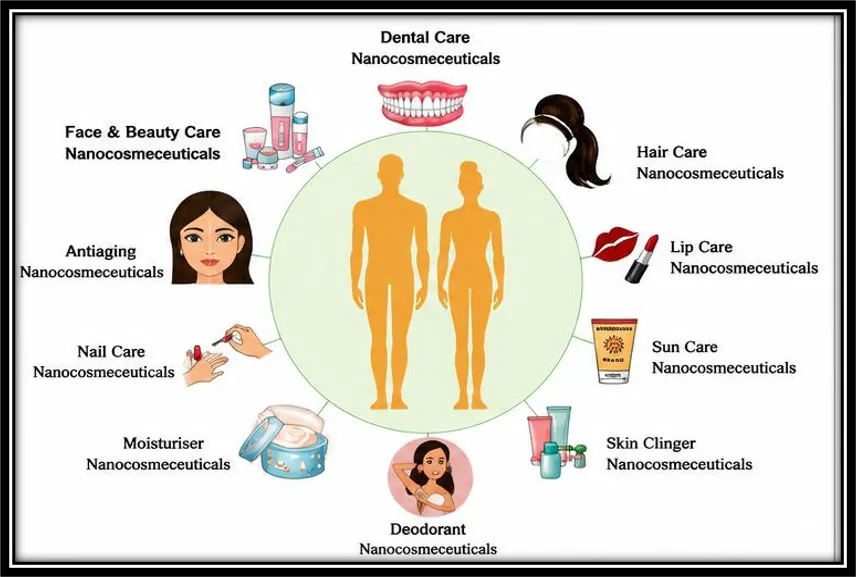
Fig 10 :- Nanotechnology in dermatology
Nanoparticulate zinc oxide (ZnO) and titanium dioxide (TiO2) are favoured in photoprotector goods due to their effectiveness in reflecting and dispersing UV light while causing less skin bleaching than conventional sun screens. Gold nanoparticles are used in photothermal therapy (PTT) to prevent tumour growth while reducing tissue damage. This allows for the targeted therapy of cancerous cells by conjugating nanoparticles with monoclonal antibodies. Although research indicates that these nanoparticles are harmless on healthy skin, it is still unclear how they will behave on damaged skin. In addition to providing regulated release and improving the penetration of active chemicals into the dermis, nanocapsules shield these compounds from external influences. The transport of pharmacological substances is enhanced by nanoemulsions, which are stable isotropic systems created from two immiscible liquids and have been utilised in anti-aging treatments. They can, however, reach deeper skin layers, which raises questions about possible negative consequences. Last but not least, synthetic surfactant-based nanocarriers like niosomes improve the transport of active ingredients like vitamins and hyaluronic acid while lowering negative effects. They are frequently used in sunscreens and moisturising creams [17].
4. Nano Dentistry:-
Nanomaterials, biotechnology, and nanorobots are used in nanodentistry to diagnose, cure, and prevent oral disorders. It uses a variety of nanotechnologies, like as nanoparticles, nanoassemblers, and nanoshells, to treat periodontal problems at the molecular level.
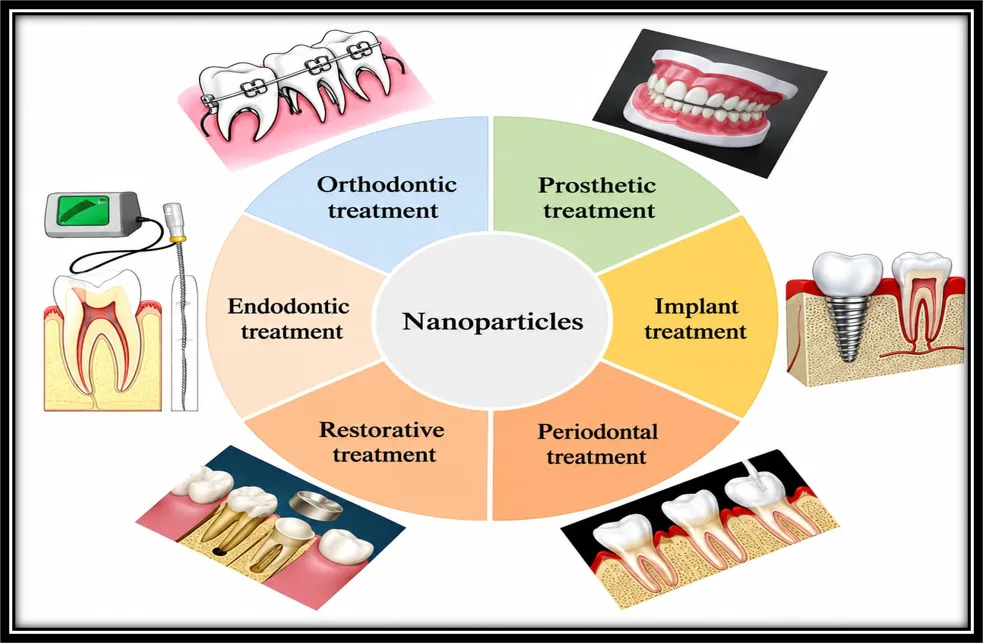
Fig 11 : Nanotechnology in density
In order to operate nanorobotic tasks, these devices are programmed using nanocomputers and communicate via echoing mechanisms that distinguish between different body thicknesses.
5. Drug Delivery Nanocarriers :-
Nanotechnology-based systems can improve ocular medication delivery through a variety of nanocarriers, including nanoparticles, polymeric micelles, liposomes, nanoemulsions, dendrimers, nanotubes, fullerenes, quantum dots, and ferrofluids [27].
6. Nanoparticles for Gene Delivery/Therapy :-
Because of its immunity and well-known genetic disorders, the eye is a good candidate for gene therapy. Nanoparticle-based non-viral gene delivery is thought to be a safer option than viral vectors, which may provide safety hazards. Nanoparticles for gene delivery in the treatment of eye diseases have been investigated in a number of research. It has been demonstrated that compacted DNA nanoparticles facilitate non-viral gene transfer, efficiently targeting distinct ocular organs via diverse injection sites [29]. These nanoparticles' safety and effectiveness have been shown in clinical trials, indicating that they may be used to treat complicated eye conditions as diabetic retinopathy and macular degeneration [30]. Additionally, plasmids that prevent ocular neovascularisation have been transported using albumin-derived nanoparticles.
REFERENCES

Mahek Shikalgar, Siddhi Karande, Mubina Shaikh, Sakshi Powar, Pooja Koli, Dr. Dhanraj Jadge, Nanotechnology in Medicine, Int. J. of Pharm. Sci., 2026, Vol 4, Issue 6, 43-55. https://doi.org/10.5281/zenodo.20483033
 10.5281/zenodo.20483033