

We use cookies to ensure our website works properly and to personalise your experience. Cookies policy
Bhagwan Mahavir College of Pharmacy, Bhagwan Mahavir University, Bharthana Road, Surat, Gujarat, India 395007
Rapid drug release and patient convenience are important considerations in the development of oral drug delivery systems. Sublingual drug delivery offers an effective route for rapid drug absorption through the highly vascularized sublingual mucosa. Rapidly disintegrating dosage forms can further enhance drug release by facilitating rapid interaction with saliva. Superdisintegrants are therefore important formulation excipients that promote rapid tablet breakup through mechanisms such as swelling, capillary wicking, hydration, and deformation recovery. Superdisintegrants used in oral dosage forms can broadly be classified into synthetic and natural materials. Synthetic superdisintegrants, such as croscarmellose sodium, sodium starch glycolate, and crospovidone, are widely employed because of their predictable and reproducible disintegration performance. In contrast, natural superdisintegrants, including Plantago ovata mucilage, fenugreek mucilage, guar gum, locust bean gum, gum karaya, pectin, and other plant-derived polymers, have gained increasing attention due to their availability, biodegradability, renewability, cost-effectiveness, and favorable compatibility characteristics. This review summarizes the sources, mechanisms of action, functional properties, advantages, limitations, and formulation considerations of natural and synthetic superdisintegrants relevant to sublingual drug delivery. Appropriate selection and optimization of these excipients may support rapid tablet disintegration and drug release, contributing to efficient and patient-friendly sublingual dosage forms.
Oral drug delivery is one of the most widely accepted approaches for administering pharmaceutical agents because of its convenience, non-invasive nature, ease of self-administration, and good patient acceptance. However, conventional oral dosage forms such as tablets and capsules may present difficulties for patients who have impaired swallowing ability, particularly pediatric and geriatric populations. These limitations have encouraged the development of alternative oral dosage forms capable of providing rapid drug release while improving patient convenience and compliance [1,2].
The oral cavity provides an attractive site for drug delivery because of its accessibility and the presence of a well-developed vascular network. Among the various transmucosal routes, sublingual administration involves placement of the dosage form beneath the tongue, where the drug can dissolve in saliva and permeate the highly vascularized sublingual mucosa. This route can facilitate rapid systemic drug absorption and may reduce the influence of gastrointestinal degradation and hepatic first-pass metabolism, making it particularly useful when a rapid therapeutic response is desirable [3,4].
Fast-dissolving and orally disintegrating dosage forms have therefore received considerable attention in modern pharmaceutical development. These dosage forms are designed to rapidly disintegrate or dissolve in the presence of saliva without requiring water or chewing. [7] Rapid disintegration increases the exposed surface area of the drug and promotes faster dissolution, which can contribute to an earlier onset of therapeutic action. Such characteristics are particularly advantageous for patients who experience difficulty swallowing conventional solid dosage forms [1,2,5].
Disintegration is a critical step governing the subsequent dissolution and release of a drug from a tablet. Disintegrants facilitate the breakup of a compacted dosage form into smaller particles following contact with aqueous fluids, thereby promoting drug dissolution. Superdisintegrants are a specialized class of disintegrants capable of producing rapid tablet disintegration at relatively low concentrations. Their performance is associated with mechanisms such as swelling, capillary action or wicking, deformation recovery, hydration, and disruption of interparticulate bonds within the tablet matrix [5,6].
Superdisintegrants are broadly classified according to their origin into natural and synthetic categories. Common synthetic superdisintegrants include sodium starch glycolate, croscarmellose sodium, and crospovidone, which are engineered to provide rapid fluid uptake, swelling, wicking, or recovery following compression. [8] In contrast, natural superdisintegrants are obtained from renewable biological sources and include plant-derived mucilages, gums, polysaccharides, pectin, alginate, chitosan, and other naturally occurring materials. Examples reported in the literature include Plantago ovata husk mucilage, fenugreek mucilage, guar gum, xanthan gum, locust bean gum, gellan gum, agar, chitosan, and mango-peel pectin. [5–7]
The selection of an appropriate superdisintegrant is particularly important in sublingual drug delivery because rapid interaction with saliva is essential for prompt tablet breakup and subsequent drug release. Synthetic superdisintegrants generally provide reproducible performance and predictable disintegration characteristics, whereas natural materials offer advantages such as biodegradability, biocompatibility, renewability, local availability, and relatively low cost. However, natural materials may show variability arising from their botanical source, extraction and purification procedures, and physicochemical characteristics. Therefore, understanding the functional properties and mechanisms of both natural and synthetic superdisintegrants is essential for the rational development of effective sublingual dosage forms. [3,5,7]
In view of the increasing interest in rapid-onset and patient-centric oral drug delivery systems, an understanding of superdisintegrants is essential for optimizing sublingual formulations. [9] The present review therefore provides an overview of natural and synthetic superdisintegrants used in sublingual drug delivery, with emphasis on their sources, physicochemical characteristics, mechanisms of action, advantages, limitations, and formulation-related considerations. The review also highlights the potential of naturally derived superdisintegrants as alternatives or complementary materials to conventional synthetic excipients in the development of efficient and patient-friendly sublingual drug delivery systems.[6,9]
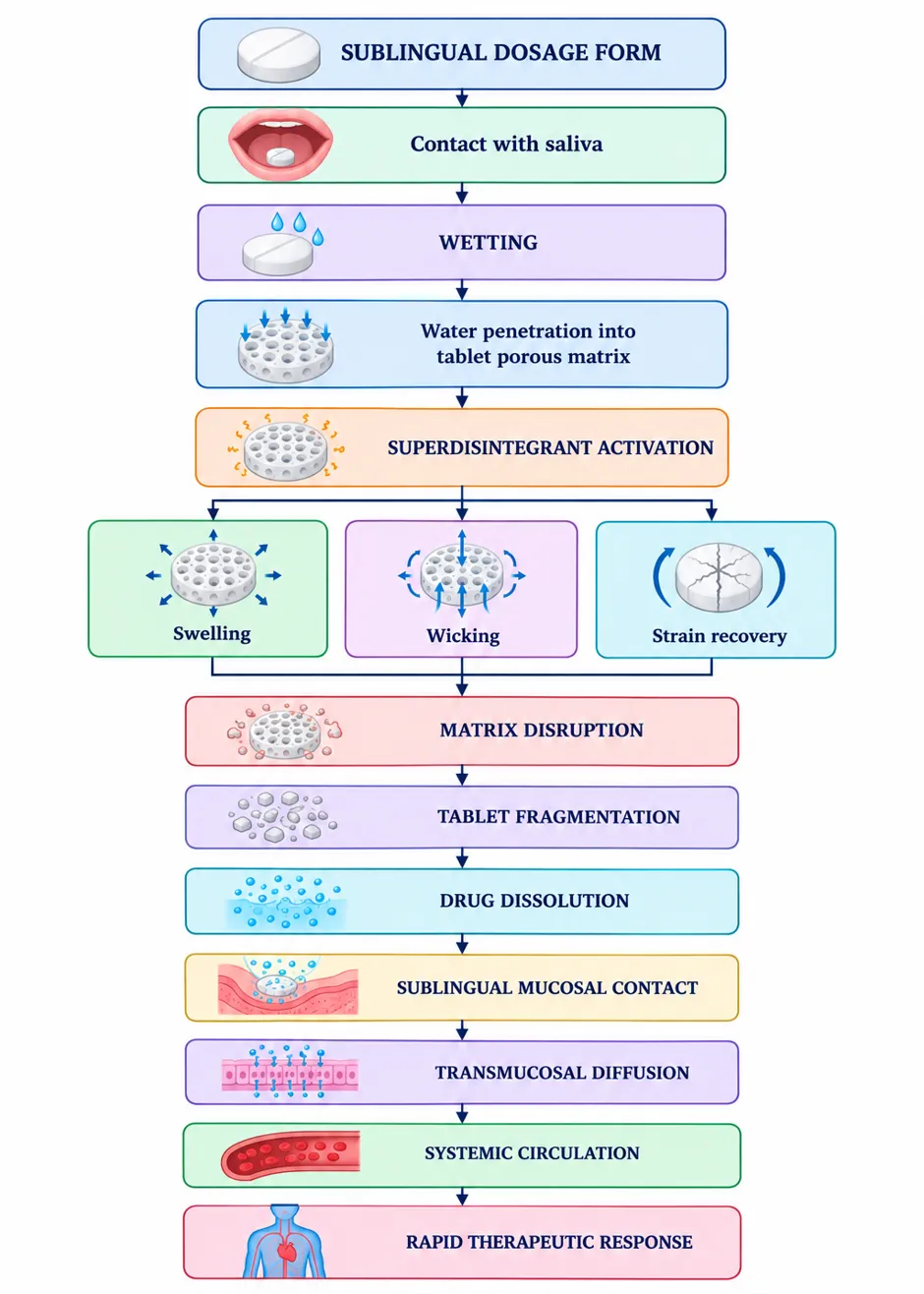
Figure 1. Conceptual overview of sublingual drug delivery and the role of superdisintegrants
2. Historical Milestones in Sublingual and Buccal Drug Delivery
Table 1. Historical milestones in sublingual and buccal drug delivery [11]
|
Developmental Phase |
Approximate Period |
Major Developments |
Scientific/ Formulation Significance |
|
Pioneering Efforts |
1950s–1979s |
Initial exploration of drug absorption through sublingual and buccal mucosa; early investigation of systemically active drugs |
Established the oral mucosa as a potential alternative pathway for systemic drug delivery and encouraged research into rapid mucosal absorption |
|
Exploratory Growth |
1980s–early 1990s |
Increasing investigation of rapidly acting cardiovascular and other therapeutic agents using sublingual and buccal approaches |
Demonstrated the practical potential of oral mucosal delivery for achieving relatively rapid systemic drug exposure |
|
Formulation and Technological Expansion |
Mid-1990s–2009s |
Development of mucoadhesive systems, films, sprays, patches, bilayer systems and other specialized dosage forms |
Improved mucosal residence, dosage-form flexibility and control over drug release, thereby broadening therapeutic applications |
|
Advanced and Multifunctional Era |
2010 onwards |
Integration of nanotechnology, advanced films, nanoparticles, multifunctional polymers, penetration-enhancement strategies and personalized delivery approaches |
Shifted the field toward multifunctional, patient-centered and technologically advanced sublingual and buccal delivery platforms |
2.1 1950s–1979s: Pioneering Efforts
The 2025 review identifies early steroid administration through buccal mucosa as a foundational development because conventional oral dosing could lead to extensive hepatic inactivation. Early work also explored sublingual heparin, although subsequent critical evaluation showed unreliable absorption. Research in the 1960s and 1970s gradually clarified the limitations imposed by molecular size and mucosal permeability. [32,37,38]
These early studies were important even when they failed, because they established that mucosal delivery is highly dependent on molecular characteristics, epithelial barriers and the interaction between the dosage form and oral environment. [11,31,38]
2.2 1980s– early 1990s: Exploratory Growth
From the 1980s, the literature expanded into nitrates, calcium-channel blockers, ACE inhibitors, opioids, hormones and peptides. Nitroglycerin became an especially important example of successful rapid mucosal delivery. Captopril and other cardiovascular agents demonstrated the potential value of bypassing gastrointestinal absorption in urgent settings. [32,37,38]
At the same time, opioid research revealed that apparent advantages could be inconsistent between studies. This reinforced the need for controlled pharmacokinetic evaluation and more reliable formulation technology. [11,31]
2.3 mid 1990s–2009s: Formulation and Technological Expansion
During the 1990s and early 2000s, research expanded into mucoadhesive systems, peptide delivery, liposomes, immunotherapy and more sophisticated dosage forms. The 2025 review notes that the number of commercial products remained smaller than the research effort, highlighting the difficulty of translating formulation concepts into robust regulated products.[11]
The introduction of films, sprays, lozenges, chewing gum, patches and bilayer systems showed that oral mucosal delivery was moving beyond the conventional tablet. These formats also introduced new considerations such as residence time, taste, leakage into the gastrointestinal tract and physical stability.[31]
2.4 2010 onwards: Advanced and Multifunctional Era
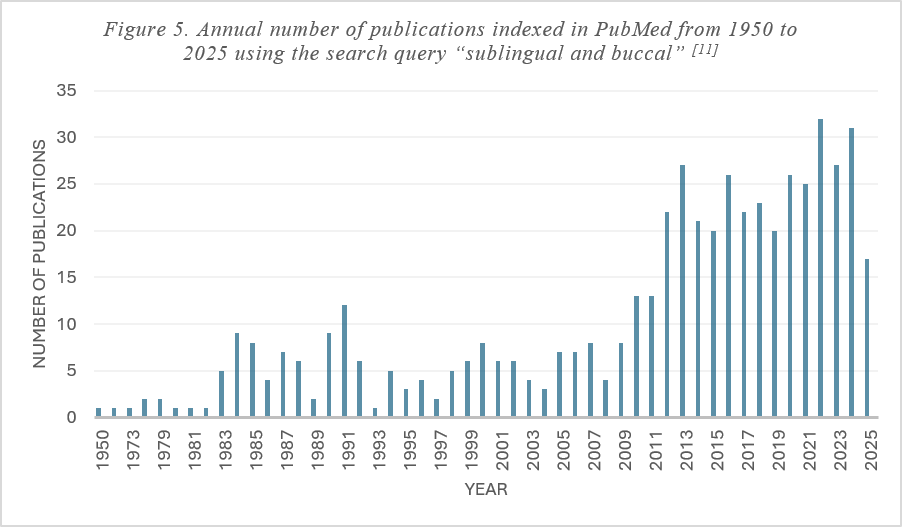
The latest period is characterized by nanoparticles, multilayered mucoadhesive systems, pediatric fast-dissolving formulations, vaccines and immunotherapy, and a broader therapeutic range. The review describes increased publication activity, market introduction of films and sprays, and the development of advanced devices and nanocarriers. [42]
This historical trajectory parallels the development of superdisintegrants. Early disintegrants primarily solved tablet breakup, whereas modern materials increasingly combine rapid disintegration with compressibility, mucoadhesion, taste masking, solubility enhancement and compatibility with advanced manufacturing. [29,30]
3. Role Of Superdisintegrants in Modern Oral and Sublingual Drug Delivery
Tablet disintegration is a critical formulation event because the drug cannot dissolve efficiently while it remains trapped within an intact compact. The attached literature describes superdisintegrants as specialized excipients that accelerate tablet breakup after contact with aqueous fluids, including saliva. [38,39] Their value is especially clear in orally disintegrating, fast-dissolving, buccal and sublingual dosage forms, where the formulation must rapidly transition from a mechanically coherent solid to a dispersed state. [10,12,14,15]
The distinction between a conventional disintegrant and a superdisintegrant is primarily functional rather than simply chemical. Conventional starch-type materials may require relatively high concentrations and longer disintegration times, whereas superdisintegrants are designed to produce rapid hydration, swelling and/or liquid uptake at comparatively low concentrations. The attached reviews describe typical superdisintegrant use in the low single-digit percentage range, with the exact optimum depending on the excipient, tablet structure, manufacturing process and drug. [17,18]
For sublingual delivery, the requirement is even more demanding because the volume of available fluid is small and the dosage form is placed directly on a highly vascularized mucosal surface. The formulation therefore has to wet quickly, disintegrate without an excessive gel layer, release the drug in a suitable microenvironment and allow the dissolved drug to reach the mucosa before saliva movement removes the formulation from the intended site. [42-45]
3.1 Why rapid disintegration matters
Rapid disintegration increases the exposed surface area of the drug and creates the physical conditions needed for dissolution. The 2014 review emphasizes that the disintegration process should proceed from the intact tablet to granules and ultimately to primary particles. This sequence is important because dissolution becomes faster as the drug becomes more extensively dispersed.[18]
In sublingual systems, the relationship is not limited to dissolution. The drug must also cross the mucosal barrier. The 2025 review describes the sublingual mucosa as relatively thin and highly vascularized, allowing suitable molecules to diffuse into systemic circulation. Consequently, a formulation that delays drug liberation can lose part of the pharmacokinetic advantage expected from the route. [9,11]
The attached 2026 review further connects rapid matrix disruption with improved dissolution, bioavailability and patient-centered performance. It identifies ODTs, FDTs, sublingual tablets and buccal systems as important dosage-form contexts in which superdisintegrants can provide practical advantages. [13,17]
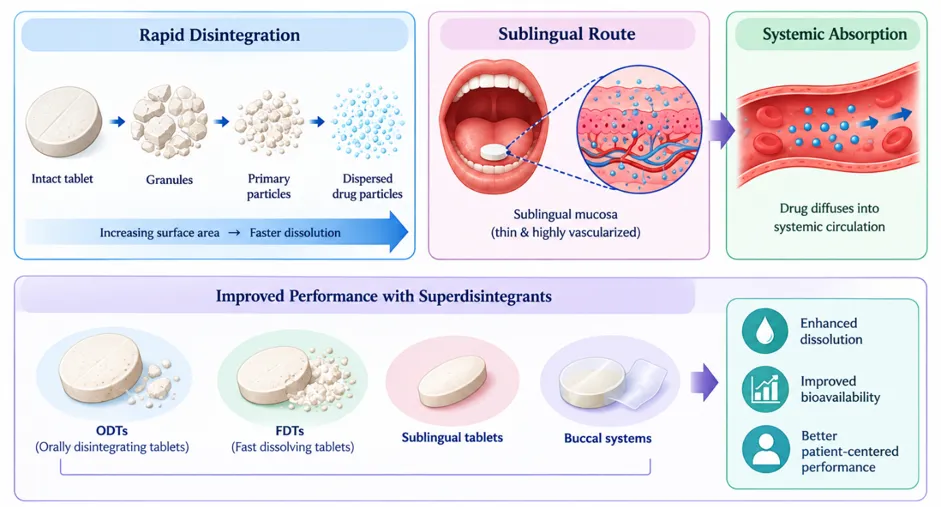
Figure 2. Why rapid disintegration matters
3.2 Relationship between disintegration, dissolution and absorption
The sequence may be considered as a formulation cascade: wetting of the tablet surface, penetration of saliva into the porous matrix, activation of the superdisintegrant, structural weakening, fragmentation, drug dissolution and finally diffusion across the mucosa. Each stage can become rate limiting if it is poorly designed. This is why superdisintegrant selection cannot be separated from tablet porosity, compression force, drug solubility, lubricant level and the intended mucosal route.
The 2014 source specifically notes that several physical factors influence disintegration, including the amount and proportion of disintegrant, compatibility with other excipients, surfactants, tablet hardness, drug characteristics, mixing and the method of addition. [13,18] The 2026 review similarly emphasizes compression force, tablet porosity, excipient concentration and formulation variables as determinants of performance. [56,57]
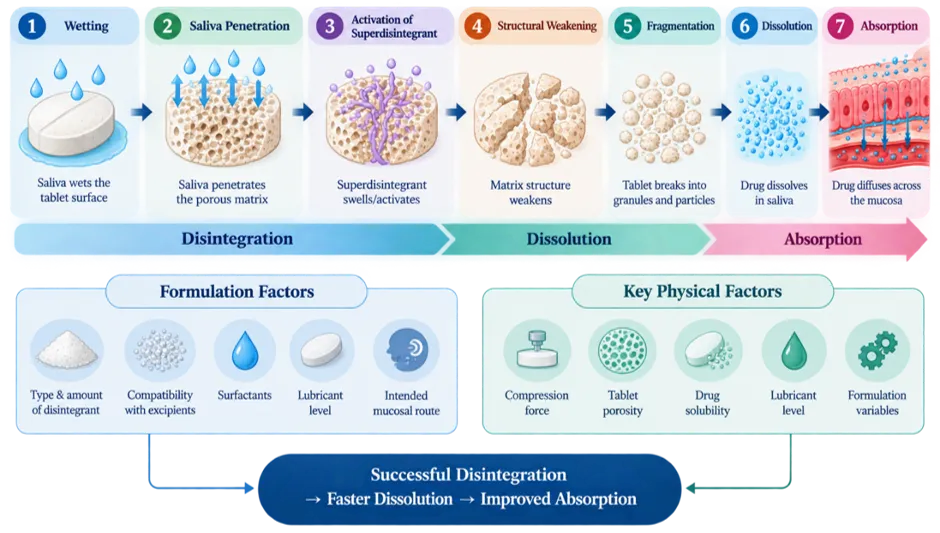
Figure 3. Relationship between disintegration, dissolution and absorption
4. Mechanisms of Superdisintegrant Action
No single mechanism explains the behavior of every superdisintegrant. The attached reviews describe swelling, capillary action or wicking, strain recovery/deformation, particle repulsion, heat of wetting, enzymatic action, gas release and combination mechanisms. Modern interpretation therefore treats tablet disintegration as a coupled phenomenon in which more than one process can occur at the same time. [51-53]
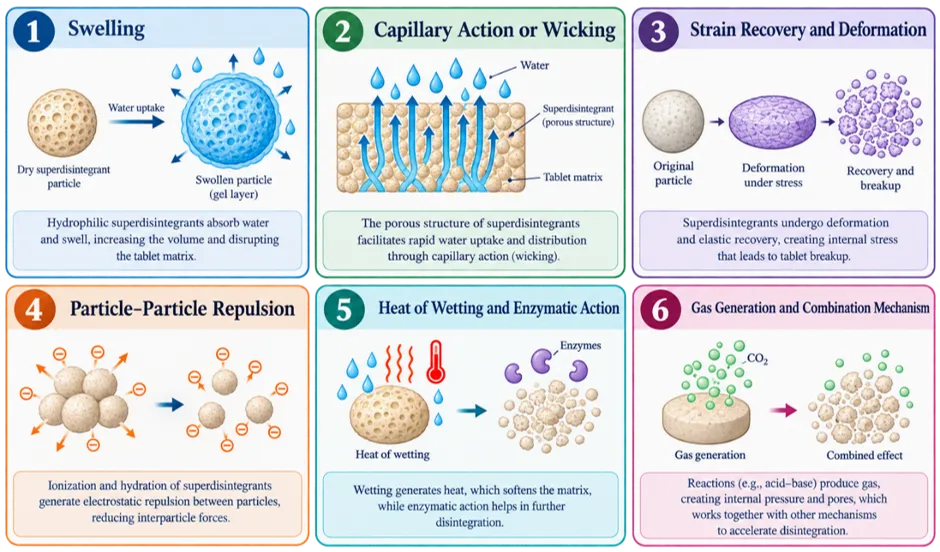
Figure 4. Mechanism of Superdisintegrant Action
4.1 Swelling mechanism
Swelling is one of the most widely discussed mechanisms. A hydrophilic superdisintegrant absorbs water and undergoes volumetric expansion. When the resulting internal pressure becomes sufficient to overcome the interparticulate forces created during compression, the compact begins to fracture.
The efficiency of swelling depends on the intrinsic swelling capacity of the excipient, its concentration, tablet porosity and the compression force used during manufacture. Excessive compression may reduce the pathways available for fluid penetration, while an excessive concentration of a highly swelling material can produce a viscous or gel-like layer that may slow further water movement. Sodium starch glycolate is described as a classical swelling-type superdisintegrant in both reviews. [43,45,46]
The 2014 review reports that modified starches can exhibit substantially greater volumetric expansion than native starches. This illustrates why chemical modification and cross-linking can transform a conventional starch into a much more efficient tablet-disintegration material.[12]
4.2 Capillary action or wicking
Wicking refers to rapid movement of aqueous fluid into the porous tablet structure through capillary pathways. The liquid replaces air within the pores, hydrates the particles and weakens the interparticulate forces holding the compact together. [12,18]
Crospovidone is highlighted as a prototypical wicking-oriented material because of its highly porous particle morphology and rapid liquid uptake. Croscarmellose sodium also shows substantial wicking because of its fibrous structure, while simultaneously contributing swelling. [17,18]
Wicking is particularly relevant to sublingual tablets because the dosage form encounters a relatively small amount of saliva. A material that can rapidly draw available fluid into the compact can initiate matrix disruption before a large fluid volume has accumulated around the tablet. [31,32]
4.3 Strain recovery and deformation
During compression, excipient particles can become deformed and store mechanical energy. Following hydration, the particles may recover toward their original configuration. This recovery produces internal stresses that contribute to matrix disruption. [48,52]
Crospovidone is specifically associated with strain-recovery behavior in the 2026 review, whereas starch is used as a classical example in the 2014 discussion. The mechanism is important because rapid disintegration can occur even when the swelling contribution is not dominant.
4.4 Particle–particle repulsion
Particle repulsion has been proposed as an additional mechanism in which hydration changes the surface charge environment and promotes separation between adjacent particles. The attached reviews consider this mechanism secondary or complementary in many practical systems rather than a universally dominant mechanism. [10,17,18]
4.5 Heat of wetting and enzymatic action
The heat-of-wetting theory proposes that wetting of certain materials can generate localized thermal or mechanical effects that contribute to tablet breakup. The 2014 review notes that this mechanism is limited and does not adequately explain the performance of modern superdisintegrants on its own. [12,13]
Enzymatic action is more relevant to certain natural polysaccharide-based materials. Enzymes present in saliva or gastrointestinal fluids can degrade susceptible structural components, weakening the matrix. However, the 2026 review considers enzymatic degradation slower than physical processes such as swelling and wicking, especially for modern synthetic superdisintegrants. [10,13,15,17]
4.6 Gas generation and combination mechanisms
Effervescent systems can generate carbon dioxide when acidic and carbonate/bicarbonate components react after wetting. Gas formation creates pressure within the tablet and can accelerate breakup. The 2014 review also notes that such systems are sensitive to humidity and temperature, making environmental control important during manufacturing.[18]
In practical formulations, combined mechanisms are common. A single excipient may simultaneously wick fluid, swell and recover from compression. The overall performance should therefore be understood as the net result of interacting mechanisms rather than as a single-label classification. [15]
5. Sublingual And Buccal Mucosa as Drug-Delivery Sites
The oral cavity has evolved from being viewed mainly as a site for local treatment to an important platform for systemic drug delivery. The 2025 review explains that the extensive vascularization of the oral mucosa can permit suitable drugs to enter systemic circulation while avoiding gastrointestinal degradation and hepatic first-pass metabolism. [35,37,38]
The sublingual region, located beneath the tongue, is especially suited to rapid absorption because its epithelium is thinner than the buccal epithelium and is associated with a rich vascular supply. The 2025 review reports an approximate epithelial thickness of 100–200 µm for the sublingual region compared with approximately 500–800 µm for the buccal epithelium. [11,31,32,38]
The buccal route is generally more suitable when residence time and sustained or controlled delivery are important. Its relatively immobile location supports mucoadhesive systems, whereas the sublingual route is favored when rapid systemic onset is the priority.
5.1 Physiochemical determinants of transmucosal absorption
Drug absorption across the oral mucosa depends strongly on drug physicochemical characteristics. The 2025 review identifies solubility, permeability, stability, hydrophilicity, pKa and logP as important variables. A formulation can therefore not be optimized by excipient choice alone; the drug itself must be compatible with the intended mucosal microenvironment. [54,56]
Small, sufficiently lipophilic molecules generally have a greater opportunity to diffuse through the lipoidal barrier than large hydrophilic macromolecules. The historical literature summarized in the 2025 review shows that peptides and proteins repeatedly encountered lower permeability and enzymatic degradation, motivating research into penetration enhancers, enzyme inhibitors, liposomes, nanoparticles and mucoadhesive systems. [37,38]
Local pH can also influence the fraction of drug present in a permeable form. The 2025 review describes pH adjustment and formulation control as important strategies in several mucosal systems. Thus, superdisintegrant selection should be considered together with pH modifiers, solubilizers and other excipients when the goal is rapid transmucosal absorption.[37]
5.2 Sublingual versus buccal delivery
Table 2. Sublingual v/s Buccal Route
|
Parameter |
Sublingual route |
Buccal route |
|
Primary placement |
Floor of mouth beneath tongue |
Inner cheek / buccal mucosa |
|
Relative epithelial thickness |
Reported as ~100–200 µm |
Reported as ~500–800 µm |
|
Typical design priority |
Rapid systemic onset |
Retention and sustained/ controlled release |
|
Fluid environment |
Saliva; limited local fluid volume |
Saliva with comparatively stable mucosal contact |
|
Key formulation challenge |
Rapid dissolution plus efficient mucosal transfer |
Maintaining adhesion while controlling release |
|
Examples discussed in source |
Nitroglycerin, captopril, misoprostol |
Buprenorphine, morphine, mucoadhesive films/tablets |
This comparison is a formulation-oriented synthesis of the attached 2025 review rather than a universal rule. The same drug may require different designs depending on the desired therapeutic profile and the physicochemical properties of the active ingredient.
6. Classification of Superdisintrgrants
Table 3. Classification of Superdisintegrants [10]
|
Origin Class |
Description |
Examples |
Advantages |
|
Natural |
Biodegradable, non-toxic polymers extracted from plant, seed, or marine sources. |
Plantago ovata (Isapghula) husk, Lepidium sativum mucilage, Chitosan, Soy polysaccharide, Guar gum. |
Biocompatible, highly cost-effective, eco-friendly. |
|
Semi-Synthetic |
Chemically modified natural polymers designed to improve performance. |
Crospovidone, Croscarmellose Sodium, Sodium Starch Glycolate. |
Improved consistency, enhanced swelling, better functionality. |
|
Synthetic |
Fully synthetic polymers engineered for rapid disintegration. |
Crospovidone, Polacrilin Potassium. |
Excellent batch uniformity, predictable performance. |
|
Co-Processed Composite |
Composite excipients produced by combining multiple materials at the particle level. |
Ludiflash® (Mannitol + Crospovidone + PVA), Pharmaburst®, F-Melt®. |
Eliminates multiple blending steps, ideal for direct compression of Orally Disintegrating Tablets (ODTs). |
6.1 Natural Superdisintegrants
Natural superdisintegrants include plant-derived gums, mucilages, polysaccharides and related biopolymers. The attached reviews emphasize their biodegradability, availability, low toxicity, cost-effectiveness and potential sustainability advantages. At the same time, natural materials can show batch-to-batch variability because botanical source, extraction, purification and processing influence their physicochemical properties. [19-23]
6.1.1 Plantago ovata (psyllium / isapghula) husk mucilage
Plantago ovata husk is among the most extensively investigated natural superdisintegrants described in the 2026 review. Its mucilage contains highly hydrophilic polysaccharide components and shows pronounced water-uptake and swelling behavior. When exposed to aqueous fluid, the polysaccharide network expands and generates internal pressure capable of weakening the tablet matrix. [52,55]
The 2014 review reports a swelling index of approximately 89 ± 2.2% v/v for the described psyllium mucilage preparation. Applications reported in the attached literature include fast-dissolving tablets containing drugs such as prochlorperazine maleate, while the 2026 review also discusses formulations involving paracetamol, memantine hydrochloride, domperidone and antihistaminic agents. [41-44]
A major advantage of Plantago ovata is its combination of strong swelling, natural origin, biodegradability and patient-oriented applicability. However, the 2026 review identifies microbial contamination risk, moisture sensitivity and variability in raw material and extraction as barriers to large-scale standardization. [39]
6.1.2 Lepidium sativum mucilage
Lepidium sativum, commonly referred to as garden cress, is described as another promising natural source. Its seed mucilage displays hydration, swelling, binding and gelling characteristics. The 2026 review describes its action primarily through rapid water uptake and expansion within the tablet matrix, with capillary penetration contributing to the overall process. [49]
The 2014 review reports the use of Lepidium sativum mucilage with nimesulide in directly compressed fast-disintegrating tablets. This example illustrates the practical interest in using natural mucilages in conventional tablet-manufacturing approaches rather than restricting them to specialized technologies.
The main limitation remains variability. Botanical source, extraction conditions, purification and physicochemical characterization must be controlled if performance is to be reproduced at scale. [28]
6.1.3 Fenugreek seed mucilage
Fenugreek mucilage from Trigonella foenum-graecum is described as a galactomannan-rich natural material with strong hydration and swelling behavior. On contact with aqueous fluid, the polymer rapidly absorbs water and expands, creating internal stresses that promote matrix disruption. [51.53]
The attached literature reports successful use of fenugreek mucilage in fast-dissolving and orally disintegrating formulations, including examples involving metformin hydrochloride and other model drugs. The 2014 review also reports its use with metformin hydrochloride through direct compression. [12,27,28]
Its principal strengths are low cost, availability and biodegradability. However, large-scale implementation requires standardization of extraction, purification, storage and microbial quality. The 2026 review identifies co-processing and improved characterization as promising approaches for improving consistency. [10,19]
6.1.4 Guar gum
Guar gum is a galactomannan obtained from the endosperm of Cyamopsis tetragonoloba seeds. The 2014 review describes a composition dominated by galactomannan and reports that particle size can influence disintegration, with finer particles showing greater disintegrating capability. [12,24]
The 2026 review characterizes guar gum as a swelling-based natural superdisintegrant. Rapid water uptake and volumetric expansion generate internal stresses and weaken interparticulate bonds. Its natural origin and broad availability support interest in it as an alternative to synthetic materials. [27,28]
An important formulation balance is required because high polymer levels can increase viscosity and may interfere with rapid fluid movement. Consequently, concentration and particle-size optimization are essential rather than assuming that a higher amount will always improve disintegration.
Chitosan is a naturally derived cationic polysaccharide obtained by deacetylation of chitin. The attached reviews describe it as a multifunctional material with superdisintegrant, mucoadhesive and drug-delivery relevance. Its protonatable amino groups provide a positive surface character that can interact with negatively charged biological surfaces.
As a superdisintegrant, chitosan combines water uptake, swelling and capillary penetration. The 2026 review notes that this multifunctionality distinguishes it from many conventional superdisintegrants and makes it attractive for advanced mucosal systems. [54]
The 2014 review reports chitosan in fast mouth-dissolving formulations and provides an example involving cinnarizine prepared by wet granulation. [12] The 2026 review additionally emphasizes its potential in mucoadhesive and nanoparticle-based systems.
Locust bean gum is obtained from the endosperm of Ceratonia siliqua seeds. The 2014 review describes its galactomannan-rich polysaccharide structure and notes that it can show both binding and disintegrating properties depending on concentration. Interactions with other gums can produce synergistic thickening effects. [12,24]
The source literature includes an application of locust bean gum with ofloxacin using a solvent-evaporation approach and discusses its broader potential in pharmaceutical and biotechnological systems.[28] Its value therefore extends beyond simple tablet breakup to the broader design of polymeric delivery matrices.
Gellan gum is described as a water-soluble polysaccharide produced by fermentation. Its hydrophilic nature allows it to swell on contact with water, supporting disintegration. Agar, derived from red algae, contains agarose and agaropectin and is characterized by strong gel-forming properties.
These materials demonstrate an important formulation principle: a polymer can be useful because of its hydration behavior, but excessive gel formation can also become counterproductive for a dosage form intended to disperse rapidly. Therefore, the useful concentration window depends on the intended dosage form and the balance between structural integrity and hydration. [24,25]
Alginates are hydrophilic colloidal materials with high water affinity and reported disintegrating activity. The 2014 review describes their use in formulations containing ascorbic acid and multivitamins.
Soy polysaccharide is another natural material described as a superdisintegrant. The source review notes that it does not contain starch or sugar and reports its evaluation in directly compressed tablets, with performance described as similar to cross-linked carboxymethyl cellulose in the cited literature.
Cassia fistula gum has been chemically modified in the cited literature to improve properties such as cold-water solubility, viscosity and microbial resistance. Calcium- or sodium-linked derivatives have been investigated as superdisintegrants in fast-dissolving tablets. [27,28]
Xanthan gum is described as highly hydrophilic with substantial swelling behavior and low gelling tendency relative to some other gums. The 2014 review also discusses Cucurbita maxima pulp powder, Hibiscus rosa-sinensis mucilage and mango-peel pectin as natural disintegrating materials. Mango-peel pectin is specifically associated with a good swelling index and solubility in biological fluids.
The 2026 review places these natural materials in a broader sustainability context, while emphasizing that reproducibility and industrial-scale standardization remain the central barriers to widespread adoption. [10,19,20]
Table 4. Natural Polymers and their uses [3]
|
Natural material |
Main functional feature described |
Illustrative application/source |
|
Plantago ovata mucilage |
High swelling and water uptake |
Fast-dissolving / ODT systems |
|
Lepidium sativum mucilage |
Hydration, swelling, binding |
Nimesulide direct-compression system |
|
Fenugreek mucilage |
Galactomannan-rich swelling |
Metformin and fast-dissolving systems |
|
Guar gum |
Swelling; particle-size dependent performance |
Fast-disintegrating formulations |
|
Chitosan |
Swelling + wicking + mucoadhesion |
Cinnarizine / advanced mucosal systems |
|
Locust bean gum |
Binding/disintegration; synergistic gum behavior |
Ofloxacin formulation example |
|
Xanthan gum |
Hydrophilic swelling |
Rapid-disintegration potential |
|
Mango-peel pectin |
Swelling and biological-fluid solubility |
Fast-dispersible tablets |
7. Synthetic And Semi-Synthetic Superdisintegrants
Synthetic and semi-synthetic superdisintegrants are widely used because their structure and processing can be engineered to produce predictable hydration, swelling or wicking behavior. The attached 2026 review identifies sodium starch glycolate (SSG), croscarmellose sodium (CCS), crospovidone (CP), low-substituted hydroxypropyl cellulose (L-HPC) and potassium polacrilin among important commercially used materials.[30,38,40]
The 2014 review similarly lists cross-linked polyvinylpyrrolidone, microcrystalline cellulose, modified cellulose, sodium starch glycolate, resins, calcium silicate and ion-exchange resins. [12,15,16,17,29,30] These materials are particularly useful in direct-compression and other robust manufacturing processes because they can provide rapid disintegration without necessarily requiring very high inclusion levels.
7.1 Sodium starch glycolate
Sodium starch glycolate is a modified starch produced through carboxymethylation and cross-linking. The attached reviews describe swelling as its dominant mechanism, with capillary uptake contributing as well. On hydration, the modified starch particles can expand substantially and exert stress on the compact. [12,13]
The 2014 review reports that modified starches may increase in volume by approximately 200–300% in water, compared with much smaller expansion for native pre-dried starch. The degree of substitution and cross-linking are important because they determine the balance between water uptake, swelling and structural integrity.[16]
SSG is widely incorporated in immediate-release, ODT and fast-dissolving formulations. The 2026 review notes its suitability when strong swelling is needed but also warns that excessive concentration may produce a gel layer and that high compression can reduce water penetration.
7.2 Croscarmellose sodium
Croscarmellose sodium is a cross-linked sodium carboxymethylcellulose derivative. Its fibrous morphology enables rapid capillary transport while its hydration produces swelling, giving it a dual wicking-plus-swelling mechanism.
The 2014 review reports use levels up to 5% w/w, with 2% described for direct-compression tablets and 3% for wet-granulated tablets in the cited material. It also notes that croscarmellose can be incorporated at both intragranular and extragranular stages because it retains useful wicking and swelling activity. [29]
The 2026 review describes croscarmellose as an intermediate material between SSG and crospovidone in terms of dominant morphology and mechanism. Its balanced performance across different compression conditions contributes to its status as a benchmark immediate-release superdisintegrant. [10,13]
7.3 Crospovidone
Crospovidone is a cross-linked form of polyvinylpyrrolidone. Its highly porous, sponge-like morphology supports rapid wicking, while deformation or strain recovery also contributes to disintegration. Unlike strongly swelling materials, it generally does not form a viscous gel layer during hydration. [29,30]
The 2014 review describes two particle-size grades and notes that larger particles can provide rapid disintegration. Crospovidone is also discussed as a solubility-enhancing excipient and as a material well suited to direct-compression formulations.
The 2026 review places crospovidone among the most established commercial superdisintegrants. Its principal advantages are rapid disintegration, good flow, limited gel formation and relatively low sensitivity to compression force compared with some swelling-dominant materials.
7.4 Low-substituted hydroxypropyl cellulose
Low-substituted hydroxypropyl cellulose (L-HPC) is described as a semi-synthetic cellulose derivative with intentionally low hydroxypropyl substitution. It combines hydration, swelling, wicking and deformation-recovery effects and can also contribute to compression performance.
Its multifunctionality is important because an excipient can potentially serve more than one formulation role. The 2026 review describes L-HPC in ODTs, mini-tablets and selected modified-release or multiparticulate systems, with examples involving acetaminophen, propranolol, captopril, theophylline and furosemide.
The main formulation advantage is the possibility of reducing formulation complexity while maintaining both mechanical strength and rapid disintegration. Its efficiency may vary with the specific formulation and may not always match the fastest commercial superdisintegrants.[16]
7.5 Potassium polacrilin and ion-exchange systems
Potassium polacrilin is described as a cross-linked ion-exchange resin with both ion-exchange and disintegration functions. Rapid water uptake and swelling are complemented by ionic repulsion, giving it a multifunctional role in certain oral formulations.
The 2014 review also discusses ion-exchange resins more broadly. Such resins can exchange counter-ions in aqueous environments and can support controlled drug release while contributing to tablet structure and disintegration.
A distinctive advantage of potassium polacrilin described in the 2026 review is its potential taste-masking contribution for ionizable drugs. This can be valuable in patient-centered formulations where rapid disintegration must coexist with acceptable palatability. [30]
8. Comparative Performance of Major Superdisintegrants
Table 5. Performances of major Superdisintegrants [10]
|
Excipient |
Typical Concentration range |
Dominant mechanism |
Key strengths |
Main formulation concern |
|
SSG |
2–8% |
Swelling |
High swelling; economical |
Gel formation at high levels; compression can limit penetration |
|
CCS |
0.5–5% |
Wicking + swelling |
Versatile; rapid liquid uptake |
Hydrophobic lubricant can reduce wetting |
|
Crospovidone |
2–5% |
Wicking + strain recovery |
Rapid, porous, no strong gel layer |
Higher material cost; lower swelling than SSG/CCS |
|
L-HPC |
2–10% |
Wicking + swelling + recovery |
Multifunctional; compressible |
Efficiency can be formulation-dependent |
|
Potassium polacrilin |
2–5% |
Swelling + ionic repulsion |
Taste masking + disintegration |
Less widely used than major commercial materials |
|
Plantago ovata |
2–10% |
Swelling |
Biodegradable; high swelling |
Batch variability and moisture sensitivity |
|
Chitosan |
1–8% |
Wicking + swelling |
Mucoadhesive; biocompatible |
pH-dependent behavior |
|
Fenugreek mucilage |
2–10% |
Swelling |
Low-cost natural alternative |
Extraction variability |
|
Lepidium sativum mucilage |
2–10% |
Swelling |
Emerging natural option |
Limited industrial-scale data |
|
Guar gum |
2–10% |
Swelling |
Readily available |
Viscosity at high levels |
|
Pectin |
2–8% |
Swelling |
Safe, biodegradable |
Lower mechanical robustness in some systems |
The concentration values above reproduce the ranges summarized in 2026 review and should be treated as literature-reported ranges rather than universal formulation prescriptions. [10,13] The 2014 review separately reports specific use levels for some commercial excipients, such as croscarmellose sodium, and emphasizes that optimum performance depends on formulation and processing conditions. [15,29,30]
8.1 Mechanism–performance relationship
SSG is most useful when high swelling force is desired. Crospovidone is attractive when rapid fluid transport and strain recovery are more important than extreme swelling. Croscarmellose occupies a useful middle position because its fibrous morphology provides wicking while its hydration contributes swelling. [45,46]
Natural materials can approach the functional behavior of commercial excipients in selected formulations, but their performance is more sensitive to source and processing. Plantago ovata and fenugreek, for example, depend strongly on mucilage extraction and characterization. Chitosan adds a separate advantage because it can also contribute mucoadhesion.
8.2 Ionic character and compatibility
The 2026 review classifies superdisintegrants partly by surface charge. Anionic materials such as SSG and croscarmellose may interact with cationic drugs or other formulation components, while chitosan is cationic and can interact with negatively charged biological surfaces. Neutral materials such as crospovidone and guar gum may have fewer charge-mediated compatibility concerns. [10,30]
This means that excipient screening should include drug–excipient compatibility rather than selecting solely on the basis of disintegration time. In a sublingual system, even a small interaction that changes dissolution, taste or mucosal residence can alter the practical performance of the dosage form. [31,32,35]
9. Formulation Variables Affecting Superdisintegrant Performance
9.1 Concentration
Increasing superdisintegrant concentration does not guarantee proportionally faster disintegration. The attached reviews describe an optimum range for each material. Beyond that range, excessive swelling, gel formation, increased viscosity or altered mechanical properties can reduce rather than improve performance.
For sublingual formulations, the concentration must be sufficient to initiate rapid breakup with the small amount of saliva available, but low enough to preserve mouthfeel and avoid an excessive hydrated mass. This makes dose, tablet size and excipient efficiency important together. [32,35]
9.2 Compression force and tablet porosity
Compression creates the mechanical strength that allows a tablet to survive handling, but excessive compaction can reduce pore connectivity and restrict fluid entry. The 2014 review notes that high packing fraction can prevent adequate fluid penetration, while the 2026 review similarly links compression force and porosity to swelling performance.
The formulation target is therefore not simply maximum hardness. Instead, the tablet should have enough strength for manufacturing and handling while retaining sufficient porosity for rapid saliva penetration. This is particularly important for orally disintegrating and sublingual products. [29,30]
9.3 Lubricants and hydrophobic barriers
Hydrophobic lubricants can interfere with wetting. The 2026 review specifically notes that magnesium stearate and other hydrophobic components may reduce water penetration and diminish croscarmellose performance when used excessively. [10,13]
This creates a formulation trade-off: lubrication is necessary for manufacturing, yet excessive hydrophobic surface coverage can slow the very wetting process that the superdisintegrant is intended to accelerate. Optimization should therefore consider lubricant level, blending time and the position of the superdisintegrant within the granule or tablet. [10,16,17]
9.4 Particle size and morphology
Particle morphology influences wicking, surface area, packing and compressibility. The 2014 review notes that crospovidone particle size can influence disintegration, with larger particles in the described grades providing rapid performance. Guar gum performance is also reported to vary with particle size.
A highly porous morphology can improve liquid uptake, whereas excessive fine material can alter packing and mouthfeel. Thus, particle-size distribution should be considered a critical material attribute rather than an incidental property. [10,12]
9.5 Method of incorporation
The 2014 review describes three approaches: intragranular addition during granulation, extragranular addition before compression, and split addition in both locations. The split approach can provide better overall disintegration because it combines matrix-level and external liquid-uptake functions. [16]
The optimum method is excipient-dependent. Granulation can change particle morphology and swelling performance; the 2014 review notes that some superdisintegrants show reduced swelling after wet granulation. Direct compression can preserve certain properties but demands adequate powder flow and compressibility. [30]
10. Evaluation Of Superdisintegrants and Fast-Dissolving Tablets
The attached reviews emphasize that evaluation should examine both the material and the finished dosage form. A useful assessment therefore combines powder characteristics, tablet mechanical properties, wetting behavior, disintegration time and dissolution performance. [10,12,13,15,16,17,29,30]
10.1 Preformulation evaluation
Table 6, Evaluation of finished tablet preparation
|
Test / attribute |
Why it matters in fast-dissolving or sublingual systems |
|
Appearance and dimensions |
Confirms physical uniformity and patient acceptability |
|
Weight/content uniformity |
Confirms dose consistency |
|
Hardness / crushing strength |
Ensures sufficient mechanical robustness |
|
Friability |
Indicates resistance to abrasion during handling |
|
Wetting time |
Reflects how rapidly saliva can spread over the dosage form |
|
Disintegration time |
Direct indicator of matrix breakup |
|
Water absorption / swelling |
Characterizes superdisintegrant activation |
|
Dissolution profile |
Shows how quickly drug becomes available in solution |
|
Drug release / assay |
Confirms formulation performance |
|
Mouthfeel / palatability |
Important for adherence to oral dosage forms |
10.3 Disintegration time as a central endpoint
The 2026 review summarizes a typical comparison in which conventional disintegrants may require approximately 15–30 minutes, whereas superdisintegrants can support disintegration on the order of seconds. The introductory material supplied with the project similarly identifies rapid disintegration as the central functional requirement of sublingual and fast-dissolving systems. [29]
However, a short disintegration time should not be interpreted as sufficient by itself. A tablet can break quickly but still show slow drug dissolution if the active ingredient is poorly soluble, or poor systemic exposure if the dissolved drug has limited mucosal permeability. The 2025 review therefore supports a broader view in which physicochemical properties and dosage-form design determine the final pharmacokinetic outcome. [11]
11. Superdisintegrants In Sublingual Dosage-Form Design
11.1 Sublingual tablets
Sublingual tablets require a combination of rapid wetting, rapid matrix disruption and suitable drug permeability. Superdisintegrants help transform a compact into a dispersed system quickly, after which the dissolved drug can interact with the sublingual mucosa. [35,37,38]
The formulation should therefore be designed around the route-specific environment. The sublingual mucosa offers rapid access to systemic circulation, but the available saliva volume is limited and the dosage form can be displaced by salivary flow. A highly efficient superdisintegrant can reduce the time needed before drug dissolution begins, which is particularly relevant for rapid-onset products.
11.2 Orally disintegrating tablets and fast-dissolving tablets
ODTs and FDTs are broader dosage-form categories than strictly sublingual tablets. They are intended to disintegrate in the oral cavity and may subsequently be swallowed, while some fraction of the drug may be absorbed transmucosally depending on the active ingredient and formulation. [45-47]
The 2014 review stresses the importance of achieving a balance among rapid disintegration, pleasant mouthfeel and high breaking force. Superdisintegrants contribute to this balance because they can provide high disintegration efficiency at relatively low concentrations while retaining useful mechanical properties. [12]
11.3 Oral thin films
The introductory literature supplied for the project identifies oral thin films as flexible, non-brittle strips containing API for placement in the mouth and rapid dissolution in saliva. The 2025 review also describes films as an important modern mucosal dosage form, including bioerodible and mucoadhesive systems. [38]
In films, the superdisintegrant concept is translated from a compressed matrix into a polymeric or composite film architecture. The main objectives become rapid hydration, uniform dispersion, acceptable mechanical strength and predictable residence. The 2025 review reports increasing use of mucoadhesive polymers and multilayered systems to extend residence where sustained delivery is desired. [37]
11.4 Mucoadhesive tablets, films and gels
Mucoadhesion can increase residence time and maintain a concentration gradient at the absorption site. The 2025 review identifies cellulose derivatives, poly (acrylic acid)-based polymers, chitosan and hyaluronic acid among materials investigated for this purpose. [46,50]
A key design challenge is that rapid disintegration and prolonged residence can appear to be competing goals. For an acute sublingual product, rapid breakup may be preferable. For a buccal controlled-release product, maintaining an intact or partially hydrated mucoadhesive matrix can be more important. The choice of superdisintegrant must therefore follow the intended release profile rather than the general goal of 'fastest possible breakup'. [10,11,35]
12. Clinical And Therapeutic Relevance of Sublingual and Buccal Systems
The 2025 historical review shows that sublingual and buccal delivery evolved through repeated attempts to solve practical problems such as first-pass metabolism, slow gastrointestinal absorption, swallowing difficulty and the need for rapid onset.
12.1 Cardiovascular applications
Nitroglycerin is presented as an early and enduring example of sublingual delivery. Its use helped establish the practical value of a route capable of producing rapid systemic exposure. The review also discusses sublingual and buccal nifedipine, verapamil and captopril in historical development, showing how rapid mucosal administration was explored for cardiovascular management. [38]
These examples also illustrate that route selection and formulation design are linked. A highly vascular route cannot compensate for poor drug properties, inadequate dissolution or unstable dosage-form performance. The 2025 review repeatedly emphasizes physicochemical properties and formulation design as determinants of success. [11]
12.2 Neurological and pain-related applications
The historical review describes expansion into opioids, seizure medicines and other neurological indications. Buccal and sublingual systems have been explored for morphine, fentanyl, buprenorphine, midazolam and other agents. The development of films, sprays and rapidly dissolving tablets reflects the need for fast, discreet and water-free administration in selected clinical settings. [48,56]
The review also shows that early research produced inconsistent results for some opioids, demonstrating that a promising route does not automatically produce predictable pharmacokinetics. Improved formulation design, drug selection and understanding of mucosal permeability were required before broader clinical translation.
12.3 Pediatric and swallowing-related applications
Oral mucosal dosage forms are attractive when conventional tablets are difficult to swallow. The attached introduction notes dysphagia as an important barrier and identifies ODTs, FDTs and oral films as patient-centered alternatives. The 2025 review similarly describes pediatric formulations and oromucosal systems designed to avoid the need for water. [38]
In pediatric design, however, taste, dose accuracy, physical robustness and ease of administration are as important as rapid disintegration. This is one reason multifunctional excipients and mucoadhesive technologies are increasingly important in formulation research. [31,32,35]
12.4 Peptides and macromolecules
The oral mucosa offers a possible non-injectable route for peptides and proteins, but the attached 2025 review makes clear that macromolecular delivery remains challenging. Large hydrophilic molecules have lower permeability, while esterase and peptidase activity can contribute to degradation before systemic absorption.
Approaches reported in the review include permeation enhancers, enzyme inhibitors, liposomal systems, nanoparticles, mucoadhesive films and formulation-driven pH adjustment. These technologies attempt to protect the molecule, increase local concentration, extend residence or improve transport across the mucosal barrier. [48]
13. Mucoadhesion, Permeation Enhancement and Nanotechnology
13.1 Mucoadhesive polymers
Mucoadhesive systems are designed to remain in contact with the mucosa long enough to support drug absorption or controlled release. The 2025 review describes hydroxypropyl cellulose, Carbopol, chitosan, hyaluronic acid and related materials in this context. [11,31]
Mucoadhesion can reduce dilution and salivary wash-off, but excessive adhesion or slow erosion can create patient discomfort or unwanted retention. The review also identifies irritation, dislodgement during eating and unintended gastrointestinal adhesion as concerns for some multilayered or slow-dissolving systems. [37,38]
13.2 Chemical and physical permeation enhancers
Chemical approaches described in the 2025 review include surfactants, bile salts, fatty acids, chelators and specific absorption-enhancing compounds. Their purpose is generally to modify membrane fluidity or transiently alter epithelial barrier properties.
Physical approaches include iontophoresis and electroporation, which seek to increase transport through the mucosa using externally applied physical energy. These strategies can expand the range of molecules that may be delivered, but they also increase device and formulation complexity. [38]
13.3 Nanoparticles and lipid systems
The 2025 review describes a strong increase in research on lipid- and polymer-based nanoparticles during the 2010s. Nanoparticles can protect drugs, improve apparent solubility, modulate release and potentially alter tissue distribution.
The review reports studies in which nanoparticle size and surface charge affected mucosal penetration. It also discusses PEG-coated systems, solid lipid nanoparticles and liposomes as approaches to modify mucus interaction, residence and delivery efficiency. [37,38]
13.4 Why nanotechnology does not remove all formulation problems
The 2025 review notes that advanced nanocarriers introduce their own limitations, including complex preparation, size-dependent release, variable tissue distribution and unexpected excipient performance. Therefore, nanotechnology should be treated as an enabling platform rather than an automatic solution to mucosal delivery barriers. [11,31,32]
For superdisintegrant-centered tablet systems, the practical objective may be to combine rapid matrix breakup with a nanocarrier that protects or solubilizes the drug. Such hybrid systems require optimization of both the tablet matrix and the carrier rather than optimizing either component independently. [38]
14. Emerging Trends in Superdisintegrant Technology
14.1 Co-processed multifunctional excipients
The 2026 review identifies co-processed excipients as an important development. Instead of relying on separate materials for flow, compression and disintegration, co-processing can combine multiple functions at the particle level. Commercial examples mentioned in the source include Ludiflash®, Pharmaburst®, F-Melt® and Prosolv® ODT. [10,13,17,29,30]
The conceptual advantage is a reduction in blending complexity and potentially better flow, compressibility and disintegration. This is particularly relevant to direct compression, where powder behavior directly affects manufacturability.
14.2 Three-dimensional printing and personalized dosage forms
The 2026 review describes growing interest in three-dimensional printing as a way to engineer highly porous dosage forms and control the spatial distribution of drug and superdisintegrant. Such architectures may allow individualized doses and tailored release profiles.
For sublingual delivery, a printed porous structure could theoretically shorten the path for saliva penetration while allowing dose and structural properties to be customized. The source review nevertheless notes that systematic characterization of superdisintegrant behavior in printed matrices remains limited. [17]
14.3 Nanostructured modification
Nanotechnology is being explored not only for the drug carrier itself but also for modification of superdisintegrant surfaces. The 2026 review suggests that nanoscale engineering may increase water uptake, wettability, swelling kinetics and dissolution, with potential value for poorly water-soluble drugs. [29,30]
The challenge is to maintain the basic advantages of a tablet excipient—manufacturability, stability, safety and reproducibility—while introducing additional nanoscale complexity. Thus, scale-up and regulatory characterization remain essential. [13,30]
14.4 Artificial intelligence and machine learning
The 2026 review identifies artificial intelligence and machine learning as emerging tools for excipient selection and formulation optimization. Predictive models may eventually help identify the superdisintegrant type and concentration most likely to meet a target disintegration profile while reducing experimental trial-and-error.
In the 2025 mucosal-delivery review, AI is also described as a future route toward formulation optimization, bioavailability prediction and patient-specific treatment. The combination of computational formulation design with mucosal delivery therefore represents a potential bridge between material science and personalized medicine. [31,32]
15. Challenges And Research Gaps
15.1 Natural-material variability
The major limitation of natural superdisintegrants is not lack of activity but reproducibility. Plant source, cultivar, climate, harvesting, extraction solvent, purification, drying and storage can all change polymer composition and hydration behavior. The 2026 review therefore emphasizes standardized extraction procedures, quality-control protocols and robust physicochemical characterization. [29]
Future studies should report material attributes alongside formulation performance so that a particular natural mucilage can be compared meaningfully between laboratories. Without such standardization, apparently conflicting results may reflect differences in the material rather than differences in formulation theory.
15.2 Mucosal barriers and macromolecular drugs
The 2025 review identifies the buccal epithelium as a major barrier to large hydrophilic molecules and notes that even the thinner sublingual epithelium does not eliminate problems related to pH, limited surface area and enzymes. [31,32,37,38]
Permeation enhancers may improve transport, but their use must be balanced against irritation and barrier damage. The future of macromolecular mucosal delivery therefore depends on achieving sufficient transport without compromising tissue integrity.
15.3 Translation from laboratory to manufacturing
Most superdisintegrant studies have historically used conventional batch processing. The 2026 review notes that continuous manufacturing conditions involving feeding, blending and tableting are less well characterized. Establishing process–structure–performance relationships is therefore a major research need. [10,13,17]
For advanced mucosal systems, manufacturing complexity becomes even greater because the product may combine a drug, superdisintegrant, mucoadhesive polymer, permeation enhancer or nanoparticle. Robust control of each component will be required for reproducible performance.
15.4 Patient-centered formulation challenges
Rapid disintegration is valuable only when the patient can comfortably use the dosage form. Taste, mouthfeel, tablet strength, friability, dose size, residence time and ease of administration all influence acceptability. The 2014 review explicitly includes mouthfeel and mechanical strength among important selection criteria, while the 2025 review repeatedly emphasizes comfort, discretion and patient-focused design. [11,12]
The most appropriate superdisintegrant is therefore the one that satisfies the complete target-product profile. Selecting an excipient solely because it produces the shortest laboratory disintegration time may lead to poor palatability, insufficient robustness or unwanted interactions. [10–12]
16. Integrated Formulation Strategy for A Sublingual Superdisintegrant-Based System
16.1 Step 1: define the therapeutic objective
The first decision is whether the formulation requires immediate systemic onset, local action, sustained mucosal exposure or a combination. Sublingual delivery is particularly suited to rapid systemic absorption, whereas buccal systems can support longer residence and controlled release. [31,32,37,38]
16.2 Step 2: characterize the active pharmaceutical ingredient
Solubility, permeability, pKa, logP, molecular size and chemical stability should be considered before choosing the superdisintegrant. The 2025 review makes clear that these drug properties strongly influence mucosal absorption.
16.3 Step 3: select the disintegration mechanism
A swelling-dominant material such as SSG may be appropriate when strong matrix expansion is needed. Crospovidone may be preferred when rapid wicking and strain recovery are advantageous. Croscarmellose offers combined wicking and swelling. Natural materials can be selected where sustainability or biocompatibility is a key formulation objective, provided variability can be controlled. [17,29]
16.4 Step 4: optimize tablet architecture
Porosity, compression force, particle-size distribution, lubricant level and the method of superdisintegrant incorporation should be optimized together. Split intra- and extragranular addition can be considered when appropriate because the attached 2014 review reports improved disintegration with this strategy for some systems. [12,13,15,17]
16.5 Step 5: evaluate route-specific performance
Testing should extend beyond conventional disintegration. A sublingual system should be examined for wetting in a small fluid volume, rapid dissolution, mucosal residence, drug permeability and compatibility with the intended microenvironment. A buccal controlled-release system requires additional attention to mucoadhesion and sustained release. [37,38]
The formulation-development sequence can therefore be summarized as: therapeutic objective → API characterization → excipient mechanism → matrix architecture → process optimization → oral-environment testing → dissolution/permeation evaluation → stability and manufacturability assessment. [10–12]
17. Comparative Summary: Natural Versus Synthetic Superdisintegrants
Table 7. Compression between Natural and Synthetic Superdisintegrents
|
Feature |
Natural superdisintegrants |
Synthetic / semi-synthetic superdisintegrants |
|
Origin |
Plant, marine or naturally derived polymers |
Chemically modified or engineered polymers |
|
Examples |
Plantago ovata, fenugreek, Lepidium sativum, guar, chitosan, pectin |
SSG, CCS, crospovidone, L-HPC, potassium polacrilin |
|
Primary advantages |
Biodegradability, availability, low cost, sustainability potential |
Consistency, predictable performance, engineered morphology |
|
Typical limitation |
Source and extraction variability |
Cost, hygroscopicity or charge-related compatibility in selected cases |
|
Mechanisms |
Often swelling; may include wicking and mucoadhesion |
Swelling, wicking, strain recovery and engineered ionic behavior |
|
Industrial readiness |
Variable; standardization remains important |
High for established commercial excipients |
|
Mucosal relevance |
Some materials also provide mucoadhesion |
High control over rapid disintegration and process performance |
|
Research direction |
Standardization, co-processing, sustainable sourcing |
Multifunctionality, nanomodification, advanced manufacturing |
17.1 Overall interpretation
Natural superdisintegrants offer an attractive combination of biodegradability, availability and functional hydration. Their strongest opportunity lies in formulations where the required performance can be reproduced through standardized processing. Synthetic and semi-synthetic materials remain the benchmark for predictable large-scale manufacture, especially when rapid and reproducible disintegration is critical. [17,29,30]
The emerging direction is not necessarily a replacement of synthetic materials by natural materials. Rather, the attached 2026 review points toward multifunctional and co-processed systems in which the advantages of different materials can be combined, potentially reducing formulation complexity while improving performance.
18. Future Perspective
The future of sublingual and buccal drug delivery is likely to be shaped by convergence among excipient engineering, mucosal biology, advanced manufacturing, nanotechnology and computational formulation design. The attached 2025 review describes future interest in dissolving films, microneedles, nanoparticles, mRNA/gene-delivery concepts, vaccines and immunotherapy, while the 2026 superdisintegrant review highlights co-processed excipients, three-dimensional printing, nanostructured materials and AI-assisted formulation optimization. [10,37,38]
For superdisintegrants specifically, the major scientific opportunity is to move from empirical selection toward structure–function understanding. Particle morphology, pore architecture, surface energy, swelling kinetics, ionic character and processing history should be linked quantitatively to disintegration and dissolution outcomes. [10,13,17,29]
For sublingual systems, the next step is to connect tablet breakup with the complete absorption pathway. A superdisintegrant should not be judged only by how quickly a tablet disappears; the more meaningful endpoint is whether rapid drug liberation translates into improved mucosal availability without unacceptable taste, irritation or variability.
The 2025 review also emphasizes the potential of AI and personalized medicine. Future formulation systems may use computational models to predict drug–excipient interactions, optimize concentrations and tailor dosage forms to individual therapeutic requirements. Translation will nevertheless depend on regulatory science, quality control, patient education and manufacturing reproducibility.
19. Key Take-Home Points
CONCLUSION
Superdisintegrants are important functional excipients in rapidly disintegrating oral dosage forms because they facilitate rapid tablet breakup and thereby promote faster drug dissolution and release. Their action may involve swelling, capillary wicking, hydration, deformation recovery, and disruption of interparticulate bonding within the compacted tablet matrix.
In the context of sublingual drug delivery, rapid disintegration is particularly valuable because the dosage form must interact efficiently with saliva before the drug can be released and absorbed through the sublingual mucosa. Thus, appropriate selection of a superdisintegrant can contribute to rapid drug release and the patient-oriented performance expected from sublingual formulations.
Synthetic superdisintegrants such as croscarmellose sodium, sodium starch glycolate, and crospovidone provide established and predictable disintegration performance and remain important excipients in modern tablet formulations. At the same time, natural materials such as Plantago ovata mucilage, fenugreek mucilage, guar gum, locust bean gum, gum karaya, gellan gum, chitosan, and pectin have demonstrated useful swelling, hydration, and disintegration characteristics.
The supplied literature indicates that natural superdisintegrants offer attractive features including natural origin, biodegradability, renewability, availability, cost-effectiveness, and generally favorable biocompatibility. However, their performance can be influenced by source, extraction or purification process, composition, particle characteristics, and formulation variables. Consequently, standardization and reproducible quality remain important considerations when natural materials are developed for pharmaceutical use.
Overall, both natural and synthetic superdisintegrants have an important role in rapid-release oral dosage forms, while their suitability for sublingual delivery depends on desired disintegration behavior, drug properties, tablet characteristics, and patient requirements. Natural superdisintegrants represent promising alternatives or complementary excipients to conventional synthetic materials, particularly where sustainability, availability, cost, and biocompatibility are important. Further comparative and formulation studies are required to establish standardized performance, optimize concentrations, and identify suitable materials for specific sublingual drug delivery systems.
LIST OF ABBREVITION
|
Abbreviation |
Full Form |
|
AI |
Artificial Intelligence |
|
API |
Active Pharmaceutical Ingredient |
|
BEMA |
BioErodible MucoAdhesive |
|
CCS |
Croscarmellose Sodium |
|
CBD |
Cannabidiol |
|
CP |
Crospovidone |
|
DDAIP HCl |
Di-n-Decyl Methyl Sulfoxide Hydrochloride |
|
EU |
European Union |
|
FDT |
Fast-Dissolving Tablet |
|
GLP-1 |
Glucagon-Like Peptide-1 |
|
HbA1c |
Glycated Hemoglobin |
|
HCl |
Hydrochloride |
|
L-HPC |
Low-Substituted Hydroxypropyl Cellulose |
|
MS |
Multiple Sclerosis |
|
NTG |
Nitroglycerin |
|
ODT |
Orally Disintegrating Tablet |
|
OTS |
Oral Transmucosal System |
|
PEG |
Polyethylene Glycol |
|
pKa |
Acid Dissociation Constant |
|
SLIT |
Sublingual Immunotherapy |
|
SSG |
Sodium Starch Glycolate |
|
THC |
Tetrahydrocannabinol |
|
TRH |
Thyrotropin-Releasing Hormone |
|
VLPs |
Virus-Like Particles |
REFERENCES


Bhavini Gharia, Karan Gupta, Natural and Synthetic Superdisintegrants in Sublingual Drug Delivery: Mechanisms, Formulation Considerations, and Emerging Perspectives, Int. J. of Pharm. Sci., 2026, Vol 4, Issue 9, 2600-2628. https://doi.org/10.5281/zenodo.22891169
 10.5281/zenodo.22891169