

We use cookies to ensure our website works properly and to personalise your experience. Cookies policy
Jagadambha Institute of Pharmacy and Research,Kalamb.
Neurodegenerative diseases are progressive disorders of the nervous system characterized by the gradual loss of neuronal structure and function. Common examples include Alzheimer’s disease (AD), Parkinson’s disease (PD), Huntington’s disease (HD), and amyotrophic lateral sclerosis (ALS). These disorders involve interconnected pathological processes, including oxidative stress, neuroinflammation, mitochondrial dysfunction, abnormal protein aggregation, and neuronal cell death. Current management primarily aims to relieve symptoms, preserve functional abilities, and improve quality of life. Conventional medicines such as donepezil and memantine for AD, levodopa-based therapy for PD, tetrabenazine for HD-associated chorea, and riluzole and edaravone for ALS are used in disease-specific management. Natural compounds and Ayurvedic medicinal plants have also attracted attention because of their potential neuroprotective properties. Bacopa monnieri, Mucuna pruriens, Withania somnifera, and Berberis species, together with phytochemicals such as resveratrol, curcumin, and quercetin, have been investigated for antioxidant, anti-inflammatory, and anti-apoptotic activities. Non-pharmacological approaches, including physical activity, adequate sleep, balanced nutrition, dancing, music-based activities, and social engagement, may provide additional support for brain health and well-being. This review summarizes shared mechanisms involved in neurodegeneration and discusses conventional pharmacological treatments, selected herbal approaches, Ayurvedic methods of administration, and supportive non-pharmacological strategies.
Neurodegenerative diseases are a group of chronic conditions characterized by progressive structural and functional deterioration of neurons in the central or peripheral nervous system. Alzheimer’s disease, Parkinson’s disease, Huntington’s disease, and amyotrophic lateral sclerosis are among the major disorders in this group. Their clinical manifestations differ, but several pathological features are shared, including abnormal protein accumulation, oxidative damage, neuroinflammation, impaired mitochondrial function, and neuronal loss [1–3]. These overlapping mechanisms contribute to progressive impairment of cognition, movement, behaviour, and daily functioning.
Neurodegenerative disorders can also be accompanied by non-motor and psychological symptoms. Depressive symptoms, sleep disturbances, fatigue, and changes in appetite may affect quality of life and can sometimes overlap with manifestations of the underlying neurological condition. Recognition of these associated symptoms is therefore important when considering the overall needs of affected individuals. The present review focuses on disease mechanisms and therapeutic approaches, including conventional medicines, selected natural products, A yurvedic methods of administration, and non-pharmacological supportive measures.
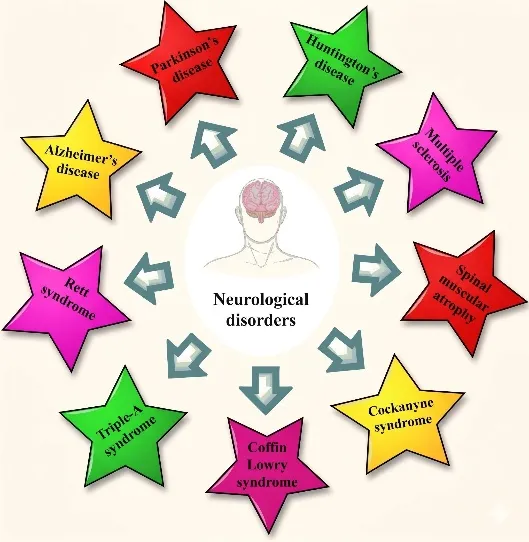
Figure 1: Neurology Disorder
2. Mechanisms and therapeutic targets in neurodegenerative diseases
Although the initiating factors differ among neurodegenerative disorders, several biological processes are frequently involved. Abnormal protein folding and aggregation can interfere with normal cellular activity and contribute to neuronal injury. Oxidative stress results from an imbalance between reactive oxygen species (ROS) production and antioxidant defences, leading to damage to cellular lipids, proteins, and nucleic acids. Neuroinflammation, involving activated glial cells and inflammatory mediators, may further aggravate neuronal damage. Mitochondrial dysfunction can reduce cellular energy production and increase oxidative stress, while disturbances in intracellular transport, protein degradation, and calcium regulation may contribute to neuronal dysfunction [2–5].
These processes are interconnected rather than independent. For example, mitochondrial impairment can increase ROS generation, while oxidative stress and inflammation can influence protein processing and cellular survival. Excitotoxicity caused by excessive glutamatergic signalling and intracellular calcium overload may also contribute to neuronal injury. Consequently, therapeutic approaches that influence more than one pathological pathway are of interest in neurodegenerative disease management.
2.1 Representative natural compounds and their proposed mechanisms
Table 2: Selected Natural Compounds Discussed in Relation to Neurodegenerative Disease Mechanisms [3,4].
| Compound / source | Major constituent class | Proposed activities | Disorders discussed |
|---|---|---|---|
| Resveratrol (grapes, berries, peanuts) | Polyphenol | Antioxidant and anti-inflammatory activities; influence on protein aggregation | AD, PD, HD, ALS |
| Tea constituents (tea leaves) | Polyphenols, alkaloids, amino acids | Antioxidant, anti-inflammatory and anti-apoptotic activities | AD, PD |
| Quercetin (apples, berries, onions, capers) | Flavonol / polyphenol | Antioxidant and anti-inflammatory activities | AD, PD, HD, ALS |
| Schisandra chinensis | Lignans, flavonoids, polysaccharides | Antioxidant and anti-inflammatory activities | AD, PD, HD |
| Nobiletin (citrus fruits) | Polymethoxylated flavone | Modulation of inflammatory and pyroptosis-associated pathways | AD |
| Lycium barbarum (goji berry) | Polysaccharides, carotenoids, alkaloids | Antioxidant, anti-inflammatory and anti-apoptotic activities | AD |
| Curcumin (turmeric) | Curcuminoids | Antioxidant, anti-inflammatory and autophagy-related activities | AD |
| Berberine (Berberis / Coptis species) | Isoquinoline alkaloid | Antioxidant, anti-inflammatory and anti-apoptotic activities | AD |
3. Ayurvedic phytochemicals as alternative approaches in neurodegeneration
3.1 Bacopa monnieri
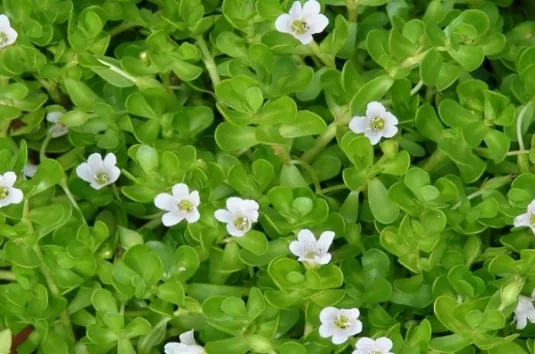
Figure 2: Bacopa Monnieri
Bacopa monnieri is a traditional Ayurvedic medicinal plant commonly associated with memory and cognitive support. Its phytochemical constituents include saponins, flavonoids, alkaloids, glycosides, sterols, and amino acids. Extracts of B. monnieri have demonstrated antioxidant activity in brain regions such as the hippocampus, frontal cortex, and striatum. These properties have contributed to interest in its possible neuroprotective role, particularly in relation to Alzheimer’s disease [5].
3.2 Mucuna pruriens
Mucuna pruriens is a medicinal plant whose seeds naturally contain levodopa (L-DOPA). The plant has also been investigated for antioxidant and anti-inflammatory properties. In an experimental Parkinsonian mouse model, M. pruriens seed extract reduced oxidative stress in nigrostriatal tissue and improved neurobehavioural activity. These findings provide a basis for studying the plant and its constituents in relation to dopaminergic function and motor symptoms [6].
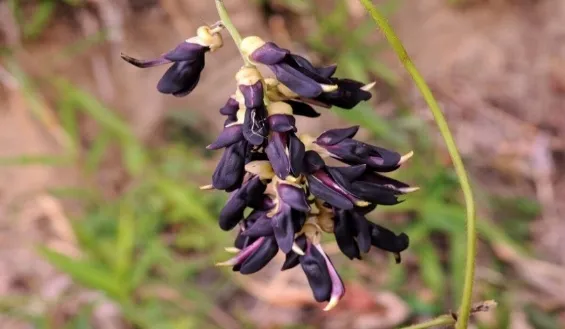
Figure 3: Mucuna Pruriens
3.3 Withania somnifera
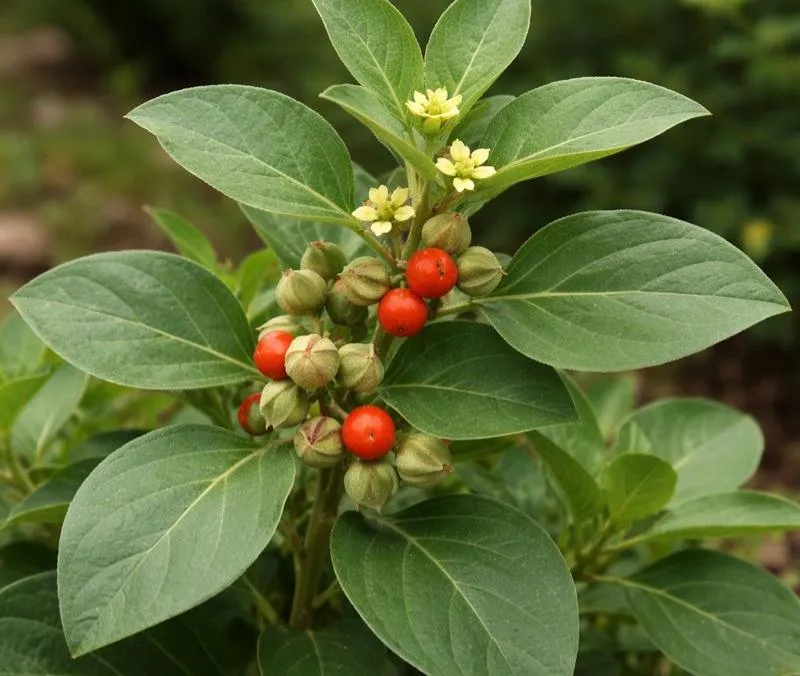
Figure 4: Withania Somnifera
Withania somnifera, commonly known as Ashwagandha, is a traditional Rasayana herb. Its bioactive constituents include withanolides and other phytochemicals. Experimental work has examined its potential effects on protein accumulation, amyloid-related pathology, tau phosphorylation, cholinergic function, and neurite growth. The neuroprotective potential of W. somnifera has been discussed particularly in relation to Alzheimer’s disease [7,8].
3.4 Berberis species
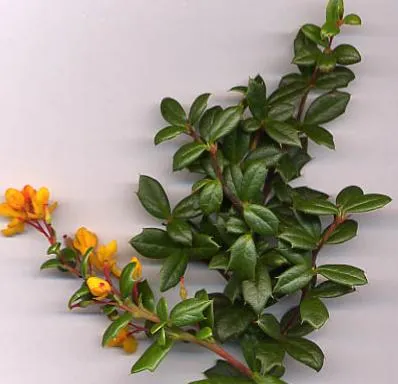
Figure 5: Berberis Species
Berberis aristata, known in Ayurveda as Daruharidra, is used traditionally for several health conditions. Berberine, an alkaloid found in Berberis and other plant species, has been studied for antimicrobial, antioxidant, anti-inflammatory, and metabolic activities. In experimental and mechanistic studies related to Alzheimer’s disease, berberine has been associated with antioxidant, anticholinesterase, anti-amyloid, and anti-inflammatory effects [9–11].
4. Ayurvedic methods of administration and delivery considerations
Delivery of therapeutic compounds to the central nervous system is challenging because the blood–brain barrier (BBB) restricts the entry of many substances. The ability of orally administered herbal constituents to cross the BBB and reach relevant brain regions cannot be assumed and requires compound-specific evidence. Traditional Ayurvedic practice describes several methods of administering herbal preparations, including Nasya, medicated oils, massage, transcranial oleation procedures, and aromatherapy [12,13].
Nasya involves intranasal administration of selected powders or medicated oils. It has been proposed as a route that may provide access to the nasal–central nervous system pathway; however, the delivery and therapeutic implications depend on the formulation and its constituents. Ayurvedic preparations also include medicated oils, traditionally prepared by processing herbs with oil and water. The suggestion that lipophilic constituents may permeate biological membranes more readily than hydrophilic constituents should not be interpreted as proof that a particular preparation crosses the BBB or delivers an effective concentration to the brain.
Massage and oil-based procedures are also described in Ayurvedic practice. Research on massage has reported changes in cerebral blood flow and physiological measures associated with stress, but these observations do not establish transport of herbal constituents across the BBB [14–17]. Procedures such as Shirodhara, Shirobasti, Shiroabhyanga, and Shiroseka involve the application or retention of oil on the head. Their traditional use should be distinguished from demonstrated CNS drug-delivery effects. Aromatherapy uses volatile plant-derived essential oils through inhalation or topical application. It has been discussed as a supportive approach for mood and agitation, including in dementia care, although the evidence and effects may vary by preparation and setting [19,20].
5. Current pharmacological approaches
Pharmacological management of neurodegenerative diseases is primarily directed towards symptom control, maintenance of function, and improvement of quality of life. Available medicines differ according to the disorder and its predominant symptoms. These treatments do not represent a universal cure, and their benefits and limitations should be considered individually.
5.1 Alzheimer’s disease
Acetylcholinesterase inhibitors are used for symptomatic management of Alzheimer’s disease. They inhibit the enzyme responsible for the breakdown of acetylcholine, a neurotransmitter involved in memory and cognitive processes. Donepezil is a commonly used acetylcholinesterase inhibitor and may provide symptomatic cognitive benefit, although the magnitude of benefit is generally limited. Memantine is an N-methyl-D-aspartate (NMDA) receptor antagonist that modulates glutamatergic neurotransmission. By limiting excessive NMDA-receptor activation, it is intended to reduce excitotoxic neuronal stress [20–22].
5.2 Parkinson’s disease
Levodopa is a central medicine in the management of Parkinson’s disease. It crosses the blood–brain barrier and is converted to dopamine, helping compensate for reduced dopaminergic activity associated with degeneration of neurons in the substantia nigra. It is commonly combined with carbidopa, which inhibits peripheral conversion of levodopa and helps reduce peripheral adverse effects. Dopamine agonists such as pramipexole and ropinirole directly stimulate dopamine receptors and may be used in selected patients as monotherapy or alongside levodopa. Long-term levodopa therapy can be associated with motor fluctuations and dyskinesias, while dopamine agonists may cause somnolence and impulse-control-related adverse effects [23].
5.3 Huntington’s disease
Tetrabenazine is a vesicular monoamine transporter 2 (VMAT2) inhibitor used to reduce chorea associated with Huntington’s disease. It decreases presynaptic monoamine storage and release, thereby reducing dopaminergic activity and involuntary movements. Potential adverse effects include sedation, depression, and parkinsonian symptoms; therefore, careful clinical assessment is important.
5.4 Amyotrophic lateral sclerosis
Riluzole is used in the management of amyotrophic lateral sclerosis and is considered to act partly through modulation of glutamatergic neurotransmission, including reduction of glutamate release. Its overall effect is modest and it does not reverse established neuronal loss. Edaravone is a free-radical scavenger that targets oxidative stress, one of the mechanisms implicated in ALS. It may help slow functional decline in selected settings, but it does not stop disease progression [23].
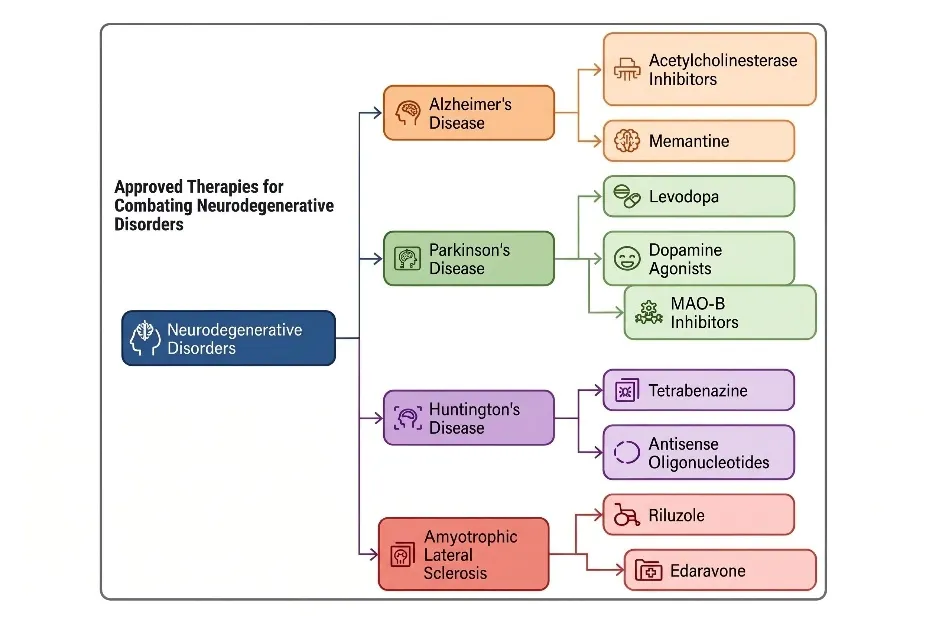
Table 2: Approved Therapies for Combating Neurodegenerative Disorders
6. Non-pharmacological approaches
6.1 Physical exercise
Physical exercise is an important lifestyle measure for maintaining general health and physical function in people with neurodegenerative disorders. Exercise may influence neurotrophic-factor production, inflammation, angiogenesis, mitochondrial function, autophagy, and neuronal plasticity. Research has discussed possible relationships between regular physical activity and changes in amyloid-beta accumulation and tau-related pathology in Alzheimer’s disease. In Parkinson’s disease, exercise may support motor function and influence oxidative stress and mitochondrial processes. Proposed benefits involve factors such as brain-derived neurotrophic factor (BDNF), glial cell line-derived neurotrophic factor (GDNF), insulin-like growth factor-1 (IGF-1), and fibroblast growth factor-2 (FGF-2) [24].
Common forms of exercise include aerobic activities such as walking and running; resistance exercises using body weight or external weights; balance activities such as Tai Chi; and flexibility activities such as yoga. Exercise programmes should be adapted to the individual’s abilities, mobility, and safety requirements [25].
6.2 Sleep quality
Sleep supports memory processing, restoration, and regulation of normal physiological functions. People with neurodegenerative diseases may experience insomnia, excessive daytime sleepiness, or altered sleep–wake patterns. These disturbances can affect patients and caregivers and may reduce quality of life. Non-pharmacological approaches include cognitive behavioural therapy for insomnia (CBT-I), sleep-hygiene practices, and appropriately supervised bright-light interventions. CBT-I is an established behavioural approach for persistent insomnia and aims to improve sleep-related habits and patterns [26].
6.3 Dancing and movement-based activities
Dancing combines physical activity, rhythm, balance, coordination, and learning. It engages motor-related brain regions, including the cerebellum, basal ganglia, and motor cortex. Dance-based activities may support balance, sensorimotor performance, mood, and aspects of cognitive function. The coordinated movements and rhythmic cues may be particularly relevant to movement-based rehabilitation approaches in Parkinson’s disease. A dance intervention study in older adults reported improvements in postural, sensorimotor, and cognitive performance [27].
6.4 Music-based activities
Music activities may include listening, singing, playing instruments, and participating in group sessions. Music can provide emotional, cognitive, and social stimulation and may help reduce anxiety or support well-being. Music processing involves several neural networks and neurochemical systems associated with reward, emotion, and social interaction. Music-based activities can therefore be considered a supportive approach alongside standard care. The neurochemical basis of music perception and response has been reviewed by Chanda and Levitin [28].
6.5 Social interaction
Social relationships and participation in community activities contribute to emotional well-being and provide opportunities for communication and cognitive engagement. Maintaining contact with family, friends, and community groups may help reduce isolation and support quality of life. Social engagement is therefore a useful supportive component of care for people living with neurodegenerative disorders.
6.6 Nutrition
A balanced diet provides nutrients required for cellular function, neurotransmitter synthesis, and normal nervous-system activity. Vitamins B9, B12, and E have roles in processes relevant to cellular metabolism and antioxidant defence, while vitamin B12 is important for normal neurological function and homocysteine metabolism. Vitamin D status has also been investigated in relation to Parkinson’s disease, balance, and cognitive function. These associations should not be interpreted as proof that supplementation prevents or treats neurodegenerative disease. Dietary choices should emphasize nutritional adequacy and limit excessive intake of highly processed foods, refined sugars, and processed meats. Diet and lifestyle factors in Alzheimer’s disease have been discussed in the literature [21].
7. Future perspectives
Neurodegenerative diseases remain challenging to manage because several pathological mechanisms may operate simultaneously and available treatments have important limitations. Future therapeutic development may therefore benefit from approaches that protect neuronal function, address multiple disease pathways, and improve the delivery and consistency of therapeutic agents.
7.1 Development of new therapeutic approaches
Gene-based approaches, stem-cell strategies, and RNA-targeting technologies are being explored as possible ways to influence disease-associated molecular processes and neuronal function. These approaches require careful evaluation of delivery, specificity, safety, and long-term effects. Their development illustrates the growing interest in treatment strategies that extend beyond symptomatic management [34].
7.2 Development and standardization of natural medicines
Natural compounds such as resveratrol, curcumin, and quercetin, together with medicinal plants such as Bacopa monnieri and Withania somnifera, have been investigated for neuroprotective properties. Further work is needed to characterize active constituents, improve batch-to-batch consistency, establish suitable formulation methods, and clarify safety and dose-related considerations. Standardization is particularly important because the chemical composition of herbal preparations can vary with plant source, cultivation, extraction, and processing [3,4].
7.3 Combination of supportive approaches
Combining appropriate pharmacological treatment with supportive measures such as physical activity, nutritional support, sleep management, music-based activities, and social engagement may provide a more comprehensive approach to disease management. Such interventions should be individualized according to the patient’s symptoms, functional abilities, and overall care needs.
7.4 Improving understanding of disease mechanisms
Future drug development should continue to investigate shared pathological processes, including oxidative stress, neuroinflammation, mitochondrial dysfunction, abnormal protein aggregation, and impaired cellular clearance. Since these mechanisms can interact, strategies that influence multiple pathways may offer advantages over approaches directed at a single target. Better understanding of these interactions may support the development of more effective and targeted therapeutic approaches [29].
CONCLUSION
Neurodegenerative diseases are complex and progressive disorders that impair the normal functioning of the nervous system. Their management involves symptom-directed pharmacological treatment and supportive strategies intended to preserve function and improve quality of life. Medicines such as donepezil, memantine, levodopa, tetrabenazine, riluzole, and edaravone are used in the management of different disorders, although each has limitations. Herbal medicines and Ayurvedic phytochemicals, including Bacopa monnieri, Mucuna pruriens, Withania somnifera, Berberis species, resveratrol, and curcumin, have been investigated for antioxidant, anti-inflammatory, and other neuroprotective activities. Non-pharmacological approaches such as exercise, adequate sleep, balanced nutrition, dancing, music-based activities, and social interaction may provide additional support for brain health and well-being. Challenges related to the complexity of disease mechanisms, variability of herbal preparations, and delivery of therapeutic compounds across the blood–brain barrier remain important. An integrated approach combining conventional medicines, carefully characterized natural products, and individualized supportive interventions may contribute to more comprehensive management of neurodegenerative diseases.
REFERENCES

Nandini Jadhav, Ruchika Gawande, Gayatri Dhale, Purva Khodwe, Virendra Chavhan, Swarup Kumbhalpure, Farhan Ahemed Ilyas Ahemad Khan, Neurodegenerative Diseases: Current Therapeutic Approaches, Challenges and Future Perspectives, Int. J. of Pharm. Sci., 2026, Vol 4, Issue 11, 6070-6078. https://doi.org/10.5281/zenodo.24646078
 10.5281/zenodo.24646078