

We use cookies to ensure our website works properly and to personalise your experience. Cookies policy
Yashodeep College of Pharmacy, Saralgaon–Nagaon Road, Saralgaon, Tal. Murbad, District Thane 421401, Maharashtra, India.
Neurodegenerative disorders, including Alzheimer’s and Parkinson’s diseases, are associated with progressive neuronal dysfunction and loss. This narrative review summarizes selected medicinal plants and marine botanicals investigated for potential neuroprotective effects: Tinospora cordifolia, Nigella species, Butea monosperma, Sargassum fusiforme, Ecklonia cava, Gynostemma pentaphyllum, Gastrodia elata, Eucommia ulmoides and Withania somnifera. Reported experimental activities include antioxidant and anti- inflammatory effects, modulation of apoptosis and cellular stress pathways, and effects on neurotransmission. Much of the evidence remains preclinical; differences in plant identity, extraction methods, chemical composition, dose and study design limit comparison between studies. The review distinguishes experimental findings from established clinical benefit and highlights the need for authenticated plant material, standardized preparations, pharmacokinetic studies and well-designed clinical trials.
Neurodegenerative diseases are a diverse group of disorders characterized by progressive impairment of
neuronal structure or function. Alzheimer’s disease and Parkinson’s disease are major examples, but the
underlying mechanisms are complex and differ across conditions. Oxidative stress, neuroinflammation,
mitochondrial dysfunction, abnormal protein handling and altered neurotransmission have all been
investigated as contributors to neuronal injury.
Many plant-derived preparations contain mixtures of secondary metabolites, including polyphenols,
alkaloids, terpenoids, saponins and glycosides. Such compounds may influence more than one biological
pathway in experimental systems. However, activity observed in a cell or animal model does not establish
that a preparation prevents or treats a human neurodegenerative disease. Translation is complicated by
variable composition, limited oral bioavailability, metabolism, safety considerations and the absence of
standardized clinical evidence.
2. Review approach
This manuscript is a narrative review developed from the supplied 10-page student review and a limited
supplementary literature check for the additional Withania somnifera section. The original plant-focused
1
scope, photographs, comparison table and conceptual mechanism diagram were retained. The supplied
bibliography was not treated as fully verified: many entries lacked complete publication metadata, and these
are explicitly identified in the accompanying reference audit. This is not a systematic review; no reproducible
database search strategy, protocol registration or formal risk-of-bias assessment was available in the source
material.
3. Pharmacological properties of selected neuroprotective plants
3.1.Tinosporacordifolia
Tinospora cordifolia is a climbing medicinal plant used in traditional systems of medicine. The source
manuscript attributes potential neuroprotective activity to reduced pro-inflammatory signalling and
increased antioxidant defenses. It also describes alkaloids and glycosides as relevant phytochemical groups.
The cited records include reports and reviews on immunomodulatory, pharmacological and cognition-
related effects. [1–7] These findings should be interpreted cautiously: immunomodulatory activity or general
antioxidant effects do not, by themselves, demonstrate disease-modifying neuroprotection. The ability of
particular constituents or standardized extracts to reach the brain, their dose-response relationship and their
long-term safety require better characterization.
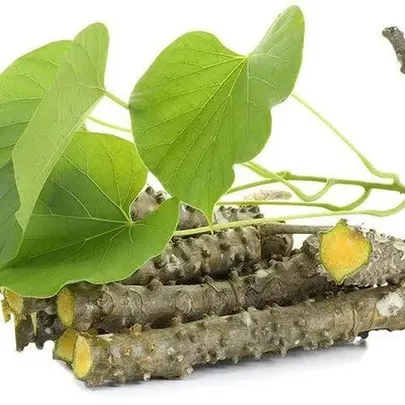
Figure 1: Tinospora cordifolia (original photograph from the supplied manuscript).
3.2. Nigella species
The original manuscript labels this plant Nigella glandulifera, while the cited bibliography and in-text
sources predominantly refer to Nigella sativa. These names must not be treated as interchangeable without
checking the identity of the plant material used in the cited studies. The literature cited in the source
discusses thymoquinone and other constituents of N. sativa, with experimental reports addressing
antioxidant activity, memory-related outcomes and models of cerebral ischaemia. [8–14] A taxonomic and
source-material check is therefore required before making species-specific conclusions. The evidence
2
summarized here is mainly experimental and does not establish that black-seed preparations prevent or treat
human neurodegenerative disease.
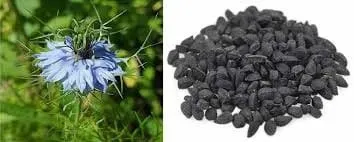
Figure 2: Nigella plant and seeds (original photograph from the supplied manuscript).
3.3.Buteamonosperma
Butea monosperma, commonly called flame-of-the-forest, has been investigated for several pharmacological
activities. The source manuscript highlights flavonoids and butin and cites studies concerning antioxidant
activity, acetylcholinesterase inhibition and antidiabetic effects. [15–21] Acetylcholinesterase inhibition is a
pharmacological mechanism relevant to cholinergic neurotransmission, but results from enzyme assays or
animal models should not be described as proof of clinical neuroprotection. Further work should establish
which plant parts and extracts were studied, quantify marker compounds, assess reproducibility and distinguish
direct neuronal effects from indirect effects related to metabolic or inflammatory changes.
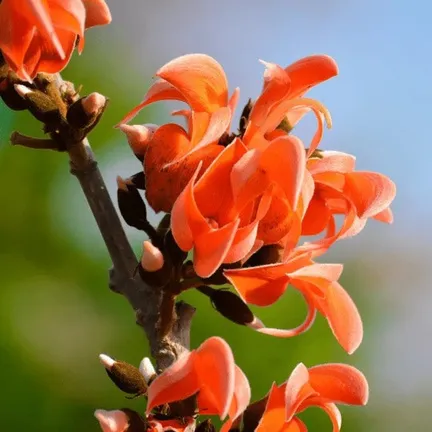
Figure 3: Butea monosperma (original photograph from the supplied manuscript).
3.4. Sargassum fusiforme
Sargassum fusiforme is a brown marine alga. The source manuscript discusses polysaccharides and
phlorotannin-related constituents and cites studies concerning inflammatory mediators and neurotrophin-
related outcomes. [22–28] Marine polysaccharides are structurally diverse, and their biological effects
3
depend on molecular size, composition, extraction and purification. The original claims about synaptic
plasticity and neurotrophin regulation should therefore be considered hypothesis-generating unless the
specific cited studies directly demonstrate these endpoints. Important research needs include chemical
characterization, batch-to-batch standardization, digestion and absorption studies, and confirmation of
activity in relevant models.
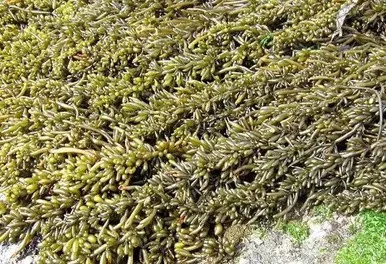
Figure 4: Sargassum fusiforme (original photograph from the supplied manuscript).
3.5.Eckloniacava
Ecklonia cava is a brown alga containing phlorotannins, including eckol and dieckol. The source manuscript
possible effects on blood–brain barrier integrity. [29–35] These findings provide a rationale for further
investigation but do not establish that extracts are superior to terrestrial polyphenols in clinical use. Claims
about protection of the blood–brain barrier should be linked to the exact model and endpoint used in the
original study. Future studies should report extract composition, purity, dose, exposure, toxicity and
potential interactions with medicines.
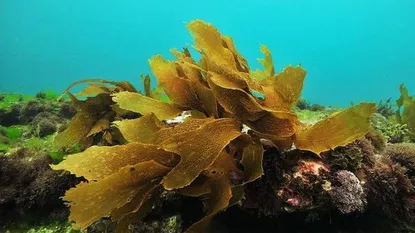
Figure 5: Ecklonia cava (original photograph from the supplied manuscript).
3.6.Gynostemma pentaphyllum
Gynostemma pentaphyllum contains dammarane-type saponins commonly referred to as gypenosides. The
original manuscript discusses possible effects on stress-related signalling, the hypothalamic–pituitary–
adrenal axis, glutamate-associated excitotoxicity and calcium regulation. [36–42] These mechanisms are
4
biologically plausible research areas, but the cited records as supplied do not provide enough bibliographic
detail to independently confirm every specific claim. The proposed effects on cortisol, hippocampal
protection and neuronal survival should be described as preclinical unless supported by appropriately
designed human studies. Standardized extracts and clearly defined gypenoside profiles are needed to
compare findings across studies.
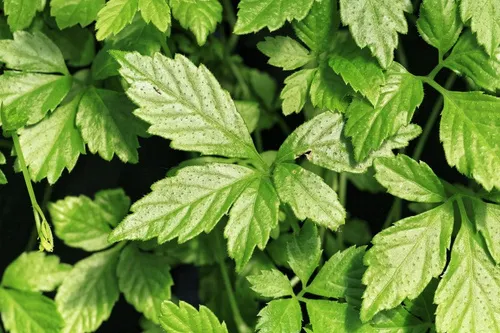
Figure 6: Gynostemma pentaphyllum (original photograph from the supplied manuscript).
3.7.Gastrodiaelata
Gastrodia elata is used in traditional East Asian medicine and has been investigated for neurological effects.
Gastrodin and parishin are among the constituents discussed in the literature. The source manuscript cites
studies concerning seizure-related conditions, oxidative stress, MAPK signalling and dopaminergic neuronal
models. [43–49] The wording “used to treat Parkinson’s disease” in the original text is too strong without
clinical evidence; it has been reframed as investigation in experimental neurological models. Research
should clarify the pharmacokinetics of gastrodin and related compounds, identify active metabolites and
determine whether effects observed in experimental models translate to meaningful clinical outcomes.
5
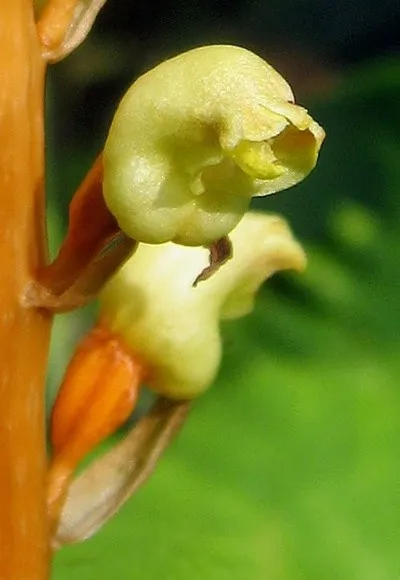
Figure 7: Gastrodia elata (original photograph from the supplied manuscript).
3.8. Eucommia ulmoides
Eucommia ulmoides has been studied for lignans and iridoid glycosides and for possible vascular,
antioxidant and anti-apoptotic effects. The original manuscript links these constituents with endothelial
function, cerebrovascular stability and maintenance of synaptic connections. [50–56] These proposed
mechanisms need to be interpreted in the context of the experimental model and should not be taken as
proof that the plant prevents vascular dementia in people. Further work should distinguish vascular effects
from direct neuronal effects and examine exposure, active constituents, safety and reproducibility.
6
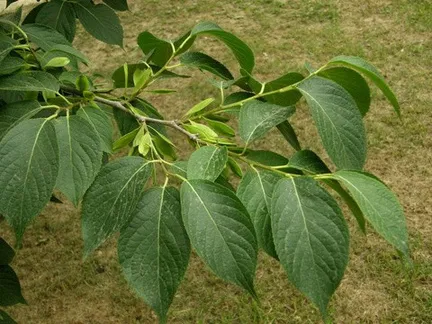
Figure 8: Eucommia ulmoides (original photograph from the supplied manuscript).
3.9. Withania somnifera (Ashwagandha) – supplementary section
Withania somnifera (L.) Dunal, commonly known as Ashwagandha, is a medicinal plant used in traditional
Indian systems of medicine. Its roots and other plant parts contain several classes of phytochemicals, including
withanolides. A 2024 systematic review surveyed preclinical and clinical investigations of W. somnifera in
relation to neurodegenerative conditions and described research involving Alzheimer’s disease, Parkinson’s
disease, Huntington’s disease and amyotrophic lateral sclerosis. [57] A 2020 review discusses proposed
neuroprotective mechanisms, including modulation of oxidative stress and inflammation, effects on apoptosis,
and mitochondrial and endothelial function. These mechanisms are supported largely by preclinical work, with
limited clinical investigations for neurodegenerative outcomes. [58] The available literature supports further
investigation of W. somnifera and its withanolides; it does not establish Ashwagandha as a proven treatment or
preventive therapy for Alzheimer’s or Parkinson’s disease. Extracts may differ substantially in plant part,
withanolide content, extraction method and dose. Clinical research should use authenticated material and
chemically standardized preparations, with adequate monitoring of safety, interactions and long-term
outcomes.
4. Comparative pharmacological overview
Proposed research
mechanisms
Important research gaps
Botanical species
Key constituents discussed
Inflammatory and antioxidant
signalling
Brain exposure; extract
standardization
Alkaloids, glycosides
Tinospora cordifolia
Antioxidant and apoptosis-
related effects
Confirm species identity;
dosage standardization
Thymoquinone (in cited N.
sativa literature)
Nigella spp.
Free-radical scavenging;
acetylcholinesterase inhibition
Reproducible extracts; clinical
relevance
Butea monosperma
Flavonoids, butin
Inflammatory and
neurotrophin-related pathways
Molecular characterization;
bioavailability
Sargassum fusiforme
Polysaccharides, phlorotannins
Antioxidant effects; cholinergic
endpoints
Exposure, interactions, safety
Long-term safety; standardized
Ecklonia cava
Eckol, dieckol
Stress-axis and excitotoxicity
Gynostemma pentaphyllum
Gypenosides
7
Key constituents discussed
Proposed
research
mechanisms
Important research gaps
saponins
Botanical species
pathways
Pharmacokinetics; model-to-
human translation
Oxidative stress and MAPK-
related pathways
Gastrodia elata
Gastrodin, parishin
Separate vascular from
neuronal effects
Endothelial and vascular effects
Eucommia ulmoides
Lignans, iridoids
Standardized extracts; robust
clinical trials
Oxidative stress, inflammation,
apoptosis,
mitochondrial
function
Withanolides and other
constituents
Withania somnifera
Table 1: Summary of constituents, proposed mechanisms and research gaps. Mechanisms are research
hypotheses and should not be interpreted as demonstrated clinical efficacy.
5. Mechanism of action of multitargeted neuroprotective agents
The original mechanism-of-action diagram is retained. It presents a conceptual sequence from botanical
sources to phytochemical classes, modulation of inflammatory, antioxidant and autophagy-related pathways,
and possible effects on synaptic function. This should be understood as a general research framework, not as a
single mechanism proven for every plant included in this review.
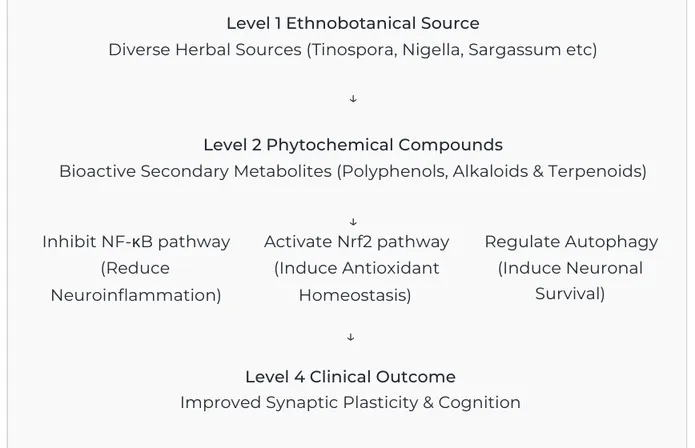
Figure 9: Conceptual mechanism-of-action diagram retained from the original manuscript. Pathway labels represent proposed
mechanisms, not established outcomes for all botanicals.
6. Critical discussion and limitations
The plants reviewed here contain chemically diverse constituents and have been studied using different
experimental models. A recurring limitation is that the evidence base is uneven: antioxidant activity,
enzyme inhibition or changes in inflammatory markers may be demonstrated in vitro or in animals, while
8
corresponding benefits in patients may remain untested. The terms “neuroprotective”, “memory-enhancing”
and “disease-modifying” should therefore be used precisely and tied to the level of evidence.
Botanical identity is a foundational issue. The original manuscript uses Nigella glandulifera, whereas its listed
references mostly describe Nigella sativa. The correct species should be confirmed from the original study
material or a taxonomic authority before the manuscript is finalized. Common names and broad plant- family
descriptions are not sufficient substitutes for authenticated voucher specimens.
Other recurring limitations include incomplete chemical characterization, inconsistent extraction procedures,
unclear dose equivalence, limited pharmacokinetic information, possible herb–drug interactions, and
insufficient long-term safety data. These issues are particularly important when discussing complex
preparations intended for older adults or people already taking medicines. This review is narrative and does not
claim systematic or exhaustive coverage of the literature.
CONCLUSION
Medicinal plants and marine botanicals provide a useful source of compounds for investigating pathways
relevant to neuronal injury, including oxidative stress, inflammation, apoptosis, mitochondrial function and
neurotransmission. The plants covered in this review, including the supplementary Withania somnifera
section, show experimental signals that justify further research. However, the evidence summarized here does
not establish these botanicals as proven treatments for neurodegenerative diseases. Future studies should
prioritize authenticated species, standardized extracts, reproducible methods, pharmacokinetic
characterization, safety assessment and well-designed clinical trials. Claims in the final manuscript should
remain proportional to the strength of the evidence.
REFERENCES



Yash Pardhi, Amol Pardhi, Dr. Shriram Bairagi, Review on Neuroprotective Herbal Plants, Int. J. of Pharm. Sci., 2026, Vol 4, Issue 11, 6034-6043. https://doi.org/10.5281/zenodo.24645919
 10.5281/zenodo.24645919