

We use cookies to ensure our website works properly and to personalise your experience. Cookies policy
Jagadambha institute of pharmacy and research kalamb.
Drug delivery systems transport therapeutic agents to intended sites of action while improving efficacy and reducing unwanted effects. Conventional dosage forms remain essential, but fixed-dose or fixed-rate delivery may not respond adequately to changing physiological and pathological conditions. Self-adaptive and stimuli-responsive systems are being investigated to address this limitation. These platforms detect biological signals or externally applied stimuli and modify drug release in response. This review summarizes the principles, major platforms, response mechanisms, applications and translational challenges of self-adaptive drug delivery systems. Carrier-based systems, carrier-free nanodrugs, drug–drug conjugates, responsive polymers, hydrogels and biosensor-integrated devices are discussed. Major triggers include pH, temperature, enzyme activity, redox status, magnetic fields and light. Applications in diabetes, cancer, inflammatory disorders and thrombosis are reviewed, with glucose-responsive insulin delivery considered as an example of biologically regulated therapy. Emerging directions include wearable monitoring, artificial intelligence, microfluidics and robotic delivery concepts. Important barriers include biocompatibility, nanomaterial toxicity, biological barriers, sensor reliability, stability, manufacturing reproducibility, cost and regulatory evaluation. Clinical value must be established through rigorous preclinical and clinical studies.
Drug delivery systems (DDS) are dosage forms, devices or carriers that facilitate administration and transport of therapeutic agents to sites where they are required. Therapeutic performance depends on physicochemical properties, formulation, route of administration, absorption, distribution, metabolism and elimination. Poor aqueous solubility, limited stability, rapid clearance, low permeability or unfavourable tissue distribution can restrict drug performance. A suitable delivery system can protect a drug, modify its release profile and improve exposure at the target site.
Conventional formulations such as tablets, capsules, injections, topical preparations, inhaled products and transdermal systems remain widely used. Controlled-release formulations can reduce dosing frequency and maintain drug concentrations for longer periods. Novel systems—including liposomes, niosomes, micelles, polymeric nanoparticles, solid lipid nanoparticles, nanosuspensions, nanoemulsions and hydrogels—provide opportunities to modify solubility, stability, distribution and release.
Many controlled-release formulations follow a predetermined release profile and may not respond to rapid changes in disease activity or physiological requirements. Self-adaptive drug delivery seeks to address this limitation by responding to endogenous signals such as glucose, pH, enzyme activity, redox status and inflammatory biomarkers, or exogenous stimuli such as light, temperature, magnetic fields and electrical stimulation. A responsive material may swell, degrade, change conformation, alter permeability or disassemble after exposure to a trigger.
The terms smart, intelligent, stimuli-responsive, self-regulated and self-adaptive are sometimes used interchangeably, although they do not always describe the same technology. A stimuli-responsive formulation reacts to a trigger. A closed-loop system generally includes monitoring, feedback and an actuator that changes drug administration according to the measured condition.
2. AIM, OBJECTIVES AND EVOLUTION
Aim: To summarize the principles, platforms, applications and translational challenges of self-adaptive drug delivery systems.
Objectives: (1) Explain the evolution from conventional delivery to responsive systems. (2) Classify carrier-based and carrier-free platforms. (3) Describe major response mechanisms. (4) Review applications in diabetes, cancer, inflammation and thrombosis. (5) Identify safety, manufacturing, regulatory and clinical research priorities.
Drug delivery has progressed from conventional dosage forms to sustained-release, targeted and stimuli-responsive platforms. Early formulation research focused on reproducible dosing. Sustained- and controlled-release systems were developed to reduce dosing frequency and maintain therapeutic concentrations. Advances in polymer science, colloid chemistry, biomaterials and nanotechnology enabled liposomes, polymeric nanoparticles, micelles and lipid-based carriers. More recent research has focused on materials that change their properties in response to biological conditions.
The rationale for self-adaptive delivery is that therapeutic requirements can fluctuate with meals, physical activity, circadian rhythms, illness, organ function, disease severity and individual response. A fixed regimen cannot always accommodate these changes. A responsive platform could potentially use a measurable signal to guide drug release. Glucose-responsive insulin delivery is a frequently discussed example because insulin requirements vary with blood glucose concentration.
Open-loop systems administer drugs according to a preset schedule or rate without continuously using the therapeutic response as feedback. Closed-loop systems include a sensor or monitoring component, a controller or responsive mechanism and an actuator that modifies delivery. In material-based systems, recognition and release may be coupled within one formulation; device-based systems may use an electronic sensor and pump.
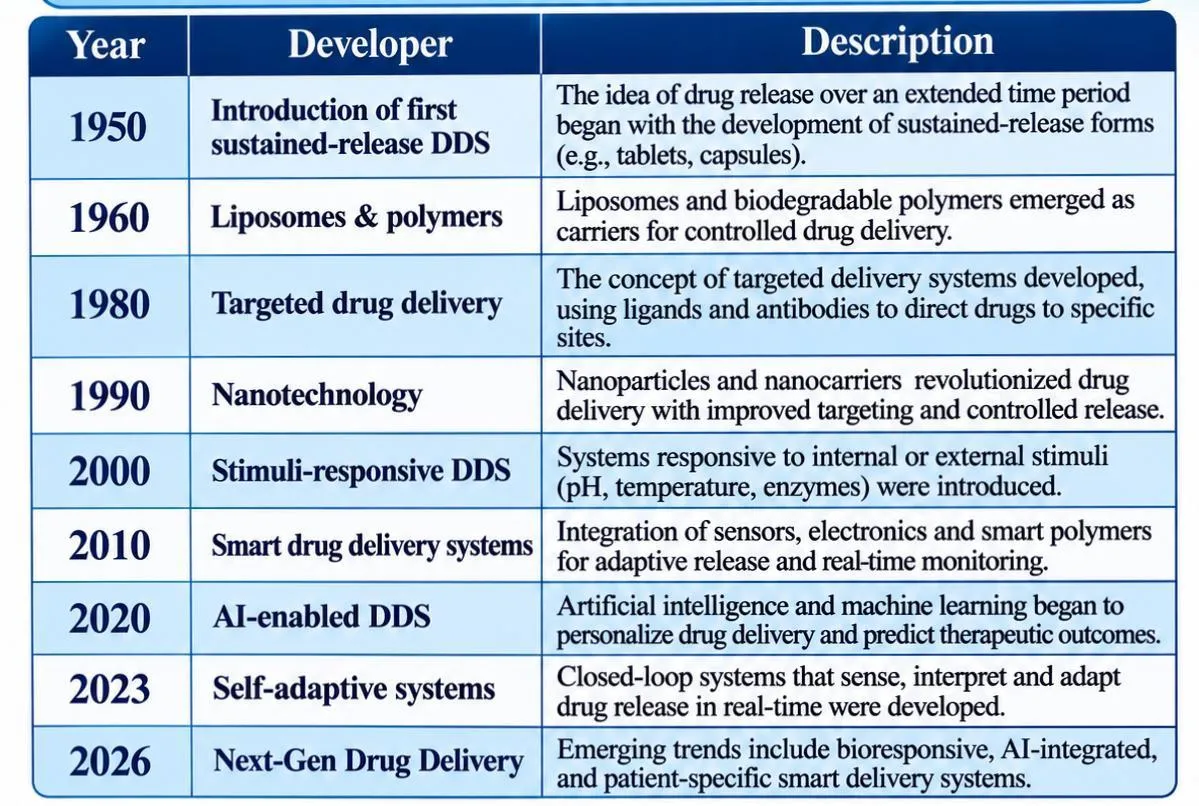
Table 1: Historical Evolution of self-Adaptive Drug Delivery Systems
3. CLASSIFICATION OF SELF-ADAPTIVE SYSTEMS
Self-adaptive systems can be classified by composition, mechanism, trigger or degree of feedback control. Carrier-based systems use polymers, lipids, inorganic particles or hydrogels to transport a therapeutic agent. The drug may be dissolved, entrapped, encapsulated, adsorbed or chemically attached to the carrier. Carrier composition and surface characteristics influence particle size, drug loading, release kinetics, circulation and cellular uptake.
Examples include polymeric nanoparticles, nanocapsules, liposomes, micelles, solid lipid nanoparticles and hydrogels. Liposomes can carry hydrophilic drugs in their aqueous core and lipophilic drugs in their lipid bilayer. Micelles are self-assembled amphiphilic structures that can solubilize hydrophobic compounds. Hydrogels are three-dimensional hydrophilic polymer networks that may swell or contract in response to pH, temperature or ionic strength.
Carrier-free nanodrugs and drug self-delivery systems rely largely on the drug molecule or drug conjugate itself to form nanoscale assemblies, reducing the need for an additional carrier. Self-assembly may be promoted by hydrophobic interactions, aromatic interactions, hydrogen bonding and electrostatic interactions. These systems may improve apparent solubility or alter distribution, but their formation, stability and reproducibility require careful optimization.
Single-nanodrug systems contain one principal active molecule. Multi-nanodrug systems combine more than one therapeutic agent in a nanoscale structure. Drug–drug conjugates link two active molecules through a chemical bond or linker to support coordinated delivery. Important considerations include drug ratio, linker stability, cleavage rate, pharmacokinetics and preservation of pharmacological activity.
4. RESPONSIVE MECHANISMS: pH, TEMPERATURE AND ENZYMES
Stimuli-responsive systems release therapeutic agents after exposure to a selected internal or external signal. The stimulus may cause chemical bond cleavage, polymer swelling, phase transition, carrier disassembly, pore formation or changes in membrane permeability. The desired design retains the drug during transport and promotes release at the target site or at the appropriate time.
pH-responsive systems exploit differences in acidity among body compartments and disease-associated microenvironments. The stomach, intestine, blood, endosomes and lysosomes have different pH conditions. Some tumour and inflamed tissues may also show altered acidity. Polymers containing ionizable groups can change charge, hydration, swelling or solubility as pH changes. These alterations may destabilize the carrier or increase permeability, resulting in drug release.
Temperature-responsive materials undergo changes such as swelling, collapse, gelation or altered solubility when temperature changes. Thermoresponsive hydrogels may be injectable under one condition and form a gel at another. Local heating can also trigger release, including heat generated by magnetic nanoparticles under an alternating magnetic field. Temperature sensitivity must be balanced against tissue safety, response speed and reversibility.
Enzyme-responsive platforms incorporate substrates, peptides, polymers or linkers that can be cleaved by selected enzymes. Enzyme activity may be elevated in some tumours and inflamed tissues. Cleavage can destabilize the carrier and release the payload. Selectivity depends on the difference in enzyme activity between target and non-target tissues, substrate accessibility and the possibility of degradation by other enzymes.
5. REDOX, MAGNETIC, LIGHT AND ELECTRICAL RESPONSE
Redox-responsive systems exploit differences in reducing or oxidizing conditions among biological compartments. Glutathione is present at relatively low concentrations in extracellular fluids and at higher concentrations within the cytosol. Disulfide bonds incorporated into a carrier may be cleaved in a reducing intracellular environment, causing fragmentation or disassembly and promoting drug release. Premature cleavage during circulation must be minimized.
Magnetic-responsive systems use magnetic nanoparticles that may support localization, imaging or heat generation. Under an alternating magnetic field, selected nanoparticles can generate heat that changes a thermoresponsive carrier or accelerates drug release. Performance depends on particle composition, field strength, tissue depth and exposure conditions. Magnetic and thermal effects must be controlled to avoid injury to surrounding tissues.
Photosensitive systems contain materials that respond to selected wavelengths of light. Irradiation may cause bond cleavage, isomerization, heating or structural change. Light offers precise timing and localized application, but tissue penetration depends on wavelength. Near-infrared-responsive materials are being investigated to improve access to deeper tissues.
Triboelectric nanogenerators can convert mechanical movement into electrical energy. When coupled with microneedles or electroporation components, they may provide electrical stimulation to facilitate transport across a biological barrier. Electroporation temporarily increases cell membrane permeability through an applied electric field. Such platforms are experimental and require evaluation of electrical dose, skin compatibility, output consistency and safety.
6. APPLICATIONS: DIABETES MELLITUS
Diabetes mellitus is a metabolic disorder characterized by persistent elevation or dysregulation of blood glucose due to inadequate insulin secretion, impaired insulin action or both. Long-term hyperglycaemia can contribute to cardiovascular disease, kidney damage, neuropathy, retinopathy and impaired wound healing. Management may include lifestyle interventions, oral antidiabetic medicines, injectable therapies, insulin and regular or continuous glucose monitoring.
Conventional insulin administration depends on prescribed schedules and patient- or device-guided adjustments. Meals, physical activity, illness and insulin sensitivity can cause rapid changes in therapeutic requirements. Glucose-responsive delivery seeks to connect glucose detection with insulin release, potentially providing a more adaptive response.
Phenylboronic acid (PBA) is one component investigated for glucose-sensitive materials. PBA can reversibly interact with glucose and other suitable diols, altering polymer or assembly properties. Glucose binding may change hydrophilicity, charge, swelling or structural organization and thereby influence insulin release. PBA-functionalized micelles and polymeric systems have been explored as possible glucose-responsive platforms.
An effective system should detect clinically relevant glucose changes, respond rapidly, avoid inappropriate insulin release and remain stable over repeated cycles. Selectivity is important because biological fluids contain other molecules that may interact with the responsive component. Long-term biocompatibility and function in the presence of proteins and cells are also essential.
Diabetic wounds may involve impaired circulation, persistent inflammation, oxidative stress and microbial infection. Nanoparticle and nanocomposite formulations have been investigated for localized delivery of antimicrobial agents, growth factors and other therapeutic molecules. Zinc-based nanoparticles have been studied for antimicrobial activity, while cerium oxide nanoparticles have been investigated for antioxidant properties. Clinical value requires controlled exposure, safety assessment and reproducible evidence.
7. APPLICATIONS: CANCER
Cancer treatment may be limited by inadequate drug accumulation at tumour sites, non-specific toxicity, biological barriers, tumour heterogeneity and drug resistance. Chemotherapy can affect rapidly dividing healthy cells as well as malignant cells. Nanotechnology-based delivery systems have therefore been investigated to improve distribution and release of anticancer agents. Smart platforms may use tumour-associated pH, enzyme activity, redox conditions or external stimuli to promote release.
A tumour-targeted formulation may remain relatively stable during circulation and release its payload after reaching a tumour-associated microenvironment or entering tumour cells. pH-responsive carriers exploit acidic conditions, while redox-responsive systems use intracellular reducing conditions to cleave disulfide linkages. Enzyme-responsive carriers may be designed around enzymes enriched in selected tumour tissues. Magnetic and light-responsive systems provide further opportunities for localized release.
Carrier-free nanodrugs and drug–drug conjugates are also being explored in cancer therapy. Combining therapeutic agents in one nanoscale assembly may coordinate delivery and support combination treatment. However, the ratio of active agents, release sequence, pharmacokinetic compatibility and potential interactions must be characterized. Improved drug loading alone does not establish an improved therapeutic index.
Peptide therapeutics may offer biological specificity but can be limited by instability, enzymatic degradation and delivery barriers. Supramolecular host–guest interactions have been investigated to improve peptide formulation and delivery. Such approaches require evaluation of peptide integrity, release kinetics, pharmacokinetics, tumour penetration, activity, immunogenicity and toxicity.
8. APPLICATIONS: INFLAMMATION AND THROMBOSIS
Inflammation is a biological response to injury, infection or other stimuli. Persistent or dysregulated immune activity contributes to chronic inflammatory and autoimmune disorders such as rheumatoid arthritis, systemic lupus erythematosus and inflammatory bowel disease. Systemic administration of anti-inflammatory or immunomodulatory medicines may expose healthy tissues. Targeted delivery is being explored to improve drug concentration at inflamed sites.
Rheumatoid arthritis is a chronic autoimmune disorder characterized by inflammation of the synovial membrane. Persistent synovitis can cause synovial hyperplasia, release of matrix-degrading enzymes, cartilage damage and impaired joint function. Inflamed tissues may show changes in vascular permeability, pH, oxidative stress and enzyme activity. These features may be used as triggers for localized release. pH-responsive, enzyme-sensitive, biomimetic and imaging-guided platforms are under investigation.
Thrombosis is the formation of a blood clot within a vessel and may obstruct blood flow, contributing to serious clinical events. Conventional anticoagulant and thrombolytic medicines are selected according to the clinical condition. Systemic treatment can be limited by bleeding risk and incomplete delivery to the thrombus. Targeted platforms are being investigated to increase local drug availability while reducing exposure elsewhere.
Ligand-mediated systems may use antibodies, peptides or other targeting molecules to recognize thrombus-associated components. Biomimetic approaches seek to use biological structures to influence circulation and targeting. External stimuli such as light, magnetic fields and ultrasound have also been investigated for localized activation. Vascular applications require consideration of blood flow, shear stress, clot composition, blood compatibility and embolization risk.
9. BIOSENSORS, CLOSED-LOOP SYSTEMS AND DIGITAL HEALTH
A closed-loop drug delivery platform generally includes a sensor or biological recognition component, a control mechanism and a drug-release actuator. The system detects a biological variable, compares it with a target range or threshold and modifies delivery. Material-based systems may integrate recognition and release, whereas device-based platforms may use electronic sensors and pumps.
A biomarker is a measurable biological characteristic that provides information about a physiological process, disease state or response to an intervention. Biomarkers may include proteins, peptides, nucleic acids, metabolites and enzymes. Glucose is a familiar example because its concentration can be monitored and related to insulin requirements. A useful biomarker should be measurable with adequate sensitivity and specificity and should correlate meaningfully with therapeutic need.
A biosensor recognizes an analyte and converts the recognition event into a measurable signal. It commonly includes a biological recognition element and a transducer. Recognition may involve an enzyme, antibody, nucleic acid or receptor. The transducer converts the interaction into an electrical, optical, thermal or other signal. Sensor accuracy, response time, calibration, drift, fouling, selectivity and stability are important.
Remote monitoring and telemedicine can support follow-up, treatment supervision and access to clinical advice. Connected delivery platforms may allow device status, sensor readings and treatment records to be reviewed remotely. Patients require training and clear feedback. Healthcare professionals need procedures for alerts, device malfunction, missed doses and out-of-range measurements. Data quality, privacy, governance and cybersecurity are essential.
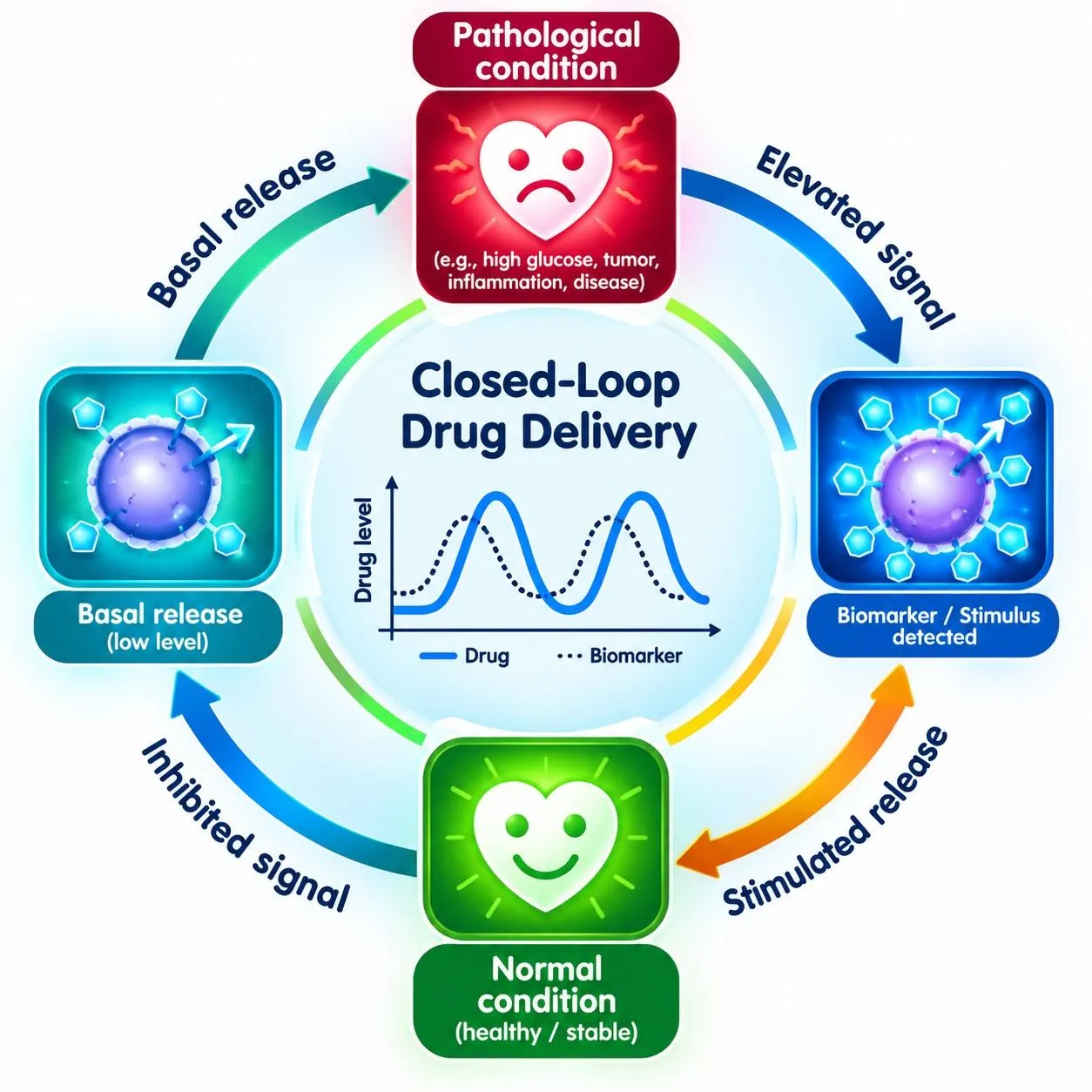
Figure 1: Close Loop Drug Delivery Systems
AI and machine learning may help interpret sensor trends, identify patterns, predict therapeutic requirements or detect abnormal device performance. Biased training data, sensor errors, model drift and poor generalizability can undermine performance. Algorithm-supported dosing requires external validation, transparent assessment and clinical oversight.
10. ROBOTIC DELIVERY, ADVANTAGES AND LIMITATIONS
AI-assisted robotic drug delivery is an emerging concept combining sensing, navigation, decision-making and controlled release. Proposed micro- and nanoscale systems may use chemical, magnetic or biological cues to move toward a target or release a payload. DNA-based nanostructures and magnetic microrobots have been investigated for molecular recognition, cellular interaction and localized delivery. These concepts remain exploratory and should not be presented as routine clinical technologies.
Potential advantages include adaptive delivery, controlled release, targeted exposure, repeated responsiveness and support for individualized treatment. Localized release could potentially reduce systemic exposure, but this must be demonstrated experimentally. These benefits are design objectives rather than guaranteed outcomes. A responsive formulation may still release drug in non-target tissues if the trigger is not sufficiently selective.
Nanomaterial behaviour is affected by proteins, enzymes, salts and cells. Protein adsorption or biofouling may change surface properties and interfere with targeting or sensing. Particle size, shape, charge and composition influence absorption, circulation, tissue distribution and clearance. Biological barriers such as the blood–brain barrier, mucus, epithelial layers, endosomal membranes and tumour stroma can restrict delivery.
Device-based systems face sensor drift, calibration errors, signal interference, power limitations, mechanical failure and software reliability concerns. A false-positive signal may trigger unnecessary release, while a false-negative signal may prevent needed treatment. Fail-safe modes, alarms, redundant safeguards and cybersecurity measures are important.
11. SAFETY, MANUFACTURING AND REGULATORY CHALLENGES
Long-term safety is particularly important for chronic diseases. A material tolerated after one administration may accumulate or produce adverse effects after repeated exposure. Researchers should investigate local and systemic toxicity, immunogenicity, genotoxicity where relevant, organ distribution, biodegradation and elimination. The safety of the released drug and the delivery material should be evaluated separately and together.
Manufacturing advanced formulations can be difficult. Critical quality attributes may include particle size distribution, morphology, surface charge, drug loading, encapsulation efficiency, residual solvents, impurity profile, release behaviour, sterility and endotoxin level, depending on the product. Changes in mixing, temperature, solvent removal or polymer composition can alter the final product.
Scale-up should preserve the characteristics that determine therapeutic performance. Batch-to-batch consistency, storage stability, packaging compatibility and transport conditions should be addressed early. For integrated devices, the formulation and device must be tested as a combined product. Validated analytical methods and appropriate process controls are needed.
Regulatory evaluation may involve both drug and device considerations, particularly when a product includes sensors, pumps, software or external control components. Developers should establish intended use, mechanism of action, critical quality attributes, risk profile and evidence required to support safety and effectiveness. The pathway depends on product composition, claims and jurisdiction.
Clinical translation requires a stepwise evidence strategy. Preclinical studies should assess pharmacokinetics, biodistribution, toxicity and therapeutic response in relevant models. Clinical studies should establish meaningful benefit over standard care, not merely a change in release behaviour. Usability, adherence, reliability, affordability and long-term outcomes also matter.
12. FUTURE DIRECTIONS AND CONCLUSION
Future research should convert promising laboratory concepts into safe, reproducible and clinically useful products. Priorities include biocompatible and biodegradable materials, reliable sensors, integration of responsive materials with drug reservoirs, microfluidic manufacturing, biomimetic delivery and robust feedback control. Material selection should consider degradation products, clearance pathways and repeated administration.
AI and machine learning may contribute to formulation optimization, sensor-data interpretation and prediction of therapeutic needs. Digital health and the Internet of Medical Things may support communication among patients, devices and healthcare professionals. Such systems must protect personal health information, maintain cybersecurity, provide interpretable outputs and be evaluated across diverse populations.
Nanorobotics, bioelectronic medicine, gene-based delivery, exosome-inspired carriers and cell-membrane-coated nanoparticles are additional emerging areas. Many remain exploratory. Research should clearly distinguish proof-of-concept studies from validated preclinical or clinical performance.
CONCLUSION
Self-adaptive drug delivery systems seek to connect therapeutic release with changing physiological or pathological conditions. The field includes stimuli-responsive nanocarriers, carrier-free nanodrugs, drug–drug conjugates, biosensor-integrated devices and closed-loop platforms. Triggers may include pH, temperature, enzyme activity, redox conditions, magnetic fields, light and electrical stimulation. Potential applications have been investigated in diabetes, cancer, inflammatory disorders and thrombosis.
Major challenges include material toxicity, biocompatibility, biological barriers, stability, sensor reliability, manufacturing reproducibility, regulatory complexity and clinical validation. Progress will depend on rigorous safety and efficacy assessment, evidence of benefit over existing treatments and practical solutions for scalable manufacture and patient use. Self-adaptive delivery may contribute to precision medicine, but translation requires collaboration among pharmaceutical scientists, engineers, clinicians, regulators and patients.
Declarations: Funding, conflict of interest, author contributions and acknowledgements should be completed according to the target journal’s requirements. Ethics approval is generally not applicable to a literature-based review unless otherwise required. Data availability: This review is based on previously published literature.
Abbreviations: API, active pharmaceutical ingredient; DDS, drug delivery system; NDDS, novel drug delivery system; GSH, glutathione; PBA, phenylboronic acid; CGM, continuous glucose monitoring; AI, artificial intelligence; ML, machine learning.
REFERENCES

Nandini Raut, Roshani Jaiswal, Krutika Hande, Akansha Chiwhane, Kashish Telang, Self-Adaptive Drug Delivery Systems: Bio-Responsive Approaches, Current Advances, Challenges, and Future Perspectives, Int. J. of Pharm. Sci., 2026, Vol 4, Issue 11, 5972-5980. https://doi.org/10.5281/zenodo.24645552
 10.5281/zenodo.24645552