

We use cookies to ensure our website works properly and to personalise your experience. Cookies policy
1,2,3Pharm D , St.Johns college of Pharmaceutical sciences , Yerrakota , Yemmiganur , Andhra Pradesh , India.
4M.Pharm PhD , Head of the Department , St.Johns college of Pharmaceutical sciences , Yerrakota , Yemmiganur , Andhra Pradesh , India.
5M.S(AIIMS) , M.Ch.(AIIMS), New Delhi . Deepak Tej Hospital , Kurnool , Andhra Pradesh , India.
AIM: To look at how alcohol-related liver and pancreas diseases happen what the symptoms are, how they are treated and how they affect the life of patients. Method: This study was done over 6 months in the gastroenterology department. A total of 75 men between the ages of 20 and 70 were included. Information about how alcohol they drank, what symptoms they had, lab tests and treatment was gathered. The data was analyzed using a method called ANOVA to compare different factors. Results: Out of 75 patients 43 (57.33%) had alcohol-related liver disease and 32 (42.67%) had alcohol-related pancreatitis. The common symptom was pain in the stomach followed by throwing up and having a fever. Most of the patients were in the 31 to 45 age group. There were differences in how the patients were doing their alcohol history and how they were treated (p < 0.05). Conclusion: Alcohol-related liver disease was more common than pancreatitis. People in the middle of their lives were most affected. Finding these problems early and stopping drinking alcohol completely are important to avoid problems and to help patients get better. Vitamins, good food may help patients stay healthy. May help them get better from problems caused by alcohol in the liver and the pancreas.
Alcohol-Induced Liver Disease :
Alcohol-induced liver disease (ALD) is a health problem that arises when people drink alcohol for a long time and in large amounts. ALD goes through stages that start with building up in the liver then move to inflammation scarring (fibrosis) and finally cirrhosis. The seriousness of ALD changes with the amount of alcohol that a person drinks how long the drinking lasts how the body reacts and other risk factors that are linked to ALD.
Clinical Features :
During the stage of ALD called fatty liver most people do not notice clear symptoms though they may feel a little tired. When ALD moves to hepatitis people may show signs such as yellowing of the skin and eyes fever, lack of appetite, weight, nausea, vomiting, upper belly pain and an enlarged liver. In the stage of ALD, when cirrhosis develops problems can appear such as fluid buildup in the belly (ascites) swelling in the legs, confusion or loss of brain function (hepatic encephalopathy) bleeding in the digestive tract caused by varices and easy bleeding or bruising.
Risk Factors :
The main reason for ALD is drinking alcohol for years in large amounts. The risk of ALD depends on how alcohol is drunk how long the drinking lasts and how drinking happens especially binge drinking. Other risk factors that raise the chance of ALD are differences, being female bad nutrition being overweight problems with metabolism and other liver diseases that already exist.
Pathophysiology :
When alcohol is broken down by the body it turns into acetaldehyde, a chemical that harms liver cells and changes how proteins work. The rise in NADH levels throws off fat processing and leads to fat build‑up in the liver a condition called steatosis. Alcohol also raises oxygen species, which create oxidative stress, damage cells and cause lipids to break down. The liver’s immune cells get activated, releasing chemicals (cytokines) that worsen hepatitis. Alcohol makes the gut more permeable letting toxins pass into the bloodstream and heighten liver inflammation through the gut‑liver connection. Ongoing damage, to liver cells triggers hepatic stellate cells, which lay down collagen produce tissue (fibrosis) and eventually cause cirrhosis.
Progression of Disease :
ALD usually moves from fatty liver to hepatitis then to fibrosis and finally to cirrhosis.
Treatment :
Complete alcohol abstinence is essential. Adequate nutrition, including calories, protein and necessary vitamins is required. In alcoholic hepatitis doctors may prescribe corticosteroids such as prednisolone. When complications arise treatment is needed, for example lactulose for encephalopathy and diuretics for fluid build‑up. Bleeding and infections also need treatment. In cases liver transplantation might be required.
Alcohol‑Induced Pancreatitis :
Alcohol‑induced pancreatitis is an inflammation of the pancreas that is linked to alcohol consumption. It can appear as an episode or develop into a chronic condition. Alcohol serves as a risk factor yet genes and the environment also play a role.
Causes :
Alcohol‑related pancreatitis is shaped by how alcohol is drunk over time and the pattern of drinking. Genetic predisposition can raise the risk and smoking may worsen damage to the pancreas. Poor nutrition and high fat levels in the blood also add to the problem. Gallstones or infections can trigger it well. A few heavy drinkers actually develop pancreatitis.
Contribution of Alcohol :
Alcohol plays a role in injury through multiple pathways. Alcohol raises the pancreas’s sensitivity to damage. Creates harmful substances like acetaldehyde and fatty acid esters. Alcohol triggers oxidative stress and cellular problems speeds up the activation of digestive enzymes and disturbs normal pancreatic secretion. Therefore alcohol is a helping factor than the only cause.
Pathophysiology :
When alcohol is processed in the body it can activate enzymes early which leads to the pancreas eating itself and becoming inflamed. Reactive oxygen species add damage and make inflammation stronger. Each new injury adds to the inflammation. Protein buildup in the ducts can block flow. Over time activated pancreatic stellate cells produce scar tissue leaving lasting harm.
Disease Progression
Alcohol exposure makes the pancreas more vulnerable. When a trigger occurs it starts an inflammatory reaction. Repeated episodes then keep damaging the tissue. Continuous inflammation eventually leads to tissue and chronic pancreatitis.
Clinical Manifestations:
Acute pancreatitis usually shows up as upper abdominal pain that can shoot to the back along with nausea, vomiting, fever and high levels of pancreatic enzymes. Chronic pancreatitis can bring repeated pain, greasy stools, from poor fat absorption, weight loss and diabetes because the pancreas loses function.
Diagnosis:
The diagnosis of alcohol‑induced pancreatitis relies on the patients symptoms, lab tests and imaging scans. Blood tests for amylase and lipase help confirm the diagnosis. Ultrasound, CT and MRI scans can show inflammation and any structural changes in the pancreas. When the disease becomes chronic checking how well the pancreas works becomes very important.
Management:
Treatment depends on whether the pancreatitiss sudden or long‑term. For pancreatitis doctors give fluids, pain relief and start food through the mouth or a tube as soon as the patient can handle it. For pancreatitis the focus is on stopping alcohol completely changing the diet taking pancreatic enzyme pills getting vitamin supplements and controlling pain. Doctors may use procedures to clear blockages in the duct. In cases surgery might be needed.
Prevention:
Avoiding alcohol altogether can stop alcohol‑induced pancreatitis. Quitting smoking eating a diet and treating metabolic problems early also help reduce repeated damage and keep the body healthy. Early detection, treatment staying away from alcohol, good nutrition and watching for complications are all key to slowing the disease preventing flare‑ups and protecting long‑term organ health, which makes life better for patients.
Aim:
To see how alcohol‑induced liver and pancreas diseases happen what they look like in patients how they are treated and how they affect patients quality of life.
Study Design:
A prospective observational study will be carried out in the Department of Gastroenterology at Deepak Tej Hospital, Kurnool over a period of six months.
Type: Prospective Observational Study
Study Population: Patients who have been diagnosed with alcohol‑induced liver or pancreas disease.
Criteria:
Inclusion Criteria:
Age criteria – 20 to 70 years. Gender – only males are included.
Exclusion criteria:
Patients less than 18 years are excluded.
Patients, with non‑alcohol related pancreatitis or liver disease are excluded.
Sample Size: 75 patients will be included.
METHODOLOGY
Data Collection – Patients Demographics
Alcohol history (quantity, duration, pattern)
symptoms (pain abdomen, jaundice, vomiting, ascites, etc.) Physical examination
investigations-
LFT (AST, ALT ALP, bilirubin albumin) Amylase, lipase Serum electrolytes, CBC
Ethical consideration :
The informed consent of the participants was obtained in writing and the patients confidentiality was maintained
RESULTS:
Figure 1: Clinical Complaints
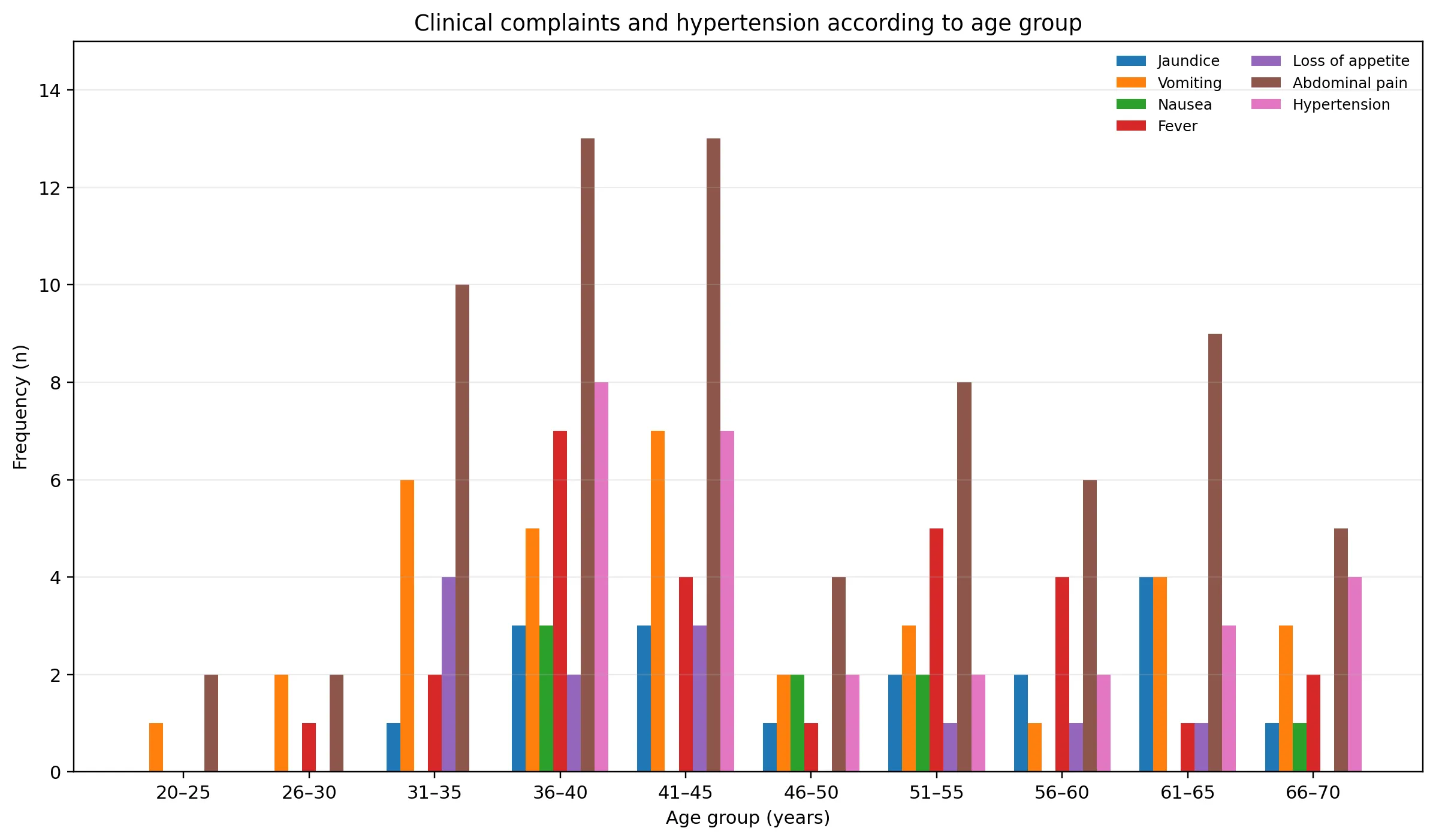
Figure 2: Type of Alcohol
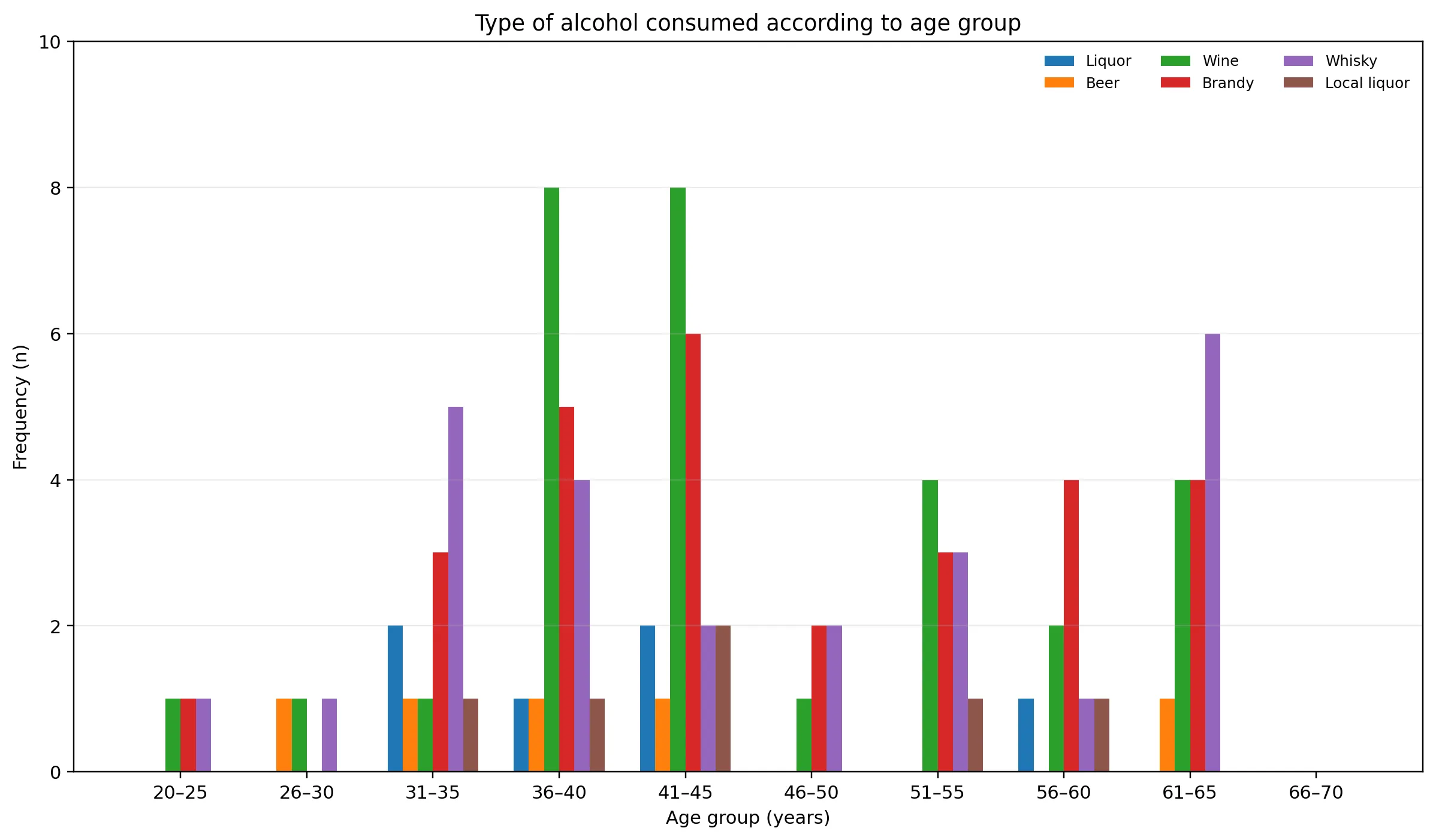
Figure 3: Who-Bref Quality-Of-Life
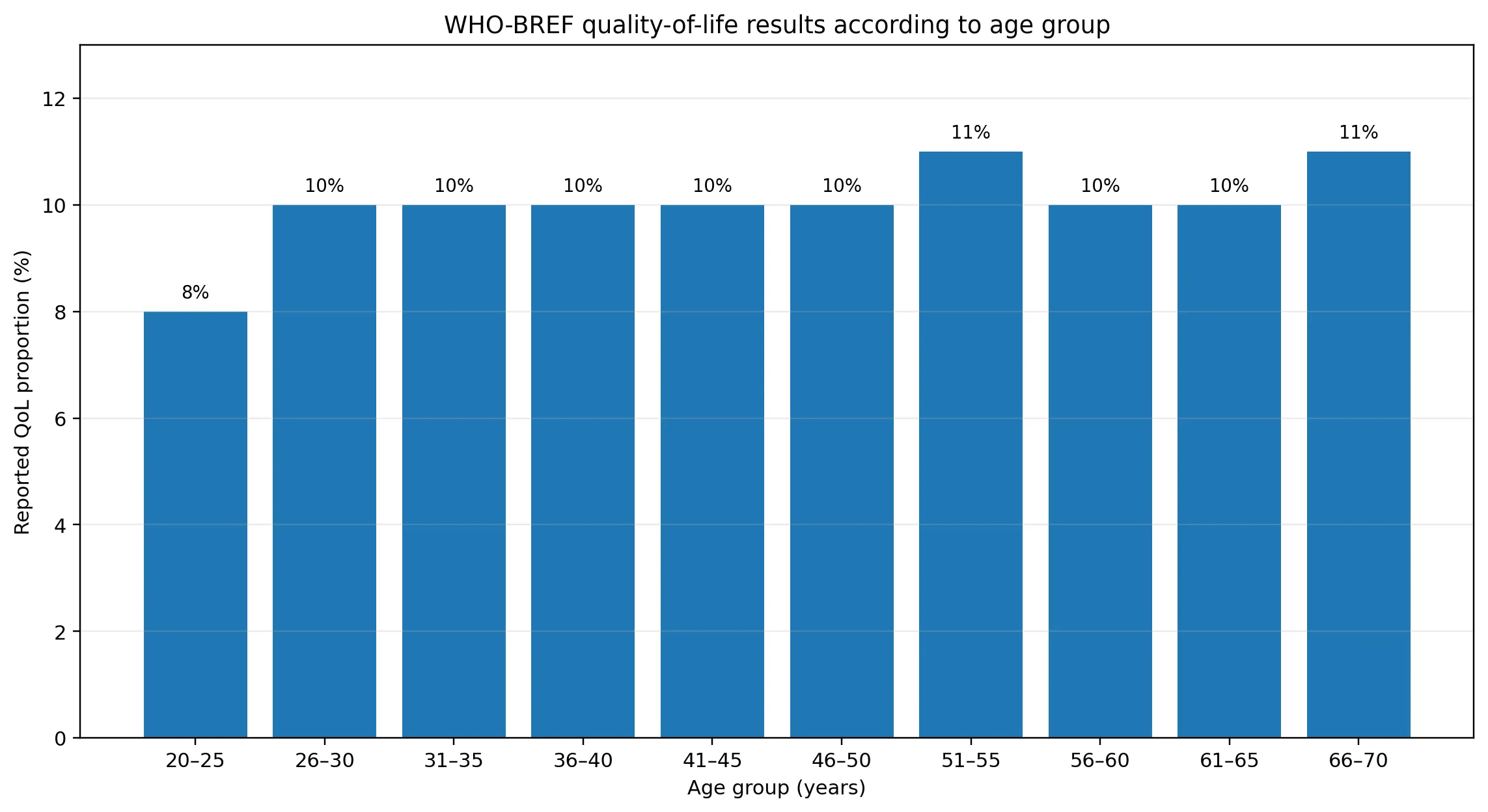
Figure 4: Liver-related and Biochemical Findings
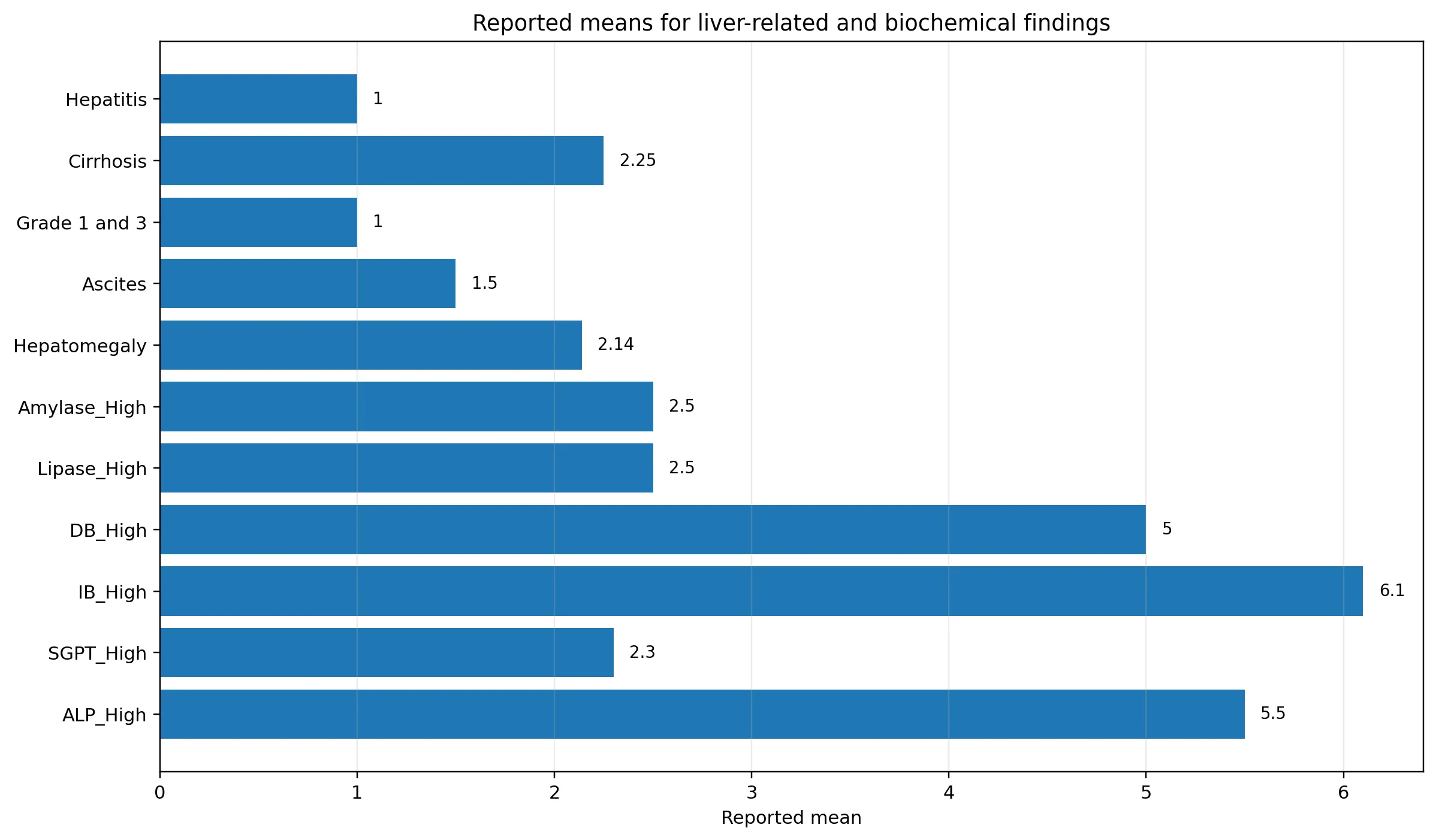
Figure 5: Treatment Frequencies by Medication
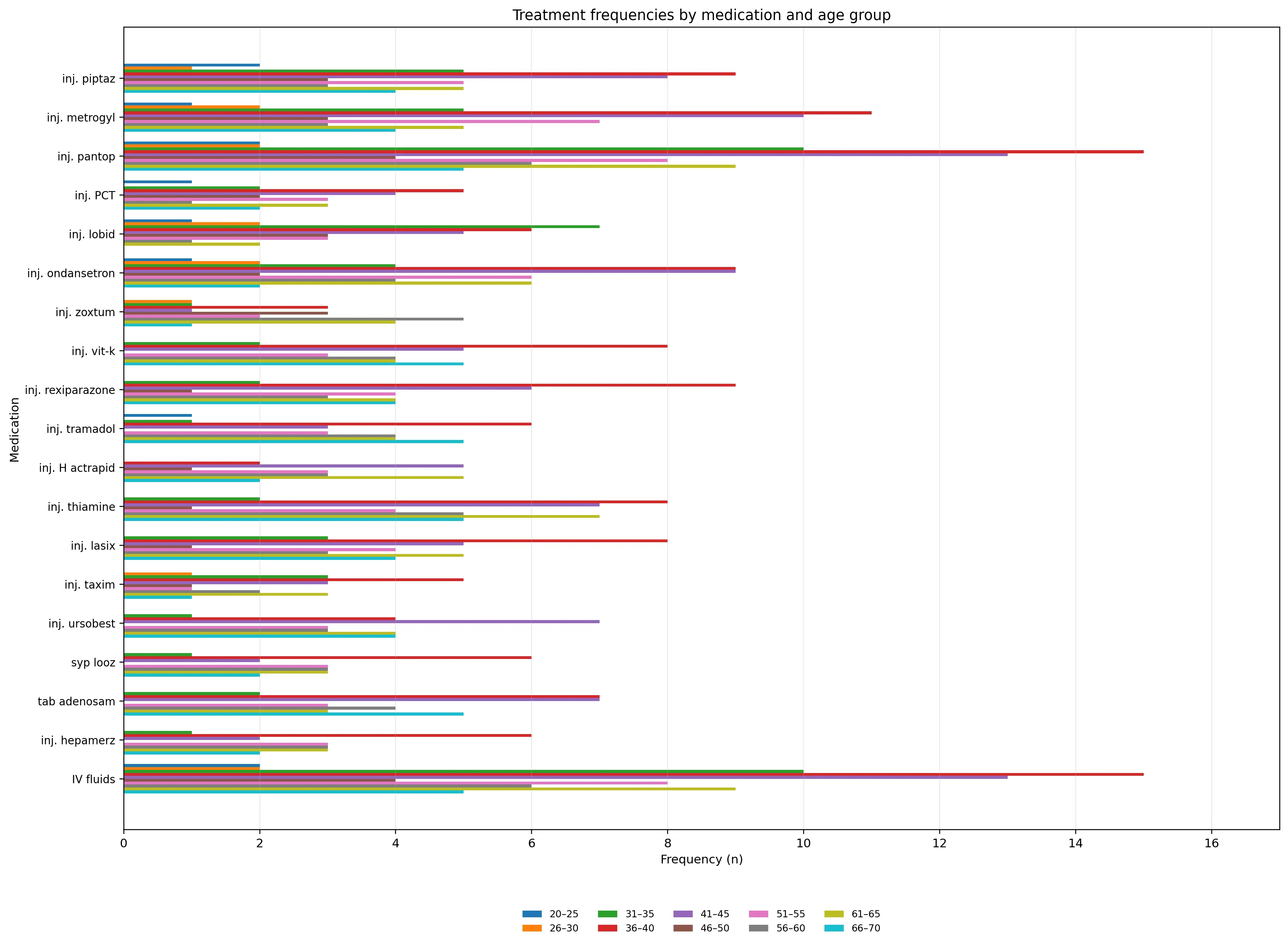
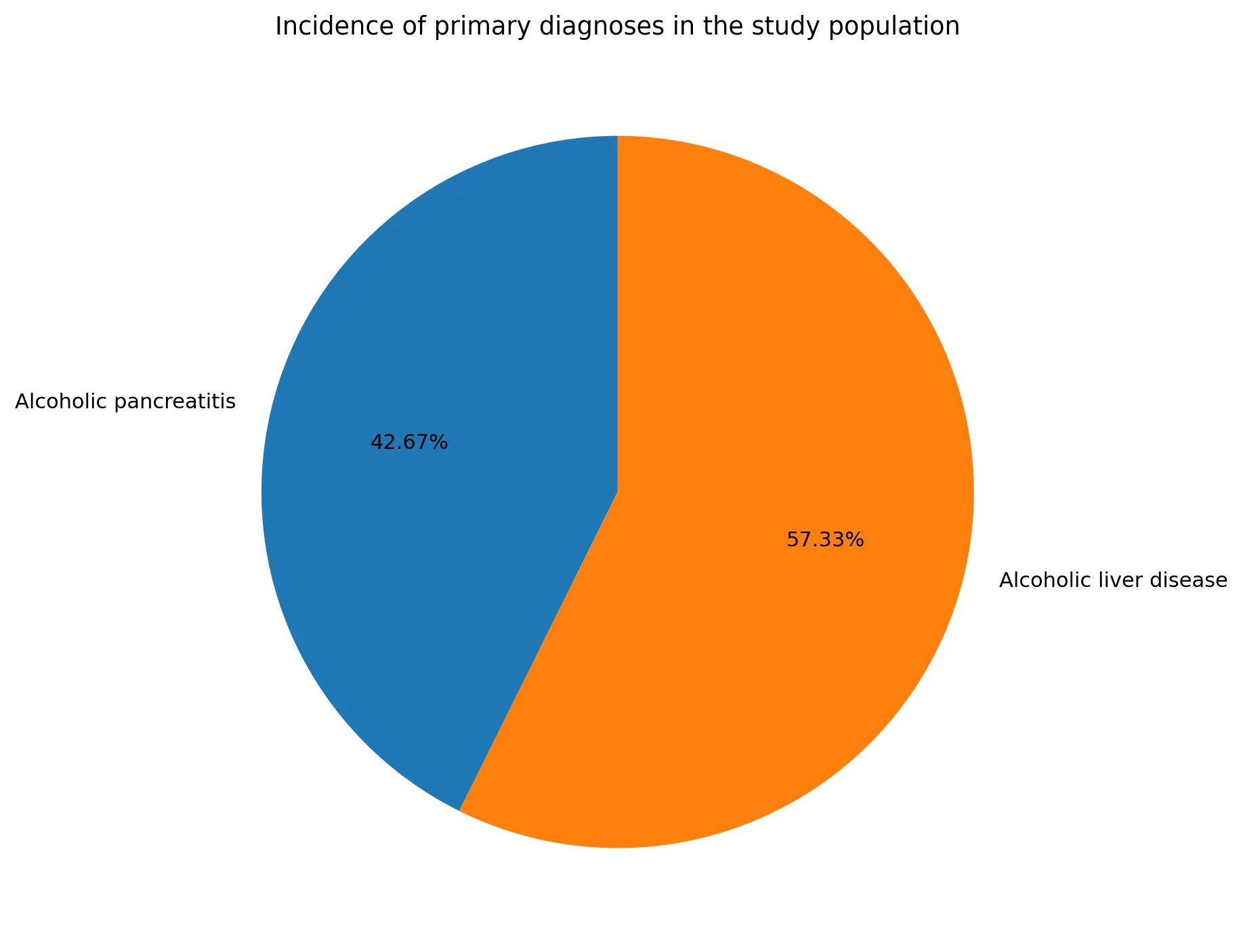
Figure 6: Incidence
DISCUSSION
The present study evaluated the profile, biochemical parameters, treatment patterns and outcomes of 75 patients with alcoholic pancreatitis and alcoholic liver disease. Alcoholic liver disease was more prevalent affecting 43 patients (57.33%) compared with 32 patients (42.67%) with pancreatitis highlighting the burden of alcohol‑related hepatic injury.
Abdominal pain was the common complaint, followed by vomiting, fever and hypertension. Jaundice indicated hepatic dysfunction. Most clinical complaints and complications were concentrated among patients aged 31–45 years. Alcohol consumption patterns showed reporting of wine, brandy and whisky. Statistical analysis demonstrated differences in alcohol‑type distribution suggesting variations in consumption patterns among the studied groups.
Behavioural and nutritional problems, including weight loss, malnutrition, depression, anxiety and regret highlighted the psychological burden of chronic alcohol consumption. Quality‑of‑life assessment indicated difficulties with activities, work, family responsibilities and studies. These findings emphasize the impact of alcohol‑related diseases on patients functional and emotional well‑being.
Physical examination revealed pallor and icterus in some patients. Liver‑related findings included cirrhosis, hepatomegaly and ascites. Biochemical abnormalities involving amylase, lipase, bilirubin and liver enzymes indicated hepatic involvement. However ANOVA results for laboratory parameters did not demonstrate statistically significant differences suggesting that the observed variations were not statistically conclusive.
Treatment patterns showed use of proton pump inhibitors, intravenous fluids, antibiotics when indicated and vitamin supplementation. Inj. Pantoprazole and intravenous fluids were commonly administered, reflecting the importance of management. Surgical procedures included pancreaticojejunostomy, cystogastrostomy and external drainage depending on the clinical indications and pancreatic complications.
Overall the study demonstrates that alcohol‑related pancreatic and hepatic diseases are associated with symptoms, biochemical abnormalities, nutritional challenges and impaired quality of life. Alcoholic liver disease was more prevalent than pancreatitis, in the study population. Early diagnosis, appropriate medical and surgical management, nutritional support and alcohol cessation are essential to prevent disease progression and improve outcomes.
CONCLUSION
The present study shows that alcohol-induced liver and pancreas diseases are health problems. Alcoholic liver disease is more common than pancreatitis in the group studied. The results show that people between 31 and 45 years of age are most affected. The common signs include abdominal pain, vomiting and changes in blood tests. Long-term alcohol use is strongly linked to disease, more complications and lower quality of life. It also affects life, work and family duties.
The study shows that both medical care and surgery are important for outcomes. Treatment must match the severity of the disease and any complications present. Early detection, correct treatment and complete stopping of alcohol use are key to stopping the disease from getting worse and improving the outlook.
This study is very helpful to society because it clearly shows how long-term alcohol use harms the liver and the pancreas. These organs are leading causes of illness in the population. The finding that alcoholic liver disease is more common than pancreatitis helps focus attention on screening and regular liver function checks for people who use alcohol. It also shows that middle-aged people are more at risk which can help raise awareness and guide efforts.
The study highlights symptoms like abdominal pain, vomiting and loss of appetite. These signs can help people seek care sooner which may stop the disease from progressing. It also shows that alcohol affects more than physical health. It harms quality of life work output and family responsibilities. This means there is a social and economic cost to these diseases.
The results on treatment and surgery also show the strain on healthcare systems. This supports the idea that prevention's better than cure. Stopping alcohol use early can reduce hospital visits and lower costs.
Nutritional support and vitamin supplements should be seen as parts of care for patients with alcohol-induced liver and pancreas problems. Good nutrition along with the vitamins can fix nutrient shortages improve overall health and help recovery. Regular checks on status along, with individualized vitamin supplements, full alcohol abstinence and proper medical treatment may improve patients’ quality of life.
Acknowledgements :
The authors express their thanks to the management, principle, faculty of Department of Pharmacy Practice St. John’s College of Pharmaceutical Sciences, Yerrakota, Andhra Pradesh for their support and encouragement to carry out this study. We are highly obliged to our research guide, co-guide and staff of Deepak Tej Hoapital, Kurnool for their guidance and support during data collection. We also extend our gratitude to all the patients who participated in the study.
FUNDING :
The authors received no funding for this study.
CONFLICT OF INTEREST :
The authors declare that they have no conflict of interest.
ETHICAL APPROVAL :
The study protocol was approved by the Institutional Ethics Committee of St. Johns College of Pharmaceutical Sciences, Yemmiganur, Kurnool, Andhra Pradesh, India. Written informed consents were obtained from the parents or legal guardians of all participants included in the study. The study was performed according to the principles of the Declaration of Helsinki.
INFORMED CONSENT :
Written informed consents were obtained from the parents or legal guardians of all study participants included in the study before enrolment.
DATA AVAILABILITY STATEMENT :
The datasets generated and analyzed during the study are available, from the corresponding author upon reasonable request.
AUTHOR CONTRIBUTION :
Conceptualization: B.T.Shireesha , B.Prashanth , K.Bhanu Prakash , Dr.N.Ranga reddy , Dr.K.Ram Chandra naidu
Methodology: B.T.Shireesha , B.Prashanth , K.Bhanu Prakash , Dr.N.Ranga reddy , Dr.K.Ram Chandra naidu
Investigation and Data Collection: B.T.Shireesha , B.Prashanth , K.Bhanu Prakash
Formal Analysis B.T.Shireesha , B.Prashanth , K.Bhanu Prakash
REFERENCES




Baitinti. Shireesha, Badinihal. Prashanth, Kandula. Bhanu Prakash, N. Dr. N. Ranga Reddy, Dr. K. Ram Chandra Naidu, Study of Incidence,Clinical Profile,Management and Quality of Life in Alcohol Induced Pancreatitis and Hepatic Patients , Int. J. of Pharm. Sci., 2026, Vol 4, Issue 11, 5963-5971. https://doi.org/10.5281/zenodo.24645500
 10.5281/zenodo.24645500