

We use cookies to ensure our website works properly and to personalise your experience. Cookies policy
RMP’S Bhalchandra College of Pharmacy, Pune-411024.
Naringenin is a naturally occurring flavanone present in citrus fruits and is extensively studied for its antioxidant, anti-inflammatory, and neuroprotective properties. Its advancement as a therapeutic compound is restricted by poor water solubility and limited bioavailability. Intranasal delivery from the nose to the brain is being investigated as a non-invasive approach that might enhance access to the central nervous system via olfactory and trigeminal pathways, thereby decreasing reliance on systemic transport through the blood-brain barrier. This review outlines the characteristics of naringenin, the justification for utilizing nanoparticle delivery, relevant carrier systems, and existing preclinical evidence. Chitosan nanoparticles, nanoemulsions, lipid carriers with nanostructures, and cubosomal systems have been explored in experimental research. A 2019 research found that naringenin-loaded chitosan nanoparticles had an average size of about 87.6 nm and improved nasal absorption in tests conducted in the lab. A study in 2025 indicated that chitosan nanoparticles enhanced ex vivo permeation and cognitive results in a model with experimental animals. These results are encouraging but still preclinical; they do not demonstrate clinical efficacy in humans. The evaluation further differentiates research formulations from commercial products. In the reviewed literature and sources, no approved naringenin-loaded intranasal nanoparticle product for commercial sale was found. Additional efforts are required for nasal safety, dose uniformity, long-term stability, scalable production, and regulated clinical assessment.
Neurodegenerative conditions are associated with gradual changes in neuronal structure and function. Oxidative stress is one mechanism studied in this context. It occurs when reactive oxygen species are produced faster than the body's protective systems can neutralize them. Excess reactive species can damage lipids, proteins and nucleic acids, and may contribute to inflammation and cell injury. Antioxidant compounds are therefore investigated as possible ways to influence these processes, although laboratory activity alone does not prove a treatment will benefit patients.[1,2]
Naringenin is a naturally occurring flavanone found in citrus fruits. Researchers have studied its antioxidant and anti-inflammatory properties, including possible effects on pathways associated with neuronal stress. However, low water solubility and metabolism can limit its bioavailability. Delivery to the brain is also difficult because the blood–brain barrier restricts the entry of many compounds.[3,4]
Intranasal delivery is under investigation because the nasal cavity has anatomical connections with the CNS through olfactory and trigeminal-associated pathways. A portion of a nasal dose may be absorbed into the blood, while some material may be cleared by mucus before absorption. Thus, nasal administration should not automatically be described as direct brain delivery; this needs to be demonstrated using appropriate experiments.
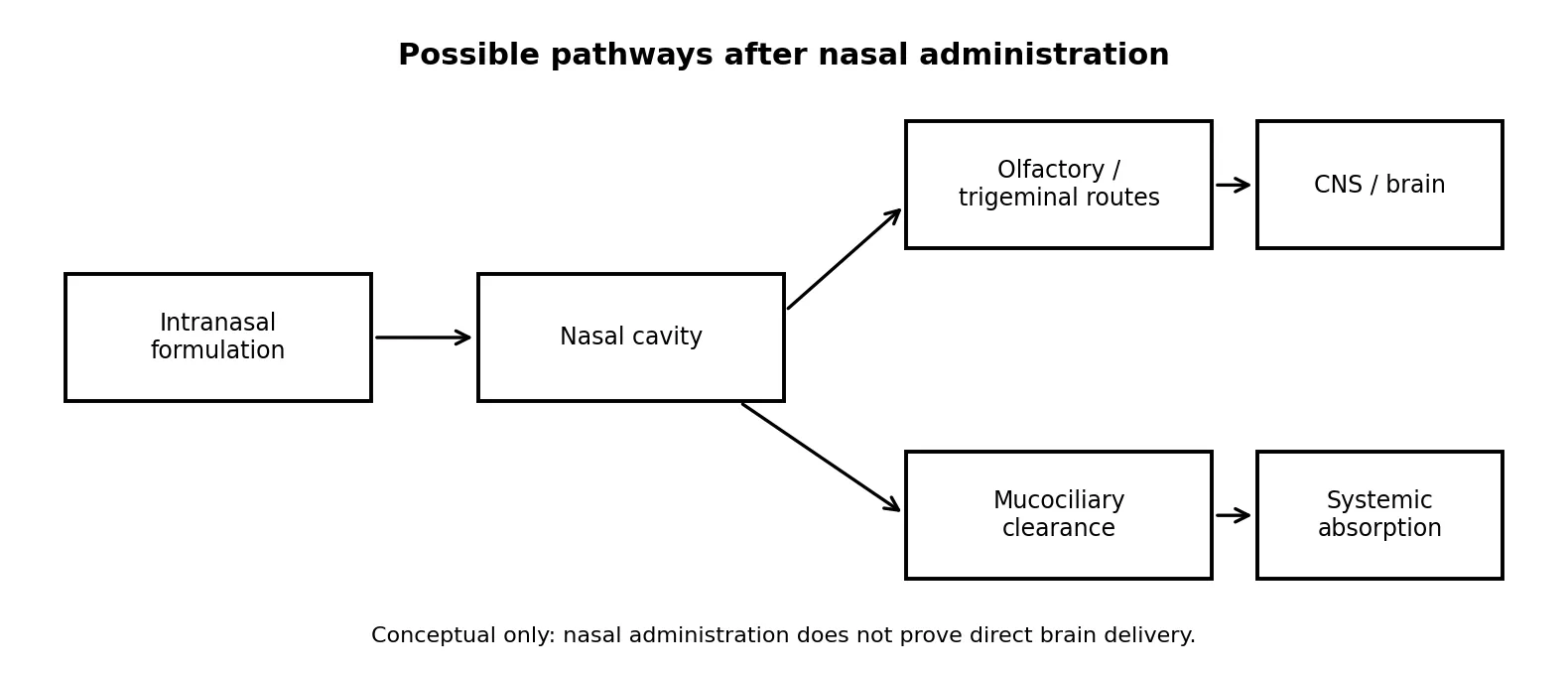
Figure 1: Conceptual Overview of Possible Pathways and Competing Outcomes After Nasal Administration. Original Schematic Based on General Concepts in Nasal Drug-Delivery Literature.
Nanoparticles are small carrier systems designed to contain or associate with a drug. Depending on the material used, they may improve the apparent solubility of poorly water-soluble compounds, protect them from degradation, modify release or increase contact with the nasal mucosa. Chitosan is often explored because it can interact with mucus, but its effect depends on the polymer properties and the final formulation (3-4)
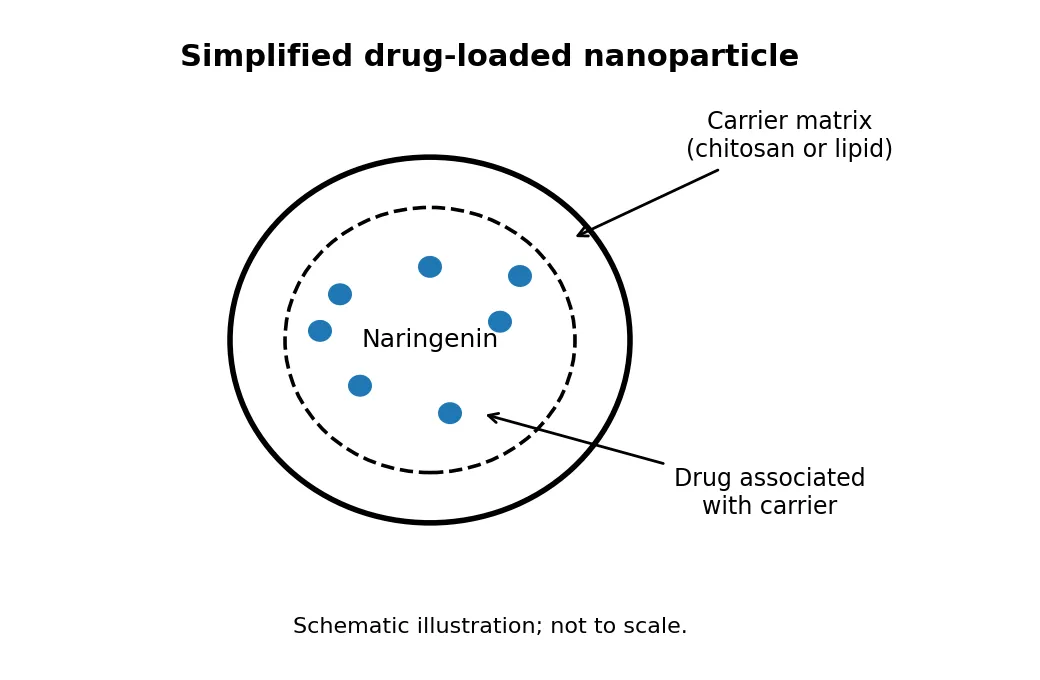
Figure 2: Simplified illustration of naringenin associated with a nanoparticle carrier. Schematic, not to scale.
6. ADVANTAGES AND DISADVANTAGES
Advantages
1. May improve the dispersion of poorly water-soluble naringenin in an aqueous formulation.
2. A carrier may help protect the active compound from some forms of degradation.
3. Nanoparticles can be designed to modify the rate and pattern of drug release.
4. Intranasal administration is non-invasive and avoids the need for an injection.
5. Nasal delivery may provide access to olfactory- and trigeminal-associated pathways leading toward the central nervous system.
6. Chitosan may increase contact with the nasal mucosa because of its mucoadhesive properties.
7. A nasal formulation may reduce reliance on gastrointestinal absorption and first-pass metabolism, although the extent depends on the formulation and dose.
8. The formulation can be assessed using measurable tests such as particle size, drug content, release, and stability. (3-4)
Disadvantages
1. Naringenin has low water solubility, which can make formulation development difficult.
2. Mucociliary clearance may remove the formulation from the nasal cavity before enough drug is absorbed.
3. The amount reaching the brain may vary with nasal anatomy, administration technique, and formulation properties.
4. Laboratory evidence of antioxidant or neuroprotective activity does not establish clinical benefit in humans.
5. The nasal mucosa may become irritated; local tolerability and safety require careful testing.
6. Manufacturing variables can affect particle size, drug loading, release, and batch-to-batch consistency.
7. Long-term stability, scale-up, regulatory requirements, and production costs remain to be established. (3-4)
Routes of nose-to-brain delivery
Nose-to-brain delivery is a drug delivery approach in which drugs are administered through the nasal cavity to facilitate their transport to the brain. It mainly involves the olfactory and trigeminal pathways, while systemic absorption provides an additional indirect route.
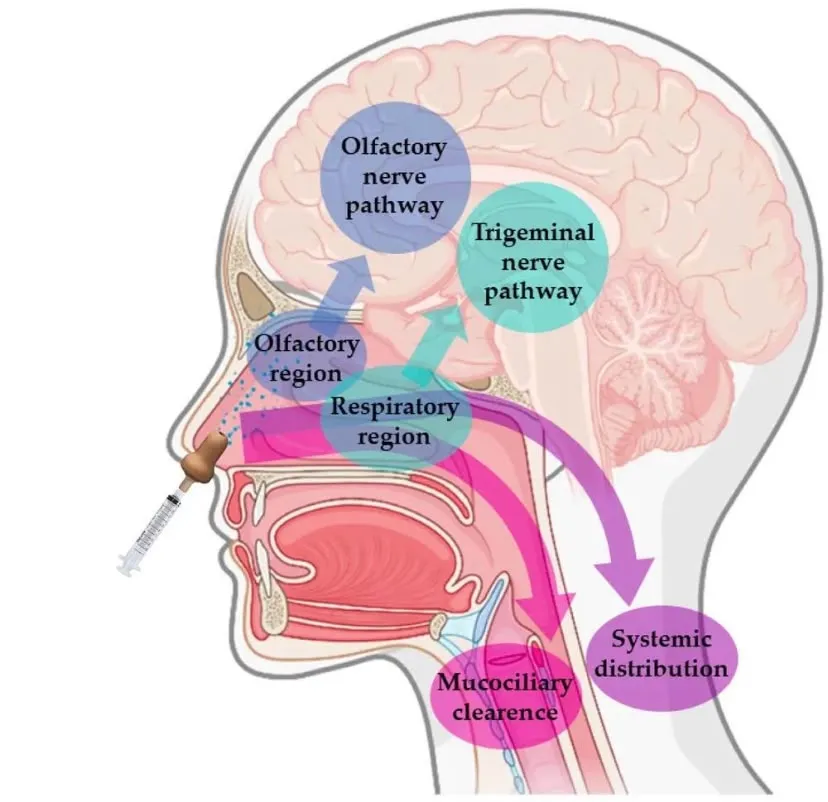
Figure 4: Major Routes of Nose-To-Brain Drug Delivery,
The olfactory pathway is one of the major proposed routes for direct nose-to-brain transport. Drugs are deposited in the upper nasal cavity, near the olfactory epithelium. They may travel along or around olfactory nerve fibers, pass through the cribriform plate and reach the olfactory bulb and other brain regions (4-5).
2. Trigeminal pathway
The trigeminal pathway involves branches of the trigeminal nerve present in the nasal mucosa. Drugs may move along or around these nerve branches toward the trigeminal ganglion and brainstem, potentially facilitating delivery to the central nervous system.
3. Systemic pathway
In this route, the drug is absorbed through blood vessels in the nasal mucosa and enters systemic circulation. It may subsequently reach the brain by crossing the blood–brain barrier. This is an indirect route rather than direct neuronal transport.
4. Cerebrospinal fluid (CSF)-associated transport
Following nasal administration, some drugs may reach cerebrospinal fluid (CSF) associated spaces through pathways connected with olfactory or trigeminal structures. This may contribute to distribution within the CNS, although the extent depends on the drug and formulation.
5. Intracellular and extracellular transport mechanisms
In addition to the anatomical pathways, drug transport from the nasal cavity can occur through different cellular mechanisms.
Intracellular transport: Drug molecules or nanoparticles enter nasal epithelial cells or neurons and may move through cellular compartments.
Extracellular transport: Drug molecules move through spaces between cells or along the external surfaces of nerve fibers (4-5)..
Drug Profile of Naringenin
| Sr. No. | Parameter | Description |
|---|---|---|
| 1 | Drug Name | Naringenin |
| 2 | Chemical Class | Flavanone (flavonoid) |
| 3 | Category | Natural phytochemical |
| 4 | IUPAC Name | 5,7-Dihydroxy-2-(4-hydroxyphenyl)chroman-4-one |
| 5 | Molecular Formula | C₁₅H₁₂O₅ |
| 6 | Molecular Weight | 272.25 g/mol |
| 7 | CAS Number | 480-41-1 |
| 8 | Natural Sources | Grapefruit, citrus fruits and tomatoes |
| 9 | Physical Appearance | White to pale-yellow crystalline powder (may vary with purity and preparation) |
| 10 | Solubility | Almost insoluble in water; soluble in ethanol and certain organic solvents |
| 11 | Melting Point | Approximately 251°C |
| 12 | Major Pharmacological Activities | Antioxidant, anti-inflammatory and potential neuroprotective activities |
| 13 | Mechanism of Action | May reduce oxidative stress and modulate inflammatory pathways |
| 14 | Neuroprotective Potential | Investigated for potential protection against neuronal damage |
| 15 | Blood–Brain Barrier | Brain delivery is a research challenge; enhanced delivery systems are being investigated |
| 16 | Limitations | Poor aqueous solubility and limited oral bioavailability |
| 17 | Novel Drug Delivery Approaches | Chitosan nanoparticles, nanoemulsions, nanostructured lipid carriers and Cubosomes |
| 18 | Proposed Route of Administration | Intranasal administration for nose-to-brain delivery research |
| 19 | Research Application | Development of nanocarriers for improved brain delivery and neuroprotection |
| 20 | Drug Development Status | Investigational for neuroprotective applications; not an established approved treatment for neurological disorders |
8. Nose-to-Brain delivery anatomy and routes
Anatomy of Nose-to-Brain Delivery
The nasal cavity is an important route for delivering drugs directly toward the brain. It contains specialized regions that help certain drug molecules and nanoparticles cross the nasal barriers and reach the central nervous system (6-7).
The major anatomical regions involved are:
Nasal vestibule: The entrance of the nose, which filters larger particles.
Respiratory region: Contains mucus, cilia and blood vessels. It mainly supports particle clearance and absorption into the systemic circulation.
Olfactory region: Located in the upper part of the nasal cavity. It contains olfactory neurons that connect with pathways leading toward the brain (6-7)..
Trigeminal nerve region: Sensory nerve endings in the nasal cavity provide another possible pathway for drug transport toward the brainstem.
Brain and central nervous system: The final target for drugs intended to provide neuroprotective and antioxidant effects.
Nanoparticles containing naringenin may improve its stability, solubility and delivery to the brain. However, the extent of brain delivery depends on the nanoparticle formulation, particle properties and biological barriers (7-8)..
9.0 Future Scope of the Study
The future scope of naringenin-loaded nanoparticles for nose-to-brain delivery includes further investigation of their therapeutic potential in neurodegenerative disorders. Md et al. (2019) developed chitosan nanoparticles containing naringenin and demonstrated antioxidant and neuroprotective effects against 6-OHDA-induced toxicity in SH-SY5Y cells.
However, the authors emphasized that further animal studies were required to establish the effectiveness of this delivery system for Parkinson’s disease
In vivo evaluation: Future studies should investigate the effectiveness of naringenin-loaded nanoparticles in suitable animal models of Parkinson’s disease and other neurological disorders.
Brain-targeting studies: Quantitative analysis of drug concentrations in the brain and blood is needed to confirm the extent of nose-to-brain delivery.
Formulation optimization: Different nanoparticle compositions and preparation methods may be evaluated to improve drug loading, stability, nasal permeation and controlled release.
Long-term safety assessment: Repeated-dose studies should examine nasal irritation, toxicity, neuronal safety and the possible accumulation of nanoparticles.
Mechanistic investigations: Further research may explore how naringenin influences oxidative stress, neuroinflammation and neuronal survival.
Clinical translation: If preclinical findings establish adequate safety and efficacy, further development could include clinical trials to evaluate the formulation in humans.
CONCLUSION
Naringenin-loaded nanoparticles offer a promising and innovative strategy for improving neuroprotection through nose-to-brain drug delivery. Naringenin, a naturally occurring flavonoid, exhibits significant antioxidant, anti-inflammatory, and potential neuroprotective properties. These activities may help protect neuronal cells against oxidative stress, reduce the production of reactive oxygen species (ROS), and modulate inflammatory pathways associated with neuronal damage.Conventional drug delivery approaches may face challenges due to the poor aqueous solubility, limited bioavailability, and restricted transport of naringenin across the blood–brain barrier (BBB). Nanotechnology-based drug delivery systems provide a potential solution to these limitations by improving drug solubilization, protecting the active compound from degradation, and facilitating its transport toward the central nervous system. Different nanocarriers, including chitosan nanoparticles, nanoemulsions, nanostructured lipid carriers (NLCs), and cubosomes, can be explored to enhance formulation performance and optimize drug release.Intranasal administration offers a non-invasive approach for delivering therapeutic agents to the brain through pathways associated with the olfactory and trigeminal nerves. This route may help reduce first-pass metabolism, improve the efficiency of brain delivery, and minimize unwanted systemic exposure. Chitosan-based formulations may additionally provide mucoadhesive properties, increasing contact time with the nasal mucosa and potentially enhancing drug absorption.The formulation of naringenin-loaded nanoparticles requires careful optimization of important physicochemical parameters, including particle size, polydispersity index, zeta potential, entrapment efficiency, drug loading, in-vitro drug release, and nasal mucoadhesion. Biological evaluation should include antioxidant assays, cellular uptake studies, cytotoxicity assessment, and suitable neuroprotective models to determine the effectiveness and safety of the developed formulation.Furthermore, the antioxidant potential of naringenin may contribute to maintaining cellular integrity by reducing oxidative damage to lipids, proteins, and nucleic acids. Its possible influence on inflammatory mediators and neuronal survival pathways may provide additional benefits in conditions associated with neurodegeneration. However, these effects must be confirmed through well-designed experimental investigations rather than assumed from the properties of the free compound alone.
.
REFERENCES






Chandrakor Patil, Shrutika More, Vaibhav Sakhare, Dhanshri Kalsai, Monika Jangid, Manoj Jaybhaye, Neuroprotective and Antioxidant Effect of Naringenin-Loaded Nanoparticles for Nose-To-Brain Delivery, Int. J. of Pharm. Sci., 2026, Vol 4, Issue 11, 1351-1356. https://doi.org/10.5281/zenodo.24003289
 10.5281/zenodo.24003289