

We use cookies to ensure our website works properly and to personalise your experience. Cookies policy
1,3,4,5,6Research Scholar Department of Pharmacy, Siddhi's Institute of Pharmacy, Nandgaon, Maharashtra, India.
2Assistant Professor, Siddhi's Institute of Pharmacy, Nandgaon, Maharashtra, India.
Oxidative stress is an important pathological process that occurs when the production of reactive oxygen species (ROS) and reactive nitrogen species (RNS) exceeds the capacity of the body's antioxidant defence system. Reactive species are continuously generated during normal cellular metabolism and also participate in physiological processes such as cellular signalling and immune defence. However, excessive or uncontrolled production of these species can disturb redox homeostasis and damage important cellular components, including lipids, proteins, DNA and cellular organelles. Oxidative stress has been associated with the development and progression of several chronic diseases, including cardiovascular diseases, diabetes mellitus, neurodegenerative disorders and cancer. It can also interact with inflammatory pathways, mitochondrial dysfunction and abnormal cellular signalling, thereby creating a cycle that promotes tissue injury and disease progression. The body possesses several antioxidant defence mechanisms, including enzymatic antioxidants such as superoxide dismutase, catalase and glutathione peroxidase, as well as non-enzymatic antioxidants such as glutathione, vitamin C and vitamin E. Current research is focusing on targeted antioxidant approaches, modulation of redox signalling, nanotechnology-based delivery systems and new therapeutic strategies. This review discusses the basic concept of oxidative stress, major sources of ROS and RNS, antioxidant defences, mechanisms of cellular damage, involvement in major diseases, therapeutic approaches, current challenges and future perspectives.
Oxidative stress is a condition associated with an imbalance between the generation of reactive species and the ability of biological systems to neutralize or remove them. Reactive oxygen species (ROS) and reactive nitrogen species (RNS) are continuously produced in cells as part of normal metabolism. At controlled concentrations, these molecules are not necessarily harmful. They participate in cellular signalling, immune responses, proliferation, differentiation and other physiological functions. Problems arise when their production becomes excessive or when antioxidant defences are insufficient, resulting in disruption of redox homeostasis.[3,5,6]
Important ROS include superoxide radical, hydrogen peroxide and hydroxyl radical, whereas important RNS include nitric oxide and peroxynitrite. These reactive molecules can arise from both endogenous and external sources. Mitochondrial respiration, NADPH oxidases and inflammatory cells are important endogenous sources, while cigarette smoke, radiation, environmental pollutants and certain chemicals can contribute to oxidative stress from outside the body.[4,6,8]
Oxidative stress is increasingly recognized as a common factor involved in the pathogenesis of many chronic diseases. Excessive reactive species can cause lipid peroxidation, protein modification, DNA damage and mitochondrial dysfunction. These changes may disturb normal cellular function and, when persistent, contribute to inflammation, cell death and tissue injury. Oxidative stress has been associated with cardiovascular diseases, diabetes, neurodegenerative disorders, cancer, renal and pulmonary diseases and other pathological conditions.[1,2,4,5,7]
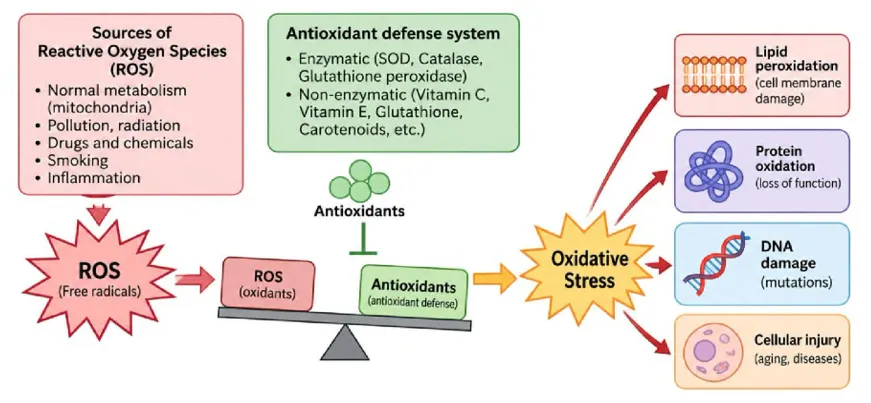
Figure 1: General Overview of Oxidative Stress
3. Sources and Generation of Reactive Oxygen and Nitrogen Species
Reactive species are generated continuously during normal cellular activities. Their production is particularly associated with processes involving oxygen metabolism and electron transfer. Under normal conditions, their levels are controlled by antioxidant systems. When production increases significantly or antioxidant defences become impaired, reactive species can accumulate and produce oxidative stress.[4,6,7]
3.1 Endogenous Sources
The major endogenous sources include:
Mitochondria: Mitochondria generate ROS mainly as a consequence of electron transport during cellular respiration. Electron leakage from the respiratory chain can result in the formation of superoxide. Mitochondria are therefore an important source of intracellular ROS.[4,6,7]
NADPH oxidases: These enzymes deliberately generate reactive oxygen species and have important roles in cellular signalling and host defence. Excessive activation, however, can contribute to oxidative damage.[8,9]
Inflammatory cells: Neutrophils and macrophages generate ROS during the respiratory burst to destroy invading microorganisms. Persistent or excessive activation of these cells can also cause damage to surrounding tissues.[8,9]
Other enzymatic reactions: Several cellular enzymes and metabolic reactions can generate reactive species, particularly when cellular metabolism is disturbed.[6,8]
3.2 Exogenous Sources
External factors that can increase oxidative stress include:
Lifestyle factors such as smoking, poor diet and lack of physical activity have also been associated with increased oxidative stress.[2]
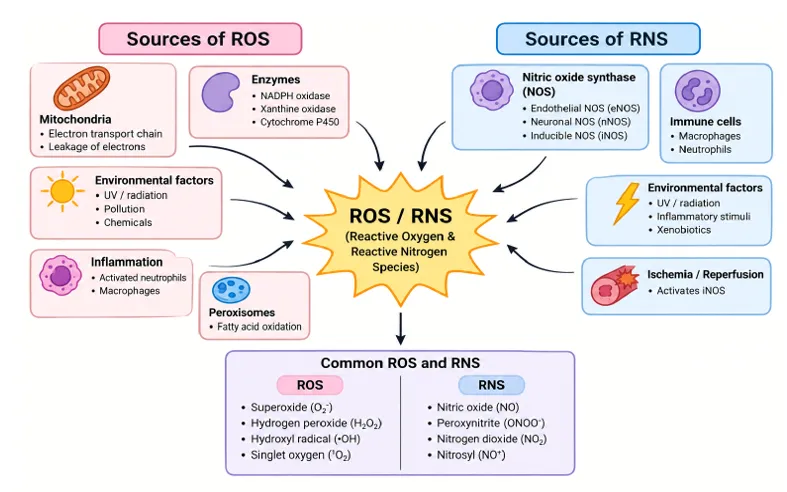
Figure 2: Sources and Generation of ROS/RNS
4. Antioxidant Defence System
The body has a complex antioxidant defence system that protects cells against excessive reactive species. Antioxidants work by neutralizing reactive molecules, converting them into less reactive products or preventing their formation. The antioxidant system includes enzymatic and non-enzymatic components.[6,8]
4.1 Enzymatic Antioxidants
Superoxide Dismutase
Superoxide dismutase (SOD) converts superoxide radicals into hydrogen peroxide. It represents an important first line of defence against superoxide-mediated damage. [8]
Catalase
Catalase converts hydrogen peroxide into water and oxygen. It is particularly important in preventing accumulation of hydrogen peroxide at potentially harmful concentrations. [8]
Glutathione Peroxidase
Glutathione peroxidase reduces hydrogen peroxide and lipid peroxides using glutathione as an electron donor. It therefore helps protect cellular membranes and other structures from oxidative damage.[8]
Other antioxidant systems include the thioredoxin system and related enzymes that help maintain cellular redox balance.[8]
4.2 Non-enzymatic Antioxidants
Important non-enzymatic antioxidants include:
These molecules can neutralize reactive species or support other antioxidant mechanisms.[2,8]
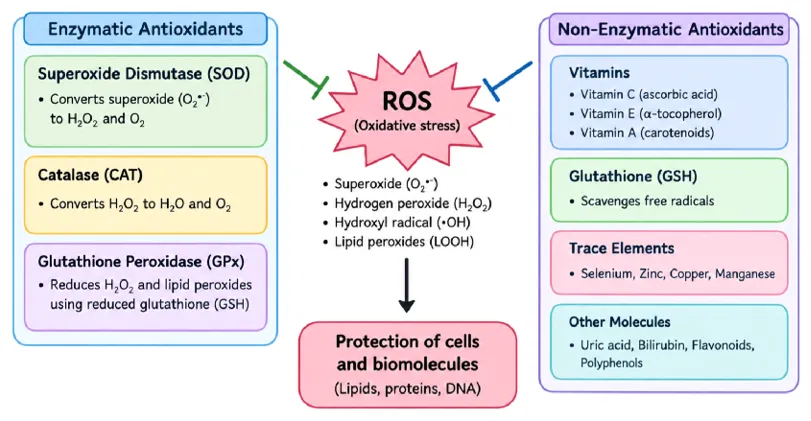
Figure 3: Antioxidant Defence System
5. Mechanism of Oxidative Stress and Cellular Damage
Oxidative stress occurs when reactive species are produced faster than they can be controlled by antioxidant defences. The resulting accumulation of ROS and RNS can affect several important cellular components.[2,4,6]
5.1 Lipid Peroxidation
Cell membranes contain large amounts of polyunsaturated fatty acids that are vulnerable to oxidation. Reactive species can initiate lipid peroxidation, producing unstable lipid radicals and secondary products. These products can alter membrane structure and function and may also act as signalling molecules that further influence cellular responses.[4,7]
5.2 Protein Oxidation
Oxidative modification of proteins can alter their structure and function. Enzymes, receptors, transport proteins and structural proteins may be affected. Protein oxidation can interfere with normal cellular metabolism and may promote protein aggregation or degradation.[4,7,8]
5.3 DNA Damage
ROS can modify DNA bases, produce single- and double-strand breaks and contribute to mutations and other genomic abnormalities. Persistent DNA damage can affect normal cellular growth and survival and may contribute to carcinogenesis.[4,7]
5.4 Mitochondrial Dysfunction
Excessive oxidative stress can damage mitochondrial proteins, membranes and mitochondrial DNA. Mitochondrial dysfunction can further increase ROS production, creating a harmful cycle between oxidative damage and impaired energy metabolism.[4,6,7]
5.5 Cell Death
Severe or prolonged oxidative damage can activate pathways leading to apoptosis, necrosis or other forms of regulated cell death. The final outcome depends on the amount and location of oxidative damage and the ability of the cell to repair the injury.[1,4,5]
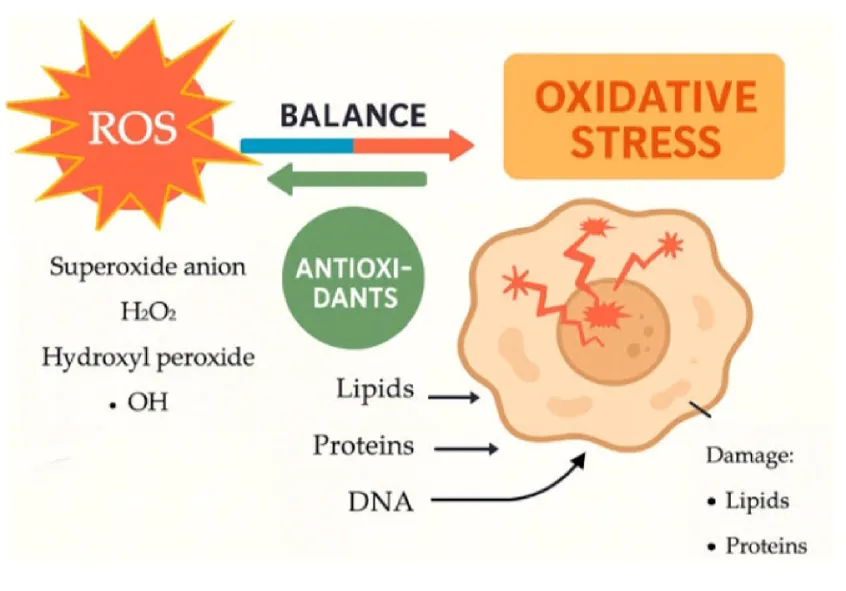
Figure 4: Mechanism of Oxidative Stress-Induced Cellular Damage
6. Role of Oxidative Stress in Disease Pathogenesis
Oxidative stress is involved in the development and progression of several major diseases. It may act as a primary cause of injury in some conditions and as a secondary contributor that worsens an already existing disease in others.[1,3,5]
6.1 Cardiovascular Diseases
Oxidative stress contributes to cardiovascular pathology through oxidative modification of lipids, endothelial dysfunction, inflammation and abnormal vascular signalling. Oxidized lipids can contribute to vascular injury and atherosclerotic processes. Excessive ROS can also reduce the availability of nitric oxide, impairing normal vascular relaxation.[1,5,8]
Oxidative stress may therefore contribute to the progression of atherosclerosis and other cardiovascular abnormalities by promoting vascular inflammation and cellular dysfunction.[1,5]
6.2 Diabetes Mellitus
Oxidative stress has an important role in diabetes and its complications. Persistent hyperglycaemia can increase oxidative stress and promote the formation of advanced glycation end products. These products can activate inflammatory signalling through receptors such as RAGE and may further increase oxidative stress.[1,2,5]
This creates a vicious cycle involving hyperglycaemia, oxidative stress and inflammation. Oxidative damage contributes to complications affecting the kidneys, nerves and cardiovascular system.[1,2,5]
6.3 Neurodegenerative diseases
The brain is particularly vulnerable to oxidative damage because of its high oxygen consumption, lipid-rich composition and sensitivity to mitochondrial dysfunction. Oxidative stress has been associated with neurodegenerative disorders including Alzheimer's and Parkinson's diseases.[1,3,5]
Oxidative damage to neuronal membranes, proteins, DNA and mitochondria may contribute to neuronal dysfunction and progressive cell loss. Oxidative stress can also interact with neuroinflammatory pathways, further contributing to disease progression.[1,3,5]
6.4 Cancer
Oxidative stress can contribute to cancer development by causing DNA damage, genomic instability and abnormal cellular signalling. ROS may influence pathways involved in cell proliferation, survival and inflammation. Persistent oxidative damage can therefore contribute to initiation and progression of tumours.[3,4,9]
However, ROS can also be involved in cancer cell killing, which demonstrates that their biological effects depend on their concentration, location and cellular context.[5,9]
Table 1: Role of Oxidative Stress in Major Diseases
| Disease | Major effect of oxidative stress | Possible consequence |
|---|---|---|
| Cardiovascular disease | Lipid oxidation and endothelial dysfunction | Vascular injury |
| Diabetes | Oxidative and inflammatory signalling | Diabetic complications |
| Neurodegenerative diseases | Mitochondrial and neuronal damage | Neuronal dysfunction |
| Cancer | DNA damage and altered signalling | Abnormal cell growth |
7. Oxidative Stress and Inflammation
Oxidative stress and inflammation are closely interconnected processes. Reactive species can activate inflammatory signalling pathways, while inflammatory cells can generate additional ROS and RNS. This creates a self-amplifying cycle in which oxidative stress promotes inflammation and inflammation increases oxidative stress.[5,9]
During inflammation, activated neutrophils and macrophages produce ROS as part of the immune response. This is useful for eliminating pathogens, but prolonged inflammatory activity can expose surrounding tissues to excessive reactive species.[8,9]
Oxidative stress can also influence redox-sensitive signalling pathways, including NF-κB and MAPK-related pathways. Activation of such pathways can promote the production of inflammatory mediators. Therefore, the interaction between oxidative stress and inflammation is an important component of chronic disease pathogenesis.[9]
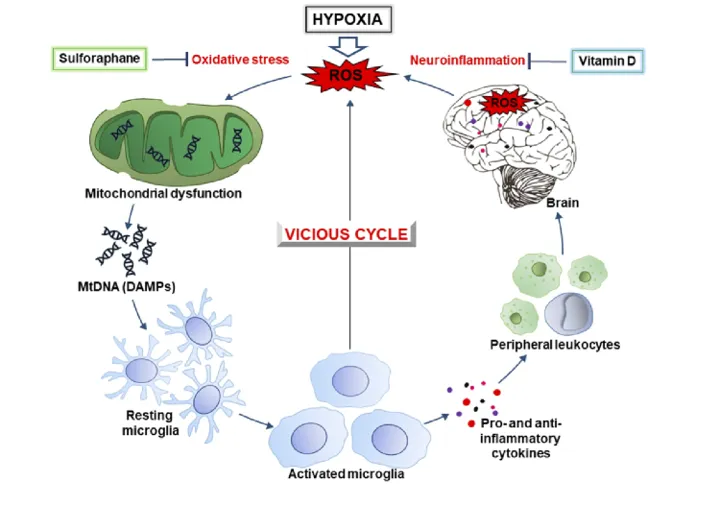
Figure 5: Oxidative Stress–Inflammation Cycle
8. Cellular and Molecular Consequences
The major cellular consequences of oxidative stress include:
8.1 Lipid Peroxidation
Damage to membrane lipids can affect membrane fluidity, permeability and cellular signalling.[4,5,7]
8.2 Protein Modification
Oxidation can change protein structure and reduce the activity of important enzymes and receptors.[4,7,8]
8.3 DNA Damage
Oxidative modification of DNA can result in mutations and genomic instability.[4,7]
8.4 Mitochondrial Dysfunction
Damage to mitochondria can impair energy production and increase further ROS generation.[4,6,7]
8.5 Altered Cell Signalling
ROS can modify redox-sensitive signalling pathways involved in inflammation, proliferation, apoptosis and cellular adaptation.[5,9]
Table 2: Major Cellular Targets of Oxidative Stress
| Cellular target | Type of damage | Major outcome |
|---|---|---|
| Lipids | Lipid peroxidation | Membrane dysfunction |
| Proteins | Oxidation/modification | Enzyme and structural dysfunction |
| DNA | Base modification/breaks | Mutation and genomic instability |
| Mitochondria | Oxidative damage | Reduced energy production |
| Signalling proteins | Redox modification | Abnormal cellular signalling |
9. Therapeutic Approaches for Oxidative Stress
Because oxidative stress contributes to several diseases, therapeutic approaches have focused on restoring redox balance or reducing harmful reactive species.[5,10]
9.1 Antioxidant Therapy
Antioxidant therapy aims to reduce excessive reactive species or strengthen endogenous antioxidant defences. Compounds such as vitamin C, vitamin E, glutathione-related approaches and other antioxidant molecules have been investigated.[5,10]
However, antioxidant therapy is not universally effective. ROS also have physiological functions, and indiscriminate removal of ROS may interfere with normal cellular signalling. Clinical results therefore vary depending on the disease, antioxidant, dose, timing and patient characteristics.[10]
9.2 Natural Antioxidants
Plant-derived compounds such as flavonoids, carotenoids and other polyphenolic compounds have attracted attention because of their antioxidant and potential anti-inflammatory properties. However, their clinical effectiveness depends on factors such as bioavailability, metabolism and appropriate dosing.[2,5]
9.3 Lifestyle and Dietary Approaches
A balanced diet, regular physical activity and avoidance of smoking and excessive exposure to environmental pollutants can help reduce factors associated with oxidative stress. Lifestyle interventions should be considered supportive measures rather than replacements for established medical treatment.[2,5]
9.4 Targeted Antioxidant Approaches
Current research is moving toward strategies that deliver antioxidant activity to specific tissues, organelles or pathological sites rather than producing broad systemic antioxidant effects. This approach may improve therapeutic selectivity.[10]
10. Recent Advances
Recent research has moved beyond simple antioxidant supplementation toward more targeted approaches for controlling oxidative stress.[10]
10.1 Targeted Antioxidant Delivery
Targeted delivery systems are being investigated to direct antioxidant molecules toward tissues or cellular compartments where oxidative damage is occurring.[10]
10.2 Nanotechnology-Based Approaches
Nanomaterials and nanozymes are being studied for their ability to mimic antioxidant enzymes and neutralize ROS/RNS. Some approaches aim to improve stability, targeting and therapeutic activity.
10.3 Nrf2-Based Approaches
Nrf2 is an important regulator of cellular antioxidant and protective responses. Modulation of the Nrf2 pathway is being investigated as a potential strategy for strengthening endogenous cellular defences.[10]
10.4 Redox-Based Therapeutic Strategies
Instead of simply eliminating all ROS, newer approaches aim to restore appropriate redox signalling and selectively control pathological oxidative stress. This is important because ROS at controlled levels have normal physiological roles.[5,10]
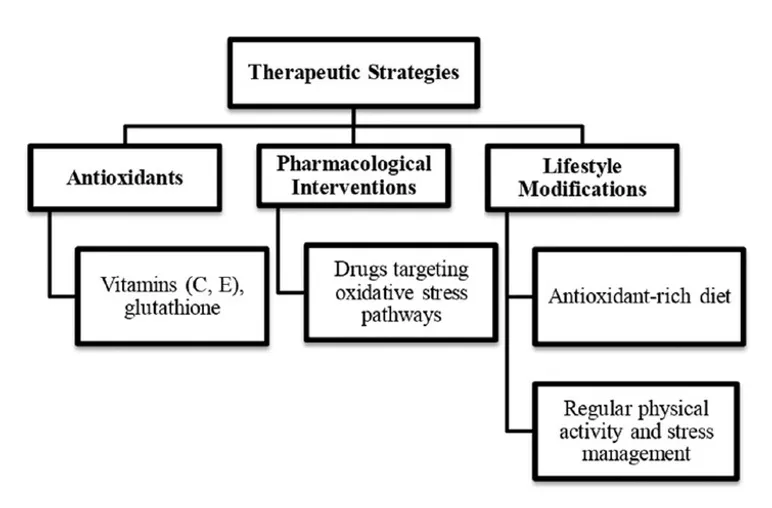
Figure 6: Recent Approaches to Oxidative Stress Management
11. Challenges and Limitations
Despite extensive research, several challenges remain in the management of oxidative stress.
First, ROS are not exclusively harmful. Low or controlled concentrations participate in normal signalling and immune defence. Therefore, complete removal of ROS is neither possible nor desirable.[5,6]
Second, oxidative stress is complex and varies between tissues and diseases. A treatment that is effective in one pathological condition may not produce the same effect in another.[1,3]
Another important challenge is the difference between laboratory and clinical findings. Many antioxidant compounds demonstrate beneficial effects in experimental models, but these results do not always translate into successful clinical treatments. Factors such as absorption, bioavailability, metabolism, dose and disease stage can influence treatment outcomes.[10]
Measurement of oxidative stress is also challenging because reactive species are short-lived and difficult to measure directly. Therefore, researchers often use indirect biomarkers of oxidative damage or antioxidant status.[3,6]
12. Future Perspectives
Future research should focus on developing more selective and personalized approaches to oxidative stress rather than relying only on general antioxidant supplementation.[10]
Important areas include:
The development of enzyme-mimicking nanomaterials and other advanced antioxidant systems represents an emerging area of research. However, their safety, pharmacokinetics and clinical effectiveness require further investigation before widespread therapeutic application. [10]
Future management of oxidative stress
↓
Targeted therapy + Biomarkers + Nanotechnology + Redox modulation + Personalized treatment
↓
Better control of disease-associated oxidative damage
Figure 7: Future Perspectives
CONCLUSION
Oxidative stress is an important biological and pathological process resulting from disruption of the balance between reactive species and antioxidant defences. Although ROS and RNS are essential for several physiological processes, their excessive production can damage lipids, proteins, DNA and mitochondria. These effects can contribute to cellular dysfunction, inflammation and tissue injury.
Oxidative stress is involved in the pathogenesis of several major diseases, including cardiovascular diseases, diabetes, neurodegenerative disorders and cancer. Its interaction with inflammatory signalling further contributes to disease progression. The antioxidant defence system, consisting of enzymatic and non-enzymatic components, normally protects cells against excessive oxidative damage.
Current research is moving toward targeted antioxidant therapy, redox pathway modulation, nanotechnology-based systems and biomarker-guided approaches. However, the complex physiological functions of ROS and the variable results of antioxidant therapies remain important challenges. A better understanding of disease-specific redox mechanisms may help in developing safer, more selective and effective therapeutic strategies in the future.
REFERENCES

Khushi Patel, Girish Kokate, Sahil Dhanke, Vishakha Bhoir, Chirag Bhere, Daksh Patil, Oxidative Stress and Its Role in Disease Pathogenesis: Mechanisms, Cellular Effects and Therapeutic Perspectives, Int. J. of Pharm. Sci., 2026, Vol 4, Issue 10, 2545-2554. https://doi.org/10.5281/zenodo.23414659
 10.5281/zenodo.23414659