

We use cookies to ensure our website works properly and to personalise your experience. Cookies policy
Mahakal Institute of Pharmaceutical Studies, Ujjain.
Neolamarckia cadamba is an important medicinal plant belonging to the family Rubiaceae and has been traditionally used for the management of several health conditions. Different parts of the plant, particularly the bark, have received considerable attention because of their medicinal properties. The plant contains various phytoconstituents, including alkaloids, flavonoids, phenolic compounds, tannins, saponins, glycosides, steroids, and triterpenoids. Several pharmacological activities, including antioxidant, anti-inflammatory, antidiabetic, antianemic, hepatoprotective, wound-healing, and antimicrobial effects, have been reported. Among these, the antimicrobial potential of A. cadamba is of particular interest due to the increasing need for natural antimicrobial agents. This review summarizes the botanical and pharmacognostic characteristics, traditional uses, phytochemical constituents, pharmacological activities, and antimicrobial potential of A. cadamba. It also highlights the importance of chromatographic and marker-based standardization and discusses future research opportunities for establishing its therapeutic and quality-control potential.
Medicinal plants have been an important source of healthcare since ancient times and continue to contribute significantly to traditional systems of medicine. Plants contain a wide range of naturally occurring bioactive compounds that may be responsible for different therapeutic effects. The increasing interest in herbal medicines has created a need for systematic scientific evaluation to establish their identity, quality, safety, and therapeutic potential.[1]
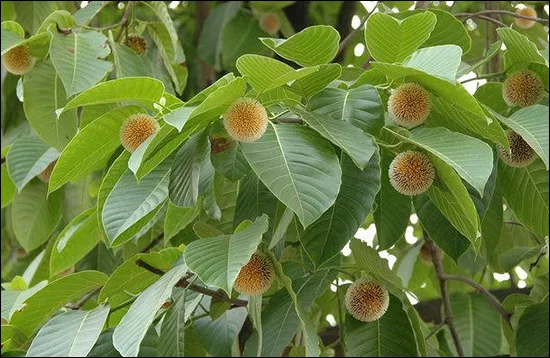
Figure 1: Neolamarckia Cadamba (Roxb.) Miq.,
Herbal medicines are widely used because of their traditional acceptance, availability, and diverse biological activities. However, variations in plant species, geographical conditions, harvesting practices, and processing methods can influence the quality and chemical composition of herbal materials. Therefore, proper identification, pharmacognostic evaluation, phytochemical investigation, and pharmacological assessment are important for the development of reliable herbal medicines.[2]
Neolamarckia cadamba (Roxb.) Miq., commonly known as Kadamba or Kadam, is a medicinal tree belonging to the family Rubiaceae. It is widely distributed in tropical regions of India and other parts of South and Southeast Asia. Different parts of the plant, particularly the bark, leaves, flowers, and roots, have been traditionally used for various medicinal purposes. The plant has attracted scientific interest because of its reported antioxidant, anti-inflammatory, antimicrobial, antidiabetic, antianemic, hepatoprotective, and wound-healing activities.[3]
The bark of A. cadamba is considered an important medicinal part of the plant and has traditionally been associated with anti-inflammatory, hepatoprotective, antimicrobial, and antianemic properties. Its medicinal significance is related to the presence of several groups of secondary metabolites, including alkaloids, flavonoids, phenolic compounds, tannins, saponins, and terpenoid constituents.[4]
Despite its traditional and pharmacological importance, scientific evaluation is necessary to establish appropriate standards for the identification and quality control of A. cadamba. Pharmacognostic characterization, phytochemical profiling, and evaluation of biological activities can provide useful evidence for the authentication and potential therapeutic application of the plant.[5]
2. Botanical Description
Anthocephalus cadamba (Roxb.) Miq. is a large, rapidly growing medicinal tree belonging to the family Rubiaceae. Neolamarckiacadamba is considered a current accepted name in many taxonomic sources. The plant is commonly known as Kadamba or Kadam and is widely recognized in traditional Indian medicine.[6]
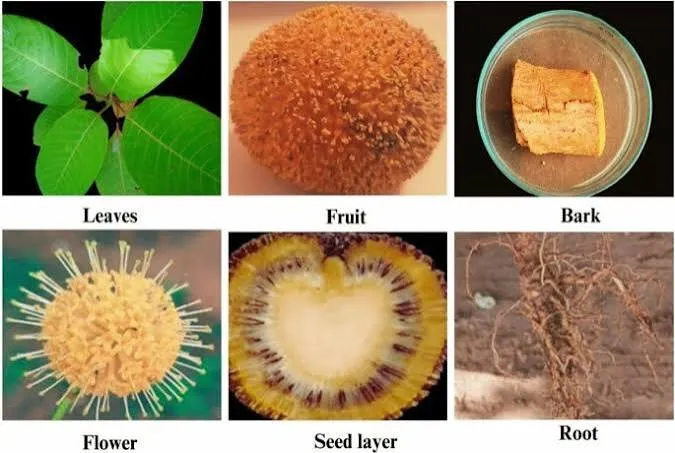
Figure 2: Botanical Description
The plant is distributed mainly in tropical and subtropical regions, including India, Nepal, Bangladesh, Sri Lanka, Myanmar, Thailand, Malaysia, and Indonesia. It generally grows well in warm and humid climatic conditions and is commonly found in moist and fertile soils, particularly near riverbanks, forests, and other suitable habitats.[7]
Neolamarckia cadamba is a large deciduous tree that may attain a height of approximately 20–35 m. It is characterized by a straight trunk and a broad, spreading crown. The bark is generally greyish-brown, rough, and fissured, while the inner bark is comparatively lighter in colour. The leaves are simple, opposite, large, and generally ovate to elliptical with prominent veins.[8]
The flowers are small, fragrant, and arranged in characteristic globose clusters that are generally orange-yellow in colour. The fruits develop as dense spherical heads and contain numerous small seeds. These morphological features are useful for the preliminary identification of the plant and its different parts.[9]
Table 1: Botanical Description
| Parameter | Description |
|---|---|
| Botanical name | Anthocephalus cadamba (Roxb.) Miq. |
| Accepted name | Neolamarckia cadamba |
| Family | Rubiaceae |
| Common names | Kadamba, Kadam, Burflower Tree |
| Distribution | India and other tropical regions of South and Southeast Asia |
| Habit | Large, fast-growing deciduous tree |
| Height | Approximately 20–35 m |
| Bark | Greyish-brown, rough and fissured |
| Leaves | Simple, opposite, large, ovate to elliptical |
| Flowers | Small, fragrant, arranged in globose orange-yellow clusters |
| Fruits | Small fruits forming dense spherical heads |
| Seeds | Very small and brownish |
3. Pharmacognostical Characteristics
Pharmacognostic evaluation is an important step in the identification and quality assessment of medicinal plants. It provides characteristic morphological, microscopic, and physicochemical information that can be used to authenticate the plant material and distinguish it from adulterants or substitutes.[10]
3.1 Macroscopic Characters
Macroscopic evaluation involves the examination of the plant material using the naked eye or a simple magnifying lens. In A. cadamba, particular attention can be given to the external appearance, colour, texture, surface characteristics, and fracture of the bark. The bark is described as greyish-brown, rough, and fissured, with a lighter-coloured inner surface. Such features can serve as preliminary identification parameters.[11]
3.2 Microscopic Characters
Microscopic examination provides more detailed anatomical information about the plant material. The transverse section of the bark can be examined to identify characteristic tissues and cellular structures. Such diagnostic anatomical features are useful for authentication and can provide reliable information when macroscopic characters alone are insufficient.[12]
Table 2: Pharmacognostical Characteristics
| Parameter | Description |
|---|---|
| Macroscopic characters | Colour, shape, texture, surface and fracture of bark |
| Microscopic characters | Anatomical and diagnostic tissue features |
| Powder microscopy | Identification of characteristic cellular structures |
| Physicochemical parameters | Ash values, extractive values and moisture content |
| Fluorescence analysis | Observation of characteristic fluorescence with different reagents |
| Importance | Authentication, purity assessment and quality control |
3.3 Powder Microscopy
Powder microscopy is particularly useful for the identification of powdered herbal materials. The powdered bark may be examined under a microscope to identify characteristic cellular and tissue elements. These diagnostic features can be used as supporting parameters for the authentication and quality control of A. cadamba bark.[13]
3.4 Physicochemical Parameters
Physicochemical evaluation provides additional information regarding the quality and purity of the plant material. Important parameters may include moisture content, total ash, acid-insoluble ash, water-soluble ash, and extractive values. These parameters help in detecting excessive inorganic matter, contamination, improper storage, and variations in the quality of the raw material.[14]
3.5 Fluorescence Analysis
Fluorescence analysis is another useful pharmacognostic parameter for the evaluation of powdered plant materials. The behaviour of the powder after treatment with different reagents can be observed under visible and ultraviolet light. The resulting fluorescence characteristics may provide additional information for identification and quality assessment.[15]
3.6 Importance of Pharmacognostic Evaluation
Pharmacognostic evaluation establishes a basic standard for the identification, purity, and quality of medicinal plant materials. It can help prevent adulteration and substitution and provides a foundation for subsequent phytochemical and pharmacological investigations. The uploaded project specifically proposes macroscopic, microscopic, powder microscopic, physicochemical, and fluorescence studies for establishing identification parameters of A. cadamba bark.[16]
4. Traditional Uses
Anthocephalus cadamba has a long history of use in traditional systems of medicine. Different parts of the plant, including bark, leaves, flowers, fruits, and roots, have been utilized for various therapeutic purposes. The bark is particularly important as a medicinal raw material and has traditionally been used in several health conditions.[17]
The bark of A. cadamba has traditionally been used in the management of fever, diarrhea, inflammation, wound healing, anemia, liver disorders, skin diseases, and diabetes. These traditional applications have contributed to the scientific interest in the plant and have encouraged further investigation of its phytochemical composition and pharmacological activities.[18]
The leaves have also been traditionally used for conditions such as headache and certain skin-related problems, while the flowers have been associated with fragrant and cooling preparations. Such diverse traditional applications indicate the broad medicinal relevance of A. cadamba and provide a basis for further scientific investigation.[19]
5. Phytochemical Constituents
Phytochemical investigation of Anthocephalus cadamba has demonstrated the presence of several classes of secondary metabolites. These compounds are considered important because they may contribute to the biological and therapeutic properties associated with the plant. Reported phytochemical groups include alkaloids, flavonoids, phenolic compounds, tannins, saponins, glycosides, steroids, and triterpenoids.[20]
Table 3: Phytochemical Constituents
| Phytochemical group | Reported constituents |
|---|---|
| Alkaloids | Cadambine, Isocadambine |
| Flavonoids | Flavonoid compounds |
| Phenolics | Phenolic compounds |
| Tannins | Tannins |
| Saponins | Saponins |
| Glycosides | Glycosides |
| Steroids | Steroidal constituents |
| Triterpenoids | Oleanolic acid, ursane derivatives |
Alkaloids constitute an important group of plant secondary metabolites and have been reported in A. cadamba. Compounds such as cadambine and isocadambine have been associated with the plant. These constituents may contribute to some of its reported biological activities.[21]
Flavonoids and phenolic compounds are widely recognized plant constituents with antioxidant potential. Their presence in A. cadamba may contribute to the antioxidant and other protective effects reported for different plant extracts.[22]
Tannins and saponins are also reported among the phytochemical constituents of the plant. Tannins are particularly important in medicinal plants because of their astringent and biological properties, whereas saponins have been associated with several pharmacological effects.[23]
Other reported constituents include glycosides, steroids, and triterpenoids, including compounds such as oleanolic acid and related ursane derivatives. The presence of these diverse phytochemical groups indicates the chemical richness of A. cadamba and supports further investigation of its biological activities.[24]
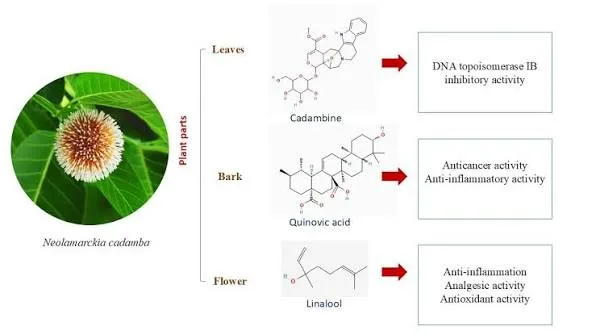
Figure 3: Phytochemical Constituents
6. Pharmacological Activities
6.1 Antimicrobial Activity
The antimicrobial activity of A. cadamba is one of its important pharmacological properties. Plant extracts, particularly those containing phenolic compounds, tannins, alkaloids, and other secondary metabolites, may exhibit inhibitory effects against microorganisms. The antimicrobial potential of the plant has increased interest in its possible application as a source of natural antimicrobial agents. Further studies are required to establish the activity of specific extracts and individual constituents.[25]
6.2 Antioxidant Activity
A. cadamba has been reported to possess antioxidant activity, which may be associated with its phenolic and flavonoid constituents. These compounds can contribute to the neutralization of reactive oxygen species and may help protect biological tissues from oxidative damage. The antioxidant property may also contribute to some of the other pharmacological effects reported for the plant.[26]
6.3 Anti-inflammatory Activity
The plant has traditionally been used in inflammatory conditions, and scientific studies have reported anti-inflammatory potential. The activity may be related to the combined effects of different phytoconstituents present in the extracts. However, further experimental investigations are necessary to clearly establish the underlying mechanisms.[27]
Table 4: Pharmacological Activities
| Activity | Reported significance |
|---|---|
| Antimicrobial | Inhibitory activity against microorganisms |
| Antioxidant | Helps counter oxidative stress |
| Anti-inflammatory | Potential activity against inflammation |
| Antidiabetic | Traditional and reported antidiabetic potential |
| Antianemic | Reported beneficial effects on anemia |
| Hepatoprotective | Protective effect on liver |
| Wound healing | Supports healing of wounds |
6.4 Antidiabetic Activity
Antidiabetic activity has also been reported for A. cadamba. The traditional use of the plant in diabetes has encouraged pharmacological investigations into its possible effects on blood glucose regulation. The presence of multiple bioactive constituents may contribute to this activity.[28]
6.5 Antianemic Activity
The bark of A. cadamba has traditionally been associated with the management of anemia. Experimental studies have also investigated its potential antianemic effects. The reported activity provides a basis for further investigation of the plant and its active constituents in relation to hematological parameters.[29]
6.6 Hepatoprotective Activity
Hepatoprotective activity is another reported pharmacological property of A. cadamba. Extracts of the plant have been investigated for their potential protective effects against hepatic damage. The activity has been associated, at least in part, with the antioxidant and phytochemical properties of the plant.[30]
6.7 Wound-Healing Activity
The traditional use of A. cadamba in wound management has also attracted pharmacological interest. Its reported antioxidant, antimicrobial, and anti-inflammatory properties may collectively support its potential role in wound healing. Further studies are required to determine the contribution of individual constituents and establish standardized preparations for therapeutic use.[31]
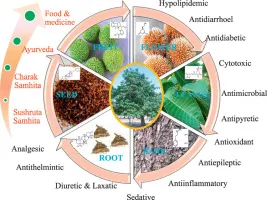
Figure 4: Pharmacological Activities
7. Antimicrobial Activity
7.1 Importance of Herbal Antimicrobials
The increasing occurrence of antimicrobial resistance has created a need for new sources of antimicrobial agents. Medicinal plants contain diverse secondary metabolites that may show inhibitory effects against pathogenic microorganisms. Herbal extracts are therefore being investigated as potential sources of natural antimicrobial compounds. The uploaded project highlights the growing interest in herbal products because conventional antimicrobial agents may be associated with resistance, adverse effects, and reduced effectiveness against resistant microorganisms.[32]
7.2 Antibacterial Activity
Anthocephalus cadamba has been investigated for antimicrobial activity, and its extracts may exhibit inhibitory effects against bacterial microorganisms. The antibacterial activity may vary according to the plant part, extraction solvent, concentration of extract, and bacterial strain used for evaluation. Further comparative studies are required to establish the antibacterial potential of different extracts.[33]
7.3 Antifungal Activity
In addition to antibacterial effects, A. cadamba has also been associated with antifungal potential. The presence of several bioactive secondary metabolites may contribute to the inhibitory effects of plant extracts against fungal organisms. However, detailed investigation of individual fungal species and standardized extracts is required for better understanding of this activity.[43]
7.4 Activity of Bark Extract
The bark is considered an important medicinal part of A. cadamba and has traditionally been associated with antimicrobial properties. Bark extracts contain different classes of secondary metabolites that may contribute to their biological activity. The antimicrobial effect of the bark extract can be evaluated by determining the inhibition of microbial growth under standardized experimental conditions.
7.5 Possible Role of Phytoconstituents
The antimicrobial activity of A. cadamba may be related to the combined action of phytoconstituents such as alkaloids, flavonoids, phenolic compounds, tannins, saponins, and terpenoids. These constituents may act through different mechanisms and could contribute to the overall biological activity of the extract. The available project material identifies these phytochemical groups but does not establish a specific antimicrobial mechanism for each constituent.[35]
7.6 Methods Used for Antimicrobial Evaluation
Antimicrobial activity of plant extracts can be evaluated using microbiological methods such as agar diffusion techniques and broth dilution methods. Parameters such as the zone of inhibition and minimum inhibitory concentration can be used to assess antimicrobial effectiveness. Appropriate positive and negative controls are important for obtaining reliable results. The uploaded project identifies antimicrobial evaluation as part of the proposed research work but does not provide detailed experimental results or a specific antimicrobial protocol.[36]
8. Phytochemical and Analytical Standardization
8.1 TLC and HPTLC
Thin-layer chromatography (TLC) and high-performance thin-layer chromatography (HPTLC) are commonly used chromatographic techniques for the preliminary evaluation and fingerprinting of herbal materials. These techniques can help in separating different phytoconstituents present in plant extracts and provide characteristic chromatographic patterns. TLC can be useful for the preliminary identification of phytochemical constituents, whereas HPTLC provides better separation and reproducibility. The resulting chromatographic profiles can also be compared between different samples to identify possible variations in their chemical composition. Therefore, TLC and HPTLC may serve as useful preliminary techniques for the evaluation and standardization of A. cadamba bark.[37]
8.2 HPLC
High-performance liquid chromatography (HPLC) is an important analytical technique used for the separation, identification, and quantitative estimation of phytoconstituents present in complex herbal extracts. The technique provides good sensitivity, resolution, reproducibility, and quantitative accuracy, making it valuable for the quality assessment of herbal drugs. HPLC can be used to determine the presence and amount of selected chemical constituents and can therefore provide useful information about the consistency of herbal materials. In the present project, HPLC is considered an important analytical approach for establishing quality-control and standardization parameters for A. cadamba bark.[38]
8.3 HPLC Fingerprinting
HPLC fingerprinting is a useful approach for obtaining a characteristic chromatographic profile of a plant extract. The fingerprint represents the overall chemical pattern of the extract and can be used for comparison between different samples. Such comparison may assist in authentication, detection of variations, and assessment of batch-to-batch consistency. Unlike the estimation of a single compound, fingerprinting provides information about several detectable constituents present in the extract. The proposed research specifically includes HPLC fingerprinting of A. cadamba bark extract as a tool for supporting quality control and consistency.[39]
8.4 Marker Identification
Marker-based analysis is an important component of herbal drug standardization. A marker is a chemically identifiable constituent that can be used to assess the identity, consistency, and quality of a medicinal palant or its extract. Identification and quantitative estimation of suitable marker compounds can improve the reliability of herbal preparations and provide measurable quality-control parameters. In the proposed study, quantitative estimation of Phelasin A and Phelasin B is included using calibration curves prepared from reference standards. Such analysis may provide useful information for the chemical standardization of A. cadamba bark.[40]
8.5 Quality Control
Quality control is essential for maintaining the identity, purity, consistency, and chemical quality of herbal drugs. Since the composition of plant materials may vary according to geographical origin, environmental conditions, harvesting time, processing, and storage, appropriate quality-control parameters are necessary. Pharmacognostic evaluation, physicochemical testing, phytochemical screening, chromatographic fingerprinting, and marker-based analysis can be used together to establish a comprehensive quality profile. These approaches can help in detecting variations in raw materials and maintaining consistency between different batches of herbal preparations.[41]
8.6 Standardization of Neolamarckia cadamba Bark
Standardization of Neolamarckia cadamba bark is important for establishing reliable quality parameters and ensuring the authenticity and consistency of the medicinal raw material. Variations in the quality and chemical composition of bark may influence the properties and biological activity of the resulting extracts. Therefore, a combination of pharmacognostic, physicochemical, phytochemical, and chromatographic approaches can provide a more comprehensive basis for standardization.[42]
The proposed study includes the establishment of pharmacognostic characteristics, phytochemical profiling, HPLC fingerprinting, and marker-based estimation to develop standardization parameters for A. cadamba bark. The project further proposes the use of analytical validation parameters such as linearity, precision, accuracy, limit of detection, and limit of quantification for the analytical method.
Table 5: Phytochemical and Analytical Standardization
| Parameter | Purpose |
|---|---|
| TLC/HPTLC | Preliminary identification and fingerprinting |
| HPLC | Separation and quantitative estimation |
| HPLC fingerprinting | Authentication and batch consistency |
| Marker identification | Identification and quantification of selected markers |
| Quality control | Assessment of identity, purity and consistency |
| Standardization | Establishment of reliable quality parameters for A. cadamba bark |
9. Research Gaps and Future Scope
Although A. cadamba has considerable traditional and pharmacological importance, several areas require further scientific investigation.
9.1 Need for Proper Standardization
There is a need to establish comprehensive pharmacognostic and analytical standards for A. cadamba bark. Standardized parameters can help ensure the identity, purity, consistency, and reproducibility of plant materials and extracts.
9.2 Limited Marker-Based Studies
Marker-based standardization requires further attention. Identification and quantitative estimation of suitable marker compounds can improve the quality control of A. cadamba preparations. The uploaded project proposes Phelasin A and Phelasin B as markers for quantitative investigation, indicating an area for further analytical research.
9.3 Need for Detailed Antimicrobial Investigations
Further antimicrobial studies are required using standardized extracts, different microbial strains, appropriate controls, and quantitative parameters. Such studies may help establish the reproducibility and strength of the antimicrobial activity of A. cadamba bark.
9.4 Need for Toxicity Studies
Further safety and toxicity investigations are important before considering standardized plant extracts for broader therapeutic applications. Proper evaluation of dose, safety profile, and long-term effects would strengthen the scientific basis for medicinal use.
9.5 Need for Further Pharmacological and Clinical Research
Most of the available information provides a basis for further investigation, but additional experimental and clinical studies are needed to establish therapeutic efficacy. Isolation of active constituents, investigation of mechanisms of action, standardized preparations, and well-designed clinical studies may help translate the traditional use of A. cadamba into scientifically validated applications.
CONCLUSION
Neolamarckia cadamba is an important medicinal plant with a long history of traditional use and a diverse range of reported pharmacological activities. Its bark and other plant parts have been traditionally used for conditions including fever, diarrhea, inflammation, wound healing, anemia, liver disorders, skin diseases, and diabetes.
The plant possesses considerable pharmacognostic value, as morphological, microscopic, physicochemical, and fluorescence characteristics can be used for its identification and quality assessment. Its phytochemical richness, including alkaloids, flavonoids, phenolics, tannins, saponins, glycosides, steroids, and triterpenoids, provides a possible basis for its diverse biological activities.
Among its reported activities, antimicrobial potential is of particular interest because the bark has traditionally been associated with antimicrobial properties. However, further systematic studies using standardized extracts and appropriate analytical and microbiological methods are necessary.
Overall, pharmacognostic standardization, phytochemical characterization, HPLC fingerprinting, marker-based analysis, antimicrobial evaluation, and safety studies can provide a stronger scientific foundation for the future development of standardized A. cadamba herbal preparations. The uploaded project similarly proposes these approaches for establishing quality-control and standardization parameters.
REFERENCES

Rituraj Singh Songar, Dr. Saurabh Sharma, Dr. S. C. Mahajan, Mughisa Nagori, Pharmacognostical and Antimicrobial Activity of Methanolic Extract of Neolamarckia Cadamba Bark, Int. J. of Pharm. Sci., 2026, Vol 4, Issue 11, 691-702. https://doi.org/10.5281/zenodo.23939266
 10.5281/zenodo.23939266