

We use cookies to ensure our website works properly and to personalise your experience. Cookies policy
1,3,4,5UG student PRES’s college of pharmacy (women’s) chin choli, Nashik.
2Department of Quality Assurance, PRES’s college of pharmacy Chin choli, Nashik.
Drug concentration and its impact on the body are largely determined by pharmacokinetics (PK) and pharmacodynamics (PD). Pharmacokinetics explains how a drug is absorbed, distributed, metabolized, and eliminated by the body, regulating concentration over time. The link between drug concentration at the site of action and the ensuing beneficial or detrimental effect is explained by pharmacodynamics. The strength and duration of a medicine’s action can be affected by changes in drug concentration. It is easier to choose the right dose, dosing interval, and treatment plan when one is aware of the connection between PK and PD. New born, children and young adults may have very different Drug concentrations and effect due to age related changes in pharmacokinetics. Drug concentrations in the body can change due to developmental variations in absorption, distribution, metabolism, and excretion (ADME). Drug exposure and excretion can be impacted by changes in body water and fat, plasma protein binding, liver enzyme activity, and renal function. In order to determine and assess dosage-concentration-response relationships and to forecast. It can aid in drug development and be helpful in comprehending the connection between drug concentration and pharmacological response.
Pharmacokinetic
Pharmacokinetics: Pharmacokinetics is the quantitative study of how a drug is absorbed, distributed, metabolized, and excreted by the body. A drug's ability to enter the systemic circulation thru a variety of channels is known as absorption, and it is influenced by both the drug's characteristics and biological membranes. A drug's physicochemical characteristics determine how it moves thru bodily compartments during distribution. While excretion eliminates medicines and metabolites via the kidneys, lungs, bile, intestines, skin, and other organs, metabolism changes medications chemically in the liver to make them more excretal. ¹
Diagram
Process of drug in pharmacokinetics:-
1) Absorption
2) Distribution
3) Metabolism
4) Excretion
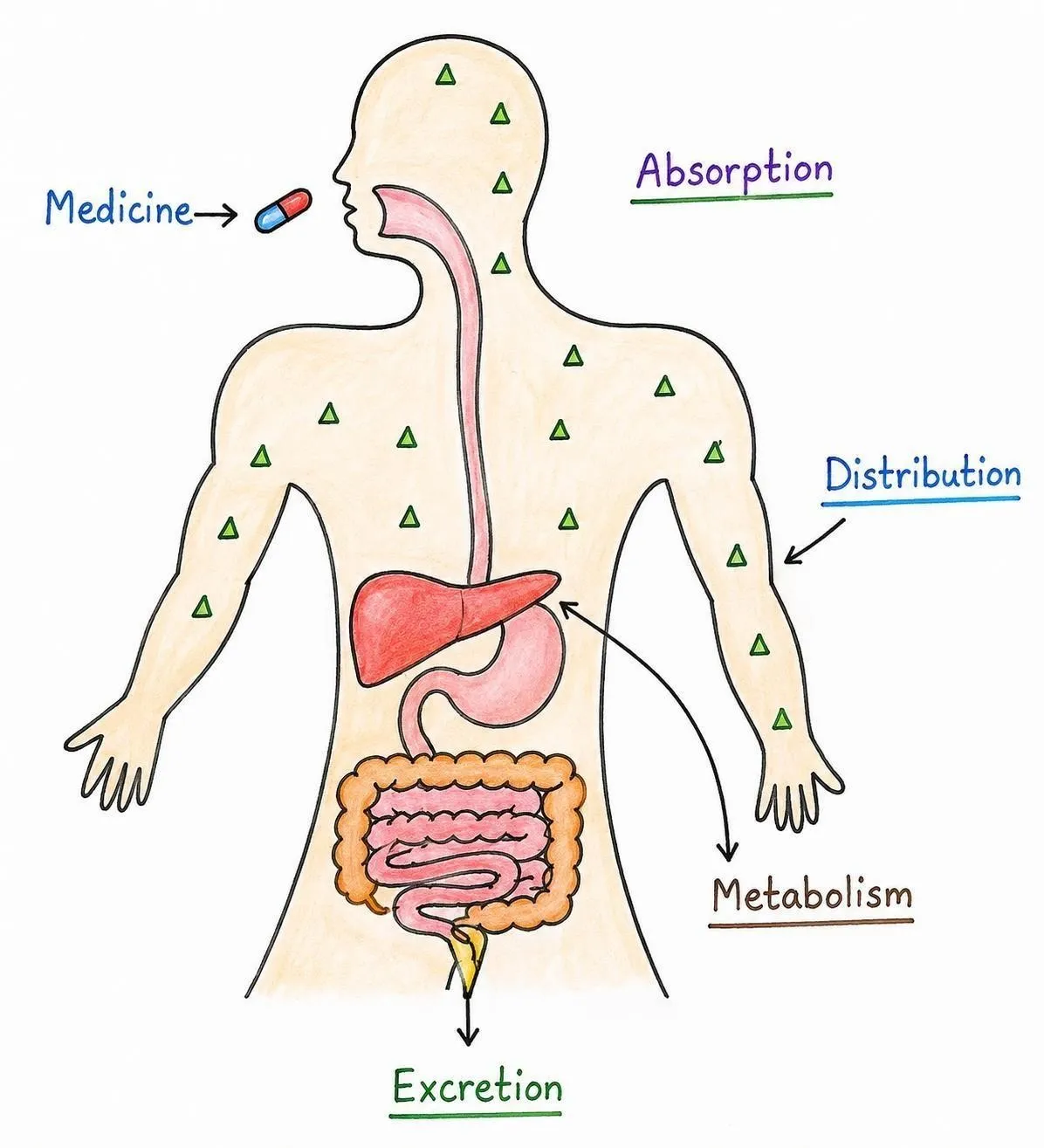
Figure 1:
Absorption
Definition:
Drug absorption is the process by which a drug moves from its site of administration into the systemic circulation (bloodstream) so that it can reach its site of action and produce effect.
After drug administration, a drug must cross biological membranes before reaching the blood. The extent and rate of absorption depend on factors such as the route of administration, drug solubility, lipid solubility, particle size, dosage form, blood flow, surface area, and gastrointestinal motility.
Drugs cross biological membranes mainly by:
1) Passive diffusion
2) Facilitated diffusion
3) Active transport
4) Endocytosis
1)oral route
2)sublingual/buccal route
3) intramuscular route
4)subcutaneous route
5) rectal route
6)transdermal route.
One type of transport mechanism that needs ATP is called active transport. It is further separated into:
1)Ion Transporters is charge of moving ions into and out of cells.
ATP-driven ion pump that contributes to intracellular compartment acidification.
(1)Ion Transporters :It Is charge of moving ions into and out of cells. As an illustration, consider the proton pump, an ATP-driven ion pump that contributes to intracellular compartment acidification.
Aids with the absorption of medications like atorvastatin and pravastatin.
(b) organic cation transporter (OCT) :Aids with the absorption of medications like diphenhydramine.
(2) ABC (ATP-binding cassette) transporters are in charge of moving tiny foreign molecules, including poisons and medications, particularly out of cells. These transporters are also known as efflux pumps, and this process is known as excerption-glycoprotein (Pgap) is a well-known .example. Hydrophobic medications, particularly anticancer medications, are pumped out of cells by P-pg. High p-gap level makes cells resistant to many drug used in cancer chemotherapy. We refer to this as multi-drug resistance (MDR).Consequently, another name for P-gap is multi-drug resistance (MDR) protein. Numerous medications are pumped out of the brain by ABC transporters found in brain capillaries.
(b)Secondary Active Transport ATP is not directly needed .It makes use of the concentration gradient that was already in place. The energy needed to move one ion facilitates the movement of another ion or molecule.

Both molecules are moving in same direction.
Example: Na⁺–glucose symporter exploits the potential energy of the Na⁺ concentration gradient to transport glucose against its concentration gradient.

Involves movement of molecules in opposite directions.
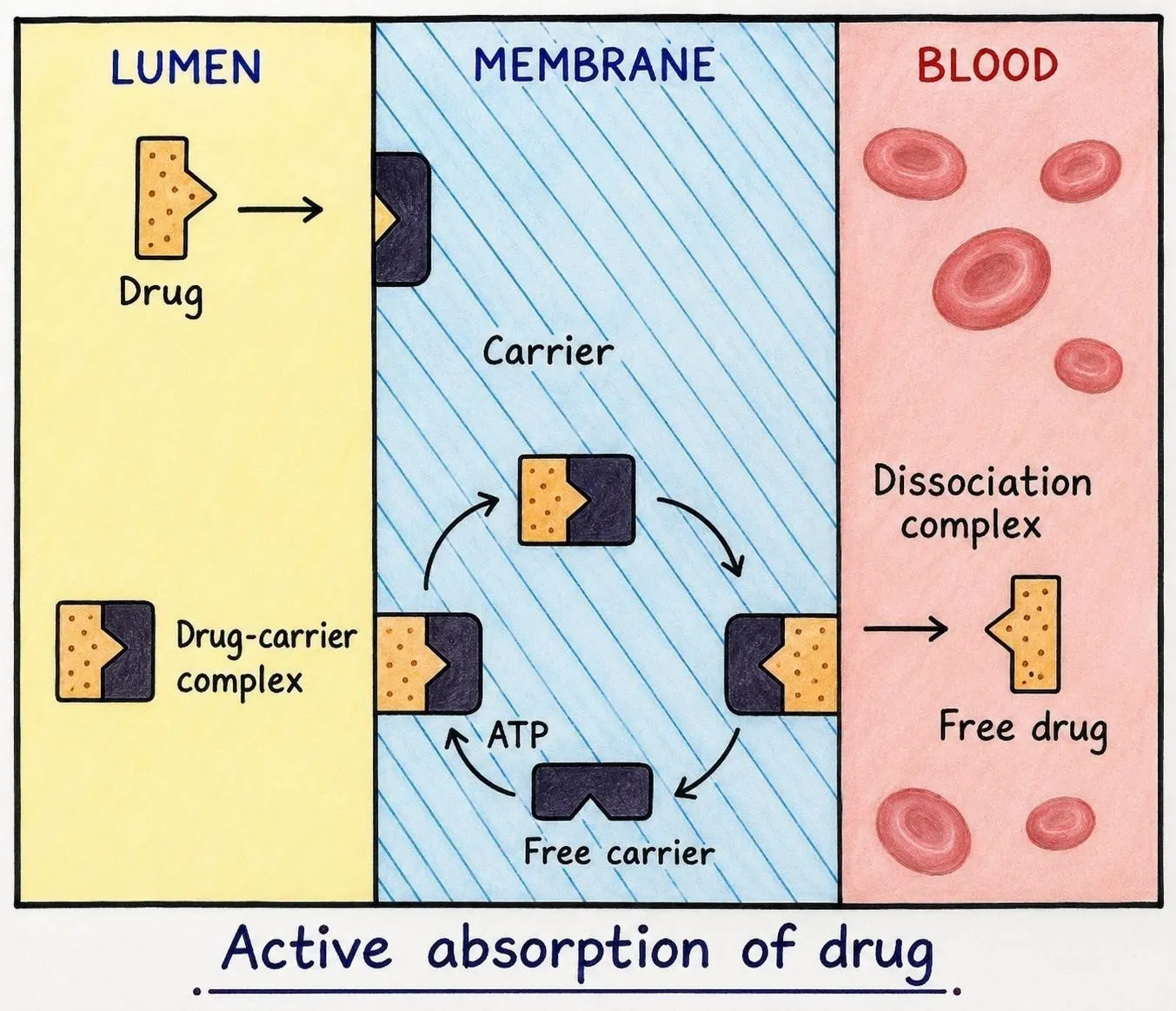
Figure 2:
(2)
It is a carrier-mediated transport system that moves downhill that is, along the concentration gradient but considerably more quickly than basic passive diffusion can explain. Concentration gradients are the driving factor, making the process passive. Since there is no energy expenditure involved, metabolic poisons that interfere with energy creation do not obstruct the process. Facilitated diffusion has little effect on drug absorption.
Transport systems include the intestinal absorption of vitamins B12 and B12and the entrance of glucose into red blood cells. The GI absorption of vitamin B12 is a wellknown illustration of passive aided diffusion. Vitamin B12and intrinsic factor (IF), a glycoprotein made by the stomach parietal cells, combine to form a complex that is subsequently carried across the intestinal membrane by a carrier system.
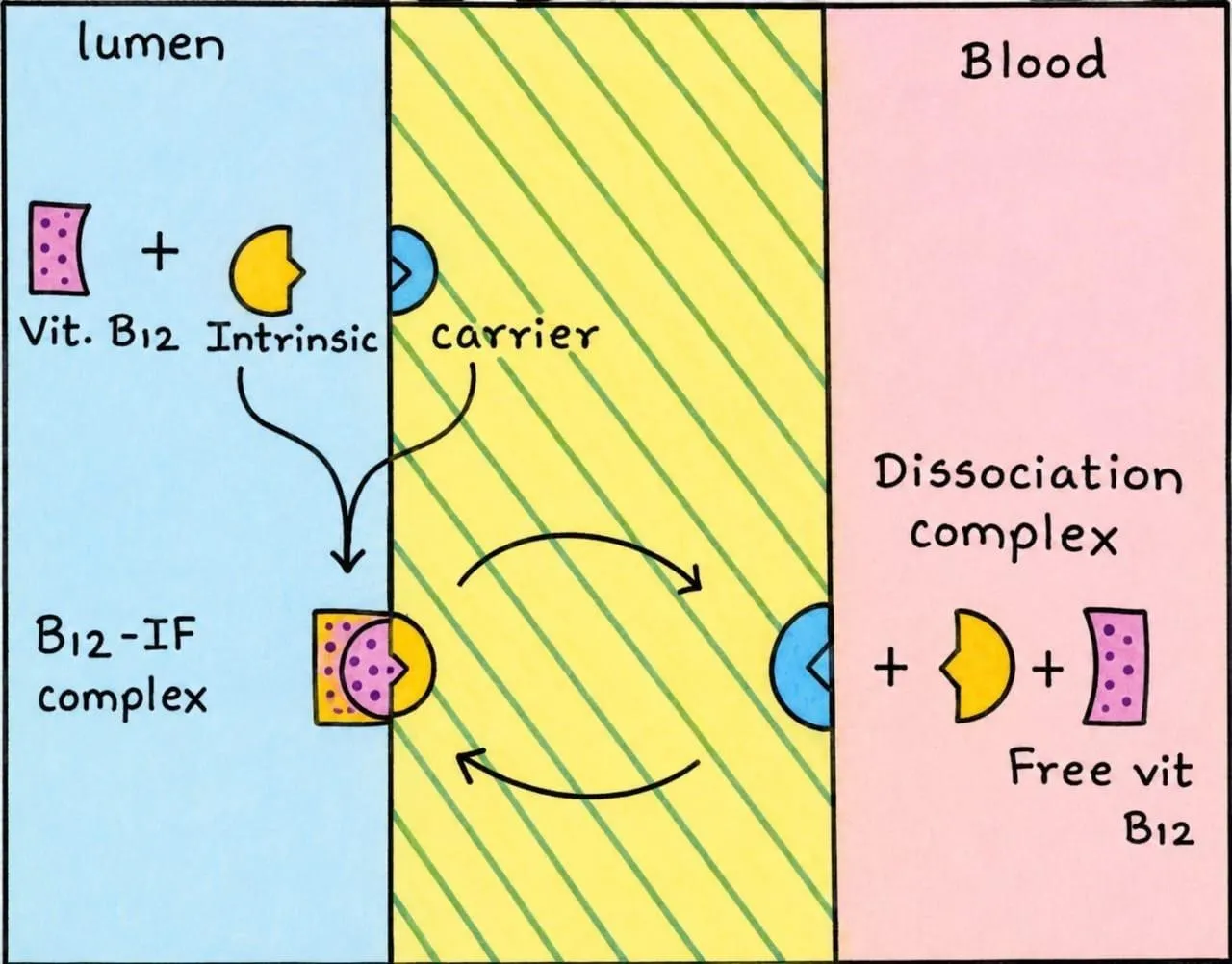
.
Ion-pair transport is another mechanism that explains the absorption of medications such as sulphuric acids and quaternary ammonium compounds, which ionize at any ph. These. Neutral compounds possess the necessary water solubility and lipophilic for passive diffusion. Ion-pair transfer is the term used to describe this phenomena.
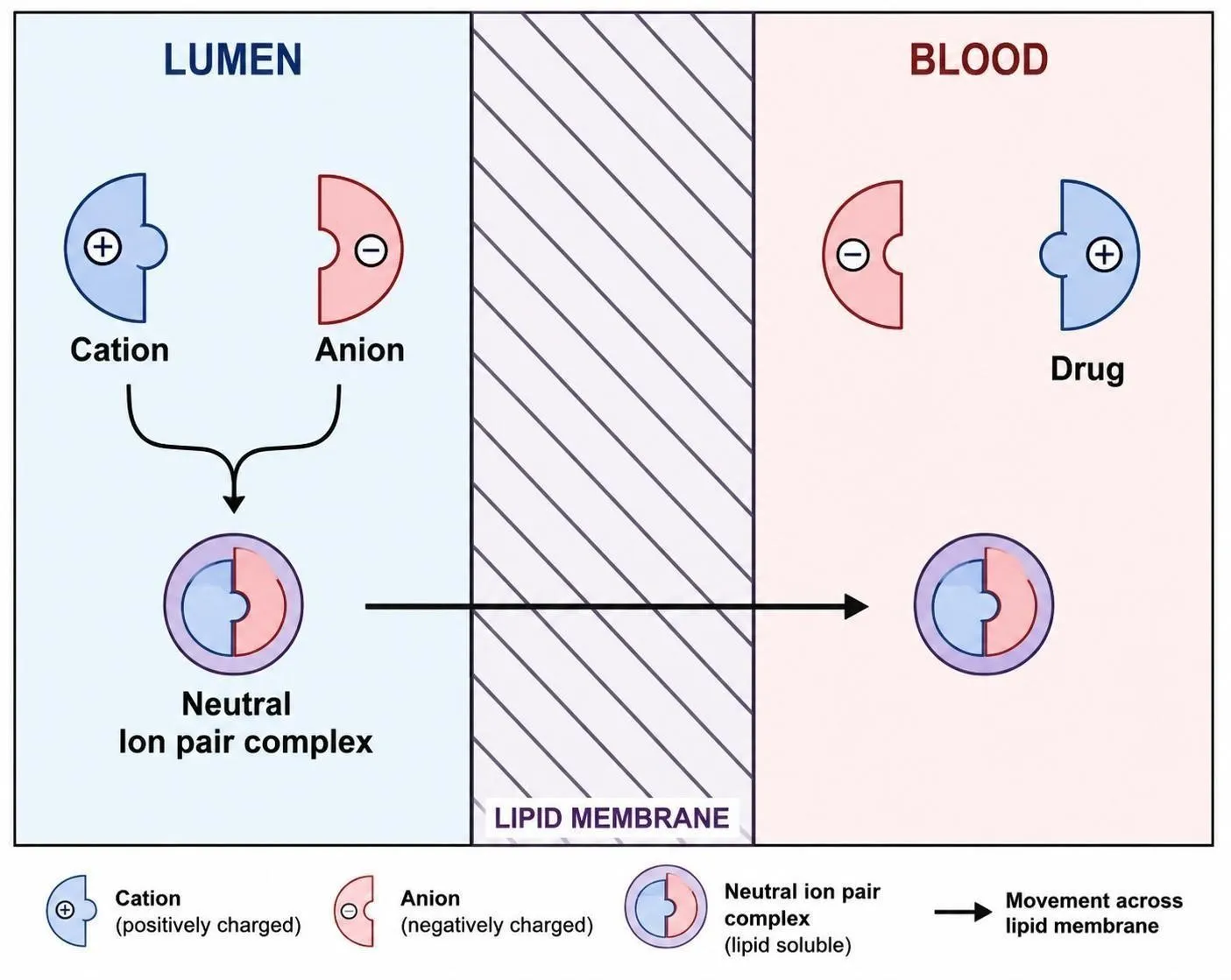
(4) Passive diffusion
Absorption Over 90% of medications are absorbed mostly by passive diffusion, also known as non-ionic diffusion. The concentration or electrochemical gradient is what propels this process. The differential between the drug concentrations on either side of the membrane is its definition. The kinetic energy of molecules causes drugs to move. The method is known as passive diffusion because it doesn't require an energy source. During passive diffusion, the medication in aqueous solution close to the absorption site partition and dissolve in liquid material of the membrane. It then exits the membrane by dissolving once more in an aqueous medium, in side the membrane .
Fick's first law of diffusion describes how drugs move during passive diffusion. It asserts that the rate of diffusion is directly proportional to the concentration gradient across the membrane and that the drug molecules diffuse from a region of greater concentration to one of lower concentration until equilibrium is reached.
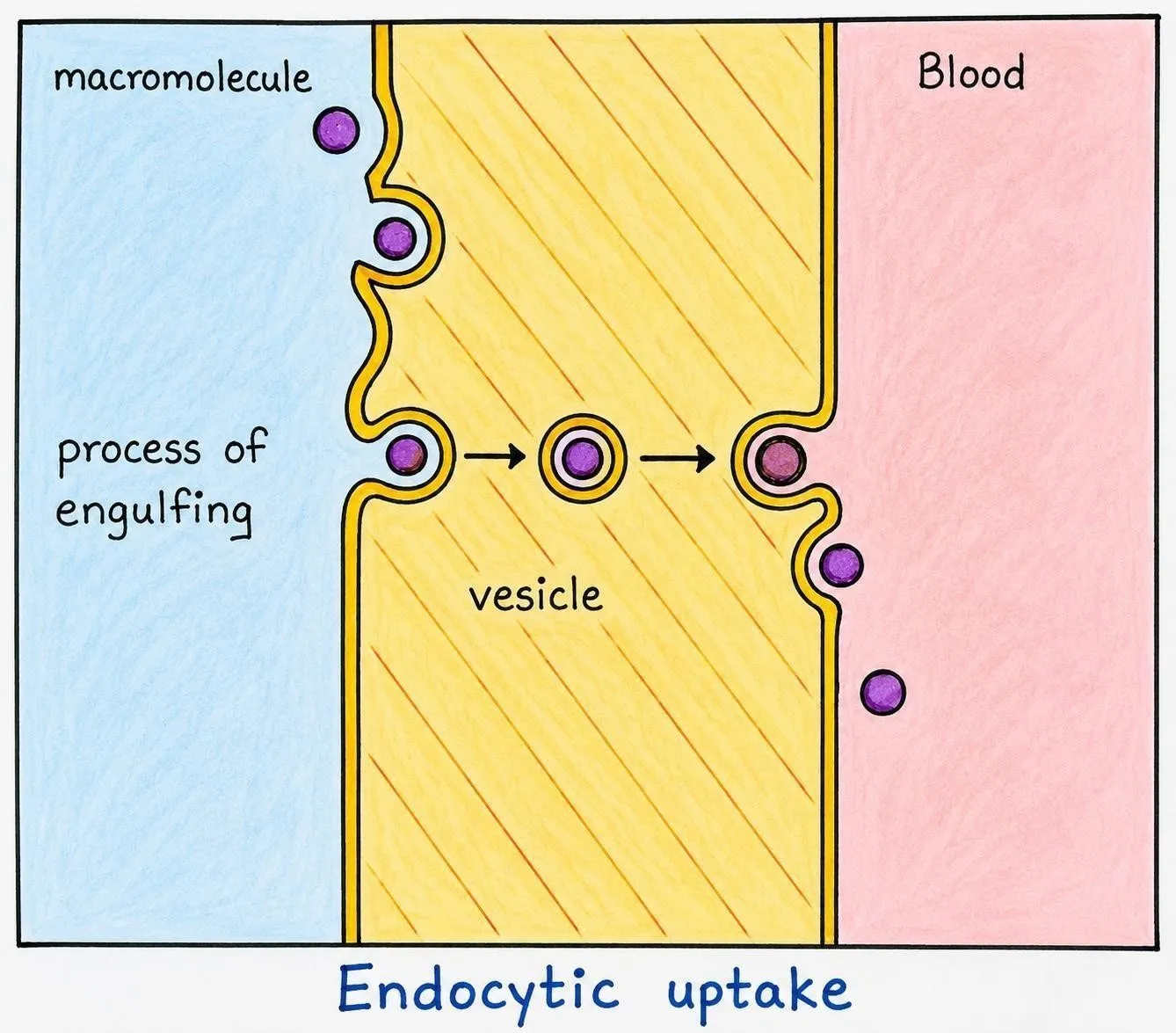
(5) Endocytosis
It is minor transport mechanism in which extracellular material are engulfed within a portion of the cell membrane to form vesicle known corpuscular transport. This is only transport mechanism that allows drug to be absorbed without being in an aqueous solution.
Endocytosis includes two types of processes:
1) Phagocytosis (cell eating): adsorptive uptake of solid particles.
2) pinocytosis (cell drinking) is the absorption of fluid solute.
A factor that influences the process of absorption
Physical-Chemical Characteristics
1) Solubility of Lipids
2) The size of molecules
3) Ionization Level
4) Rate of drug dissolution
5) pH 6) production of salt
Physiological (Patient-Specific) Elements
(1) Absorption's Surface Area
(2) Blood Flow to the Absorption
(3) GI Motility and Gastric Emptying Time
(4) The Food Effect
The biological component
(1) Anatomical Obstacles
(2) Hemodynamic Conditions (3) Blood Flow Rate
Definition : The process by which drug ingredients leave the site of absorption and spread through out the body’s, tissue and organs.
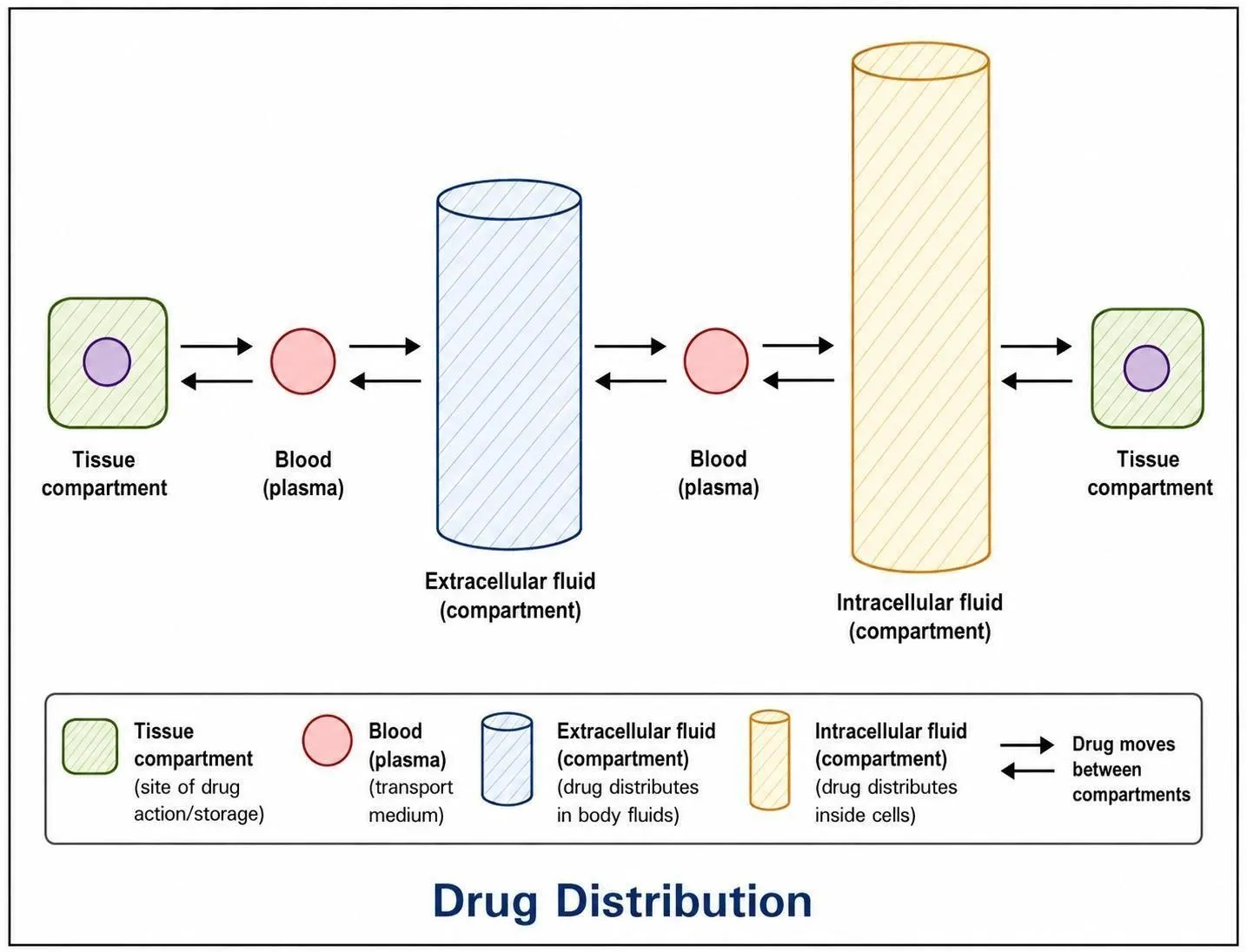
Drug administration → Absorption → Blood circulation → Distribution → Tissues/organs → Target site → Effect Process of Drug Distribution.
The apparent volume in which all of the drug in the body would need to be evenly distributed in order to generate the observed plasma drug concentration is known as the volume of distribution.
1) Blood flow to tissues: Drugs are delivered to highly perfused organs more quickly.
2) Drug lipid solubility: Drugs that are lipid-soluble readily penetrate tissues. 3) Capillary permeability: This influences how medications go from the blood to the tissues.
4)Plasma protein binding: Only free medication can enter tissues with ease. 5) Tissue binding: Certain medications build up in specific tissues.
6) Body composition: Distribution is influenced by the amount of fat, muscle, and water. 7) Physiological obstacles: Distribution may be limited by the placental and blood-brain barriers.
8) Age and illness can change tissue permeability, protein binding, and blood flow.
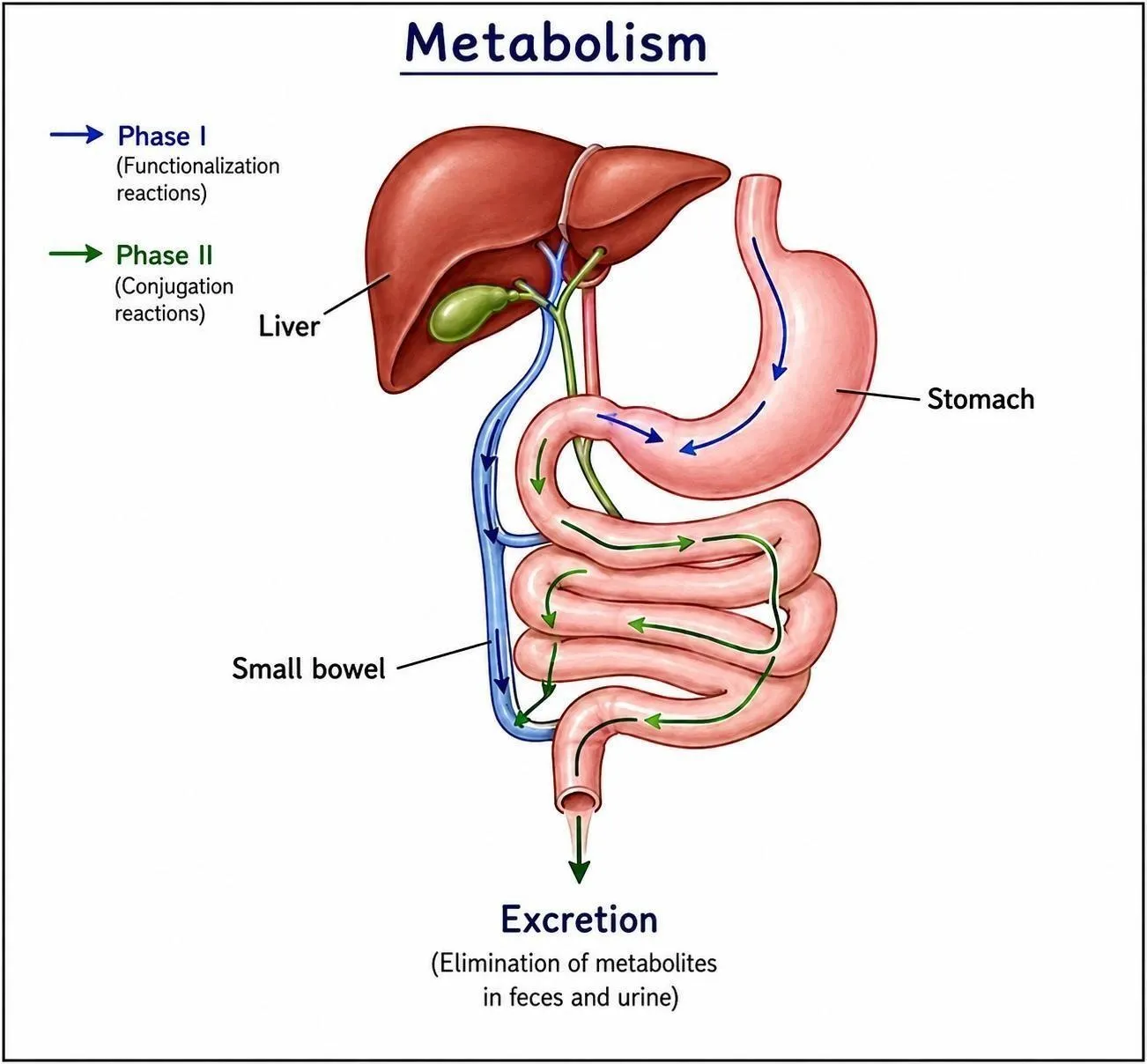
Metabolism:(Biotransformation)
The chemical transformation of a medicine from one form to another is known as biotransformation. It is used interchangeably with metabolism. Chemical instability of a drug within the body is not included in the definition because the chemical changes are typically influenced by enzymatic processes in the body. For example, the conversion of penicillin to penicillin acid by bacterial penicillin’s and mammalian enzymes is metabolism, but its breakdown by stomach acid to phenolic acid is chemical instability.
Phase-I reactions: a more polar metabolite is produced from the medication. This metabolite will be eliminated in urine if it is sufficiently soluble in water.
Phase-I reactions include hydrolysis, reduction, and oxidation (hydroxylation, alkylation, deamination, dehalogenation, and sulfoxide production).
• Phase-II reactions: Some metabolites go thru phase-II reactions because they are not polar enough to be eliminated.
Phase-II reactions include methylation, conjugation, acetylation, glycine conjugation, and glucuronides.
For example, o Oxidation:
Phenytoin o Reduction: Halothane o Hydrolysis: procaine Diagram:
:
Through the irreversible biological process of drug and it’s waste metabolites are permanently removed from body .
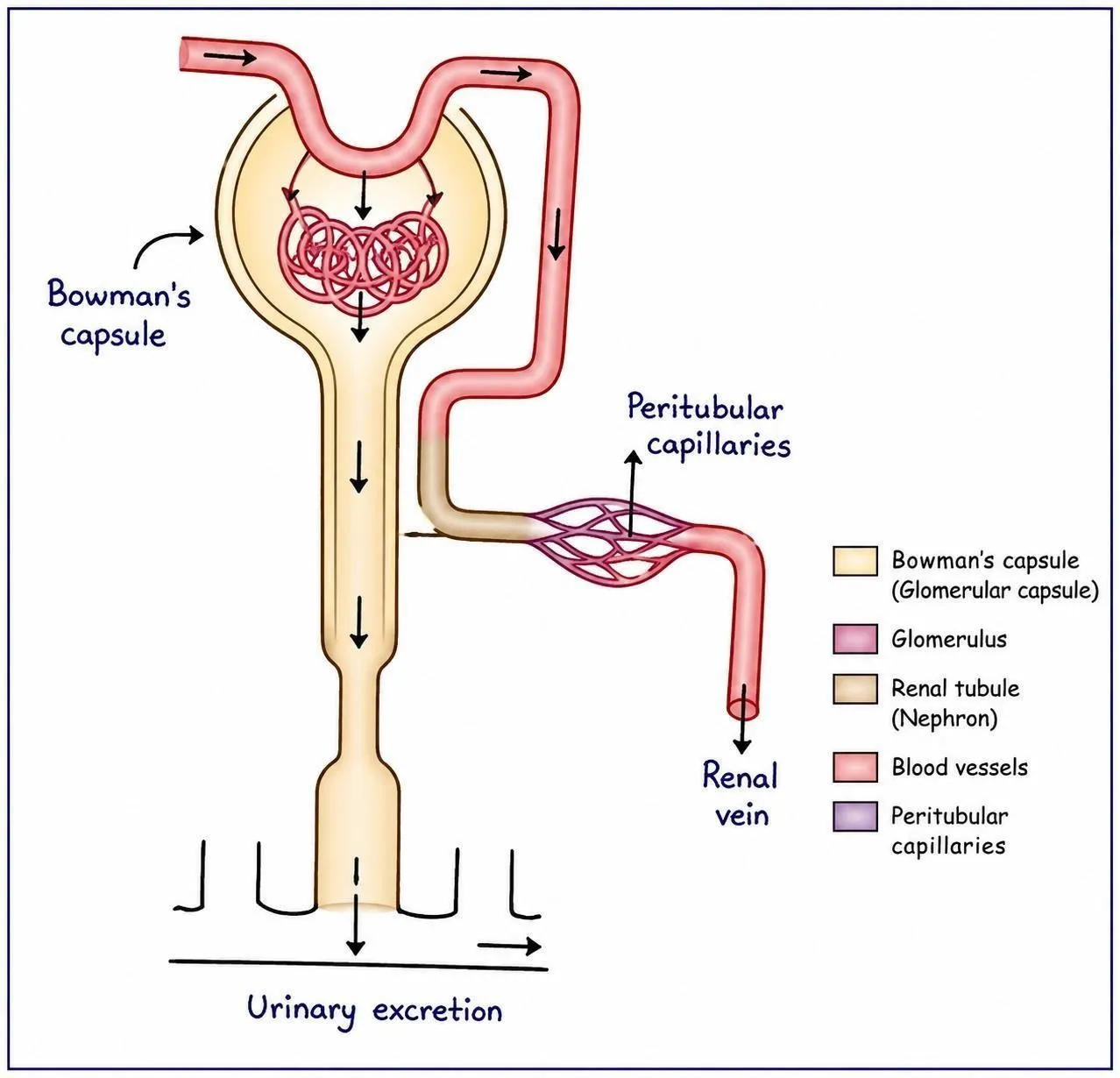
The nephron is the main kidney functional unit that is engaged in excretion. One million nephrons make up each kidney.
Glomerular filtration is the primary mechanism that regulates a drug's excretion in the urine.
o Glomerular filtration. o Active tubular secretion o Active or passive tubular reabsorption.
Nature: A non-selective, one-way (unidirectional) filtration process.
Driving Force: Driven entirely by the physical hydrostatic pressure of blood pushing through the capillaries.
The Rate (GFR): The kidneys receive about 25% of cardiac output (1.2 L/min), but only 10% of that volume (120 to 130 mL/min) is actually filtered across the glomeruli.
Diagram:
Factor affecting renal excretion :
Molecular Size
Lipid Solubility
Drug p ka
Urine pH
Plasma Protein Binding
Renal Blood Flow
Patient Age
Transporter Saturation
¹ ²⁸
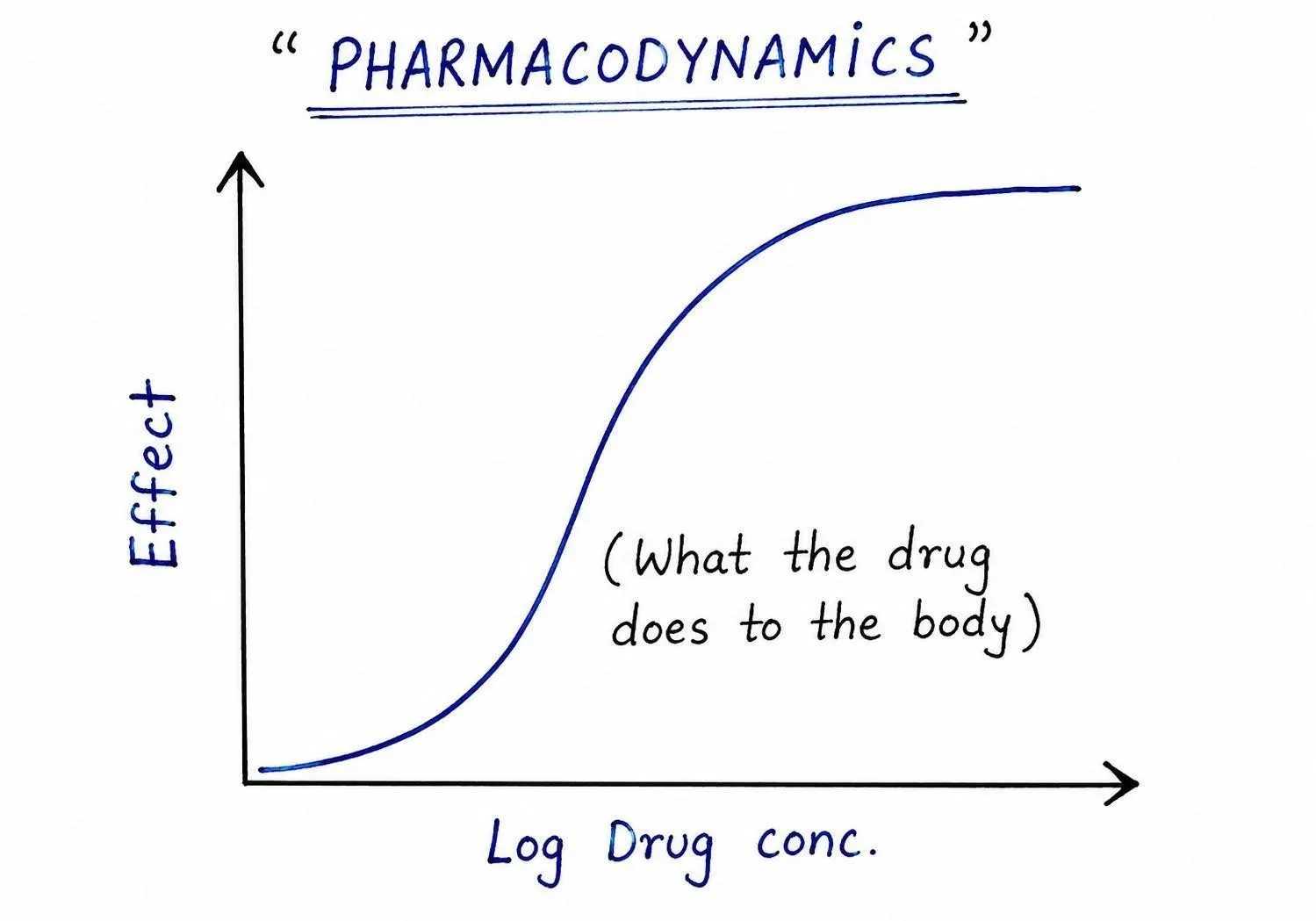
The study of pharmacodynamics describes the physiological
interactions between a medicine and its target cells.
All medications work by interacting at the molecular level with biological structures or targets to alter the target molecule's behaviour with relation to subsequent intermolecular interactions. Chemical interactions, post-receptor effects, and receptor binding are examples of these interactions.
a) Receptor interactions
b) Enzyme interactions
c) Nonspecific interactions
Due to the rapid anatomical and physiological changes that occur in pediatric bodies, drug concentrations differ greatly between new-borns, young children, and adults.
Drug absorption, distribution, metabolism, and elimination are the main areas affected by age-related alterations in pharmacokinetics. Pharmacodynamics changes are mostly observed in the neuroendocrine and cardiovascular systems. Age dependent charges in the kinetic and dynamic of drug that impacts the cardiovascular and central nervous system
The main goal of rational drug therapy in neonates, infants, children, and adolescents is to provide individualized treatment by considering the developmental changes in their body that affect how drugs are absorbed, distributed, metabolized, eliminated, and how they produce their effects.
Youngsters are more than just "small adults." Their bodily composition varies greatly from birth until adolescence, and their organs are immature. Despite the fact that children "are not small adults," the majority of pediatric dosage adjustment techniques rely on straightforward algorithms rather than pharmacokinetic data to infer an adult dose based on body weight, height, or a mix of both expressed as body surface area. However, compared to body surface area, body weight was a more accurate and bias-free method for predicting maintenance dosages for children between the ages of one month and one year, according to analysis of scaling models. Because each group uses medications differently, "young people" in pediatric pharmacology are categorized into distinct age groups.
1) Preterm Neonate: born prior to 37 weeks of gestation. 2) Term Neonate: up to 28 days after birth.
3 Why the same drug concentration can produce different effects
4) old. Young person or child: 1 to 12 years old. 5) Adolescent: ages 12 to 18.
Two patients may have the same drug concentration in blood,
but their responses may be different.
Reasons include:
Receptor development
Receptor sensitivity
Number of receptors
Maturity of organs
Disease condition
Age
Genetic differences
Drug interactions
Physiological condition
Pharmacokinetic (PK) Variations: (ADME) Pharmacokinetics controls how a medication passes through the body. Variations in young toddlers and new-borns immediately affect a drug’s plasma concentration.
Absorption.
(A) Gastric pH: By the time they are two years old, the higher, nearly neutral gastric pH of new-borns (≈ 6 to 8) gradually decreases to adult levels (≈ 1 to 3). This indicates that while weakly acidic medications like phenobarbital are poorly absorbed in new-borns, acid-labile medications like penicillin are better.
(B) Gastric Emptying: This process can be irregular or prolonged in new-born which prolong the time .it take for the drug to reach it’s maximum concentration.
(C) Skin Absorption: Due to their thinner stratum carenum and higher surface-areatoweight ratio, infants quickly and occasionally dangerously over absorb topical drugs.
Distribution
(A)-Body Water: Babies are like “water balloons.” About 80% of their body weight is made up of total body water; in adults, this percentage drops to 60%. Gentamicin and other hydrophilic (water-soluble) medications diffuse into this enormous water area, necessitating a greater dose per kilogram to reach the same therapeutic concentration.
(B)-Body Fat: Compared to adults, infants have significantly less body fat. Lipophilic (fatsoluble) medications, including diazepam, have higher initial plasma concentrations because they have less tissue to disperse .
(C)-Protein Binding: Infant have lower level of albumin and other plasma proteins. The concentration of “free” (active) drug in the blood is higher because there are fewer proteins available to bind the drug, thus increasing the risk of toxicity.⁸
Furthermore, there is a dearth of information on the amount of lipids, proteins, and water in tissue in children.¹³
*Comparative protein binding in paediatric populations compared with reference adult values ,
| Parameter Neonate Infant Child |
|---|
| Total protein Decreased Decreased Equivalent |
[Figure - see the formatted PDF]
Plasma albumin Decreased Equivalent Equivalent Plasma globulin Decreased Decreased Equivalent α 1 - acid glycoprotein Decreased No data available Equivalent Free fatty acids Increased Equivalent Equivalent
Metabolism
At birth, the liver's Cytochrome P450 (CYP450) enzyme
system has just 20% to 40% of its adult potential. This lengthens the medication's half-life by significantly slowing down drug clearance.
A child's metabolic rate increases and surpasses adult
levels between the ages of one and nine. As a result, several medications (such as theophylline or phenytoin) are cleared by toddlers and young children considerably more quickly than by adults, necessitating higher or more frequent dosages.
Excretion
Neonates' Glomerular Filtration Rate (GFR) is only 30% to 40% of that of
adults. In order to prevent kidney toxicity, medications that are mainly eliminated by the kidneys—such as digoxin and randomising—accumulate quickly in babies.
Pharmacokinetics data very small number of patients are used. After determining each pharmacokinetic parameter, they are combined.
Age-related pharmacokinetic parameters are frequently obtained using a pharmacokinetic method.
Liver disease → ↓ metabolism
Kidney disease → ↓ excretion
Heart failure → ↓ blood flow
Sepsis → altered clearance
Dehydration → altered distribution Malnutrition → altered protein binding
Diarrhoea/vomiting → altered absorption
Obesity → altered distribution/clearance
Variations in pharmacodynamics (PD).
The way a medicine interacts with its target receptors is the main focus of pharmacodynamics. Due to evolving biology, pediatric pharmacodynamics can result in significantly different clinical effects even when an infant’s blood medication concentration is exactly the same as an adult’s.
1-Receptor Maturation: Throughout childhood, cellular receptors undergo changes in quantity (density), structure, and binding affinity. Neonates, for instance, have a neuromuscular junction that is three times more susceptible to muscle relaxants than adults.
2-Paradoxical Central Nervous System (CNS) Responses: The blood-brain barrier is more permeable in infants. Additionally, their developing brains can react opposite to adults; drugs like antihistamines or phenobarbital that cause sedation in adults can trigger paradoxical excitation (hyperactivity) in young children
Pharmacokineticpharmacodynamics model, which would enable more effective pediatric dosage optimization.
The physiology and structure of the H+–K+-adenosine triphosphates (H+–K+-ATPase), the enzyme that causes the parietal cell to secrete stomach acid, are closely related to the pharmacodynamics and pharmacokinetics of PPIs. In exchange for the inward transport of K+, this remarkable acid pump produces a 1 million-fold gradient in H+ concentration from inside the parietal cell to the gastric lumen. Compared to younger people, elderly people may benefit less from statin medication because of their shorter life expectancy and greater burden of comorbidities.
For safe and efficient medication therapy, a thorough grasp of pediatric pharmacokinetics is essential. Drug absorption, distribution, metabolism, and excretion are greatly impacted by anatomical and physiological differences in children.
Age-specific differences in medication response must be carefully considered in the complex field of pediatric pharmacotherapy. Drug pharmacokinetics and pharmacodynamics are greatly impacted by physiological changes among neonates and adolescents, requiring customized therapeutic methods. For example, drug metabolism is impacted by the immature hepatic enzyme systems of neonates, and pharmacokinetic profiles may shift in adolescents due to hormonal fluctuations.
The assessment of plasma drug concentration in new-borns is referred to as therapeutic drug monitoring. This gives an estimate of the pharmacokinetic variables in a specific patient as well as an estimate of how much the patient deviates from the average. Making the necessary changes to the dosing schedule is beneficial. Without further harmful or unfavourable reactions, the clinical advantages can be optimized.
The resulting drug regulation did not expressly target children or neonates, despite the fact that new-borns were the primary victims of thalidomide’s teratogenic effects.
The FDA has released the following precise guidelines for calculating the sample size of pediatric PK studies: In order to achieve a 95% confidence interval (CI) between 60 and 140% of the geometric mean estimates of clearance and volume of distribution for DRUG NAME in each pediatric subgroup with at least 80% power, the study must be prospectively powered
Compared to adults, children—especially infants—are smaller, weigh less, and have a lower percentage of body fat and a higher percentage of total body water.
Additionally, new-borns and babies have immature kidney and liver function, which results in a decreased glomerular filtration rate (GFR) and a different profile of hepatic enzyme activity. Age also affects membrane-bound drug transporters.
PK processes and the ensuing age- and size-related variations in PK parameters are influenced by these many physiological distinctions between adults and children, especially new-borns ²⁴
:
Kidney disease → Drug or active metabolites may build up → stronger effects or toxicity.
Malnutrition → Weak body and low proteins → drug response may change. Hypoxia → Low oxygen can change the body’s response to drugs.
Obesity → Changes body composition → may change drug response.
Drug developmental variations in pharmacokinetics and pharmacodynamics, .1 medication concentrations and effects differ greatly across new-borns, children, and young adults. Drug exposure and concentration can be altered by variations in absorption, distribution, metabolism, and excretion, and drug response can be altered by variations in physiological processes and receptor sensitivity. Therefore, when choosing medication dosages, factors including age, body size, organ maturity, and unique patient features should be taken into account.
REFERENCES


Sakshi Thorat, Kiran Dhamak, Nikita Phad, Gaytri Kadave, Vikshita Patil, Phrmacokokinetic and Phrmacodynamic Drug Effect on Infant and Young People., Int. J. of Pharm. Sci., 2026, Vol 4, Issue 10, 4781-4793. https://doi.org/10.5281/zenodo.23793027
 10.5281/zenodo.23793027