

We use cookies to ensure our website works properly and to personalise your experience. Cookies policy
Jagadambha Institute of Pharmacy and Research, Kalamb.
The gut microbiome is a complex community of microorganisms, including bacteria, viruses, fungi, and other microbes, that play an important role in maintaining human health. Recent research has highlighted the relationship between the gut microbiome and the brain, known as the gut–brain axis. This bidirectional communication system connects the gastrointestinal tract and the central nervous system through neural, endocrine, and immune pathways. Gut microorganisms produce various biologically active substances, including short-chain fatty acids (SCFAs), neurotransmitters, and other metabolites that may influence brain function, mood, behaviour, and emotional well-being. An imbalance in the composition of gut microorganisms, known as dysbiosis, has been associated with several mental health disorders, including anxiety, depression, bipolar disorder, schizophrenia, autism spectrum disorder (ASD), and eating disorders. Factors such as diet, stress, physical activity, age, hormonal changes, and lifestyle can influence the composition of the gut microbiome. Studies have reported alterations in microbial diversity and the abundance of specific bacterial groups in individuals with different psychiatric conditions. The vagus nerve, hypothalamic–pituitary–adrenal (HPA) axis, immune system, and intestinal barrier are important components involved in gut–brain communication. This review discusses the role of the gut microbiome in mental health disorders, the mechanisms involved in gut–brain interactions, and the relationship between microbial changes and psychiatric conditions. It also highlights the potential use of probiotics, prebiotics, and dietary modifications as microbiome-based approaches to supporting mental health. However, the findings of existing studies are not always consistent, and further research is required to establish the underlying mechanisms, therapeutic effectiveness, and safety of these interventions. Understanding the gut microbiome may provide new perspectives for the future prevention and management of mental health disorders.
The relationship between the human microbiome and the central nervous system (CNS) has attracted considerable scientific interest in recent years. Observations that gut bacteria may affect human emotions and behaviour have contributed to the identification of the gut–brain axis [1]. Gut microorganisms produce various biologically active substances, including neurotransmitters, short-chain fatty acids, and amino acids, which may influence behaviour, emotional responses, cognitive functions, and pain regulation [2].
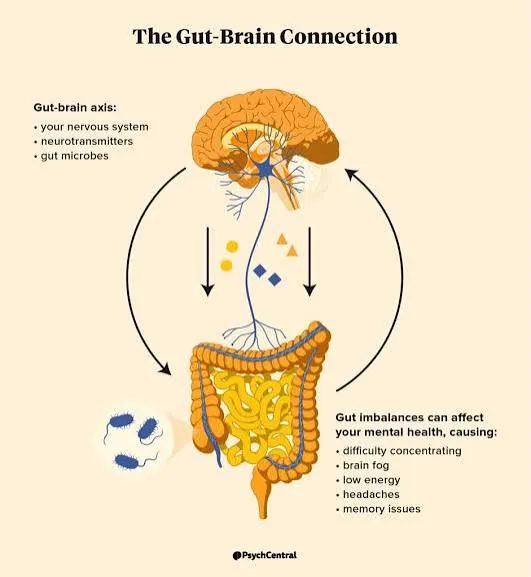
Figure 01: The Gut – Brain Connection
The connection between digestion and emotions, mood, and behaviour has been recognized since ancient times [3]. Faecal transplantation was practised in traditional Chinese medicine during the Dong-Jin dynasty and in ancient Greece [4,5]. In the 17th century, Fabricius Acquapendentealso investigated this procedure [6]. Historical writings by Hippocrates, Avicenna, Galen, and Pliny the Elder, along with the Bible, mention the use of dairy products to treat gastrointestinal problems [7].
2. The Microbiota Gut Brain Axis
The human gastrointestinal tract (GIT) contains a large and diverse population of microorganisms known as the gut microbiota. These microorganisms mainly include bacteria, along with viruses, protozoa, fungi, and archaea. Recent estimates suggest that the human gut contains approximately 3.8 × 10¹³ bacterial cells, slightly exceeding the total number of human cells in the body. The collective genetic material of these microorganisms is called the gut microbiome. It contains a much larger number of genes than the human genome, with more than 100 bacterial genes for every human gene. Due to its extensive genetic diversity and functional capabilities, the gut microbiota plays an important role in numerous physiological processes throughout the human body [28].
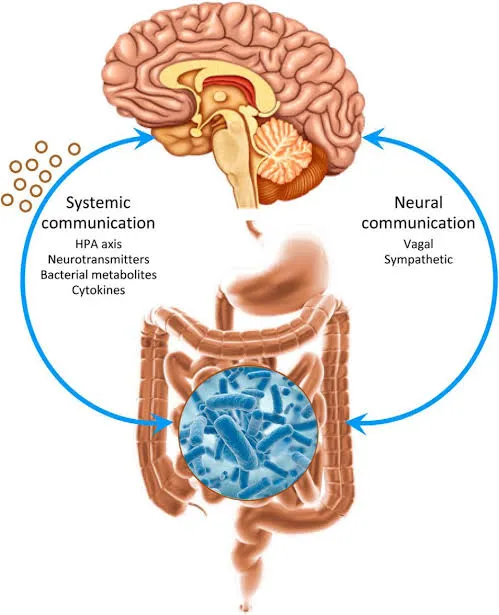
Figure 02: Microbiota Gut and Brain
In recent years, researchers have increasingly studied the gut microbiota to understand the possible connection between gut dysbiosis and mental health disorders. Most intestinal bacteria belong to four major bacterial phyla:Bacteroidetes, Firmicutes, Proteobacteria, and Actinobacteria, which contribute to the diversity and complexity of the gut microbiome. Metagenomic research suggests that the human gut microbiome may contain more than 1,000 bacterial species and over nine million genes, highlighting its extensive genetic diversity and potential influence on human health [29] .
3. The Gut
3.1. The Gut Microbiome
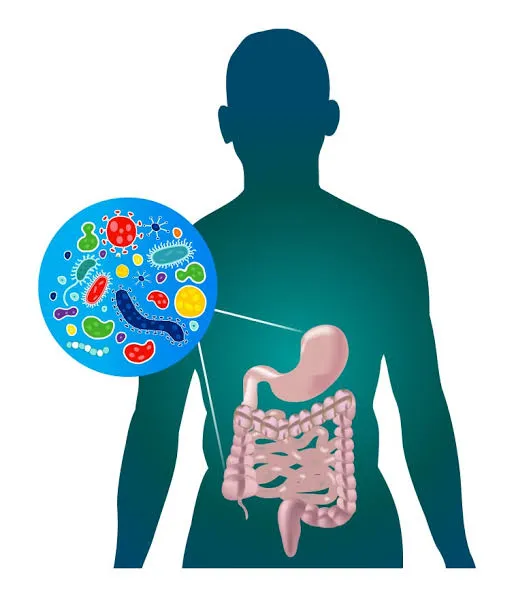
Figure 03: The Gut Microbiome
The human microbiome is a complex community of microorganisms residing in the human body, and its role in health and disease has been extensively investigated [30]. It comprises approximately 10–100 trillion microbial cells and includes around 150–400 different microbial species [31]. The density of microorganisms varies throughout the gastrointestinal tract. The colonic wall contains approximately 10¹¹ microbial cells per square millimetre, whereas the small intestinal wall contains around 10⁸ cells [30]
3.1.1. Impact of External Stressors on the Microbiome
The human microbiome is a dynamic biological system that continuously changes in response to several factors, including diet, stress, physical activity, geographical location, age, sex, hormonal status, and genetic background [32,33]. Lifestyle habits, such as smoking, alcohol consumption, and drug use, can also influence microbial composition. Cigarette smoking may affect the microbiome by disrupting immune homeostasis, encouraging biofilm formation, modifying oxygen availability, and introducing microorganisms directly from tobacco products [34]. Sapkota et al. identified various bacterial species in cigarettes originating from tobacco leaves and other sources. These included soil-associated bacteria, commensal microorganisms, and potential human pathogens, such as Acinetobacter, Bacillus, Burkholderia, Clostridium, Klebsiella, and Pseudomonas aeruginosa [34].
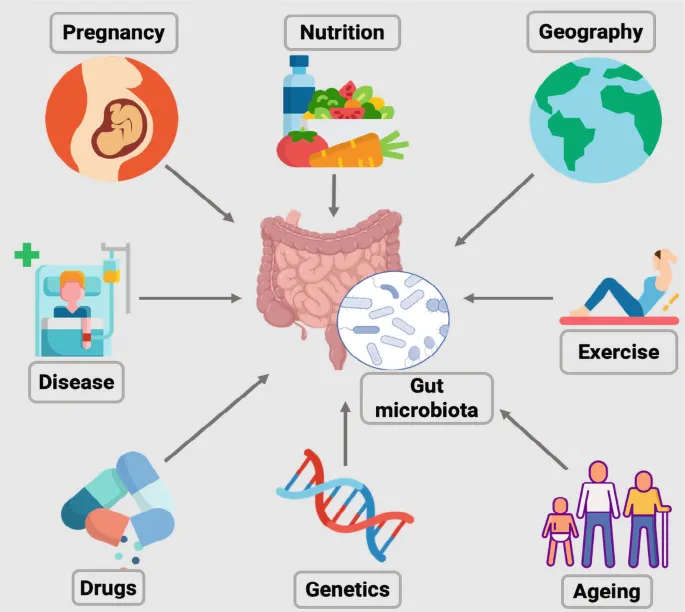
Figure 04: Impact of External Stressors on the Microbiome
3.1.2. Our Microbiome More than Just Bacteria
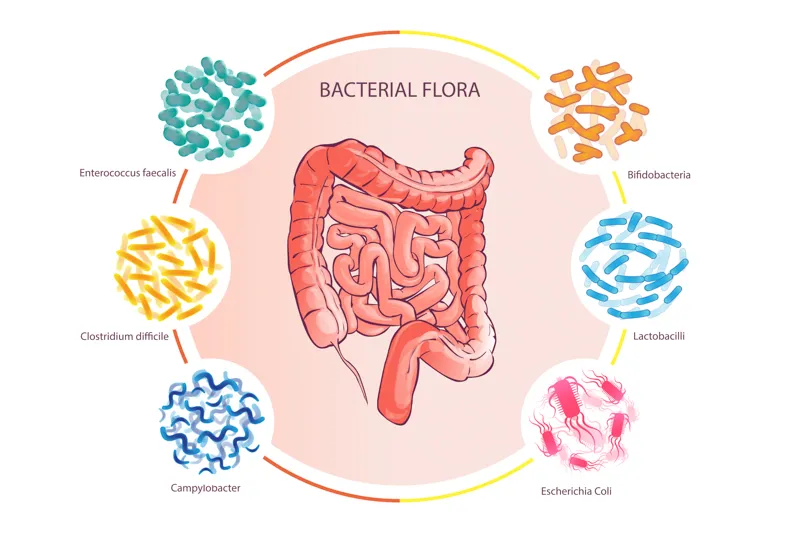
Figure 05: Our Microbiome Bacteria in Gut
The human microbiome was initially believed to consist only of bacteria; however, it also includes viruses, fungi, protozoa, and helminths [36]. The major bacterial groups present in the human gut include Bacteroidetes, Firmicutes, Actinobacteria, Fusobacteria, and Proteobacteria[12,36].
3.1.3. Quorum Sensing and the Microbiome
Quorum sensing is a cell-to-cell communication mechanism widely used by bacteria to regulate their collective activities and influence the organization and functioning of polymicrobial communities . This process involves the detection of chemical signaling molecules known as autoinducers, which are released by bacteria and, in some cases, by the host. In response to these signals, bacteria modify their gene expression, enabling them to coordinate various biological activities and adapt to changes in their surrounding environment [38].
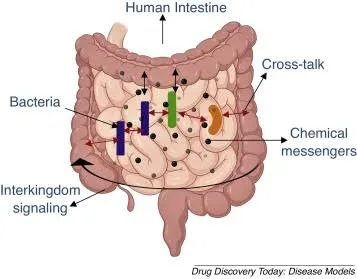
Figure 06: Quorum Sensing and the Microbiome
3.2. The Intestinal Barrier, Blood Brain Barrier, and Barrier Permeability
The blood-brain barrier (BBB) limits the direct passage of neurotransmitters produced in the gut into the brain [28]. The BBB consists of three layers, with the innermost layer formed by endothelial cells lining the brain’s capillary walls. These cells are connected by tight junctions, which restrict the movement of substances through the spaces between adjacent endothelial cells [29,30].
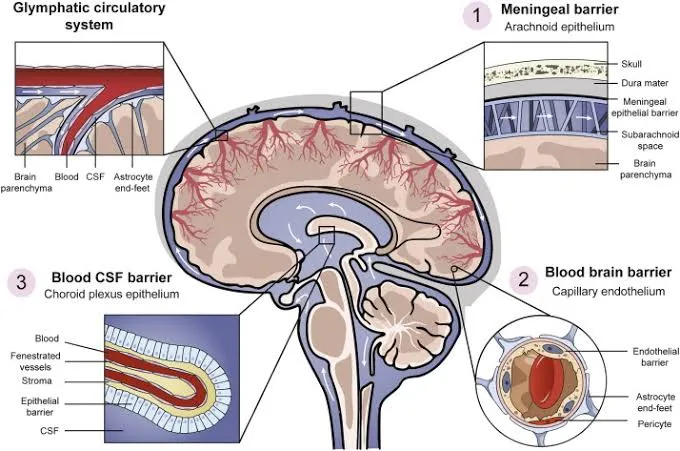
Figure 07: Brain Blood Barrier
3.3. Lessons from Germ-Free Mice
Mice that lack a natural gut microbiome are known as germ-free (GF), axenic, or gnotobioticmice. Axenic mice are produced through hysterectomy-based rederivation, whereas gnotobiotic mice are axenic mice inoculated with one or more known non-pathogenic microorganisms. Both types of mice are maintained in specialized isolators under strict handling conditions to prevent microbial contamination. In contrast, specific-pathogen-free (SPF) mice are free from designated pathogens but possess a normal microbial community.
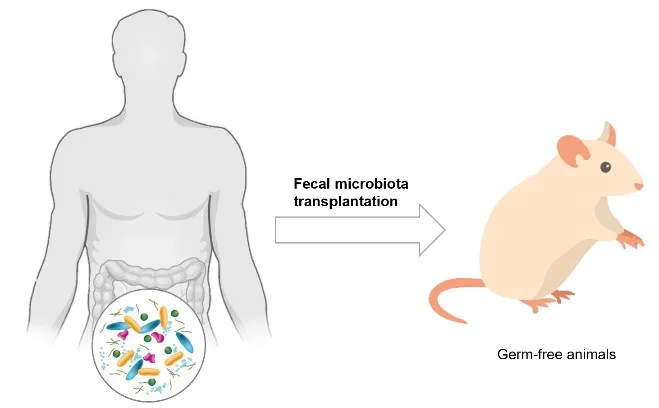
Figure 08: Germ-Free Animal Colonization Service with Human Microbiota
3.4. The Vagus Nerve
The vagus nerve, also known as cranial nerve X, consists of both sensory (afferent) and motor (efferent) fibers. The afferent fibers detect various stimuli, including mechanical changes, gut peptides, neurotransmitters, and microbial metabolites. They transmit signals from the gut to different brain regions, such as the nucleus tractus solitariusand the limbic system.
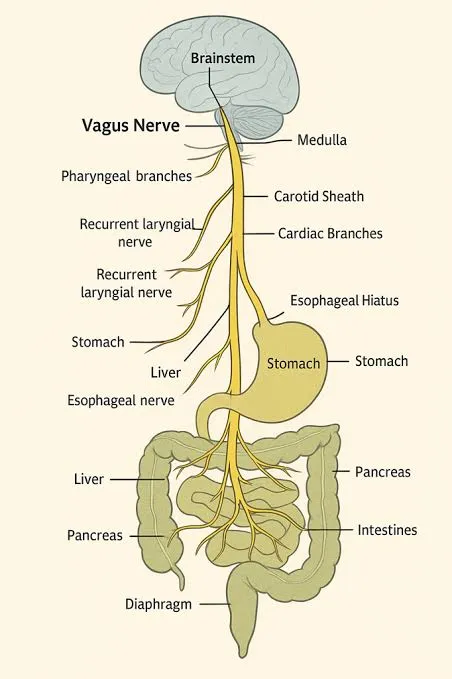
Figure 09: Vagus Nerve
4. Mental disorders
4.1. Anxiety
Anxiety is one of the most prevalent mental health disorders and has been associated with changes in gut microbiota composition. For instance, social exclusion, which may contribute to anxiety, has been linked to an increased abundance of Prevotella, along with a decreased Firmicutes-to-Bacteroidetes ratio and reduced levels of Faecalibacterium species. A study involving 198 Spanish individuals reported lower Simpson’s diversity index among people experiencing anxiety. Similarly, individuals with generalized anxiety disorder (GAD) showed reduced gut microbial richness and diversity, lower levels of Firmicutes and short-chain fatty acid (SCFA)-producing microorganisms, and increased proportions of Fusobacteria and Bacteroidetes[46].

Figure 10: Lifestyle and Self-Care Strategies for Anxiety Management
4.2. Depression
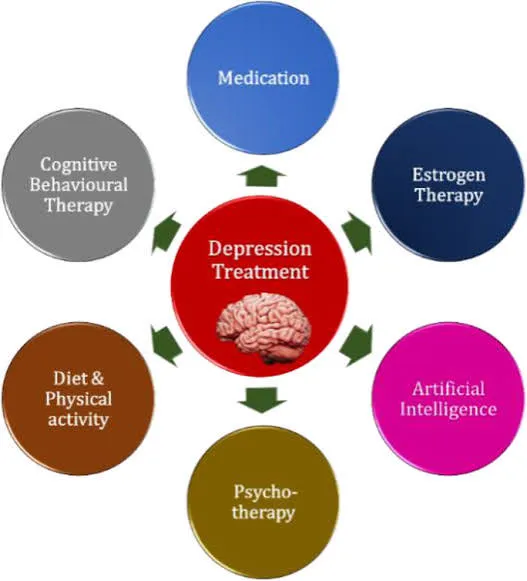
Figure 11: Various Treatment Approaches for Depression
Depression is a major public health concern that can lead to serious health complications and is associated with an increased risk of suicide [47]. Research suggests that alterations in gut microbial composition, known as dysbiosis, may contribute to the onset and progression of depression [48,49]. indicate that depression is associated with alterations in gut microbiota composition. Therefore, the gut microbiota may represent a potential target for the prevention and management of depression.
4.3. Bipolar Disorder
Bipolar disorder is a chronic mental health condition characterized by recurrent episodes that may affect cognitive abilities and daily functioning [51]. Several studies have suggested a possible association between gut microbiota alterations and bipolar disorder. Research has reported reduced gut microbial diversity in individuals with bipolar disorder, along with increased levels of Clostridiaceae and Collinsella[52].
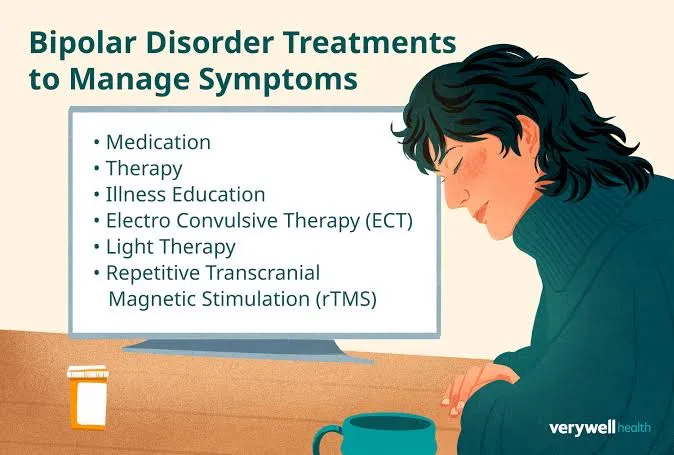
Figure 12: Treatment and Management of Bipolar Disorder
4.4. Schizophrenia
Schizophrenia is a mental health disorder that affects approximately 1% of the global population. It is characterized by positive symptoms, such as hallucinations and disorganized speech; negative symptoms, including reduced interest and motivation; and cognitive impairments that affect memory and executive functioning [56].
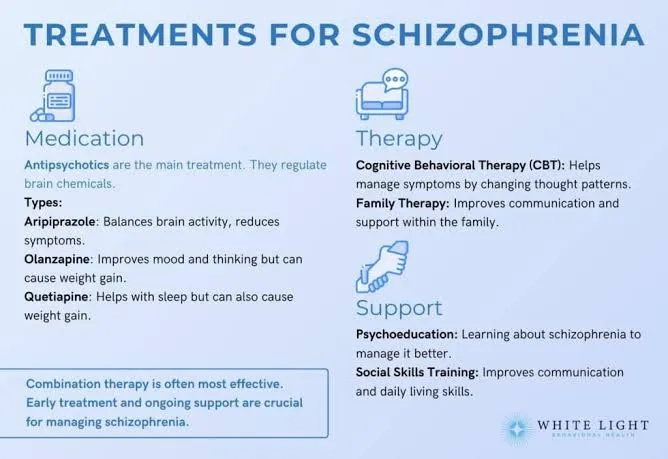
Figure 13: Treatment Approaches for Schizophrenia
4.5. Autism spectrum disorder
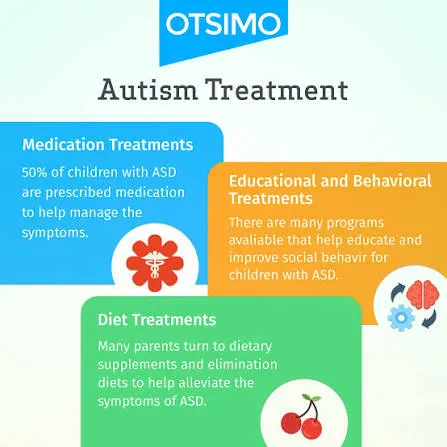
Figure 14: Overview of Therapeutic Approaches for Autism Spectrum Disorder (ASD)
Autism spectrum disorder (ASD) is a complex neurodevelopmental condition characterized by variations in its clinical features. Research has indicated that the composition and relative abundance of gut microbiota differ between individuals with ASD and those without it. For instance, a study reported a higher relative abundance of Clostridium bolteae in children with Pitt–Hopkins syndrome compared with their unaffected family members.
4.4. Other Mental disorders
Apart from the mental disorders discussed above, gut microbiota may also be associated with several other conditions, including anorexia nervosa, post-traumatic stress disorder (PTSD), and attention-deficit/hyperactivity disorder (ADHD). Studies have reported that patients with anorexia nervosa exhibit a decreased abundance of Bacteroidetes and alterations in gut microbial composition. These changes may contribute to the disease-specific pathological features of anorexia nervosa [61]. Studies conducted in both humans and mice have suggested that gut microbiota dysbiosis may play a role in the development of anorexia nervosa. Furthermore, research involving frontline healthcare workers during the COVID-19 pandemic found an association between the presence of uncultured Eubacterium hallii and Bacteroides eggerthii and the recurrence of post-traumatic stress symptoms [46]].
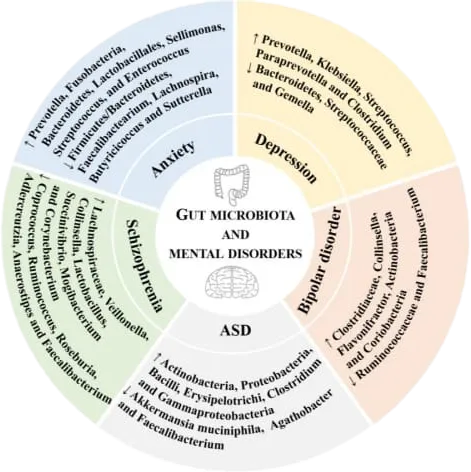
Figure 15: Overview of Gut Microbiota Dysbiosis Associated with Various Mental Health Disorders.
5. Methods and Analysis
The Bugs and Brains Study aims To recruit 160 females to the primary component: 40 Controls.[62]40 participants with a depressive/anxiety Disorder, but no IBS [63]. 40 participants with IBS, but no Depressive/anxiety disorder and [64] 40 participants with Both depressive/anxiety disorder and IBS. Participation is Completed within 1month, and involves comprehensive Questionnaires, anthropometrics, a diagnostic clinical Interview, collection of two saliva samples, and stool, urine And hair samples. This study aims to use a systems biology Approach to characterise oral and gut microbial composition And function using 16S rRNA gene sequencing and nuclear MR spectroscopy. As part of the ancillary component, it will Collect questionnaire data from 1000 participants aged 18–40 Years, capturing mental health, gastrointestinal health, oral Health, diet and psychosocial factors[65].
CONCLUSION
The gut microbiome is an essential component of human health and has gained considerable attention in research on mental health disorders. The gut and brain communicate through neural, hormonal, and immune pathways, collectively known as the gut–brain axis. Gut microorganisms produce various substances, including short-chain fatty acids, neurotransmitters, vitamins, and other metabolites, which may affect brain activity, emotional responses, behaviour, and stress management. Evidence discussed in this review suggests that changes in the composition and diversity of gut microorganisms may be linked to several mental health conditions, such as anxiety, depression, bipolar disorder, schizophrenia, autism spectrum disorder, and eating disorders. Various factors, including dietary habits, psychological stress, physical activity, lifestyle, and hormonal variations, can influence the gut microbiome and its communication with the brain. The vagus nerve, hypothalamic–pituitary–adrenal (HPA) axis, intestinal barrier, and blood–brain barrier are important in regulating these interactions. Microbiome-based interventions, such as probiotics, prebiotics, and dietary changes, are being investigated for their potential benefits in supporting mental health. However, variations in study designs, participant characteristics, and reported microbial patterns limit the ability to identify specific microorganisms consistently associated with individual psychiatric conditions. Although current findings indicate a relationship between gut microbiome alterations and mental health disorders, they do not confirm a direct cause-and-effect relationship. Further investigations involving larger and more diverse populations, long-term clinical trials, and advanced microbiome analysis methods are required to clarify the mechanisms involved in gut–brain communication. Additional research is also needed to determine the effectiveness, safety, and appropriate dosage of microbiome-based interventions. Overall, exploring the relationship between the gut microbiome and mental health may help identify new approaches to promoting psychological well-being. However, probiotics, prebiotics, and other microbiome-based strategies should be considered potential supportive approaches rather than substitutes for established mental health treatments until sufficient scientific evidence demonstrates their effectiveness.
REFERENCES

Shital Rathod, Sayali Nikode, Arpit Dhonge, Rohan Gande, Yash Pise, Vishnudas Lokhande, Dr. Rahul Bijwar, Review on :Gut Microbiome and Mental Health Disorders, Int. J. of Pharm. Sci., 2026, Vol 4, Issue 11, 3358-3369. https://doi.org/10.5281/zenodo.24371480
 10.5281/zenodo.24371480