

We use cookies to ensure our website works properly and to personalise your experience. Cookies policy
1,2,3 Department of Biochemistry, Presentation College of Applied Sciences, Puthenvelikara, Affiliated to M G University, Kerala, India
4 Department of Biochemistry, The Cochin College Kochi.
Diabetes mellitus is a chronic metabolic disorder characterized by persistent hyperglycemia resulting from impaired insulin secretion, insulin resistance, or both. The increasing global prevalence of diabetes and the limitations associated with conventional antidiabetic therapies have intensified the search for safer and more effective alternatives. Plant-derived bioactive compounds have emerged as promising therapeutic agents due to their diverse pharmacological activities and relatively low toxicity. Various phytochemicals, including polyphenols, flavonoids, alkaloids, terpenoids, saponins, and glycosides, exert antidiabetic effects through multiple mechanisms such as enhancement of insulin secretion, improvement of insulin sensitivity, inhibition of carbohydrate-digesting enzymes, reduction of oxidative stress, stimulation of glucose uptake, and regeneration of pancreatic ?-cells. Medicinal plants including Momordica charantia, Panax ginseng, Gymnemasylvestre, Tinospora cordifolia, and Zingiber officinale have demonstrated significant antidiabetic potential in experimental studies. This review summarizes the major classes of plant-derived bioactive compounds involved in diabetes management, their mechanisms of action, and the therapeutic significance of selected medicinal plants. Challenges associated with phytochemical variability, bioavailability, and clinical standardization are also discussed. Overall, plant-derived bioactive compounds represent promising candidates for the development of alternative and complementary therapies for diabetes mellitus
Diabetes mellitus (DM) is a multifactorial metabolic disorder characterized by persistent hyperglycemia and disturbances in carbohydrate, protein, and lipid metabolism resulting from defects in insulin secretion, insulin action, or both. Prolonged hyperglycemia is associated with chronic complications, including organ dysfunction and failure [1]. There are three major types of diabetes mellitus [1–5]. Type 1 diabetes mellitus, also known as insulin-dependent diabetes mellitus, is an autoimmune disorder caused by the destruction of pancreatic β-cells, necessitating lifelong insulin administration. It commonly occurs in children and young individuals. Type 2 diabetes mellitus, often referred to as non–insulin-dependent diabetes, accounts for more than 90% of adult cases and is characterized by insulin resistance and/or impaired insulin secretion. Gestational diabetes mellitus (GDM) is a form of glucose intolerance that develops during pregnancy, typically in the second or third trimester, and is associated with hormonal changes and insulin resistance.
Globally, the prevalence of diabetes mellitus is increasing at an alarming rate, with projections estimating that approximately 693 million individuals will be affected by 2045 [6]. This rise is largely attributed to the growing incidence of type 2 diabetes, driven by sedentary lifestyles, unhealthy dietary habits, and increasing obesity rates.
Common symptoms of diabetes mellitus include polyuria, polydipsia, unexplained weight loss, and blurred vision [7]. Chronic hyperglycemia can lead to severe long-term complications affecting multiple organ systems, including diabetic retinopathy, neuropathy, nephropathy, and cardiovascular diseases. In advanced cases, complications such as renal failure, foot ulcers, and amputations may occur [8]. Additionally, diabetes significantly increases the risk of hypertension and associated cardiovascular disorders.
The primary goal of diabetes management is to maintain blood glucose levels as close to normal as possible [9]. Conventional therapeutic approaches act through various mechanisms, including stimulation of insulin secretion from pancreatic β-cells, enhancement of insulin sensitivity, inhibition of hepatic glucose production, and reduction of intestinal glucose absorption [10–12].
A wide range of oral and injectable antidiabetic agents are currently available for the management of type 2 diabetes mellitus [13]. These include biguanides, sulfonylureas, meglitinides, thiazolidinediones, and dipeptidyl peptidase-4 (DPP-4) inhibitors. Metformin, a biguanide, is the most commonly prescribed first-line drug due to its efficacy, safety profile, and cost-effectiveness. However, it may cause gastrointestinal side effects such as nausea and diarrhea, and in rare cases, lactic acidosis. Other classes of antidiabetic drugs are also associated with adverse effects, including hypoglycemia, weight gain, and pancreatitis [13].
Due to the limitations and side effects associated with conventional therapies, there is an increasing demand for safer, cost-effective, and more efficient alternatives. Herbal medicine has been traditionally used in the management of diabetes and continues to gain scientific attention [15].
Numerous medicinal plants have been investigated for their antidiabetic and antihyperlipidemic properties, with over 400 plant species reported to exhibit hypoglycemic activity [18]. Bioactive compounds present in these plants, including flavonoids, terpenoids, alkaloids, phenolics, glycosides, and carotenoids, have demonstrated significant potential in regulating blood glucose levels through diverse mechanisms [19–22]. These phytochemicals offer promising prospects for the development of alternative therapeutic strategies for diabetes management.
2. Bioactive Compounds from Plants with Type 2 Antidiabetic Activity
Several medicinal plants used in traditional systems of medicine have demonstrated significant hypoglycemic and antidiabetic properties. Their mechanisms of action have been extensively investigated, highlighting their potential in diabetes management [23–25]. This review focuses on the mechanisms by which bioactive compounds derived from medicinal plants exert antidiabetic effects.
2.1. Bioactive Compounds Acting as Insulin Mimetics
2.1.1. Momordica charantia (Bitter Melon / Bitter Gourd)

Figure 2.1(a):Momordica charantia
Momordica charantia (MC), a member of the Cucurbitaceae family, is widely cultivated and consumed in tropical and subtropical regions, including India, China, Southeast Asia, East Africa, and parts of Central and South America [26,27]. In addition to its nutritional value, it is well known for its medicinal properties, including anti-inflammatory, antioxidant, antiviral, antibacterial, anticancer, and notably, antidiabetic activities [28].
MC contains a wide range of bioactive phytochemicals, including steroids, triterpenoids (momordicosides A–L), saponins, alkaloids, phenolic compounds, glycosides, fatty acids, amino acids, vitamins, and minerals [28–36]. Among these, key antidiabetic constituents such as charantin, vicine, and polypeptide-p have been extensively studied.
Polypeptide-p, an insulin-like peptide isolated from the fruits and seeds of MC, exhibits structural and functional similarity to human insulin and has been shown to significantly reduce blood glucose levels in both animal models and humans [37,38]. These compounds act through multiple mechanisms, including stimulation of insulin secretion, enhancement of peripheral glucose uptake, inhibition of hepatic gluconeogenesis, and reduction of intestinal glucose absorption [40].
Experimental studies have demonstrated that MC extracts improve glucose tolerance in both normal and diabetic models [35–39]. In alloxan-induced diabetic rabbits, ethanolic extracts of MC fruit administered at a dose of 200 mg/kg body weight significantly reduced blood glucose levels through insulin-mimetic activity [40]. Additionally, Momordicoside U has been reported to enhance glucose uptake in in vitro insulin secretion assays [41].

Figure 2.1(b): The mechanism in decreasing blood glucose levels of M. charantia
Table1: Bioactive compounds and their effects in Momordica charantia
|
Bioactive Compounds |
Antidiabetic Effects |
|
Polypeptide-p |
Act as Insulin-like protein, decrease blood glucose level |
|
Momordicosides |
Enhance the uptake of glucose |
|
Saponins |
Stimulate insulin secretion, a lower blood glucose level |
|
Conjugated linolenic acid |
Release intestinal GLP-1 |
|
Momordin |
PPAR δ activation |
|
9c, 11t, 13t conjugated linolenic acid |
PPAR α activation |
In vivo studies further indicate that MC extracts may promote regeneration and repair of pancreatic β-cells. Oral administration of alcoholic fruit extracts (25–75 mg) in alloxan-induced diabetic rats resulted in partial restoration of pancreatic islets of Langerhans [42,43]. Similarly, in streptozotocin-induced diabetic rats, administration of MC fruit extract (10 mL/kg/day for 14 days) improved insulin secretion, enhanced β-cell function, reduced insulin resistance, and increased glucose utilization [44].
Furthermore, aqueous ethanolic extracts of MC seeds have been shown to support long-term preservation of pancreatic β-cells [45]. These findings suggest that MC not only mimics insulin action but may also contribute to pancreatic β-cell regeneration. In addition, MC extracts have demonstrated inhibitory activity against key carbohydrate-digesting enzymes such as α-amylase and α-glucosidase, thereby reducing postprandial hyperglycemia [47].
Overall, Momordica charantia exhibits significant antidiabetic potential through insulin-mimetic activity, enhancement of glucose metabolism, and protective effects on pancreatic β-cells.
2.1.2. Panax ginseng C.A. Meyer

Figure 2.1.2(a): Panax ginseng C.A. Meyer
Panax ginseng, a member of the Araliaceae family, is one of the most widely used traditional medicinal plants, particularly in Korea and other parts of East Asia [48]. It grows predominantly in colder regions such as Korea, Eastern Siberia, Northeast China, and parts of North America.
The roots of P. ginseng are rich in bioactive compounds, including triterpene glycosides (ginsenosides), panaxans, phenolic compounds, vanillic acid, and salicylates. In addition, the plant contains amino acids, alkaloids, proteins, polypeptides, and vitamins such as B? and B? [49–51]. Among these, ginsenosides are the most pharmacologically active constituents.
Ginsenosides are broadly classified into protopanaxadiol and protopanaxatriol groups Figure 2.1.2(b). These compounds play a crucial role in regulating glucose metabolism. Experimental studies have demonstrated that P. ginseng exhibits significant antidiabetic activity through multiple mechanisms, including enhancement of insulin sensitivity, stimulation of glucose uptake, and protection of pancreatic β-cells [50–52].


A. Protopanaxadiol B. Protopanaxatriol
R2 = Ra1, Ra2, Ra3, Rb1, Rb2, Rb3, Rc, Rd, R2 = Re, Rf, Rg1, Rg2, Rh1, etc
Rg2, Rg3, Rs1, Rs2, etc.
Figure 2.1.2(b): Structure of ginsenosides (ginseng-specific saponins)
Among the various ginsenosides, ginsenoside Rb? has shown potent hypoglycemic activity in streptozotocin-induced diabetic rats by significantly reducing blood glucose levels [53]. Furthermore, oral administration of fermented red ginseng extract (100–200 mg/kg/day for three weeks) resulted in a significant decrease in blood glucose levels and an increase in plasma insulin levels. This effect has been attributed to higher concentrations of active ginsenosides such as Rg?, Rg?, and Rh? in fermented preparations [54].
Overall, ginseng-derived saponins exert antidiabetic effects by modulating enzyme activity, improving insulin secretion, enhancing glucose utilization, and regulating carbohydrate metabolism Figure 2.1.2(c) [55–61].

Figure 2.1.2(c):Mechanism of Panax ginseng saponins on different organs related to diabetes
2.2. Bioactive Compounds that Increase Insulin Secretion from Pancreatic β-Cells
2.2.1. Allium cepa (Onion)


Figure 2.2.1(a): Allium cepa (Onion)
Allium cepa Linn., commonly known as onion, belongs to the family Liliaceae and is widely consumed across the world, including in countries such as Egypt, China, and India [62]. It is valued not only as a dietary component but also for its medicinal properties.
Onion contains a wide range of bioactive phytochemicals, including flavonoids, phenolic compounds, thiosulfinates, essential oils, amino acids, and vitamins. Key active compounds include quercetin, alliin, allicin, diallyl disulfide, and S-methyl L-cysteine sulfoxide [63,64].
Extracts of A. cepa have demonstrated significant hypoglycemic activity [65]. S-methylcysteine sulfoxide, one of the major active constituents Figure 2.2.1(a), exerts antidiabetic effects through multiple mechanisms:
(1) stimulation of insulin secretion from pancreatic β-cells,
(2) reduction of intestinal glucose absorption, and
(3) enhancement of peripheral glucose utilization [66,67].
Figure 2.2.1(b): Structure of S-methyl cysteine sulfoxide.
2.2.2. Allium sativum (Garlic)


Figure 2.2.2(a): Allium sativum (Garlic)
Allium sativum Linn., commonly known as garlic, is a widely used medicinal herb belonging to the family Amaryllidaceae. It is cultivated globally and has been traditionally used for both culinary and therapeutic purposes [68].
Garlic contains numerous bioactive compounds, including alkaloids, flavonoids, glycosides, terpenoids, and sulfur-containing compounds such as alliin, allicin, ajoene, and diallyl sulfides. It also contains proteins, enzymes, vitamins, and minerals [69–72].
Several studies have demonstrated the antidiabetic potential of garlic. Its bioactive compounds help regulate blood glucose levels by enhancing insulin secretion, improving glucose tolerance, and promoting glycogen synthesis [73]. Compounds such as allyl propyl disulfide and S-methylcysteine sulfoxide have been shown to significantly reduce blood glucose levels.
Additionally, ethanol extracts of garlic have been reported to improve delayed insulin response and enhance overall glycemic control [74,75]. These findings highlight the therapeutic potential of garlic in the management of diabetes.
2.2.3. Aloe vera (L.) Burm.f. (Asphodelaceae)

Figure 2.2.3(a): Aloe vera (L.) Burm.f. (Asphodelaceae)
Aloe vera is one of the most widely used medicinal plants, particularly in the cosmetic and pharmaceutical industries. It belongs to the family Asphodelaceae and has been traditionally used for various therapeutic purposes. The plant is believed to have originated in Africa and the Mediterranean region and is now widely distributed in countries such as India, Cape Verde, Sicily, Malta, and Cyprus [76].
Aloe vera contains a wide range of phytoconstituents, including alkaloids, flavonoids, tannins, phenolic compounds, saponins, carbohydrates, vitamins, minerals, and aromatic compounds [77]. These constituents exhibit diverse pharmacological activities, such as antioxidant, antimicrobial, anticancer, and antidiabetic effects.
Experimental studies have demonstrated that oral administration of Aloe vera aqueous extracts significantly reduces blood glucose levels in diabetic animal models. Additionally, these extracts have been reported to exhibit minimal adverse effects, highlighting their potential as safe antidiabetic agents [78,79]. The relatively low cost and wide availability of Aloe vera further support its potential in the development of antidiabetic therapeutics.
2.3. Bioactive Compounds that Regenerate Pancreatic β-Cells
2.3.1. Pterocarpus marsupium (Fabaceae)

Figure 2.3.1(a): Pterocarpus marsupium (Fabaceae)
Pterocarpus marsupium is a large deciduous tree belonging to the family Fabaceae. It is rich in phenolic and flavonoid compounds, along with tannins, terpenoids, alkaloids, proteins, and amino acids. Among its bioactive constituents, epicatechin has been identified as a key antidiabetic compound.
The plant is also abundant in polyphenolic compounds such as pteroside, pterostilbene, marsupsin, pterosupin, and related derivatives, which exhibit significant biological activities, including antioxidant, anti-inflammatory, antibacterial, and antidiabetic effects [81–84].
Studies have demonstrated that oral administration of P. marsupium extracts produces significant antihyperglycemic effects in diabetic models [80,82,83]. Notably, epicatechin isolated from the plant has shown the ability to regenerate pancreatic β-cells in experimental models [85]. Additionally, aqueous extracts have been reported to enhance glucose uptake and stimulate insulin secretion, further supporting its antidiabetic potential.
2.3.2. Tinospora cordifolia (Menispermaceae)


Figure 2.3.2(a): Tinospora cordifolia (Menispermaceae)
Tinospora cordifolia, commonly known as “Guduchi” or “Amrita,” is a well-known medicinal plant in traditional Indian medicine. It is widely distributed in tropical regions, including India, Sri Lanka, and Myanmar [86].
The plant contains a variety of secondary metabolites, including phenolics, glycosides, terpenoids, alkaloids, essential oils, and polysaccharides. These phytochemicals contribute to its diverse pharmacological properties, including anti-inflammatory, antimicrobial, anticancer, and antidiabetic activities [87–89].
Studies have shown that polysaccharides isolated from T. cordifolia promote regeneration of pancreatic β-cells, suggesting its potential role in diabetes management [90]. In vivo experiments have demonstrated that oral administration of root extracts improves insulin secretion and inhibits glycogenolysis, thereby reducing blood glucose levels [91]. Additionally, alkaloidal fractions of the extract have been reported to enhance insulin sensitivity and inhibit gluconeogenesis [92].
2.3.3. Tinospora crispa (Menispermaceae)

Figure 2.3.3(a): Tinospora crispa (Menispermaceae)
Tinospora crispa is a climbing shrub known for its rich phytochemical composition. It contains various bioactive compounds, including alkaloids, flavonoids, lignans, sterols, and terpenoids [93].
Several alkaloids and flavonoids, such as magnoflorine, luteolin derivatives, genkwanin, and diosmetin, have been isolated from the plant [93–97]. These compounds contribute to its pharmacological activities, including antidiabetic effects.
Experimental studies have shown that T. crispa extracts exert hypoglycemic effects by enhancing insulin secretion. The mechanism involves modulation of intracellular Ca²? levels in pancreatic β-cells, leading to increased insulin release [94]. Additionally, the extract has been reported to upregulate glucose transporter expression (GLUT1), thereby enhancing glucose uptake in muscle cells [98,99].
2.3.4. Gymnemasylvestre (Apocynaceae)

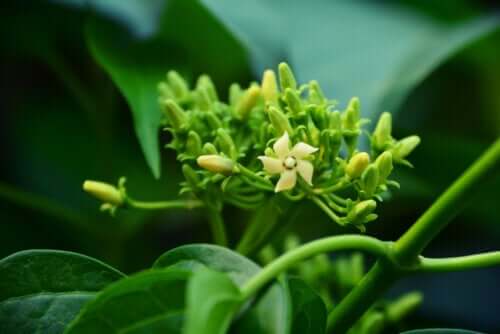
Figure 2.3.4(a): Gymnemasylvestre (Apocynaceae)
Gymnemasylvestre is a climbing plant native to the tropical forests of India and Sri Lanka. It has been widely used in traditional medicine for the treatment of diabetes [100].
The primary bioactive constituents of G. sylvestre are gymnemic acids, a group of triterpenoid saponins responsible for its antidiabetic activity. Other constituents include gymnemasaponins, gymnemasins, flavonoids, and sterols
Studies have shown that aqueous leaf extracts of G. sylvestre exhibit significant hypoglycemic effects in both normal and diabetic models [102]. The plant exerts its antidiabetic effects through multiple mechanisms, including stimulation of insulin secretion, regeneration of pancreatic β-cells, enhancement of insulin sensitivity, and inhibition of glucose absorption in the intestine [101,103–106].

Figure 2.3.4(b): Mechanism of Gymnemasylvestre in the Antidiabetic Activity
Gymnemic acids have also been reported to reduce blood glucose levels by inhibiting intestinal glucose absorption and suppressing hepatic glucose production. These properties make G. sylvestre a promising candidate for diabetes management.
Table 2.3.4: Phytoconstituents of Gymnemasylvestre
|
Phytoconstituents |
Classification |
|
Triterpene saponins |
Gymnemic acids-acylated (tiglolyl, methylbutyroyl) derivatives of deacylgymnemic acid (DAGA) which is a 3-O-β-glucouronide of gymnemagenin (3β, 16β, 21β, 22α, 23, 28-hexahydroxy-olean-12-ene) |
|
Oleanane saponins |
Gymnemic acids and gymnemasaponins |
|
Dammarene saponins |
Gymnemosides A, B, C, D, E, and F |
|
Gurmarin |
A novel 35-amino-acid peptide with a 4209 molecular weight |
|
Gymnemasins A |
3-O [β-d-glucopyranosyl (1-3)-β-d-glucopyranosyl]-22-O-tiglyol gymnemanol |
|
Gymnemasins B |
3-O-[β-d-glucopyranosyl-(1-3)-β-d-glucuro-nopyranosyl]-gymnemanol |
|
Gymnemasins C |
glucuronopyranosyl-22-O-tigloyl-gymnemanol |
|
Gymnemasins D |
3-O-β-d-glucopyranosyl-gymnemanol |
|
Gymnemanol |
3, β-16,β-22, α-23-28-pentahydroxyolean-12-ene |
|
Gymmestrogenin |
Pentahydroxytriterpene |
|
Flavonol glycoside |
Kaempferol 3-O-β-d-glucopyranosyl-(1-4)-α-l-rhamnopyranosyl-(1-6)- β-d-galactopyranoside |
|
Sterols |
Stigmasterol |
2.4. Bioactive Compounds that Reduce Glucose Absorption from the Gastrointestinal Tract
2.4.1. Cyamopsis tetragonoloba (Fabaceae)


Figure 2.4.1(a):Cyamopsis tetragonoloba (Fabaceae)
Cyamopsis tetragonoloba, commonly known as guar or cluster bean, is a drought-resistant plant widely cultivated in India. It is rich in dietary fiber and carbohydrates [107].
The plant contains several phytochemicals, including phenolic acids, flavonoids, galactomannans, tannins, and ascorbic acid. These compounds contribute to its biological activities, including antihyperglycemic effects.
Studies have demonstrated that C. tetragonoloba exhibits significant glucose-lowering effects in diabetic animal models. Its bioactive compounds help improve insulin secretion, reduce blood glucose levels, and lower HbA1c levels [108,109]. Polyphenols present in the plant have also been shown to protect pancreatic β-cells and contribute to its hypoglycemic activity [110].
2.4.2. Ocimum sanctum L. (Lamiaceae)
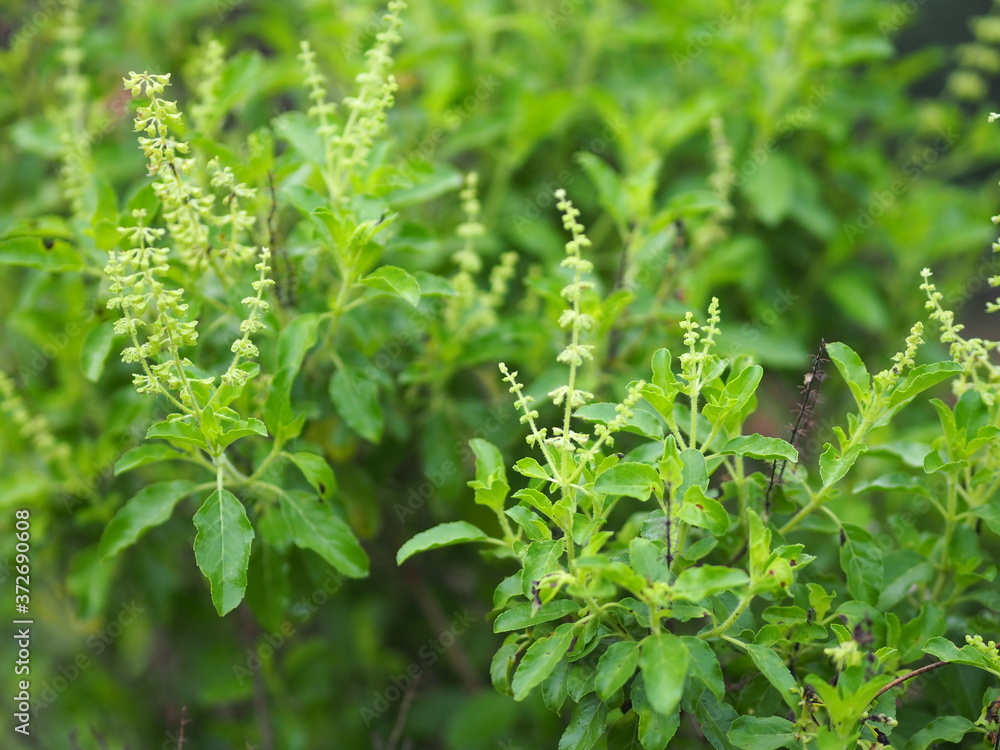
Figure 2.4.2(a): Ocimum sanctum L. (Lamiaceae)
Ocimum sanctum (holy basil) is a widely used medicinal plant cultivated in many parts of the world, particularly in India and Southeast Asia [111,112].
The plant contains a diverse range of phytochemicals, including eugenol, methyl eugenol, linalool, caryophyllene, flavonoids, phenolics, terpenoids, and fatty acids [113,114]. These compounds exhibit various pharmacological activities, including antioxidant, anti-inflammatory, antimicrobial, and antidiabetic effects.
Experimental studies have shown that different extracts of O. sanctum (ethanol, aqueous, butanol, and ethyl acetate) enhance insulin secretion and exhibit antihyperglycemic activity [115]. In vivo studies further demonstrate that the plant extract improves glycogen storage in the liver, reduces blood glucose levels, and enhances glucose tolerance [116].
Additionally, specific bioactive compounds such as eugenol and β-sitosterol have been associated with hypoglycemic effects. A triterpenoid compound isolated from O. sanctum has also been reported to enhance insulin secretion and improve glucose utilization, indicating its potential as a therapeutic agent for diabetes [117,118].
2.5. Bioactive Compounds with Oxygen Radical Scavenging Activity
The antioxidant activity of plant-derived bioactive compounds plays a crucial role in mitigating oxidative stress associated with diabetes mellitus. The butanol fraction of Momordica charantia extract has demonstrated strong free radical scavenging activity, indicating its antioxidant potential [119].
Further studies by Tsai T.H. et al. (2014) reported that M. charantia exhibits significant antioxidant and cytoprotective effects, which contribute to its antidiabetic activity [120].
Several Ayurvedic plants, including Momordica charantia, Eugenia jambolana, Tinospora cordifolia, and Mucuna pruriens, have been evaluated for their protective effects against diabetic cataract in vivo. Among these, M. charantia and E. jambolana demonstrated superior protective activity compared to the other plants studied [121].
2.6. Bioactive Compounds that Inhibit α-Glucosidase and α-Amylase Activities
α-Amylase and α-glucosidase are key digestive enzymes involved in carbohydrate metabolism. α-Amylase catalyzes the hydrolysis of starch into oligosaccharides, while α-glucosidase further breaks down these products into glucose in the small intestine.
Inhibition of these enzymes delays carbohydrate digestion and glucose absorption, thereby reducing postprandial hyperglycemia. This mechanism is considered an important therapeutic strategy in the management of diabetes mellitus [122–126].
Numerous plant-derived phytochemicals have demonstrated inhibitory activity against these enzymes, increasing interest in their use as natural antidiabetic agents.
2.6.1. Costus pictus D. Don (Zingiberaceae)


Figure 2.6.1(a): Costus pictus D. Don (Zingiberaceae)
Costus pictus, commonly known as the “insulin plant,” is widely used in Southern India as a traditional remedy for diabetes [127].
Phytochemical analysis has revealed the presence of various bioactive compounds, including alkaloids, flavonoids, glycosides, terpenoids, steroids, tannins, and phenolic compounds [128–131]. Trace elements such as potassium, calcium, chromium, manganese, copper, and zinc are also present and may contribute to its biological activity [132].
Experimental studies have demonstrated that C. pictus exhibits antidiabetic effects primarily through inhibition of α-amylase and α-glucosidase enzymes. In vivo studies using streptozotocin- and alloxan-induced diabetic models showed significant reductions in blood glucose levels following administration of plant extracts [132–134].
Additionally, studies have reported enhanced insulin secretion and improved glucose utilization following treatment with C. pictus extracts [135,136].
2.6.2. Phaseolus vulgaris L. (Fabaceae)

Figure 2.6.2(a): Phaseolus vulgaris L. (Fabaceae)
Phaseolus vulgaris (common bean) is an important dietary legume widely consumed across the world [137].
The plant is rich in bioactive compounds, including phenolic acids, flavonoids, anthocyanins, tannins, and proteins such as α-amylase inhibitors [137–139]. These inhibitors, including isoforms α-AI1 (phaseolamin), α-AI2, and α-AIL, have been extensively studied for their ability to inhibit α-amylase activity [140,143].
Phytohaemagglutinin, a lectin present in the plant, has also been reported to influence glucagon-like peptide-1 (GLP-1) activity, contributing to improved glycemic control [140–142].
By inhibiting carbohydrate-digesting enzymes, P. vulgaris reduces glucose absorption and lowers postprandial blood glucose levels. This effect may also help reduce insulin resistance and prevent diabetes-related complications [143–145].
Table 2.6.2: Major phytoconstituents of Phaseolus vulgaris
|
Group |
Phytochemical Compound |
|
Phenolic acids |
Hydroxybezoic acid and derivatives flavonoids, anthocyanins, flavonols, flavanols, isoflavones, flavanones, proanthocyanidins, and tannins |
|
Hydroxycinnamic acid and derivatives |
|
|
Flavonoids |
Orientin, isoerientin, rutin, myricetin, luteolin, quercetin, kaempferol, myricetin-3-rhamnoside, hyperoside, isorhamnetin-3-glucoside, isoquercitirn |
|
Proteins |
Vicilin, phytohenmagglutinin, alpha-amylase inhibitor (α-AI1, α-AI2, and α-AIL) |
2.6.3. Euphorbia hirta L. (Euphorbiaceae)

Figure 2.6.3(a):Euphorbia hirta L. (Euphorbiaceae)
Euphorbia hirta is a widely distributed medicinal herb found in tropical and subtropical regions, including India, Southeast Asia, and Africa [146].
The plant contains a wide range of phytochemicals, including flavonoids (quercetin, quercitrin, rutin), terpenoids, phenolic compounds, tannins, and sterols [147,148].
Studies have demonstrated that ethanolic and ethyl acetate extracts of E. hirta exhibit significant hypoglycemic activity in alloxan-induced diabetic models [146–148]. These extracts also show strong inhibitory effects on α-glucosidase and α-amylase enzymes.
Flavonoids such as quercetin and rutin have been identified as potent enzyme inhibitors contributing to this activity. Although their inhibitory effect is weaker than that of the standard drug Acarbose, they offer the advantage of fewer side effects.
Further studies, including in vitro, in vivo, and in silico analyses, have confirmed the potential of E. hirta bioactive compounds in targeting enzymes involved in carbohydrate metabolism [149–152].
Table 2.6.3: some major isolated phytoconstituents on Euphorbia hirta L.
|
Group |
Compound Name |
Structure of Compound |
|
|
Flavonols |
Quercetin |
|
|
|
Kaempferol |
|
|
|
|
Leucoanthocyanidins |
Leucocyanidin |
|
|
|
Flavonoid glycosides |
Rutin |
|
|
|
|
|
||
|
Myricitrin |
|
|
|
|
Afzelin |
|
|
|
|
Luteolin-7-O-glucoside |
|
|
|
|
Isoquercitrin |
|
|
|
|
Acids |
Syringic acid |
|
|
|
Ellagic acid |
|
|
|
|
Gallic acid
Shikimic acid
2β,16α-dihydroxy-ent-kaurane
β-sitosterol |
|
||
|
Terpenoids |
|
||
|
Sterols |
|||
|
Stigmasterol |
|
2.7. Bioactive Compounds that Increase Glucose Utilization
Certain medicinal plants enhance peripheral glucose utilization, thereby contributing to improved glycemic control. Examples include Zingiber officinale, Grewia asiatica, and Cyamopsis tetragonoloba [153–155].
Among these, Zingiber officinale is one of the most extensively studied and widely used medicinal plants.
2.7.1. Zingiber officinale Roscoe (Zingiberaceae)

Figure 2.7.1(a): Zingiber officinale Roscoe (Zingiberaceae)
Zingiber officinale (ginger) is a widely used medicinal and culinary plant cultivated in tropical and subtropical regions [156,157].
Ginger contains a variety of bioactive compounds, including phenolics (gingerols, shogaols), terpenoids, volatile oils, amino acids, and organic acids [156–158]. These compounds exhibit strong antioxidant and antidiabetic properties.
Experimental studies have shown that ginger reduces blood glucose levels in both normal and diabetic animal models [159]. The hypoglycemic effect is attributed to delayed gastric emptying, enhanced glucose uptake, and improved insulin sensitivity.
Additionally, ginger has been shown to increase glycogen storage in tissues and enhance peripheral glucose utilization [160]. In vitro studies have demonstrated increased glucose uptake in muscle cells, primarily due to gingerol compounds [161].
Furthermore, ginger extracts have been reported to inhibit α-amylase and α-glucosidase activities, contributing to reduced postprandial hyperglycemia [162,163].
CONCLUSION
Plant-derived bioactive compounds possess significant therapeutic potential in the management of diabetes mellitus through multiple mechanisms, including stimulation of insulin secretion, enhancement of glucose uptake, inhibition of carbohydrate-digesting enzymes, antioxidant activity, and regeneration of pancreatic β-cells. Medicinal plants such as Momordica charantia, Panax ginseng, Gymnema sylvestre, Tinospora cordifolia, Aloe vera, and Zingiber officinale have demonstrated promising antidiabetic effects in experimental and preclinical studies. The diverse phytoconstituents present in these plants, including flavonoids, alkaloids, terpenoids, glycosides, and saponins, contribute to improved glycemic control and reduction of diabetes-related complications.
Despite encouraging findings, challenges related to phytochemical variability, standardization, bioavailability, dosage optimization, and long-term clinical safety remain important concerns. Further clinical investigations and pharmaceutical studies are necessary to validate their efficacy and support the development of safe, effective, and affordable plant-based antidiabetic therapies. Overall, medicinal plant-derived bioactive compounds represent promising candidates for future antidiabetic drug development and complementary therapeutic strategies.
FUTURE PERSPECTIVES
Plant-derived bioactive compounds have emerged as promising therapeutic agents for the management of diabetes mellitus due to their multitarget mechanisms, low toxicity, and wide availability. Future research should focus on the isolation and characterization of novel phytochemicals with potent antidiabetic activity and improved pharmacological efficacy. Advanced analytical techniques such as metabolomics, proteomics, and molecular docking studies may help identify specific molecular targets involved in glucose metabolism and insulin signaling pathways.
Further investigations are required to improve the bioavailability, stability, and targeted delivery of phytoconstituents. In this context, nanoformulation-based approaches such as nanoparticles, liposomes, phytosomes, nanoemulsions, and polymeric drug delivery systems offer significant potential for enhancing therapeutic effectiveness and reducing dosage-related limitations. Integration of nanotechnology with herbal medicine may provide innovative strategies for controlled and sustained drug release in diabetes therapy.
Although numerous experimental studies have demonstrated encouraging antidiabetic effects, large-scale clinical trials are still limited. Therefore, future studies should emphasize clinical validation, long-term safety evaluation, toxicity assessment, and standardization of herbal formulations to ensure reproducibility and regulatory acceptance. In addition, the development of standardized herbal formulations with defined active constituents may improve consistency in therapeutic outcomes.
The combination of plant-derived bioactive compounds with conventional antidiabetic drugs also represents an important area for future exploration, as such combinations may enhance efficacy while minimizing adverse effects. Moreover, personalized medicine approaches based on genetic and metabolic profiling could help optimize phytochemical-based therapies for individual patients.
Overall, continued interdisciplinary research involving pharmacology, biotechnology, nanotechnology, and clinical sciences may facilitate the development of safe, effective, and affordable plant-based therapeutics for diabetes mellitus in the future.
Declarations
Conflict of Interest
The authors declare no conflict of interest.
Funding
Not applicable.
Author Contributions
All authors contributed equally to literature collection, manuscript preparation, data analysis, and final manuscript revision.
Ethical Approval
This review article does not involve experiments on human participants or animals.
REFERENCES




Geena Jose, Sivapriya K N, Rosmi Joy, Nayana Jose C, Plant-Derived Bioactive Compounds in Diabetes Mellitus: Mechanisms of Action and Therapeutic Potential, Int. J. of Pharm. Sci., 2026, Vol 4, Issue 6, 1023-1048, https://doi.org/10.5281/zenodo.20539105
Severity: 8192
Message: substr(): Passing null to parameter #1 ($string) of type string is deprecated
Filename: frontend/article.php
Line Number: 706
Severity: 8192
Message: substr(): Passing null to parameter #1 ($string) of type string is deprecated
Filename: frontend/article.php
Line Number: 706
Severity: 8192
Message: substr(): Passing null to parameter #1 ($string) of type string is deprecated
Filename: frontend/article.php
Line Number: 741
 10.5281/zenodo.20539105
Severity: 8192
Message: substr(): Passing null to parameter #1 ($string) of type string is deprecated
Filename: frontend/article.php
Line Number: 890
Severity: 8192
Message: substr(): Passing null to parameter #1 ($string) of type string is deprecated
Filename: frontend/article.php
Line Number: 925
Severity: 8192
Message: substr(): Passing null to parameter #1 ($string) of type string is deprecated
Filename: frontend/article.php
Line Number: 925
Severity: 8192
Message: substr(): Passing null to parameter #1 ($string) of type string is deprecated
Filename: frontend/article.php
Line Number: 957
Severity: 8192
Message: substr(): Passing null to parameter #1 ($string) of type string is deprecated
Filename: frontend/article.php
Line Number: 957


