

We use cookies to ensure our website works properly and to personalise your experience. Cookies policy
Department of Pharmaceutics, Shivajirao S. Jondhle College of Pharmacy, Thane, Maharashtra, India
ARTHRITIS is a long-term musculoskeletal condition associated with joint pain, inflammation, stiffness, and restricted movement, which can greatly reduce an individual’s quality of life. Although conventional medications such as non-steroidal anti-inflammatory drugs (NSAIDs) and corticosteroids are commonly used for symptom management, prolonged administration may lead to several adverse effects. The present work aims at the development and evaluation of a polyherbal anti-arthritic non-pressurized topical spray formulated using extracts of Semecarpus anacardium (Bhilwa), Boswellia serrata (Shallaki), and Vitex negundo (Nirgundi). These medicinal plants were selected because of their reported anti-inflammatory, analgesic, antioxidant, and immunomodulatory activities. The study emphasizes the potential benefits of herbal therapeutics and topical delivery systems in achieving targeted action at the affected site while minimizing systemic side effects. Hydroalcoholic extracts of the selected herbs were incorporated into the spray formulation along with suitable excipients. The developed formulation was intended to provide convenient application, uniform distribution, improved skin permeation, and better patient acceptability. Several evaluation parameters such as organoleptic properties, pH, viscosity, spray pattern, dose per actuation, and skin irritation studies were considered to determine the quality and effectiveness of the formulation. Overall, the developed polyherbal topical spray may serve as a safe, effective, and user-friendly herbal approach for the management of arthritis and associated inflammatory disorders
Arthritis refers to a broad spectrum of musculoskeletal disorders involving inflammation, degeneration, or metabolic disturbances in the joints, which result in pain, stiffness, and loss of function. It is among the most common chronic conditions worldwide and represents a leading cause of disability, especially in older adults (1,2). With increasing life expectancy, reduced physical activity, and rising obesity rates, the prevalence of arthritis continues to grow, posing a serious public health challenge.
This condition mainly affects synovial joints, where structural alterations may occur in the articular cartilage, synovial lining, subchondral bone, and adjacent connective tissues. Arthritis can be broadly categorized into inflammatory types, such as rheumatoid arthritis, and degenerative forms, such as osteoarthritis (3). Inflammatory arthritis is generally driven by immune system dysfunction, whereas degenerative arthritis develops due to gradual mechanical deterioration of joint components.
From a clinical perspective, arthritis is characterized by joint pain, swelling, stiffness, and decreased mobility, which may progressively worsen and lead to joint deformities if not properly managed. Morning stiffness is more commonly associated with inflammatory arthritis, while pain that worsens with physical activity is typically observed in degenerative conditions (4,5). As the disease advances, it can significantly limit daily functioning and negatively impact overall quality of life.
Current treatment approaches mainly aim to alleviate symptoms and delay disease progression through the use of medications such as nonsteroidal anti-inflammatory drugs (NSAIDs), corticosteroids, and disease-modifying agents. However, prolonged use of these drugs is often linked to undesirable side effects, emphasizing the need for safer therapeutic options (6,7). Consequently, herbal therapies and polyherbal formulations have attracted increasing interest due to their multi-faceted mechanisms of action, improved safety profile, and lower incidence of adverse effects, making them potential alternatives for arthritis management.
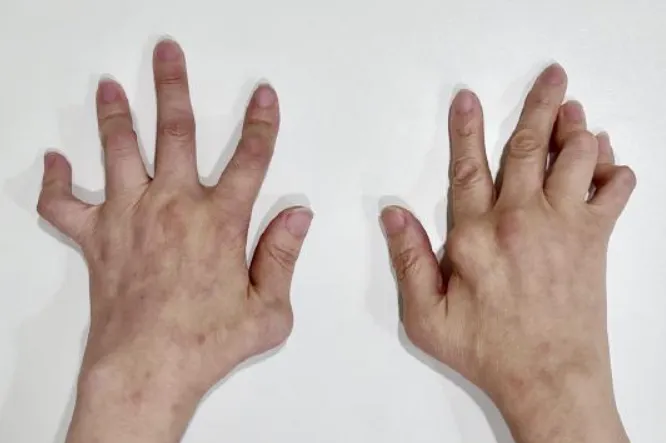
Fig 1.1. Rheumatoid Arthritis
Arthritis can be broadly classified into the following categories (2,5,8)
Osteoarthritis is the most prevalent form, characterized by progressive degeneration of articular cartilage and changes in subchondral bone. It commonly affects weight-bearing joints such as knees and hips.
Rheumatoid arthritis is a chronic autoimmune disorder involving synovial inflammation and pannus formation, leading to joint destruction and deformities.
Gout is caused by deposition of monosodium urate crystals in joints due to hyperuricemia, leading to acute inflammatory attacks.
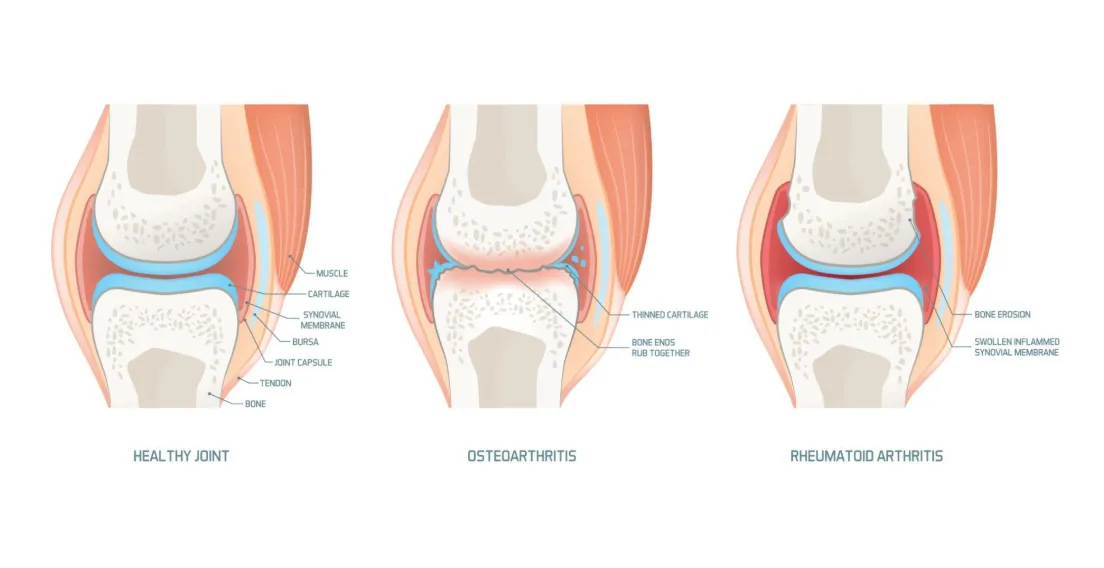
Fig 1.2. Joint anatomy, osteoarthritis and rheumatoid arthritis
The pathogenesis of arthritis involves a combination of inflammatory, degenerative, and biochemical processes:
In rheumatoid arthritis, immune cells such as T-lymphocytes and macrophages release pro-inflammatory cytokines including tumour necrosis factor-alpha (TNF-α), interleukin-1 (IL-1), and interleukin-6 (IL-6). These mediators promote synovial inflammation and joint destruction (3).
In osteoarthritis, there is progressive degradation of cartilage matrix, reduced synthesis of collagen and proteoglycans, and increased activity of matrix metalloproteinases (MMPs) (8).
Reactive oxygen species (ROS) contribute to cartilage damage and inflammation by inducing cellular injury and amplifying inflammatory pathways (9).
Arthritis develops due to a combination of genetic, environmental, and lifestyle factors.
NON-CONTROLLABLE FACTORS
CONTROLLABLE FACTORS
These factors influence disease onset and progression (2,4,8).
Diagnosis is based on clinical evaluation and investigations:
CLINICAL EXAMINATION
LABORATORY TESTS
IMAGING TECHNIQUES
These diagnostic methods help confirm the type and severity of arthritis (4,8).
PHARMACOLOGICAL THERAPY
NON-PHARMACOLOGICAL THERAPY
LIMITATIONS
Conventional therapies are associated with adverse effects such as gastrointestinal irritation, renal toxicity, and immunosuppression, especially with long-term use (6,7).
Herbal medicine has been widely used for centuries in the management of arthritis and other inflammatory disorders. In recent years, there has been growing scientific interest in plant-based therapies due to their multi-targeted mechanisms, better safety profile, and reduced adverse effects compared to conventional synthetic drugs (10,11). Herbal medicines play a significant role in alleviating symptoms such as pain, inflammation, and stiffness associated with various forms of arthritis.Phytoconstituents present in medicinal plants, including flavonoids, alkaloids, terpenoids, glycosides, and phenolic compounds, are known to exhibit potent anti-inflammatory and antioxidant activities. These compounds act by inhibiting pro-inflammatory mediators such as tumour necrosis factor-alpha (TNF-α), interleukins (IL-1, IL-6), cyclooxygenase (COX), and lipoxygenase (LOX) pathways, thereby reducing inflammation and preventing joint damage. Additionally, many herbal compounds scavenge reactive oxygen species, thereby minimizing oxidative stress involved in the progression of arthritis.
Polyherbal formulations, which combine multiple plant extracts, are particularly advantageous due to their synergistic effects, enhancing therapeutic efficacy while minimizing toxicity. These formulations can target multiple pathways simultaneously, making them more effective in managing complex diseases such as arthritis. Furthermore, topical herbal preparations such as sprays, gels, and oils offer localized action, improved patient compliance, and reduced systemic side effects (12,13).Thus, herbal medicine represents a promising and safer alternative or adjunct to conventional therapy in arthritis management, supporting its application in the development of polyherbal anti-arthritic formulations.
Non-pressurized topical sprays are liquid formulations delivered through a mechanical pump system that produces a fine mist without the use of propellants. These systems are increasingly preferred in pharmaceutical and herbal formulations due to their safety, ease of use, and environmental compatibility (14,16). Unlike pressurized aerosols, non-pressurized sprays eliminate the need for liquefied gases, thereby reducing risks associated with flammability and toxicity.
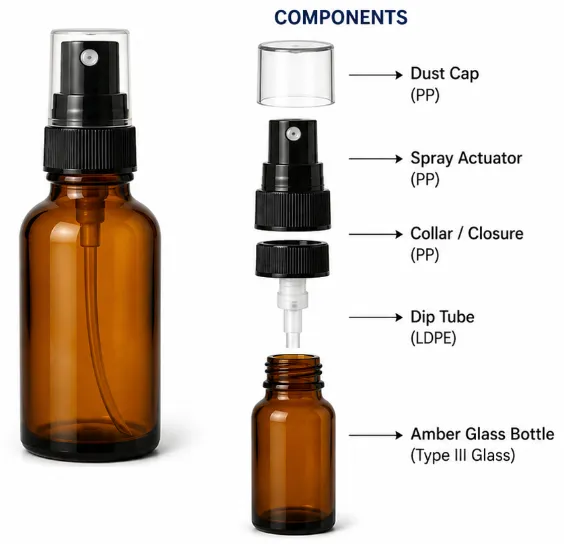
Fig 1.3. Components of non-pressurized spray
Non-pressurized topical sprays offer several advantages:
The effectiveness of non-pressurized sprays depends on multiple formulation and device-related factors:
A well-designed topical spray includes the following essential components:
Additionally, proper packaging components, such as spray pumps, dip tubes, and containers, are crucial for efficient delivery and stability (18,19,20).
The skin, the body’s largest organ, functions as a crucial barrier between internal systems and the external environment. It is composed of three distinct layers: the epidermis, dermis, and hypodermis (also known as the subcutaneous layer). These layers collectively work to provide protection, regulate body temperature, and enable sensory perception, among other vital functions (21).
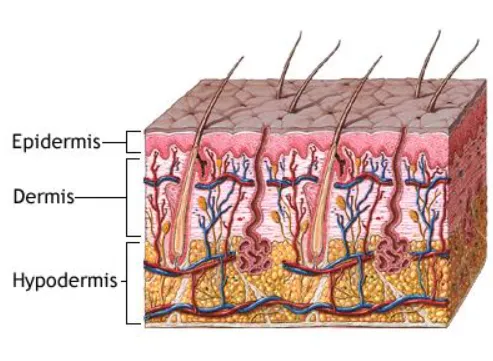
1.4. Sturcture of skin
The epidermis is the outermost layer of the skin, and its primary role is to protect underlying tissues from environmental damage (22). It is primarily made up of keratinocytes, which are cells that produce keratin, a tough protein that enhances the skin’s waterproofing and protective capabilities (23). The epidermis consists of several sublayers:
Located beneath the epidermis, the dermis is much thicker and supports the skin’s structure. The dermis contains connective tissue made up of collagen and elastin fibers, which provide strength, flexibility, and elasticity to the skin (29). It houses a variety of structures, including:
The innermost layer of skin is the hypodermis, primarily made up of fat and connective tissue. This layer serves as insulation, helping to regulate body temperature and protect underlying muscles and bones (34). It also acts as a cushion that absorbs shock and stores energy in the form of fat (35).
Together, these layers provide the skin with the ability to protect against physical damage, regulate temperature, and maintain overall homeostasis (36).
Arthritis is a chronic musculoskeletal disorder characterized by joint pain, inflammation, and limited mobility, which can significantly compromise an individual’s quality of life. Conventional pharmacological therapies, including non-steroidal anti-inflammatory drugs (NSAIDs), corticosteroids, and disease-modifying agents, are commonly prescribed for its management. However, prolonged use of these medications is often linked with adverse effects such as gastrointestinal complications, renal damage, and immunosuppression (6,7). These limitations emphasize the need for safer and more effective alternative treatment strategies.
Polyherbal formulations have attracted growing interest due to their synergistic mode of action, in which multiple plant-based constituents act on various pathological pathways simultaneously. Unlike monotherapy, polyherbal systems enhance therapeutic efficacy by combining anti-inflammatory, analgesic, and antioxidant properties of diverse phytochemicals, including flavonoids, terpenoids, and phenolic compounds (10,12). This multi-targeted approach is particularly advantageous in managing complex conditions like arthritis, where inflammation, oxidative stress, and tissue degeneration coexist.
Topical drug delivery systems, especially sprays, offer several benefits compared to oral administration. These advantages include localized action at the site of inflammation, faster onset of therapeutic effect, avoidance of first-pass metabolism, and a reduction in systemic side effects (14). Moreover, sprays ensure uniform application, are easy to use, and improve patient compliance when compared with conventional topical dosage forms such as creams and ointments.
The incorporation of herbal extracts into a topical spray formulation further enhances therapeutic effectiveness by enabling direct penetration of active compounds into the affected tissues. The use of suitable solvents and permeation enhancers, such as propylene glycol, facilitates improved transdermal absorption of the active constituents (14,15). In addition, volatile components present in certain medicinal plants may contribute to rapid relief by enhancing skin permeability.
Therefore, the development of a polyherbal anti-arthritic spray represents a rational and innovative approach that combines the therapeutic advantages of herbal medicine with the benefits of topical drug delivery systems. Such formulations provide a safer, effective, and patient-friendly alternative for the management of arthritis.
Rao and Deshmukh (2023) formulated and assessed a herbal anti-inflammatory topical spray for parameters such as pH, viscosity, spray pattern, dose uniformity, and skin irritation. The developed formulation exhibited good physicochemical stability, satisfactory spray performance, and acceptable skin compatibility.
Nair et al. (2023) studied the importance of phytochemicals such as flavonoids, terpenoids, and phenolic compounds in arthritis management. The authors concluded that these bioactive constituents possess significant antioxidant and anti-inflammatory activities, which help reduce joint inflammation, oxidative stress, and tissue degeneration in arthritic conditions.
Kulkarni and Patil (2022) investigated the therapeutic role of topical herbal sprays in musculoskeletal disorders and observed that spray formulations provide rapid absorption, convenient application, and improved patient compliance. Their findings suggested that topical sprays can effectively deliver herbal actives directly to inflamed joints while minimizing systemic exposure.
Kumar et al. (2022) investigated the medicinal properties of Vitex negundo and found that its flavonoids, iridoid glycosides, and volatile oils contribute significantly to anti-inflammatory and analgesic activities. The researchers concluded that Nirgundi is effective in reducing arthritic pain and inflammation.
Mehta et al. (2022) reported that hydroalcoholic solvent systems along with permeation enhancers like propylene glycol improve the transdermal delivery of herbal constituents, thereby increasing the therapeutic effectiveness of topical herbal preparations.
Joshi et al. (2021) reported that herbal formulations containing multiple medicinal plant extracts demonstrated enhanced anti-inflammatory activity due to synergistic interactions among phytoconstituents. The study emphasized that polyherbal preparations are more effective in managing chronic inflammatory disorders such as arthritis than single-herb therapies.
Patel et al. (2021) reviewed topical herbal drug delivery systems and highlighted that non-pressurized topical sprays provide direct localized action, better patient convenience, uniform distribution of formulation, and fewer systemic adverse effects compared to oral medications.
Gupta et al. (2021) explained that polyherbal formulations are highly beneficial in the treatment of arthritis because of their combined anti-inflammatory, antioxidant, and analgesic effects. The authors suggested that herbal combinations can effectively control inflammation while producing fewer side effects than prolonged NSAID therapy.
Sharma and Singh (2020) studied the anti-arthritic potential of Semecarpus anacardium and observed that the plant possesses strong anti-inflammatory and immunomodulatory properties due to constituents such as Anacardic acid, flavonoids, and phenolic compounds. Their findings supported the use of detoxified Bhilwa extracts in inflammatory disorders.
Sengupta et al. (2019) evaluated Boswellia serrata and reported that boswellic acids, especially AKBA, suppress inflammatory pathways by inhibiting the 5-lipoxygenase enzyme. The study demonstrated improvement in joint pain, swelling, and stiffness associated with arthritis.
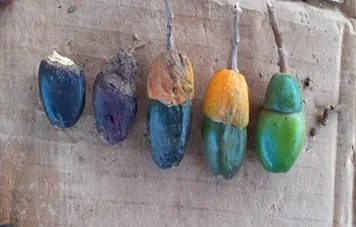
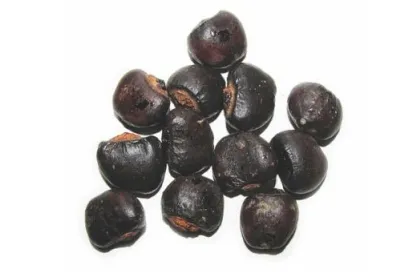
Fig 3.1. Semecarpus Anacardium fruits and seeds
SYNONYM:
BIOLOGICAL SOURCE:
The biological source of Bhilwa is the dried ripe fruit of Semecarpus anacardium Linn. It belongs to the family Anacardiaceae.
FAMILY:
Anacardiaceae
ACTIVE CONSTITUENTS:
The bioactive components of the S. anacardium Linn. are:
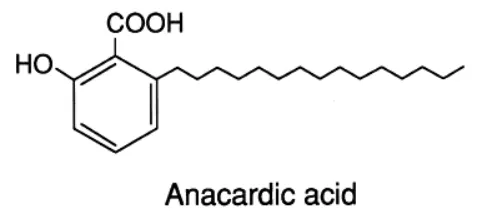
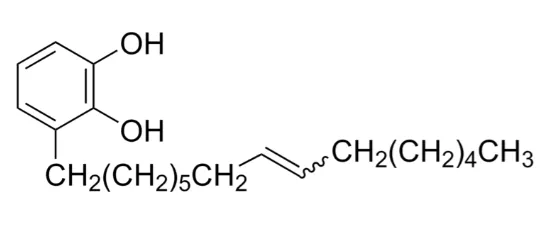
Fig 3.2. Anacardic acid Fig 3.3. Bhilwanol
CATEGORY:
It is classified as potent Antioxidant, Antimicrobial, Anticancer, Hypoglycaemics, Neuro-Protective, Antiulcer, Anti-Inflammatory, Analgesic, Antiatherogenic and Antispermatogenic Activities.
TRADITIONAL USES:
In the Charaka Samhita, S. anacardium is noted for its therapeutic use in gastrointestinal and urinary disorders, persistent skin diseases, and in the management of poisoning. Likewise, the Sushruta Samhita advocates the use of its nut preparations for treating intestinal parasites, fever, liver toxicity, menorrhagia, ulcers, obesity, and pelvic inflammatory disease (45). Furthermore, it is traditionally regarded as a blood purifier, brain tonic, and haematinic agent.
STORAGE:
It should be stored in a cool, dry environment to ensure stability. Owing to its high oil content, the seed is highly flammable and must be kept away from heat and moisture to avoid degradation. Additionally, due to its toxic, irritant, and potentially harmful nature, it should be stored safely out of reach of children.
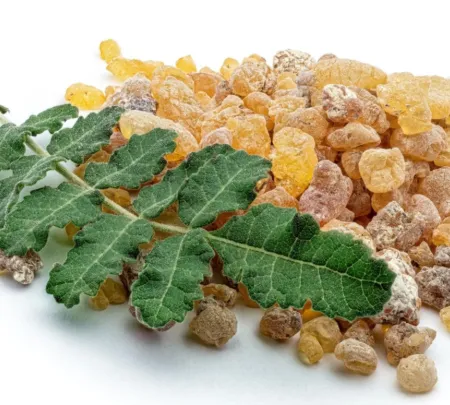
Fig 3.4. Boswellia serrata
SYNONYM:
BIOLOGICAL SOURCE:
The biological source of Shallaki is the therapeutic oleo gum-resin is tapped from incisions made in the tree's bark. It is moderate-to-large branching tree belonging to the family Burseraceae.
FAMILY:
Burseraceae
ACTIVE CONSTITUENTS:
The resin is rich in 12 different types of Boswellic Acids but the six major acids include the (47) :
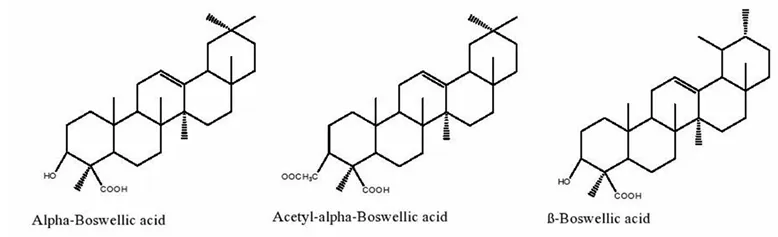
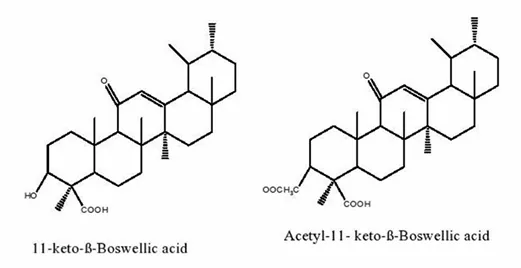
Fig 3.5. Chemical structures of various Boswellic Acids
CATEGORY:
It is classified as Anti-inflammatory and anti-arthritis, Anti-diabetic, Anti-bacterial, Anti-oxidant, Nephroprotective, Diuretic, Memory enhancing properties.
TRADITIONAL USES:
Boswellia serrata is a significant plant in Ayurveda, commonly known as Shallaki, Susravaa, Gajabhakshyaa, Salai, and Gum Kunduru. It is widely utilized in Ayurvedic medicine for managing various disorders. Traditionally, it is believed to balance the Kapha and Pitta doshas and is primarily used in conditions associated with these imbalances. Classical Ayurvedic texts such as the Sushruta Samhita and Charaka Samhita describe its anti-arthritic and anti-inflammatory properties. (48,49).
STORAGE:
The extract should be stored in a cool, dry environment at temperatures below 30 °C, protected from moisture and direct sunlight to preserve its potency, and it generally has a shelf life of up to two years.
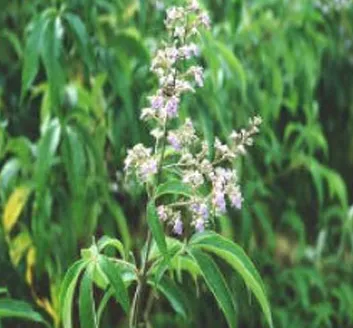
Fig 3.6. Vitex Negundo
SYNONYM:
BIOLOGICAL SOURCE:
Nirgundi is derived from the plant Vitex negundo Linn., a large aromatic shrub or small tree belonging to the family Verbenaceae. While the leaves are predominantly used, other parts such as the roots, seeds, and bark also have medicinal applications.
FAMILY:
Verbenaceae
ACTIVE CONSTITUENTS:
It comprises a diverse range of phytochemicals, including flavonoids, iridoid glycosides, terpenoids, and volatile oils. (51)
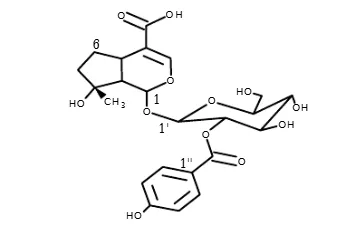
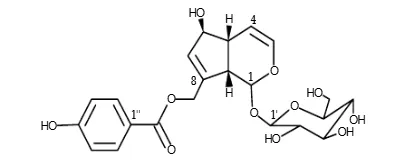
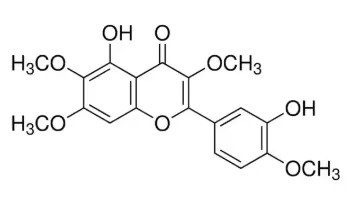
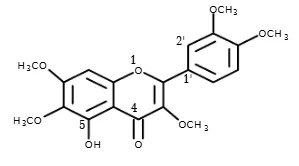
(c) (d)
Fig 3.7. Chemical structures of (a)- Negundoside, (b)- Agnuside, (c)- Casticin, (d)- Artemetin
CATEGORY:
It is classified for its Anti-inflammatory and anti-arthritis, Anti-oxidant, Hepatoprotective, Diuretic, Anti-hyperpigmentation Anticonvulsant Activities.
MEDICINAL USES:
The roots, bark, leaves, and fruits possess significant medicinal value. The roots are a key component of the formulation Dasmula Arista and are commonly used in the management of colitis, dysentery, diarrhoea, flatulence, fever, vomiting, and colic.
STORAGE:
Nirgundi (Vitex negundo) should be kept in a cool, dry location, protected from direct sunlight.
4.1. AIM
To formulate and evaluate a polyherbal anti-arthritic topical spray containing extracts of Semecarpus anacardium (Bhilwa), Boswellia serrata (Shallaki), and Vitex negundo (Nirgundi), aiming to develop a safe, effective, and patient-friendly herbal option for arthritis management.
4.2. NEED OF STUDY
Arthritis is a persistent inflammatory disorder marked by joint pain, stiffness, and limited mobility, which significantly impairs the overall quality of life. Although conventional treatments such as non-steroidal anti-inflammatory drugs (NSAIDs) and corticosteroids are effective in managing symptoms, their prolonged use is often associated with undesirable effects, including gastrointestinal irritation, renal toxicity, and other long-term complications.
Medicinal plants such as Semecarpus anacardium, Boswellia serrata, and Vitex negundo have been widely utilized in Ayurvedic systems for the management of inflammatory conditions.
In addition, topical drug delivery systems, particularly non-pressurized sprays, offer several advantages such as targeted application at the site of inflammation, minimized systemic exposure, enhanced patient compliance, and hygienic, non-contact administration.
4.3. OBJECTIVE
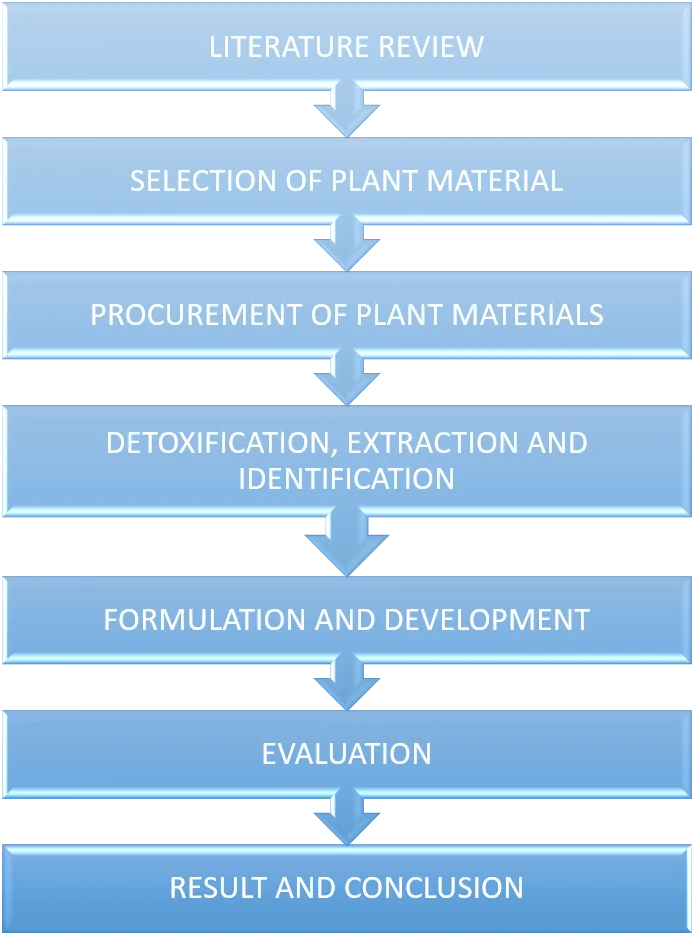
Table no. 6.1. Materials and Equipment’s
|
Sr No. |
ACTIVE INGREDIENTS |
EXCIEPIENTS |
EQUIPMENTS |
|
1 |
BHILWA EXTRACT |
ETHANOL |
HEATING MANTLE |
|
2 |
SHALLAKI EXTRACT |
PROPYLENE GLYCOL |
MAGNETIC STIRRER |
|
3 |
NIRGUNDI EXTRACT |
POLYSORBATE 80 |
SPECTROPHOTOMETER |
|
4 |
|
SODIUM BENZOATE |
GLASS APPARATUS |
|
5 |
|
POTASSIUM SORBATE |
INCUBATOR |
|
6 |
|
PEPPERMINT OIL |
OSWALD VISCOMETER |
|
7 |
|
LAVENDER OIL |
|
|
8 |
|
CITRIC ACID |
|
|
9 |
|
DISTILLED WATER |
|
6.2.2.1. PRELIMINARY TESTS FOR BHILWA
6.2.2.2. PRELIMINARY TESTS FOR SHALLAKI
6.2.2.3. PRELIMINARY TESTS FOR NIRGUNDI
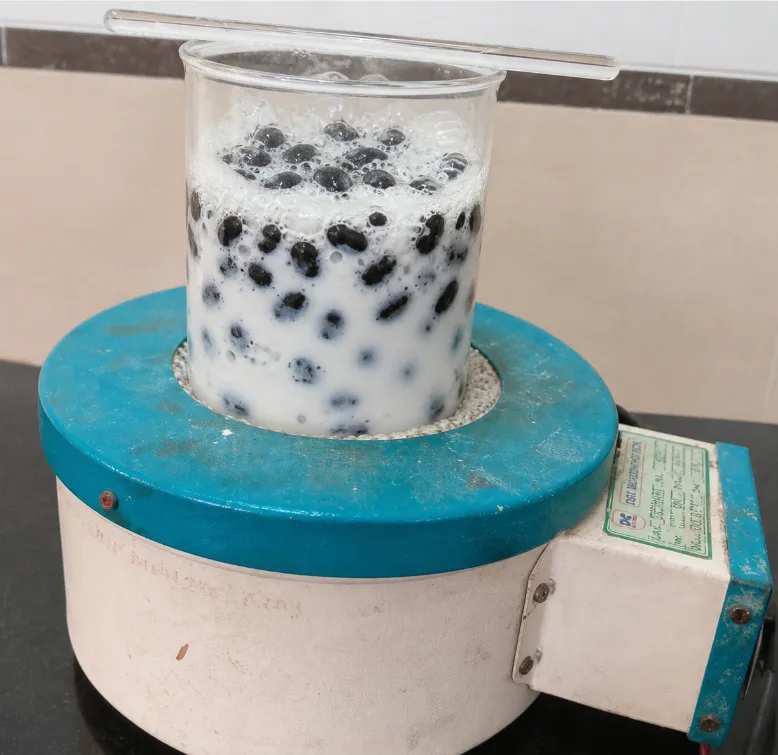
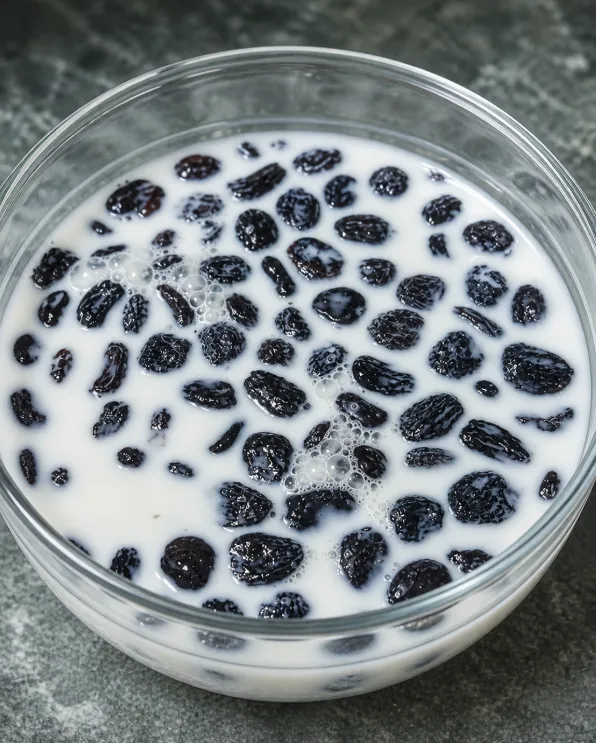
Mature, dried black bhilwa seeds should first be carefully selected and cleaned to remove any dust or impurities. The cleaned seeds are then soaked completely in cow’s milk for about 24 hours, with the milk replaced every 8 hours to ensure effective detoxification. After soaking, the seeds are transferred to fresh milk and gently boiled for 1–2 hours, then allowed to cool naturally before being removed and washed with warm water. Finally, the treated seeds are thoroughly dried either under sunlight or in an oven at 40–50°C until crisp, then ground into a fine powder and stored in an airtight container for further use.
|
Fig 6.2. Bhilwa seeds boiled in cow’s milk
|
|
Fig 6.1. Bhilwa Seeds soaked in cow’s milk |
MACERATION (54)
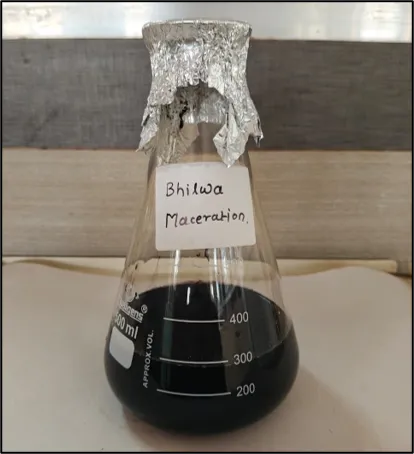
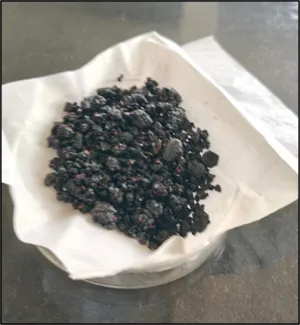
Fig 6.3. Coarse powder after shodhana Fig 6.4. Maceration of Bhilwa
MACERATION (54)
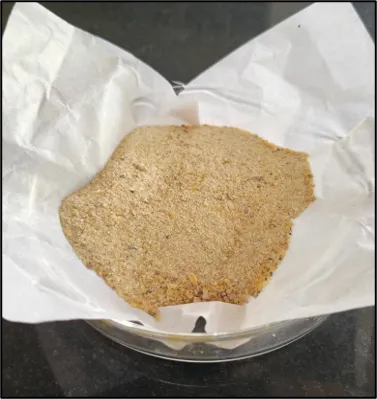
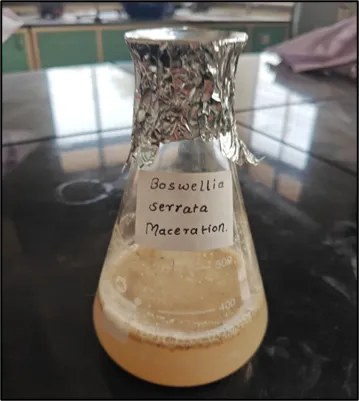
Fig 6.5. Resin powder of Shallaki Fig 6.6. Maceration of Shallaki
MACERATION (54)
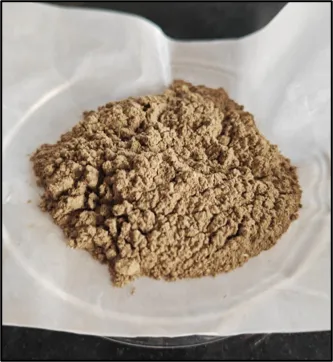
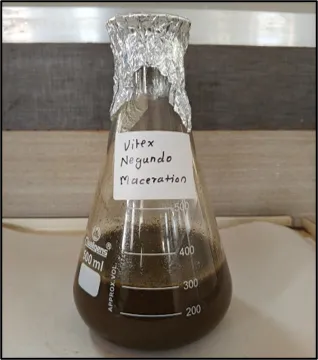
Fig 6.7. Powder of Nirgundi Fig 6.8. Maceration of Nirgundi
The extracts appearance, colour, odour, and taste were evaluated.
The Hydroalcoholic extract was analysed through phytochemical screening to determine the presence or absence of various constituents.
Ferric Chloride test:
The hydroalcoholic extract is combined with water and heated. Then, 2 ml of ferric chloride solution is added. The appearance of a green or blue coloration suggests the presence of phenolic compounds.
Lead Acetate test:
The hydroalcoholic extract is combined with few drops of 10% Lead acetate solution. The formation of a white or yellow precipitate suggests the presence of phenolic compounds.
Alkali test:
Add few drops of dilute NaOH solution to the hydroalcoholic extract. Deep yellow or reddish colour appears which disappears after adding dilute acid. Confirms the presence of phenolic compounds.
Liebermann–Burchard Test:
Approximately 10 ml of the extract was mixed with 1 ml of chloroform to dissolve it. To this solution, 1 ml of acetic anhydride was added, followed by the careful addition of 2 ml of concentrated sulfuric acid. The appearance of a reddish-violet coloration confirms the presence of triterpenoids.
Mayer’s Reagent Test:
A few drops of Mayers reagent, which is a dilute iodine solution, are added to the sample. The appearance of a reddish-brown precipitate confirms the presence of alkaloids.
The extract was diluted with 20 ml of distilled water and shaken vigorously in a graduated cylinder for 15 minutes. The formation of a stable foam layer measuring about 1 cm indicates the presence of saponins.
Shinoda Test:
To 0.5 ml of the extract taken in a test tube, 5–10 drops of 1N hydrochloric acid were added along with a small amount of zinc chloride. The mixture was then heated for a few minutes. The development of a reddish-pink coloration indicates the presence of flavonoids.
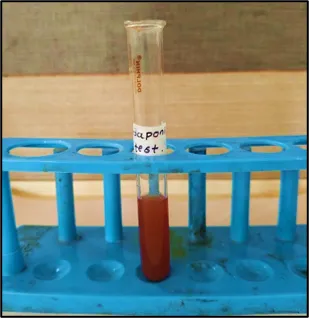
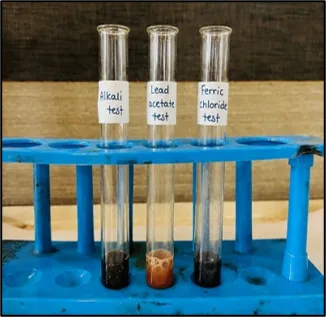
Fig 6.9. Identification tests for Bhilwa
A small quantity of Bhilwa extract was added separately to various solvents including water, ethanol, ether and chloroform in individual test tubes. Each mixture was shaken gently and then allowed to stand. The degree of solubility or miscibility of the extract in each solvent was assessed by visual observation of phase separation or uniform dispersion.
The extracts appearance, colour, odour, and taste were evaluated.
The Hydroalcoholic extract was analyzed through phytochemical screening to determine the presence or absence of various constituents.
Salkowski test:
A few milligrams of the extract are mixed with 2 ml of chloroform in a test tube. Then, 2 ml of concentrated sulfuric acid is added carefully along the side of the tube. Upon shaking, the development of a red colour confirms the presence of triterpenoids.
Mayer’s Reagent Test:
A few drops of Mayers reagent, which is a dilute iodine solution, are added to the sample. The appearance of a reddish-brown precipitate confirms the presence of alkaloids.
Shinoda Test:
To 0.5 ml of the extract taken in a test tube, 5–10 drops of 1N hydrochloric acid were added along with a small amount of zinc chloride. The mixture was then heated for a few minutes. The development of a reddish-pink coloration indicates the presence of flavonoids.
Keller kiliani test:
To the ethanolic extract, 1 ml of benzene and 0.5 ml of dilute ammonia are added. A reddish-brown ring at junction of two phases indicates the presence of glycosides.
The extract was diluted with 20 ml of distilled water and shaken vigorously in a graduated cylinder for 15 minutes. The formation of a stable foam layer measuring about 1 cm indicates the presence of saponins.
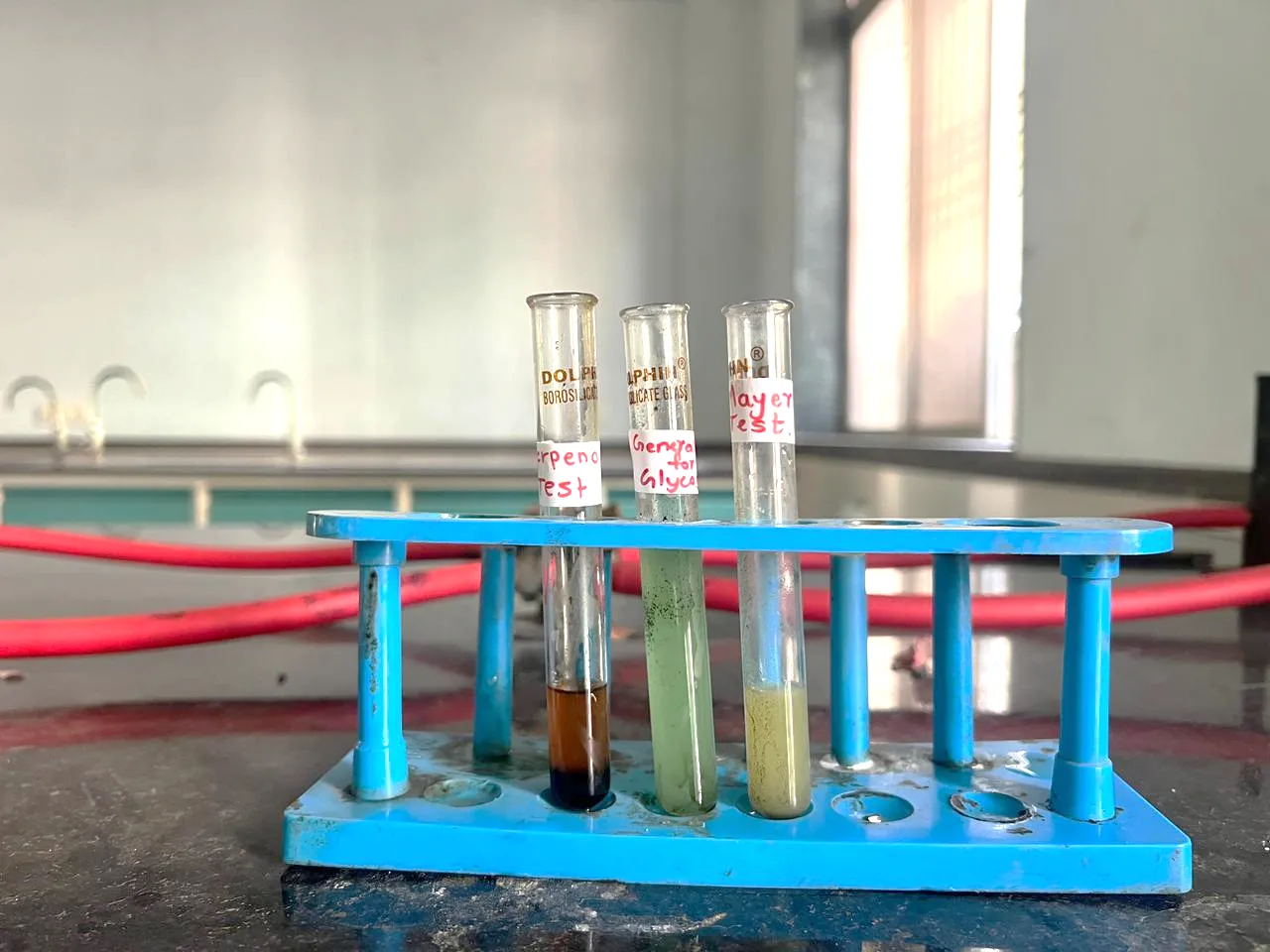
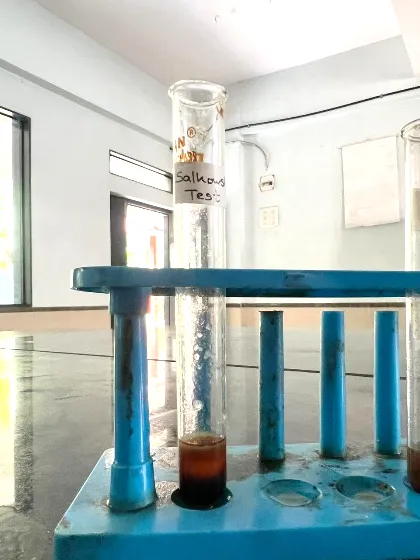
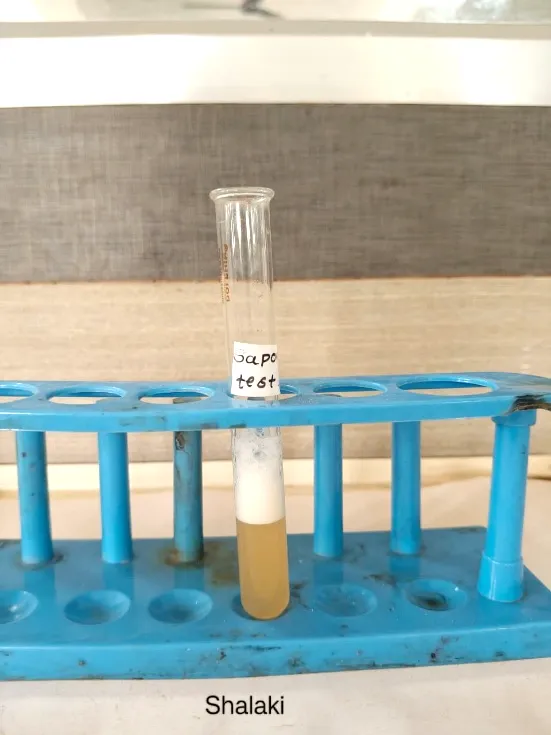
Fig 6.11. Identification tests for Shallaki
In the litmus test, the sample was evaluated using Ph indicator strips to assess its acidity or alkalinity.
A small quantity of Shallaki extract was added separately to various solvents including water, chloroform, ethanol, methanol and acetone in individual test tubes. Each mixture was shaken gently and then allowed to stand. The degree of solubility or miscibility of the extract in each solvent was assessed by visual observation of phase separation or uniform dispersion.
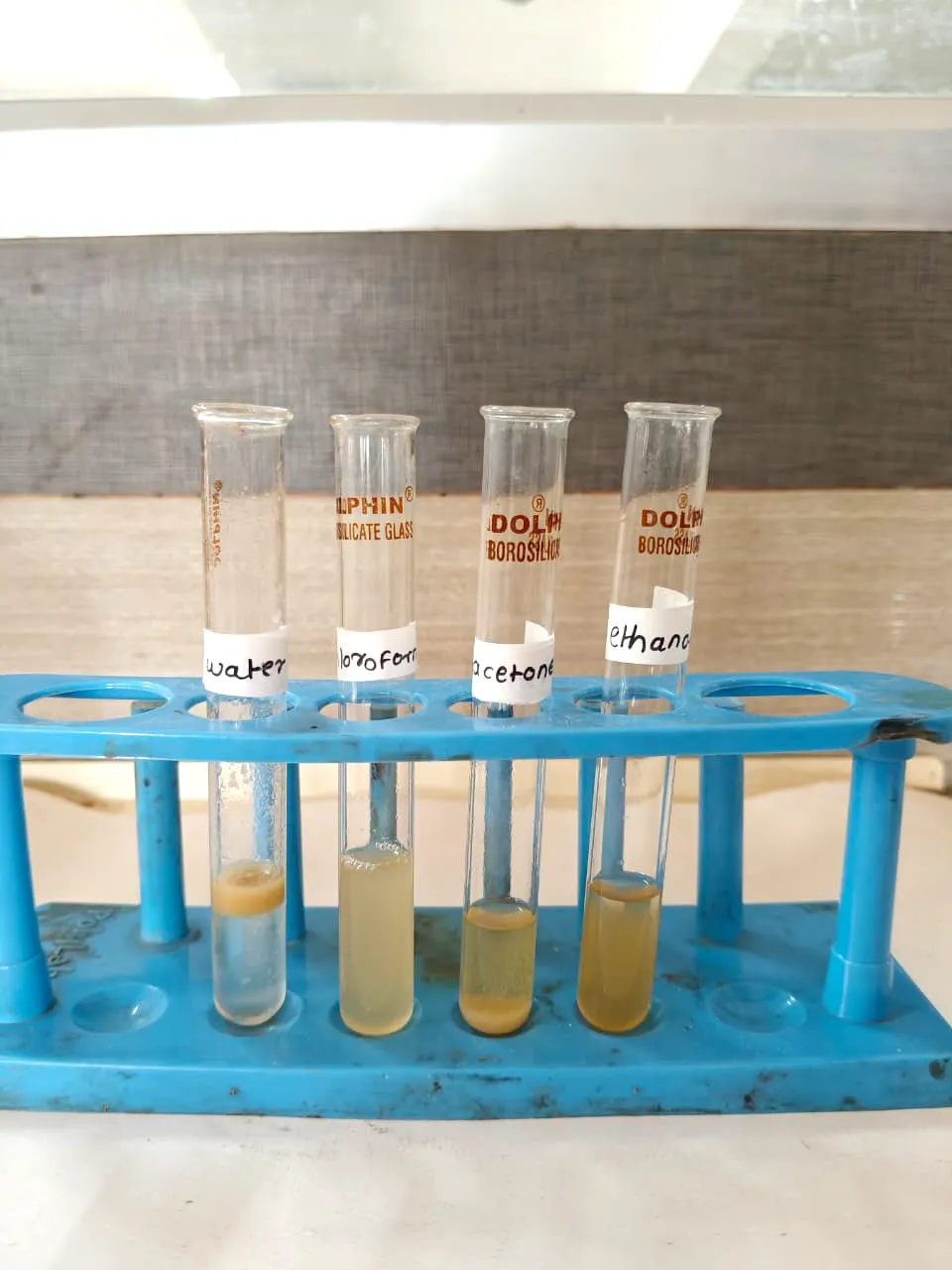
Fig 6.12. Solubility tests for Shallaki
The extracts appearance, color, odor, and taste were evaluated.
The Hydroalcoholic extract was analyzed through phytochemical screening to determine the presence or absence of various constituents.
Lead Acetate test:
The hydroalcoholic extract is combined with few drops of 10% Lead acetate solution. The formation of a white or yellow precipitate suggests the presence of flavonoids.
Keller kiliani test:
To the ethanolic extract, 1 ml of benzene and 0.5 ml of dilute ammonia are added. A reddish-brown ring at junction of two phases indicates the presence of glycosides.
Ferric Chloride test:
The hydroalcoholic extract is combined with water and heated. Then, 2 ml of ferric chloride solution is added. The appearance of a green or blue coloration suggests the presence of phenolic compounds.
The extract was diluted with 20 ml of distilled water and shaken vigorously in a graduated cylinder for 15 minutes. The formation of a stable foam layer measuring about 1 cm indicates the presence of saponins.
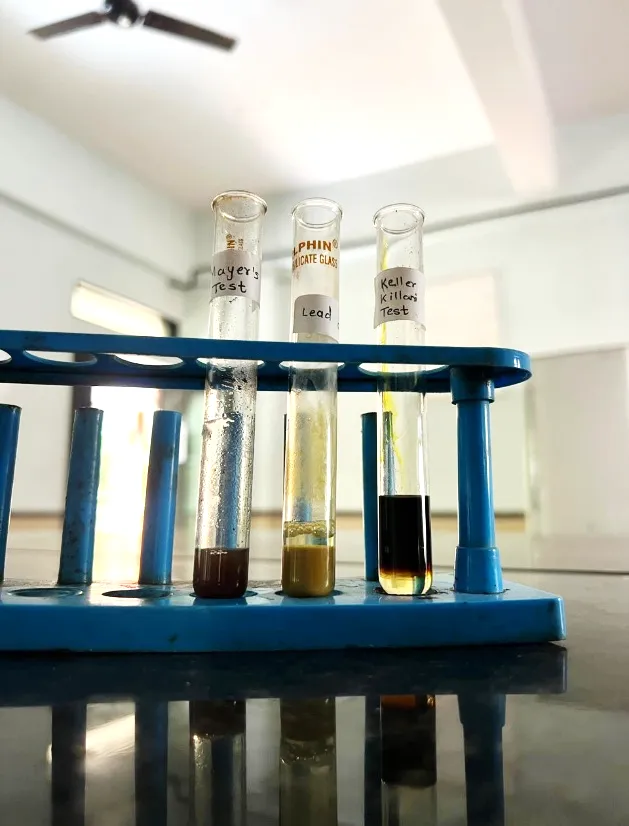
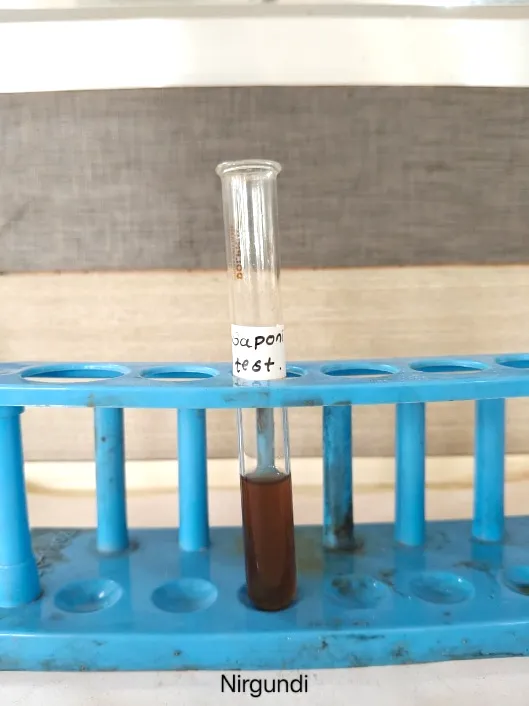
Fig 6.13. Identification tests for Nirgundi
In the litmus test, the sample was evaluated using pH indicator strips to assess its acidity or alkalinity.
A small quantity of nirgundi extract was added separately to various solvents including water, chloroform, ethanol and methanol in individual test tubes. Each mixture was shaken gently and then allowed to stand. The degree of solubility or miscibility of the extract in each solvent was assessed by visual observation of phase separation or uniform dispersion.
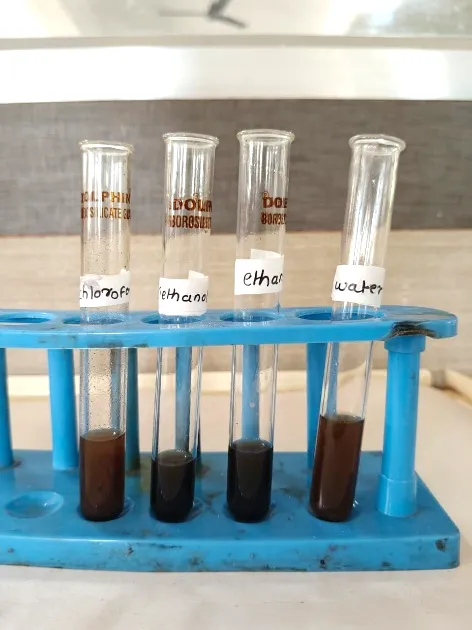
Fig 6.14. Solubility tests for Nirgundi
Table no. 6.2. Master Formula for Non-pressurized topical spray
|
INGREDIENTS |
ROLE |
F1 |
F2 |
F3 |
|
Bhilwa extract |
Active drug |
1ml |
1ml |
1.5ml |
|
Shallaki extract |
Active drug |
1.5ml |
2ml |
2.5ml |
|
Nirgundi extract |
Active drug |
1.5ml |
2ml |
2.5ml |
|
Ethanol |
Solvent |
15ml |
15ml |
15ml |
|
Propylene glycol |
Cosolvent, permeation enhancer |
5ml |
5ml |
5ml |
|
Polysorbate 80 |
Solubilizer |
0.5ml |
0.5ml |
0.5ml |
|
Sodium benzoate |
Preservative |
0.1g |
0.1g |
0.1g |
|
Potassium sorbate |
Preservative |
0.05g |
0.05g |
0.05g |
|
Peppermint oil |
Counter-irritant |
0.1ml |
0.2ml |
0.3ml |
|
Lavender oil |
Fragrance |
Q.S |
Q.S |
Q.S |
|
Citric acid |
pH adjusting agent |
Q.S |
Q.S |
Q.S |
|
Purified water |
|
Up to. 50ml |
Up to. 50ml |
Up to. 50ml |
PROCEDURE:
Step 1: (Aqueous phase)
Step 2: (Alcoholic phase)
Step 3: (Mixing)
Step 4:
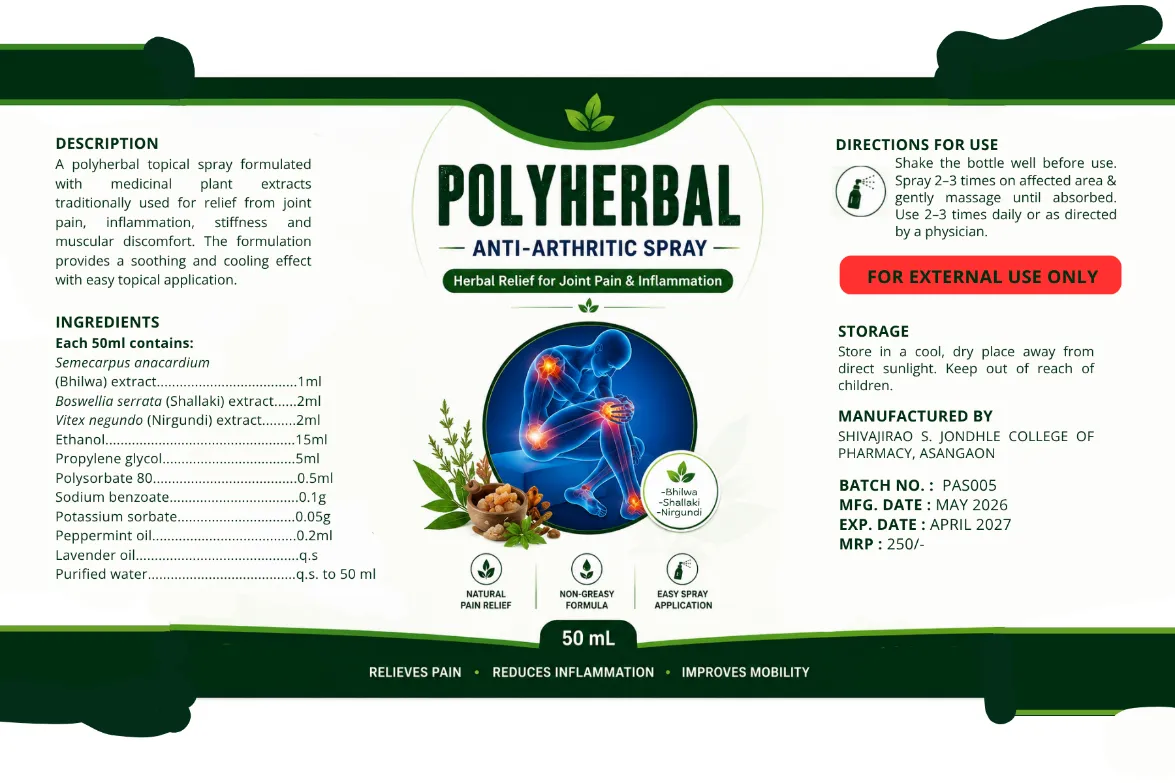
Fig 6.15. Formulated spray label
6.4.1. Organoleptic Evaluation
Organoleptic evaluation was performed to assess the physical characteristics of the formulation using sensory organs. The prepared polyherbal anti-arthritic spray was evaluated for parameters such as colour, odor, presence of particles, and clarity to ensure its acceptable appearance and overall quality.
6.4.2. pH Determination
The pH of the formulated polyherbal anti-arthritic spray was evaluated using pH paper to check its suitability for topical application. pH of the formulation must range between 5-6.5.
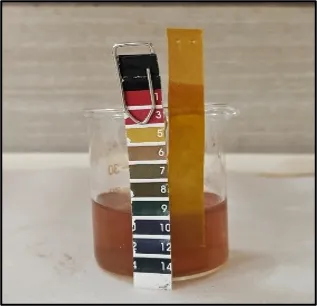
Fig 6.16. pH Determination
6.4.3. Viscosity
The viscosity of the prepared polyherbal anti-arthritic spray was evaluated to determine its flow behaviour and ease of spraying.
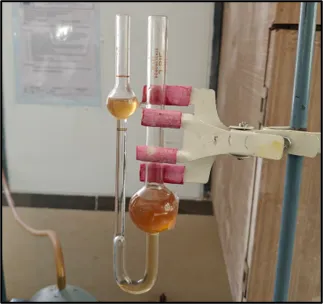
Fig 6.17. Oswald Viscometer
6.4.4. Spray Pattern Test
The spray formulation was sprayed onto a clean white paper or glass surface from a fixed distance. The pattern formed after spraying was observed visually for its shape, uniformity, and coverage area.
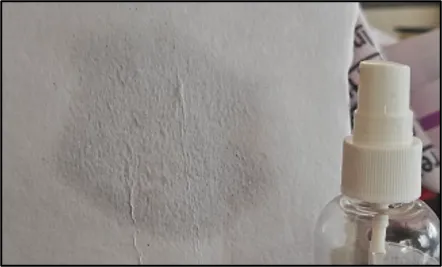
Fig 6.18. Spray Pattern Test
6.4.5. Irritation Test
The skin irritation test was performed to evaluate the safety and suitability of the prepared polyherbal anti-arthritic spray for topical application. A small quantity of the formulation was applied to a limited area of the skin and observed for any signs of irritation such as redness, itching, swelling, or burning sensation after application.
6.4.6. Dose per Actuation
The pump delivery test was carried out to determine the amount of formulation released with each spray actuation. The spray container was weighed before and after 10 times of actuations. The difference in weight was calculated and divided by the number of sprays to determine the average amount of formulation delivered per actuation.
6.4.7. In-Vitro Anti-Inflammatory Activity by Protein Denaturation Method (63,64)
The anti-inflammatory activity of the test Formulation was evaluated by determining its ability to inhibit protein denaturation, which serves as an In-vitro marker for anti-inflammatory potential.
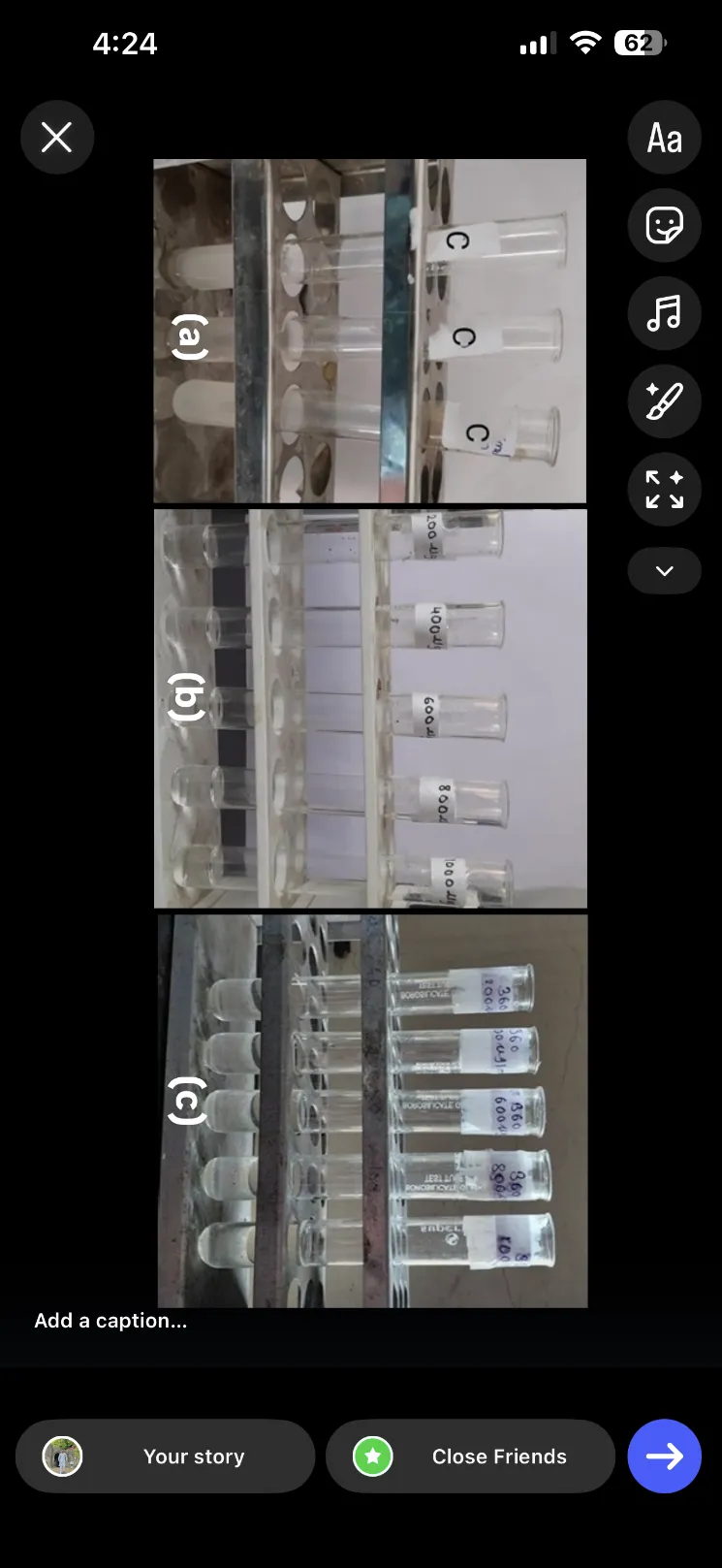
Fig 6.19. (a) Control, (b) Std Diclofenac sodium, (c) Sample Anti-inflammatory activity
Table no. 7.1. Organoleptic Properties of Bhilwa extract
|
Sr. no. |
Parameters |
Observations |
|
1. |
Colour |
Dark reddish-Brown |
|
2. |
Odour |
Pungent |
|
3. |
Taste |
Bitter |
Table no. 7.2. Phytochemical screening of Bhilwa extract
|
Sr. no. |
|
Tests |
Results |
|
1. |
Phenolic Compounds |
Ferric Chloride test |
Positive |
|
|
|
Lead Acetate test |
Positive |
|
|
|
Alkali test |
Positive |
|
2. |
Triterpenoids |
Liberman-Burchard test |
Negative |
|
3. |
Alkaloids |
Mayer’s Reagent test |
Positive |
|
4. |
Saponins |
Test for Saponins |
Negative |
|
5. |
Flavonoids |
Shinoda test |
Positive |
Table no. 7.3. Solubility test for Bhilwa extract
|
Sr. no. |
Solvents |
Observations |
|
1. |
Water |
Insoluble |
|
2. |
Alcohol |
Soluble |
|
3. |
Ether |
Soluble |
|
4. |
Chloroform |
Soluble |
Table no. 7.4. Organoleptic Properties of Shallaki extract
|
Sr. no. |
Parameters |
Observations |
|
1. |
Colour |
Yellowish Brown |
|
2. |
Odour |
Aromatic resinous |
|
3. |
Taste |
Slightly bitter |
Table no. 7.5. Phytochemical screening of Shallaki extract
|
Sr. no. |
|
Tests |
Results |
|
1. |
Triterpenoids |
Salkowski test |
Positive |
|
2. |
Alkaloids |
Mayer’s Reagent test |
Positive |
|
3. |
Flavonoids |
Shinoda test |
Positive |
|
4. |
Glycosides |
Killer-Kiliani test |
Positive |
|
5. |
Saponins |
Test for Saponins |
Positive |
Table no. 7.6. Solubility test for Shallaki extract
|
Sr. no. |
Solvents |
Observations |
|
1. |
Water |
Insoluble |
|
2. |
Ethanol |
Soluble |
|
3. |
Acetone |
Soluble |
|
4. |
Chloroform |
Soluble |
Table no. 7.7. Organoleptic Properties of Nirgundi extract
|
Sr. no. |
Parameters |
Observations |
|
1. |
Colour |
Dark Brown |
|
2. |
Odour |
Distinctive herbal |
|
3. |
Taste |
Bitter |
Table no. 7.8. Phytochemical screening of Nirgundi extract
|
Sr. no. |
|
Tests |
Results |
|
1. |
Flavonoids |
Lead Acetate test |
Positive |
|
2. |
Glycosides |
Killer-Kiliani test |
Positive |
|
3. |
Phenolic compounds |
Ferric chloride test |
Positive |
|
4. |
Saponins |
Test for Saponins |
Negative |
Table no. 7.9. Solubility test for Nirgundi extract
|
Sr.no. |
Solvents |
Observations |
|
1. |
Water |
Soluble |
|
2. |
Ethanol |
Soluble |
|
3. |
Methanol |
Soluble |
|
4. |
Chloroform |
Soluble |
Table no. 7.10. Organoleptic parameters of formulation
|
Sr. no. |
Parameters |
F1 |
F2 |
F3 |
Inference |
|
1. |
Colour |
Clear to yellow |
Slightly Brown |
Light Brown |
Colour Enhanced with increase in extract concentration |
|
2. |
Odour |
Aromatic |
Aromatic |
Strong Aromatic |
Characteristic aromatic |
|
3. |
Clarity |
Clear |
Slightly clear |
Slightly turbid |
Acceptable |
|
4. |
Presence of particles |
Absent |
Absent |
Few fine particles negligible |
Free from visible Particulate Matter |
Table no. 7.11. pH Test
|
Parameter |
F1 |
F2 |
F3 |
Inference |
|
pH
|
6.2 |
5.8 |
5.5 |
Range (5-6.5) Thus acceptable Optimal F2 |
Table no. 7.12. Viscosity
|
Parameter |
F1 |
F2 |
F3 |
Inference |
|
Viscosity
|
42.5 cP |
56.8 cP |
71.2 cP |
Viscosity increased with increase in extract concentration |
Table no. 7.13. Spray Pattern Test
|
Parameter |
F1 |
F2 |
F3 |
Inference |
|
Spray Pattern
|
Fine and Uniform |
Uniform circular pattern |
Slightly wider |
F2 has uniform spray pattern |
Table no. 7.14. Irritation Test
|
Parameter |
F1 |
F2 |
F3 |
Inference |
|
Irritation
|
No irritation |
Negligible Irritation |
Slight tingling |
Irritation Increased with increase in Concentration |
Table no. 7.14. Dose per Actuation
|
Parameter |
F1 |
F2 |
F3 |
Inference |
|
Dose
|
0.14g |
0.17g |
0.165g |
F2 shows more dose per actuation |
Table no. 7.16. In-Vitro Anti-Inflammatory Activity by Protein
|
Sr. no. |
Sample |
Conc. µg/ml
|
O. D |
|
|
Mean |
Percent Inhibition |
|
1. |
Control |
|
0.82 |
0.89 |
0.87 |
0.860 |
|
|
2. |
Std Diclofenac sodium |
200 |
0.25 |
0.24 |
0.21 |
0.233 |
72.87 |
|
|
|
400 |
0.19 |
0.18 |
0.19 |
0.187 |
78.29 |
|
|
|
600 |
0.15 |
0.17 |
0.16 |
0.160 |
81.40 |
|
|
|
800 |
0.13 |
0.14 |
0.12 |
0.130 |
84.88 |
|
|
|
1000 |
0.11 |
0.18 |
0.09 |
0.127 |
85.27 |
|
3. |
Sample formulation |
200 |
0.68 |
0.67 |
0.66 |
0.670 |
22.09 |
|
|
|
400 |
0.62 |
0.68 |
0.67 |
0.657 |
23.64 |
|
|
|
600 |
0.56 |
0.55 |
0.52 |
0.543 |
36.82 |
|
|
|
800 |
0.48 |
0.47 |
0.46 |
0.470 |
45.35 |
|
|
|
1000 |
0.42 |
0.43 |
0.49 |
0.447 |
48.06 |
Denaturation Method Observations
The in vitro anti-inflammatory activity of sample (polyherbal anti-arthritic spray) was evaluated using the protein denaturation method and compared with the standard drug Diclofenac sodium, a widely used NSAID. The standard drug showed strong inhibition of protein denaturation in a concentration-dependent manner, with inhibition increasing from 72.87% at 200 µg/mL to 85.27% at 1000 µg/mL, confirming the validity and sensitivity of the experimental model.
Results:
The present study indicates that sample (polyherbal anti-arthritic spray) exhibits moderate in vitro anti-inflammatory activity as evidenced by its ability to inhibit protein denaturation.
• At 200 µL, inhibition was 22.09%, indicating low initial activity.
• The activity improved significantly at higher concentrations, reaching 48.06% at 1000 µL.
• A consistent decrease in absorbance values supports its ability to stabilize proteins and inhibit denaturation.
CONCLUSION FOR EVALUATION TESTS
The formulated polyherbal anti-arthritic sprays (F1,F2 and F3) were assessed for various evaluation parameters including organoleptic characteristics, pH, viscosity, spray pattern, dose per actuation, and skin irritation. All formulations demonstrated acceptable appearance, characteristic odour, suitable spray ability, skin-friendly pH, and absence of significant irritation.
Among the developed formulations, F2 showed superior overall performance with optimum viscosity, uniform spray distribution, consistent dose delivery, and improved stability. Hence, F2 was considered as the optimized formulation fulfilling the essential requirements of safety, stability, appearance, and performance.
SUMMARY AND CONCLUSION
A polyherbal anti-arthritic topical spray was successfully formulated and evaluated using hydroalcoholic extracts of Semecarpus anacardium (Bhilwa), Boswellia serrata (Shallaki), and Vitex negundo (nirgundi). Arthritis is a chronic inflammatory disorder associated with pain, stiffness, swelling, and reduced mobility, and conventional therapies are often linked with adverse effects during long-term use. Therefore, the study aimed to develop a safer, effective, and patient-friendly herbal topical formulation.
The selected medicinal plants were identified, detoxified where necessary, and extracted using the hydroalcoholic maceration method. Preliminary evaluation of the extracts included organoleptic studies, phytochemical screening, pH determination, and solubility testing. The phytochemical studies confirmed the presence of important bioactive constituents such as flavonoids, phenolic compounds, alkaloids, glycosides, and triterpenoids, which are known for their anti-inflammatory and antioxidant activities.
Three formulations (F1, F2, and F3) of the non-pressurized topical spray were prepared using suitable excipients including ethanol, propylene glycol, polysorbate 80, preservatives, peppermint oil, and lavender oil. The prepared formulations were evaluated for organoleptic properties, pH, viscosity, spray pattern, irritation test, and dose per actuation. All formulations demonstrated acceptable appearance, characteristic aromatic odour, suitable pH range, satisfactory spray ability, and acceptable skin compatibility. The viscosity increased gradually with increase in extract concentration, while spray pattern and dose delivery remained satisfactory.
The in-vitro anti-inflammatory activity of the optimized formulation was assessed by the protein denaturation method and compared with standard Diclofenac sodium. The formulation exhibited concentration-dependent inhibition of protein denaturation, showing 48.06% inhibition at 1000 µL, thereby confirming its moderate anti-inflammatory potential. Among all formulations, F2 showed the best overall performance due to its balanced viscosity, uniform spray pattern, good dose uniformity, acceptable pH, minimal irritation, and better stability characteristics. Hence, F2 was considered as the optimized polyherbal anti-arthritic topical spray formulation.
Thus, the developed polyherbal topical spray may serve as a safe, effective, and patient-friendly herbal alternative for the management of arthritis and related inflammatory conditions
FUTURE PROSPECTS
The formulated polyherbal anti-arthritic topical spray shows considerable promise as a safe and effective herbal approach for the treatment of arthritis and other inflammatory disorders. The present investigation demonstrated satisfactory physicochemical characteristics, suitable spray performance, good skin compatibility, and moderate in-vitro anti-inflammatory activity. However, additional studies are necessary to confirm its complete therapeutic potential. Future work may involve detailed in-vivo pharmacological studies and clinical investigations to evaluate its safety, efficacy, and patient compliance in comparison with currently available anti-arthritic medications.
Further advancement of the formulation may be achieved by utilizing novel topical drug delivery systems such as nano emulsions, liposomal carriers, or microemulsion-based sprays to improve skin permeation and enhance bioavailability of the active phytoconstituents. Long-term stability studies, microbial assessment, preservative effectiveness testing, and packaging compatibility evaluations can also be performed to establish product stability and commercial applicability. Moreover, isolation and identification of specific bioactive constituents responsible for anti-inflammatory activity may provide stronger scientific support for the formulation. Additional molecular and mechanistic studies involving inflammatory mediators like TNF-α, IL-1, IL-6, COX, and LOX pathways may further validate its therapeutic effectiveness. With continued optimization and expanded research, the developed polyherbal topical spray may emerge as an economical, patient-friendly, and commercially valuable herbal formulation for arthritis management.
REFERENCES
79.
79.

Bhagyashri Chaudhari, Manisha Nangude, Pragati Kamble, Sneha Kamble, Pratiksha Kathavale, Pratik Kathole , Shubham Killekar, Polyherbal Anti-Arthritic Spray of Shodhita Bhilwa, Vitex Negundo and Boswellia Serrata, Int. J. of Pharm. Sci., 2026, Vol 4, Issue 8, 1-31, https://doi.org/10.5281/zenodo.22230483
 10.5281/zenodo.22230483