

We use cookies to ensure our website works properly and to personalise your experience. Cookies policy
Department of Pharmaceutics, St. Soldier institute of pharmacy, Lidhran Campus, Behind NIT (R.E.C.), Jalandhar –Amritsar by pass, NH-1, Jalandhar -144011, Punjab, India.
Fungal infections represent a growing global health concern due to increasing resistance, toxicity of synthetic antifungal agents, and limited therapeutic efficacy. Polyherbal formulations, comprising multiple bioactive phytoconstituents, have emerged as promising alternatives due to their synergistic antifungal mechanisms, including disruption of fungal cell membranes, inhibition of ergosterol biosynthesis, oxidative stress induction, and biofilm suppression. However, their clinical translation is constrained by poor solubility, low bioavailability, and variability in phytochemical composition. Recent advances in sustained release and nanotechnology-based drug delivery systems have significantly improved the therapeutic potential of herbal antifungal agents. This review systematically evaluates literature from 2000 to 2025, focusing on polyherbal antifungal formulations integrated with sustained and advanced delivery systems. It critically discusses formulation strategies, mechanisms of action, comparative effectiveness, and emerging technologies such as nanostructured lipid carriers, phytosomes, and hydrogels. Furthermore, key challenges including standardization, regulatory limitations, and lack of clinical validation are highlighted. The integration of polyherbal therapeutics with advanced drug delivery platforms represents a transformative approach for next-generation antifungal therapy.
Fungal infections have emerged as a significant global health concern, contributing substantially to morbidity and mortality, particularly among immunocompromised populations. Opportunistic pathogens such as Candida spp., Aspergillus spp., and Cryptococcus spp. are responsible for a wide spectrum of superficial to life-threatening systemic infections. Recent epidemiological analyses highlight the increasing global burden of fungal diseases, driven by factors such as prolonged antibiotic use, immunosuppressive therapies, organ transplantation, and the rise of chronic diseases (Hameed, 2024). Despite advances in antifungal pharmacotherapy, the management of fungal infections remains challenging due to limited drug classes, toxicity issues, and emerging resistance mechanisms.
Antifungal resistance has become a critical barrier in effective treatment. Resistance mechanisms include alterations in drug targets, efflux pump overexpression, biofilm formation, and genetic mutations, which collectively reduce drug efficacy (Verma, 2025; Thakur, 2025). Notably, resistance to azoles and echinocandins has been increasingly reported, raising concerns about the future effectiveness of current antifungal therapies. Furthermore, conventional antifungal agents often exhibit poor pharmacokinetic profiles, including limited solubility, low bioavailability, and systemic toxicity, which further complicate treatment outcomes.
In response to these limitations, there has been a renewed interest in plant-based therapeutics and traditional medicine systems, particularly polyherbal formulations. Polyherbal formulations, which combine multiple medicinal plant extracts, are widely used in traditional systems such as Ayurveda, Traditional Chinese Medicine, and African ethnomedicine. These formulations offer synergistic therapeutic effects, where multiple bioactive compounds act on different molecular targets simultaneously, thereby enhancing antifungal efficacy and reducing the likelihood of resistance development (Kumar & Sharma, 2025; Sivaji et al., 2026). Phytochemicals such as flavonoids, alkaloids, tannins, and terpenoids have demonstrated potent antifungal properties, including disruption of fungal cell membranes, inhibition of ergosterol biosynthesis, and induction of oxidative stress (Raghuvanshi et al., 2025).
Moreover, recent studies emphasize that polyherbal combinations can potentiate the activity of conventional antifungal drugs, leading to improved therapeutic outcomes. For instance, synergistic interactions between herbal extracts and antifungal agents such as fluconazole have shown enhanced efficacy against resistant fungal strains (Sivaji et al., 2026). Additionally, polyherbal formulations have been reported to modulate host immune responses, further contributing to their therapeutic potential (Mashele, 2025). These multifaceted mechanisms make polyherbal approaches particularly attractive for addressing complex fungal infections.
Despite these advantages, the clinical application of polyherbal formulations is hindered by several limitations, including poor aqueous solubility, instability of phytoconstituents, variability in composition, and lack of standardization. These challenges often result in inconsistent therapeutic outcomes and limit their acceptance in mainstream medicine. Furthermore, conventional herbal dosage forms such as decoctions, powders, and tinctures often fail to provide controlled and sustained drug release, leading to suboptimal efficacy.
To overcome these limitations, significant attention has been directed toward the development of sustained release (SR) and advanced drug delivery systems (NDDS). Sustained release formulations are designed to maintain therapeutic drug concentrations over extended periods, thereby improving efficacy and patient compliance. In parallel, modern drug delivery technologies, including nanoparticles, liposomes, phytosomes, and hydrogels, have demonstrated remarkable potential in enhancing the bioavailability, stability, and targeted delivery of herbal bioactives (Ranjani & Hemalatha, 2025; Gunawardana & Dias, 2025). These systems protect sensitive phytoconstituents from degradation, improve solubility, and enable controlled release, thereby maximizing therapeutic benefits.
Recent advances in nanotechnology have further revolutionized the field of herbal drug delivery. Nano-polyherbal formulations have shown enhanced antifungal activity, improved penetration, and the ability to overcome drug resistance mechanisms (Ranjani & Hemalatha, 2025). Additionally, biopolymeric systems and hydrogels have been explored for topical antifungal applications, offering localized and sustained drug delivery with minimal systemic side effects.
Given these developments, there is a critical need to comprehensively evaluate the integration of polyherbal antifungal therapeutics with sustained and advanced drug delivery systems. This review aims to provide an in-depth analysis of current research trends, mechanisms of action, formulation strategies, and therapeutic potential of such systems. Furthermore, it highlights key challenges, research gaps, and future directions necessary for the successful translation of these promising approaches into clinical practice.
2. METHODOLOGY
A systematic literature review was conducted using Scopus, PubMed, Web of Science, and Google Scholar databases covering the period 2000–2025, with emphasis on recent publications (2018–2025). Keywords included “polyherbal antifungal,” “sustained release herbal formulations,” “herbal drug delivery systems,” and “nanotechnology in antifungal therapy.”
Inclusion criteria:
Exclusion criteria:
A total of over 120 articles were screened, with approximately 60 high-quality studies included for qualitative synthesis.
3. MECHANISMS OF ANTIFUNGAL ACTION OF POLYHERBAL FORMULATIONS
Polyherbal formulations exhibit potent antifungal activity through multi-target and synergistic mechanisms, distinguishing them from conventional single-target antifungal drugs. These formulations contain diverse phytoconstituents such as flavonoids, alkaloids, terpenoids, phenolics, and saponins, which act collectively on various fungal cellular pathways. The integration of multiple mechanisms not only enhances efficacy but also reduces the likelihood of resistance development (Sivaji et al., 2026; Ranjani & Hemalatha, 2025).
3.1 Disruption of Fungal Cell Membrane Integrity
One of the primary antifungal mechanisms involves direct disruption of the fungal cell membrane, leading to leakage of intracellular contents and eventual cell lysis.
Phytochemicals such as terpenoids and essential oils interact with lipid bilayers, altering membrane permeability. These compounds:
This mechanism is analogous to polyene antifungals but often exhibits lower toxicity toward host cells (Gunawardana & Dias, 2025).
3.2 Inhibition of Ergosterol Biosynthesis
Ergosterol is a critical component of fungal cell membranes, essential for maintaining structural integrity and fluidity. Several phytoconstituents inhibit enzymes involved in ergosterol biosynthesis, such as:
Inhibition of these enzymes leads to:
Flavonoids and phenolic compounds have been reported to exhibit azole-like activity by targeting ergosterol pathways (Kumar & Sharma, 2025).
3.3 Induction of Oxidative Stress (ROS Generation)
Polyherbal formulations can induce intracellular oxidative stress by generating reactive oxygen species (ROS), including:
Excess ROS leads to:
This oxidative damage ultimately results in fungal cell apoptosis or necrosis (Mashele, 2025).
3.4 Inhibition of Biofilm Formation and Quorum Sensing
Biofilms represent a major challenge in antifungal therapy, as they:
Polyherbal formulations inhibit:
This results in:
Recent studies demonstrate that plant-derived compounds interfere with signaling molecules involved in fungal communication (Raghuvanshi et al., 2025).
3.5 Inhibition of Efflux Pumps
Efflux pumps play a crucial role in antifungal resistance by actively transporting drugs out of fungal cells. Certain phytochemicals inhibit these pumps, leading to:
Alkaloids and flavonoids are particularly effective in modulating efflux pump activity (Verma, 2025).
3.6 Interference with DNA and Protein Synthesis
Some bioactive compounds interfere with:
This leads to:
This mechanism complements other antifungal actions, contributing to the multi-target therapeutic effect.
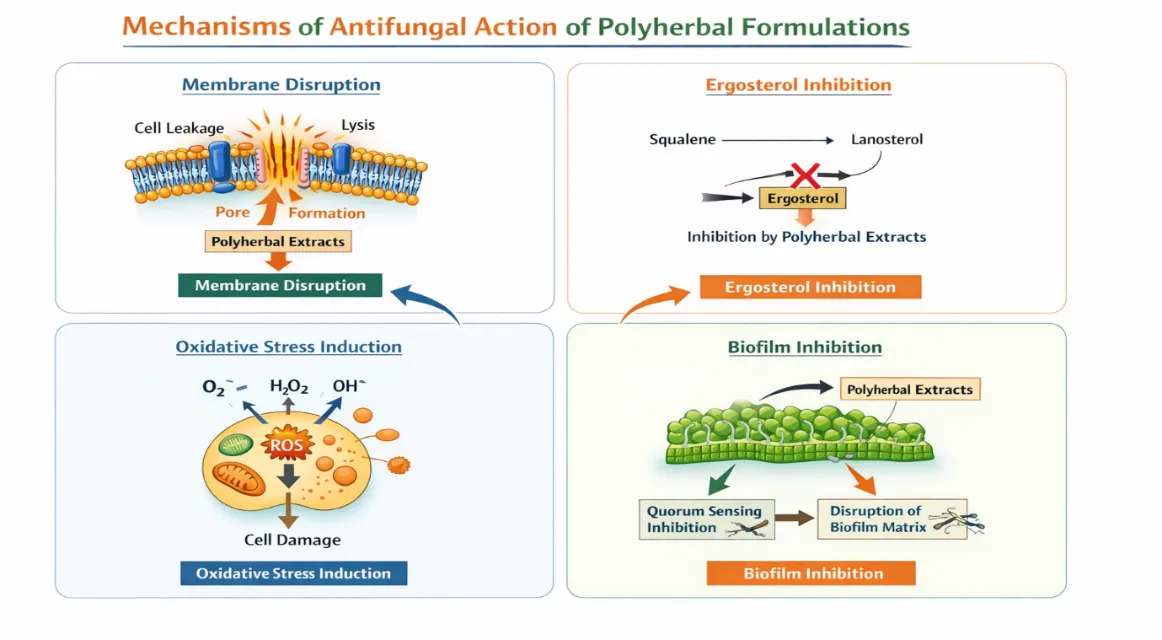
Figure 1: Mechanism of action of Polyherbal Extract
4. SUSTAINED RELEASE DRUG DELIVERY SYSTEMS FOR POLYHERBAL ANTIFUNGAL THERAPEUTICS
Sustained release (SR) drug delivery systems have emerged as a critical strategy to overcome the pharmacokinetic and biopharmaceutical limitations associated with polyherbal antifungal formulations. These systems are designed to release active phytoconstituents at a controlled rate over an extended period, thereby maintaining therapeutic drug concentrations and enhancing clinical efficacy.
Recent advances in pharmaceutical technology demonstrate that integrating herbal actives into SR systems significantly improves drug stability, bioavailability, and patient compliance, while minimizing dosing frequency and systemic toxicity (Xu et al., 2026; Kaur et al., 2026).
4.1 Rationale for Sustained Release in Polyherbal Systems
Polyherbal formulations inherently contain multiple bioactive compounds with:
These challenges result in fluctuating plasma drug levels and reduced therapeutic outcomes. Sustained release systems address these limitations by:
Furthermore, SR systems are particularly beneficial in antifungal therapy, where prolonged drug exposure is required to effectively eradicate fungal pathogens (Federizzi et al., 2026).
4.2 Types of Sustained Release Systems in Herbal Antifungals
4.2.1 Matrix-Based Systems
Matrix systems are among the most widely used SR formulations, where the drug is embedded within a polymeric matrix.
Polymers used:
Mechanism:
Applications:
Studies indicate that hydrophilic polymer matrices provide sustained antifungal activity over 12–24 hours, improving therapeutic consistency (Kale et al., 2025).
4.2.2 Reservoir Systems
In reservoir systems, the drug core is surrounded by a rate-controlling membrane.
Advantages:
Limitation:
These systems are particularly useful for potent phytoconstituents requiring tight pharmacokinetic control.
4.2.3 Hydrogel-Based Systems
Hydrogels are three-dimensional polymeric networks capable of retaining large amounts of water.
Key features:
Recent studies highlight that hydrogel-based polyherbal formulations enhance skin penetration and provide prolonged antifungal activity, especially in dermal infections (Guleria et al., 2026).
4.2.4 Microspheres and Microcapsules
Microparticulate systems encapsulate herbal actives within biodegradable polymers.
Advantages:
These systems are increasingly used in oral and topical antifungal therapies to improve drug delivery efficiency.
4.3 Mechanisms of Drug Release from SR Systems
Drug release from sustained release formulations follows multiple kinetic mechanisms:
1. Diffusion-Controlled Release
2. Erosion-Controlled Release
3. Swelling-Controlled Release
4. Stimuli-Responsive Release (Emerging)
Recent research emphasizes smart SR systems that respond to fungal infection microenvironments, improving targeted therapy (Wu et al., 2026).
4.4 Advantages of Sustained Release Polyherbal Systems
Additionally, SR systems allow combination delivery of multiple phytoconstituents, preserving the synergistic nature of polyherbal formulations.
4.5 Limitations and Challenges
Despite their advantages, SR systems face several challenges:
Moreover, traditional SR systems often lack target specificity, which has led to the emergence of advanced nanotechnology-based delivery systems.
4.6 Integration with Advanced Drug Delivery Systems
Modern research focuses on combining sustained release principles with nanotechnology-based delivery platforms, such as:
These hybrid systems offer:
Recent findings indicate that nano-enabled sustained release systems significantly outperform conventional formulations in antifungal therapy (Singh et al., 2026; Ahmed et al., 2026).
5. ADVANCED DRUG DELIVERY SYSTEMS (NDDS) FOR POLYHERBAL ANTIFUNGAL THERAPEUTICS
Advanced Drug Delivery Systems (NDDS) represent a transformative approach in antifungal therapy by addressing the intrinsic limitations of conventional and sustained release herbal formulations. These systems leverage nanotechnology, lipid-based carriers, and smart biomaterials to enhance the pharmacokinetic and pharmacodynamic profiles of polyherbal therapeutics.
Unlike traditional delivery methods, NDDS provide:
Recent studies demonstrate that NDDS significantly improve antifungal efficacy, penetration into biofilms, and resistance modulation, making them highly promising for next-generation therapeutics (Singh et al., 2026; García et al., 2025).
5.1 Nanostructured Lipid Carriers (NLCs)
Nanostructured lipid carriers are composed of a mixture of solid and liquid lipids, forming a stable matrix for drug encapsulation.
Key Features:
Mechanism:
Applications:
5.2 Polymeric Nanoparticles
Polymeric nanoparticles (PNPs) are widely used due to their versatility and ability to encapsulate both hydrophilic and hydrophobic phytoconstituents.
Common Polymers:
Advantages:
Antifungal Relevance:
PNPs have demonstrated improved intracellular delivery, particularly useful against invasive fungal infections (Ranjani & Hemalatha, 2025).
5.3 Liposomes
Liposomes are phospholipid vesicles that encapsulate bioactive compounds within bilayer membranes.
Advantages:
Mechanism:
Liposomes are particularly effective for delivering volatile plant extracts and essential oils, which are otherwise unstable.
5.4 Phytosomes
Phytosomes are complexes formed between phytoconstituents and phospholipids, enhancing absorption and bioavailability.
Key Benefits:
Phytosomes are especially useful for oral polyherbal formulations, where poor bioavailability is a major limitation (Kumar et al., 2025).
5.5 Nanoemulsions
Nanoemulsions are thermodynamically stable dispersions of oil and water stabilized by surfactants.
Advantages:
Applications:
Nanoemulsions have shown significant improvement in antifungal activity against resistant strains due to enhanced dispersion and absorption (García et al., 2025).
5.6 Hydrogels and Emulgels
Hydrogels are cross-linked polymeric systems capable of holding large amounts of water, while emulgels combine emulsion and gel systems.
Key Features:
Antifungal Applications:
Recent research indicates that hydrogel-based polyherbal systems provide prolonged retention at infection sites, improving therapeutic outcomes (Ostróżka-Cieślik et al., 2025).
5.7 Stimuli-Responsive (Smart) Delivery Systems
Emerging NDDS include stimuli-responsive systems that release drugs in response to environmental triggers such as:
Significance:
These systems are particularly promising for targeting fungal infection microenvironments, which often exhibit altered pH and enzymatic profiles (Wu et al., 2026).
Table 1: Comparative Insights: SR vs NDDS
|
Feature |
Sustained Release Systems |
NDDS |
|
Drug Release |
Controlled |
Controlled + Targeted |
|
Bioavailability |
Moderate |
High |
|
Targeting |
Limited |
Advanced |
|
Resistance Control |
Low |
High |
|
Complexity |
Low |
High |
CONCLUSION
Polyherbal formulations represent a promising and multifaceted approach to antifungal therapy, offering synergistic mechanisms that target fungal pathogens through multiple biological pathways. However, their clinical potential has historically been limited by poor bioavailability, instability, and lack of standardization.
The integration of sustained release and advanced drug delivery systems has significantly enhanced the therapeutic performance of these formulations by improving drug stability, enabling controlled release, and facilitating targeted delivery. In particular, nanotechnology-based systems such as nanoparticles, lipid carriers, phytosomes, and hydrogels have demonstrated superior efficacy in overcoming biological barriers and antifungal resistance.
Despite these advancements, critical challenges remain, including insufficient clinical evidence, regulatory limitations, and formulation complexities. Addressing these issues through interdisciplinary research, technological innovation, and regulatory harmonization will be essential for successful clinical translation.
In conclusion, the convergence of polyherbal therapeutics and advanced drug delivery technologies represents a transformative paradigm in antifungal treatment, with the potential to address current limitations and pave the way for next-generation, precision antifungal therapies.
REFERENCES

Sahil Sharma, Rajesh Kumar, Ajeet Pal Singh, Amar Pal Singh, Polyherbal Formulations and Sustained Release Drug Delivery Systems: A Comprehensive Review of Antifungal Therapeutics, Int. J. of Pharm. Sci., 2026, Vol 4, Issue 9, 3048-3058, https://doi.org/10.5281/zenodo.22938910
 10.5281/zenodo.22938910