

We use cookies to ensure our website works properly and to personalise your experience. Cookies policy
1Pharm-D Interns, S.C.S College of Pharmacy, Harapanahalli
2Assisstant professor (Guide), S.C.S College of Pharmacy, Harapanahalli
3Professor, S.C.S College of Pharmacy, Harapanahalli
Background: Pregnancy is a critical period requiring cautious use of medications due to potential maternal and foetal risks. Inappropriate prescribing practices may result in teratogenicity, adverse maternal outcomes, and poor neonatal health. Evaluating prescribing patterns in antenatal wards provides insights into rationality, safety, and adherence to treatment guidelines. Objective: The present study aimed to evaluate the prescribing pattern of drugs among pregnant women admitted to the antenatal ward of a tertiary care teaching hospital. Specific objectives included assessing drug safety using US-FDA pregnancy risk categories, adherence to WHO prescribing indicators, and the proportion of drugs prescribed from the National List of Essential Medicines (NLEM). Methodology: A prospective observational study was conducted over six months in the antenatal ward of Chigateri District Hospital, Davangere. Data were collected from 200 pregnant women’s case sheets, including demographic details, obstetric history, presenting complaints, comorbidities, and prescribed medications. Prescriptions were analyzed for drug classes, dosage forms, safety categories, and rationality using WHO core prescribing indicators.RESULTS: A total of 200 pregnant women were evaluated, with most in the age group of 26–30 years (40.5%) and third trimester (40%). The average number of drugs per encounter was 7.62. Vitamins and mineral supplements (43.19%) were the most commonly prescribed, followed by intravenous fluids (16%) and antiemetics (10.2%). Paracetamol was the most used analgesic, ceftriaxone the most prescribed antibiotic, and ondansetron the most common antiemetic. According to US-FDA risk categorization, 52.23% of drugs were category B, 29.72% category C, 17.76% category A, 0.32% category D, and none from category X. WHO indicators showed 73.2% prescriptions by generic name, 41% with antibiotics, 80% with injections, and 91.7% from the Essential Drug List. 74.9% of the prescribed drugs were from the National List of Essential Medicines (NLEM), reflecting a fairly good adherence to standard treatment guidelines. Conclusion: The study highlights that supplementation therapy remains the cornerstone of antenatal drug prescribing. Most drugs prescribed were safe (categories A and B), with minimal use of category D and no category X drugs, reflecting rational prescribing practices. However, the high average number of drugs per encounter, frequent use of antibiotics and injections, and relatively lower generic prescribing indicate areas for improvement. Strengthening awareness of rational prescribing and adherence to essential drug lists can enhance maternal and foetal outcomes.
Pregnancy can be defined as the carrying of one or more offspring known as a foetus or embryo inside the uterus of a female. Pregnancy period consists of 40 weeks. Medical scientist divides this period into three trimesters. The first trimesters consists of 0–12 weeks, followed by the second, which consist of 13–28 week and the third for 29–40 weeks¹.
Drug treatment during pregnancy is always a special concern since every drug is potentially harmful to foetus².
High-risk pregnancy is defined as pregnancy complicated by factors that can adversely affect maternal and/or perinatal outcome. About 10–30% of the pregnant women seen during antenatal period can be classified as high risk and account for 70–80% of perinatal mortality and morbidity.
There are various factors that contribute to high-risk conditions in a pregnant women such as pre-existing medical conditions including cardiac diseases, epilepsy, hypertension (HTN), bronchial asthma, type 2 diabetes mellitus (T2DM), and pregnancy-associated diseases such as anemia, gestational hypertension (GHTN), gestational diabetes mellitus (GDM), and complications such as pre-eclampsia, eclampsia, PROM, amniotic fluid disturbance, placenta previa and abruption placenta which require appropriate pharmacotherapy.³
Pre-eclampsia is a multisystem disorder of pregnancy characterized by new onset of hypertension with proteinuria after 20 weeks gestation.⁴ Eclampsia is defined as the onset of convulsions or coma during pregnancy or post-partum in a patient who has signs and symptoms of pre-eclampsia.⁵ Gestational Hypertension (GHTN) is the new onset of hypertension after 20 weeks of gestation.⁶ Gestational Diabetes Mellitus (GDM) is defined as impaired glucose tolerance with onset or first recognition during pregnancy.⁷ Hypothyroidism is an endocrinological disorder in pregnancy that can cause adverse effect on both mother and child.⁸
Exposing pregnant women to drugs has been of particular concern with regard to the development of congenital malformations and stillbirths⁹.
The Thalidomide incidence of 1960’s and the teratogenic effects related to diethylstilbesterol in 1971 are instances of dangers which drugs may pose to pregnant subjects¹⁰.
Pregnant women have been often excluded from clinical trials and evidences generated from animal-based studies are not often suitable for extrapolation to indicate teratogenicity in humans. Hence drug use by pregnant women is considered experimental in most clinical practices. However, the use of medications is sometimes mandatory during pregnancy¹³.
Experts in different countries have set up risk classification systems based on data from human and animal studies to help physicians interpret the risk associated with drugs administered during pregnancy. The most well-known classification was introduced by the US Food and Drug Administration (FDA) in 1979¹⁴.
TABLE 1.1: US-FDA CATEGORIES FOR DRUGS IN PREGNANCY
|
Category A |
Adequate clinical studies have shown no risk to foetus in any trimester. |
|
Category B |
Animal studies have not shown adverse effect on the foetus and there are inadequate clinical studies. |
|
Category C |
Animal studies have shown adverse effects, no adequate clinical studies, may be useful in pregnancy despite potential risk. |
|
Category D |
There is evidence of risk to human foetus, but potential benefits may be acceptable despite potential risks. |
|
Category X |
Animal or human studies show foetal abnormalities, risk involved clearly outweigh benefits. |
In general drugs unless absolutely necessary should not be used during pregnancy because drugs taken by a pregnant women can reach the foetus and harm it by crossing the placenta¹⁵.
Antenatal care (ANC) plays a crucial role in monitoring pregnancy and promoting safe medication use. The World Health Organization (WHO) recommends regular ANC visits to provide preventive interventions, screening, and appropriate treatment 16,17. Additionally, WHO prescribing indicators serve as valuable tools for evaluating drug utilization patterns, promoting rational use of medicines, and improving healthcare quality 18,19.
Pharmacoepidemiological studies are essential in understanding prescribing trends and identifying potential risks associated with drug use during pregnancy. Such studies help evaluate healthcare practices, ensure adherence to standard guidelines, and minimize unnecessary or harmful drug exposure 20.
In this context, the present study aims to evaluate the prescribing patterns of drugs among pregnant women admitted to the antenatal ward of a tertiary care teaching hospital, with a focus on assessing drug safety, rationality, and adherence to established prescribing guidelines 21.
MATERIALS AND METHODOLOGY
A prospective observational study was conducted in the antenatal ward of the Obstetrics and Gynecology Department at a tertiary care teaching hospital, Chigateri District Hospital, Davangere. The study was carried out over a period of six months and included more than 150 pregnant women admitted for antenatal care.
Study Design and Population
The study population comprised pregnant women aged 18 years and above who were admitted to the antenatal ward and had at least one drug prescribed during their hospital stay. Only those who provided informed consent were included in the study. Patients who were outpatients, below 18 years of age, had incomplete prescription data, or refused to participate were excluded.
Data Sources and Collection
Data were collected from patient case sheets, prescription records, laboratory reports, and structured data collection forms. Information regarding demographic details, obstetric history, clinical parameters, and prescribed medications was recorded. Patients admitted for more than two days were followed, and ward rounds were attended daily to ensure accurate data collection.
Variables Assessed
The study evaluated prescribing patterns based on:
Study Procedure
The study was conducted in three phases. The first phase included a literature review, ethical approval, and preparation of data collection tools. The second phase involved patient data collection and documentation of prescribing practices. The third phase included statistical analysis of the collected data.
Statistical Analysis
The collected data were analyzed using appropriate statistical methods and represented graphically using computer software such as Microsoft Excel. Descriptive statistics were used to summarize prescribing patterns.
Ethical Considerations
Ethical clearance was obtained from the Institutional Ethics Committee of SCS College of Pharmacy, Harapanahalli. The study did not require any additional investigations to be conducted on patients, and confidentiality of patient information was strictly maintained.
RESULTS
A total of 200 pregnant women admitted to the antenatal ward were included in the study. The age distribution showed that the majority of patients belonged to the 26–30 years age group (40.5%), followed by 21–25 years (27%), while smaller proportions were observed in the 31–35 years (15%), 18–20 years (12.5%), and above 35 years (5%) age groups.(Fig.1)
With respect to gravida status, most patients were second gravida (32.5%), followed by primigravida (25.5%) and third gravida (25%). A smaller proportion consisted of fourth gravida (12.5%) and fifth gravida (4.5%), indicating that multiparous women constituted a significant portion of the study population.(Fig.2)
Trimester-wise distribution revealed that the majority of patients were in the third trimester (40%), followed by the second trimester (35%), while 25% were in the first trimester. This indicates that most hospital admissions occurred during the later stages of pregnancy.(Fig.3)
Regarding presenting complaints, nausea and vomiting (28.5%) was the most commonly reported symptom. Other complaints included abdominal pain (14%), general weakness (5%), reduced foetal movements (1.5%), and vaginal bleeding (1%). Notably, 50% of patients presented with other miscellaneous conditions, reflecting a wide range of clinical presentations.(Fig.4)
In terms of comorbid conditions, 55% of patients had no associated illnesses, while 45% had one or more comorbidities. Among these, gestational diabetes mellitus (15%) and hypothyroidism (15%) was most common, hypertension (7.5%), and other conditions (2.5%).(Fig.5)
In terms of Tetanus Toxoid immunization status, TT1 was administered to (33.5%), while TT2 was administered to (53%) participants and (13.5%) had not taken TT vaccine, indicating a high level of adherence to national immunization schedule for tetanus prophylaxis during pregnancy.(Fig.6)
Analysis of drug utilization patterns showed that vitamins and mineral supplements (35%) were the most frequently prescribed medications, followed by antimicrobials (20%), antiemetics (15%), analgesics (12.5%), and anti-ulcer drugs (10%), while other drug categories accounted for 7.5%. This indicates a predominance of supportive and preventive therapy in antenatal care.(Fig.7)
Evaluation based on WHO prescribing indicators revealed that the average number of drugs per prescription was 7.62. About 73.2% of drugs were prescribed by their generic names, 41% of prescriptions included antibiotics, percentage of an encounter with an injection prescribed is 80% and 91.7% of drugs were prescribed from the essential drug list, indicating generally rational prescribing practices.(Table 2)
Assessment of drug safety according to FDA pregnancy risk categories showed that the majority of drugs belonged to Category B (52.23%), followed by Category C (29.72%). A smaller proportion of drugs were classified under Category A (17.76%), Category D (0.32%), and Category X (0%). This suggests that most medications prescribed were relatively safe for use during pregnancy.(Table 1, Fig.(15)
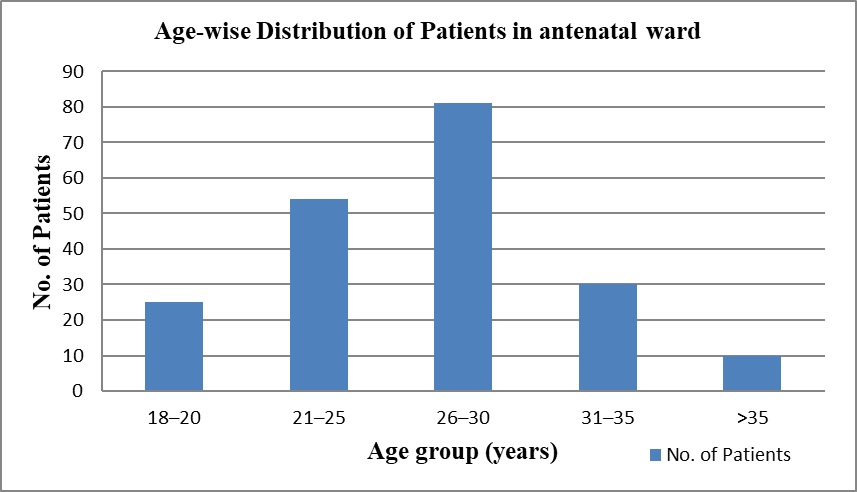
Figure (1) Age Distribution
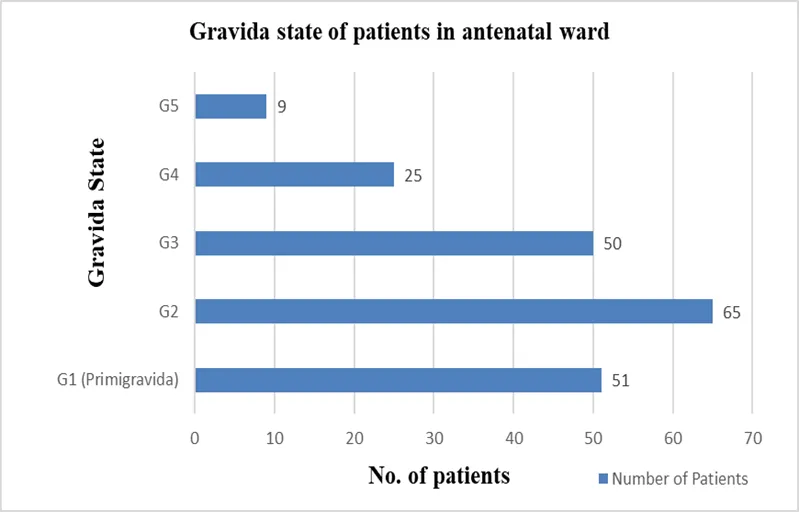
Figure (2) Gravida status
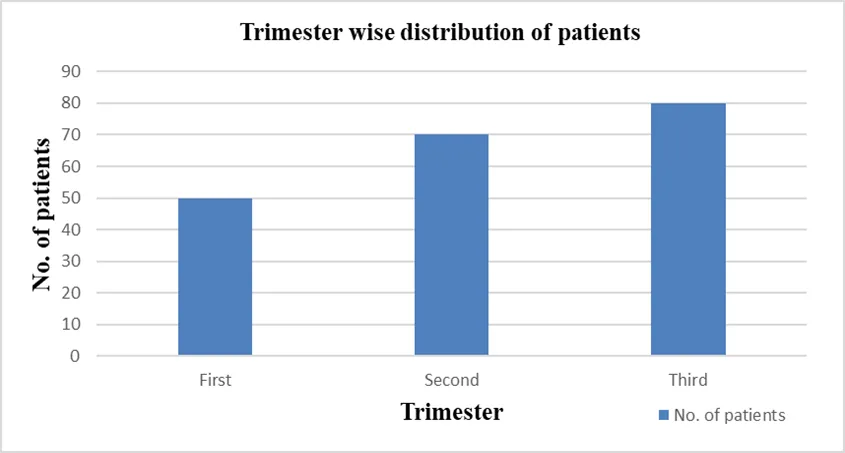
Figure (3) Trimester distribution
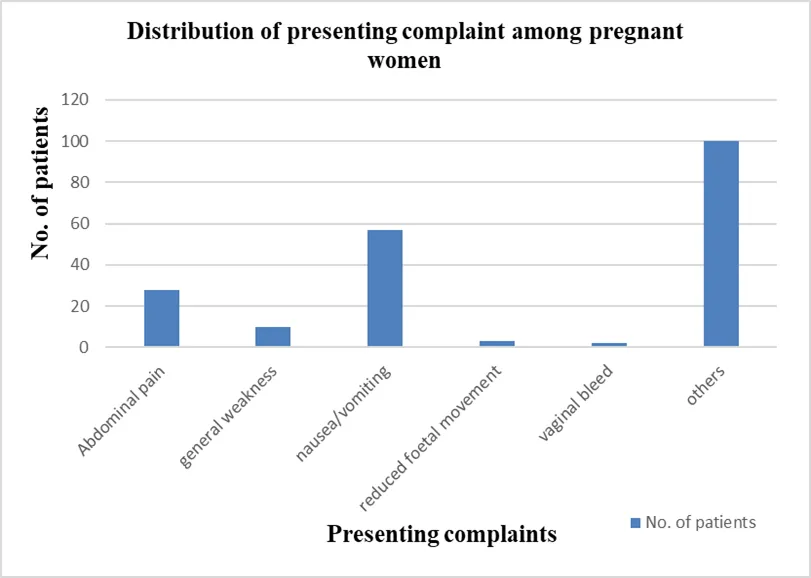
Figure (4) Presenting Complaints
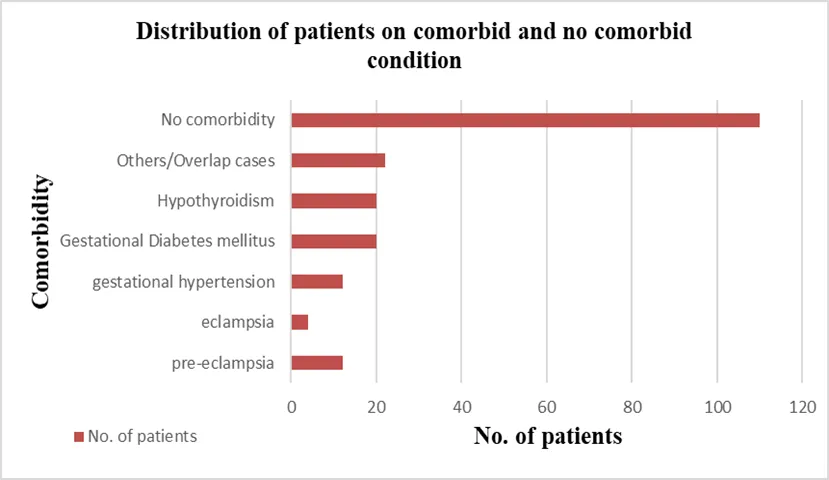
Figure (5) Comorbid and no comorbid condition
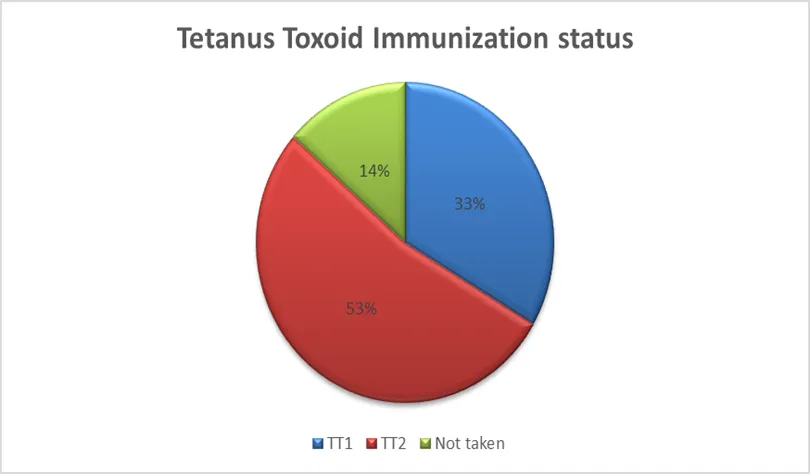
Figure (6) Tetanus Toxoid Immunization status
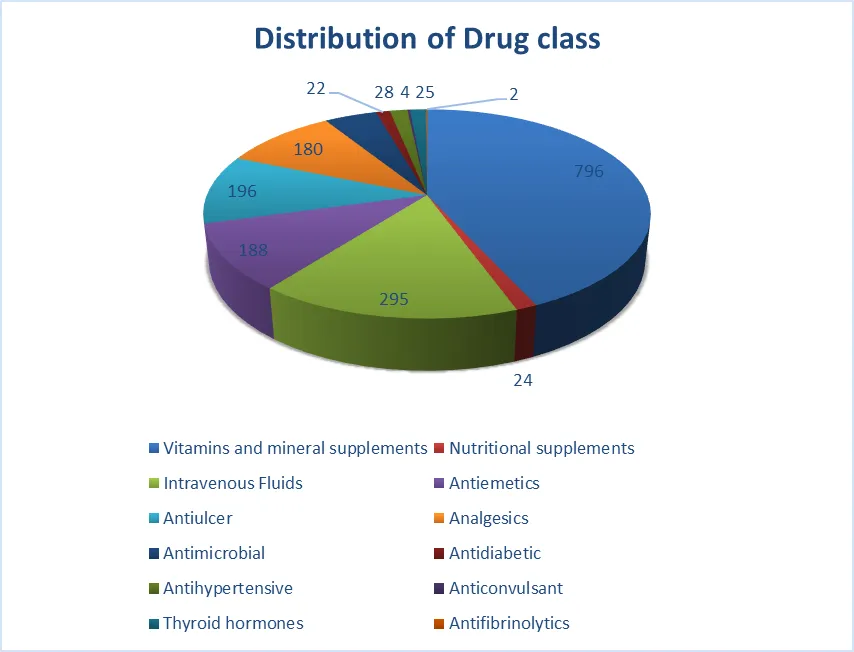
Figure (7) Drug class distribution
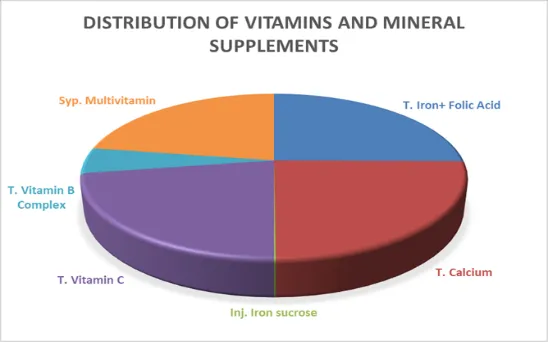
Figure (8) Distribution of Vitamin and Mineral supplements
Figure (9) Distribution of Intravenous Fluids
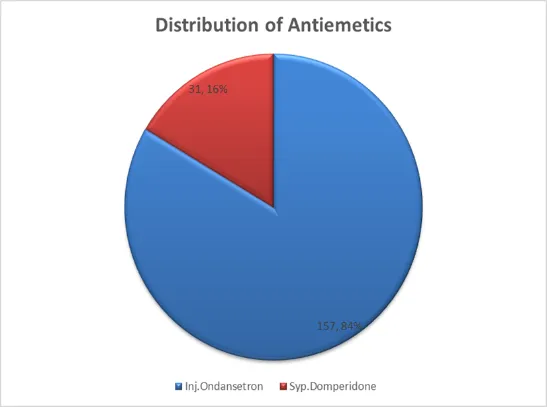
Figure (10) Distribution of Antiemetics
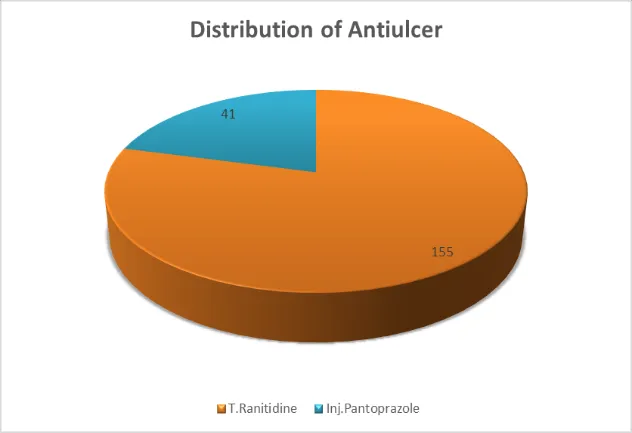
Figure (11) Distribution of Antiulcers
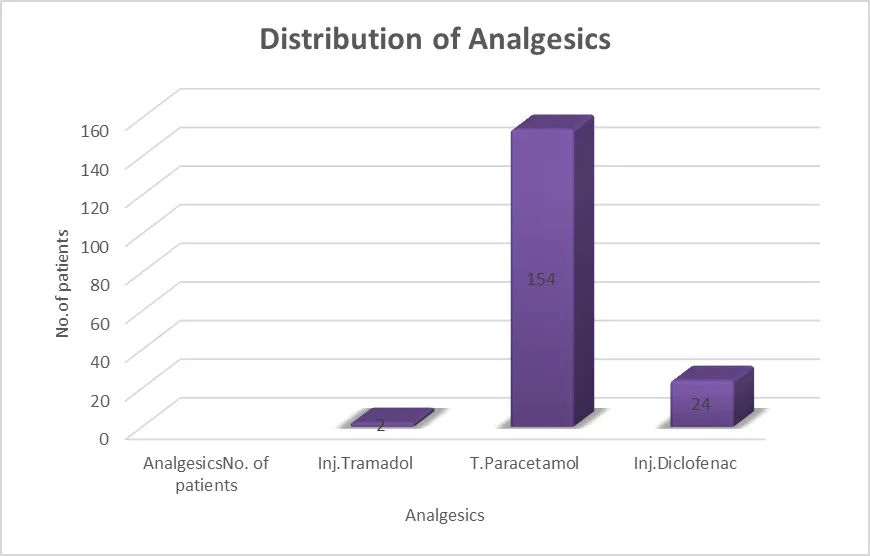
Figure (12) Distribution of Analgesics
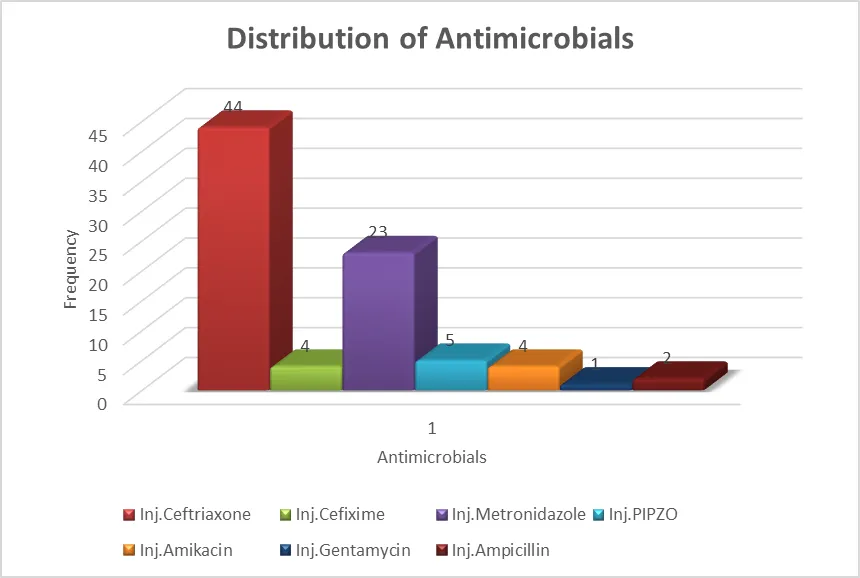
Figure (13) Distribution of Antimicrobials
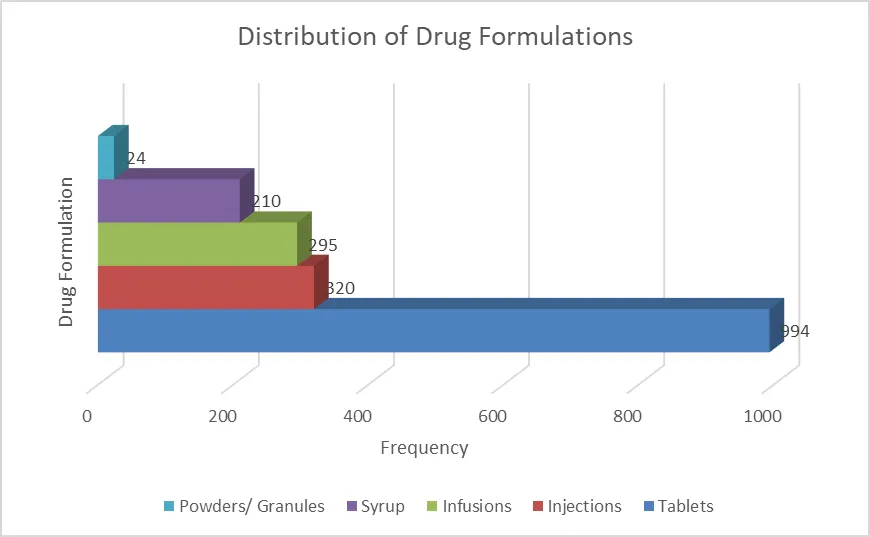
Figure (14) Distribution Of Drug Formulations
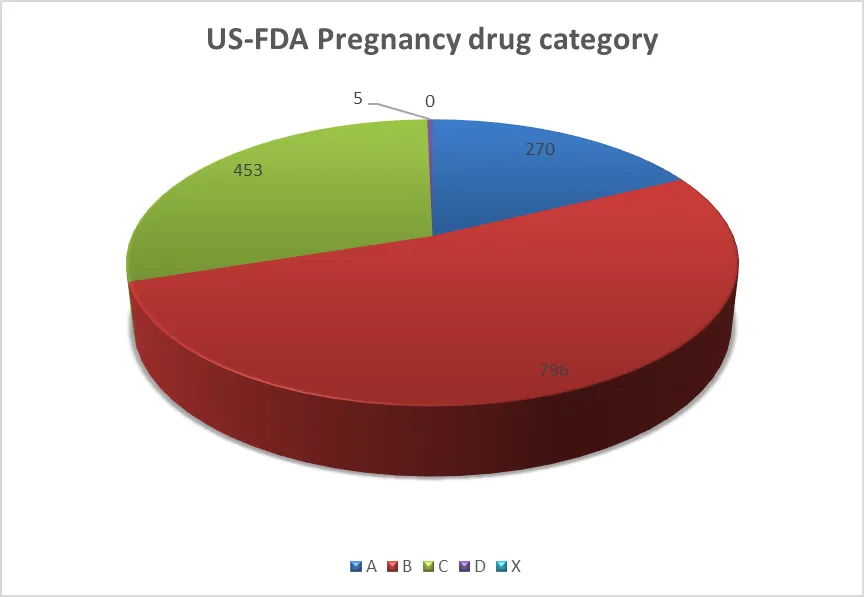
Figure (15) US-FDA Pregnancy Drug Categor
Table (1) US-FDA Pregnancy Drug Category
|
Category |
Frequency |
Percentage(%) |
|
A |
270 |
17.76% |
|
B |
796 |
52.23% |
|
C |
453 |
29.72% |
|
D |
5 |
0.32% |
|
X |
0 |
0% |
Table (2) Evaluating drug pattern using WHO core prescribing indicators and NLEM
|
Indicator |
Value |
|
Average number of drugs per encounter |
7.62 |
|
Percentage of drugs prescribed by generic name |
73.2% |
|
Percentage of encounter with an antibiotic |
41% |
|
Percentage of encounter with an injection prescribed |
80% |
|
Percentage of drugs prescribed from Essential Medicine List (EML) |
91.7% |
DISCUSSION
The use of medicines during pregnancy requires careful selection to achieve therapeutic benefit while minimizing potential risks to the mother and fetus. The present study evaluated the prescribing pattern among 200 pregnant women admitted to the antenatal ward of Chigateri District Hospital, Davangere. The analysis included demographic and obstetric characteristics, presenting complaints, comorbidities, preventive therapy, prescribed drug classes, dosage forms, pregnancy risk categories, and selected prescribing indicators.
Women aged 26–30 years represented the largest age group in the present study (40.5%). A similar age distribution was observed by Azad et al., 28 in Famagusta, North Cyprus, where the 26–30-year group constituted the highest proportion, followed by women aged 21–25 years. Second gravida women were the most frequently represented group in the present study, with 65 (32.5%) participants. This observation was comparable to the findings of Belete et al., 34 from the University of Gondar Referral Hospital, Ethiopia, who also reported a greater proportion of second gravida women than primigravida women. The third trimester accounted for the largest share of admissions, comprising 80 (40%) women. In contrast, Varghese et al.; 24 reported a substantially higher proportion of third-trimester participants (85.6%) in a tertiary care teaching hospital in Bangalore, South India.
Nausea and vomiting were the leading presenting complaints in the current study, occurring in 57 (28.5%) women. This observation was in agreement with Chaudhari et al., 27 from Shri MP Shah Government Medical College and Guru Gobind Singh Government Hospital, Jamnagar, where nausea and vomiting were also the most frequent presenting complaint (12.37%). Among the associated medical conditions, gestational diabetes mellitus and hypothyroidism were the most frequently recorded comorbidities, with 20 (10%) cases each. Gestational hypertension and pre-eclampsia were observed in 12 (6%) cases each. These findings differed from those reported by Swetha et al., 47 from Malla Reddy College of Pharmacy, Hyderabad, where gestational diabetes was the predominant comorbidity followed by hypothyroidism and gestational hypertension. Such differences may reflect variations in regional characteristics, nutritional status, and genetic factors.
Tetanus toxoid vaccination formed an important part of preventive care in the study population. TT2 was the most frequently administered dose, given to 106 (53%) women. A comparable pattern was reported in the multicentre study by Agarwal et al., 42 conducted in Gandhinagar, where tetanus toxoid was included as part of routine antenatal preventive care. This similarity may be related to the routine incorporation of tetanus vaccination into maternal healthcare programmes.
Vitamins and mineral preparations constituted the largest prescribed drug class, accounting for 796 (43.1%) prescriptions. A similar prescribing pattern was reported by Molla et al., 25 in the OBG Department of Jizan General Hospital, Jizan City. Within this group, iron and folic acid preparations were most frequently prescribed, accounting for 200 (25.12%) prescriptions. This finding was comparable with the observations of Molla et al., 38 from Southern Tigray, North Ethiopia, indicating the prominent role of iron and folic acid supplementation in antenatal drug therapy.
Among intravenous fluids, Ringer’s lactate was the most frequently used preparation, with 105 (35.59%) prescriptions. This finding was similar to the study by Sasidharan et al., 2 conducted at Vinayaka Missions Medical College and Hospital, Karaikal, Pondicherry, where Ringer’s lactate was also commonly utilized in pregnant women. Ondansetron was the predominant antiemetic in the present study, prescribed in 157 (83.51%) cases. This was comparable with the findings of Alam et al., 35 from Dhaka Medical College Hospital and Upazilla Health Complex, Munshiganj, Bangladesh, where ondansetron was the most frequently prescribed antiemetic. Ranitidine was the leading antiulcer medication, accounting for 155 (79.08%) prescriptions. This was comparable with the study by Suthar and Patel et al., 31 at CHARUSAT Hospital, Gujarat, although pantoprazole and other proton pump inhibitors were more frequently used overall in that study.
Paracetamol was the most frequently prescribed analgesic, accounting for 154 (85.56%) prescriptions. This was consistent with the findings of Eze et al., 18 in Benin City, Nigeria, where paracetamol represented 87.9% of analgesic prescriptions. Ceftriaxone was the predominant antimicrobial in the present study, with 44 (53.01%) prescriptions. This pattern differed from that reported by Arun Paul et al., 48 at St. James Hospital, Chalakudy, Thrissur, Kerala, where cefotaxime and amoxicillin were the most frequently used antimicrobials. Differences in patient profiles, institutional prescribing practices, antimicrobial policies, local resistance patterns, and medicine availability may account for the variation between the studies.
Tablets constituted the most frequently prescribed dosage formulation, accounting for 994 (53.9%) prescriptions, followed by injections and syrups. This pattern was comparable with the findings of Fikadu et al., 21 from Fiche Hospital, Ethiopia, where tablets were also the predominant formulation. With regard to pregnancy risk classification, Category B drugs formed the largest group, comprising 270 (17.76%) prescriptions, followed by Categories C and A. Category D drugs constituted only a small proportion, while no Category X drugs were prescribed. A similar distribution was reported by Pawar et al., 3 at Vani Vilas Hospital, Bangalore Medical College and Research Institute, Karnataka, where Category B drugs predominated, followed by Categories C, A and D, with no Category X drugs.
The mean number of drugs prescribed per prescription was 7.62. Generic prescribing accounted for 73.2%, while 91.7% of drugs were from the essential medicines list. Antibiotics were prescribed in 41% of encounters and injections in 80%. These findings differed from those of Patel et al., 41 in Ahmedabad, who reported greater use of generic and essential medicines and comparatively lower antibiotic and injection prescribing. The variation may be related to the tertiary care referral nature of the present study setting, where patients with complicated conditions and comorbidities may require multiple medicines, antimicrobial treatment, and parenteral therapy.
Overall, 74.9% of prescribed drugs in the present study were included in the National List of Essential Medicines (NLEM). This was lower than the 86.28% reported by Manasa and Swetha et al., 45 at Karwar Institute of Medical Sciences, Karnataka. The difference may partly be related to the use of medicines such as ranitidine, methyldopa, vitamin B-complex, and multivitamin syrup, which were not included in the current NLEM. Despite this difference, the use of NLEM medicines for nearly three-fourths of prescriptions indicates considerable adherence to essential medicine principles.
In summary, the prescribing pattern observed in this study was largely focused on the management of pregnancy-related complaints and comorbidities together with preventive and supportive treatment. Vitamins and mineral supplements were the predominant drug class, while ondansetron, paracetamol, ceftriaxone, ranitidine, and Ringer’s lactate were the leading drugs in their respective categories. The predominance of Category B drugs and the absence of Category X drugs are notable findings. At the same time, the observed average number of medicines per prescription and the use of antibiotics and injections emphasize the importance of continued prescription review and monitoring to encourage safe and rational drug use during pregnancy.
CONCLUSION
The present study provides an overview of drug prescribing practices among pregnant women admitted to the antenatal ward of a tertiary care teaching hospital. Nutritional supplements, particularly iron and folic acid, constituted the major proportion of prescriptions, indicating the importance given to nutritional support during pregnancy. Medications for symptomatic management, including antiemetics, antiulcer drugs, and intravenous fluids, were also frequently prescribed, while antimicrobials, antihypertensives, and antidiabetic agents were used according to the clinical needs and associated comorbidities of the patients.
Assessment using WHO prescribing indicators showed a relatively high number of medicines prescribed per encounter, along with moderate use of generic names. A substantial proportion of the prescribed medicines belonged to the National List of Essential Medicines (NLEM), although several commonly used non-NLEM medicines were also prescribed. The pregnancy-risk assessment showed that most medicines belonged to the safer categories, with limited use of Category D drugs and no Category X drugs, suggesting consideration of medication safety during pregnancy.
Overall, the findings highlight the need for continued efforts toward rational and evidence-based prescribing in pregnant women. Regular prescription monitoring, greater use of generic medicines, adherence to the NLEM, and careful selection of medicines according to maternal and fetal safety can contribute to improving the quality of antenatal pharmacotherapy and promoting better maternal and fetal outcomes.
ACKNOWLEDGEMENT
The authors express their gratitude Dr.Nagendra Rao, the principal of S.C.S College of Pharmacy, Harapanahalli for the encouragement and significant support received throughout the research.
AUTHORS CONTRIBUTIONS
All the authors have contributed equally.
CONFLICT OF INTEREST
All authors declare that there are no conflict of interest.
ETHICS DECLARATION
The Institutional Ethics Committee from S.C.S College of Pharmacy approved the protocol. All residents provided inform consent.
CONSENT FOR PUBLICATION
All authors have consent to the publication of their work.
AUTHORS FUNDING
The authors hear by declares that they did not obtain any financial support from any source for the writing or publication of this article.
REFERENCES

Aswani Nair, Aswathy A.*, Devanand A., Haji Ali, Dr. Manasa T., J.S. Venkatesh, Prescribing Pattern Of Drugs Among Pregnant Women Admitted In Antenatal Ward Of A Teritiary Care Teaching Hospital, Int. J. of Pharm. Sci., 2026, Vol 4, Issue 9, 209-225. https://doi.org/ 10.5281/zenodo.22233904
 10.5281/zenodo.22233904