

We use cookies to ensure our website works properly and to personalise your experience. Cookies policy
IPS College of Pharmacy, Gwalior, Madhya Pradesh, India
Neurodegenerative disorders such as Alzheimer’s disease are characterized by progressive cognitive decline, often linked to oxidative stress and cholinergic dysfunction. The present study investigated the protective effect of methanolic seed extract of Phoenix dactylifera (MEPD) against scopolamine-induced amnesia in rodents using the passive avoidance paradigm. Seeds were collected, authenticated, and extracted by hot continuous methanolic extraction, yielding 12.04% w/w resinous extract. Phytochemical screening confirmed the presence of phenolics, tannins, proteins, and flavonoids, with total phenolic content quantified as 34.37 ± 0.760 mg GAE/g. Acute toxicity studies revealed no adverse effects up to 2000 mg/kg, establishing safety margins. In behavioral evaluation, scopolamine significantly impaired memory, while MEPD treatment improved step-down latency in a dose-dependent manner. At 100 mg/kg, retention latency increased to 24.83 ± 2.401 s, and at 200 mg/kg, latency reached 30.83 ± 2.639 s, compared to 16.66 ± 3.723 s in controls. The standard drug group showed 36.16 ± 3.970 s. These findings suggest that Phoenix dactylifera seed extract exerts neuroprotective and memory-enhancing effects, likely mediated by its phenolic and flavonoid constituents, supporting its potential as a natural therapeutic candidate for amnesia and related cognitive disorders.
Neurodegenerative illnesses, such as Alzheimer’s disease (AD) and Parkinson’s disease (PD) are serious health issues worldwide, which are characterized by progressive cognitive decline and memory impairment.1 Dementia is the hallmark of these diseases, and it is connected with age, oxidative stress, brain metabolic dysfunction, inflammation, and diminished neural plasticity. In particular, oxidative stress has been widely reported to contribute to neuronal dysfunction and degeneration, especially via disrupting cholinergic circuits.2
Current dementia therapies are symptomatic (cholinesterase inhibitors such as donepezil) and limited by side effects and do not prevent disease progression.3 This has led to a rising interest in natural goods as an alternative or supplementary strategy. Compounds produced from plants, particularly those that are rich in phenolics and flavonoids, have been shown to have antioxidant, anti-inflammatory, and neuroprotective characteristics, suggesting that they could be useful for enhancing cognition.4
The date palm (Phoenix dactylifera) has traditionally been recognized for its nutritional and therapeutic properties. Reportedly, this plant’s seeds include phenolic chemicals and flavonoids, that are known to control oxidative stress and enhance memory performance.5-8 Although traditionally widely used, there is little scientific evidence to support its neuroprotective effect. Scopolamine, a muscarinic antagonist, is often used to induce amnesia in animal models and mimics cholinergic dysfunction reported in AD. This model offers a solid platform to investigate the efficacy of putative anti-amnesic medicines.9
Therefore, the present study was conducted to examine the protective effect of Methanolic seed extract of Phoenix dactylifera (MEPD) against scopolamine induced amnesia in rodents utilizing passive avoidance paradigm. The current effort intends to give scientific evidence for the traditional claims of date seeds in cognitive health and to explore their potential as a natural therapy option for dementia. This study combines phytochemical research, toxicity evaluation and behavioural assessment.
MATERIAL AND METHOD
The fruits of Phoenix dactylifera were purchased from local market and authenticated by botanist at RB Science, Bhopal. The seeds were separated from the fruit pulp and were powdered using blender.
Extraction of Phytoconstituents
The powdered seeds were used for the extraction process by hot continuous extraction method. 98 g of powder was evenly placed in the extractor of soxhlet apparatus and 400 mL methanol was poured down the extractor. The extraction was carried out at 75°C and continued till a clear solution was visible in the siphon tube of the extraction assembly. The solvent was filtered through cotton wool while hot and its volume was reduced using rotary vacuum evaporator.10 The resinous extract was collected and stored in desiccator to remove the excessive moisture. The dried extract was stored in desiccator for further studies.
Preliminary Phytochemical Screening
The extract was evaluated by qualitative phytochemical screening in order to identify the type of plant secondary metabolites present in it. The screening was performed for triterpenes/ steroids, alkaloids, glycosides, flavonoids, saponins, tannins, and phenolic acids. The color intensity or the precipitate formation was used as analytical responses to these tests.11
Total Phenolic Content
In order to assess the amount of total phenolics in the extract, a solution of concentration 50µg/mL of extract in methanol was prepared. This solution was used for determination of total phenolic content. Briefly, 200 μL of sample was mixed with 1.4 mL purified water and 100 μL of Folin-Ciocalteu reagent. After 3 min, 300 μL of 20% aqueous Na2CO3 solution was added to it and the mixture was allowed to settle for 2 h33. The absorbance was measured at 760 nm with a UV-Vis spectrophotometer. Standard solutions of gallic acid (20-100 ppm) were treated similarly to obtain the calibration curve. The control solution contained 200 μL of water and suitable reagents, and it was prepared and incubated under the same conditions as the rest of the samples. Results were expressed as milligrams of gallic acid equivalent (GAE) per 100 g of the dry sample.12
PHARMACOLOGICAL EVALUATION OF THE EXTRACT
Animal
The male/female albino mice of amid 1 to 2 months of age weighing between 25-35 g were used procured from approved suppliers from Bhopal. The rodents were allowed free access pallet diet (Lipton India Ltd, Mumbai, Ind.) and water ad libitum. All the laboratory conditions and animals were maintained as per CPCSEA guidelines throughout the experiments.
Acute Toxicity study
The short- and long-term toxic effects of both drugs and their extracts were performed within prescribed guideline set by OECD guideline no. 423.13
Grouping of animal
The animals were divided in 5 groups with 6 animals in each group. The grouping and treatement per group is presented below.14
Group 1 control vehicle (0.9% NaCl)
Group 2 was injected with scopolamine (SCOP) 2mg/kg intraperitoneally for 10 days
Group 3 was administered with donepezil hydrochloride monohydrate 5 mg/kg (p.o.) and SCOP 2 mg /kg (i.p.) for 10 days.
Group 4 and 5 were administered with methanolic extract of Pheonix dactylifera (MEPD) at dose of 100 and 200 mg/kg, p.o respectively and injected with SCOP (2 mg/kg) for 10 days.
Passive avoidance test
Negative reinforcement-based passive avoidance was used to evaluate the memory of the mice. The step-down paradigm apparatus comprised of a box (27 cm × 27 cm × 27 cm) having three walls of wood and one of Plexiglass. It contained a grid floor which is made up of 3-mm stainless steel rods set 8 mm apart. It consists of an insulated platform, made of thick plastic sheet (10 cm × 7 cm × 1.8 cm) in the center of the grid floor. Electrical shock was delivered via the grid floor.
In the training test on the 10th day of the protocol, each mouse was placed gently on the plastic platform kept in the middle of the grid. As soon as it descended with all its four paws, a foot shock was delivered for a duration of 1 s (50 Hz, 1.5 mA), and the mouse was immediately returned to the home cage. The step-down latency (SDL) was recorded as the time taken by the animals to step down from the plastic platform to the grid floor with all its four paws. A retention test was performed on the 11th day of the protocol. The mouse was placed on the platform as before and the SDL was recorded with a cut-off time for the SDL kept at 60 s.
Statistical Analysis
All analysis was performed using graph pad prism 5 for Windows. All statistical analysis was expressed as mean ± standard deviation (SD). Data were analyzed by two-way ANOVA.
RESULTS AND DISCUSSION
The extraction yield of the seeds of Phoenix dactylifera in methanol by hot continuous extraction was found to be 12.04% w/w. The extract was resinous and brown in color. The findings of the phytochemical analysis suggest the presence of phenolics and tannins, proteins and flavonoids in the seed extract (Table 1).
Table 1. Preliminary phytochemical screening
|
Chemical Tests |
Observation |
Aqueous extract |
|
Alkaloids |
||
|
Mayer’s reagent |
cream colour precipitate |
- |
|
Hager’s reagent |
yellow colour precipitate |
- |
|
Wagner’s reagent |
reddish brown precipitate |
- |
|
Dragendorff’s reagent |
reddish brown precipitate |
- |
|
Glycosides |
||
|
Froth test |
Frothing is seen |
- |
|
Kedde's Test |
No color |
- |
|
Bontrager's Test |
Rose pink or red color in the ammonical layer not found |
- |
|
Keller-Kiliani |
No color in acetic acid layer |
- |
|
Phenols/Tannins |
||
|
Ferric chloride |
Blue green color |
+ |
|
Gelatin Solution |
White precipitate |
+ |
|
Alkaline reagent test |
Yellow to red precipitate |
+ |
|
Vanillin HCl test |
Purplish red color |
+ |
|
Flavonoids |
||
|
Shinoda test |
red color |
+ |
|
Alkaline reagent test |
Yellow color that turns red on acidification |
+ |
|
Zinc HCl reductino test |
red color |
+ |
|
Proteins |
||
|
Millon's Test |
white precipitate, turns red on heating |
+ |
|
Ninhydrin Test |
Voilet color |
+ |
|
Sterols/triterpenoids |
||
|
Liberman-Burchard Test |
Brown ring at junction, Upper layer turns green |
- |
|
Salkowski Test |
Yellow color in lower layer |
- |
The methanolic extract of Phoenix dactylifera seeds was evaluated for quantifying the total phenolic content. Standard curve of gallic acid was plotted in distilled water. The result of the total phenolic content of the extract examined using Folin-Ciocalteu method. The total phenolic content of methanolic extract of Phoenix dactuylifera was found to be 34.37 ± 0.760 GAE mg/g.
Acute toxicity Study
There were no sign and symptoms or any toxic effects in rodents for both plants even at higher dose of 2000 mg/kg body weight. Thus, 1/20th of maximum dose was selected as effectual dose. The cut off value of 100 & 1/10th dose i.e., 200 mg/kg were chosen for evaluation of memory enhancing activity.
Effect of Phoenix dactylifera on step down latency
Scopolamine-induced dementia is the commonly used model to assess and evaluate potential anti-AD drug candidates. Scopolamine is a parasympatholytic agent that acts as a competitive muscarinic blocker. The extent of amelioration or improvement in behavioral parameters with the test molecule based on consistent training and evaluation is utilized as the criterion to report the test compound as to having a potential anti-AD effect. Apart from causing memory and cognitive impairments, scopolamine also leads to oxidative stress, which in turn damages cholinergic neurons.
The effect of the extract on step down latency revealed an increase in latency of stepping down suggesting prevention of amnesia and improvement of memory (Figure 1).
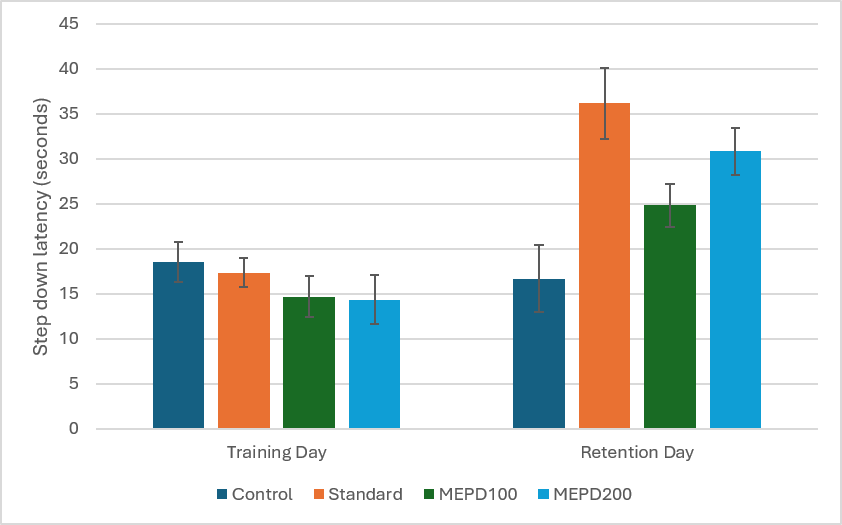
Figure 1. Effect of MEPD on the time of SDL
The step-down latency test was employed to evaluate the memory-enhancing potential of the methanolic seed extract of Phoenix dactylifera (MEPD) against scopolamine-induced amnesia. The control group exhibited a training latency of 18.5 ± 2.258 s, which declined to 16.66 ± 3.723 s on the retention day, reflecting normal memory decay. In contrast, the standard drug group showed a training latency of 17.33 ± 1.632 s, which increased significantly to 36.16 ± 3.970 s on the retention day, confirming the validity of the model and the efficacy of the reference treatment.
Treatment with MEPD produced a clear dose-dependent improvement in retention latency. At 100 mg/kg (MEPD100), the training latency was 14.66 ± 2.250 s, which increased to 24.83 ± 2.401 s on the retention day. At the higher dose of 200 mg/kg (MEPD200), the training latency was 14.33 ± 2.732 s, rising to 30.83 ± 2.639 s on the retention day.
CONCLUSION
The methanolic seed extract of Phoenix dactylifera demonstrated significant protective effects against scopolamine-induced amnesia in rodents. The extract was safe at high doses, rich in phenolics and flavonoids, and produced a dose-dependent improvement in memory retention as evidenced by increased step-down latency. At 200 mg/kg, the extract’s efficacy approached that of the standard drug, highlighting its potential as a natural neuroprotective agent. The results validate traditional claims regarding the cognitive benefits of date seeds and provide a scientific basis for further exploration. Future studies should focus on isolating active constituents, elucidating molecular mechanisms, and conducting long-term evaluations to establish clinical relevance in the management of dementia and other neurodegenerative disorders.
REFERENCES

Sagar Sahu, Urvesh Singh Narwaria, Sandeep Jain, Protective Effect of Phoenix Dactylifera Seed Extract against Scopolamine Induced Amnesia, Int. J. of Pharm. Sci., 2026, Vol 4, Issue 7, 3594-3599. https://doi.org/10.5281/zenodo.21423931
 10.5281/zenodo.21423931