

We use cookies to ensure our website works properly and to personalise your experience. Cookies policy
1Department of Pharmaceutics, Signa College of Pharmacy, Kanpur nagar 209304, Uttarpradesh, India
Helicobacter pylori (H. pylori) is a Gram-negative, microaerophilic bacterium that colonizes the gastric mucosa and infects nearly half of the global population. Persistent infection is associated with chronic gastritis, peptic ulcer disease, gastric adenocarcinoma, and mucosa-associated lymphoid tissue (MALT) lymphoma. Despite the availability of multiple eradication regimens, treatment success has declined because of increasing antibiotic resistance, poor patient compliance, inadequate gastric residence time of conventional dosage forms, and the ability of H. pylori to form protective biofilms that markedly reduce antibiotic penetration and efficacy [1–4]. Biofilm formation has emerged as a major contributor to persistent infection and therapeutic failure. The extracellular polymeric substance (EPS) surrounding bacterial communities acts as a physical and biochemical barrier, protecting bacteria from antimicrobial agents and host immune responses. Consequently, there is growing interest in developing drug delivery systems capable of disrupting biofilms while maintaining prolonged drug concentrations at the site of infection [5,6]. Gastroretentive drug delivery systems (GRDDS), particularly floating multiparticulate formulations, have shown considerable promise in overcoming these challenges by extending gastric residence time, providing sustained drug release, and improving local antibiotic availability. Incorporation of natural polymers such as sodium alginate, chitosan, pectin, and hydroxypropyl methylcellulose (HPMC) further enhances mucoadhesion, controlled drug release, and biocompatibility. In addition, biofilm-targeting strategies, including the use of interpenetrating polymer networks (IPNs), nanoparticles, enzyme-responsive carriers, and biofilm-disrupting excipients, have demonstrated the potential to improve eradication efficiency while minimizing systemic toxicity [7–10]. This review summarizes the microbiology and pathogenesis of H. pylori, the role of biofilm formation in treatment failure, current therapeutic limitations , recent advances in biofilm-targeted gastroretentive drug delivery systems, and future opportunities for developing multifunctional formulations aimed at improving clinical outcomes.
Helicobacter pylori is one of the most common chronic bacterial pathogens affecting humans, with an estimated global prevalence of approximately 50%. The infection is more prevalent in developing countries due to poor sanitation, overcrowding, and limited access to healthcare. Colonization generally occurs during childhood and, if untreated, may persist throughout life, leading to chronic inflammation of the gastric mucosa [1,2].
The clinical importance of H. pylori lies in its strong association with several gastrointestinal disorders, including chronic gastritis, peptic ulcer disease, gastric adenocarcinoma, and mucosa-associated lymphoid tissue lymphoma. Because of the established relationship between chronic H. pylori infection and gastric cancer, the International Agency for Research on Cancer (IARC) has classified the bacterium as a Group I carcinogen [3].
Current eradication strategies mainly depend on combinations of proton pump inhibitors and antibiotics such as amoxicillin, clarithromycin, metronidazole, tetracycline, and levofloxacin. Although these regimens were initially highly effective, eradication rates have declined significantly over the past decade due to increasing antimicrobial resistance, inadequate patient adherence, rapid gastric emptying of conventional oral dosage forms, and poor penetration of antibiotics into the gastric mucus layer [4,5].
An additional challenge is the ability of H. pylori to produce highly organized biofilms on the gastric epithelium. Biofilms consist of bacterial communities embedded within an extracellular polymeric substance that limits antibiotic diffusion, reduces bacterial metabolic activity, and enhances tolerance to antimicrobial therapy. Consequently, biofilm-associated bacteria may survive conventional treatment, resulting in recurrent infection and treatment failure [6].
To overcome these limitations, researchers have focused on developing gastroretentive drug delivery systems capable of maintaining therapeutic drug concentrations within the stomach for prolonged periods. Floating beads, mucoadhesive carriers, and other gastroretentive formulations improve gastric residence time and provide sustained local drug release, thereby increasing the probability of complete bacterial eradication. When combined with biofilm-targeting approaches such as natural polymers, interpenetrating polymer networks, nanoparticles, and biofilm-disrupting agents, these systems offer a promising strategy for improving treatment outcomes [7–10].
The present review discusses recent advances in biofilm-targeted gastroretentive drug delivery systems for H. pylori eradication, highlighting current challenges, formulation strategies, and future perspectives for the development of more effective localized gastric therapies.
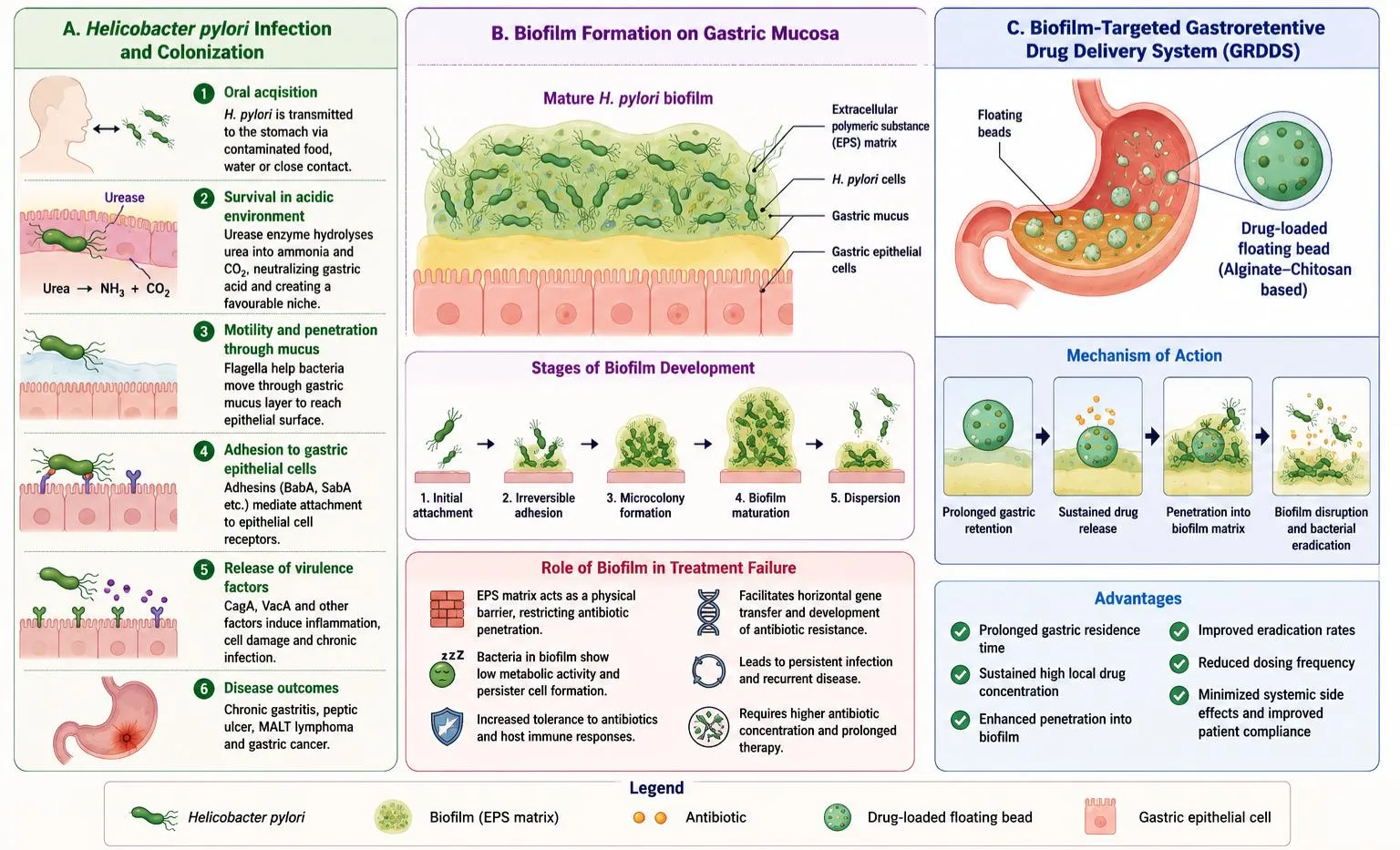
[Figure 1 here: Schematic representation of Helicobacter pylori infection, biofilm formation, and biofilm-targeted gastroretentive drug delivery system.]
Helicobacter pylori: Microbiology, Pathogenesis, and Biofilm Formation
Helicobacter pylori is a Gram-negative, spiral-shaped, microaerophilic bacterium that specifically colonizes the gastric mucosal layer of the human stomach. Since its discovery in 1982, it has been recognized as one of the most clinically significant gastrointestinal pathogens because of its association with chronic gastritis, peptic ulcer disease, gastric adenocarcinoma, and mucosa-associated lymphoid tissue (MALT) lymphoma [1,2]. The bacterium has evolved several adaptive mechanisms that enable it to survive in the highly acidic gastric environment, making it capable of establishing lifelong infection if left untreated [3].
One of the key survival mechanisms of H. pylori is the production of urease, an enzyme that hydrolyses urea into ammonia and carbon dioxide. The released ammonia neutralizes gastric acid surrounding the bacterium, creating a favourable microenvironment for its survival. In addition, the organism possesses multiple sheathed flagella that facilitate rapid movement through the gastric mucus, allowing it to reach the epithelial surface where the pH is relatively neutral [3,4].
The pathogenicity of H. pylori is mediated by several virulence factors. The cytotoxin-associated gene A (CagA) protein is injected into gastric epithelial cells through a type IV secretion system, leading to disruption of intracellular signalling pathways, increased inflammatory cytokine production, and cellular damage. Another important virulence determinant is vacuolating cytotoxin A (VacA), which induces epithelial cell vacuolation, apoptosis, and immune suppression, thereby promoting persistent colonization. Surface adhesins such as BabA and SabA further strengthen bacterial attachment to gastric epithelial cells and facilitate long-term infection [4–6].
The pathogenesis of H. pylori infection involves a sequence of well-coordinated events. Following oral transmission, the bacterium survives gastric acidity through urease activity, penetrates the mucus layer using flagellar motility, adheres to epithelial cells through specific adhesins, and subsequently releases virulence factors that initiate chronic inflammation. Persistent infection results in progressive mucosal injury, which may eventually develop into peptic ulcer disease, gastric atrophy, intestinal metaplasia, gastric adenocarcinoma, or MALT lymphoma [2,5].
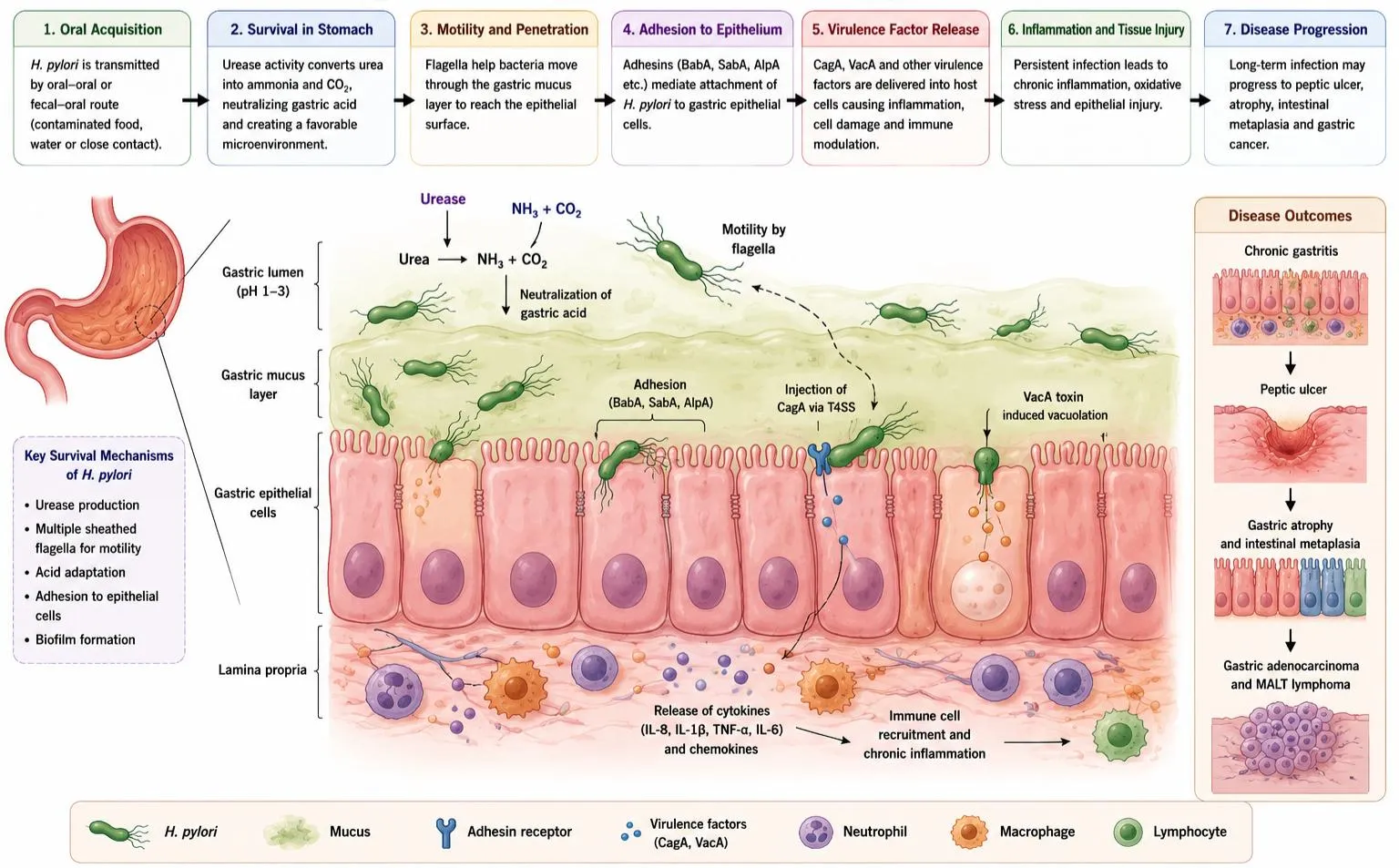
[Figure 2 here: Pathogenesis of Helicobacter pylori infection showing colonization, urease activity, epithelial adhesion, inflammation, and disease progression.]
2.1 Biofilm Formation by H. pylori
Biofilm formation is now recognized as one of the major reasons for persistent H. pylori infection and repeated treatment failure. A biofilm is a structured microbial community enclosed within a self-produced extracellular polymeric substance (EPS) composed primarily of polysaccharides, proteins, extracellular DNA, lipids, and water. This matrix anchors bacteria to the gastric mucosa while providing protection against environmental stress, antibiotics, and host immune responses [6,7].
Biofilm development occurs through several sequential stages: initial attachment, irreversible adhesion, microcolony formation, biofilm maturation, and dispersion. During maturation, bacterial cells become embedded within the EPS matrix, forming a highly organized three-dimensional structure. Mature biofilms continuously release planktonic bacteria that colonize new regions of the stomach, contributing to recurrent infection [6–8].
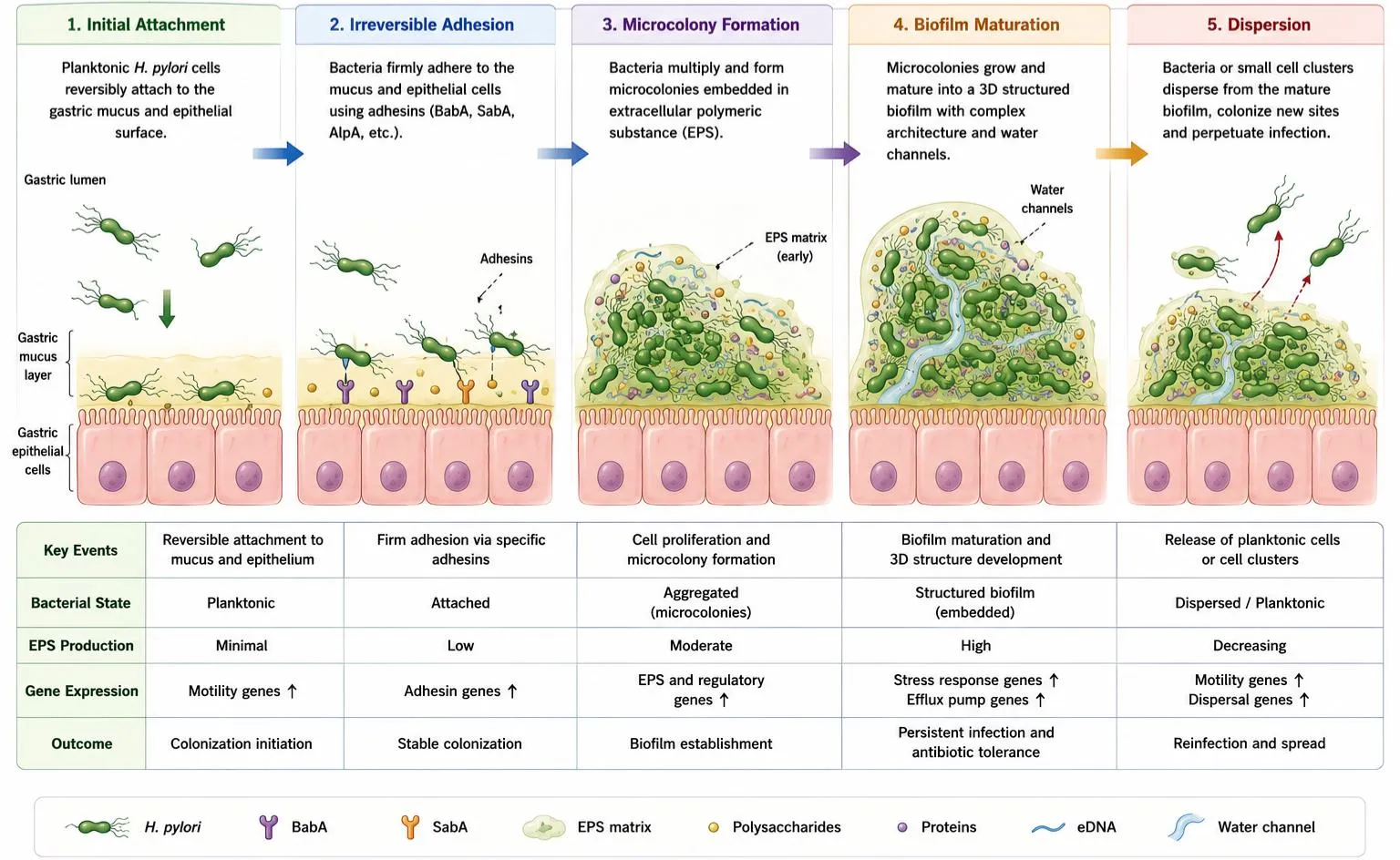
[Figure 3 here: Stages of H. pylori biofilm development—from initial attachment to mature biofilm and dispersion.]
2.2 Role of Biofilms in Antibiotic Resistance
The extracellular polymeric matrix acts as a physical barrier that limits antibiotic penetration into the deeper layers of the biofilm. In addition, bacteria within biofilms exhibit reduced metabolic activity and may enter a dormant persister-cell state, making them less susceptible to antibiotics that target actively dividing cells. Biofilms also facilitate horizontal gene transfer and enhance the expression of multidrug efflux pumps, further increasing antimicrobial resistance [7–9].
As a result, biofilm-associated H. pylori can tolerate antibiotic concentrations many times higher than those required to eliminate planktonic bacteria. This significantly reduces the effectiveness of conventional eradication regimens and contributes to recurrent infection after treatment completion [8,9].
2.3 Clinical Significance
Persistent biofilm-associated H. pylori infection has important clinical implications. It is associated with chronic gastritis, recurrent peptic ulcer disease, prolonged dyspeptic symptoms, failure of eradication therapy, and an increased risk of gastric cancer. Consequently, recent pharmaceutical research has focused on developing biofilm-targeted gastroretentive drug delivery systems capable of maintaining prolonged antibiotic concentrations at the site of infection while simultaneously disrupting the protective biofilm matrix [9,10].
Understanding the microbiology, virulence mechanisms, and biofilm-forming ability of H. pylori provides the scientific foundation for designing advanced localized drug delivery systems. These insights have led to the development of gastroretentive floating formulations, mucoadhesive carriers, and multifunctional polymeric systems that aim to improve bacterial eradication and reduce the emergence of antimicrobial resistance [10].
3. Conventional Therapy for Helicobacter pylori Infection and Its Limitations
The primary goal of Helicobacter pylori eradication therapy is the complete elimination of the bacterium from the gastric mucosa, thereby preventing chronic gastritis, peptic ulcer recurrence, gastric mucosal atrophy, and gastric cancer. Current international guidelines recommend eradication therapy for all patients with confirmed H. Pylori infection because successful treatment not only relieves symptoms but also significantly reduces the risk of long-term gastric complications [11,12]. However, despite the availability of several treatment regimens, eradication rates have declined globally due to increasing antibiotic resistance and the protective nature of bacterial biofilms [13].
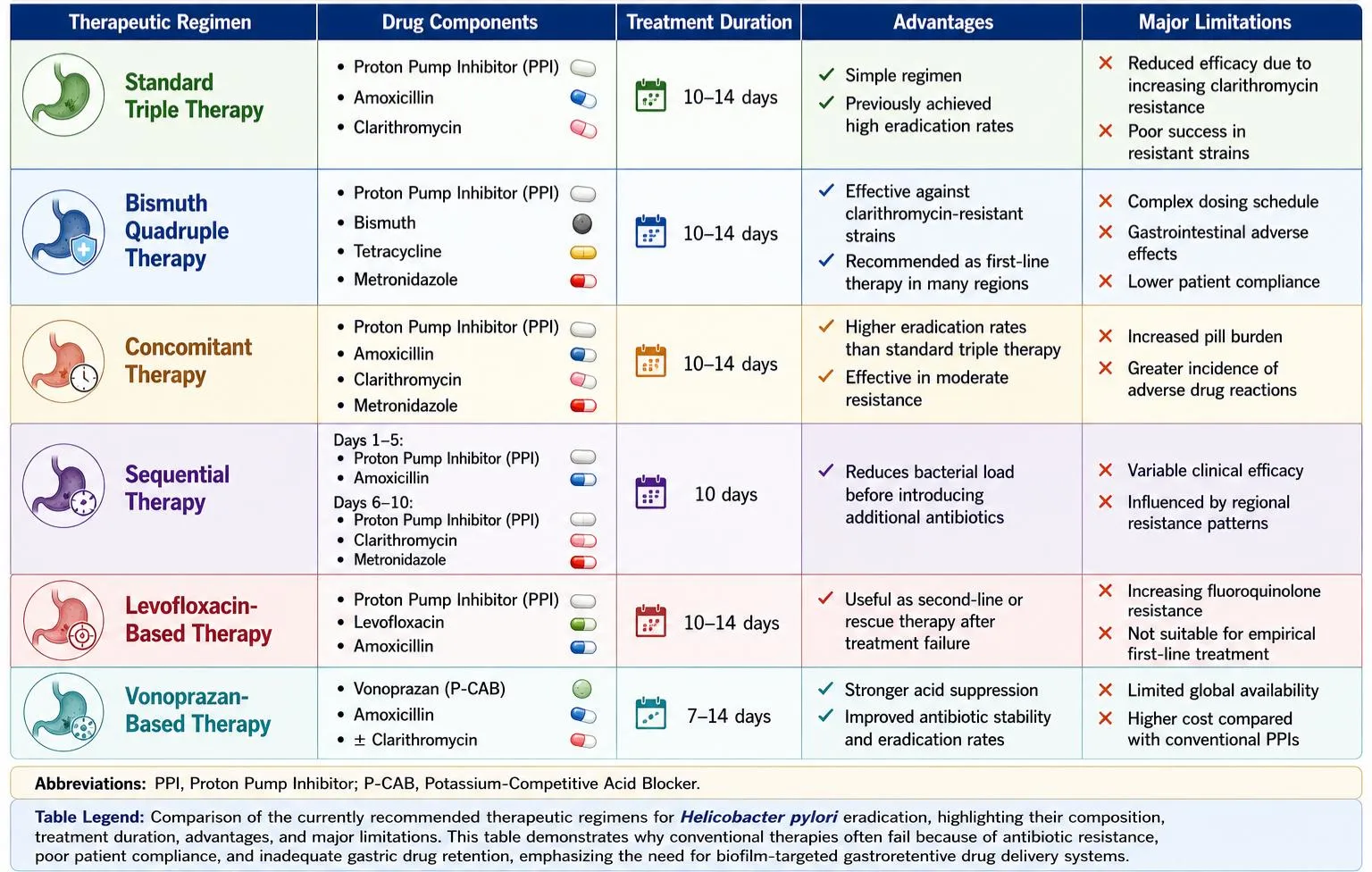
The most commonly prescribed first-line regimen has traditionally been standard triple therapy, which consists of a proton pump inhibitor (PPI), amoxicillin, and clarithromycin administered for 10–14 days. Proton pump inhibitors suppress gastric acid secretion, creating a favourable pH for antibiotic activity, while amoxicillin inhibits bacterial cell wall synthesis and clarithromycin blocks bacterial protein synthesis. Although this regimen previously achieved eradication rates exceeding 90%, its effectiveness has declined substantially in many countries because of increasing clarithromycin resistance [12,14].
To overcome antimicrobial resistance, bismuth-based quadruple therapy has become one of the preferred first-line treatments. This regimen combines a proton pump inhibitor, bismuth salt, tetracycline, and metronidazole. Bismuth not only possesses antibacterial activity but also disrupts bacterial adhesion and weakens the protective biofilm matrix, thereby enhancing the efficacy of antibiotics. Clinical studies have demonstrated improved eradication rates with quadruple therapy, particularly in regions where clarithromycin resistance is common [11,15].
Other treatment strategies include concomitant therapy, sequential therapy, and levofloxacin-based rescue therapy, each developed to improve eradication rates in resistant infections. More recently, vonoprazan-based therapy, employing a potassium-competitive acid blocker (P-CAB), has shown superior acid suppression compared with conventional proton pump inhibitors, leading to improved antibiotic stability and enhanced treatment success in several clinical trials [13,16].
[Table 1 here: Comparison of currently recommended H. Pylori eradication regimens, treatment duration, and major limitations.]
3.1 Limitations of Conventional Therapy
Despite continuous advances in antimicrobial therapy, several limitations remain responsible for treatment failure. One of the most important challenges is the rapid gastric emptying of conventional oral dosage forms. Since H. Pylori primarily colonizes the gastric mucus layer, antibiotics delivered through conventional tablets or capsules remain in the stomach for only a short period, resulting in inadequate local drug concentrations at the site of infection [17].
Another major limitation is the poor penetration of antibiotics into the gastric mucus and bacterial biofilms. The extracellular polymeric substance surrounding biofilm-associated bacteria acts as a diffusion barrier that significantly reduces antibiotic transport. Furthermore, bacteria enclosed within biofilms exhibit slower metabolic activity and may enter dormant states, making them considerably less susceptible to antibiotics that target actively dividing cells [8,9].
The worldwide emergence of antibiotic-resistant strains has become an additional concern. Resistance to clarithromycin, metronidazole, and levofloxacin has increased substantially over the past decade, leading to declining eradication rates even with combination therapy. Although resistance to amoxicillin remains relatively low, multidrug-resistant H. Pylori strains are becoming increasingly common, emphasizing the need for alternative therapeutic strategies [12,13].
Patient-related factors also contribute to therapeutic failure. Conventional eradication regimens often require multiple drugs administered several times daily for 10–14 days, increasing the likelihood of poor adherence. Adverse effects such as nausea, diarrhoea, abdominal discomfort, metallic taste, and gastrointestinal irritation frequently discourage patients from completing therapy, further reducing treatment success and promoting antimicrobial resistance [15].
In addition, physiological variations including gastric pH, gastric motility, food intake, mucus turnover, and interpatient variability in drug absorption influence the local availability of antibiotics within the stomach. These factors make it difficult to maintain effective drug concentrations at the site of bacterial colonization using conventional formulations [17].
3.2 Need for Biofilm-Targeted Gastroretentive Drug Delivery Systems
The limitations of existing eradication therapies have stimulated the development of advanced gastroretentive drug delivery systems specifically designed for localized gastric therapy. An ideal formulation should remain in the stomach for prolonged periods, adhere to the gastric mucosa, provide sustained antibiotic release, penetrate bacterial biofilms, and maintain therapeutic drug concentrations directly at the site of infection. Such systems have the potential to improve bacterial eradication, reduce dosing frequency, minimize systemic adverse effects, and decrease the emergence of antimicrobial resistance [9,10,17].
Among the various approaches investigated, floating gastroretentive formulations based on natural polymers have shown particular promise because they combine prolonged gastric residence, controlled drug release, excellent biocompatibility, and enhanced local drug delivery. When integrated with biofilm-disrupting strategies, these systems may represent a more effective therapeutic platform for the management of persistent H. Pylori infection.
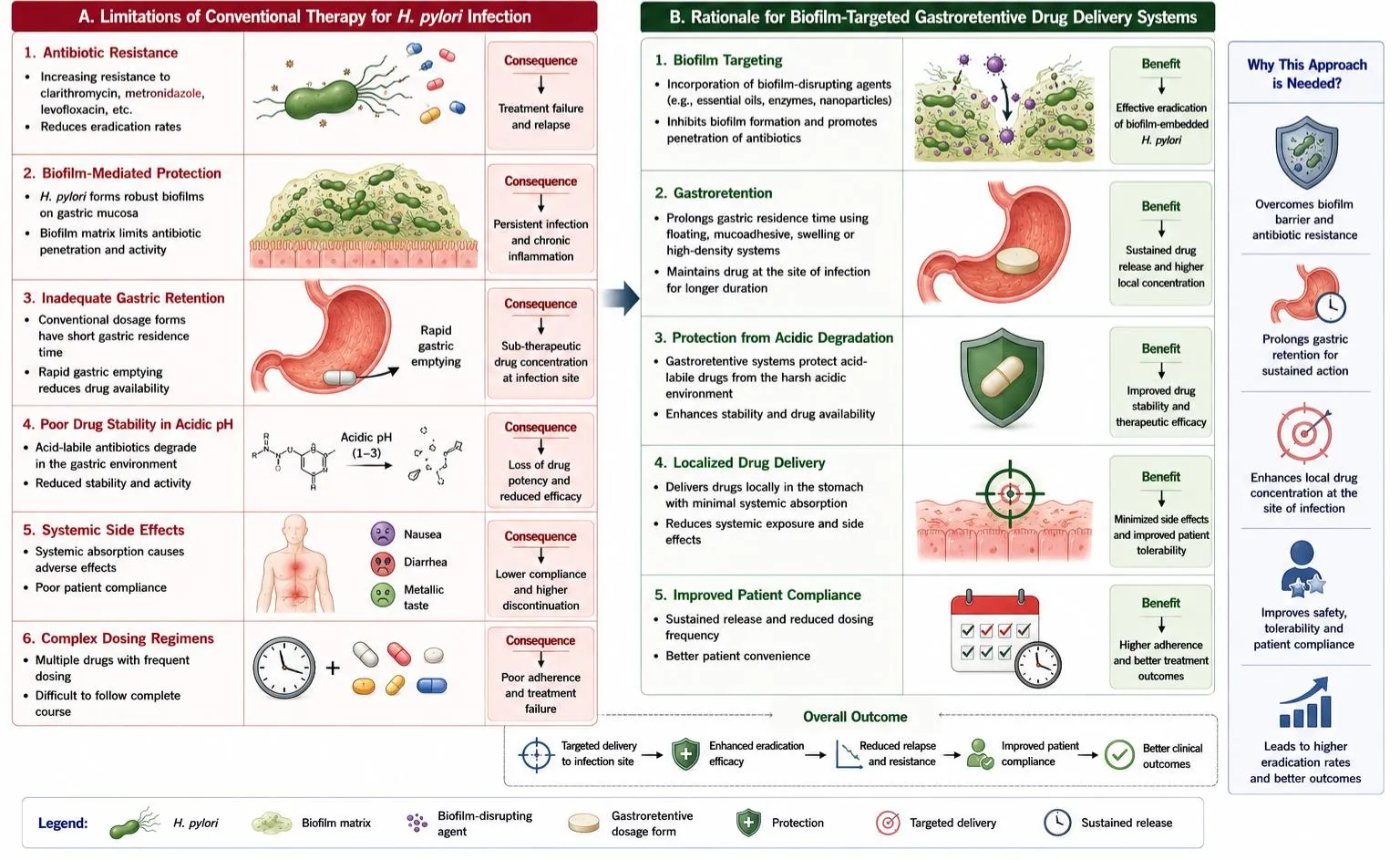
[Figure 4 here: Limitations of conventional therapy and the rationale for biofilm-targeted gastroretentive drug delivery systems.]
Biofilm-Targeted Gastroretentive Drug Delivery Systems (BT-GRDDS)
The growing prevalence of antibiotic resistance and biofilm-mediated persistence has encouraged the development of advanced drug delivery systems capable of improving the local treatment of Helicobacter pylori. Among these, biofilm-targeted gastroretentive drug delivery systems (BT-GRDDS) have emerged as a promising strategy because they combine prolonged gastric residence with controlled drug release and enhanced biofilm penetration. Unlike conventional oral dosage forms, BT-GRDDS are designed to remain in the stomach for extended periods, allowing continuous exposure of bacteria to therapeutic drug concentrations while minimizing systemic drug loss [17–19].
The fundamental principle of gastroretentive drug delivery is to increase the residence time of the formulation within the stomach. Prolonged gastric retention enables sustained drug release directly at the site of bacterial colonization, thereby improving local drug concentration, enhancing antibacterial activity, and reducing dosing frequency. This approach is particularly beneficial for antibiotics such as amoxicillin, whose absorption window and site of action are primarily located in the upper gastrointestinal tract [18,20].
Several gastroretentive approaches have been investigated, including floating systems, mucoadhesive systems, expandable systems, swelling systems, and high-density formulations. Among these technologies, floating drug delivery systems have demonstrated the greatest potential for H. pylori eradication because of their ability to remain buoyant on gastric contents for prolonged periods while continuously releasing the encapsulated drug [19,21].
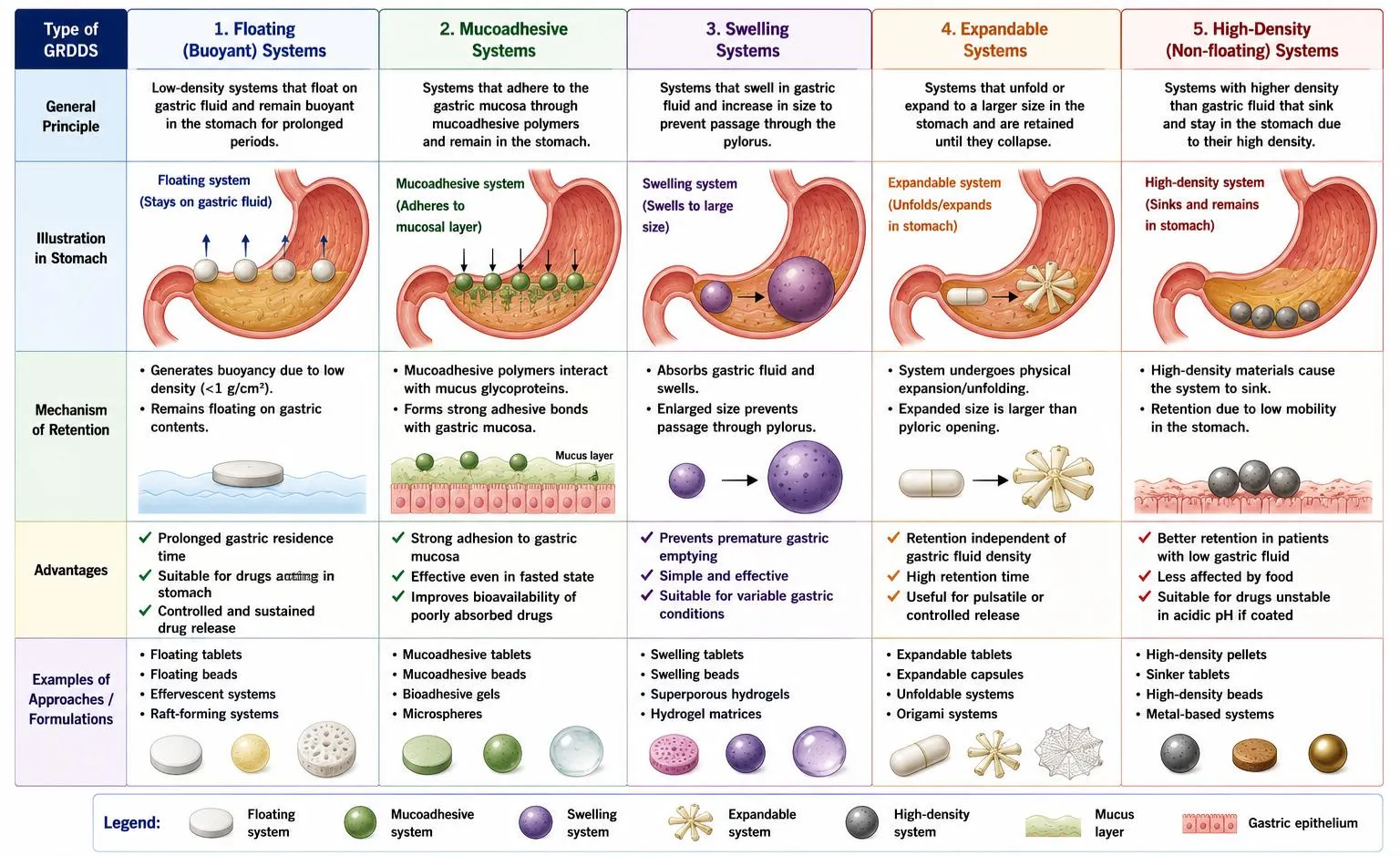
[Figure 5 here: Classification of Gastroretentive Drug Delivery Systems (Floating, Mucoadhesive, Swelling, Expandable, and High-density systems).]
4.1 Floating Beads as Gastroretentive Carriers
Floating beads are multiparticulate spherical systems prepared using biodegradable polymers that possess a density lower than gastric fluid. After oral administration, these beads float on the gastric contents and gradually release the incorporated drug over several hours. Compared with single-unit dosage forms, multiparticulate floating beads provide more uniform distribution throughout the stomach, reduce the risk of dose dumping, and exhibit better reproducibility of gastric retention [18,22].
Floating beads are most commonly prepared by ionotropic gelation, a simple and reproducible technique in which sodium alginate solution containing the drug is dropped into a calcium chloride solution. Calcium ions interact with alginate chains to form calcium alginate gel beads through ionic crosslinking. Drug release is subsequently controlled by polymer swelling, diffusion, and gradual matrix erosion [20,22].
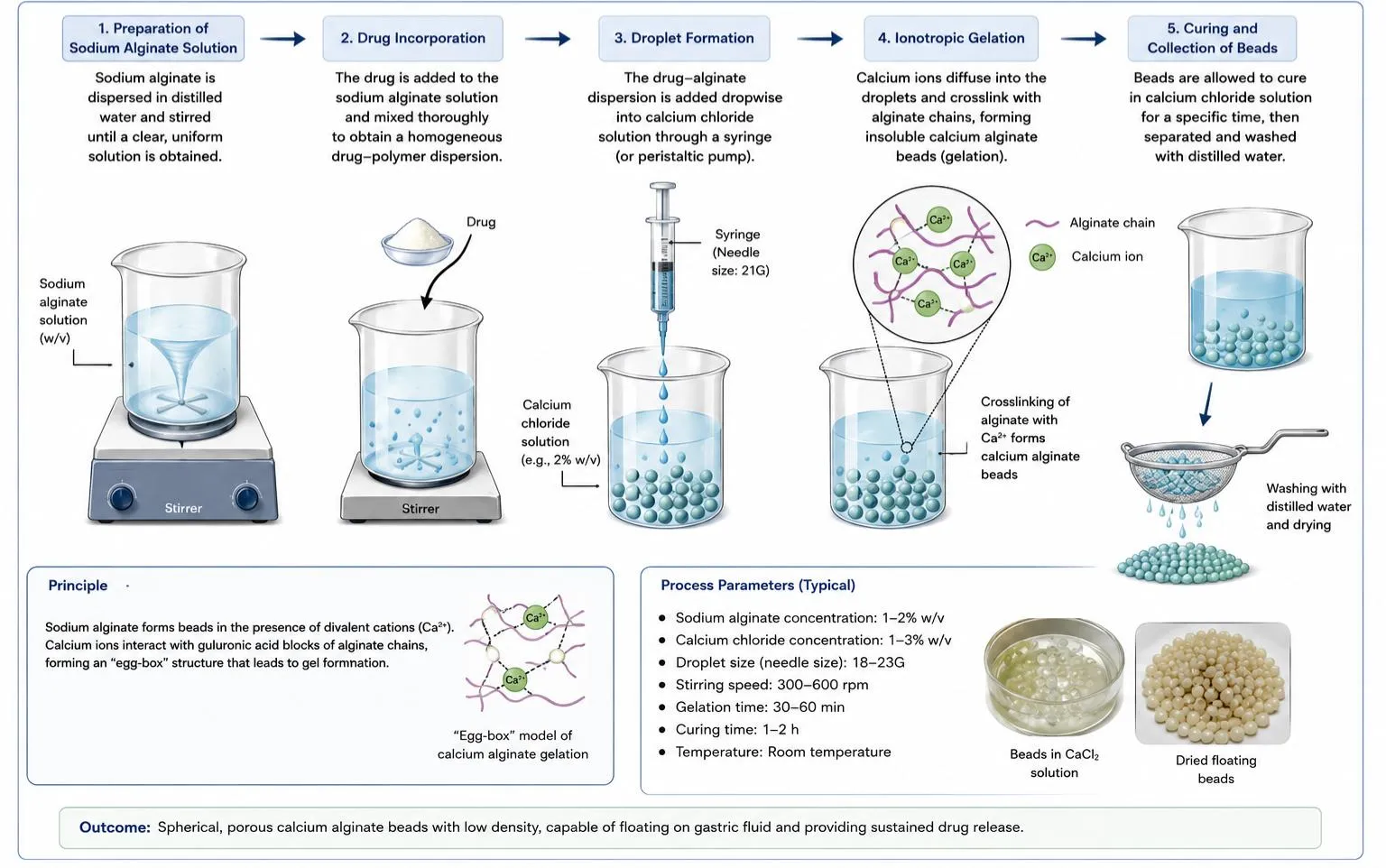
[Figure 6 here: Preparation of floating beads by ionotropic gelation using sodium alginate and calcium chloride.]
4.2 Role of Natural Polymers
Natural polymers play a central role in the development of biofilm-targeted gastroretentive formulations because of their excellent biocompatibility, biodegradability, low toxicity, and regulatory acceptance. These polymers not only improve drug encapsulation and sustained release but also enhance mucoadhesion, thereby increasing contact between the formulation and the infected gastric mucosa [20,23].
Among the available polymers, sodium alginate is widely used because of its rapid gel-forming ability in the presence of calcium ions. Alginate-based beads exhibit good mechanical strength, high drug entrapment efficiency, prolonged floating behaviour, and controlled drug release. In addition, alginate protects acid-sensitive drugs from degradation while maintaining prolonged gastric residence [22,23].
Chitosan, a naturally occurring cationic polysaccharide, is another important polymer widely employed in gastroretentive formulations. Its positive surface charge enables strong interaction with negatively charged gastric mucus, resulting in excellent mucoadhesive properties. Chitosan has also demonstrated intrinsic antimicrobial activity and the ability to disrupt bacterial biofilms by altering the integrity of the extracellular polymeric matrix, making it particularly valuable for H. pylori therapy [24].
Other polymers such as hydroxypropyl methylcellulose (HPMC), pectin, xanthan gum, gellan gum, and guar gum are frequently incorporated either individually or in combination to optimize swelling behaviour, mechanical strength, buoyancy, and drug release characteristics [21,24].
[Table 2 here: Common natural polymers used in gastroretentive floating beads and their pharmaceutical functions.]
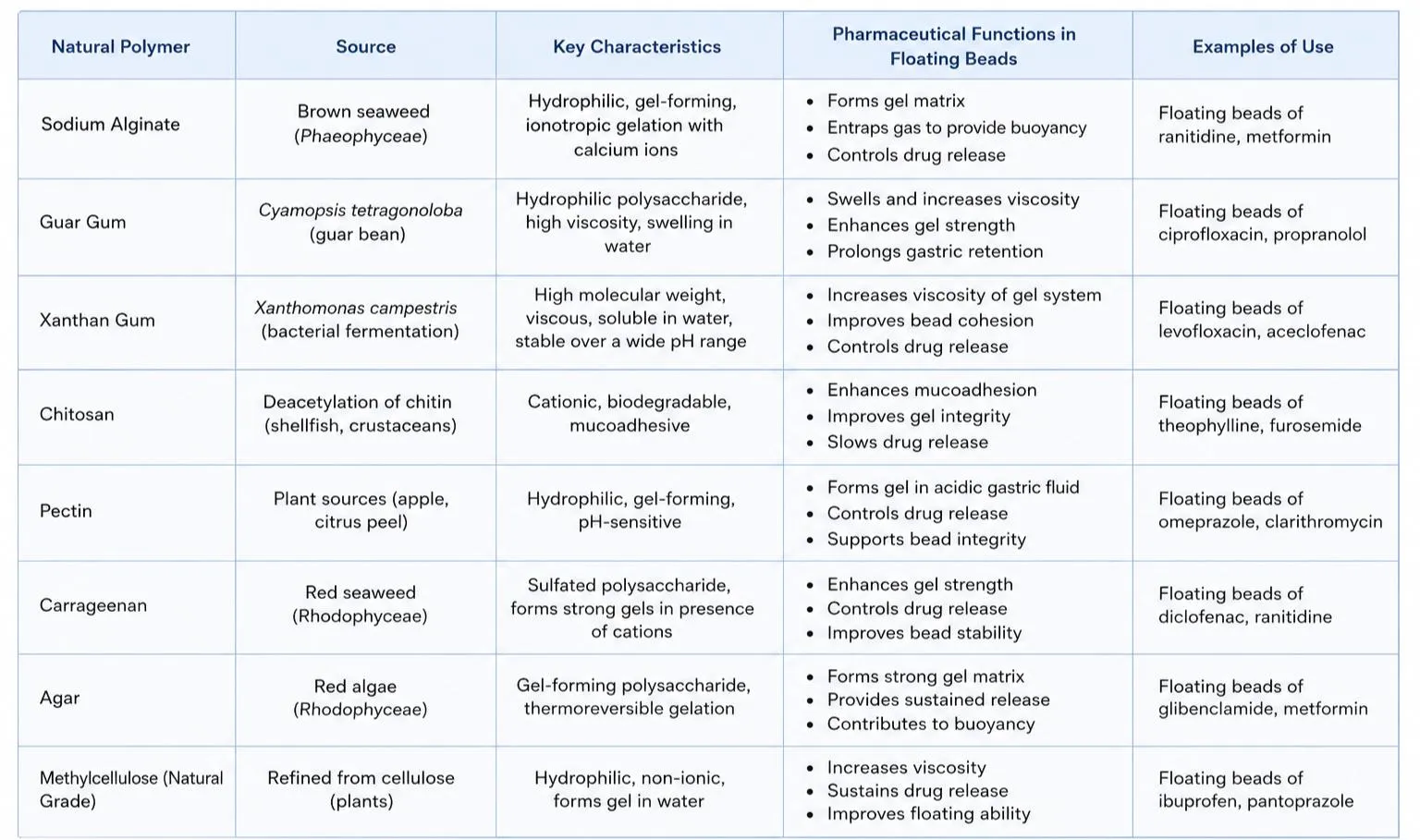
4.3 Biofilm-Targeting Strategies
Recent pharmaceutical research has focused not only on prolonging gastric residence but also on actively disrupting bacterial biofilms. Several strategies have been investigated to improve antibiotic penetration through the extracellular polymeric substance (EPS) and enhance bacterial eradication [6,25].
These approaches include:
Incorporation of biofilm-disrupting agents such as N-acetylcysteine (NAC) and EDTA.
Use of mucoadhesive polymers to increase formulation residence at the site of infection.
Development of nanoparticle-loaded floating systems for improved mucus penetration.
Utilization of interpenetrating polymer networks (IPNs) to achieve sustained drug release and enhanced mechanical stability.
Design of stimuli-responsive carriers capable of releasing drugs in response to pH or bacterial enzymes [24–26].
The integration of these technologies enables simultaneous gastric retention, sustained antibiotic delivery, biofilm disruption, and improved therapeutic efficacy, representing a significant advancement over conventional oral dosage forms.
4.4 Current Challenges and Future Perspectives
Despite encouraging experimental outcomes, several challenges continue to limit the clinical translation of biofilm-targeted gastroretentive systems. Variability in gastric physiology, manufacturing complexity, long-term stability, large-scale production, and regulatory approval remain major obstacles. Furthermore, many promising formulations have demonstrated efficacy only in laboratory or animal studies, with limited clinical evidence available in humans [21,25].
Future research should focus on developing multifunctional drug delivery systems capable of combining prolonged gastric retention, targeted biofilm disruption, controlled antibiotic release, and enhanced patient compliance. Advances in nanotechnology, smart polymers, artificial intelligence-assisted formulation design, and personalized drug delivery are expected to further improve the effectiveness of localized H. pylori therapy while reducing antimicrobial resistance [25,26].
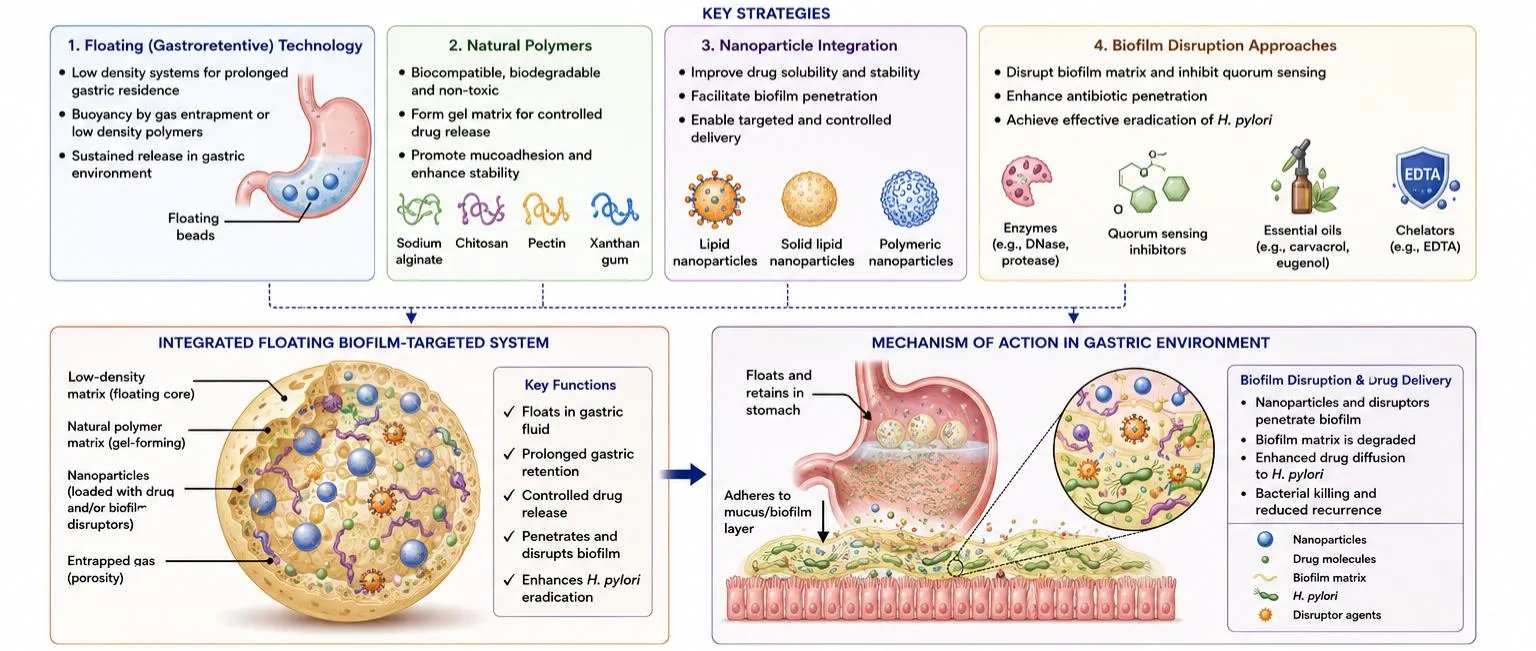
[Figure 7 here: Future strategies for biofilm-targeted gastroretentive drug delivery systems integrating floating technology, natural polymers, nanoparticles, and biofilm disruption.]
5. Current Advances, Challenges, and Future Perspectives
Recent advances in pharmaceutical technology have significantly improved the design of gastroretentive drug delivery systems for Helicobacter pylori eradication. Modern research is no longer limited to extending gastric residence time; instead, it focuses on developing multifunctional drug delivery platforms capable of simultaneously targeting bacterial biofilms, improving antibiotic penetration, providing controlled drug release, and enhancing patient compliance. These innovative approaches are expected to overcome many of the shortcomings associated with conventional eradication therapy [26–28].
One of the most promising developments is the application of interpenetrating polymer networks (IPNs). IPNs are formed by physically interlacing two or more polymer networks without covalent bonding between them. Such systems exhibit improved mechanical strength, higher drug entrapment efficiency, prolonged floating behaviour, enhanced mucoadhesion, and sustained drug release. Polymer combinations such as sodium alginate–chitosan and alginate–HPMC have shown excellent performance in experimental gastroretentive formulations intended for localized gastric delivery [27,29].
Nanotechnology has also emerged as an effective strategy for improving H. pylori treatment. Polymeric nanoparticles, liposomes, nanoemulsions, and nanostructured lipid carriers are capable of penetrating the gastric mucus layer more efficiently than conventional formulations. Their small particle size increases surface area, enhances drug stability, and facilitates sustained antibiotic release near bacterial colonies. Surface-modified nanoparticles incorporating mucoadhesive polymers further improve gastric retention and biofilm penetration, resulting in greater antibacterial activity [28–30].
Another important area of research involves the incorporation of biofilm-disrupting agents into gastroretentive formulations. Compounds such as N-acetylcysteine (NAC), EDTA, DNase I, and selected enzymes weaken the extracellular polymeric substance (EPS), thereby improving antibiotic diffusion into the biofilm. When combined with sustained-release floating systems, these agents have demonstrated synergistic effects, leading to enhanced bacterial eradication in experimental studies [6,25,30].
Despite these encouraging developments, several challenges remain before these advanced systems can be translated into routine clinical practice. Variability in gastric physiology among patients may influence floating behaviour, drug release, and gastric residence time. Manufacturing complexity, reproducibility of multiparticulate systems, long-term stability, large-scale production, and regulatory approval also remain significant barriers. Furthermore, although many formulations have demonstrated promising in vitro and animal study results, relatively few have progressed to well-designed human clinical trials [21,28,31].
Future research should focus on developing multifunctional gastroretentive systems that combine prolonged gastric retention, biofilm disruption, controlled drug release, and targeted antibiotic delivery within a single formulation. The integration of artificial intelligence (AI) for formulation optimization, three-dimensional (3D) printing technologies, stimuli-responsive polymers, and personalized medicine approaches may further improve treatment outcomes. In addition, combining gastroretentive drug delivery with novel antimicrobial agents, probiotics, or anti-virulence therapies may offer new opportunities to combat antibiotic-resistant H. pylori infections while minimizing adverse effects [29–32].
CONCLUSION
Helicobacter pylori infection remains a major global health challenge because of increasing antibiotic resistance and the protective role of bacterial biofilms, which significantly reduce the effectiveness of conventional eradication therapies. Biofilm-targeted gastroretentive drug delivery systems provide a promising solution by increasing gastric residence time, maintaining sustained local antibiotic concentrations, and enhancing penetration into the biofilm matrix. Among the available approaches, floating bead formulations based on natural polymers such as sodium alginate and chitosan have demonstrated considerable potential due to their biocompatibility, mucoadhesive properties, and controlled drug release characteristics. Continued advances in polymer science, nanotechnology, and multifunctional delivery systems are expected to improve the clinical management of H. pylori infection and contribute to the development of safer, more effective, and patient-friendly therapeutic strategies [18,24,29,32].
REFERENCES


Ankush Maurya*, Biofilm-Targeted Gastroretentive Drug Delivery Systems For Helicobacter Pylori Eradication: Current Advances, Challenges, And Future Perspectives, Int. J. of Pharm. Sci., 2026, Vol 4, Issue 8, 1067-1081. https://doi.org/10.5281/zenodo.21825974
 10.5281/zenodo.21825974