

We use cookies to ensure our website works properly and to personalise your experience. Cookies policy
1Department of Pharmaceuticals, Spurthy Collage of Pharmacy, Rajiv Gandhi University of Health Sciences, Bengaluru, Karnataka.
2Assistant Professor, Spurthy Collage of Pharmacy, Rajiv Gandhi University of Health Sciences, Bengaluru, Karnataka
Caffeine-loaded nanostructured lipid carrier (NLC) gels have emerged as an effective topical delivery system for periorbital skin care by enhancing skin penetration, controlled drug release, and formulation stability 3,12,16,46. Caffeine exhibits anti-aging and decongestant properties through phosphodiesterase inhibition, stimulation of lipolysis, antioxidant activity, and regulation of extracellular matrix components, helping reduce periorbital puffiness, improve skin firmness, and minimize localized fat deposits 2,4,15,33. Encapsulation of caffeine in NLCs improves dermal retention, enhances delivery to target skin layers, increases chemical stability, and minimizes systemic absorption and skin irritation 9,12,16. Formulation parameters, including lipid composition, solid-to-liquid lipid ratio, surfactant type, particle size, and gel rheology, significantly influence encapsulation efficiency, release profile, and skin targeting 1,3,6,12,14. Preclinical studies and limited clinical evidence suggest that caffeine-loaded NLC gels may provide superior efficacy compared with conventional topical formulations,8,9,15,19. However, further well-designed clinical studies are required to establish ocular safety, long-term effectiveness, and standardized evaluation methods for successful periorbital cosmeceutical applications 2,12,43,48.
Caffeine-loaded nanostructured lipid carrier (NLC) gels represent a promising topical nanocarrier platform for periorbital skin care, with potential applications in anti-aging and anti-cellulite therapy. Their ability to enhance skin penetration, improve drug retention, provide controlled release, and protect encapsulated bioactive compounds makes them an attractive alternative to conventional topical formulations 3, 12, 16, 46.
Caffeine is a naturally occurring methylxanthine that exhibits antioxidant, anti-inflammatory, vasoconstrictive, and lipolytic properties. In dermatological and cosmetic applications, topical caffeine has been investigated for reducing periorbital puffiness, improving microcirculation, protecting against oxidative stress, stimulating lipolysis, and minimizing the appearance of wrinkles and cellulite 2, 4, 15, 33.
Despite these beneficial pharmacological properties, the clinical effectiveness of topical caffeine is limited by inadequate skin permeation, rapid diffusion from the application site, and relatively low retention within the target skin layers. Nanostructured lipid carriers overcome these limitations by enhancing dermal penetration, increasing drug stability, prolonging drug residence time, and facilitating localized drug delivery while reducing systemic exposure 9, 12, 16, 26, 39.
The physicochemical characteristics of NLCs—including lipid composition, solid-to-liquid lipid ratio, surfactant selection, particle size, zeta potential, and gel rheology—play critical roles in determining encapsulation efficiency, stability, release kinetics, and skin-targeting performance. Appropriate optimization of these formulation variables is essential for developing safe, stable, and effective topical nanocarrier systems 1, 3, 6, 12, 14.
Several experimental studies have demonstrated that caffeine-loaded NLC formulations exhibit improved dermal retention, enhanced skin penetration, and superior topical performance compared with conventional formulations. Nevertheless, evidence supporting their long-term efficacy and safety for periorbital application remains limited, emphasizing the need for well-designed clinical studies and standardized evaluation methods 8, 9, 15, 19, 43.
This review summarizes the pharmacological basis of caffeine in dermatological applications, recent advances in NLC technology, formulation strategies, methods of preparation and characterization, therapeutic applications, safety considerations, and future prospects of caffeine-loaded NLC gels for periorbital skin care, anti-aging, and anti-cellulite applications 3, 12, 16, 46.
Novelty of Caffeine-Loaded Nanostructured Lipid Carrier Gel for Periorbital Skincare, Anti-Aging, and Anti-cellulite Applications
Most published studies on caffeine-loaded nanostructured lipid carriers (NLCs) have primarily focused on cellulite management, transdermal drug delivery, or alopecia treatment. In contrast, the application of caffeine-loaded NLC gels for periorbital skin care introduces an additional cosmetic indication by targeting under-eye puffiness, fine lines, skin laxity, and localized edema. This multifunctional approach broadens the therapeutic potential of caffeine-loaded NLCs within dermatological and cosmeceutical applications 2, 8, 9, 15, 44.
Nanostructured lipid carriers enhance dermal deposition and prolong skin retention of caffeine by facilitating controlled drug release and improving penetration into the epidermal and dermal layers. Compared with conventional creams or gels, NLC-based formulations provide greater localization of the active ingredient while reducing systemic absorption, thereby improving topical efficacy and safety 3, 9, 12, 16, 39, 46.
NLC gels possess favorable physicochemical characteristics, including appropriate pH, high spread ability, occlusive properties, improved physical stability, and sustained drug release. These properties are particularly advantageous for periorbital application, where the skin is thin, delicate, and highly susceptible to irritation. Such formulation attributes contribute to prolonged drug residence time and improved patient acceptability 1, 3, 6, 12, 36, 46.
The pharmacological effects of caffeine, including phosphodiesterase inhibition, antioxidant activity, anti-inflammatory action, vasoconstriction, and stimulation of lipolysis, provide a mechanistic basis for its effectiveness in both cellulite reduction and periorbital rejuvenation. Encapsulation within NLCs may further enhance these biological effects by improving localized delivery and maintaining therapeutic drug concentrations at the site of application 2, 4, 15, 33, 43.
The principal innovation of this formulation lies in integrating a well-established cosmetic active ingredient with advanced lipid nanotechnology to develop a multifunctional nano cosmeceutical delivery system. This strategy aims to improve the stability, bioavailability, skin-targeting efficiency, and therapeutic performance of caffeine beyond those achievable with conventional topical dosage forms, thereby offering a promising platform for future cosmetic and dermatological applications 3, 12, 16, 44, 48.
Advantages and limitations:
Nanostructured lipid carriers (NLCs) improve the chemical stability of encapsulated active ingredients by protecting them from degradation caused by environmental factors such as light, oxygen, and moisture. The lipid matrix minimizes premature drug release during storage while maintaining the physicochemical integrity of the formulation, thereby extending shelf life and improving product quality 1, 3, 12, 16, 46.
Compared with conventional emulsions and solid lipid nanoparticles (SLNs), NLCs possess a less ordered lipid matrix that provides higher drug-loading capacity, sustained drug release, and reduced particle aggregation. These characteristics contribute to improved formulation stability and enhanced therapeutic performance 3, 5, 12, 17, 18.
The nanoscale particle size and occlusive properties of NLCs enhance skin hydration and facilitate penetration through the stratum corneum. Consequently, NLCs increase dermal drug retention, prolong residence time, improve local bioavailability, and reduce systemic drug exposure, making them suitable for topical and transdermal delivery applications 3, 12, 16, 25, 27, 30, 39, 46.
NLCs are capable of encapsulating both hydrophilic and lipophilic active ingredients and can modulate drug release according to therapeutic requirements. Their versatility enables their application in cosmetics, pharmaceuticals, and dermatological formulations, while improving the efficacy of a wide range of bioactive compounds 1,12, 14, 44, 48.
Although NLCs are generally considered biocompatible, inappropriate selection or high concentrations of surfactants may cause skin irritation, sensitization, or ocular discomfort, particularly in formulations intended for the delicate periorbital region. Therefore, careful optimization of surfactant type and concentration is essential 3, 12, 16, 43.
Despite significant progress in topical drug delivery, the use of NLCs for protein, peptide, gene, and nucleic acid delivery remains under investigation. Additional studies are required to establish their safety, efficacy, and clinical applicability in these advanced therapeutic areas 5, 12, 16.
Although numerous in vitro and preclinical studies have demonstrated promising outcomes, high-quality human clinical trials evaluating the long-term efficacy and safety of NLC formulations remain limited. Further well-designed clinical investigations are required before widespread therapeutic and cosmeceutical implementation 3, 5, 12, 15, 43, 48.
NLC Preparation methods:
Natural ingredients can be loaded into nano lipid carriers to create advanced product formulation in numerous techniques and systems. These include high-pressure homogenization (HPH), high-shear homogenization followed by ultrasonication, microemulsion, solvent emulsification/ evaporation, membrane contactors, phase inversion (separation), and coacervation (Ganesan and Narayanasamy 2017; Khosa et al. 2018; Chauhan et al. 2020; Duong et al. 2020; Haider et al. 2020).
High-pressure homogenization (HPH) is one of the most widely employed and scalable techniques for the preparation of nanostructured lipid carriers (NLCs). The method is particularly suitable for industrial-scale production because it offers reproducibility, high encapsulation efficiency, and the ability to produce nanoparticles with a relatively narrow particle-size distribution 1, 3, 5, 12, 16.
In this technique, the lipid phase containing the drug is melted above its melting temperature and mixed with a heated aqueous surfactant solution to form a coarse pre-emulsion. The pre-emulsion is then forced through a narrow homogenization gap under high pressures, typically ranging from 100 to 2000 bar. During homogenization, intense shear forces, cavitation, and turbulence reduce the droplet size to the nanometer range, resulting in the formation of stable lipid nanoparticles 3, 5, 12, 17, 18.
HPH can be performed using either hot homogenization or cold homogenization techniques. Hot homogenization is generally preferred for thermostable drugs because the lipid remains in the molten state throughout processing. In contrast, cold homogenization is more suitable for thermolabile compounds, as it minimizes thermal degradation by processing the solidified lipid at lower temperatures 5, 12, 16, 26. Figure 1 illustrates the schematic representation of the high-pressure homogenization process used for the preparation of nanostructured lipid carriers.
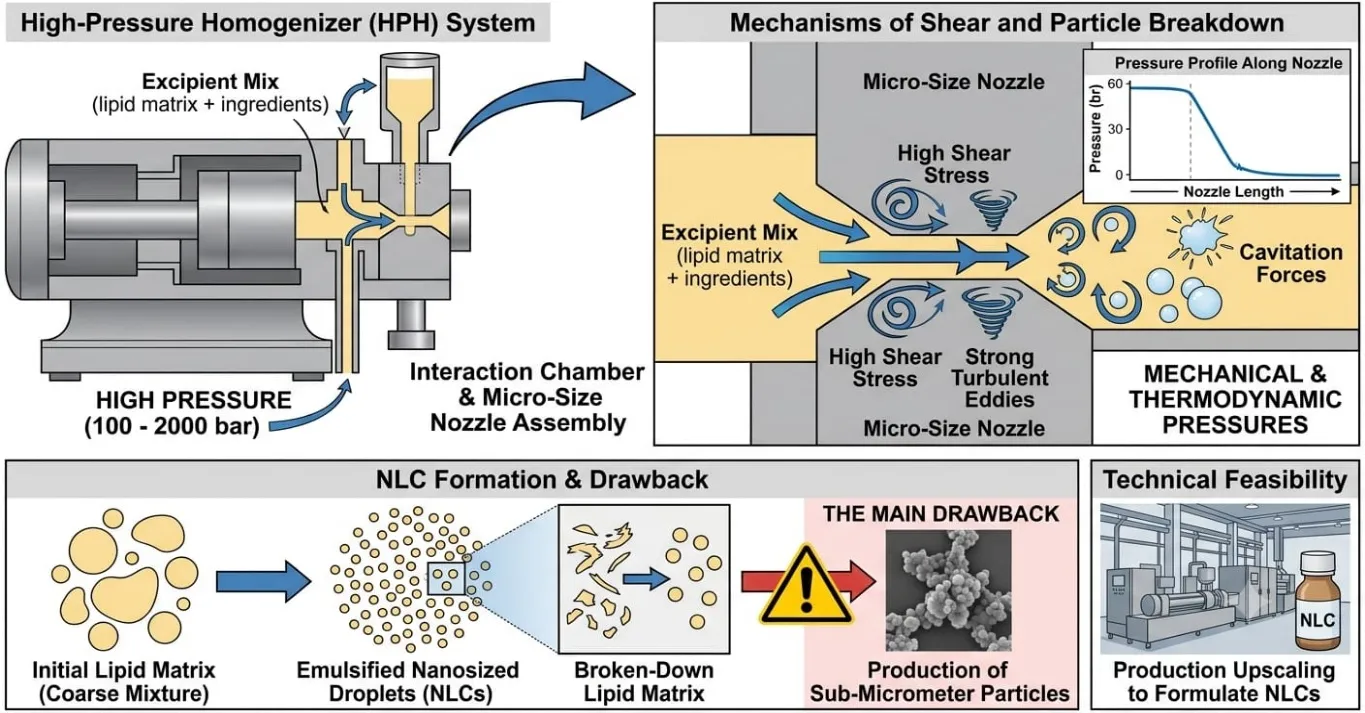
Figure 1: HPH Process
High-shear homogenization (HSH) combined with ultrasonication is a simple, cost-effective, and widely used technique for the preparation of nanostructured lipid carriers (NLCs), particularly in laboratory-scale research. The method provides efficient particle-size reduction and facilitates the production of stable lipid nanoparticles suitable for topical drug delivery 1, 3, 5, 12, 16 .Initially, the solid lipid is melted approximately 5–10°C above its melting point, and the drug is dissolved or dispersed within the molten lipid phase. A heated aqueous phase containing surfactants is then added while high-speed homogenization is performed to produce a coarse emulsion. The resulting emulsion is subsequently subjected to ultrasonication, which further decreases droplet size through cavitation, producing nanoparticles with improved homogeneity 1, 5, 12.The final dispersion may be concentrated by ultracentrifugation or other suitable separation techniques before incorporation into topical formulations 1, 3, 12 .
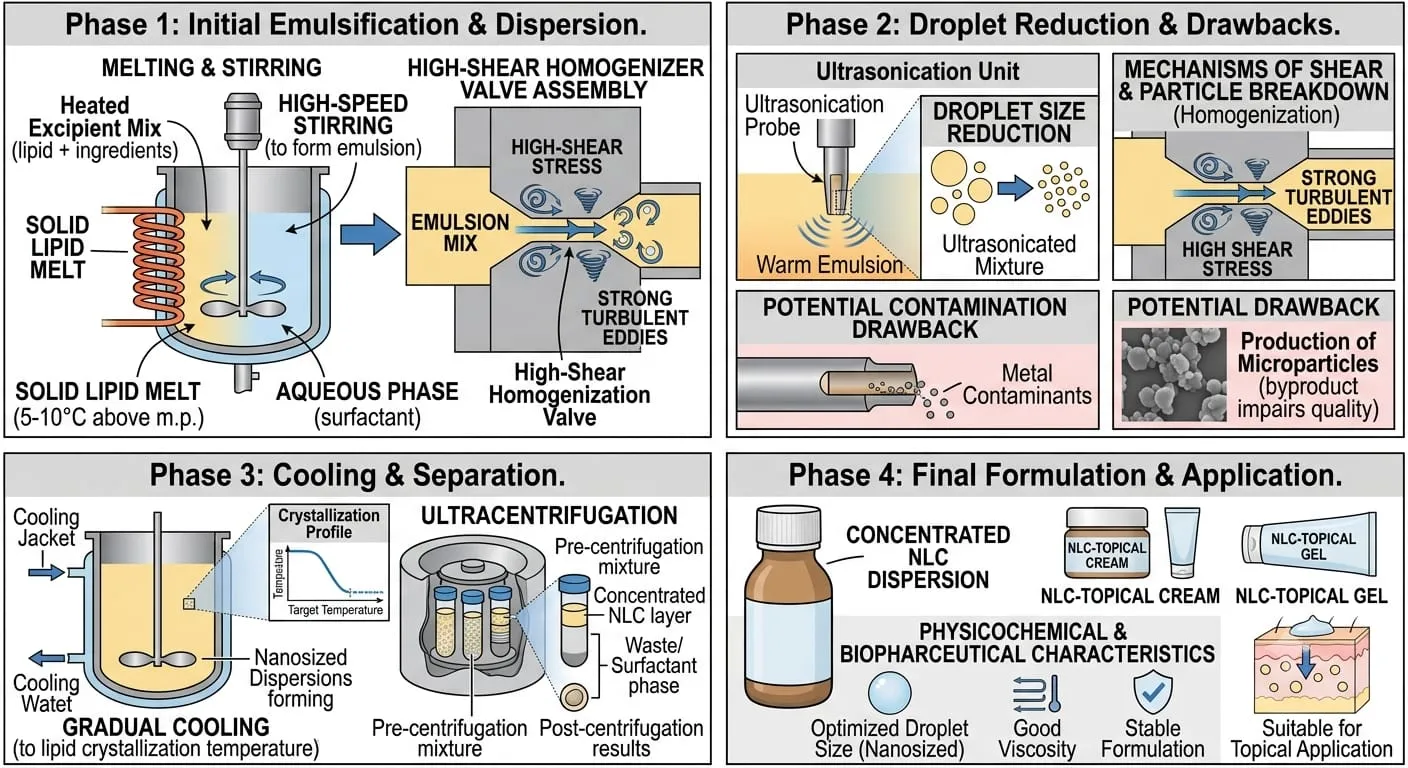
Figure 2: HSH and Ultrasonication process
The microemulsion technique is a simple and reproducible approach for preparing nanostructured lipid carriers (NLCs). It is based on the formation of a thermodynamically stable oil-in-water microemulsion, followed by rapid cooling to induce lipid crystallization and nanoparticle formation 5, 12, 16. In this method, the lipid phase is heated approximately 10°C above its melting point, after which the drug is incorporated into the molten lipid. The heated lipid phase is mixed with an aqueous surfactant/co-surfactant solution under continuous stirring to produce a transparent microemulsion. Rapid cooling in an ice bath or by dispersion into cold water causes lipid crystallization, resulting in the formation of nanostructured lipid carriers 5, 12. The microemulsion method is appreciated for its ease of preparation, reproducibility, and ability to produce relatively uniform nanoparticles. However, the requirement for elevated processing temperatures may limit its applicability for thermosensitive drugs, and the use of relatively high surfactant concentrations may increase the possibility of skin irritation 5, 12, 16.
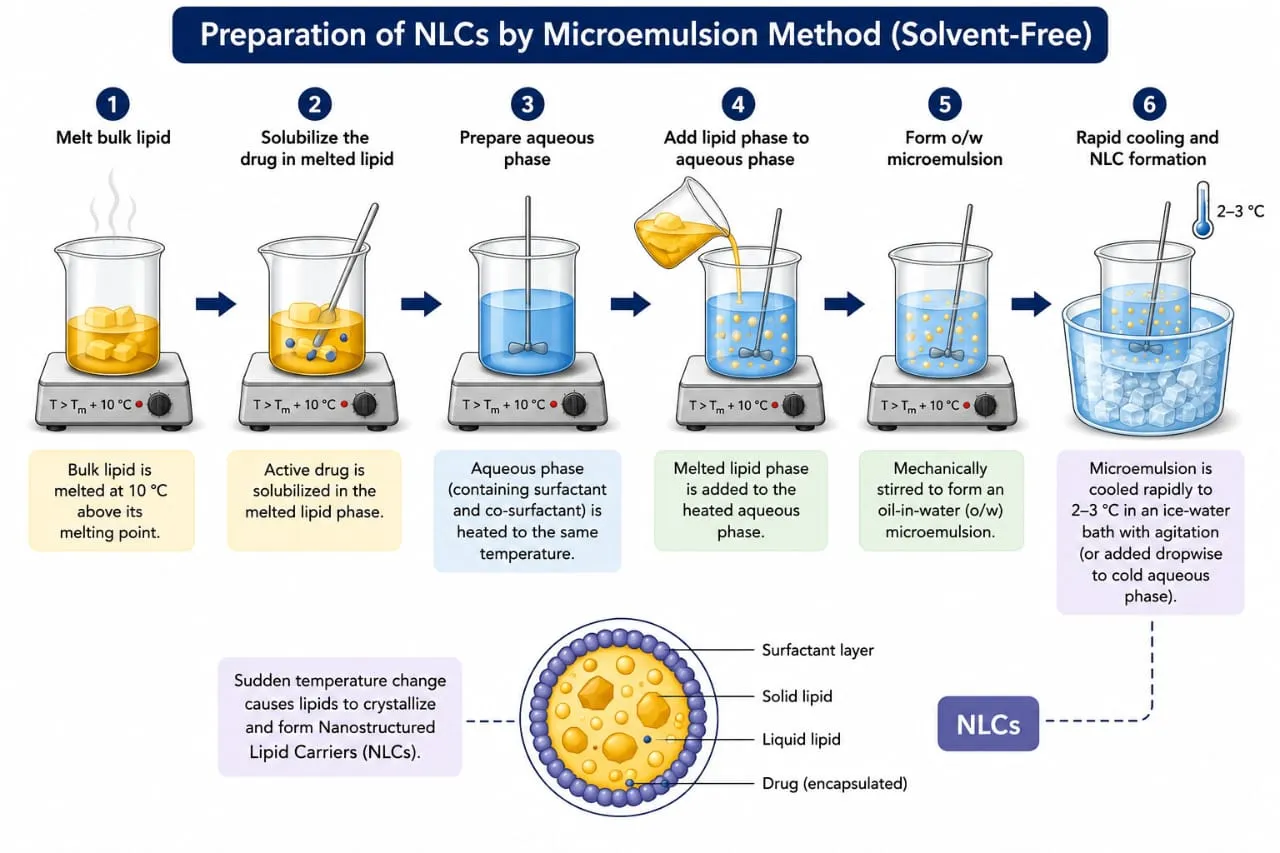
Figure 3: Preparation of NLC by Microemulsion Method
The solvent emulsification/evaporation technique is particularly useful for drugs that are sensitive to elevated temperatures. In this method, lipids are dissolved in a water-immiscible organic solvent and subsequently emulsified within an aqueous surfactant solution to form an oil-in-water emulsion 5, 12, 16. Following emulsification, the organic solvent is removed by evaporation under reduced pressure or continuous stirring, resulting in precipitation of lipid nanoparticles. Compared with thermal methods, this approach minimizes heat-induced drug degradation and is therefore suitable for thermolabile compounds 5, 12. Despite these advantages, residual organic solvents may remain in the final formulation if solvent removal is incomplete. Consequently, careful solvent selection and complete solvent evaporation are essential to ensure formulation safety and regulatory compliance 5, 12, 16.
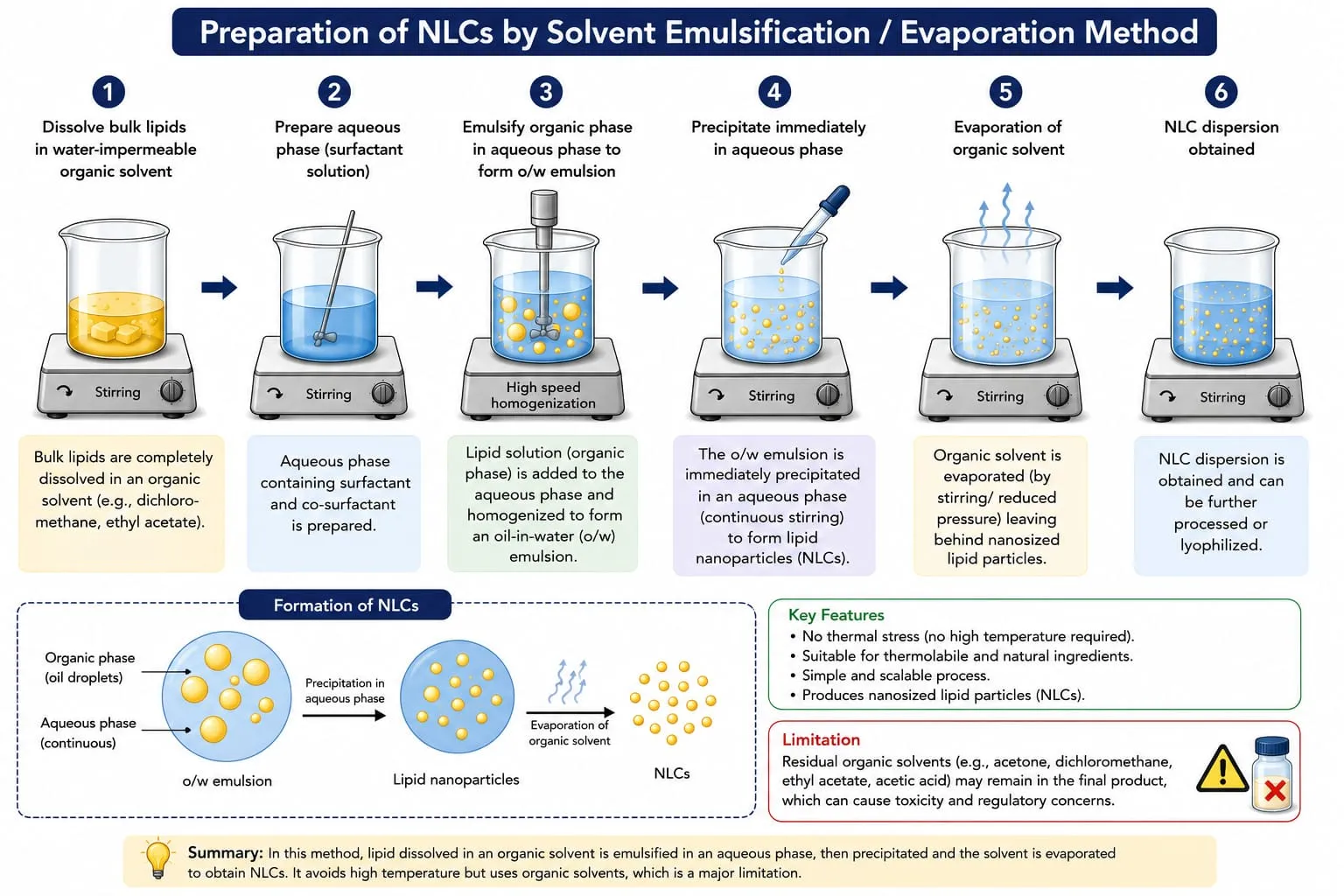
Figure 4: Solvent Emulsification / Evaporation Method
The membrane contactor method is an emerging technique for NLC preparation in which molten lipid is forced through membrane pores into a continuously flowing aqueous surfactant phase. Formation of uniform droplets followed by cooling results in lipid nanoparticle formation 5, 12. This method provides excellent control over particle size through appropriate membrane pore selection and is associated with narrow particle-size distribution and improved reproducibility. However, membrane fouling and equipment cost remain important practical limitations for large-scale manufacturing 5, 12, 16.
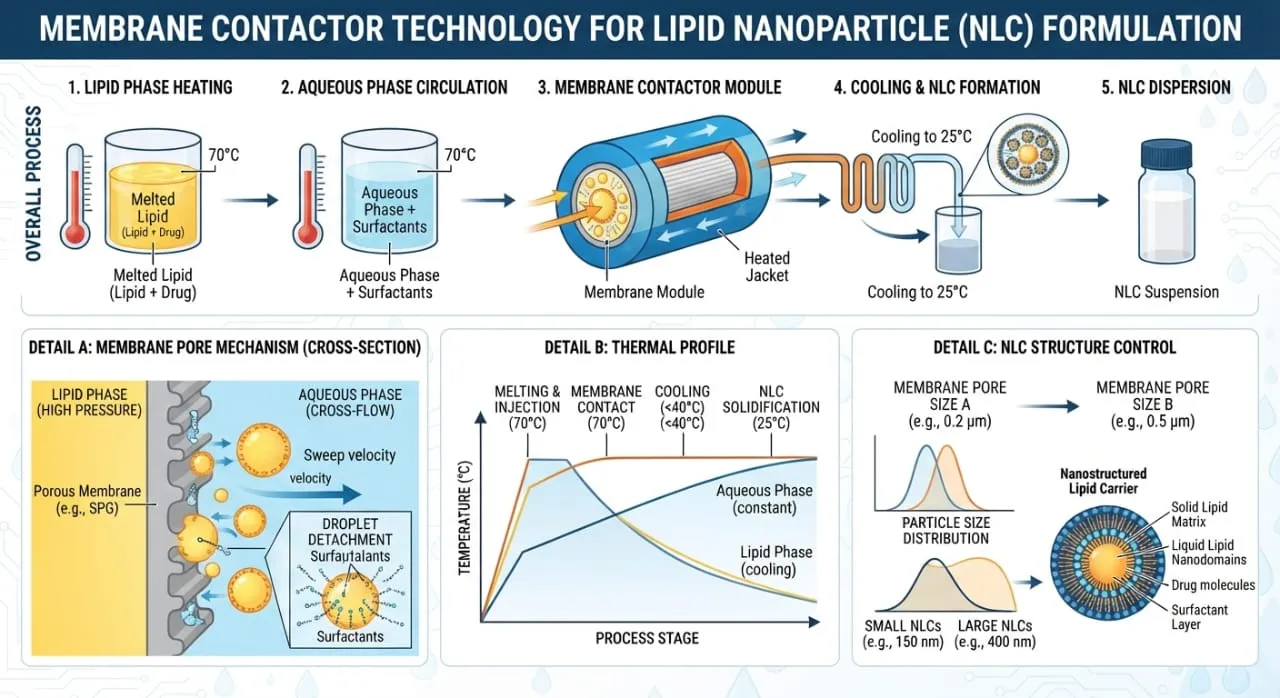
Figure 5: NLC Preparation by Membrane Contractor
The phase inversion temperature (PIT) technique utilizes temperature-induced changes in surfactant affinity to convert oil-in-water emulsions into water-in-oil emulsions and vice versa. Rapid temperature changes induce lipid crystallization and promote the formation of nanostructured lipid carriers 5, 12. The PIT method offers relatively low energy requirements and can produce nanoparticles with uniform size distribution. Nevertheless, precise temperature control is essential, and formulation performance depends greatly on surfactant characteristics and lipid composition 5, 12, 16.
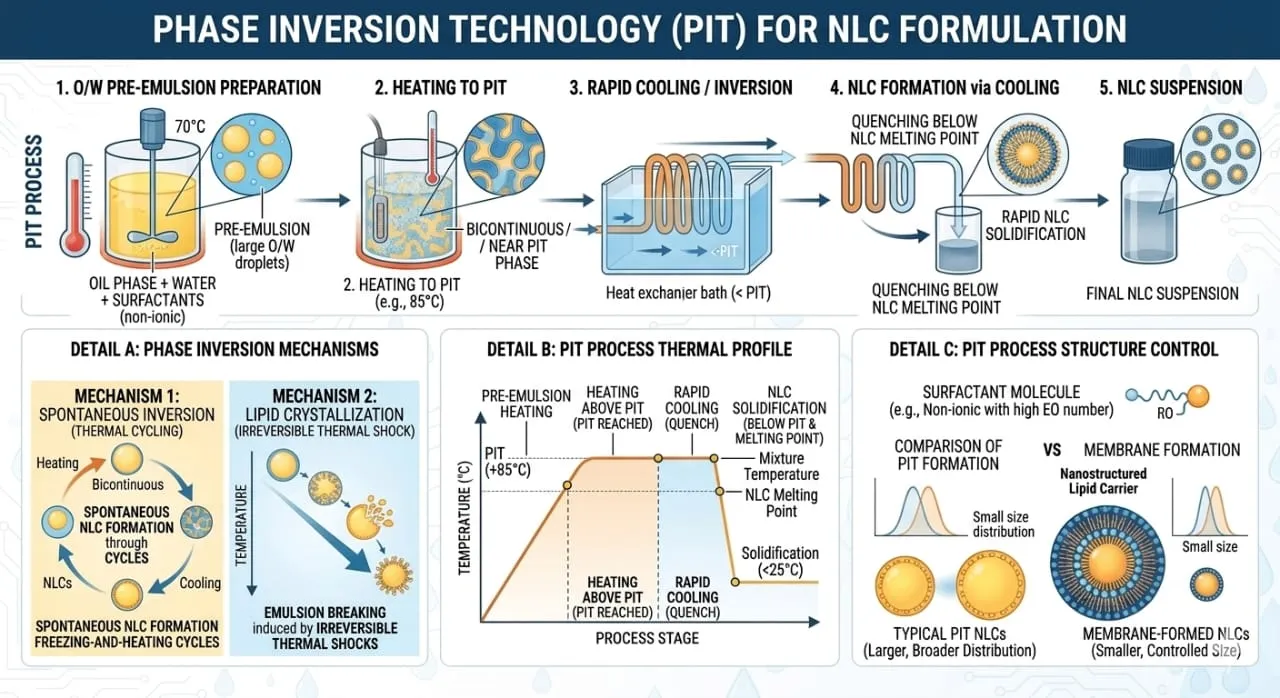
Figure 6: PIT Technology to prepare NLC
Coacervation is a preparation technique based on the controlled precipitation of lipids through pH adjustment. Following preparation of a lipid solution, gradual acidification induces lipid coacervation, leading to nanoparticle formation. The suspension is subsequently cooled under continuous stirring to obtain uniformly dispersed drug-loaded NLCs 5, 12. This technique requires relatively simple equipment and mild processing conditions. However, successful preparation depends on precise pH control, careful optimization of formulation variables, and efficient stabilization of the resulting nanoparticles. Although promising, coacervation remains less extensively investigated than high-pressure homogenization for large-scale pharmaceutical production 5, 12, 16.
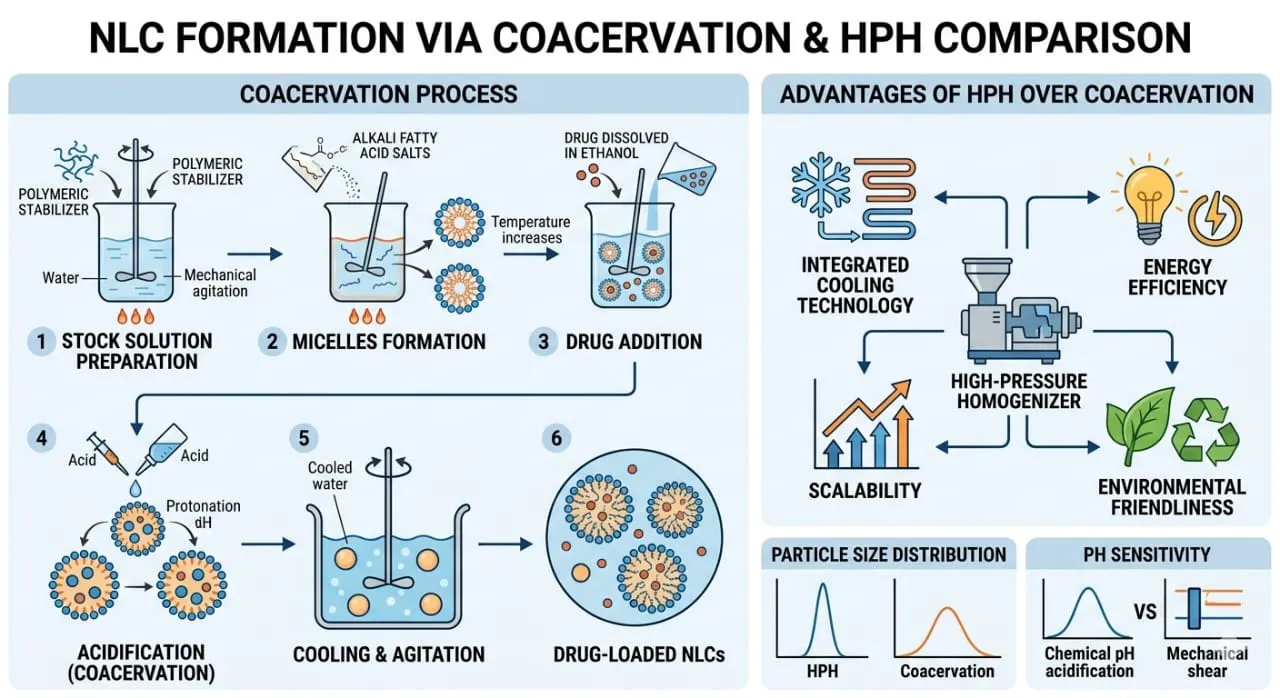
Figure 7: Comparison Between Coacervation & HPH Methods
Evaluation parameters:
Physicochemical characterization is required to control and confirm the quality and stability of NLCs produced. Furthermore, information on physical and chemical properties can facilitate the optimization of design for improved efficacy, stability, and safety. Some common techniques used to characterize NLCs are stated below. 3,12,16,46.
Particle size is an essential parameter affecting the stability, bioavailability, and cellular uptake of NLCs. To measure the size distribution, techniques such as dynamic light scattering (DLS) and nanoparticle tracking analysis (NTA) can be used. Generally, NLCs for cutaneous delivery of drugs typically have submicron particle sizes ranging from 40 to 1000 nm based on the lipid’s composition. 3,12,16,18.
The zeta potential (ZP) is a determining factor of the nano dispersion’s stability, describing the surface charge and showing long-term stability. Furthermore, ZP is calculated using electrophoretic mobility of the particle in aqueous media. At higher values, particle aggregation due to electrostatic repulsion has a lower probability of occurrence. Meanwhile, at lower ZP, there is a higher possibility for dispersions to coagulate or flocculate, potentially reducing stability. For electrostatically stable NLCs, the ZP of dispersion should be less than -30 mV or above +30 mV. The value of ZP can be measured using electrophoretic light scattering. 3,12,18 .
Transmission and scanning electron microscopies (TEM, SEM) including atomic force microscopy (AFM) are used to examine the surface morphology of NLCs. These techniques are effective for the dimensional and structural characterization of NLCs. TEM is a strong imaging technology enabling a high-resolution study of the internal structure and morphology of NLCs. It is capable of providing information on lipid nanoparticle’s size, shape, and distribution. Meanwhile, SEM is used to investigate the surface morphology including roughness and shape of NLC particles. For this analysis, the sample is prepared by placing it on a gold or copper grid with a known mesh size, followed by staining using a heavy metal salt solution for high contrast in the electron microscope. After drying, the sample is examined under an electron microscope, where nanoparticles are identified against a dark background. Moreover, dehydration during sample preparation can alter the initial shape or structure of nanocarriers. AFM is used at the nanoscale to analyze the surface topography and mechanical characteristics of NLC particles, producing data on particle height and roughness. This method is a simple and non-invasive technology used to monitor and control the morphology as well as the size of lipid nanoparticles. The samples used in AFM are prepared by removing water to avoid alteration in the emulsifier phase and polymorphism in lipids. This method does not use beams or radiations but rather a sharp-tipped scanning probe attached to the free end of a spring-like cantilever. The interaction between the tip and surface of the specimen is assessed through deflection, oscillation, or shift in resonance frequency of cantilever motion. 3,12,18,27.
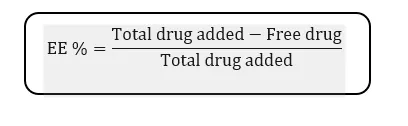
Entrapment efficiency (EE) is defined as the ratio of entrapped drug weight to total drug weight added to the dispersion. Subsequently, an ultrafiltration-centrifugation method is used to determine the amounts of drugs encapsulated per unit weight of the NLCs. A known NLC dispersion is prepared, and centrifugation is carried out in a centrifuge tube fitted with an ultrafilter. After suitable dilution, an appropriate analysis method is used to determine the amount of free drug supernatant. 3,12,16.
Entrapment efficiency formula of an NLC gel is:
Future Perspectives:
Caffeine-loaded nanostructured lipid carrier (NLC) gels have considerable potential as advanced topical drug delivery systems for periorbital skin care, anti-aging, and anti-cellulite applications. Future research should focus on optimizing lipid composition, surfactant selection, particle size, and surface characteristics to further improve dermal targeting, formulation stability, and controlled drug release 12, 43, 42. Surface-modified and multifunctional NLCs co-loaded with antioxidants, peptides, vitamins, or collagen-stimulating agents may provide synergistic therapeutic benefits, including enhanced skin rejuvenation, wrinkle reduction, antioxidant protection, and improved skin elasticity 2, 12, 44, 48. Future investigations should emphasize large-scale randomized clinical studies, standardized efficacy assessment methods, advanced imaging techniques, skin biomarker analysis, and long-term ocular safety evaluation. 3, 12, 43, 48. Artificial intelligence-assisted formulation optimization, Quality by Design (QbD), and personalized skincare strategies may further accelerate the development of next-generation Nano cosmeceutical formulations. Overall, caffeine-loaded NLC gels represent a promising bridge between conventional cosmetic formulations and advanced nanotechnology-based dermal drug delivery systems 6, 12, 48.
CONCLUSION:
Caffeine-loaded nanostructured lipid carrier (NLC) gels represent a promising advancement in topical drug delivery for periorbital skin care, anti-aging, and anti-cellulite applications. The lipid nanocarrier system enhances formulation stability, enables controlled drug release, improves dermal penetration, and increases localized bioavailability while minimizing systemic exposure. These characteristics contribute to improved therapeutic performance and patient acceptability 3, 12, 16, 39, 46. Topically applied caffeine-loaded NLC gels may reduce periorbital puffiness, oxidative stress, fine lines, and wrinkle formation through antioxidant, anti-inflammatory, vasoconstrictive, and lipolytic mechanisms. Furthermore, enhanced dermal penetration may improve localized lipolysis and reduce the appearance of cellulite 2, 4, 15, 19, 33. Although current evidence is encouraging, additional well-designed clinical studies are required to confirm long-term safety, efficacy, and regulatory acceptance. Future research incorporating Quality by Design (QbD), advanced characterization techniques, and personalized nanomedicine approaches may further optimize the clinical performance of caffeine-loaded NLC formulations 6, 12, 43, 48. Overall, caffeine-loaded nanostructured lipid carrier gels represent a safe, innovative, and multifunctional nano cosmeceutical platform with significant potential for future dermatological and cosmetic applications 12, 46, 48
REFERENCES




Tejas S.*, Simran Sagar, Supriya R., Supriya Upadhaya, Anju K. P., Review On Caffeine, Loaded Nlc Gel For Periorbital Skin Care, Anti-Cellulite And Anti-Aging Application, Int. J. of Pharm. Sci., 2026, Vol 4, Issue 8, 1016-1031. https://doi.org/10.5281/zenodo.21824882
 10.5281/zenodo.21824882