
View Article

  • Recent Advances in Benzimidazole Derivatives as Antimicrobial Agents: A Review

  • 1 Student, Matoshri Miratai Aher College of Pharmacy, Karjule Harya, Ahilyanagar, Maharashtra, India.
    2 Student, Samarth Institute of Pharmacy, Belhe, Pune, Maharashtra, India.
    3Professor and Head, Department of Pharmaceutical Chemistry, Matoshri Miratai Aher College of Pharmacy, Karjule Harya, Ahilyanagar, Maharashtra, India 

Abstract

Benzimidazole is a heterocyclic compound that consists of a benzene ring fused with an imidazole ring, which includes nitrogen and oxygen atoms. Compounds derived from it are of significant interest due to their varied biological properties and medical uses; they demonstrate remarkable efficacy regarding their inhibitory action and favorable selectivity ratios. The nucleus mentioned is a part of vitamin B12. Benzimidazoles are considered a promising group of bioactive heterocyclic compounds that display an array of biological effects, including anti-microbial, anti-viral, anti-diabetic, and anti-cancer properties, along with numerous antioxidant, anti-parasitic, anti-helmintic, anti-proliferative, anti-HIV, anti-convulsant, anti-inflammatory, anti-hypertensive, anti-neoplastic, proton pump inhibiting, and anti-trichinellosis activities. These compounds show significant potential as antitumor agents, inhibitors of smooth muscle cell proliferation, treatments for intestinal cystitis, and in various chemistry applications. Several notable derivatives of benzimidazole have been identified. Benzimidazole derivatives hold significant importance in the medical field due to their diverse pharmacological activities, including antimicrobial, antiviral, antidiabetic, and anticancer properties. The effectiveness of these drugs in treating microbial infections and other conditions has spurred the development of even more potent and relevant compounds. Benzimidazoles are highly effective agents, and extensive biochemical and pharmacological research has established their efficacy against various microbial strains. This review aims to summarize the chemistry of different substituted benzimidazole derivatives and their associated pharmacological activities.

Keywords

benzimidazoles, anti-microbial, anti-fungal, anti-bacterial, anti-viral

Introduction

× Popup Image

Benzimidazole derivatives are of wide interest because of their diverse biological activity and clinical applications, they are remarkably effective compounds both with respect to their inhibitory activity and their favorable selectivity ratio.(1,2,3) Looking at the importance of benzimidazole and oxadiazole nucleus, it was thought that it would be worthwhile to design and synthesize some new benzimidazole derivatives bearing oxadiazole moiety and screen them for potential biological activities. We have previously reported the synthesis of some new biologically active benzimidazoles. Resistance to number of anti-microbial agents (βlactam antibiotics, macrolides, quinolones, and vancomycin) among a variety of clinically significant species of bacteria is becoming increasingly important global problem. In particular, increasing drug resistance among Gram-positive a bacterium such as staphylococci, enterococci, and streptococci is a significant health matter. Benzimidazole ring displays an important heterocyclic pharmacophor in drug discovery. These compounds carrying different substituent’s in the benzimidazole structure are associated with a wide range of biological activities including anti-cancer, anti-viral, anti-bacterial, antifungal, anti-helmintic, anti-inflammatory, antihistaminic, proton pump inhibitor, anti-oxidant, Anti-hypertensive and anti-coagulant properties.  (4) In 1960, Fort et al. reported the discovery of benzimidazole derivatives as proton pump inhibitors. Further, synthesis and evaluation of different substituted benzimidazole derivatives resulted in the discovery of omeprazole, lansoprazole, rabeprazole, and pantoprazole. (5)

Benzimidazole is a heterocyclic aromatic organic compound. It is an important pharmacophore and a privileged structure in medicinal chemistry. This compound is bicyclic in nature which consists of the fusion of benzene and imidazole. Nowadays is a moiety of choice which possesses many pharmacological properties. The most prominent benzimidazole compound in nature is N-ribosyl-dimethylbenzimidazole, which serves as an axial ligand for cobalt in vitamin B12. (6)

The benzimidazole ring is an important pharmacophor in modern drug discovery. In recent years, attention has increasingly been given to the synthesis of benzimidazole derivatives. The synthesis of novel benzimidazole derivatives remains a main focus of medicinal research. Recent observations suggest that substituted benzimidazoles and heterocyclic, show easy interactions with the biopolymers, possess potential activity with lower toxicities in the chemotherapeutic approach in man. (7)
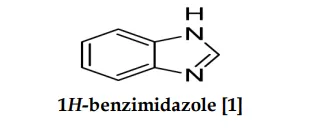
Fig.1 Structure of Benzimidazole

  1.  History

The history of heterocyclic chemistry first began in the 1800s alongside the progress of organic (8)chemistry. Since 2020, nearly 65% of the literature in organic chemistry is based on heterocyclic chemistry.(9) Heterocycles have important applications in the fields of chemistry, industry, and biology, as they play vital roles in the metabolic processes of all living cells.(10) They typically consist of five- or six-membered rings and have at least one heteroatom, such as a nitrogen (N), oxygen (O), or sulfur (S) atom.(11)Nitrogenous heterocyclic compounds have a significant influence in the process of discovering and developing drugs, primarily because they are commonly found in natural products and bioactive molecules.(12) These compounds frequently exhibit a wide range of unique pharmacological effects, which make them interesting for researchers.(13) Particularly, the benzimidazole ring has been extensively investigated in the field of medicinal chemistry since 1944,(14) following the discovery of 5,6-dimethylbenzimidazole as a byproduct of vitamin B12 breakdown,(15) owing to its structure similarity with DNA-purine nitrogen bases (adenine and guanine), and it consists of a bicyclic organic structure having an imidazole ring that contains two nitrogen atoms attached to one benzene ring. Multiple studies reported in the literature have presented an in-depth pharmacological framework of benzimidazoles and their derivatives(16) exhibiting potential biological activities such as antibacterial(17.,18.,19). antifungal,(20.,21).antiviral,(22., 23). antileishmanial,(24.,25). Antimalarial(26.,27). and antiprotozoal(28., 29). functions. Currently, several benzimidazole-based drugs are available and commercially accessible, including mebendazole (ref. 25), ciclobendazole (30), carbendazim (31), albendazole 32), thiabendazole (33), chlormidazole (34), fuberidazole (35) and benomyl (36)(Fig. 2).(37) Nevertheless, this review focused on the pharmacological properties of benzimidazole derivatives that have been evaluated between 2018 and 2024.(38,39)

Fig. 2 some commercially available benzimidazole-based drugs

  1.    Chemistry

The systematic nomenclature of the 1H-benzimidazole ring system is illustrated in structure . Although benzimidazole in has been shown to have a proton at N1, there is, in fact, a quick exchange between the –NH– and N-nitrogen atoms, allowing for the appearance of two tautomers of the benzimidazole molecule. Tautomerism develops via an intermolecular mechanism involving two benzimidazole molecules and or upon interactions with a protic solvent like water. (40)

Fig.3. Tautomerism of the benzimidazole nucleus

    1. Synthetic pathways

Due to the significant synthetic relevance and diverse bioactivities of benzimidazoles and their derivatives, efforts have been consistently made to create libraries of these molecules. Numerous synthetic processes have been designed and modified to achieve products with high yield and purity. An initial review revealed that the first benzimidazole or was produced in 1872 by Hoebrecker via the reduction of 4-methyl-2-nitroacetanilide. (41) After several years, Ladenburg synthesized compounds or with a moderate yield by refluxing 3,4-diaminotoluene with acetic acid; the term ‘Anhydrobase’ originated in the early literature to describe the loss of water during the synthesis of this type of chemical reaction.(42, 43, 44)

Fig.4. The first schemes used for benzimidazole synthesis

    1.  Biological Activity of Benzimidazole

1.4.1 Antimalarial activity

Malaria caused 350-500 million clinical episodes annually and result in over one million deaths, most of which affect children under 5 years old in sub Saharan Africa. Malaria is the fifth cause of death from infectious diseases worldwide (after respiratory infections, HIV/AIDS, diarrhoeal diseases and tuberculosis). Recent estimates so that as many as 3.3 billion people live in areas at risk of malaria in 109 countries. In addition to its health toll, malaria puts a heavy economic burden on endemic countries and contributes to the cycle of poverty people face in many countries.

Malaria mortality and morbidity began to increase in the 1980s due to a combination of factors such as increase in parasite and vector resistance to the current anti-malarial drugs and insecticides, the weakening of traditional malaria control programs, rapid decentralization and integration into deteriorating primary health service, and the development of humanitarian crisis situations in many malaria-endemic areas. This dramatic increase led to a compelling and urgent necessity for new malarial, with mechanisms of action different from the existing ones, and to identify new drug targets. Cloroquine has recently been shown to inhibit hemozoin formation within the parasite food vacuole.

This process is also thought to be the molecular target of other quinoline anti-malarial. Hemozoin was originally considered to be formed by the polymerization of heme, but has now been demonstrated to be a crystalline cyclic dimmer of ferriprotoporphyrin IX. Thus, hemozoin synthesis, a process unique to the malaria parasite, offers a logical and valuable potential target for new anti-malarial drug development. New drugs that attack the same vital target of chloroquine but that are not subject to the same resistance mechanism would be highly desirable. (45)

Ryckebusch et al. (2005) reported the synthesis of the activity of new N1-(7-chloro-4-quinolyl)-1, 4-bis (3- aminopropyl) piperazine derivatives against a chloroquine-resistant strain of Plasmodium falciparum in which compound 1 is active showing best anti-malarial activity.(46) Camacho et al. (2011) reported a series of N-substituted-2-(5-nitrofuran or 5- nitrothiophen-2- yl)-3H-benzo[d]imidazole-5- carbohydrazide derivatives and screened for their anti-malarial efficacy in rodent Plasmodium berghei.(45) Gomez et al. (2008) reported a series of ten novel hybrids from benzimidazole tested in vitro against the protozoa Trichomonas virginal’s, Giardia lamblia, Entamoeba histolytica, Leishmania mexicana, and Plasmodium berghei showed good anti-malarial activity. (47)

1.4.2. Antifungal activity

Infectious diseases have been serious and growing threatens to human health during the past few decades. The decrease of sensibility to anti-microbial agents in current use has also been increasing for a great variety of pathogens and the resistance to multiple drugs is more and more prevalent for several microorganisms, especially for Grampositive bacteria and some intractable fungi. Their inhibitory properties as regard representative fungi have been extensively exploited. Especially, it is worthy to note that Fluconazole, the first -line triazole-anti-fungal drug Recommended by World Health Organization (WHO) has established an exceptional therapeutic record for Candida infections, and become the first choice in the treatment of infections by Candida albicans and Cryptococcus neoformans due to its potent activity, excellent safety profile, and favorable pharmacokinetic characteristics. However, Fluconazole is not effective against invasive aspergillosis and is not fungicidal. In addition, extensive clinical use of Fluconazole has resulted in the increasing Fluconazole- resistant C. albicans isolates. (48)

Dandia et al. (2006) reported synthesis of a series of novel spiro [indole-thiazolidinones and screened in vitro for anti-fungal activity against Rhizoctonia solani, Fusarium oxysporum and Collectotrichum. Alp et al. (2009) reported synthesis of series of 20- arylsubstituted-1H, 10H-[2, 50] - bisbenzimidazolyl5-carboxamidines and evaluated for their antifungal activity. (49)Sharma et al. (2009) reported synthesis of a series of novel 2-substituted benzimidazoles, tetrahydrobenzimidazoles and imidazoles and screened there in vitro anti-bacterial anti-fungal activities. Kilcigil et al. (2006) reported synthesis of a series of novel benzimidazole derivatives and evaluated for anti-fungal activity. (50)

1.4.3. Antibacterial activity

The increase in bacterial resistance has attracted considerable interest in the discovery and development of new classes of anti-bacterial agents. The new agents should preferably consist of chemical characteristics that clearly differ from those of existing agents. Actinonin was first isolated from a Malayan strain of Actinomyces and found to show a weak inhibitory activity against Gram-positive and Gram-negative bacteria. However, recently actinonin has been proven to have anti-proliferative effects on human tumor cells. The action mechanism of actinonin is believed to be the inhibition of the peptide de formylase that is a new class of metalloenzyme which is essential for bacterial survival. The hydroxamate group of actinonin, which can complex with the metal ion in the active pocket of the peptide deformylase, is necessary for its activity. Nevertheless, actinonin lacks in vivo efficacy, due to the poor bioavailability. (51)

Secondgeneration macrolides such as clarithromycin (CAM) and azithromycin (AZM) (Figure 1) have enjoyed widespread clinical use for the treatment of upper and lower respiratory tract infections as well as genital infections due to their superior antibacterial activity, pharmacokinetic properties and fewer gastrointestinal side (GI) effects compared with first-generation macrolides such as erythromycin (EMA) which is its acid instability, leading to consequential degradation products responsible for its poor pharmacokinetic profile and GI side effects . Their mechanism of action has been elucidated that the macrolides bind reversibly to the nucleotide A2058 in domain V of the 23S rRNA in the ribosomal 50S subunit and block protein synthesis. (51)

However, the therapeutic Utility of the macrolides has been severely compromised by the emergence of widespread bacterial resistance which has become a serious medical problem worldwide. The predominant mechanism of resistance involves the methylation of A2058 by a ribosomal methylase encoded by the erm gene, which confers a high level of resistance to MLSB (macrolide-lincosamidestreptogramin B) antibiotics. Third-generation macrolides known as ketolides such as telithromycin and cethromycin were developed to overcome erm- resistant bacteria through interacting with a secondary ribosomal binding site A752 directly in domain II of the 23S rRNA by their C-11-12 carbamate or C-6 side chains in addition to the main interaction of the drugs in domain V. (52)

Kumar et al. (2006) reported synthesis of some novel 2-(6-fluorochroman-2-yl)-1-alkyl/acyl/aroyl-1Hbenzimidazoles and compounds exhibited promising anti-bacterial activity against Salmonella typhimurium. Kumar et al. (2008) reported synthesis of a series of novel and functionalized benzimidazole derivatives by the condensation of OPDA with 4-bromobenzoic acid and screened for their potential anti-bacterial. (53)Zhang et al. (2009) reported synthesis of a series of novel actinonin derivatives containing a benzimidazole heterocyclic linked as amide isostere and evaluated in vitro against Staphylococcus aureous, Klebsiella pneumonia, and Sarcina lutea.(51) Cong et al. (2011) reported synthesis of Novel 400-O-benzimidazolyl clarithromycin derivatives & evaluated for their in vitro anti-bacterial activities. (52)

1.4.4. Antiviral activity

Chronic infection with the hepatitis C virus (HCV) is a major risk factor for developing cirrhosis and hepatocellular carcinoma. Approximately 3% of the worldwide population is chronically infected with HCV. A preventive vaccine has not been developed and limits of current therapeutics include serious side effects and therapy usually lasting 48 weeks with only a 50% sustained virological response rate. (45-50) A recent major advance was the development of an infectious virus system based on the transfection of human hepatoma cells with genomic HCV RNA (JFH1) isolated from a patient with fulminant hepatitis.

This cell culture model allows all stages of the HCV life cycle to be studied. Antiviral properties of various benzimidazole derivatives have been reported in a variety of studies using different virus strains, such as human cytomegalovirus (HCMV), human immunodeficiency virus, and hepatitis B and C virus. Also, amidinosubstituted benzimidazoles, such as bis(5-amidino2-benzimidazolyl) methane (BABIM), showed ability to block respiratory syncytial (RS) virus induced cell fusion.  (48)

In addition, introducing amidino moiety to benzimidazole ring was shown to possess potent antimicrobial and anti-protozoal activity. Liu et al. (2011) reported Major progress has been made in developing infectious HCV cell culture systems and these systems have been useful in identifying novel HCV anti-viral.(48) Starcevic et al. (2007) prepared a set of heterocyclic benzimidazole derivatives bearing amidino substituent at C-5 of benzimidazole ring, by introducing various heterocyclic nuclei (pyridine, N-methyl-pyrrole or imidazole) at C-2, and evaluated their anti-tumor and anti-viral activities.(54)

Compounds were tested in cell-based assays against viruses’ representative of: i) two of the three genera of the Flaviviridae family, i.e. Flaviviruses and Pestiviruses; ii) other RNA virus families, such as Retroviridae, Picornaviridae, Paramyxoviridae, Rhabdoviridae and Reoviridae; iii) two DNA virus families (Herpesviridae and Poxviridae). Compounds 24a, 24b and 24c resulted moderate activity only against Yellow Fever Virus. Yu et al. (2006) proposed Watersoluble benzimidazol-2-one derivatives with antiviral activity in vivo in the cotton rat model of RSV infection following administration as a small particle aerosol. The acidic compounds 25a, 25b, 25c, 25d, 25e and 25f demonstrated potent anti-viral activity in cell culture. Budow et al. (2009) reported a series of benzimidazole derivatives and substituted benzimidazole β-L- and β-D-2’-deoxyribonucleosides and evaluated for anti-viral activity against selected RNA and DNA viruses including HIV-1, BVDV, YFV, DENV-2, WNV, HBV, HCV and human RSV.(54)

5.Antimicrobial activity

Benomyl (1), carbendazim (2), fuberidazole (3), and thiabendazole (4) are benzimidazole derivatives which have been used as fungicidal agents in the market (Fig. 5). Among indole-based pyrido[1,2-a]benzimidazoles synthesized by Kathrotiya and Patel, compounds 56, and 7 displayed considerable antibacterial activity against S. typhi (MIC 50, 62.5 and 12.5 μg mL−1, respectively) compared to reference drugs ampicillin, chloramphenicol, and ciprofloxacin (MIC 100, 50 and 25 μg mL−1, respectively), while compounds 6 and 8 showed promising antifungal activity against C. albicans (MIC 250 μg mL−1) in comparison with standard griseofulvin (MIC 500 μg mL−1) (Fig. 5). Vasantha et al. demonstrated the synthesis of a series of N-arylidene-2-(2,4-dichlorophenyl)-1-propyl-1H-benzo[d]imidazole-5-carbohydrazide derivatives and the evaluation of these compounds for antimicrobial activity. Among them, compound 9 appeared to be a promising antibacterial and antifungal agent with an MIC value of 3.12 μg mL−1 against most bacterial and fungal strains (Fig. 5). A library of 2-substituted benzimidazole derivatives was synthesized and examined for antibacterial activity. Compound 10 was found to be the most potent antibacterial agent against both Gram-positive and Gram-negative bacteria compared to the reference cefadroxil, while compound 11 showed maximum activity against A. niger (MIC = 0.018 mM) (Fig. 5). Amongst a series of purine benzimidazole hybrids synthesized by Wang et al., compounds 12 and 13 were the most potent antibacterial agents with MIC values ranging between 3.9 and 7.8 μg mL−1 against different bacterial strains (Fig. 5 ). (55-58)
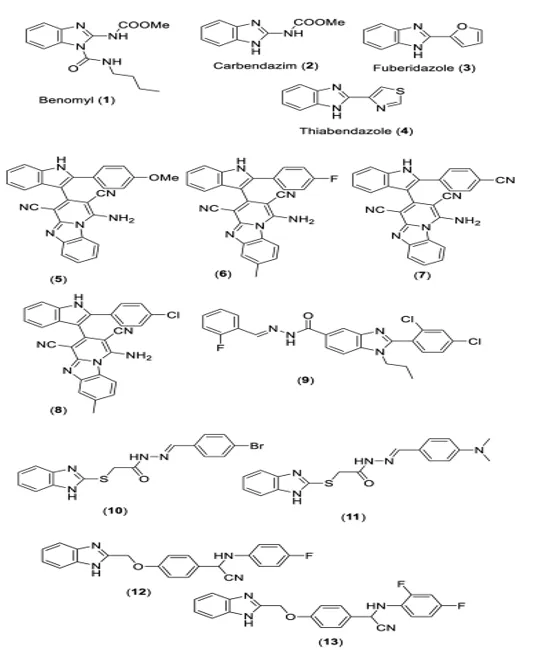
Fig.5 Benzimidazole compounds with antimicrobial activity​​​​​​​

CONCLUSION

The benzimidazole ring is an important pharmacophore in modern drug discovery. Attention has been increasingly given to the synthesis of benzimidazole derivatives as a source of new antimicrobial agents. The Benzimidazole derivatives are a resource for medicinal research. The knowledge gained by various researches has suggested that substituted benzimidazoles and heterocycles, which are the structural isosteres of nucleotides allow them to interact easily with the biopolymers, possess pharmacological activity with lower toxicities. Since now, researchers have been attracted toward designing more potent Benzimidazole derivatives having wide diverse of biological activity.

Benzimidazole are regarded as a promising class of bioactive heterocyclic compounds that exhibit a range of biological activities like anti-microbial, antiviral, anti-diabetic, and anti-cancer activity. This comprehensive overview summarizes the chemistry of different derivative of substituted benzimidazole along with their anti-microbial activity

REFERENCES

  1. Ansari, K.F., Lal, C (2009). Synthesis, physicochemical properties and anti-microbial activity of some new benzimidazole derivatives. Eur. J. Med. Chem. 44: 4028–4033. DOI PMid:19482384.
  2. Kazimierczuk, Z., Upcroft, J.A., Upcroft, P., Gorska, A., Starosciak, B., Laudy, A. (2002). Synthesis and antiprotozoal activity of some 2-(trifluoromethyl)-1Hbenzimidazole bioisosteres. Acta.Biochim.Pol. 49: 185–195. PMid:12136939.
  3. Grocer, H., Kus, C., Boykin, D.W., Yildiz, S., Altanlar, N. (2002). Synthesis and Anti-fungal Properties of Some Benzimidazole Derivatives. Bioorg. Med. Chem.10:2589– 2596. PMid:12057648.
  4. Tuncbilek, M., Kiper T., Altanlar, N. (2009). Synthesis and in vitro anti-microbial activity of some novel substituted benzimidazole derivatives having potent activity against MRSA. Eur. J. Med. Chem. 44:1024–1033. DOI PMid:18718694.
  5. Patil, A., Ganguly, S., Surana, S. (2008). A systemic review of benzimidazole derivatives as an antiulcer agent. Rasayan Journal of Chemistry, 1(3): 447-460.
  6. Barker HA, Smyth RD, Weissbach H, Toohey JI, Ladd JN and Volcani BE. Isolation and properties of crystalline cobamide coenzymes containing Benzimidazole or 5,6- Dimethylbenzimidazole. Journal of Biological Chemistry. 1960;235(2):480- 488.
  7. Haugwitz, R.D. (1982). Anti-parasitic agents Synthesis and anti-helmintic activities of novel 2-substituted isothiocyanatobenzoxazoles and benzimidazole. J. Med. Chem. 25: 969-974. DOI PMid:7120286.
  8. Z. Hosseinzadeh, A. Ramazani, N. Razzaghi-Asl Anti-cancer nitrogen-containing heterocyclic compounds Curr. Org. Chem., 22 (23) (2018), pp. 2256-2279.
  9. T. Qadir et al., A review on medicinally important heterocyclic compounds  Open Med. Chem. J., 16 (1) (2022), p. e187410452202280.
  10. M. Hossain, A. K. Nanda A review on heterocyclic: Synthesis and their application in medicinal chemistry of imidazole moiety Science, 6 (5) (2018), pp. 83-94.
  11. V. J. Ram et al. The Chemistry of Heterocycles: Nomenclature and Chemistry of Three to Five Membered Heterocycles, Elsevier, (2019).
  12. K. Singh et al., Insights into the structure activity relationship of nitrogen-containing heterocyclics for the development of antidepressant compounds: An updated reviewJ. Mol. Struct., 1237 (2021), p. 130369.
  13. C. Verma et al., Coordination bonding and corrosion inhibition potential of nitrogen-rich heterocycles: Azoles and triazines as specific examples Coord. Chem. Rev., 488 (2023), p. 215177.
  14. S. Banerjee et al., A critical review of benzimidazole: Sky-high objectives towards the lead molecule to predict the future in medicinal chemistry Results Chem., 6 (2023), p. 101013.
  15. Y. N. A. Soh et al., Composition and biotransformational changes in soluble microbial products (SMPs) along an anaerobic baffled reactor (ABR) Chemosphere, 254 (2020), p. 126775.
  16. H. Hernández-López, C. J. Tejada-Rodríguez, S. Leyva-Ramos A panoramic review of benzimidazole derivatives and their potential biological activityMini-Rev. Med. Chem., 22 (9) (2022), pp. 1268-1280.
  17. S. K. Manna, T. Das, S. Samanta Polycyclic benzimidazole: Synthesis and photophysical properties ChemistrySelect, 4 (30) (2019), pp. 8781-8790.
  18. P. K. Singh, O. Silakari Benzimidazole: journey from single targeting to multitargeting molecule Key Heterocycle Cores for Designing Multitargeting Molecules, Elsevier, (2018).
  19. X. Yang et al., A New Discovery towards Novel Skeleton of Benzimidazole-Conjugated Pyrimidinones as Unique Effective Antibacterial Agents Chin. J. Chem., 40 (22) (2022), pp. 2642-2654.
  20. H. A. AlDifar et al., Synthesis of Benzimidazole and Phthaloylamino Acid derivatives and Antibacterial Activity J. Med. Chem. Sci., 6 (2023), pp. 1975-1984.
  21. V. Kamat et al., Synthesis, molecular docking, antibacterial, and anti-inflammatory activities of benzimidazole-containing tricyclic systems J. Chin. Chem. Soc., 68 (6) (2021), pp. 1055-1066.
  22. K. Mahmood et al., Synthesis, characterization and biological evaluation of novel benzimidazole derivatives J. Biomol. Struct. Dyn., 38 (6) (2020), pp. 1670-1682.
  23. E. Mulugeta, Y. Samuel Synthesis of Benzimidazole-Sulfonyl Derivatives and Their Biological Activities Biochem. Res. Int., 2022 (1) (2022), p. 7255299.
  24. B. T. B. Hueet al., Benzimidazole derivatives as novel zika virus inhibitors ChemMedChem, 15 (15) (2020), pp. 1453-1463.
  25. X. Huo et al., Design, synthesis, in vitro and in vivo anti-respiratory syncytial virus (RSV) activity of novel oxizine fused benzimidazole derivatives Eur. J. Med. Chem., 224 (2021), p. 113684.
  26. J. C. Sánchez-Salgado et al., Systematic search for benzimidazole compounds and derivatives with antileishmanial effects Mol. Diversity, 22 (2018), pp. 779-790.
  27. N. Razzaghi-As et al., Insights into the current status of privileged N-heterocycles as antileishmanial agents Mol. Diversity, 24 (2020), pp. 525-569.
  28. G. A. Dziwornu et al., Antimalarial benzimidazole derivatives incorporating phenolic mannich base side chains inhibit microtubule and hemozoin formation: structure–activity relationship and in vivo oral efficacy studies J. Med. Chem., 64 (8) (2021), pp. 5198-5215.
  29. M. Leshabane et al., Benzimidazole derivatives are potent against multiple life cycle stages of Plasmodium falciparum malaria parasites ACS Infect. Dis., 7 (7) (2021), pp. 1945-1955.
  30. V. M. Patelt al., N-Mannich bases of benzimidazole as a potent antitubercular and antiprotozoal agents: Their synthesis and computational studies Synth. Commun., 50 (6) (2020), pp. 858-878.
  31. A. Moreno-Herrera et al., Recent advances in the development of broad-spectrum antiprotozoal agents Curr. Med. Chem., 28 (3) (2021), pp. 583-606
  32. J.-Y. Chai, B.-K. Jung, S.-J. Hong Albendazole and mebendazole as anti-parasitic and anti-cancer agents: an update Korean J. Parasitol., 59 (3) (2021), p. 189
  33. N. T. Chung, V. C. Dung, D. X. Duc Recent achievements in the synthesis of benzimidazole derivatives RSC Adv., 13 (46) (2023), pp. 32734-32771
  34. S. Bai et al., Research Progress on Benzimidazole Fungicides: A Review Molecules, 29 (6) (2024), p. 1218
  35. J. Jacob et al., Clinical efficacy and safety of albendazole and other benzimidazole anthelmintics for rat lungworm disease (neuroangiostrongyliasis): a systematic analysis of clinical reports and animal studies Clin. Infect. Dis., 74 (7) (2022), pp. 1293-1302
  36. M. Budetić et al., Review of Characteristics and Analytical Methods for Determination of Thiabendazole Molecules, 28 (9) (2023), p. 3926
  37. I. Celik et al., Synthesis, Molecular Docking, Dynamics, Quantum-Chemical Computation, and Antimicrobial Activity Studies of Some New Benzimidazole–Thiadiazole Hybrids ACS Omega, 7 (50) (2022), pp. 47015-47030
  38. S. B. F. Fawzi et al., Benzimidazole and Its Derivatives: Exploring Their Crucial Role in Medicine and Agriculture: A Short Review Al-Kitab J. for Pure Sci., 8 (02) (2024), pp. 125-137
  39. B. Pathare, T. Bansode biological active benzimidazole derivatives Results Chem., 3 (2021), p. 100200.
  40. R. S. Keri et al., Comprehensive review in current developments of benzimidazole-based medicinal chemistry Chem. Biol. Drug Des., 86 (1) (2015), pp. 19-65.
  41. M. Faheem et al., A review on the modern synthetic approach of benzimidazole candidate ChemistrySelect, 5 (13) (2020), pp. 3981-3994
  42. Y. Bansal, O. Silakari The therapeutic journey of benzimidazoles: A review Bioorg. Med. Chem., 20 (21) (2012), pp. 6208-6236
  43. N. D. Mahurkar et al., Benzimidazole: A Versatile Scaffold for Drug Discovery and Beyond-A Comprehensive Review of Synthetic Approaches and Recent Advancements in Medicinal Chemistry Results Chem., (2023), p. 101139
  44. M. S. Vasava et al., Benzimidazole: A milestone in the field of medicinal chemistry Mini-Rev. Med. Chem., 20 (7) (2020), pp. 532-565
  45. Camacho J., Barazarte A., Gamboa N., Rodrigues J., Rojas R., Vaisberg A., Gilman R., Charris J. (2011). Synthesis and biological evaluation of benzimidazole-5-Carbohydrazide derivatives as anti-malarial, cytotoxic and anti-tubercular agents. Bioorg. & Med. Chem.19: 2023–2029. DOI
  46. Ryckebusch A., Fontaine M.A.D., Mouray E., Grellier P., Sergheraerta C., Melnyk P. (2005). Synthesis and antimalarial evaluation of new N1-(7-chloro-4-quinolyl)-1, 4- bis (3-aminopropyl)-piperazine derivatives. Bioorg. & Med. Chem. Lett.15: 297–302. DOI
  47. Gomez H.T., Nunez E.H., Rivera I.L., Alvarez J.G., Rivera R.C., Puc R.M., Ramos A.R., Gutierrez, M.D.R., Bacab, M.J.C. Vazquez, G.N. (2008). Design, synthesis and in vitro anti-protozoal activity of benzimidazole- pentamidine hybrids. Bioorg. & Med. Chem. Lett. 18: 3147–3151. DOI
  48. Liu, S., Nelson, A.C., Xiao, L., Lu, L., Seth, P.P., Davis, D.R., Hagedorn, C.H. (2011). Measuring antiviral activity of benzimidazole molecules that alter IRES RNA structure with an infectious hepatitis C virus chimer expressing Renilla luciferase. Anti-viral Res. 89:54–63. DOI PMCid:3018537.
  49. Dandia, A., Singh, R., Merienne, C., Morgant, G., Loupy, A. (2006). Efficient microwave Enhanced regioselective synthesis of a series of benzimidazolyl/triazolyl spiro [indole-thiazolidinones] as potent anti-fungal agents and crystal structure of spiro[3H-indole-3, 20- thiazolidine]- 30(1, 2,4-triazol-3-yl)- 2,40(1H)-dione. Bioorg. & Med. Chem. 14: 2409–2417. DOI.
  50. Kilcigil, G.A., Altanlar. (2006). Synthesis and anti-fungal properties of some benzimidazole derivatives. Turk J. Chem. 30:223-228.
  51. Zhang, D., Wang, Z., Xu, W., Sun, F., Tang, L., Wang, J. (2009). Design, synthesis and anti-bacterial activity of novel actinonin derivatives containing benzimidazole heterocycles. Eur. J. Med.Chem. 44:2202- 2210. DOI PMid:18617291
  52. Cong, C.,Wang, H., Huc, C., Liu, C., Ma, S., Li, X.,Cao, J., Ma, S. (2011). Synthesis and anti-bacterial activity of novel 400- O-benzimidazolyl clarithromycin Derivatives. Eur. J. Med. Chem. 46:3105-3111. DOI PMid:21524827.
  53. Kumar, B.V.S., Vaidya, S.D., Kumar, R.V., Bhirud, S.B., Mane, R.B. (2006). Synthesis and anti-bacterial activity of some novel 2-(6-fluorochroman-2-yl)-1-alkyl/acyl/aroyl-1Hbenzimidazoles. Eur. J. Med. Chem. 41:599–604. DOI PMid:16527375.
  54. Starcevic, K., Kralj, M, Ester, K., Sabol, I., Grce, M., Pavelic, K., Zamola, G.K. (2007). Synthesis, anti-viral and antitumor activity of 2-substituted-5-amidino-benzimidazoles. Bioorg. & Med. Chem.15:4419– 4426. DOI.
  55. H. G. Kathrotiya and M. P. Patel, J. Chem. Sci., 2013, 125, 993–1001.
  56. K. Vasantha, G. Basavarajaswamy, M. Vaishali Rai, P. Boja, V. R. Pai, N. Shruthi and M. Bhat, Bioorg. Med. Chem. Lett., 2015, 25, 1420–1426.
  57. S. Yadav, B. Narasimhan, S. M. Lim, K. Ramasamy, M. Vasudevan, S. A. A. Shah and A. Mathur, J. Basic Appl. Sci., 2018, 5, 100–109.
  58. I. N. Shaikh, K. M. Hosamani and M. M. Kurjogi, Arch. Pharm., 2018, 351, 1700205

Reference

  1. Ansari, K.F., Lal, C (2009). Synthesis, physicochemical properties and anti-microbial activity of some new benzimidazole derivatives. Eur. J. Med. Chem. 44: 4028–4033. DOI PMid:19482384.
  2. Kazimierczuk, Z., Upcroft, J.A., Upcroft, P., Gorska, A., Starosciak, B., Laudy, A. (2002). Synthesis and antiprotozoal activity of some 2-(trifluoromethyl)-1Hbenzimidazole bioisosteres. Acta.Biochim.Pol. 49: 185–195. PMid:12136939.
  3. Grocer, H., Kus, C., Boykin, D.W., Yildiz, S., Altanlar, N. (2002). Synthesis and Anti-fungal Properties of Some Benzimidazole Derivatives. Bioorg. Med. Chem.10:2589– 2596. PMid:12057648.
  4. Tuncbilek, M., Kiper T., Altanlar, N. (2009). Synthesis and in vitro anti-microbial activity of some novel substituted benzimidazole derivatives having potent activity against MRSA. Eur. J. Med. Chem. 44:1024–1033. DOI PMid:18718694.
  5. Patil, A., Ganguly, S., Surana, S. (2008). A systemic review of benzimidazole derivatives as an antiulcer agent. Rasayan Journal of Chemistry, 1(3): 447-460.
  6. Barker HA, Smyth RD, Weissbach H, Toohey JI, Ladd JN and Volcani BE. Isolation and properties of crystalline cobamide coenzymes containing Benzimidazole or 5,6- Dimethylbenzimidazole. Journal of Biological Chemistry. 1960;235(2):480- 488.
  7. Haugwitz, R.D. (1982). Anti-parasitic agents Synthesis and anti-helmintic activities of novel 2-substituted isothiocyanatobenzoxazoles and benzimidazole. J. Med. Chem. 25: 969-974. DOI PMid:7120286.
  8. Z. Hosseinzadeh, A. Ramazani, N. Razzaghi-Asl Anti-cancer nitrogen-containing heterocyclic compounds Curr. Org. Chem., 22 (23) (2018), pp. 2256-2279.
  9. T. Qadir et al., A review on medicinally important heterocyclic compounds  Open Med. Chem. J., 16 (1) (2022), p. e187410452202280.
  10. M. Hossain, A. K. Nanda A review on heterocyclic: Synthesis and their application in medicinal chemistry of imidazole moiety Science, 6 (5) (2018), pp. 83-94.
  11. V. J. Ram et al. The Chemistry of Heterocycles: Nomenclature and Chemistry of Three to Five Membered Heterocycles, Elsevier, (2019).
  12. K. Singh et al., Insights into the structure activity relationship of nitrogen-containing heterocyclics for the development of antidepressant compounds: An updated reviewJ. Mol. Struct., 1237 (2021), p. 130369.
  13. C. Verma et al., Coordination bonding and corrosion inhibition potential of nitrogen-rich heterocycles: Azoles and triazines as specific examples Coord. Chem. Rev., 488 (2023), p. 215177.
  14. S. Banerjee et al., A critical review of benzimidazole: Sky-high objectives towards the lead molecule to predict the future in medicinal chemistry Results Chem., 6 (2023), p. 101013.
  15. Y. N. A. Soh et al., Composition and biotransformational changes in soluble microbial products (SMPs) along an anaerobic baffled reactor (ABR) Chemosphere, 254 (2020), p. 126775.
  16. H. Hernández-López, C. J. Tejada-Rodríguez, S. Leyva-Ramos A panoramic review of benzimidazole derivatives and their potential biological activityMini-Rev. Med. Chem., 22 (9) (2022), pp. 1268-1280.
  17. S. K. Manna, T. Das, S. Samanta Polycyclic benzimidazole: Synthesis and photophysical properties ChemistrySelect, 4 (30) (2019), pp. 8781-8790.
  18. P. K. Singh, O. Silakari Benzimidazole: journey from single targeting to multitargeting molecule Key Heterocycle Cores for Designing Multitargeting Molecules, Elsevier, (2018).
  19. X. Yang et al., A New Discovery towards Novel Skeleton of Benzimidazole-Conjugated Pyrimidinones as Unique Effective Antibacterial Agents Chin. J. Chem., 40 (22) (2022), pp. 2642-2654.
  20. H. A. AlDifar et al., Synthesis of Benzimidazole and Phthaloylamino Acid derivatives and Antibacterial Activity J. Med. Chem. Sci., 6 (2023), pp. 1975-1984.
  21. V. Kamat et al., Synthesis, molecular docking, antibacterial, and anti-inflammatory activities of benzimidazole-containing tricyclic systems J. Chin. Chem. Soc., 68 (6) (2021), pp. 1055-1066.
  22. K. Mahmood et al., Synthesis, characterization and biological evaluation of novel benzimidazole derivatives J. Biomol. Struct. Dyn., 38 (6) (2020), pp. 1670-1682.
  23. E. Mulugeta, Y. Samuel Synthesis of Benzimidazole-Sulfonyl Derivatives and Their Biological Activities Biochem. Res. Int., 2022 (1) (2022), p. 7255299.
  24. B. T. B. Hueet al., Benzimidazole derivatives as novel zika virus inhibitors ChemMedChem, 15 (15) (2020), pp. 1453-1463.
  25. X. Huo et al., Design, synthesis, in vitro and in vivo anti-respiratory syncytial virus (RSV) activity of novel oxizine fused benzimidazole derivatives Eur. J. Med. Chem., 224 (2021), p. 113684.
  26. J. C. Sánchez-Salgado et al., Systematic search for benzimidazole compounds and derivatives with antileishmanial effects Mol. Diversity, 22 (2018), pp. 779-790.
  27. N. Razzaghi-As et al., Insights into the current status of privileged N-heterocycles as antileishmanial agents Mol. Diversity, 24 (2020), pp. 525-569.
  28. G. A. Dziwornu et al., Antimalarial benzimidazole derivatives incorporating phenolic mannich base side chains inhibit microtubule and hemozoin formation: structure–activity relationship and in vivo oral efficacy studies J. Med. Chem., 64 (8) (2021), pp. 5198-5215.
  29. M. Leshabane et al., Benzimidazole derivatives are potent against multiple life cycle stages of Plasmodium falciparum malaria parasites ACS Infect. Dis., 7 (7) (2021), pp. 1945-1955.
  30. V. M. Patelt al., N-Mannich bases of benzimidazole as a potent antitubercular and antiprotozoal agents: Their synthesis and computational studies Synth. Commun., 50 (6) (2020), pp. 858-878.
  31. A. Moreno-Herrera et al., Recent advances in the development of broad-spectrum antiprotozoal agents Curr. Med. Chem., 28 (3) (2021), pp. 583-606
  32. J.-Y. Chai, B.-K. Jung, S.-J. Hong Albendazole and mebendazole as anti-parasitic and anti-cancer agents: an update Korean J. Parasitol., 59 (3) (2021), p. 189
  33. N. T. Chung, V. C. Dung, D. X. Duc Recent achievements in the synthesis of benzimidazole derivatives RSC Adv., 13 (46) (2023), pp. 32734-32771
  34. S. Bai et al., Research Progress on Benzimidazole Fungicides: A Review Molecules, 29 (6) (2024), p. 1218
  35. J. Jacob et al., Clinical efficacy and safety of albendazole and other benzimidazole anthelmintics for rat lungworm disease (neuroangiostrongyliasis): a systematic analysis of clinical reports and animal studies Clin. Infect. Dis., 74 (7) (2022), pp. 1293-1302
  36. M. Budeti? et al., Review of Characteristics and Analytical Methods for Determination of Thiabendazole Molecules, 28 (9) (2023), p. 3926
  37. I. Celik et al., Synthesis, Molecular Docking, Dynamics, Quantum-Chemical Computation, and Antimicrobial Activity Studies of Some New Benzimidazole–Thiadiazole Hybrids ACS Omega, 7 (50) (2022), pp. 47015-47030
  38. S. B. F. Fawzi et al., Benzimidazole and Its Derivatives: Exploring Their Crucial Role in Medicine and Agriculture: A Short Review Al-Kitab J. for Pure Sci., 8 (02) (2024), pp. 125-137
  39. B. Pathare, T. Bansode biological active benzimidazole derivatives Results Chem., 3 (2021), p. 100200.
  40. R. S. Keri et al., Comprehensive review in current developments of benzimidazole-based medicinal chemistry Chem. Biol. Drug Des., 86 (1) (2015), pp. 19-65.
  41. M. Faheem et al., A review on the modern synthetic approach of benzimidazole candidate ChemistrySelect, 5 (13) (2020), pp. 3981-3994
  42. Y. Bansal, O. Silakari The therapeutic journey of benzimidazoles: A review Bioorg. Med. Chem., 20 (21) (2012), pp. 6208-6236
  43. N. D. Mahurkar et al., Benzimidazole: A Versatile Scaffold for Drug Discovery and Beyond-A Comprehensive Review of Synthetic Approaches and Recent Advancements in Medicinal Chemistry Results Chem., (2023), p. 101139
  44. M. S. Vasava et al., Benzimidazole: A milestone in the field of medicinal chemistry Mini-Rev. Med. Chem., 20 (7) (2020), pp. 532-565
  45. Camacho J., Barazarte A., Gamboa N., Rodrigues J., Rojas R., Vaisberg A., Gilman R., Charris J. (2011). Synthesis and biological evaluation of benzimidazole-5-Carbohydrazide derivatives as anti-malarial, cytotoxic and anti-tubercular agents. Bioorg. & Med. Chem.19: 2023–2029. DOI
  46. Ryckebusch A., Fontaine M.A.D., Mouray E., Grellier P., Sergheraerta C., Melnyk P. (2005). Synthesis and antimalarial evaluation of new N1-(7-chloro-4-quinolyl)-1, 4- bis (3-aminopropyl)-piperazine derivatives. Bioorg. & Med. Chem. Lett.15: 297–302. DOI
  47. Gomez H.T., Nunez E.H., Rivera I.L., Alvarez J.G., Rivera R.C., Puc R.M., Ramos A.R., Gutierrez, M.D.R., Bacab, M.J.C. Vazquez, G.N. (2008). Design, synthesis and in vitro anti-protozoal activity of benzimidazole- pentamidine hybrids. Bioorg. & Med. Chem. Lett. 18: 3147–3151. DOI
  48. Liu, S., Nelson, A.C., Xiao, L., Lu, L., Seth, P.P., Davis, D.R., Hagedorn, C.H. (2011). Measuring antiviral activity of benzimidazole molecules that alter IRES RNA structure with an infectious hepatitis C virus chimer expressing Renilla luciferase. Anti-viral Res. 89:54–63. DOI PMCid:3018537.
  49. Dandia, A., Singh, R., Merienne, C., Morgant, G., Loupy, A. (2006). Efficient microwave Enhanced regioselective synthesis of a series of benzimidazolyl/triazolyl spiro [indole-thiazolidinones] as potent anti-fungal agents and crystal structure of spiro[3H-indole-3, 20- thiazolidine]- 30(1, 2,4-triazol-3-yl)- 2,40(1H)-dione. Bioorg. & Med. Chem. 14: 2409–2417. DOI.
  50. Kilcigil, G.A., Altanlar. (2006). Synthesis and anti-fungal properties of some benzimidazole derivatives. Turk J. Chem. 30:223-228.
  51. Zhang, D., Wang, Z., Xu, W., Sun, F., Tang, L., Wang, J. (2009). Design, synthesis and anti-bacterial activity of novel actinonin derivatives containing benzimidazole heterocycles. Eur. J. Med.Chem. 44:2202- 2210. DOI PMid:18617291
  52. Cong, C.,Wang, H., Huc, C., Liu, C., Ma, S., Li, X.,Cao, J., Ma, S. (2011). Synthesis and anti-bacterial activity of novel 400- O-benzimidazolyl clarithromycin Derivatives. Eur. J. Med. Chem. 46:3105-3111. DOI PMid:21524827.
  53. Kumar, B.V.S., Vaidya, S.D., Kumar, R.V., Bhirud, S.B., Mane, R.B. (2006). Synthesis and anti-bacterial activity of some novel 2-(6-fluorochroman-2-yl)-1-alkyl/acyl/aroyl-1Hbenzimidazoles. Eur. J. Med. Chem. 41:599–604. DOI PMid:16527375.
  54. Starcevic, K., Kralj, M, Ester, K., Sabol, I., Grce, M., Pavelic, K., Zamola, G.K. (2007). Synthesis, anti-viral and antitumor activity of 2-substituted-5-amidino-benzimidazoles. Bioorg. & Med. Chem.15:4419– 4426. DOI.
  55. H. G. Kathrotiya and M. P. Patel, J. Chem. Sci., 2013, 125, 993–1001.
  56. K. Vasantha, G. Basavarajaswamy, M. Vaishali Rai, P. Boja, V. R. Pai, N. Shruthi and M. Bhat, Bioorg. Med. Chem. Lett., 2015, 25, 1420–1426.
  57. S. Yadav, B. Narasimhan, S. M. Lim, K. Ramasamy, M. Vasudevan, S. A. A. Shah and A. Mathur, J. Basic Appl. Sci., 2018, 5, 100–109.
  58. I. N. Shaikh, K. M. Hosamani and M. M. Kurjogi, Arch. Pharm., 2018, 351, 1700205

Photo
Sakshi Waghmare
Corresponding author

Matoshri Miratai Aher College of Pharmacy, Karjule Harya, Ahilyanagar, Maharashtra, India

Photo
Akanksha Kumbhar
Co-author

Matoshri Miratai Aher College of Pharmacy, Karjule Harya, Ahilyanagar, Maharashtra, India

Photo
Vaibhav Kadam
Co-author

Matoshri Miratai Aher College of Pharmacy, Karjule Harya, Ahilyanagar, Maharashtra, India

Sakshi Waghmare, Akanksha Kumbhar, Vaibhav Kadam, Recent Advances in Benzimidazole Derivatives as Antimicrobial Agents: A Review, Int. J. of Pharm. Sci., 2026, Vol 4, Issue 6, 4796-4807. https://doi.org/ 10.5281/zenodo.20752371

More related articles
Review On Quality by Design (Qbd) In Pharmaceutica...
O.S. Satpute, Y. B. Tambade , K. K. Shinde, M. S. Kirve ...
Glycerosomes: Novel Vesicles Revolutionizing Topic...
Lekhana V, Dr. Shripathy D, Bhavyashree T...
Formulation and Evaluation of Herbal Skin Brighten...
Nikhil Bhangare, Dr. Kiran Shinde, Shahrukh Shaikh, Vaibhav Khem...
Formulation and Evaluation of Herbal Face Serums as a Cosmeceutical Applications...
Induru Jagadeesh, Suhana Khatoon, Shreyanjali Mareddy, Harshitha Mallela, Amrutha Karri...
Targeting Arthritis Through Phytomedicine: Mechanistic Understanding and Clinica...
Nikhil Rajnani, Nalini Kurup, Pranchi Shethia, Amit Pawar, Savi Nilawar, Ashish Manwani...
Related Articles
A Comprehensive Review on Tuberculosis: Pathogenesis, Diagnosis, Drug Resistance...
Syed Rahamthulla, Shaik Roqhayya, M P Narasimha, Sufia Sultana, P Shaik Shiya Farnaz...
Nanoscale Marvels: Revolutionary Nanorobotic Drug Delivery Systems for Thernosti...
Vinay Kumar Dangeti, Satya Sri Kaladi, Harini Dara, Srinivasa Reddy Karri, Saroja Kudipudi...
Assessment of Documentation and Record Management Challenges Among Nursing Offic...
Prabashankar Dharmalingam, Mohamed Ismail Mohamed Asher, Yathavan Selvarajan, Ruwan Srilal Dalpadad...
Development of Neem and Tulsi Tablets for Cardiovascular Care ...
Roshan Kumar, Ritesh Jain, Sudhir Kathane...
Review On Quality by Design (Qbd) In Pharmaceutical Development...
O.S. Satpute, Y. B. Tambade , K. K. Shinde, M. S. Kirve ...
More related articles
Review On Quality by Design (Qbd) In Pharmaceutical Development...
O.S. Satpute, Y. B. Tambade , K. K. Shinde, M. S. Kirve ...
Formulation and Evaluation of Herbal Skin Brightening Gel Using Carica papaya Le...
Nikhil Bhangare, Dr. Kiran Shinde, Shahrukh Shaikh, Vaibhav Khemnar...
Review On Quality by Design (Qbd) In Pharmaceutical Development...
O.S. Satpute, Y. B. Tambade , K. K. Shinde, M. S. Kirve ...
Formulation and Evaluation of Herbal Skin Brightening Gel Using Carica papaya Le...
Nikhil Bhangare, Dr. Kiran Shinde, Shahrukh Shaikh, Vaibhav Khemnar...