

We use cookies to ensure our website works properly and to personalise your experience. Cookies policy
Department of Pharmacy, University College of Technology (A), Osmania University, Hyderabad, 500007, Telangana, India.
Drug repurposing, also known as drug repositioning or reprofiling, involves investigating existing drugs for uses beyond their original indications. Unlike traditional drug discovery, it utilizes existing information on pharmacology, pharmacokinetics, toxicology, clinical experience, and production, thereby reducing uncertainties in drug development. Advances in computational biology, systems pharmacology, artificial intelligence (AI), high-throughput screening (HTS), and omics sciences have transformed repurposing from an observation-based approach into a systematic strategy. Computational methods can identify drug–disease interactions through molecular targets, biological pathways, gene-expression profiles, and clinical phenotypes, which can be validated through experiments, data, and prospective studies. Integration with precision medicine enables approved drugs to be evaluated in patients selected by specific molecular or clinical features, while biomarker-based stratification may identify beneficiaries, particularly in heterogeneous disorders. Electronic health records and registries further provide real-world data for detecting treatment signals and evaluating drug effectiveness and safety in clinical practice. However, successful clinical implementation faces challenges, including incomplete or biased databases, computational prediction errors, and confounding and selection biases in clinical observations. Previous approval for one indication does not eliminate the need for indication-specific evaluation, as repurposing may require dose adjustment, additional safety testing, and clinical trials. Limited diversity in clinical databases may also restrict treatment generalizability. This paper reviews major repurposing approaches, in-cluding predictive modelling, transcriptomic analysis, screening, organoids, clinical data mining, and real-world evidence, emphasizing their integration with pre-cision medicine
Drug repurposing, known also as drug repositioning or reprofiling, is the process of discovering new uses of pharmaceutical agents that have already been approved or clinically studied. Classical drug development consists of several steps such as target discovery, drug discovery, lead optimization, preclinical evaluation, and clinical trials. Unlike classical drug development, drug repurposing starts with a known pharmacological compound about which information regarding pharmacological activity, pharmacokinetic parameters, toxicology, and exposure in humans can already be obtained. This information serves as the base to explore other indications and decrease certain uncertainties of the early drug development process. [1]
Initially, drug repurposing was identified because of unintended effects found during the process of clinical drug development or during medical practice. The development of biomedical databases and advanced computational techniques made it possible to conduct the analysis of drug-disease relationships. Contemporary tools allow integration of information about molecular targets, genes, proteins, biological pathways, phenotypes, and clinical endpoints in order to explore repurposing opportunities at a significantly larger scale than by using observational studies alone. [1,4]
Information at the molecular and transcriptomic level has proved especially helpful in elucidating links between biological profiles associated with diseases and molecular reactions to pharmaceutical interventions. Expression profiles related to the pathology, for instance, may be compared to transcriptional changes occurring after treatment with pharmacological compounds. Compounds that elicit molecular reactions antagonistic to those characteristics for the disease would then receive preference for further analysis. Network analysis represents another computational approach to the identification of possible links between pharmacological targets and biological pathways associated with disease pathophysiology. Computational association methods, however, only formulate hypotheses about potential connections and are unable to prove their effectiveness without experimental verification. [1,4,5]
The application of artificial intelligence and machine learning technologies has allowed for an expansion of capabilities of data analyses in regard to processing large and heterogeneous biomedical databases. Information about chemical properties of drugs, molecules and cells, pharmacological activity, genomics, transcriptomics, and clinical observations may all be combined to uncover possible links between pharmacological substances and disease conditions. Predictive models using complicated combinations of various parameters are useful in prioritizing candidates for further investigations. However, the accuracy of the predictions obtained depends on the quality of datasets used. Potential issues with biases, poor annotations, overfitting, and lack of interpretability should be kept in mind while analyzing computational predictions. [4,5]
Drug repurposing with precision medicine constitutes another achievement within this area. Precision medicine aims at taking into consideration individual biological and clinical diversity while making a choice of therapy. Genetic variation, biomarkers, disease subtypes, and other clinically meaningful traits could differ among patient cohorts who respond to the same treatments in a different way. Therefore, the investigation of repurposed compound may be not only related to a certain disease type but also to a molecularly or clinically defined subgroup. In this way, the stratification of patients could lead to the identification of the population in which a therapeutic effect can be observed. [2]
The growth in the amount of real-world clinical data has also made the scope of repurposing wider. Electronic health records, disease registries, claims databases, and other sources of real-world data could provide the information regarding the exposure to certain medications, comorbidities, therapy patterns, and clinical outcomes in the large cohorts of patients. The analysis of such information could identify the links between the exposure to established medicines and their unexpected clinical outcomes that were not considered during the development of the drug. [4,7] However, these associations have to be interpreted cautiously as the factors such as confounding, selection bias, lack of information, differences in health care utilization, and clinical practice could affect the observed results. [7]
Thus, drug repurposing is increasingly considered as an integrated translational strategy rather than a method of drug discovery alone. Computational tools could help to identify and rank candidates, experimental models could assess the biological activity and mechanism of action, and clinical data could provide the additional information regarding the effectiveness and safety of the drug. However, carefully designed clinical trials and regulatory assessment are still needed to make sure that the repurposed candidate can provide some therapeutic benefit. [1,3]
In this review, the primary strategies of drug repurposing are examined paying particular attention to the computational approaches, transcriptomic and multi-omics techniques, artificial intelligence, experimental and phenotypic screenings, organoids, mining of clinical data, and real-world evidence. The integration of drug repurposing with precision medicine, new technologies, clinical translation, regulatory aspects, and the main challenges are also considered.
2. RATIONALE AND SCOPE OF DRUG REPURPOSING
The rationale behind drug repurposing is related to high costs, risks and lengthy nature of conventional drug development. The process of development of a drug typically includes target identification, discovery and optimization of lead candidates, preclinical evaluation and clinical testing. At any of these stages, lead candidates might turn out to be inefficient or not safe enough, thus spending a lot of money and effort. This is especially true for diseases with few existing therapeutic options and when there is a need for some treatment to be developed quickly. [1,3]
Drug repurposing starts from a compound about which a number of pharmacological and, usually, even clinical data is available. Such data may include pharmacokinetic parameters, toxicity, side effects, drug interactions, formulation and other information. The availability of such data can help to reduce the uncertainty during early development and to concentrate on evaluation of suitability of the drug in question for a different indication. [1]
Nevertheless, the fact that a certain drug has been successfully approved for one indication does not mean that it will work for the same purposes in the case of a different disease. The efficacy and safety of a drug depend on its dosage, treatment duration, route of administration, disease specifics, patient age and other factors, including the biological mechanism of the indication. So, drug repurposing can be viewed as a tool aimed at increasing efficiency of drug development but not substituting the necessity to conduct indication-specific testing. [1,3]
The biological complexity of human disease provides a further rationale for the case of repurposing. A number of drugs have a profile of interacting with multiple targets and signalling pathways. Disease processes may also present with complex interactions at the level of genes, proteins, metabolism, immunity, and cellular crosstalk. Such poly pharmacological features can provide the impetus to identify therapeutic opportunities not included in the initial development of an existing medicine. [1] The application of systems biology and network pharmacology provide the tools to interrogate such complexities. Insights relating to drug target relationships can be combined with information on gene disease associations, protein-protein interactions, biological mechanisms, and other molecular resources to highlight potential connections between an existing medicine and a disease state. In this manner, network-based investigations have the capacity to uncover candidates where there is an overlap in the pharmacological properties of an existing drug with biology relevant to the disease state. [1]
The inclusion of concepts of precision medicine offers a further dimension in this strategy. The presence of a common clinical diagnosis may mask considerable biological diversity at the level of biomarkers, pathophysiological mechanisms, and therapeutic responses. The identification of key markers and patient subsets informed by such data may subsequently allow a repurposed medicine to be explored in populations more likely to demonstrate a therapeutic benefit. This is particularly pertinent in relation to conditions characterised by considerable biological heterogeneity such as cancer and a number of inflammatory and neurological diseases. [2]
The application of drug repurposing has subsequently evolved beyond the strategy of simply establishing a range of alternative indications for an existing medicine. Modern approaches may take into account computational predictions, molecular fingerprints, screening experiments, organoid assays, clinical data exploration and patient stratification analyses, and evidence from real-world settings. These investigative strategies can be applied in a translational paradigm wherein potential candidates can be discovered, prioritised, experimentally validated, studied in clinical investigations, and subsequently investigated in the regulatory and clinical spheres of application. [1,3]
3. STRATEGIES FOR DRUG REPURPOSING
Several approaches that contribute distinct evidences into the process of drug repurposing could be considered. The use of computational approaches allows identifying and prioritizing potential drug-disease combinations, while experimental and phenotypic approaches could prove or disprove these hypotheses by providing biological evidences. Patient data analysis and evidence from real-world usage could give additional insights about the drugs, and unexpected findings in clinical settings could raise hypotheses about drug repurposing. Instead of standing independently, these strategies could be combined into a translational pipeline that involves the identification of the candidates, biological validation, clinical testing, and, possibly, regulatory aspects. [1,3]
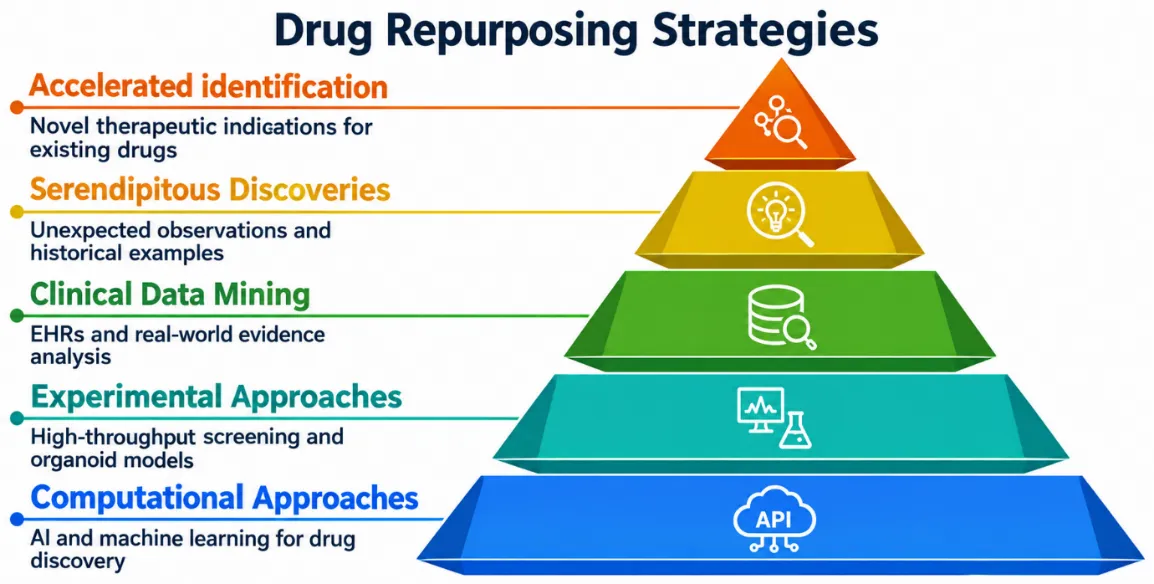
Figure 1: Major Strategies and Translational Workflow of Drug Repurposing.
3.1. COMPUTATIONAL APPROACHES
The use of computational strategies has become an integral part of the drug-repurposing research due to the opportunity to conduct a systematic analysis of diverse biomedical data sets. It is possible to utilize bioinformatics, systems pharmacology, network analysis, transcriptomic comparisons, molecular modeling, and machine learning methods in order to study the connections between available drugs, molecular targets, genes, biological pathways, disease phenotypes, and clinical characteristics. [1,4,5]
The network-based methods study the relationship between drugs and diseases by considering both in a context of interrelated biological systems and not in isolation. Drug-target interaction studies can be combined with gene-disease relationships, protein-protein interaction, signaling pathways and other molecular associations to test if the pharmacological properties of an existing drug coincide with biological processes that underlie the considered disease. This allows prioritizing the candidates for further experiments. [1]
Network-based methods are more suitable in case of complex diseases since many genes, proteins, signaling pathways and cellular processes may be involved into their development. The analysis will not be limited only to the previously defined targets, but can include all the interactions within the disease associated biological network. Nevertheless, these associations still depend on the quality of the biological databases and thus need experimental validation. [1] The transcriptomics is yet another way of computational drug repurposing. Specific genes can be expressed in the cells and tissues that are affected by the disease, and in the presence of the drug of interest a distinct transcriptomic signature can be obtained. Comparing these two molecular profiles allows discovering drugs that have the ability to interfere with disease-associated transcription. [5]
For instance, if there are pathways activated in disease conditions, a drug which is expected to give opposite gene expression results can be considered as a potential candidate. Likewise, drugs that can result in changes in molecular pathway leading to a beneficial cellular profile can be considered for further study. It is necessary to remember that transcriptomic similarity can only act as a trigger for generating hypotheses and not direct evidence of effectiveness. [5]
Machine learning and other artificial intelligence methods have the potential to further extend this approach by using many molecular, chemical, pharmacological and clinical features in their models. Depending on the specific models and databases used, variables such as chemical structure, drug targets, gene expression profiles, disease properties, biological pathways and clinical results can be incorporated to predict or rank drug-disease relationship. [4,5]
But one needs to keep in mind that the success of this computational method will depend heavily on the quality of data used. Incomplete annotation of data, discrepancies between data sources, gaps in the data, biases and differences in experimental/clinical definitions of disease and drugs can affect the performance of the model. Although a good performing model will perform well in its database, but its External validation and experimentation are necessary prior to moving on to clinical development of computationally prioritized candidates. [4] In this sense, computational approaches should be understood as a tool for the generation and prioritization of candidates. Their main utility is the narrowing down of search space and identification of plausible candidates that can be tested via experimentation and clinical studies. [1,4,5]
3.2. EXPERIMENTAL AND PHENOTYPIC SCREENING
The predicted candidates need to be experimentally verified to prove that the candidate exerts a specific biological effect. There are various experimental repurposing strategies for the evaluation of drugs utilizing molecular targets, cell cultures, disease-specific cellular systems, animals, organoids, etc. Such an approach can show biological effect of the candidate directly and can prove that the suggested link between a candidate drug and a disease has a plausible mechanism. [1,3]
3.2.1. TARGET-BASED SCREENING
Target-based screening consists in the examination of already existing drugs for their effects on molecular targets or signaling pathways involved in disease. This approach is especially appropriate when the molecular target involved in a disease is well characterized and when the already available pharmacology of an existing drug indicates potential feasibility of interaction with the target.
This type of screening allows discovering new activities of established drugs and provides rationale for choosing candidates for further analysis. However, activity towards an individual molecular target does not mean an ability to produce a therapeutic effect in the whole biological system. Thus, when selecting candidates, one should take into account not only target engagement but also cellular activity, pharmacological exposure and disease relevance. [1]
3.2.2 PHENOTYPIC SCREENING
Phenotypic screening is different from target-based screening by the fact that no particular molecular target needs to be known before the experiment starts. This type of screening measures the effect of a biological system upon drug exposure. Depending on a disease model, the relevant phenotypes may be changes in survival, proliferation, differentiation, morphology, inflammation, etc. [1,3] The compound that induces the desirable phenotype will also allow investigation into how the response is mediated at the molecular level. This method could be employed when the biology of the disease involves a number of different pathways or when the most effective target of action of the therapy has not yet been identified.
Consequently, phenotypic screening could serve as a complementary tool to computational methods in testing the capacity of the candidate to generate a response in the biological system. However, experimental findings in simplified systems have to be further validated in the context of disease-specific models in order to draw conclusions about the clinical efficacy of the candidates.
3.2.3 ORGANOIDS AND PATIENT-DERIVED MODELS
Organoids in three-dimensional culture represent another experimental tool available for testing the effects of the repurposed drugs. Organoids are able to mimic selected features of the tissue from which they are produced; thus, they represent a more physiological setting for drug testing in some models of diseases.[6] Patient-derived organoids represent an interesting class of models as they may retain selected features of specific diseases. It provides the chance to test if patient-derived organoids differ in their response to the same repurposed drug.[6] But organoids do not recapitulate all aspects of the human disease microenvironment. Divergent cell types, maturity, culturing conditions, interaction with stroma, vascularization, immune elements, and experimental procedures might affect their efficacy and reproducibility. Therefore, the use of organoid models should be viewed as complementary approaches and not as alternatives to clinical studies.[6]
Phenotypic and experimental screening is thus a crucial link between the computational approach to candidate identification and clinical applications. On one hand, the computational approach can decrease the number of candidates for further research, while, on the other hand, experimental screening will enable us to verify if these candidates have some biological effect and reveal possible mechanisms of action. [1,6]
3.3 CLINICAL DATA MINING AND REAL-WORLD EVIDENCE
The growing availability of electronic health records, healthcare data, registries of diseases, claim databases, and other real world data sources presents new possibilities for drug repurposing. These sources hold information about the patient's medication use, characteristics, co-morbidities, patterns of treatment, adverse effects, and clinical outcomes which can be used for identifying possible links between available medicines and the disease outcomes. [4,7]
The use of clinical data mining could be done for hypothesis generation and also for hypothesis evaluation. The unexpected association of exposure to a known medicine with positive results could serve as a trigger for researching a possible new indication for that drug. Real-world data also could be used for verification of the efficiency or safety of a new compound that was discovered by means of computational or experimental methods. [7] One of the greatest benefits of real-world data is the opportunity to conduct research on a sample of patients which could be wider and more diverse comparing to clinical trials participants. The use of real-world data could provide information about the pattern of therapy, combination of drugs, adherence and outcomes in regular care. [7]
But the real-world evidence has methodological limitations. Observational data could have incomplete or incorrectly recorded information, differences in access to healthcare services, differences in prescriptions and systematic differences between patients treated with certain drug and those who do not. Disease severity, presence of other diseases, treatment, social conditions and usage of healthcare facilities could confound the relationship. [4,7] Data mining on a large scale can also create a signal for a false positive. Thus, the connection between the drug and the desired result cannot always serve as proof of the cause-and-effect relationship. The proper study design, statistical corrections, sensitivity analyses, replicability and independent verification are key to enhancing the validity of the results. [7]
Real-world data also have a potential application to precision medicine and can help discover subgroups in which the proven drugs have higher chances to yield the desired results when combined with analysis of clinical outcomes along with molecular or biological data. [4,7] It is, however, crucial to note the dependence of such researches on the quality and availability of clinical and molecular data. In general, the use of real-world evidence should be seen as a supplement to the clinical one. The main advantage of real-world evidence in drug repurposing is the generation of clinically sound hypothesis and accumulation of evidence. [7]
3.4 Chance and Observational Discoveries
Observations have been historically made by chance that have led to new therapeutic applications for existing drugs. These can be noted during clinical trials, through regular medical practice, following marketing surveillance, and during the investigation of drug adverse effects. If these observations are biologically credible and can be replicated in sufficient amounts, then they form the foundation of new therapeutic research. [1,3]
Some repurposed drugs have come about because of observations that are not specifically the target of the initial development of the drug. One example of this is the drug sildenafil which was originally researched in relation to cardiovascular disease but has now gone on to be used for its therapeutic properties related to erectile dysfunction. Minoxidil was also originally researched in relation to hypertension but later observed for its hair growth potential.
Pharmacovigilance and electronic health records provide the opportunity to explore such signals in a systematic manner. Large populations can be studied regarding their drug exposures and outcomes, and then followed by laboratory and mechanistic studies to investigate the existence of a biological mechanism underlying such associations. [1,7] However, it is essential to recognize that any unexpected clinical association does not prove a therapeutic action. Various sources of confounding including differences in patient demographics, therapy selection, concomitant medications, illness severity, healthcare use, and others can explain the association between a medication and outcome. Thus, unexpected findings should be regarded as signal hypotheses and not as proof of therapeutic effect. [3,7] Modern drug repurposing involves both serendipitous discovery and systematic analysis of unexpected effects. The unexpected finding provides a first hypothesis, while computational analysis investigates its biological plausibility, experiments test the mechanism, and clinical trials evaluate the clinical benefit. [1,3]
3.5 REPRESENTATIVE EXAMPLES OF DRUG REPURPOSING
Drug repurposing has led to several additional uses of some of the existing drugs. This is because there are different ways through which drug repurposing can be achieved, such as unexpected clinical observation, awareness of previously overlooked pharmacological actions, and deliberate clinical or mechanistic research. In any case, it does not mean that a drug is approved for a particular use just because there is evidence that it can be used. For this reason, the examples provided below as a Table-1
Table 1: Representative Examples of Established or Clinically Adopted Drug Repurposing.
| DRUG | ORIGINAL APPLICATION | REPURPOSED THERAPEUTIC APPLICATION | EVIDENCE/CLINICAL STATUS |
|---|---|---|---|
| Aspirin | Analgesic, antipyretic, and anti-inflammatory agent | Antiplatelet therapy for prevention of atherothrombotic cardiovascular events | Established clinical use |
| Sildenafil | Initially investigated for cardiovascular indications, including angina | Erectile dysfunction and pulmonary arterial hypertension | Established clinical use |
| Thalidomide | Sedative and historical antiemetic agent | Erythema nodosum leprosum and multiple myeloma | Established for specific indications |
| Minoxidil | Antihypertensive agent | Androgenetic alopecia | Established clinical use |
| Dapoxetine | Initially developed as a selective serotonin reuptake inhibitor | Premature ejaculation | Approved/used for this indication in several countries |
| Methotrexate | Antimetabolite/antineoplastic agent | Rheumatoid arthritis and psoriasis | Established clinical use |
| Amantadine | Originally developed as an antiviral agent | Parkinson disease and levodopa-induced dyskinesia | Established clinical use |
| Clofazimine | Antimycobacterial agent used in leprosy | Tuberculosis, including use within selected multidrug regimens | Established/included in selected clinical regimens |
The cases presented in Table 1 indicate that the process of drug repurposing is not linear. Some new uses of the drugs resulted from unanticipated pharmacological effects, while other new uses resulted from further studies. The therapeutic role of the drug repurposed must always be considered in the context of the indication, population, dosage form, and jurisdiction. [8-15]
Table 2: Representative Investigational or Evidence-Limited Repurposing Examples.
| DRUG | PROPOSED REPURPOSED APPLICATION | CURRENT EVIDENCE/INTERPRETATION |
|---|---|---|
| Colchicine | Pericarditis and selected cardiovascular applications | Established use in pericarditis; cardiovascular applications have been investigated and are dependent on the specific indication and clinical evidence |
| Propranolol | Anxiety disorders | Investigated/off-label use; evidence has not established routine use across anxiety disorders |
| Auranofin | Cancer and infectious diseases | Investigational; preclinical and translational evidence exists, but additional clinical validation is required |
Colchicine provides an example of how a proven drug may be used for new purposes through the study of its anti-inflammatory properties. It has been proven to be useful in cases of pericarditis, and other cardiovascular applications have been studied in clinical trials and depend on the specific disease context. [16] Propranolol has been studied in relation to anxiety disorders due to its impact on adrenergic signaling pathways. Nevertheless, there is no proven use of propranolol in all anxiety disorders, which makes a clear distinction between a repurposing hypothesis and a proven indication. [17]
Auranofin, a former drug used in the treatment of rheumatoid arthritis, has been researched for its potential anticancer and anti-infectious properties. Even though experimental and translational studies have revealed some pharmacological properties of this drug, its newer uses are still investigational. [18]
All of these cases collectively illustrate the wide range of evidence types involved in drug repurposing from well-established therapeutics to early-stage research hypotheses are explained in Table-2 [16-18]. A candidate drug can be biologically active, computationally predicted, or undergo clinical trials without being shown to have enough evidence for regulatory approval or clinical application. It is important to differentiate between the stages of candidate discovery, experimental validation, clinical investigation, and therapeutic use in order to understand the process of drug repurposing.
These examples further prove one of the key ideas of this review-drug repurposing is not just a case of finding a new use for an old drug. It is about integrating the processes of systematic candidate discovery, validation, proper patient selection, clinical evidence generation, and translational evaluation to see if an existing drug can be beneficial in a new context.
4. TECHNOLOGIES FOR DRUG REPURPOSING
The emergence of high-throughput molecular profiling, computational biology, artificial intelligence, functional genomics, and advanced experimental models has greatly broadened the range of options for the evaluation of available drugs for additional therapeutic use. In contrast to using only one type of evidence, modern workflows in drug repurposing can utilize the data gathered from molecular databases, target-drug interactions, disease phenotypes, pharmacology and clinical data. Such technologies are especially useful for candidate generation and prioritization; nevertheless, computational or molecular connections do not indicate efficacy on their own. The results of their use need proper experimental and clinical validation prior to clinical translation. [19–21]. The principal technologies used in drug repurposing, their roles, and key limitations are summarized in Table 3. [19-22]
Table 3: Main Technologies for Drug Repurposing.
| TECHNOLOGY | MAJOR ROLE IN DRUG REPURPOSING | PRINCIPAL LIMITATION |
|---|---|---|
| Omics and multi-omics integration | Characterization of disease-associated molecular alterations and identification of dysregulated pathways that may provide opportunities for repurposing | Heterogeneity among datasets, tissues, platforms, and analytical methods |
| Systems biology and network medicine | Analysis of drug–target–disease relationships within interconnected biological networks | Dependence on the completeness and reliability of interaction databases |
| Artificial intelligence and machine learning | Integration and analysis of large biomedical datasets for candidate identification and prioritization | Data bias, overfitting, limited interpretability, and the need for external validation |
| Advanced functional platforms | Experimental evaluation of candidates using organoids and other human-relevant models | Cost, technical complexity, reproducibility, and incomplete representation of the human system |
| CRISPR-based functional genomics | Investigation of gene function, disease mechanisms, drug sensitivity, and potential determinants of treatment response | Model- and context-dependent findings requiring biological validation |
| In silico modeling and molecular docking | Evaluation of potential drug–target interactions and prioritization of compounds for experimental testing | Predicted binding does not establish biological or clinical efficacy |
| Real-world evidence and clinical informatics | Generation and evaluation of repurposing hypotheses using clinical and healthcare data | Confounding, selection bias, missing data, and other limitations of observational datasets |
4.1 OMICS AND DATA INTEGRATION FROM SEVERAL OMICS
Omics data generation techniques can provide large volumes of information about the biological system at various molecular levels. Genomics will help identify genetic variants, whereas transcriptomics can characterize changes in the expression pattern of genes. On the other hand, proteomics will describe alterations in protein concentration and activity, whereas metabolomics can provide details on metabolic status changes in cells. Integrated use of these types of information can help understand more extensively disease-associated molecular alterations and might help find the corresponding pathways for possible therapeutic intervention. [19,20] Information from transcriptomics has gained popularity in computational drug repositioning. The diseased tissue or cells might have unique patterns in gene expression, whereas certain drug can produce another pattern. Comparison of these two profiles allows identifying already existing drugs that can affect the disease-specific gene expression pattern. [5,20]
This approach serves as a foundation for drug repurposing based on signatures. Disease-specific molecular signatures can be matched with drug-induced molecular signatures, and the drugs with potentially favourable molecular effects can be further evaluated. It is critical to note that this relation reflects molecular compatibility but not therapeutic effectiveness. A drug that produces a favourable transcriptional signature might still not work because of insufficient exposure, tissue distribution, toxicity, disease complexity, or lack of biological effect. [5]
The application of multi-omics approach can improve this approach, as it allows one to investigate relations between molecular levels. The combination of genomic, transcriptomic, proteomic, metabolomic, and other data can help to determine disease-related pathways that are affected at different levels of biology. Then, this information can be used together with the knowledge about the drug targets and pharmacological characteristics of existing drugs to find potential medicines. [19,20]
But the analysis of multi-omics is far from simple. It could depend on such aspects as differences in the sample, type of tissue, disease stage, used experiment methods, data, sample size, etc. Besides, the molecular relations established in one kind of tissue or patients do not necessarily coincide with reality in some other type of patients or tissues. Therefore, the results should be considered hypothesis-generating evidence till functional studies and eventually clinical confirmation. [19,20]
4.2 SYSTEMS BIOLOGY AND NETWORK MEDICINE
Many diseases arise from disturbances involving multiple genes, proteins, signalling pathways, metabolic processes, and cellular interactions rather than from alteration of a single molecular target. Systems biology provides a framework for examining these interconnected processes, while network medicine applies network-based concepts to investigate relationships among biological components, diseases, and therapeutic agents. [19,21]
Network-based methods can be used in drug repurposing to combine drug-target interactions with disease-gene associations, protein-protein interactions, signaling pathways, and other biological associations. Then the candidate drug can be screened depending on how extensively the existing or predicted molecular targets are associated with a biological network of the disease. [19,21]
Network-based analysis has special relevance for polypharmacology because the effect of a drug can be mediated by multiple target interactions. Such interactions are not only responsible for the therapeutic effect of a drug but also are accountable for adverse drug effects. This means that network-based analysis is an opportunity to analyze the biological mechanism of drug action beyond the hypothesis of drug effect on one target. [19,21]
Network approaches can also help identify indirect relationships that may not be apparent through conventional target-based screening. For example, a drug may not directly interact with a disease-associated protein but may influence another protein or pathway that is functionally connected to the disease mechanism. Such relationships can provide additional hypotheses for experimental investigation. [19]
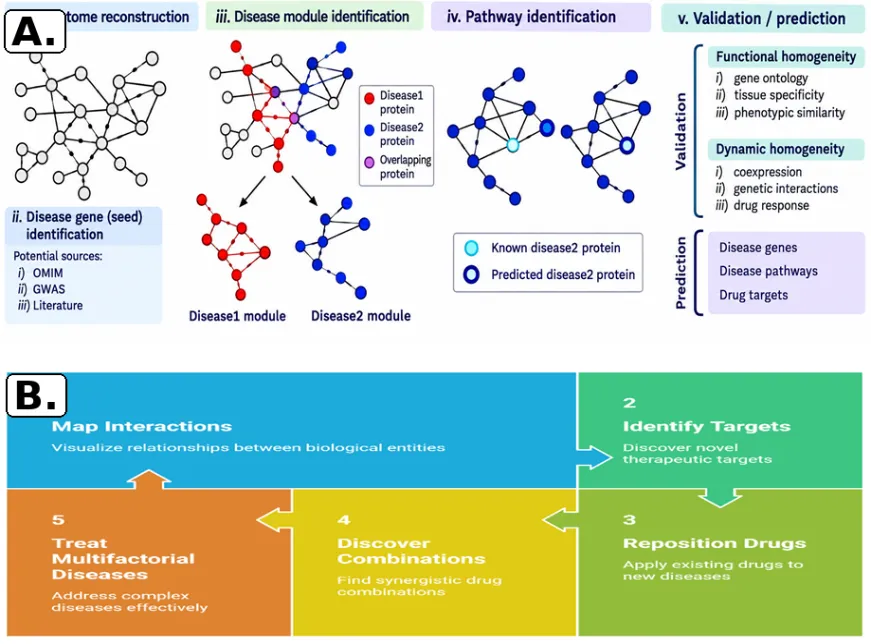
Figure 2: (A.) Systems Biology and (B.) Network Medicine.
The reliability of network-based predictions is nevertheless dependent on the underlying biological knowledge. Interaction databases may contain incomplete annotations, uncertain relationships, and differences in the strength of experimental evidence supporting individual interactions. Network proximity or connectivity therefore should not be interpreted as proof of therapeutic effectiveness. Experimental validation remains necessary to determine whether the predicted relationship produces a relevant biological response. [19,21]
4.3 ARTIFICIAL INTELLIGENCE AND BIG DATA ANALYTICS
The increasing volume and diversity of biomedical data have created opportunities for artificial intelligence (AI) and machine-learning (ML) methods in drug repurposing. Depending on the application, computational models may integrate information from molecular profiles, chemical structures, drug–target interactions, biomedical literature, electronic health records, clinical datasets, and other structured or unstructured sources. [19,21]
Machine-learning and deep-learning methods can identify relationships among multiple variables and use these relationships to predict or prioritize potential drug-disease associations. Such models may be particularly useful when the number of possible drug-disease combinations is too large to evaluate efficiently through conventional approaches. Natural language processing can additionally assist in extracting relevant relationships from large bodies of biomedical literature and clinical text. [19,21] The major contribution of AI in this context is therefore large-scale information processing and candidate prioritization. AI-based methods may identify relationships that are difficult to recognize through manual analysis, but the output of a computational model remains dependent on the data used to construct and evaluate it. [19]
Several factors can limit the reliability of AI-based predictions. Training datasets may contain systematic biases, incomplete annotations, inconsistent definitions, or unequal representation of patient populations. Models can also overfit their development datasets and subsequently perform poorly when applied to independent datasets. In addition, some complex models may have limited interpretability, making it difficult to determine why a particular drug–disease association was prioritized. [19,21]
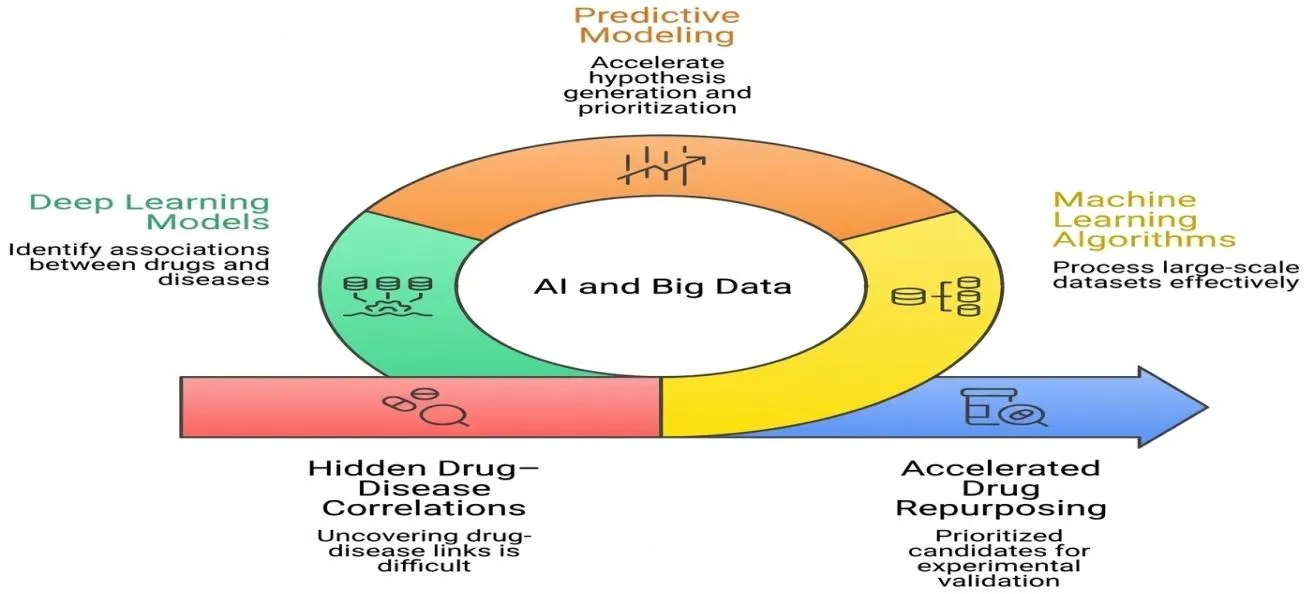
Figure 3: AI-Powered Drug Repurposing.
These limitations are especially important in biomedical applications because a statistically strong prediction does not necessarily correspond to a clinically meaningful therapeutic effect. AI-generated predictions should therefore be regarded as tools for hypothesis generation and candidate prioritization rather than substitutes for biological or clinical evidence. Experimental validation, independent computational evaluation, and appropriately designed clinical studies remain necessary before a predicted association can support therapeutic development. [19,21]
4.4 ADVANCED FUNCTIONAL PLATFORMS
Computational and molecular approaches can generate large numbers of potential repurposing candidates, but their biological relevance must be evaluated in appropriate experimental systems. Advanced functional platforms, including three-dimensional organoids and other human-relevant models, provide additional opportunities to examine drug responses in systems that may reproduce selected features of human tissues more effectively than conventional two-dimensional cultures. [6] Organoids are three-dimensional, self-organizing structures derived from stem cells, progenitor cells, or differentiated cells that can reproduce selected structural and functional characteristics of the tissue from which they originate. Their use in drug-repurposing research has expanded, with studies evaluating established medicines both as primary screening candidates and as secondary validation tools for compounds identified through other approaches. [6]
Patient-derived organoids are particularly relevant to precision-oriented drug repurposing because they may retain selected biological characteristics of the individual or disease from which they were generated. Consequently, they can be used to investigate whether candidate drugs produce different responses across patient-derived models. This may provide an experimental basis for exploring treatment heterogeneity before clinical evaluation. [6] Organoids can also be positioned at different stages of a repurposing workflow. They may be used to screen selected existing drugs, evaluate candidates identified through computational or cellular approaches, investigate mechanisms of drug response, or provide additional evidence for candidates that have already entered translational development. [6]
Despite these advantages, organoids do not reproduce the complete human physiological environment. Depending on the model, they may lack or incompletely represent systemic immune interactions, vascular components, stromal elements, endocrine influences, whole-body pharmacokinetics, and other factors that can affect therapeutic response. Their generation and maintenance can also require considerable technical expertise and time, which may limit their use for very large compound libraries. [6] Therefore, organoids should be regarded as complementary experimental platforms rather than replacements for clinical investigation. Their greatest value in drug repurposing is likely to arise when they are appropriately positioned between candidate identification and clinical testing, particularly when conventional experimental models provide limited representation of human disease. [6]
4.5 CRISPR-BASED FUNCTIONAL GENOMICS
CRISPR–Cas-based functional genomics provides experimental approaches for investigating gene function, disease-associated pathways, drug sensitivity, and mechanisms of treatment response. Targeted or genome-scale CRISPR screens can perturb specific genes and examine the resulting phenotypic consequences, allowing researchers to identify genetic factors that influence disease biology or response to pharmacological intervention. [22] In the context of drug repurposing, CRISPR-based approaches can complement computational predictions by providing functional evidence for proposed biological relationships. For example, if a computational analysis identifies a disease-associated pathway as relevant to the action of an established drug, CRISPR-mediated perturbation of selected genes within that pathway can be used to investigate whether altering the pathway changes the observed phenotype or drug response. [22]
Integration with pharmacogenomic and other molecular information may further support precision-oriented approaches. Genetic determinants associated with drug response can be examined alongside disease-associated pathways to identify biological features that may distinguish responsive from less-responsive populations. [22]
However, CRISPR findings are strongly influenced by the experimental system in which the perturbation is performed. Cellular background, disease model, gene-editing efficiency, screening design, genetic compensation, and the biological context can all affect the observed phenotype. A functional relationship demonstrated in one experimental system may therefore require confirmation in additional disease-relevant models before it is interpreted as evidence supporting clinical translation. Accordingly, CRISPR-based functional genomics should be viewed as a mechanistic and target-validation tool within the repurposing workflow, rather than as an independent means of establishing therapeutic efficacy. [22]
4.6 IN SILICO MODELING AND MOLECULAR DOCKING
Structure-based computational methods can provide information about the potential interaction between an established drug and a molecular target. Molecular docking is commonly used to estimate how a ligand may fit within a binding site and to evaluate possible interaction patterns. Virtual screening extends this concept by computationally evaluating large numbers of compounds and selecting candidates for subsequent experimental testing. [21,23] For drug repurposing, docking can be particularly useful when structural information is available for a disease-relevant target. Existing drugs can be computationally assessed against the target, and compounds showing potentially favourable interaction patterns can be prioritized for further investigation. [21,23]
However, docking predictions have important limitations. A favourable predicted binding mode or docking score does not demonstrate that the drug will bind the target with sufficient affinity under physiological conditions, reach the target at an effective concentration, alter the relevant biological pathway, or produce a therapeutic effect in patients. Protein flexibility, solvent effects, molecular dynamics, cellular context, and pharmacokinetic factors may not be fully represented in a conventional docking calculation. [21,23]
For this reason, docking should primarily be used to generate or refine mechanistic hypotheses and prioritize candidates for experimental evaluation. The strength of a docking-based hypothesis can be increased when computational predictions are considered alongside structural information, pharmacological data, network analysis, molecular dynamics, biochemical assays, and cellular or in vivo experiments. [21,23] Thus, molecular docking is most informative when integrated into a broader evidence-generation strategy rather than being used as standalone evidence for repurposing.
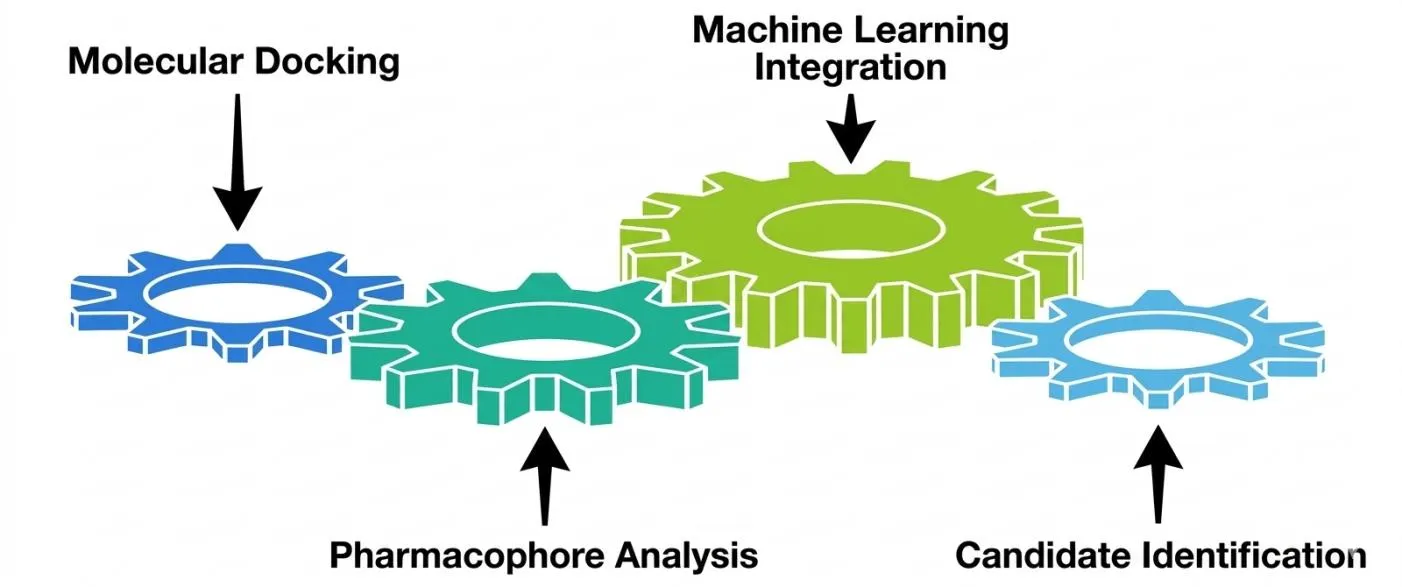
Figure 4: In Silico Modeling and Molecular Docking.
4.7 REAL-WORLD EVIDENCE AND CLINICAL INFORMATICS
RWE based on EHRs, healthcare databases, disease registers, claims databases, and other types of RWD could help in multiple phases of drug repurposing studies. This type of data could include information about medication usage, patient profile, comorbid conditions, treatment practices, adverse effects, and clinical outcomes that can be used to reveal any potential association between drugs and diseases.[7] Clinical informatics approaches can therefore generate repurposing hypotheses by identifying unexpected associations between medication exposure and patient outcomes. A candidate identified through computational or experimental research can also be examined using real-world datasets to determine whether there is supportive evidence from routine clinical practice.[7]
An important advantage of RWE is its ability to capture treatment patterns and outcomes in broader patient populations than those typically represented in controlled clinical studies. It may therefore provide information about medication use, treatment persistence, co-medications, adverse events, and outcomes across heterogeneous healthcare settings.[7] However, real-world datasets are observational and may contain several sources of uncertainty. Confounding, selection bias, missing or incorrectly recorded information, differences in healthcare utilization, treatment-channeling effects, and variations in clinical practice can influence the associations observed in the data.[7]
For example, patients receiving a particular drug may differ systematically from untreated patients in disease severity, comorbidities, healthcare access, or other characteristics. An apparent association between drug exposure and improved outcome may therefore reflect these underlying differences rather than a direct therapeutic effect. Large-scale analyses may also produce apparently significant associations that cannot be reproduced in independent populations.[7]
Consequently, RWE findings should be interpreted according to the design and limitations of the underlying study. Appropriate comparator selection, statistical adjustment, sensitivity analyses, replication, and independent validation can strengthen the reliability of observational findings. RWE can complement evidence from clinical trials, but an observational association should not automatically be treated as proof of efficacy.[7]
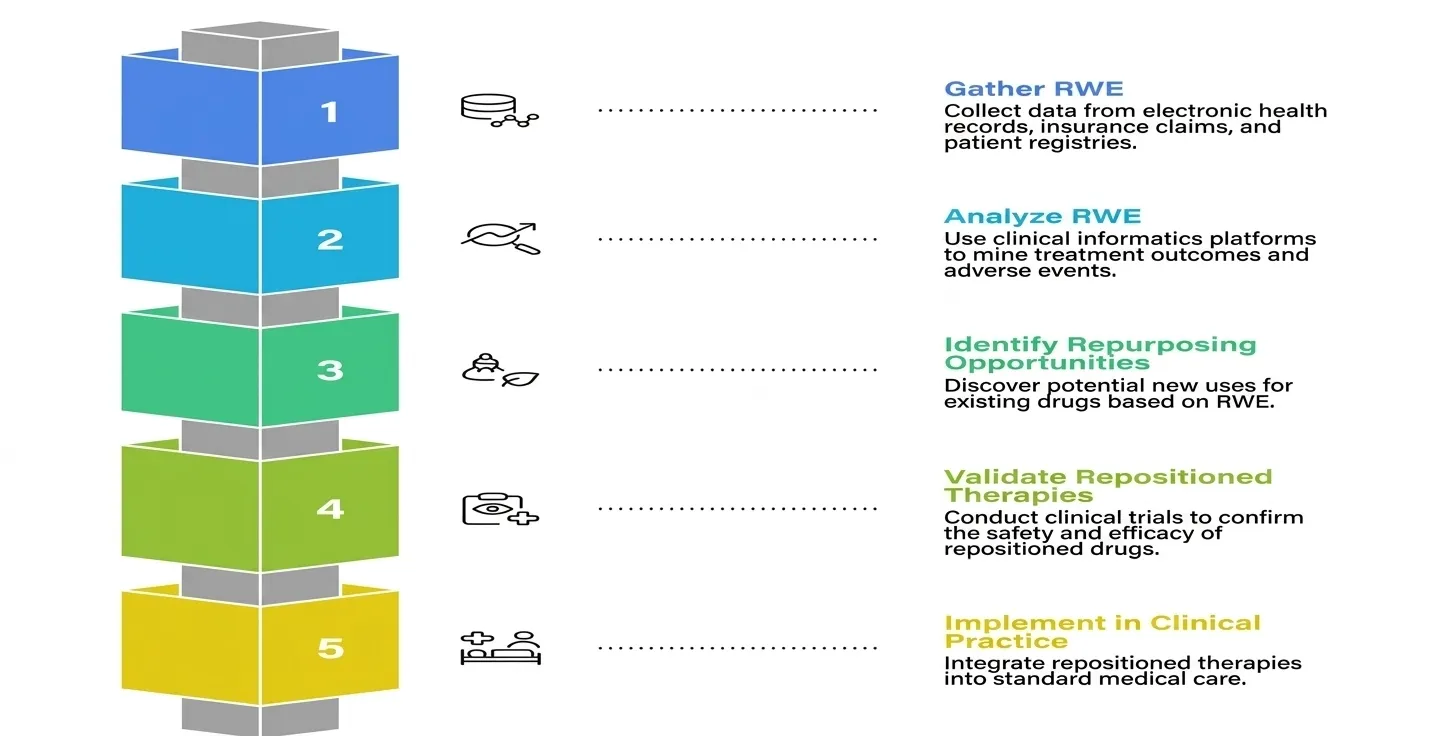
Figure 5: Translating Real-World Evidence into Clinical Practice.
Taken together, these technologies provide complementary rather than interchangeable forms of evidence. Omics and network approaches can characterize disease biology and identify candidate relationships; AI and computational methods can prioritize large numbers of possibilities; functional platforms can investigate biological responses; and real-world data can provide evidence from clinical practice. The most useful repurposing workflows therefore integrate these technologies sequentially or iteratively, with experimental and clinical validation serving as essential checkpoints between computational prediction and therapeutic application. [19-21]
5. INTEGRATION WITH PRECISION MEDICINE
The drug repurposing process could be improved further by applying the concepts of precision medicine especially in instances where there is wide variability in disease biology and treatment response between patients. Genomic differences, molecular phenotype, disease subtypes, pharmacology, and clinical features might play a role in determining whether the existing drug would work for the specific patient population. Precision-based drug repurposing aims at going past the disease-level one-size-fits-all approach by taking into account biological and clinical features that might impact treatment response. [2,19,20]
information can contribute to the identification and evaluation of repurposed therapies in more precisely defined patient populations. [2,20,24] However, these approaches should be viewed as tools for improving patient selection and generating testable hypotheses rather than as evidence of therapeutic benefit in the absence of appropriate clinical validation.
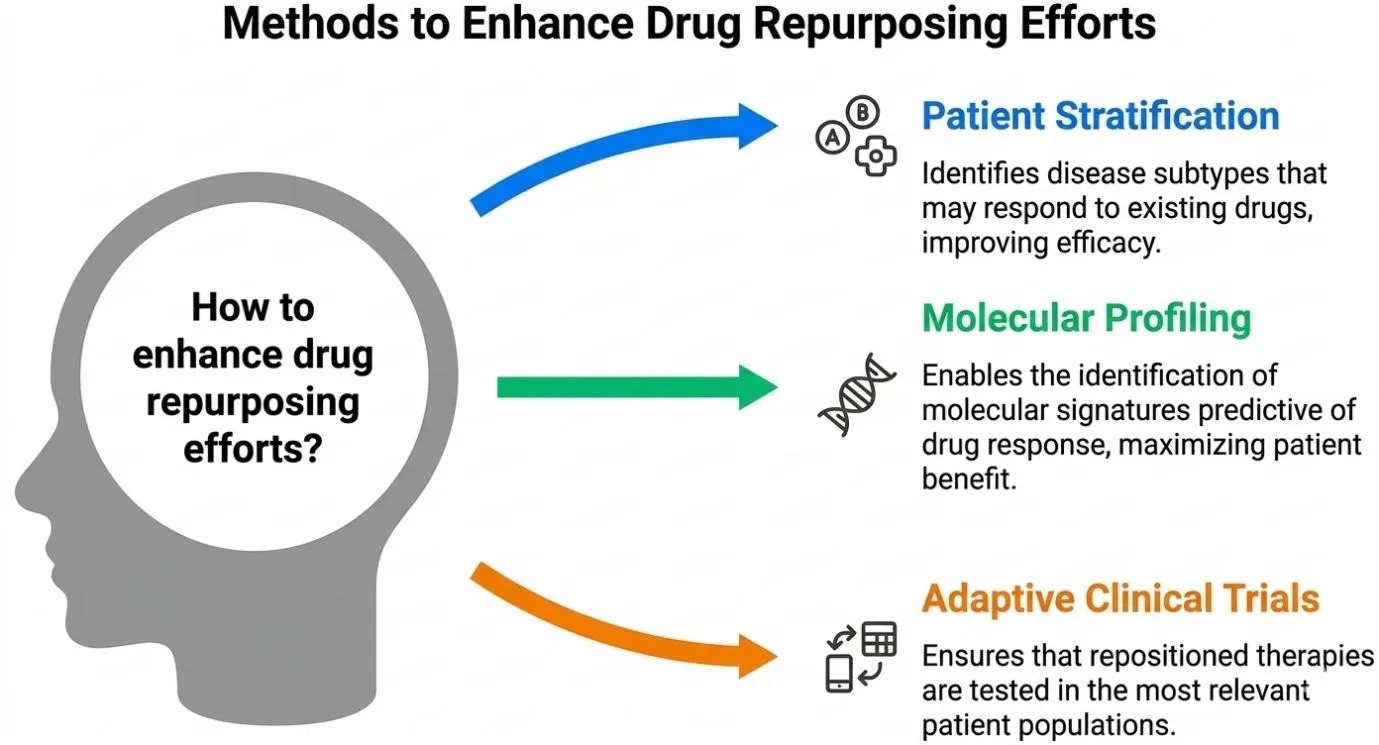
Figure 6: Methods to Enhance Drug Repurposing Efforts.
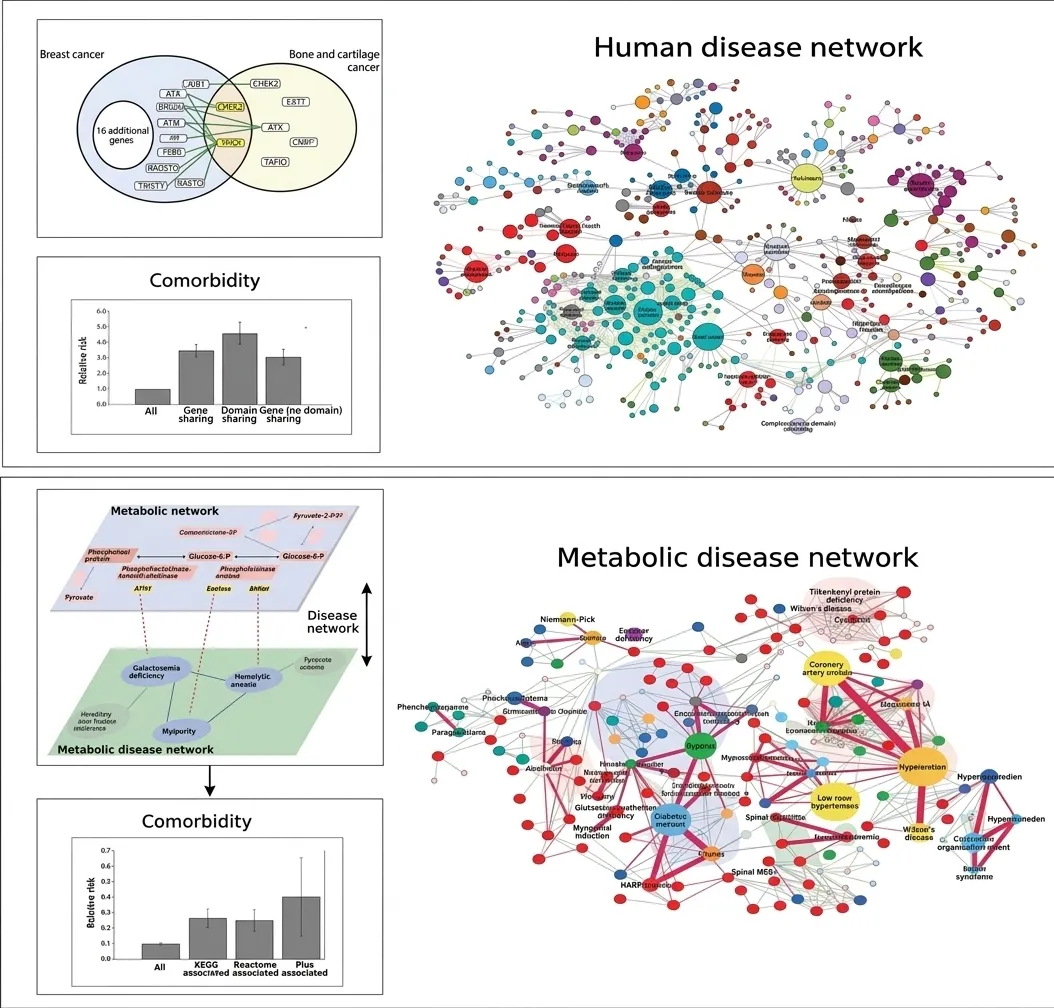
Figure 6: Disease Networking in Precision Medicine.
5.1 BIOMARKER-GUIDED REPURPOSING
Biomarkers can support the identification of patient populations that may be more likely to respond to a particular therapy. Molecular characteristics such as receptor expression, genetic alterations, pathway activity, and inflammatory signatures can be evaluated alongside the known pharmacological properties of an established medicine. Such integration may provide a stronger biological rationale for investigating an existing therapy in a different disease setting. [2,20]
Combining genomic, transcriptomic, proteomic, and clinical data might help in defining biologically relevant patient subgroups. The repurposed drugs can then be tested on groups of patients with certain characteristics that offer a rational basis for drug action. [19,20] Importantly, the presence of a biomarker does not by itself establish that the biomarker is predictive of treatment response. Biomarker development requires appropriate analytical validation and evidence linking the biomarker to a relevant biological or clinical outcome. Therefore, biomarker-guided repurposing should distinguish between biomarkers that are exploratory, prognostic, pharmacodynamic, or genuinely predictive of therapeutic benefit.
5.2 PATIENT STRATIFICATION AND MOLECULAR PROFILING
Molecular profiling can reveal disease heterogeneity that may not be apparent from conventional clinical classification. Stratification according to genetic alterations, pathway activity, gene-expression patterns, or other biological characteristics may therefore help identify populations in which a repurposed medicine has a biologically plausible likelihood of producing a therapeutic response. [2,20] The methodology is especially applicable in oncology due to the fact that molecular classification in oncology has shown great biological differences and contributed to targeted therapies. Basket trials as well as umbrella trials can serve as alternatives to assess the efficacy of therapies based on patients having similar molecular traits or molecular subgroups.
Patient stratification should nevertheless be based on clinically meaningful characteristics rather than molecular associations alone. A molecular feature identified through retrospective analysis or exploratory profiling should not automatically be regarded as a treatment-selection biomarker. Its predictive value requires appropriate validation, preferably through prospective or otherwise rigorously designed clinical studies.
5.3 PHARMACOGENOMICS AND COMPANION DIAGNOSTICS
Genetic variation in drug-metabolizing enzymes, transporters, molecular targets, and other pharmacological pathways can influence drug exposure, therapeutic response, and susceptibility to adverse effects. Pharmacogenomic information can therefore contribute to individualized treatment decisions for selected medicines and patient populations. [22,24]
An established example is the influence of CYP2C19 genotype on the pharmacokinetics and clinical response associated with several proton pump inhibitors. Clinical Pharmacogenetics Implementation Consortium recommendations provide genotype-informed guidance for selected clinical circumstances, illustrating how pharmacogenomic information can be incorporated into medication management. [24]
Similar pharmacogenomic principles may be incorporated into drug-repurposing programmes when genetic variation is expected to influence drug exposure, target engagement, therapeutic response, or toxicity. However, the identification of a pharmacogenomic association does not automatically justify genotype-guided treatment. Clinical implementation requires evidence demonstrating that the genetic information provides clinically meaningful and actionable utility. Companion diagnostic approaches may provide an additional mechanism for translating validated biomarkers into treatment selection. In repurposing programmes, however, the need for a companion diagnostic should be determined by the strength and clinical relevance of the biomarker–treatment relationship rather than assumed solely because molecular profiling is being used.
5.4 CASE STUDY IN PRECISION-ORIENTED REPURPOSING: BARICITINIB FOR COVID-19
Baricitinib, a Janus kinase (JAK)1/JAK2 inhibitor developed for inflammatory diseases including rheumatoid arthritis, was investigated as a potential treatment for COVID-19 during the SARS-CoV-2 pandemic. Its established immunomodulatory activity, together with computational analyses identifying biological pathways potentially relevant to the host response to infection, provided a rationale for evaluating the drug in this new clinical setting.[25] The Adaptive COVID-19 Treatment Trial 2 (ACTT-2) evaluated baricitinib in combination with remdesivir in hospitalized adults with COVID-19. In the randomized trial, the combination was associated with a shorter median time to recovery than remdesivir plus placebo, with median recovery occurring at 7 days compared with 8 days, respectively.[25]
The baricitinib experience illustrates how computational evidence, existing pharmacological knowledge, and clinical investigation can be integrated during an urgent drug-development programmed. Nevertheless, it is more appropriately characterized as mechanism-informed and computationally supported drug repurposing rather than as a direct example of biomarker-defined precision medicine. The clinical trial was not designed around a specific molecular biomarker used to prospectively select patients for treatment. This distinction is important because molecularly informed drug repurposing and precision-medicine-guided repurposing are related but not synonymous concepts.
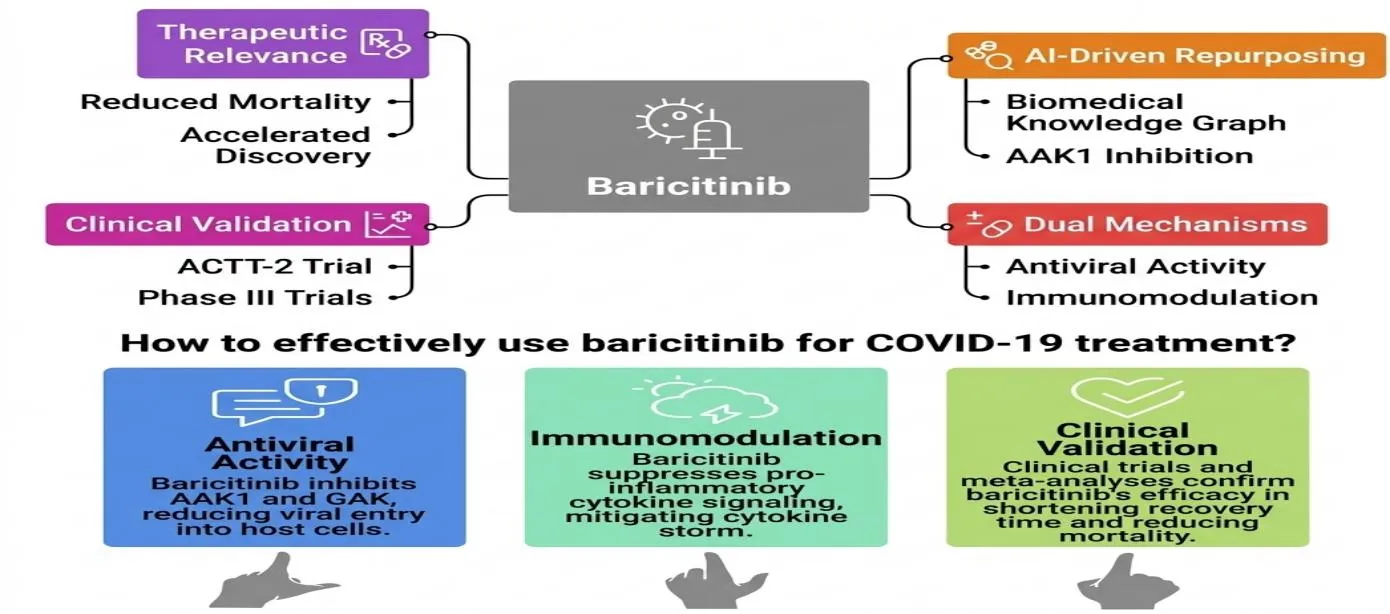
Figure 7: Repurposing of Baricitinib for COVID-19.
5.5 REAL-WORLD EVIDENCE AND CLINICAL INFORMATICS
Real-world evidence (RWE) derived from electronic health records, healthcare databases, registries, claims data, and related sources can complement molecular and clinical information in drug-repurposing research. Such datasets can provide information on treatment patterns, clinical outcomes, safety events, comorbidities, concomitant medications, and patient characteristics across populations encountered in routine healthcare. [7] The integration of RWE with molecular and biomarker data could be used to assist in the selection of patients and evaluate treatment efficacy and safety in those subgroups that might be underrepresented in traditional clinical trials. [7] Nevertheless, there could be several issues that may influence the results obtained through an observation study.
Consequently, RWE should generally be considered complementary to, rather than automatically interchangeable with, evidence from randomized clinical trials. Appropriate study design, adjustment for relevant confounders, sensitivity analyses, replication, and independent validation are important when assessing whether an observed association is consistent with a causal therapeutic effect. [7]
5.6 ETHICAL AND REGULATORY CONSIDERATIONS
The application of precision-medicine principles to drug repurposing introduces additional ethical and regulatory considerations. Differences in access to genomic testing, molecular profiling, and advanced diagnostic technologies may create unequal opportunities to receive precision-guided treatment. The use of individual-level clinical and genomic information also requires appropriate protection of privacy, informed consent, data governance, and responsible management of patient information. [32]
Regulatory assessment of a repurposed therapy should consider the quality, reliability, and clinical relevance of evidence supporting its safety and efficacy for the proposed indication. Depending on the development programmed, relevant evidence may include clinical trial data, biomarker information, pharmacological studies, pharmacogenomic evidence, and appropriately generated real-world evidence. [32]
Precision-oriented repurposing therefore requires integration of biological evidence with clinical and regulatory considerations rather than reliance on a single data source. The ultimate value of precision medicine in drug repurposing will depend on whether molecular or clinical characteristics can be translated into reproducible and clinically meaningful improvements in treatment selection, effectiveness, or safety.
6 CLINICAL TRANSLATION AND REGULATORY CONSIDERATIONS
Translating a drug-repurposing hypothesis into clinical practice requires evidence addressing biological plausibility, pharmacological activity, safety, efficacy, and regulatory acceptability. Previous clinical experience with an established medicine can provide valuable information regarding its pharmacology, formulation, pharmacokinetics, and known safety profile. However, these data cannot automatically be extrapolated to a different disease, dose, treatment duration, route of administration, or patient population. [1,3]
6.1 PRECLINICAL VALIDATION STRATEGIES
6.1.1 PHYSIOLOGICALLY RELEVANT MODELS
Three-dimensional organoids and other human-relevant experimental systems can reproduce selected features of tissue organization and disease biology that may be inadequately represented by conventional two-dimensional cell cultures. These models can therefore provide complementary evidence when evaluating established medicines for potential new therapeutic applications. [6]
Organoids are particularly useful for investigating disease-specific drug responses and for comparing multiple candidate medicines in experimental systems that retain selected characteristics of the tissue from which they are derived. Patient-derived organoids may additionally capture aspects of interindividual biological variation. [6] Nevertheless, organoids remain experimental models and cannot fully reproduce systemic pharmacokinetics, vascular interactions, whole-organism immune responses, metabolism, or other aspects of human physiology. Their findings therefore require confirmation through complementary preclinical and clinical approaches.
6.1.2 MECHANISTIC CONFIRMATION
Evidence from functional genomics, phenotypic screening, molecular profiling, and targeted mechanistic experiments can be integrated to investigate proposed drug–target and drug–disease relationships. Functional validation is particularly valuable for determining whether computationally predicted or experimentally identified candidates have sufficient biological support to justify further development. [21,22]
Mechanistic confirmation is especially important when a candidate has been identified primarily through computational approaches. A computational prediction may identify a plausible drug–target or drug–disease relationship, but prediction alone does not establish target engagement, pharmacological activity, or clinical efficacy. Experimental confirmation should therefore be used to distinguish biologically supported candidates from associations that arise primarily from computational similarity or statistical relationships.
6.2 CLINICAL TRIAL DESIGNS FOR REPURPOSED DRUGS
6.2.1 ADAPTIVE TRIAL FRAMEWORKS
Adaptive clinical trials allow prospectively planned modifications to selected aspects of a study in response to accumulating information while maintaining appropriate statistical and methodological controls. Such designs may be useful when several interventions, patient populations, doses, or evolving clinical questions need to be evaluated within an efficient development framework. [26]
However, an adaptive design does not mean that trial decisions can be changed arbitrarily during the study. Adaptations should be prospectively defined where appropriate, supported by a sound statistical rationale, and implemented in a manner that preserves the validity and interpretability of the resulting evidence. [26]
6.2.2 BASKET AND UMBRELLA DESIGNS
Basket trials evaluate a therapeutic intervention across multiple diseases or disease subtypes that share a relevant biological or molecular characteristic. In contrast, umbrella trials investigate multiple therapeutic approaches within a single disease according to predefined molecular, pathological, or clinical characteristics. Both approaches can be incorporated into master protocols and may facilitate the evaluation of therapies in biologically defined populations. [27]
These designs may be particularly relevant to precision-oriented repurposing because they allow therapeutic hypotheses to be evaluated according to shared biological characteristics rather than relying exclusively on conventional disease classifications. Nevertheless, the validity of such designs depends on the biological rationale used for patient selection and on appropriate statistical and clinical interpretation of the resulting data.
6.2.3 REAL-WORLD EVIDENCE AND PRAGMATIC TRIALS
Real-world evidence (RWE) and pragmatic clinical studies can complement randomized clinical trials by providing information on treatment effectiveness, safety, utilization, and patient outcomes in broader and more heterogeneous populations. Such evidence may be particularly informative when assessing how a repurposed medicine performs under routine healthcare conditions. [7]
However, RWE must be interpreted according to the underlying study design and the potential for confounding, selection bias, missing data, exposure misclassification, and other sources of systematic error. Controlled clinical trials remain important when causal treatment efficacy needs to be established. RWE is therefore best viewed as complementary evidence rather than as an automatic substitute for randomized evidence.
6.3 REGULATORY PATHWAYS
6.3.1 UNITED STATES (FDA)
In the United States, Section 505 (b)(2) of the Federal Food, Drug, and Cosmetic Act provides a regulatory route for certain new drug applications in which at least some information required for approval is derived from studies that were not conducted by or for the applicant and for which the applicant has not obtained a right of reference. [28]
This pathway may be relevant to selected development programmes involving previously characterized active ingredients or other information that can appropriately support the proposed application. However, eligibility is dependent on the specific product and development circumstances. Factors such as formulation, route of administration, indication, available evidence, and the nature of the information relied upon must be considered. A repurposed medicine is therefore not automatically eligible for a 505 (b)(2) application. [28]
6.3.2 EUROPEAN UNION (EMA)
Within the European Union, orphan designation is a regulatory mechanism intended to encourage the development of medicines for eligible rare diseases. The designation is associated with specific incentives, including scientific and regulatory support and, subject to applicable requirements, market exclusivity following marketing authorization.[29]
Orphan designation should therefore be distinguished from a general regulatory pathway for drug repurposing. A repurposed medicine may potentially benefit from orphan-medicine mechanisms when the proposed use satisfies the applicable eligibility criteria, but repurposing itself does not automatically confer orphan status. At the marketing-authorization stage, the continued fulfilment of the orphan criteria is assessed.[29]
6.3.3 India (CDSCO)
In India, clinical trials and the regulation of new drugs are governed by the New Drugs and Clinical Trials Rules, 2019 (NDCT Rules, 2019), administered within the regulatory framework of the Central Drugs Standard Control Organization (CDSCO). The rules establish requirements for regulatory authorization and oversight of clinical trials and specified categories of new drugs and related applications.[30]
For a repurposed medicine, the applicable regulatory requirements depend on factors including the proposed indication, the existing approval status of the drug, its development status, and the nature of the proposed clinical investigation. Previous approval of a medicine for one indication does not by itself establish its safety and efficacy for every new indication. Consequently, regulatory requirements should be assessed according to the specific development programme and proposed use.[30]
6.4 Intellectual Property and Ethical Considerations
6.4.1 Intellectual Property Challenges
Intellectual-property considerations can substantially influence the commercial development of repurposed medicines. Although composition-of-matter protection for an established drug may have expired, additional intellectual-property protection may, where legally permissible, be sought for aspects such as a new therapeutic use, formulation, dosage regimen, or method of use. [31]
The availability, scope, duration, and practical value of such protection vary across jurisdictions. Intellectual-property strategy should therefore be considered alongside clinical evidence, unmet medical need, development costs, regulatory requirements, market size, and commercial feasibility.[31]
6.4.2 Ethical Stewardship
Responsible drug repurposing requires appropriate evaluation of safety and efficacy, transparent communication of the strength and limitations of available evidence, protection of patient information, and equitable access to therapies that demonstrate clinical benefit. In precision-medicine applications, unequal access to genomic testing, biomarker assessment, or specialized diagnostic technologies may create additional disparities in treatment opportunities.[32]
Ethical considerations are particularly important when repurposing decisions are informed by large clinical datasets or individual-level genomic information. Appropriate governance, privacy protection, informed consent where applicable, and responsible data use should therefore accompany evidence generation and clinical implementation.
6.4.3 Collaborative and Open-Science Models
Collaborative research networks, shared databases, and appropriately governed open-science initiatives can facilitate data exchange and reduce unnecessary duplication of research. Such approaches may also support independent replication and validation of promising drug-repurposing hypotheses.
Data sharing should nevertheless be accompanied by safeguards addressing patient privacy, data quality, intellectual-property interests, reproducibility, and responsible governance.[32] Open and collaborative approaches are most useful when data are sufficiently standardized, appropriately documented, and shared within frameworks that preserve scientific and ethical integrity. The key considerations for translating repurposed drugs into clinical practice including preclinical validation, trial design, regulatory requirements, intellectual property, ethics, and collaboration are summarized in Table 4.
Table 4: Key Considerations for Clinical Translation of Repurposed Drugs.
| DOMAIN | EXAMPLES / STRATEGIES | PURPOSE / POTENTIAL BENEFIT |
|---|---|---|
| Preclinical validation | Patient-derived models; organoids; functional and mechanistic studies | Improve biological relevance and strengthen translational evidence |
| Clinical trial designs | Adaptive trials; basket trials; umbrella trials; biomarker-guided enrollment | Improve study efficiency and facilitate evaluation in selected populations |
| Complementary evidence | Real-world evidence; pragmatic trials; observational databases | Provide information on effectiveness, safety, utilization, and outcomes in broader populations |
| Regulatory considerations | FDA 505(b)(2); EMA orphan-medicine mechanisms; applicable Indian regulatory pathways | Provide regulatory frameworks for eligible new indications, formulations, or therapeutic uses |
| Intellectual property | New indications; formulations; dosage regimens; methods of use | May support development incentives and commercial feasibility where legally applicable |
| Ethical considerations | Equitable access; privacy; informed consent; transparent evidence generation | Promote patient protection, fairness, and responsible clinical implementation |
| Collaborative approaches | Research consortia; shared databases; appropriately governed open-science initiatives | Promote data sharing, reproducibility, independent validation, and efficient research |
7. CHALLENGES, LIMITATIONS, AND RESEARCH GAPS
Despite advances in computational biology, molecular profiling, artificial intelligence, experimental modelling, and clinical data integration, several barriers continue to limit the successful translation of drug-repurposing discoveries into clinical applications. The major challenge is no longer simply identifying potential drug–disease associations, but determining which candidates have sufficient biological plausibility, pharmacological feasibility, safety considerations, and clinical potential to justify further development. [19,21]
7.1 DATA QUALITY AND COMPUTATIONAL LIMITATIONS
The reliability of computational drug-repurposing approaches depends substantially on the quality, completeness, and context of the underlying datasets. Differences in disease definitions, experimental conditions, data-processing methods, patient populations, outcome measures, and levels of biological annotation can reduce reproducibility and make findings from independent studies difficult to compare. [19,21]
Machine-learning models may also inherit limitations or biases present in their training data. Underrepresentation of specific populations, incomplete biological annotations, overfitting, data leakage, and inadequate external validation can reduce the generalizability of computational predictions. Consequently, strong model performance within a training or internal validation dataset should not be interpreted as evidence of clinical utility. Future computational studies should therefore place greater emphasis on external validation, transparent reporting of model development, reproducible analytical workflows, appropriate uncertainty assessment, and evaluation across independent and biologically diverse datasets.
Real-world datasets can provide valuable information on treatment patterns, patient characteristics, safety outcomes, and clinical effectiveness. However, their observational nature introduces several potential sources of bias, including confounding, selection bias, missing information, measurement error, treatment-channeling effects, and differences in healthcare utilization. [7] Large-scale analysis can also identify statistical associations that do not necessarily represent causal therapeutic effects. The availability of large datasets therefore does not eliminate the need for rigorous study design.
The use of real-world data in drug repurposing should consequently incorporate appropriate analytical strategies, prespecified research questions where feasible, sensitivity analyses, relevant negative controls, replication, and independent validation. RWE is most informative when its methodological limitations are explicitly considered rather than when observational associations are treated as equivalent to evidence generated through randomized clinical trials. [7]
7.3 BIOLOGICAL AND TRANSLATIONAL LIMITATIONS
Translation from experimental systems to human disease remains a major challenge in drug repurposing. Conventional cell lines and animal models may not fully reproduce human disease biology, pharmacokinetics, immune interactions, tissue architecture, or interindividual variation in treatment response. Organoids and other advanced human-relevant models can provide additional physiological information in selected applications, but their use is still associated with challenges involving model complexity, standardization, scalability, cost, and incomplete representation of the systemic human environment. [6]
Patient-derived models may improve the representation of disease heterogeneity and permit investigation of differential drug responses. Nevertheless, these models remain complementary experimental systems and should not be regarded as substitutes for appropriately designed clinical studies. [6]
7.4 DIFFERENTIATING CANDIDATE SELECTION FROM CLINICAL VALIDATION
A critical distinction in drug repurposing is the difference between identifying a promising candidate and demonstrating clinical validity. Computational predictions, molecular docking, transcriptomic signatures, phenotypic responses, and preliminary observational associations can generate biologically useful hypotheses, but none of these approaches independently establishes clinical efficacy. [19,21]
A robust repurposing programme should therefore follow an evidence chain in which candidate identification is followed by mechanistic validation, appropriate preclinical evaluation, pharmacological characterization, and clinical investigation. The strength of the candidate should increase progressively as independent evidence streams converge. This evidence hierarchy is particularly important for computational and artificial-intelligence-based approaches. High predictive performance may support prioritization, but pharmacological credibility ultimately requires biological and, where appropriate, clinical validation.
7.5 INDICATION-SPECIFIC SAFETY AND PHARMACOLOGY
Previous approval or clinical use of a medicine does not guarantee that its benefit–risk profile will remain unchanged in another disease setting. Differences in dose, treatment duration, route of administration, disease severity, patient age, comorbidities, concomitant medications, and underlying disease biology can influence both therapeutic response and adverse effects.
As a result, drug repurposing may help decrease certain levels of uncertainty in the early stages of drug development, but it does not mean that an indication-specific evaluation is unnecessary. According to the proposed application, pharmacokinetics, pharmacodynamics, drug-drug interaction, dosing, adverse events, and effectiveness may need further investigation.
7.6 REGULATORY AND COMMERCIAL BARRIERS
Regulatory and commercial considerations can further restrict the development of repurposed medicines. Limited opportunities for intellectual-property protection, reduced financial incentives for certain off-patent medicines, challenges in recruiting appropriately characterized patient populations, and the requirement for indication-specific clinical evidence may discourage investment in otherwise scientifically promising candidates. [31,32]
This becomes especially important in cases where the expected economic gain is not enough to cover the costs of future clinical development. Therefore, in addition to having a scientifically sound hypothesis, successful repurposing needs an implementable regulatory and intellectual property strategy.
7.7 RESEARCH GAPS AND FUTURE DIRECTIONS
Future progress in drug repurposing will depend on closer integration of computational prediction, multi-omics analysis, experimental validation, clinical research, regulatory science, and real-world evidence. Greater emphasis should be placed on reproducible computational workflows, independent validation of predictions, transparent reporting, and integration of mechanistic and clinical evidence rather than reliance on individual evidence streams.
Precision-oriented repurposing may also benefit from improved identification and validation of predictive biomarkers. Integrating molecular profiles with pharmacokinetic, pharmacodynamic, and clinical information could help identify patient populations in which an established medicine has a biologically plausible and clinically demonstrable likelihood of benefit.
Another important research direction is the development and validation of integrated experimental platforms. Organoids, functional-genomic approaches, patient-derived models, and other human-relevant systems may provide complementary evidence before clinical testing. However, the predictive performance, reproducibility, and appropriate application of these models require continued evaluation.
Artificial intelligence and machine-learning approaches also present opportunities for integrating heterogeneous molecular, pharmacological, and clinical datasets. Their future contribution will depend not only on predictive accuracy but also on data quality, interpretability, external validation, uncertainty characterization, and the ability to connect computational predictions with experimentally testable mechanisms. [19,21]
Finally, appropriately governed data-sharing frameworks and collaborative research networks may improve reproducibility, facilitate independent validation, and reduce unnecessary duplication of research. The long-term progress of drug repurposing is therefore unlikely to depend on a single technology. Instead, it will require a coherent translational framework connecting candidate discovery, mechanistic validation, patient stratification, clinical testing, regulatory evaluation, and post-approval evidence generation.
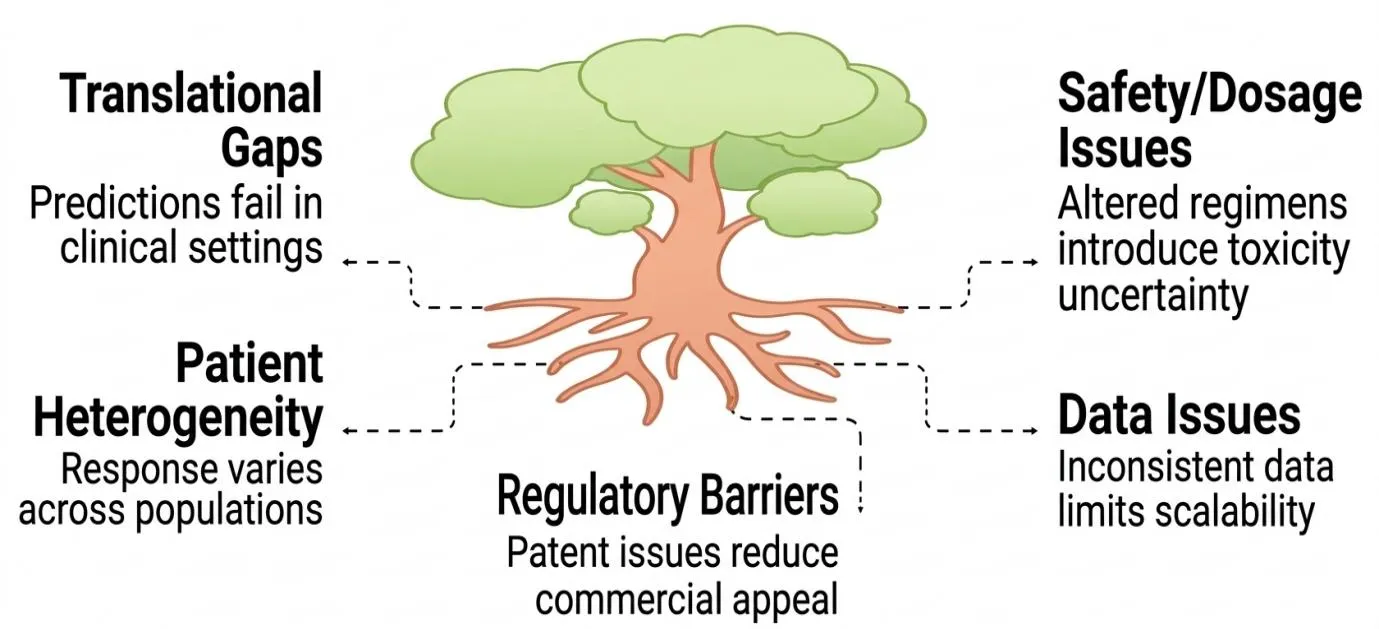
Figure 8: Barriers and Opportunities for Clinical Translation of Drug Repurposing.
CONCLUSION
8.1 CONCLUSION AND FUTURE PERSPECTIVES
Drug repurposing has moved from being mostly observation-based and trial-and-error-based in nature to becoming a rational, multilevel approach to discovering novel uses of available medications. The use of vast databases of molecular data, medical records, real-world evidence, networks, machine learning algorithms, artificial intelligence, and cutting-edge experimental modeling has broadened the capabilities of formulating and ranking repurposing hypotheses significantly. Computational prediction alone, however, does not define the therapeutic validity of a drug's action. Successful drug repurposing necessitates the proper combination of computational results with pharmacological and clinical evidence and experimentation. Integration of drug repurposing with precision medicine offers a key approach to overcoming inter-individual and disease variability. Molecular diagnostics, biomarkers, pharmacogenomic data, and stratification of patients will help to pinpoint the subpopulations in which an existing medication is most likely to have a therapeutic effect. Within this perspective, repurposing becomes less about finding a novel indication at the population level and more about determining appropriate drug-disease-patient relationships. Yet, both associations between biomarkers and drug actions and computational predictions still must undergo validation analysis.
A major advantage of repurposing is the availability of prior information regarding pharmacology, human exposure, safety, pharmacokinetics, manufacturing, and clinical experience. These advantages may reduce selected uncertainties associated with early drug development, but they do not eliminate the need to establish indication-specific efficacy, dose selection, drug–disease interactions, long-term safety, and benefit–risk balance. Consequently, experimental models, appropriately designed clinical trials, real-world evidence, and robust regulatory assessment remain essential components of the translational pathway. Regulatory and intellectual-property considerations must also be incorporated early to ensure that promising repurposing candidates can progress beyond discovery toward sustainable clinical development.
Future progress will depend on the integration of heterogeneous evidence streams rather than reliance on any single technology. Combining multi-omics data, systems pharmacology, artificial intelligence, functional genomics, organoid and patient-derived models, pharmacogenomics, and longitudinal clinical data could improve the biological and clinical relevance of repurposing predictions. At the same time, standardized datasets, transparent computational workflows, reproducible validation strategies, and well-designed prospective studies will be necessary to reduce false-positive discoveries and improve translation. Overall, drug repurposing integrated with precision medicine represents a promising framework for accelerating the identification and clinical evaluation of new therapeutic opportunities, provided that technological innovation remains coupled with rigorous biological validation, clinical evidence, and appropriate regulatory oversight.
REFERENCES

Peddaboina Usha Rani, Kotla Sahithi, Tekumatlai Gowthami, Kandi Subhashini, Dr. Anitha Sadula, Repurposing of Drugs in the Age of Precision Medicine: Approaches, Technologies, and Clinical Applications, Int. J. of Pharm. Sci., 2026, Vol 4, Issue 10, 2751-2775. https://doi.org/10.5281/zenodo.23433554
 10.5281/zenodo.23433554