

We use cookies to ensure our website works properly and to personalise your experience. Cookies policy
Department Of Pharmacy, St, Soldier Institute Of Pharmacy, Lidhran Campus, Behind NIT (REC), Jalandhar-Amritsar Bypass Nh-1, Jalandhar 144011, Punjab, India.
Cosmetic products designed for facial and ocular use are commonly used for cosmetic enhancement, skin protection, and personal care. However, growing worries about substances safety, chemical exposure, and regulatory monitoring have generated various concerns about the long-term health consequences. This review objectively examines the composition, functional functions, advantages, and potential side effects of face and eye cosmetic substances. Humectants, emollients, UV filters, preservatives, and nanocarriers are in demand ingredients in facial cosmetics such as moisturizers, sunscreens, powders, and masks. They boost hydration, barrier repair, and photoprotection. In contrast, the inclusion of synthetic ingredients such as parabens, phthalates, coal tar colours, and heavy metals has been correlated to dermatological reactions such as contact dermatitis, cosmetic acne, irritation, and potential systemic toxicity. Because of their proximity to the ocular surface, eye cosmetic formulations such as mascara, eyeliner, and eye shadow must cohere to higher safety guidelines. Complications include allergic conjunctivitis, blepharitis, corneal abrasion, tear film instability, and microbiological contamination etc. To ameliorate safety and efficacy, emerging trends highlight the use of botanical extracts, polyphenols, eco-friendly nanocarriers, and inorganic UV filters that are regulated. Overall, this review accentuates the importance of reducing the chemical burden, improving quality control, and increasing customer awareness in order to limit negative effects while nourishing and conserving cosmetic benefits
Cosmetic products are substances or combinations that are manufactured for application to the exterior portions of the human body such as skin, hair, lips, nails, and even teeth in order to cleanse, beautify, protect, or alter look, among other purposes. A cosmetic, as defined by the organisation, is a product that is meant to be applied to the human body for cleansing, beautifying, encouraging attractiveness, or enhancing appearance [1]. Creams, lip cosmetics, powders, sunscreens, lotions, scents, face wash, nail polish, foundation, eye makeup, hair products, perfumes, deodorants, and bubble baths are some globally used cosmetics. Hair cosmetic agents are products which are used to cleanse, change the appearance, and protect the hair. Lip makeup products consist of lipstick, lip liner, lip gloss, lip balm, lip plumper, and lip primer etc [2].
As the personal care and beauty sector has grown exponentially, the market has become inundated with products ranging from cosmetics and hairstyles to fragrances. While the assurance of personal enhancement has attracted plenty of clients, 78% of consumers have shown significant concern about the potential hazards associated with these treatments. The chemical composition of cosmetics determines both their quality and customer safety. Numerous personal care and cosmetic products range a variety of substances that may be detrimental to people's health. Phthalates, which are used in plastics and fragrances, are particularly concerning because they have been connected to problems with development and reproductive encounters that affect about 10% of the population [3]. Cr6+ and Ni present in cosmetics that contain dyes (such eye shadows) at quantities higher than the permissible limits. Contact blepharitis can be brought on by either of these metals. Zinc nanoparticles may be equally dangerous [4]. Numerous conventional cosmetic and medicinal plants significantly influence the overall health of a community and may cause health hazards due to the presence of heavy metals [5].
Lack of information and understanding about the cosmetics and their contents can result in long-term effects like infections or skin disorders that have not yet been evaluated, according to a study done with female university students in India. Numerous investigations have revealed that skin-whitening creams contain hydroquinone, glutathione, topical steroids, ammonia, hydrogen peroxide, and heavy metals, which may cause negative long-term effects [6]. Butylated hydroxyanisole (BHA), butylated hydroxytoluene (BHT), coal tar dyes, diethanolamine (DEA), dibutyl phthalate (DBP), parabens, perfume, polyethylene glycol (PEG), petrolatum, siloxane, and heavy metals are only a few of the synthetic compounds that are used in cosmetic preparation. Various dermatological disorders, including dermatitis, cancer, skin rashes, numerous stretch marks, yellowish-brown colouring, etc., are brought on by these components building up in the layers of the skin [7]. In many regions of the world, lipstick and eye shadow are among the most widely used cosmetic products. Antioxidants, pigments, waxes, oils, and inorganics including silica, TiO2, copper powder, and aluminium powder are among the many ingredients found in lipstick and eye shadow, bronze powder [8]. Cosmetics use is more common among women, who usually place a higher priority on beauty and self-image. This increased use, along with a lack of knowledge about possible hazards, emphasizes the significance of comprehensive safety assessments and regulatory supervision [9].
Longer storage times typically cause a product to deteriorate, which compromises its stability and eventually causes the product to lose its intended natural quality owing to microbial contamination, making it dangerous for consumers [10]. Wintertime dermatitis is more common in the elderly people and is mostly caused by the use of deodorants and antiperspirants. UV radiation causes photosensitivity, skin cancer, and early aging, which is why UV filters are used more frequently in skin care products [2]. Hence, a comprehensive understanding of the composition, serious impact on skin, and safety of facial cosmetic products is crucial. This review aims to synthesize current scientific evidence on facial cosmetics, focusing on their formulation, effects on skin health, safety concerns, and regulatory considerations.
Methodology
A comprehensive literature search was conducted utilizing a variety of academic databases (e.g., PubMed, Google Scholar, among others) to locate relevant studies published in peer-reviewed journals. Once the studies had been discovered, eligibility criteria were used to determine inclusion. Articles were selected based on (a) the chemical composition of face makeup products, (b) the influence of makeup on skin physiology, or (c) probable harmful consequences associated with chronic makeup usage [11]. The review attempted to choose publications related to, eyes treatment, and the of toxic action of the components was proposed. Attempts were made to demonstrate the potential hazards that can result from years of cosmetic use on the skin [12].
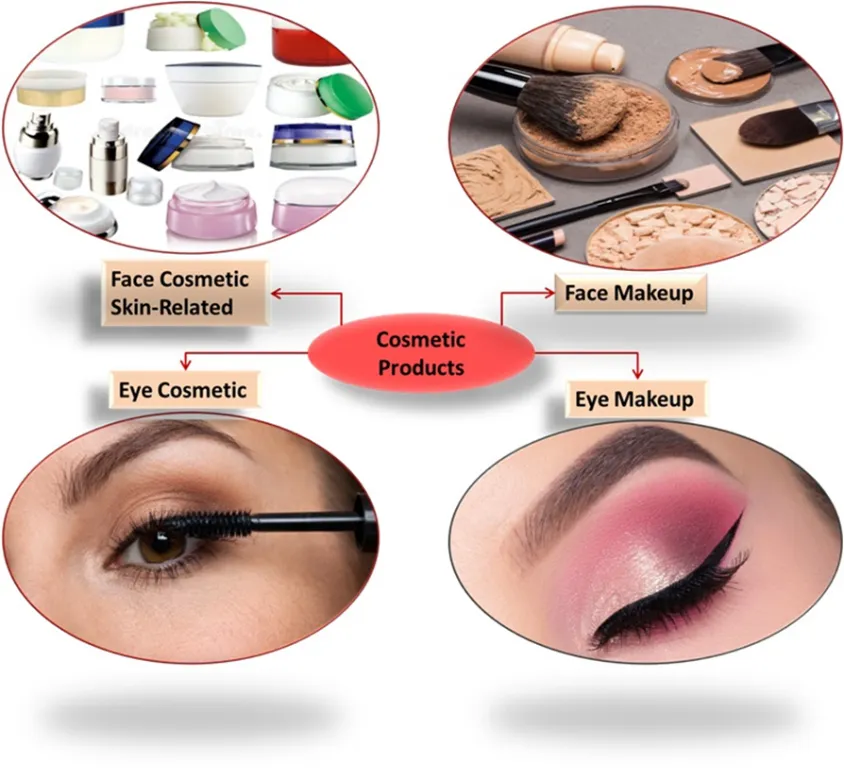
Face cosmetic products
Scientific Evidence
The cosmetotextile industry is growing globally thanks to products that shield the skin from UV rays, wrinkles, brown age spots, and aging etc. Some scientific achievements are bit promising in terms of merging present generation safe substances into our cosmetic goods and fulfilling zero waste targets [13]. Various research groups are trying to enhance current technologies for the production and modification of cellulose-based materials, which are extensively used in a broad range of industries. There was a unique approach that used a superabsorbent hydrogel that was made differently. The interaction between cellulose's hydroxyl groups and the hydrogel's functional groups (carboxyl and amide) considerably improves composite characteristics [14]. Technological developments like photobioreactor systems have reduced ecological impact and elevated resource efficiency. In recent years, the cosmetic industry has progressively embraced natural and sustainable materials due to their exceptional antioxidant, anti-inflammatory, and UV-protective characteristics [15].
There is preliminary evidence that using formulations based on curcumin can improve skin clarity and redness, according to a systematic review. Some research found that the aloe group had significantly improved skin hydration and elasticity. The results showed that the aloe group had much more skin hydration, and there were no side effects, indicating that the formulations were well tolerated [16].
Formulation
Many cosmetic forms share similar ingredients according to the most recent classification rules. For example, the presence of some propellants is what primarily distinguishes sprays and aerosols, but their basic formulations are similar to liquid cosmetics. While powders, solids, and freeze-dried cosmetics primarily contain powdery solids, creams and gels typically contain large amounts of humectants and thickeners [17]. The most broadly used fillers are still talc, silica/silicates, magnesium carbonate, mica, modified starches, and kaolin clays, and the technical quality of the finished powder formulation is affected by using absorbing materials [18].
Certain botanical materials, like the petals (used in toners, facial oils, and infused masks) provide calming qualities and a natural scent; the leaves (used in aloe vera, green tea serums, etc.) serve as anti-inflammatory, antibacterial, and cooling agents; the roots (used in brightening creams, anti-aging serums, etc.) promote circulation and skin evening; and the fruits (used as chemical exfoliants and in fruit enzyme masks) provide antioxidant protection and brightening. Cleansers and face oils use complex raw materials like resins, which serve as fixatives and have skin-healing qualities. Certain compounds are used as fragrances, such as linalool, which gives lotions a flowery, slightly spicy scent, and vanillin, which gives sunscreens a sweet scent [17].
Sprays are solution aerosols made up of a drug solution in a propellant or the propellant and a suitable solvent such as ethanol, acetone, hexadecyl alcohol, glycol ethers, or polyglycols. Sprays can also be designed as suspension aerosols, in which the medicine is spread throughout both the propellant and solvent phases. Suspension aerosols are continually used for diseased and exudative plaques, such as those observed in eczema or psoriasis [19]. Some research examined that the efficacy, safety, and tolerance of a clay mask packed with cellulobeads, kaolin, bentonite, thermal spring water, and vitamin B5 (panthenol), which addressed acne and oily skin issues while also boosting skin hydration and texture improvement. The face masks contain 5% vitamin B5 (panthenol), which has calming and anti-inflammatory qualities [20].
Most moisturizers contain emollients, occlusives, and humectants. The efficacy of moisturizers is largely dependent on better selection and consistent application [21]. Moisturizers include Urea complex, which enhances the skin resiliency and delivers deep moisturization; Sodium PCA, which improves skin moisture, smoothness, and elasticity; and Salicornia herbacea extract, which supports water channels. It also includes hyaluronic acid with aminopropyl ascorbyl phosphate, which decreases HA degradation and increases skin smoothness, and sodium lactate, which promotes HA and maintains skin softness and suppleness [22].
Sunscreens, lip balms, and moisturizers contain nanoparticles of TiO2, ZnO, and ZrO2 that work as UV filters. Sunscreens having zinc oxide and titanium dioxide, as well as ecamsule, avobenzone, octocrylene, p-aminobenzoic acid, dioxybenzone, and other ingredients protect against the skin cancers and enhances reactive oxygen species [13].
Side effects
Subjective irritation caused by creams containing humectants like lactic acid and urea, as well as preservatives such as benzoic or sorbic acid. Cosmetic acne which is caused by occlusive oils in water-based oil preparations. Contact urticaria which is caused by preservatives like sorbic acid, perfumes, and Peruvian balsam present in cleansers and sunscreens. Propylene glycol poisoning in burn patients, as well as salicylic acid intoxication from some creams and lotions [21]. Few moisturizer preparations have been known to elicit skin reactions namely stinging and burning, which can lead to poor adherence, whereas others may contain sensitizing chemicals that can cause contact dermatitis. Moisturizers and barrier creams caused irritations. Barrier creams and moisturisers induce mild skin responses such as itching or reddening [23].
Safety concerns
Nanocarriers are now commonly utilized in the cosmetics sector to address issues related to bioactive compounds namely low stability, poor solubility, and penetrating ability. Numerous active ingredients have been loaded into nanocarriers, including retinoids, antioxidants, enzymes, peptides, ceramides, hyaluronic acid, and organic UV filters, decreasing their use in cosmetics like creams, moisturizers. Photosomes could be used in sunscreens to eliminate the risk of skin cancer. Hyaluronic acid is abundant in youthful skin, but declines with age. Its ability to absorb water molecules makes it a popular moisturizer in cosmetics. It's also used in anti-wrinkle products [24]. However, suspension aerosols (sunscreens, lotions) may exhibit difficulties including agglomeration, caking, particle-size increase, and valve clogging, which can be avoided by adding lubricants, surfactants, or dispersing [19].
Advantages and Disadvantages
Nanotechnology in cosmetics serves an important role in improving the performance, non-cytotoxicity, and bioavailability of active substances in personal care products. The active compounds contribute to improved absorption, colour and finish quality, and penetration into the skin [13]. Sprays offer the advantage of being able to treat broad areas of afflicted skin (up to 15-20% of the body's surface area). Creams are utilized for their moisturizing and emollient characteristics, which make them beneficial in both dry and weepy/exudative skin diseases, particularly those with a high level of exudate [19].
The clay mask's oil-absorbing components modify sebum composition, which helps manage acne growth. The mask's core ingredients, kaolin and bentonite, effectively drain excess oil from the skin, reducing sebum production and the possibility of pore blockage. Thermal spring water has calming and anti-inflammatory properties, perhaps reducing acne-related inflammation and boosting skin healing. Furthermore, face masks may enhance the product's acne-reducing effects [20]. Daytime moisturizer for the face, after-shave creams for use on hairy areas. Nighttime moisturizers for the face, used when no occlusive effect is necessary; to be utilized in intertriginous areas, quickly absorbed, highly acceptable on the face, and non-comedogenic [21].
Despite the benefits to skin health and the obvious efficiency of their use in cosmetic products, nanocarriers can have some drawbacks, including a higher development cost, sensitivity to osmotic processes, low solubility, unsatisfactory stability, aggregation, a short shelf life, and drug loading capacity due to hydrolysis and leaching [25].
Regulatory considerations
Regulatory considerations- emulsifiers used in over-the-counter moisturizers during the same time period were not mentioned on the IID, implying that innovation in topical skin care occurs virtually solely in the cosmetics industry rather than medical dermatology. The FDA monitors the safety of cosmetic products in a variety of ways, including the Voluntary Cosmetic Registration Program, inspections of manufacturing facilities, product surveys, including periodic purchasing and analysis, the Cosmetic Ingredient Review (CIR) expert panel, and reports from consumers and health care providers via MedWatch. To establish precedence of usage, it is important to check each country's drug list [19].
Adopting a “zero waste” policy is an important step to stop cosmetic waste from entering the human body through a polluted environment. Implementing zero waste and zero CO2 emission policies in the sourcing, extraction, production, and packaging processes of cosmetics will push the idea of “Green Growth [13].
Eye cosmetics product
Scientific Evidence
Markets are becoming more consumer-oriented. This reflects the evolving roles and functions of the beauty industry [26]. The worldwide beauty product market has grown by an average of 5% every year. It is interesting to note that the cosmetics and personal care product business has grown consistently and steadily [27]. The cosmetic industry is a vibrant sector with a considerable impact on the worldwide economy, providing a diverse range of goods designed to enhance and beautify people's faces and eyes. Natural and organic products are becoming increasingly popular in the cosmetic sector. The business is adapting to accommodate the increased demand for natural and organic products, as customers prioritize safety, sustainability, and environmental conscience in their purchase choices. A cosmetic product must be safe for human health when used in normal or reasonably foreseeable circumstances [28].
The majority of chitin and chitin derivative research for cosmetics focuses on topical applications. More research on the effects of oral chitin and chitin derivatives on skin health is required to better understand its cosmeceutical qualities [29].
According to the survey, the natural cosmetics business is rapidly expanding, owing primarily to consumers' growing self-awareness and understanding of cosmetics. Furthermore, the demand for natural cosmetics will increase gradually in the future years. The expansion of the natural cosmetics market is confirmed by the expanding output and growing readiness of consumers to acquire various kinds of products.[30].
Formulation
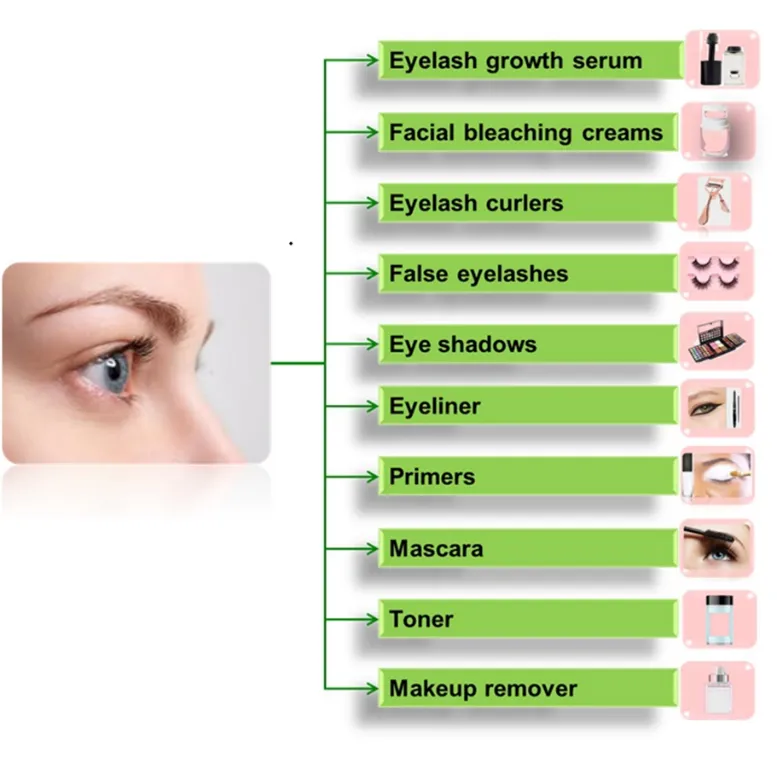
Natural rubber latex is utilized to create a cosmetic eye color that treats blepharoptosis. A peel-off mask was made from natural rubber latex [13]. The eye makeup remover recipes included sweet almond oil, castor oil, olive oil, almond and coconut oils, water, and a hydrosol. Most mascara recipes recommend adding activated charcoal as the black pigment. Eyeliner pencil formulations are based on sticks, which are combinations of waxes, lipids, and oils in variable proportions. Eye cosmetics such as eye shadow and concealers are made from oil mixes coupled with cornflower hydrosol, or from foods such as infused tea, milk, cucumber, quince, potato, chervil, or chopped parsley [31].
Eye makeup primers typically contain silicone or silicone-based compounds such as dimethicone and the siloxanes D4 and D5. Other common components include natural or synthetic mica, which is used to provide sparkle. Cosmetic grade glitter, often manufactured from polyethylene terephthalate, synthetic fluorphlogopite, or borosilicate, is sprayed with aluminum in varied colours to create the sparkle [32].
Side effects
Eyelash dyes can produce ocular symptoms as blepharitis, conjunctivitis, and facial oedema [31]. Glitter edges are problematic because they can create a corneal abrasion. Glitter can also cause allergic contact dermatitis, typically due to the component methylisothiazolinone. Eye liners increase the risk of inflammation, immune-mediated allergic responses, and infection caused by bacterial and fungal contamination. Overall, the use of eye cosmetic items and the subsequent necessity for eyelid manipulation increases the likelihood of ocular symptoms [32].
Watering in the eyes is the most common negative effect of using eye cosmetics, followed by ocular pain, allergic conjunctivitis, dry eye illness, conjunctival pigmentation, and meibomian gland dysfunction [33]. Mascara, a popular beauty ingredient, can occasionally cause eye problems with prolonged use. Mascara can cause eyelid discomfort, ocular infections, and lumps [34].
Safety concerns
Poultices composed of shredded potato, cucumber, black tea, or onion found in eye masks, eye balms and creams etc. are applied to swollen eyes are the most common treatments for conjunctivitis and obstruction of the tear duct in several parts of the world, such as India. These practices are also found in Hungary [35]. Because of the possible health risks, Mn pollution in eye cosmetics is a major worry, hence less should be used. Mercury is commonly present in eye cosmetics, either as a preservative or as a contamination during manufacturing [36].
Advantages and Disadvantages
Rich in biologically active ingredients, plant oils make excellent emollients. In certain cosmetic formulations, they were first used as active components [37]. Berries and flowers found in under eye creams, eye gels have a wide range of uses, including cosmetics, skin and eye treatments, and elderberries, which have positive benefits and aid to lower the production of inflammatory mediators. Tree bark and leaves have therapeutic and diuretic qualities. Because they contain cyanogenic glycosides that might induce poisoning, they should only be applied externally. Virgin olive oil present in eye makeup remover is perfect for immediately safeguarding the skin because it is full of molecules that have anti-inflammatory and antioxidant properties [38].
Regulatory considerations
Infections from contaminated goods have been rare in recent years due to the great safety record of lip care products. The international organization states that while cosmetics shouldn't be sterile, they should also have a low density of non-pathogenic organisms and not be contaminated with harmful bacteria [39]. It has been discovered that natural compounds made from natural plant sources naturally extend shelf life by reducing lipid oxidation [40]. According to international guidelines, treating allergic conjunctivitis should be done in stages, starting with allergen identification and avoidance, followed by non-pharmacological treatments, then, for patients with more severe cases, pharmaceutical therapy [41]. However, a number of latex-derived items, including eyeliner and eyelash glue, are linked to allergic reactions and require permission before going in market [13].
In the future, successful collaboration between researchers and the cosmetics industry will propel this sector toward environmental sustainability by implementing eco-friendly manufacturing practices, sourcing ingredients responsibly, and experimenting with creative recycling and reuse initiatives, all of which will improve our environment [42].
DISCUSSION
The current analysis emphasizes the complicated composition, growing market demand, and associated safety problems with face and eye cosmetic goods. Facial cosmetics, which include moisturizers, sunscreens, sprays, masks, and nanotechnology-based formulations, are intended to improve skin look while also providing hydration and protection. Scientific evidence suggests that humectants, emollients, UV filters (TiO₂, ZnO), and nanocarriers enhance product efficacy and skin penetration [13]. However, extended usage and exposure to synthetic substances such as parabens, phthalates, heavy metals, and preservatives can cause dermatological diseases such as dermatitis, irritation, and cosmetic acne, as well as potential toxicological hazards [3]. Additionally, improper storage and microbial contamination further compromise product stability and consumer safety [10]. While advancements such as botanical extracts, cellulose-based materials, and eco-friendly nanocarriers enhance performance and sustainability, challenges including aggregation, stability issues, and regulatory gaps remain significant.
Similarly, eye cosmetic products are a rapidly expanding section of the beauty market, but they pose distinct hazards due to their direct contact with the ocular surface. Waxes, oils, silicones, mica, glitter particles, and natural extracts are common ingredients in mascaras, eyeliners, and eye shadows [31,32]. Despite their aesthetic benefits, known side effects include wetting, allergic conjunctivitis, blepharitis, corneal abrasion, meibomian gland dysfunction, and contamination-related illnesses [33, 34]. Although plant-based oils and natural preservatives show promise for increasing safety and shelf life, regulatory control and consumer knowledge are still necessary to reduce eye problems [39].
Overall, while both facial and eye cosmetics contribute significantly to personal care and self-image, eye cosmetics demand comparatively stricter safety evaluation due to their heightened potential for localized ocular adverse effects. These findings demonstrate that while ingredients are selected to optimize performance and aesthetic appeal, their chemical nature and site of application significantly influence potential health outcomes.
CONCLUSION
This analysis underlines the urgent need to transition to cosmetics with less synthetic chemicals by drawing a striking contrast between the negative health effects of chemical-laden products and the physiological benefits of naturally sourced alternatives. Prolonged use of traditional cosmetics containing synthetic substances such as parabens, phthalates, and heavy metals can cause serious problems ranging from contact dermatitis to eye infections and even cancer since these toxins build in the skin. Real-world examples of these risks include Johnson & Johnson's historic use of talc (a very common cosmetic filler) due to asbestos contamination concerns, as well as the serious long-term dangers of skin-whitening creams (such as some older or unregulated fairness cream formulations) that contain toxic hydroquinone and heavy metals.
In contrast, cosmetics that prioritize biologically active, natural components provide powerful beauty treatments without the negative side effects. For example, Burt Bees face cleanser and bareminerals natural moisturizer contain natural plant oils, botanical extracts such as aloe vera, and earth-based minerals such as kaolin clay; these components naturally treat acne, provide antioxidant protection, and safely soothe the skin and eyes. Finally, implementing eco-friendly, less chemical-intensive production techniques is critical not only for protecting consumers from the toxicological risks of synthetic makeup, but also for promoting global environmental sustainability.
REFERENCES
PMID: 39253281; PMCID: PMC11381309.
Medicinal plants and their derivatives for skin and hair: a Mediterranean
perspective of women care. Arch Dermatol Res. 2025 Apr 13;317(1):710. doi:
0.1007/s00403-025-04202-1. PMID: 40221958; PMCID: PMC11994543.
Kurek-Górecka A, Olczyk P, Ochędzan-Siodłak W. Potential Carcinogens in Makeup
Cosmetics. Int J Environ Res Public Health. 2023 Mar 8;20(6):4780. doi:
10.3390/ijerph20064780. PMID: 36981689; PMCID: PMC10048826.
Environ Sci Pollut Res Int. 2023 Feb;30(10):25148-25169. doi:
10.1007/s11356-021-17567-3. Epub 2021 Nov 25. PMID: 34825334; PMCID: PMC8616574.
enhancement. Biotechnol Rep (Amst). 2025 Aug 6;47:e00911. doi:
10.1016/j.btre.2025.e00911. PMID: 40823280; PMCID: PMC12355925.
Gulilat H. Aging and Herbal Interventions: Mechanistic Insights and Therapeutic
Potential. J Cosmet Dermatol. 2025 Jul;24(7):e70335. doi: 10.1111/jocd.70335.
PMID: 40702898; PMCID: PMC12287899.
carbonate for use in powder cosmetics. Int J Cosmet Sci. 2021 Feb;43(1):57-67.
doi: 10.1111/ics.12670. Epub 2020 Nov 8. PMID: 33038019; PMCID: PMC7821260.
Delivery and Cosmetic Moisturizers: Review and Comparison. Pharmaceutics. 2021
Nov 26;13(12):2012. doi: 10.3390/pharmaceutics13122012. PMID: 34959294; PMCID: PMC8703425.
assessment of the efficacy and safety of a clay mask in oily and acne skin. Skin
Res Technol. 2023 Nov;29(11):e13513. doi: 10.1111/srt.13513. PMID: 38009030;
PMCID: PMC10626287.
in Addressing Various Kinds of Dermatitis: A Review. Clin Med Res. 2017
Dec;15(3-4):75-87. doi: 10.3121/cmr.2017.1363. Epub 2017 Dec 11. PMID: 29229630; PMCID: PMC5849435.
10.1111/jocd.13359. Epub 2020 Mar 6. PMID: 32141711; PMCID: PMC7217153.
Emollients and moisturisers for eczema. Cochrane Database Syst Rev. 2017 Feb
6;2(2):CD012119. doi: 10.1002/14651858.CD012119.pub2. PMID: 28166390; PMCID: PMC6464068.
Nanocarriers as Active Ingredients Enhancers in the Cosmetic Industry-The
European and North America Regulation Challenges. Molecules. 2022 Mar
3;27(5):1669. doi: 10.3390/molecules27051669. PMID: 35268769; PMCID: PMC8911847.
nanoparticles in cosmeceuticals. Saudi Pharm J. 2022 Jan;30(1):53-65. doi:
10.1016/j.jsps.2021.12.018. Epub 2021 Dec 31. PMID: 35241963; PMCID: PMC8864531.
Post-COVID-19: Literature review. J Cosmet Dermatol. 2021 Oct;20(10):3074-3079.
doi: 10.1111/jocd.14357. Epub 2021 Oct 10. PMID: 34632711; PMCID: PMC8662129.
cosmetic products and their health risk assessment. Saudi Pharm J. 2020
Jul;28(7):779-790. doi: 10.1016/j.jsps.2020.05.006. Epub 2020 May 29. PMID:
32647479; PMCID: PMC7335825.
Grape Stems: Harnessing Phenolic Compounds for Cosmetics. Int J Mol Sci. 2023
Jul 21;24(14):11751. doi: 10.3390/ijms241411751. PMID: 37511513; PMCID:
PMC10380576.
Growing Market for Natural Cosmetics in Poland: Consumer Preferences and
Industry Trends. Clin Cosmet Investig Dermatol. 2023 Jul 21;16:1877-1892. doi:
10.2147/CCID.S411032. PMID: 37497379; PMCID: PMC10368115.
cosmetics and their possible safety issues. Int J Cosmet Sci. 2022
Aug;44(4):403-413. doi: 10.1111/ics.12776. Epub 2022 Jul 19. PMID: 35396729;
PMCID: PMC9545342.
McGee SR, Murthy R, Narang P, Ng A, Nistico S, O'Dell L, Roos J, Shen J,
Markoulli M. TFOS Lifestyle: Impact of cosmetics on the ocular surface. Ocul
Surf. 2023 Jul;29:77-130. doi: 10.1016/j.jtos.2023.04.005. Epub 2023 Apr 13.
PMID: 37061220; PMCID: PMC11246752.
Ocul Toxicol. 2024 Sep;43(3):154-160. doi: 10.1080/15569527.2024.2360735. Epub
2024 Jun 5. PMID: 38806172.
use. Ophthalmic Plast Reconstr Surg. 2009 Jul-Aug;25(4):339-41. doi:
10.1097/IOP.0b013e3181ab443e. PMID: 19617808.
care. Front Pharmacol. 2025 May 12;16:1580586. doi: 10.3389/fphar.2025.1580586.
PMID: 40421213; PMCID: PMC12104180.
S, Khairy M, Habib MA. Heavy metal in cosmetics and its risk to future
generation in remote area of Azad Jammu and Kashmir Trarkhel District Sudhnoti.
Sci Rep. 2025 Dec 15;15(1):43847. doi: 10.1038/s41598-025-30439-x. PMID:
41398190; PMCID: PMC12705650.
Fermented Raw Materials: An Overview. Molecules. 2022 Jul 28;27(15):4845. doi:
10.3390/molecules27154845. PMID: 35956792; PMCID: PMC9369470.
Region (Portugal) for Use in the Cosmetic Industry: A Review about Chemical
Composition and Antigenotoxic Properties. Molecules. 2021 Aug 30;26(17):5255.
doi: 10.3390/molecules26175255. PMID: 34500687; PMCID: PMC8433906.
Rodrigues AE, Ferreira ICFR, Barreiro MF. Cosmetics Preservation: A Review on
Present Strategies. Molecules. 2018 Jun 28;23(7):1571. doi:
10.3390/molecules23071571. PMID: 29958439; PMCID: PMC6099538.
Türkcanoğlu G, Sobarzo-Sánchez E. Polyphenols: Natural Preservatives with
Promising Applications in Food, Cosmetics and Pharma Industries; Problems and
Toxicity Associated with Synthetic Preservatives; Impact of Misleading
Advertisements; Recent Trends in Preservation and Legislation. Materials
(Basel). 2023 Jul 3;16(13):4793. doi: 10.3390/ma16134793. PMID: 37445107; PMCID: PMC10343617.
eyelid cream in allergic conjunctivitis: a phase 3 trial. Jpn J Ophthalmol. 2024
Nov;68(6):651-659. doi: 10.1007/s10384-024-01108-9. Epub 2024 Sep 11. PMID:
39259242; PMCID: PMC11607043.
Innovative Cosmetic Ingredients. Mar Drugs. 2023 Mar 8;21(3):170. doi:
10.3390/md21030170. PMID: 36976219; PMCID: PMC10054431
PMID: 39253281; PMCID: PMC11381309.
Medicinal plants and their derivatives for skin and hair: a Mediterranean
perspective of women care. Arch Dermatol Res. 2025 Apr 13;317(1):710. doi:
0.1007/s00403-025-04202-1. PMID: 40221958; PMCID: PMC11994543.
Kurek-Górecka A, Olczyk P, Och?dzan-Siod?ak W. Potential Carcinogens in Makeup
Cosmetics. Int J Environ Res Public Health. 2023 Mar 8;20(6):4780. doi:
10.3390/ijerph20064780. PMID: 36981689; PMCID: PMC10048826.
Environ Sci Pollut Res Int. 2023 Feb;30(10):25148-25169. doi:
10.1007/s11356-021-17567-3. Epub 2021 Nov 25. PMID: 34825334; PMCID: PMC8616574.
enhancement. Biotechnol Rep (Amst). 2025 Aug 6;47:e00911. doi:
10.1016/j.btre.2025.e00911. PMID: 40823280; PMCID: PMC12355925.
Gulilat H. Aging and Herbal Interventions: Mechanistic Insights and Therapeutic
Potential. J Cosmet Dermatol. 2025 Jul;24(7):e70335. doi: 10.1111/jocd.70335.
PMID: 40702898; PMCID: PMC12287899.
carbonate for use in powder cosmetics. Int J Cosmet Sci. 2021 Feb;43(1):57-67.
doi: 10.1111/ics.12670. Epub 2020 Nov 8. PMID: 33038019; PMCID: PMC7821260.
Delivery and Cosmetic Moisturizers: Review and Comparison. Pharmaceutics. 2021
Nov 26;13(12):2012. doi: 10.3390/pharmaceutics13122012. PMID: 34959294; PMCID: PMC8703425.
assessment of the efficacy and safety of a clay mask in oily and acne skin. Skin
Res Technol. 2023 Nov;29(11):e13513. doi: 10.1111/srt.13513. PMID: 38009030;
PMCID: PMC10626287.
in Addressing Various Kinds of Dermatitis: A Review. Clin Med Res. 2017
Dec;15(3-4):75-87. doi: 10.3121/cmr.2017.1363. Epub 2017 Dec 11. PMID: 29229630; PMCID: PMC5849435.
10.1111/jocd.13359. Epub 2020 Mar 6. PMID: 32141711; PMCID: PMC7217153.
Emollients and moisturisers for eczema. Cochrane Database Syst Rev. 2017 Feb
6;2(2):CD012119. doi: 10.1002/14651858.CD012119.pub2. PMID: 28166390; PMCID: PMC6464068.
Nanocarriers as Active Ingredients Enhancers in the Cosmetic Industry-The
European and North America Regulation Challenges. Molecules. 2022 Mar
3;27(5):1669. doi: 10.3390/molecules27051669. PMID: 35268769; PMCID: PMC8911847.
nanoparticles in cosmeceuticals. Saudi Pharm J. 2022 Jan;30(1):53-65. doi:
10.1016/j.jsps.2021.12.018. Epub 2021 Dec 31. PMID: 35241963; PMCID: PMC8864531.
Post-COVID-19: Literature review. J Cosmet Dermatol. 2021 Oct;20(10):3074-3079.
doi: 10.1111/jocd.14357. Epub 2021 Oct 10. PMID: 34632711; PMCID: PMC8662129.
cosmetic products and their health risk assessment. Saudi Pharm J. 2020
Jul;28(7):779-790. doi: 10.1016/j.jsps.2020.05.006. Epub 2020 May 29. PMID:
32647479; PMCID: PMC7335825.
Grape Stems: Harnessing Phenolic Compounds for Cosmetics. Int J Mol Sci. 2023
Jul 21;24(14):11751. doi: 10.3390/ijms241411751. PMID: 37511513; PMCID:
PMC10380576.
Growing Market for Natural Cosmetics in Poland: Consumer Preferences and
Industry Trends. Clin Cosmet Investig Dermatol. 2023 Jul 21;16:1877-1892. doi:
10.2147/CCID.S411032. PMID: 37497379; PMCID: PMC10368115.
cosmetics and their possible safety issues. Int J Cosmet Sci. 2022
Aug;44(4):403-413. doi: 10.1111/ics.12776. Epub 2022 Jul 19. PMID: 35396729;
PMCID: PMC9545342.
McGee SR, Murthy R, Narang P, Ng A, Nistico S, O'Dell L, Roos J, Shen J,
Markoulli M. TFOS Lifestyle: Impact of cosmetics on the ocular surface. Ocul
Surf. 2023 Jul;29:77-130. doi: 10.1016/j.jtos.2023.04.005. Epub 2023 Apr 13.
PMID: 37061220; PMCID: PMC11246752.
Ocul Toxicol. 2024 Sep;43(3):154-160. doi: 10.1080/15569527.2024.2360735. Epub
2024 Jun 5. PMID: 38806172.
use. Ophthalmic Plast Reconstr Surg. 2009 Jul-Aug;25(4):339-41. doi:
10.1097/IOP.0b013e3181ab443e. PMID: 19617808.
care. Front Pharmacol. 2025 May 12;16:1580586. doi: 10.3389/fphar.2025.1580586.
PMID: 40421213; PMCID: PMC12104180.
S, Khairy M, Habib MA. Heavy metal in cosmetics and its risk to future
generation in remote area of Azad Jammu and Kashmir Trarkhel District Sudhnoti.
Sci Rep. 2025 Dec 15;15(1):43847. doi: 10.1038/s41598-025-30439-x. PMID:
41398190; PMCID: PMC12705650.
Fermented Raw Materials: An Overview. Molecules. 2022 Jul 28;27(15):4845. doi:
10.3390/molecules27154845. PMID: 35956792; PMCID: PMC9369470.
Region (Portugal) for Use in the Cosmetic Industry: A Review about Chemical
Composition and Antigenotoxic Properties. Molecules. 2021 Aug 30;26(17):5255.
doi: 10.3390/molecules26175255. PMID: 34500687; PMCID: PMC8433906.
Rodrigues AE, Ferreira ICFR, Barreiro MF. Cosmetics Preservation: A Review on
Present Strategies. Molecules. 2018 Jun 28;23(7):1571. doi:
10.3390/molecules23071571. PMID: 29958439; PMCID: PMC6099538.
Türkcano?lu G, Sobarzo-Sánchez E. Polyphenols: Natural Preservatives with
Promising Applications in Food, Cosmetics and Pharma Industries; Problems and
Toxicity Associated with Synthetic Preservatives; Impact of Misleading
Advertisements; Recent Trends in Preservation and Legislation. Materials
(Basel). 2023 Jul 3;16(13):4793. doi: 10.3390/ma16134793. PMID: 37445107; PMCID: PMC10343617.
eyelid cream in allergic conjunctivitis: a phase 3 trial. Jpn J Ophthalmol. 2024
Nov;68(6):651-659. doi: 10.1007/s10384-024-01108-9. Epub 2024 Sep 11. PMID:
39259242; PMCID: PMC11607043.
Innovative Cosmetic Ingredients. Mar Drugs. 2023 Mar 8;21(3):170. doi:
10.3390/md21030170. PMID: 36976219; PMCID: PMC10054431




Kunjal Johari, Rajesh Kumar, Ajeet Pal Singh, Amar Pal Singh, Pardeep Kaur, Review On Cosmetic Products, Int. J. of Pharm. Sci., 2026, Vol 4, Issue 7, 4552-4564, https://doi.org/10.5281/zenodo.21492267
 10.5281/zenodo.21492267