
View Article

Abstract

Cancer is the body's unchecked proliferation of aberrant cells. These days, cancer is regarded as a human tragedy, one of the most common illnesses worldwide, and its death rate is rising. It appears that new approaches to treating and preventing such a fatal illness are required. By inducing apoptosis, anticancer drugs should destroy the malignant cell with the least amount of negative impact on healthy cells. In both healthy and injured tissues, apoptosis is referred to as programmed cell death. The utilization of diverse herbal medicinal plant parts and their active phytoconstituents in the treatment and prevention of various cancer types is examined in this review. To find anticancer medicinal plants and their effects, a thorough review of the literature was carried out utilizing the various databases. Through mechanisms like inhibition of hormones and enzymes that promote cancer, activation of DNA repair processes, decrease of free radical production, and immune system strengthening, identified herbs demonstrate therapeutic effects. Certain natural substances, such as plants, trigger apoptotic pathways that are inhibited in cancer cells via a variety of mechanisms. People with cancer frequently utilize herbs or herbal products, according to several surveys. Clinical applications of plant-derived anticancer drugs include the use of vinca alkaloids, Texans, podo phyllotoxin, and camptothecins. The literature that has been published thus far on the use of herbal remedies as apoptosis inducers in cancer is compiled in this review. The successful cancer therapy to now has been under research, the only treatments that occasionally work are radiation and chemotherapy. frequently poisonous and deadly.

Keywords

Cancer, Chemotherapy, Herbal medicine, Apoptosis, Herb-drug interaction

Introduction

× Popup Image

Cancer

The father of western medicine, Hippocrates, coined the term “cancer” by using the Greek terms “carcinoma” and “Karakinos” to refer to tumors.[1]The body’s aberrant cells multiply out of control and cause cancer.[2] Meiosis and cell death processes typically take place to keep tissues stable and in a balanced state.[3] One of the most common causes of illness and death in the world, cancer is predicted to affect 21 million people by 2030.[4,5] The complexity of cancer research has always made it difficult. The genetic changes, organs impacted, prognosis, and methods of therapy can all differ greatly amongst cancer kinds.[6] Carcinoma

-Leukemia

-myeloma and lymphoma

-cancer of the central nervous system

These days, cancer is viewed as a human tragedy, and the prevalence of cancer-related causes is rising. According to WHO estimates, there will be 15 million additional cases of cancer by 2020.[7] Since herbal medicines are thought to be safe and have few or no side effects, particularly when compared to synthetic pharmaceuticals, there has been a resurgence of interest in the use of medicinal plants in poor nations in recent years.[8]. Due to the abundance of bioactive chemicals found in plants, herbal medicine has been thoroughly investigated as a possible source of anticancer medications. Based on a variety of mechanisms, including inducing apoptosis (programmed cell death) in cancer cells, preventing angiogenesis (the creation of new blood vessels supplying the tumor), and interfering with crucial signaling pathways involved in cancer progression and metastasis, several plant compounds have demonstrated promising anticancer properties.[9–11].
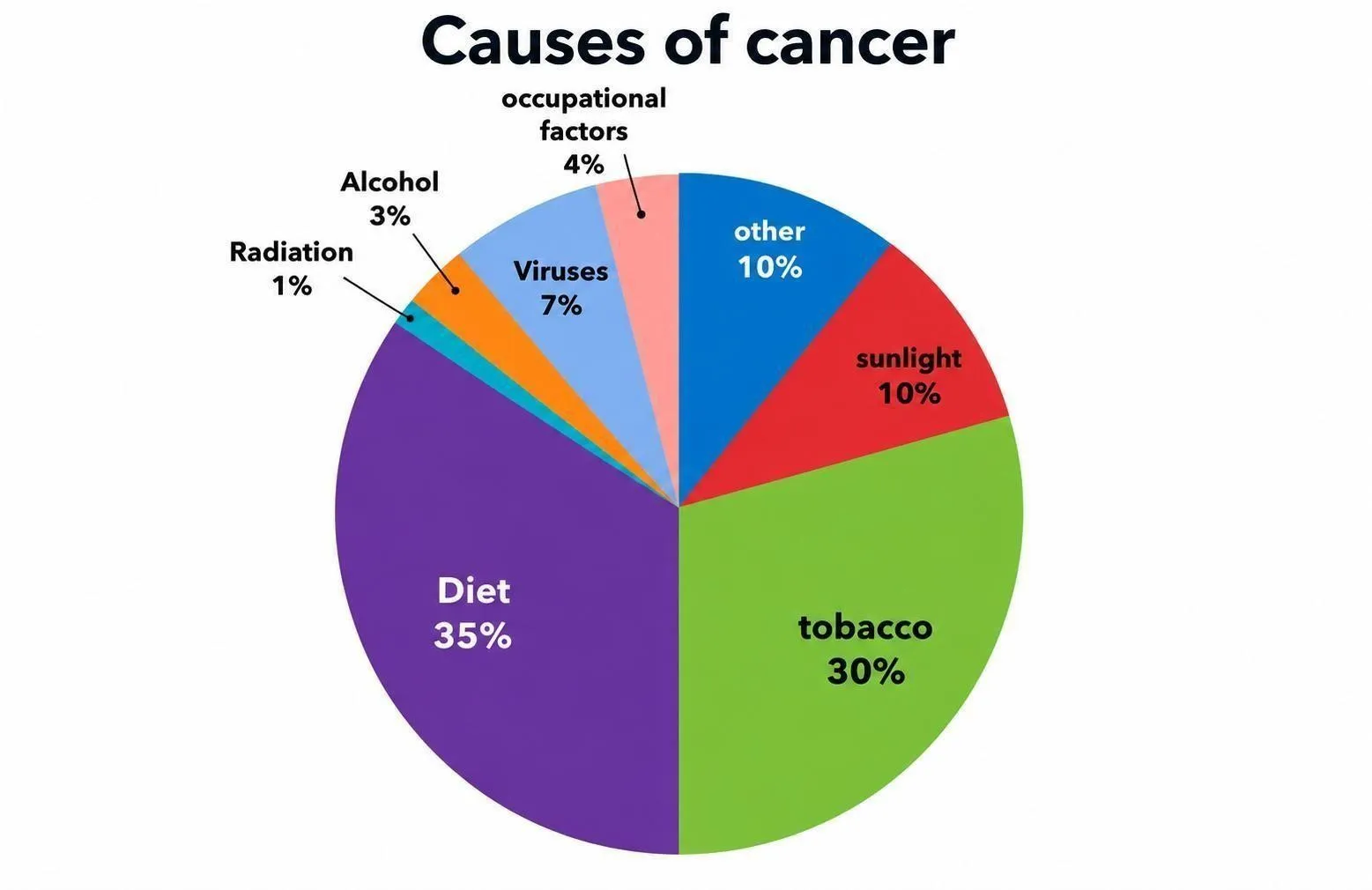
figure

Herbal Medicines

Plants, herbal complexes, herbal products, or even a mixture of plants that were utilized thousands of years before modern pharmaceuticals were invented are all considered herbal drugs. These days, they are also utilized.[12]Both allopathic and traditional systems employ herbal plants in various ways throughout the world.[13]

They provide inexpensive resources for contemporary drug discovery and are excellent sources of lead compounds. Natural compounds derived from plants have fewer undesirable side effects, most likely because they resemble chemicals that are present in the human diet and have a significant tendency to induce tolerance. It is commonly known

that plant secondary metabolites such flavonoids, tannins, alkaloids, and terpenoids have significant anticancer properties.[14].

Modern Treatment Methods' Drawbacks

Despite being extremely effective cancer treatments, chemotherapy and radiation have serious adverse effects.[15] The progressive resistance of cancer cells to treatment is one of the primary issues with cancer treatment.[16]

Therefore, one of the goals of immunopharmacological research is to develop a novel strategy to enhance the outcomes of cancer treatment.[17] From 1980 to 2000, black bile coagulation was thought to be the cause of cancer, according to Aristotle and Jalinos' doctrine. Since then, cancer mortality has decreased by 25% thanks to new treatment techniques, and plants have been crucial in managing cancer symptoms and treatments.[18]

Ayurvedic Concept of Cancer: Charaka and Sushruta Samhita [19,20] both referred to the equivalent of cancer as "granthi" and "arbuda" [21]. Depending on the doshas involved, "granthi" and "arbuda" may or may not be inflammatory.

The Ayurvedic definition of health is the harmonious coordination of the three doshas in the body—Vata, Pitta, and Kapha—in the body, mind, and consciousness.

[22]. Because all three major body humors lose mutual coordination, tridoshicarbudas are typically cancerous and induce a morbid condition. [23]

Cancer Types: [24]

1) Blood and lymphatic system cancers:

a) Hodgkin’s disease

b) Leukemia

c) Lymphomas

c) Multiple myeloma

f) Waldenstrom’s illness

2) Cancers of the Skin:

a) Malignant Melanoma

3) Digestive System Cancers:

a) Cancer of the esophagus

b) Cancer of the stomach

d) Pancreatic cancer

d) Cancer of the liver

e) Cancer of the colon and rectum

f) Cancer of the anal

4) Urinary system cancers:

a) Kidney cancer

b) Cancer of the bladder

c) Cancer of the testis

d) Cancer of the prostate

5) Women’s Cancers:

a) Cancer of the breast

b) Cancer of the ovaries

c) Cancer of the gynecology

d) Choriocarcinoma

6) Other Cancers:

a) Cancer of the brain

b) Cancer of the bones

c) Cancer caused by characinoids

d) Cancer of the nasopharynx

e) Sarcomas of the retroperitoneum

f) Cancer of soft tissues

g) Cancer of the thyroid

Apoptosis

Apoptosis, also known as programd cell death, is a tightly regulated process that eliminates undesired, aged, and damaged cells.[25].Antineoplastic agents ought to

eliminate malignant cells while minimizing adverse effects on healthy cells, potentially achieved by the induction of apoptosis. Apoptosis is triggered via two pathways: Apaf-1/caspase-9-caspases-3 and Fas/TNF receptor-1-caspase-8-caspase-3. The ability to

resist apoptosis is a characteristic of cancer.[26,27].It is crucial to identify the mechanisms involved in the genesis of cancer in order to create neoplastic treatments. One of the most significant indicators of cytotoxic anticancer drugs is the induction of apoptosis. Certain natural substances, such as plants, have been demonstrated to trigger apoptotic pathways that are inhibited in cancer cells.[28].Matrine, a Chinese herbal ingredient, caused esophageal cancer KYSE-150 cells to undergo apoptosis in a dose-dependent manner. Thru disturbance of mitochondrial membrane potential (ROS production), elevation of Bax protein expression, downregulation of Bcl-2 protein expression, and activation of caspase-3, caspase-8, and caspase-9, it produced apoptosis.[29].
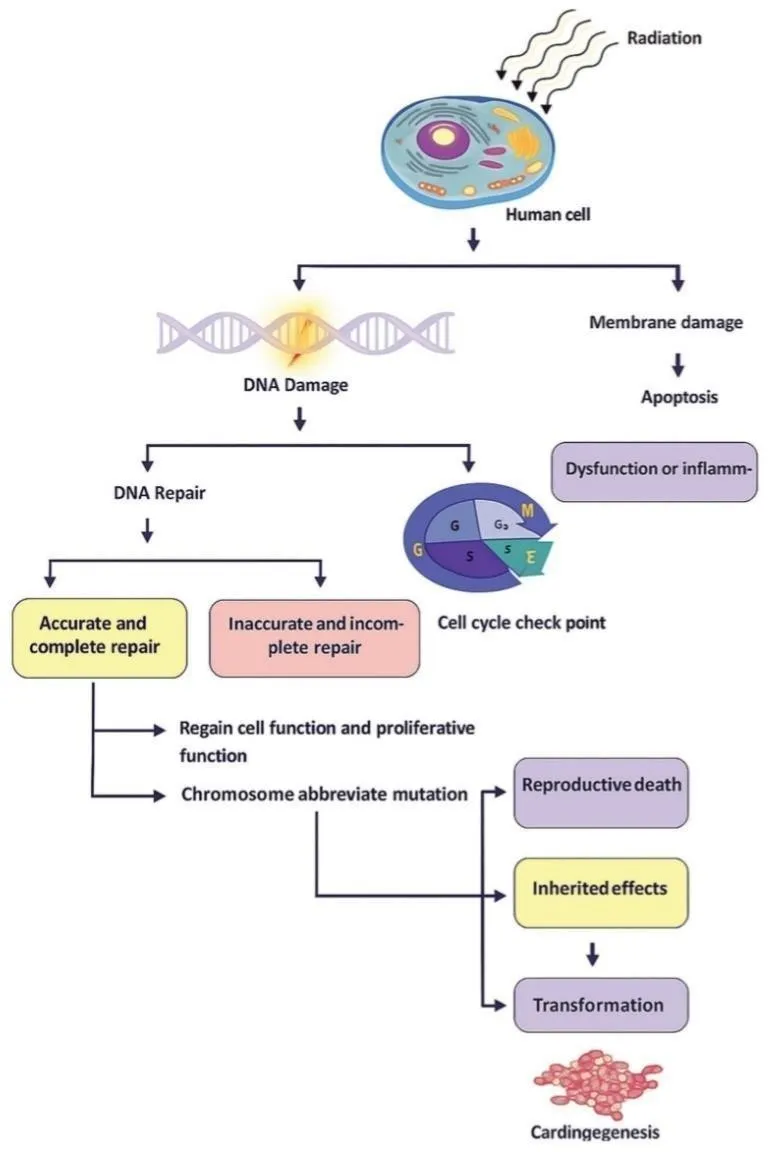
figure

• Herbal Compound in Anticancer activity:

1. Phenolic Compound:

Human food comprises a complex of herbal polyphenols. Studies have demonstrated that certain phenols have cytotoxic effects on distinct malignancies. Mechanisms of these

compounds are carried out through apoptosis. Curcumin, also known as diferolelyl[30].

methane, is a phenolic molecule that comes from the curcuma species' rhizome.[31]. Grapes contain a phytoalexin called resveratrol. Resveratrol has been demonstrated to induce apoptosis in T47D (breast cancer cells) and HL60 cells.21. It causes HL60 and T47D cells to undergo apoptosis via CD95 signaling-dependent apoptosis. Additionally, it was demonstrated that this compound increases CD95L expression in T47D and HL60 cells.[32].

1.1 Flavonoids

According to preliminary research, polyhydroxy phenols such flavenoids reduce the risk of breast and colon cancer.[33]. One phytosterol in the family of flavonoids is genistein. Flow cytometric study has demonstrated that genistein induces apoptosis in human pro-myelocytic HL-60 leukemia cells.[34]. It stops the cell cycle in the G2/M phase and inhibits angiogenesis and tyrosine kinases.[35]. A flavenoid found in sho-saiko-to herbal medicine, biocalein causes human hepatocellular carcinoma (HCC) cell lines to undergo apoptosis. It works by inhibiting topoisomerase II.

Quercetin stimulates apoptosis by activating caspase9 and releasing cytochrome-c into the cytoplasm.[36].

1.2 Alkaloids :

Alkaloid chemicals are highly active in controlling the metabolism of tumors.[37].The alkaloid 7-hydroxystaurosporine (UCN-01) improves the cytotoxicity and apoptosis of cis-diamminedichloroplatinum II in ovarian cancer cells. Additionally, 5-fluouracil and UCN-01 have a synergistic effect on apoptosis. generation. Sugiyama et al. showed that the most significant factors influencing cancer cells' susceptibility to UCN-01 are the induction of apoptosis and cell cycle inhibition in G1 phases, and that a decrease in cycling expression level is crucial for UCN-01's ability to impede cell cycle in the G1 phase.[36].

1.3 Lectins:

Mistletoe lectins (ML) and viscotoxins (VT) are the two main poisonous proteins found in this plant. The molecular weights and specificities of this plant's poisonous lectins vary. While MLII and MLIII are specific for N-acetyl-D-galactosamine, the MLI exhibits specificity for D-galactose.[38].Given the abundance of natural sources of lectins and the overwhelming body of evidence supporting their anti-cancer effects, it would be foolish to stop researching the use of lectins in cancer treatment. Only a handful of the several lectins that scientists have discovered to be able to stop tumor growth thru type-I programd cell death, or apoptosis, have been covered in this analysis. Mutations that prevent cells from undergoing apoptosis prevent them from dying and maintaining cell homeostasis.[39]. Natural killer (NK) cells can cause tumor death via the perforin granzyme pathway or death receptors on the surface of tumor cells, such as TRAIL and Fas ligands.[40]. However, the delivery of NK cells to the site of the malignant cells is a prerequisite for their effectiveness as cancer treatments. Selectins, a different class of C-type lectins, are more frequently investigated for their function in tumor metastasis thru cell adhesion and expression in cancer cells than the other two C-type lectins previously discussed. Selectins are not known to have any apoptotic capabilities.[41].

1.4 Terpenoids:

Xanthorrhizol is a sesquiterpenoid compound extracted from the rhizome of Curcuma xanthorrhizza Roxb (Zingiberaceae). Various in vivo investigations have demonstrated that Xanthorrhizol obstructs the genesis and progression of malignancies. It diminishes the expression of the proteins ornithine decarboxylase and cyclooxygenase-2 (COX-2), while also inhibiting NF-kB signaling activity. Furthermore, it was demonstrated that Xanthorrhizol displayed anti-metastatic properties by diminishing COX-2 and matrix metallopeptidase 9 (MMP-9) in an in vivo murine lung metastasis model.[42].

• Mechanism of herbal medicine:
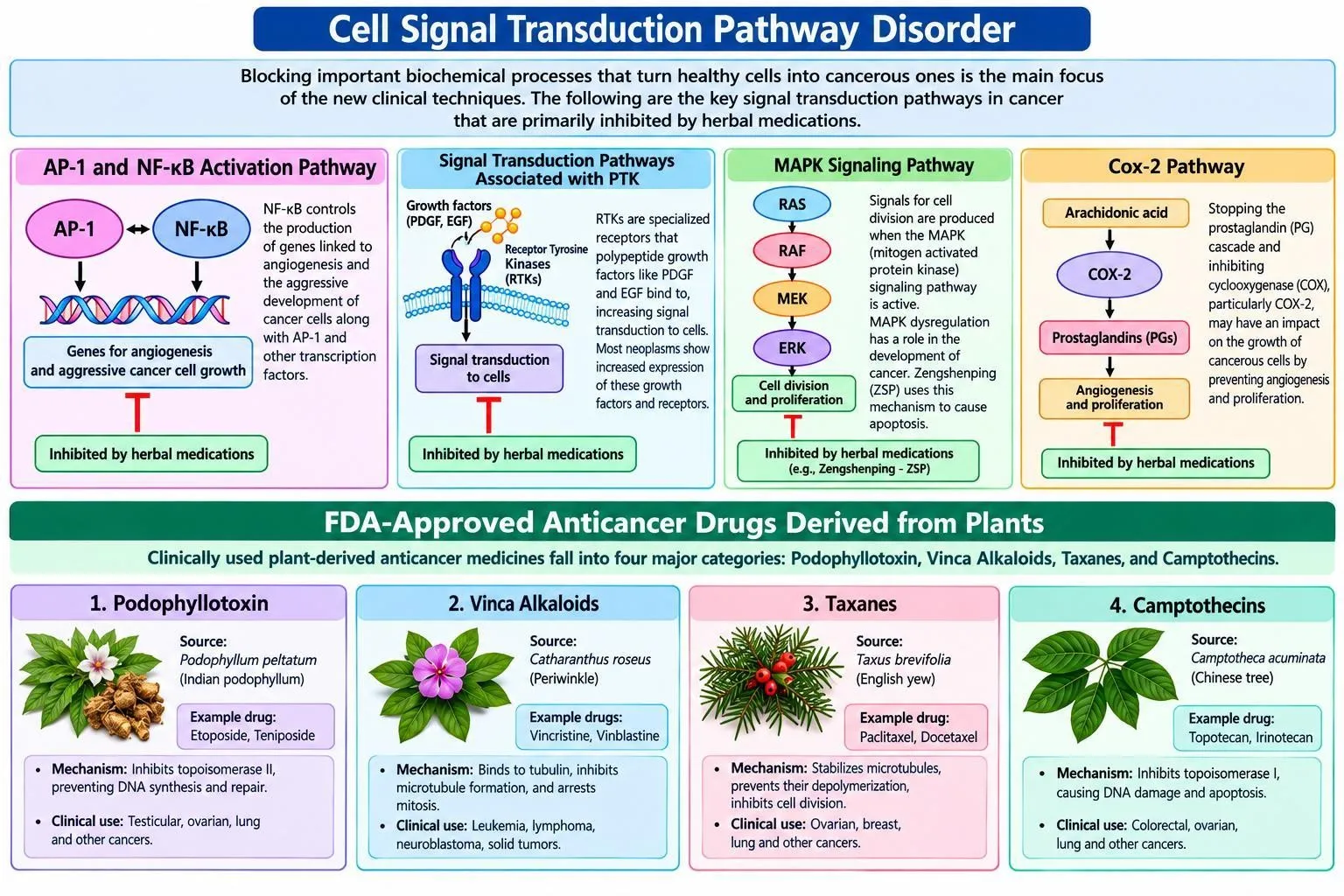
figure

Cell Signal Transduction Pathway Disorder

Blocking important biochemical processes that turn healthy cells into cancerous ones is the main focus of the new clinical techniques. The following are the key signal transduction pathways in cancer that are primarily inhibited by herbal medications:

Ap-1 and NF-KB activation pathway: It has been documented that NF-KB controls the production of genes linked to angiogenesis and the aggressive development of cancer cells in conjunction with other transcription factors including activator protein-1 (AP-1).

Signal Transduction Pathways Associated with PTK:

Tyrosine kinesis receptors (RTKS) are specialized receptors that polypeptide growth factors like PDGF and epidermal growth factors bind to, increasing signal transduction to cells. It has been shown that the majority of neoplasms have increased expression of these growth factors and their receptors.[43].

MAPK Signaling Pathway: Signals for cell division are produced when the MAPK (mitogen activated protein kinase) signaling pathway is active. According to reports, MAPK dysregulation has a role in the development of cancer.18. Zengshenping (zsp) uses this mechanism to cause apoptosis.[44].

Cox-2 Pathway: It has been suggested that stopping the prostaglandin (PG) cascade and inhibiting cyclooxygenase (COX), particularly COX-2, may have an impact on the growth of cancerous cells by preventing angiogenesis and proliferation.[45].

FDA-approved anticancer drugs derived from plants

Clinically used plant-derived anticancer medicines fall into four major categories: Podophyllotoxin, Vinca Alkaloids, Taxanes, and Camptothecins.[46].

1) Vinca Alkaloid

Vinca Alkaloids of Vinblastine (VLB) and Vincristine (VCR) were the first herbal anti-cancer medication to be utilized in a clinical setting in 1960. The Madagascar periwinkle, Catharanthus roseus G. Don. (Apocynaceae), often known as vinca rosea, is the source of several herbal compounds.[45,47].Eli Lilly et al. Showed that alkaloids from the vinca rosea plant, which was initially studied to find medications for diabetes, prevent the growth of tumor cells. Vinca alkaloids impede microtubule assembly thru tubulin interaction and disruption, which stops cell division. This is its anti-tumor mechanism.[48]. The FDA has now approved the use of herbal compounds derived from vinca alkaloid to treat certain neoplasms. Hodgkin's lymphoma (ABVD), Kaposi's sarcoma, and breast cancer are all commonly treated with vinblastine. William's tumor, non-Hodgkin leukemia, Hodgkin leukemia, and severe lymphoblastic leukemia are all treated with vincristine. A common treatment for non-small cell lung cancer (NSCLC) is vinorelbine.[49].The fundamental building blocks of the cytoskeleton, microtubules are crucial for eukaryotic cellular processes include intracellular organelle transport, cell migration, cell signaling, and mitosis.[50]. Drugs that disrupt the activity of microtubules can stop the cell cycle and cause apoptosis, which leads to cell death.[51].

2) Taxanes

Currently, taxanes are thot to be the most potent antitumor agent. Taxans are the first-choice medications for treating breast, ovarian, lung, and other metastatic cancers despite their side effects and poor water solubility, according to a number of clinical trials and experimental investigations.Pacific yew bark (Taxus Brevifolia) is the source of taxanes, specifically Pacli taxel (Taxol) and Doce taxel (Taxotere), as well as taxanes homologs. NCI began collecting herbal plants in 1962 when botanist Arthur S. Barcly collected Pacific Yew bark and leaves.[52]. This herbal complex's mode of action was identified in 1979. Such herbal remedies have been utilized to treat Kaposi's sarcoma as well as ovarian and breast malignancies.Additionally, this medication was used in conjunction with cisplatin to treat NSCLC and advanced ovarian cancer. The FDA approved this medication in 1992 to treat malignancies of the breast, head, neck, prostate, and stomach. The FDA Abraxane®, a Paclitaxel nanoparticle, in 2005 forclinical application in the management of metastatic breast cancer. In 2010, clinical trial III investigations verified the effectiveness of abraxane in treating non-small cell lung cancer (NSCLC).[53].

Mechanism of action:The way that taxanes, like vinca alkaloids, work is by interfering with the activity of microtubules. By stopping mitosis in metaphase and anaphase, which leads to death, taxans suppress cell growth by preventing microtubule depolymerization.

Sometimes referred to as "spindle poisons," vinca alkaloids and taxans each have distinct modes of action.[54].

3) Podophyllotoxin

The root of the Indian podophyllum plant (Podophyllum peltatum) yields epipodophyllotoxin, an isomer of the podophyllotoxin family. Epipodophyllotoxin contains two active, semi-synthetic compounds: etoposide and teniposide. These substances work by blocking topoisomerase II. The FDA has approved etoposide for the treatment of acute myeloid leukemia, lymphoma, ovarian and testicular malignancies, lung cancer, and chorio carcinoma. Teniposide has been approved for the treatment of bladder cancer, lymphoma, and tumors of the central nervous system.[55,56].

• Herbal medicine side effects

Roman chamomile, ginger, marijuana, grape seed, and peppermint can all cause nausea or vomiting.

Cannabis, dandelion, Devil's claw, lemon balm, and Siberian ginseng can all reduce appetite.

Diarrhea remedies include marshmallow root, bilberry, blackberry leaf, chamomile, and Huanglian.

Aloe Vera, Fenugreek, Ragweed, Senna, and Psyllium for constipation Fatigue Astragalus, Chlorella: Gotu Kola, Ginkgo Biloba

Skin irritation: Panax ginseng, milk thistlpe, holy basil, and calendula

Several herbs were found to be useful in reducing oral tissue swelling in cases of oral mucositis brought on by cancer treatment. For instance, it has been claimed that curcumin, honey, and chamomile can both prevent and heal oral sores and swollen tissue.Herbs That Could Reduce the Symptoms of CancerBreathing difficulties and other symptoms of mesothelioma cancer may be alleviated by several herbal remedies. Certain herbs have been investigated in cancer patients, whereas others have not.[57].

Herbal remedies for symptoms

  • Anguish Cannabis, Boswellia, Turmeric/Curcumin, White Willow Bark, and Arnica .
  • Breathlessness Hawthorn, White Pine Bark, Lobelia, and Eucalyptus
  • Coughing White/Western Yarrow, Slippery Elm Bark, and Black Cohosh
  • Stress or anxiety Magnolia bark, kava, and passionflower .
  • Depression Valerian with St. John's Wort
  • Inability to fall asleep or insomnia Find a Mesothelioma Cancer Center:

Locate leading mesothelioma cancer centers with expertise in treating this uncommon illness using passionflower, chamomile, and valerian.Seek Assistance Right Now: Safety Measures for Herbal Medicine.[58].

  • Herbs for Immunomodulation

The widely regarded medicinal mushroom Ganoderma lucidum has strong immune-boosting and anticancer properties. Its anti-tumor effect was shown in preclinical research, and subsequent investigations revealed that the main active ingredients for the anti-tumor action were polysaccharide (PS)

fractions[59,60]. The immunomodulatory action of herbal medicine is one of its main functions in the treatment of cancer. Because most tumors have minimal immunogenicity,

cancer cells avoid immune system surveillance. However, the majority of cancer patients have reduced cellular and innate immunity (Th1). Innate immunity is stimulated by the great majority of herbal remedies and herbal compounds. Additionally, these complexes shield bone marrow from the myelosuppressive effects of chemotherapy. Ganoderma lucidum, Sophora flavescent, Scutellaria Baicalensis, and Isatistinctoria are members of this class.

Ganoderma lucidum is a significant medicinal fungus that significantly affects the immune system. Studies conducted both in vitro and in vivo demonstrated its anti-tumor action, which activates macrophages, T cells, and NK cells and stimulates the production of cytokines such interleukins, interferons, and tumor necrosis factor (TNF).[61].

It has been demonstrated that Sophora flavescens stimulates the immune system and increases leukocytes.[62].

Scutellaria Baicalensis has anticancer properties and is a member of the heat and toxin-clearing plant group.

The immune system is stimulated by Safarzadeh et al., which prevents platelet aggregation and triggers apoptosis.

Compounds that prevent DNA synthesis in cancerous cells are known as isatistinctoria. Concurrently boosting the immune system.[63].

Herbal Medicines for Chemoprevention

Chemoprevention is a cancer-inhibiting technique that uses synthetic or natural complexes to obstruct or stop the onset of carcinogenesis. One of the primary uses of chemopreventive plants is apoptosis induction.[64,65]. Crocus sativus L., a member of the vast family Iridaceous, is the source of this kind of saffron. According to in vivo research, it

can prevent and/or delay the development of tumors thru a variety of ways, such as blocking topoisomerase II, RNA, DNA synthesis, and free radical chain reactions.[66].Numerous research teams investigated the effects of herbal remedies on human breast cancer by using a chemically modified extract of resveratrol to lower tumor burden.[67]. Curcumin prevents the synthesis of cycloeskinase-2 in epitilal

colon cells. However, it inhibits the NF-KB signaling pathway by regulating the phosphorylation of the IKB enzyme, which ultimately causes cancer cells to undergo apoptosis.[68,69].

Safety of herbal remedies and interactions with medications

Safety is described as determining whether a chemical is deemed safe or hazardous by balancing its effective effects against any potential long-term or short-term negative effects.[70].Plant-based goods are frequently seen as safe due to their natural nature. However, following the ingestion of plant products, a variety of adverse consequences have been documented. These negative effects can arise from a variety of processes, including direct plant toxicity, allergic reactions, the impact of plant pollutants like lead, mercury, or arsenic, and plant pharmacological interactions with chemical medications or other herbal plants. Certain plants contain active substances that can have harmful side effects, such as hepatotoxicity and cardiotoxicity. They can also produce carcinogenic metabolites that change cellular metabolism.

For instance, the Aristolochia fangchi plant is a strong carcinogen in addition to causing kidney failure. Contaminants in herbal goods might potentially cause side effects while using herbal treatments. Lead, mercury, and arsenic were among the high levels of non-organic contaminants found in 25% of the 260 medications examined in the study.[71]. Rarely are common uses of herbs linked to negative, difficult-to-reverse consequences. These side effects, which are rarely severe, include brief reactions including hot flashes, headaches, dizziness, indigestion, and rashes that quickly go away with stopping use or lowering dosage.[72].

Anticancer drug :

1. Actinomycin: Actinomycin (Act) D is a chromopeptide that inhibits RNA production by binding to and intercalating in GC-rich DNA. It is made up of two pentapeptide chains and a chromophore group.[73].

Mechanism of action : Simple anticancer activity by inducing DNA damage mediated by RNase L In cancer cells, D causes the expression of the tumor suppressor and cell death marker p53, the generation of reactive oxygen species (ROS), and cell cycle G2/M arrest, most likely in a way that is dependent on RNase L.[74,75]. Under severe DNA damage, tumor suppressive p53 induces cell cycle arrest to enable DNA repair and apoptosis.[76].

2. Doxorubicin : Isolated from the Streptomyces peucetius species, doxorubicin is an anthracycline antibiotic that works well against many types of cancer. It is used to treat a wide range of cancers, including solid tumors and hematological malignancies, in both adults and children.[77,78].

Mechanism of action :Topoisomerase I inhibitors, like irinotecan and topotecan, and topoisomerase II inhibitors, like etoposide, teniposide, and anthracyclines (idarubicin, daunorubicin, and doxorubicin (DOX)), cause breaks in DNA strands and impede the activity of topoisomerases involved in transcription and DNA replication.[79].

Topoisomerases are essential for maintaining the proper DNA structure during transcription and DNA replication. When single- or double-strand breaks (SSBs or DSBs) are introduced by topoisomerase type I or II enzymes, respectively, supercoiled DNA that has emerged during the aforementioned steps can unwind and effectively serve as a template.[80].

3. Methotrexate :Methotrexate (MTX), an antimetabolite of folic acid that inhibits dihydrofolate reductase (DHFR), has demonstrated immunomodulatory and anti-neoplastic actions in the context of both malignant and non-malignant disorders.[81].

Mechanism of action:An important oxido-reductive process necessary for the de novo synthesis of purines, pyrimidines, and certain amino acids is the reduction of dihydrofolic acid to tetrahydrofolic acid, which is carried out by the enzyme DHFR.These chemical elements are necessary for cell development and proliferation.[82].

4. Chlorambucil:Chlorambucil, a nitrogen mustard, is a medication used to treat a variety of cancers.[83].

Mechanism of action:The moiety easily reacts with intracellular elements such proteins, phospholipids, and nucleic acids; the main mechanism of cytotoxicity is alkylation of genomic DNA, but covalent modification of proteins and phospholipids can have a slight suppression of cellular function.Chlorambucil alters DNA by creating bifunctional or monofunctional adducts.[84]. While bifunctional alkylation produces intra- and interstrand cross-links that prevent DNA synthesis and result in double-strand breaks, monoadducts disrupt gene expression and encourage mismatched base pairing.[85,86].Thus, chlorambucil exposure causes apoptotic cell death by accumulating long-lasting DNA damage.[87].

5. Cisplatin:Since the National Cancer Institute first utilized cisplatin for clinical trials, it has been widely used to treat human cancers.[88].

Mechanism of action:When cisplatin enters the cytoplasm, it displaces chloride atoms with water molecules, creating an electrophile that has a preference for sulfhydryl groups

on proteins and nitrogen donor atoms on nucleic acids.[89]. Cell division is blocked and apoptotic cell death is induced by cisplatin's specific binding to 1, 2-intrastrand cross-links of purine bases.[90].

6. Busulphan: For many years, the bifunctional alkylating agent busulfan has been essential to the fields of hematology and oncology. created around the early 1950s. The main characteristic of busulfan is its cytotoxicity, which has been used to treat chronic myeloid leukemia (CML) and, more recently, as a conditioning agent in hematopoietic stem cell transplantation (HSCT). Because of its distinct pharmacological profile, effectiveness, and adaptability in a range of therapy regimens, busulfan continues to be essential despite the development of targeted therapies and more recent chemotherapeutic drugs.[91].

Mechanism of action: Busulfan's alkylating qualities are the main cause of its antineoplastic action. Busulfan hydrolyzes spontaneously once it enters the cell, producing reactive intermediates that bind to nucleophilic sites on DNA to create covalent bonds. In particular, Bu-sulfan causes intra-strand and inter-strand cross-links by reacting with the N7 position of guanine residues in DNA. By upsetting the DNA double helix, these cross-links hinder transcription and replication, which in turn causes rapidly proliferating cells to undergo apoptosis. Although Busulfan mostly affects cells in the late G1 and S phases, its cytotoxicity is not cell cycle-specific. Busulfan exerts its anticancer effects by compromising the integrity of the genome through DNA damage. But the drug's potential for toxicity also stems from this non-selective mechanism, especially in tissues with high rates of proliferation such the gastrointestinal system, bone marrow, and reproductive organs.[92,93].

CONCLUSION:

Given that plants account for about half of all pharmaceuticals now in use, it is obvious that natural sources—particularly plants—can be researched for potential cancer treatments. In the past, the process of creating medications from natural substances, such as plants, was laborious. However, the use of contemporary methods has hastened the discovery of plant active complexes.

This has led to the recycling of herbal plants. There is a significant resurgence of medications derived from herbs, particularly for the treatment of cancer, immunologic disorders, and central nervous system disorders. Currently, over 60 herbal complexes are being investigated as potential anti-cancer treatments.

Further study can significantly improve the appropriate use of plant products, given the

lack of knowledge regarding the safety and efficacy of herbal products and the disregard for regularly used product settings.

REFERENCES

  1. Nobili S, Lippi D, Witort E, Donnini M, Bausi L, Mini E, et al. Natural compounds for cancer Treatment and prevention. Pharmacoy Res2009;59 (6):365-78.
  2. Jena J. A Study on Natural Anticancer Plants. Int JPharmaceut Chem Sci 2012;1 (1):365-8.
  3. Dhorajiya BD, Patel JR, Malani MH, Dholakiya BZ.Plant product (R)- Roscovitine valuable inhibitor of CDKs as An anti-cancer agent. Der Pharmacia Sinica 2012;3 (1):131-43.
  4. . American Cancer Society. Cancer Facts C figures 2016. Atlanta, GA: American Cancer Society; 2016.
  5. Siegel RL, Miller KD, Jemal A. Cancer statistics, 2016. CA Cancer J Clin. 2016; 66 (1):7–30. doi: 10.3322/caac.21332
  6. Huang B, Zhang Y. Teaching an old dog new tricks: drug discovery by repositioning natural products and their derivatives. Drug Discov Today.2022; 27 (7):1936–1944. doi: 10.1016/j.drudis.2022.02.00712. Muhammad N, Usmani D, Tarique M, et al. The role of natural products and their multitargeted approach to treat solid cancer. Cells.2022; 1
  7. Tavakoli J, Miar S, Zadehzare MM, Akbari H. Evaluation of Effectiveness of Herbal Medication in Cancer Care: A Review Study. Iran J Cancer Prevent 2012; 5 (3):144-56.
  8. Shaikh AM, Shrivastava DB, Dr KGA, Navale SD. Medicinal plants as potential source of anticancer agents: a review. J Pharmacogn Phytochem. 2016; 5 (2):291–295.
  9. Adriana Dehelean C, Marcovici I, Soica C, et al. Plant-derived anticancer compounds as new perspectives in drug discovery and alternative Therapy. Molecules. 2021; 26 (4):1109. doi: 10.3390/molecules26041109
  10. Khalid Abdulridha M, Al-Marzoqi AH, Raheem Lateef Al-Awsi G, et al. Anticancer effects of herbal medicine compounds and novel Formulations: a literature review. J Gastrointest Cancer. 2020; 51 (3):765–773. doi: 10.1007/s12029-020-00385-0
  11. Banerjee S, Nau S, Hochwald SN, et al. Anticancer properties and mechanisms of botanical derivatives. Phytomedicine Plus. 2023; 3 (1):100396.
  12. Pal SK, Shukla Y. Herbal medicine: current status And the future. Asian Pac J Cancer Prev 2003; 4 (4):281-8.
  13. Smith-Hall C, Larsen HO, Pouliot M. People, plants And health: a conceptual framework for assessing Changes in medicinal plant consumption. J Ethnobiol Ethnomed 2012; 8:43.
  14. S. Mamta, J. Saxena, N. Rajeev, D. Singh, and A. Gupta, “Phytochemistry of medicinal plants, ” Journal of Pharma- Cognosy and Phytochemistry, vol. 1, 2013.
  15. Qi F, Li A, Inagaki Y, Gao J, Li J, Kokudo N, et al. Chinese herbal medicines as adjuvant treatment During chemo- or radio-therapy for cancer. Biosci Trends 2010; 4 (6):297-307.
  16. Wang Z, Wang N, Chen J, Shen J. Emerging Glycolysis targeting and drug discovery from chinese Medicine in cancer therapy. Evid Based Complement Alternat Med 2012; 2012:873175.
  17. Azadmehr A, Hajiaghaee R, Afshari A, Amirghofran Z, Refieian-Kopaei M, yousofi Darani H, et al. Evaluation of in vivo immune response activity and In vitro anti-cancer effect by Scrophularia Megalantha. J Med Plants Res 2011; 5 (11):2365-8.
  18. Tavakoli J, Miar S, Zadehzare MM, Akbari H. Evaluation of Effectiveness of Herbal Medication in Cancer Care: A Review Study. Iran J Cancer Prevent 2012; 5 (3):144-56.
  19. Charaka: Charaka Samhita. Chaukhamba Publications, Varanasi, India 700 BC: 215.
  20. Susruta: Susruta Samhita. Chaukhamba Publications, Varanasi, India 700 BC: 520.
  21. Misra B: Bhawa Prakash Nighantu. Chaukhamba Publications, Varanasi, India 1600 AD; 298.
  22. Balachandran P and Govindarajan R: Cancer- an ayurvedic Perspective. Pharmacology Research 2005; 51: 19.
  23. Singh RH: An assessment of the ayurvedic concept of Cancer and a new paradigm of anticancer treatment in Ayurveda. Journal of Alternative and Complementary Medicine 2002; 8: 609.
  24. Mi-Ja C, Cha-Kwon C, Yoonhwa J and Seung-Shi H: Anticancer activity of subfractions containing pureCompounds of Chaga mushroom (Inonotus obliquus) Extract in human cancer cells and in Balbc/c mice bearing Sarcoma-180 cells, Nutr Res Pract. 2010; 4: 177-182. T: Withaferin A: a new radio sensitizer from the Indian Medicinal plant Withania somnifera. In: Int J Radiat Biol 1996; 69 (2): 193-7.
  25. Yang HL, Chen CS, Chang WH, Lu FJ, Lai YC, Chen CC, et al. Growth inhibition and induction of Apoptosisin MCF-7 breast cancer cells by Antrodia Camphorata. Cancer Lett 2006; 231 (2):215-27
  26. Patanaponpibul M, Chen Q-H. Immune modulation of Asian folk herbal medicines and related chemicalcomponents for cancer man- agement. Curr Med Chem. 2019.
  27. Gezici S, ■ekero■lu N. Current perspectives in the application of medicinal plants against cancer: novel therapeutic agents. Anticancer Agents Med Chem. 2019; 19:101–11.
  28. De Araujo Junior RF, De Souza TP, Pires JG, Soares LA, De Araujo AA, Petrovick PR, et al. A dry extractOf Phyllanthus niruri protects normal cells andInduces apoptosis in human liver carcinoma cells.Exp Biol Med (Maywood) 2012; 237 (11):1281-8.
  29. Jiang J-H, Pi J, Jin H, Yang F, Cai J-Y. Chinese herb medicineMatrine induce apoptosis in humanesophageal squamous cancerKYSE-150 cells through increasing reactive oxygen species andInhibiting mitochondrial function. Pathol Res Prac. 2018; 214:691–9.
  30. Taraphdar AK, Roy M, Bhattacharya RK. Natural Products as inducers of apoptosis: Implication for Cancertherapy and prevention. Curr Sci 2001; 80 (11):1387-96.
  31. Clement MV, Hirpara JL, Chawdhury SH, Pervaiz S. Chemopreventive agent resveratrol, a natural product Derived from grapes, triggers CD95 signaling- Dependent apoptosis in human tumor cells. Blood 1998; 92 (3):996-1002
  32. Ramachandran C, Rodriguez S, Ramachandran R, Raveendran Nair PK, Fonseca H, Khatib Z, et al.Expression profiles of apoptotic genes induced by Curcumin in human breast cancer and mammary Epithelial cell lines. Anticancer Res 2005; 25 (5):3293-
  33. Yang HL, Chen CS, Chang WH, Lu FJ, Lai YC, Chen CC, et al. Growth inhibition and induction of Apoptosis in MCF-7 breast cancer cells by Antrodia Camphorata. Cancer Lett 2006; 231 (2):215-27.
  34. F, Li A, Inagaki Y, Gao J, Li J, Kokudo N, et al. Chinese herbal medicines as adjuvant treatment Duringchemo- or radio-therapy for cancer. Biosci Trends 2010; 4 (6):297-307.
  35. Wheat J, Currie G. Herbal medicine for cancer Patients: An evidence based review. Int J Altern Med 2008;5 (2).
  36. Taraphdar AK, Roy M, Bhattacharya RK. Natural Products as inducers of apoptosis: Implication for Cancertherapy and prevention. Curr Sci 2001; 80 (11):1387-96.
  37. F. Z. Mokhfi, M. Al Amin, M. Zehravi, et al.,“Alkaloid-based Modulators of the PI3K/Akt/mTOR Pathway forCancer Therapy: Under- Standings From Pharmacological Point of View, ” Chemico-Biological Interactions 402 (2024): 15.
  38. Franz, H., Ziska, P. And Kindta, A., Biochem. J., 1981, 195, 481–484.
  39. Cotter, T.G. Apoptosis and cancer: The genesis of a research field. Nat. Rev. Cancer 2009, 9, 501–507
  40. Srivastava, S.; Lundqvist, A.; Childs, R.W. Bringing natural killer cells to the clinic: Ex vivo Manipulation.Cytotherapy 2008, 10, 775–783
  41. Nakahara, S.; Raz, A. Biological modulation by lectins and their ligands in tumor progression andMetastasis. AntiCancer Agents Med. Chem. 2008, 8, 22–36.
  42. Cheah YH, Nordin FJ, Tee TT, Azimahtol HL, Abdullah NR, Ismail Z. Antiproliferative property Andapoptotic effect of xanthorrhizol on MDA-MB- 231 breast cancer cells. Anticancer Res 2008; 28 (6A):3677-89
  43. Hemaiswarya S, Doble M. Potential synergism of Natural products in the treatment of cancer. PhytotherRes 2006; 20 (4):239-49.
  44. Guan XB, Sun Z, Chen XX, Wu HR, Zhang XY. Inhibitory effects of Zengshengping fractions on
  45. Cragg GM, Newman DJ. Plants as a source of anti- Cancer agents. J Ethnopharmacol 2005; 100 (1):72-9.
  46. Balunas MJ, Kinghorn AD. Drug discovery from Medicinal plants. Life Sci 2005; 78 (5):431-41.
  47. Jordan MA. Mechanism of action of antitumor drugs That interact with microtubules and tubulin. Curr MedChem Anticancer Agents 2002; 2 (1):1-17.
  48. Duflos A, Kruczynski A, Barret JM. Novel aspects of Natural and modified vinca alkaloids. Curr Med ChemAnticancer Agents 2002; 2 (1):55-70
  49. Nobili S, Lippi D, Witort E, Donnini M, Bausi L, Mini E, et al. Natural compounds for cancer Treatment andprevention. Pharmacol Res2009; 59 (6):365-78.
  50. Perez EA. Microtubule inhibitors: DifferentiatingTubulin-inhibiting agents based on mechanisms of Action,clinical activity, and resistance. Mol Cancer Ther 2009; 8 (8):2086-95.
  51. Islam MN, Iskander MN. Microtubulin binding sites As target for developing anticancer agents. Mini RevMed Chem 2004; 4 (10):1077-104.
  52. Ireson CR, Jones DJ, Orr S, Coughtrie MW, Boocock DJ, Williams ML, et al. Metabolism of the cancerChemopreventive agent curcumin in human and rat Intestine. Cancer Epidemiol Biomarkers Prev2002; 11 (1):105-11.
  53. Fauzee NJ. Taxanes: promising anti-cancer drugs. Asian Pac J Cancer Prev 2011; 12 (4):837-51.
  54. Hagiwara H, Sunada Y. Mechanism of taxane Neurotoxicity. Breast Cancer 2004; 11 (1):82-5.
  55. Nobili S, Lippi D, Witort E, Donnini M, Bausi L, Mini E, et al. Natural compounds for cancer Treatment andprevention. Pharmacol Res 2009; 59 (6):365-78.
  56. Shoeb M. Anticancer agents from medicinal plants. Bangladesh J Pharmacol 2006; 1:35-41.
  57. Bakshi H.A, Sam S, Feroz A, Ravesh Z, Shah G.A, Sharma M. Crocin from Kashmiri saffron (Crocussativus) induces In vitro and in vivo xenograft growth inhibition of Dalton’s lymphoma (DLA) in mice. Asian Pac J Cancer Prev. 2009; 10:887–90.
  58. Banerjee S, Sharma R, Kale R.K, Rao A.R. Influence of certain essential oils on carcinogen-metabolizingenzymes And acid-soluble sulfhydryls in mouse liver. Nutr Cancer. 1994; 21:263–9.
  59. Chang R. The central importance of the beta-glucan Receptor as the basis of immunologic bioactivity ofGanoderma polysaccharides. In: Kim BK, editor. Reishi. Seoul7 II Yang Press. 1996; 177–9.
  60. Gao Y, Gao H, Chan E, Tang W, Xu A, Yang H, et Al. Antitumor activity and underlying mechanisms ofGanopoly, the refined polysaccharides extracted from Ganoderma lucidum, in mice. Immunol Invest. 2005; 34:171–98.
  61. Smith-Hall C, Larsen HO, Pouliot M. People, plants And health: a conceptual framework for assessingChanges in medicinal plant consumption. J Ethnobiol Ethnomed 2012; 8:43.
  62. Yang HL, Chen CS, Chang WH, Lu FJ, Lai YC, Chen CC, et al. Growth inhibition and induction of Apoptosisin MCF-7 breast cancer cells by Antrodia Camphorata. Cancer Lett 2006; 231 (2):215-27.
  63. Tavakoli J, Miar S, Zadehzare MM, Akbari H. Evaluation of Effectiveness of Herbal Medication in CancerCare: A Review Study. Iran J Cancer Prevent 2012; 5 (3):144-56.
  64. Pal SK, Shukla Y. Herbal medicine: current status And the future. Asian Pac J Cancer Prev 2003;4 (4):281-8.
  65. Yang S, Zhao Q, Xiang H, Liu M, Zhang Q, Xue W, Et al. Antiproliferative activity and apoptosis-Inducingmechanism of constituents from Toona Sinensis on human cancer cells. Cancer Cell Int 2013; 13 (1):12.
  66. Abdullaev FI. Cancer chemopreventive and Tumoricidal properties of saffron (Crocus sativus L.). Exp BiolMed (Maywood) 2002; 227 (1):20-5.
  67. E Aiyar S, Park H, B Aldo P, Mor G, J Gildea J, L Miller A, et al. TMS, a chemically modified herbal Derivative of Resveratrol, induces cell death by targeting Bax. Breast Cancer Res Treat. 2010;
  68. 124:265-77.
  69. Plummer SM, Holloway KA, Manson MM, Munks RJ, Kaptein A, Farrow S, et al. Inhibition of cycloOxygenase 2 expression in colon cells by the Chemopreventive agent curcumin involves inhibition Of NF-kappaB activation via the NIK/IKK signalling Complex. Oncogene 1999; 18 (44):6013-20.
  70. Ireson CR, Jones DJ, Orr S, Coughtrie MW, Boocock DJ, Williams ML, et al. Metabolism of the cancerChemopreventive agent curcumin in human and rat Intestine. Cancer Epidemiol Biomarkers Prev 2002; 11 (1):105-11.
  71. Tavakoli J, Miar S, Zadehzare MM, Akbari H. Evaluation of Effectiveness of Herbal Medication in CancerCare: A Review Study. Iran J Cancer Prevent 2012; 5 (3):144-56.
  72. Bent S, Ko R. Commonly used herbal medicines in The United States: a review. Am J Med 2004;116 (7):478-85.
  73. Oh B, Hu G, Kao S, Gebski V, Walls R, Truong L, et Al. The Safety and Tolerability of Chinese HerbalMedicine in Cancer Patients Receiving Chemotherapy: Pilot Study. WebmedCentral CHINESE MEDICINE. 2011; 2 (3):WMC001671.
  74. J.J. Choi, S.J. Klosterman, L.A. Hadwiger, A comparison of the effects of DNA- Damaging agents and bioticelicitors on the induction of plant defense genes, Nuclear distortion, and cell death, Plant Physiol. 125 (2001) 752–762.
  75. H. Yin, Z. Jiang, S. Wang, P. Zhang, Actinomycin D-activated RNase L promotes H2A.X/H2B-mediatedDNA damage and apoptosis in lung cancer cells, FrontOncologia 9 (2019) 1086.
  76. M. Krze´sniak, A. Zajkowicz, I. Matuszczyk, M. Rusin, Rapamycin prevents strong Phosphorylation of p53 on serine 46 and attenuates activation of the p53 pathway In A549 lung cancer cells exposed to actinomycin D, Mech. Ageing Dev. 139 (2014) 11–21.
  77. T. Ozaki, A. Nakagawara, Role of p53 in cell death and human cancers, Cancers (Basel) 3 (2011) 994–1013.
  78. Minotti G et al. Anthracyclines: molecular advances and pharmacologic developments in antitumor activityand cardiotoxicity. Pharmacol Rev 2004; 56: 185–229.
  79. Keizer HG et al. Doxorubicin (adriamycin): a critical review of free radical-dependent mechanisms ofcytotoxicity. Pharmacol Ther 1990; 47: 219–231.
  80. Bukowski, K.; Kciuk, M.; Kontek, R. Mechanisms of Multidrug Resistance in Cancer Chemotherapy. Int. J. Mol. Sci. 2020, 21, 3233.
  81. Kciuk, M.; Marciniak, B.; Kontek, R. Irinotecan—Still an Important Player in Cancer Chemotherapy: AComprehensive Overview.Int. J. Mol. Sci. 2020, 21, 4919.
  82. Bannwarth, B.; Labat, L.; Moride, Y.; Schaeverbeke, T. Methotrexate in Rheumatoid Arthritis. An Update. Drugs 1994, 47, 25–50.
  83. Schnell, J.R.; Dyson, H.J.; Wright, P.E. Structure, Dynamics, and Catalytic Function of DihydrofolateReductase. Annu. Rev.Biophys. Biomol. Struct. 2004, 33, 119–140.
  84. Faguet, G. B. J. Clin. Oncol. 1994, 12, 1974.
  85. Kohn, K. W. Molecular Aspects of Anti-Cancer Drug Action; Macmillan Publishers: London, 1980; pp233−282.
  86. Kohn, K. W.; Hartley, J. A.; Mattes, W. B. Mechanisms of DNA Sequence selective alkylation of guanine-N7 positions by nitrogen Mustards. Nucleic Acids Res. 1987, 15, 10531−10549.
  87. Hemminki, K.; Ludlum, D. B. Covalent modification of DNA by Antineoplastic agents. J. Natl. Cancer Inst. 1984, 73, 1021−1028.
  88. Hansson, J.; Lewensohn, R.; Ringborg, U.; Nilsson, B. Formation And removal of DNA cross-links inducedby melphalan and nitrogen Mustard in relation to drug-induced cytotoxicity in human melanoma Cells. Cancer Res 1987, 47, 2631−2637s
  89. Lippert B. In: Lippert B, editor. Cisplatin: Chemistry and Biochemistry of a Leading Anticancer Drug. JohnWiley C Sons; 2006.
  90. Ishida S, Lee J, Thiele DJ, Herskowitz I. Uptake of the anticancer drug cisplatin mediated by the coppertransporter Ctr1 in yeast and mammals. Proc Natl Acad Sci U S A. 2002.
  91. Brown A, Kumar S, Tchounwou PB. Cisplatin-based chemotherapy of human cancers. J Cancer Sci Ther. 2019; 11 (4).
  92. Hassan M, Ehrsson H and Ljungman P. “Busulfan pharmacokinetics and therapeutic drug monitoring: Clinical implications in Hematopoietic stem cell transplantation”. Clinical Pharmacokinetics 59.6 (2020):747-763.
  93. Chattergoon DS, Saunders EF and Klein J. “Pharmacogenetics of busulfan: The role of glutathioneS-transferase polymorphisms”. Therapeutic Drug Monitoring 41.5 (2019): 592-601
  94. Dvorak CC., et al. “Busulfan dosing in pediatric hematopoietic stem cell transplantation: Advances inpharmacokinetic modeling”. Frontiers in Pharmacology 12 (2021): 630921

Reference

  1. Nobili S, Lippi D, Witort E, Donnini M, Bausi L, Mini E, et al. Natural compounds for cancer Treatment and prevention. Pharmacoy Res2009;59 (6):365-78.
  2. Jena J. A Study on Natural Anticancer Plants. Int JPharmaceut Chem Sci 2012;1 (1):365-8.
  3. Dhorajiya BD, Patel JR, Malani MH, Dholakiya BZ.Plant product (R)- Roscovitine valuable inhibitor of CDKs as An anti-cancer agent. Der Pharmacia Sinica 2012;3 (1):131-43.
  4. . American Cancer Society. Cancer Facts C figures 2016. Atlanta, GA: American Cancer Society; 2016.
  5. Siegel RL, Miller KD, Jemal A. Cancer statistics, 2016. CA Cancer J Clin. 2016; 66 (1):7–30. doi: 10.3322/caac.21332
  6. Huang B, Zhang Y. Teaching an old dog new tricks: drug discovery by repositioning natural products and their derivatives. Drug Discov Today.2022; 27 (7):1936–1944. doi: 10.1016/j.drudis.2022.02.00712. Muhammad N, Usmani D, Tarique M, et al. The role of natural products and their multitargeted approach to treat solid cancer. Cells.2022; 1
  7. Tavakoli J, Miar S, Zadehzare MM, Akbari H. Evaluation of Effectiveness of Herbal Medication in Cancer Care: A Review Study. Iran J Cancer Prevent 2012; 5 (3):144-56.
  8. Shaikh AM, Shrivastava DB, Dr KGA, Navale SD. Medicinal plants as potential source of anticancer agents: a review. J Pharmacogn Phytochem. 2016; 5 (2):291–295.
  9. Adriana Dehelean C, Marcovici I, Soica C, et al. Plant-derived anticancer compounds as new perspectives in drug discovery and alternative Therapy. Molecules. 2021; 26 (4):1109. doi: 10.3390/molecules26041109
  10. Khalid Abdulridha M, Al-Marzoqi AH, Raheem Lateef Al-Awsi G, et al. Anticancer effects of herbal medicine compounds and novel Formulations: a literature review. J Gastrointest Cancer. 2020; 51 (3):765–773. doi: 10.1007/s12029-020-00385-0
  11. Banerjee S, Nau S, Hochwald SN, et al. Anticancer properties and mechanisms of botanical derivatives. Phytomedicine Plus. 2023; 3 (1):100396.
  12. Pal SK, Shukla Y. Herbal medicine: current status And the future. Asian Pac J Cancer Prev 2003; 4 (4):281-8.
  13. Smith-Hall C, Larsen HO, Pouliot M. People, plants And health: a conceptual framework for assessing Changes in medicinal plant consumption. J Ethnobiol Ethnomed 2012; 8:43.
  14. S. Mamta, J. Saxena, N. Rajeev, D. Singh, and A. Gupta, “Phytochemistry of medicinal plants, ” Journal of Pharma- Cognosy and Phytochemistry, vol. 1, 2013.
  15. Qi F, Li A, Inagaki Y, Gao J, Li J, Kokudo N, et al. Chinese herbal medicines as adjuvant treatment During chemo- or radio-therapy for cancer. Biosci Trends 2010; 4 (6):297-307.
  16. Wang Z, Wang N, Chen J, Shen J. Emerging Glycolysis targeting and drug discovery from chinese Medicine in cancer therapy. Evid Based Complement Alternat Med 2012; 2012:873175.
  17. Azadmehr A, Hajiaghaee R, Afshari A, Amirghofran Z, Refieian-Kopaei M, yousofi Darani H, et al. Evaluation of in vivo immune response activity and In vitro anti-cancer effect by Scrophularia Megalantha. J Med Plants Res 2011; 5 (11):2365-8.
  18. Tavakoli J, Miar S, Zadehzare MM, Akbari H. Evaluation of Effectiveness of Herbal Medication in Cancer Care: A Review Study. Iran J Cancer Prevent 2012; 5 (3):144-56.
  19. Charaka: Charaka Samhita. Chaukhamba Publications, Varanasi, India 700 BC: 215.
  20. Susruta: Susruta Samhita. Chaukhamba Publications, Varanasi, India 700 BC: 520.
  21. Misra B: Bhawa Prakash Nighantu. Chaukhamba Publications, Varanasi, India 1600 AD; 298.
  22. Balachandran P and Govindarajan R: Cancer- an ayurvedic Perspective. Pharmacology Research 2005; 51: 19.
  23. Singh RH: An assessment of the ayurvedic concept of Cancer and a new paradigm of anticancer treatment in Ayurveda. Journal of Alternative and Complementary Medicine 2002; 8: 609.
  24. Mi-Ja C, Cha-Kwon C, Yoonhwa J and Seung-Shi H: Anticancer activity of subfractions containing pureCompounds of Chaga mushroom (Inonotus obliquus) Extract in human cancer cells and in Balbc/c mice bearing Sarcoma-180 cells, Nutr Res Pract. 2010; 4: 177-182. T: Withaferin A: a new radio sensitizer from the Indian Medicinal plant Withania somnifera. In: Int J Radiat Biol 1996; 69 (2): 193-7.
  25. Yang HL, Chen CS, Chang WH, Lu FJ, Lai YC, Chen CC, et al. Growth inhibition and induction of Apoptosisin MCF-7 breast cancer cells by Antrodia Camphorata. Cancer Lett 2006; 231 (2):215-27
  26. Patanaponpibul M, Chen Q-H. Immune modulation of Asian folk herbal medicines and related chemicalcomponents for cancer man- agement. Curr Med Chem. 2019.
  27. Gezici S, ?ekero?lu N. Current perspectives in the application of medicinal plants against cancer: novel therapeutic agents. Anticancer Agents Med Chem. 2019; 19:101–11.
  28. De Araujo Junior RF, De Souza TP, Pires JG, Soares LA, De Araujo AA, Petrovick PR, et al. A dry extractOf Phyllanthus niruri protects normal cells andInduces apoptosis in human liver carcinoma cells.Exp Biol Med (Maywood) 2012; 237 (11):1281-8.
  29. Jiang J-H, Pi J, Jin H, Yang F, Cai J-Y. Chinese herb medicineMatrine induce apoptosis in humanesophageal squamous cancerKYSE-150 cells through increasing reactive oxygen species andInhibiting mitochondrial function. Pathol Res Prac. 2018; 214:691–9.
  30. Taraphdar AK, Roy M, Bhattacharya RK. Natural Products as inducers of apoptosis: Implication for Cancertherapy and prevention. Curr Sci 2001; 80 (11):1387-96.
  31. Clement MV, Hirpara JL, Chawdhury SH, Pervaiz S. Chemopreventive agent resveratrol, a natural product Derived from grapes, triggers CD95 signaling- Dependent apoptosis in human tumor cells. Blood 1998; 92 (3):996-1002
  32. Ramachandran C, Rodriguez S, Ramachandran R, Raveendran Nair PK, Fonseca H, Khatib Z, et al.Expression profiles of apoptotic genes induced by Curcumin in human breast cancer and mammary Epithelial cell lines. Anticancer Res 2005; 25 (5):3293-
  33. Yang HL, Chen CS, Chang WH, Lu FJ, Lai YC, Chen CC, et al. Growth inhibition and induction of Apoptosis in MCF-7 breast cancer cells by Antrodia Camphorata. Cancer Lett 2006; 231 (2):215-27.
  34. F, Li A, Inagaki Y, Gao J, Li J, Kokudo N, et al. Chinese herbal medicines as adjuvant treatment Duringchemo- or radio-therapy for cancer. Biosci Trends 2010; 4 (6):297-307.
  35. Wheat J, Currie G. Herbal medicine for cancer Patients: An evidence based review. Int J Altern Med 2008;5 (2).
  36. Taraphdar AK, Roy M, Bhattacharya RK. Natural Products as inducers of apoptosis: Implication for Cancertherapy and prevention. Curr Sci 2001; 80 (11):1387-96.
  37. F. Z. Mokhfi, M. Al Amin, M. Zehravi, et al.,“Alkaloid-based Modulators of the PI3K/Akt/mTOR Pathway forCancer Therapy: Under- Standings From Pharmacological Point of View, ” Chemico-Biological Interactions 402 (2024): 15.
  38. Franz, H., Ziska, P. And Kindta, A., Biochem. J., 1981, 195, 481–484.
  39. Cotter, T.G. Apoptosis and cancer: The genesis of a research field. Nat. Rev. Cancer 2009, 9, 501–507
  40. Srivastava, S.; Lundqvist, A.; Childs, R.W. Bringing natural killer cells to the clinic: Ex vivo Manipulation.Cytotherapy 2008, 10, 775–783
  41. Nakahara, S.; Raz, A. Biological modulation by lectins and their ligands in tumor progression andMetastasis. AntiCancer Agents Med. Chem. 2008, 8, 22–36.
  42. Cheah YH, Nordin FJ, Tee TT, Azimahtol HL, Abdullah NR, Ismail Z. Antiproliferative property Andapoptotic effect of xanthorrhizol on MDA-MB- 231 breast cancer cells. Anticancer Res 2008; 28 (6A):3677-89
  43. Hemaiswarya S, Doble M. Potential synergism of Natural products in the treatment of cancer. PhytotherRes 2006; 20 (4):239-49.
  44. Guan XB, Sun Z, Chen XX, Wu HR, Zhang XY. Inhibitory effects of Zengshengping fractions on
  45. Cragg GM, Newman DJ. Plants as a source of anti- Cancer agents. J Ethnopharmacol 2005; 100 (1):72-9.
  46. Balunas MJ, Kinghorn AD. Drug discovery from Medicinal plants. Life Sci 2005; 78 (5):431-41.
  47. Jordan MA. Mechanism of action of antitumor drugs That interact with microtubules and tubulin. Curr MedChem Anticancer Agents 2002; 2 (1):1-17.
  48. Duflos A, Kruczynski A, Barret JM. Novel aspects of Natural and modified vinca alkaloids. Curr Med ChemAnticancer Agents 2002; 2 (1):55-70
  49. Nobili S, Lippi D, Witort E, Donnini M, Bausi L, Mini E, et al. Natural compounds for cancer Treatment andprevention. Pharmacol Res2009; 59 (6):365-78.
  50. Perez EA. Microtubule inhibitors: DifferentiatingTubulin-inhibiting agents based on mechanisms of Action,clinical activity, and resistance. Mol Cancer Ther 2009; 8 (8):2086-95.
  51. Islam MN, Iskander MN. Microtubulin binding sites As target for developing anticancer agents. Mini RevMed Chem 2004; 4 (10):1077-104.
  52. Ireson CR, Jones DJ, Orr S, Coughtrie MW, Boocock DJ, Williams ML, et al. Metabolism of the cancerChemopreventive agent curcumin in human and rat Intestine. Cancer Epidemiol Biomarkers Prev2002; 11 (1):105-11.
  53. Fauzee NJ. Taxanes: promising anti-cancer drugs. Asian Pac J Cancer Prev 2011; 12 (4):837-51.
  54. Hagiwara H, Sunada Y. Mechanism of taxane Neurotoxicity. Breast Cancer 2004; 11 (1):82-5.
  55. Nobili S, Lippi D, Witort E, Donnini M, Bausi L, Mini E, et al. Natural compounds for cancer Treatment andprevention. Pharmacol Res 2009; 59 (6):365-78.
  56. Shoeb M. Anticancer agents from medicinal plants. Bangladesh J Pharmacol 2006; 1:35-41.
  57. Bakshi H.A, Sam S, Feroz A, Ravesh Z, Shah G.A, Sharma M. Crocin from Kashmiri saffron (Crocussativus) induces In vitro and in vivo xenograft growth inhibition of Dalton’s lymphoma (DLA) in mice. Asian Pac J Cancer Prev. 2009; 10:887–90.
  58. Banerjee S, Sharma R, Kale R.K, Rao A.R. Influence of certain essential oils on carcinogen-metabolizingenzymes And acid-soluble sulfhydryls in mouse liver. Nutr Cancer. 1994; 21:263–9.
  59. Chang R. The central importance of the beta-glucan Receptor as the basis of immunologic bioactivity ofGanoderma polysaccharides. In: Kim BK, editor. Reishi. Seoul7 II Yang Press. 1996; 177–9.
  60. Gao Y, Gao H, Chan E, Tang W, Xu A, Yang H, et Al. Antitumor activity and underlying mechanisms ofGanopoly, the refined polysaccharides extracted from Ganoderma lucidum, in mice. Immunol Invest. 2005; 34:171–98.
  61. Smith-Hall C, Larsen HO, Pouliot M. People, plants And health: a conceptual framework for assessingChanges in medicinal plant consumption. J Ethnobiol Ethnomed 2012; 8:43.
  62. Yang HL, Chen CS, Chang WH, Lu FJ, Lai YC, Chen CC, et al. Growth inhibition and induction of Apoptosisin MCF-7 breast cancer cells by Antrodia Camphorata. Cancer Lett 2006; 231 (2):215-27.
  63. Tavakoli J, Miar S, Zadehzare MM, Akbari H. Evaluation of Effectiveness of Herbal Medication in CancerCare: A Review Study. Iran J Cancer Prevent 2012; 5 (3):144-56.
  64. Pal SK, Shukla Y. Herbal medicine: current status And the future. Asian Pac J Cancer Prev 2003;4 (4):281-8.
  65. Yang S, Zhao Q, Xiang H, Liu M, Zhang Q, Xue W, Et al. Antiproliferative activity and apoptosis-Inducingmechanism of constituents from Toona Sinensis on human cancer cells. Cancer Cell Int 2013; 13 (1):12.
  66. Abdullaev FI. Cancer chemopreventive and Tumoricidal properties of saffron (Crocus sativus L.). Exp BiolMed (Maywood) 2002; 227 (1):20-5.
  67. E Aiyar S, Park H, B Aldo P, Mor G, J Gildea J, L Miller A, et al. TMS, a chemically modified herbal Derivative of Resveratrol, induces cell death by targeting Bax. Breast Cancer Res Treat. 2010;
  68. 124:265-77.
  69. Plummer SM, Holloway KA, Manson MM, Munks RJ, Kaptein A, Farrow S, et al. Inhibition of cycloOxygenase 2 expression in colon cells by the Chemopreventive agent curcumin involves inhibition Of NF-kappaB activation via the NIK/IKK signalling Complex. Oncogene 1999; 18 (44):6013-20.
  70. Ireson CR, Jones DJ, Orr S, Coughtrie MW, Boocock DJ, Williams ML, et al. Metabolism of the cancerChemopreventive agent curcumin in human and rat Intestine. Cancer Epidemiol Biomarkers Prev 2002; 11 (1):105-11.
  71. Tavakoli J, Miar S, Zadehzare MM, Akbari H. Evaluation of Effectiveness of Herbal Medication in CancerCare: A Review Study. Iran J Cancer Prevent 2012; 5 (3):144-56.
  72. Bent S, Ko R. Commonly used herbal medicines in The United States: a review. Am J Med 2004;116 (7):478-85.
  73. Oh B, Hu G, Kao S, Gebski V, Walls R, Truong L, et Al. The Safety and Tolerability of Chinese HerbalMedicine in Cancer Patients Receiving Chemotherapy: Pilot Study. WebmedCentral CHINESE MEDICINE. 2011; 2 (3):WMC001671.
  74. J.J. Choi, S.J. Klosterman, L.A. Hadwiger, A comparison of the effects of DNA- Damaging agents and bioticelicitors on the induction of plant defense genes, Nuclear distortion, and cell death, Plant Physiol. 125 (2001) 752–762.
  75. H. Yin, Z. Jiang, S. Wang, P. Zhang, Actinomycin D-activated RNase L promotes H2A.X/H2B-mediatedDNA damage and apoptosis in lung cancer cells, FrontOncologia 9 (2019) 1086.
  76. M. Krze´sniak, A. Zajkowicz, I. Matuszczyk, M. Rusin, Rapamycin prevents strong Phosphorylation of p53 on serine 46 and attenuates activation of the p53 pathway In A549 lung cancer cells exposed to actinomycin D, Mech. Ageing Dev. 139 (2014) 11–21.
  77. T. Ozaki, A. Nakagawara, Role of p53 in cell death and human cancers, Cancers (Basel) 3 (2011) 994–1013.
  78. Minotti G et al. Anthracyclines: molecular advances and pharmacologic developments in antitumor activityand cardiotoxicity. Pharmacol Rev 2004; 56: 185–229.
  79. Keizer HG et al. Doxorubicin (adriamycin): a critical review of free radical-dependent mechanisms ofcytotoxicity. Pharmacol Ther 1990; 47: 219–231.
  80. Bukowski, K.; Kciuk, M.; Kontek, R. Mechanisms of Multidrug Resistance in Cancer Chemotherapy. Int. J. Mol. Sci. 2020, 21, 3233.
  81. Kciuk, M.; Marciniak, B.; Kontek, R. Irinotecan—Still an Important Player in Cancer Chemotherapy: AComprehensive Overview.Int. J. Mol. Sci. 2020, 21, 4919.
  82. Bannwarth, B.; Labat, L.; Moride, Y.; Schaeverbeke, T. Methotrexate in Rheumatoid Arthritis. An Update. Drugs 1994, 47, 25–50.
  83. Schnell, J.R.; Dyson, H.J.; Wright, P.E. Structure, Dynamics, and Catalytic Function of DihydrofolateReductase. Annu. Rev.Biophys. Biomol. Struct. 2004, 33, 119–140.
  84. Faguet, G. B. J. Clin. Oncol. 1994, 12, 1974.
  85. Kohn, K. W. Molecular Aspects of Anti-Cancer Drug Action; Macmillan Publishers: London, 1980; pp233−282.
  86. Kohn, K. W.; Hartley, J. A.; Mattes, W. B. Mechanisms of DNA Sequence selective alkylation of guanine-N7 positions by nitrogen Mustards. Nucleic Acids Res. 1987, 15, 10531−10549.
  87. Hemminki, K.; Ludlum, D. B. Covalent modification of DNA by Antineoplastic agents. J. Natl. Cancer Inst. 1984, 73, 1021−1028.
  88. Hansson, J.; Lewensohn, R.; Ringborg, U.; Nilsson, B. Formation And removal of DNA cross-links inducedby melphalan and nitrogen Mustard in relation to drug-induced cytotoxicity in human melanoma Cells. Cancer Res 1987, 47, 2631−2637s
  89. Lippert B. In: Lippert B, editor. Cisplatin: Chemistry and Biochemistry of a Leading Anticancer Drug. JohnWiley C Sons; 2006.
  90. Ishida S, Lee J, Thiele DJ, Herskowitz I. Uptake of the anticancer drug cisplatin mediated by the coppertransporter Ctr1 in yeast and mammals. Proc Natl Acad Sci U S A. 2002.
  91. Brown A, Kumar S, Tchounwou PB. Cisplatin-based chemotherapy of human cancers. J Cancer Sci Ther. 2019; 11 (4).
  92. Hassan M, Ehrsson H and Ljungman P. “Busulfan pharmacokinetics and therapeutic drug monitoring: Clinical implications in Hematopoietic stem cell transplantation”. Clinical Pharmacokinetics 59.6 (2020):747-763.
  93. Chattergoon DS, Saunders EF and Klein J. “Pharmacogenetics of busulfan: The role of glutathioneS-transferase polymorphisms”. Therapeutic Drug Monitoring 41.5 (2019): 592-601
  94. Dvorak CC., et al. “Busulfan dosing in pediatric hematopoietic stem cell transplantation: Advances inpharmacokinetic modeling”. Frontiers in Pharmacology 12 (2021): 630921

Photo
Sakshi Khedkar
Corresponding author

PRES’s College of pharmacy (for women) Chincholi, Nashik, MH India 422103.

Photo
Sheetal Gosavi
Co-author

PRES’s College of pharmacy (for women) Chincholi, Nashik, MH India 422103.

Photo
Pranali Shinde
Co-author

PRES’s College of pharmacy (for women) Chincholi, Nashik, MH India 422103.

Photo
Nisha Avhad
Co-author

PRES’s College of pharmacy (for women) Chincholi, Nashik, MH India 422103.

Sakshi Khedkar, Sheetal Gosavi, Pranali Shinde, Nisha Avhad, Review on Herbal Medicine as Apoptosis Inducers in Cancer Therapy, Int. J. of Pharm. Sci., 2026, Vol 4, Issue 10, 2555-2569. https://doi.org/10.5281/zenodo.23414813

More related articles
Oxidative Stress and Its Role in Disease Pathogene...
Khushi Patel, Daksh Patil, Chirag Bhere, Vishakha Bhoir, Sahil Dh...
Solid Lipid Nanoparticles as Advanced Nanocarriers...
Dr. Shabnam Ain, Qurratul Ain, Babita Kumar, Himani Tomer...
Curcumin-Loaded PLGA Nanoparticles: Formulation, P...
Shekhar Gaware, Dhyanendra Singh Baghel...
Inflammatory–Metabolic–Endothelial Crosstalk in Cardiovascular-Kidney-Metabo...
Mohammad Adnan, Shivprasad Dhage, Ahmad Choudhry, Kandiva Udhaya Devan, Bhavyadeep Verma...
Related Articles
Oxidative Stress and Its Role in Disease Pathogenesis: Mechanisms, Cellular Effe...
Khushi Patel, Daksh Patil, Chirag Bhere, Vishakha Bhoir, Sahil Dhanke, Girish Kokate...
More related articles
Oxidative Stress and Its Role in Disease Pathogenesis: Mechanisms, Cellular Effe...
Khushi Patel, Daksh Patil, Chirag Bhere, Vishakha Bhoir, Sahil Dhanke, Girish Kokate...
Solid Lipid Nanoparticles as Advanced Nanocarriers for Improving the Oral Delive...
Dr. Shabnam Ain, Qurratul Ain, Babita Kumar, Himani Tomer...
Oxidative Stress and Its Role in Disease Pathogenesis: Mechanisms, Cellular Effe...
Khushi Patel, Daksh Patil, Chirag Bhere, Vishakha Bhoir, Sahil Dhanke, Girish Kokate...
Solid Lipid Nanoparticles as Advanced Nanocarriers for Improving the Oral Delive...
Dr. Shabnam Ain, Qurratul Ain, Babita Kumar, Himani Tomer...
