

We use cookies to ensure our website works properly and to personalise your experience. Cookies policy
PRES’s College of Pharmacy (for Women Chincholi, Nashik, Maharashtra, India, 422102.
Type 1 diabetes mellitus (T1DM) is a chronic autoimmune disease of the progressive destruction of pancreatic ?-cells, leading to severe insulin deficiency and persistent hyperglycemia. Treatment consists primarily of insulin therapy and a combination of glucose monitoring, dietary control, and exercise, which need to be done for a lifetime. Insulin therapy is necessary for survival but fails to restore ?-cell function or directly inhibit the autoimmune process. In recent years, significant steps have been made in diabetes research which has translated into new therapies that will help improve glucose control, preserve or regenerate ?-cells and minimize the need for insulin therapy. Immunotherapy, stem cell transplants, pancreatic islet transplants, encapsulated ?-cell transplants, gene therapy, artificial pancreas and closed-loop systems, glucose-responsive insulin, ?-cell regeneration, and new drug-based therapies are some of these approaches. Several of the therapies are currently in clinical use, including automated insulin delivery systems and some immunotherapies, and others are being studied, including cell-based, gene-based, and regenerative therapies. While they have the potential to be very beneficial, there are problems such as high cost, immune rejection, limited availability, long-term safety, immunosuppression and ethical concerns which limit their use. This review summarizes the current understanding of the pathophysiology and traditional treatments of T1DM, and outlines the mechanisms, potential benefits, limitations and current progress of emerging treatments.
Type 1 diabetes mellitus (T1DM) is a chronic metabolic disorder in which the body has little or no insulin. Insulin is a hormone made by the β-cells of the pancreas that is required to facilitate glucose uptake into the body cells for energy. In T1D, the immune system attacks and destroys the insulin-producing β-cells. This results in low insulin production and increases blood glucose levels (hyperglycemia) [1].
Type 1 diabetes may occur at any age but is usually diagnosed in childhood, adolescence and young adulthood. It is responsible for about 5-10% of all diabetes. Differences from Type 2 Diabetes: It is primarily an autoimmune disease in contrast to insulin resistance. Most individuals with Type 1 diabetes need insulin therapy daily to keep their blood glucose from getting too high or too low, and to live [2].
The exact cause of Type 1 diabetes is not completely understood. It is thought to be due to both genetic and environmental factors. A close family history is a risk factor, but most people with Type 1 diabetes have no close family history [3]. The autoimmune response may be triggered by a few environmental factors, which can include viruses. Importantly, Type 1 diabetes is not caused by a normal diet and lifestyle.
The immune system can generate autoantibodies against components of the pancreas, such as those that target insulin-producing β-cells, in early stages of the disease. It may take months or years for symptoms of the autoimmune process to become evident. More and more of the β-cells are destroyed, so less and less insulin is produced [4]. Eventually, when the insulin level is very low, blood glucose increases and the clinical signs of diabetes occur.
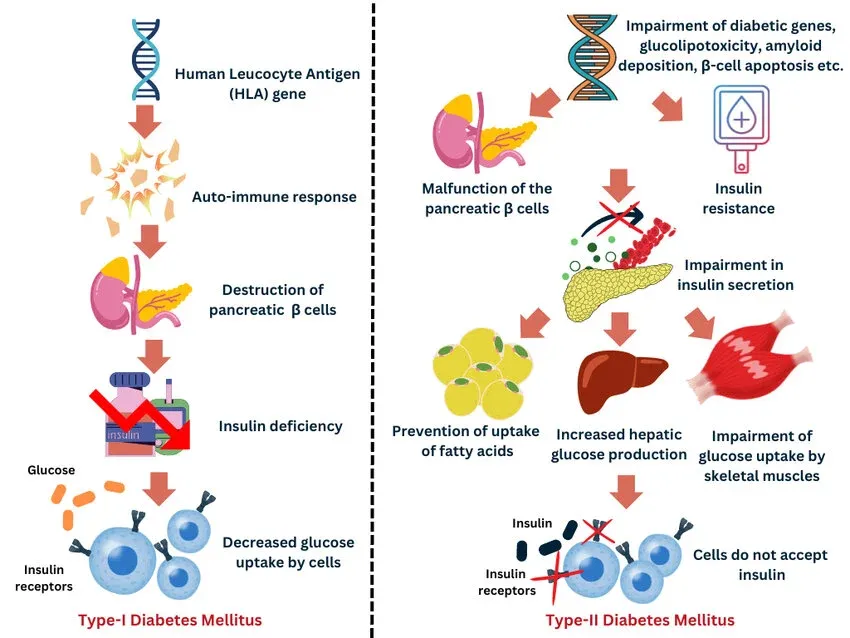
Figure 1: Overview of Type 1 Diabetes Mellitus and β-Cell Destruction [5]
Insulin replacement via injection or insulin pump is the primary treatment for Type 1 diabetes and regular blood glucose monitoring and lifestyle and dietary management are essential. Insulin therapy is necessary and has helped to greatly improve survival, but does not replace the failed β-cells or fully replicate the insulin reaction of a healthy pancreas. Insulin doses must be continually adjusted to food intake, physical activity, illness, and changes in blood glucose levels in patients as well. This may make it difficult to manage the disease in the long term [6].
Diabetes can cause a number of complications if glucose levels are not controlled for a period of time, and it is possible that intensive insulin therapy will lead to episodes of low blood glucose (hypoglycemia). Hypoglycemia can be potentially dangerous and frequent treatment of blood glucose can become a significant daily burden for the patient.
Researchers are looking for new approaches to insulin therapy since it does not address the underlying loss of β-cell function. These are: Immunotherapy, Stem Cell Based β-cell Replacement, Pancreatic Islet Transplantation, Encapsulated β-cell Therapy, Gene Therapy, Artificial Pancreas systems, Glucose-responsive Insulin, β-cell Regeneration, Novel Drug-based Approaches [7]. These therapies not only have the potential to better control glucose but sometimes can also preserve or restore β-cells and decrease insulin therapy.
This has been further fuelled by the recent advances in the early detection and disease modifying treatment of diabetes, leading to the development of interest in therapies that may take effect prior to significant loss of β-cell. Thus, novel therapies might offer a future alternative that will involve more than just insulin replacement, but also preservation of the β-cells, replacement of lost cells, modulation of the autoimmune response, and more effective automated glucose control [8].
The pathophysiology and typical management of Type 1 diabetes are discussed, and the review is primarily focused on new treatments, how they work, their possible advantages, their limitations, current development and future directions.
2. Pathophysiology of Type 1 Diabetes
Type 1 diabetes mellitus (T1DM) is a lifelong autoimmune/metabolic disorder primarily caused by destruction of insulin-producing pancreatic β-cells. It is not clear why the immune system begins to attack these cells [9]. But at present, it appears that a combination of genetic susceptibility, environmental factors and immune abnormalities is responsible for the initiation and progression of the disease. The autoimmune response can go on for months or years and symptoms of diabetes do not emerge until later [10]. Over time, the function of the β-cells decreases and insulin levels fall short of normal glucose targets. If insulin deficiency is severe, glucose levels build up in the blood leading to chronic hyperglycemia and the onset of clinical T1DM.
Genetic Susceptibility:
A genetic component is important for determining the susceptibility of a person to T1DM. The human leukocyte antigen (hla) region, which plays a key role in the function of the immune system, has the strongest genetic links. Certain HLA class II variants are associated with an increased risk of autoimmune β-cell destruction, whereas other genetic variants may provide some protection against the disease [11]. There are other genes besides HLA that have a role in immune regulation and potentially have an impact on susceptibility to disease.
But, genes are not the sole cause of T1DM. There are many people who are carriers of high-risk genetic mutations that never get the disease. This suggests that there are other environmental factors and immune system abnormalities that need to play a part in the mechanism leading to the disease [12]. Hence, T1DM is regarded as a multifactorial disease due to the genetic and environmental factors.
Environmental Triggers:
The autoimmune response may begin or be exacerbated in genetically predisposed individuals by environmental factors. The possible factors investigated include changes in the intestinal microbiome, viral infections, early-life environmental exposures and other factors that can affect the development of the immune system. Enteroviruses have been the subject of much research due to their potential involvement in β-cell damage, especially some coxsackieviruses [13].
The changes in gut microbiota have also been studied as gut microbes can affect immune regulation and inflammation. But to date there is no single environmental cause that has been established for T1DM. So, environmental factors are likely to be triggers to the disease and not the causes of it.
Autoimmune Response:
T1DM is characterised by the presence of an abnormal immune response against pancreatic β-cells. The immune system of susceptible individuals loses immune tolerance for components of the β-cells and starts to recognize them as foreign or harmful. Important roles in this process are played by T lymphocytes, especially autoreactive T cells [14]. These cells of the immune system can invade the pancreatic islets and play a role in inflammation and in β-cell injury.
T1DM can be accompanied by autoantibodies to the components of the β-cell. Insulin autoantibodies (IAA), glutamic acid decarboxylase antibodies (GADA), insulinoma-associated antigen-2 antibodies (IA-2A), and zinc transporter 8 antibodies (ZnT8A) are important diabetes associated autoantibodies. These antibodies are useful tools for the identification of people with a higher risk for progressing to clinical T1DM and are important markers of islet autoimmunity [15]. But most of the destruction of β-cells is induced by cellular immune mechanisms and not just by autoantibodies.
Destruction of β-Cells:
This chronic autoimmunity leads to progressive damage and destruction of the pancreas β-cells. The inflammation of the pancreatic islets (insulitis) is linked to infiltration of immune cells and stress or destruction of the β-cells [16]. With the progressive loss of β-cell mass and function, the pancreas is less able to generate insulin production.
The loss of β-cell function does not necessarily occur suddenly. The disease may occur in various phases, starting with the detection of islet autoimmunity, then with abnormal glucose regulation and finally with clinical diabetes. In early stages, adequate β-cell function may persist to keep blood glucose levels relatively normal [17]. As the auto-immune reaction progresses, the insulin levels drop and blood-sugar levels start to go up.
Insulin Deficiency and Hyperglycemia:
Insulin is a key hormone involved in the regulation of blood glucose concentration. It helps the body absorb and use glucose and it affects the production of glucose by the liver. If the pancreatic β-cells are damaged to a high extent, insulin is produced in low amounts or not at all. This results in impaired utilization of glucose in the tissues that require insulin and failure to suppress glucose output from the liver.
This results in hyperglycemia (high glucose levels in the blood). The hallmark symptoms of T1DM are excessive thirst, urination, hunger, tiredness, and weight loss are all due to persistent hyperglycemia [18]. Insulin is also greatly deficient in severe insulin deficiency, causing the body to break down stored fat, resulting in the production of ketone bodies.
Development of Ketosis and Diabetic Ketoacidosis:
If insulin is too low, the body starts to turn to fat for energy. Ketone bodies are formed when the fatty acids are broken down in the liver. If too much ketones are produced, they will build up in the blood and lead to metabolic acidosis [19]. This is called diabetic ketoacidosis (DKA).
DKA is a serious complication of insulin deficiency and can be a first clinical manifestation of T1DM in children and young people. Symptoms can range from excessive thirst and an increased need to urinate, to nausea and vomiting, abdominal discomfort, dehydration, weakness and deep or rapid breathing [20]. If not treated properly DKA can be a life-threatening emergency.
Progression from Autoimmunity to Clinical Diabetes:
The disease process of T1DM can thus be considered as a continuum and not as a single event. Genetic susceptibility may play a role in the risk, and environmental influences may play a role in the onset of islet autoimmunity. The immune system then attacks the pancreatic β-cells, eventually leading to loss of pancreatic β-cell function [21]. The decrease in insulin secretion results in an elevation of blood glucose, until clinical diabetes develops.
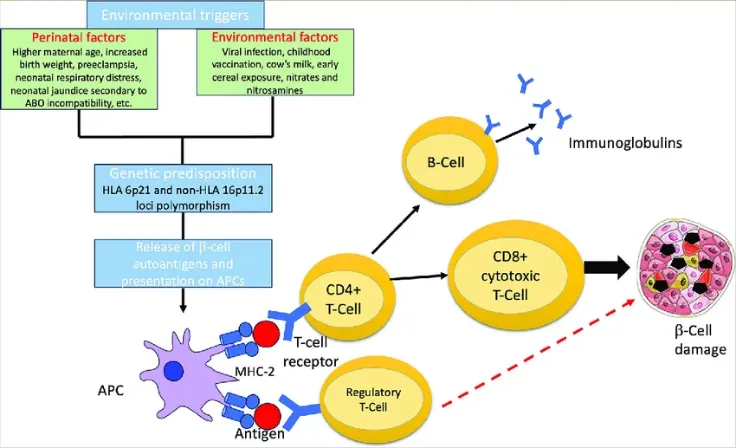
Figure 2: Pathophysiological Progression of Type 1 Diabetes Mellitus [22]
Insulin deficiency has effects on several metabolic pathways. Increased blood glucose production is compounded by decreased glucose uptake, and increased glucose production by the liver further contributes to hyperglycemia. Meanwhile, fat is broken down to give an alternative source of energy, but also to create more ketone bodies. There could also be a breakdown of protein, which can lead to losing muscle mass and weight [23].
If blood glucose is above the renal threshold, glucose will be excreted in the urine, which is called glycosuria. Glucose pulls water out of the blood, causing more urine to be produced or a higher volume of urine (polyuria). The fluid loss can lead to dehydration and promote excessive thirst (polydipsia) [24]. These metabolic changes explain many of the common clinical manifestations of newly developed T1DM.
Therefore, T1DM is a multi-faceted interaction of genetic predisposition, environmental influences, immune dysfunction, gradual loss of β-cell function and resultant insulin deficiency. The result is chronic hyperglycemia (high blood sugar), which affects carbohydrate, fat, and protein metabolism [25]. The better understanding of these mechanisms is crucial because new therapies are increasingly being developed to address various aspects of this disease process, such as immune modulation, β-cell protection, β-cell replacement, regeneration, and better insulin delivery.
Table 2: Major Steps in the Pathophysiology of Type 1 Diabetes Mellitus
| Stage | Main process | Major consequence |
|---|---|---|
| Genetic susceptibility | HLA and other genetic factors increase disease risk | Increased susceptibility to autoimmunity |
| Environmental influence | Possible viral and other environmental triggers | May contribute to initiation of autoimmunity |
| Loss of immune tolerance | Immune system recognizes β-cell components as abnormal | Initiation of islet autoimmunity |
| Autoimmune response | T cells and other immune mechanisms target β-cells | β-cell injury and inflammation |
| β-cell destruction | Progressive loss of functional β-cells | Decreased insulin production |
| Severe insulin deficiency | Pancreas produces little or no insulin | Reduced glucose utilization |
| Hyperglycemia | Glucose accumulates in the bloodstream | Increased blood glucose levels |
| Increased fat breakdown | Body uses fat as an alternative energy source | Increased ketone production |
| Clinical diabetes | Persistent metabolic abnormalities become evident | Symptoms and diagnosis of T1DM |
| Severe metabolic disturbance | Excessive ketone production and dehydration may occur | Risk of diabetic ketoacidosis |
3. Conventional Treatment
The primary goal of the conventional treatment of Type 1 diabetes mellitus (DM) is to replace insulin that is no longer produced and to keep blood glucose at a proper level [26]. Insulin therapy is also necessary for people with Type 1 diabetes, and is often lifelong. In addition to insulin, frequent blood sugar monitoring, proper nutrition, exercise and education are all key elements of diabetes management. Treatment will depend on the patient's age, lifestyle, glucose level, treatment objectives, and the ability to handle the treatment safely [27].
The main treatment for Type 1 diabetes is insulin therapy. Insulin may be injected (using a syringe, insulin pen, or insulin pump). Treatment usually involves basal insulin to give insulin between meals and at night, as well as rapid acting insulin to give around meals. The dose is tailored to fit the lifestyle, blood glucose level, activity level, illness, and other personal factors. Insulin regulates blood glucose levels but cannot repair the destroyed pancreatic β-cells caused by the autoimmune process [28].
Insulin is taken more often than not and one of the most popular ways is by multiple daily injections. With this method, patients typically take a long-acting insulin once or twice a day and an insulin that is fast acting before meals. This approach may help achieve good glucose control if doses of insulin are adjusted appropriately. But getting injected several times a day and having to adjust the dose regularly can be challenging for some people with diabetes [29].
Insulin pump therapy, also known as continuous subcutaneous insulin infusion, is a method of delivering rapid-acting insulin through a small device that is placed under the skin. Extra insulin may be given around the meals if necessary [30]. Insulin pumps offer more freedom in insulin delivery and can help lower the number of insulin injections. These, however, do need regular monitoring, correct training and consistent use of the device. Some patients may not be able to use them due to cost or pump availability.
Another crucial aspect of traditional diabetes care is blood glucose monitoring. Glucose is traditionally measured by taking a blood sample from a person, typically by pricking the skin with a needle at the tip of the finger [31]. Continuous glucose monitoring (CGM) is a type of monitoring that involves inserting a sensor beneath the skin to get multiple readings of your glucose level and can display glucose trends over time, including overnight. CGM can also alert users when their glucose levels go too high or low, aiding in the timely decisions on insulin dosage as well as other diabetes management.
These include dietary and lifestyle management as food intake and physical activity have an impact on blood glucose levels and insulin needs. Patients will typically be encouraged to become aware of the carbohydrate content of food and plan their insulin doses accordingly [32]. It is recommended to engage in regular physical activity as this can help to maintain good health, however exercise can also affect blood glucose levels and may need to be adjusted.
However, conventional treatment has some drawbacks. Insulin dosages must constantly be matched with food intake, activity level, illness, and blood glucose levels. Too little or too much insulin will lead to low or high blood sugar [33]. Most importantly, insulin therapy is a replacement of insulin, but not correction of the underlying autoimmune destruction of pancreatic β-cells. Conventional treatment is thus effective at stopping the disease, but does not reverse the normal function of the β-cells [34]. These restrictions have spurred scientists to seek treatments that might help preserve or regenerate β-cells, subvert the immune system, or enhance more automatic blood glucose regulation.
Table 3: Conventional Treatment Approaches for Type 1 Diabetes Mellitus
| Treatment approach | Basic principle | Main benefit | Main limitation |
|---|---|---|---|
| Multiple daily insulin injections | Insulin is given several times a day | Widely available and effective | Repeated injections and dose adjustment |
| Insulin pump | Provides continuous insulin delivery | Flexible insulin administration | Cost and device dependence |
| Blood glucose monitoring | Measures blood glucose regularly | Helps guide insulin dosing | Requires regular monitoring |
| Continuous glucose monitoring | Continuously tracks glucose levels | Provides glucose trends and alerts | Sensor cost and dependence |
| Dietary management | Controls food and carbohydrate intake | Supports better glucose control | Requires regular planning |
| Physical activity | Improves general health and glucose management | Supports fitness and metabolic health | Can cause changes in glucose levels |
Overall, there are no substitutes for conventional treatment of Type 1 diabetes, which is only limited by the fact that it does not restore missing β-cells or halt the autoimmunity process. This provides the basis for developing novel therapies discussed in the following section [35].
4. Novel Therapies for Type 1 Diabetes
The treatment, insulin, has saved lives and has greatly improved the management of people with Type 1 diabetes, but it hasn't replaced the pancreatic β-cells that were attacked by the immune system. This is why scientists are working on new therapies to help preserve the β-cells, regenerate the cells that produce insulin, regulate the misdirected immune attack, or enhance insulin delivery. These methods are used on some of them and are being studied in clinical trials [36]. Immunotherapy, stem cell-based therapy, islet transplantation, encapsulated β-cell therapy, gene therapy, artificial pancreas systems, glucose-responsive insulin, β-cell regeneration and novel drug-based approaches are the major novel approaches.
4.1 Immunotherapy
Immunotherapy targets to modulate the immune system that damages pancreatic β-cells. The central concept is to minimize the negative autoimmune inflammatory response and maintain the remaining β-cell function. This is a different way of insulin therapy than the traditional one, which tries to manage the lack of insulin [37].
An example that is important is anti-CD3 monoclonal antibody, teplizumab. It affects T lymphocytes and alters the immune response that is associated with Type 1 diabetes. Teplizumab has been demonstrated to stave off the onset of clinical Type 1 diabetes in individuals with high risk, and represents a significant progress in disease-modifying treatment [38]. The drug teplizumab is approved in the United States to slow the progression of stage 3 Type 1 diabetes in children and adults with stage 2 Type 1 diabetes.
The advantage of immunotherapy is that it could help to retain the working β-cells. Maintaining a small amount of natural insulin production can lead to better control of glucose and less risk of some complications. But, there is a potential for side effects with immunotherapy and it should be monitored closely [39]. Furthermore, it does not replace the destroyed β-cells. So, early in the disease process, immunotherapy may be more beneficial.
Other immunotherapies are being studied, too. These include therapies against individual immune cells and inflammatory pathways that cause destruction of β-cells. The aim is to create treatments that will offer greater targeted immune control with fewer side effects. However, many of these methods are at the clinical trial stage.
4.2 Stem Cell-Based Therapy
One of the most promising therapies that can be used to replace insulin-producing cells in Type 1 diabetes is stem cell-based therapy. The stem cells can turn into other cells such as pancreatic β-like. Scientists are therefore looking to see if stem cells can be used to make new insulin-producing cells and to restore insulin production [40].
Embryonic stem cells and induced pluripotent stem cells (iPSCs) are two vital sources that are being examined. These cells are capable of being differentiated into β-cell like pancreatic cells. Stem-cell-derived islet cells may then be transplanted into people with Type 1 diabetes to provide a new source of insulin. There is promise of stem cells producing insulin in persons with Type 1 diabetes, which is an important area of current research.
But stem-cell therapy presents other challenges, too. The transplant cells can get attacked by the same autoimmune response that caused the disease [41]. Also, conditions need to be ensured that the transplanted cells are safe, mature, have proper functions and do not overgrow. Thus, researchers are investigating how to keep transplanted cells from being attacked by the immune system whilst keeping them insulin producers.
4.3 Pancreatic Islet Transplantation
Pancreatic islet transplantation replaces insulin-producing islets in the pancreas of a person with Type 1 diabetes with islets from another pancreas. The transplanted cells may become responsive to glucose and produce insulin, which can help the patient to use less insulin by injection. This has proven to be effective in restoring some of the body's insulin-producing capacity as a result of replacing the functional β-cells.
But donor islets are not available in sufficient quantities since the treatment relies on donated pancreatic tissue [42]. The transplanted cells can also be the target of the immune system, whether it is immunity towards the cells themselves or immunity towards the original autoimmune disease. This can make it necessary for the patient to take immunosuppressive drugs that have marked side effects [43]. These restrictions have stimulated the use of stem-cell derived and encapsulated β-cell therapies which could offer a more accessible source of insulin-producing cells.
4.4 Encapsulated Islet/β-Cell Therapy
Encapsulated β-cell therapy is a strategy to address the immune-rejection issue of cell transplantation. This method involves transplanting insulin-producing cells within a barrier or a device to protect them [44]. The system will enable the glucose and the nutrients to pass through it to the cells, and the insulin to get out, but inhibit direct interaction of the transplanted cells with the immune system.
This strategy could have the advantages of cell replacement without the level of immunosuppression needed in regular transplants. Keeping oxygen and nutrients around implanted cells in sufficient quantities, avoiding immune system reactions and ensuring long-term survival of the cells are all challenges to be overcome [18]. The design and the working of these types of encapsulation systems are still being improved on.
4.5 Gene Therapy
Another emerging method is gene therapy, where the gene is altered in some way to modify the cell's activity. Researchers are looking into ways to protect β-cells, enhance insulin production and/or develop resistance to immune attack via genetic approaches in Type 1 diabetes.
The use of gene-editing technologies like CRISPR-Cas systems has spurred interest in this area due to their ability to modify genetic material on a specific target. The idea is to engineer stem-cell grown β-cells to secrete insulin without being so easily targeted and killed by the immune system [45].
Gene therapy does have a lot of promise but is currently more of a research potential treatment for Type 1 diabetes. The precision of gene editing, unintended genetic modifications, long-term risks and ethics are among important considerations. Further clinical evidence is required before these can become routine treatment.
4.6 Artificial Pancreas and Closed-Loop Systems
The goal of an artificial pancreas system is to do this automatically through insulin delivery based on changes in blood glucose [46]. Most systems consist of continuous glucose monitor, insulin pump, and a control algorithm. The glucose sensor continually measures the levels of glucose, the control system interprets the data, and the pump controls insulin delivery [47].
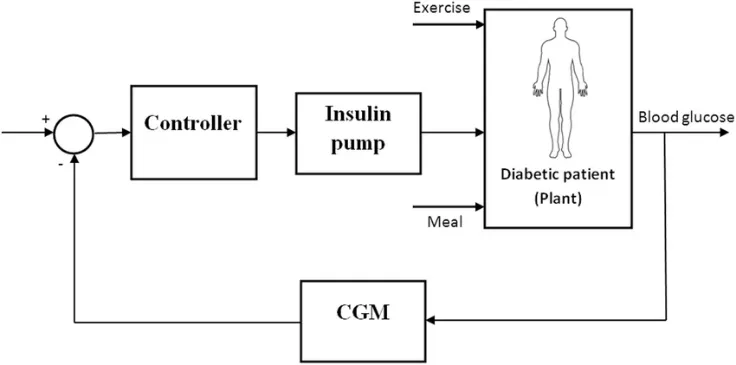
Figure 3: Working Principle of an Artificial Pancreas and Closed-Loop System [43]
The systems can help the patient to decrease the insulin dose that needs to be manually adjusted and help achieve better glucose control. But they are still reliant on electronic devices, sensors, insulin pumps and the correct management of the user. Cost is a significant limitation, as are the accuracy of the sensors, failure of the devices, and the training required by the patient [48].
4.7 Glucose-Responsive Insulin
Research is ongoing for glucose-responsive insulin – insulin that works like the body's insulin reaction to glucose. The underlying principle is that insulin should be activated when blood glucose rises and inhibited when blood glucose level drops. This may help to limit insulin effects and/or low blood sugar [49].
After being injected, conventional insulin does not automatically modify its activity based on the glucose level at the time. Hence, the development of glucose-responsive insulin is an important advantage because it will be more directly linked to changes in blood glucose. But this method is still in the process of being developed and needs more studies to prove their safety and effectiveness.
4.8 β-Cell Regeneration
The strategy of β-cell regeneration is to repair and/or regenerate the body's own insulin-producing cells. Researchers are looking at ways to increase the number, growth, and/or regeneration of the few remaining β-cells. This method could pave the way for a way of restoring insulin production without relying solely on transplanted cells [50].
The process of β-cell regeneration, however, is difficult as Type 1 diabetes can be an autoimmune condition that can target the newly regenerated β-cells. Hence, treatment with immune-modifying agents might be required to achieve successful regeneration. This is a significant research area as it is now.
4.9 Novel Drug-Based Approaches
There are also several drugs under study which could be useful in the treatment of Type 1 diabetes. These include agents which affect glucose metabolism, immune pathways, or β-cell function. There are some studies of the use of GLP-1 receptor based approaches due to their effects on glucose regulation and appetite but their use in Type 1 diabetes has not been extensive, and further research is required. Likewise, some drugs used for the treatment of SGLT can help reduce blood glucose in certain circumstances, but have serious safety issues in patients with Type 1 diabetes, such as the risk of diabetic ketoacidosis [51]. For these reasons, these medications cannot be seen as being used as a substitute for insulin treatment.
All in all, new treatments for Type 1 diabetes are shifting the focus away from just "insulin replacement" treatment. Immunotherapy seeks to modulate the autoimmune response, cell-based therapies seek to normalize insulin-producing cells, long-term cellular modification through gene therapy, and better insulin delivery through artificial pancreas systems. But, many other interventions are still in need of further studies to prove long term safety, effectiveness, access and cost effectiveness.
5. Comparison of Novel Therapies
There are different types of new treatment for Type 1 diabetes. Some therapies try to regulate the immune response, others try to regenerate lost beta cells and others work on enhancing insulin delivery. CBT andGBT primarily target insulin-producing function while AP systems target glucose control by automation insulin delivery [52]. The development phase varies for these approaches as well, with some already available for certain patients, and others under investigation in clinical trials.
Table 4: Novel Therapies for Type 1 Diabetes Mellitus
| Novel therapy | Basic mechanism | Major advantage | Major limitation | Development status |
|---|---|---|---|---|
| Immunotherapy (Teplizumab) | Modifies the immune response and may preserve β-cell function | Can delay progression of Type 1 diabetes in eligible patients | Adverse effects and does not replace destroyed β-cells | Approved for specific use |
| Stem cell-based therapy | Provides insulin-producing β-like cells | Potential to restore insulin production | Immune rejection and long-term safety concerns | Clinical research |
| Islet transplantation | Replaces insulin-producing pancreatic islet cells | Can restore endogenous insulin secretion | Donor shortage and need for immunosuppression | Selected clinical use |
| Encapsulated β-cell therapy | Protects implanted insulin-producing cells from immune attack | May reduce the need for systemic immunosuppression | Cell survival and long-term function remain challenging | Clinical research |
| Gene therapy | Modifies genes or cell function | Potential for long-term cellular correction | Safety and ethical concerns | Research |
| Artificial pancreas | Uses CGM, control algorithms and insulin pumps | Improves automated glucose control | Cost and device dependence | Available |
| Glucose-responsive insulin | Insulin activity responds to glucose levels | May reduce excessive insulin action and hypoglycemia | Still under development | Research |
| β-cell regeneration | Attempts to increase or restore β-cell production | May restore natural insulin production | Autoimmune attack may continue | Research |
| Novel drug-based approaches | Target glucose metabolism, immune pathways or β-cell function | May provide additional treatment options | Limited evidence and safety concerns for some agents | Research/selected use |
The comparison reveals that none of the existing treatments for Type 1 diabetes is a cure for everything [53]. Teplizumab is crucial because it addresses the autoimmune process and may prevent or slow the progression of the disease in a person who is appropriate for the treatment; however, it is not a replacement for lost β-cells. Stem-cell and islet-based therapies can re-establish insulin production, but the problems of immune rejection, survival, safety and availability remain formidable. Artificial pancreas systems are better developed and can help with day-to-day glucose management, but they require external devices and insulin. Potential therapies are glucose-responsive insulin, β-cell regeneration, and gene therapy, but these therapies must be further researched.
6. Advantages of Novel Therapies
New treatments for T1D are emerging to address some of the issues with current insulin therapy. Such strategies not only offer a chance to enhance glycemic management, but may also help preserve, or even regenerate, insulin-producing β-cells [46]. The benefits they have are primarily improved glycemic control, decreased hypoglycemia, potentially restored β-cell function, decreased insulin dependence, and enhanced quality of life.
Table 3: Major Advantages and Potential Benefits of Novel Therapies
| Potential benefit | How novel therapies may help |
|---|---|
| Better glucose control | Automated systems can adjust insulin according to glucose changes |
| Reduced hypoglycemia | Improved insulin delivery and glucose-responsive approaches may reduce excessive insulin action |
| β-cell preservation | Immunotherapy may help protect remaining β-cells |
| β-cell replacement | Stem-cell and islet therapies may provide new insulin-producing cells |
| Reduced insulin dependence | Successful cell replacement may reduce the need for external insulin |
| Improved quality of life | Less frequent treatment decisions and better glucose stability may reduce daily burden |
| Personalized treatment | Different therapies can potentially be selected according to disease stage and patient needs |
In summary, novel approaches may one day improve the management of Type 1 diabetes beyond insulin replacement to include β-cell preservation or replacement, improved glucose regulation, and a decreased burden of treatment.
7. Limitations and Challenges
Medications for Type 1 diabetes continue to hold promise, but they have some drawbacks that will need to be overcome before they can become commonplace.
One of the major challenges is the high cost, especially in the case of advanced cell therapies, gene-based therapies and automated insulin delivery systems. There may also be a lack of dedicated treatment facilities and qualified health care workers, making it challenging for many patients to receive these therapies [55].
One of the big hurdles for cell-based therapies is immune rejection. Patient's immune system might recognize and attack the transplanted or newly introduced β-cells. Additionally, the immune system that led to Type 1 diabetes can keep attacking the new cells. Hence, it is significant that the survival of transplanted cells, after evading immune attack, continues to be studied.
Another concern for long-term safety is also important. Thousands of new treatments are being investigated and details of their long-term effects are not fully known. To ensure that the cells transplanted by stem-cell and gene-based therapy function properly and without unwanted effects, they must be monitored.
Several new therapies are not available in sufficient quantities. Certain treatments need to be performed in specialized laboratories, with the use of advanced technology, or donor tissue, or highly trained healthcare professionals. Therefore, they are likely to be available only at certain medical centers or at a few clinical research programs.
Immunosuppressive drugs might be necessary for some cell and transplantation techniques to prevent the rejection of the transplant or cell. These drugs may help prevent rejection of the transplanted cells, but may cause other problems and infections with long-term use. Developing means to find methods that prevent transplanted β-cells from being destroyed without the use of permanently administered immunosuppressive agents is thus a major research objective.
Lastly, there are ethical issues that could arise in some stem-cell and gene-based therapies. Cell source, genetic modification, potential for unintended genetic modifications, patient safety and long-term effects must be considered. As these therapies make the transition from research to practice, proper ethical guidelines and regulatory control are essential.
As a whole, novel therapies are promising; however, most of these treatments will require a number of challenges to overcome before they become regular treatments for Type 1 diabetes, such as the issue of cost, immune rejection, long term safety, limited availability, immunosuppression, and ethical concerns.
8. Future Perspectives
Treating diabetes, Type 1, may be the focus of the future of this disease with an insulin-producing action/s that can be restored while the autoimmune response is controlled. The goal to develop functional β-cell replacement therapies that can offer a reliable and long-term supply of insulin is important. The development of stem-cell derived β-cells and the improvement of islet transplantation could help towards this.
Another important direction is the development of immune tolerance. Cell replacement may gain much more significance if transplanted or regenerated β-cells can be shielded from the immune system without permanent use of drugs that suppress the immune system. The use of immune-modifying drugs and β-cell replacement therapy may thus be more effective than either therapy alone.
There also may be a greater emphasis on personalized treatment. There are differences in the stage of the disease, remaining β-cell function, and glucose control in patients, as well as differences in age and treatment requirements. Individualized treatment approach, rather than a one-size-fits-all, could therefore be considered for future treatment.
The progress of gene editing could also help in the development of engineered β-cells with improved immune protection. Meanwhile, better APS systems, glucose sensors and glucose-responsive insulin could make glucose management easier and safer.
Combination therapy, however, with immune protection, β-cell replacement/regeneration and automated glucose control may be a promising future direction. This approach may allow for a more comprehensive reversal of glucose regulation instead of insulin replacement in people with Type 1 diabetes.
CONCLUSION
Type 1 diabetes mellitus is an autoimmune disease characterized by massive insulin deficiency caused by destruction of the pancreatic β cells. Traditional insulin treatment is still necessary for life-saving and well-controlled glucose levels, but not enough to restore the missing β-cells or halt the autoimmune process. This has led to the emergence of new therapies that target other parts of the disease.
There are several options for the enhancement of Type 1 diabetes therapy: immunotherapy, stem-cell therapy, islet transplantation, encapsulated β-cell therapy, gene therapy, glucose-responsive insulin, β-cell regeneration, and new drug-based therapies. Several methods are already used and available for some uses while others are still in clinical trials. While there are significant hurdles to overcome, including cost, immune rejection, safety, and long-term effectiveness, ongoing research could pave the way for these therapies to be more personalized and effective in the future. Finally, with β-cell replacement, immune control, and advanced glucose management, it may be possible to shift the paradigm of Type 1 diabetes therapy from conventional lifelong insulin replacement to something different.
REFERENCES


Gayatri Gurule, Sayali Chothave, Gayatri Pawar, Smita Takate, Review Title :Novel Therapies for Type 1 Diabetes Mellitus, Int. J. of Pharm. Sci., 2026, Vol 4, Issue 11, 1193-1208. https://doi.org/10.5281/zenodo.23999868
 10.5281/zenodo.23999868