

We use cookies to ensure our website works properly and to personalise your experience. Cookies policy
Siddhi institute of pharmacy nandgaon Murbad.
Regulatory Affairs (RA) is an essential department in the pharmaceutical industry that ensures medicines are developed, manufactured, tested, and marketed according to applicable laws and regulations. It acts as a link between pharmaceutical companies and regulatory authorities. The major functions of Regulatory Affairs include regulatory strategy, clinical-trial documentation, preparation of regulatory dossiers, drug approval, product registration, labelling, manufacturing compliance, and post-marketing surveillance. The International Council for Harmonisation (ICH) provides guidelines that help standardise pharmaceutical technical requirements, including the Common Technical Document (CTD). In India, the Central Drugs Standard Control Organisation (CDSCO) performs important regulatory functions under applicable Indian legislation. Regulatory Affairs also offers career opportunities for pharmacy graduates in pharmaceutical companies, contract research organisations, and regulatory consulting firms. This review discusses the functions, importance, career scope, challenges, and future trends of Regulatory Affairs in the pharmaceutical industry.
The pharmaceutical industry plays an important role in public health by developing and supplying medicines. Before a medicine can be marketed, it must meet applicable standards of quality, safety, and efficacy. Regulatory authorities evaluate relevant evidence and oversee pharmaceutical products to help protect public health.
Regulatory Affairs is the professional function responsible for coordinating compliance with regulatory requirements throughout a medicine’s lifecycle. Regulatory professionals work with research and development, clinical research, quality assurance, manufacturing, and pharmacovigilance departments.
The drug development process generally includes discovery, preclinical studies, clinical trials, regulatory review, marketing authorisation, and post-marketing monitoring. Regulatory Affairs supports these stages through planning, documentation, communication, and compliance activities [3].
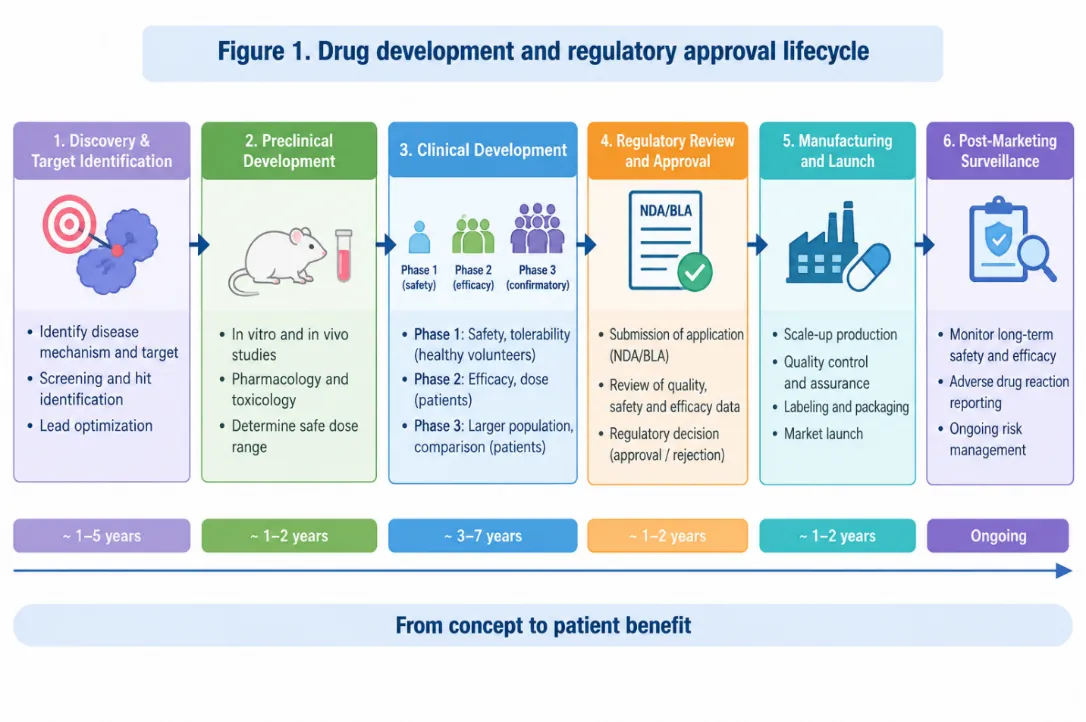
Figure 1: Drug Development and Regulatory Approval Lifecycle [3]
2. Objectives
The main objectives of this review are:
1. To explain the meaning and importance of Regulatory Affairs.
2. To describe its major functions in the pharmaceutical industry.
3. To identify important regulatory authorities and guidelines.
4. To discuss career opportunities for pharmacy graduates.
5. To examine the challenges and future scope of Regulatory Affairs [6].
3. Review Methodology
This narrative review is based on publicly available information from official regulatory organisations, including CDSCO, ICH, the US Food and Drug Administration (FDA), and the European Medicines Agency (EMA). These resources provide information about regulatory frameworks, drug development, and technical documentation. This article is an educational narrative review and is not a systematic review
4. Meaning and Importance of Regulatory Affair
Regulatory Affairs ensures that pharmaceutical products and associated activities comply with applicable laws, regulations, and guidance. It helps companies identify regulatory requirements, prepare applications, communicate with authorities, and maintain compliance after approvals
The importance of Regulatory Affairs includes
1. Patient safety: Supports compliance with requirements for product quality, safety, and efficacy
2. Regulatory compliance: Helps pharmaceutical companies follow applicable laws and guidelines.
3. Drug approval: Coordinates complete and accurate regulatory applications.
4. Product information: Helps maintain accurate labels and package inserts.
5. Lifecycle management: Supports post-approval changes and regulatory commitments
6. Global marketing: Helps companies prepare submissions for different markets.
The CTD provides a common structure for organising technical information submitted to regulatory authorities [1].
5. Major Functions of Regulatory Affairs
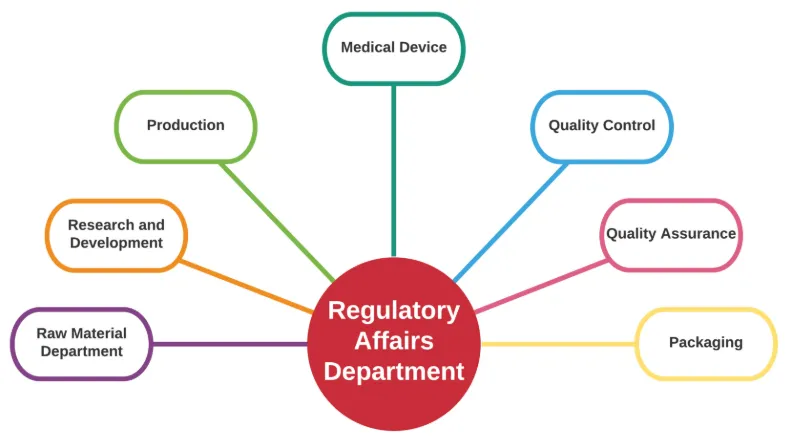
Figure 2: Role of Regulatory Affairs in the Pharmaceutical Industry
5.1 Regulatory Strategy and Intelligence
Regulatory Affairs professionals study relevant regulations and guidelines to plan product development and registration. Regulatory intelligence involves monitoring new or revised requirements and evaluating their impact on pharmaceutical products and company procedures.
5.2 Clinical-Trial and Development Support
Regulatory Affairs supports the preparation and submission of documents required for clinical trials and new-drug development. It coordinates applications, checks supporting documents, tracks regulatory milestones, and helps prepare responses to questions from authorities. In India, the New Drugs and Clinical Trials Rules, 2019, provide an important regulatory framework for relevant activities [2].
5.3 Preparation of Regulatory Dossiers
A regulatory dossier contains the information required by a regulatory authority to evaluate a pharmaceutical product. The Common Technical Document has five modules [1]:
1. Module 1: Regional administrative information and product information.
2. Module 2: Summaries and overviews.
3. Module 3: Quality information.
4. Module 4: Non-clinical study reports.
5. Module 5: Clinical study reports.
Module 1 varies by region, while Modules 2–5 follow the common CTD structure, subject to applicable local requirements.
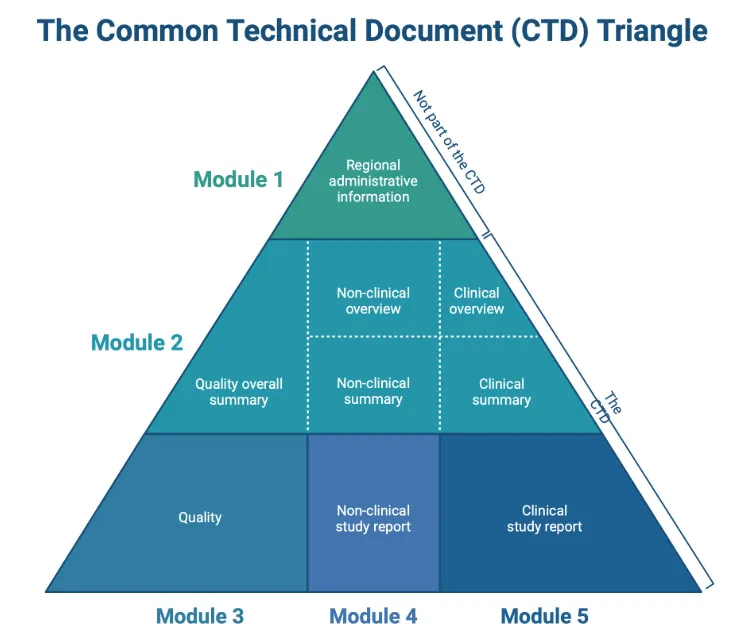
Figure 2: Structure of the Common Technical Document (CTD) [1]
5.4 Drug Approval and Registration
Regulatory Affairs coordinates applications for marketing authorisation or the relevant product approval. Professionals check documentation, track submissions, and prepare responses to regulatory questions. The US FDA reviews scientific evidence to determine whether a drug meets applicable approval standards [3].
5.5 Labelling and Product Information
Regulatory Affairs helps prepare and maintain product labels, package inserts, prescribing information, and patient leaflets. These documents include information about indications, dosage, contraindications, warnings, storage conditions, and adverse effects.
5.6 Manufacturing and Quality Compliance
Regulatory Affairs works with quality assurance and manufacturing departments to maintain regulatory compliance. Changes to manufacturing sites, processes, specifications, or formulations may require approval, notification, or reporting depending on the applicable rules. Good Manufacturing Practices (GMP) support the consistent quality of pharmaceutical products.
5.7 Post-Approval Activities
Regulatory responsibilities continue after a medicine is approved. These activities include:
1. Renewal of product registrations.
2. Submission of manufacturing changes.
3. Updating product information.
4. Maintaining regulatory records.
5. Managing regulatory commitments.
5.8 Pharmacovigilance and Safety Reporting
Pharmacovigilance involves detecting, assessing, understanding, and preventing adverse effects and other medicine-related problems. Regulatory Affairs coordinates with pharmacovigilance teams to support required safety reporting and regulatory updates. Post-marketing evidence may lead to changes in product information or additional safety measures [3].
5.9 Regulatory Communication
Regulatory professionals communicate with regulatory authorities, manage official correspondence, respond to queries, track deadlines, and maintain accurate documentation. Good documentation practices support traceability and inspection readiness.
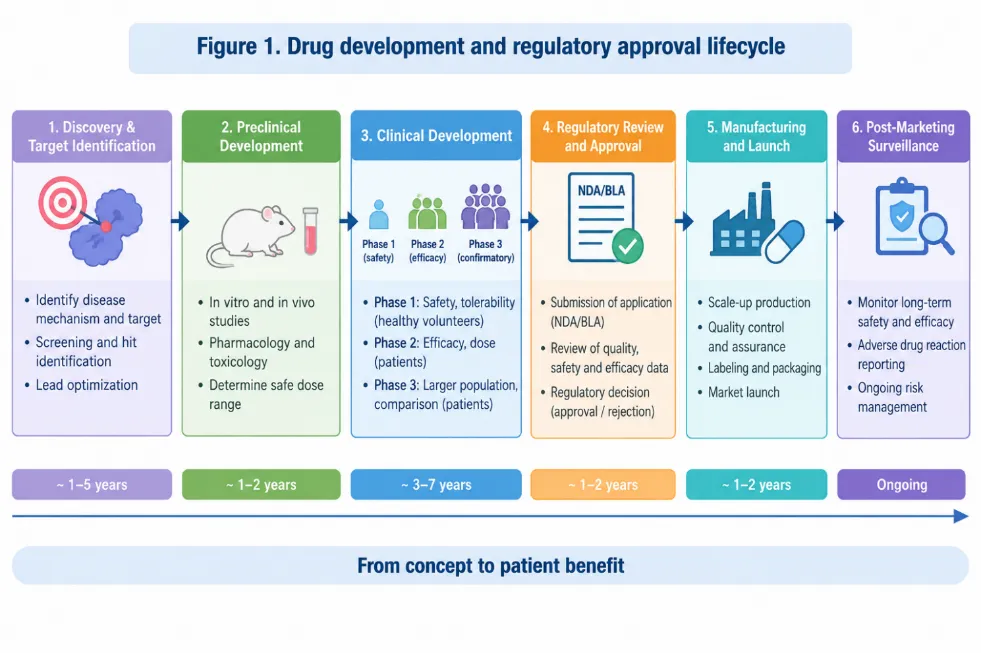
Figure 1: Drug Development and Regulatory Approval Lifecycle [3]
6. Important Regulatory Authorities
The major regulatory authorities and organisations include:
1. CDSCO: The Central Drugs Standard Control Organisation is a key central drug regulatory authority in India. Its responsibilities are defined by applicable Indian laws and regulations [2].
2. US FDA: The United States Food and Drug Administration regulates drugs and biological products in the United States [3].
3. EMA: The European Medicines Agency supports scientific evaluation and coordination within the European Union medicines regulatory system [4].
4. PMDA: The Pharmaceuticals and Medical Devices Agency supports the review and safety-related regulation of medicines and medical devices in Japan.
5. ICH: The International Council for Harmonisation develops technical guidelines to improve consistency in pharmaceutical quality, safety, and efficacy requirements [1].
ICH develops harmonised guidelines, whereas national and regional authorities exercise regulatory powers under their respective legal frameworks. Approval in one country does not automatically permit marketing in every other country.
Table 1: Major Regulatory Authorities and Their Functions
| Regulatory authority | Region | Major function |
|---|---|---|
| CDSCO | India | New-drug approvals, clinical-trial regulation and other central regulatory functions |
| US FDA | United States | Reviews drug applications and monitors drug safety |
| EMA | European Union | Coordinates scientific evaluation and medicines regulatory procedures |
| PMDA | Japan | Supports review and safety-related regulation of medicines and medical devices |
| ICH | International | Develops harmonised technical guidelines for pharmaceutical development and registration |
7. Career Scope of Regulatory Affairs
Regulatory Affairs offers career opportunities for pharmacy and life-science graduates who are interested in scientific documentation, regulations, and pharmaceutical product development.

Figure 4: Career Pathway in Regulatory Affairs [5]
7.1 Job Opportunities
Common job roles include:
1. Regulatory Affairs Trainee
2. Regulatory Affairs Associate
3. Regulatory Affairs Executive
4. Regulatory Documentation Specialist
5. Regulatory Submission Specialist
6. Regulatory CMC Specialist
7. Labelling Specialist
8. Regulatory Affairs Manager
9. Regulatory Consultant [5]
7.2 Employment Areas
Regulatory Affairs professionals may work in pharmaceutical manufacturing companies, biotechnology companies, contract research organisations (CROs), contract development and manufacturing organisations (CDMOs), regulatory consulting firms, and selected government or research organizations [6].
Table 3: Career Opportunities in Regulatory Affairs
| Job role | Typical responsibilities |
|---|---|
| Regulatory Affairs Trainee | Assists with documentation and regulatory research |
| Regulatory Affairs Associate | Prepares and checks submission documents |
| Regulatory Documentation Specialist | Maintains dossiers and regulatory records |
| Regulatory Submission Specialist | Coordinates regulatory submissions and deadlines |
| Regulatory CMC Specialist | Works with chemistry, manufacturing and controls documentation |
| Regulatory Affairs Manager | Coordinates regulatory strategy, submissions and team activities |
7.3 Qualifications and Skills
B. Pharm graduates may qualify for certain entry-level positions, depending on the employer. Some specialist positions prefer M. Pharm qualifications, relevant experience, or additional training [6].
Essential skills include:
1. Knowledge of pharmaceutical sciences.
2. Understanding of regulatory guidelines and CTD structure.
3. Scientific writing and communication.
4. Documentation and computer skills.
5. Attention to detail and time management.
6. Teamwork and continuous learning.
Students can prepare by studying CDSCO procedures, ICH guidelines, GMP, CTD modules, and pharmacovigilance. Internships and practical projects can help develop relevant skills [5].
8. Challenges in Regulatory Affairs
Regulatory Affairs professionals face several challenges:
1. Different regulatory requirements between countries.
2. Frequent changes in laws and guidelines.
3. Strict submission deadlines.
4. Complex technical documentation.
5. Coordination between multiple departments.
6. Country-specific labelling and translation requirements.
7. Increasing use of electronic submission systems.
Continuous learning and accurate documentation are essential for overcoming these challenges [6].
9. Future Scope of Regulatory Affairs
The future of Regulatory Affairs is promising because of developments in biologics, biosimilars, vaccines, personalised medicines, and advanced therapies. These products may require specialized regulatory knowledge.
Electronic submissions and structured regulatory data are becoming increasingly important [1]. Artificial intelligence and automation may support document review, regulatory intelligence, and submission tracking. However, human expertise remains necessary to interpret requirements, evaluate evidence, and maintain accountability.
Pharmacy graduates with scientific knowledge, regulatory awareness, communication skills, and practical experience can pursue opportunities in entry-level, specialist, and managerial roles.
DISCUSSION
Regulatory Affairs is both a compliance function and a strategic partner in pharmaceutical development. Effective regulatory planning helps companies identify evidence requirements, improve dossier quality, and reduce avoidable delays. However, successful product approval also depends on scientific evidence, ethical research, quality systems, and cooperation between departments.
For B. Pharm students, Regulatory Affairs combines pharmaceutical science with documentation, analytical thinking, and communication. Students can explore areas such as regulatory submissions, CMC, labelling, regulatory intelligence, and regulatory strategy to identify their preferred career path.
CONCLUSION
Regulatory Affairs plays a vital role in ensuring that pharmaceutical products meet applicable regulatory requirements before and after marketing. Its major functions include regulatory strategy, clinical-trial support, dossier preparation, drug registration, labelling, manufacturing compliance, post-approval activities, and coordination of safety reporting.
The field provides career opportunities for B.Pharm and M.Pharm graduates in pharmaceutical companies, research organisations, and consulting firms. Strong scientific knowledge, documentation skills, and continuous professional development can help students build a career in Regulatory Affairs.
REFERENCES





Puneet Vinod Kumar Pandey, Tejaswini Asawe, Vaishali Pawar, Rohit Kumar, Aditya Ram, Role of Regulatory Affairs in the Pharmaceutical Industry: Functions and Career Scope, Int. J. of Pharm. Sci., 2026, Vol 4, Issue 11, 1316-1323. https://doi.org/
 10.5281/zenodo.24002669