

We use cookies to ensure our website works properly and to personalise your experience. Cookies policy
IVM’s Krishnarao Bhegade Institute of Pharmaceutical Education and Research, Talegaon Dabhade, Pune, Maharashtra, India 410507
Rosemary (Rosmarinus officinalis) is an evergreen shrub traditionally used in folk medicine for pain relief, headaches, insomnia, and emotional disorders. Research highlights its neuropharmacological benefits, including antimicrobial, anti-inflammatory, antioxidant, anti-apoptotic, antitumor, analgesic, and neuroprotective effects. It positively influences mood, memory, learning, anxiety, pain, and sleep. This review compiles data from multiple scientific databases, covering both in vitro and in vivo studies without time limits. Findings suggest rosemary as a promising therapeutic agent for nervous system disorders. Active compounds like carnosic acid and rosmarinic acid show potential for future drug development with fewer side effects and improved clinical outcomes. Interest in medicinal plants is increasing as their therapeutic benefits support modern drug discovery. Natural products, inspired by ethnopharmacological uses, provide valuable leads for targeting various diseases. This review focuses on Rosmarinus officinalis (rosemary), analyzing 286 studies published since 1990 from databases like PubMed, ScienceDirect, and Web of Science. It highlights key bioactive compounds such as rosmarinic acid, carnosic acid, carnosol, and essential oils. These constituents exhibit significant pharmacological activities, including antitumoral, anti-inflammatory, analgesic, antioxidant, neuroprotective, endocrinal, and anti-infective effects. Overall, rosemary is recognized as a promising source of bioactive compounds for developing effective and safer therapeutic agents. Rosmarinus officinalis (rosemary) is a medicinal herb native to the Mediterranean region and widely cultivated across the world. In addition to its therapeutic applications, it is extensively used as a culinary spice and natural food preservative. The plant contains numerous bioactive phytochemicals that contribute to a variety of pharmacological properties, including anti-inflammatory, antioxidant, antimicrobial, antiproliferative, antitumor, protective, and inhibitory effects. Several in vivo and in vitro studies have investigated the therapeutic and preventive potential of rosemary against physiological disorders induced by biochemical, chemical, and biological factors. These studies describe the methodologies employed, underlying mechanisms of action, observed results, and final conclusions. The primary aim of these investigations is to demonstrate that plant-derived products may serve as effective alternatives or complementary agents to conventional medicines.
Rosmarinus officinalis, commonly known as rosemary, is a medicinal and aromatic plant native to the Mediterranean region and widely cultivated throughout the world. Apart from its traditional therapeutic applications, rosemary is extensively used as a culinary spice, flavoring agent, and natural food preservative. The plant is rich in bioactive phytoconstituents such as rosmarinic acid, carnosic acid, carnosol, and essential oils, which are responsible for its diverse pharmacological properties. These bioactive compounds exhibit significant anti-inflammatory, antioxidant, antimicrobial, antiproliferative, antitumor, neuroprotective, analgesic, and anti-infective activities.
In recent years, interest in medicinal plants has increased considerably due to their therapeutic potential and contribution to modem drug discovery. Natural products derived from ethnopharmacological knowledge continue to provide promising leads for the development of safer and more effective therapeutic agents. Numerous studies have investigated the medicinal value of rosemary, highlighting its potential role in the prevention and management of various diseases and physiological disorders caused by biochemical, chemical, and biological factors
Rosemary extracts and essential oils have been widely utilized in food, pharmaceutical, and cosmetic formulations for more than two decades because of their preservative and bioactive properties. Additionally, microbial contamination caused by organisms such as Staphylococcus epidermidis, Pseudomonas aeruginosa, and Candida albicanscan promote oxidation of fatty acids, proteins, and lipoproteins, leading to product deterioration and possible tissue damage. Rosemary-derived compounds help reduce such oxidative and microbial damage due to their strong antimicrobial and antioxidant activities
Traditionally, rosemary has been employed in folk medicine for the treatment ofintercostal neuralgia, headaches, migraines, insomnia, emotional stress, depression, and mild pain disorders because of its antispasmodic and analgesic properties. Recent scientific investigations have further demonstrated its neuropharmacological potential, including beneficial effects on cognition, memory, mood, anxiety, pain perception, and sleep disorders. Furthermore, rosemary has shown protective effects against neurological disorders through its antioxidant, anti-apoptotic, anti-inflammatory, and neuroprotective mechanisms.
Several in vitro andin vivo studies have explored the therapeutic and prophylactic effects of rosemary and its active constituents. These studies describe the methodologies, mechanisms of action, experimental findings, and conclusions relaled to its pharmacological applications. Therefore, rosemary is increasingly recognized as a valuable source ofnatural bioactive compounds with poten tial applications in the development of alternative or complementary therapeutic agents to conventional medicines
This review aims to summarize the pharmacological and neuropharmacological activities of rosemary, with particular emphasis on its active phytoconstituents, mechanisms of action, and therapeutic applications reported in experimental and preclinical studies. [6,7,14]
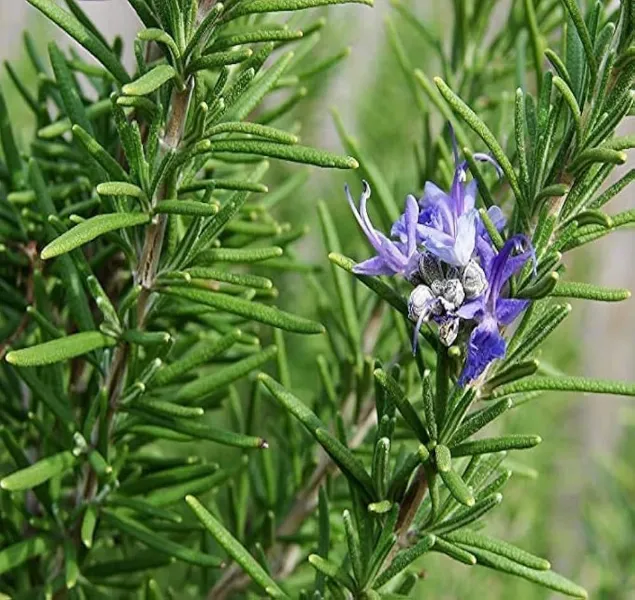
Figure 1: Rosemary Plant (Salvia rosmarinus)
METHOD OF EXCRETION
Plant extracts can be obtained from various parts of the plant, including roots, stems, leaves, flowers, fruits, seeds, and bark, using either fresh or dried materials. Studies have shown that dried samples may contain higher amounts of certain bioactive compounds; for example, dried Moringa oleifera leaves were found to have higher flavonoid content than fresh leaves.
Several drying methods are commonly used.
1. Air Drying
Air-drying is a slow process carried out at room temperature over days, weeks, or months, and it helps preserve heat-sensitive compounds
2. Microwave Drying
Microwave-drying is faster because electromagnetic radiation generates heat and removes moisture quickly, but it may damage some phytochemicals and reduce their medicinal value.
3. Oven-Drying
Oven-drying is also a rapid method that uses heat for water evaporation, while preserving phytochemicals better than microwave-drying.
4. Freeze Drying
Freeze-drying involves freezing the sample at very low temperatures (−80 °C) followed by lyophilization, and it is considered one of the best methods for maintaining phytochemical stability and achieving higher yields.
Particle size is another important factor affecting extraction efficiency. Smaller particles provide a larger surface area and better contact with the solvent, resulting in improved extraction. Therefore, powdered samples are generally more effective than crushed samples. Similarly, nanoparticles of Centella asiatica produced higher yields than microparticles when extracted with methanol.
During extraction, the bioactive portion of the plant is separated from the residual material. Crude extracts contain a wide range of active compounds such as alkaloids, phenolic compounds, flavonoids, glycosides, and terpenoids. These initial extracts can then be further processed using different extraction techniques to obtain specific compounds.[4,5,11]
METHOD AND EXTRACTION
The solvent used for the extraction of Rosmarinus officinalis plays a crucial role in determining both the yield and composition of phytochemicals obtained from rosemary. In particular, solvent polarity greatly influences the solubility and recovery of bioactive compounds, thereby affecting the concentration, diversity, and biological activity of the extracted constituents.
Therefore, selecting an appropriate extraction solvent is essential for maximizing the functional and antioxidant properties of rosemary extracts
Since plant extracts contain complex mixtures of compounds that exhibit different antioxidant mechanisms, it is recommended to evaluate antioxidant activity using multiple analytical assays rather than relying on a single method. The use of several analytical techniques provides a more comprehensive understanding of the antioxidant potential of plant extracts and helps identify their activity through different reaction pathways.
Accordingly, the present study was designed to investigate the influence of different solvents on the antioxidant properties of rosemary extracts. Antioxidant activity was evaluatedusing various assays, including ferric reducing antioxidant power (FRAP), ferric reducing power, total antioxidant activity (TAA), and nitric oxide (NO) radical scavenging assays. These methods enable a detailed assessment of the relationship between extraction solvent and antioxidant effectiveness in the complex phytochemical matrix of rosemary.
Fresh rosemary leaves were collected in May 2023 from several plants located on the campus of Mutah University in Al-Karak, South Jordan. The selected plant materials were separated, shade-dried for ten days, and ground into powder using a Moulinex grinder (France). For extraction, 20 gof powdered rosemary leaves were mixed with 100 mL of different solvents. The mixtures were shaken continuously for 16 hours at room temperature using a rotary shaker operating at 150 rpm, followed by sonication in an ultrasonic bath at 37°C for 15minutes.
The extracts were then filtered through Whatman No. 4 filter paper and subsequently passed through a 0.45 um syringe microfilter. Crude extracts were obtained by evaporating the solvents under reduced pressure using a Buchi RE 121 rotary evaporator at 38°C and 120 rpm. After complete solvent removal, the dry residues were collected and stored at 4°C for further analysis. [3,9,16]

Figure 2: Rosemary Plant (Salvia rosmarinus)
EXTRACTION
Essential Oil Extraction
1. Steam Distillation Method
Rosmarinus officinalis leaves used for essential oil extraction were carefully cleaned and air-dried at room temperature. The fresh leaves were then cut into small pieces and accurately weighed prior to extraction. Essential oil extraction was carried out using a Clevenger-type steam distillation apparatus. Approximately 150 g of rosemary leaves were subjected to steam distillation for at least 6 h under atmospheric pressure (101.325 kPa).
The obtained distillate (aqueous phase) was extracted using dichloromethane. The organic layer was subsequently dried over anhydrous sodium sulfate, filtered, and concentrated using a rotary evaporator to remove the solvent and obtain the essential oil The extracted rosemary essential oil was stored at 4°C until further use.
Chemicals and reagents used in the study included Folin-Ciocalteu reagent, sodium carbonate, 2,2-diphenyl-1-picrylhydrazyl (DPPH), and gallic acid, which were obtained from. Analytical-grade ethanol and methanol were purchased from. All reagents and chemicals employed in the study were of analytical grade.
2. Plant Sampling and Hydro-distillation Method
Wild rosemary Rosmarinus officinalis was collected from a natural habitat in Agerola, located in the province of Naples, Italy. After collection, the plant material was transported to the laboratory, where fresh leaves were separated from the branches and stored at 4°Cuntil extraction
Rosemary essential oil was extracted according to the European Pharmacopoeia method using hydrodistillation with a Clevenger-type apparatus. Briefly, 70 g of lightly crushed fresh rosemary leaves were mixed with 350 mL of distilled water in a 1L round-bottom flask at a ratio of 1:5 (w/v). The flask was connected to the Clevenger apparatus and heated in a thermostatically controlled water bath at 100°C for 3h.
Following completion of hydrodistillation, the essential oil was collected in a glass vial, dried over anhydrous sodium sulfate, and stored in dark conditions at 4°Cuntil further chemical and biological analyses were performed [4,8,10]

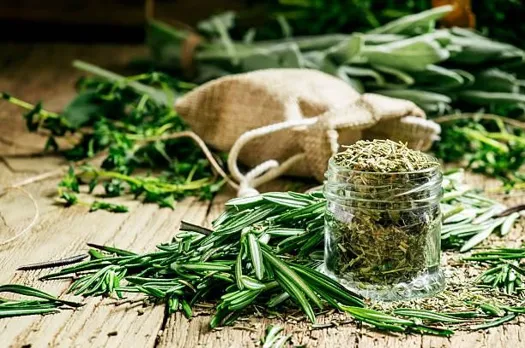
Figure 4: Rosemarry Leaves (Salvia rosmarinus)
PHYTOCOMPOUNDS AND PHARMACOLOGICAL ACTIVITY
Rosmarinus officinalis (rosemary) is a medicinal plant widely studied for its therapeutic potential. It contain important bioactive compounds such ascarnosic acid, carnosol, rosmarinic acid, and essential oils, which contribute to its antioxidant, anti-inflammatory, antimicrobial, neuroprotective, and anticancer properties. Medicinal plants like rosemary have been used for centuries and continue to playa key role in modern drug development, with many drugs derived from plant sources. However, challenges such as variability in chemical composition, lack of standardization, and limited quantity of active compounds affect their reliability and large-scale use. Rosemary belongs to the Lamiaceae family, which includes other aromatic and medicinal herbs like mint and lavender. The plant is an evergreen shrub with narrow leaves and a strong aroma. Extraction of its active compounds depends on methods and solvents used, which influence the quality and effectiveness of the final product. Overall, rosemary shows strong potential as a natural source for future pharmaceutical development.[6,12]
R. officinalis L., popularly known as rosemary, is a plant belonging to the family Lamiaceae and originated from the Mediterranean region. However, it could be found all over the world. It is a perennial and aromatic plant, shrub-shaped with branches full of leaves, having a height of up to two meters and green leaves that exude a characteristic fragrance. R. officinalis maybe used as a spice in cooking, as a natural preservative in the food industry, and as ornamental and medicinal plant several phytocompounds presenting pharmacological activities may be isolated from essential oils and extracts of R. officinalis L. molecules in each specimen of the plant. The phytocompounds most reported include caffeic acid, carnosic acid, chlorogenic acid, monomeric acid, oleanolic acid, rosmarinic acid, ursolic acid, alpha-pinene, camphor, carnosol, eucalyptol, rosmadial, rosmanol, rosmaquinones A andB, secohinokio, and derivatives of eugenol andluteolin [5,6,8].
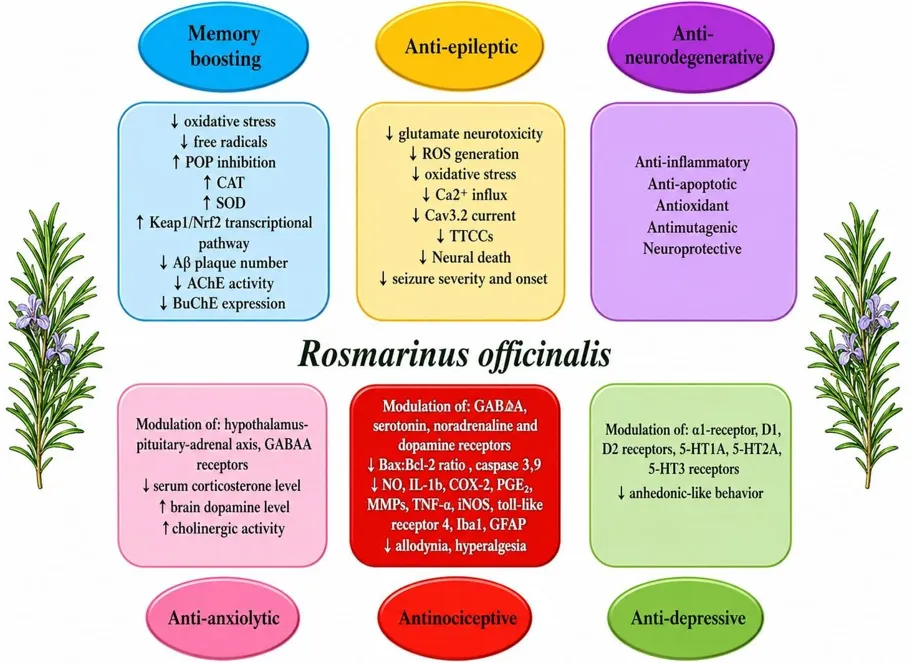
Figure 5 : neuroprotective and therapeutic properties of Rosmarinus officinalis(Rosemary)
Pharmacological effects of phytocompounds from R. officinalis L
Rosmarinus officinalis provides an updated overview of its phytochemistry and biological activities, highlighting its growing importance in drug discovery. Based on an analysis of 286 studies since 1990, rosemary has gained attention due to its rich content of bioactive compounds such as camosic acid, carnosol, rosmarinic acid, and essential oils, which contribute to its therapeutic potential.
These compounds exhibit a wide range of pharmacological properties, including antioxidant, anti-inflammatory, antimicrobial, antitumoral, neuroprotective, and endocrine effects. [6,16]
Rosemary belongs to the Lamiaceae family, known for plants rich in phenolic compounds and essential oils. Traditionally used in medicine andas a culinary herb, rosemary extracts are also approved in the EU as natural antioxidants for food preservation. The plant plays a significant role in phytopharmaceuticals, which are plant-based medicines derived from natural compounds.
The review emphasizes the importance of medicinal plants in modern drug development, noting that many current drugs originate from plant-derived compounds. However, challenges such as variability in plant composition, lack of standardization, and quality control issues limit their widespread pharmaceutical use.
Extraction methods and environmental factors significantly influence the composition and effectiveness of plant extracts
Overall, rosemary represents a valuable natural resource with diverse therapeutic applications. Continued research, improved standardization, and advanced extraction techniques are essential to fully utilize its potential in developing safe andeffective plant-based medicines.
The therapeutic potential of rosemary (Rosmarinus officinalis) for nervous system disorders. Traditionally used for headaches, pain, depression, and memory improvement, rosemary shows antioxidant, anti-inflammatory, neuroprotective, and antimicrobial properties. Its key active compounds-carnosic acid, rosmarinic acid, and essential oils-contribute to benefits like improved mood, leaning, memory, and sleep. Experimental studies suggest antidepressant effects through interaction with dopamine, serotonin, and noradrenaline systems
The Rosmarinus officinalis provides an updated overview of its phylochemistry and biological activities, highlighting its growing imporlance in drug discovery. Based on an analysis of 286 studies since 1990, rosemary has gained attention due to its rich content of bioactive compounds such as camosic acid, carnosol, rosmarinic acid, and essential oils, which contribute to its therapeutic potential
These compounds exhibit a wide range of pharmacological properties, including antioxidant, anti-inflammatory, antimicrobial, antitumoral, neuroprotective, and endocrine effects.
Rosemary belongs to the Lamiaceae family, known for plants rich in phenolic compounds and essential oils. Traditionally used in medicine and as a culinary herb, rosemary extracts are also approved in the EU as natural antioxidants for food preservation.
The plant plays a significant role in phytopharmaceuticals, which are plant-based medicines derived from natural compounds.
The rosemery leaves sizes the importance of medicinal plants in modem drug development, noting that many current drugs originate from plant-derived compounds. However, challenges such as variability in plant composition, lack of standardization, and quality control issues limit their wide spread pharmaceutical use.[2,6,12]
STRUCTURE OF BIOACTIVE COMPOUND
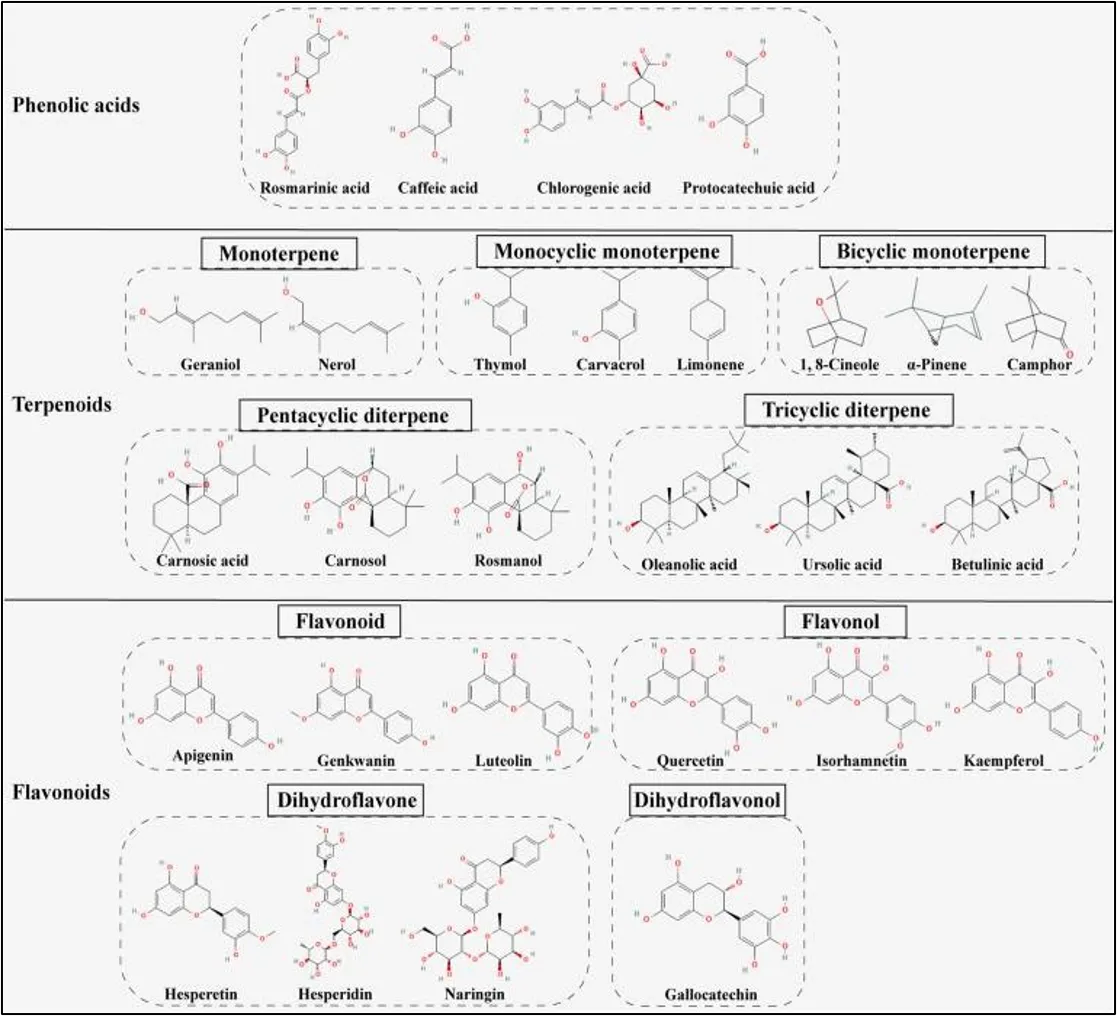
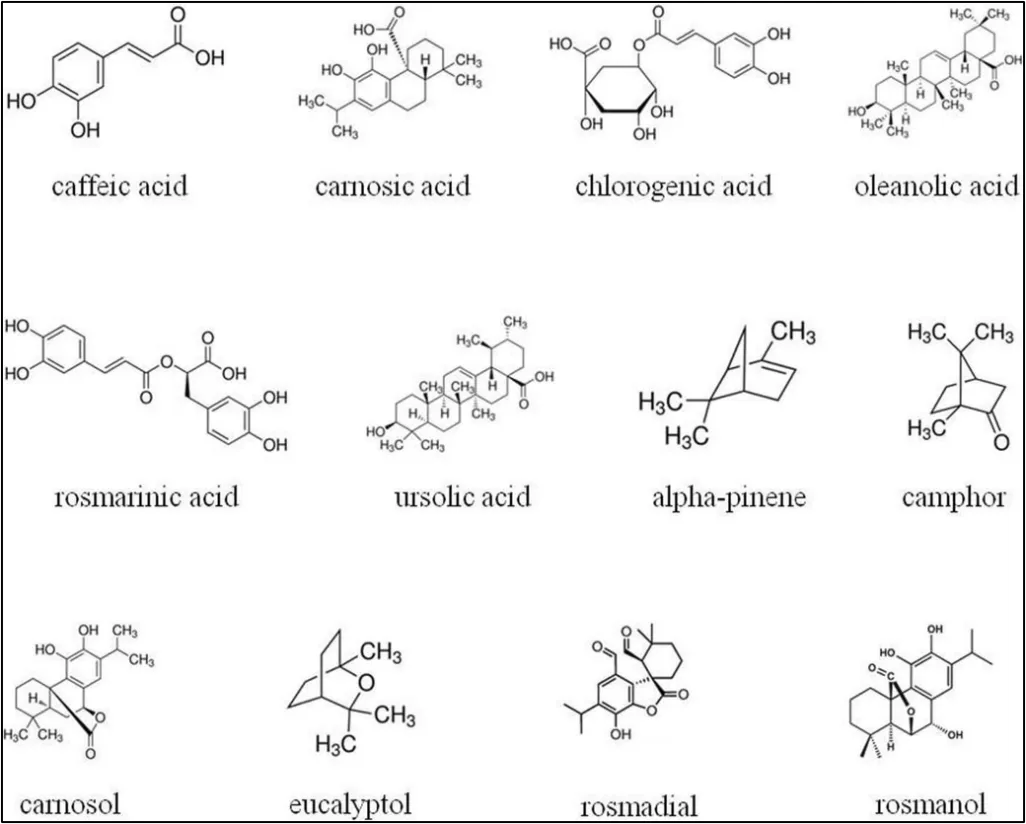
Figure No 6 : Bioactive Compound Present In Rosemarry (Salvia rosmarinus)
THERAPUTIC ACTIVITY
Rosmarinus officinalis is a medicinal herb widely recognized for its therapeutic potential in the management of nervous system disorders. Traditionally, rosemary has been used for the treatment of headaches, pain, depression, insomnia, and memory-related problems. Recent scientific investigations have confirmed that rosemary possesses significant antioxidant, anti-inflammatory, neuroprotective, and antimicrobial properties, making it a promising natural agent for neurological and mental health applications.
The pharmacological activities of rosemary are mainly attributed to its bioactive compounds, including carnosic acid, rosmarinic acid, ursolic acid, and essential oil constituents such as 1, 8-cineole. These phytochemicals exhibit strong antioxidant activity by reducing oxidative stress and preventing cellular damage caused by free radicals In addition, they regulate inflammatory pathways and protect neuronal cells from degeneration and injury.
Rosemary has demonstrated beneficial effects on memory, leaming ability, and cognitive performance. These effects are associated with enhanced acetylcholine activity and improved neuronal signaling in the brain. Experimental studies also suggest that rosemary possesses antidepressant and anxiolytic activities through modulation of neurotransmitters such as dopamine, serotonin, and noradrenaline, thereby helping to improve mood and reduce anxiety-related symptoms
Furthermore, rosemary has shown potential in the management of several neurological disorders, including Alzheimer's disease, Parkinson's disease, epilepsy, and neuropathic pain. Its neuroprotective effects are linked to the reduction of neuroinflammation, regulation of neurotransmission, and activation of gamma-aminobutyric acid (GABA)-mediated pathways. These mechanisms may help slow neurodegeneration, improve neuronal survival, and support overall brain health.
In addition to its neuroprotective properties, rosemary exhibits analgesic and anti-inflammatory effects that contribute to pain relief and improved neurological function. Due to its natural origin and comparatively lower risk of adverse effects than conventional synthetic drugs, rosemary is considered a promising candidate for the development of safer therapeutic agents for neurological and psychiatric disorders.
Overall, the available evidence suggests that rosemary and its active constituents possess substantial therapeutic potential for improving mental health, cognitive function, and neurological well-being. However, further clinical and pharmacological studies are necessary to confirm its efficacy, safety, and mechanisms of action in humans. [1,13]
NEUROLOGICAL ACTIVITY
Rosmarinus officinalis has demonstrated significant neuroprotective activity in experimental models of cerebral ischemia and neurological disorders. Ischemic stroke, which occurs due to reduced blood flow to the brain, is associated with oxidative stress, inflammation, blood-brain barrier (BBB) disruption, neuronal injury, and brain edema. Recent studies have investigated the protective effects of rosemary extracts against ischemia-reperfusion-induced brain damage.
In one experimental study, the neuroprotective potential of rosemary leaf hydro-alcoholic extract (RHE) was evaluated using a rat model of ischemic stroke. Rosemary leaves were extracted using a hydro-alcoholic solvent system (ethanol:water, 70:30), and important bioactive compounds such as rosmarinic acid and caffeic acid were identified through high-performance liquid chromatography (HPLC) analysis.
Adult Wistar rats were divided into different experimental groups and orally pretreated with RHE at doses of 50, 75, and 100 mg/kg/day for 30 days prior to induction of cerebral ischemia. Ischemic stroke was induced by middle cerebral artery occlusion (MCAO) for 60 minutes, followed by 24 hours of reperfusion. Several parameters, including infarct volume, brain edema, BBB permeability, neurological deficits, and serum lipid profile, were evaluated
The results demonstrated that RHE significantly reduced cerebral infarct size, brain edema, BBB permeability, and neurological impairment compared with untreated control groups. The neuroprotective effect was dose-dependent, with higher doses producing greater protection. BBB integrity was assessed using Evans blue dye extravasation, while brain water content and neurological scoring were used to evaluate cerebral edema and functional deficits.
The observed neuroprotective effects are mainly attributed to the antioxidant and anti-inflammatory activities of rosemary phytoconstituents, including camosic acid, rosmarinic acid, flavonoids, and caffeic acid These compounds help neutralize reactive oxygen species, reduce oxidative stress, suppress inflammatory responses, and improve ischemic tolerance in brain tissue. Additionally, rosemary extracts may protect neuronal cells from ischemia-reperfusion injury by stabilizing cellular membranes and preserving BBB integrity.
Overall, the findings suggest that rosemary hydro-alcoholic extract possesses considerable neuroprotective potential and may help reduce brain damage associated with ischemic stroke. However, further experimental and clinical studies ar better understand its mechanisms of action and to confirm its therapeutic applicability in human stroke manag men 12/15 neurological disorders [2,11]
Nutrient Value of Rosemary (Dried)
1). Overall Composition:
2). Vitamins:
Good source of Vitamin C (61 mg) and Vitamin A (156 µg) Contains Vitamin B1 (0.51 mg), B2 (0.43 mg), and B6 (1.74 mg) Rich in folate or Vitamin B9 (307 ug) Does not contain Vitamin B12 or Vitamin D
3).Minerals:
Very high in calcium (1,280 mg) for bone health Excellent source of iron (29 mg) and potassium (955 mg) Provides magnesium (220 mg), zinc (3.23 mg), and manganese (1.87 mg) Contains low sodium (50 mg), suitable for low-salt diets[15]
CONCULSION
Rosmarinus officinalis has long been recognized in traditional medicine for its antispasmodic, analgesic, anti-inflammatory, anxiolytic, and memory-enhancing properties, many of which are supported by modern neuropharmacological studies. Its major bioactive constituents, including rosmarinic acid, carnosic acid, ursolic acid, flavonoids, phenolic acids, and essential oils, contribute to a wide range of biological activities such as antioxidant, antimicrobial, anti-inflammatory, anticancer, neuroprotective, and cognitive-enhancing effects.
Experimental and clinical investigations suggest that rosemary may play a beneficial role in the management of several neurological and neurodegenerative disorders, including anxiety, depression, Alzheimer’s disease, Parkinson’s disease, epilepsy, neuropathic pain, and withdrawal-related symptoms. Rosemary extracts and essential oils have also demonstrated significant antioxidant activity, helping to delay lipid oxidation and supporting their application in food preservation, pharmaceuticals, cosmetics, and natural health products. Furthermore, rosemary possesses valuable cosmeceutical properties, including ultraviolet (UV) protective effects, antimicrobial activity, and skin-conditioning benefits.
Despite these promising therapeutic applications, the safety, efficacy, and mechanisms of action of many herbal medicines, including rosemary, are not yet fully understood. Since rosemary extracts contain numerous active phytocompounds that may act synergistically, it remains difficult to determine the exact contribution of individual constituents to specific pharmacological effects. In addition, several studies primarily describe observed biological activities without fully clarifying pharmacokinetic behavior, molecular targets, absorption pathways, or long-term toxicity profiles.
Therefore, further well-designed experimental and clinical studies are required to establish standardized dosage, safety profiles, toxicity data, drug–herb interactions, and therapeutic effectiveness. Excessive or prolonged use of rosemary preparations should be approached cautiously until more comprehensive toxicological evaluations become available.
Advanced scientific approaches such as metagenomics, transcriptomics, metabolomics, and other modern analytical technologies may help clarify the molecular mechanisms and synergistic interactions of rosemary phytocompounds. Such investigations could contribute to the development of safe, effective, and standardized rosemary-based therapeutic agents, functional foods, cosmeceuticals, feed additives, and nutraceutical products for human health, livestock, and aquaculture applications.
Overall, rosemary represents a promising natural source of biologically active compounds with considerable pharmaceutical, nutritional, and industrial importance. Continued scientific research may further strengthen its role in modern medicine and therapeutic development.
REFERENCES




Pragati Khape, Kiran Kadu, Bhagyashri Kedari, Vilasini Pandav, Rosemary (Salvia rosmarinus): Therapeutic and Neurological Effects of Rosemery and Phytochemicals and Biological Activity, Int. J. of Pharm. Sci., 2026, Vol 4, Issue 6, 1718-1729. https://doi.org/10.5281/zenodo.20573764
 10.5281/zenodo.20573764