

We use cookies to ensure our website works properly and to personalise your experience. Cookies policy
D K Patil Institute of Pharmacy, Loha, Nanded, Maharashtra.
The present study aimed to develop and validate a simple, precise, accurate, and robust RP-HPLC method for the simultaneous estimation of Metronidazole and Ciprofloxacin in tablet dosage forms. Chromatographic separation was achieved using an Inertsil ODS C18 column (250 × 4.6 mm, 5 ?m) with a mobile phase consisting of Acetonitrile:Methanol:Water (50:30:20, v/v/v) at a flow rate of 1.0 mL/min under isocratic conditions. Detection was carried out at 250 nm. The method exhibited excellent linearity over concentration ranges of 20–60 ?g/mL for Ciprofloxacin and 50–150 ?g/mL for Metronidazole, with correlation coefficients greater than 0.999. The developed method was validated according to ICH guidelines for specificity, linearity, accuracy, precision, robustness, ruggedness, LOD, and LOQ. Recovery studies demonstrated excellent accuracy with recoveries ranging from 99% to 101%, while precision studies showed %RSD values below 2%. Accelerated stability studies confirmed the stability-indicating nature of the method, with no significant degradation observed under storage conditions of 40 ± 2°C/75 ± 5% RH for three months. The validated method was successfully applied to the assay of marketed Ciprodiazole tablets, yielding assay values of 97.31% for Ciprofloxacin and 98.43% for Metronidazole. The results demonstrated that the developed RP-HPLC method is reliable, sensitive, and suitable for routine quality control and stability analysis of combined tablet formulations containing Metronidazole and Ciprofloxacin.
Metronidazole and Ciprofloxacin are widely used antimicrobial agents employed either alone or in combination for the treatment of various bacterial and protozoal infections. Metronidazole, a nitroimidazole derivative, exhibits potent activity against anaerobic bacteria and protozoa by disrupting microbial DNA synthesis. Ciprofloxacin, a second-generation fluoroquinolone antibiotic, exerts its antibacterial effect through inhibition of bacterial DNA gyrase and topoisomerase IV, resulting in the suppression of DNA replication and cell division. The combination of these drugs is frequently prescribed for the management of mixed aerobic and anaerobic infections, gastrointestinal infections, intra-abdominal infections, and gynecological infections.1-3
The increasing use of combination pharmaceutical formulations necessitates the development of reliable analytical methods for their routine quality control and regulatory compliance. Accurate quantification of active pharmaceutical ingredients in combined dosage forms is essential to ensure product efficacy, safety, and consistency. Various analytical techniques, including spectrophotometry, HPLC, HPTLC, and LC-MS, have been reported for the estimation of Metronidazole and Ciprofloxacin individually or in combination with other drugs. However, there remains a need for simple, rapid, precise, and cost-effective methods suitable for routine analysis in quality control laboratories.4-5
Reverse-phase high-performance liquid chromatography (RP-HPLC) is one of the most widely employed analytical techniques in pharmaceutical analysis due to its high sensitivity, selectivity, accuracy, and reproducibility. Method validation according to the International Council for Harmonisation (ICH) guidelines is essential to demonstrate the suitability of the developed analytical procedure for its intended purpose.6-9
Therefore, the present study was undertaken to develop and validate a simple, accurate, precise, robust, and economical RP-HPLC method for the simultaneous estimation of Metronidazole and Ciprofloxacin in tablet dosage forms. The developed method was validated in accordance with ICH guidelines and successfully applied to the analysis of marketed pharmaceutical formulations.
MATERIALS AND METHODS:
MATERIALS:
Metronidazole and Ciprofloxacin reference standards were procured from Yarrow Chem Products and Trimurti Drug Supplier, Surat, Gujarat, respectively. HPLC-grade methanol and acetonitrile used as mobile phase components were obtained from Advent. Milli-Q water of HPLC grade was used throughout the study. Hydrochloric acid (HCl) and sodium hydroxide (NaOH), employed for pH adjustment and stress degradation studies, were procured from Dipa Chemical Industry and were of EP grade. All chemicals and reagents utilized in the present investigation were of analytical or HPLC grade and were used without further purification.
Characterization of Drugs
Organoleptic Evaluation
The obtained samples of Metronidazole and Ciprofloxacin were subjected to organoleptic evaluation. The drugs were examined visually for their color, odor, appearance, and other physical characteristics to confirm their identity and purity.10
Physical Characterization
The melting points of Metronidazole and Ciprofloxacin were determined using the open capillary method and recorded as uncorrected values. Solubility studies were performed in various solvents, including water, phosphate buffer, ethanol, methanol, and acetonitrile, to identify suitable solvents for analytical method development and ensure drug stability.11-12
Fourier Transform Infrared (FT-IR) Spectroscopy
The identity and purity of Metronidazole and Ciprofloxacin were confirmed using Fourier Transform Infrared (FT-IR) spectroscopy. The infrared spectra of both drugs were recorded using an FTIR-4600 spectrophotometer (Jasco, Japan), and the characteristic absorption peaks were compared with reported reference values.13-15
Differential Scanning Calorimetry (DSC)
Thermal analysis of Metronidazole and Ciprofloxacin was carried out using Differential Scanning Calorimetry (DSC) (PerkinElmer, San Jose, CA, USA). Samples were scanned over an appropriate temperature range under a nitrogen atmosphere at a controlled heating rate to evaluate their thermal behavior and melting characteristics.16-17
Spectroscopic Analysis
Determination of λmax
Prior to RP-HPLC method development, UV spectroscopic studies were performed to determine the maximum absorbance wavelength (λmax) of Metronidazole and Ciprofloxacin. Standard solutions of both drugs were scanned in the wavelength range of 200–400 nm using a UV-Visible spectrophotometer, and the wavelengths showing maximum absorbance were selected for further analysis.18-20
Preparation of Calibration Curve
Standard stock solutions of Metronidazole and Ciprofloxacin were prepared by accurately weighing 10 mg of each drug and dissolving separately in Methanol:Acetonitrile (70:30 v/v). The solutions were sonicated, filtered through a 0.45 µm membrane filter, and further diluted to obtain concentration ranges of 5–25 µg/mL for Metronidazole and 4–20 µg/mL for Ciprofloxacin. The absorbance of these solutions was measured, and calibration curves were constructed by plotting absorbance against concentration.21-22
Instrumentation
UV spectroscopic measurements were carried out using a Lasany LI-2702 double-beam UV-Visible spectrophotometer equipped with matched 1 cm quartz cells. Drug samples were accurately weighed using an Elder digital analytical balance, and solution preparation was facilitated using a Prama ultrasonic sonicator.23
UV Method Development and Validation
A suitable solvent system for UV spectrophotometric analysis was selected based on the solubility of Metronidazole and Ciprofloxacin in various solvents, including distilled water, ethanol, methanol, acetonitrile, phosphate buffer, and their combinations. Among the tested systems, Methanol:Acetonitrile (70:30 v/v) provided satisfactory solubility and stability for both drugs and was therefore selected as the common solvent for further studies.
The developed UV method was validated according to ICH guidelines with respect to linearity, accuracy, precision, sensitivity, robustness, and ruggedness. Linearity was evaluated by preparing standard solutions in the concentration range of 5–25 µg/mL for Metronidazole and 4–20 µg/mL for Ciprofloxacin, and calibration curves were constructed by plotting absorbance against concentration.
The sensitivity of the method was determined by calculating the limit of detection (LOD) and limit of quantification (LOQ) using the standard deviation of the response and the slope of the calibration curve. Accuracy was assessed by recovery studies using the standard addition method at 80%, 100%, and 120% levels, and the percentage recovery was calculated.
Precision was evaluated in terms of repeatability (intra-day precision) and intermediate precision (inter-day precision) by analyzing selected concentrations of both drugs on the same day and on different days. The results were expressed as percentage relative standard deviation (%RSD). Robustness of the method was examined by introducing small deliberate variations in analytical conditions, while ruggedness was assessed by evaluating the reproducibility of the method under different operating conditions. The obtained results demonstrated the reliability and suitability of the developed UV spectrophotometric method for the simultaneous estimation of Metronidazole and Ciprofloxacin.23-25
RP-HPLC Method Development
RP-HPLC analysis was carried out using a Shimadzu LC-2010 series HPLC system equipped with an autosampler and UV-Visible detector. Chromatographic separation was performed on an Inertsil ODS-3V C18 column (250 × 4.6 mm, 5 μm particle size). Standard and sample solutions were prepared using HPLC-grade solvents and filtered before analysis.
The detection wavelength was selected by scanning individual solutions of Metronidazole and Ciprofloxacin in the UV range of 200–400 nm. Based on the overlay spectra, 250 nm was chosen as the optimum wavelength for simultaneous estimation of both drugs. Several mobile phase compositions comprising methanol, acetonitrile, and water were evaluated to achieve satisfactory peak resolution and system suitability.
After optimization, the chromatographic separation was achieved using a mobile phase consisting of Methanol:Acetonitrile:Water (50:30:20, v/v/v) at a flow rate of 1.0 mL/min under isocratic conditions. The mobile phase was filtered through a 0.45 μm membrane filter and degassed by ultrasonication before use. Prior to sample analysis, the HPLC system was primed and the column was conditioned to ensure stable chromatographic performance and a consistent baseline.26-28
Standard stock solutions
of Metronidazole and Ciprofloxacin were prepared in the mobile phase and subsequently diluted to the required concentrations. The prepared solutions were filtered through a 0.20 μm nylon membrane filter, sonicated, and injected into the HPLC system. Chromatograms were recorded under the optimized chromatographic conditions and evaluated for peak characteristics, retention time, and system suitability parameters.29-30
RP-HPLC Method Validation31-38
System Suitability and Specificity
The suitability of the RP-HPLC system was evaluated by analyzing replicate injections of standard solutions and assessing chromatographic parameters including retention time, peak area, theoretical plates, tailing factor, and resolution. Specificity of the method was established by demonstrating complete separation of Metronidazole and Ciprofloxacin without interference from tablet excipients or other components present in the sample matrix.
Linearity and Sensitivity
The linearity of the method was assessed over concentration ranges of 50–150 µg/mL for Metronidazole and 20–60 µg/mL for Ciprofloxacin. Calibration curves were constructed by plotting peak area against concentration, and the corresponding regression equations and correlation coefficients were determined. The sensitivity of the method was evaluated by calculating the limit of detection (LOD) and limit of quantification (LOQ) using the standard deviation of the response and the slope of the calibration curve.
Accuracy and Precision
The accuracy of the developed method was determined by recovery studies using the standard addition technique at 80%, 100%, and 120% concentration levels. Precision was evaluated in terms of repeatability (intra-day precision) and intermediate precision (inter-day precision) by analyzing replicate samples and expressing the results as percentage relative standard deviation (%RSD). The obtained results demonstrated the reliability and reproducibility of the method.
Robustness and Ruggedness
Robustness was assessed by introducing small deliberate variations in chromatographic conditions, such as flow rate, detection wavelength, and mobile phase composition, and evaluating their effect on chromatographic performance. Ruggedness was determined by examining the reproducibility of the analytical results under different operating conditions. The validation results confirmed that the developed RP-HPLC method was accurate, precise, sensitive, robust, and suitable for the routine quantitative estimation of Metronidazole and Ciprofloxacin in tablet dosage forms.
Stability Studies
Accelerated stability studies were conducted in accordance with ICH Q1A(R2) guidelines to evaluate the stability of Metronidazole and Ciprofloxacin tablets and to establish the stability-indicating nature of the developed RP-HPLC method. The marketed tablet formulation was stored under accelerated conditions of 40 ± 2°C and 75 ± 5% relative humidity for a period of three months. Samples were withdrawn at predetermined intervals and analyzed for physical appearance and drug content.
The collected samples were prepared using the optimized analytical procedure and analyzed under the established chromatographic conditions. Assay values and chromatographic characteristics were monitored throughout the study period. No significant changes in drug content or physical appearance were observed, indicating adequate stability of the formulation. The results demonstrated the suitability of the developed RP-HPLC method for routine stability testing and quality control applications.
Analysis of Marketed Tablet Formulation
The validated RP-HPLC method was successfully applied to the quantitative estimation of Metronidazole and Ciprofloxacin in a marketed tablet formulation containing 500 mg of each drug. Tablet samples were accurately weighed, powdered, and extracted using the optimized mobile phase. The resulting solution was sonicated, filtered, and suitably diluted to obtain concentrations within the analytical range of the method.
The prepared sample solutions were injected into the RP-HPLC system under the optimized chromatographic conditions. Peak areas of Metronidazole and Ciprofloxacin were measured and compared with those obtained from corresponding standard solutions. The assay results confirmed satisfactory drug content and demonstrated the applicability of the developed method for routine quality control analysis of combined tablet dosage forms containing Metronidazole and Ciprofloxacin.
RESULTS AND DISCUSSION:
Organoleptic Evaluation
The organoleptic properties of Metronidazole and Ciprofloxacin were evaluated for preliminary identification and quality assessment. Both drugs appeared as pale yellow, fine crystalline powders, were odorless, and exhibited a characteristic bitter taste. The observed properties were found to be in agreement with the reported specifications, confirming the authenticity and purity of the drug samples.
Table 1. Organoleptic Properties of Metronidazole and Ciprofloxacin
|
Parameter |
Metronidazole |
Ciprofloxacin |
|
Colour |
Pale yellow |
Pale yellow |
|
Odour |
Odourless |
Odourless |
|
Taste |
Bitter |
Bitter |
|
Appearance |
Fine crystalline powder |
Fine crystalline powder |
Physical Characterization
Melting Point Determination
The observed melting points of Metronidazole and Ciprofloxacin were found to be in close agreement with the reported values, indicating the purity and identity of the drug samples.
Table 2. Melting Point of Metronidazole and Ciprofloxacin
|
Drug |
Reported Melting Point (°C) |
Observed Melting Point (°C) |
|
Metronidazole |
150–154 |
153.75 |
|
Ciprofloxacin |
196–200 |
196.52 |
Solubility Studies
Solubility studies were performed in various solvents to identify a suitable solvent system for analytical method development. Both drugs exhibited good solubility in methanol and poor solubility in water, supporting the selection of organic solvents for further RP-HPLC studies.
Table 3. Solubility Profile of Metronidazole and Ciprofloxacin
|
Solubility |
Metronidazole |
Ciprofloxacin |
|
Soluble |
Methanol |
Methanol |
|
Slightly Soluble |
Buffer |
Acetonitrile |
|
Insoluble |
Water |
Water |
The results of organoleptic evaluation, melting point determination, and solubility studies confirmed the identity, purity, and suitability of Metronidazole and Ciprofloxacin for subsequent method development and validation studies.
FT-IR spectroscopy study:
Identification of Metronidazole and Ciprofloxacin was confirmed by FTIR Spectra. All peaks was found in Metronidazole and Ciprofloxacin drugs.
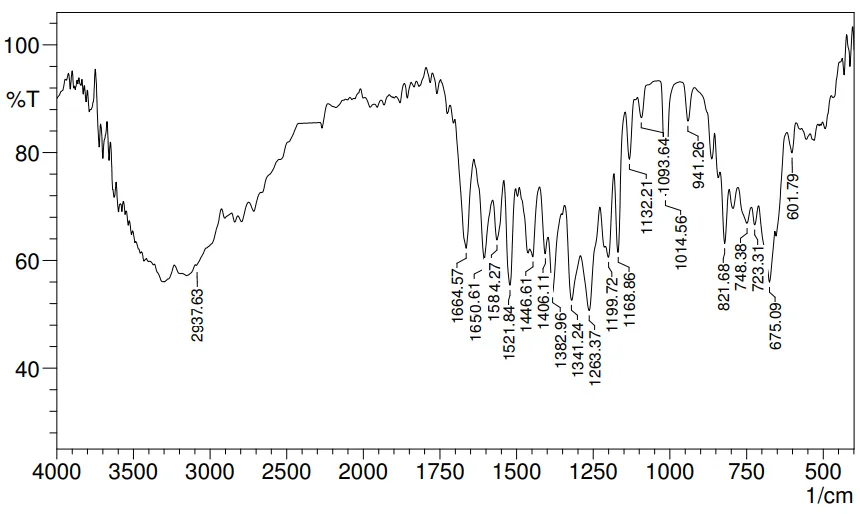
Figure 1: FTIR spectrum of Metronidazole
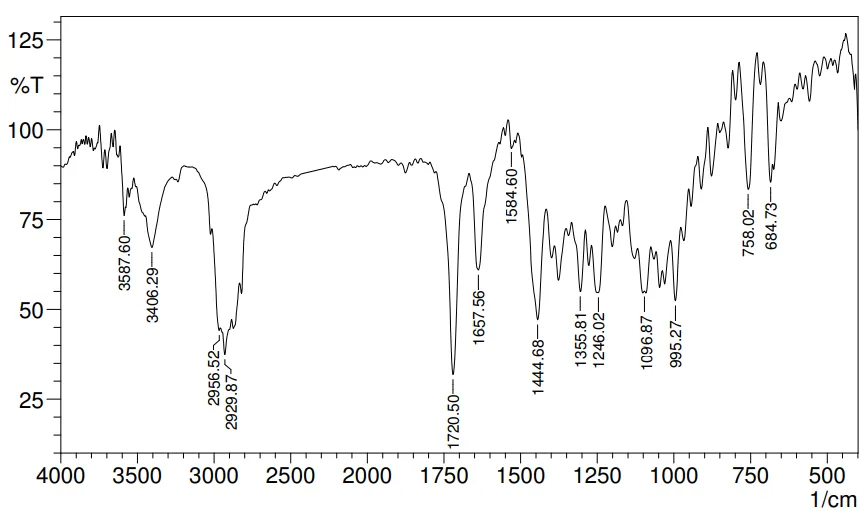
Figure 2: FTIR spectrum of Ciprofloxacin
DSC study of pure drug:
DSC profile of Metronidazole and Ciprofloxacin. Metronidazole showed a sharp endothermic peak at 196.000C whereas, Ciprofloxacin showed a peak at 163.000C corresponding to the melting transition temperature and decomposition of these drugs. Such sharp endothermic peak signifies that MNZ and CFC used were in pure crystalline state.
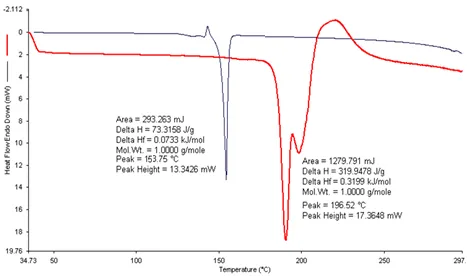
Figure 3: DSC Thermogram of MNZ and CFC
UV analysis:
Determination of λmax:
The std. solution of concentration 10μg/ml exhibited max absorbance at 295 nm for Metronidazole and 240 nm for Ciprofloxacin.
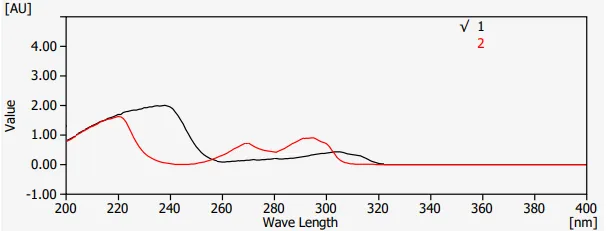
Figure 4: λmax of drug MNZ and CFC
UV Method Validation
Linearity
The developed UV spectrophotometric method exhibited good linearity over the concentration range of 5–25 μg/mL for Metronidazole (MNZ) and 4–20 μg/mL for Ciprofloxacin (CFC). Calibration curves showed excellent linear relationships between concentration and absorbance, with correlation coefficients (R²) of 0.999 for both drugs.
Table 4. Linearity Data of Metronidazole and Ciprofloxacin
|
Parameter |
Metronidazole |
Ciprofloxacin |
|
Linearity Range (μg/mL) |
5–25 |
4–20 |
|
Slope |
0.0374 |
0.0481 |
|
Intercept |
0.0698 |
0.0981 |
|
Correlation Coefficient (R²) |
0.999 |
0.999 |
Sensitivity (LOD and LOQ)
The sensitivity of the method was evaluated in terms of the limit of detection (LOD) and limit of quantification (LOQ). The low values obtained indicated adequate sensitivity for the estimation of both drugs.
Table 5. LOD and LOQ of Metronidazole and Ciprofloxacin
|
Parameter |
Metronidazole (μg/mL) |
Ciprofloxacin (μg/mL) |
|
LOD |
0.271 |
0.574 |
|
LOQ |
0.563 |
0.768 |
Accuracy
Accuracy was assessed by recovery studies at 80%, 100%, and 120% levels using the standard addition method. The percentage recoveries ranged from 99.22% to 101.09%, indicating excellent accuracy of the proposed method.
Table 6. Accuracy Study of Metronidazole and Ciprofloxacin
|
Drug |
Level (%) |
Mean Recovery (%) |
%RSD |
|
Metronidazole |
80 |
101.09 |
0.617 |
|
100 |
100.46 |
1.203 |
|
|
120 |
99.63 |
0.154 |
|
|
Ciprofloxacin |
80 |
99.41 |
1.071 |
|
100 |
100.25 |
0.562 |
|
|
120 |
99.22 |
0.288 |
Precision
The precision of the method was evaluated through intra-day and inter-day studies. The %RSD values for both drugs were below 2%, demonstrating satisfactory repeatability and reproducibility of the method.
Table 7. Precision Study of Metronidazole and Ciprofloxacin
|
Drug |
Parameter |
%RSD |
|
Metronidazole |
Intra-day |
0.619 |
|
Metronidazole |
Inter-day |
0.458 |
|
Ciprofloxacin |
Intra-day |
0.653 |
|
Ciprofloxacin |
Inter-day |
0.645 |
Ruggedness
Ruggedness was evaluated by performing the analysis under different analyst conditions. The low %RSD values obtained confirmed the reproducibility of the method.
Table 8. Ruggedness Study of Metronidazole and Ciprofloxacin
|
Drug |
Condition |
%RSD |
|
Metronidazole |
Analyst 1 |
0.632 |
|
Metronidazole |
Analyst 2 |
0.489 |
|
Ciprofloxacin |
Analyst 1 |
0.486 |
|
Ciprofloxacin |
Analyst 2 |
0.367 |
Robustness
The robustness study demonstrated that minor deliberate variations in analytical conditions did not significantly affect the analytical performance. The %RSD values were well below the acceptable limit of 2%, confirming the robustness of the method.
Table 9. Robustness Study of Metronidazole and Ciprofloxacin
|
Drug |
%RSD |
|
Metronidazole |
0.332 |
|
Ciprofloxacin |
0.452 |
Overall, the validation results confirmed that the developed UV spectrophotometric method is linear, accurate, precise, sensitive, rugged, and robust for the simultaneous estimation of Metronidazole and Ciprofloxacin.
RP-HPLC Method Development and System Suitability
Selection of Analytical Wavelength
The UV spectra of Metronidazole and Ciprofloxacin were recorded, and 250 nm was selected as the analytical wavelength as both drugs exhibited significant absorbance at this wavelength, making it suitable for simultaneous estimation.
Optimization of Chromatographic Conditions
Several mobile phase compositions were evaluated to achieve satisfactory separation, peak symmetry, and resolution of Metronidazole and Ciprofloxacin. Initial trials using binary solvent systems of acetonitrile-water and methanol-water produced broad peaks with poor resolution. Further optimization using ternary mixtures of acetonitrile, methanol, and water improved chromatographic performance.
Among all the tested conditions, the mobile phase consisting of Acetonitrile:Methanol:Water (50:30:20, v/v/v) at a flow rate of 1.0 mL/min provided well-resolved peaks with acceptable peak symmetry and theoretical plate counts. Therefore, this chromatographic condition was selected for further validation studies.
Table 10. Optimization of RP-HPLC Conditions
|
Trial |
Mobile Phase Composition (v/v) |
Observation |
Status |
|
1 |
Acetonitrile:Water (80:20) |
Broad peaks with poor separation |
Rejected |
|
2 |
Methanol:Water (80:20) |
Improved separation but broad peaks |
Rejected |
|
3 |
Acetonitrile:Methanol:Water (50:40:10) |
Better peak shape but broad peaks observed |
Rejected |
|
4 |
Acetonitrile:Methanol:Water (50:30:20) |
Good peak shape, resolution, and intensity |
Accepted |
Table 11. Chromatographic Parameters Obtained During Optimization
|
Trial |
Drug |
Retention Time (min) |
Theoretical Plates |
Asymmetry |
|
1 |
Ciprofloxacin |
2.523 |
2413 |
1.34 |
|
Metronidazole |
5.341 |
2568 |
1.12 |
|
|
2 |
Ciprofloxacin |
3.148 |
3176 |
1.14 |
|
Metronidazole |
7.512 |
2861 |
1.26 |
|
|
3 |
Ciprofloxacin |
3.861 |
4267 |
1.02 |
|
Metronidazole |
9.836 |
3867 |
1.10 |
|
|
4 (Optimized) |
Ciprofloxacin |
4.509 |
4637 |
0.886 |
|
Metronidazole |
11.738 |
4236 |
0.924 |
The optimized chromatographic conditions consisted of an Inertsil C18 column (250 × 4.6 mm, 5 μm), Acetonitrile:Methanol:Water (50:30:20, v/v/v) as the mobile phase, a flow rate of 1.0 mL/min, and UV detection at 250 nm under isocratic elution.
Trial No: 1
1. Acetonitrile: Water (80:20 v/v)
Flow rate: 1 ml/min
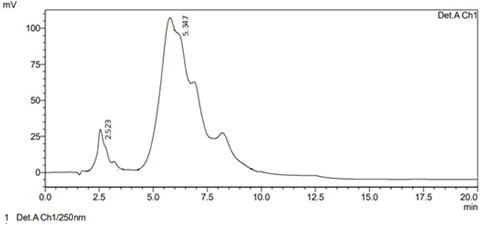
Figure 5: Mobile phase optimization (trial 1) - Acetonitrile: Water (80:20 v/v)
Optimized Method:
Mobile phase composition- Acetonitrile: Methanol: Water (50:30:20 v/v)
Flow rate: 1ml/min
Wavelength: 250nm
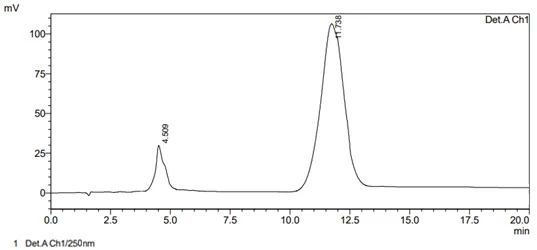
Figure 6: Mobile phase optimization (optimized trial: Acetonitrile: Methanol: Water (50:30:20 v/v)
System Suitability
System suitability testing was performed to verify the adequacy of the chromatographic system before analysis. The chromatographic parameters, including retention time, peak area, tailing factor, and theoretical plate count, were found to be within acceptable limits, indicating satisfactory system performance. The developed method provided adequate resolution and reproducible chromatographic responses for both Metronidazole and Ciprofloxacin.
Table 12. System Suitability Parameters
|
Drug |
Retention Time (min) |
Peak Area |
USP Tailing Factor |
USP Plate Count |
|
Metronidazole |
4.512 |
852146 |
1.68 |
2761 |
|
Ciprofloxacin |
11.725 |
12173226 |
1.41 |
2367 |
The chromatograms obtained under the optimized conditions exhibited well-resolved and symmetrical peaks for both analytes without any interference, demonstrating the suitability of the developed RP-HPLC method for simultaneous estimation of Metronidazole and Ciprofloxacin in tablet dosage forms.
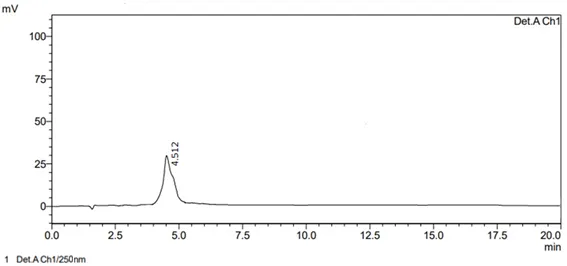
Figure 7: Standard Chromatogram of Ciprofloxacin
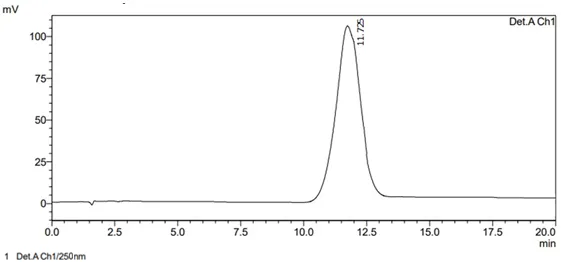
Figure 8: Standard Chromatogram of Metronidazole
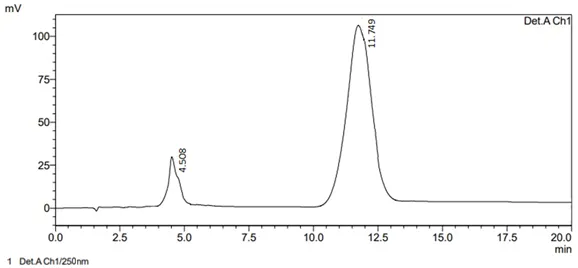
Figure 9: Standard Chromatogram of Mixture of Ciprofloxacin and Metronidazole
RP-HPLC Method Validation
Specificity
The specificity of the developed RP-HPLC method was evaluated by comparing blank, standard, and sample chromatograms. No interfering peaks were observed at the retention times of Metronidazole and Ciprofloxacin, indicating the absence of interference from excipients or other formulation components. Peak purity analysis confirmed the homogeneity of both analyte peaks, demonstrating the specificity of the method.
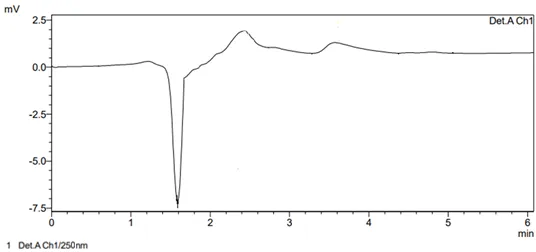
Figure 10 : Blank Chromatogram for Specificity
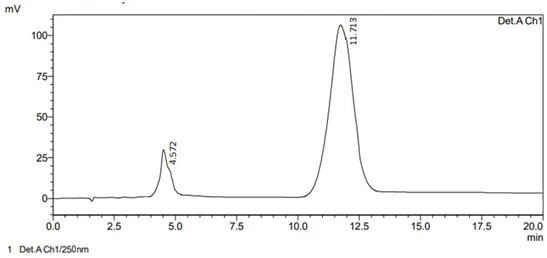
Figure 11: Purity chromatogram of Standard CFC and MNZ
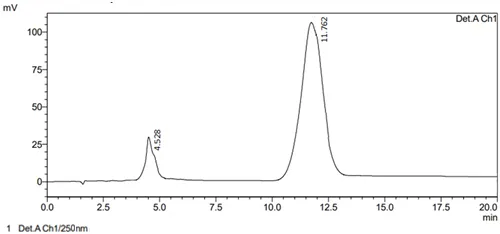
Figure 12: Purity chromatogram of Sample of CFC and MNZ
Precision
The precision of the method was assessed in terms of system precision, method precision, intra-day precision, and inter-day precision. System precision evaluated from six replicate injections showed %RSD values of 0.0440% for Ciprofloxacin and 0.0005% for Metronidazole. Method precision studies yielded mean assay values of 100.21% and 100.56% for Ciprofloxacin and Metronidazole, respectively, with %RSD values below 1.0%.
The intra-day and inter-day precision studies at different concentration levels also demonstrated excellent repeatability and intermediate precision, with all %RSD values well below the acceptance criterion of 2%, confirming the reproducibility of the developed method.
Table 13. Summary of Precision Studies
|
Parameter |
Ciprofloxacin (%RSD) |
Metronidazole (%RSD) |
|
System Precision |
0.0440 |
0.0005 |
|
Method Precision |
0.914 |
0.593 |
|
Intra-day Precision |
0.0045–0.0295 |
0.0012–0.0250 |
|
Inter-day Precision |
0.014–0.082 |
0.001–0.039 |
Linearity
The linearity of the RP-HPLC method was evaluated over concentration ranges of 20–60 μg/mL for Ciprofloxacin and 50–150 μg/mL for Metronidazole. A linear relationship between peak area and concentration was observed for both analytes. The regression coefficients obtained were 0.9997 for Ciprofloxacin and 0.9992 for Metronidazole, indicating excellent linearity within the studied ranges.
Table 14. Linearity and Regression Data
|
Parameter |
Ciprofloxacin |
Metronidazole |
|
Linearity Range (μg/mL) |
20–60 |
50–150 |
|
Slope |
45701 |
246911 |
|
Intercept |
73433 |
96879 |
|
Correlation Coefficient (R²) |
0.9997 |
0.9992 |
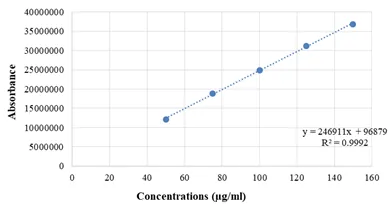
Figure 13: Plot of linearity study for Metronidazole
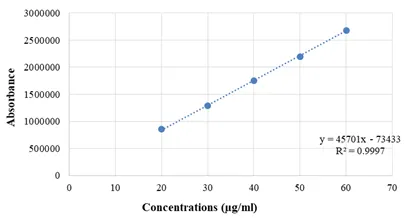
Figure 14: Plot of linearity study for Ciprofloxacin
Sensitivity (LOD and LOQ)
The sensitivity of the developed method was determined by calculating the limit of detection (LOD) and limit of quantification (LOQ). The low values obtained indicated that the method was sufficiently sensitive for the simultaneous estimation of both drugs.
Accuracy
The accuracy of the method was evaluated by recovery studies using the standard addition technique at 80%, 100%, and 120% levels. Mean recoveries ranged from 99.84% to 100.24% for Ciprofloxacin and from 100.17% to 100.46% for Metronidazole. The low %RSD values (<2%) demonstrated the accuracy of the developed method.
Table 15. Summary of Accuracy Studies
|
Drug |
Recovery Level (%) |
Mean Recovery (%) |
%RSD |
|
Ciprofloxacin |
80 |
100.24 |
0.437 |
|
100 |
99.84 |
0.226 |
|
|
120 |
99.86 |
0.189 |
|
|
Metronidazole |
80 |
100.46 |
0.459 |
|
100 |
100.22 |
0.390 |
|
|
120 |
100.17 |
0.152 |
Robustness
Robustness was evaluated by introducing small deliberate changes in chromatographic parameters, including flow rate and detection wavelength. These variations did not significantly affect retention times or chromatographic performance, indicating the robustness of the developed method.
Table 16. Robustness Study
|
Parameter Variation |
Ciprofloxacin RT (min) |
Metronidazole RT (min) |
|
Flow Rate (0.8–1.2 mL/min) |
4.462–4.754 |
11.521–12.353 |
|
Wavelength (223–227 nm) |
No significant change |
11.468–11.782 |
Ruggedness
Ruggedness was assessed by performing the analysis at different temperatures (25°C, 37°C, and 60°C). The %RSD values for both drugs remained below 0.1%, indicating that the method is reproducible under varied operating conditions.
Overall, the validation results demonstrated that the developed RP-HPLC method is specific, linear, accurate, precise, sensitive, robust, and rugged, making it suitable for routine quality control analysis of Metronidazole and Ciprofloxacin in tablet dosage forms.
Stability Studies
Accelerated stability studies were conducted to evaluate the stability of Metronidazole and Ciprofloxacin tablets and to establish the stability-indicating capability of the developed RP-HPLC method. The tablets were stored under accelerated conditions (40 ± 2°C/75 ± 5% RH) for a period of three months and analyzed at predetermined intervals for physical appearance and assay content.
No significant changes in color, odor, texture, or tablet integrity were observed throughout the study period, indicating satisfactory physical stability. Assay values of both drugs remained within the acceptable pharmacopoeial limits (90–110%) with less than 1% reduction from the initial assay values. Furthermore, no additional peaks due to degradation products were observed, and chromatographic parameters such as retention time, peak symmetry, and resolution remained unchanged.
Table 18. Accelerated Stability Study Results
|
Time Point |
Metronidazole (% Assay) |
% Change |
Ciprofloxacin (% Assay) |
% Change |
|
Initial (0 Month) |
98.43 |
— |
97.31 |
— |
|
1 Month |
98.21 |
-0.22 |
97.08 |
-0.23 |
|
2 Months |
97.96 |
-0.47 |
96.84 |
-0.47 |
|
3 Months |
97.62 |
-0.81 |
96.55 |
-0.76 |
The results confirmed that the tablet formulation remained stable under accelerated storage conditions and demonstrated that the developed RP-HPLC method is stability-indicating and suitable for routine stability testing.
Analysis of Marketed Formulation
The validated RP-HPLC method was successfully applied to the assay of a marketed tablet formulation, Ciprodiazole tablets (Minapharm Pharmaceuticals), containing Metronidazole and Ciprofloxacin. The chromatographic analysis produced well-resolved and symmetrical peaks for both drugs without interference from formulation excipients, confirming the applicability of the method for routine quality control analysis.
The chromatographic parameters obtained during the assay were within acceptable limits. Ciprofloxacin exhibited a retention time of 4.621 min, whereas Metronidazole eluted at 11.649 min. The percentage assay values were found to be 97.31% for Ciprofloxacin and 98.43% for Metronidazole, indicating compliance with the labeled claim and pharmacopoeial specifications.
Table 19. Assay Results of Marketed Formulation
|
Parameter |
Ciprofloxacin |
Metronidazole |
|
Retention Time (min) |
4.621 |
11.649 |
|
Peak Area (μV·sec) |
838661 |
11845682 |
|
Tailing Factor |
1.121 |
1.284 |
|
Theoretical Plate Count |
2452.03 |
2367.76 |
|
% Assay |
97.31 |
98.43 |
The assay results confirmed the accuracy, precision, and suitability of the developed RP-HPLC method for the simultaneous estimation of Metronidazole and Ciprofloxacin in combined tablet dosage forms and its application in routine pharmaceutical quality control.
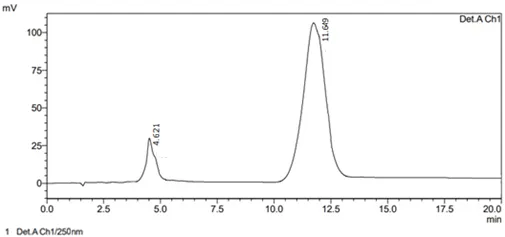
Figure 15: Analysis of Marketed formulation (Ciprodiazole tablets, Minapharm Pharmaceuticals)
CONCLUSION
A simple, rapid, accurate, and stability-indicating RP-HPLC method was successfully developed and validated for the simultaneous estimation of Metronidazole and Ciprofloxacin in tablet dosage forms. The optimized chromatographic conditions provided satisfactory separation with good peak symmetry, resolution, and reproducibility. Validation studies performed according to ICH guidelines confirmed that the method is specific, linear, precise, accurate, sensitive, robust, and rugged. The developed method exhibited excellent recovery values and low %RSD values, demonstrating its reliability for quantitative analysis.
The method was effectively applied to the analysis of marketed Ciprodiazole tablets, and the assay results were found to be within acceptable pharmacopoeial limits. Accelerated stability studies further established the stability-indicating capability of the method, as no significant degradation or changes in chromatographic performance were observed during the study period. Therefore, the proposed RP-HPLC method can be successfully employed for routine quality control, assay determination, and stability testing of pharmaceutical formulations containing Metronidazole and Ciprofloxacin.
CONFLICT OF INTEREST:
The authors declare that there is no conflict of interest regarding the publication of this research work.
REFERENCES

Sanchi Gaikwad, RP-HPLC Method Development and Validation for The Estimation of Metronidazole and Ciprofloxacin in Tablets, Int. J. of Pharm. Sci., 2026, Vol 4, Issue 6, 1654-1671, https://doi.org/10.5281/zenodo.20570562
 10.5281/zenodo.20570562