

We use cookies to ensure our website works properly and to personalise your experience. Cookies policy
B.R.Harne College of Pharmacy, Thane, Vangani, Maharashtra.
Semaglutide is an agonist of glucagon-like peptide-1 receptors (a member of the GLP-1 RAs group) and one of the most important discoveries in medicine. Its ability to stimulate the secretion of insulin in the presence of glucose, to inhibit the secretion of glucagon, and to slow down gastric emptying makes semaglutide very useful for glycemic control and weight loss.[1,2,6] The structure of semaglutide consists of a fatty acid side chain and an amino acid, which helps semaglutide not to be decomposed by Dipeptidyl peptidase-4 (DPP-4) and to bind to albumin, having an incredibly long half-life, i.e., for more than a week. Once-weekly subcutaneous injections of semaglutide are given. Obesity leads to different health conditions such as type 2 diabetes, hypertension, or lipid disorders; the key methods of the treatment of such diseases include therapies (behavior modifications and cognitive behavioral therapy), medication, and surgery[19,20,21,23]. Although only five medications, orlistat, phentermine/topiramate, naltrexone/bupropion, semaglutide, and liraglutide, are FDA-approved, none can compete with semaglutide. Compared to the rest of the GLP-1 RA medications, semaglutide does not show any signs of increased risk of thyroid, pancreatic, and other cancers[3,13,14,17,21,22]. The off-label use of semaglutide for weight loss is growing, despite the high price. The drug has demonstrated its efficacy in treating metabolic steatohepatitis, cardioprotection, and neuroprotection. Therefore, semaglutide has the best risk-benefit ratio and represents a breakthrough in neurohormonal regulation of energy homeostasis.
Obesity is a major public health concern worldwide and is associated with several chronic conditions, including type 2 diabetes mellitus (T2DM), hypertension, dyslipidaemia, cardiovascular disease, obstructive sleep apnoea and certain types of cancer. Body mass index (BMI) is commonly used to classify overweight and obesity, with overweight generally defined as a BMI of 25–29.9 kg/m² and obesity as a BMI of 30 kg/m² or higher [19–21]. Management approaches include dietary modification, regular physical activity, behavioural interventions and pharmacological treatment. Depending on the patient's clinical condition, surgical approaches may also be considered [19–21,23]. Pharmacological options for obesity include orlistat, phentermine/topiramate, naltrexone/bupropion and GLP-1 receptor agonists such as liraglutide and semaglutide. Tirzepatide is another important treatment option and acts as a dual glucose-dependent insulinotropic polypeptide (GIP) and GLP-1 receptor agonist [8,21,23]. Among these medicines, semaglutide has demonstrated substantial weight-loss efficacy in clinical trials and has become an important option for patients with obesity or overweight accompanied by weight-related health conditions [13,14,17,21,22]. Semaglutide belongs to the GLP-1 receptor agonist class and is structurally related to the naturally occurring incretin hormone GLP-1. It acts on GLP-1 receptors involved in glucose regulation and appetite control. Its major actions include stimulating glucose-dependent insulin secretion from pancreatic beta cells, suppressing glucagon secretion, and influencing appetite-regulating pathways in the central nervous system. It also delays gastric emptying, particularly during the early period after administration, contributing to postprandial glucose control and feelings of fullness [1,2,6]. Other GLP-1 receptor agonists include liraglutide, dulaglutide and exenatide. Clinical trials have demonstrated that semaglutide can provide significant improvements in glycaemic control and body weight in people with T2DM. The SUSTAIN programme evaluated injectable semaglutide, while the PIONEER programme investigated its oral formulation [6,9,11,37,38]. Its gastrointestinal adverse effects, however, require attention during treatment and dose escalation [25,39]. Semaglutide received its first US approval for the treatment of T2DM in 2017. Its subsequent development and clinical evaluation led to additional indications, including chronic weight management with specific formulations and doses. Semaglutide 2.4 mg was also evaluated in people with overweight or obesity and established cardiovascular disease, demonstrating a reduction in major adverse cardiovascular events in the SELECT trial [4,13,21,33]. The pancreas plays an important role in maintaining blood glucose levels. Pancreatic beta cells produce insulin, while alpha cells produce glucagon. Insulin promotes glucose uptake and storage, whereas glucagon helps increase blood glucose levels when required. In type 1 diabetes, autoimmune destruction of pancreatic beta cells results in severe insulin deficiency. In T2DM, insulin resistance and progressive impairment of beta-cell function contribute to persistent hyperglycaemia [1,2,12]. Long-term uncontrolled T2DM can lead to complications such as peripheral neuropathy, diabetic nephropathy, retinopathy and cardiovascular disease. Obesity and T2DM are closely associated through mechanisms involving insulin resistance, metabolic dysfunction and chronic low-grade inflammation [12,19–21]. Semaglutide is therefore of particular interest because it addresses several metabolic pathways simultaneously. Its structural modifications also allow it to remain in circulation for approximately one week through reversible albumin binding, making once-weekly subcutaneous administration possible [4,6].
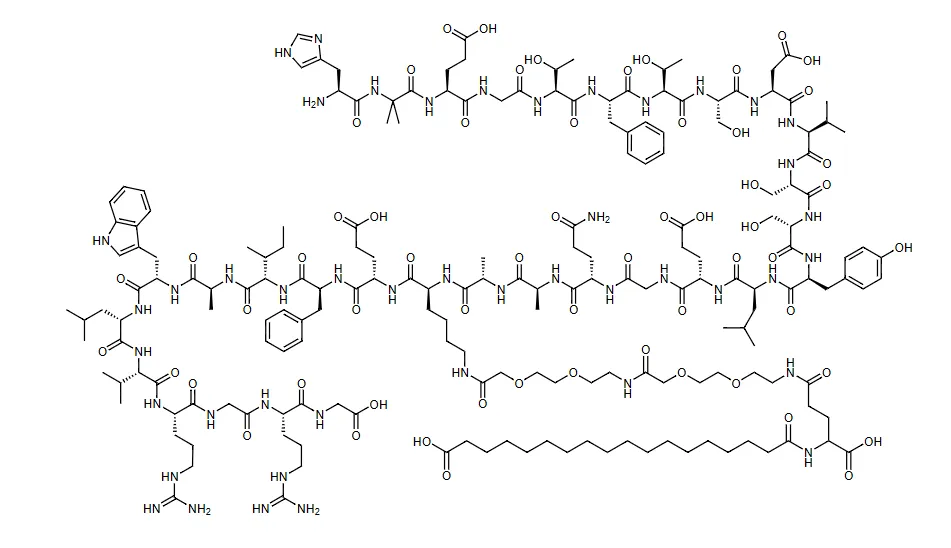
Figure 1: (Chemical Structure of Semaglutide (Source: IRIS Biotech GmbH [41])
Overview of Semaglutide
The development of semaglutide represents an important example of rational drug design in metabolic disease treatment. It originated from research into glucagon-like peptide-1, an incretin hormone involved in regulating blood glucose and body weight. Native GLP-1 has a very short plasma half-life because it is rapidly degraded by the enzyme DPP-4, limiting its usefulness as a therapeutic agent. This limitation encouraged the development of GLP-1 receptor agonists with improved stability and longer duration of action [1,4,6]. One important strategy used during the development of long-acting GLP-1 analogues was reversible binding to albumin. Albumin binding can reduce renal clearance and protect the peptide from rapid enzymatic degradation. Earlier research into fatty-acid-modified peptides and proteins, including insulin detemir and liraglutide, helped establish the potential of this approach [4,6]. However, increasing albumin affinity does not automatically improve pharmacological activity. Excessively strong albumin binding can reduce the amount of free peptide available to interact with the GLP-1 receptor. Therefore, the development of semaglutide required a balance between prolonged circulation time and sufficient receptor activity [4,6]. An important structural modification involved replacing alanine at position 8 with alpha-aminoisobutyric acid (Aib). This substitution improves resistance to DPP-4-mediated degradation while maintaining GLP-1 receptor activity. Additional modifications involved attaching a fatty-acid side chain through a hydrophilic linker, allowing reversible albumin binding and extending the drug's duration of action [4,6]. The fatty-acid side chain and linker were selected through systematic structure–activity studies. The C18 fatty di-acid and γGlu-2xOEG linker used in semaglutide contribute to its albumin-binding properties and prolonged pharmacokinetic profile. These modifications allow semaglutide to maintain sufficient GLP-1 receptor activity while remaining in circulation for an extended period [4,6]. Pharmacokinetic and pharmacodynamic investigations were important during the selection of semaglutide as a once-weekly treatment. Its prolonged half-life of approximately one week supports weekly subcutaneous administration and distinguishes it from shorter-acting GLP-1 receptor agonists that require more frequent dosing [4,6]. Semaglutide has the molecular formula C187H291N45O59 and a molecular weight of approximately 4,113.64 g/mol. These chemical characteristics, together with its amino acid substitutions and fatty-acid modification, contribute to its pharmacological properties [4,6,31].
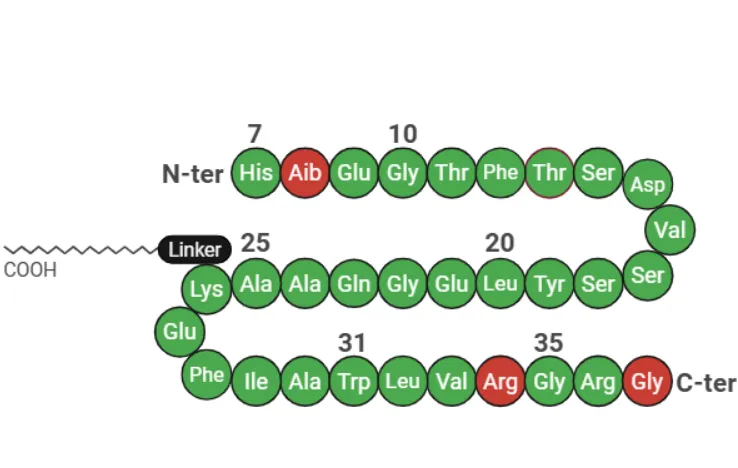
Figure 2: Amino Acid Sequence of Semaglutide (Source: InvivoGen [42]).
Mechanism of Action: Semaglutide is among the drugs classified as glucagon-like peptide-1 receptor agonists (GLP-1 RAs). Drugs of this class share their pharmacokinetic characteristics with GLP-1. This hormone is produced from proglucagon, and its structure resembles glucagon. It is responsible for as much as 70% of insulin secretion since this hormone is released in response to food consumption. GLP-1 RAs bind to various GLP-1-specific receptors. They can be found in almost all tissues and organs of the human body. In pancreatic beta cells, GLP-1 RAs stimulate glucose-dependent insulin secretion. In addition, they help in appetite control by the brain. Thus, due to the combined action of this drug on the peripheral and central mechanisms, semaglutide lowers food consumption, which leads to body weight and fat mass loss. The mechanism of semaglutide is complex in nature and includes both central and peripheral actions, which improve blood glucose levels and enable weight loss. In the pancreas, semaglutide stimulates insulin secretion that is dependent on the presence of glucose, while decreasing glucagon levels and reducing the amount of glucose produced by the liver. In the gastrointestinal tract, semaglutide delays the process of passing food from the stomach to the intestines, accelerates the absorption of nutrients, and prolongs the feeling of fullness. In the central nervous system, this medication impacts the hypothalamus and regulates the hunger sensations and the desire for food, which can help in gaining effective and long-lasting weight loss with semaglutide. The long-acting GLP-1 agonists like semaglutide have long-lasting effects on the appetite centers of the hypothalamus, on reward-driven eating behavior, and on regulation of energy intake; plus semaglutide improves glucose and lipid metabolism after eating and delays first-hour gastric emptying in obese patients, which adds up to its metabolic benefits; thus, the combination of reduced appetite, delay in gastric emptying, and increased satiety creates a synergistic effect leading to significant and permanent weight loss. Furthermore, GLP-1 blocker drugs are known to improve kidney function and heart condition, especially in patients with chronic kidney problems or atherosclerosis, and help lose weight again.[1,2,6,20,21,33,34]
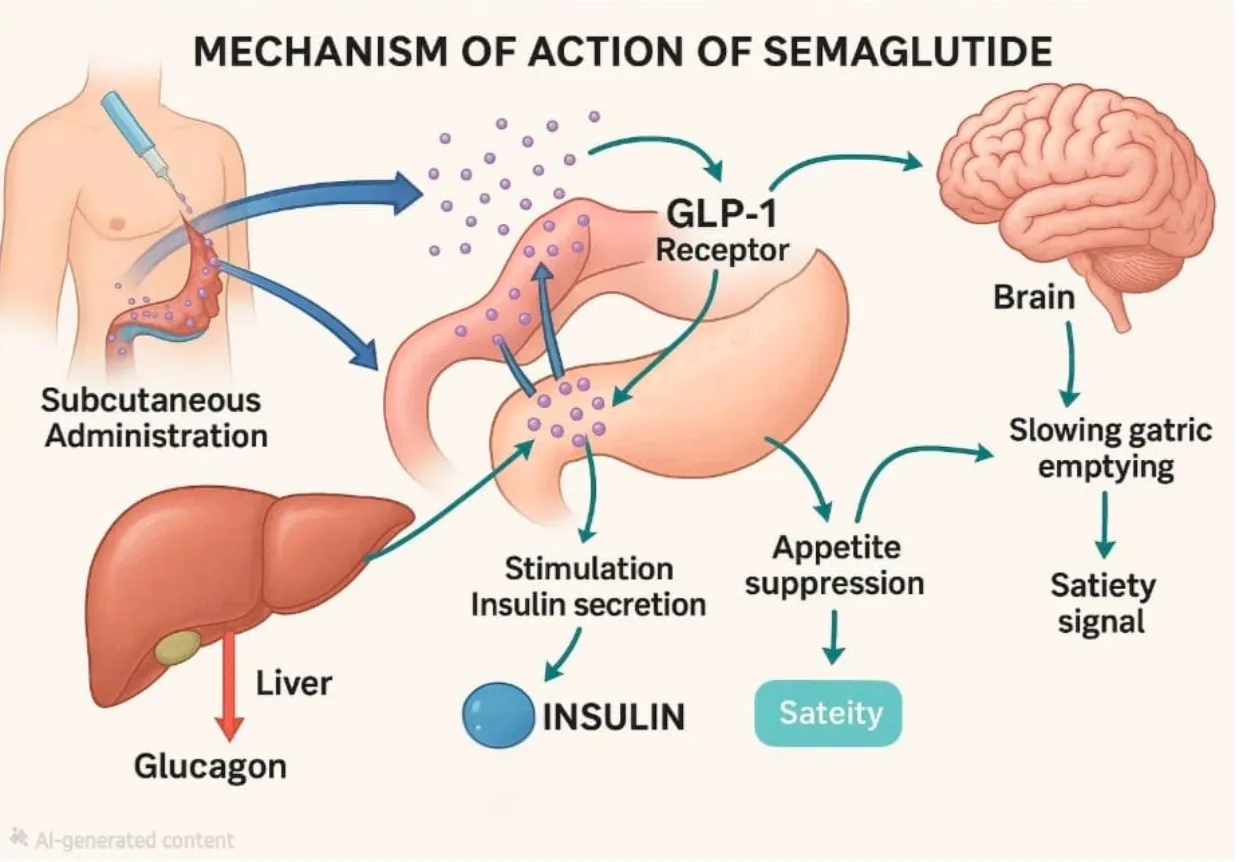
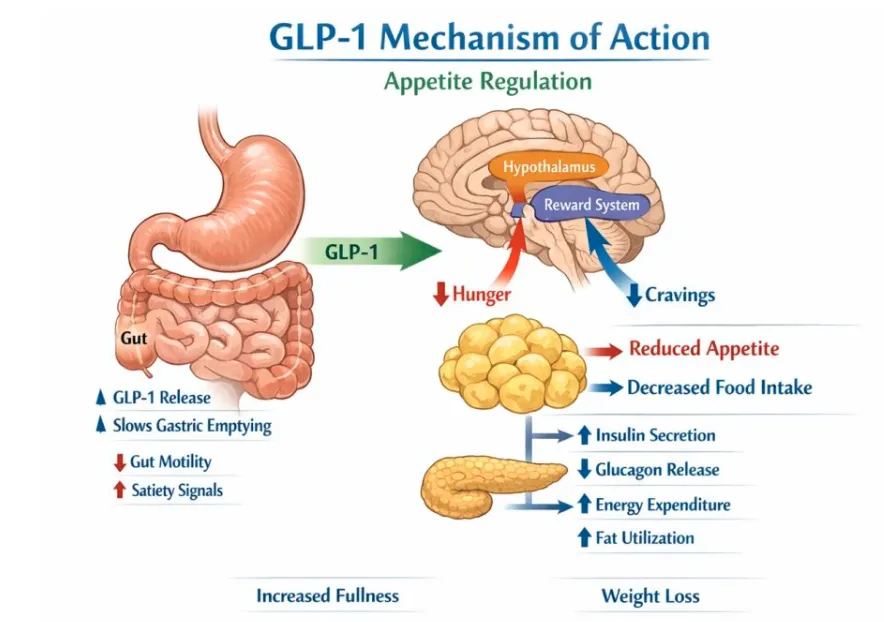
FIG. 3 (MOA of semaglutide - Jiji K et al. (2026), International Journal of Pharmaceutical Sciences[43]). Role in weight loss: Introduction: The condition of obesity is pandemic across the world, with an estimated 650 million adults suffering from obesity and another two billion suffering from being overweight, where the health effects go way beyond the problem of extra body weight to include diabetes mellitus (type 2), high blood pressure, dyslipidemia, cardiovascular disease, obstructive sleep apnea, arthritis, and various cancers that lead to lower life expectancy.[19,20,21] Where weight management through diet and exercise may form the basic treatment plan for the patient, compliance often falls off, and metabolic adaptations make weight gain possible, leading to patients not being able to lose enough weight to positively affect their risk factors; this issue has led to the invention of drugs for use in the condition, including Semaglutide.[19,20,21,23] Semaglutide is a once-weekly GLP-1 receptor agonist.[4,6,21] It has been shown through clinical research that semaglutide works by decreasing appetite and hunger, along with reduced energy intake and control over the eating process, as well as lowered preference for high-calorie fatty foods.[20,21] The effectiveness of semaglutide seems to be dose-dependent, as more participants manage to reduce their weight by 5% or more (also by 10%, 15%, and 20%).[13,14,18,21,22] Furthermore, in patients with heart failure with preserved ejection fraction, the STEP-HFpEF study revealed that symptoms improved together with body weight and the ability to perform physical exercises due to weight loss and certain effects caused by obesity.[35]Semaglutide is also known to have renoprotective, anti-inflammatory, and potentially hepatoprotective effects.[11,21,34] However, semaglutide therapy is associated with concerning adverse effects including acute pancreatitis, anesthetic risks such as pulmonary aspiration or residual gastric content, acute kidney injury, acute gallbladder injury, nonarteritic anterior ischemic optic neuropathy, and diabetic retinopathy, with contraindications including a history of medullary thyroid carcinoma or multiple endocrine neoplasia syndrome type 2 and pregnancy, while gastrointestinal adverse events are the most commonly reported, though long-term studies affirm overall safety and tolerability.[25,39]Semaglutide can cause serious adverse effects such as acute pancreatitis, risk for pulmonary aspiration while administering anesthesia, acute kidney injury, gallbladder injury, non-arteritic anterior ischemic optic neuropathy, and diabetic retinopathy.[25,39] It is also contraindicated for those with a history of medullary thyroid carcinoma or multiple endocrine neoplasia syndrome type II.[39] The STEP program was composed of several randomized, controlled trials that tested semaglutide in various formulations. Thus, it was found in STEP 1 that weekly doses of semaglutide allowed for a reduction in the levels of weight by almost 15%,[13] and semaglutide had a high efficiency on glucose levels in STEP 2.[14] Meanwhile, in STEP 3, combination treatment with semaglutide and intensive behavioral therapy was shown to be effective in achieving desired weight loss outcomes.[36] Furthermore, STEP 5 allowed for assessing long-term effectiveness of semaglutide as a treatment method.[18] The STEP 6 trial compared semaglutide performance to that of liraglutide and confirmed the hypothesized advantage of semaglutide usage.[16,17]Recent research has broadened the use of semaglutide to its upper limits and to new groups of patients. In the STEP UP trial, the weekly intake of semaglutide 7.2 mg produced a significant mean body weight change in obese patients when compared to a dosage of 2.4 mg.[40] The use of semaglutide 1mg led to a reduced body weight of 4.4%. Data from real-world evidence have also shown that an increase in semaglutide dosage from 0.5 mg to 1 mg in type 2 diabetic patients led to a decrease in HbA1c (-0.4%) and body weight (-2.2 kg) without adverse events.[10] According to preclinical studies on prolonged treatment with semaglutide, there are changes in feeding behavior and metabolic adaptation of the organism depending on the stage of treatment. This weight loss can be divided into three phases: rapid weight loss, slow weight reduction, and weight maintenance. During the initial weight loss, the organism's food consumption is decreased, and the number of meals consumed is lowered too. After that, food consumption increases to the pre-treatment level of food intake, although the size of meals remains relatively low throughout the therapy. In addition, lipid oxidation decreases, and carbohydrate fuels take over in weight reduction, while weight-adjusted energy expenditure is constant in both treatment types.[20,21]The safety profile of semaglutide has been studied extensively. Gastrointestinal side effects are the most common, especially nausea, vomiting, diarrhea, constipation, and abdominal pain.[25,39]At higher doses, some patients experienced gastrointestinal side effects, and some needed a lower dose or stopped treatment because of them. Body weight decreased regardless of whether patients had gastrointestinal symptoms.[25] Semaglutide also has a positive effect on blood lipids, systolic blood pressure, and inflammation.[11,21,25] In animal studies, it has been shown to reduce the development of atherosclerosis and have anti-inflammatory activity in the cardiovascular system.[11]In conclusion, semaglutide is a breakthrough in obesity treatment. It promotes weight loss while treating the underlying disease. The STEP program and later studies have shown substantial average weight loss after two years, along with major heart and metabolic benefits.[13–18,33,35] Gastrointestinal side effects are common but usually manageable, so the overall balance of risks and benefits is good.[25,39] Future research should look at less-studied groups, such as people with non-diabetic cardiovascular disease and liver fibrosis.[33] Mechanism of Action: Semaglutide is GLP-1 Receptor Agonist (GLP-1 RA) having pharmacokinetic similarities with natural GLP-1, a glucagon-like polypeptide which is a naturally secreted incretin hormone from the proglucagon genes. It has a structure similar to glucagon but is a glucose-lowering hormone; it is secreted during ingestion of food and contributes to about 70% of insulin secretion. The GLP-1 Receptors are found in various body parts like pancreatic islet cells, kidney, lungs, heart, brain, and the gut. In pancreatic beta cells, semaglutide helps increase glucose-dependent insulin release by activating adenylyl cyclase, resulting in cellular glucose uptake and a decrease in serum glucose.[1,2,6]Semaglutide's ability to stimulate insulin while suppressing glucagon production is an efficacious way of preventing hypoglycemia compared to other glucose- lowering agents because semaglutide stimulates insulin when glucose levels are high and reduces insulin secretion during episodes of hypoglycemia without affecting glucagon levels.[1,2,6] In addition, semaglutide has shown either slight or no effect on the gastric emptying process.[6,25] In people with type 2 diabetes, semaglutide administration resulted in a 22% reduction in fasting glucose levels, a decrease in postprandial glucose levels of 29%, a reduction in the postprandial levels of glucagon of 29%, and a delay in the gastric emptying process.[6]The process of weight reduction resulting from semaglutide is complex since it includes effects both centrally and peripherally, wherein preclinical studies suggest that it also modifies food choices, decreases food consumption, and leads to weight loss with no change in energy utilization; semaglutide is capable of entering the central nervous system without crossing the blood-brain barrier as it penetrates areas such as the brainstem, septal nucleus, and hypothalamus of the brain due to its interaction with body's circumventricular organs and some regions next to the ventricles, having c-Fos expression in many parts of the brain, including those areas belonging to the hindbrain that semaglutide touches directly and those areas that semaglutide does not target but where the effects of GLP-1 receptors are seen, e.g. lateral parabrachial nucleus, as analysis shows that activation may control meal termination by the neurons in this nucleus while transcriptomic analysis proves that the expression of specific genes in the area postrema happens with the help of semaglutide since the genes responsible for the production of prolactin-releasing hormone and tyrosine hydroxylase appear to be expressed due to the action of semaglutide..[20,21] Clinical research indicates that semaglutide is associated with decreased appetite as it causes satiety increase, decreases hunger and possible food intake, decreases caloric intake, causes increased satiety and control over eating, decreases hunger sensations, decreases frequency and intensity of cravings, decreases craving for fatty foods, controls the integration of homeostatic and hedonic influences along with executive functioning to regulate calorie intake, appetite, reward and food selection, and possibly affects the hedonic reward system through direct and indirect influences in septum, thalamus, and amygdala, and due to all the central effects combined with delayed gastric emptying that creates fullness sensation produces synergism leading to significant weight loss.[20,21]The preclinical studies conducted on prolonged treatment indicate that there are alterations based on the weight loss process which takes place in three stages: 1) remarkably rapid weight loss; 2) followed by slower and gradual weight reduction; 3) and maintenance of weight, whereby the immediate phase of weight loss is characterized by decreased food intake, increased oxidation of fat, along with meals being less numerous and smaller in size, followed by the gradual recovery of food intake to the pretreatment level due to increased frequency of meals, but size of meals still remaining smaller, oxidation of fat being decreased, but oxidation of carbohydrates being increased, with constant and high energy expenditure adjusted for body changes, as well as increased activity levels at the same time causing mice to gain weight again after the treatment has been finished because of elevated food intake, meals being larger and more numerous, and in this respect meal quantity indicates satiation level, therefore, the present results underline the fact that success achieved in weight loss by means of semaglutide is due to enhanced level of satiation, whereas at the initial stages of weight loss the role played by satiety as to meals increased significantly, but then it decreased.[20,21]Semaglutide exerts lipid-lowering effects, with oral semaglutide at a dose equivalent to 9 mg versus placebo reducing fasting triglycerides and VLDL cholesterol by 19% and 20%, respectively, reducing postprandial triglyceride and VLDL cholesterol response to a high-fat meal by 24% and 21%, respectively, reducing ApoB48 in fasting and postprandial states by 25% and 30%, respectively, and reducing postprandial triglyceride and VLDL response by >40% in another formulation.[6] Cardiovascular benefits are mediated through multiple mechanisms including both weight loss-dependent and weight loss-independent effects, as GLP-1 receptors are also expressed in the heart, blood vessels, immune system, and kidneys, and in clinical studies semaglutide had favorable effects on plasma lipids, lowered systolic blood pressure, and reduced inflammation, while animal studies show dampened atherosclerosis development and anti-inflammatory effects in the cardiovascular system, and the mechanism for cardiovascular risk reduction is likely multifactorial partly driven by weight loss and effects on known cardiovascular risk factors including lowering blood pressure, improvements in lipid profile and glucose metabolism, and anti-inflammatory effects demonstrated by reductions in high-sensitivity C-reactive protein, though the exact mechanism has not been established; long-acting GLP-1 RAs reduce major adverse cardiovascular events, all-cause and cardiovascular death, heart failure hospitalization, and kidney composites across cardiovascular outcome trials and meta-analyses, with a 2019 pooled analysis and 2025 update confirming consistent reductions in MACE and hard kidney outcomes independent of baseline HbA1c, and in obesity without diabetes semaglutide 2.4 mg lowered MACE in SELECT.[11,25,33,34,37,38] The mechanism for glycemic control involves multiple complementary pathways shared by all GLP-1 RAs, including augmentation of hyperglycemia-induced insulin secretion, suppression of glucagon secretion at hyper- or euglycemia, deceleration of gastric emptying preventing large post-meal glycemic increments, and reduction in calorie intake and body weight, while long-acting GLP-1 RAs have more profound effects on overnight and fasting plasma glucose and HbA1c, effects on gastric emptying decrease over time (tachyphylaxis), and semaglutide is characterized by greater efficacy with respect to lowering plasma glucose as well as body weight, with comparative clinical trials showing semaglutide (subcutaneous 0.5 or 1.0 mg once weekly) exerts better glucose-lowering activity and greater weight loss than other GLP-1 RAs.[1,2,3,6,9,11] Recent research indicates that glucagon-like peptide-1 receptor agonists may be used effectively in newly diagnosed cases of type 1 diabetes due to their immunomodulatory and anti-inflammatory properties, along with the ability to preserve beta-cells.[11] In conclusion, the working principle of semaglutide entails various central mechanisms related to the regulation of appetite and eating behavior, as well as peripheral actions related to the modulation of secretion processes of insulin and glucagon, gastrointestinal emptying, and metabolism of lipids. It has an important impact on cardiometabolic parameters and the effects of semaglutide; all these mechanisms allow significant weight loss and improvement of glucose metabolism taking place during the longer period of treatment since multiple metabolic changes occur within this process.[1,2,6,20,21,33,34] . FIG. 4 (MOA of semaglutide in weight loss-Grant M. Wegovy prescribing guide for GPs in Otago and Southland. Southern Weight Loss[44]) In diabetic care : Introduction:
Type 2 diabetes mellitus (T2DM) is considered one of the most serious issues faced today in terms of public health, affecting millions of people globally and causing morbidity, mortality, and costs associated with the disease. The causes of T2DM are inadequate functioning of the beta cells, resistance to insulin, and secretion of glucagon without proper regulation, leading to hyperglycemia and complications such as cardiovascular problems, nephropathy, retinopathy, and neuropathy.[1,2,12] Although it is vital to maintain glycemic control, many people with diabetes continue to use conventional methods of treatment and are unable to reach needed levels of therapy. Due to its chemical structure and development, semaglutide, which is a member of the class of GLP-1 receptor agonists, has been demonstrated to be a successful treatment method that could considerably improve glycemic control, promote weight loss, and provide cardiovascular benefits.[4,6,9,11] The SUSTAIN program tested injectable semaglutide in several studies, which showed that it worked better than placebo, sitagliptin, insulin glargine, and canagliflozin, reduced the risk of major heart complications in people with diabetes, and performed better than liraglutide and insulin aspart.[9,11,37] The PIONEER program tested the oral form of semaglutide, comparing it with placebo, sitagliptin, and liraglutide, and also looked at its use in people with kidney disease, its heart safety, and its long-term effectiveness.[5,6,38] Large reviews of many trials found that tirzepatide, semaglutide, and liraglutide gave the best improvements in blood sugar control, with tirzepatide leading, followed by semaglutide and then liraglutide, and the same three drugs showed clear benefits for weight loss, while other measures such as BMI, blood pressure, and cholesterol did not differ much from placebo.[3,8,11] Heart disease is a leading cause of hospitalization and death in type 2 diabetes, so two major trials, SUSTAIN 6 and PIONEER 6, looked at the heart safety of semaglutide, and both found that heart-related and overall deaths went down with its use, while a combined analysis of both trials showed that the heart and kidney benefits were reached regardless of weight changes, and multiple studies and reviews support the heart benefits of GLP-1 receptor agonists.[11,37,38] The safety of semaglutide has been studied closely, and stomach and gut side effects are the most common, including nausea, vomiting, diarrhea, and constipation, and in a real-world study of patients increasing their dose, many experienced these side effects, especially nausea, and some needed a lower dose or stopped treatment, while only a small number stopped for other reasons and serious reactions were not reported, and reviews show that GLP-1 receptor agonists cause more stomach and gut side effects than other treatments, with semaglutide possibly carrying a higher chance of low blood sugar compared to placebo, while liraglutide had fewer side effects than older diabetes drugs.[10,25,39] Semaglutide is revolutionizing the management of type 2 diabetes through good metabolic control, reasonable weight loss results, and demonstrated cardiovascular-related benefits.[6,9,11,37,38] The effectiveness and safety of semaglutide should be confirmed for both injectable and oral forms and for various patient groups. Although reported gastrointestinal adverse effects remain common, they are generally tolerable, thus providing a positive risk-benefit ratio that corresponds to a true breakthrough in the solution of type 2 diabetes.[25,39]
Mechanism of Action: Mechanism of Action:
Through different complementary mechanisms, Semaglutide acts on type 2 diabetes mellitus to perform its glucose-lowering functions, and many shared mechanisms present in all GLP-1 receptor agonists, such as stimulating the release of insulin in response to hyperglycemia, suppressing the secretion of glucagon in hyper- or euglycemia, slowing down gastric emptying to avoid an increase in blood sugar following meals, and reducing calories and body weight.[1,2,6] Semaglutide acts through the incretin pathway in which it stimulates the release of insulin and inhibits glucagon production in the pancreatic islets, and such mechanisms are conducive to lowering blood glucose since this glucose-dependent action does not lead to the risk of hypoglycemia that may happen when using insulin secretagogues or exogenous insulin with the role of GLP-1 receptor agonists in stimulation of insulin release in the pancreas by activating adenylyl cyclase that leads to glucose uptake by cells and reduction of glucose levels in blood.[1,2,6]The glucose-dependent properties of semaglutide's insulinotropic effect represent an important safety feature because it means that high glucose levels stimulate the secretion of insulin while inhibiting the secretion of glucagon, which is not the case in hypoglycemic situations where insulin production is decreased, and glucagon secretion remains intact.[1,2,6] In fact, in randomized controlled clinical trials in patients with type 2 diabetes, semaglutide reduced fasting glucose levels by 22% and postprandial glucose levels by 29% when compared to the placebo, and it decreased the postprandial glucagon levels by 29% relative to placebo, thus effectively correcting the two major defects of T2DM pathophysiology: underproduction of insulin and excessive glucagon levels leading to the production of glucose in the liver.[6] Impact on gastric emptying is part of the process of reducing glucose levels after the meal, since semaglutide produces some delay in the initial postprandial period resulting in reduced exposure to paracetamol during the first hour after eating and the rate of absorption of glucose into the bloodstream, avoiding large glucose spikes after eating and hence better glucose regulation, but its impact on gastric emptying decreases with time (tachyphylaxis), especially with GLP-1 RAs with a long duration of action like semaglutide.[1,2,6,25] Long-acting GLP-1 RAs have more profound effects on overnight and fasting plasma glucose and HbA1c both on a background of oral glucose-lowering agents and in combination with basal insulin, and more recently developed agents particularly semaglutide are characterized by greater efficacy with respect to lowering plasma glucose as well as body weight, with direct and indirect comparative clinical trials showing semaglutide (subcutaneous 0.5 or 1.0 mg once weekly) exerts better glucose-lowering activity and greater weight loss than other GLP-1 RAs, attributable to structural modifications providing high GLP-1 receptor potency in the presence of albumin while maintaining an extended half-life suitable for once-weekly dosing.[3,4,6,9,11] Beyond glycemic control, semaglutide exerts cardiovascular and renal protective effects of particular importance in T2DM, with long-acting GLP-1 RAs reducing major adverse CV events (MACE), all-cause and CV death, heart-failure hospitalization, and kidney composites across CV outcome trials and meta-analyses, and a 2019 pooled analysis and 2025 update confirming consistent reductions in MACE and hard kidney outcomes independent of baseline HbA1c, while in obesity without diabetes semaglutide 2.4 mg lowered MACE in SELECT expanding prevention beyond glycemia.[11,33,34,37,38] These cardiorenal benefits are mediated through both weight loss-dependent and weight loss-independent mechanisms, as GLP-1 receptors are expressed in the heart, blood vessels, immune system, and kidneys, and semaglutide has favorable effects on plasma lipids, lowers systolic blood pressure, and reduces inflammation.[11,25,33,34] The mechanism of cardiovascular risk reduction is likely multifactorial, with part of the benefit driven by weight loss effects and improvements in known cardiovascular risk factors, including lowering blood pressure, improvements in lipid profile and glucose metabolism, and anti-inflammatory effects demonstrated by reductions in high-sensitivity C-reactive protein, while animal studies show semaglutide dampened atherosclerosis development and had anti-inflammatory effects in the cardiovascular system, and though the exact mechanism has not been fully established the consistency of benefit across trials and independence from baseline HbA1c suggest direct effects on the cardiovascular system beyond glucose lowering contribute to observed outcomes.[11,25,33,34,37,38] The mechanism of action for glycemic control is thus multifaceted and addresses multiple pathophysiological defects in T2DM, with augmentation of glucose-dependent insulin secretion, suppression of glucagon secretion, deceleration of gastric emptying, and reduction in calorie intake and body weight collectively producing superior glycemic control compared with conventional therapies, while cardiovascular and renal protective effects extend clinical utility beyond glycemic management positioning semaglutide as a comprehensive cardiometabolic intervention, and the structural modifications enabling once-weekly dosing and high receptor potency in the presence of albumin represent a significant advance in GLP-1 RA pharmacology, marking a milestone in the personalized management of T2DM.[1,2,4,6,11,33,34]
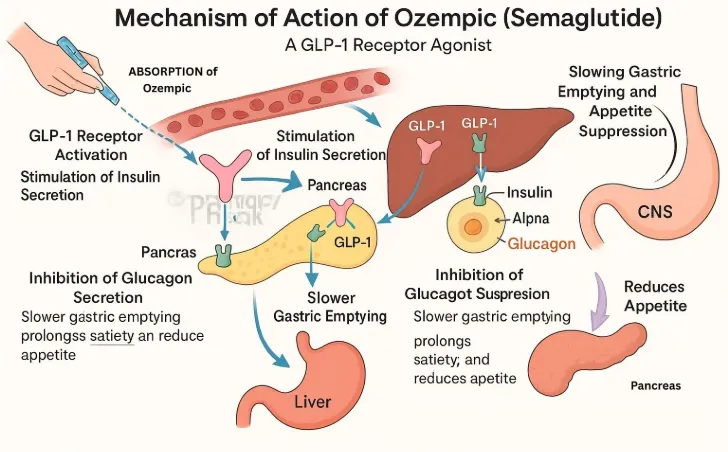
FIG. 5 (Pharmacy Freak Editorial Team. Mechanism of Action of Semaglutide (Ozempic/Wegovy). Pharmacy Freak.)
CONCLUSION:
Semaglutide is undoubtedly a revolutionary therapeutic drug in contemporary metabolism, as it has completely changed the way type 2 diabetes mellitus and obesity are treated using the complex pharmacological effects of the drug, as well as the unique chemical structure of this medication.[4,6,21] Semaglutide is a once weekly GLP-1 agonist, which is a derivative of the GLP-1 hormone, having fatty acid side chains and certain substitutions of amino acids that make it resistant to DPP-4 digestion and able to bind with albumin, making the half-life of the drug about one week.[4,6]The development of semaglutide demonstrates the effectiveness of rational drug design, as it successfully manipulated and changed the length of fatty acids, the composition of linkers, and other modifications of its molecules, creating a drug that provides an optimal combination of the duration of its existence in plasma and high performance of the GLP-1 receptor while preventing albumin from interacting with it, which was impossible for previous drugs based on the function of GLP-1 such as liraglutide and albiglutide.[4,6] Semaglutide influences the process of regulating hunger in a complicated way, acting both in central places connected to the corporeal activity and in peripheral organs such as the pancreas, stomach, and liver, leading to more effective energy savings and facilitating weight loss.[1,2,20,21]The clinical evidence supporting semaglutide is strong and wide-ranging, with the SUSTAIN and PIONEER programs demonstrating its efficacy in the treatment of type 2 diabetes, while the STEP program unveiled unparalleled weight loss effectiveness in the treatment of obesity, causing a mean weight loss of more than 15%, which had previously been the work of weight loss surgery exclusively.[6,9,13–18,37,38] In addition to glycemic control and weight loss, semaglutide also has cardiovascular and renal protective effects, as supported by the results of the SELECT and FLOW trials, which offer proof of its capacity to reduce cardiovascular risk and have a renoprotective impact in high-risk populations.[33,34] The overall safety profile of the drug is satisfactory, as there have been mainly gastrointestinal side effects, which are mostly transient, mild or moderate, and can be treated by appropriate dose titration and patient education at the pre-treatment stage using the "three Es" approach.[25,39]Indeed, systematic reviews and meta-analyses have revealed no association between semaglutide use and an increased risk of pancreatic cancer, thyroid cancer, and other cancers, unlike some of the previously used GLP-1 receptor agonists.[26–28] Also, the safety of the drug in psychiatric conditions is equally reassuring since pooled analysis of STEP trial results has shown no increased risk of depression or suicidal ideation.[13–18] The long-term effects of the treatment involve stage-specific changes in feeding behavior and metabolism, with increased satiety being one of the major factors for weight loss. Preclinical studies have shown that there are three stages of weight loss, including rapid weight loss, gradual weight loss, and weight maintenance.[20,21]There is evidence to suggest that metabolic-associated steatotic liver disease, polycystic ovary syndrome, obstructive sleep apnea, alcohol use disorder, and neuroprotective applications have more treatment possibilities, but more research is required to provide effective proof.[21,29] The current evidence base has several limitations such as heterogeneity in reporting adverse effects in various studies, only limited safety data for periods beyond two to three years, no head-to-head comparison studies with tirzepatide, and observational research of rare adverse effects, as well as lacking certain social groups such as older patients and ethnic minorities.[25,27,28] It is important to mention that there are still huge numbers of patients refusing to take the drug, which indicates that doctors need to do more in terms of information and education for users.[21,29]Semaglutide signifies a scientific breakthrough as it leads the way from slight suppression of hunger to long-term neurohormonal control of energy balance, reshaping the objectives of non-surgical treatments for obesity and allowing the drug to actually become a strong anti-obesity agent that achieves long-term and significant weight reduction, positive metabolic effects, and tolerable safety compared to past drugs; in contrast to the previous anti-obesity medications, semaglutide can achieve significant weight loss, which allows for the modification of the disease rather than simply improvement of symptoms, meaning that the drug approaches achieving personalized treatment of metabolic disorders by combining peptide pharmacology and advanced drug delivery.[4,6,13–18,20,21] Further research can focus on the effectiveness of semaglutide in groups that are not well studied, including patients with cardiovascular disease without diabetes and liver fibrosis, while comparative studies should be conducted to disregard possible sponsor bias and provide independent measurements against drugs that were recently developed, like tirzepatide, which has become possible thanks to the reasonable drug design approach used for the development of semaglutide.[8,21,33,34]
REFERENCES

Tanvi Turalkar, Sujit Raut, Prajaktya Govekar, Dr. Mahesh Sherkar, Semaglutide in Diabetes and Obesity: A Comprehensive Review of Pharmacology, Clinical Efficacy and Safety , Int. J. of Pharm. Sci., 2026, Vol 4, Issue 11, 1770-1783. https://doi.org/10.5281/zenodo.24152644
 10.5281/zenodo.24152644