

We use cookies to ensure our website works properly and to personalise your experience. Cookies policy
1,3,4,5,6Research Scholar, Department of Pharmacy, Siddhi's Institute of Pharmacy, Nandgaon, Murbad, Thane, Maharashtra, India.
2Assistant Professor, Siddhi's Institute of Pharmacy, Nandgaon, Murbad, Thane, Maharashtra, India.
Nanoparticles are very small particles that are widely used in modern drug delivery systems. They play an important role in improving the delivery of herbal drugs to the body. Herbal medicines contain natural active ingredients, but some of these ingredients have low solubility, poor stability, and low bioavailability. Nanoparticles can help overcome these problems by improving drug solubility, protecting active ingredients from degradation, and controlling drug release. They may also help deliver drugs to specific sites in the body and reduce unwanted side effects. Different types of nanoparticles, including polymeric, metallic, silver, gold, and magnetic nanoparticles, have various pharmaceutical and biomedical applications. Several methods are used to prepare nanoparticles, such as emulsion solvent evaporation, double emulsion, and salting-out methods. The prepared nanoparticles are evaluated using techniques such as particle size analysis, Dynamic Light Scattering (DLS), and Scanning Electron Microscopy (SEM). Nanoparticles have potential applications in cancer treatment, drug delivery, medical imaging, and other fields. This review discusses the types, preparation methods, advantages, disadvantages, applications, and evaluation techniques of nanoparticles. Overall, nanoparticles offer a promising approach for improving the effectiveness and delivery of herbal medicines.
Nanoparticle chemistry is a fairly new area of research in chemistry. These words would have sounded puzzling to many scientists even 30 years ago, although nanoparticles, mostly in the form of dust and smoke, have always existed in nature. Long before the nature and properties of nanoparticles were known and understood, they were used in stained glass, pigments and building materials. Transition metal nanoparticles have been used as heterogeneous catalysts for over a century, bringing impressive earnings to petrochemical companies. [1]
A particle of matter having a size range of one to one hundred nanometers (nm) is usually known as a nanoparticle or ultrafine particle. Nanoparticles often display unique size-dependent properties mainly due to their small size and huge surface area. [2]
Nanoparticles and nanomaterials are being researched for their potential applications in medicine. One of the most promising application areas is drug delivery, in which nanoparticles can be used as carriers to deliver drugs to specific cells or tissues in the body. Nanoparticles can be engineered with specific surface properties that enable them to selectively target diseased cells, sparing healthy cells, potentially enhancing efficacy and minimizing drug side effects.
Also, nanoparticles can be engineered to release the cargo in a controlled manner, allowing for sustained drug delivery over time .Nanoparticles can also be applied in diagnostics as contrast agents in medical imaging or in the detection of specific biomolecules in biological samples. Within regenerative medicine, nanomaterials can also be used as scaffolds for tissue engineering or as delivery vehicles for growth factors and other signaling molecules that induce tissue repair and regeneration. Nanomedicine is still in its infancy, but these and other possible applications hold great promise for improving the diagnosis and treatment of many medical conditions. [3]
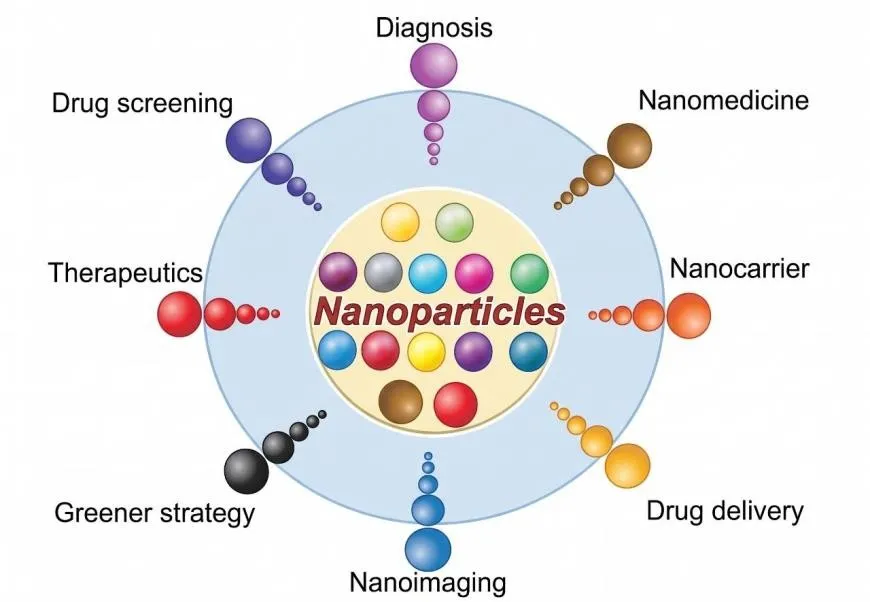
There are two main approaches for nanoparticle synthesis, namely “top-down” and “bottom-up” methods. Moreover, these strategies can be classified into gas-phase, liquid-phase, and solid-phase techniques according to the synthesis medium. The selection of the method significantly impacts the size, morphology and functional properties of the resulting nanoparticles. Nanoparticles have found extensive application in a wide range of fields. They are also applied in biomedical field such as pharmaceutical delivery systems, bio sensing (Nano sensors) and tissue engineering. In addition to biological applications, nanoparticles have been widely used in the cosmetic, electronics and automotive industries, demonstrating their versatility and broad technological relevance [4]
Polymers Used in the Preparation of NPs: The polymers employed in the formulation of nanoparticles must be biocompatible, biodegradable, and non-toxic, exhibiting non-antigenic properties to ensure compatibility with biological systems.
Natural polymers:
The most commonly used natural polymers for the preparation of polymeric nanoparticles include:
Chitosan, Gelatin, Sodium alginate, Albumin, etc.
Synthetic polymers:
In addition to natural polymers, several synthetic polymers have been widely utilized in nanoparticle synthesis due to their versatility and controlled degradation properties these include:
Polylactides (PLA), Polyglycolides (PGA), Poly (lactide-co-glycolide) (PLGA), Polyanhydrides, Polyorthoesters, [5]
Metallic nanoparticles exhibit distinct physical and chemical properties compared to their bulk metal counterparts. These include lower melting points, higher specific surface areas, and unique optical, mechanical, and magnetic characteristics, all of which make them highly attractive for various industrial and technological applications. The definition and perception of nanoparticles often depend on their intended use. In the context of biomedical applications, nanostructured materials and assemblies with dimensions up to 1000 nm are commonly considered as nanoparticles, as they retain nanoscale properties that are beneficial for medical diagnostics, imaging, and therapeutic applications [6]
Nanostructures are classified based on their dimensionality as zero-dimensional (0D), one-dimensional (1D), two-dimensional (2D) and three-dimensional (3D) nanoparticles, which have specific properties and applications. In addition, the structural, optical, chemical, electronic, mechanical, thermal and magnetic properties of nanoparticles are very important in the determination of their behavior and their suitability for a wide range of technological and biomedical applications [7] Nanostructured materials can be generally classified into three main categories according to the dimensional characteristics of their structural components. Nanofibers are one-dimensional (1D) structures, nanotubes present two-dimensional (2D) characteristics, and nanoparticles have three-dimensional (3D) architectures. [8]
Their superior properties like their nature, biocompatibility, anti-inflammatory and antibacterial activity, effective drug administration, bioactivity, bioavailability, tumor targeting, bio absorption etc., have further added to their biotechnological and applied microbiological applications. Nanoparticle (or ultrafine particle) is a particle of matter which has at least one size in the range of one to one hundred nanometers (nm).
Nanoparticles have interesting size dependent properties due to their large surface area and small size. As the particle size approaches the nanoscale, the crystalline particle does not have periodic boundary conditions, and its characteristic length scale is comparable to or smaller than the de Broglie wavelength or the wavelength of light. Thus many physical properties of the nanoparticles are quite different from those of the bulk material and many new applications become possible for them. [9]
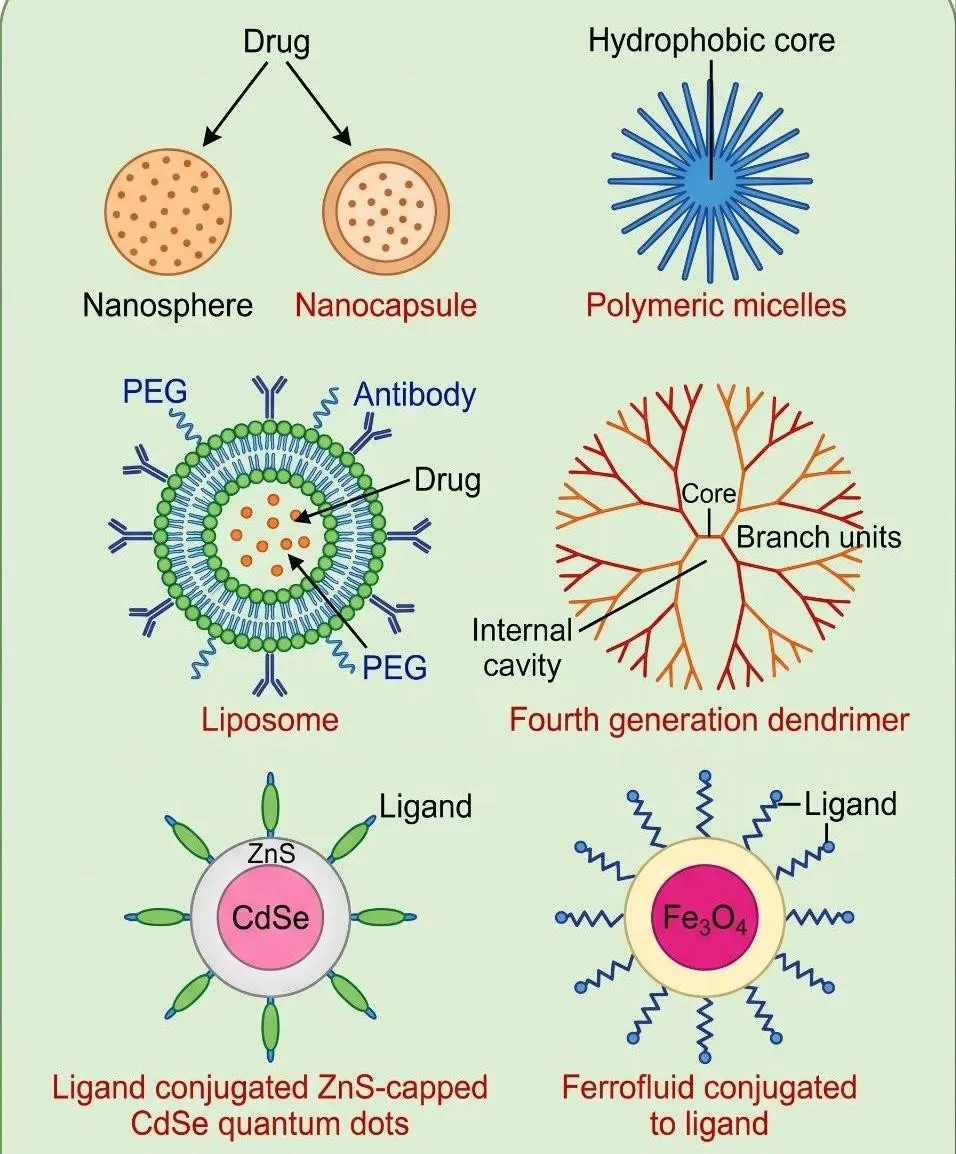
Figure 02: Schematic of Different Nanotechnology-Based Drug Delivery
Systems
2. PREPARATION OF NANOPARTICLES
Nanoparticles can be prepared from various substances such as proteins, polysaccharides and synthetic polymers the choice of matrix. Materials depend on many things.
a) The size of the required nanoparticles;
b) Properties of the drug itself, e.g. aqueous solubility and stability;
c) Surface properties like charge and permeability;
d) Biodegradability, biocompatibility, and toxicity:
e) Desired drug release profile; and
f) Antigenicity of the end product.
Nanoparticles have been mostly prepared frequency by three different methods:
1) Preformed polymer dispersion;
2) Monomer polymerization;
3) Ionic gelation or concertation of water-soluble polymers. [10]
TYPES OF NANOPARTICLES
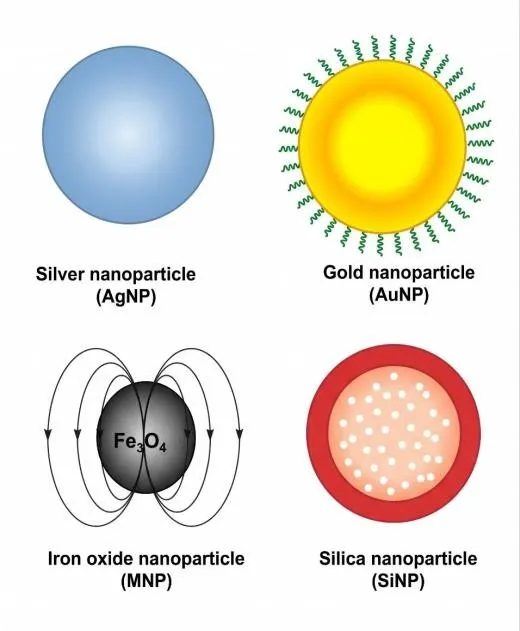
1. Silver:
They are proved to be the most effective ones, due to their good antimicrobial efficiency against bacteria, viruses and other eukaryotic microorganisms. Among all the nanomaterials, they are the most extensively used as antimicrobial agents, in sunscreen lotions, water treatment, textile industries, etc. The successful biosynthesis of silver nanoparticles has been reported using the plants i.e. Capsicum annuum, Azadirachta indica and Carica papaya.
2. Gold
Identification of protein interactions in immunochemical studies with gold nanoparticles (AuNPs). They are used as laboratory tracers in DNA fingerprinting to determine if DNA is present in a sample or not. These nanoparticles also detect aminoglycoside antibiotics such as streptomycin, gentamycin and neomycin. Gold Nano rods are used to detect cancer stem cells, diagnose cancer, and identify different classes of bacteria.
3. Alloy
The structural properties of alloy nanoparticles are different from those of bulk samples. Silver flakes are most commonly used because they have the highest electrical conductivity of other metal fillers. Their oxides also have relatively greater conductivity. Bimetallic alloy nanoparticles have more advantages than both metals and ordinary metallic NPs.
4. Magnetic:
Magnetic nanoparticles are known to be biocompatible, i.e., maghemite and magnetite. They have been actively considered for magnetic resonance imaging (MRI), guided drug delivery, targeted cancer treatment (magnetic hyperthermia), gene therapy, stem cell sorting and manipulation, and DNA analysis… [11]
ADVANTAGES AND DISADVANTAGES OF NANOPARTICLE
ADVANTAGES
Drug loading is a very important factor to maintain the activity of the drug. Due to its high drug loading, pharmaceuticals can be introduced into the systems without causing any chemical reactions.
The release of the substance can be controlled or maintained to enhance the effectiveness of the medicine.
Nanoparticles of small size can pierce smaller capillaries, allowing the drug to accumulate efficiently at targeted sites.
Liposomes and polymer Nano particulate are generally biodegradable and do not tend to accumulate in the body and therefore may not pose a risk.
The greater the solubility of a medicine, the greater its bioavailability. This allows for a more tailored administration of a drug.

Figure 04: Properties of NPs & Their Advantages
DISADVANTAGES-
The preparation technique may have some harmful effects on the solvent system used.
Prescription leaks and unscheduled releases can be a major problem.
The production costs are high and the efficiency of encapsulation is low.
Manipulating nanoparticles in both wet and dry states is a major challenge. [12]
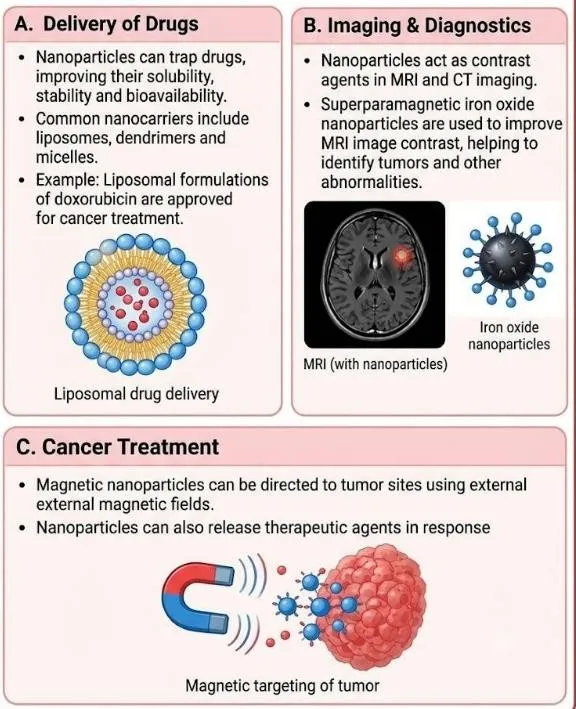
APPLICATIONS OF NANOPARTICLES 1. Medical Applications A. Delivery of Drugs
Nanoparticles can trap drugs, improving their solubility, stability and bioavailability. Common nanocarriers include liposomes, dendrimers and micelles. For example, liposomal formulations of doxorubicin are approved for treatment of cancer.
B. Imaging & Diagnostics
Nanoparticles can serve as contrast agents in imaging methods such as magnetic resonance imaging
(MRI) and computed tomography (CT). Superparamagnetic iron oxide nanoparticles are used to improve the contrast of MRI images, helping to identify tumors and other abnormalities.
C. Cancer treatment
Magnetic nanoparticles can be directed to tumor sites using external magnetic fields and treated locally. Also, nanoparticles can be designed to release therapeutic agents in response to specific stimuli, like changes in pH in the tumor microenvironment.
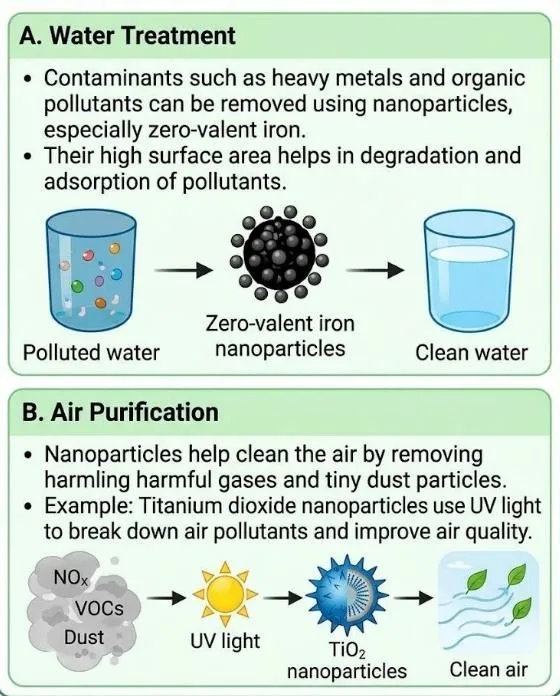
2. Environmental Applications A. Water Treatment
Contaminants, such as heavy metals and organic pollutants, can be removed from water using nanoparticles, especially zero-valent iron. Their high surface area helps in degradation and adsorption of pollutants.
B. Air Purification:
Nanoparticles help clean the air by removing harmful gases and tiny dust particles. For example, titanium dioxide nanoparticles use UV light to break down air pollutants and improve air quality.
3. Agricultural Applications A. Nanopesticides:
Nanoparticles help deliver pesticides slowly and in a controlled way. This reduces the amount of pesticide needed and lowers its harmful effects on the environment. For example, chitosan-based nanoparticles can carry pesticides and help improve their stability and effectiveness. B. Fertilizer Delivery:
Nanoparticles help supply nutrients to plants slowly and in a controlled way. This helps plants absorb nutrients more efficiently and reduces fertilizer waste in the environment.
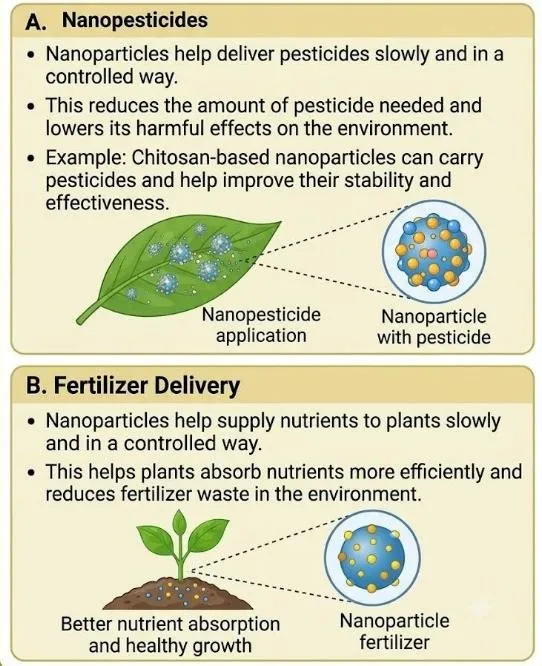
Figure 07: Agricultural Applications
4. Industrial and electronic application A. Conductive Inks:
Silver nanoparticles are used to make special inks that can conduct electricity. These inks are used to print electronic circuits on flexible and lightweight devices.
B. Energy Storage:
Nanoparticles are used in batteries and super capacitors to improve their performance and energy storage capacity. For example, silicon nanoparticles are used in lithium-ion batteries to increase their capacity and help them work efficiently for a longer time. [13]
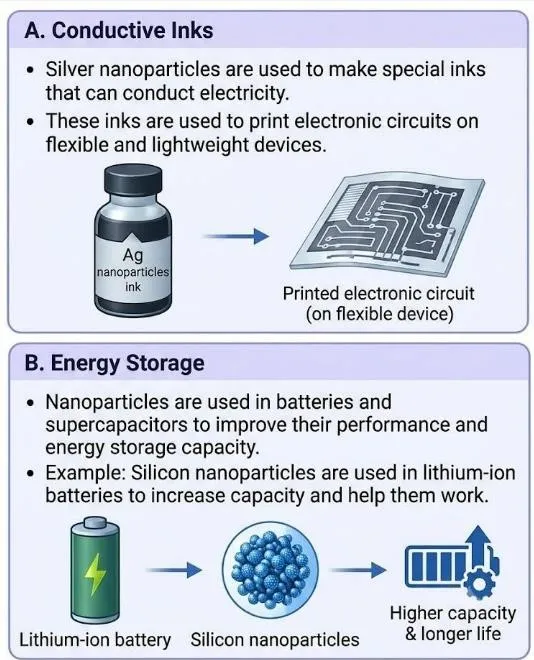
Figure 08: Industrial and Electronic Applications
6. APPROACHES FOR THE SYNTHESIS OF METAL NANOPARTICLES
Metal nanoparticles (NPs) can be prepared using three main approaches: physical, chemical, and biological methods. The physical method is known as the top-down approach, while chemical and biological methods are called bottom-up approaches. The biological method is also known as the green synthesis approach. Each approach includes different methods depending on how the nanoparticles are prepared.
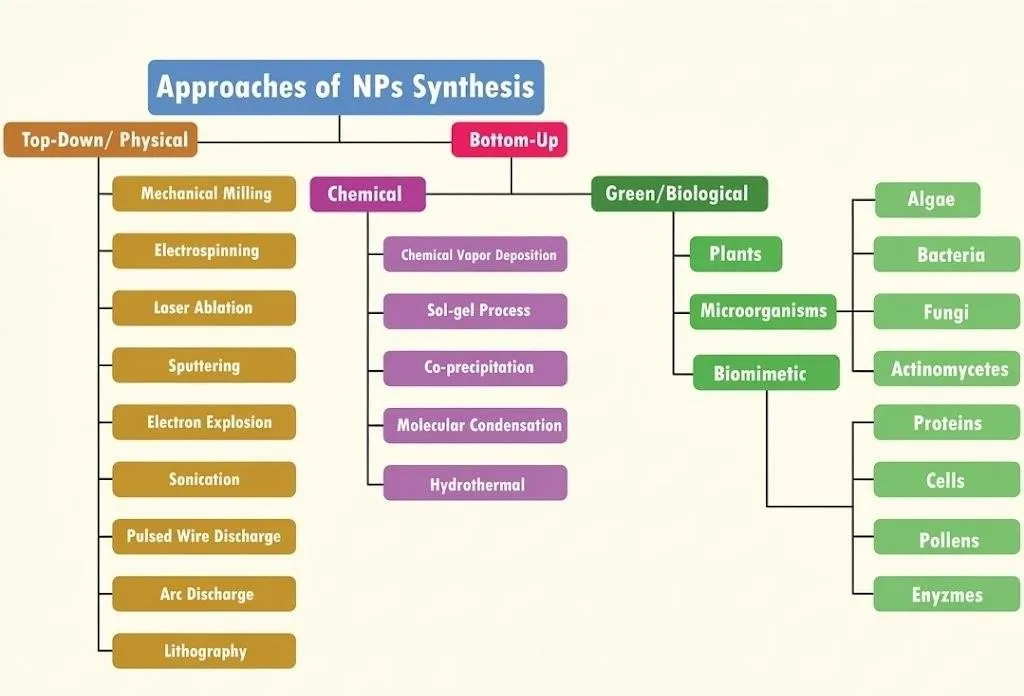
Figure 09: Approaches of NPs Synthesis
Top-Down or Physical Approach
In the top-down approach, large or bulk materials are broken down into smaller particles to produce nanoparticles. This method is also known as the physical approach. Different techniques can be used to prepare nanoparticles using this approach.
1. Mechanical Milling
Mechanical milling is a physical method used to produce nanoparticles from bulk materials. In this process, balls are placed inside a container and moved at high speed to break the material into smaller particles. Planetary mills and shaker mills are commonly used for this purpose. This method is useful for preparing nanomaterials such as aluminum-based alloys, wear-resistant coatings, and nanocomposites containing aluminum, nickel, magnesium, and copper. Ball-milled carbon nanomaterials are also useful in energy storage, energy conversion, and environmental cleanup applications.
2. Electrospinning
Electrospinning is a technique used to produce very thin nanofibers from polymer solutions or melts with the help of an electric charge. It can produce fibers with diameters of a few hundred nanometers. An advanced form of this technique, called coaxial electrospinning, uses a spinneret with two tubes placed one inside the other. This arrangement helps produce core-shell structures, in which one material forms the inner core and another forms the outer shell. This technique is used to prepare polymeric, organic, inorganic, hollow, and hybrid nanomaterials.
3. Sonication
Sonication is an important technique used in the preparation of Nano fluids and nanoparticles. In this process, ultrasonic sound waves are used to mix materials and break down particle clusters into smaller particles. Usually, the mixture is first stirred using a magnetic stirrer and then treated with an ultrasonic bath, probe sonicator, or mechanical homogenizer. Probe sonication is more powerful and effective than ultrasonic cleaning baths for many nanoparticle applications. It is widely used to process nanomaterials such as carbon nanotubes, graphene, inks, and metal oxides. [2]
Bottom-up approach
Materials can be made from atoms to clusters to nanoparticles. These methods are therefore termed the bottom-up or constructive method. The most popular bottom-up methods to produce nanoparticles are:
1. Sol-gel method.
2. Chemical vapour deposition.
3. Pyrolysis.
4. Spinning
1. Sol-gel method
This technique involves the production of a sol (solid particles suspended in a liquid) and gel (solid macromolecules mixed with a solvent). A chemical solution is used as a precursor to produce an integrated system of distinct particles. This is a wet chemical process. Metal oxides and chlorides are often used as precursors. Once this has been mixed into the host liquid through shaking/stirring/sonication this produces a mixture of liquid and solid phases.
2. Chemical vapour deposition (CVD)
This deposit method deposits a solid onto a hot surface. It is commonly known as CVD. This process uses a chemical reaction between gaseous and vapour phases. The reaction is activated at a high temperature of >900c (thermal CVD). Using this technique, Nano-composite powders have been created. A SiC/Si3N composite powder was created using CVD with gas sources of SiH4, CH4, WF6 and H2 at a temperature of 1400 degrees Celsius.
3. Pyrolysis
The initial solution is usually produced using the metal salt of the desired product dissolved in the solvent. The atomized solution is fed into the furnace to produce fine particles. Processes can occur within the furnace including evaporation of the solvent, diffusion of the solute, precipitation, reaction between the precursor and the gas, pyrolysis or sintering to produce the desired product.
4. Spinning
During the spinning process, there is a constant force induced conversion within the vapour above the substrate. During spin coating there is typically a fairly even rate of evaporation. Spin coating is an essential part of semiconductor manufacturing where very thin and even layers of photoresist are applied
15. This means that the synthesis of NPs using an SDR and a spinning disc in the SDR helps control
physical factors such as temperature. To prevent any chemical reactions within the reactor, it is usually filled with inert gasses or nitrogen. A solution containing precursor and water was pumped into the SDR. The spinning results in the atoms fusing together and forming precipitates. These precipitates then aggregate and dry. Factors affecting NP synthesis include liquid flow rate, spin rate of the disc, liquid precursor ratio, feeding position and disc surface. [14]
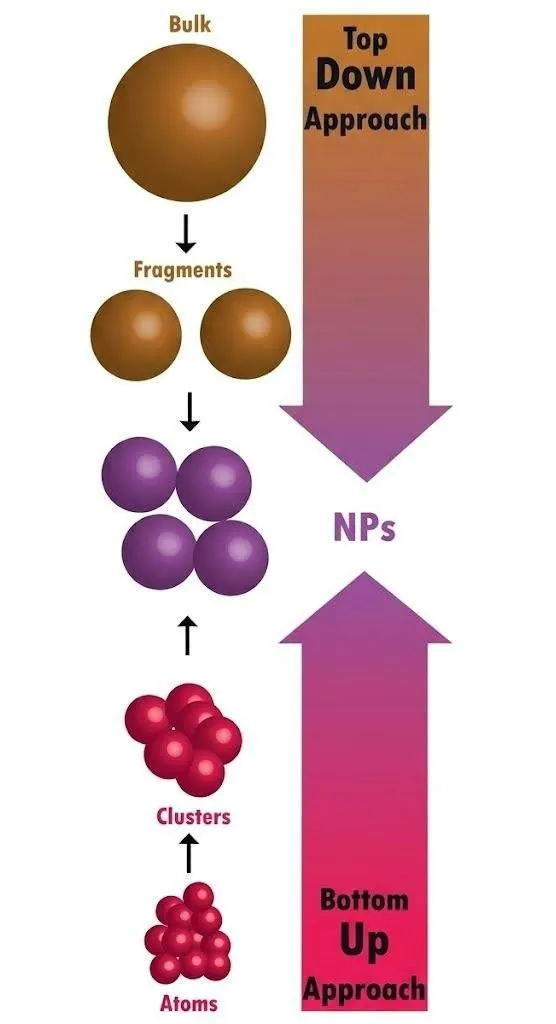
Figure 10: Method of Nanoparticle Preparation
7. METHOD OF PREPARATION OF NANOPARTICLES
1. Emulsion solvent -evaporation method
This method is mainly used for preparation of the nanoparticles. This method involves two main steps. The first step includes the emulsification of polymer solution in aqueous phase. The second step involves the evaporation of polymer solution and the formation of Nano spheres by inducing polymer precipitation. The nanoparticles are collected by ultracentrifugation and washed with distilled water to remove free drug or residue and lyophilized for storage.
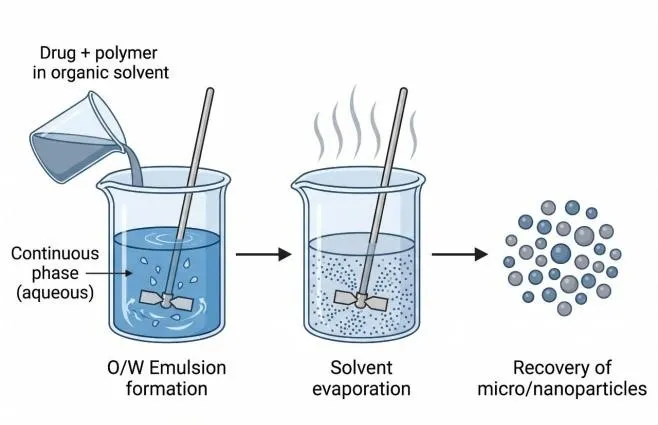
Figure 11: Emulsion Solvent Evaporation Method
2. Double Emulsion and Evaporation method
The major drawback of this method is poor entrapment of hydrophilic drugs. Hence double emulsion technique is used to encapsulate hydrophilic drugs. In this technique aqueous drug solutions are added to organic poly solutions with vigorous stirring to form w/o emulsions. This w/o emulsion is added to another aqueous phase under continuous stirring to form a mixed emulsion (w/o/w). Then by the evaporation solvemoved, removed, and by centrifugation at hignanoparticlesrticles can be isolated. The prepared nanoparticles should be washed before lyophilization. [11]
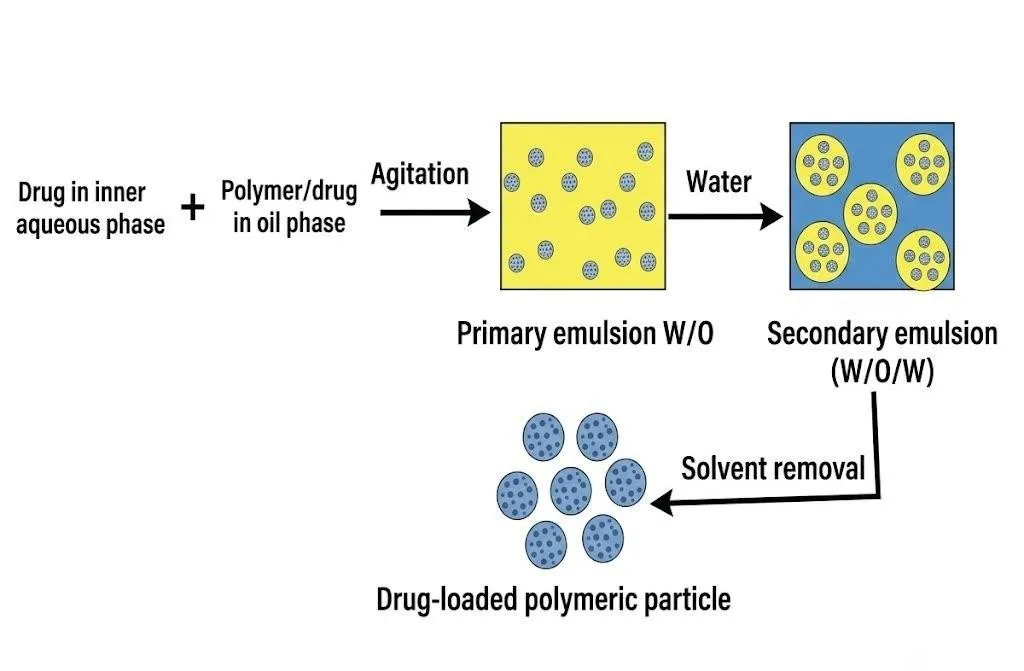
Figure 12: Double Emulsion and Evaporation
3. Salting-Out Method
The salting-out method is a modified form of the emulsification/solvent diffusion method used to prepare nanoparticles. First, the polymer and drug are dissolved in a solvent, usually acetone, which mixes easily with water and can be removed easily. This mixture is then added to an aqueous gel containing a salting-out agent, such as magnesium chloride, calcium chloride, or sucrose, along with a stabilizer like polyvinylpyrrolidone (PVP). Next, water is added to the mixture, allowing acetone to move into the water phase. This process helps the polymer form small particles called Nano spheres. [15]
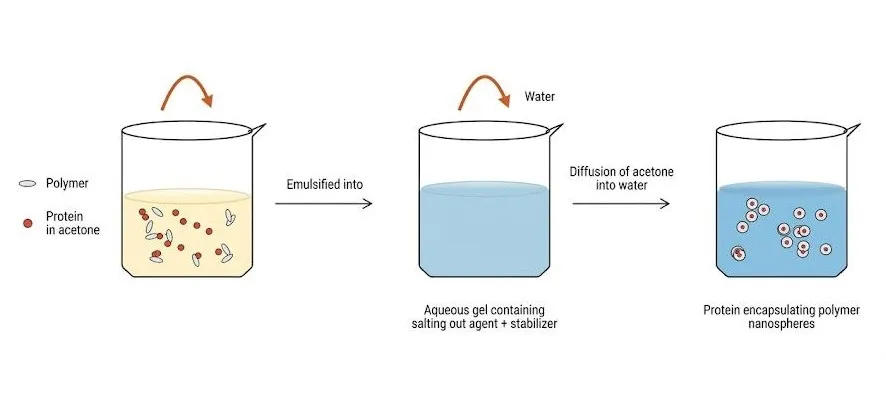
Figure 13: Salting-Out Method
8. EVALUATION OF NANOPARTICLES
1. Particle Size analysis
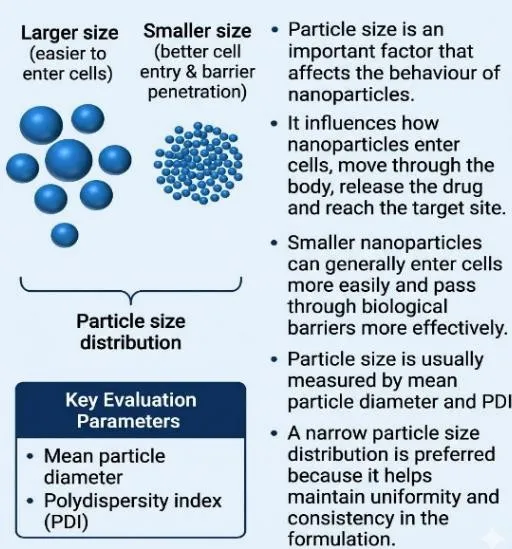
Particle size is an important factor that affects the behavior of nanoparticles. It influences how nanoparticles enter cells, move through the body, release the drug, and reach the target site. Smaller nanoparticles can generally enter cells more easily and pass through biological barriers more effectively. Particle size is usually measured by mean particle diameter and polydispersity index (PDI). A narrow particle size distribution is preferred because it helps maintain uniformity and consistency in the formulation.
2. Dynamic Light Scattering (DLS)
Dynamic Light Scattering (DLS) is a commonly used method to measure the size of nanoparticles in a liquid. It works by studying changes in scattered light caused by the random movement of particles in the liquid. These changes help calculate the hydrodynamic diameter of nanoparticles. [16]
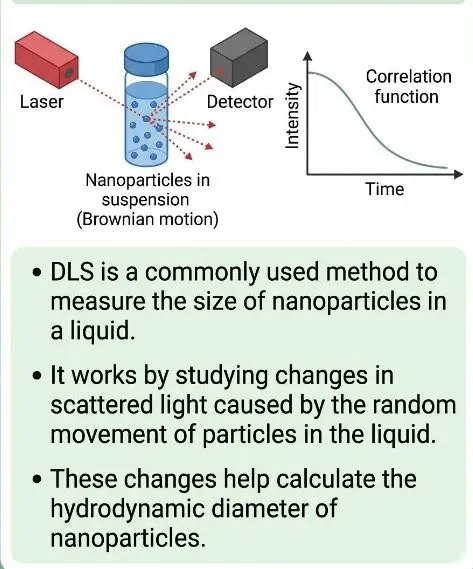
Figure 15: Dynamic Light Scattering (DLS)
3. Quantum Effects
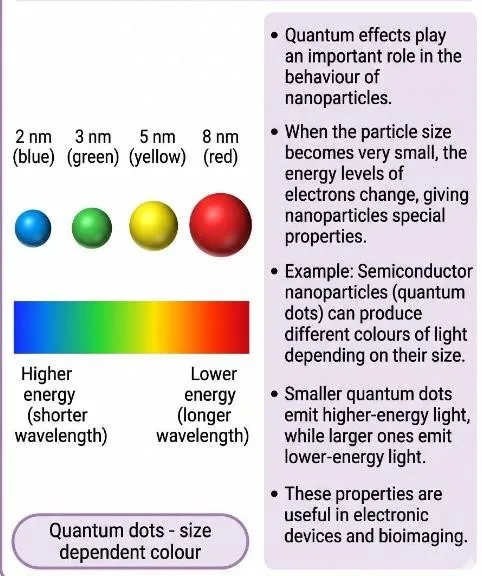
Quantum effects play an important role in the behavior of nanoparticles. When the particle size becomes very small, the energy levels of electrons change, giving nanoparticles special properties. For example, semiconductor nanoparticles called quantum dots can produce different colours of light depending on their size. Smaller quantum dots emit higher-energy light, while larger ones emit lower-energy light. These properties are useful in electronic devices and bio imaging.
4. Scanning Electron Microscopy (SEM)
Scanning Electron Microscopy (SEM) is used to study the surface structure, shape, and appearance of nanoparticles. In this method, dried nanoparticles are placed on aluminum stubs using sticky tape. The samples are then coated with a thin layer of gold to improve image quality. Finally, the samples are examined under SEM at an accelerating voltage of 20 kV. [17]
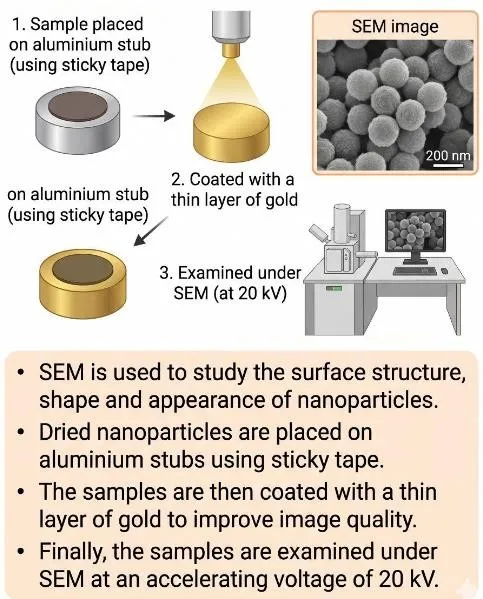
Figure 17: Scanning Electron Microscopy (SEM)
CONCLUSION
Nanoparticles are useful in herbal drug delivery systems because they improve drug solubility, stability, and bioavailability. They also help in controlled drug release and targeted delivery, which may reduce side effects. Thus, nanoparticles offer a promising approach to improve the effectiveness of herbal medicines.
REFERENCES


Abhilasha Gambhirrao, Rupali Karale, Saniya Shelar, Chaitanya Patil, Ashish Jamghare, Raj Khateghare, Nanoparticles in Herbal Drug Delivery Systems: Preparation, Characterization and Pharmaceutical Applications , Int. J. of Pharm. Sci., 2026, Vol 4, Issue 11, 1786-1797. https://doi.org/10.5281/zenodo.24152782
 10.5281/zenodo.24152782