

We use cookies to ensure our website works properly and to personalise your experience. Cookies policy
1 2nd Year PGT, Department of Pharmacology and Therapeutics, SCB Medical College and Hospital, Cuttack, Odisha, India.
2 PGT (1st Year), Department of Pharmacology & Therapeutics, MKCG Medical College and Hospital, Brahmapur, Ganjam, Odisha, India
3 PGT (1st Year), Department of Pharmacology and Therapeutics, MKCG Medical College and Hospital, Brahmapur, Ganjam, Odisha, India
4 Associate Professor, Pharmaceutical Chemistry, Goel Institute of Pharmaceutical Sciences, Faizabad Road, Lucknow, Uttar Pradesh, India
5 Assistant Professor, Pharmacy, Vivekanand College of Pharmacy, Katar Chhoti, Bidasar, Churu, Rajasthan, India
6 Assistant Professor, Pharmacology, OBVS Nikam College of Pharmacy, Gondur, Dhule, Maharashtra, India
7 Associate Professor, Department of Pharmaceutics, SVS College of Pharmaceutical Education & Research, Tembhurni, DIT-Solapur, Maharashtra, India
8 Assistant Professor, School of Pharmacy, G H Raisoni Skill Tech University, Nagpur, Shradha Park, Hingna Wadi Link Road, MIDC, Nagpur, Maharashtra, India
9 Senior Lecturer, Department of Engineering and Technology, University of Technology and Applied Sciences, Salalah
Sildenafil, a selective phosphodiesterase type 5 (PDE5) inhibitor, has transformed the management of erectile dysfunction (ED) through potentiation of the nitric oxide (NO)–cyclic guanosine monophosphate (cGMP) signaling pathway. Increasing evidence, however, indicates that its pharmacological effects extend beyond penile vascular smooth muscle, positioning sildenafil at the intersection of sexual and cardiovascular medicine. This state-of-the-art review critically examines the molecular pharmacology, therapeutic efficacy, cardiovascular actions, safety profile, and emerging clinical applications of sildenafil. Particular emphasis is placed on PDE5 inhibition, preservation of intracellular cGMP signaling, protein kinase G activation, vascular smooth-muscle relaxation, endothelial function, and pulmonary vasodilation. Clinical evidence supports sildenafil as an effective treatment for ED and an established therapeutic option in pulmonary arterial hypertension, while experimental and clinical studies suggest potential benefits in endothelial dysfunction, systemic hemodynamic regulation, myocardial ischemia–reperfusion injury, cardiac remodeling, and heart failure. Nevertheless, cardiovascular evidence remains heterogeneous, with many cardioprotective findings derived from preclinical studies or surrogate vascular endpoints rather than definitive cardiovascular outcome trials. The review also evaluates adverse effects, contraindications, nitrate interactions, blood-pressure considerations, and patient-selection strategies essential for safe clinical use. Emerging research involving mitochondrial protection, mitophagy, oxidative-stress modulation, combination therapies, and pharmacogenomic biomarkers may broaden the therapeutic scope of PDE5 inhibition. Overall, sildenafil represents more than an established ED therapy; it is a pharmacologically relevant modulator of NO–cGMP signaling with promising, but incompletely validated, cardiovascular applications. Future large-scale randomized trials and precision-medicine approaches are required to determine whether these mechanistic and observational benefits translate into meaningful reductions in cardiovascular morbidity and mortality.
Sildenafil at the Interface of Erectile and Cardiovascular Health
Erectile dysfunction (ED) is a common male sexual disorder characterized by the persistent inability to achieve or maintain a penile erection sufficient for satisfactory sexual performance. Although ED was historically regarded primarily as a consequence of psychological or age-related factors, it is now recognized as a multifactorial vascular, metabolic, neurological, hormonal, and psychological condition. Increasing evidence indicates that ED shares several risk factors with cardiovascular disease (CVD), including hypertension, diabetes mellitus, obesity, dyslipidemia, smoking, and advancing age. Importantly, endothelial dysfunction is considered a common pathophysiological link between ED and CVD because impaired endothelial nitric oxide (NO) availability can adversely affect both penile and systemic vascular function (Stein, 2003; Vlachopoulos et al., 2008). Thus, the occurrence of ED may provide an opportunity to identify men at increased cardiovascular risk, particularly because vascular abnormalities may become clinically apparent in the penile circulation before overt manifestations of coronary artery disease.
The vascular nature of penile erection provides a strong biological connection between ED and cardiovascular health. Normal erection depends on coordinated relaxation of cavernosal smooth muscle, increased arterial inflow, and adequate veno-occlusion. The NO–cyclic guanosine monophosphate (cGMP) signaling pathway is central to this process. Following sexual stimulation, NO released from neuronal and endothelial sources activates soluble guanylate cyclase, resulting in increased intracellular cGMP and subsequent smooth-muscle relaxation. Phosphodiesterase type 5 (PDE5) normally terminates this signal by hydrolyzing cGMP. Consequently, inhibition of PDE5 enhances and prolongs cGMP-mediated vasodilation, facilitating penile erection (Ravipati et al., 2007). Because similar NO–cGMP mechanisms participate in vascular regulation elsewhere in the body, modulation of PDE5 has attracted considerable interest beyond the treatment of ED.
Sildenafil was developed within a cardiovascular drug-discovery program. During the late 1980s, researchers at Pfizer investigated selective PDE5 inhibitors as potential therapeutic agents for angina pectoris and other cardiovascular disorders. The compound initially designated UK-92,480 demonstrated potent and selective PDE5 inhibition, but its clinical development for angina became less promising. During early clinical investigations, however, penile erections were reported as an unexpected effect. This observation redirected the development program toward ED and ultimately led to sildenafil becoming the first widely established oral PDE5 inhibitor for the treatment of ED (Raja & Nayak, 2004; Boolell et al., 1996). Sildenafil received regulatory approval for ED in 1998, representing a major transformation in the pharmacological management of male sexual dysfunction and providing an effective oral alternative to previously invasive treatments (Goldstein et al., 2019).
The clinical importance of sildenafil extends beyond its established efficacy in ED because PDE5 is expressed in several vascular and cardiovascular tissues. Sildenafil acts predominantly by increasing cGMP signaling and producing vasodilation, with measurable effects on systemic and pulmonary vascular hemodynamics. Studies in patients with cardiovascular disease have shown that sildenafil can produce modest reductions in arterial and pulmonary pressures and may improve aspects of endothelial and coronary vascular function without producing major changes in heart rate or cardiac output (Kloner et al., 2002). These observations have contributed to growing interest in PDE5 inhibition as a potential therapeutic strategy for cardiovascular disorders associated with endothelial dysfunction, pulmonary vascular disease, and impaired vascular reactivity.
The relationship between ED and CVD is particularly relevant because endothelial dysfunction is not necessarily restricted to the vascular bed supplying the penis. Rather, it may represent a systemic vascular abnormality associated with atherosclerosis and cardiometabolic disease. Consequently, ED may serve as a clinically useful indicator of underlying vascular pathology, while improvement of endothelial function through modulation of the NO–cGMP pathway represents a potential mechanism by which PDE5 inhibition could exert broader vascular effects (Stein, 2003; Vlachopoulos et al., 2008). Experimental studies have further suggested that PDE5 inhibition may influence myocardial signaling, ischemia–reperfusion injury, ventricular remodeling, oxidative stress, and other pathways involved in cardiovascular pathology. However, the translation of these promising preclinical observations into definitive cardiovascular therapies remains incomplete, and clinical evidence is heterogeneous (Jovin et al., 2021).
The cardiovascular profile of sildenafil also requires careful consideration because its vasodilatory effects can become clinically important in specific circumstances. In particular, concomitant administration with organic nitrates is contraindicated because both drug classes enhance NO–cGMP signaling and may produce excessive accumulation of cGMP, resulting in potentially severe hypotension. Nevertheless, extensive clinical experience has generally demonstrated a favorable cardiovascular safety profile when PDE5 inhibitors are prescribed appropriately and according to established contraindications and precautions (Kloner et al., 2018). This balance between therapeutic vascular effects and clinically important drug interactions has made cardiovascular safety an essential component of sildenafil research.
Against this background, sildenafil represents an important pharmacological bridge between sexual medicine and cardiovascular medicine. Its well-established role in ED, combined with its effects on endothelial function, vascular tone, pulmonary circulation, and potentially myocardial signaling, has stimulated investigation into therapeutic applications beyond erectile function. The present review therefore examines sildenafil from a comprehensive cardiovascular and pharmacological perspective, beginning with its molecular basis and NO–cGMP–PDE5 signaling mechanism, followed by its clinical role in ED, systemic and cardiovascular hemodynamic effects, potential myocardial-protective mechanisms, clinical safety and drug interactions, and emerging therapeutic opportunities. Particular emphasis is placed on distinguishing established clinical benefits from promising but incompletely validated cardiovascular applications, thereby providing a balanced state-of-the-art perspective on the evolving therapeutic significance of sildenafil.
2. Pharmacology and Nitric Oxide–cGMP–PDE5 Signaling
2.1 Chemical and Pharmacological Characteristics
Sildenafil is a synthetic pyrazolo[4,3-d]pyrimidinone derivative administered clinically as sildenafil citrate. Pharmacologically, it belongs to the class of selective phosphodiesterase type 5 (PDE5) inhibitors and acts primarily by preventing the enzymatic degradation of cyclic guanosine monophosphate (cGMP). Its therapeutic activity is therefore closely linked to the nitric oxide (NO)–soluble guanylate cyclase (sGC)–cGMP signaling pathway. Sildenafil competitively binds to the catalytic site of PDE5 and exhibits substantially greater inhibitory activity toward PDE5 than toward several other phosphodiesterase isoforms. However, at higher concentrations, some inhibition of PDE6 in the retina can occur and is considered relevant to the transient visual disturbances reported by a proportion of patients (Corbin, 2004; Pușcașu et al., 2023).
The pharmacological selectivity of sildenafil is important because PDE5 is highly relevant to the regulation of cavernosal smooth-muscle tone. Experimental pharmacological studies have demonstrated potent inhibition of PDE5, with much lower activity against PDE1–4 and comparatively weaker inhibition of retinal PDE6. This selectivity enables sildenafil to enhance cGMP-mediated responses without directly producing an erection in the absence of physiological NO release (Boolell et al., 1996; Corbin, 2004). More recent medicinal-chemistry research has focused on improving PDE5 subtype selectivity and developing alternative binding strategies because residual activity against other PDE isoforms can contribute to adverse effects and may limit therapeutic precision (Zhang et al., 2023).
2.2 The NO–cGMP Pathway
The physiological mechanism of penile erection begins with sexual stimulation, which activates nitrergic nerves and endothelial cells within the corpus cavernosum. Nitric oxide is synthesized from L-arginine by nitric oxide synthase (NOS), particularly neuronal NOS and endothelial NOS. Following its formation, NO diffuses into adjacent smooth-muscle cells and activates soluble guanylate cyclase. Activated sGC catalyzes the conversion of guanosine-5′-triphosphate (GTP) into cGMP, thereby increasing intracellular cGMP concentrations (Francis et al., 2010; Derbyshire & Marletta, 2012).
cGMP functions as an intracellular second messenger and activates cGMP-dependent protein kinase (PKG), which promotes a series of processes leading to smooth-muscle relaxation. PKG signaling decreases intracellular calcium availability and reduces the contractile sensitivity of the smooth-muscle apparatus to calcium. The resulting relaxation of cavernosal trabecular smooth muscle and penile arterial resistance vessels increases blood flow into the corpus cavernosum. Expansion of the sinusoidal spaces subsequently contributes to compression of subtunical venous channels, producing the veno-occlusive component required for maintenance of penile rigidity.
The NO–sGC–cGMP pathway is also important in systemic vascular biology and pulmonary vascular regulation. Recent reviews emphasize that PDE5 inhibitors primarily preserve cGMP that has already been generated through NO-dependent sGC activation, whereas sGC stimulators increase cGMP production through direct or NO-sensitizing mechanisms. This distinction is important when considering the effectiveness of PDE5 inhibition under conditions of impaired NO bioavailability (Ghofrani et al., 2024).
2.3 Role of PDE5
PDE5 is the principal cGMP-hydrolyzing phosphodiesterase in the corpus cavernosum and plays an essential role in terminating NO-induced smooth-muscle relaxation. Following the physiological accumulation of cGMP, PDE5 converts cGMP into inactive 5′-GMP, thereby reducing the intracellular signal responsible for smooth-muscle relaxation. This process permits restoration of basal smooth-muscle contractility and contributes to penile detumescence (Corbin, 2004).
PDE5 is not restricted to penile tissue. It is expressed in vascular smooth muscle and several other tissues, including the pulmonary vasculature and myocardium. The enzyme contains regulatory GAF domains and a catalytic domain, allowing cGMP binding and enzymatic hydrolysis to be tightly regulated. This organization makes PDE5 an important modulator of localized cGMP signaling rather than simply a passive mechanism for nucleotide degradation.
Inhibition of PDE5 by sildenafil reduces cGMP hydrolysis and prolongs the intracellular signaling initiated by NO. Importantly, sildenafil does not substitute for NO generation; rather, it amplifies an endogenous physiological pathway. Consequently, adequate sexual stimulation and endogenous NO release remain necessary for the normal erectile response. This pharmacological feature distinguishes PDE5 inhibition from nonspecific smooth-muscle relaxants and explains why sildenafil does not ordinarily cause an erection in the absence of sexual stimulation (Corbin, 2004; Samidurai et al., 2023).
2.4 Mechanism of Sildenafil
At the molecular level, sildenafil binds competitively to the catalytic site of PDE5 and prevents the enzyme from hydrolyzing cGMP. The resulting increase in intracellular cGMP enhances activation of PKG and downstream mechanisms responsible for relaxation of cavernosal smooth muscle. PKG-mediated signaling reduces intracellular Ca²⁺ concentrations through effects on calcium channels, calcium sequestration, and potassium-channel activity, while also decreasing the sensitivity of contractile proteins to calcium (Mizuno et al., 2002).
The reduction in intracellular Ca²⁺ produces relaxation of both trabecular smooth muscle and penile arterial smooth muscle. Consequently, arterial resistance decreases and cavernosal blood flow increases. As the erectile tissue fills, expansion of the sinusoidal spaces compresses venous outflow channels against the tunica albuginea, facilitating penile rigidity. Thus, sildenafil enhances the normal erectile cascade rather than initiating the cascade independently.
An important pharmacological characteristic is that sildenafil requires an intact upstream NO–cGMP signaling pathway for optimal efficacy. If NO generation is severely impaired, simply inhibiting PDE5 may produce a limited increase in cGMP because there is insufficient substrate available for PDE5 inhibition to preserve. This mechanistic principle is relevant to patients with severe endothelial dysfunction and may partly explain differences in therapeutic response among individuals with ED (Samidurai et al., 2023).
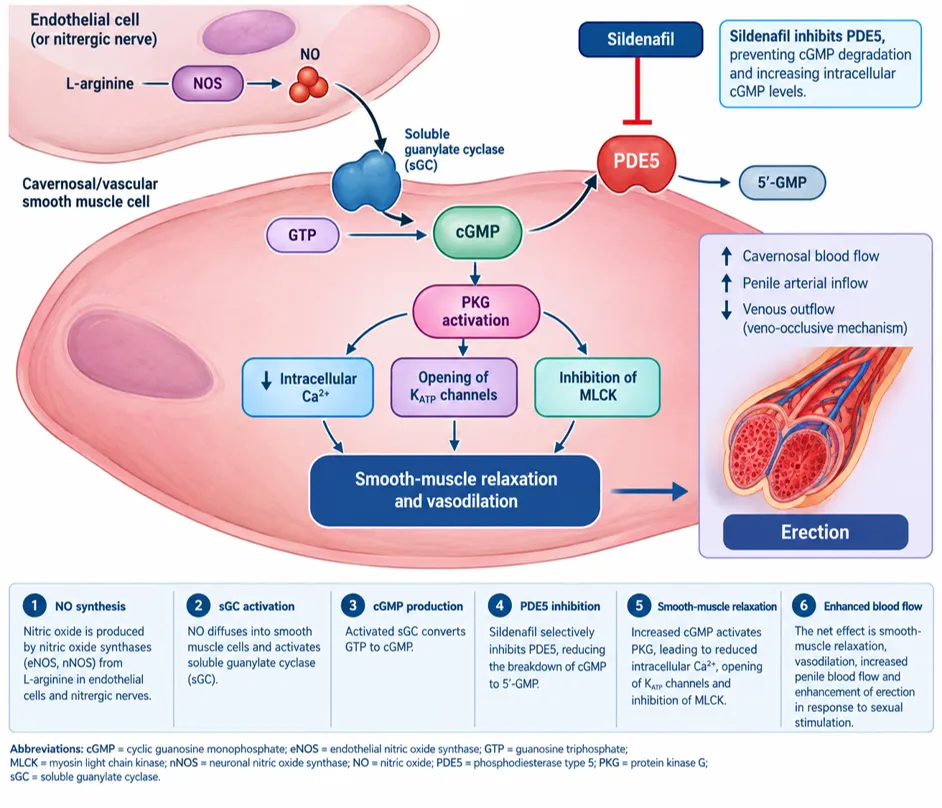
Figure 1: NO–cGMP–PDE5 signaling pathway and mechanism of sildenafil
2.5 Pharmacokinetics
Sildenafil is rapidly absorbed following oral administration. Current prescribing information indicates a mean absolute bioavailability of approximately 41%, with maximum plasma concentrations generally occurring within approximately 30–120 minutes under fasting conditions. Pharmacokinetics are approximately dose proportional across the recommended therapeutic range. Administration with a high-fat meal can delay absorption and reduce the peak plasma concentration, although the overall exposure is less substantially affected (U.S. Food and Drug Administration [FDA], 2025).
Sildenafil undergoes extensive hepatic metabolism, predominantly through cytochrome P450 3A4 (CYP3A4), with CYP2C9 contributing as a secondary metabolic pathway. The major circulating metabolite is N-desmethyl sildenafil, which retains pharmacological activity but has lower PDE5 inhibitory potency than the parent compound. Both sildenafil and its active metabolite have terminal half-lives of approximately 4 hours, supporting the relatively limited duration of systemic exposure compared with longer-acting PDE5 inhibitors (FDA, 2025).
Age and organ function can influence sildenafil exposure. Older individuals may demonstrate increased plasma concentrations because of age-related alterations in hepatic metabolism and drug clearance. Similarly, hepatic impairment can increase systemic exposure, while severe renal impairment may reduce clearance and increase circulating drug concentrations. CYP3A4 inhibitors can also substantially increase sildenafil exposure, making dose adjustment clinically relevant in susceptible patients (FDA, 2025). These pharmacokinetic characteristics provide an important basis for individualized dosing and assessment of potential drug–drug interactions.
2.6 Pharmacodynamic Considerations
The pharmacodynamic response to sildenafil is closely related to PDE5 inhibition and the availability of endogenous NO. Following administration, increased cGMP availability facilitates cavernosal smooth-muscle relaxation when sexual stimulation activates nitrergic and endothelial pathways. Sildenafil therefore enhances physiological erectile responses rather than producing an erection through direct central or peripheral stimulation. Clinical effects generally begin within a relatively short period after oral administration, with pharmacological activity extending for several hours, although the duration of clinically useful erectile responsiveness varies between individuals.
The relationship between dose and response is not completely linear from a clinical perspective. Increasing the dose can increase drug exposure and pharmacological effects but may also increase the probability of dose-related adverse effects, including headache, flushing, dyspepsia, nasal congestion, dizziness, and visual disturbances. Consequently, therapeutic optimization requires balancing erectile efficacy with tolerability rather than simply maximizing PDE5 inhibition.
An important pharmacodynamic feature of sildenafil is its dependence on sexual stimulation. In the absence of NO release and subsequent cGMP synthesis, PDE5 inhibition alone cannot generate the complete biochemical sequence required for erection. Sildenafil therefore functions primarily as an amplifier of physiological NO–cGMP signaling. This mechanism provides the fundamental explanation for its selective therapeutic action in ED and also establishes the pharmacological basis for investigating PDE5 inhibition in other disorders characterized by impaired vascular or cGMP signaling (Samidurai et al., 2023; Pușcașu et al., 2023).
Table 1. Pharmacokinetic and Pharmacodynamic Properties of Sildenafil
|
Parameter |
Sildenafil characteristics |
Clinical relevance |
|
Drug class |
Selective phosphodiesterase type 5 (PDE5) inhibitor |
Inhibits degradation of cGMP and potentiates NO-mediated smooth-muscle relaxation |
|
Molecular target |
PDE5 |
PDE5 inhibition increases intracellular cGMP in penile and pulmonary vascular smooth muscle |
|
Important secondary selectivity |
PDE6 inhibition at higher concentrations |
Accounts in part for transient visual disturbances in susceptible patients |
|
Usual ED dose |
50 mg orally as needed; adjustable to 25–100 mg according to efficacy and tolerability |
Maximum recommended frequency is once daily |
|
Recommended timing |
Approximately 1 hour before sexual activity; generally 30 min–4 h before intercourse |
Provides relatively predictable on-demand treatment |
|
Bioavailability |
Approximately 40% |
Oral absorption is adequate but subject to interindividual variability |
|
Time to maximum plasma concentration (Tmax) |
Approximately 30–120 min; median approximately 60 min |
Explains relatively rapid onset of pharmacological action |
|
Elimination half-life |
Approximately 3–5 h |
Shorter duration than tadalafil and supports on-demand administration |
|
High-fat meal effect |
Delays absorption and reduces the rate of exposure |
Patients may experience slower onset following a high-fat meal |
|
Protein binding |
Approximately 96% |
Relevant when interpreting pharmacokinetic changes in severe systemic disease |
|
Metabolism |
Predominantly hepatic CYP3A4; minor contribution from CYP2C9 |
CYP3A4 inhibitors can substantially increase sildenafil exposure |
|
Active metabolite |
N-desmethyl sildenafil |
Contributes to pharmacological activity but is less potent than parent drug |
|
Elimination |
Primarily fecal; smaller proportion urinary |
Hepatic impairment may increase systemic exposure |
|
Pharmacodynamic mechanism |
PDE5 inhibition → reduced cGMP degradation → enhanced NO–cGMP signaling |
Produces relaxation of corpus cavernosum and pulmonary vascular smooth muscle |
|
Effect on systemic BP |
Usually modest and transient reduction in blood pressure |
Usually clinically tolerated but important with nitrates and other vasodilators |
|
Sexual stimulation requirement |
Yes |
Sildenafil facilitates physiological erectile responses but does not independently initiate erection |
|
Onset of erectile response |
Commonly within approximately 30–60 min |
Timing should be individualized according to meals and response |
|
Duration of clinical effect |
Generally several hours |
Shorter window than tadalafil |
|
Pharmacokinetic comparison |
Tmax ~0.95 h and t1/2 ~3.98 h after 100 mg in comparative pharmacokinetic data |
Distinguishes sildenafil from long-acting tadalafil (t1/2 ~17.5 h) |
3. Sildenafil in Erectile Dysfunction: Efficacy, Mechanisms, and Clinical Applications
3.1 Pathophysiology of Erectile Dysfunction
Erectile dysfunction (ED) is a multifactorial disorder characterized by the persistent inability to achieve or maintain an erection sufficient for satisfactory sexual activity. Its pathogenesis involves vascular, neurological, endocrine, metabolic, psychological, and medication-related factors, which frequently coexist within the same patient (MacDonald & Burnett, 2021). Consequently, ED is increasingly regarded as a systemic disorder rather than an isolated penile condition.
Vasculogenic ED represents one of the most important organic forms and is associated with impaired arterial inflow, endothelial dysfunction, atherosclerosis, and abnormalities of cavernosal smooth-muscle relaxation. Because penile arteries are relatively small, vascular impairment may become clinically apparent in the penis before symptoms of cardiovascular disease develop. Endothelial dysfunction reduces nitric oxide (NO) availability and consequently compromises the NO–cGMP pathway required for normal erection (Pescariu et al., 2022).
Neurogenic ED results from impairment of the neural pathways responsible for erection. Spinal cord injury, multiple sclerosis, Parkinsonian disorders, peripheral neuropathy, pelvic surgery, and other neurological conditions can interfere with parasympathetic and nitrergic signaling. Neurogenic and vascular mechanisms may coexist, particularly in patients with diabetes or pelvic disease (Minervini et al., 2021).
Diabetes-associated ED is particularly important because chronic hyperglycemia promotes endothelial dysfunction, oxidative stress, vascular injury, autonomic neuropathy, and structural alterations of penile tissue. These abnormalities can reduce the responsiveness of cavernosal tissue to endogenous NO and may contribute to a less robust response to PDE5 inhibitors. Nevertheless, sildenafil remains an effective therapeutic option in many men with diabetes-associated ED (Yuan et al., 2018).
Medication-associated ED may occur with several commonly prescribed drugs, including certain antihypertensive agents, antidepressants, antipsychotics, antiandrogens, and other medications affecting vascular, hormonal, or central nervous system pathways. Identification of potentially contributing medications is therefore an important component of ED assessment.
Psychogenic and mixed ED involve anxiety, depression, relationship difficulties, performance-related stress, and other psychological factors. In clinical practice, purely psychogenic or purely organic ED is less common than mixed disease, because psychological distress may develop secondary to organic erectile difficulties and subsequently worsen erectile performance (MacDonald & Burnett, 2021).
Metabolic abnormalities are also closely associated with ED. A recent systematic review and meta-analysis demonstrated a strong association between metabolic syndrome and ED, with individual components such as obesity, hypertension, dyslipidemia, and abnormal glucose metabolism contributing substantially to erectile impairment (Corona et al., 2023).
3.2 Mechanism of Erectile Action
Normal penile erection begins with sexual stimulation, which activates parasympathetic and nitrergic nerves and promotes NO release from both neuronal and endothelial sources. NO activates soluble guanylate cyclase within cavernosal smooth-muscle cells, resulting in increased intracellular cGMP. The subsequent activation of cGMP-dependent signaling reduces intracellular calcium availability and promotes relaxation of cavernosal smooth muscle.
Sildenafil selectively inhibits PDE5, the principal enzyme responsible for cGMP degradation in the corpus cavernosum. By reducing cGMP breakdown, sildenafil amplifies and prolongs the physiological signal generated following sexual stimulation. The resulting smooth-muscle relaxation produces dilation of penile arteries and arterioles and increases blood flow into the corpora cavernosa (MacDonald & Burnett, 2021).
As cavernosal spaces fill with blood, expansion of the erectile tissue compresses subtunical venules against the surrounding tunica albuginea. This veno-occlusive mechanism decreases venous outflow and allows intracavernosal pressure to rise sufficiently to produce and maintain penile rigidity. Therefore, sildenafil primarily facilitates the physiological mechanisms of erection rather than directly inducing an erection in the absence of sexual stimulation.
The clinical importance of this mechanism is that sildenafil acts as a signal amplifier within an intact NO–cGMP pathway. Men with severe endothelial, neural, or structural impairment may therefore have a reduced response despite appropriate treatment.
3.3 Clinical Efficacy
Sildenafil is an established first-line pharmacological treatment for most men with ED. Contemporary international recommendations continue to place PDE5 inhibitors among the principal medical therapies because of their established efficacy, oral administration, and generally predictable safety profile (European Association of Urology [EAU], 2026; Nehra et al., 2025).
Clinical efficacy is generally assessed using validated instruments such as the International Index of Erectile Function–Erectile Function domain (IIEF-EF), Sexual Encounter Profile (SEP), Global Assessment Questions, and patient-reported treatment satisfaction. Sildenafil has consistently demonstrated improvements in erectile function, ability to achieve penetration, maintenance of erection, and successful intercourse compared with placebo.
Dose optimization is an important component of treatment. Sildenafil is commonly initiated at 50 mg and may be adjusted according to efficacy and tolerability, with lower doses appropriate for selected patients and higher doses considered when the initial response is inadequate and no safety limitation exists. Contemporary guidance emphasizes that inadequate treatment response should not immediately be interpreted as pharmacological failure; incorrect administration, insufficient sexual stimulation, inappropriate timing, inadequate treatment exposure, and failure to titrate the dose can all contribute to apparent nonresponse (EAU, 2026).
Importantly, clinical response may vary according to the underlying cause of ED. Men with diabetes, severe vascular disease, advanced endothelial dysfunction, or significant neurological impairment may exhibit a less pronounced response than men with predominantly mild vasculogenic or psychogenic disease.
3.4 Sildenafil in Special Patient Populations
Diabetes Mellitus
Diabetes is associated with both vascular and neurogenic mechanisms of ED, making treatment more challenging. Nevertheless, sildenafil produces clinically meaningful improvements in erectile function in many diabetic men. Meta-analytic evidence has demonstrated significant improvement in overall sexual performance compared with placebo in men with diabetes-associated ED (Yuan et al., 2018). In addition, observational evidence suggests that ED itself identifies an important cardiovascular-risk phenotype in diabetic populations (Seidu et al., 2022).
Hypertension
Hypertension contributes to ED through endothelial dysfunction, vascular remodeling, impaired NO signaling, and the effects of some antihypertensive medications. Sildenafil can generally be used in appropriately selected hypertensive patients and may improve erectile function without clinically important additional blood-pressure effects in most patients receiving stable antihypertensive therapy. Contemporary European guidance notes that PDE5 inhibitors may produce small additive reductions in blood pressure when combined with antihypertensive medications, which are generally clinically modest.
Obesity and Metabolic Syndrome
Obesity is strongly associated with ED through insulin resistance, inflammation, oxidative stress, endothelial dysfunction, reduced physical activity, and hormonal alterations. A 2023 systematic review and meta-analysis found that metabolic syndrome was associated with a substantially increased risk of ED, while emphasizing that management of individual metabolic abnormalities remains particularly important (Corona et al., 2023). Lifestyle modification, weight reduction, improved metabolic control, and pharmacological treatment can therefore complement sildenafil therapy rather than being viewed as separate interventions.
Older Adults
Age-related changes in endothelial function, vascular compliance, testosterone status, neurological signaling, and comorbidity burden increase the prevalence of ED among older men. Sildenafil remains useful in this population, although treatment should be individualized according to renal and hepatic function, cardiovascular status, concomitant medications, and susceptibility to adverse effects.
Patients With Cardiovascular Disease
ED and cardiovascular disease share major risk factors, including hypertension, diabetes, dyslipidemia, obesity, smoking, and endothelial dysfunction. Consequently, the appearance of ED may provide an opportunity for cardiovascular-risk assessment. Importantly, PDE5 inhibitors should be distinguished from nitrate therapy because concomitant administration with nitrates can produce clinically significant hypotension. In appropriately assessed cardiovascular patients who are not receiving contraindicated nitrate therapy, sildenafil can remain an effective treatment option (Pescariu et al., 2022; EAU, 2026).
Patients With Endothelial Dysfunction
Endothelial dysfunction represents an important mechanistic link between ED and cardiovascular disease. Reduced NO bioavailability limits cGMP generation and can consequently decrease erectile responsiveness. This relationship explains why ED is frequently observed in patients with cardiometabolic disorders and why cardiovascular-risk-factor modification should accompany symptomatic ED treatment.
3.5 Comparison With Other PDE5 Inhibitors
Sildenafil, tadalafil, vardenafil, and avanafil share the same fundamental therapeutic strategy—enhancement of NO-mediated cGMP signaling—but differ in pharmacokinetic characteristics, duration of action, food effects, and adverse-effect profiles.
Sildenafil versus tadalafil: Sildenafil is generally administered approximately 1 hour before sexual activity and has a relatively short plasma half-life of about 3–5 hours. Tadalafil has a substantially longer half-life of approximately 17.5 hours, providing a considerably longer therapeutic window and allowing once-daily administration at low doses. Tadalafil is therefore particularly attractive for patients seeking greater spontaneity in sexual activity (EAU, 2026).
Sildenafil versus vardenafil: Vardenafil has a pharmacokinetic profile broadly comparable to sildenafil, with an onset generally within approximately 30–60 minutes and a half-life of about 4–5 hours. Both agents demonstrate strong efficacy, although individual tolerability and patient preference influence treatment selection.
Sildenafil versus avanafil: Avanafil is characterized by a relatively rapid onset and may be administered approximately 15–30 minutes before sexual activity. Current evidence indicates broadly comparable efficacy among the major PDE5 inhibitors, while avanafil may have a somewhat favorable tolerability profile for certain adverse effects (ICSM, 2024; EAU, 2026).
Overall, PDE5 inhibitors should not be considered universally interchangeable from a patient-experience perspective. Sildenafil may be preferred when extensive clinical experience and established efficacy are priorities, whereas tadalafil may be advantageous when prolonged spontaneity is desired and avanafil may be attractive when rapid onset is particularly important.
Table 2. Comparison of Sildenafil With Other PDE5 Inhibitors
|
Characteristic |
Sildenafil |
Tadalafil |
Vardenafil |
Avanafil |
|
Primary indication |
ED; also PAH in appropriate formulation/ setting |
ED; benign prostatic hyperplasia; PAH |
ED |
ED |
|
Typical on-demand ED dose |
25–100 mg |
10–20 mg |
5–20 mg |
50–200 mg |
|
Approximate Tmax |
30–120 min |
30–360 min |
30–120 min |
30–120 min |
|
Median Tmax |
~60 min |
~120 min |
~60 min |
~30–45 min |
|
Elimination half-life |
~3–5 h |
~17.5 h |
~4–5 h |
~3–5 h |
|
Duration of action |
Relatively short |
Longest among commonly used PDE5 inhibitors |
Intermediate |
Relatively rapid onset |
|
Fatty meal effect |
Can delay Tmax |
Minimal clinically important effect |
Can delay Tmax |
Can delay Tmax |
|
PDE selectivity |
PDE5 with clinically relevant PDE6 activity |
PDE5; some PDE11 activity |
PDE5 with PDE6 activity |
High PDE5 selectivity with relatively low PDE6 activity |
|
Characteristic adverse effects |
Headache, flushing, dyspepsia, nasal congestion, visual disturbance |
Headache, dyspepsia, back pain, myalgia, flushing |
Headache, flushing, nasal congestion, dyspepsia |
Headache, flushing, nasal congestion |
|
Visual effects |
Relatively characteristic because of PDE6 inhibition |
Less prominent |
Possible but generally less prominent |
Less frequent because of greater PDE5 selectivity |
|
Daily administration |
Generally not used as routine daily ED therapy |
Suitable for daily or on-demand therapy |
Usually on-demand |
Usually on-demand |
|
Major practical advantage |
Extensive clinical experience and robust efficacy |
Prolonged treatment window and daily dosing option |
Rapid onset and strong PDE5 potency |
Rapid onset and high PDE5 selectivity |
|
Important limitation |
Food may delay onset; visual adverse effects |
Long half-life may prolong adverse effects |
Food can affect absorption; QT considerations in susceptible patients |
Shorter clinical experience than sildenafil/tadalafil |
|
Comparative efficacy |
Highly effective |
Generally similar efficacy to sildenafil |
Generally similar efficacy |
Generally similar efficacy at appropriate doses |
|
Recent comparative evidence |
2026 NMA showed strong dose-dependent efficacy |
Strong efficacy and lower treatment-related AE probability in the NMA |
Effective but treatment-related AE probability varied by dose |
Effective with rapid onset; comparative efficacy varies by dose |
3.6 Limitations of Sildenafil Therapy
Despite its established efficacy, sildenafil does not provide a satisfactory response in every patient. Apparent nonresponse may result from inadequate dosing, incorrect administration, insufficient sexual stimulation, inappropriate timing, inadequate duration of treatment, severe endothelial dysfunction, neurogenic impairment, or advanced structural disease. Recent evidence emphasizes the importance of systematically reassessing these factors before labeling a patient as a true PDE5-inhibitor nonresponder (Nehra et al., 2025).
Adverse effects are generally dose-related and may include headache, flushing, dyspepsia, nasal congestion, dizziness, and visual disturbances. Differences among PDE5 inhibitors are partly related to their pharmacological profiles and tissue selectivity. Current comparative data indicate that all major PDE5 inhibitors have broadly similar efficacy, while individual adverse-effect patterns differ (ICSM, 2024).
Drug interactions remain an important limitation. Concomitant use of sildenafil with organic nitrates is contraindicated because excessive cGMP accumulation can cause potentially dangerous hypotension. Caution is also required with certain α-blockers, potent CYP3A4 inhibitors, and other medications that may alter systemic exposure or blood pressure. Appropriate cardiovascular assessment and medication review are therefore essential before treatment.
Finally, sildenafil addresses the erectile symptom but does not eliminate the underlying vascular, metabolic, neurological, endocrine, or psychological cause. Optimal management should therefore combine individualized PDE5-inhibitor therapy with modification of cardiovascular and metabolic risk factors, treatment of contributing diseases, and psychosexual interventions when indicated. Contemporary recommendations emphasize a personalized, patient-centered approach in which treatment selection considers efficacy, safety, patient preference, relationship factors, and treatment goals (ICSM, 2024).
Sildenafil remains a cornerstone therapy for ED because it effectively enhances endogenous NO–cGMP signaling and improves cavernosal smooth-muscle relaxation. Its efficacy extends across several clinically important populations, including men with diabetes, hypertension, metabolic abnormalities, and cardiovascular disease, although treatment response may be reduced when severe endothelial, vascular, or neurological dysfunction is present. Comparison with other PDE5 inhibitors highlights differences in onset, duration, dosing flexibility, and tolerability rather than major differences in fundamental mechanism. Consequently, successful sildenafil therapy depends not only on drug selection and dose optimization but also on appropriate patient evaluation, management of underlying comorbidities, and recognition of contraindications and drug interactions.
4. Sildenafil and the Cardiovascular System: Hemodynamics and Myocardial Protection
The cardiovascular effects of sildenafil extend beyond its established role in erectile dysfunction (ED). Because phosphodiesterase type 5 (PDE5) regulates cGMP signaling in vascular tissues, its inhibition can influence vascular tone, pulmonary hemodynamics, endothelial function, and several intracellular pathways involved in myocardial stress responses. Increasing experimental and observational evidence has therefore raised the possibility that PDE5 inhibition may have cardioprotective properties. However, the strength of evidence differs substantially between molecular studies, animal models, and human clinical trials. This distinction is particularly important when interpreting sildenafil as a potential cardiovascular therapeutic rather than simply a drug with favorable cardiovascular effects.
4.1 Cardiovascular Expression and Function of PDE5
PDE5 is a cGMP-specific phosphodiesterase expressed predominantly in vascular smooth muscle and other tissues involved in NO–cGMP signaling. Within the cardiovascular system, PDE5 participates in the regulation of vascular smooth-muscle tone by controlling the intracellular concentration and duration of cGMP signaling. Consequently, inhibition of PDE5 prolongs cGMP-mediated vasorelaxation and can modify vascular resistance and pulmonary vascular pressure (Francis et al., 2023).
The functional importance of PDE5 is closely linked to the NO–soluble guanylate cyclase (sGC)–cGMP–protein kinase G (PKG) pathway. Endothelial or neuronal NO activates sGC, increasing cGMP formation. cGMP subsequently activates PKG and promotes smooth-muscle relaxation through mechanisms involving intracellular calcium regulation, myosin light-chain phosphorylation, and ion-channel activity. PDE5 limits this signal by hydrolyzing cGMP. Sildenafil therefore does not directly replace NO signaling; rather, it prolongs and amplifies cGMP-dependent responses when the pathway is activated.
Recent cardiovascular pharmacology literature emphasizes that PDE5 is part of a broader network of cyclic-nucleotide phosphodiesterases that regulate compartmentalized signaling in the heart and vasculature. Alterations in this signaling network may contribute to pathological vascular remodeling, cardiac hypertrophy, and heart failure (Aye et al., 2023).
4.2 Hemodynamic Effects
Sildenafil produces systemic and pulmonary vasodilation primarily through enhancement of cGMP signaling in vascular smooth muscle. At clinically used doses, the reduction in systemic blood pressure is generally modest in otherwise stable individuals. Importantly, sildenafil does not behave like a conventional positive inotrope because PDE5 inhibition does not substantially increase myocardial cAMP signaling.
Clinical cardiovascular evidence indicates that sildenafil generally causes small reductions in systolic and diastolic blood pressure, with limited effects on heart rate. In appropriately selected patients, cardiac output is usually maintained rather than substantially increased or decreased. These effects are consistent with a predominantly vasodilatory rather than direct inotropic mechanism.
Pulmonary circulation represents a particularly important target because PDE5 is highly relevant to pulmonary vascular cGMP signaling. In pulmonary arterial hypertension, inhibition of PDE5 increases pulmonary vascular cGMP and promotes pulmonary vasodilation, thereby reducing pulmonary vascular resistance and improving pulmonary hemodynamics. Sildenafil's established role in pulmonary hypertension illustrates how a mechanism initially exploited for erectile dysfunction can become clinically relevant to cardiovascular medicine.
Sildenafil may also influence coronary vascular tone. Experimental and clinical studies suggest that PDE5 inhibition can promote coronary vasodilation and improve coronary flow reserve in selected settings. More recent experimental work has demonstrated dose-dependent effects of sildenafil on coronary flow and oxidative stress, supporting the concept that coronary microvascular signaling may contribute to its cardiovascular actions (Vukmirović et al., 2023).
Overall, the cardiovascular hemodynamic profile of sildenafil can be summarized as modest systemic vasodilation, pulmonary vasodilation, limited effects on heart rate, and preservation of cardiac output in most studied populations. However, these effects become clinically important when sildenafil is combined with other vasodilators, particularly organic nitrates.
4.3 Endothelial Function
Endothelial dysfunction is a common pathological feature of hypertension, diabetes, obesity, coronary artery disease, and heart failure. Reduced NO bioavailability, increased oxidative stress, impaired endothelial-dependent vasodilation, and vascular inflammation collectively contribute to abnormal vascular reactivity.
By preventing cGMP degradation, sildenafil can enhance the downstream effects of endogenous NO. This mechanism may improve endothelium-dependent vasodilation even when NO production is reduced but not completely abolished. Experimental and clinical investigations have consequently reported improvements in measures of vascular reactivity following PDE5 inhibition.
The potential importance of this effect extends beyond short-term vasodilation. Restoration of endothelial signaling may reduce vascular oxidative stress and improve the functional interaction between endothelial cells and vascular smooth muscle. Such effects could theoretically contribute to improved vascular homeostasis in patients with cardiometabolic disease.
A 2024 systematic review and meta-analysis provides clinically relevant support for the possibility of broader cardiovascular benefits. Across 16 observational studies involving more than 1.25 million individuals, PDE5 inhibitor use was associated with a lower risk of major adverse cardiovascular events and all-cause mortality. However, because most included studies were observational, the findings demonstrate association rather than definitive causation (Soulaidopoulos et al., 2024).
Thus, endothelial improvement represents a biologically plausible mechanism linking PDE5 inhibition with cardiovascular benefit, but it should not yet be interpreted as proof that sildenafil prevents cardiovascular disease.
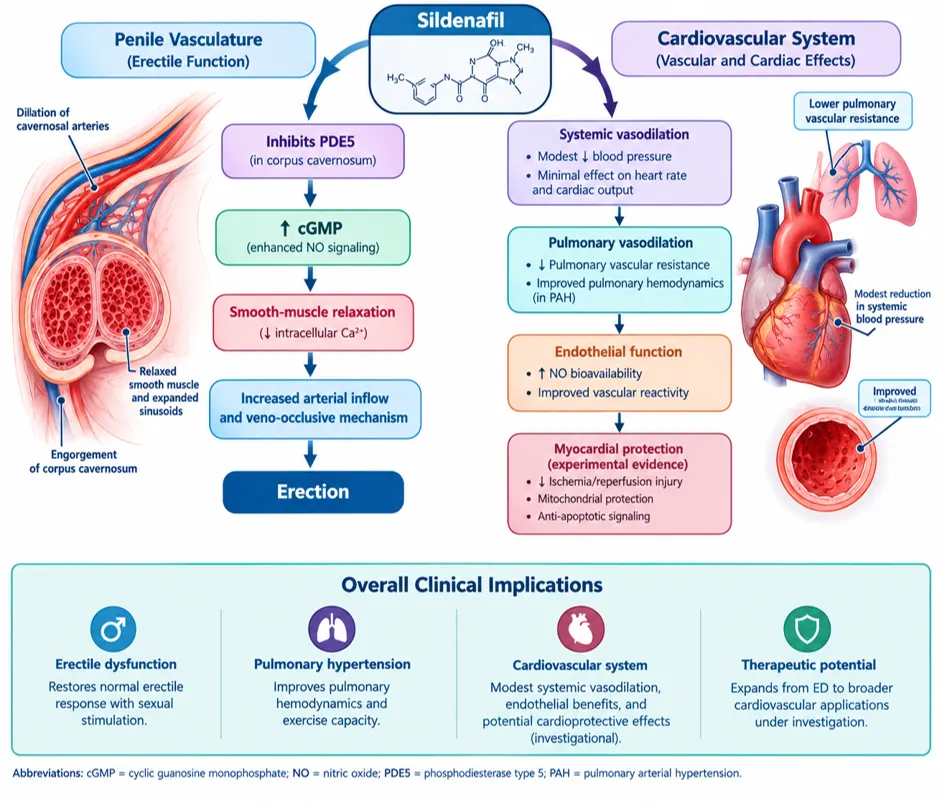
Figure 2: Sildenafil effects on penile vasculature and cardiovascular system
4.4 Myocardial Ischemia and Reperfusion Injury
Myocardial ischemia followed by reperfusion produces a complex cascade of oxidative stress, calcium overload, mitochondrial dysfunction, inflammation, and cell death. Although reperfusion is essential for restoring coronary blood flow, the sudden return of oxygen and metabolic activity can itself aggravate myocardial injury. Limiting this ischemia–reperfusion injury is therefore an important objective of cardioprotective research.
Experimental studies have demonstrated that PDE5 inhibition can reduce myocardial injury following ischemia and reperfusion. Sildenafil has been shown in cellular and animal models to reduce cardiomyocyte necrosis and apoptosis and to decrease infarct size. These effects appear to involve increased cGMP signaling and activation of PKG-dependent survival pathways.
The proposed mechanism resembles aspects of pharmacological preconditioning, in which exposure to a stimulus before ischemia activates endogenous cellular defense mechanisms that subsequently reduce tissue injury. Sildenafil-induced cGMP/PKG signaling may initiate a protective network involving protein kinases, mitochondrial ion channels, and anti-apoptotic pathways.
Importantly, these findings are primarily derived from experimental models. Although they provide strong mechanistic evidence that PDE5 inhibition can influence myocardial resistance to ischemic stress, experimental cardioprotection cannot automatically be translated into reduced infarct size or mortality in patients.
4.5 Molecular Mechanisms of Cardioprotection
The cardioprotective effects attributed to sildenafil involve a signaling network extending beyond simple vasodilation. The central mechanism begins with PDE5 inhibition, increased intracellular cGMP, and activation of PKG.
cGMP/PKG signaling
Increased cGMP activates PKG, which functions as a major mediator of downstream cardioprotective signaling. PKG can regulate ion channels, contractile proteins, mitochondrial function, and kinase pathways involved in cellular survival. The importance of PKG is supported by experimental studies showing that pharmacological or genetic inhibition of PKG can markedly attenuate sildenafil-associated cardioprotection.
Protein kinase C and survival signaling
PKC-dependent signaling has also been implicated in PDE5 inhibitor-mediated cardioprotection. Activation of PKC may interact with mitochondrial and kinase pathways involved in ischemic preconditioning. This provides a potential mechanistic connection between PDE5 inhibition and endogenous myocardial defense mechanisms.
ERK/GSK3β pathways
The extracellular signal-regulated kinase (ERK) pathway represents another important component of sildenafil-mediated protection. Experimental studies demonstrate that sildenafil-associated PKG activation can stimulate ERK phosphorylation, with downstream effects involving glycogen synthase kinase-3β (GSK3β). Inhibition of these pathways reduces the protective response, supporting their functional role rather than merely representing secondary biochemical changes.
GSK3β is particularly relevant to mitochondrial integrity and cell survival. Its phosphorylation and functional inhibition have been associated with reduced mitochondrial injury during ischemia–reperfusion. Therefore, the PKG–ERK–GSK3β axis may represent an important molecular bridge between PDE5 inhibition and myocardial survival.
Mitochondrial KATP channels
Mitochondria are central regulators of ischemia–reperfusion injury because mitochondrial permeability transition, ATP depletion, calcium accumulation, and excessive reactive oxygen species generation can initiate irreversible cardiomyocyte injury. Experimental studies suggest that sildenafil-induced PKG signaling can promote opening of mitochondrial ATP-sensitive potassium channels (mitoKATP), a recognized component of ischemic preconditioning pathways.
Activation of mitoKATP channels may modify mitochondrial membrane potential and reduce susceptibility to permeability transition during reperfusion. This mechanism could help explain why sildenafil produces cardioprotective effects even when the drug is administered before an ischemic insult.
Anti-apoptotic signaling
Sildenafil has also been associated experimentally with increased expression of anti-apoptotic proteins and an increased Bcl-2/Bax ratio. Together with PKG, ERK, and mitochondrial signaling, these effects may reduce activation of apoptotic pathways and improve cardiomyocyte survival following ischemic stress.
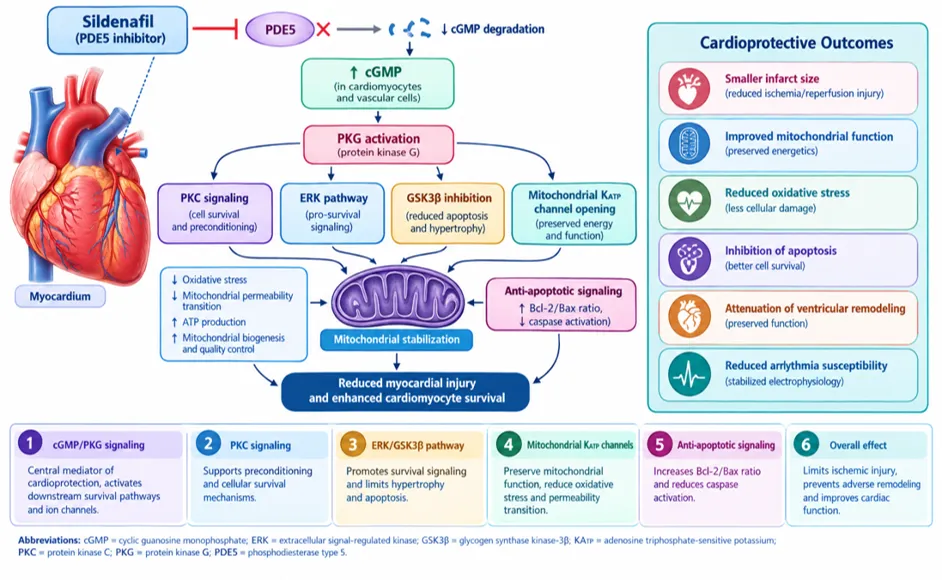
Figure 3: Proposed molecular mechanisms of myocardial protection
4.6 Potential Effects on Cardiac Remodeling and Heart Failure
Cardiac remodeling involves structural and functional changes that develop in response to chronic pressure or volume overload, myocardial injury, neurohormonal activation, and metabolic stress. Because cGMP/PKG signaling regulates vascular tone, myocardial hypertrophy, fibrosis, and cellular stress responses, PDE5 inhibition has been investigated as a potential strategy for modifying pathological cardiac remodeling.
Preclinical studies suggest that PDE5 inhibition may attenuate pressure-overload-associated hypertrophy and improve myocardial relaxation. In heart failure with reduced ejection fraction (HFrEF), small clinical studies have reported improvements in selected measures of ventricular function, pulmonary hemodynamics, and exercise capacity. A contemporary review of cardiac PDE biology similarly identifies PDE5 inhibition as a promising strategy in HFrEF, although larger trials remain necessary for definitive therapeutic conclusions (Aye et al., 2023).
The situation is considerably less consistent in heart failure with preserved ejection fraction (HFpEF). Clinical trials have not established a consistent improvement in exercise capacity or clinical outcomes with sildenafil in unselected HFpEF populations. This discrepancy may reflect substantial biological heterogeneity within HFpEF, including differences in pulmonary vascular disease, right-ventricular dysfunction, endothelial dysfunction, and cGMP availability.
Sildenafil is more firmly established in pulmonary arterial hypertension, where reduction of pulmonary vascular resistance is a central therapeutic objective. Its ability to modify pulmonary vascular tone may also influence right-ventricular afterload and ventricular–vascular coupling.
Thus, sildenafil may have therapeutic relevance to selected cardiovascular phenotypes, but PDE5 inhibition should not currently be considered a universal heart-failure therapy.
4.7 Translational Gap
One of the most important issues in evaluating sildenafil as a cardiovascular drug is the discrepancy between strong mechanistic evidence and limited definitive clinical evidence.
At the cellular level, sildenafil activates cGMP/PKG signaling and influences ERK, GSK3β, mitochondrial channels, oxidative stress, and apoptotic pathways. These experiments establish biological plausibility.
At the animal level, PDE5 inhibition has repeatedly demonstrated reductions in myocardial infarct size, cardiomyocyte apoptosis, ischemia–reperfusion injury, pathological hypertrophy, and selected forms of ventricular dysfunction. These results provide stronger evidence that the molecular mechanisms can produce meaningful tissue-level effects.
At the human clinical level, however, evidence remains heterogeneous. Some small trials demonstrate improvements in hemodynamics, endothelial function, ventricular performance, or exercise capacity, whereas larger or more rigorously controlled studies have not consistently demonstrated improvement in major clinical outcomes. A contemporary review of PDE5 inhibitor cardiovascular studies concluded that preclinical evidence is compelling but that translation into positive clinical trials has been inconsistent (Jovin et al., 2023).
This distinction is critical because observational studies suggesting reduced cardiovascular events cannot establish that sildenafil itself produces the benefit. A 2024 meta-analysis found lower MACE and mortality among PDE5 inhibitor users, but residual confounding, treatment-selection bias, differences in baseline cardiovascular health, and the healthy-user effect remain possible explanations (Soulaidopoulos et al., 2024).
The Princeton IV Consensus therefore supports a cardiovascular-risk-based approach to men with ED and emphasizes appropriate cardiovascular assessment rather than treating PDE5 inhibitors as established cardioprotective drugs (Kloner et al., 2024).
Sildenafil exerts important cardiovascular actions through inhibition of PDE5 and enhancement of the NO–cGMP–PKG pathway. Its acute cardiovascular effects include modest systemic vasodilation and clinically meaningful pulmonary vasodilation, while experimental studies indicate additional effects on endothelial function, mitochondrial signaling, myocardial ischemia–reperfusion injury, apoptosis, and cardiac remodeling. The molecular evidence supports a cardioprotective network involving cGMP/PKG, PKC, ERK, GSK3β, mitoKATP channels, mitochondrial stabilization, and anti-apoptotic signaling.
Nevertheless, the strongest evidence for direct myocardial protection remains preclinical. Human studies provide encouraging but inconsistent evidence, and observational associations between PDE5 inhibitor use and improved cardiovascular outcomes cannot establish causality. Therefore, the current scientific position is best described as mechanistically compelling, clinically promising, but not yet definitive for cardioprotection. This translational gap represents an important priority for future randomized cardiovascular trials.
Table 3. Cardiovascular Effects and Evidence From Clinical Studies
|
Cardiovascular domain |
Effect associated with sildenafil/ PDE5 inhibition |
Evidence type |
Principal findings |
Current interpretation |
|
Systemic blood pressure |
Mild vasodilatory and BP-lowering effect |
Pharmacodynamic/ clinical studies |
Usually modest and transient reductions in BP |
Established pharmacological effect |
|
Pulmonary vascular resistance |
Reduction in pulmonary vascular tone and PVR |
Clinical trials/ systematic reviews |
Improvements in pulmonary hemodynamics reported in selected patients |
Established role in PAH; selected PH populations require careful phenotyping |
|
Pulmonary arterial hypertension |
Pulmonary vasodilation and improved exercise capacity |
Randomized trials and systematic reviews |
Sildenafil improves pulmonary hemodynamics and functional outcomes in PAH |
Established therapeutic application |
|
PH associated with left-heart disease |
Potential reduction in PVR and pulmonary pressures in selected patients |
Small RCTs/ systematic reviews |
Benefits have been reported mainly in patients with elevated PVR; results are heterogeneous |
Not a routine treatment for PH-LHD; phenotype-specific research remains necessary |
|
Heart failure with reduced EF |
Possible reduction in pulmonary pressures and improvement in exercise-related parameters |
RCTs/ meta-analysis |
Some studies report improved pulmonary hemodynamics and peak VO2, but definitive clinical outcome benefit is not established |
Investigational/ phenotype-dependent |
|
HF with preserved EF |
Potential endothelial and pulmonary vascular effects |
Randomized trials |
Large trials have not consistently demonstrated improvements in exercise capacity, clinical status, or QoL |
Not established therapy |
|
Endothelial function |
Improvement in NO-dependent vascular function |
RCT meta-analysis |
PDE5 inhibition associated with improvements in FMD and several vascular surrogate measures |
Promising but surrogate outcomes |
|
Arterial stiffness |
Reduction in pulse-wave velocity |
RCT meta-analysis |
Significant improvement reported in pooled analyses |
Emerging evidence |
|
Carotid intima-media thickness |
Possible reduction |
RCT meta-analysis |
Small improvement reported in pooled data |
Investigational surrogate endpoint |
|
Long-term MACE |
Possible reduction in observational cohorts |
Systematic review/meta-analysis |
PDE5i use associated with lower MACE risk (RR ~0.78) |
Association only; randomized confirmation needed |
|
All-cause mortality |
Possible reduction in observational data |
Systematic review/ meta-analysis |
Pooled RR approximately 0.70 |
Hypothesis-generating; causality cannot be inferred |
|
Myocardial ischemia/ reperfusion injury |
Potential infarct-size limitation and cardioprotective signaling |
Primarily experimental/ preclinical |
cGMP/PKG, mitochondrial KATP, kinase signaling and mitochondrial mechanisms implicated |
Experimental |
|
Cardiomyocyte survival |
Potential anti-apoptotic and mitochondrial effects |
Preclinical studies |
Improved mitochondrial homeostasis and cellular survival described |
Experimental |
|
Ventricular remodeling/ hypertrophy |
Potential attenuation of pathological remodeling |
Preclinical studies |
Chronic PDE5 inhibition has been linked with mitophagy-related cardioprotective mechanisms |
Experimental |
|
Cardiovascular event prevention |
Potential reduction in CV events |
Observational studies |
Long-term PDE5i exposure associated with lower CV event rates |
Requires large prospective RCTs |
5. Clinical Safety, Contraindications, Drug Interactions, and Patient Selection
Sildenafil has an extensive clinical safety record and is generally well tolerated when administered at recommended doses to appropriately selected patients. Its adverse-effect profile is largely related to systemic vasodilation and, to a lesser extent, inhibition of PDE isoenzymes other than PDE5. However, cardiovascular status, concomitant medications, organ function, and ocular history should be considered before treatment. Contemporary evidence emphasizes that sildenafil should not simply be regarded as an erectile dysfunction medication; in men with erectile dysfunction, treatment should occur within an assessment of overall cardiovascular health and the safety of sexual activity (Salonia et al., 2025; Shen et al., 2026).
5.1 General Safety Profile
The adverse effects of sildenafil are predominantly mild, transient, and dose related. The most frequently reported reactions include headache, flushing, dyspepsia, nasal congestion, dizziness, and visual disturbances. According to the updated European Association of Urology evidence synthesis, headache and flushing are among the most frequent adverse events with sildenafil, while dyspepsia, nasal congestion, dizziness, and abnormal vision occur less commonly. These effects generally reflect systemic vasodilation or the pharmacological activity of sildenafil at related phosphodiesterase isoenzymes (Salonia et al., 2025).
Headache and facial flushing are particularly characteristic because inhibition of PDE5 increases cGMP-mediated vasodilation beyond the corpus cavernosum. Dyspepsia may result from smooth-muscle effects within the gastrointestinal tract, whereas nasal congestion is associated with vasodilation of the nasal mucosa. Dizziness is generally mild but may become clinically relevant in individuals with low baseline blood pressure or when sildenafil is combined with other vasodilating drugs.
Visual symptoms, including altered color perception, increased brightness, blurred vision, or photophobia, are usually transient and are related partly to weak inhibition of retinal PDE6. Recent real-world pharmacovigilance data demonstrate that ocular adverse-event reporting occurs with PDE5 inhibitors, including sildenafil, although these reports cannot establish causality or absolute incidence. Therefore, patients should be advised to report persistent or sudden visual changes promptly (Zhang et al., 2024).
5.2 Cardiovascular Safety
Sildenafil produces systemic vasodilation and may cause modest reductions in systolic and diastolic blood pressure. In most appropriately selected patients, these changes are clinically limited and do not result in significant impairment of cardiac performance. Nevertheless, the magnitude of the blood-pressure response can increase when sildenafil is administered with other vasodilators or antihypertensive agents.
Orthostatic hypotension is therefore an important consideration, particularly in older individuals, patients receiving multiple antihypertensive drugs, and those with autonomic dysfunction or reduced intravascular volume. Recent pharmacovigilance evidence indicates that hypotension signals are particularly important when PDE5 inhibitors are combined with other pulmonary vasodilators, supporting careful assessment of the complete cardiovascular medication regimen rather than evaluation of sildenafil in isolation (2026).
In patients with stable coronary artery disease, appropriately prescribed sildenafil is generally considered compatible with sexual activity when the patient's cardiovascular functional capacity is adequate. The major concern is not sildenafil-induced myocardial ischemia in stable patients but the possibility that sexual activity itself may exceed the patient's cardiovascular reserve. Consequently, assessment of exercise tolerance, symptoms, cardiovascular comorbidities, and current medications is essential before prescribing.
Available clinical and observational evidence has not demonstrated a consistent increase in myocardial infarction or fatal cardiovascular events attributable to sildenafil when used according to prescribing recommendations. However, pharmacovigilance databases contain reports of serious cardiovascular events. Such databases are useful for detecting safety signals but cannot establish causality because of reporting bias, confounding by indication, comorbidities, and incomplete exposure information (Zhu et al., 2025).
Arrhythmia considerations are similarly patient specific. Sildenafil does not generally produce clinically important electrophysiological instability at therapeutic doses, but treatment should be approached cautiously in patients with unstable cardiovascular disease or high-risk arrhythmias. Thus, cardiovascular stability and functional capacity are more important determinants of appropriate use than the mere presence of cardiovascular disease.
5.3 Nitrate Interaction: The Major Contraindication
The interaction between sildenafil and organic nitrates represents the most clinically important contraindication. Nitrates include nitroglycerin, isosorbide dinitrate, and isosorbide mononitrate, as well as other nitric oxide–donating preparations. Sildenafil potentiates the NO–sGC–cGMP pathway, whereas nitrates increase endogenous NO availability and consequently stimulate cGMP production. Simultaneous administration therefore produces both increased cGMP synthesis and reduced cGMP degradation.
The resulting excessive accumulation of cGMP in vascular smooth muscle can cause marked vasodilation and profound hypotension. In patients with coronary artery disease, severe hypotension may additionally compromise coronary perfusion and potentially precipitate myocardial ischemia. This pharmacodynamic interaction remains a fundamental contraindication despite the otherwise favorable cardiovascular safety profile of sildenafil (Kloner et al., 2024; Salonia et al., 2025).
The nitrate interaction should therefore be explicitly highlighted in clinical algorithms and prescribing tables. Patients receiving nitrate therapy should not be given sildenafil for erectile dysfunction, and clinicians should establish whether patients use scheduled, intermittent, sublingual, transdermal, or other nitrate formulations before prescribing.
5.4 Interactions With Other Cardiovascular Drugs
Unlike nitrates, most commonly prescribed cardiovascular drugs do not constitute absolute contraindications to sildenafil. Nevertheless, additive blood-pressure lowering may occur with α-blockers and antihypertensive agents. Patients receiving α-blockers may experience symptomatic hypotension, particularly when sildenafil is initiated at higher doses or administered before the patient has become stable on α-blocker therapy. Conservative dose selection and clinical monitoring are therefore appropriate.
Sildenafil can generally be used with several classes of antihypertensive medication, including β-blockers, calcium-channel blockers, and diuretics, although additive hypotensive effects should be anticipated in susceptible patients. The updated clinical literature supports individualized assessment rather than routine exclusion of patients receiving antihypertensive therapy (Salonia et al., 2025; Shen et al., 2026).
An additional consideration involves CYP3A4-mediated drug interactions. Sildenafil is predominantly metabolized through CYP3A4, and potent CYP3A4 inhibitors can increase systemic sildenafil exposure. This may enhance vasodilatory adverse effects and increase the likelihood of hypotension, headache, flushing, or other dose-related reactions. Consequently, medication reconciliation should include prescription drugs, over-the-counter medicines, and relevant supplements before sildenafil initiation.
Recent pharmacovigilance studies further emphasize that drug combinations can influence the safety profile of PDE5 inhibitors. In patients receiving sildenafil for pulmonary arterial hypertension, combinations with other pulmonary vasodilators have generated hypotension signals, illustrating the importance of evaluating additive pharmacodynamic effects in patients receiving multidrug cardiovascular therapy (2026).
5.5 Contraindications and Precautions
The principal contraindication to sildenafil is concomitant treatment with organic nitrates or other clinically significant NO-donor therapy. Additional precautions are required in patients with unstable or high-risk cardiovascular disease.
Patients with unstable angina, uncontrolled hypertension, severe hypotension, high-risk arrhythmias, decompensated heart failure, or other unstable cardiovascular conditions should generally undergo cardiovascular evaluation and stabilization before treatment for ED. Similarly, individuals with recent major cardiovascular events require individualized assessment rather than automatic initiation of sildenafil.
Organ dysfunction may also modify sildenafil exposure. Severe hepatic or renal impairment can reduce drug clearance and increase systemic exposure, potentially increasing adverse effects; therefore, dose selection should follow current product-specific prescribing recommendations.
Visual disorders require additional consideration. Transient visual disturbances are recognized adverse effects of sildenafil, and real-world pharmacovigilance analyses have identified reports of ocular adverse events among PDE5 inhibitor users. Rare reports of serious retinal or optic-nerve events have also been described, although causality is difficult to establish because ED and its associated cardiovascular risk factors may themselves predispose patients to ocular vascular disease (Zhang et al., 2024; Chawla et al., 2025).
Accordingly, patients should be instructed to discontinue use and seek urgent ophthalmologic assessment if they develop sudden loss of vision, persistent major visual disturbance, or other acute ocular symptoms. This precaution is particularly important because rare serious ocular events differ substantially from the mild and transient visual changes typically associated with therapeutic sildenafil exposure.
Table 4. Adverse Effects, Contraindications, and Clinically Important Drug Interactions
|
Category |
Drug/ event |
Clinical significance |
Recommended clinical approach |
|
Common adverse effect |
Headache |
Usually mild and transient |
Symptomatic management; dose reduction if necessary |
|
Common adverse effect |
Flushing |
Related to vasodilation |
Usually self-limiting |
|
Common adverse effect |
Dyspepsia |
Common gastrointestinal effect |
Consider administration adjustments and symptomatic treatment |
|
Common adverse effect |
Nasal congestion |
Vasodilatory effect |
Usually mild |
|
Common adverse effect |
Dizziness |
May reflect BP reduction |
Assess BP and concurrent vasodilator therapy |
|
Visual disturbance |
Transient altered color perception/visual symptoms |
Associated with PDE6 interaction |
Counsel patients; persistent visual symptoms require evaluation |
|
Hypotension |
Excessive BP reduction |
More important in patients taking vasodilators |
Assess volume status and concomitant antihypertensives |
|
Absolute contraindication |
Organic nitrates |
Potential for profound hypotension through synergistic NO–cGMP accumulation |
Do not co-administer |
|
Nitrate examples |
Nitroglycerin, isosorbide mononitrate, isosorbide dinitrate |
Clinically important interaction |
Avoid sildenafil in patients using nitrates |
|
Soluble guanylate cyclase stimulation |
Riociguat |
Additive cGMP-mediated hypotension |
Contraindicated/not recommended in combination |
|
α-blockers |
Doxazosin and related agents |
May produce additive hypotension |
Start sildenafil at low dose and ensure stable α-blocker therapy |
|
Antihypertensive drugs |
ACE inhibitors, ARBs, β-blockers, CCBs, diuretics |
Usually additive but clinically manageable BP reduction |
Individualize treatment and monitor BP |
|
CYP3A4 inhibitors |
Ritonavir, ketoconazole, itraconazole, clarithromycin and others |
Can markedly increase sildenafil exposure |
Dose reduction or avoidance according to inhibitor and product labeling |
|
CYP3A4 inducers |
Rifampicin and similar agents |
May reduce sildenafil exposure |
Consider reduced efficacy |
|
Alcohol |
Potential additive vasodilation |
May increase dizziness/ hypotension in susceptible individuals |
Counsel regarding excessive alcohol intake |
|
Severe cardiovascular instability |
Unstable angina, severe/ decompensated HF, uncontrolled arrhythmia or severe hypotension |
Sexual activity and vasodilation may pose substantial risk |
Stabilize cardiovascular condition before ED treatment |
|
Recent major cardiovascular event |
Recent MI/ stroke or high-risk cardiovascular state |
Sexual activity may be temporarily unsafe |
Cardiovascular risk assessment before prescribing |
|
Severe hepatic impairment |
Increased systemic exposure |
May increase adverse effects |
Consider lower starting dose |
|
Severe renal impairment |
Increased exposure possible |
Greater sensitivity to adverse effects |
Consider lower initial dose |
|
Retinal disease/ NAION concern |
Rare serious ocular events |
Requires individualized risk assessment |
Counsel and investigate sudden visual loss urgently |
5.6 Clinical Risk Stratification
Clinical risk stratification is essential because prescribing sildenafil involves two related considerations: the pharmacological cardiovascular effects of sildenafil and the cardiovascular demands of sexual activity itself. Erectile dysfunction may function as an early marker of underlying vascular disease, making cardiovascular assessment particularly relevant in men with predominantly vasculogenic ED.
The 2025 EAU guideline recommends systematic cardiovascular assessment in men with ED and incorporates contemporary risk-based approaches for identifying occult cardiovascular disease. In patients without overt cardiovascular symptoms, conventional ASCVD risk estimation can help identify individuals requiring additional cardiovascular evaluation. In selected borderline- or intermediate-risk patients, coronary artery calcium assessment may further refine cardiovascular risk (Salonia et al., 2025).
Low-risk patients
Low-risk patients generally include individuals with controlled hypertension, stable cardiovascular disease, successful coronary revascularization, mild valvular disease, or mild/stable heart failure who have adequate exercise tolerance without ischemic symptoms. In such patients, sexual activity and PDE5 inhibitor therapy can generally be considered after routine clinical assessment.
Intermediate-risk patients
Intermediate-risk patients include those with uncertain exercise tolerance, moderate cardiovascular symptoms, recent but clinically stabilized cardiovascular events, or conditions requiring further assessment. Functional evaluation, and when appropriate exercise testing or cardiology consultation, can help determine whether sexual activity and PDE5 inhibitor treatment can be undertaken safely.
High-risk patients
High-risk patients include individuals with unstable or refractory angina, uncontrolled hypertension, severe/decompensated heart failure, high-risk arrhythmias, or other unstable cardiovascular conditions. Sexual activity and treatment of ED should generally be deferred until the cardiovascular condition has been stabilized and appropriately evaluated.
Importantly, cardiovascular risk assessment should not be viewed merely as a prerequisite for sildenafil prescription. It represents an opportunity to identify previously unrecognized cardiovascular disease. Contemporary evidence increasingly supports ED as a clinically meaningful cardiovascular risk marker, reinforcing the importance of integrating sexual health assessment with broader cardiovascular prevention (Salonia et al., 2025).
Clinical decision pathway
ED presentation → cardiovascular history and examination → medication review → assess nitrate/NO-donor use → estimate cardiovascular risk → assess exercise tolerance →
Low risk → sildenafil may generally be considered
Intermediate risk → further cardiovascular evaluation ± exercise testing
High risk → defer sexual activity/PDE5 inhibitor therapy until stabilization and specialist assessment
Overall, the clinical safety of sildenafil is best characterized as favorable but highly dependent on appropriate patient selection. The most important preventable adverse interaction remains concomitant nitrate exposure, whereas other cardiovascular medications usually require dose adjustment, monitoring, or individualized assessment rather than absolute avoidance. Contemporary practice therefore favors a risk-stratified approach that integrates cardiovascular fitness, comorbidities, organ function, concomitant medications, and ocular history before sildenafil is prescribed.
6. Emerging Therapeutic Opportunities, Research Gaps, and Future Perspectives
The expanding understanding of the nitric oxide (NO)–soluble guanylate cyclase (sGC)–cyclic guanosine monophosphate (cGMP)–phosphodiesterase-5 (PDE5) pathway has repositioned sildenafil from a drug primarily associated with erectile dysfunction (ED) toward a broader pharmacological tool for investigating vascular, pulmonary, and myocardial biology. Although sildenafil has an established therapeutic role in ED and pulmonary arterial hypertension (PAH), accumulating experimental, mechanistic, and observational evidence suggests that PDE5 inhibition may influence endothelial function, myocardial remodeling, mitochondrial signaling, and long-term cardiovascular outcomes. However, these emerging applications remain heterogeneous in their level of clinical evidence and should not be equated with established cardiovascular indications (Ghantous et al., 2025; Zhang et al., 2026).
6.1 Beyond Erectile Dysfunction
Pulmonary hypertension
Pulmonary vascular disease represents the most established cardiovascular application of sildenafil beyond ED. By inhibiting PDE5 in pulmonary vascular smooth muscle, sildenafil increases intracellular cGMP and promotes pulmonary vasodilation, thereby reducing pulmonary vascular resistance. Contemporary evidence continues to support PDE5 inhibition as an important component of PAH therapy, frequently used in combination with endothelin-receptor antagonists or other pathway-directed treatments. A recent systematic literature review of sildenafil and tadalafil in PAH found broadly comparable efficacy as monotherapies, while combination strategies involving an endothelin-receptor antagonist may provide additional functional and hemodynamic benefits (Saggar et al., 2025).
Thus, PAH provides an important proof-of-concept that modulation of the PDE5–cGMP pathway can produce clinically meaningful cardiovascular and pulmonary effects. Nevertheless, treatment should remain disease-specific because pulmonary hypertension comprises several distinct pathophysiological groups, and PDE5 inhibition is not uniformly appropriate across all forms of pulmonary vascular disease.
Heart failure
The potential use of sildenafil in heart failure has attracted substantial interest because cGMP signaling may influence pulmonary pressures, ventricular loading conditions, endothelial function, and myocardial remodeling. However, contemporary evidence remains inconsistent. A 2024 systematic review and meta-analysis involving 16 randomized studies and 1,119 participants found that PDE5 inhibitors reduced pulmonary systolic pressure and increased peak oxygen consumption, but did not significantly improve mortality, heart-failure hospitalization, or quality of life. The considerable heterogeneity among studies further limits definitive conclusions (Monzón-Herrera et al., 2024).
These findings suggest that sildenafil may have functional or hemodynamic benefits in selected heart-failure phenotypes, but evidence is insufficient to support routine use as a disease-modifying treatment for heart failure.
Endothelial dysfunction and hypertension
Endothelial dysfunction represents another potential therapeutic target. Because PDE5 inhibition prolongs NO–cGMP signaling, sildenafil may improve vascular reactivity and reduce pathological vascular stiffness. A recent systematic review and meta-analysis of 63 randomized studies involving 3,242 participants reported reductions in systolic and diastolic blood pressure and improvements in several vascular parameters, including flow-mediated dilation and pulse-wave velocity. These findings provide evidence that PDE5 inhibition can influence measurable aspects of vascular function, although whether these surrogate improvements translate into fewer cardiovascular events remains uncertain (Zhang et al., 2026).
Recent experimental clinical work has also examined whether sildenafil can attenuate stress-associated endothelial dysfunction in patients with resistant hypertension. Such studies are particularly relevant because they suggest that PDE5 inhibition may influence dynamic vascular responses rather than simply produce passive vasodilation (2025).
Myocardial ischemia/reperfusion injury
Experimental research has identified myocardial ischemia/reperfusion (I/R) injury as another potentially important application. Sildenafil-mediated enhancement of cGMP–PKG signaling has been associated with activation of protective kinase pathways, mitochondrial potassium channels, reduced oxidative injury, and improved cellular survival. More recent experimental evidence additionally suggests that chronic PDE5 inhibition may attenuate pathological cardiac hypertrophy through enhancement of mitochondrial quality-control mechanisms, including PINK1/Parkin-associated mitophagy (2025).
These findings provide a mechanistic rationale for investigating sildenafil as a cardioprotective agent; however, most evidence remains preclinical and should not be interpreted as evidence that sildenafil currently prevents myocardial infarction in clinical practice.
6.2 Potential Role in Cardioprotection
The cardioprotective hypothesis is based on the ability of PDE5 inhibition to amplify cGMP-dependent signaling in the cardiovascular system. Experimental studies have reported reductions in infarct size, attenuation of ischemia-induced cellular injury, improved ventricular function, and modulation of arrhythmogenic responses. Mechanistically, these effects may involve PKG activation, mitochondrial KATP channels, preservation of mitochondrial function, reduction of oxidative stress, inhibition of apoptosis, and modulation of pathological hypertrophic signaling.
An important development is the increasing recognition of mitochondria as a central target of PDE5-mediated cardioprotection. Experimental studies indicate that sildenafil can activate mitochondrial signaling mechanisms associated with cellular resistance to ischemic stress. More recent work showing attenuation of myocardial hypertrophy through PINK1/Parkin-mediated mitophagy further expands the possible relationship between PDE5 inhibition, mitochondrial quality control, and cardiac remodeling (2025).
Observational clinical evidence has also generated considerable interest. A 2025 systematic review of 13 studies involving patients with ED and cardiovascular disease reported associations between PDE5 inhibitor use and lower risks of myocardial infarction, heart failure, and mortality. However, the certainty varied substantially between outcomes, with stronger evidence for some composite cardiovascular outcomes than for individual myocardial or heart-failure endpoints (Ghantous et al., 2025).
Similarly, a large 2024 meta-analysis of more than 1.25 million individuals reported an association between long-term PDE5 inhibitor use and lower risks of major adverse cardiovascular events and all-cause mortality. Importantly, however, these findings are predominantly derived from observational cohorts and therefore cannot establish that PDE5 inhibition itself caused the reduction in cardiovascular events (Soulaidopoulos et al., 2024).
Consequently, the cardioprotective hypothesis should currently be viewed as biologically plausible and clinically promising, but not definitively established.
6.3 Combination Therapeutic Strategies
Future cardiovascular applications of sildenafil may involve combination strategies rather than PDE5 inhibition as monotherapy. In PAH, combination treatment is already an important therapeutic principle, with PDE5 inhibition frequently incorporated into multidrug regimens targeting different pathological pathways. Recent evidence comparing sildenafil and tadalafil in PAH suggests that combination with endothelin-receptor antagonists may provide greater functional benefits than PDE5 inhibition alone in selected populations (Saggar et al., 2025).
A broader combination strategy could theoretically involve coordinated modulation of the NO–cGMP axis, endothelial function, oxidative stress, inflammation, and mitochondrial signaling. However, such approaches require careful pharmacological evaluation because excessive vasodilation or overlapping cGMP signaling may produce hypotension or other adverse effects.
Another potential strategy is the combination of PDE5 inhibition with interventions that restore endothelial NO bioavailability. This concept is particularly relevant in diseases characterized by endothelial dysfunction or oxidative stress, where impaired NO production could limit the effectiveness of simply preventing cGMP degradation.
Future studies should therefore determine whether combination therapy can generate synergistic vascular or myocardial protection without producing unacceptable hemodynamic effects.
6.4 Precision Medicine
Precision medicine may represent an important future direction for PDE5 inhibitor therapy. Not all patients exhibit the same degree of response to sildenafil, and variability may arise from differences in endothelial function, NO availability, PDE5 expression, drug metabolism, cardiovascular phenotype, and genetic background.
Emerging genetic evidence indicates that variants involving PDE5A, NOS3/eNOS, VEGF, arginine-metabolism pathways, and other components of NO signaling may influence ED susceptibility and response to PDE5 inhibitors. A recent systematic review identified multiple candidate genetic markers associated with PDE5 inhibitor responsiveness, although the certainty of evidence remains low and substantial heterogeneity exists between populations (2026).
Future precision-medicine approaches could therefore combine:
The ultimate objective would be to identify patients most likely to obtain vascular or cardioprotective benefit while avoiding unnecessary exposure in individuals unlikely to respond.
6.5 Current Research Gaps
Despite extensive experimental and observational evidence, several important research gaps remain.
1. Limited large-scale randomized cardiovascular-outcome trials
The principal limitation is the lack of adequately powered randomized controlled trials designed specifically to determine whether sildenafil reduces myocardial infarction, heart failure, cardiovascular death, or major adverse cardiovascular events. Current observational evidence is encouraging, but residual confounding and treatment-selection bias cannot be excluded (Ghantous et al., 2025; Soulaidopoulos et al., 2024).
2. Animal-to-human translation
The cardioprotective mechanisms demonstrated in cellular and animal models are substantially stronger than the corresponding clinical evidence. Differences in drug exposure, disease severity, comorbidities, dosing schedules, and myocardial physiology may explain part of the translational gap.
3. Long-term cardiovascular outcomes
The duration of treatment required to achieve meaningful cardiovascular effects remains uncertain. Long-term observational studies provide important signals, but prospective trials are required to determine whether chronic PDE5 inhibition genuinely modifies cardiovascular disease progression.
4. Optimal dose and treatment duration
The doses used experimentally for cardioprotection or heart failure may differ substantially from conventional ED dosing. Determining the optimal exposure for cardiovascular effects while minimizing hypotension and other adverse events is therefore a major research priority.
5. Heterogeneous cardiovascular populations
Cardiovascular diseases are biologically heterogeneous. A treatment that improves pulmonary vascular resistance or endothelial function in one phenotype may have little benefit in another. The neutral findings observed in some HFpEF populations illustrate why future trials should use carefully defined phenotypes rather than treating heart failure as a single disease entity (Monzón-Herrera et al., 2024).
6.6 Future Directions
The future development of sildenafil and related PDE5 inhibitors is likely to involve therapeutic repurposing, pathway-specific drug design, biomarker-guided treatment, and combination cardiovascular therapy.
First, sildenafil may continue to be evaluated for repurposing in selected cardiovascular conditions characterized by impaired NO–cGMP signaling, pulmonary vascular dysfunction, endothelial dysfunction, or pathological remodeling. Second, next-generation PDE5 inhibitors may be designed to improve tissue selectivity, pharmacokinetic characteristics, or pathway specificity while minimizing off-target effects.
Third, therapeutic strategies may move beyond simple PDE5 inhibition toward more integrated modulation of the NO–sGC–cGMP network. The distinction between increasing cGMP production through sGC stimulation and preventing cGMP degradation through PDE5 inhibition provides opportunities for pathway-specific intervention. Such strategies may be particularly relevant when endogenous NO availability is substantially impaired.
Fourth, mitochondrial biology represents an emerging area of interest. Evidence linking PDE5 inhibition with mitochondrial potassium channels, oxidative stress regulation, and mitophagy suggests that mitochondrial preservation could become an important mechanistic target in future cardioprotective studies (2025).
Finally, future clinical trials should incorporate precision cardiovascular phenotyping, validated biomarkers, imaging endpoints, exercise capacity, endothelial-function measures, and hard cardiovascular outcomes. This approach could determine whether the biological effects of PDE5 inhibition translate into clinically meaningful reductions in cardiovascular morbidity and mortality.
CONCLUSION
Sildenafil has evolved from a pharmacological treatment for erectile dysfunction into an important experimental and clinical tool for investigating the NO–cGMP–PDE5 signaling axis across multiple cardiovascular and pulmonary conditions. Its role in pulmonary arterial hypertension represents an established therapeutic application, whereas its effects on endothelial function, hypertension, heart failure, myocardial ischemia/reperfusion injury, and cardiac remodeling remain areas of active investigation.
The emerging evidence is particularly compelling because PDE5 inhibition can influence multiple interconnected mechanisms, including vascular relaxation, endothelial function, PKG-dependent signaling, mitochondrial homeostasis, oxidative stress, and pathological myocardial remodeling. Recent clinical and observational studies have also generated signals suggesting potentially favorable long-term cardiovascular outcomes. Nevertheless, these findings should be interpreted cautiously because much of the evidence remains observational, heterogeneous, or derived from surrogate endpoints.
Therefore, the future of sildenafil in cardiovascular medicine should be defined by a clear distinction between established therapeutic benefits and promising but unproven cardioprotective applications. Large, well-designed randomized cardiovascular-outcome trials, phenotype-specific investigations, biomarker development, and precision-medicine approaches are required before sildenafil can be considered a routine cardioprotective therapy. The most important future opportunity lies not simply in expanding the indications of sildenafil, but in identifying which patients, cardiovascular phenotypes, molecular pathways, and therapeutic combinations are most likely to convert PDE5 inhibition into clinically meaningful cardiovascular benefit.
REFERENCES

Susmita Pradhan, Sahil Satpathy, Dr. Shyam Prasad Meher, Alka Mishra, Subhash Chandra, Akash Jain, Rishikesh Deshmukh, Ankita Thul, Sivamani Selvaraju, Sildenafil in Erectile Dysfunction and Cardiovascular Medicine: From Nitric Oxide–cGMP Signaling to Myocardial Protection, Hemodynamic Regulation, Clinical Safety, and Emerging Therapeutic Opportunities—A State-of-the-Art Review, Int. J. of Pharm. Sci., 2026, Vol 4, Issue 9, 1612-1646. https://doi.org/10.5281/zenodo.22741449
 10.5281/zenodo.22741449