
View Article

  • Solid Dispersion Approach for Solubility Enhancement of Fenofibrate: A Comprehensive Review

  • 1Mpharm Final year Department of Pharmaceutics, Dr. R. N. Lahoti Institute of Pharmaceutical Education & Research Center.

    2Assistant Professor, Department of Pharmaceutics, Dr. R. N. Lahoti Institute of Pharmaceutical Education & Research Center.

    3Principal and Proffessor, Department of pharmacology Dr. R. N. Lahoti Institute of Pharmaceutical Education & Research Center.

Abstract

Fenofibrate is a widely prescribed antihyperlipidemic drug used in the management of hypercholesterolemia, hypertriglyceridemia, and mixed dyslipidemia. However, its therapeutic performance is significantly limited by poor aqueous solubility and low dissolution rate. Fenofibrate belongs to Biopharmaceutical Classification System (BCS) Class II, where dissolution becomes the rate-limiting step for oral absorption. Various formulation strategies have been explored to improve its solubility and oral bioavailability, among which solid dispersion technology has emerged as one of the most promising and effective approaches. Solid dispersions improve drug dissolution by reducing particle size, transforming crystalline drug into amorphous form, improving wettability, and enhancing surface area. This review discusses the physicochemical characteristics of fenofibrate, challenges associated with its formulation, principles of solid dispersion systems, preparation techniques, polymers and carriers used, characterization methods, evaluation parameters, and recent advances in fenofibrate solid dispersion research. Furthermore, the review highlights commercial relevance, limitations, future prospects, and recent developments in amorphous solid dispersions and lipid-based hybrid systems. The article provides an extensive overview for researchers working in formulation development and solubility enhancement of poorly water-soluble drugs.

Keywords

Fenofibrate, Solid dispersion, Solubility enhancement, Dissolution rate, Bioavailability, BCS Class II, Amorphous systems.

Introduction

× Popup Image

Oral drug delivery is the most widely accepted and preferred route of drug administration because of its convenience, patient compliance, non-invasive nature, cost effectiveness, flexibility in formulation, and ease of large-scale manufacturing. Tablets and capsules remain the dominant pharmaceutical dosage forms due to their simplicity and better patient acceptability. However, despite these advantages, poor aqueous solubility of many therapeutic agents remains one of the most significant challenges in oral drug delivery systems. Approximately 40–70% of newly developed drug molecules exhibit poor water solubility, which leads to low dissolution rates, erratic gastrointestinal absorption, and poor oral bioavailability. For Biopharmaceutical Classification System (BCS) Class II drugs, dissolution is considered the rate-limiting step in drug absorption. Therefore, improving solubility and dissolution characteristics has become a major focus in pharmaceutical formulation research.  Fenofibrate is a potent antihyperlipidemic drug belonging to the fibric acid derivative class and is extensively used for the management of hypertriglyceridemia, mixed dyslipidemia, and hypercholesterolemia. It acts by activating peroxisome proliferator-activated receptor alpha (PPAR-α), which enhances lipolysis and elimination of triglyceride-rich particles from plasma. Fenofibrate significantly reduces serum triglyceride levels, decreases low-density lipoprotein (LDL) cholesterol, and increases high-density lipoprotein (HDL) cholesterol. Due to these pharmacological effects, fenofibrate plays an important role in reducing cardiovascular risks associated with lipid disorders.
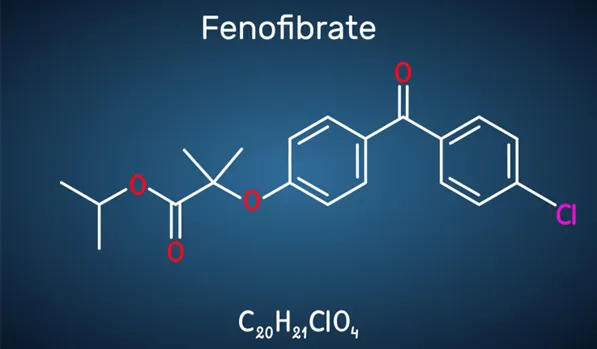
Fig 1. Chemical Structure of Fenofibrate
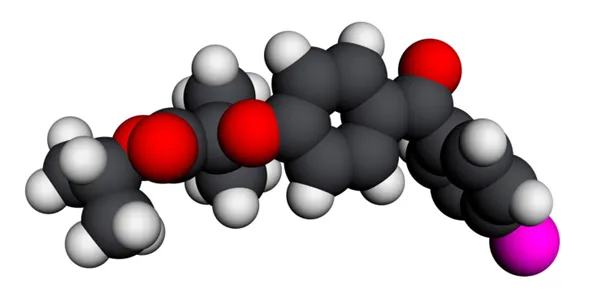
Fenofibrate possesses the molecular formula C₂₀H₂₁ClO₄ with a molecular weight of 360.83 g/mol. Chemically, it is identified as propan-2-yl 2-[4-(4-chlorobenzoyl)phenoxy]-2-methylpropanoate. The drug exists as a white crystalline powder that is practically insoluble in water but freely soluble in organic solvents such as chloroform and methanol. Because of its highly lipophilic nature and poor aqueous solubility, fenofibrate demonstrates dissolution rate-limited absorption following oral administration.  Fenofibrate is classified under BCS Class II drugs, which are characterized by low solubility and high permeability. The oral absorption of such drugs depends mainly on dissolution behavior in gastrointestinal fluids. Due to its extremely poor aqueous solubility (less than 0.5 mg/L), fenofibrate shows slow and incomplete dissolution in the gastrointestinal tract, resulting in variable bioavailability. Additionally, food intake significantly influences its absorption profile. Therefore, enhancement of solubility and dissolution rate is essential to achieve better therapeutic efficacy and consistent plasma drug concentration.

Challenges Associated with Fenofibrate

Major formulation challenges associated with fenofibrate include:

  • Extremely poor aqueous solubility
  • Slow dissolution rate
  • Low and variable oral bioavailability
  • Food-dependent absorption
  • High dose requirement
  • Poor wettability
  • Crystalline nature of the drug

These limitations necessitate the development of advanced drug delivery approaches to improve dissolution behavior and oral absorption.

Approaches for Solubility Enhancement

Several formulation strategies have been investigated to improve the solubility and dissolution characteristics of fenofibrate, including:

  • Micronization
  • Nanocrystal technology
  • Liposomes
  • Self-emulsifying drug delivery systems (SEDDS)
  • Cyclodextrin inclusion complexes
  • Solid lipid nanoparticles
  • Nanosuspensions
  • Liquisolid compact systems
  • Co-crystals
  • Solid dispersions

Among these approaches, solid dispersion technology has emerged as one of the most promising and extensively investigated methods for improving the dissolution profile and bioavailability of poorly water-soluble drugs like fenofibrate.

Solid Dispersion Technology

Solid dispersion systems involve dispersing one or more active pharmaceutical ingredients in hydrophilic polymeric carriers in the solid state. The drug may exist in molecularly dispersed, amorphous, or microcrystalline form within the carrier matrix. Hydrophilic carriers enhance wetting and reduce interfacial tension between the drug particles and dissolution medium, resulting in improved dissolution rate.
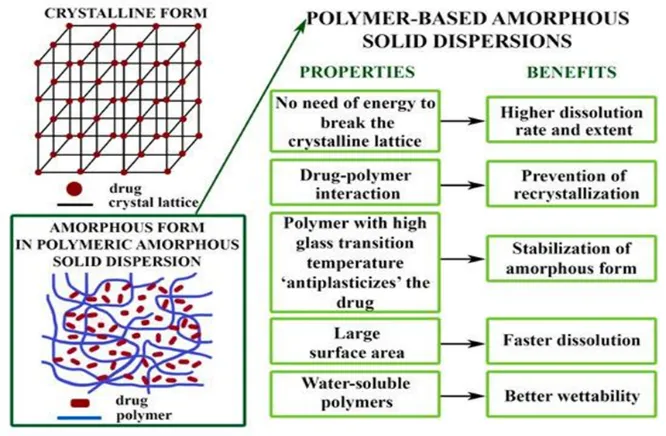
Fig 2. Mechanism of Solubility Enhancement by Solid Dispersion
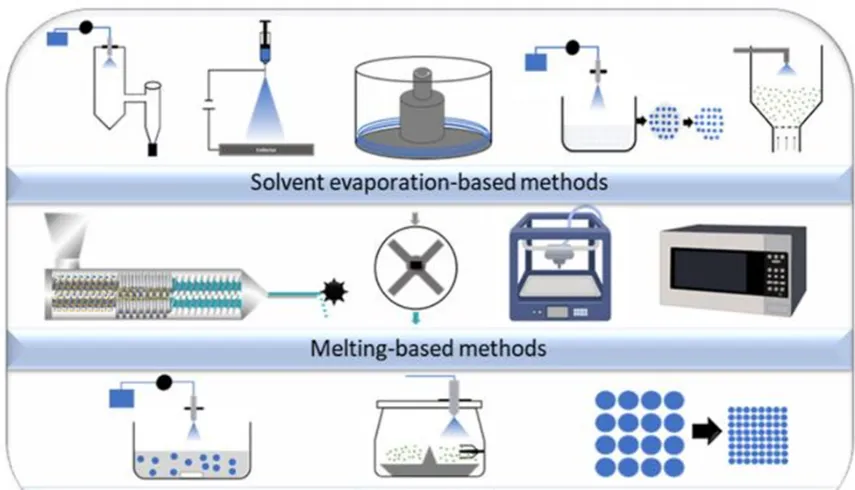
Fig 3. Manufacturing Methods for Amorphous Solid Dispersions
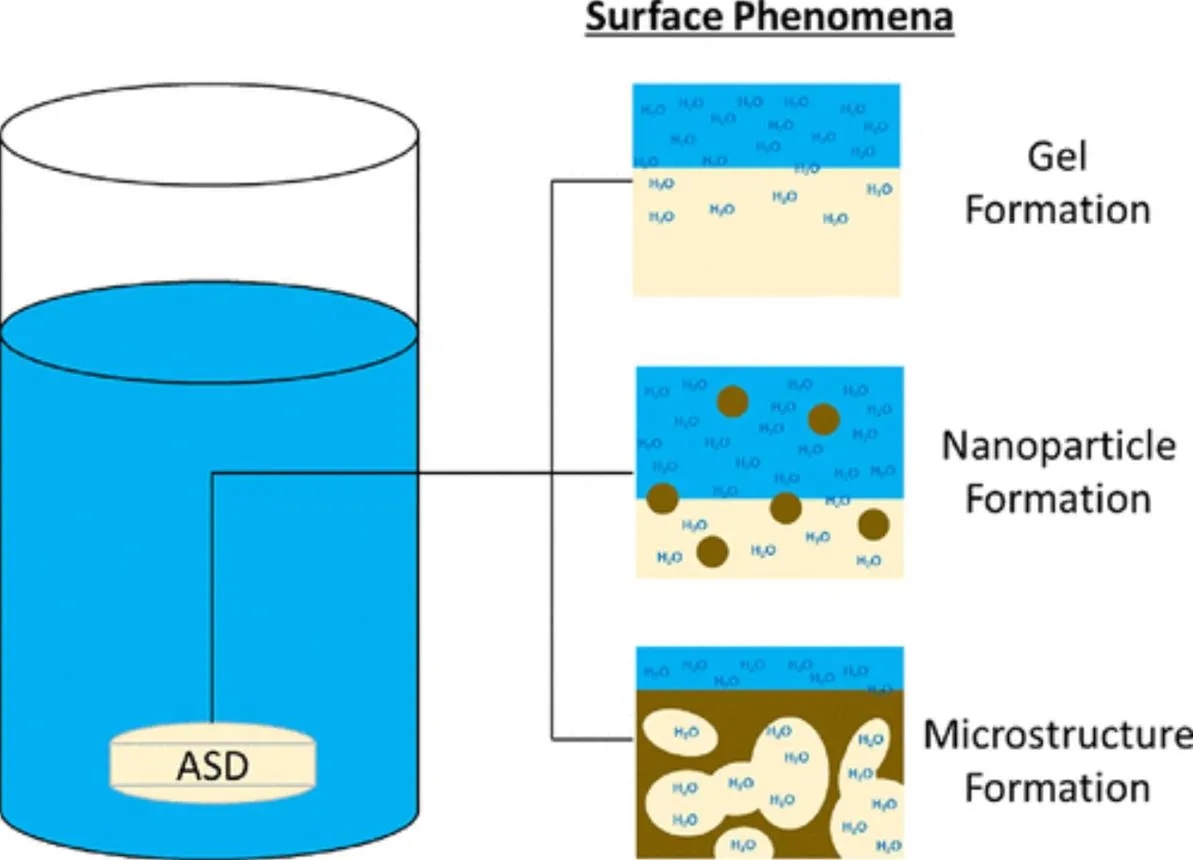
Fig 4. Surface Phenomenon Method

The enhancement in solubility and dissolution rate by solid dispersions occurs through several mechanisms:

  • Reduction in drug particle size
  • Improved wettability of drug particles
  • Increased surface area
  • Conversion of crystalline drug into amorphous form
  • Improved dispersibility of drug in dissolution medium
  • Prevention of particle aggregation
  • Enhanced porosity of particles

Conversion of fenofibrate from crystalline form to amorphous form significantly increases its Gibbs free energy and molecular mobility, thereby improving apparent solubility and dissolution rate. Hydrophilic carriers such as polyethylene glycol (PEG), polyvinylpyrrolidone (PVP), hydroxypropyl methylcellulose (HPMC), Soluplus®, and Pluronic F127 are commonly used for preparation of fenofibrate solid dispersions.

Importance of Amorphous Solid Dispersion

Amorphous solid dispersions (ASDs) represent advanced solid dispersion systems where the drug is dispersed in an amorphous form within a polymer matrix. ASDs are particularly beneficial for drugs like fenofibrate because amorphous forms possess higher free energy and greater apparent solubility compared to crystalline forms.

Advantages of ASDs

  • Rapid dissolution rate
  • Improved oral bioavailability
  • Enhanced supersaturation
  • Reduced dose requirement
  • Better therapeutic response

Recent advancements such as spray drying, hot melt extrusion, and self-micellizing solid dispersions have further improved the pharmaceutical performance of fenofibrate formulations.

Fenofibric Acid – Active Metabolite

After oral administration, fenofibrate undergoes rapid hydrolysis to produce fenofibric acid, which is the pharmacologically active metabolite responsible for lipid-lowering action.

Fig 5. Active metabolite Fenofibric Acid
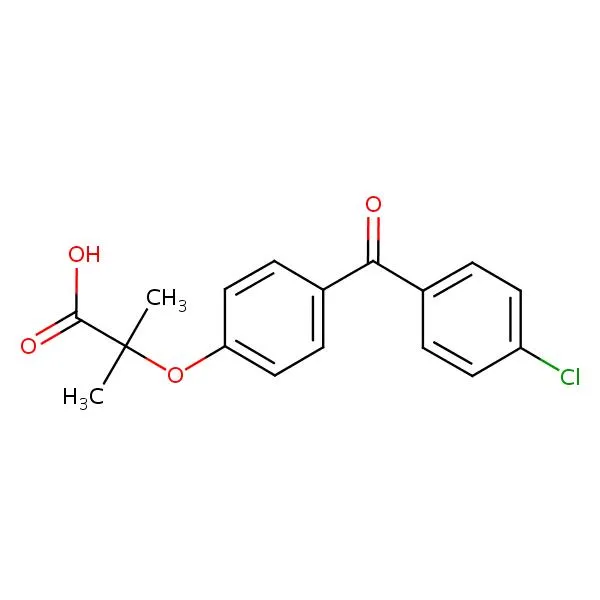
Fenofibric acid possesses better pharmacological activity but still exhibits challenges related to absorption and bioavailability. Therefore, formulation strategies aimed at improving fenofibrate dissolution indirectly improve systemic availability of fenofibric acid as well.  Overall, solid dispersion technology has proven to be an effective and commercially feasible strategy for enhancing the solubility, dissolution rate, and oral bioavailability of fenofibrate. Ongoing research in polymer science, nanotechnology, and advanced manufacturing techniques continues to expand the potential of solid dispersion systems for poorly water-soluble drugs.

2. Overview Of Fenofibrate

2.1 Drug Profile

Parameter

Description

Drug Name

Fenofibrate

Category

Antihyperlipidemic agent

Chemical Class

Fibric acid derivative

Molecular Formula

C20H21ClO4

Molecular Weight

360.83 g/mol

BCS Classification

Class II

Melting Point

79–82°C

Solubility

Practically insoluble in water

Route of Administration

Oral

Fenofibrate acts primarily through activation of peroxisome proliferator-activated receptor alpha (PPAR-α), leading to enhanced lipolysis and elimination of triglyceride-rich particles.

3. Problems Associated With Fenofibrate

Fenofibrate exhibits several formulation challenges:

3.1 Poor Aqueous Solubility

The major limitation is extremely poor water solubility, resulting in incomplete dissolution in gastrointestinal fluids.

3.2 Low Oral Bioavailability

Because dissolution is slow, only a fraction of administered dose becomes available for absorption.

3.3 Variable Absorption

Absorption depends significantly on food intake and gastrointestinal conditions.

3.4 High Dose Requirement

Poor absorption often necessitates higher doses to achieve therapeutic plasma concentration.

These limitations make fenofibrate an ideal candidate for solubility enhancement approaches.

4. Concept Of Solid Dispersion

Solid dispersion refers to a molecular mixture of poorly water-soluble drug dispersed within an inert hydrophilic carrier matrix in solid state.

4.1 Definition

According to Chiou and Riegelman, solid dispersion is:

“A dispersion of one or more active ingredients in an inert carrier or matrix in solid state.”

4.2 Mechanism of Solubility Enhancement

Solid dispersions improve solubility through:

  • Reduction in particle size
  • Increased wettability
  • Increased porosity
  • Conversion from crystalline to amorphous form
  • Improved dispersibility
  • Prevention of aggregation

5. Classification Of Solid Dispersions

5.1 Based on Carrier Type

  • Crystalline carriers
  • Amorphous carriers
  • Polymeric carriers
  • Surfactant carriers

5.2 Based on Molecular Arrangement

  • Eutectic mixtures
  • Solid solutions
  • Glass solutions
  • Amorphous precipitations

5.3 Based on Generation

First Generation

Crystalline carriers such as urea and sugars.

Second Generation

Amorphous polymeric carriers like PEG, PVP, and HPMC.

Third Generation

Use of surfactants and self-emulsifying carriers.

Fourth Generation

Controlled release solid dispersions.

6. Carriers Used In Fenofibrate Solid Dispersion

Several hydrophilic carriers are used in fenofibrate formulations.

6.1 Polyethylene Glycol (PEG)

PEG improves wettability and dissolution.

6.2 Polyvinylpyrrolidone (PVP)

PVP stabilizes amorphous form and prevents recrystallization.

6.3 Hydroxypropyl Methylcellulose (HPMC)

HPMC enhances dissolution and maintains supersaturation.

6.4 Hpmcas

Hydroxypropyl methylcellulose acetate succinate provides enteric protection and improved dissolution.

6.5 Soluplus®

An amphiphilic polymer widely used in self-micellizing solid dispersions.

6.6 Pluronic F127

Acts as surfactant and improves wettability.

7. Methods Of Preparation Of Solid Dispersion

7.1 Fusion Method

Drug and polymer are melted together and cooled rapidly.

Advantages

  • Solvent-free
  • Simple process

Limitations

  • Thermal degradation risk

7.2 Solvent Evaporation Method

Drug and polymer are dissolved in common solvent followed by evaporation.

Advantages

  • Uniform distribution
  • Suitable for thermolabile drugs

Limitations

  • Residual solvent issue

7.3 Spray Drying

Solution is atomized into hot chamber to form fine particles.

Advantages

  • Rapid drying
  • Amorphous product formation

Limitations

  • Expensive equipment

Fenofibrate-HPMC and HPMCAS dispersions prepared using spray drying demonstrated significant dissolution enhancement.

7.4 Hot Melt Extrusion

Drug and carrier are mixed under heat and pressure.

Advantages

  • Continuous process
  • Solvent-free

Limitations

  • High processing temperature

7.5 Freeze Drying

Solution is frozen and solvent removed by sublimation.

Advantages

  • High porosity
  • Improved dissolution

Limitations

  • Time consuming

8. Characterization Of Fenofibrate Solid Dispersions

8.1 Differential Scanning Calorimetry (DSC)

Used to detect crystallinity changes and amorphous conversion.

8.2 X-Ray Diffraction (XRD)

Determines crystalline or amorphous nature.

8.3 Fourier Transform Infrared Spectroscopy (FTIR)

Detects drug-polymer interactions.

8.4 Scanning Electron Microscopy (SEM)

Evaluates surface morphology.

8.5 Dissolution Studies

Assesses drug release profile.

8.6 Saturation Solubility Study

Measures enhancement in solubility.

9. Mechanism Of Dissolution Enhancement In Fenofibrate

Fenofibrate dissolution improves due to:

  • Molecular dispersion of drug
  • Reduced crystallinity
  • Increased surface area
  • Improved wettability
  • Solubilization by polymeric micelles
  • Formation of supersaturated systems

Self-micellizing systems containing Soluplus® showed significant enhancement in dissolution and therapeutic performance.

10. Recent Research On Fenofibrate Solid Dispersions

10.1 HPMC and HPMCAS Solid Dispersions

Researchers prepared spray-dried fenofibrate dispersions using HPMC and HPMCAS. Improved dissolution was observed due to reduced crystallinity and enhanced wettability.

10.2 Pluronic F127 Solid Dispersion

Fusion-prepared dispersions using Pluronic F127 demonstrated approximately 134-fold enhancement in intrinsic dissolution rate.

10.3 Self-Micellizing Solid Dispersion

Soluplus-based systems generated improved micellar solubilization and enhanced oral bioavailability.

10.4 HPMCAS-Based Dispersions

HPMCAS systems significantly improved dissolution profile and in vitro absorption.

10.5 Lipid-Based Hybrid Systems

Recent studies combine lipid carriers with solid dispersions for enhanced oral delivery.

11. Evaluation Parameters

11.1 Percentage Yield

Indicates process efficiency.

11.2 Drug Content

Ensures uniform drug distribution.

11.3 Solubility Study

Determines improvement over pure drug.

11.4 Dissolution Profile

Measures percentage drug release.

11.5 Stability Studies

Evaluates recrystallization and physical stability.

12. Advantages Of Solid Dispersion

  • Significant increase in dissolution rate
  • Enhanced oral bioavailability
  • Reduced particle size
  • Improved wettability
  • Better therapeutic efficacy
  • Reduced dose frequency
  • Applicable to BCS Class II drugs

13. Limitations Of Solid Dispersion

  • Physical instability
  • Moisture sensitivity
  • Recrystallization during storage
  • Scale-up difficulties
  • Polymer incompatibility
  • Residual solvent problems

14. Commercial Relevance

Several commercial products use solid dispersion technology for poorly soluble drugs. The pharmaceutical industry increasingly focuses on amorphous solid dispersions because many modern molecules possess poor aqueous solubility.

15. Amorphous Solid Dispersion (ASD)

Amorphous solid dispersions are advanced systems where the drug exists in amorphous state within polymeric matrix.

Advantages

  • Higher free energy
  • Faster dissolution
  • Improved supersaturation

Challenges

  • Physical instability
  • Moisture sensitivity

Recent formulation research highlights ASDs as major future technologies for poorly soluble drugs.

16. FUTURE PERSPECTIVES

Future development in fenofibrate solid dispersions includes:

  • Nanostructured amorphous dispersions
  • Lipid-polymer hybrid systems
  • Mesoporous silica carriers
  • Artificial intelligence-based formulation design
  • Continuous manufacturing
  • 3D printing technology

Mesoporous silica carriers are gaining attention for stabilizing amorphous systems and improving dissolution performance.

CONCLUSION

Fenofibrate is a poorly water-soluble BCS Class II drug with limited oral bioavailability due to dissolution rate-limited absorption. Solid dispersion technology has proven to be an effective and versatile strategy for enhancing solubility, dissolution rate, and bioavailability of fenofibrate. Various hydrophilic carriers such as HPMC, HPMCAS, PVP, PEG, Soluplus®, and Pluronic F127 have demonstrated promising outcomes in improving drug release characteristics. Preparation methods including spray drying, fusion, solvent evaporation, and hot melt extrusion have successfully produced stable formulations with improved therapeutic performance. Recent advances in amorphous solid dispersions, lipid-polymer hybrid systems, and nanotechnology further expand the potential of fenofibrate delivery systems. Despite challenges such as physical instability and recrystallization, solid dispersion remains one of the most promising formulation approaches for poorly soluble drugs. Continued research in polymer science, process engineering, and advanced characterization techniques will further strengthen the commercial applicability of fenofibrate solid dispersions.

REFERENCES

  1. Leuner C, Dressman J. Improving drug solubility for oral delivery using solid dispersions. Eur J Pharm Biopharm. 2000;50(1):47–60.
  2. Chiou WL, Riegelman S. Pharmaceutical applications of solid dispersion systems. J Pharm Sci. 1971;60(9):1281–1302.
  3. Vasconcelos T, Sarmento B, Costa P. Solid dispersions as strategy to improve oral bioavailability of poor water soluble drugs. Drug Discov Today. 2007;12(23–24):1068–1075.
  4. Sekiguchi K, Obi N. Studies on absorption of eutectic mixture. Chem Pharm Bull. 1961;9(11):866–872.
  5. Craig DQM. The mechanisms of drug release from solid dispersions in water-soluble polymers. Int J Pharm. 2002;231(2):131–144.
  6. Sharma DK, Joshi SB. Solubility enhancement strategies for poorly water-soluble drugs in solid dispersions. Asian J Pharm. 2007;1(1):9–19.
  7. Mohanachandran PS, Sindhumol PG, Kiran TS. Enhancement of solubility and dissolution rate: an overview. Int J Compr Pharm. 2010;1(4):1–10.
  8. Dhirendra K, Lewis S, Udupa N, Atin K. Solid dispersions: a review. Pak J Pharm Sci. 2009;22(2):234–246.
  9. Mankar SD, Rach PR. Solubility enhancement of poorly water soluble drugs by solid dispersion technique: a review. J Drug Deliv Ther. 2018;8(5):44–49.
  10. Savjani KT, Gajjar AK, Savjani JK. Drug solubility: importance and enhancement techniques. ISRN Pharm. 2012;2012:195727.
  11. Lipinski CA. Poor aqueous solubility—an industry wide problem in drug discovery. Am Pharm Rev. 2002;5(3):82–85.
  12. Amidon GL, Lennernäs H, Shah VP, Crison JR. A theoretical basis for a biopharmaceutic drug classification. Pharm Res. 1995;12(3):413–420.
  13. Vippagunta SR, Brittain HG, Grant DJW. Crystalline solids. Adv Drug Deliv Rev. 2001;48(1):3–26.
  14. Hancock BC, Zografi G. Characteristics and significance of the amorphous state in pharmaceutical systems. J Pharm Sci. 1997;86(1):1–12.
  15. Bikiaris DN. Solid dispersions, part I: recent evolution and future opportunities in manufacturing methods for dissolution rate enhancement of poorly water-soluble drugs. Expert Opin Drug Deliv. 2011;8(11):1501–1519.
  16. Bikiaris DN. Solid dispersions, part II: new strategies in manufacturing methods for dissolution rate enhancement of poorly water-soluble drugs. Expert Opin Drug Deliv. 2011;8(12):1663–1680.
  17. Janssens S, Van den Mooter G. Review: physical chemistry of solid dispersions. J Pharm Pharmacol. 2009;61(12):1571–1586.
  18. Vo CLN, Park C, Lee BJ. Current trends and future perspectives of solid dispersions containing poorly water-soluble drugs. Eur J Pharm Biopharm. 2013;85(3):799–813.
  19. Serajuddin ATM. Solid dispersion of poorly water-soluble drugs: early promises and recent breakthroughs. J Pharm Sci. 1999;88(10):1058–1066.
  20. Ford JL. The current status of solid dispersions. Pharm Acta Helv. 1986;61(3):69–88.
  21. Kumar S, Gupta SK, Sharma PK. A review on solubility enhancement techniques for poorly water-soluble drugs. Asian J Pharm. 2012;6(1):1–9.
  22. Kesisoglou F, Panmai S, Wu Y. Nanosizing—oral formulation development and biopharmaceutical evaluation. Adv Drug Deliv Rev. 2007;59(7):631–644.
  23. Kawabata Y, Wada K, Nakatani M, Yamada S, Onoue S. Formulation design for poorly water-soluble drugs based on biopharmaceutics classification system. Int J Pharm. 2011;420(1):1–10.
  24. Dixit RP, Nagarsenker MS. Self-nanoemulsifying granules of ezetimibe: design, optimization and evaluation. Eur J Pharm Sci. 2008;35(3):183–192.
  25. Jermain SV, Brough C, Williams RO. Amorphous solid dispersions and nanocrystal technologies for poorly water-soluble drug delivery. Int J Pharm. 2018;535(1–2):379–392.
  26. Ueda K, Higashi K, Yamamoto K, Moribe K. Recent advances in amorphous solid dispersions for the delivery of poorly water-soluble drugs. Drug Discov Today. 2020;25(4):743–752.
  27. Baghel S, Cathcart H, O’Reilly NJ. Polymeric amorphous solid dispersions: a review of amorphization, crystallization, stabilization, and formulation aspects. Adv Drug Deliv Rev. 2016;100:116–125.
  28. Jha SK, Singh RP. Solubility enhancement of poorly water-soluble drugs by solid dispersion technique. Int J Pharm Sci Res. 2011;2(9):2205–2215.
  29. Tran PHL, Tran TTD, Park JB, Lee BJ. Current studies on spray-dried solid dispersions. Pharmaceutics. 2019;11(10):516.
  30. Repka MA, Shah S, Lu J, Maddineni S, Morott J, Patwardhan K, Mohammed NN. Melt extrusion: process to product. Expert Opin Drug Deliv. 2012;9(1):105–125.
  31. Kim MS, Jin SJ, Kim JS, et al. Development of omega-3 phospholipid-based solid dispersion of fenofibrate for enhancement of oral bioavailability. Eur J Pharm Sci. 2015;76:93–101.
  32. Wojnarowska Z, Grzybowska K, Hawelek L, et al. Dissolution rate enhancement of fenofibrate by amorphous solid dispersions with Pluronic F127. J Therm Anal Calorim. 2016;123(1):799–807.
  33. Rampal A, Singh M, Mahajan S, Bedi N. Formulation and characterization of HPMC and HPMCAS based solid dispersions of fenofibrate. Int J Appl Pharm. 2019;11(6):135–142.
  34. Mohanty S, Sahoo S, Patra S, Tripathy S. Development and evaluation of fenofibrate solid dispersions for dissolution enhancement. J Pharm Negat Results. 2022;13(4):102–110.
  35. Dua JS, Kaur B, Prasad DN. Development and characterization of fenofibrate tablets using solubility enhancement techniques. Asian J Pharm Res Dev. 2018;6(2):15–22.
  36. Salampure S, Lahoti SR. Exploring proliposome embedded solid fenofibrate formulations for oral delivery. Future J Pharm Sci. 2025;11(1):45–58.
  37. Ueda K, Porter CJH, Goodwin A, Taylor LS. The expanding role of formulations in enabling oral delivery of poorly water-soluble drugs. Nat Rev Drug Discov. 2026;25(2):101–120.
  38. Bhujbal SV, Mitra B, Jain U, Gong Y, Agrawal A, Karki S, Taylor LS, Kumar S, Zhou QT. Pharmaceutical amorphous solid dispersion: a review of manufacturing strategies. Acta Pharm Sin B. 2021;11(8):2505–2536.
  39. Van den Mooter G. The use of amorphous solid dispersions: a formulation strategy to overcome poor solubility and dissolution rate. Drug Discov Today Technol. 2012;9(2):e79–e85.
  40. Paudel A, Worku ZA, Meeus J, Guns S, Van den Mooter G. Manufacturing of solid dispersions of poorly water soluble drugs by spray drying: formulation and process considerations. Int J Pharm. 2013;453(1):253–284.

Reference

  1. Leuner C, Dressman J. Improving drug solubility for oral delivery using solid dispersions. Eur J Pharm Biopharm. 2000;50(1):47–60.
  2. Chiou WL, Riegelman S. Pharmaceutical applications of solid dispersion systems. J Pharm Sci. 1971;60(9):1281–1302.
  3. Vasconcelos T, Sarmento B, Costa P. Solid dispersions as strategy to improve oral bioavailability of poor water soluble drugs. Drug Discov Today. 2007;12(23–24):1068–1075.
  4. Sekiguchi K, Obi N. Studies on absorption of eutectic mixture. Chem Pharm Bull. 1961;9(11):866–872.
  5. Craig DQM. The mechanisms of drug release from solid dispersions in water-soluble polymers. Int J Pharm. 2002;231(2):131–144.
  6. Sharma DK, Joshi SB. Solubility enhancement strategies for poorly water-soluble drugs in solid dispersions. Asian J Pharm. 2007;1(1):9–19.
  7. Mohanachandran PS, Sindhumol PG, Kiran TS. Enhancement of solubility and dissolution rate: an overview. Int J Compr Pharm. 2010;1(4):1–10.
  8. Dhirendra K, Lewis S, Udupa N, Atin K. Solid dispersions: a review. Pak J Pharm Sci. 2009;22(2):234–246.
  9. Mankar SD, Rach PR. Solubility enhancement of poorly water soluble drugs by solid dispersion technique: a review. J Drug Deliv Ther. 2018;8(5):44–49.
  10. Savjani KT, Gajjar AK, Savjani JK. Drug solubility: importance and enhancement techniques. ISRN Pharm. 2012;2012:195727.
  11. Lipinski CA. Poor aqueous solubility—an industry wide problem in drug discovery. Am Pharm Rev. 2002;5(3):82–85.
  12. Amidon GL, Lennernäs H, Shah VP, Crison JR. A theoretical basis for a biopharmaceutic drug classification. Pharm Res. 1995;12(3):413–420.
  13. Vippagunta SR, Brittain HG, Grant DJW. Crystalline solids. Adv Drug Deliv Rev. 2001;48(1):3–26.
  14. Hancock BC, Zografi G. Characteristics and significance of the amorphous state in pharmaceutical systems. J Pharm Sci. 1997;86(1):1–12.
  15. Bikiaris DN. Solid dispersions, part I: recent evolution and future opportunities in manufacturing methods for dissolution rate enhancement of poorly water-soluble drugs. Expert Opin Drug Deliv. 2011;8(11):1501–1519.
  16. Bikiaris DN. Solid dispersions, part II: new strategies in manufacturing methods for dissolution rate enhancement of poorly water-soluble drugs. Expert Opin Drug Deliv. 2011;8(12):1663–1680.
  17. Janssens S, Van den Mooter G. Review: physical chemistry of solid dispersions. J Pharm Pharmacol. 2009;61(12):1571–1586.
  18. Vo CLN, Park C, Lee BJ. Current trends and future perspectives of solid dispersions containing poorly water-soluble drugs. Eur J Pharm Biopharm. 2013;85(3):799–813.
  19. Serajuddin ATM. Solid dispersion of poorly water-soluble drugs: early promises and recent breakthroughs. J Pharm Sci. 1999;88(10):1058–1066.
  20. Ford JL. The current status of solid dispersions. Pharm Acta Helv. 1986;61(3):69–88.
  21. Kumar S, Gupta SK, Sharma PK. A review on solubility enhancement techniques for poorly water-soluble drugs. Asian J Pharm. 2012;6(1):1–9.
  22. Kesisoglou F, Panmai S, Wu Y. Nanosizing—oral formulation development and biopharmaceutical evaluation. Adv Drug Deliv Rev. 2007;59(7):631–644.
  23. Kawabata Y, Wada K, Nakatani M, Yamada S, Onoue S. Formulation design for poorly water-soluble drugs based on biopharmaceutics classification system. Int J Pharm. 2011;420(1):1–10.
  24. Dixit RP, Nagarsenker MS. Self-nanoemulsifying granules of ezetimibe: design, optimization and evaluation. Eur J Pharm Sci. 2008;35(3):183–192.
  25. Jermain SV, Brough C, Williams RO. Amorphous solid dispersions and nanocrystal technologies for poorly water-soluble drug delivery. Int J Pharm. 2018;535(1–2):379–392.
  26. Ueda K, Higashi K, Yamamoto K, Moribe K. Recent advances in amorphous solid dispersions for the delivery of poorly water-soluble drugs. Drug Discov Today. 2020;25(4):743–752.
  27. Baghel S, Cathcart H, O’Reilly NJ. Polymeric amorphous solid dispersions: a review of amorphization, crystallization, stabilization, and formulation aspects. Adv Drug Deliv Rev. 2016;100:116–125.
  28. Jha SK, Singh RP. Solubility enhancement of poorly water-soluble drugs by solid dispersion technique. Int J Pharm Sci Res. 2011;2(9):2205–2215.
  29. Tran PHL, Tran TTD, Park JB, Lee BJ. Current studies on spray-dried solid dispersions. Pharmaceutics. 2019;11(10):516.
  30. Repka MA, Shah S, Lu J, Maddineni S, Morott J, Patwardhan K, Mohammed NN. Melt extrusion: process to product. Expert Opin Drug Deliv. 2012;9(1):105–125.
  31. Kim MS, Jin SJ, Kim JS, et al. Development of omega-3 phospholipid-based solid dispersion of fenofibrate for enhancement of oral bioavailability. Eur J Pharm Sci. 2015;76:93–101.
  32. Wojnarowska Z, Grzybowska K, Hawelek L, et al. Dissolution rate enhancement of fenofibrate by amorphous solid dispersions with Pluronic F127. J Therm Anal Calorim. 2016;123(1):799–807.
  33. Rampal A, Singh M, Mahajan S, Bedi N. Formulation and characterization of HPMC and HPMCAS based solid dispersions of fenofibrate. Int J Appl Pharm. 2019;11(6):135–142.
  34. Mohanty S, Sahoo S, Patra S, Tripathy S. Development and evaluation of fenofibrate solid dispersions for dissolution enhancement. J Pharm Negat Results. 2022;13(4):102–110.
  35. Dua JS, Kaur B, Prasad DN. Development and characterization of fenofibrate tablets using solubility enhancement techniques. Asian J Pharm Res Dev. 2018;6(2):15–22.
  36. Salampure S, Lahoti SR. Exploring proliposome embedded solid fenofibrate formulations for oral delivery. Future J Pharm Sci. 2025;11(1):45–58.
  37. Ueda K, Porter CJH, Goodwin A, Taylor LS. The expanding role of formulations in enabling oral delivery of poorly water-soluble drugs. Nat Rev Drug Discov. 2026;25(2):101–120.
  38. Bhujbal SV, Mitra B, Jain U, Gong Y, Agrawal A, Karki S, Taylor LS, Kumar S, Zhou QT. Pharmaceutical amorphous solid dispersion: a review of manufacturing strategies. Acta Pharm Sin B. 2021;11(8):2505–2536.
  39. Van den Mooter G. The use of amorphous solid dispersions: a formulation strategy to overcome poor solubility and dissolution rate. Drug Discov Today Technol. 2012;9(2):e79–e85.
  40. Paudel A, Worku ZA, Meeus J, Guns S, Van den Mooter G. Manufacturing of solid dispersions of poorly water soluble drugs by spray drying: formulation and process considerations. Int J Pharm. 2013;453(1):253–284.

Photo
Radhika Kavar
Corresponding author

Mpharm Final year Department of Pharmaceutics, Dr. R. N. Lahoti Institute of Pharmaceutical Education & Research Center.

Photo
Arun Mante
Co-author

Principal and Proffessor, Department of pharmacology Dr. R. N. Lahoti Institute of Pharmaceutical Education & Research Center.

Photo
Nandu Kayande
Co-author

Principal and Proffessor, Department of pharmacology Dr. R. N. Lahoti Institute of Pharmaceutical Education & Research Center.

Radhika Kavar*, Arun Mante, Nandu Kayande, Solid Dispersion Approach for Solubility Enhancement of Fenofibrate: A Comprehensive Review, Int. J. of Pharm. Sci., 2026, Vol 4, Issue 5, 7756-7767. https://doi.org/10.5281/zenodo.20434184

More related articles
Nanostructured Lipid Carriers (Nlcs): A Comprehens...
Husna Fahmi Kanhirappalli, Shijith K. V....
Antimicrobial Resistance as a Silent Pandemic: Eco...
Meghashree N., Manoj S. Gowda, Rakshithraj Chandan, Mohammed Bila...
Molecular and Clinical Parallels between Glioblast...
Nikhil Patil, Bhupendra Mahale, Himadri Patil, Sujata Girase, Pur...
Pharmacovigilance in the Modern Era...
Shrushti Krishnani, Rahul Patil, Hemant Nikumbh, Rakesh Vasave, Vaibhavi Kate, Tejaswini Patil...
A Review of Analytical Methods for the Determination of Clindamycin in Pharmaceu...
Abhijit Jankar, Manthan Sutar, Lakshak Joshi, Ashish Jadhav...
AI and Machine Learning in Drug Discovery and Development:A Comprehensive Analys...
Arti Rana, Nitin Kumar, Abhishek Sharma, Simran, Kamlesh Rani, Prachi, Aditya Verma...
Related Articles
New Trends of Digital Data Storage in DNA...
Pranav Lodha, Vishal Pande, Prashant Patil...
Exploring Of Tolbutamide in The Treatment of Diabetes Mellitus...
Ankit Borkar, Jagdish Baheti , Lokesh Thote, Pranali Darro...
More related articles
Antimicrobial Resistance as a Silent Pandemic: Ecological, Genetic, and One Heal...
Meghashree N., Manoj S. Gowda, Rakshithraj Chandan, Mohammed Bilal, Shivaraj D. R., Kushal C. B....
Molecular and Clinical Parallels between Glioblastoma and Melanoma Subtypes: A C...
Nikhil Patil, Bhupendra Mahale, Himadri Patil, Sujata Girase, Purushottam Patil, Akshata Girase, Bha...
Antimicrobial Resistance as a Silent Pandemic: Ecological, Genetic, and One Heal...
Meghashree N., Manoj S. Gowda, Rakshithraj Chandan, Mohammed Bilal, Shivaraj D. R., Kushal C. B....
Molecular and Clinical Parallels between Glioblastoma and Melanoma Subtypes: A C...
Nikhil Patil, Bhupendra Mahale, Himadri Patil, Sujata Girase, Purushottam Patil, Akshata Girase, Bha...