

We use cookies to ensure our website works properly and to personalise your experience. Cookies policy
Department of Pharmacy, Chaitanya Deemed to be university, Gandipet, Hyderabad-500075, Telangana, India
Cancer remains a leading cause of morbidity and mortality worldwide, and limitations associated with conventional anticancer therapies such as non-specific toxicity, multidrug resistance, and adverse side effects highlight the need for safer and more selective treatment strategies. Ligand-mediated targeted cancer therapy has emerged as a promising approach by selectively modulating cancer-associated receptors and intracellular molecular targets involved in tumor initiation, progression, angiogenesis, and metastasis. Medicinal plants contain natural compounds that target cancer. This review presents a comprehensive overview of the ligand-mediated anticancer activity of medicinal plants, emphasizing the concept of ligands in cancer therapy, types of ligands, and the importance of ligand–receptor interactions in cancer progression. Key cancer-associated receptors and signaling pathways, including EGFR, VEGFR, NF-?B, PI3K/Akt, STAT3, and p53, modulated by plant-derived ligands are discussed. Clinical and translational evidence supporting the anticancer potential of phytochemicals such as curcumin, epigallocatechin, resveratrol, withaferin A, vincristine, and paclitaxel is examined, highlighting their progression from preclinical studies to clinical trials and clinical use. In addition, the molecular mechanisms underlying ligand-mediated anticancer activity such as inhibition of oncogenic signaling pathways, induction of apoptosis, cell cycle arrest, suppression of angiogenesis and metastasis, and modulation of the tumor microenvironment are described. The role of medicinal plant ligands in targeted drug delivery, particularly as dual therapeutic and targeting agents in ligand-functionalized nanocarriers, is also addressed. Overall, this review underscores the therapeutic potential of medicinal plant-derived ligands in the development of effective and targeted anticancer therapies.
Cancer continues to exert a profound impact on global public health and is a major cause of illness and death across populations. According to the World Health Organization, cancer accounts for millions of deaths annually, with incidence rates continuing to rise due to lifestyle changes, aging populations, and environmental factors [1]. Despite advances in early diagnosis and treatment strategies, conventional anticancer therapies such as chemotherapy and radiotherapy are often associated with significant limitations, including non-specific toxicity, damage to normal cells, development of multidrug resistance, and severe adverse effects that negatively impact patient quality of life [2,3]. These drawbacks necessitate the development of safer and more selective therapeutic approaches.
Targeted anticancer therapy has emerged as a promising alternative to conventional treatment modalities by focusing on specific molecular targets involved in tumor initiation, progression, and metastasis [4]. Central to this approach is the use of ligands that selectively bind to cancer-associated receptors, enzymes, transcription factors, or structural proteins, thereby modulating aberrant signaling pathways. Ligand–target interactions play a critical role in regulating cellular processes such as proliferation, apoptosis, angiogenesis, inflammation, and metastasis [5]. Although several synthetic ligands have demonstrated clinical success, their therapeutic efficacy is frequently compromised by toxicity, limited bioavailability, and resistance development, highlighting the need for alternative ligand sources with improved safety profiles.
Medicinal plants have historically served as an invaluable source of therapeutic agents and continue to play a significant role in modern drug discovery. Notably, a substantial proportion of currently used anticancer drugs are derived from or inspired by plant-based natural products, including vincristine and vinblastine from Catharanthus roseus and paclitaxel from Taxus brevifolia [6]. Phytochemicals isolated from medicinal plants exhibit remarkable chemical diversity and structural complexity, enabling them to function as natural ligands capable of interacting with multiple molecular targets. This multi-target capability is particularly advantageous in cancer therapy, given the complex and heterogeneous nature of tumor biology.
Recent research has increasingly focused on elucidating the ligand-mediated anticancer activity of medicinal plant-derived phytochemicals at the molecular level. Bioactive ligands such as curcumin, epigallocatechin gallate (EGCG), withaferin A, resveratrol, and various alkaloids have been reported to interact with key oncogenic targets, including nuclear factor-kappa B (NF-κB), epidermal growth factor receptor (EGFR), phosphoinositide 3-kinase/Akt (PI3K/Akt), tumor suppressor protein p53, heat shock protein 90 (Hsp90), and tubulin [6–9]. Through these ligand–target interactions, phytochemicals can induce apoptosis, arrest the cell cycle, inhibit angiogenesis, suppress inflammatory signaling, and prevent tumor invasion and metastasis.
Advancements in computational techniques, particularly molecular docking and in silico modeling, have further enhanced the understanding of ligand–target interactions by predicting binding affinity, interaction stability, and structure–activity relationships [10]. These approaches complement experimental in vitro and in vivo studies and support rational drug design using plant-derived ligands. However, despite encouraging preclinical evidence, the clinical translation of many medicinal plant-based ligands remains limited due to challenges such as poor solubility, low bioavailability, metabolic instability, and lack of large-scale clinical validation [11,12].
The present review aims to critically analyze the ligand-mediated anticancer activity of medicinal plants, with particular emphasis on phytochemical ligands, their molecular targets, and underlying mechanisms of action. In addition, this review discusses current challenges, translational limitations, and future perspectives for the development of medicinal plant-derived ligands as potential targeted anticancer agents.
2. CONCEPT OF LIGANDS IN CANCER THERAPY
2.1. Definition of Ligand:
A ligand is a molecule that specifically binds to a biological target, typically a receptor, enzyme, or protein, through non-covalent interactions such as hydrogen bonding, electrostatic forces, and hydrophobic interactions. In the context of cancer therapy, ligands interact with cancer-associated receptors or intracellular molecular targets to modulate dysregulated signaling pathways that drive tumor initiation, progression, and metastasis. Ligand binding can either activate or inhibit receptor function, depending on the nature of the interaction and the biological context [13,14].
2.2 Classification of Ligands Used in Cancer Therapy:
Ligands play a central role in modern cancer therapy by enabling selective interaction with molecular targets involved in tumor initiation, progression, and metastasis. Based on their source of origin and structure ligands used in cancer treatment can be broadly categorized, reflecting their functional diversity and therapeutic relevance.
2.2.1 Classification Based on Origin
Natural ligands originate from plants, microorganisms, and other natural sources and include biologically active compounds such as flavonoids, alkaloids, terpenoids, and polyphenols. These molecules have attracted considerable attention due to their ability to modulate multiple cancer-related pathways, including oxidative stress, apoptosis, inflammation, and cell-cycle regulation. Natural ligands continue to serve as valuable templates for anticancer drug discovery because of their structural complexity and inherent bioactivity [6,7].
Semi-synthetic ligands are produced by chemically modifying naturally occurring compounds to improve their therapeutic performance. Structural alterations are designed to enhance stability, bioavailability, potency, and target specificity. This approach bridges traditional natural product research with modern medicinal chemistry and has led to the development of several effective anticancer agents [2].
Synthetic ligands are entirely man-made molecules designed through rational and structure-based drug-design strategies. These ligands are optimized to interact selectively with defined molecular targets such as enzymes, receptors, or signaling proteins that are dysregulated in cancer. Synthetic ligands, including small-molecule inhibitors and engineered peptides, represent a cornerstone of contemporary targeted cancer therapy [4].
2.2.2 Classification Based on Structure:
From a structural perspective, ligands can be classified into small-molecule ligands, peptide ligands, antibody-based ligands, and nucleic-acid ligands.
Small-molecule ligands possess low molecular weight and are capable of crossing cellular membranes efficiently. Many of these compounds function as kinase inhibitors or enzyme modulators, disrupting intracellular signaling cascades that drive tumor growth and survival. Their oral bioavailability and intracellular accessibility make them widely used in cancer treatment [4].
Peptide ligands consist of short amino-acid sequences that exhibit high affinity and specificity for their target receptors. By mimicking endogenous ligands, peptides enable precise receptor-mediated targeting, although their clinical use may be limited by issues related to stability and rapid degradation [37].
Antibody-based ligands, particularly monoclonal antibodies, are large biomolecules designed to recognize extracellular receptors or tumor-associated antigens. Their exceptional specificity allows selective targeting of cancer cells while minimizing damage to normal tissues, making them a major advancement in precision oncology [16].
Nucleic-acid ligands, such as aptamers and small interfering RNA (siRNA), act at the genetic level by regulating gene expression. These ligands enable targeted silencing of oncogenes or modulation of cancer-related pathways and represent an emerging class of therapeutics in personalized medicine [38].
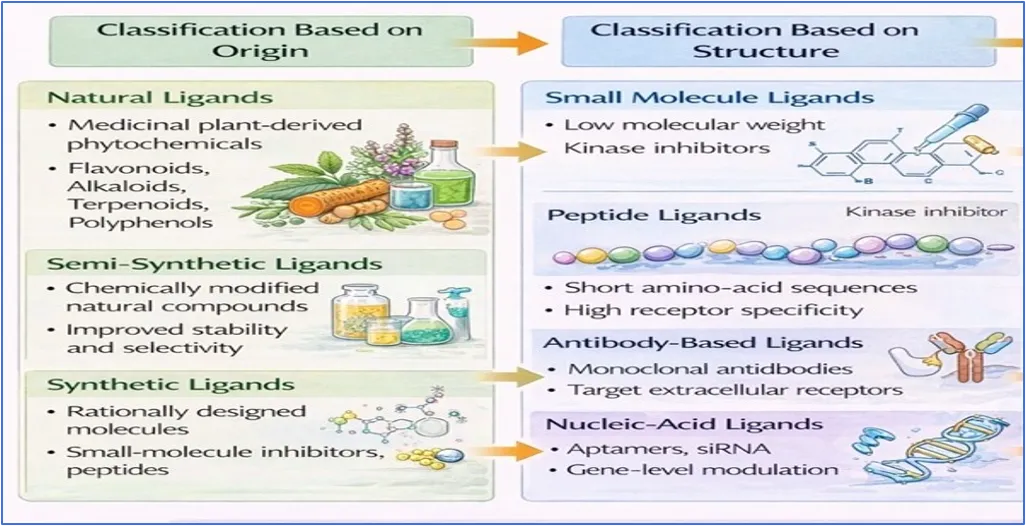
Figure 1: classification of ligands used in cancer therapy based on their origin, structural characteristics.
2.3 Importance of Ligand–Receptor Interactions in Cancer Progression
Ligand–receptor interactions play a critical role in the regulation of cellular processes that determine cancer progression. Binding of ligands to cancer-associated receptors triggers intracellular signaling cascades that influence cell proliferation, survival, angiogenesis, invasion, and metastasis.
Aberrant ligand–receptor signaling is a hallmark of cancer. Overexpression of receptors such as epidermal growth factor receptor (EGFR) and vascular endothelial growth factor receptor (VEGFR), along with increased availability of their ligands, leads to sustained activation of oncogenic pathways including PI3K/Akt, MAPK, and NF-κB. This continuous signaling promotes tumor growth, resistance to apoptosis, and enhanced metastatic potential [17,18].
Targeting ligand–receptor interactions offers a rational strategy for cancer therapy, as it allows selective modulation of dysregulated signaling pathways. Inhibition of ligand binding or receptor activation can suppress tumor proliferation, induce apoptosis, and reduce angiogenesis. Furthermore, ligand-based targeting improves therapeutic selectivity, minimizes damage to normal cells, and reduces systemic toxicity compared to conventional chemotherapy [19].
Natural ligands from medicinal plants are particularly important due to their ability to interact with multiple receptors and signaling proteins simultaneously. This multi-target approach is advantageous in addressing tumor heterogeneity and overcoming drug resistance, which often limits the effectiveness of single-target therapies [7,20].
2.4 Cancer-Associated Receptors and Molecular Targets Modulated by Ligands
Cancer development and progression are regulated by aberrant activation of cell surface receptors and intracellular signaling proteins that control proliferation, survival, angiogenesis, and metastasis. Targeting these cancer-associated receptors through ligand–target interactions has emerged as a promising therapeutic strategy. Medicinal plant-derived phytochemicals act as natural ligands capable of binding to multiple oncogenic targets, thereby modulating dysregulated signaling pathways and exerting anticancer effects.
Table 1. Cancer-associated receptors and molecular targets modulated by medicinal plant-derived ligands
|
Sr. No. |
Cancer-associated receptor / target |
Representative medicinal plant ligand |
Plant source |
Major anticancer effect |
Major anticancer effect |
References |
|
1 |
Epidermal Growth Factor Receptor (EGFR) |
Curcumin, EGCG, Resveratrol |
Curcuma longa, Camellia sinensis, Vitis vinifera |
Inhibition of proliferation, induction of apoptosis |
Inhibition of proliferation, induction of apoptosis |
[4,5,9] |
|
2 |
Nuclear Factor-kappa B (NF-κB) |
Curcumin, Withaferin A |
Curcuma longa, Withania somnifera |
Suppression of inflammation, apoptosis induction |
Suppression of inflammation, apoptosis induction |
[5,8,10] |
|
3 |
PI3K/Akt signaling pathway |
Curcumin, Quercetin, EGCG |
Curcuma longa, various plants |
Cell cycle arrest, apoptosis |
Cell cycle arrest, apoptosis |
[5,10] |
|
4 |
Tumor suppressor protein p53 |
Resveratrol, Curcumin |
Vitis vinifera, Curcuma longa |
Restoration of apoptosis, DNA damage response |
Restoration of apoptosis, DNA damage response |
[5,12] |
|
5 |
Heat Shock Protein 90 (Hsp90) |
Withaferin A |
Withania somnifera |
Destabilization of oncogenic client proteins |
Destabilization of oncogenic client proteins |
[10] |
|
6 |
Tubulin (microtubules) |
Vincristine, Vinblastine, Paclitaxel |
Catharanthus roseus, Taxus brevifolia |
Mitotic arrest, apoptosis |
Mitotic arrest, apoptosis |
[6,7] |
|
7 |
Vascular Endothelial Growth Factor Receptor (VEGFR) |
EGCG, Curcumin |
Camellia sinensis, Curcuma longa |
Inhibition of angiogenesis |
Inhibition of angiogenesis |
[5,11] |
|
8 |
STAT3 (Signal Transducer and Activator of Transcription) |
Curcumin, Resveratrol |
Curcuma longa, Vitis vinifera |
Suppression of survival and proliferation signaling |
Suppression of survival and proliferation signaling |
[5,12] |
3. MEDICINAL PLANTS AS SOURCES OF ANTICANCER LIGANDS: CLINICAL EVIDENCE AND TRANSLATIONAL PROGRESS
While extensive preclinical studies have established medicinal plants as rich sources of anticancer ligands, clinical investigations provide critical validation of their therapeutic potential. Several plant-derived ligands have progressed to clinical trials, either as standalone agents or as adjuvants to conventional chemotherapy, demonstrating their relevance in translational cancer research.
3.1 Curcumin (Curcuma longa):
Curcumin is one of the most extensively studied plant-derived anticancer ligands in clinical settings. Multiple phase I and II clinical trials have evaluated its safety, tolerability, and therapeutic efficacy in various cancers, including colorectal, pancreatic, breast, and prostate cancers. Clinical studies have demonstrated that curcumin is well tolerated even at high oral doses (up to 8–12 g/day) and can modulate key molecular targets such as NF-κB, COX-2, STAT3, and PI3K/Akt in tumor tissues. In patients with colorectal cancer, curcumin administration resulted in reduced tumor biomarkers and inflammatory mediators, supporting its role as a ligand targeting oncogenic signaling pathways [21–23]. Despite its low bioavailability, curcumin remains a promising anticancer ligand, particularly in combination therapies.
3.2 Epigallocatechin Gallate (EGCG) (Camellia sinensis):
EGCG, the major polyphenolic ligand in green tea, has been evaluated in clinical trials for prostate, breast, and colorectal cancers. Phase II clinical studies in prostate cancer patients reported that EGCG supplementation reduced prostate-specific antigen (PSA) levels and delayed disease progression by modulating VEGFR, EGFR, and androgen-related signaling pathways. EGCG has also demonstrated chemo preventive potential by inhibiting angiogenesis and tumor cell proliferation in high-risk populations [24,25].
3.3 Resveratrol (Vitis vinifera):
Resveratrol has been investigated in early-phase clinical trials for colorectal cancer and multiple myeloma. Clinical studies have shown that resveratrol can reach colorectal tissue and modulate Wnt signaling, p53 activation, and apoptotic pathways. Although systemic bioavailability remains a challenge, these trials provide proof-of-concept that plant-derived ligands can exert measurable molecular effects in human tumors [26,27].
3.4 Withaferin A (Withania somnifera):
Clinical evidence for withaferin A is currently limited; however, standardized Withania somnifera extracts containing withaferin A have been evaluated in clinical studies for cancer-related fatigue, immune modulation, and quality -of-life improvement in cancer patients. These studies, combined with strong preclinical evidence demonstrating Hsp90 and NF-κB inhibition, support further clinical investigation of withaferin A as a targeted anticancer ligand [28].
4. PLANT-DERIVED LIGANDS APPROVED FOR CLINICAL USE
Several medicinal plant-derived ligands have achieved full clinical approval, validating plants as sources of effective anticancer drugs. Vincristine and vinblastine from Catharanthus roseus are widely used in the treatment of leukemia, lymphoma, and solid tumors by targeting tubulin and disrupting mitosis. Paclitaxel, isolated from Taxus brevifolia, remains a cornerstone of chemotherapy for breast, ovarian, and lung cancers due to its microtubule-stabilizing activity. These agents represent successful translation of plant-derived ligands into standard cancer therapy [29–31].
Table 2: Clinical Trial Evidence for Selected Plant-Derived Anticancer Ligands
|
Ligand |
Plant Source |
Cancer Type |
Clinical Phase |
Molecular Targets |
|
Curcumin |
Curcuma longa |
Colorectal, Pancreatic |
Phase I/II |
NF-κB, STAT3 |
|
EGCG |
Camellia sinensis |
Prostate |
Phase II |
VEGFR, EGFR |
|
Resveratrol |
Vitis vinifera |
Colorectal |
Phase I |
p53, Wnt |
|
Vincristine |
Catharanthus roseus |
Leukemia |
Approved |
Tubulin |
|
Paclitaxel |
Taxus brevifolia |
Breast, Ovarian |
Approved |
Tubulin |
5. MECHANISM OF LIGAND-MEDIATED ANTICANCER ACTIVITY
Ligand-mediated anticancer activity is based on the ability of bioactive molecules to selectively bind cancer-associated receptors or intracellular molecular targets and modulate dysregulated signaling pathways responsible for tumor initiation, progression, and metastasis. Medicinal plant-derived phytochemicals function as natural ligands that interact with multiple oncogenic targets through specific ligand–target interactions, leading to inhibition of cancer cell growth and induction of cell death.
5.1. Ligand Binding to Cancer-Associated Targets:
The first step in ligand-mediated anticancer activity involves the selective binding of ligands to cell surface receptors (e.g., EGFR, VEGFR) or intracellular targets (e.g., NF-κB, PI3K/Akt, p53, Hsp90, tubulin). This binding occurs through non-covalent interactions such as hydrogen bonding, hydrophobic forces, and electrostatic interactions. High binding affinity and specificity enable ligands to modulate receptor activity or protein function effectively, thereby disrupting oncogenic signaling networks [2,3].
5.2. Inhibition of Oncogenic Signaling Pathways:
Upon ligand binding, downstream cancer-promoting signaling pathways are suppressed. Many lant-derived ligands inhibit pathways such as PI3K/Akt, MAPK, NF-κB, and STAT3, which are frequently overactivated in cancer cells. Inhibition of these pathways leads to reduced cell proliferation, loss of survival signaling, and increased sensitivity to apoptosis. For example, curcumin and EGCG suppress NF-κB and PI3K/Akt signaling, resulting in decreased expression of anti-apoptotic proteins such as Bcl-2 and survivin [8,9].
5.3. Induction of Apoptosis:
One of the most important mechanisms of ligand-mediated anticancer activity is the induction of programmed cell death (apoptosis). Plant-derived ligands activate both intrinsic (mitochondrial) and extrinsic apoptotic pathways by:
Ligands such as resveratrol, curcumin, and withaferin A have been shown to trigger mitochondrial membrane depolarization and cytochrome-c release, leading to apoptotic cell death in cancer cells [26,27].
5.4. Cell Cycle Arrest:
Ligand-mediated targeting of key cell cycle regulators results in arrest of cancer cell division at specific checkpoints (G0/G1, S, or G2/M phases). Phytochemical ligands modulate cyclins, cyclin-dependent kinases (CDKs), and CDK inhibitors such as p21 and p27. For instance, vincristine and paclitaxel bind to tubulin and disrupt microtubule dynamics, leading to mitotic arrest at the G2/M phase and subsequent apoptosis [29,30].
5.5. Inhibition of Angiogenesis:
Tumor growth and metastasis depend on angiogenesis, primarily regulated by vascular endothelial growth factor (VEGF) signaling. Ligand-mediated inhibition of VEGFR signaling suppresses endothelial cell proliferation and new blood vessel formation. Natural ligands such as EGCG and curcumin downregulate VEGF expression and inhibit angiogenic signaling, thereby restricting tumor nutrient supply and growth [16,31].
5.6. Suppression of Metastasis and Invasion:
Metastasis involves epithelial–mesenchymal transition (EMT), cell migration, and invasion. Ligands inhibit metastasis by:
Withaferin A, for example, binds to vimentin and inhibits cancer cell migration and invasion, thereby reducing metastatic potential [18,32].
5.7. Multi-Target and Synergistic Effects:
A key advantage of medicinal plant-derived ligands is their ability to act on multiple molecular targets simultaneously. This multi-target mechanism addresses tumor heterogeneity and reduces the likelihood of drug resistance. Additionally, ligand-mediated anticancer activity often shows synergistic effects when combined with conventional chemotherapeutic agents, enhancing efficacy while reducing toxicity [9,20].
5.8. Modulation of Tumor Microenvironment:
Ligands also influence the tumor microenvironment by regulating inflammatory mediators, immune responses, and oxidative stress. Inhibition of pro-inflammatory cytokines (TNF-α, IL-6) and oxidative stress pathways contributes to reduced tumor progression and improved therapeutic outcomes [5,33].
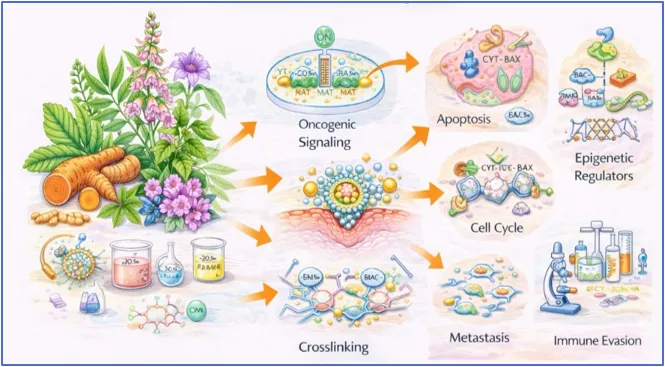
Figure 2: Mechanism of medicinal plants as sources of Bioactive Anti-cancer Ligands
6. ROLE OF MEDICINAL PLANT LIGANDS IN TARGETED DRUG DELIVERY
Targeted drug delivery aims to selectively transport therapeutic agents to cancer cells while minimizing systemic toxicity and off-target effects. Medicinal plant-derived ligands have gained increasing attention in targeted drug delivery systems due to their ability to recognize and bind specific cancer-associated receptors, modulate intracellular signaling pathways, and enhance drug accumulation at tumor sites. These ligands serve dual functions as both therapeutic agents and targeting moieties, thereby improving the efficacy and safety of anticancer treatments.
6.1. Medicinal Plant Ligands as Targeting Moieties:
Plant-derived ligands such as curcumin, epigallocatechin gallate (EGCG), resveratrol, and withaferin A possess affinity toward cancer-associated receptors including epidermal growth factor receptor (EGFR), folate receptor, vascular endothelial growth factor receptor (VEGFR), and CD44. When conjugated to drug carriers such as nanoparticles, liposomes, or polymeric micelles, these ligands facilitate receptor-mediated endocytosis, resulting in enhanced uptake of therapeutic agents by cancer cells [19,31].
6.2. Ligand-Functionalized Nanocarriers for Cancer Targeting:
Nanotechnology-based drug delivery systems functionalized with medicinal plant ligands offer improved pharmacokinetic profiles and tumor specificity. Ligand-decorated nanoparticles can increase circulation time, improve tumor accumulation via active targeting, and enhance intracellular drug release. Curcumin- and EGCG-functionalized nanocarriers have demonstrated enhanced targeting of EGFR- and VEGFR-overexpressing cancer cells [31,34].
6.3. Dual Role of Plant Ligands: Therapeutic and Targeting Functions:
Medicinal plant ligands possess intrinsic anticancer activity while simultaneously acting as targeting agents. This dual functionality enhances therapeutic synergy, sensitizes tumor cells to chemotherapeutic drugs, and reduces adverse effects [9,20].
6.4. Receptor-Mediated Endocytosis and Intracellular Delivery:
Ligand–receptor interactions facilitate receptor-mediated endocytosis, allowing drug-loaded carriers to bypass efflux pumps and intracellular barriers. This mechanism improves intracellular drug concentration and overcomes drug resistance associated with ATP-binding cassette transporters [19,33].
6.5. Targeting the Tumor Microenvironment:
Medicinal plant ligands can also target components of the tumor microenvironment, including angiogenic endothelial cells and inflammatory mediators. EGCG and curcumin inhibit angiogenesis and suppress pro-inflammatory cytokines within the tumor microenvironment [16,31].
6.6. Challenges and Future Perspectives:
Despite their advantages, medicinal plant ligands face challenges such as chemical instability, batch-to-batch variability, and limited large-scale clinical validation. Advances in ligand engineering, nanocarrier design, and surface modification strategies are expected to overcome these limitations [34].
7. ADVANTAGES OF MEDICINAL PLANT-DERIVED LIGANDS
Medicinal plant-derived ligands exhibit multi-target activity, reduced systemic toxicity, synergistic effects with chemotherapy, structural diversity, and dual therapeutic–targeting functions [6,7,9,20].
8. LIMITATIONS OF MEDICINAL PLANT LIGANDS
Limitations include poor bioavailability, variability in phytochemical composition, limited clinical trials, potential drug–herb interactions, and regulatory challenges [11,25,36].
9. CLINICAL CHALLENGES AND FUTURE DIRECTIONS
Despite promising clinical outcomes, the translation of many medicinal plant-derived ligands is limited by poor solubility, low systemic bioavailability, and pharmacokinetic variability. Recent clinical strategies focus on nano formulations, adjuvant use with chemotherapeutic agents, and structural modification to enhance ligand stability and target specificity. Ongoing and future clinical trials integrating advanced drug delivery systems and biomarker-driven patient selection are expected to further establish medicinal plant-derived ligands as viable components of targeted cancer therapy.
Future research will focus on nanotechnology-based delivery systems, in silico screening, biomarker-driven therapy, and combination strategies to enhance clinical translation of plant-derived ligands [31,34,35].
CONCLUSION
From a clinical perspective, ligand-mediated anticancer strategies derived from medicinal plants offer a promising complement to existing cancer treatment modalities. This review underscores the clinical significance of plant-derived ligands that selectively target cancer-associated receptors and intracellular molecular pathways involved in tumor growth, angiogenesis, metastasis, and therapeutic resistance. By modulating clinically relevant targets such as EGFR, VEGFR, NF-κB, PI3K/Akt, STAT3, p53, Hsp90, and tubulin, these ligands demonstrate potential to improve treatment specificity while minimizing damage to normal tissues.
Several medicinal plant-derived ligands, including curcumin, epigallocatechin gallate, resveratrol, withaferin A, vincristine, and paclitaxel, have shown encouraging outcomes in clinical and translational studies. Notably, some of these compounds have advanced to clinical trials or achieved regulatory approval, validating their therapeutic relevance. Clinical evidence suggests that these ligands are generally well tolerated and can modulate tumor biomarkers, inflammatory mediators, and signaling pathways associated with disease progression. Their multi-target nature is particularly advantageous in the clinical setting, where tumor heterogeneity and acquired drug resistance often limit the effectiveness of single-target therapies.
In addition, medicinal plant-derived ligands play an important role in targeted drug delivery systems. Ligand-functionalized nanocarriers enhance tumor-specific drug accumulation, improve pharmacokinetic profiles, and reduce systemic toxicity, thereby addressing key limitations of conventional chemotherapy. Such approaches hold promise for improving therapeutic outcomes and patient quality of life.
Despite these advances, clinical translation remains constrained by challenges such as poor bioavailability, formulation variability, limited large-scale randomized clinical trials, and regulatory hurdles. Addressing these challenges through standardized formulations, advanced delivery systems, biomarker-driven patient selection, and well-designed clinical studies is essential. Overall, medicinal plant-derived ligands represent clinically relevant candidates for the development of safer, more effective, and targeted anticancer therapies, with significant potential for integration into future oncology practice.
REFERENCES


S Sabitha, Dr. Lalitha Repudi, Ligand Mediated Anticancer Activity of Medicinal Plants- An Updated Review, Int. J. of Pharm. Sci., 2026, Vol 4, Issue 8, 2578-2589. https://doi.org/10.5281/zenodo.21972228
 10.5281/zenodo.21972228