

We use cookies to ensure our website works properly and to personalise your experience. Cookies policy
Sanskar College of Pharmacy and Research, Ghaziabad-201001, Uttar Pradesh, India.
Hyperlipidemia is a major metabolic disorder characterized by elevated circulating lipids and lipoproteins and is a well-established risk factor for cardiovascular disease. Although conventional hypolipidemic agents, including statins and fibrates, are therapeutically effective, their oral performance may be constrained by poor aqueous solubility, limited dissolution, gastrointestinal instability, variable intestinal absorption, and presystemic metabolism. Solid lipid nanoparticles (SLNs) have emerged as promising nanocarriers capable of addressing several of these biopharmaceutical limitations. This review critically examines the application of SLNs as advanced delivery systems for improving the oral delivery and hypolipidemic efficacy of therapeutic agents. The review discusses the fundamental characteristics and formulation principles of SLNs, including lipid selection, surfactants, drug incorporation, manufacturing approaches, and critical formulation variables. Particular emphasis is placed on the mechanisms underlying enhanced oral delivery, including improved drug solubilization, dissolution, gastrointestinal stability, intestinal permeation, cellular interaction, and potential lymphatic transport. The application of SLNs for delivering statins, fibrates, and hypolipidemic phytoconstituents is further examined with emphasis on pharmacokinetic and pharmacodynamic improvements. In addition, current challenges involving physical stability, lipid polymorphism, drug expulsion, scale-up, manufacturing reproducibility, and regulatory translation are critically considered. Emerging opportunities involving surface engineering, combination therapy, computational formulation optimization, and comparative development with other lipid nanocarriers are also discussed. Overall, SLNs offer a versatile platform for enhancing oral hypolipidemic drug delivery; however, systematic pharmacokinetic, safety, and clinically relevant pharmacodynamic investigations are essential to establish their translational value and therapeutic significance.
1. Introduction to Hypolipidemic Therapy and Oral Drug Delivery
Hyperlipidemia, broadly considered within the spectrum of dyslipidemia, is characterized by abnormal circulating concentrations of cholesterol, triglycerides, low-density lipoprotein cholesterol (LDL-C), and/or high-density lipoprotein cholesterol (HDL-C). Among these abnormalities, elevated LDL-C is considered a major causal factor in the development of atherosclerotic cardiovascular disease (ASCVD). Excess LDL particles can enter the arterial wall, undergo modification, and promote inflammatory responses and foam-cell formation, ultimately contributing to atherosclerotic plaque development. Persistent lipid abnormalities therefore represent an important modifiable risk factor for myocardial infarction, ischemic stroke, and other cardiovascular complications [1].
The global burden of dyslipidemia is considerable. Approximately 39% of adults worldwide have raised total cholesterol, while elevated LDL-C was estimated to be associated with approximately 3.6 million deaths and 90.7 million disability-adjusted life years (DALYs) in 2023. The problem is particularly relevant in developing countries undergoing rapid urbanization and lifestyle transition. In India, the recent ICMR–INDIAB national study involving more than 121,000 adults reported dyslipidemia in approximately 87.3% of adults with available lipid information. Low HDL-C was the most prevalent abnormality, affecting approximately 66.8% of individuals. Importantly, lipid abnormalities were also observed among individuals without diabetes, hypertension, or obesity, indicating that dyslipidemia represents a broader public-health concern rather than a condition restricted to individuals with established metabolic disease [2].
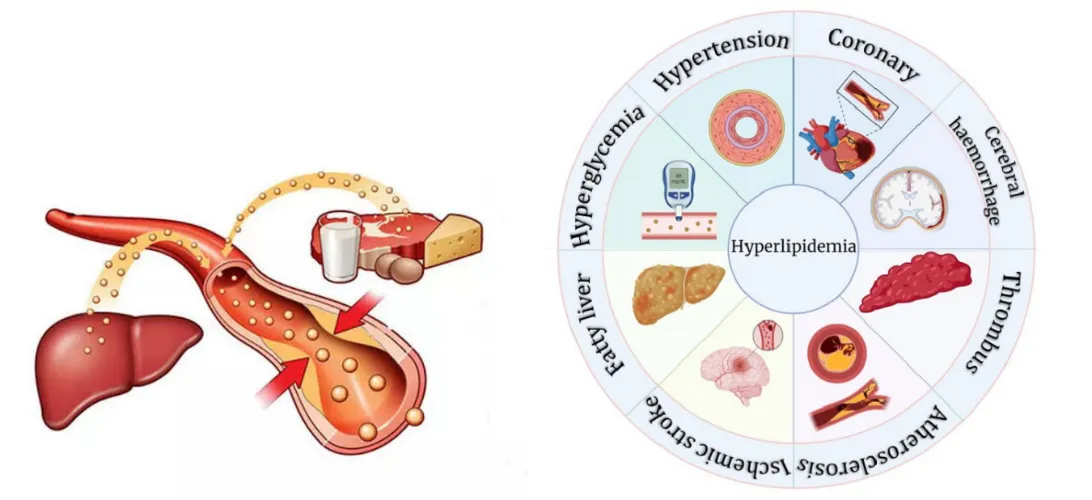
Figure 2: Hyperlipidemia [3]
Pharmacological management primarily aims to reduce atherogenic lipid concentrations and consequently decrease cardiovascular risk. Statins remain the cornerstone of lipid-lowering therapy because of their ability to inhibit hepatic HMG-CoA reductase and enhance hepatic LDL-receptor-mediated clearance of circulating LDL. Other therapeutic approaches include cholesterol-absorption inhibitors, fibrates, bile-acid sequestrants, ATP-citrate lyase inhibitors, PCSK9-directed therapies, and several emerging agents. However, achieving therapeutic lipid targets remains challenging because treatment frequently requires long-term administration and consistent systemic drug exposure [4].
1.1. Limitations of Conventional Hypolipidemic Drugs and Oral Delivery
Oral administration is the preferred route for most long-term hypolipidemic therapies because it is convenient, non-invasive, economical, and suitable for repeated self-administration. Nevertheless, orally administered drugs must overcome several physiological barriers before reaching systemic circulation. Following administration, the dosage form must disintegrate and the drug must dissolve in gastrointestinal fluids before absorption can occur. Consequently, poor aqueous solubility can substantially restrict the amount of drug available for intestinal absorption. This limitation is particularly important for lipophilic compounds [5]. Although lipophilicity can facilitate membrane partitioning, highly lipophilic molecules frequently exhibit poor aqueous solubility. Such drugs may therefore demonstrate incomplete dissolution and consequently reduced or variable absorption. Gastrointestinal pH, bile secretion, food intake, intestinal motility, digestive enzymes, and mucus can further influence drug solubilization and absorption [6].
The intestinal epithelium represents another major barrier to oral drug delivery. Drugs must cross this selectively permeable barrier through passive diffusion, transporter-mediated mechanisms, or other absorption pathways. Even after intestinal absorption, compounds may undergo extensive intestinal and hepatic metabolism before reaching systemic circulation. This first-pass effect can substantially decrease systemic drug exposure and contribute to interindividual variability in pharmacokinetics. Conventional tablets and capsules have limited capacity to overcome these barriers because their performance depends largely on the intrinsic physicochemical characteristics of the active pharmaceutical ingredient. Increasing the dose may not necessarily compensate for poor absorption and may instead increase the potential for dose-related adverse effects. Furthermore, immediate-release formulations can produce rapid drug release followed by declining concentrations, whereas poorly soluble drugs may exhibit delayed or incomplete absorption [7].
Lipid-based delivery systems provide an alternative approach because lipids can improve the solubilization of poorly water-soluble compounds within the gastrointestinal environment. Following digestion, formulation lipids can interact with bile salts and phospholipids to form colloidal structures that maintain lipophilic drugs in a solubilized state. Certain highly lipophilic compounds may also associate with chylomicrons and undergo intestinal lymphatic transport, potentially reducing the extent of hepatic first-pass metabolism. These characteristics suggest that advanced lipid-based nanocarriers may overcome several limitations simultaneously. Rather than modifying only drug dissolution or only drug release, an appropriately designed nanocarrier can influence drug solubilization, gastrointestinal stability, epithelial interaction, release behavior, and potentially lymphatic transport. This provides the rationale for investigating solid lipid nanoparticles as carriers for orally administered hypolipidemic agents [8].
1.2. Need for Nanotechnology-Based Strategies in Hypolipidemic Therapy
Nanotechnology-based drug-delivery systems have emerged as promising approaches for improving the biopharmaceutical performance of drugs with poor solubility, permeability, or bioavailability. Nanocarriers such as polymeric nanoparticles, liposomes, nanoemulsions, solid lipid nanoparticles (SLNs), and nanostructured lipid carriers can modify the physicochemical environment surrounding an active pharmaceutical ingredient and facilitate its interaction with biological barriers. Among these systems, solid lipid nanoparticles are particularly attractive for oral delivery because they combine a solid lipid matrix with nanoscale dimensions and surface stabilization. The incorporation of a poorly water-soluble drug into a lipid matrix can improve its dispersion within gastrointestinal fluids and increase the effective surface area available for drug release. Surfactants present at the particle interface can further enhance wetting and stabilize the nanosystem against aggregation [9].
The potential advantage of SLNs extends beyond improved dissolution. During gastrointestinal transit, lipid nanoparticles can undergo interactions with bile salts and digestive enzymes, resulting in the formation of lipid-digestion products and colloidal structures capable of maintaining lipophilic drugs in a solubilized state. Depending on the lipid composition and physicochemical properties of the incorporated drug, these processes may enhance intestinal absorption. In addition, suitable lipophilic drugs may benefit from association with chylomicron-mediated lymphatic transport, potentially reducing hepatic first-pass metabolism [10].
Experimental studies have reported substantial increases in oral bioavailability for some drugs following incorporation into SLNs. Earlier reviews have reported approximately 2- to 25-fold increases in bioavailability for different drug molecules compared with conventional formulations. However, these findings are drug- and formulation-dependent and should not be generalized to all hypolipidemic agents. The actual performance of an SLN depends on factors including lipid composition, particle size, drug loading, surface characteristics, gastrointestinal digestion, drug–lipid interactions, and the intrinsic properties of the drug [11].
For hypolipidemic therapy, the ultimate objective of SLN development is therefore not simply to produce nanoparticles with favorable physicochemical characteristics but to achieve a meaningful improvement in oral bioavailability, pharmacokinetic behavior, and lipid-lowering efficacy. Enhanced systemic exposure may potentially improve the pharmacodynamic response, while controlled release may help maintain drug concentrations over an extended period. However, these potential advantages require confirmation through systematic in vitro, pharmacokinetic, pharmacodynamic, and safety studies [12].
2. Solid Lipid Nanoparticles: Fundamentals and Design Principles
Solid lipid nanoparticles (SLNs) are colloidal lipid-based drug-delivery systems generally composed of a solid lipid core stabilized by surfactants, with the incorporated drug either dissolved, dispersed, or molecularly distributed within the lipid matrix. SLNs were developed as an alternative to conventional colloidal carriers such as emulsions, liposomes, and polymeric nanoparticles, with the objective of combining the biocompatibility of lipid-based systems with the controlled-release and protective characteristics of particulate carriers. Unlike nanoemulsions, in which the dispersed lipid phase remains liquid, the lipid matrix of SLNs remains solid at both room and physiological temperatures. This solid state is an important structural feature because it influences drug incorporation, particle stability, drug release, and the interaction of nanoparticles with biological environments [13].
Typically, SLNs possess particle sizes in the nanometer range, commonly between approximately 50 and 1000 nm, although the desired size depends on the formulation, manufacturing technique, lipid composition, and intended route of administration. Their small size provides a relatively high surface-area-to-volume ratio, which can influence dissolution, interfacial interactions, cellular uptake, and biological transport. Particle-size distribution is commonly expressed through the polydispersity index (PDI), with lower PDI values generally indicating a more homogeneous nanoparticle population. Surface charge, commonly evaluated through zeta potential, also influences colloidal stability and interactions with biological membranes [14].
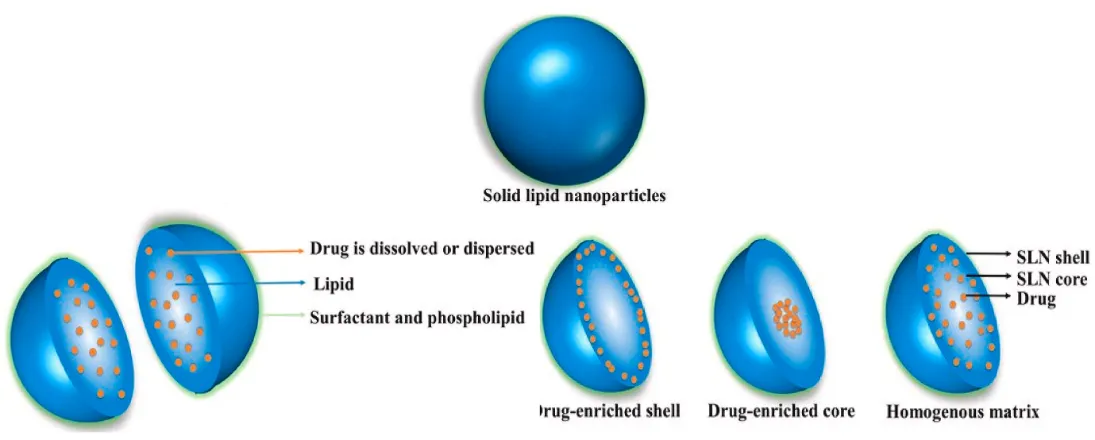
Figure 3: Solid Lipid Nanoparticles (SLNs) [16]
Structurally, an SLN can be considered as a lipid matrix surrounded by an interfacial layer containing surfactant molecules. The drug may be located predominantly within the lipid core, concentrated toward the particle surface, or distributed relatively homogeneously throughout the matrix. Three classical drug-distribution models have been proposed for SLNs: the homogeneous matrix model, drug-enriched shell model, and drug-enriched core model. In the homogeneous model, the drug is relatively uniformly distributed throughout the lipid matrix. In the drug-enriched shell model, the drug is concentrated toward the particle surface, whereas in the drug-enriched core model, the drug preferentially occupies the interior of the lipid matrix. The distribution pattern depends on drug solubility in the lipid phase, surfactant concentration, lipid crystallization behavior, preparation conditions, and drug–lipid interactions [15].
The solid nature of the lipid matrix provides several potential advantages for oral drug delivery. The matrix can protect incorporated molecules from environmental degradation and can modify drug-release kinetics. Depending on the degree of drug incorporation and crystallinity of the lipid, SLNs can provide prolonged or controlled drug release. Their lipidic composition can additionally facilitate interactions with physiological lipid digestion processes following oral administration [17]. However, the same solid-state characteristics that provide stability can also create formulation challenges. Lipids may undergo polymorphic transitions during storage, changing from less stable to more stable crystalline forms. Such transitions can reduce the capacity of the lipid matrix to accommodate the drug and may result in drug expulsion from the nanoparticle. Therefore, lipid crystallinity and polymorphism are important considerations when designing SLNs for long-term storage and therapeutic application [18].
2.1. Materials Used in SLN Formulation: Lipids, Surfactants, and Stabilizers
The performance of SLNs is strongly dependent on the selection and ratio of their constituent materials. The principal components generally include a solid lipid, surfactant or combination of surfactants, active pharmaceutical ingredient, and aqueous phase. Each component performs a specific function and collectively determines particle size, encapsulation efficiency, drug release, physical stability, and biological performance. The solid lipid constitutes the structural matrix of the nanoparticle and is therefore the most important component influencing drug incorporation and release [19]. Lipids commonly investigated for SLN preparation include triglycerides, partial glycerides, fatty acids, fatty alcohols, waxes, and related physiologically compatible lipid materials. Examples include glyceryl behenate, glyceryl monostearate, glyceryl palmitostearate, stearic acid, cetyl palmitate, tristearin, and other glyceride-based materials. The selection of lipid depends on its melting point, drug-solubilizing capacity, chemical stability, degree of crystallinity, polymorphic behavior, and compatibility with the active compound [20].
For hypolipidemic drugs, lipid selection is particularly important because many lipid-lowering compounds are relatively lipophilic. A suitable lipid should therefore possess sufficient affinity for the drug to achieve an adequate drug-loading capacity while maintaining a stable solid matrix. Excessively strong drug–lipid interactions, however, may retard drug release, whereas inadequate lipid affinity may result in low encapsulation efficiency or drug expulsion during storage [21].
Surfactants are used primarily to stabilize the interface between the lipid and aqueous phases. They reduce interfacial tension and prevent particle aggregation during and after nanoparticle formation. Commonly investigated surfactants include non-ionic surfactants such as polysorbates, poloxamers, and lecithin, although ionic and mixed surfactant systems may also be used. The concentration and type of surfactant can substantially influence particle size, PDI, zeta potential, encapsulation efficiency, and drug-release characteristics [22].
Non-ionic surfactants are frequently preferred for pharmaceutical applications because they can provide effective stabilization while generally exhibiting lower irritation potential than some ionic surfactants. However, increasing surfactant concentration does not necessarily improve formulation performance indefinitely. Excessive surfactant may alter membrane permeability, increase toxicity, affect drug partitioning, or modify gastrointestinal behavior. Therefore, surfactant concentration must be optimized alongside lipid concentration and processing conditions. Additional stabilizers or co-surfactants may be incorporated to improve physical stability and prevent aggregation during storage. The combination of different surfactants can sometimes provide greater interfacial stability than a single surfactant. Surface modification may also be employed to alter mucoadhesion, mucus penetration, cellular interactions, or gastrointestinal residence [23].
2.2. Mechanisms of Drug Incorporation, Encapsulation, and Release
The therapeutic performance of SLNs is closely associated with the manner in which the active pharmaceutical ingredient is incorporated into the solid lipid matrix. Drug incorporation depends on the physicochemical characteristics of the drug, its solubility in the selected lipid, lipid crystallinity, surfactant concentration, processing temperature, and rate of lipid solidification. During formulation, the drug may become molecularly dissolved within the lipid matrix or remain dispersed as crystalline or amorphous domains [24].
Three major drug-incorporation models are commonly described for SLNs. In the homogeneous matrix model, the drug is relatively uniformly distributed throughout the lipid matrix. This configuration may provide relatively predictable release because drug molecules are distributed throughout the particle. In the drug-enriched shell model, drug concentration is higher near the particle surface. Such a configuration can result in relatively rapid initial drug release because drug molecules located close to the surface have shorter diffusion pathways. In contrast, the drug-enriched core model involves greater drug concentration within the central region of the particle and may provide comparatively slower release as the drug must diffuse through the surrounding lipid matrix [25].
The incorporation mechanism is also influenced by the relationship between the drug's solubility in molten and solid lipid. A drug with high solubility in the lipid during processing may become efficiently incorporated into the matrix during cooling. However, subsequent lipid crystallization can reduce the available space within the matrix and potentially force some drug molecules toward the particle surface or out of the lipid structure. This phenomenon, known as drug expulsion, is particularly important during storage. Drug release from SLNs can occur through several mechanisms, including diffusion of the drug through the lipid matrix, drug desorption from the particle surface, erosion or degradation of the lipid matrix, and lipid digestion under physiological conditions. The relative contribution of these mechanisms depends on the formulation composition and the physicochemical characteristics of the encapsulated drug [26].
For oral administration, drug release is further influenced by the gastrointestinal environment. Following administration, SLNs encounter gastric and intestinal fluids containing bile salts, phospholipids, enzymes, and varying pH conditions. Lipases can hydrolyze susceptible lipid components, generating free fatty acids and monoacylglycerols that interact with bile salts to form mixed colloidal structures. These structures can maintain lipophilic drugs in a solubilized state and facilitate their transport toward the intestinal epithelium. This gastrointestinal transformation is particularly important for understanding the potential bioavailability-enhancing effect of SLNs. The nanoparticle does not necessarily need to cross the intestinal epithelium as an intact particle. Instead, digestion of the lipid matrix may facilitate drug release and subsequent absorption. For sufficiently lipophilic compounds, lipid digestion may additionally promote association with chylomicrons and potentially enhance intestinal lymphatic transport [27].
3. Formulation and Manufacturing Approaches for Oral SLNs
The therapeutic performance of solid lipid nanoparticles (SLNs) is strongly influenced by the method used for their preparation. Manufacturing technique determines particle size, size distribution, surface characteristics, encapsulation efficiency, lipid crystallinity, drug distribution, and ultimately drug-release and oral absorption behavior. SLNs can broadly be prepared using high-energy techniques, low-energy approaches, and solvent-based methods. Selection of the appropriate technique depends on the physicochemical properties of the drug and lipid, desired particle characteristics, scale of production, and intended route of administration [28].
3.1. High-Energy Methods: High-Pressure Homogenization and Ultrasonication
High-pressure homogenization (HPH) is one of the most widely investigated techniques for producing SLNs because it can generate relatively small and homogeneous particles without requiring large quantities of organic solvents. In this approach, the lipid phase containing the drug is dispersed in an aqueous surfactant phase, followed by homogenization under high pressure. The intense shear forces, turbulence, cavitation, and collision between droplets reduce the size of the dispersed lipid phase. Subsequent cooling converts the molten lipid droplets into solid nanoparticles [29].
HPH can generally be performed using hot or cold homogenization. In hot homogenization, the lipid and drug are heated above the melting point of the selected lipid before being dispersed in a heated aqueous surfactant solution. Homogenization is then performed at an elevated temperature, followed by cooling to solidify the lipid. This approach is particularly useful for compounds that are stable at the processing temperature and can provide relatively uniform particles. However, exposure to elevated temperatures may be unsuitable for thermolabile drugs [30].
Cold homogenization was developed partly to overcome this limitation. The drug-containing lipid is first melted and subsequently cooled to produce a solid lipid mass, which is then milled into microparticles and homogenized in a cold aqueous surfactant medium. Because the drug remains in a solid lipid matrix during homogenization, migration of the drug into the aqueous phase can be reduced. Cold homogenization can therefore be useful for temperature-sensitive compounds, although particle-size reduction may be less efficient than with hot homogenization [31].
Ultrasonication is another high-energy technique used for SLN preparation. High-frequency ultrasonic waves generate cavitation within the formulation, producing intense local shear forces that break larger lipid droplets into nanosized particles. Probe-type or bath-type sonication can be employed, although probe sonication generally provides greater energy input. The technique is relatively simple and requires comparatively uncomplicated equipment, making it useful during laboratory-scale formulation development. However, ultrasonication has limitations. Excessive sonication may increase temperature, promote lipid degradation, or cause contamination from the sonication probe. Furthermore, insufficient or uncontrolled energy input can result in broad particle-size distributions and reduced batch reproducibility. Consequently, sonication time, amplitude, temperature, and surfactant concentration require systematic optimization [32].
3.2. Low-Energy and Solvent-Based Methods: Microemulsion and Solvent Emulsification
Low-energy techniques rely primarily on changes in interfacial composition, temperature, or phase behavior rather than intense mechanical energy. Microemulsion-based preparation is one such approach. In this method, the molten lipid containing the drug is combined with surfactants and co-surfactants to form a thermodynamically stable or kinetically stable microemulsion. The hot microemulsion is subsequently dispersed into a cold aqueous phase, causing rapid cooling and solidification of the lipid droplets into SLNs [33].
Microemulsion methods can produce relatively small particles and may require less mechanical energy than high-pressure homogenization. However, the technique generally requires relatively high concentrations of surfactants and co-surfactants. Such concentrations may influence the safety, tolerability, and gastrointestinal behavior of an oral formulation. Therefore, although microemulsion-based approaches are useful for laboratory formulation development, their pharmaceutical acceptability must be assessed carefully. Solvent-based techniques provide another approach, particularly for drugs or lipids that are unsuitable for high-temperature processing [34]. In solvent emulsification–evaporation, the lipid and drug are dissolved or dispersed in a suitable organic solvent and subsequently emulsified into an aqueous surfactant phase. Removal of the organic solvent results in precipitation or solidification of the lipid and formation of nanoparticles. Solvent diffusion follows a related principle, in which a partially water-miscible solvent containing the lipid phase diffuses into the aqueous phase, producing nanoparticle formation through changes in solvent composition and lipid solubility [35].
The major advantage of solvent-based methods is that they can reduce the requirement for high temperatures and therefore may be suitable for thermolabile compounds. They can also facilitate incorporation of compounds with limited solubility in molten lipids. However, the use of organic solvents introduces additional concerns regarding residual solvent levels, environmental burden, solvent recovery, toxicity, and regulatory compliance. Therefore, the selection of pharmaceutical-grade solvents and effective solvent-removal procedures is essential [36].
3.3. Critical Formulation Variables and Optimization of SLNs
The preparation method alone does not determine the quality of SLNs. Their physicochemical and biological performance is controlled by multiple formulation and process variables, which can interact with one another. Consequently, optimization should preferably be performed using a systematic design-of-experiments (DoE) approach rather than by changing one variable at a time. The type and concentration of lipid are among the most important variables because they determine the ability of the matrix to incorporate the drug, its crystallinity, melting behavior, and release characteristics. Increasing lipid concentration may improve drug incorporation up to a certain level but can also increase particle size and viscosity. Similarly, the melting point and polymorphic characteristics of the lipid can influence both formulation stability and drug expulsion during storage [37].
Surfactant concentration is another critical factor. Increasing surfactant concentration can reduce interfacial tension and improve particle stabilization, often resulting in smaller particles. However, excessive surfactant may alter drug partitioning, increase formulation complexity, and potentially affect biological tolerability. Therefore, an optimum surfactant-to-lipid ratio must be established rather than simply maximizing surfactant concentration.
Processing variables are equally important. In high-pressure homogenization, parameters such as homogenization pressure, number of cycles, processing temperature, and feed concentration can substantially affect particle characteristics. During ultrasonication, amplitude, sonication time, pulse duration, and temperature influence particle-size reduction. For solvent-based methods, solvent type, solvent-to-lipid ratio, emulsification rate, stirring conditions, and solvent-removal rate can determine the final nanoparticle properties [38].
For an oral hypolipidemic formulation, optimization should evaluate several responses simultaneously. Important critical quality attributes include particle size, PDI, zeta potential, encapsulation efficiency, drug loading, morphology, crystallinity, in vitro drug release, physical stability, and gastrointestinal behavior. More biologically relevant endpoints, including intestinal permeability, pharmacokinetic exposure, and hypolipidemic activity, should subsequently be incorporated into formulation selection.
Table 1: Comparative Overview of Major Manufacturing Approaches for Solid Lipid Nanoparticles
| Method | Principle | Major Process Variables | Advantages | Limitations | Relevance to Oral Hypolipidemic Delivery |
|---|---|---|---|---|---|
| High-Pressure Homogenization (Hot) | Molten lipid containing the drug is dispersed in an aqueous surfactant phase and homogenized above the lipid melting point, followed by cooling | Homogenization pressure, number of cycles, temperature, lipid concentration, surfactant concentration | Solvent-free; scalable; reproducible; suitable for large-scale production; relatively uniform nanoparticles | High temperature may affect thermolabile drugs; excessive processing may cause drug degradation | Useful for thermally stable hypolipidemic drugs and can produce small particles with favorable drug-dispersion characteristics [39] |
| High-Pressure Homogenization (Cold) | Drug-loaded molten lipid is cooled and solidified before size reduction and homogenization at low temperature | Cooling rate, milling conditions, homogenization pressure, cycles, surfactant concentration | Suitable for thermolabile drugs; reduced drug migration during processing; limited exposure to high temperature | Generally broader particle-size distribution; more complex processing | Useful when the hypolipidemic drug is temperature-sensitive or susceptible to migration into the aqueous phase |
| Ultrasonication | Ultrasonic cavitation and intense shear forces break larger lipid droplets into nanosized particles | Sonication time, amplitude, temperature, lipid concentration, surfactant level | Simple; relatively inexpensive; rapid; suitable for laboratory-scale development | Possible metal contamination from probe; temperature increase; energy distribution may be non-uniform; scale-up challenges | Useful for preliminary development and optimization of oral SLNs but requires careful control for reproducibility [40] |
| Microemulsion Method | Hot lipid–drug phase containing surfactant/co-surfactant is dispersed and subsequently cooled to form solid nanoparticles | Lipid concentration, surfactant/co-surfactant ratio, temperature, cooling rate, aqueous-phase composition | Relatively simple; can produce small particles; low mechanical energy requirement | High surfactant/co-surfactant requirement; formulation dilution; potential stability concerns | Can improve dispersion of poorly water-soluble hypolipidemic compounds but requires careful excipient selection |
| Solvent Emulsification–Evaporation | Drug and lipid are dissolved/dispersed in an organic solvent, emulsified into an aqueous phase, followed by solvent removal | Solvent type, lipid concentration, emulsification rate, surfactant concentration, evaporation conditions | Useful for thermolabile drugs; avoids extensive heating; suitable for poorly water-soluble compounds | Residual solvent concerns; additional processing; environmental and regulatory considerations | Potentially useful for heat-sensitive hypolipidemic drugs with poor solubility [41] |
| Solvent Diffusion | Organic solvent containing lipid diffuses into the aqueous phase, reducing lipid solubility and producing nanoparticles | Solvent/aqueous-phase ratio, diffusion rate, surfactant concentration, temperature | Relatively mild conditions; good for temperature-sensitive compounds; can produce nanosized particles | Requires appropriate partially water-miscible solvent; solvent-removal step required | Can facilitate incorporation of poorly soluble hypolipidemic agents under mild processing conditions |
4. SLNs for Enhanced Oral Drug Delivery
Solid lipid nanoparticles can improve oral drug delivery by modifying the physicochemical and biological behavior of poorly soluble or poorly absorbed compounds. Their nanoscale dimensions, lipidic composition, and ability to undergo gastrointestinal processing provide several mechanisms through which drug dissolution, intestinal interaction, absorption, and systemic exposure may be improved. For hypolipidemic drugs, these properties are particularly relevant because inadequate solubility, limited permeability, and extensive first-pass metabolism can restrict oral bioavailability [42].
4.1. Improvement of Drug Solubility, Dissolution, and Gastrointestinal Stability
Poor aqueous solubility is one of the most important barriers to the oral delivery of lipophilic drugs. When a drug has limited solubility in gastrointestinal fluids, only a small fraction of the administered dose may become available for absorption. Incorporation of such compounds into SLNs can improve their apparent solubility and dispersion by providing a lipidic microenvironment within which hydrophobic molecules can be accommodated. The nanoscale size of SLNs also provides a large surface area relative to conventional drug particles. This can improve contact between the formulation and gastrointestinal fluids and facilitate drug release. Surfactants present at the nanoparticle surface further improve wetting and dispersion, while the lipid matrix can maintain poorly soluble drugs in a more favorable state for subsequent absorption [43].
Following oral administration, SLNs encounter gastric and intestinal fluids containing different pH conditions, bile salts, phospholipids, and digestive enzymes. These factors can influence the structural integrity and digestion of the lipid matrix. Lipase-mediated digestion of the lipid components generates products such as fatty acids and monoacylglycerols, which can interact with bile salts and form mixed colloidal structures. These structures can enhance the solubilization of lipophilic drugs and facilitate their transport toward the intestinal epithelial surface. The lipid matrix may also provide a degree of protection against chemical or enzymatic degradation during gastrointestinal transit. This is particularly relevant for unstable active compounds and natural hypolipidemic constituents. However, protection should not be interpreted as complete resistance to gastrointestinal degradation because SLNs are themselves subject to enzymatic digestion. Their performance therefore depends on the balance between particle stability, lipid digestion, drug release, and subsequent drug absorption [44].
4.2. Intestinal Permeation, Bioadhesion, and Cellular Uptake of SLNs
After drug solubilization, the next major challenge is transport across the gastrointestinal barrier. SLNs may influence intestinal absorption through several mechanisms, including enhanced contact with the intestinal surface, interaction with mucus, modification of membrane permeability, and cellular uptake. The small particle size of SLNs increases their contact area with the intestinal epithelium. Surfactants and lipid components can also facilitate interactions with biological membranes. Depending on their surface characteristics, SLNs may interact with the mucus layer and remain in close proximity to the absorptive epithelium. This phenomenon can increase the local concentration gradient and potentially improve drug transport [45].
Bioadhesion or mucoadhesion may increase the residence time of nanoparticles near the intestinal surface. Interactions between nanoparticle surface components and mucin can influence this behavior. However, excessive mucoadhesion is not necessarily beneficial because strong interaction with the mucus layer may prevent nanoparticles from reaching the epithelial surface. Therefore, an appropriate balance between mucus interaction and mucus penetration is required. SLNs may also undergo cellular uptake by intestinal epithelial cells through mechanisms such as endocytosis. Following internalization, nanoparticles may undergo intracellular processing and release their drug payload. However, the extent of intact nanoparticle uptake varies considerably with particle size, surface charge, lipid composition, surfactant type, and biological conditions [46].
Another important mechanism involves interaction with membrane transport pathways. Certain lipid-based formulations can alter membrane fluidity or facilitate drug partitioning into the intestinal membrane. Surfactants may contribute to this effect, although excessive membrane perturbation can raise safety concerns. Therefore, the enhancement of intestinal permeation by SLNs should be understood as a combination of surface interaction, drug solubilization, membrane partitioning, cellular uptake, and lipid digestion, rather than a single mechanism. This distinction is important because increased oral bioavailability does not necessarily indicate that intact nanoparticles have crossed the intestinal barrier. For hypolipidemic drugs, these mechanisms may increase the amount of active compound reaching systemic circulation and potentially enhance pharmacodynamic lipid-lowering effects. Nevertheless, permeability enhancement should be evaluated alongside toxicity and intestinal-barrier integrity because excessive modification of epithelial permeability could compromise physiological barrier functions [47].
4.3. Lymphatic Transport and Enhancement of Systemic Bioavailability
One of the most important mechanisms proposed for lipid-based oral delivery systems is intestinal lymphatic transport. This pathway is particularly relevant for highly lipophilic drugs because it can provide an alternative route from the intestinal lumen to systemic circulation. Following digestion and absorption of dietary lipids, intestinal enterocytes synthesize triglyceride-rich chylomicrons. Highly lipophilic drug molecules may associate with these endogenous lipid structures and subsequently enter the intestinal lymphatic system. Unlike conventional portal absorption, lymphatic transport initially delivers absorbed substances into systemic circulation through the lymphatic network, thereby partially bypassing hepatic first-pass metabolism [48].
SLNs may facilitate this process through their interaction with intestinal lipid digestion and chylomicron formation. Following administration, the lipid matrix can undergo enzymatic digestion, generating lipid species capable of participating in physiological lipid-transport pathways. The drug may subsequently become incorporated into endogenous lipid structures and gain access to the lymphatic system. However, lymphatic transport should not be assumed for every SLN formulation. The extent of lymphatic uptake depends on several factors, including the drug's lipophilicity, lipid solubility, dose, lipid type, chain length, degree of saturation, formulation composition, and extent of intestinal lipid digestion. Consequently, the lymphatic pathway represents one potential mechanism of bioavailability enhancement rather than a universal property of SLNs [49].
The ultimate objective of these mechanisms is an increase in systemic drug exposure. Pharmacokinetic improvements can be assessed through parameters such as maximum plasma concentration (Cmax), area under the plasma concentration–time curve (AUC), time to maximum concentration (Tmax), elimination half-life, and relative bioavailability. An increase in AUC following SLN administration compared with a conventional formulation provides evidence of improved systemic exposure. For hypolipidemic drugs, enhanced systemic exposure may potentially result in stronger or more sustained pharmacodynamic effects, including reductions in LDL-C, total cholesterol, or triglycerides. However, pharmacokinetic enhancement should not automatically be equated with therapeutic superiority. Increased systemic exposure must be balanced against safety, dose requirements, toxicity, and the actual magnitude of lipid-lowering activity [50].
Table 2: Major Barriers to Oral Drug Delivery and the Potential Contribution of SLNs
| Oral Delivery Barrier | Problem with Conventional Formulations | Potential SLN-Based Solution |
|---|---|---|
| Poor aqueous solubility | Limited dissolution in GI fluids | Lipid-based solubilization and nanosizing |
| Poor wetting | Limited interaction with aqueous GI fluids | Surfactant-stabilized nanoparticles |
| Gastrointestinal degradation | Drug degradation before absorption | Incorporation within lipid matrix [51] |
| Mucus barrier | Restricted movement toward epithelium | Controlled mucoadhesion/mucus interaction |
| Low intestinal permeability | Limited epithelial transport | Enhanced membrane interaction and cellular uptake |
| First-pass metabolism | Hepatic metabolism reduces systemic exposure | Potential lymphatic transport |
| Rapid elimination | Short duration of exposure | Controlled release from lipid matrix |
| Variable absorption | Dependence on GI conditions | Improved solubilization and lipid digestion [52] |
5. SLNs in Hypolipidemic Drug Delivery
The application of solid lipid nanoparticles (SLNs) in hypolipidemic therapy is primarily driven by the need to improve the oral performance of drugs and bioactive compounds whose therapeutic potential is restricted by poor aqueous solubility, limited permeability, chemical instability, or extensive presystemic metabolism. The lipid matrix of SLNs can provide a suitable environment for incorporating lipophilic molecules while nanoscale dimensions and surfactant stabilization can improve dispersion in gastrointestinal fluids. However, the evidence should be interpreted carefully because much of the available literature remains preclinical, and improvements in particle characteristics or pharmacokinetics do not necessarily establish clinical superiority [53].
5.1. SLN-Based Delivery of Statins and Cholesterol-Lowering Agents
Statins constitute one of the most extensively investigated groups of cholesterol-lowering drugs because inhibition of HMG-CoA reductase reduces hepatic cholesterol synthesis and subsequently increases hepatic LDL-receptor expression. Despite their established therapeutic effectiveness, individual statins differ considerably in aqueous solubility, lipophilicity, metabolism, and oral bioavailability [54]. These differences make them suitable candidates for formulation-based approaches aimed at modifying their pharmacokinetic behavior. SLN-based delivery has been investigated particularly for poorly soluble or bioavailability-limited statins. Incorporation of a statin into a lipid matrix can improve its dispersion and apparent solubility while potentially protecting the drug from unfavorable gastrointestinal conditions. The nanoscale formulation can additionally increase the interfacial area available for drug release and interaction with the intestinal environment [55].
For atorvastatin, which has relatively low aqueous solubility, lipid-based nanosystems have been explored to improve dissolution and oral bioavailability. Incorporation into SLNs can provide a lipidic environment that favors drug solubilization and may reduce the dependence of absorption on dissolution of crystalline drug particles. Experimental studies of atorvastatin-loaded lipid nanoparticles have generally investigated particle size, encapsulation efficiency, release behavior, pharmacokinetics, and lipid-lowering activity as interconnected outcomes [56].
Simvastatin is another important candidate for lipid-based nanocarrier systems because of its lipophilic characteristics and extensive hepatic metabolism. SLN incorporation may modify its gastrointestinal dispersion and release and can potentially increase systemic exposure. Experimental investigations have reported improvements in pharmacokinetic parameters for nanosized lipid formulations compared with conventional formulations, although the magnitude of improvement varies considerably according to lipid composition and preparation method [57]. Other cholesterol-lowering agents, including rosuvastatin and related statin molecules, have also been investigated using nanoparticulate approaches. However, the rationale for SLN development differs between individual drugs because hydrophilic statins may require different formulation strategies from highly lipophilic compounds. Therefore, the selection of the SLN platform should be based on the drug's solubility, permeability, ionization, metabolic pathway, and interaction with the lipid matrix rather than simply its classification as a hypolipidemic agent [58].
Beyond statins, SLNs have potential applications for other cholesterol-lowering compounds. Ezetimibe, for example, acts primarily by reducing intestinal cholesterol absorption through inhibition of the Niemann–Pick C1-like 1 (NPC1L1) transporter. Because its pharmacological site of action is associated with the intestinal absorption process, formulation strategies that modify its dissolution and intestinal availability are of particular interest. However, whether SLN incorporation provides meaningful therapeutic advantages over existing formulations requires direct comparative evaluation [59]. An important consideration when evaluating SLN-based statin delivery is that increased bioavailability is not necessarily equivalent to increased therapeutic benefit. Statins have well-established dose–response relationships and safety profiles, and excessive systemic exposure could potentially increase adverse effects. Consequently, formulation development should aim for optimized rather than simply maximized systemic exposure [60].
Table 3: Representative Applications of SLNs in Statin and Cholesterol-Lowering Drug Delivery
| Drug/Agent | Major Delivery Challenge | Potential Role of SLNs | Key Outcomes to Evaluate |
|---|---|---|---|
| Atorvastatin | Poor aqueous solubility; dissolution-limited absorption | Improve lipid-mediated solubilization and oral absorption | Encapsulation, dissolution, AUC, LDL-C reduction [61] |
| Simvastatin | High lipophilicity; extensive metabolism | Improve dispersion, release and systemic exposure | Bioavailability, pharmacokinetics, lipid profile |
| Rosuvastatin | Relatively low permeability compared with highly lipophilic statins | Modify intestinal delivery and absorption | Permeability, AUC, pharmacodynamic response [62] |
| Ezetimibe | Poor aqueous solubility; intestinal absorption-dependent activity | Improve dispersion and intestinal availability | Dissolution, intestinal exposure, cholesterol reduction |
| Other cholesterol-lowering agents | Drug-specific solubility/permeability limitations | Tailored lipid-based delivery | Drug-specific pharmacokinetic and pharmacodynamic outcomes [63] |
5.2. Delivery of Fibrates, Phytoconstituents, and Other Hypolipidemic Agents
The application of SLNs extends beyond statins to fibrates and naturally derived hypolipidemic compounds. Fibrates primarily influence triglyceride-rich lipoprotein metabolism through activation of peroxisome proliferator-activated receptor-α (PPAR-α), resulting in increased fatty-acid oxidation and altered lipoprotein metabolism [64]. Drugs such as fenofibrate and gemfibrozil have therefore attracted interest in lipid-based delivery research, particularly because their physicochemical characteristics can create challenges for conventional oral administration [65].
Fenofibrate is particularly relevant to lipid-based nanocarriers because of its poor aqueous solubility. Limited dissolution can restrict its absorption and contribute to variable oral performance. Incorporation of fenofibrate into lipid nanoparticles can increase the effective surface area and provide a lipidic environment that promotes drug dispersion and dissolution. Experimental studies involving lipid-based nanosystems have investigated whether these changes translate into improved plasma exposure and triglyceride-lowering activity [66].
The application of SLNs to phytoconstituents represents another rapidly developing area. Numerous natural compounds demonstrate experimental hypolipidemic, antioxidant, anti-inflammatory, or metabolic effects but possess poor oral bioavailability. Curcumin, resveratrol, quercetin, berberine, and other polyphenolic compounds have therefore been investigated using various lipid and nanocarrier systems. Their therapeutic limitations frequently arise from poor aqueous solubility, chemical instability, rapid metabolism, or limited intestinal absorption [67].
SLN incorporation can potentially address some of these limitations by providing a lipidic microenvironment that improves dispersion and protects the active compound during gastrointestinal transit. For example, the encapsulation of hydrophobic phytoconstituents may improve their apparent solubility and prolong their exposure to the intestinal absorptive surface. In addition, lipid digestion can facilitate the formation of colloidal structures capable of maintaining hydrophobic compounds in a solubilized state [68].
However, the evidence surrounding phytoconstituent-loaded SLNs requires particularly careful interpretation. Many studies demonstrate improvements in antioxidant activity, lipid parameters, or biochemical markers in animal models, but these findings cannot automatically be translated into clinical hypolipidemic efficacy in humans. Differences in dose, animal model, formulation composition, metabolism, and experimental duration can substantially affect outcomes [69]. SLNs have also been investigated for combination delivery, in which more than one active compound is incorporated into a single lipid-based carrier. Such systems could theoretically combine complementary mechanisms, for example, cholesterol reduction with triglyceride modulation or antioxidant activity. Nevertheless, combination formulations introduce additional challenges involving drug–drug compatibility, differential release kinetics, dose optimization, and regulatory characterization [70].
Table 4: SLN-Based Delivery of Fibrates and Hypolipidemic Phytoconstituents
| Category | Representative Agent | Major Limitation | Potential SLN Advantage | Relevant Therapeutic Endpoint |
|---|---|---|---|---|
| Fibrate | Fenofibrate | Very poor aqueous solubility | Improved lipid-mediated solubilization and dissolution | Triglyceride and lipid-profile improvement |
| Fibrate | Gemfibrozil | Limited formulation/absorption characteristics | Controlled lipid-based delivery | Triglyceride reduction [71] |
| Phytoconstituent | Curcumin | Poor solubility and rapid metabolism | Protection and improved oral availability | TC, LDL-C, TG and oxidative-stress markers |
| Phytoconstituent | Resveratrol | Poor aqueous solubility and extensive metabolism | Improved dispersion and protection | Lipid profile and metabolic markers [72] |
| Phytoconstituent | Quercetin | Low oral bioavailability | Improved solubilization and absorption | Lipid and antioxidant biomarkers |
| Phytoconstituent | Berberine | Poor oral bioavailability | Potential improvement in intestinal delivery | Lipid and glucose-related parameters [73] |
5.3. Mechanisms Underlying Enhanced Hypolipidemic Efficacy of SLNs
The therapeutic rationale for SLN-based hypolipidemic delivery extends beyond simple enhancement of drug dissolution. Improved hypolipidemic efficacy can potentially result from the combined effects of enhanced solubilization, improved intestinal absorption, controlled drug release, protection against degradation, altered pharmacokinetics, and potentially increased lymphatic transport. The first mechanism is improved drug availability within the gastrointestinal tract. Incorporation into a lipid matrix can maintain poorly soluble molecules in a more favorable environment for dispersion and absorption. Following gastrointestinal lipid digestion, the released drug may become incorporated into mixed micelles or other colloidal structures, increasing the fraction available at the intestinal surface [74].
The second mechanism involves enhanced intestinal absorption. SLNs can increase contact between the drug and intestinal epithelial surfaces because of their nanoscale dimensions and surface characteristics. Surfactants may further influence wetting and membrane interactions. Depending on the formulation, cellular uptake or other transport processes may contribute to absorption. The third mechanism is lymphatic transport. Highly lipophilic compounds may associate with chylomicron-mediated pathways following intestinal lipid processing. This can potentially reduce the extent of hepatic first-pass metabolism and increase systemic exposure. However, this mechanism depends strongly on drug lipophilicity and lipid composition and should therefore be experimentally demonstrated rather than assumed [75].
A fourth mechanism involves controlled drug release. The solid lipid matrix can retard drug diffusion and provide prolonged release. This may help maintain systemic drug concentrations over an extended period and potentially reduce fluctuations in exposure. For chronic hypolipidemic therapy, prolonged exposure could be particularly useful, although the relationship between sustained plasma exposure and improved cardiovascular outcomes requires clinical validation [76]. The fifth mechanism is improved pharmacokinetic exposure. SLN formulations may increase parameters such as AUC and Cmax or modify Tmax and elimination half-life. Increased AUC indicates greater systemic exposure, whereas changes in Cmax and Tmax may indicate altered absorption kinetics. Importantly, an increase in Cmax should not automatically be interpreted as beneficial because excessively high concentrations may increase adverse-effect risk [77].
6. Challenges, Translational Perspectives, and Future Directions
Although solid lipid nanoparticles (SLNs) offer considerable potential for improving the oral delivery of hypolipidemic drugs, their transition from laboratory-scale formulations to clinically useful products remain challenging. Most reported studies have focused on formulation optimization, physicochemical characterization, in vitro release, and animal pharmacokinetics, whereas comparatively fewer studies have established long-term safety, manufacturing reproducibility, or clinical therapeutic benefit. Therefore, future development of SLNs should move beyond demonstrating improved particle characteristics and establish a clear relationship between formulation design, gastrointestinal behavior, systemic exposure, and hypolipidemic efficacy [78].
6.1. Stability, Scale-Up, Manufacturing, and Regulatory Challenges
The long-term stability of SLNs represents one of the major challenges in their pharmaceutical development. Although the solid lipid matrix provides greater structural rigidity than liquid lipid systems, SLNs can undergo aggregation, lipid oxidation, hydrolysis, and polymorphic transitions during storage. Changes in the crystalline structure of the lipid matrix may alter the internal organization of the nanoparticles and reduce the capacity of the lipid to retain the incorporated drug. Consequently, drug expulsion during storage remains an important concern, particularly for highly lipophilic compounds [79].
The physical stability of SLNs is also strongly influenced by particle size, polydispersity, surface charge, lipid composition, and surfactant concentration. A formulation that demonstrates high encapsulation efficiency immediately after preparation may not maintain the same characteristics during prolonged storage. Therefore, stability assessment should extend beyond drug content and include changes in particle size, PDI, zeta potential, crystallinity, morphology, drug loading, and release behavior under both real-time and accelerated conditions [80].
Scale-up represents another important translational barrier. The hydrodynamic forces, mixing conditions, heat transfer, homogenization efficiency, and cooling characteristics achieved during laboratory-scale production may not be reproduced directly during larger-scale manufacturing. This can result in changes in particle size distribution, drug incorporation, crystallinity, and batch-to-batch reproducibility. High-pressure homogenization is particularly promising for scale-up because it is compatible with continuous and industrial processing, whereas techniques such as probe ultrasonication may face greater challenges when moving from small laboratory volumes to commercial production [81].
The application of Quality-by-Design principles can strengthen the manufacturing process by establishing relationships between critical material attributes, critical process parameters, and critical quality attributes. Rather than optimizing particle size alone, formulation development should consider the combined influence of lipid type, lipid concentration, surfactant concentration, processing temperature, homogenization conditions, drug–lipid compatibility, and storage conditions. Such an approach can improve process robustness and facilitate reproducible manufacturing. Regulatory translation presents an additional challenge because SLNs possess characteristics that are not adequately described by conventional pharmaceutical quality parameters alone. Their nanoscale dimensions, surface characteristics, internal lipid organization, polymorphism, and biological interactions can influence their safety and therapeutic behavior. Regulatory evaluation therefore requires comprehensive physicochemical characterization together with appropriate toxicological, pharmacokinetic, and pharmacodynamic evidence [82].
6.2. SLNs versus Other Lipid Nanocarriers: Comparative Advantages and Limitations
SLNs should be considered within the broader landscape of lipid-based nanocarriers rather than as an isolated delivery platform. Nanostructured lipid carriers (NLCs), nanoemulsions, liposomes, and other lipid-based systems provide alternative approaches for improving the oral delivery of poorly soluble hypolipidemic agents. The selection of a carrier should therefore depend on the physicochemical characteristics of the drug and the specific therapeutic objective. SLNs contain a predominantly solid lipid matrix, which provides structural rigidity and can facilitate controlled drug release. However, the highly ordered crystalline structure of solid lipids can restrict drug loading and may promote drug expulsion during storage as the lipid undergoes polymorphic transitions. NLCs were developed partly to address this limitation by incorporating liquid lipids into the solid lipid matrix. The resulting less-ordered structure can provide additional space for drug accommodation and potentially improve loading capacity and storage stability [83].
Nanoemulsions provide another alternative because they contain liquid lipid droplets dispersed within an aqueous phase. Their liquid internal phase can efficiently solubilize many lipophilic compounds and facilitate gastrointestinal dispersion. However, their liquid nature means that they do not provide the same solid-matrix-controlled release mechanism characteristic of SLNs. Their long-term physical and oxidative stability may also depend strongly on lipid composition and surfactant selection. Liposomes differ structurally from both SLNs and NLCs because they consist primarily of phospholipid bilayers surrounding an aqueous compartment. Their ability to accommodate both hydrophilic and lipophilic compounds provides considerable formulation flexibility. Nevertheless, drug leakage, aggregation, lipid oxidation, and relatively complex manufacturing can limit their application in certain oral formulations.
Thus, the choice between SLNs, NLCs, nanoemulsions, and liposomes should not be based simply on which system produces the smallest particle size or highest encapsulation efficiency. For a poorly soluble hypolipidemic drug, for example, an NLC may provide greater drug loading than an SLN, whereas an SLN may provide more desirable controlled-release characteristics. Similarly, a nanoemulsion may provide efficient solubilization but may not provide the same degree of sustained release. The appropriate carrier should therefore be selected according to the drug–carrier relationship, gastrointestinal behavior, stability requirements, manufacturing feasibility, and desired therapeutic profile [84].
6.3. Emerging Opportunities: Targeted Delivery, Combination Therapy, and Clinical Translation
Future development of SLNs may increasingly involve multifunctional systems designed to achieve more than simple enhancement of oral bioavailability. Surface engineering represents one potential strategy through which the interaction of nanoparticles with gastrointestinal mucus and intestinal epithelial cells can be modified. Appropriate surface characteristics may improve intestinal residence or facilitate interaction with absorptive surfaces. However, excessive mucoadhesion may restrict nanoparticle movement through the mucus layer, demonstrating the need for an appropriate balance between retention and penetration.
Combination therapy represents another important opportunity. Dyslipidemia frequently involves abnormalities in more than one lipid parameter, and therapeutic management may therefore require agents with complementary mechanisms. SLNs could potentially be designed to co-deliver two pharmacologically compatible agents or combine a conventional hypolipidemic drug with a bioactive phytoconstituent. Such approaches may provide coordinated delivery and potentially reduce the complexity of multiple dosage forms. Nevertheless, differences in drug solubility, dose requirements, release kinetics, metabolism, and stability must be carefully considered before combination systems can be translated into clinically relevant products.
The integration of artificial intelligence and machine-learning approaches may further accelerate SLN development. Formulation optimization traditionally requires numerous experimental combinations of lipid type, lipid concentration, surfactant concentration, processing conditions, and drug loading. Data-driven approaches could potentially identify relationships between these variables and critical quality attributes such as particle size, PDI, encapsulation efficiency, and release behavior. However, the predictive value of such approaches depends on the availability of sufficiently large, standardized, and high-quality experimental datasets [85].
The most important future challenge remains clinical translation. A large proportion of SLN research currently terminates at the stage of physicochemical characterization or animal experimentation. Demonstrating that an SLN formulation produces smaller particles, higher encapsulation efficiency, or increased AUC does not by itself establish improved clinical value. Translational research should progressively connect formulation characteristics with gastrointestinal digestion, intestinal absorption, pharmacokinetics, pharmacodynamics, safety, and ultimately clinical outcomes. For hypolipidemic therapy, future clinical studies should determine whether SLNs can produce clinically meaningful improvements in LDL-C, triglycerides, total cholesterol, or other relevant lipid parameters compared with conventional formulations. Equally important will be the assessment of whether enhanced delivery permits dose reduction, improves treatment consistency, reduces adverse effects, or improves patient adherence. Such outcomes would provide a stronger justification for the additional complexity associated with nanotechnology-based formulations.
CONCLUSION
Solid lipid nanoparticles (SLNs) represent a promising lipid-based nanocarrier platform for addressing important limitations associated with the oral delivery of hypolipidemic drugs. Their solid lipid matrix, nanoscale dimensions, high interfacial surface area, and ability to incorporate poorly water-soluble compounds provide multiple opportunities to improve drug dispersion, dissolution, gastrointestinal stability, intestinal absorption, and systemic exposure. The digestion of lipid components within the gastrointestinal tract may further promote drug solubilization and, for appropriately lipophilic molecules, facilitate lymphatic transport and partial avoidance of hepatic first-pass metabolism. These characteristics make SLNs particularly relevant for statins, fibrates, and poorly bioavailable phytoconstituents. However, the therapeutic potential of SLNs should not be inferred solely from favorable particle size, encapsulation efficiency, or in vitro release profiles. The ultimate value of an SLN formulation depends on whether improvements in formulation characteristics translate into enhanced pharmacokinetic exposure and, more importantly, measurable improvements in hypolipidemic outcomes such as reductions in LDL-C, total cholesterol, and triglycerides.
Despite substantial advances in SLN formulation and characterization, important translational gaps remain before these systems can achieve broader clinical application in hypolipidemic therapy. Long-term physical stability, lipid polymorphism, drug expulsion, manufacturing reproducibility, scale-up, regulatory characterization, and demonstration of consistent therapeutic benefit remain important challenges. Comparative evaluation with nanostructured lipid carriers, nanoemulsions, liposomes, and conventional formulations is also required to establish when SLNs provide a meaningful advantage over alternative delivery platforms. Future research should therefore adopt an integrated, quality-by-design and clinically oriented approach linking lipid composition and particle characteristics with gastrointestinal digestion, intestinal absorption, pharmacokinetics, pharmacodynamics, safety, and patient-relevant outcomes. Advances in surface engineering, combination delivery, computational formulation optimization, and personalized nanomedicine may further expand the capabilities of SLNs. Ultimately, successful translation will depend on demonstrating that the complexity of SLN-based delivery is justified by tangible improvements in bioavailability, therapeutic efficacy, safety, stability, and patient outcomes, thereby establishing SLNs as clinically relevant advanced nanocarriers rather than merely sophisticated formulation systems.
REFERENCES


Himani Tomer, Dr. Shabnam Ain, Babita Kumar, Qurratul Ain, Solid Lipid Nanoparticles as Advanced Nanocarriers for Improving the Oral Delivery and Hypolipidemic Efficacy, Int. J. of Pharm. Sci., 2026, Vol 4, Issue 10, 2522-2544. https://doi.org/10.5281/zenodo.23414440
 10.5281/zenodo.23414440